
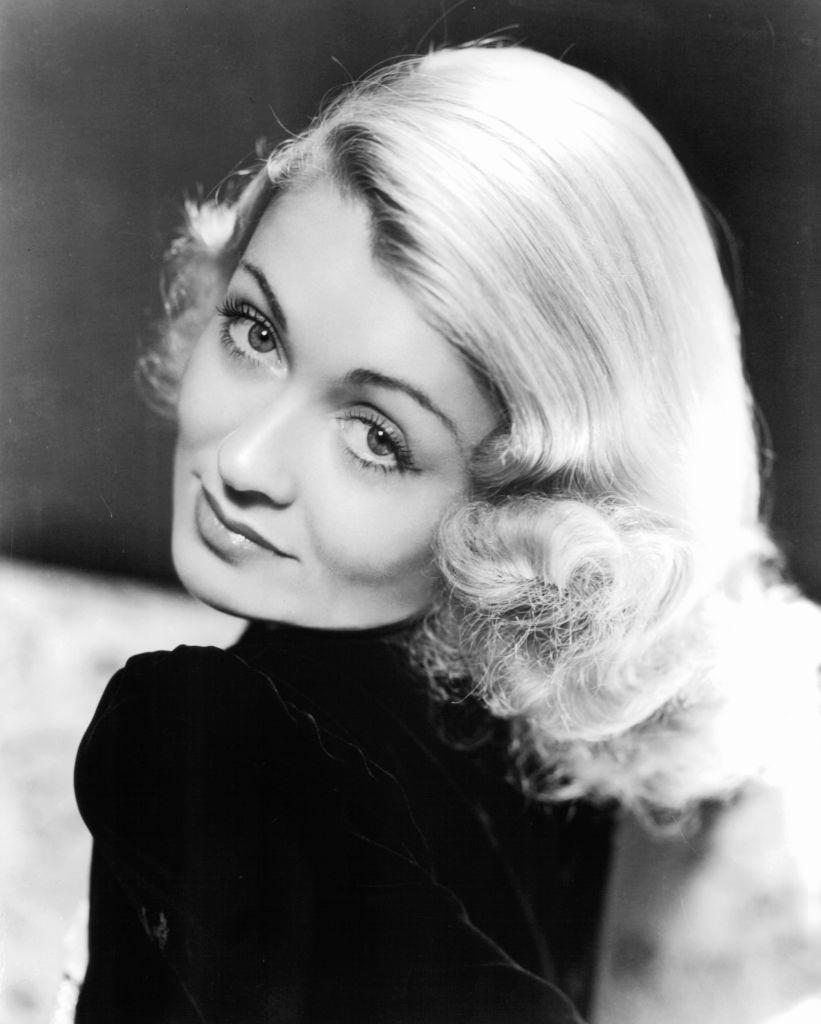
Constance Bennett was born in New York City on October 22, 1904, into a family that practically lived on stage. Her father, Richard Bennett, was a well-known actor and theatre manager. Her mother, Adrienne Morrison, was a stage and silent film actress. Both of her sisters, Joan and Barbara, also went on to work in entertainment. With that kind of upbringing, a career in Hollywood was almost inevitable.
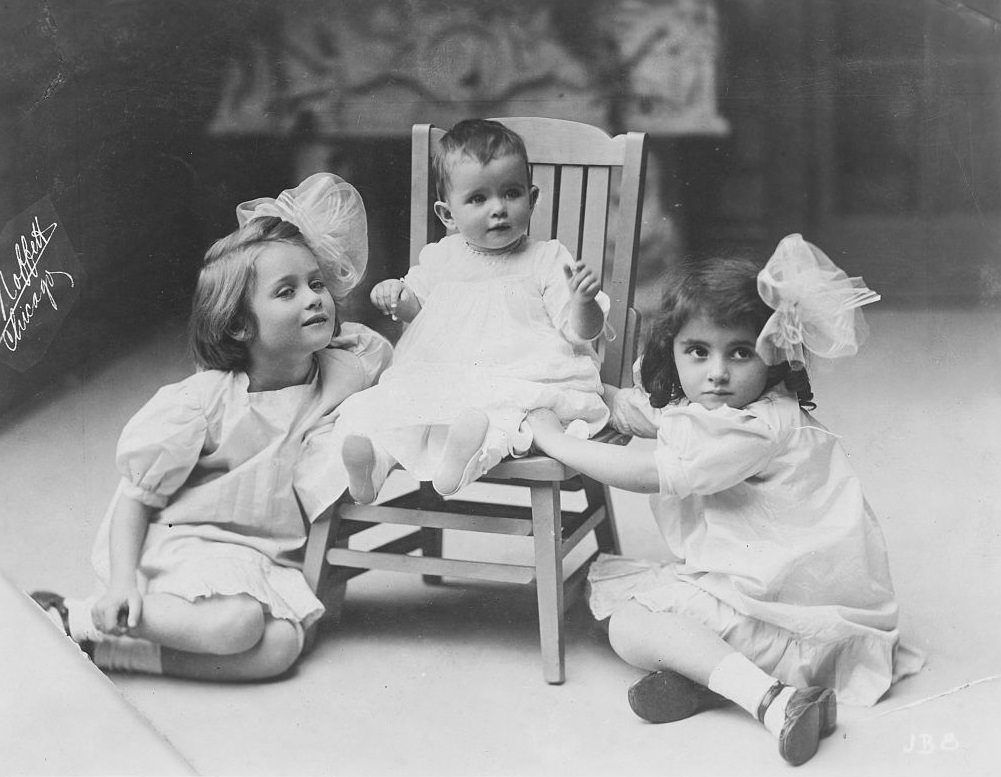
Constance took her first steps on stage, performing alongside her father in the 1923 production of “Jarnegan.” The following year, she made her screen debut in the silent film “Cytherea” — and Hollywood took notice immediately. Her striking looks and natural screen presence set her apart from the start.
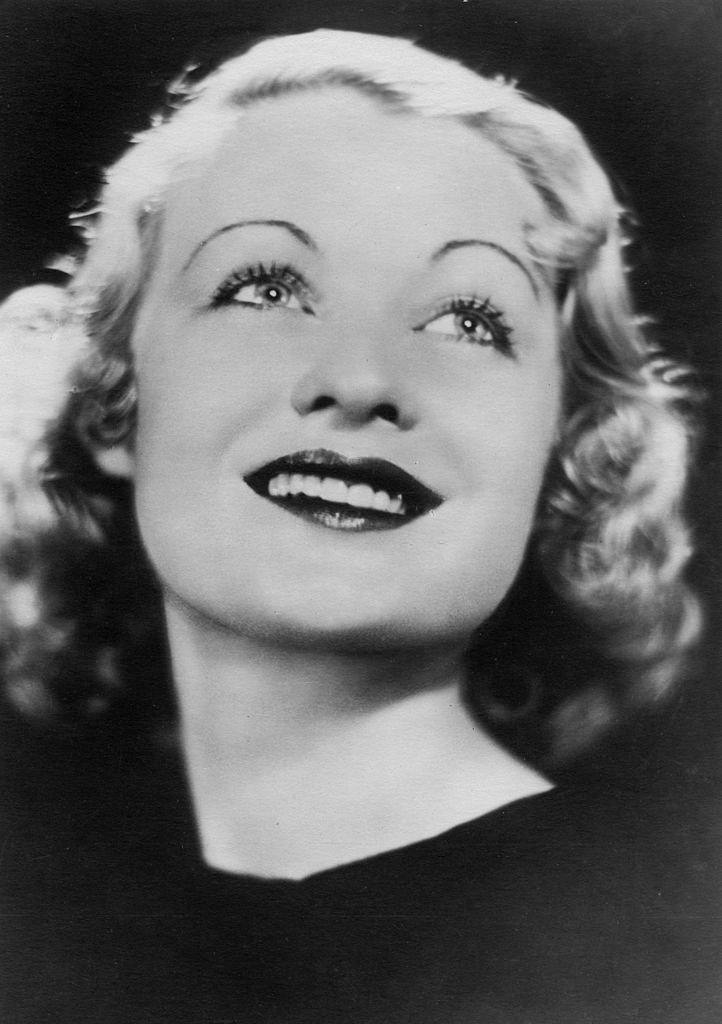
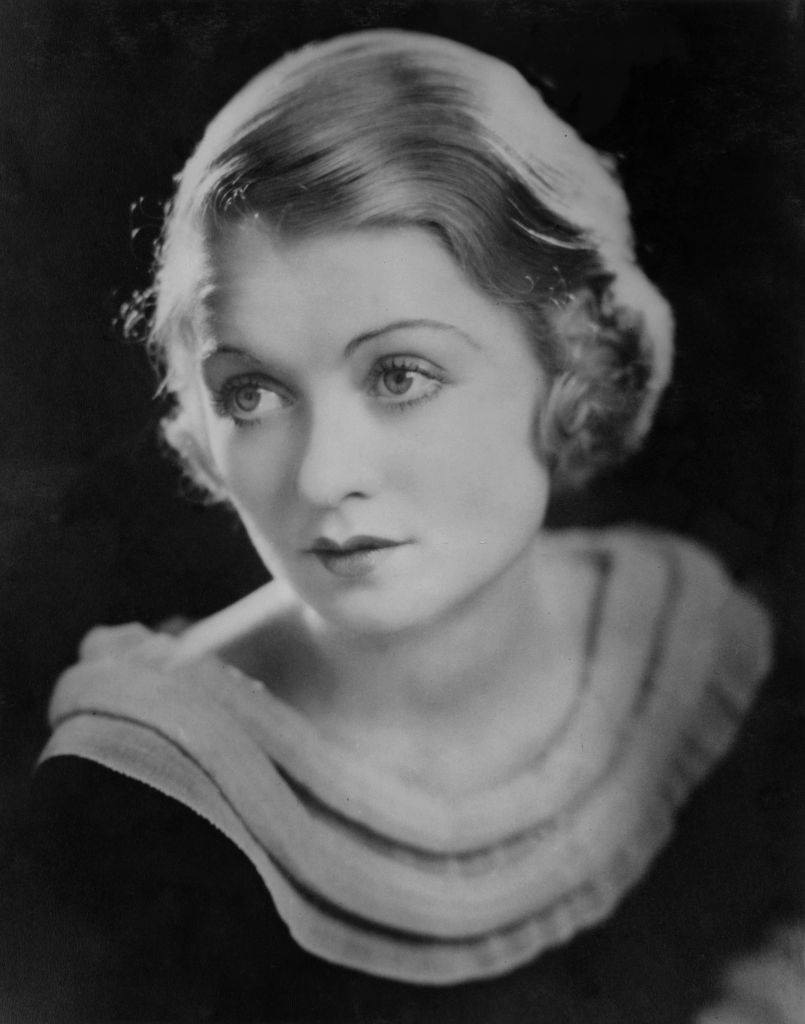
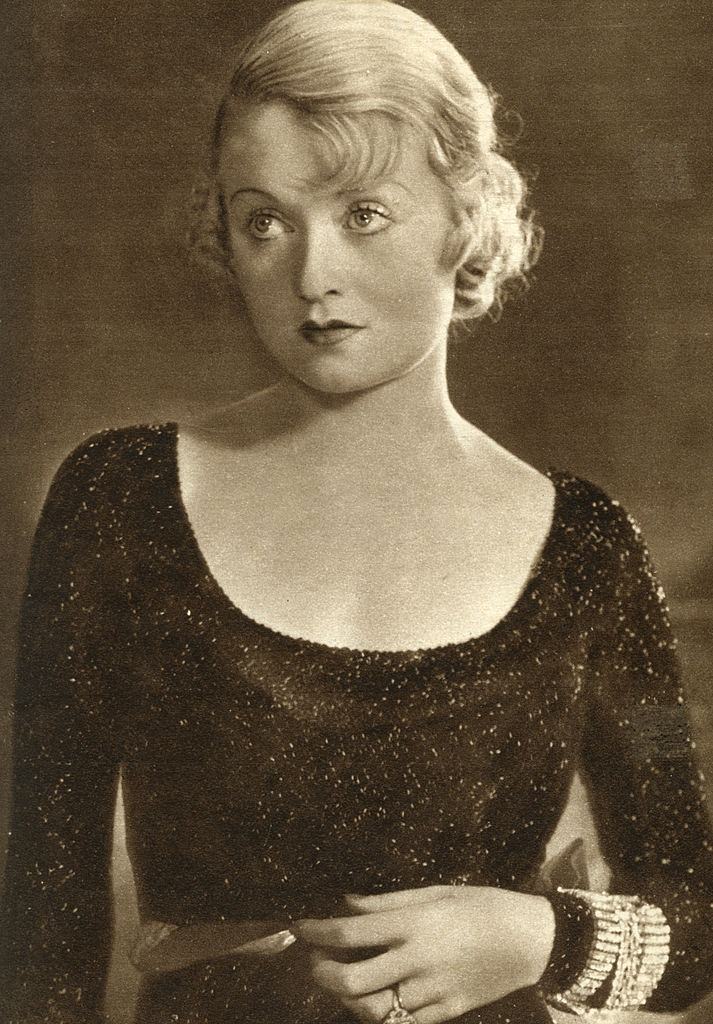
By the mid-1920s, Bennett was building a reputation as one of Hollywood’s most watchable young actresses. She appeared in films with her father and director Edmund Goulding, and her image was already gracing fashion publications like Vogue. Her style on and off screen made her as famous in fashion circles as she was in cinemas.
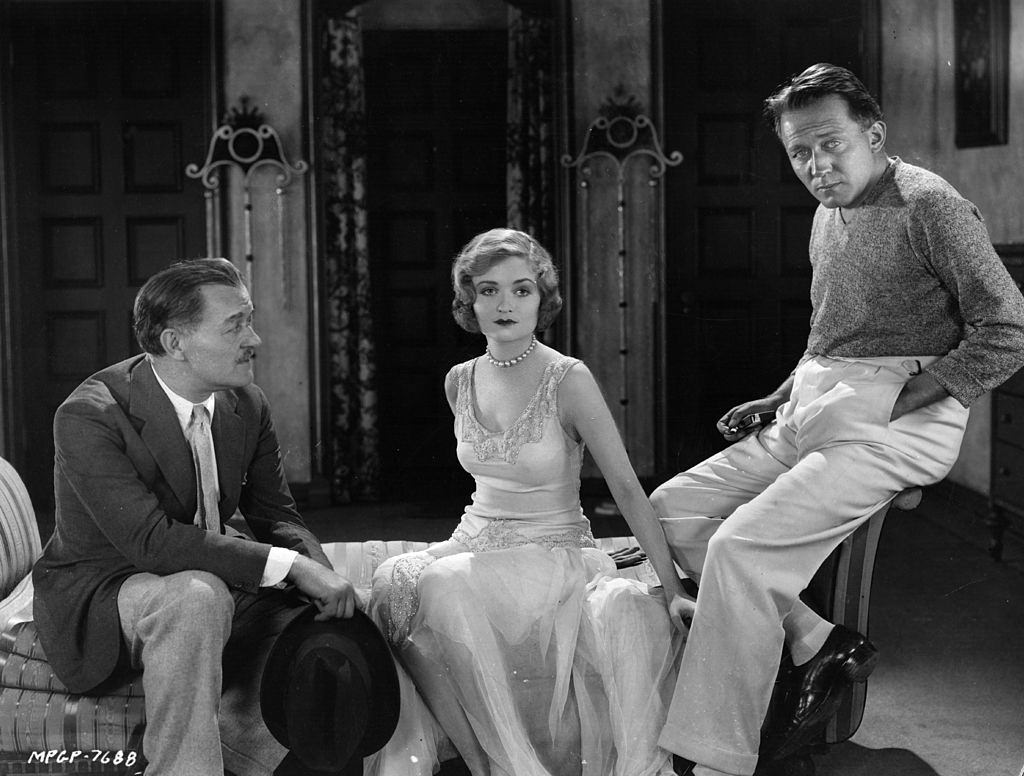
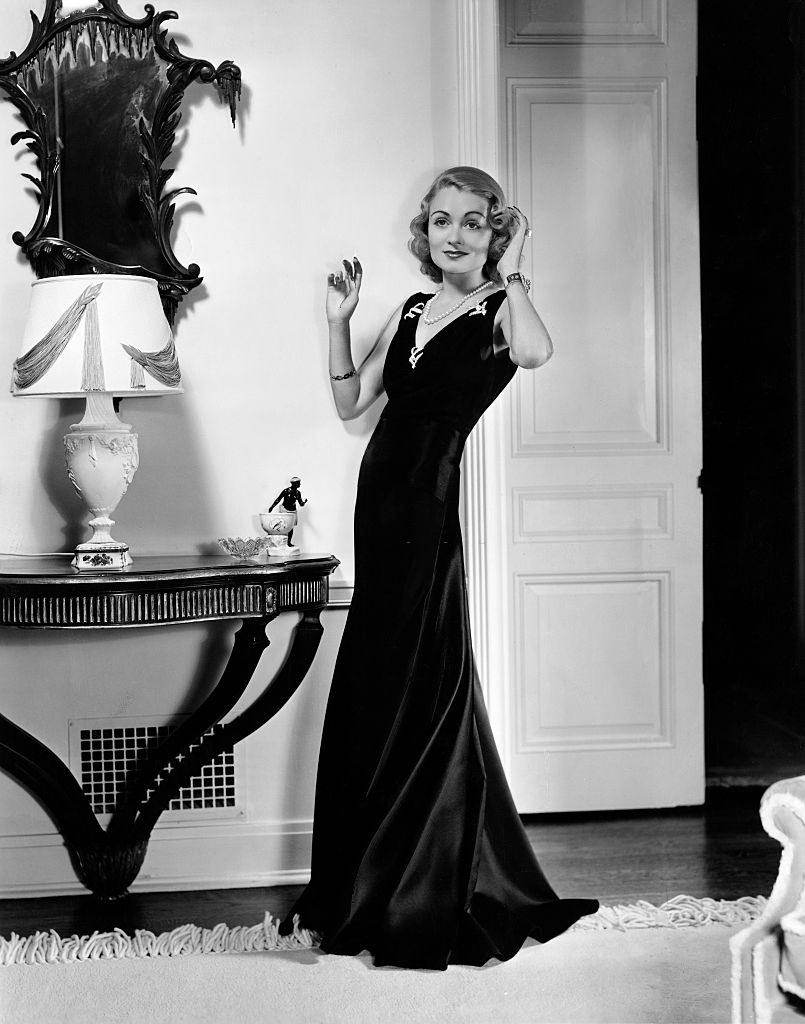
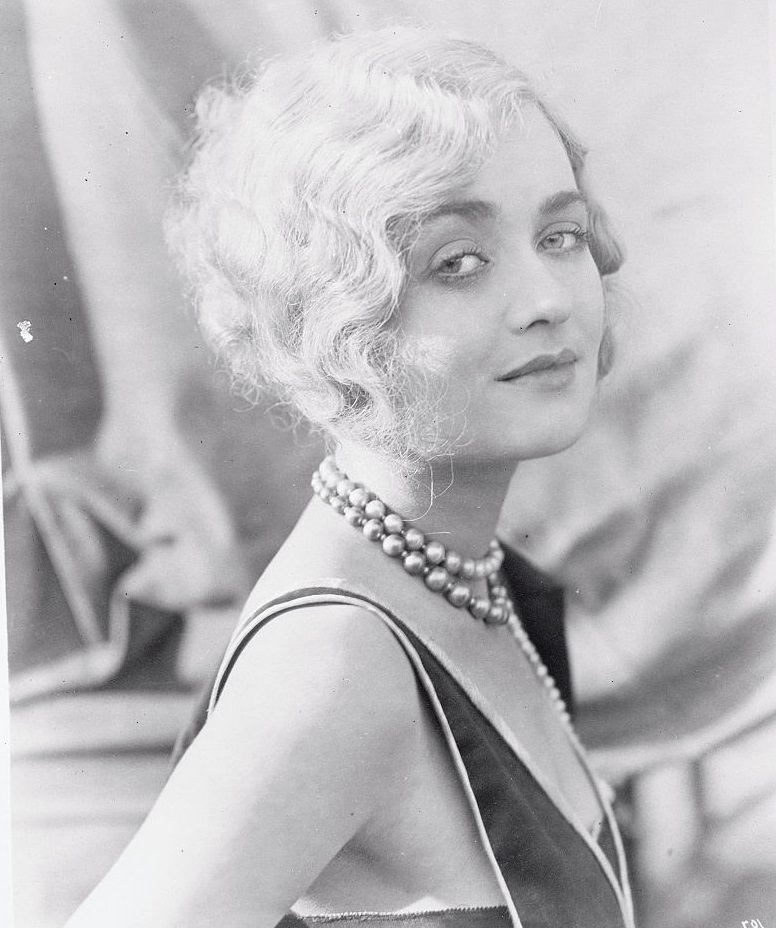
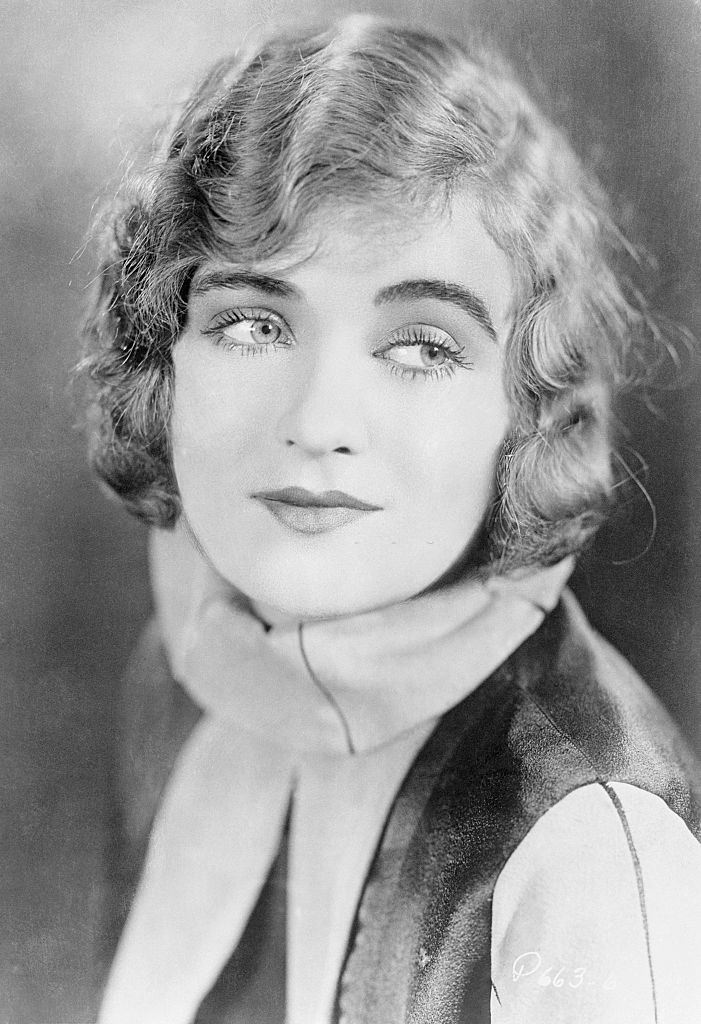
Her personal life moved quickly too. In 1925, she married Phil Plant, her second husband, though the marriage did not last. Through the late 1920s, her star continued to rise both professionally and socially, and she became a fixture in Hollywood’s elite circles.
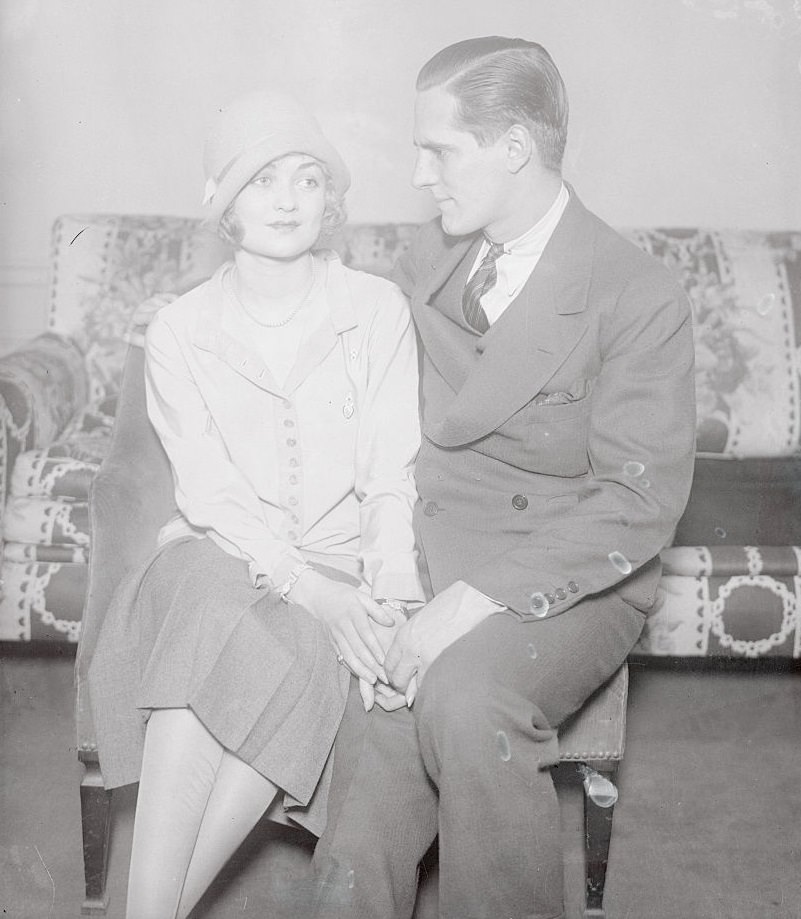
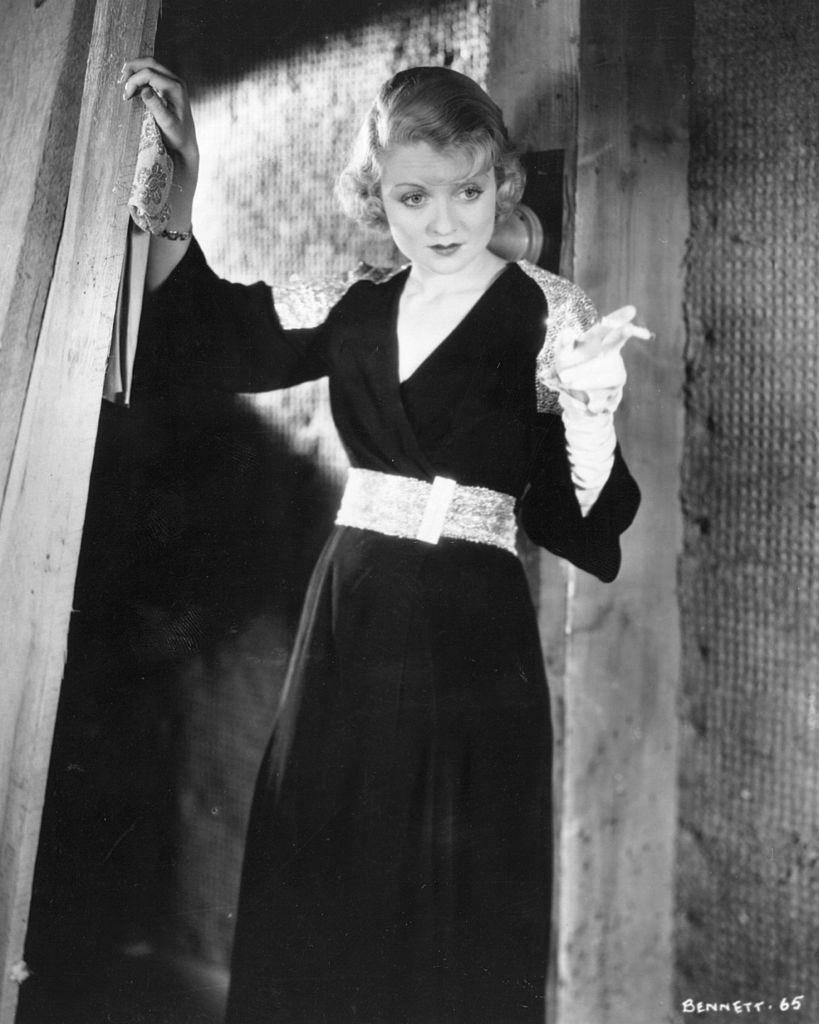
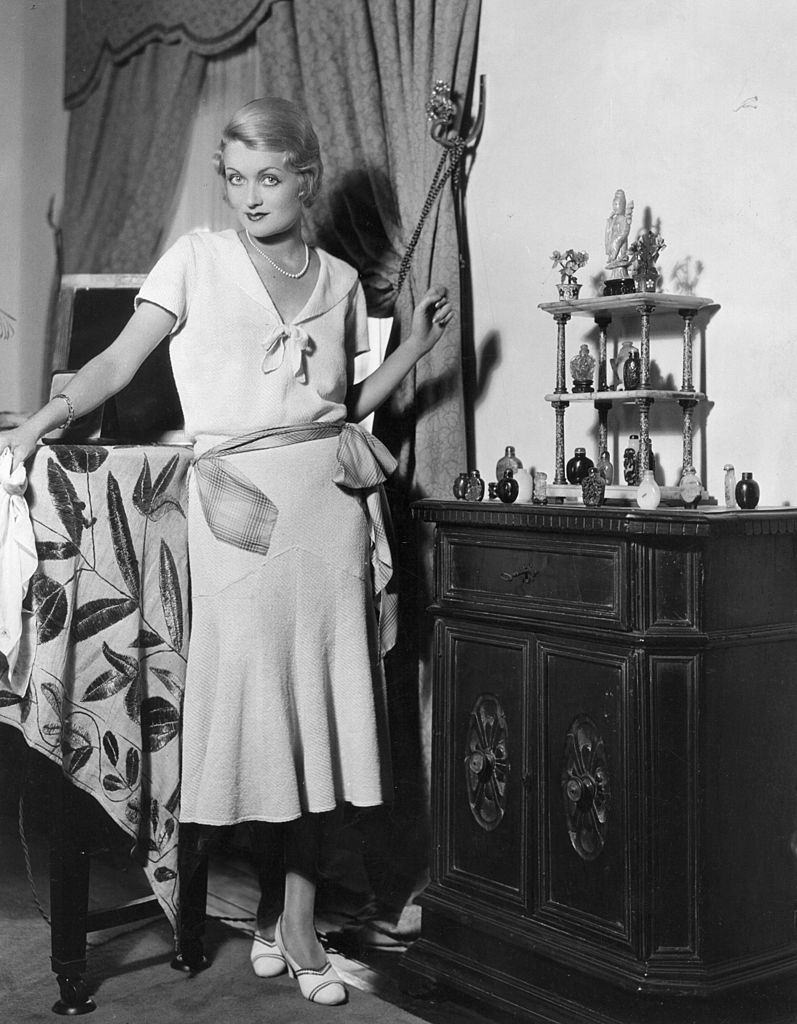
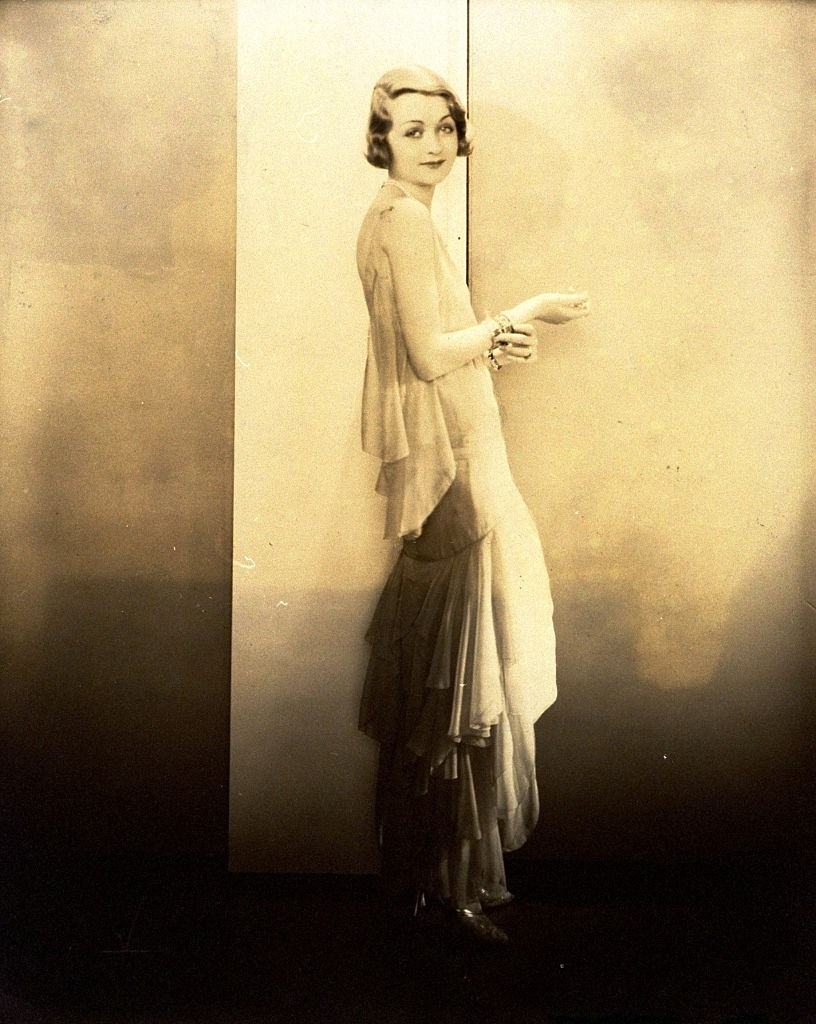
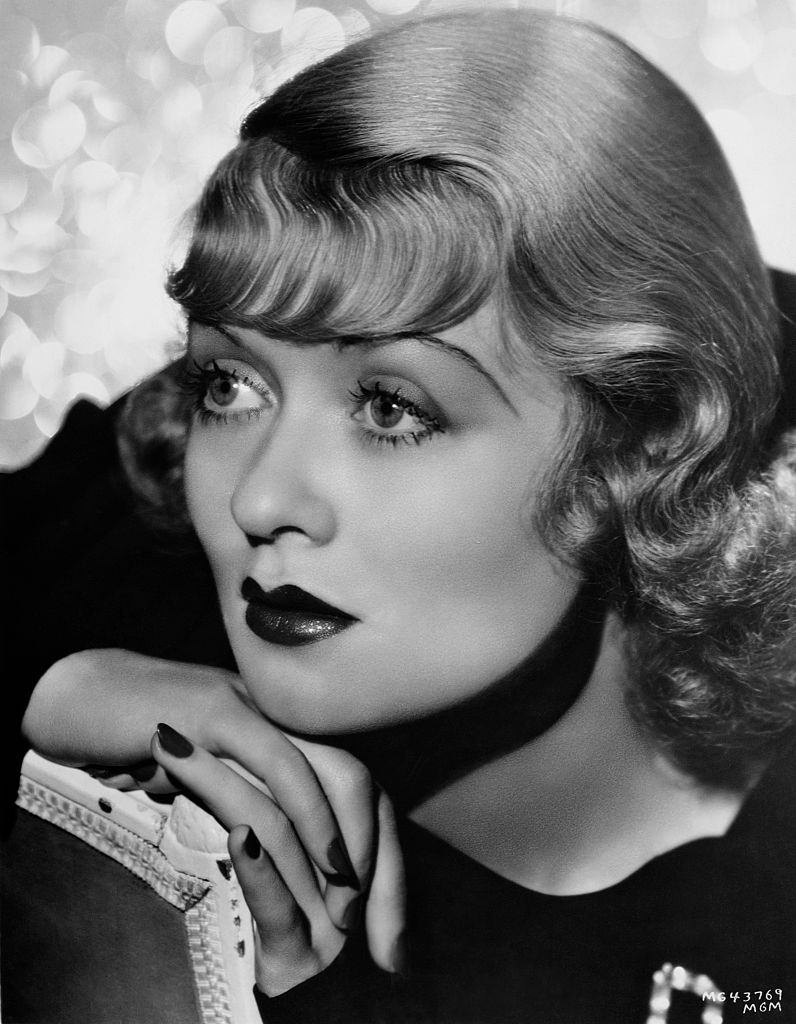
The transition from silent films to talkies was a challenge many actors failed to survive. Bennett made it look effortless. By 1930, she was starring in talking pictures alongside actors like Lew Ayres and Regis Toomey, holding her own with ease. That same year, she married French nobleman and millionaire Henri de la Falaise, the Marquis de la Falaise, adding a glamorous chapter to her already headline-filled personal life.
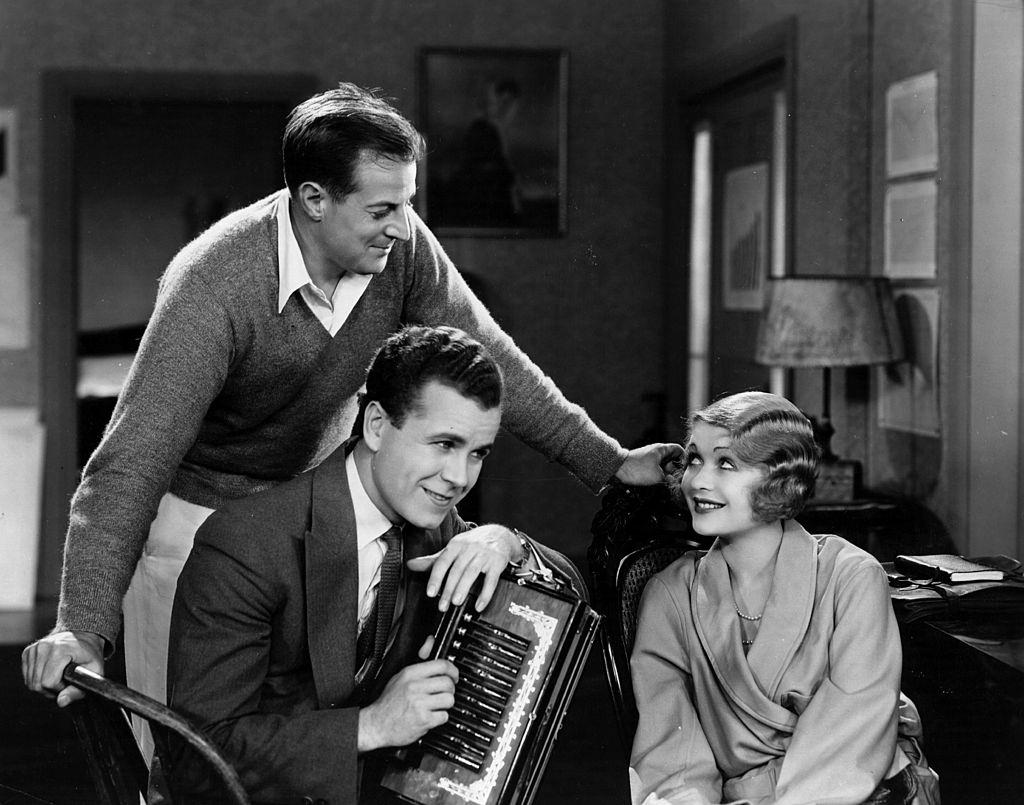
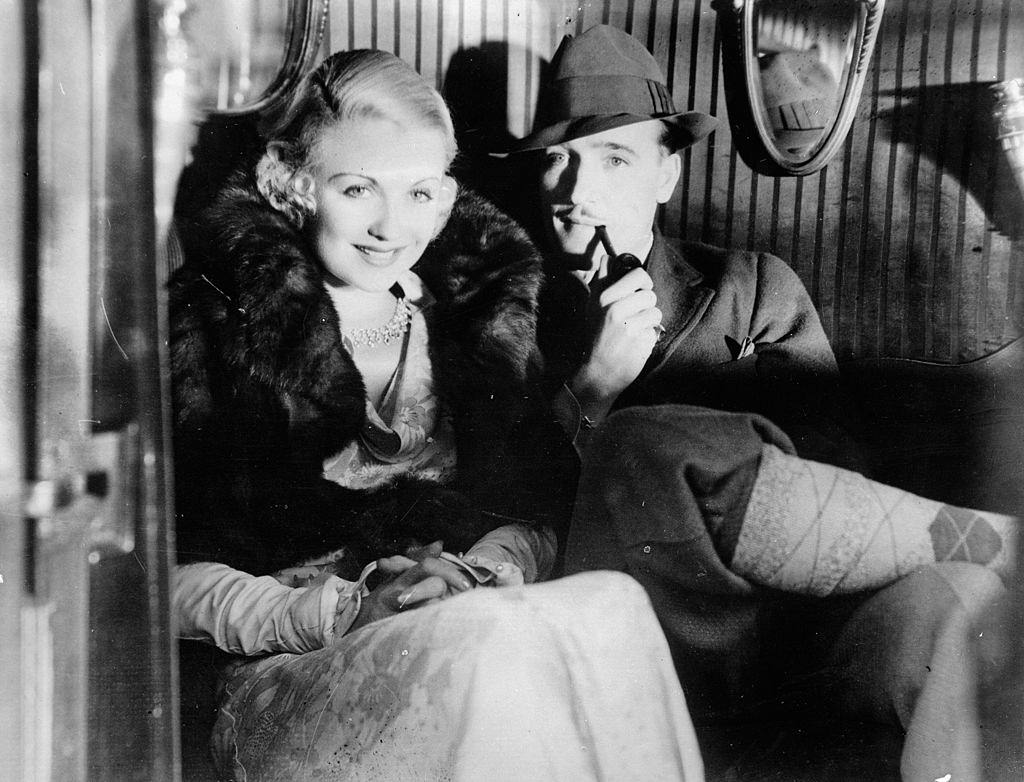
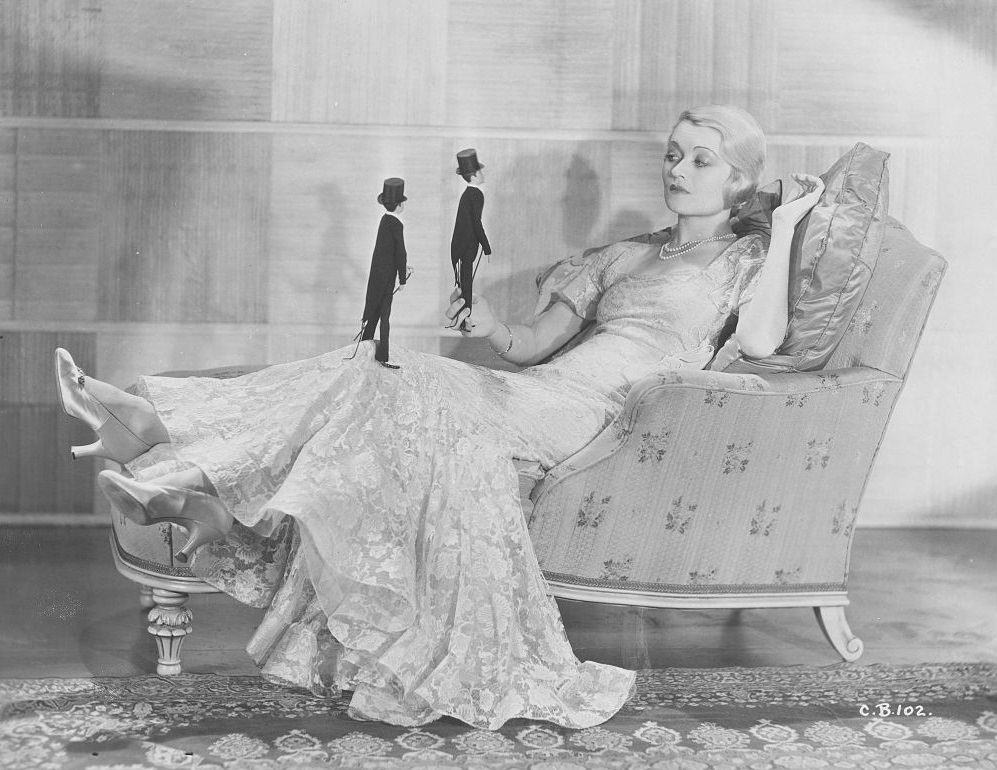
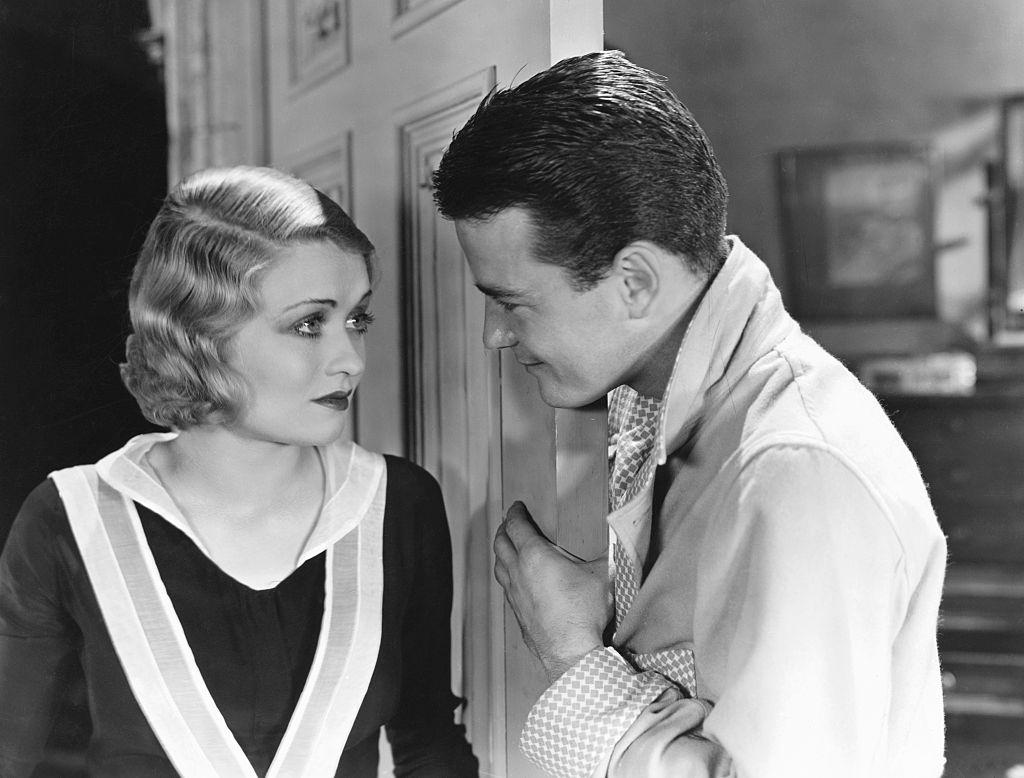
In 1931, Bennett delivered a strong performance alongside Joel McCrea in “Born to Love,” a romantic drama that earned her critical praise. That same year, she appeared with Clark Gable in “The Easiest Way,” further cementing her status as one of the era’s top leading ladies.
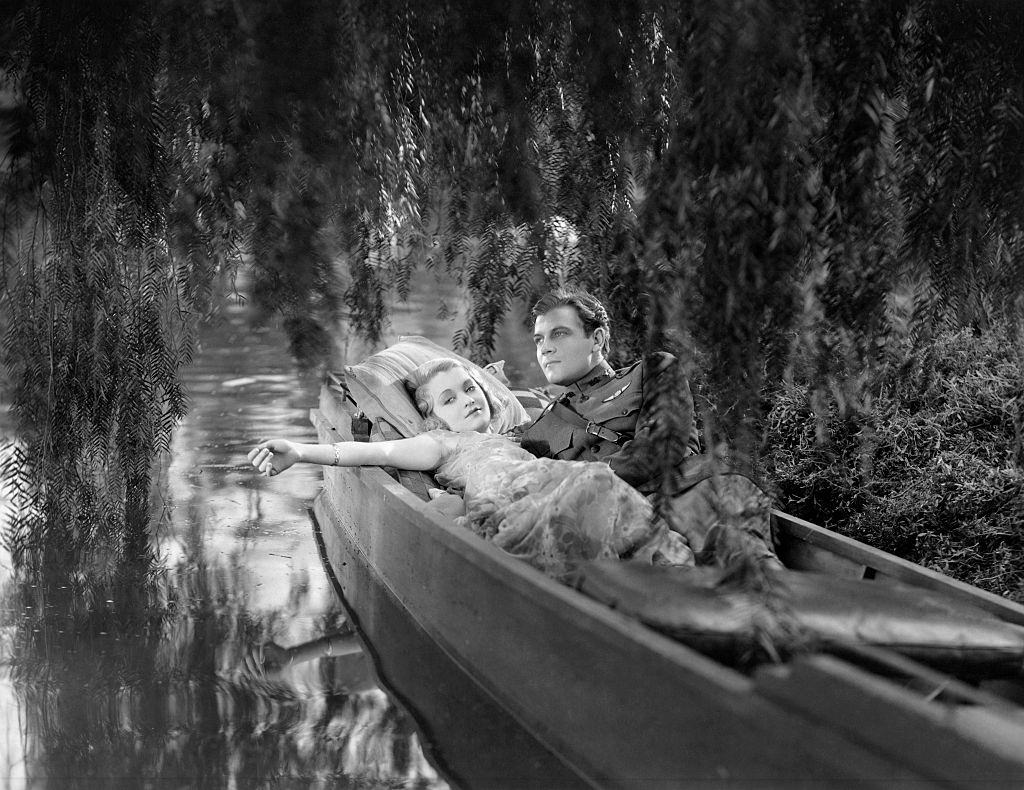
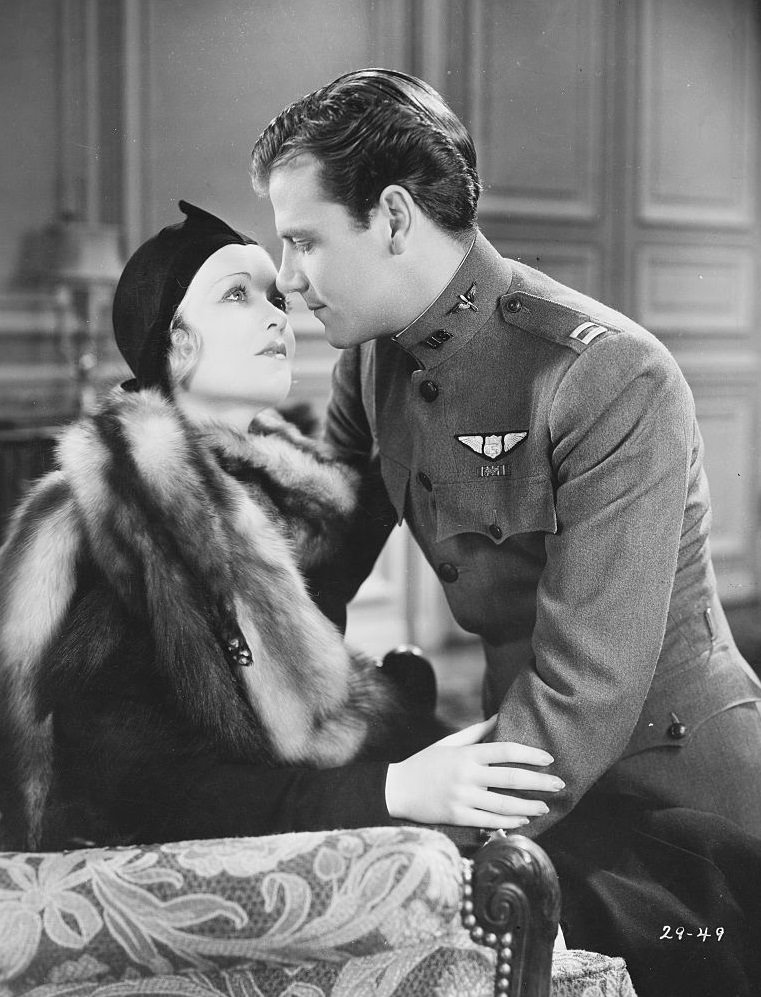
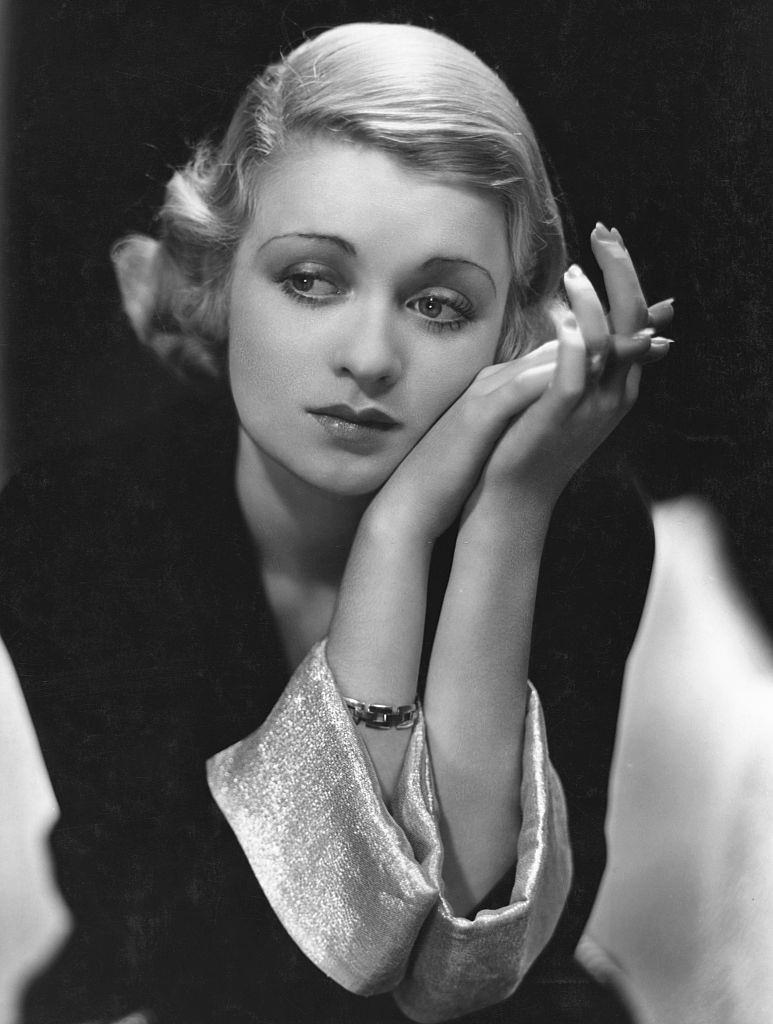
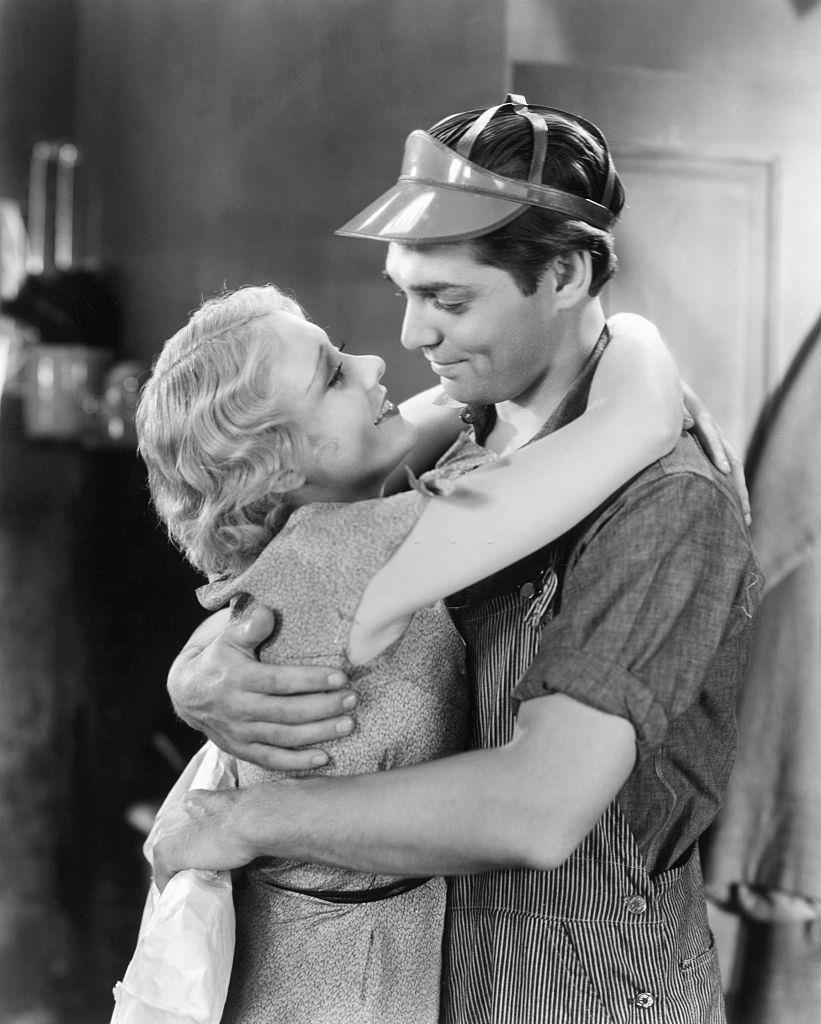
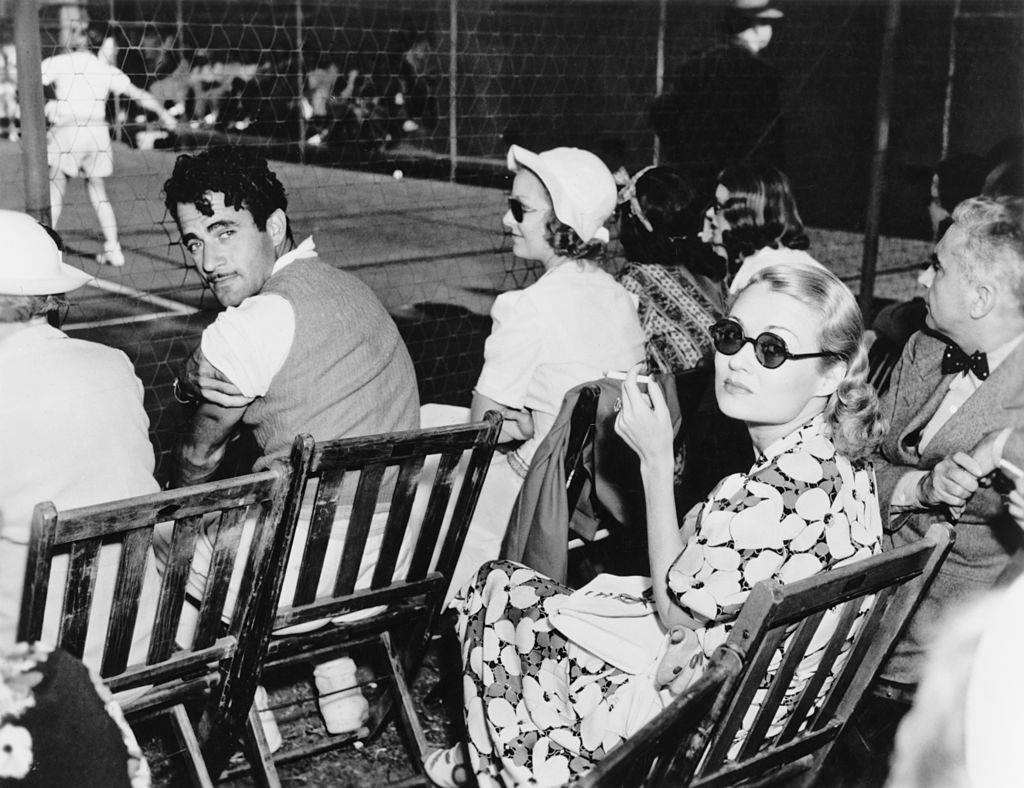
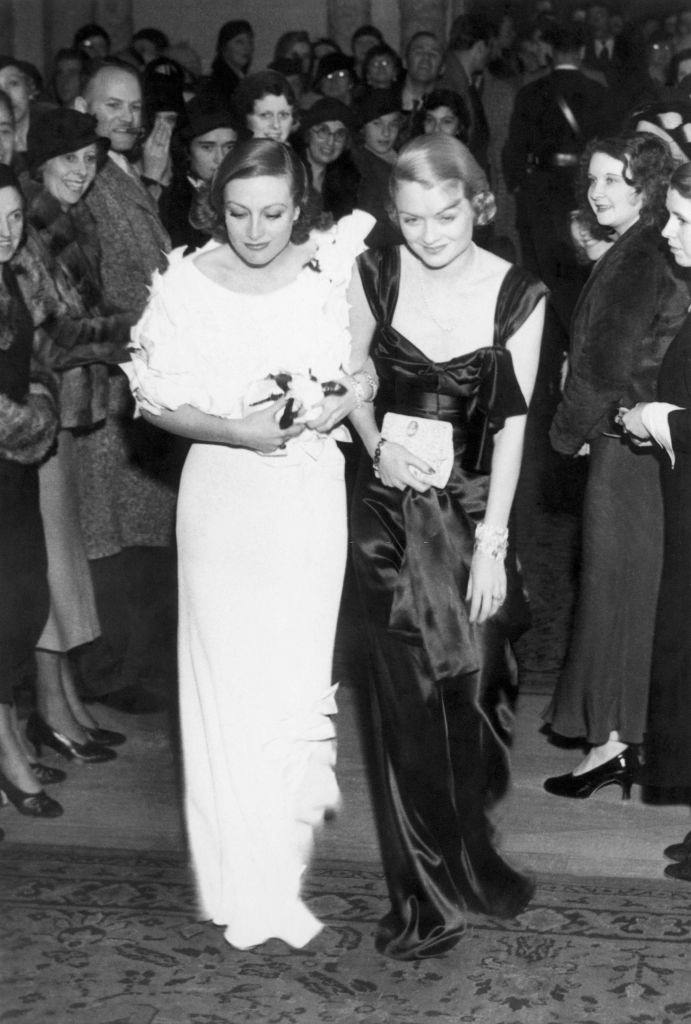
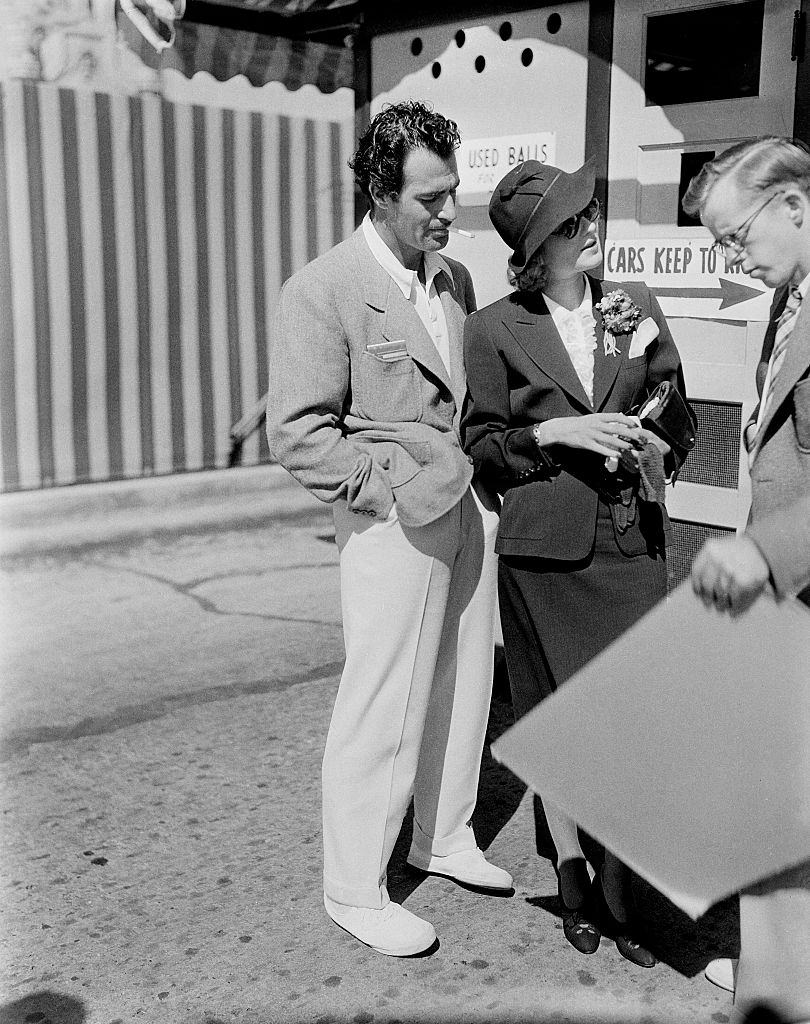
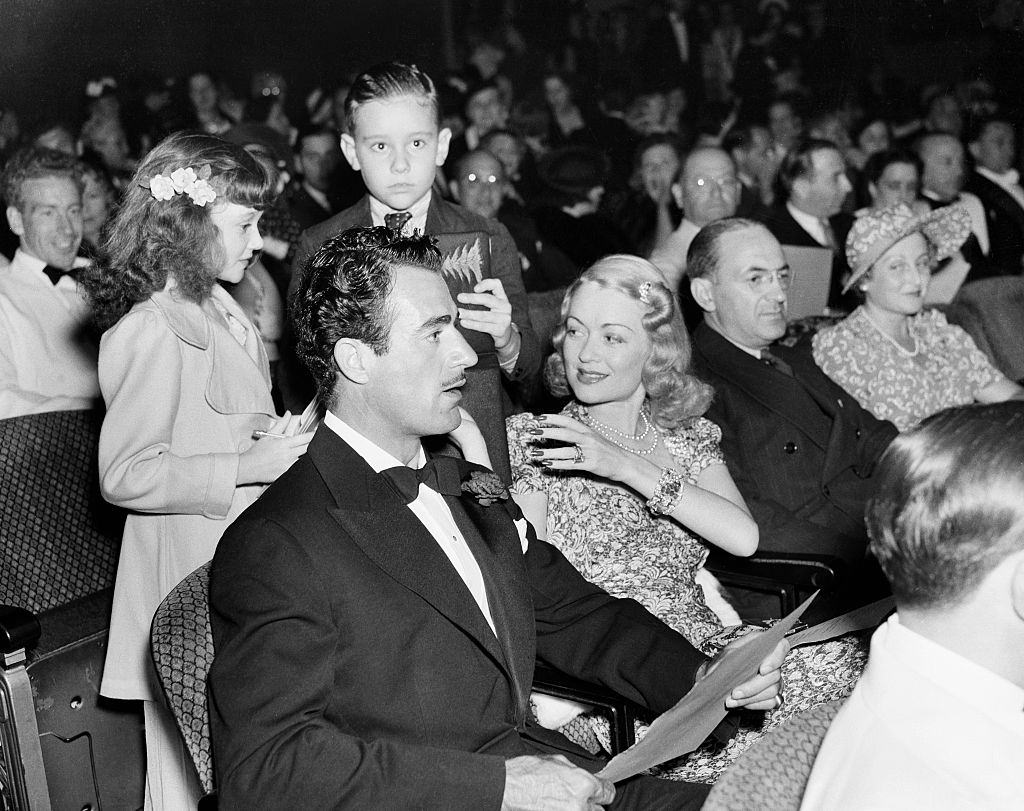
The pre-Code era of Hollywood — when films operated before the strict enforcement of the Hays Code — was where Bennett truly flourished. In 1932, she starred in “What Price Hollywood?,” playing a glamorous and ambitious actress whose rise and fall gripped audiences. The role defined her decade. She also began socializing closely with Gilbert Roland, a Mexican leading man she would later marry. Her friendship with Joan Crawford put her at the center of Hollywood’s social elite.
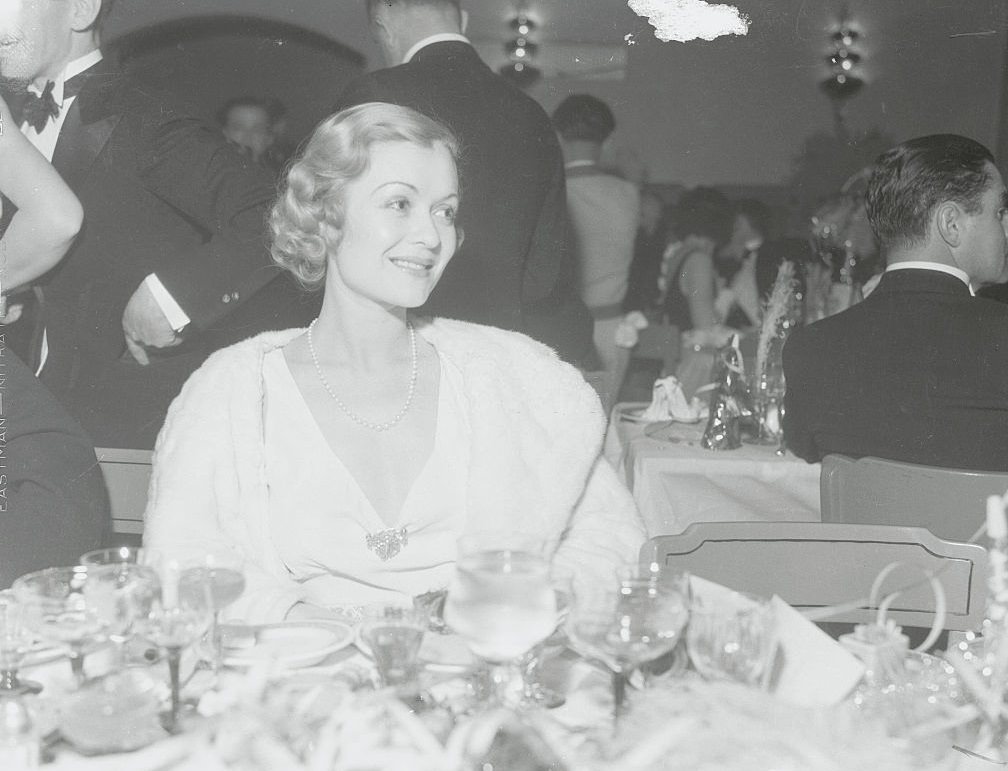
1934 was a busy year on screen. Bennett starred in “Moulin Rouge” and appeared alongside Fredric March in “The Affairs of Cellini.” Her wardrobe in these films made her a constant reference point for 1930s Hollywood glamour, and her Vogue appearances kept her as much a fashion figure as a film star.
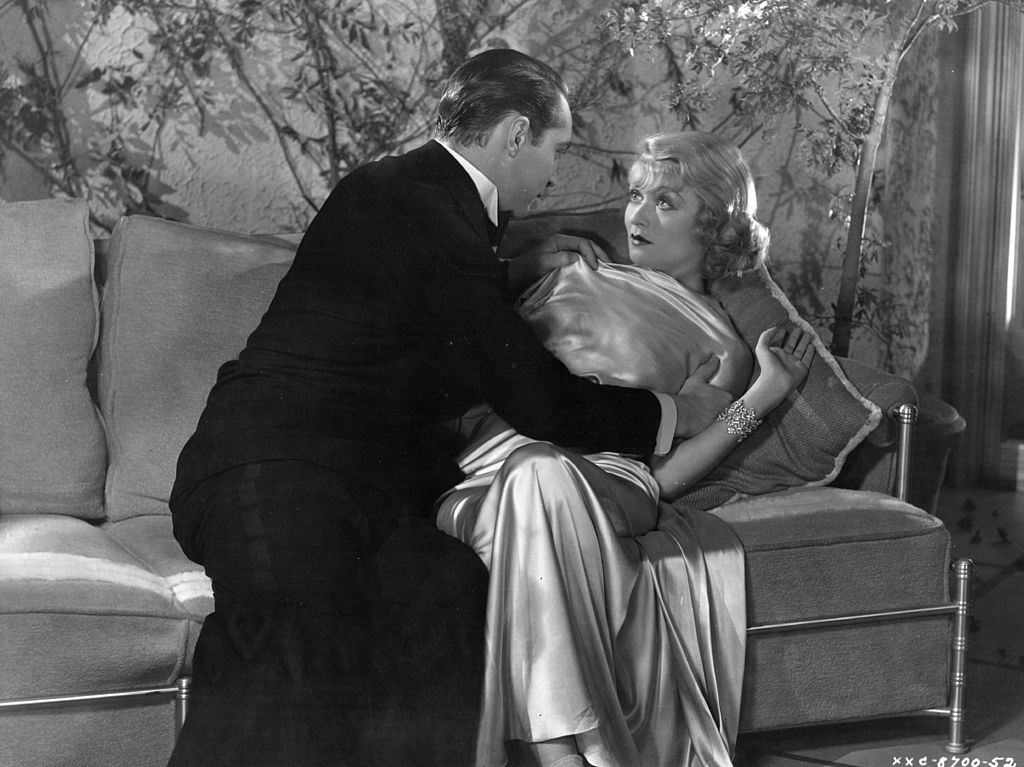
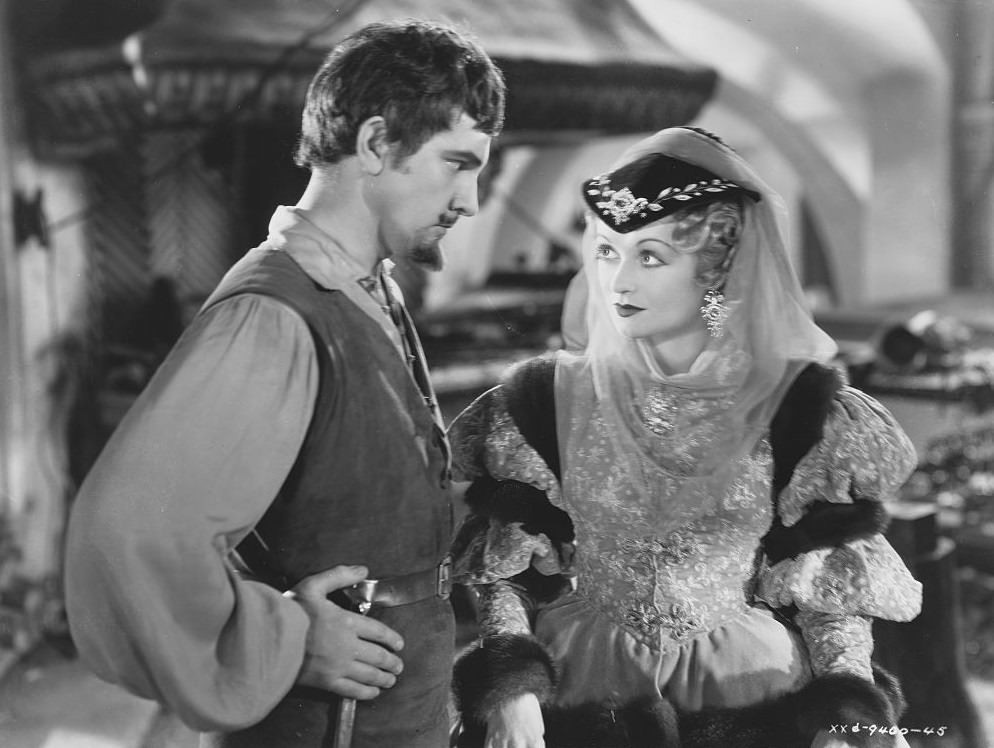
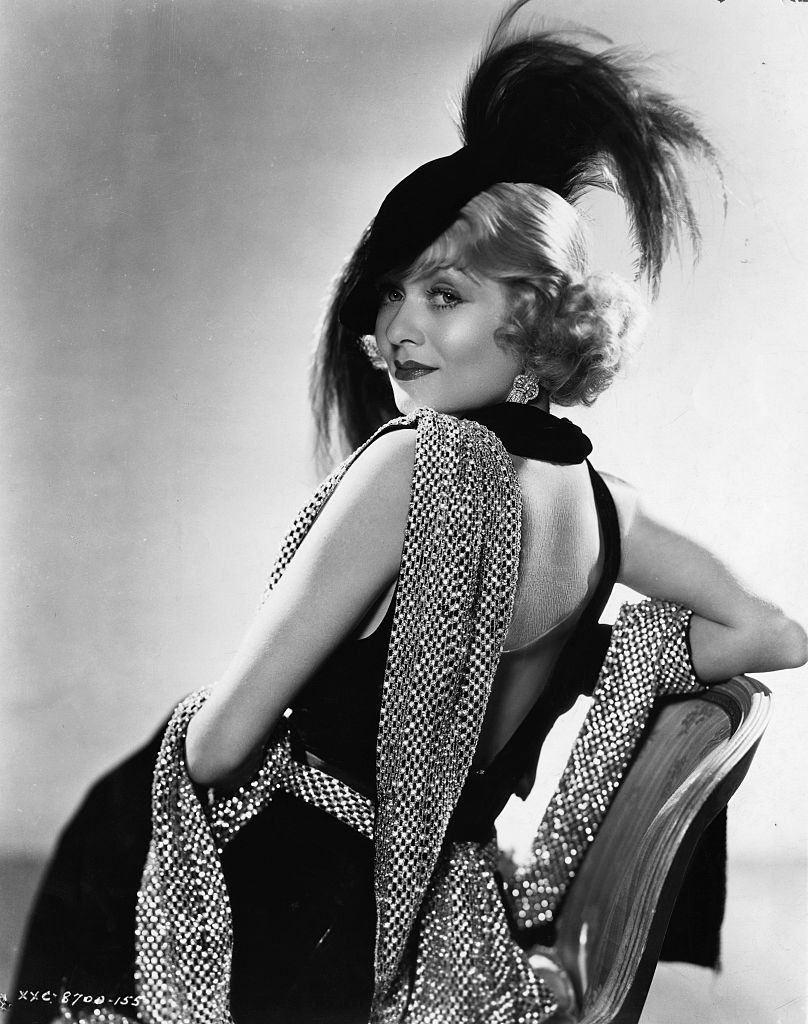
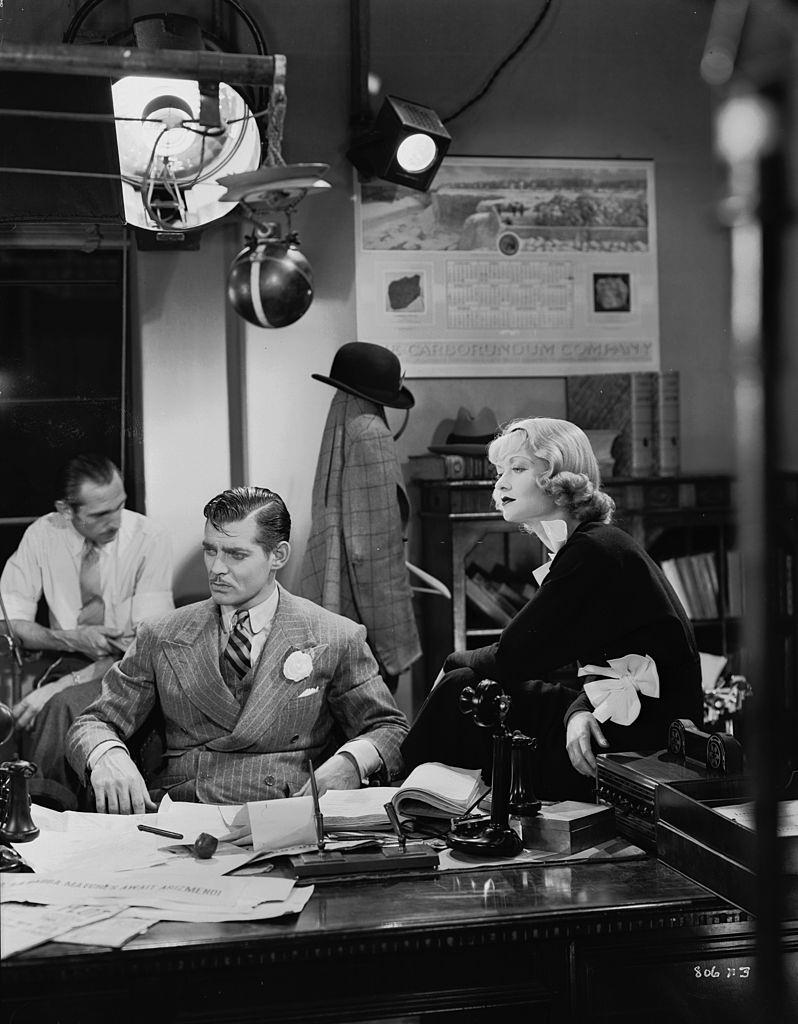
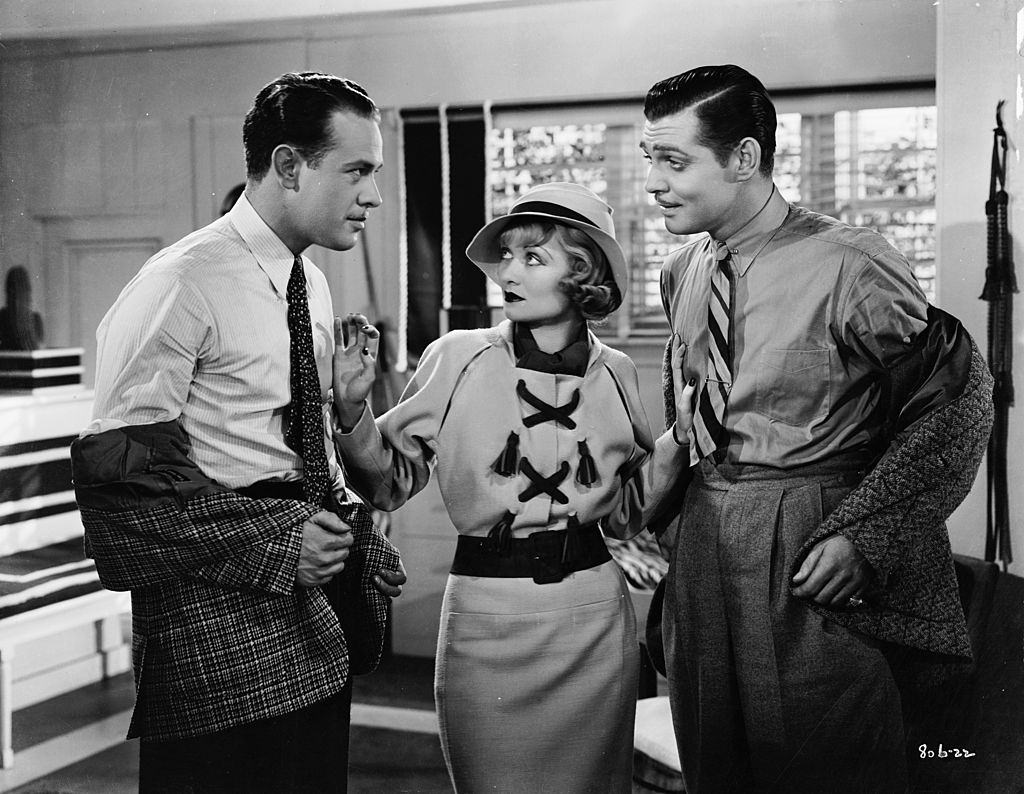
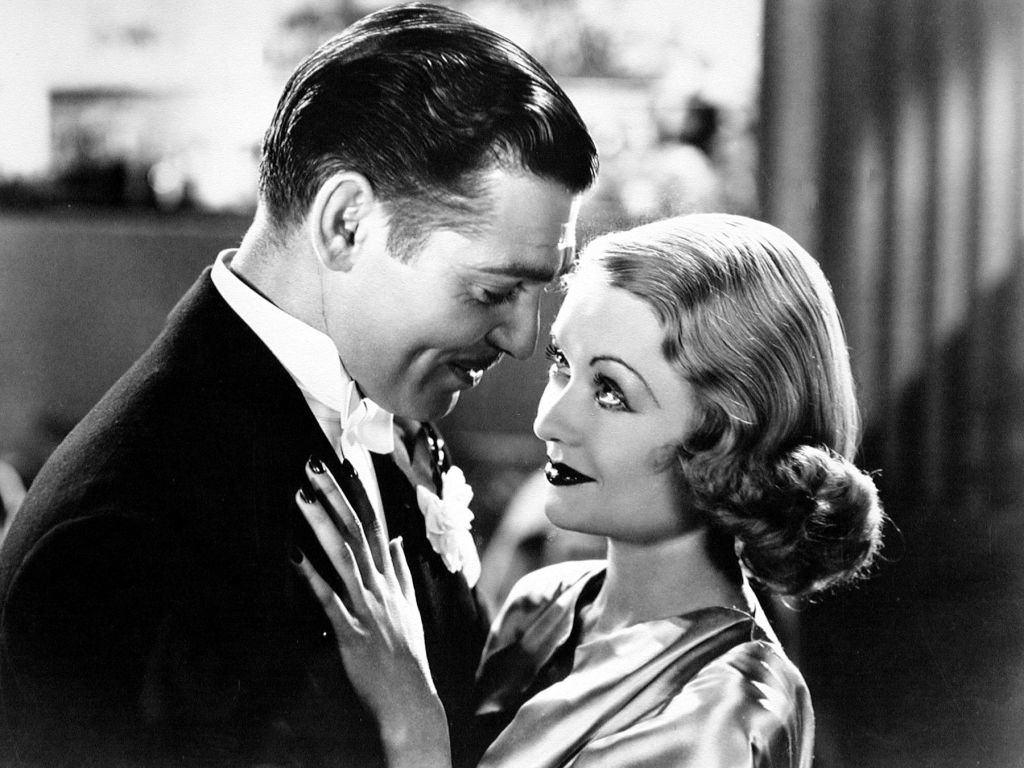
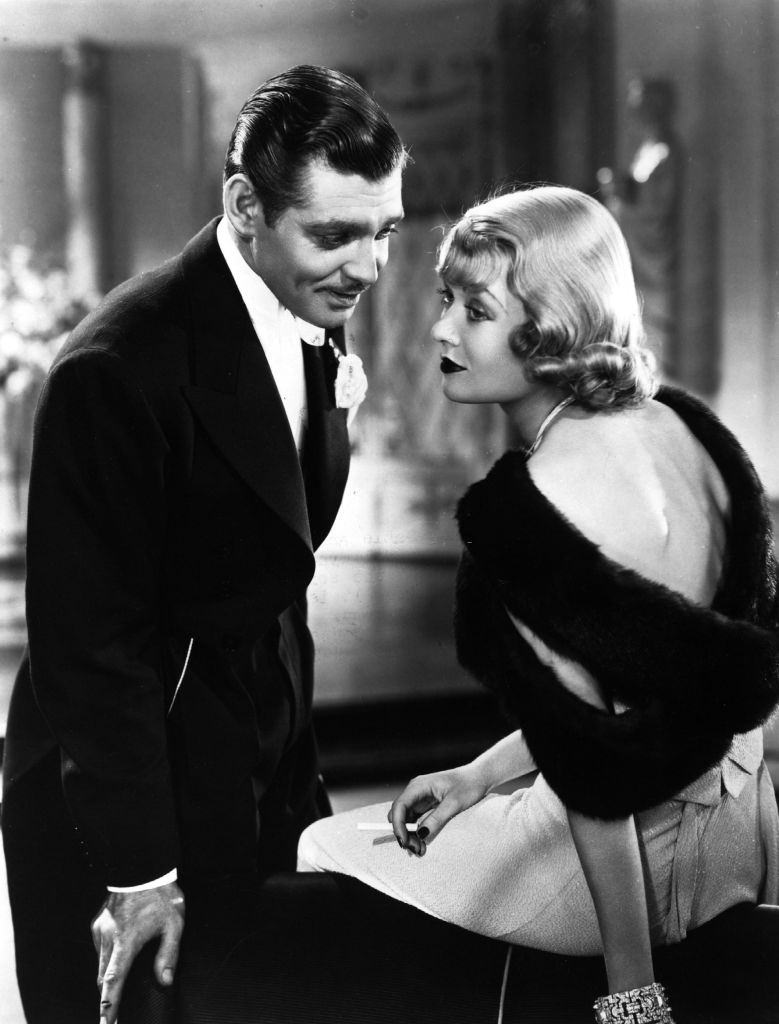
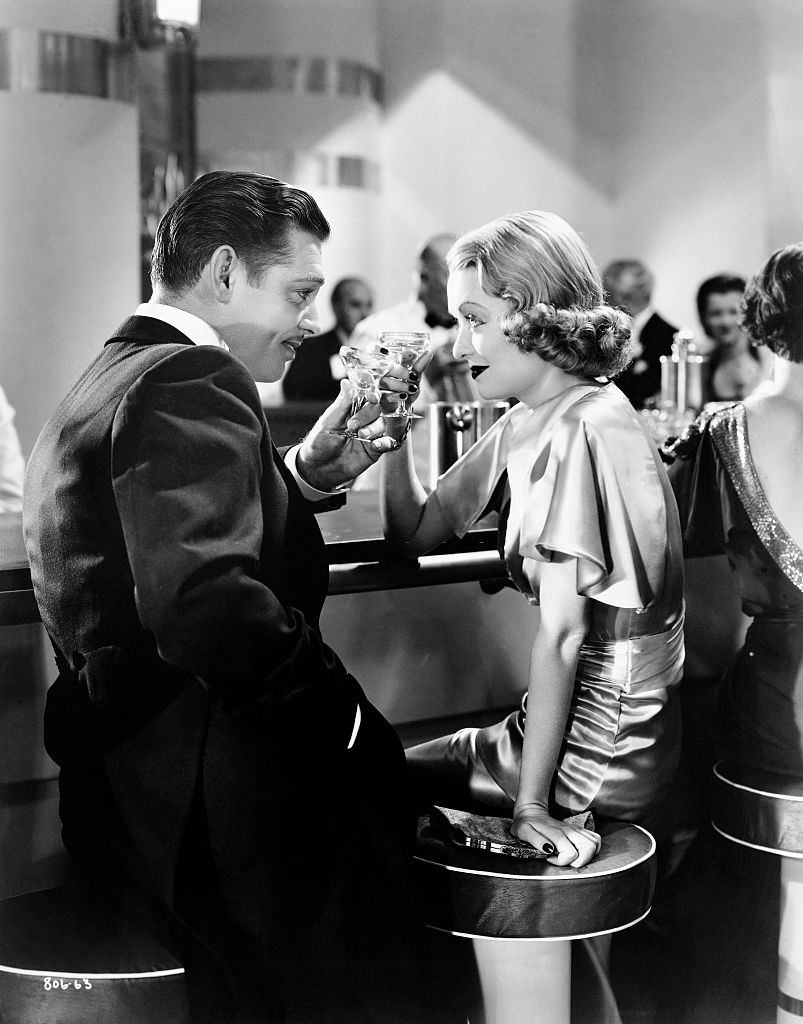
Her collaboration with Clark Gable in the 1935 comedy “After Office Hours” was one of her most commercially successful pairings. The film showed Bennett’s sharp comedic timing alongside one of Hollywood’s biggest male stars. On screen and in studio publicity shots, the two had genuine chemistry.
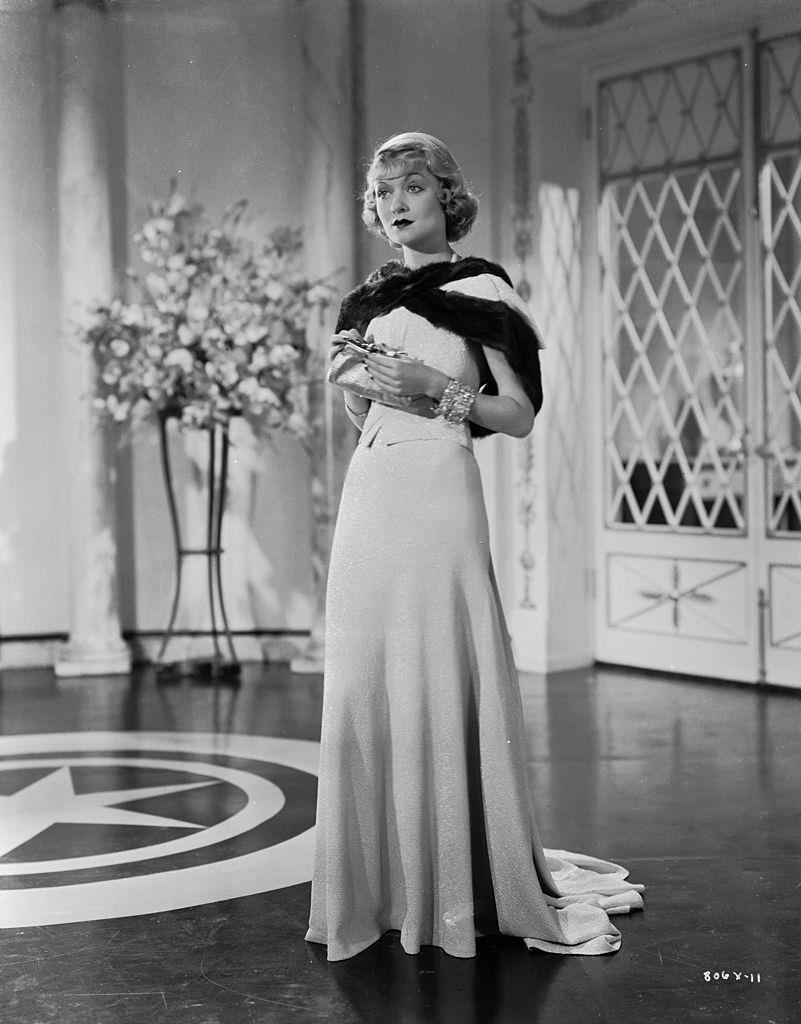
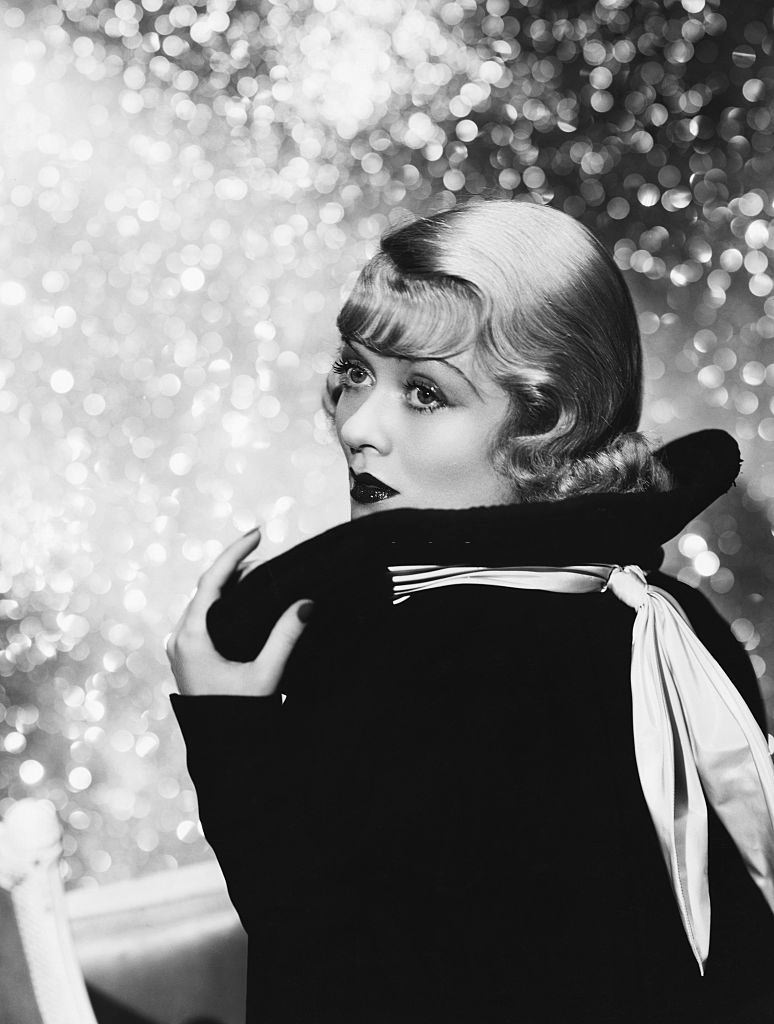
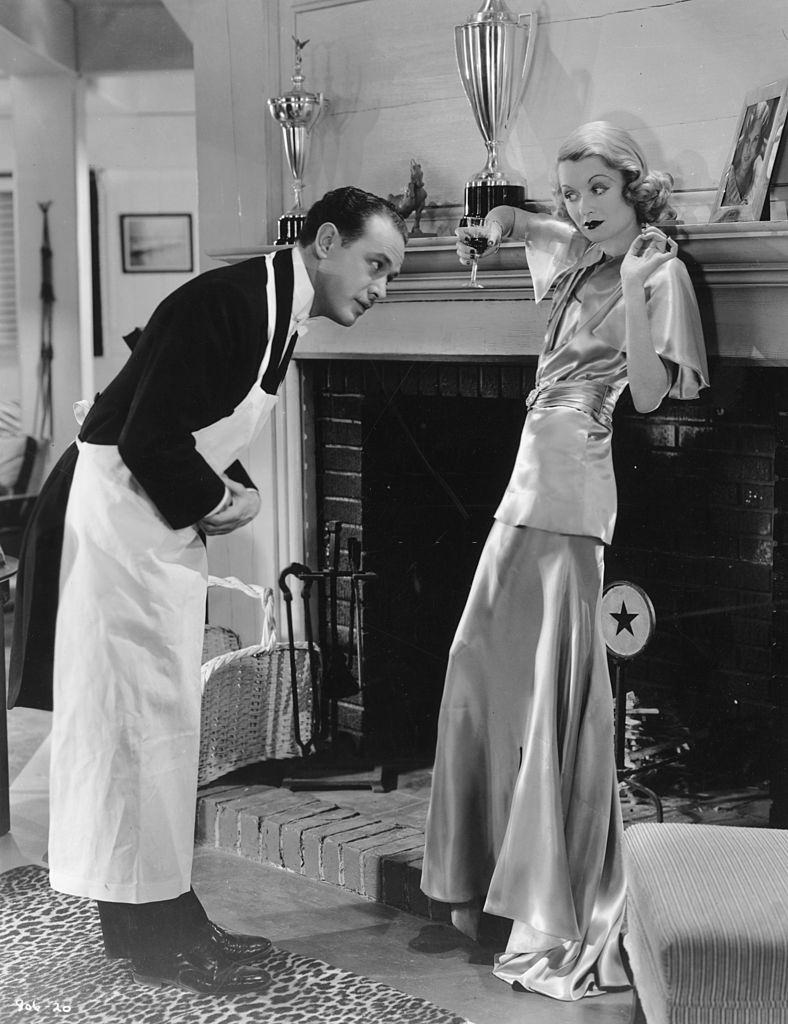
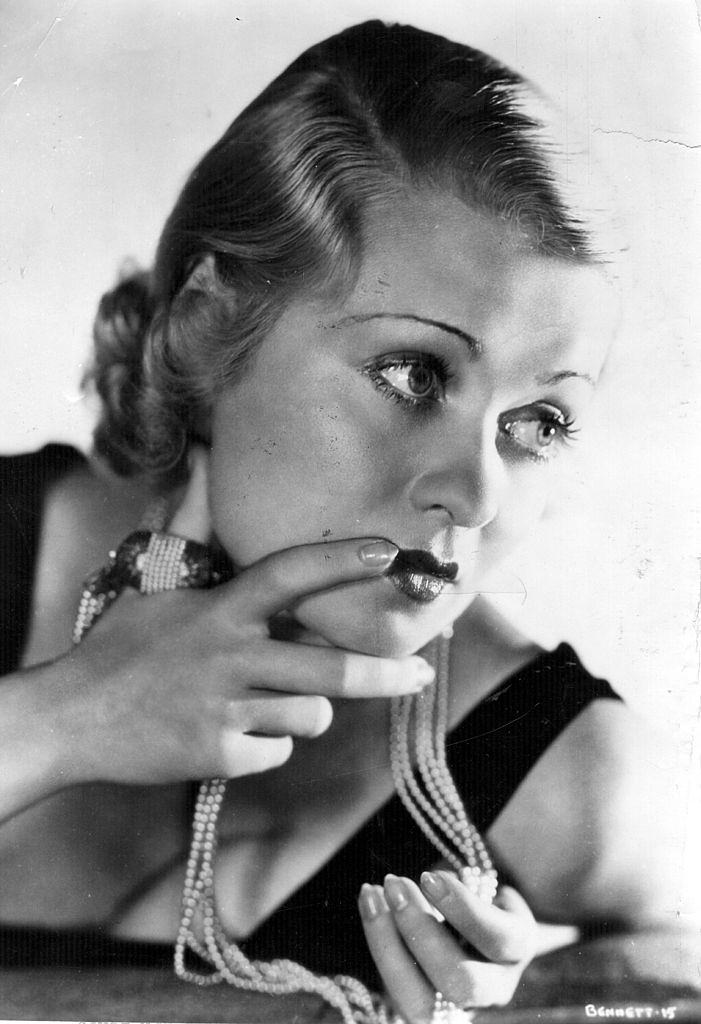
By 1936, Bennett appeared in “Everything Is Thunder” with Douglass Montgomery, a wartime thriller that showed a different side of her range. Her fashion profile remained as high as ever, with Vogue featuring her in a long gray pleated chiffon dress and cape that same year.
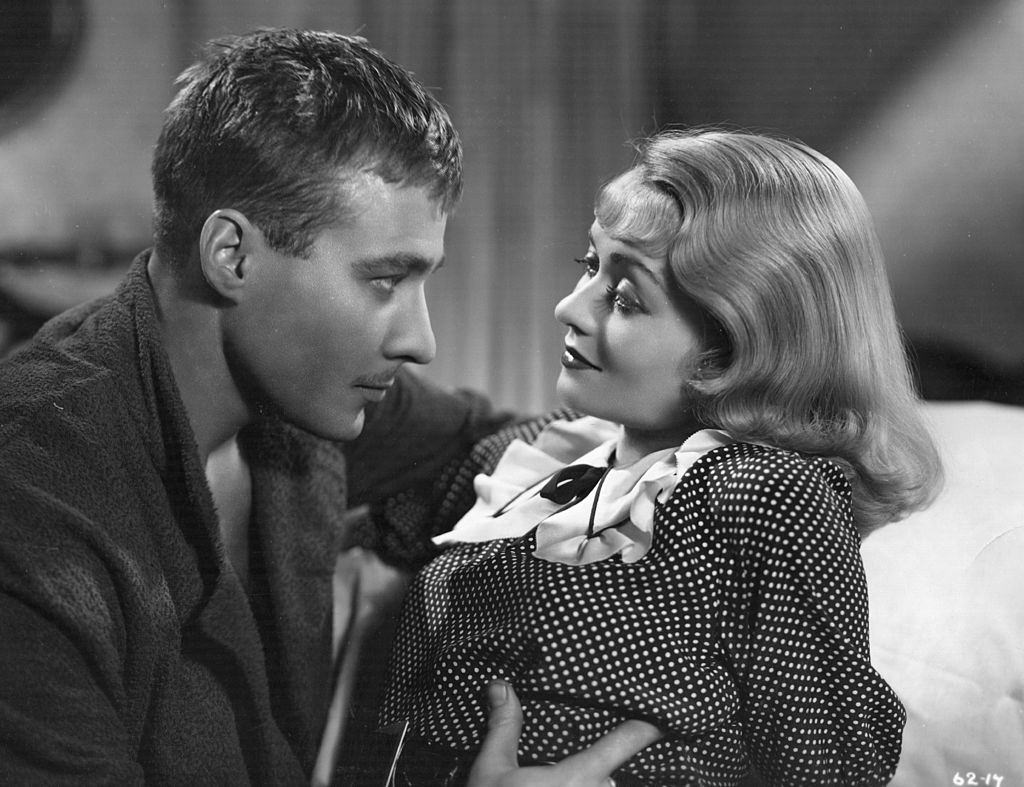
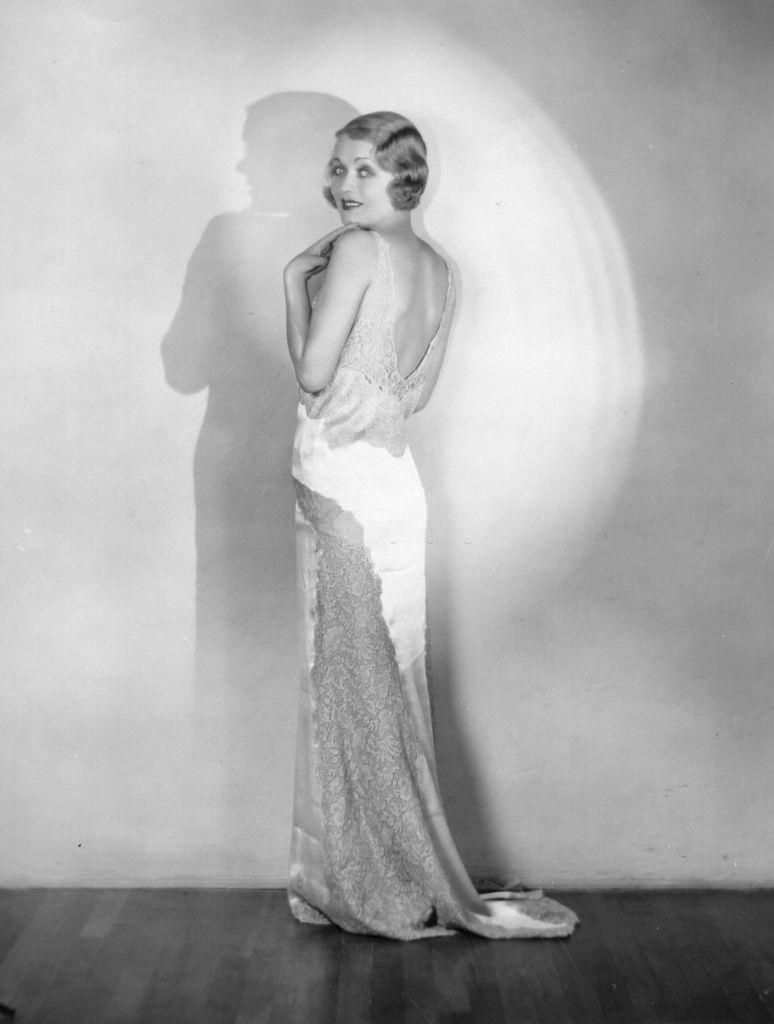
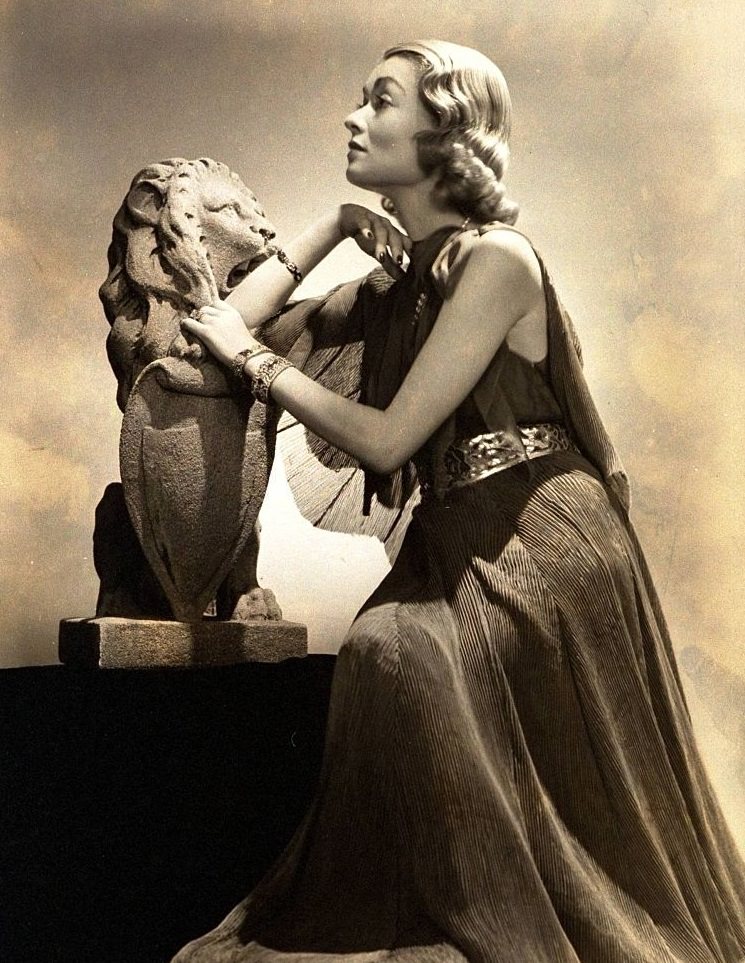
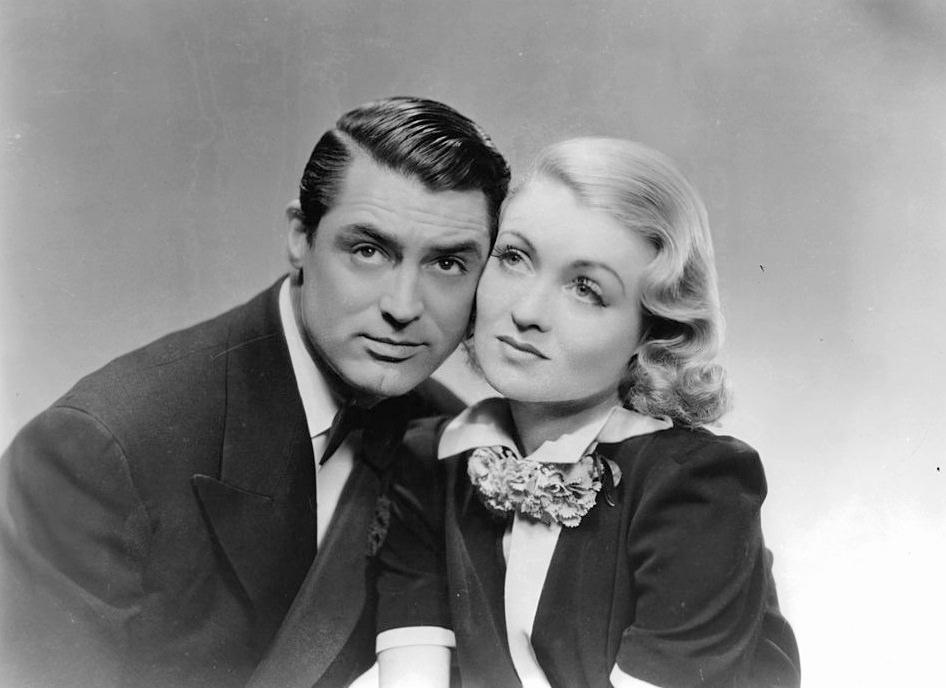
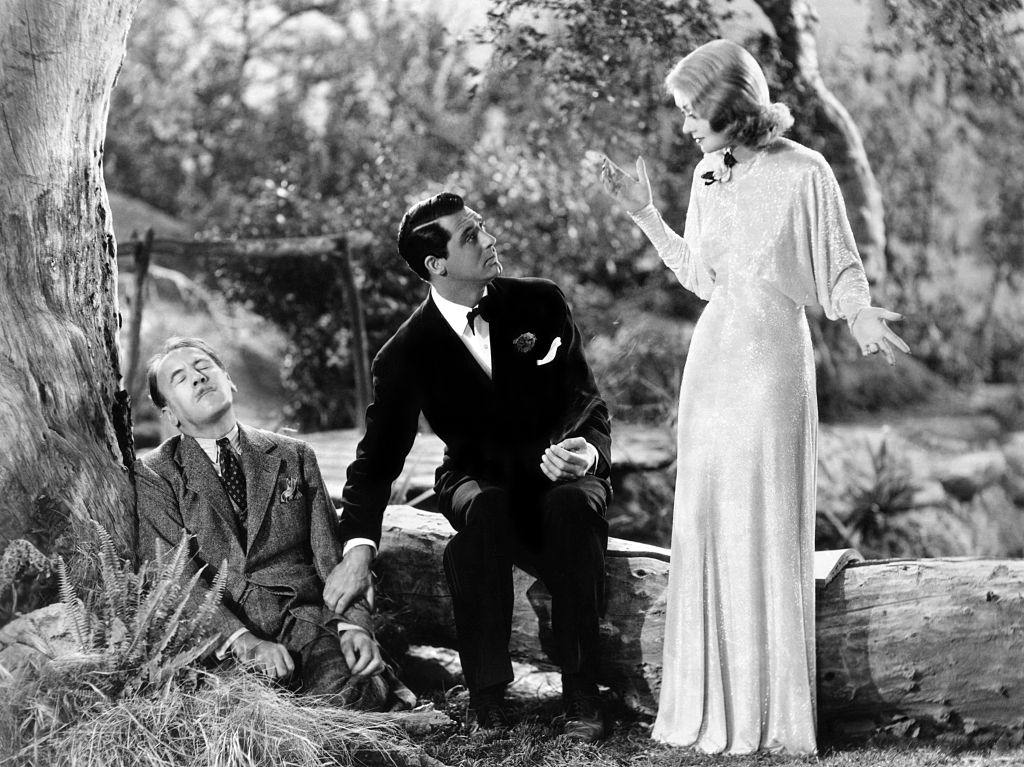
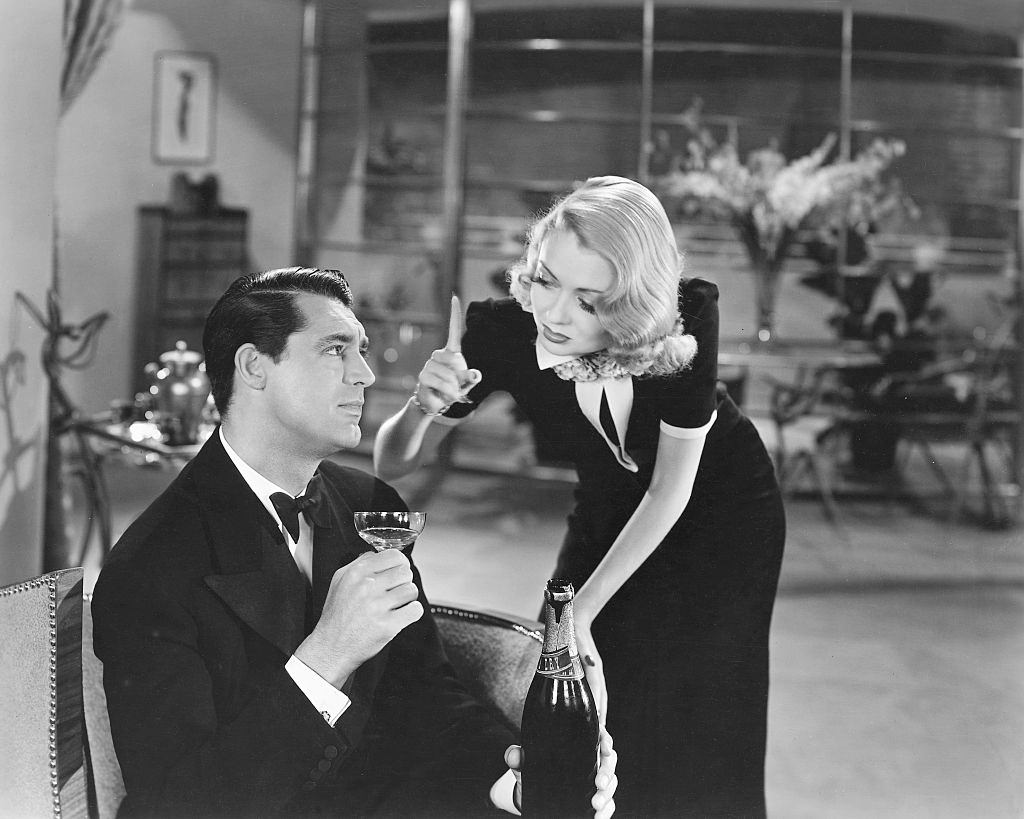
In 1937, Bennett landed one of her most beloved roles: Marion Kerby, the playful ghost in the screwball comedy “Topper,” opposite Cary Grant. The film was a massive hit. Bennett and Grant played a fun-loving couple who die in a car crash and return as ghosts to help their stuffy banker friend. The chemistry between the two leads was electric, and the film’s success drove two sequels — “Topper Takes a Trip” in 1938 and “Topper Returns” in 1941.
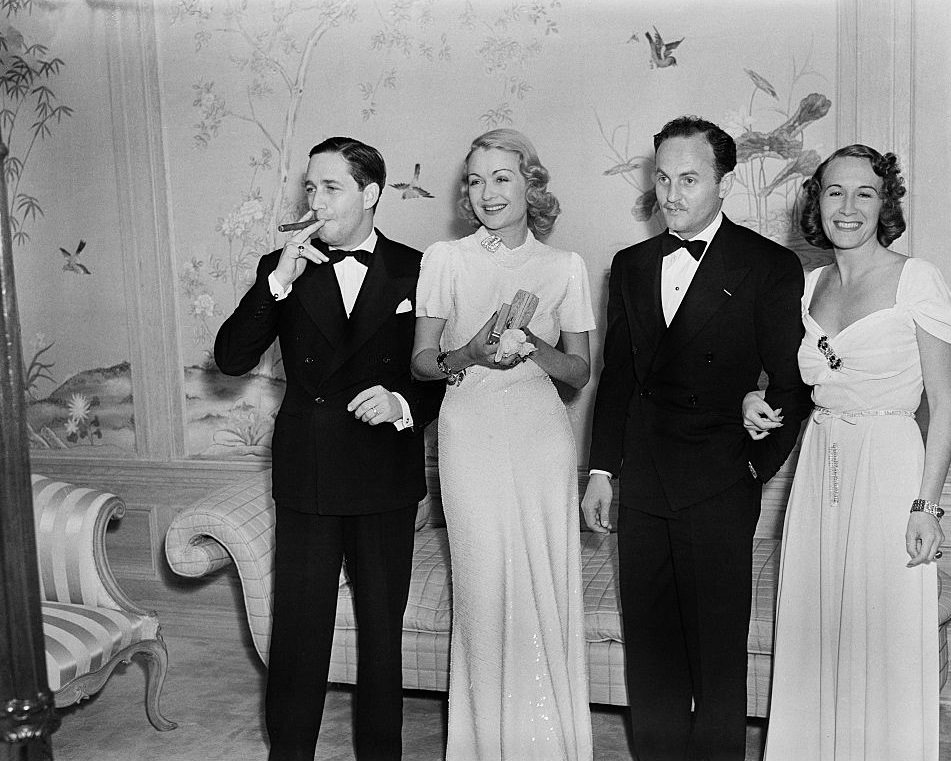
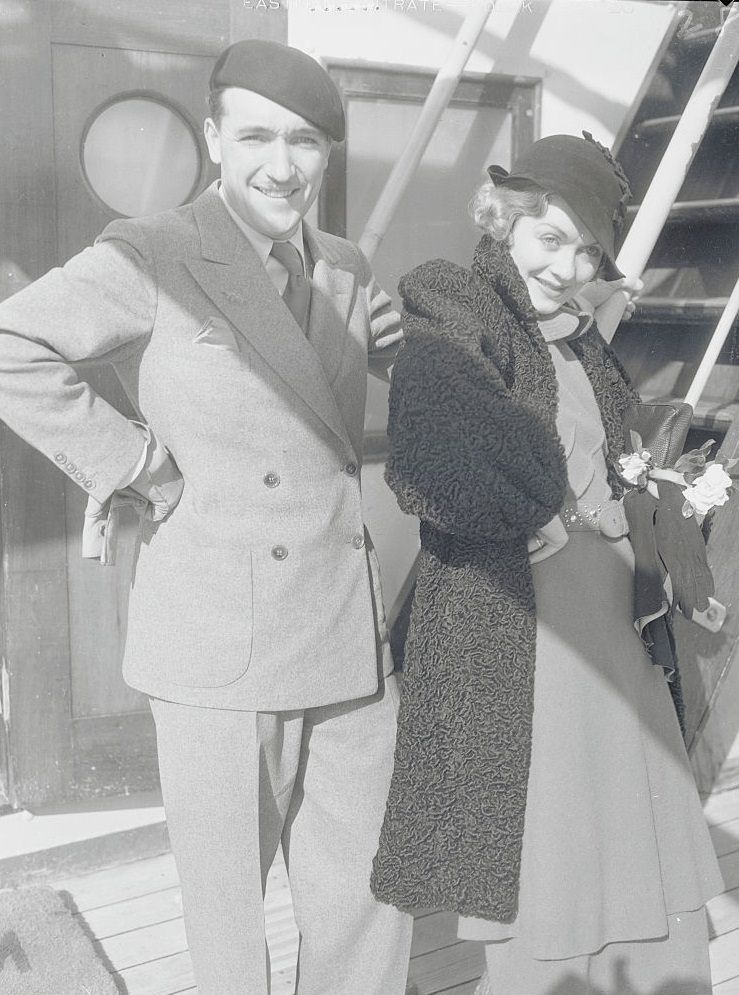
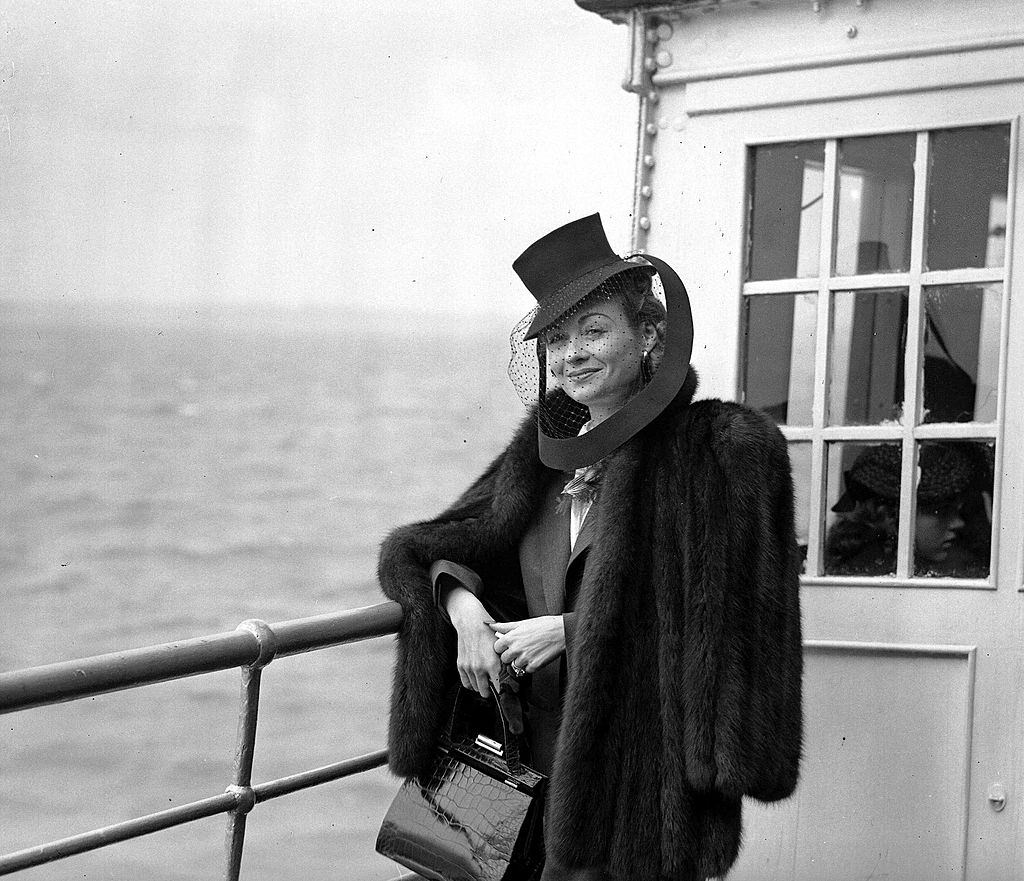
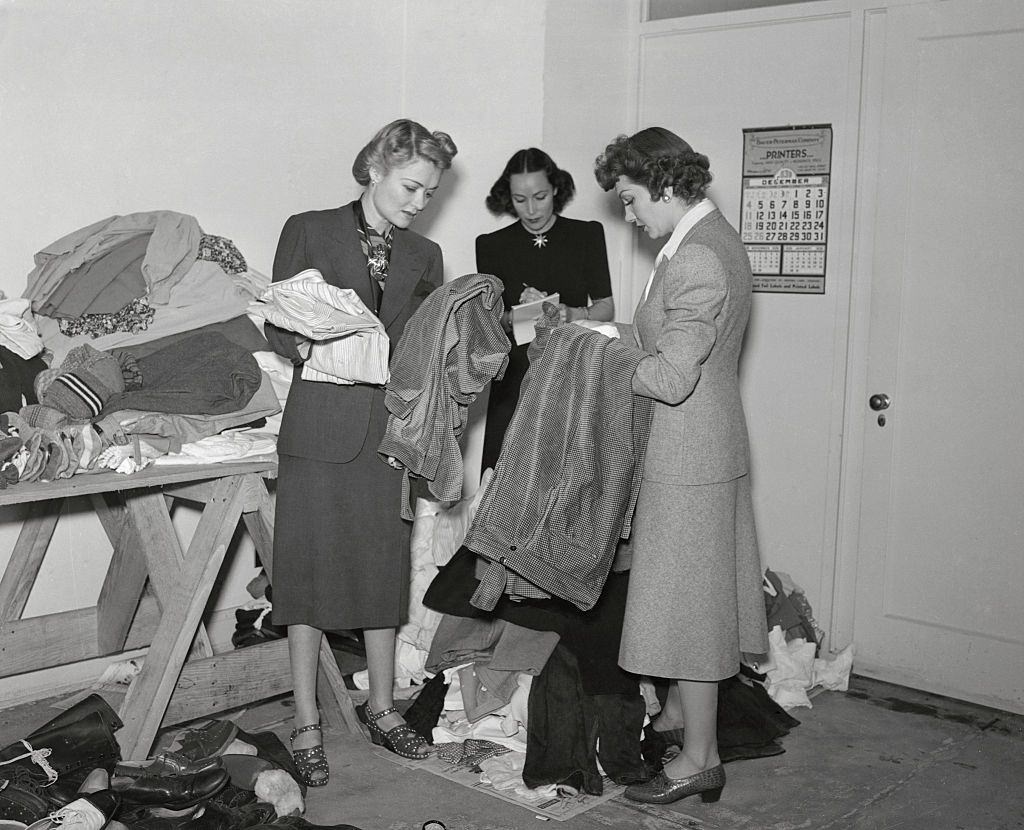
The late 1930s and early 1940s kept Bennett active across a range of genres. She starred in “Tail Spin” with Alice Faye in 1938, appeared in “Service de Luxe” the same year, and headed to England aboard the liner Normandie in 1939. Back in the United States, she married actor Gilbert Roland and the couple were a prominent presence in Los Angeles social life. During 1940, she also joined Dolores Del Rio and Claudette Colbert at the Hollywood headquarters of the International Committee for refugees in France, helping to inspect donated clothing.
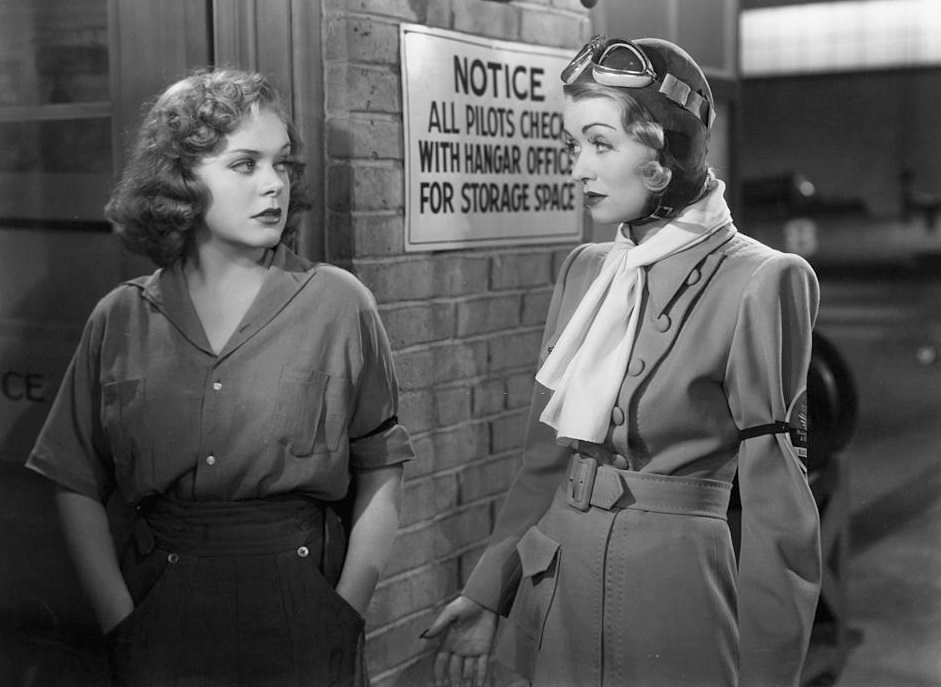
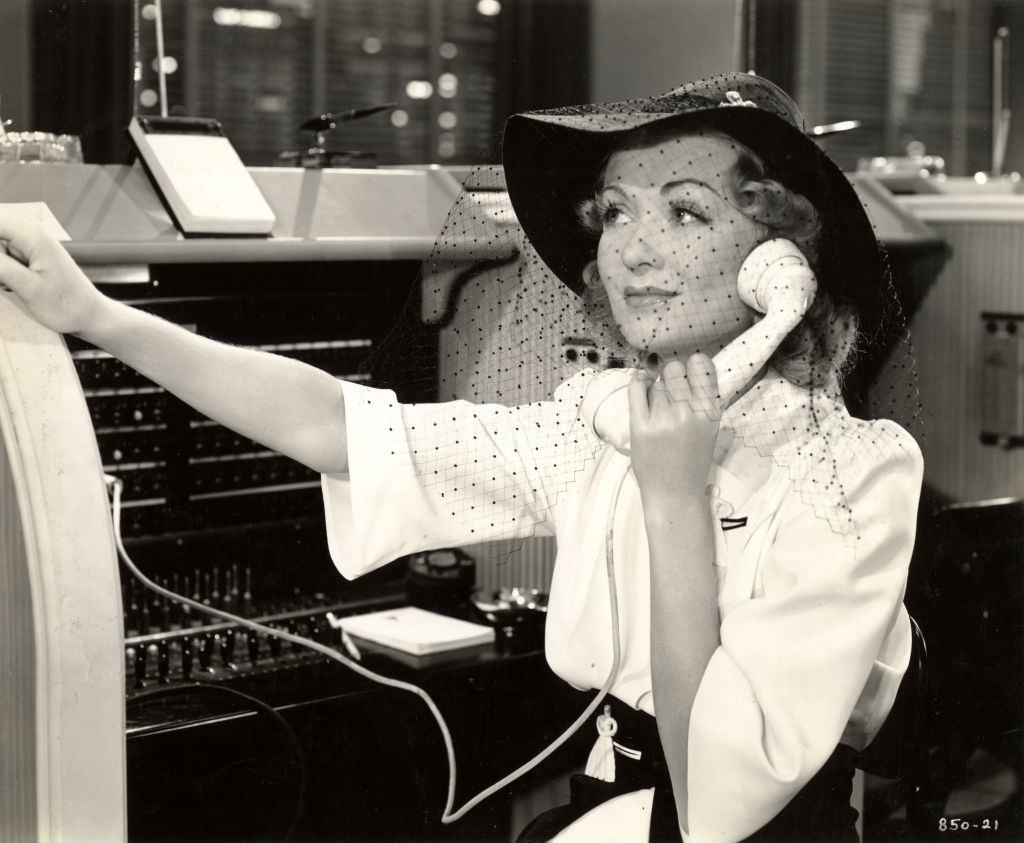
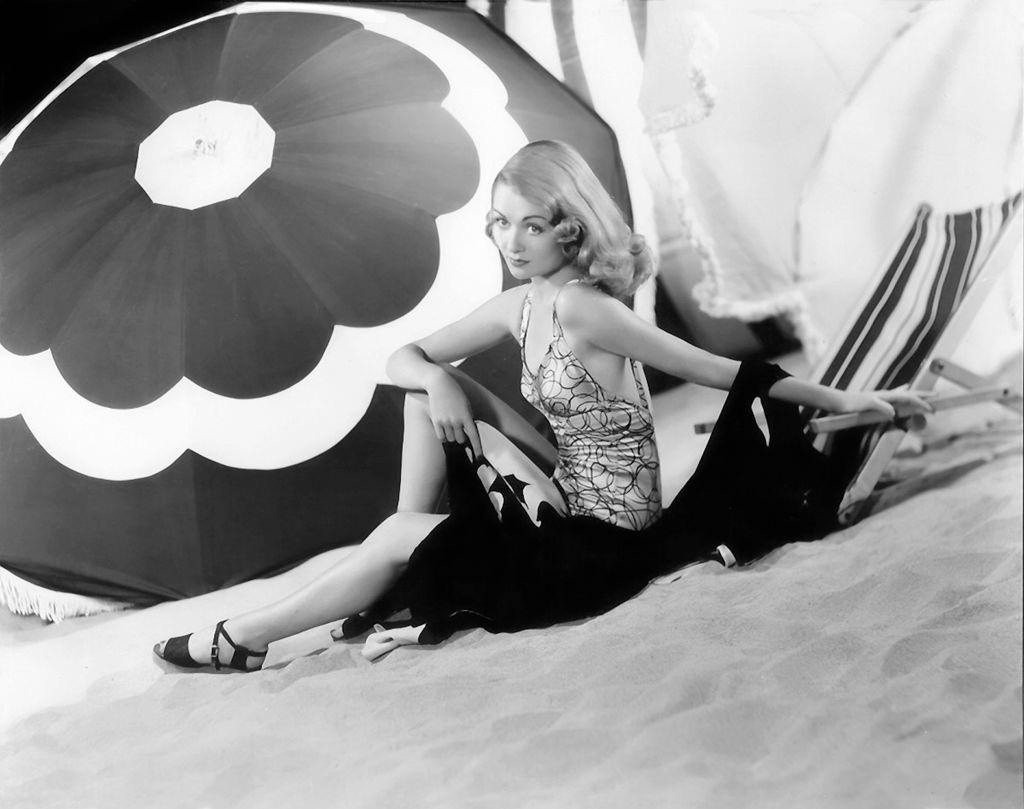
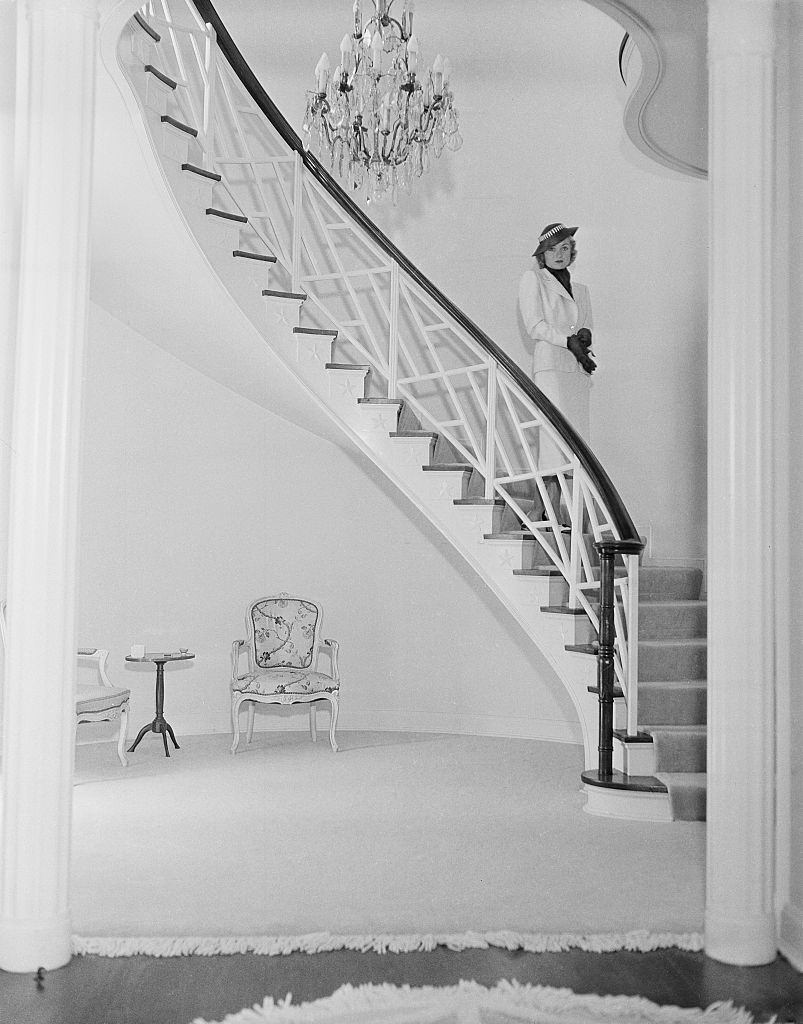
Into the 1940s, Bennett continued taking on varied film roles. She appeared in “Two-Faced Woman” in 1941, took on radio with CBS’s Lux Radio Theater adaptation of “The Awful Truth,” and starred in “Madam Spy” and “Wild Bill Hickok Rides” in 1942. In 1946, she founded Constance Bennett Productions, making her one of the first women in Hollywood to run her own production company. She produced films including “Paris Underground” (1945) and “Lonesome Lady” (1948).
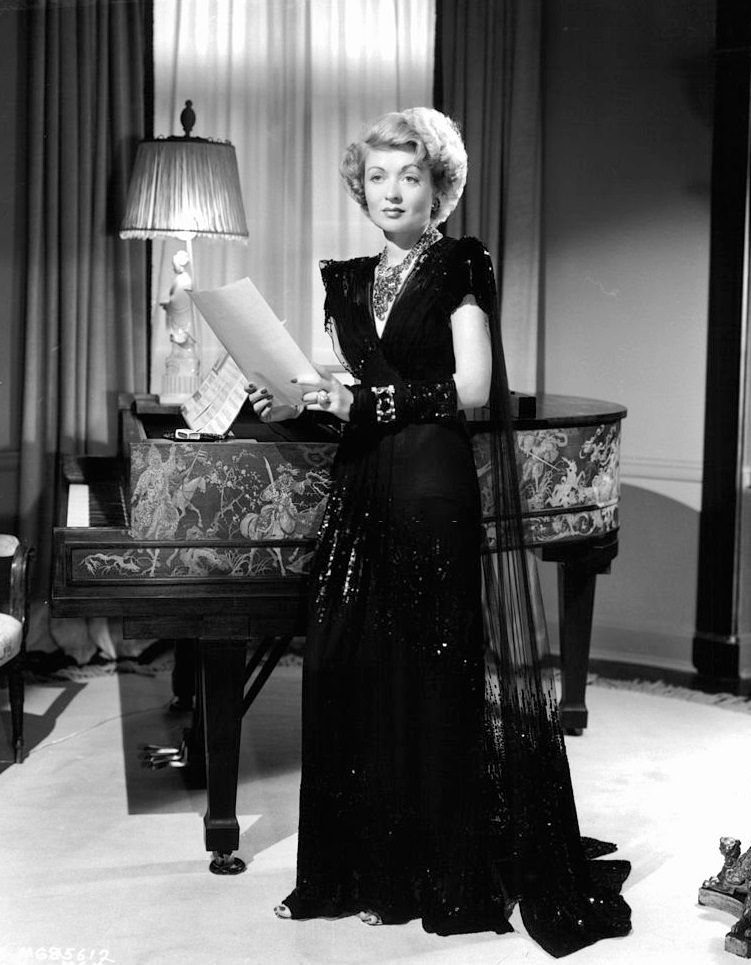
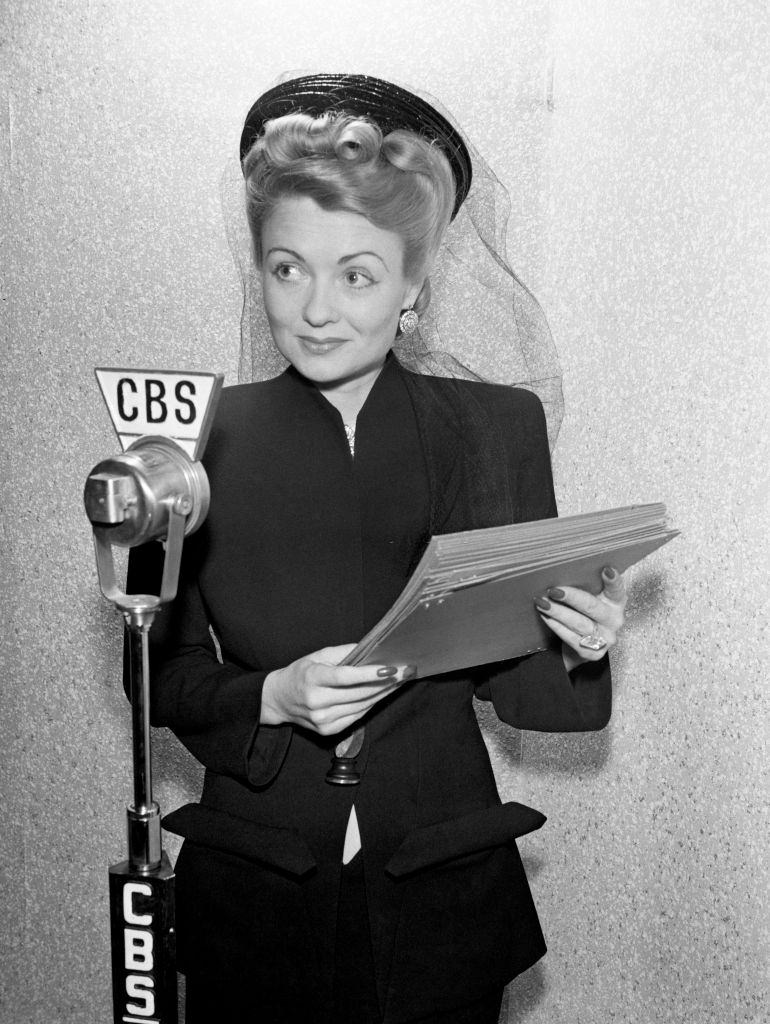
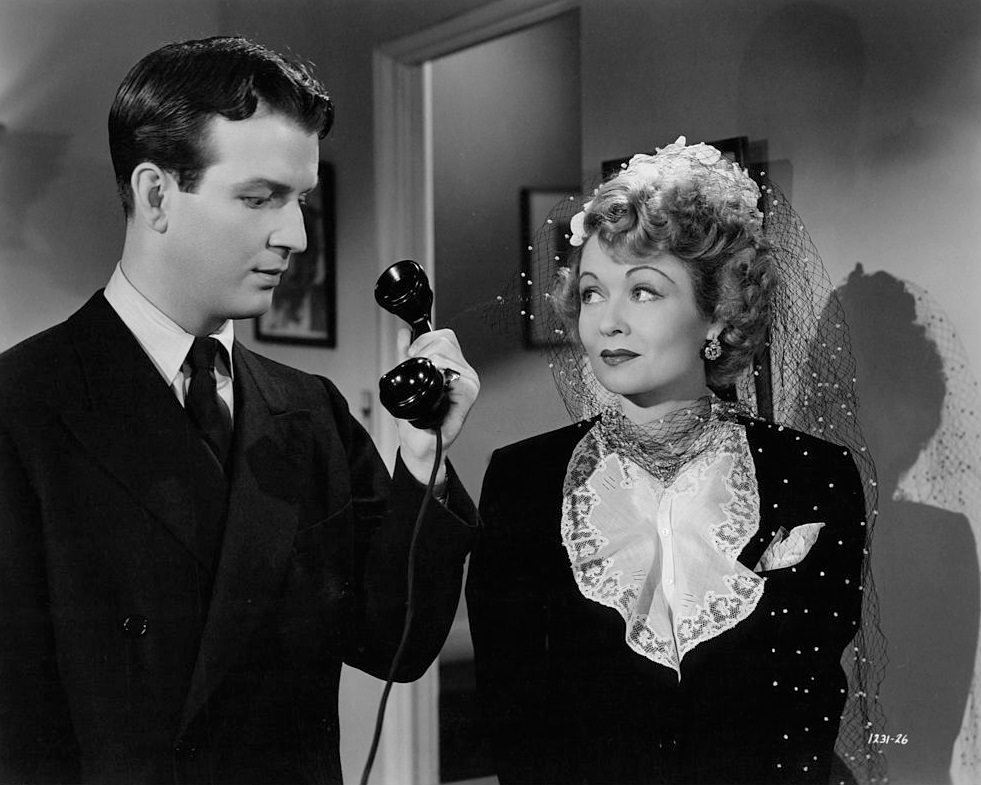
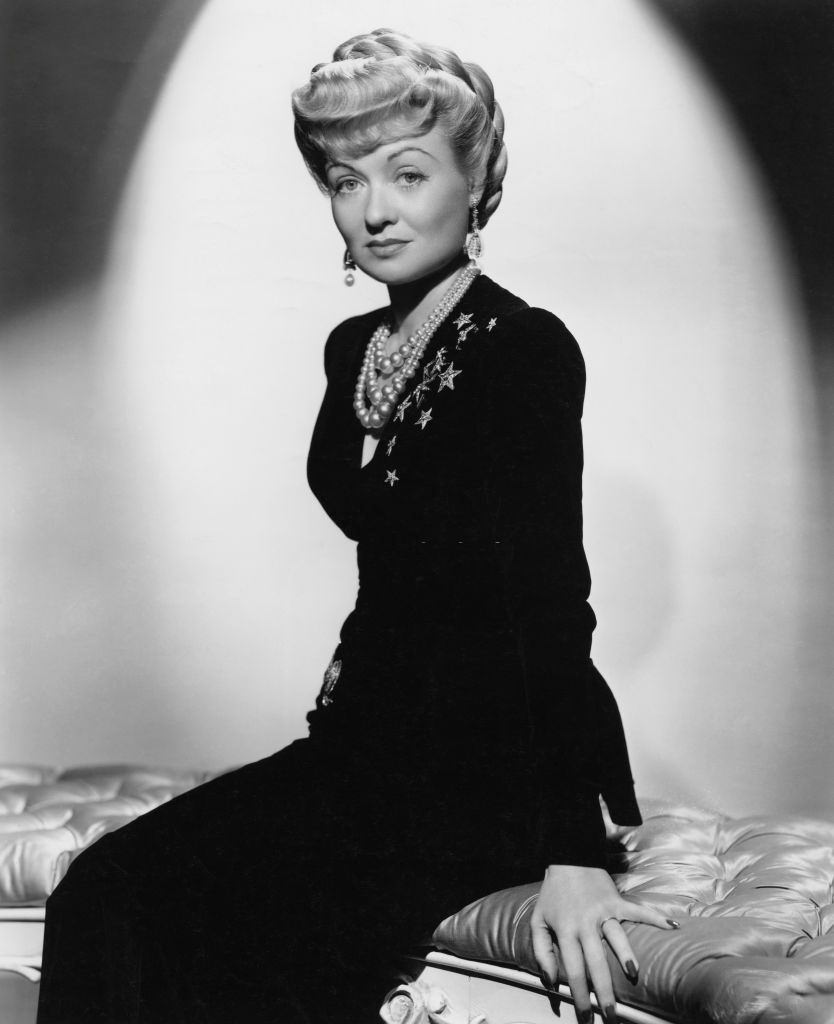
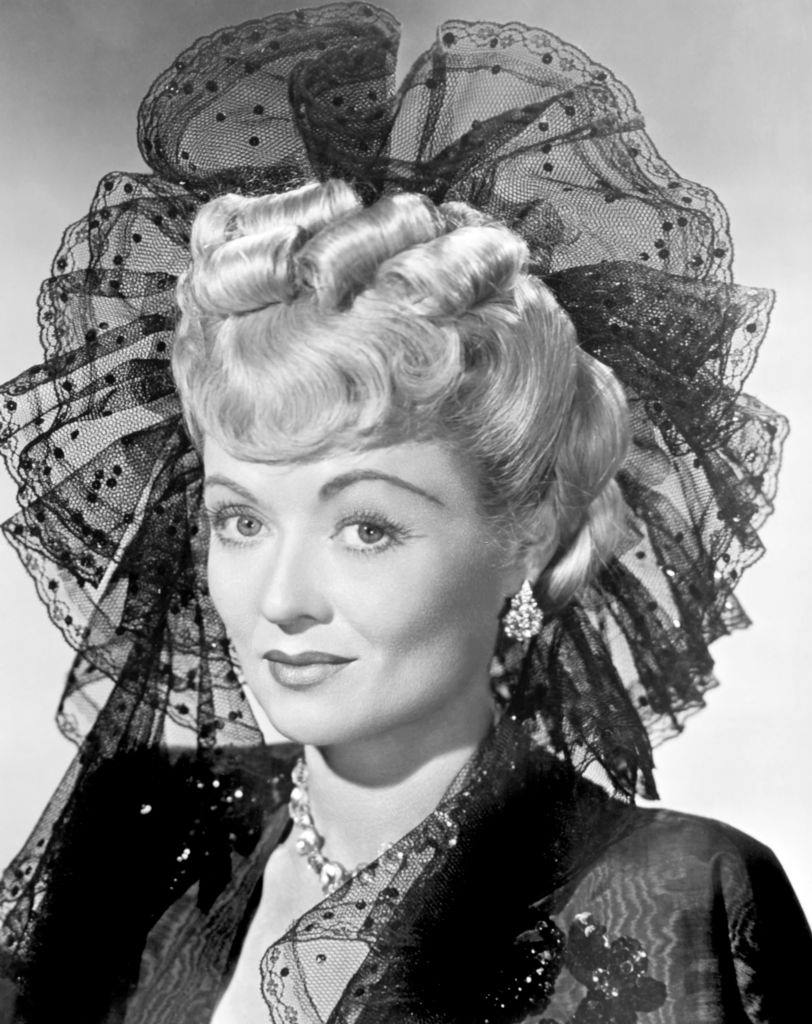
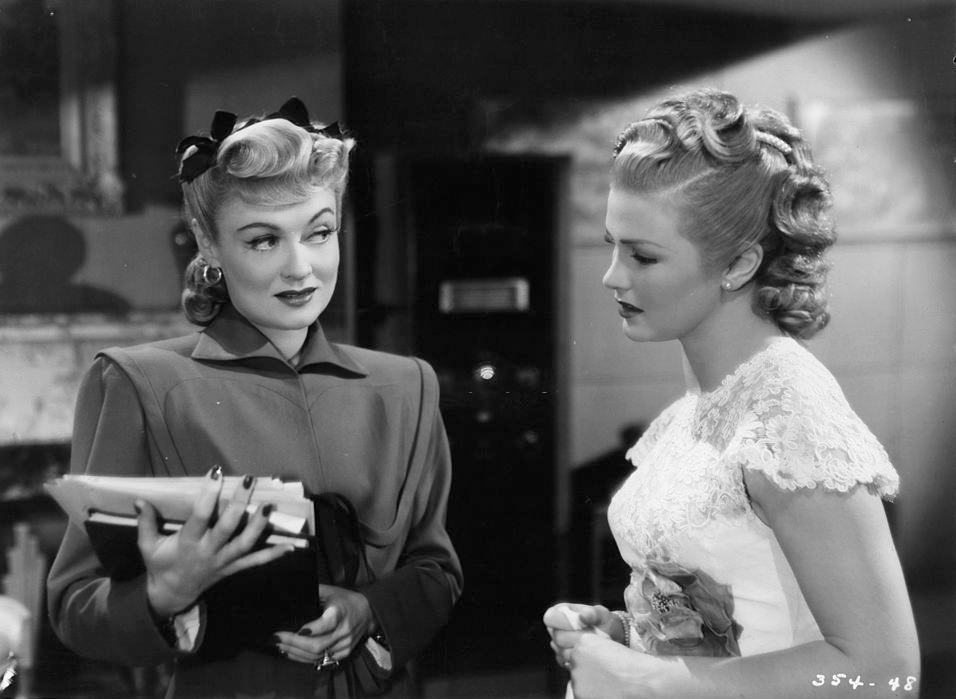
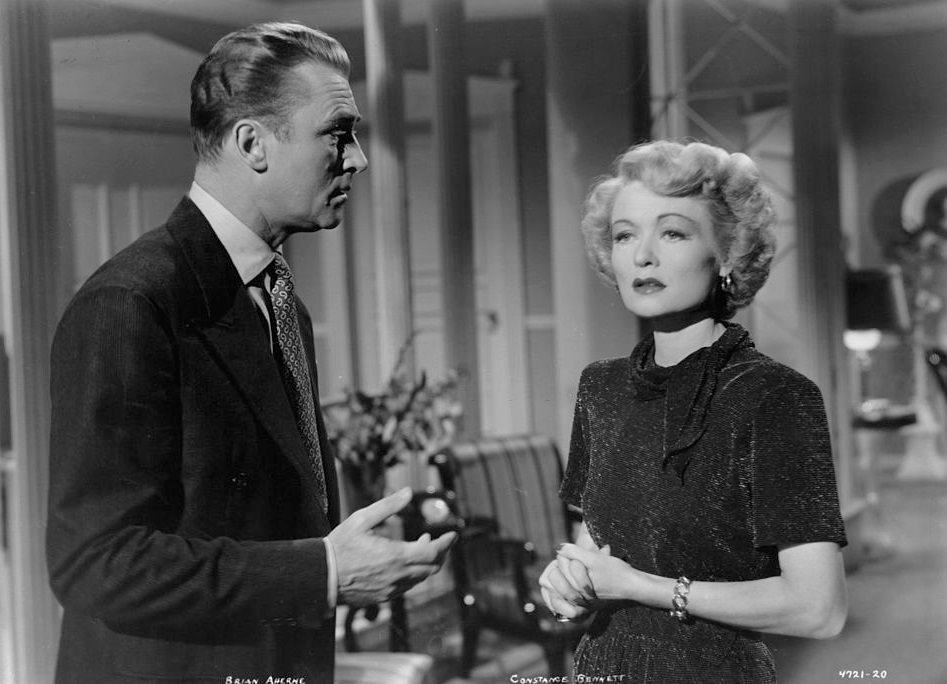
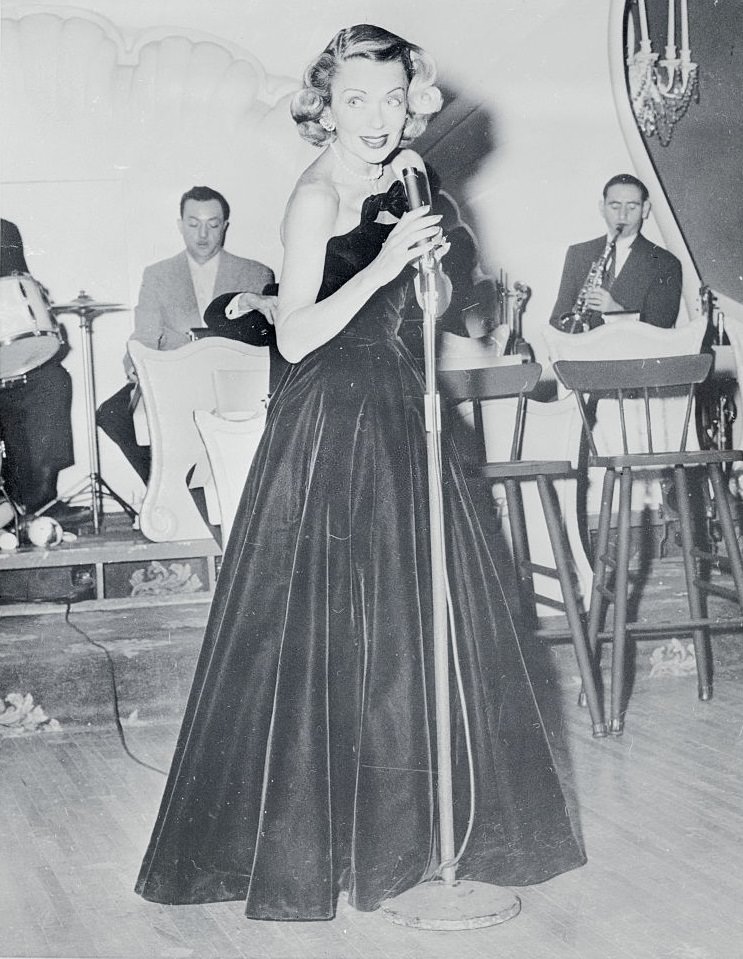
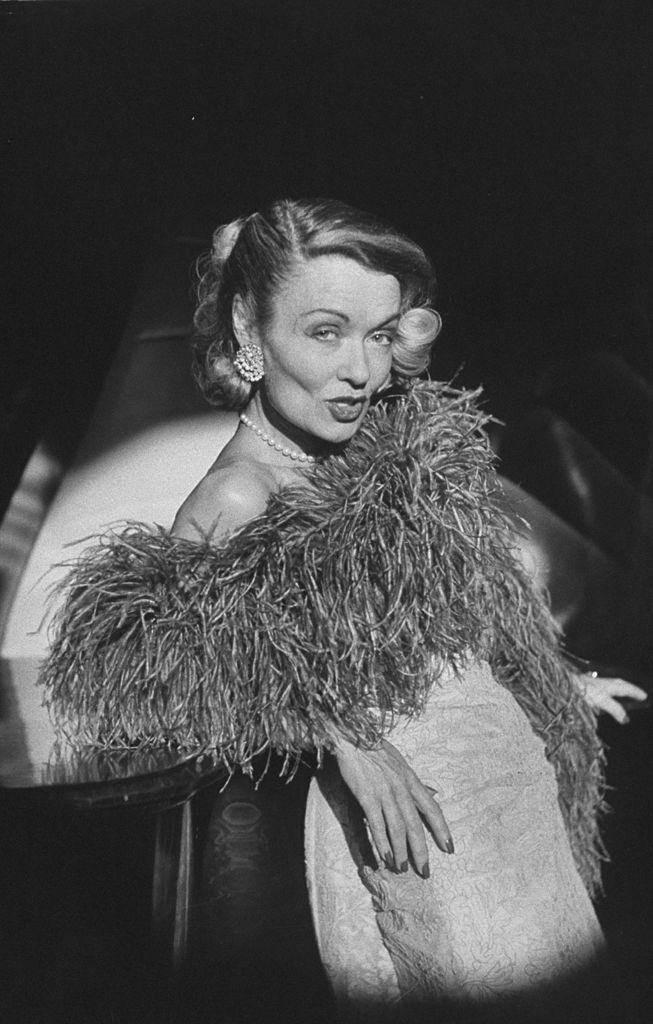
The late 1940s and into the 1950s saw Bennett expand beyond film. She made her debut as a nightclub singer at the Hotel Pierre in New York, performing at the Cotillion room to strong reviews. She took on television work in anthology series like “The Ford Television Theatre” and “The United States Steel Hour,” proving her adaptability once again.
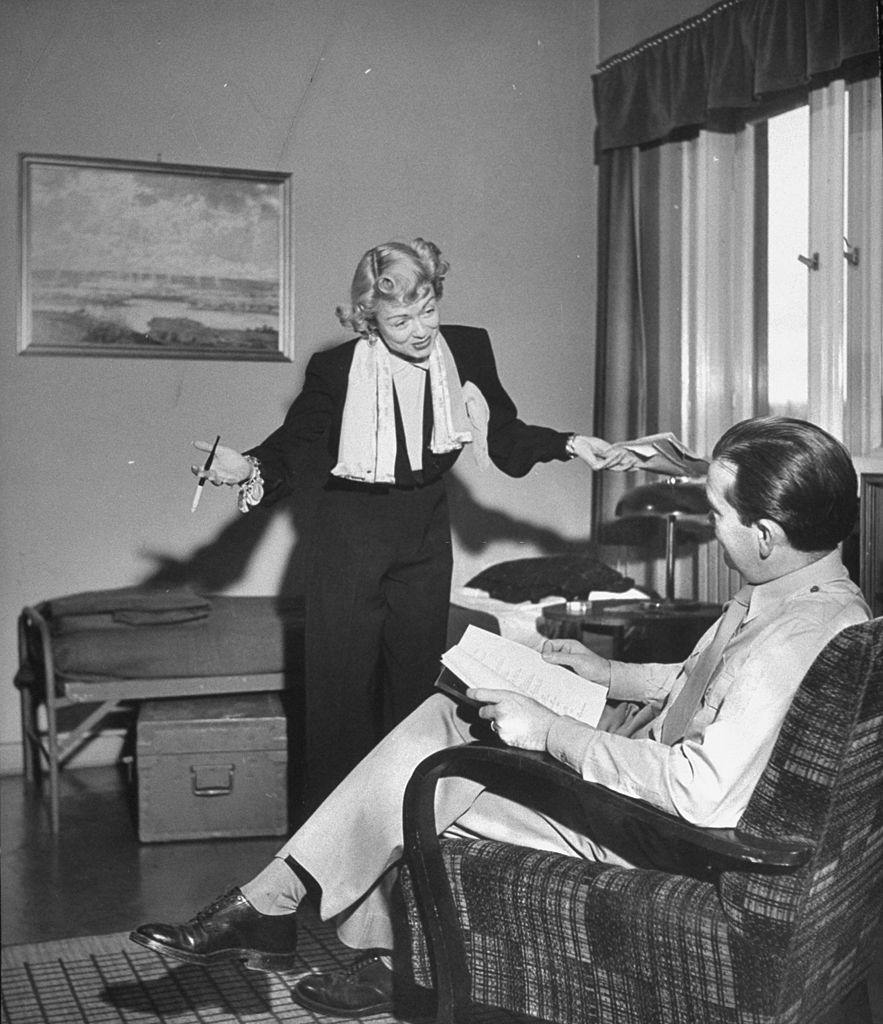
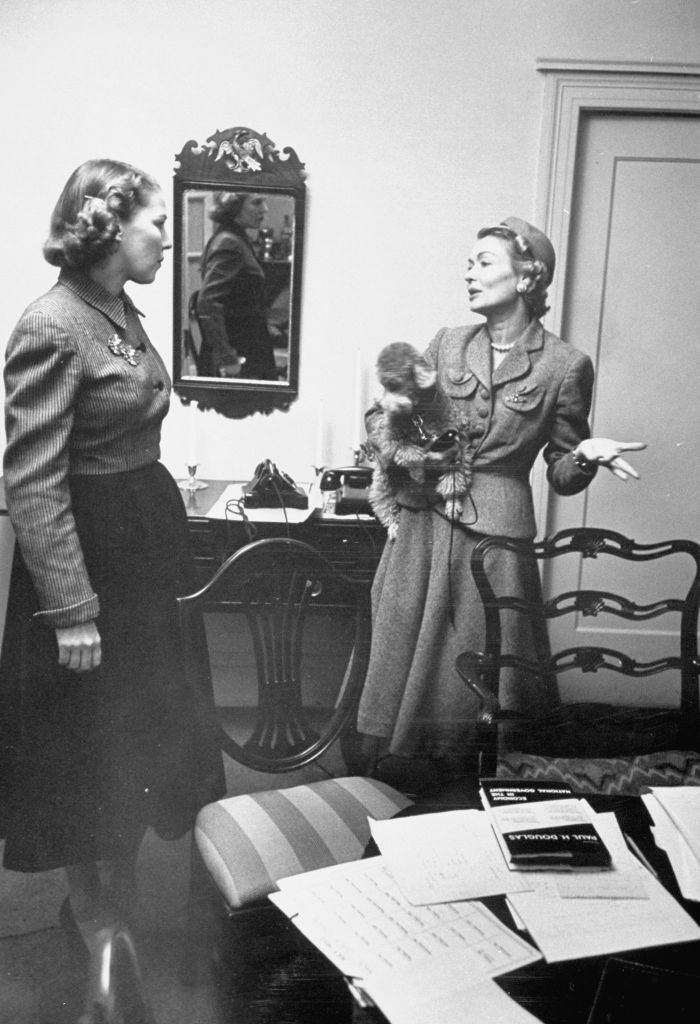
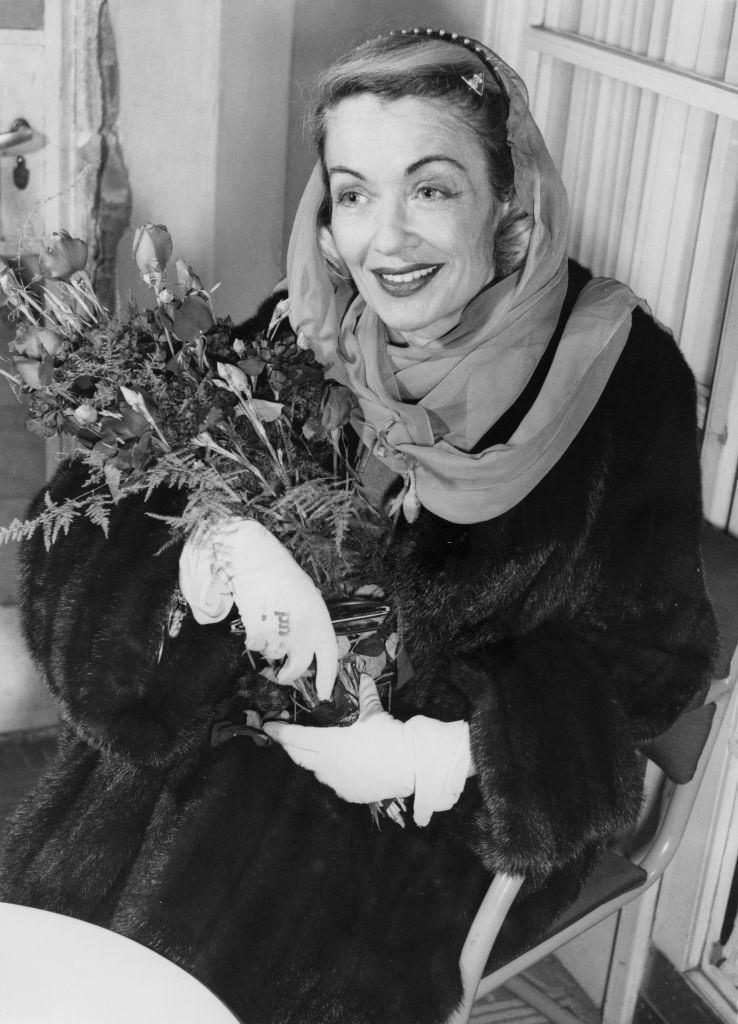
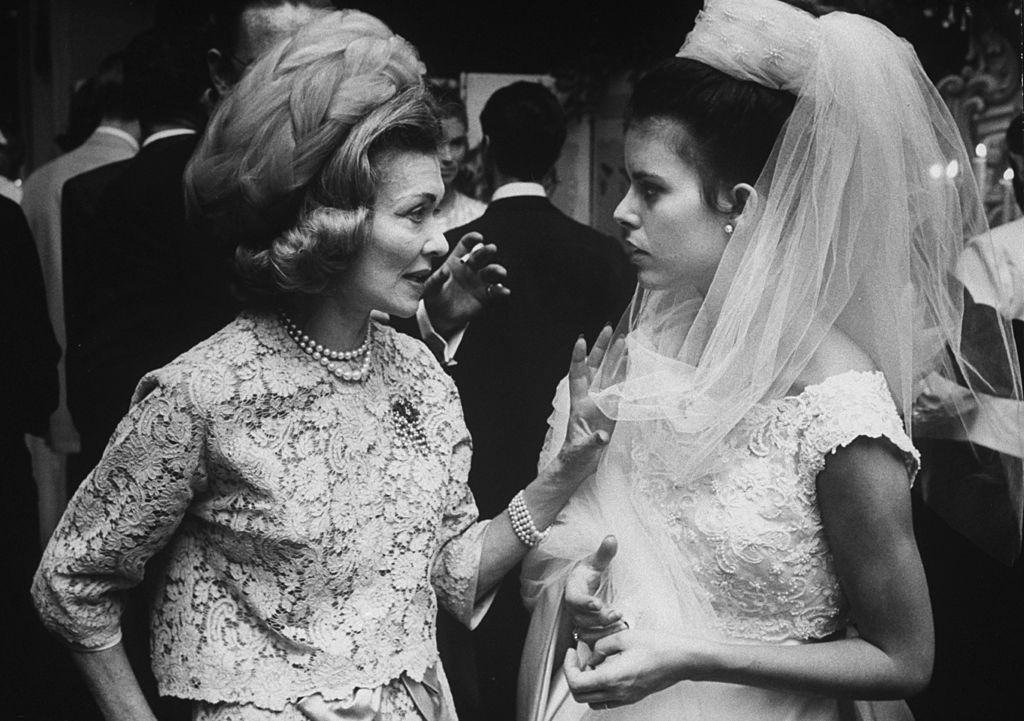
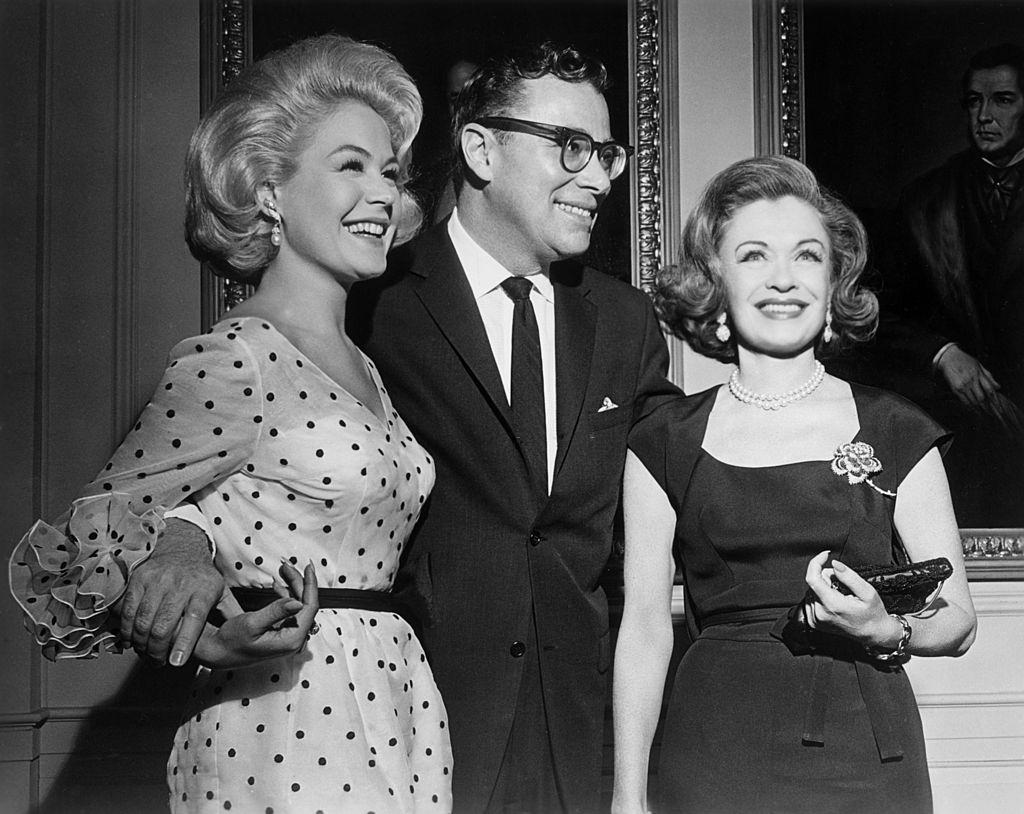
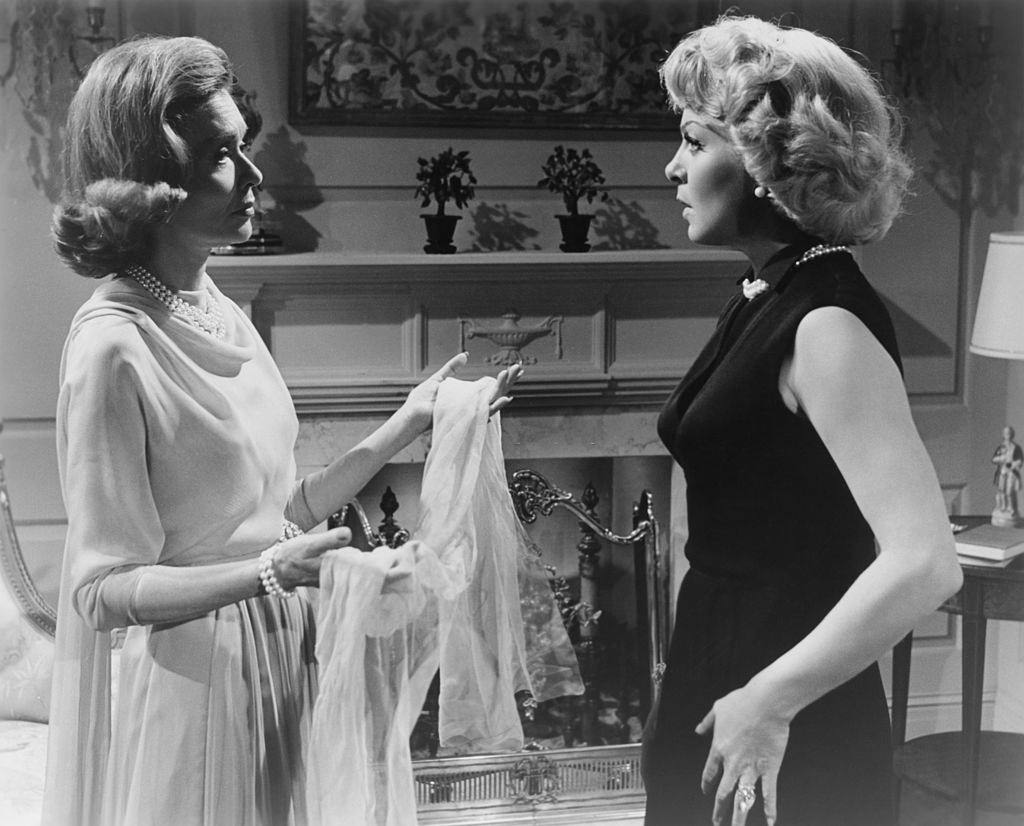
Bennett’s final film was “Madam X” in 1966, in which she appeared alongside Lana Turner and Sandra Dee. She had also attended family milestones like the wedding of her niece Stephanie Wange. She remained sharp, stylish, and engaged with the industry until the very end. Constance Bennett died on July 24, 1965, at the age of 60, from a cerebral hemorrhage.