Prince Philip, Duke of Edinburgh, was born on June 10, 1921, on the Greek island of Corfu. His father was Prince Andrew of Greece and Denmark, the fourth son of King George I. His mother, Princess Alice, was the former Princess of Battenberg. Philip was the youngest of five children and the only boy. He entered the world into one of Europe’s great royal families, though his early life would be anything but stable.
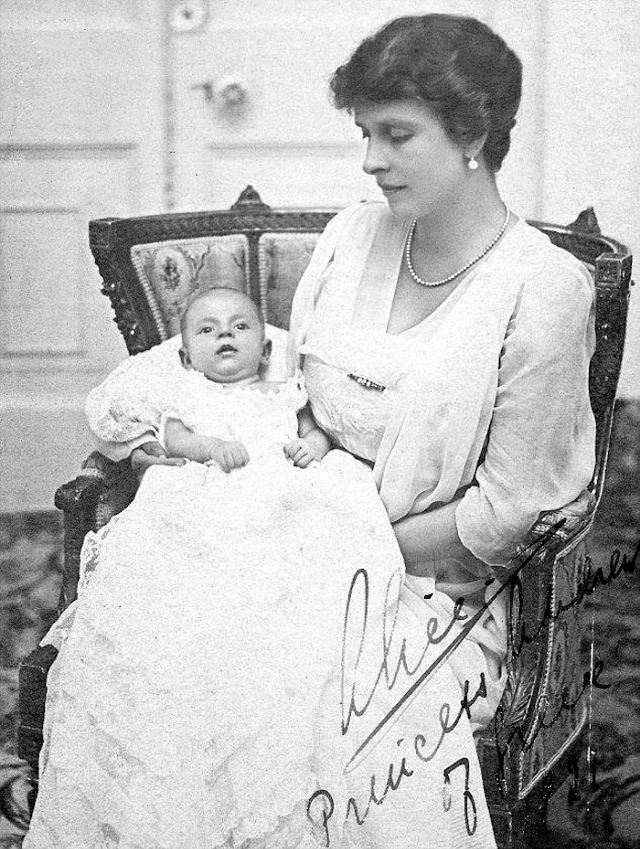
In his first year of life, Philip was photographed alongside his mother, Princess Alice, who was known for her strong will and deep religious faith. The early 1920s were turbulent years for the Greek royal family, and Philip’s childhood was shaped by the political upheaval surrounding them.
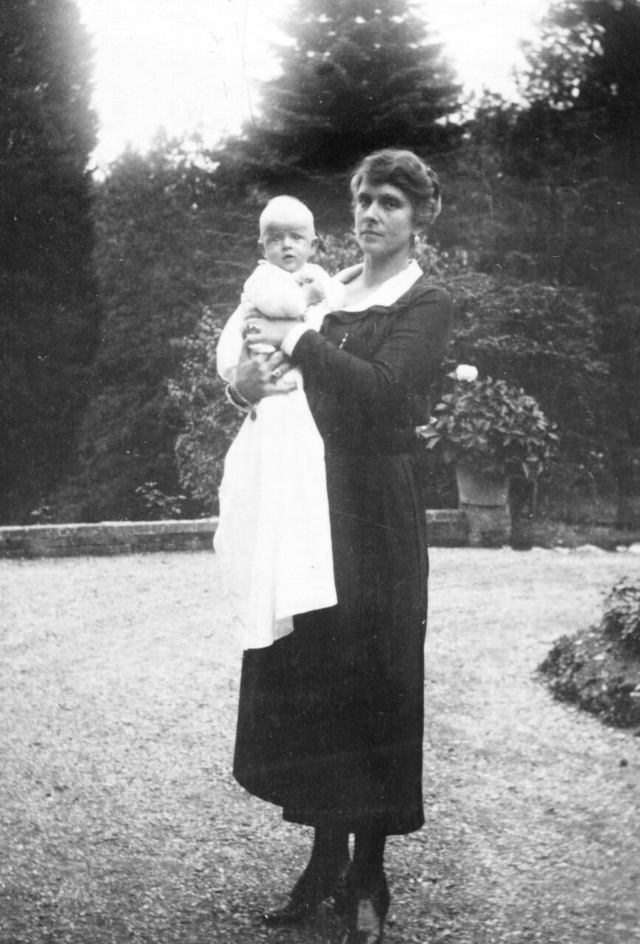
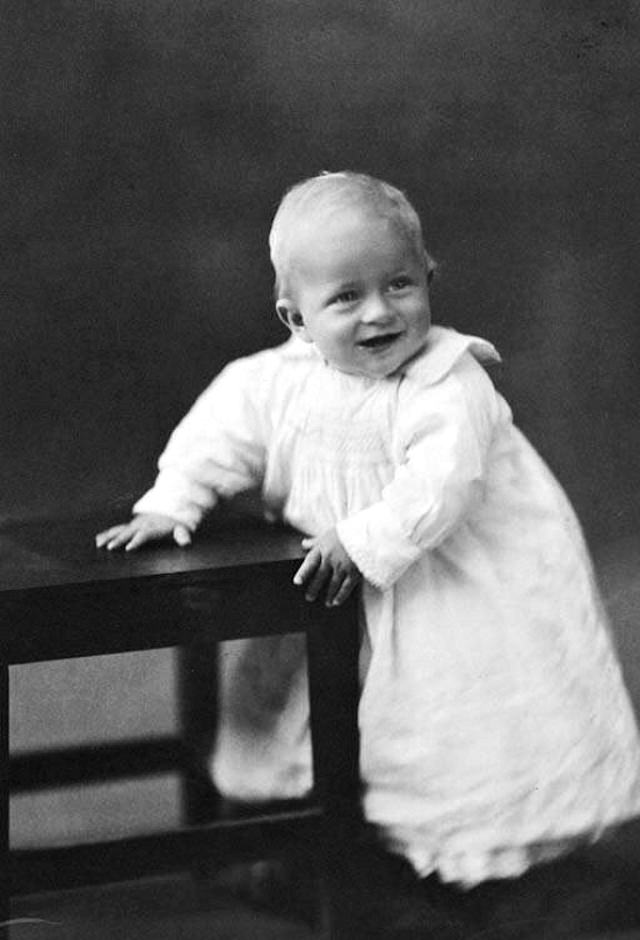
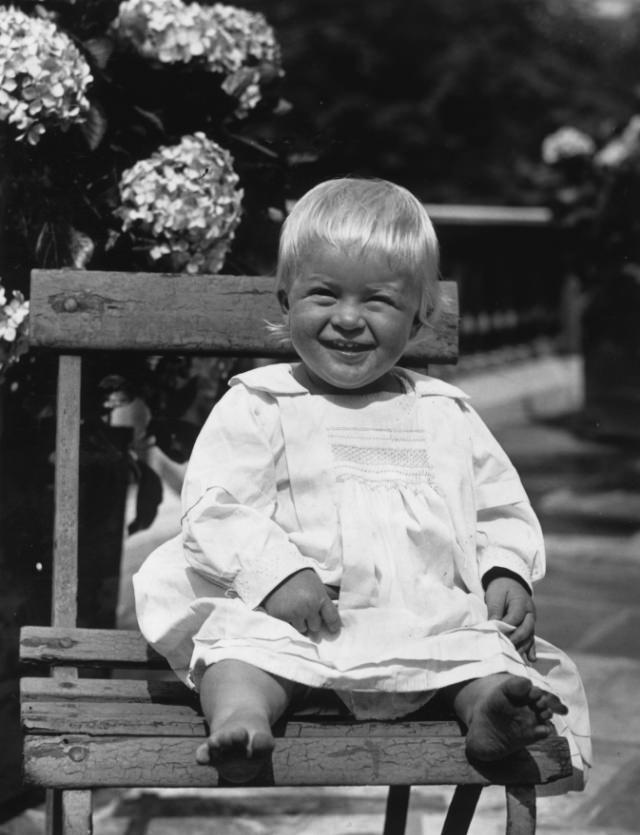
By 1922, Philip’s family had been forced into exile following a military coup in Greece. Prince Andrew was court-martialed and banished from the country. The family fled to France, where they settled in Paris. Philip was just eighteen months old. Despite the chaos of exile, the family managed to stay together for his earliest years, as seen in photographs from 1922.
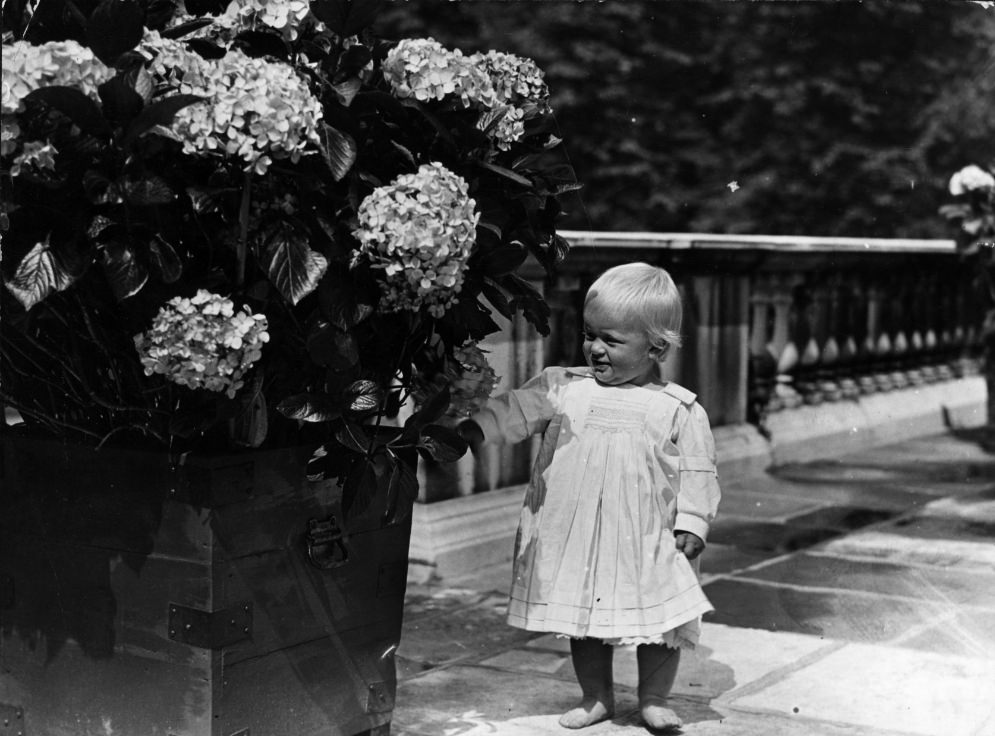
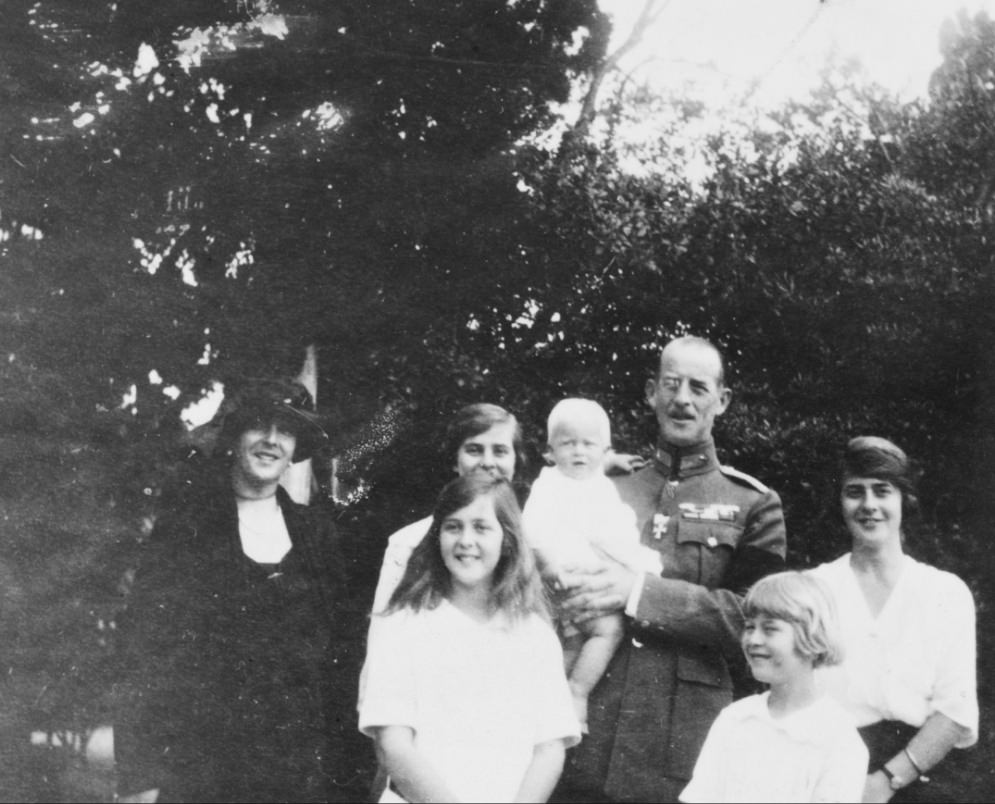
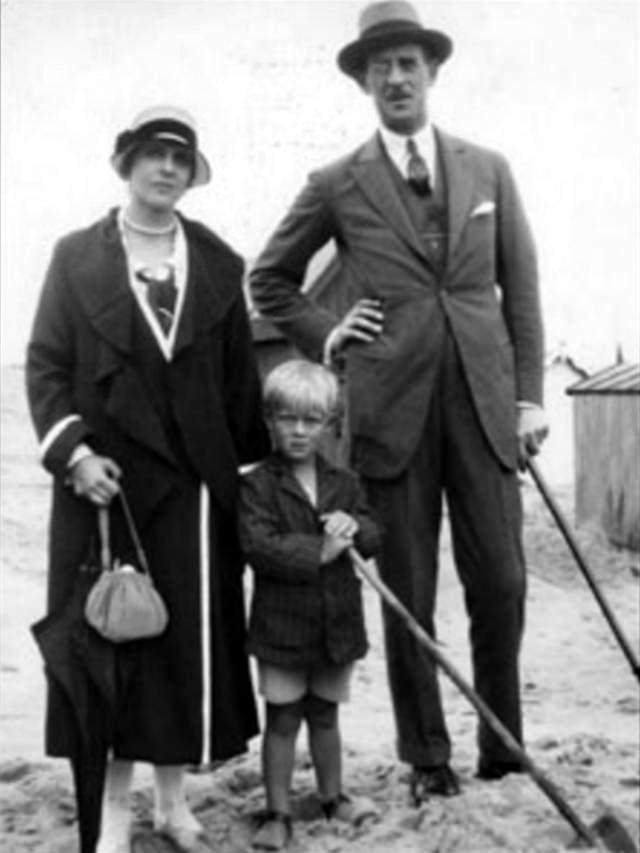
Growing up in Paris, Philip lived in a modest house in Saint-Cloud. His four older sisters — Margarita, Theodora, Sophie, and Cecilie — were all significantly older and would eventually marry into German royal families. By the time Philip was a school-age boy, the family dynamic was shifting. His sisters married and left, and his parents’ marriage grew strained. Princess Alice suffered a severe mental breakdown and was institutionalized in 1930. His father, Prince Andrew, largely withdrew from family life and moved to the south of France.
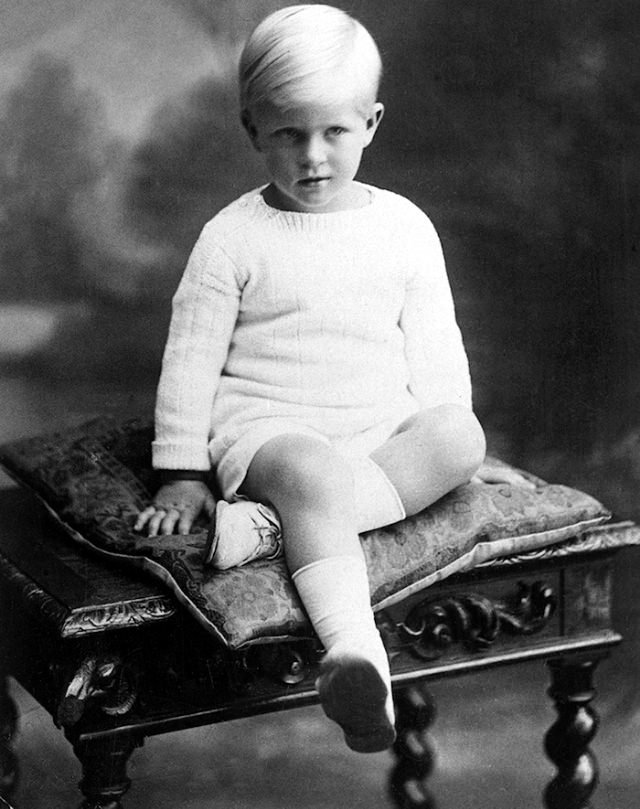
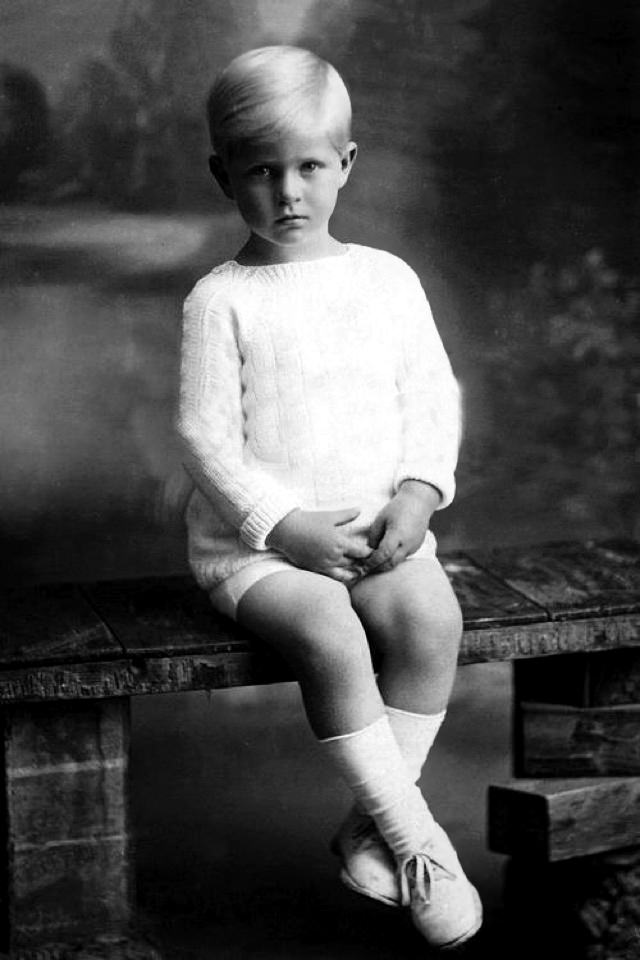
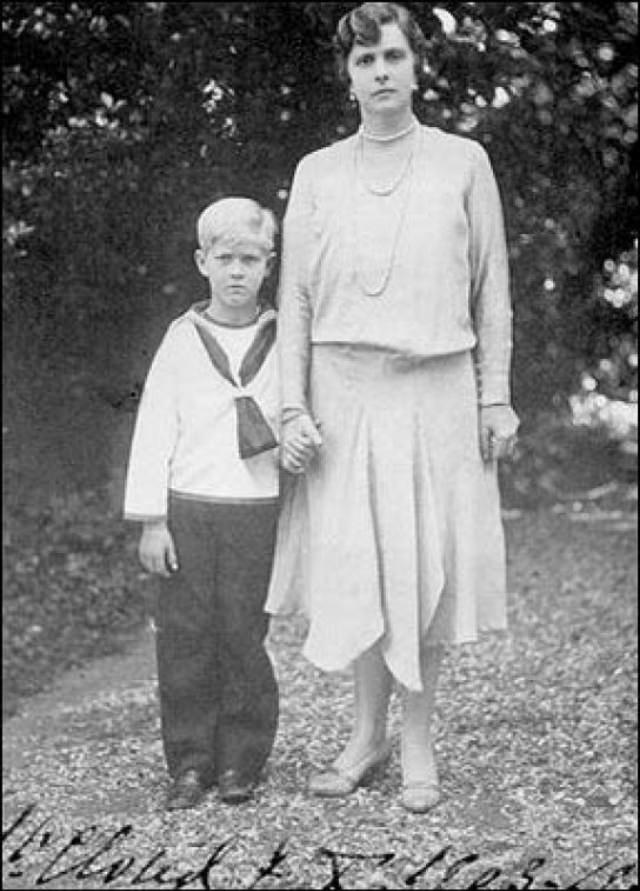
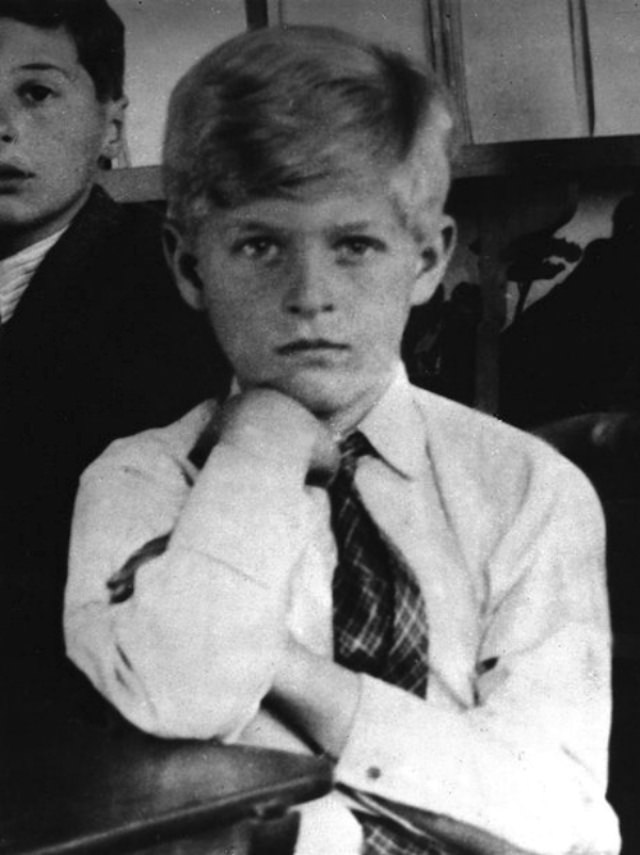
Photographs from 1927 capture a young Philip at around six years old, already carrying the composed, direct gaze that would come to define him publicly decades later. That year, one portrait was taken by noted photographer Emile Markovitch, offering a polished record of the boy who was, at that point, being quietly passed between relatives across Europe.
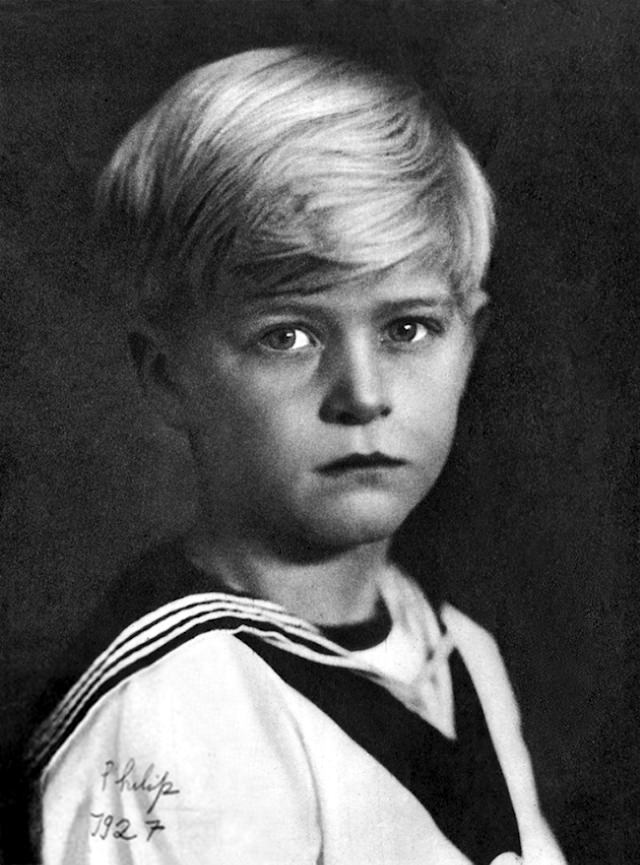
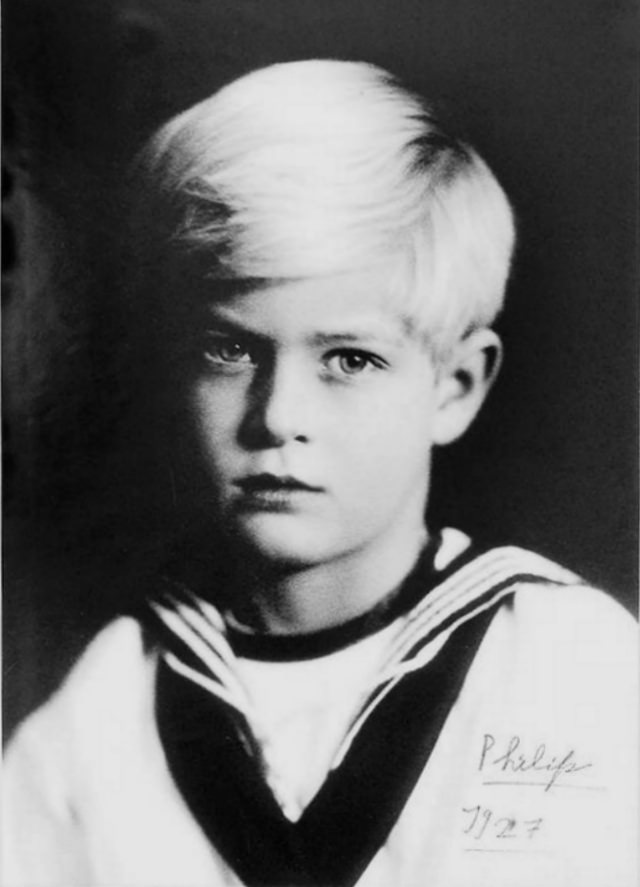
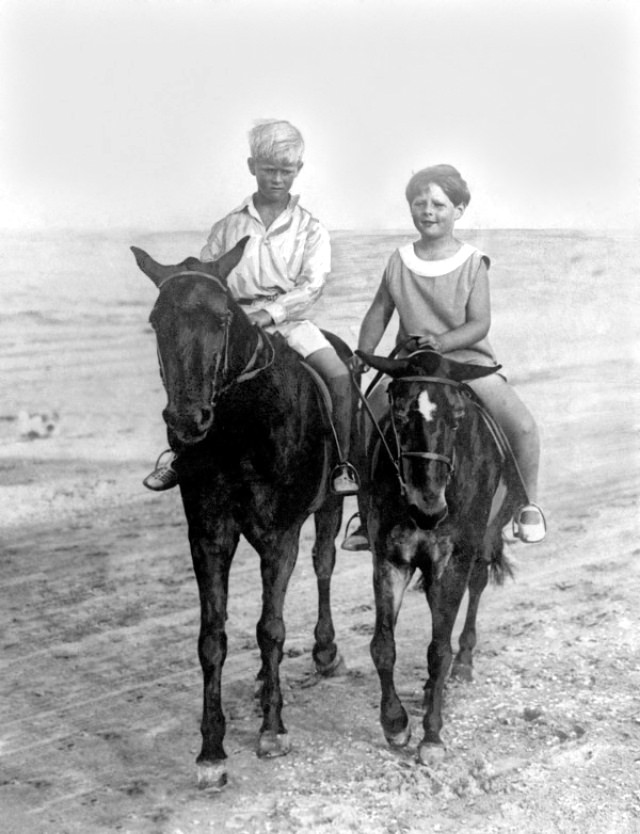
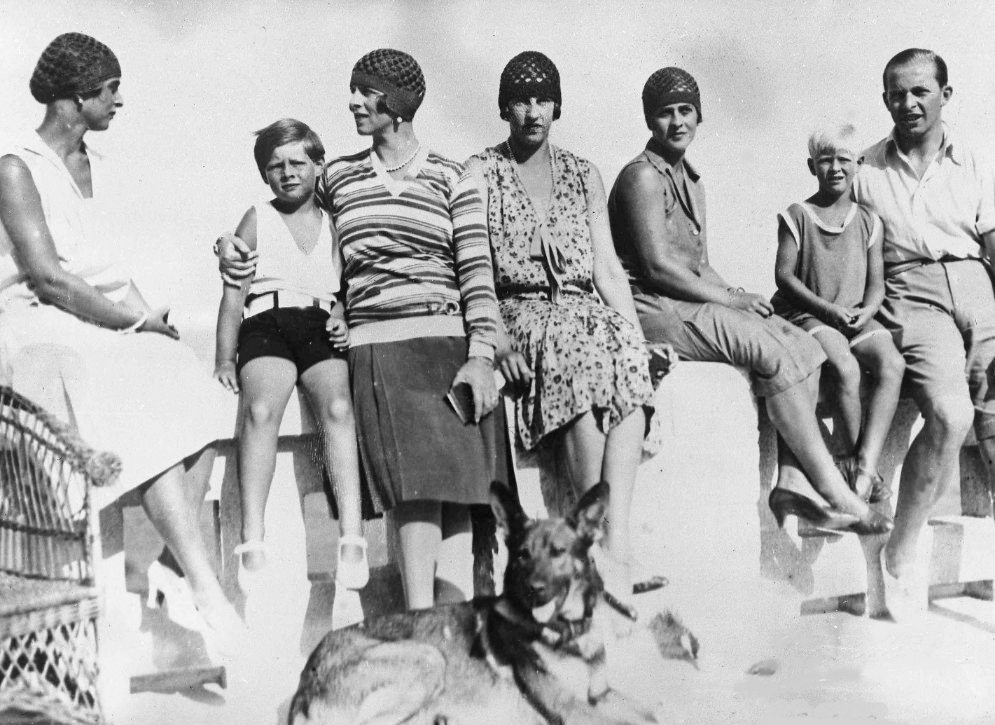
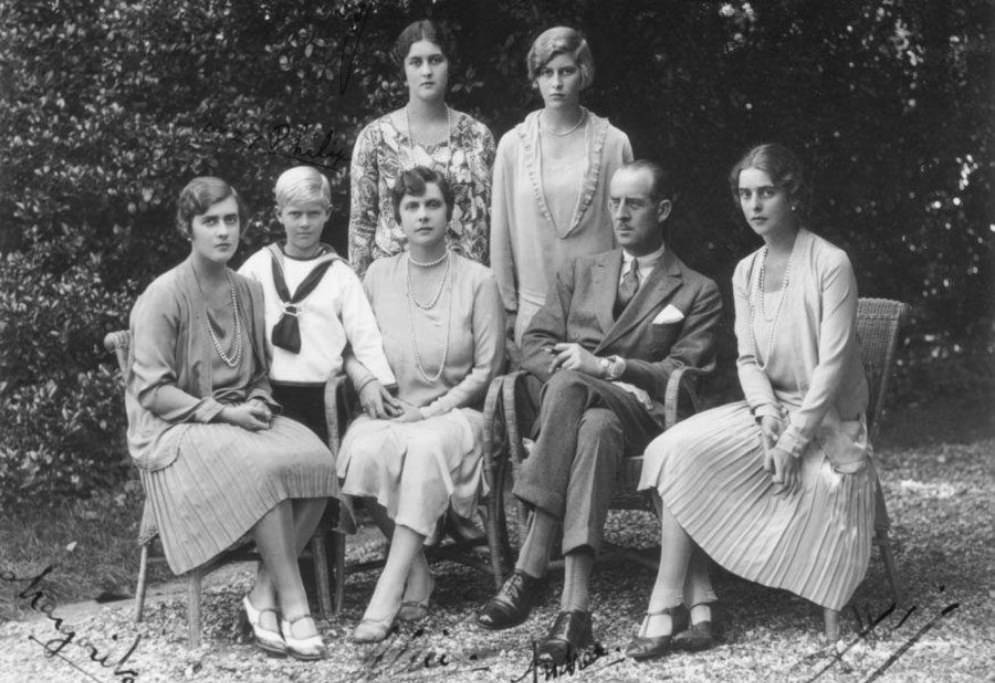
In 1928, Philip moved to England and enrolled at Cheam School, one of Britain’s oldest preparatory schools. That same year, he was photographed in Romania alongside his second cousin, King Michael of Romania, and later with his full family in October 1928. That family photograph shows his mother Princess Alice and father Prince Andrew flanking Philip, with his four sisters — Margarita, Theodora, Sophie, and Cecilie — lined up beside them.
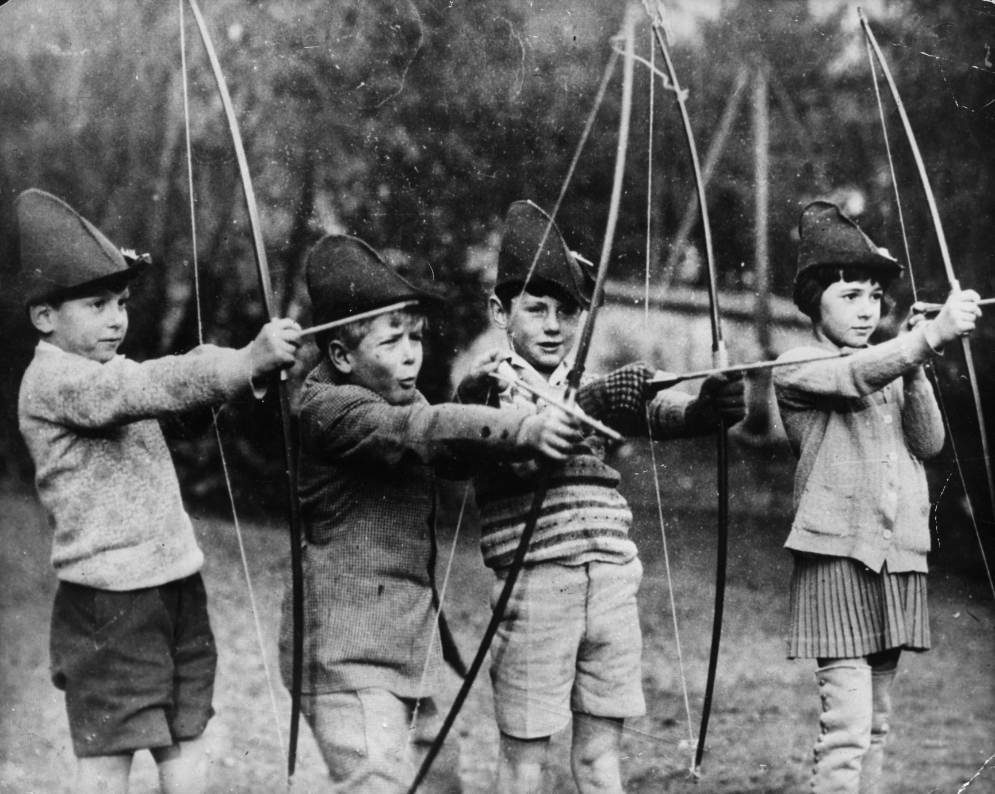
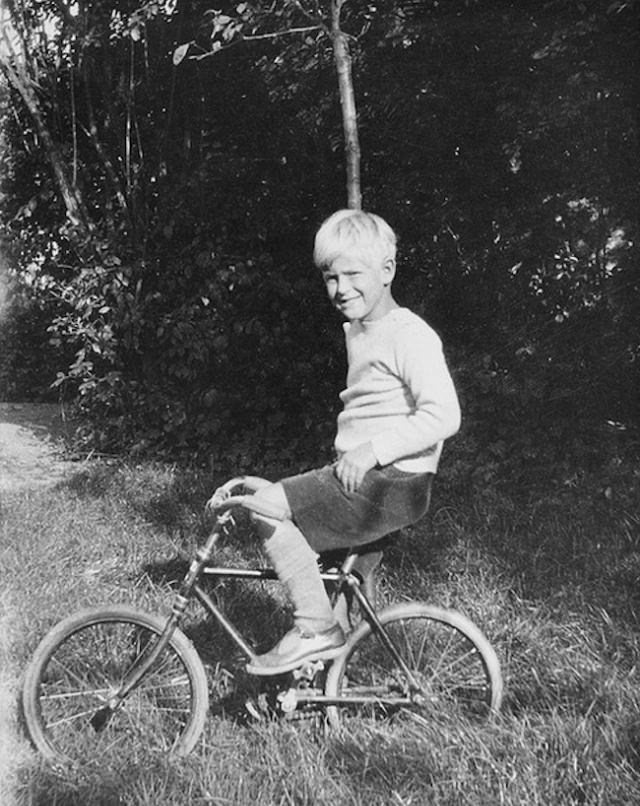
By 1929, Philip was settling into school life in France at the MacJannet American School, where he was photographed trying archery with classmates. He was also photographed riding a bicycle that year — images that show a boy who appeared remarkably well-adjusted despite the upheaval of his home life. During holidays, he shuttled between the homes of various relatives, frequently staying with his maternal grandmother, Victoria Marchioness of Milford Haven.
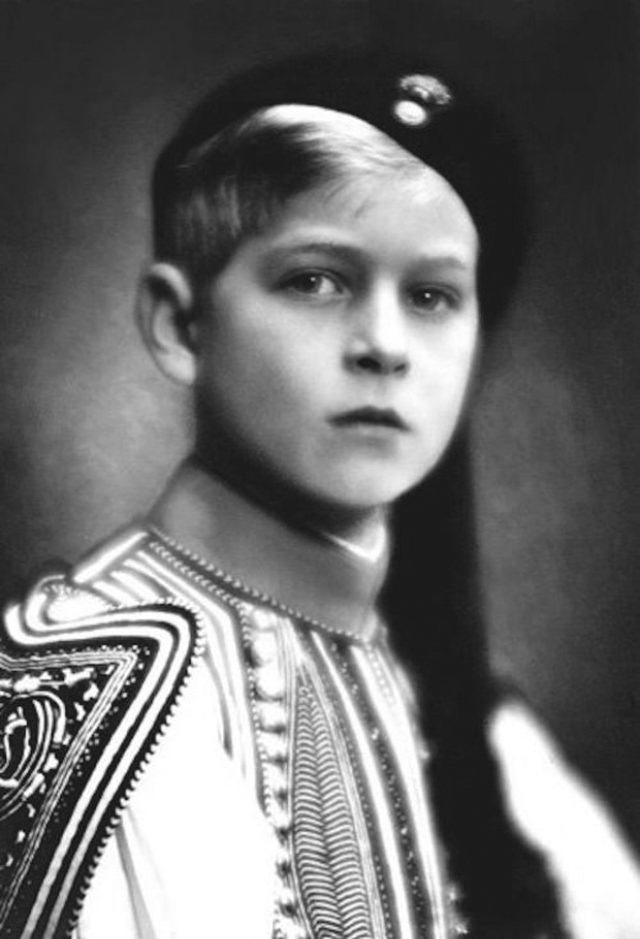
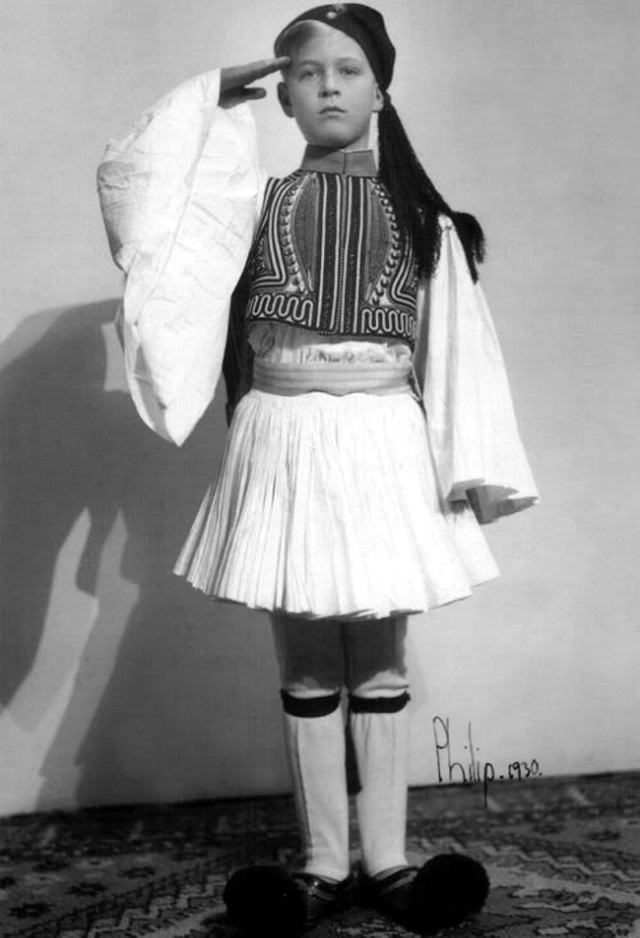
In 1930, Philip posed for two photographs in a traditional Greek Evzone costume — both taken by Emile Markovitch. The Evzone uniform, with its white fustanella skirt and tasseled shoes, is a symbol of Greek military heritage. For a boy living in exile, wearing the costume was a visible connection to his Greek roots.
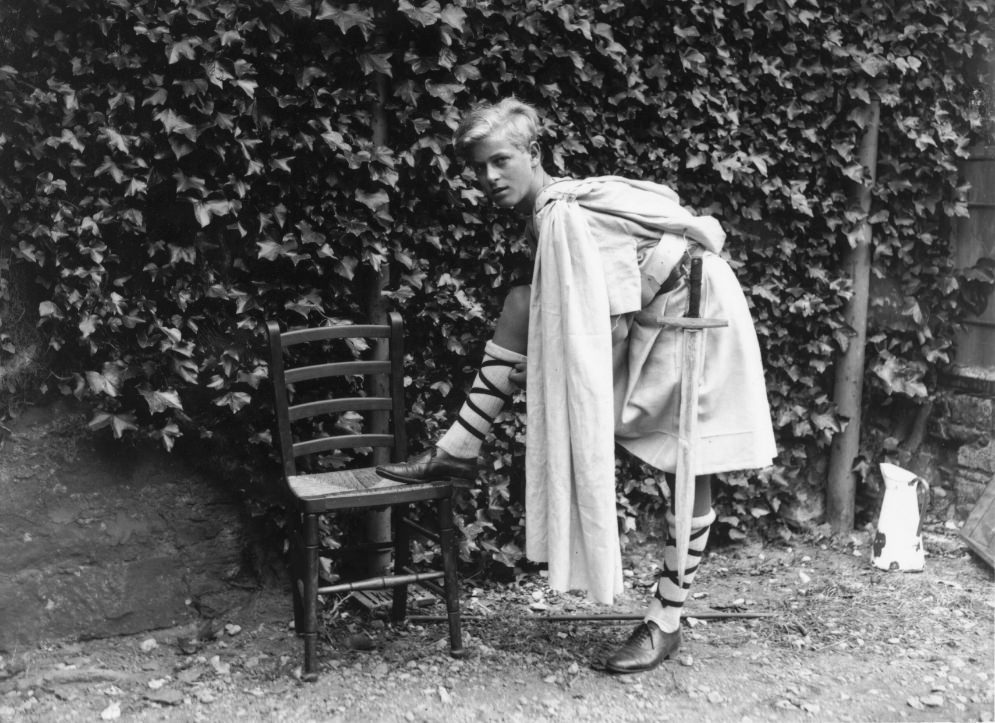
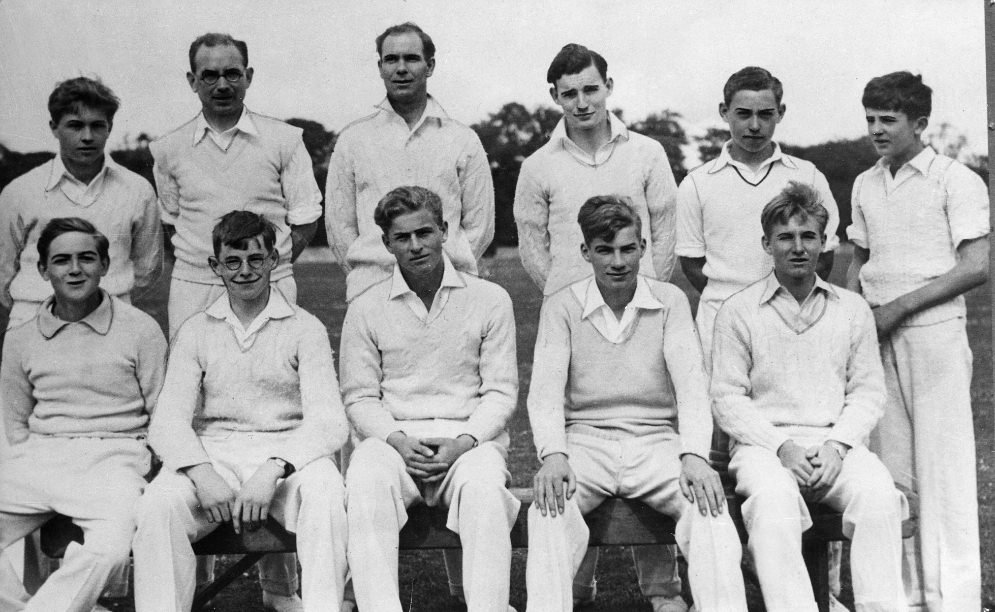
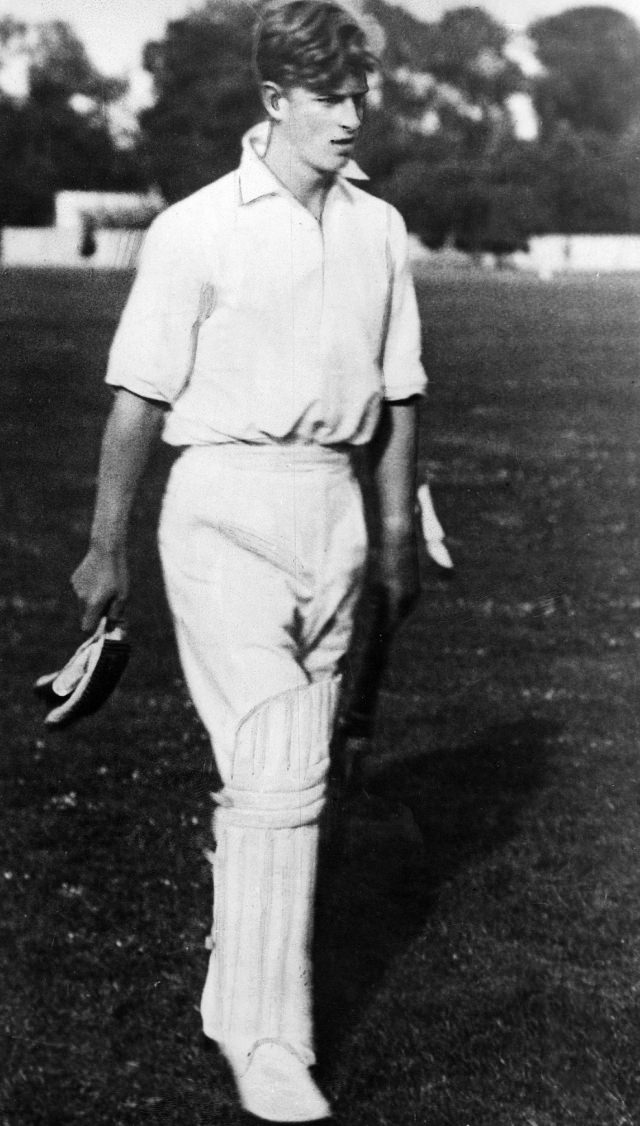
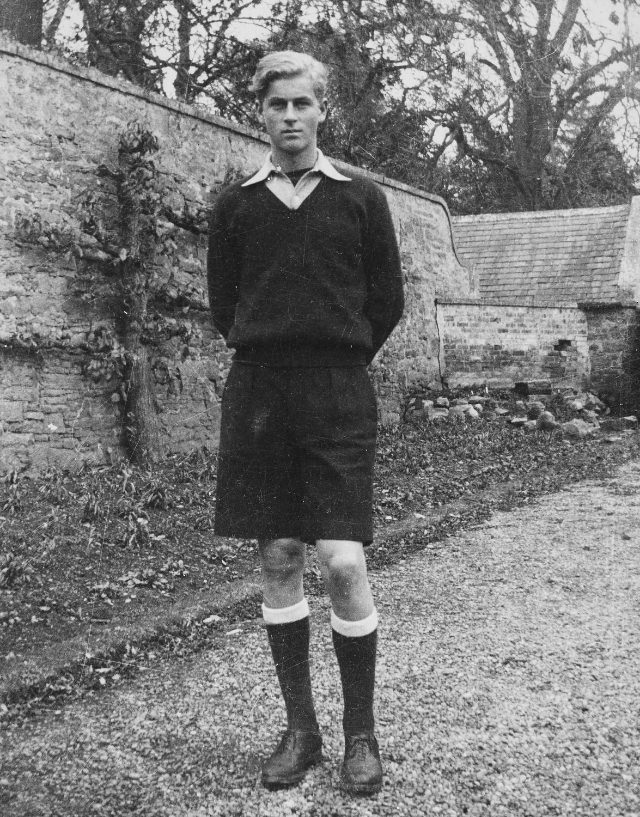
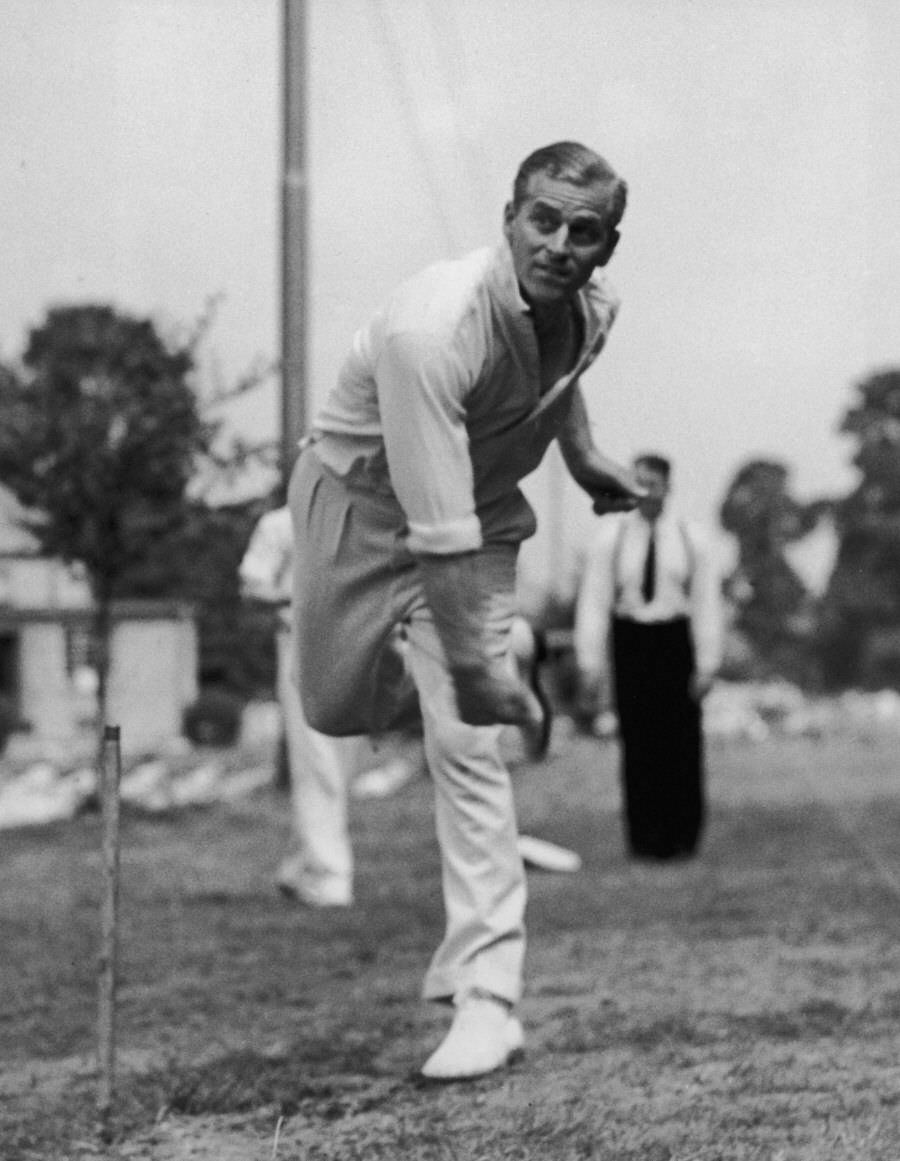
In 1933, Philip left Cheam and was sent to the Schule Schloss Salem in Germany, a progressive boarding school. Salem had been founded by educational reformer Kurt Hahn, who had since fled Nazi Germany and relocated to Scotland, where he established Gordonstoun School. Philip followed Hahn to Gordonstoun in 1934, where he thrived. He captained the cricket team, played an active role in school life, and appeared in theatrical productions, including a 1935 staging of Macbeth.
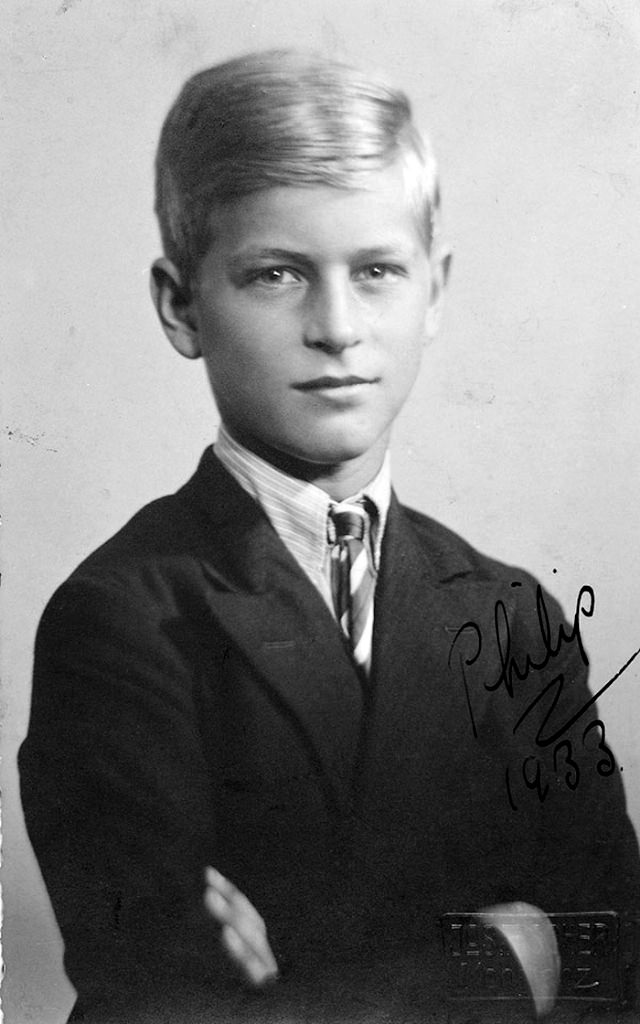
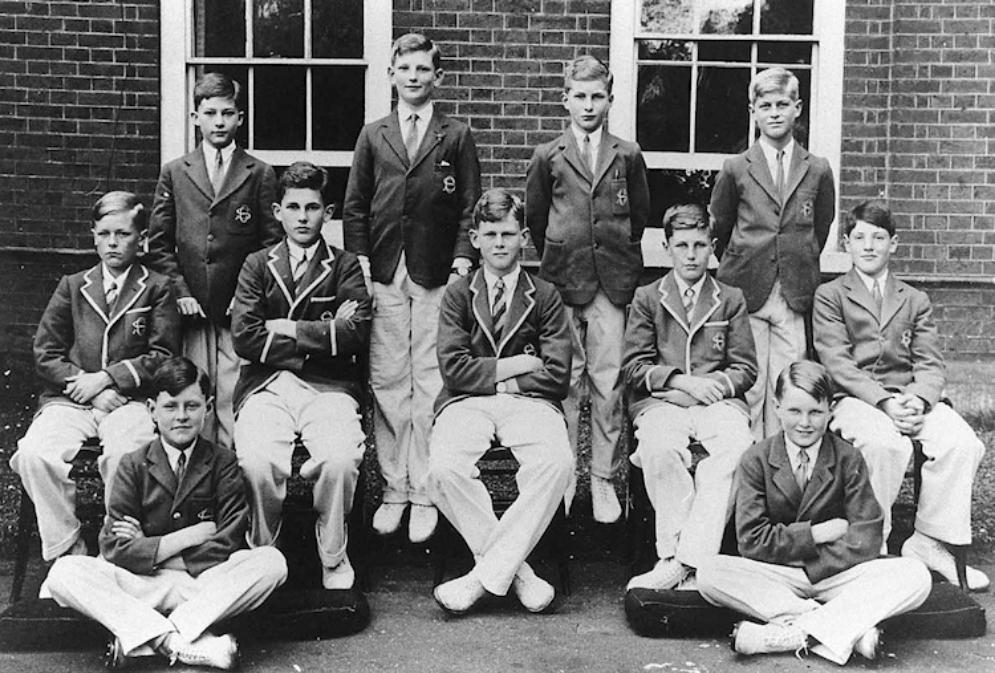
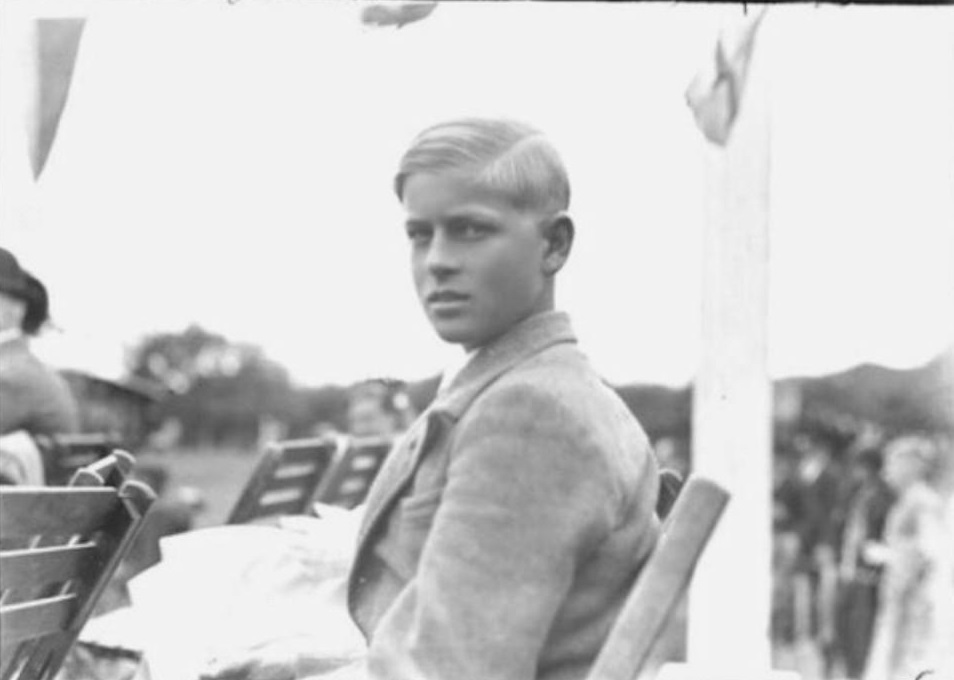
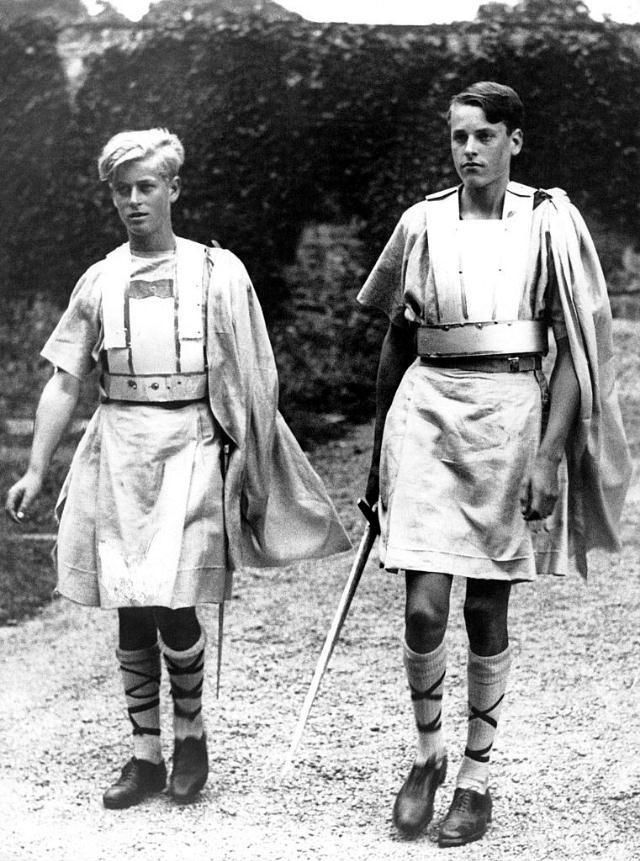
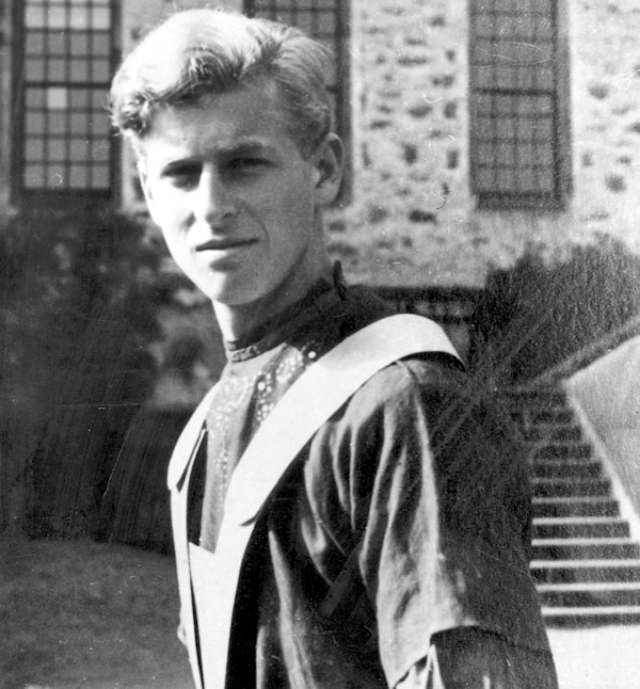
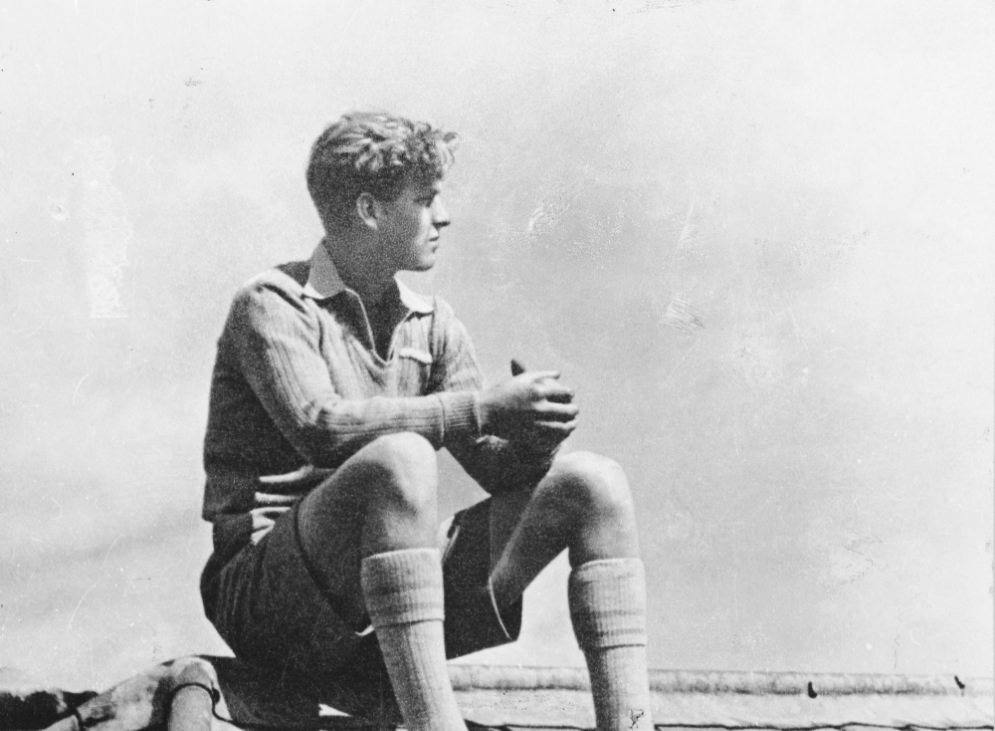
Philip continued to perform in school plays in 1936 and remained active in cricket through his Gordonstoun years. Photographs from 1938 show him both on the cricket pitch and sitting casually on the roof of the school building — a relaxed pose that speaks to the informal, outdoors-focused culture that Gordonstoun was known for. By 1939, he was photographed again at the school, this time in his final year before leaving for the Royal Naval College at Dartmouth.
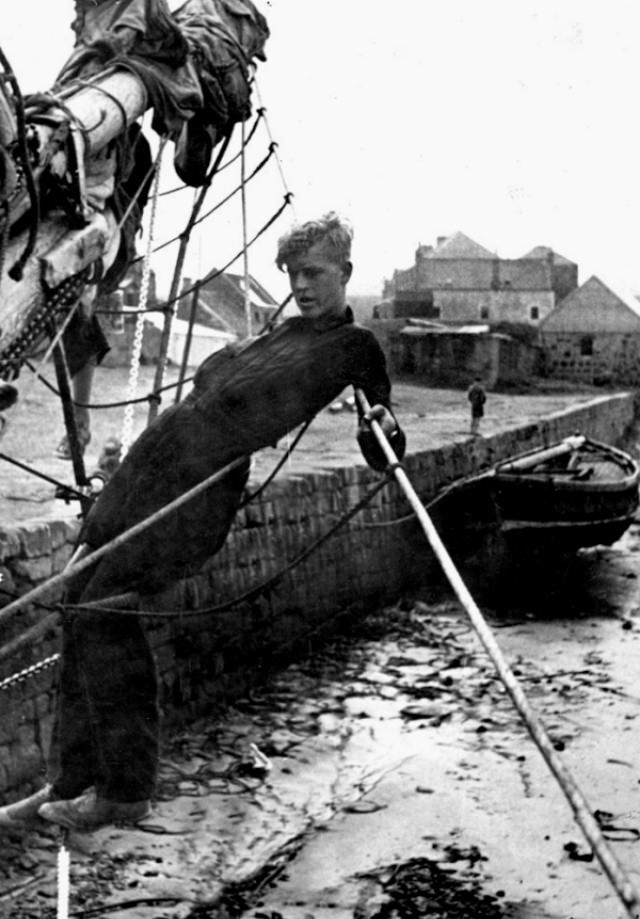
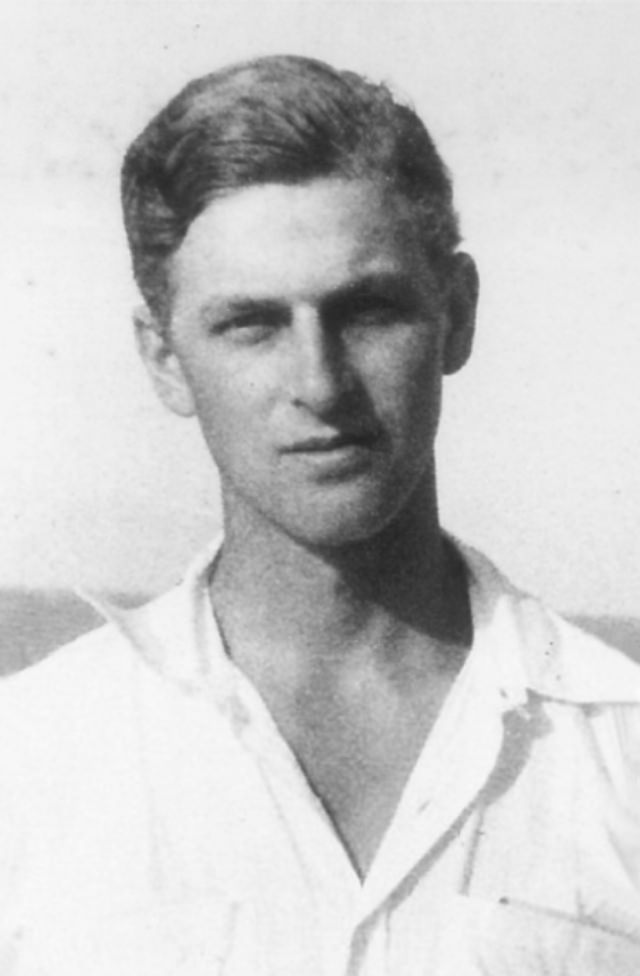
When World War II broke out, Philip joined the Royal Navy and saw active service. He served in the Mediterranean and the Pacific, and was mentioned in dispatches for his role in the Battle of Cape Matapan in 1941. By the time the war ended, he had risen to the rank of First Lieutenant. It was during the war years that his relationship with Princess Elizabeth deepened. The two had first met in 1939 when Philip was a cadet at Dartmouth and Elizabeth visited the college with her parents.
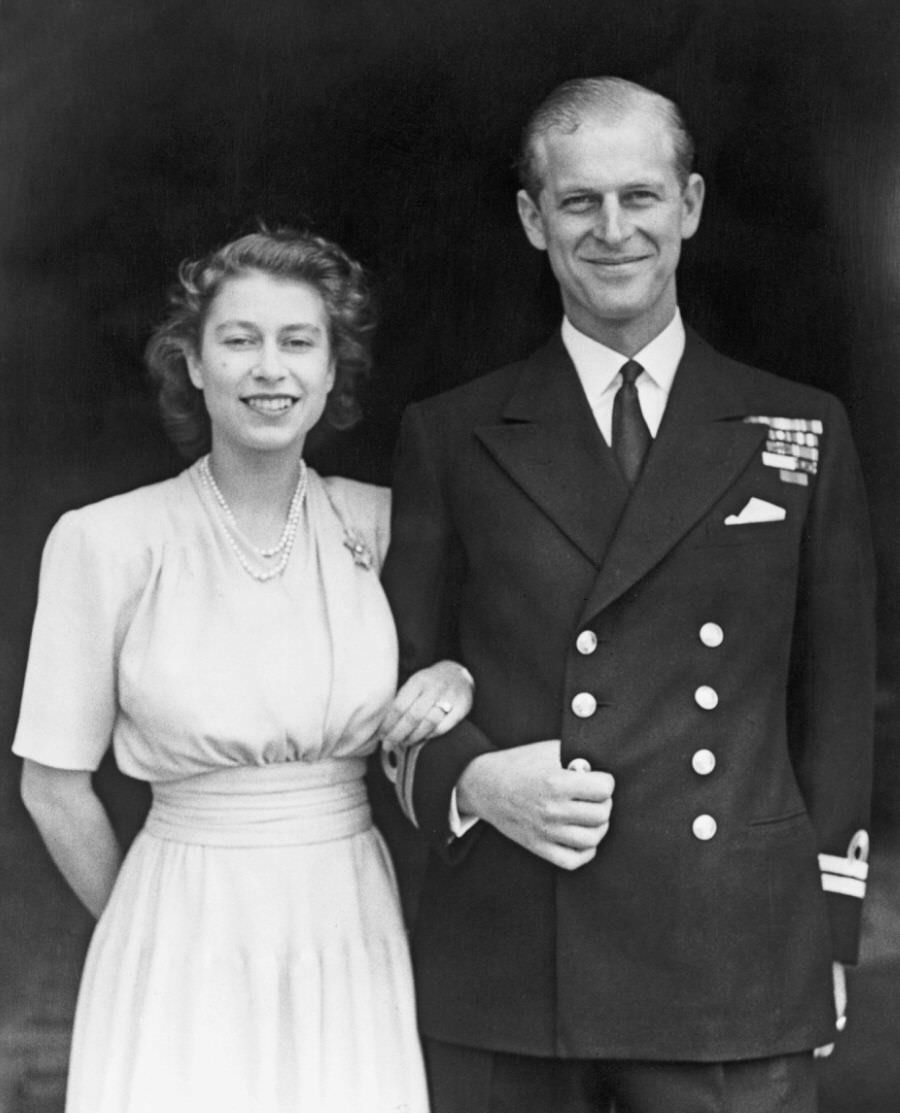
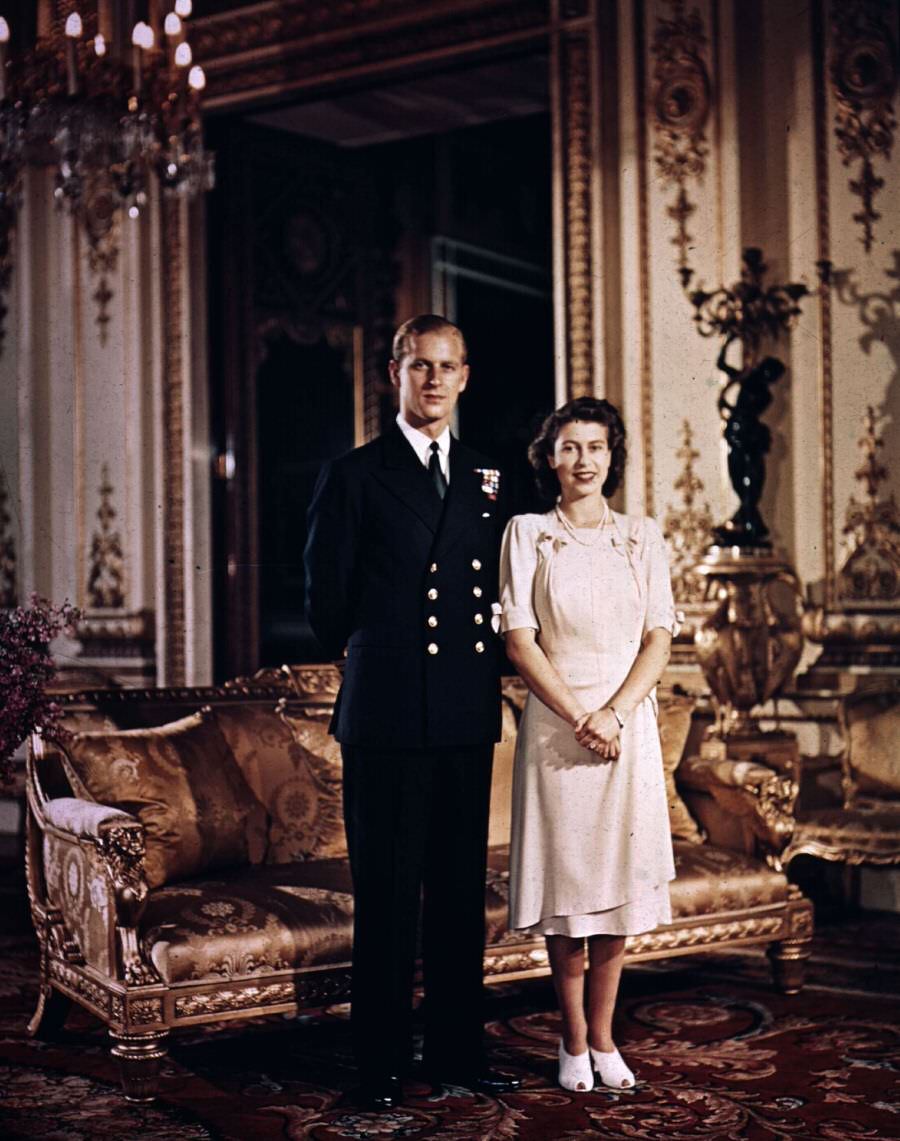
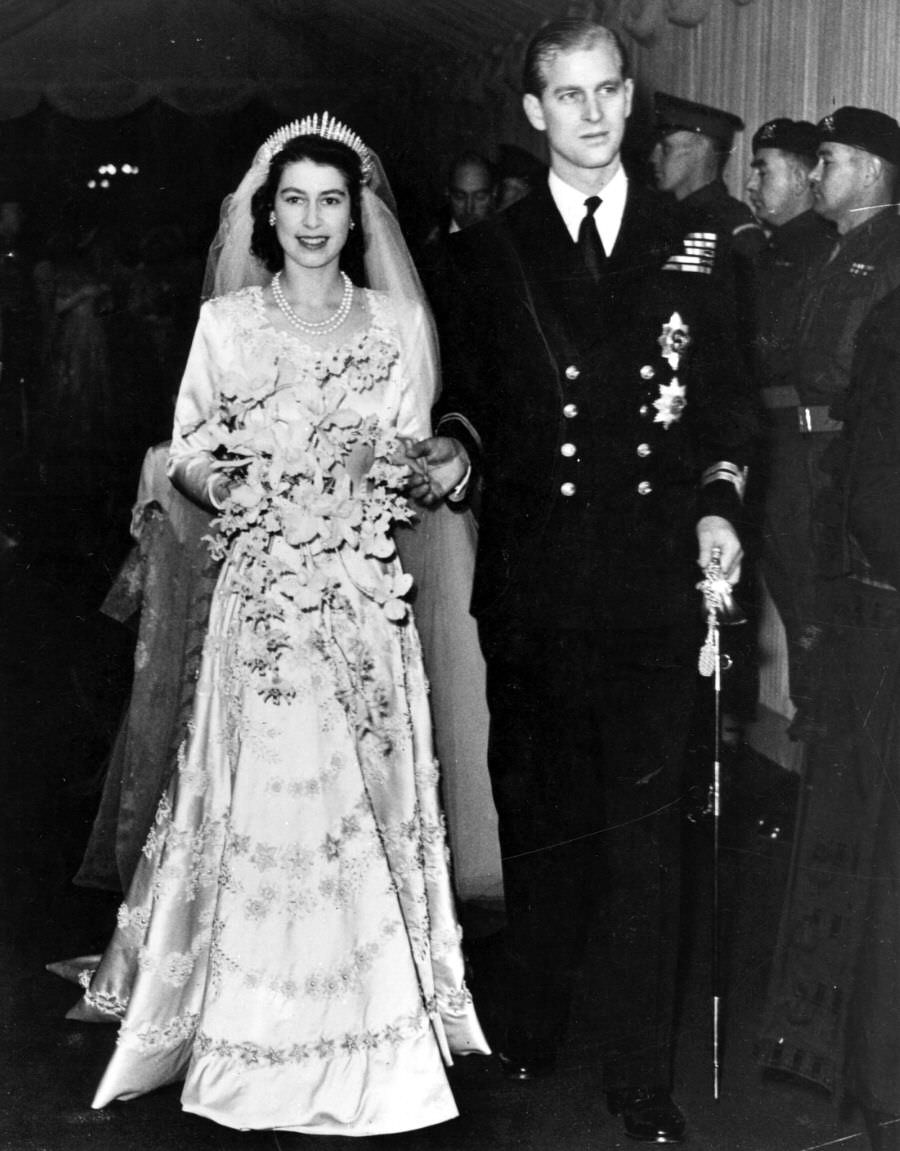
Philip and Elizabeth were married on November 20, 1947, at Westminster Abbey. Before the wedding, Philip renounced his Greek and Danish royal titles and became a British subject, taking the surname Mountbatten from his mother’s family. He was granted the title Duke of Edinburgh on the morning of his wedding. The ceremony was broadcast on radio to 200 million people worldwide.
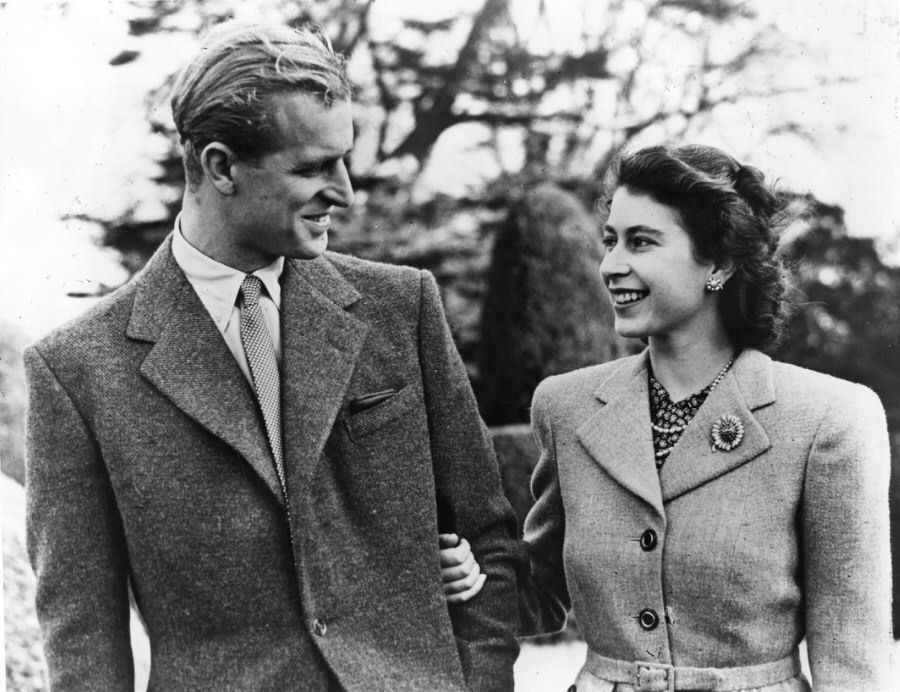
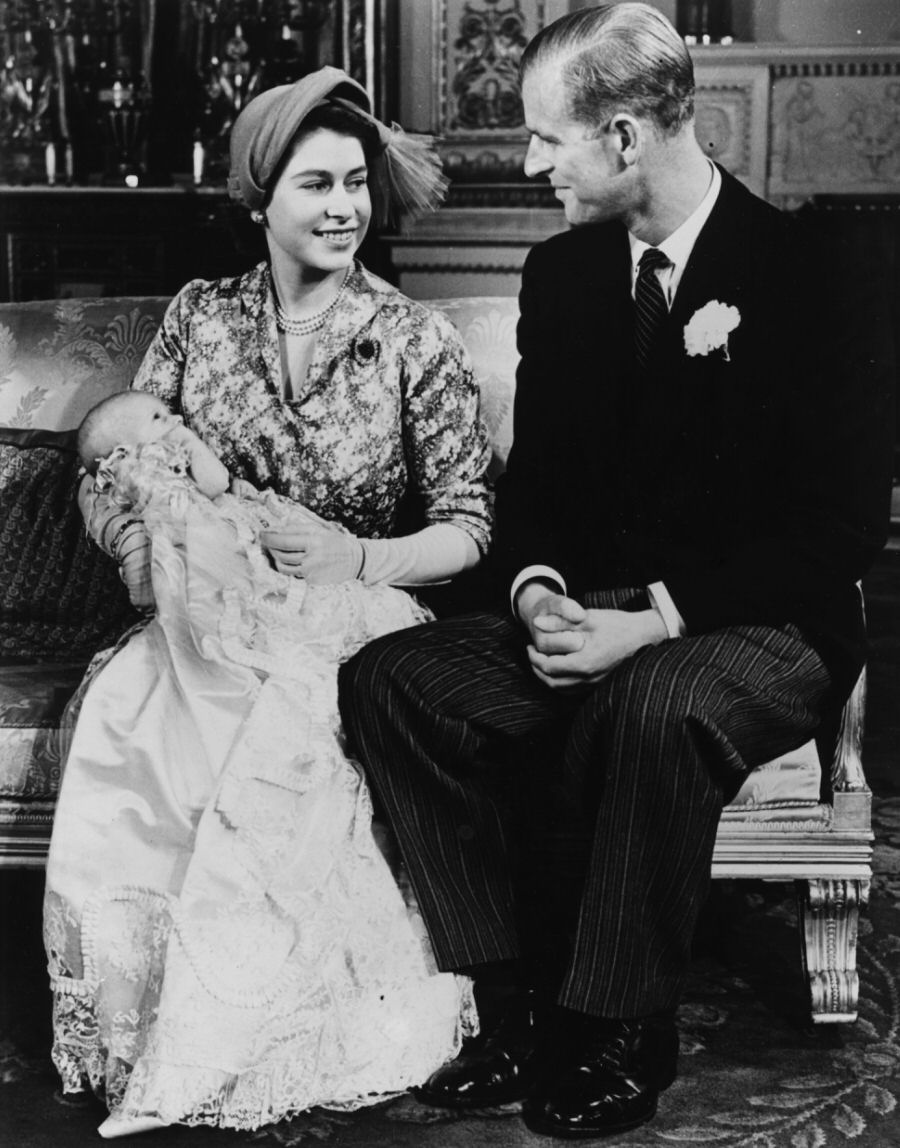
Philip and Elizabeth’s family grew quickly. Their son Prince Charles was born in 1948, followed by Princess Anne in 1950. During this period, Philip continued to serve in the Royal Navy and was stationed in Malta for stretches of time. A 1950 photograph captures him with Elizabeth and the newborn Princess Anne — a rare candid glimpse into their domestic life.
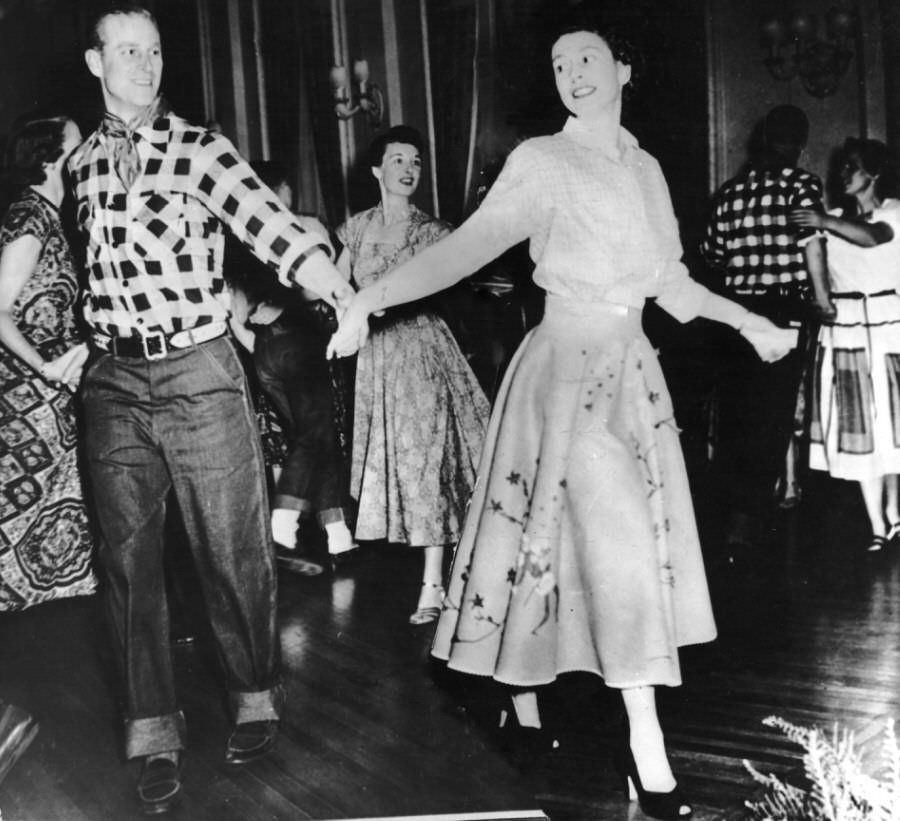
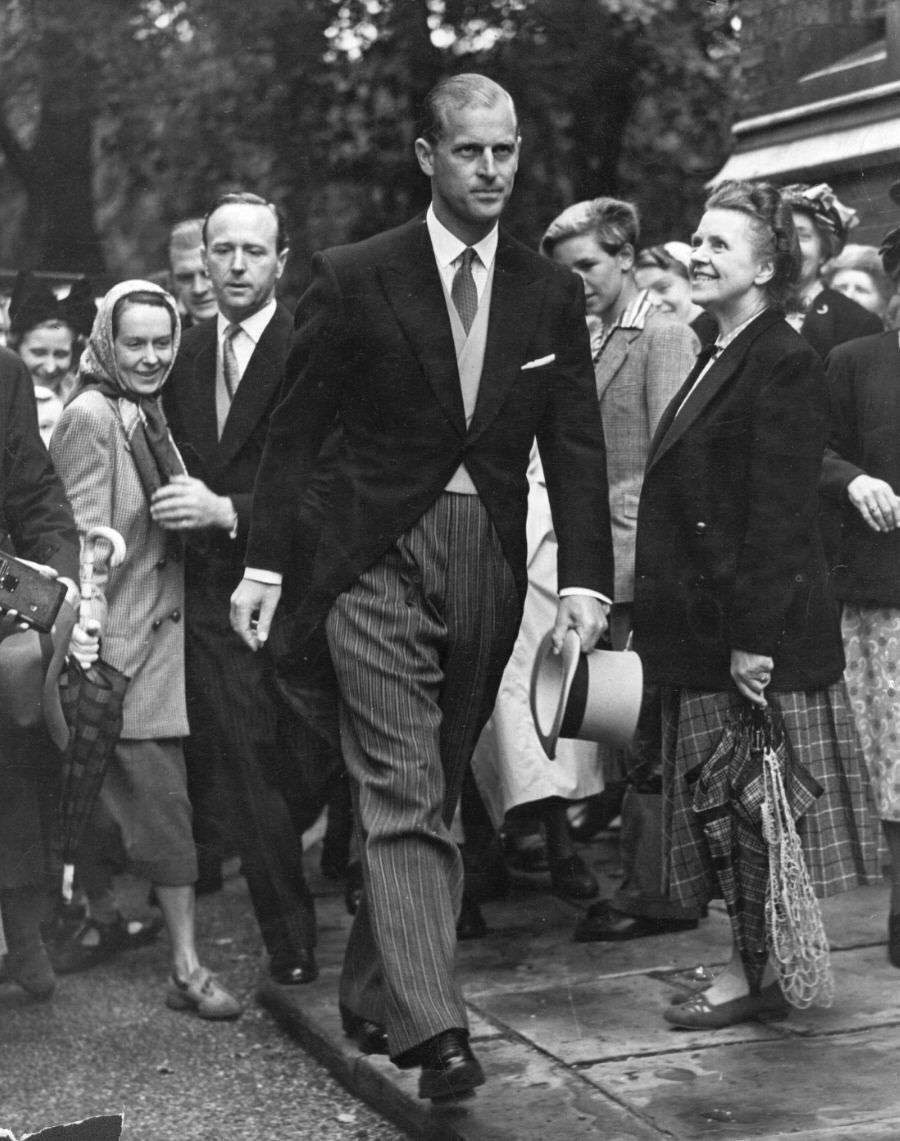
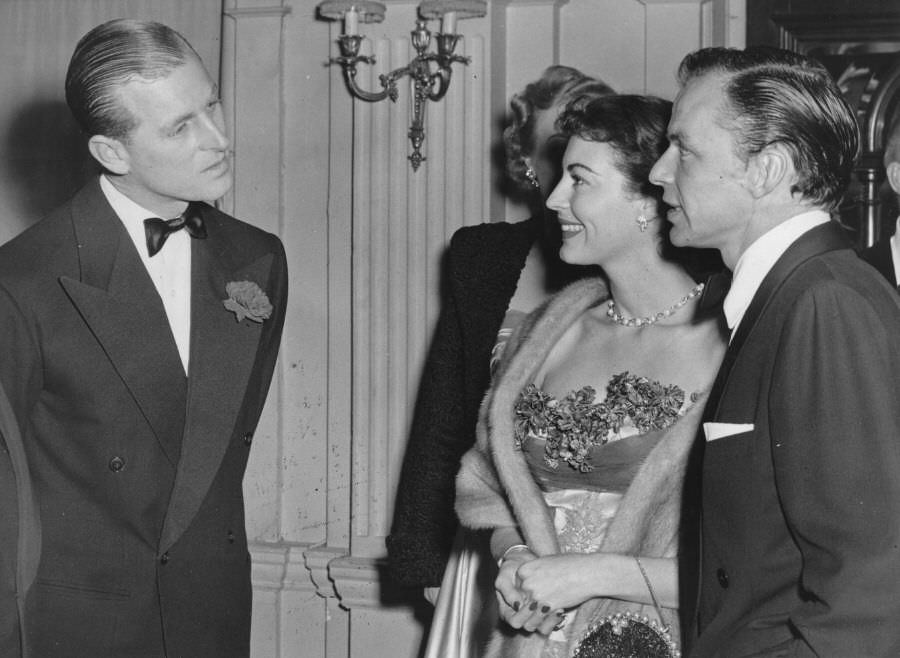
Philip had a notable social ease that brought him into contact with some of the most famous figures of the 20th century. In 1951, he was photographed chatting with Frank Sinatra and Ava Gardner at London’s Empress Club. That same year, he and Elizabeth undertook tours of Canada and other Commonwealth nations, photographed heading toward Victoria during their travels.
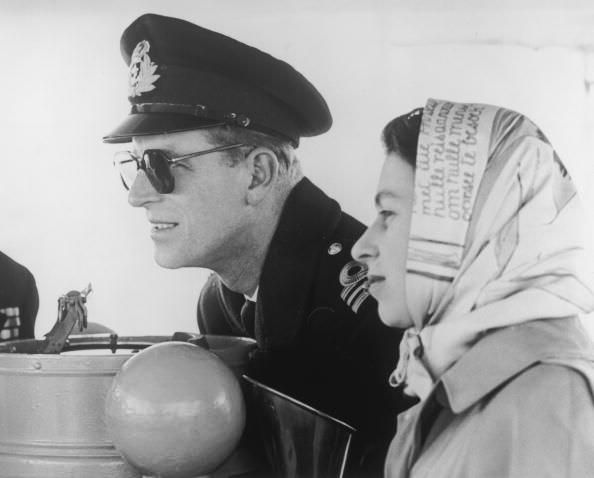
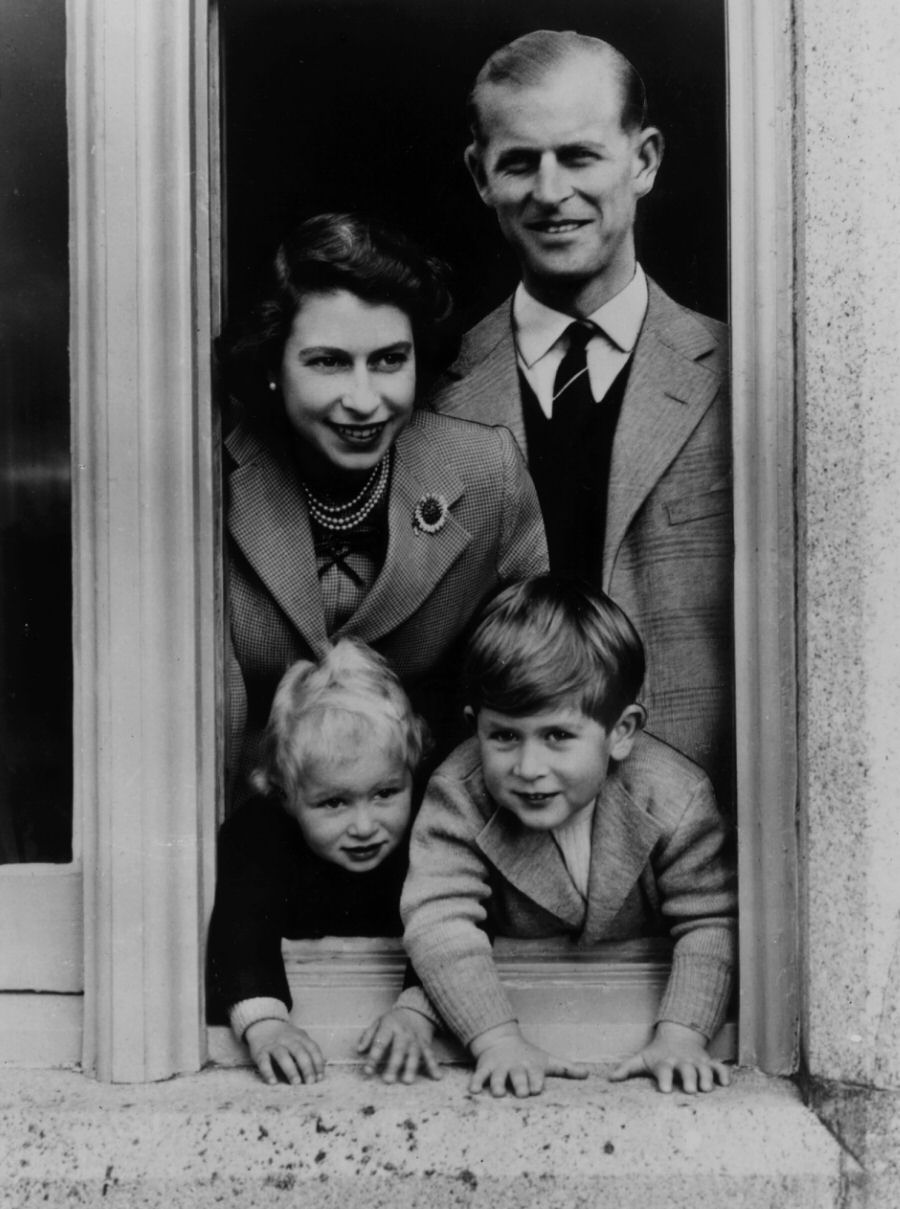
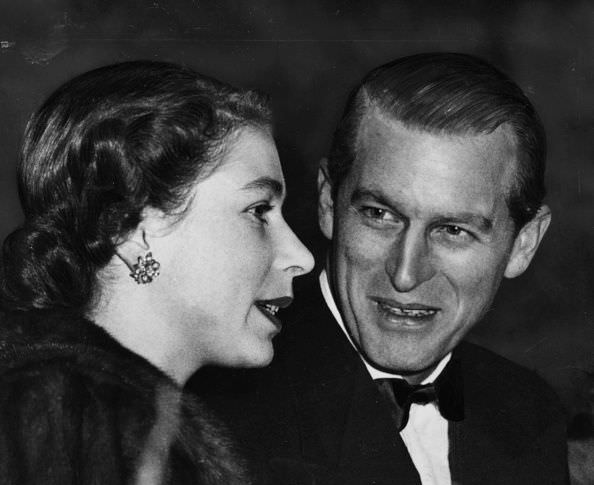
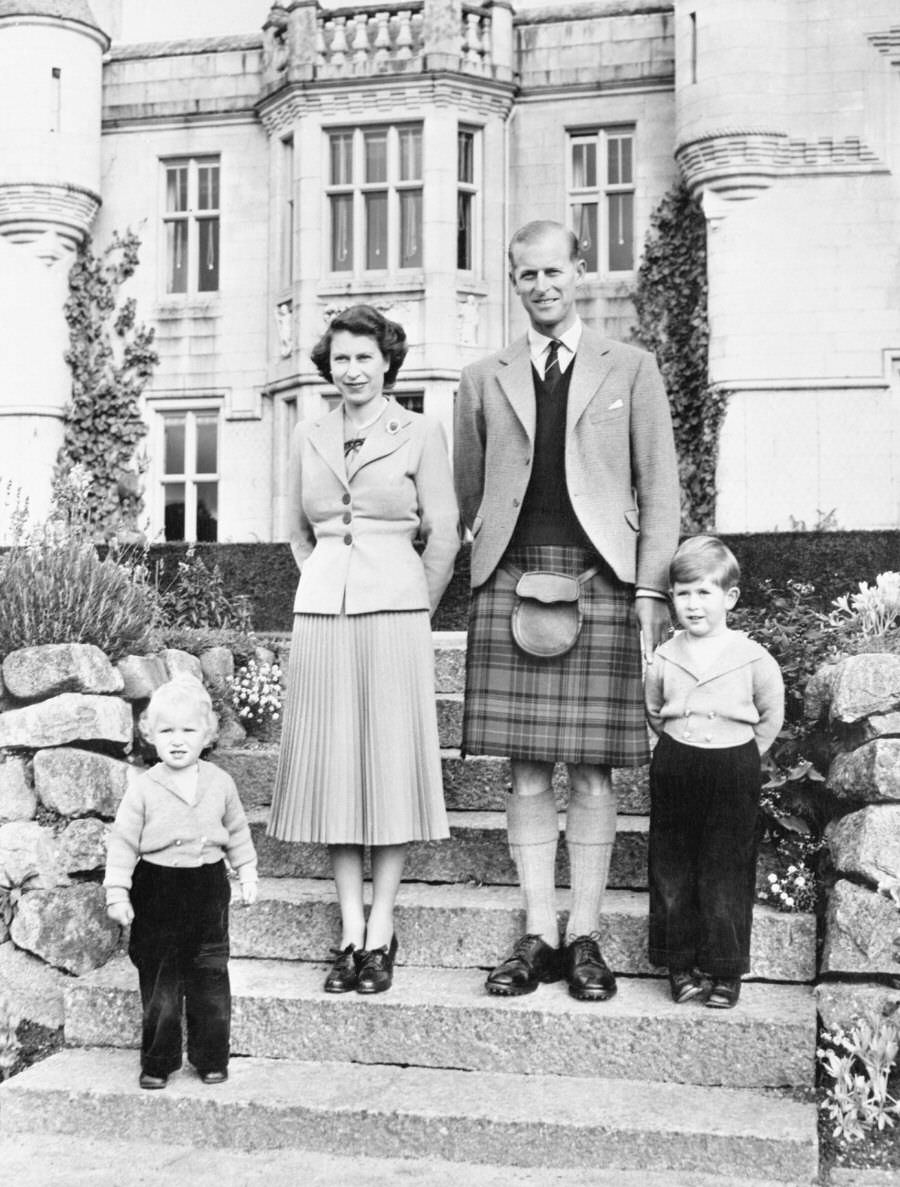
When King George VI died on February 6, 1952, Elizabeth became Queen, and Philip’s naval career ended. He left active military service and took on the role of royal consort full-time. He was never given the title of King Consort. Instead, it was not until 1957 that the Queen granted him the style of Prince of the United Kingdom by Letters Patent. A 1952 family photo at Balmoral Castle and another at the circus in London that same year show the couple adjusting to their new public roles.
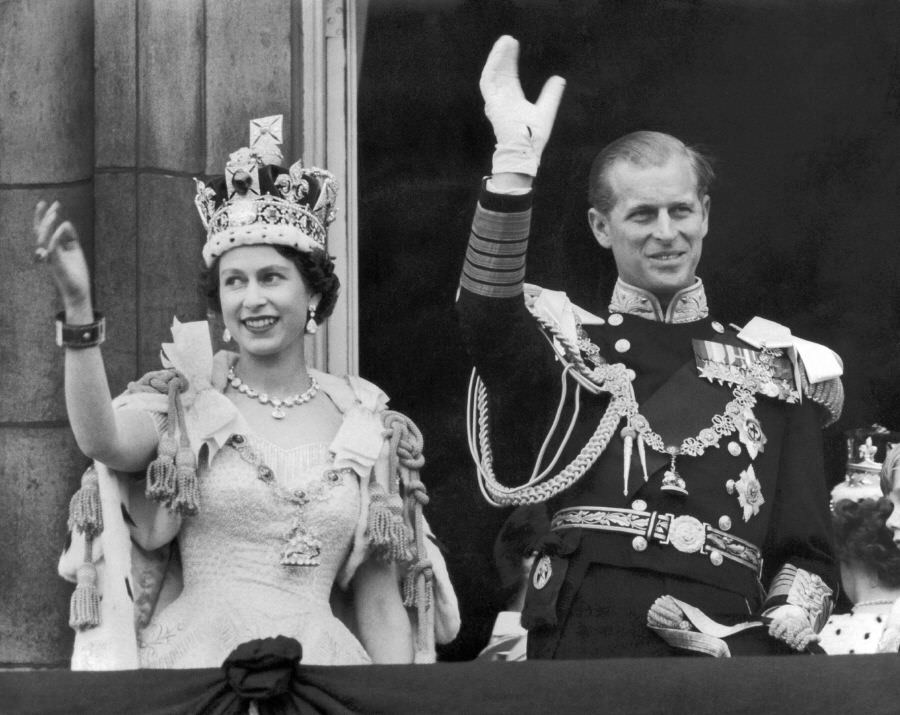
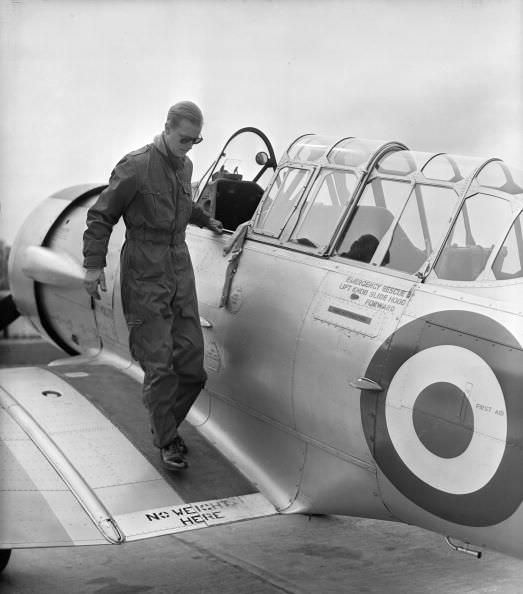
Elizabeth’s coronation took place on June 2, 1953. Philip knelt before his wife and pledged his allegiance, then kissed her cheek. The two appeared on the balcony of Buckingham Palace to greet the crowds below — a moment that became one of the most iconic images of the 20th century. Philip also began flying that year, logging significant hours and eventually earning his wings from all three military services.
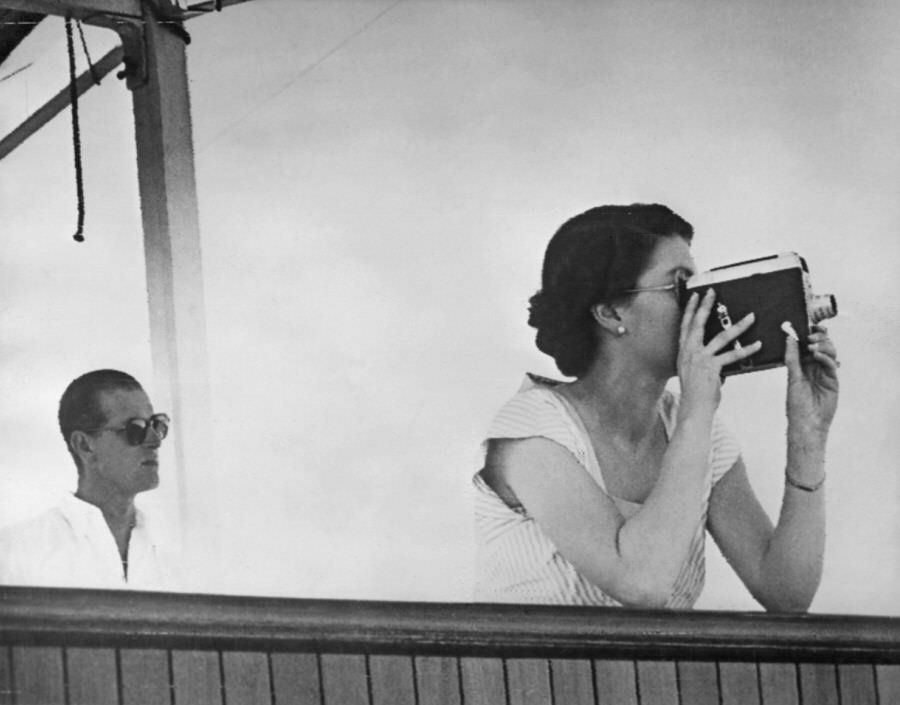
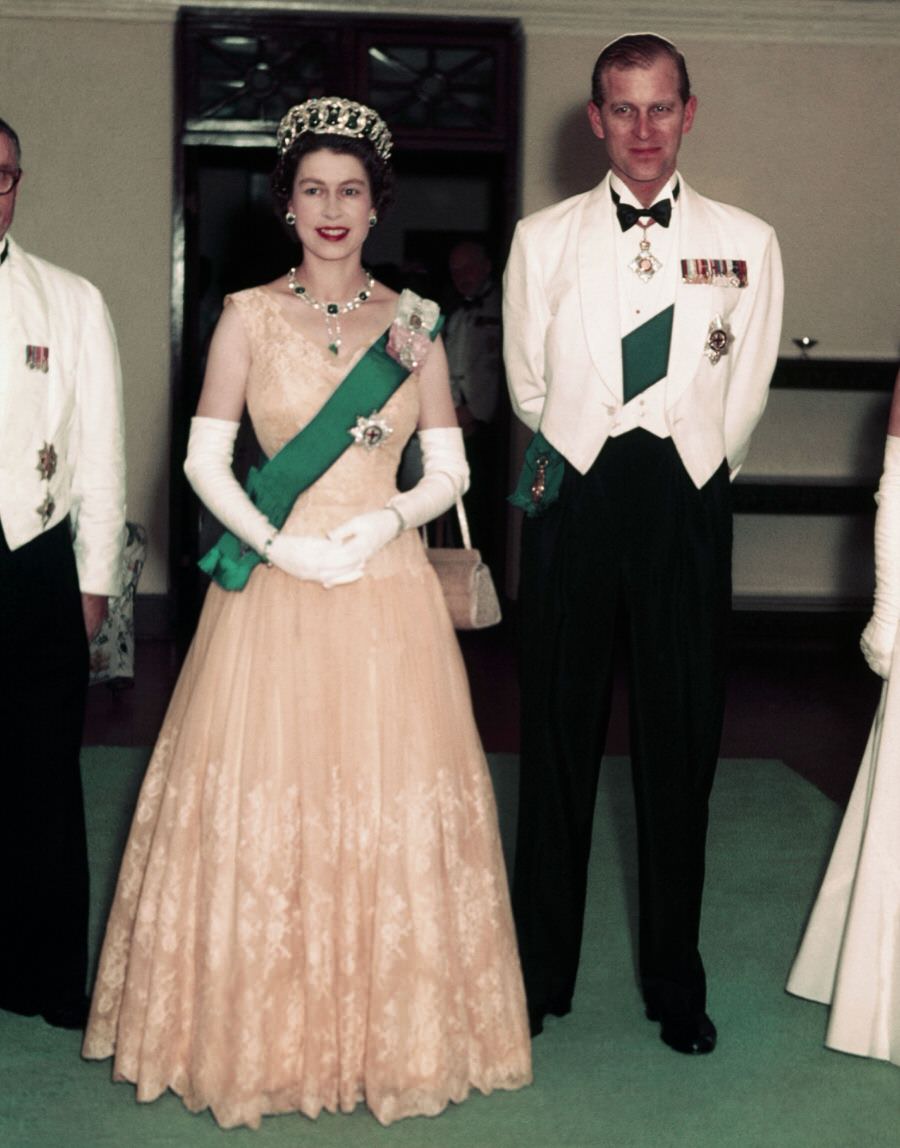
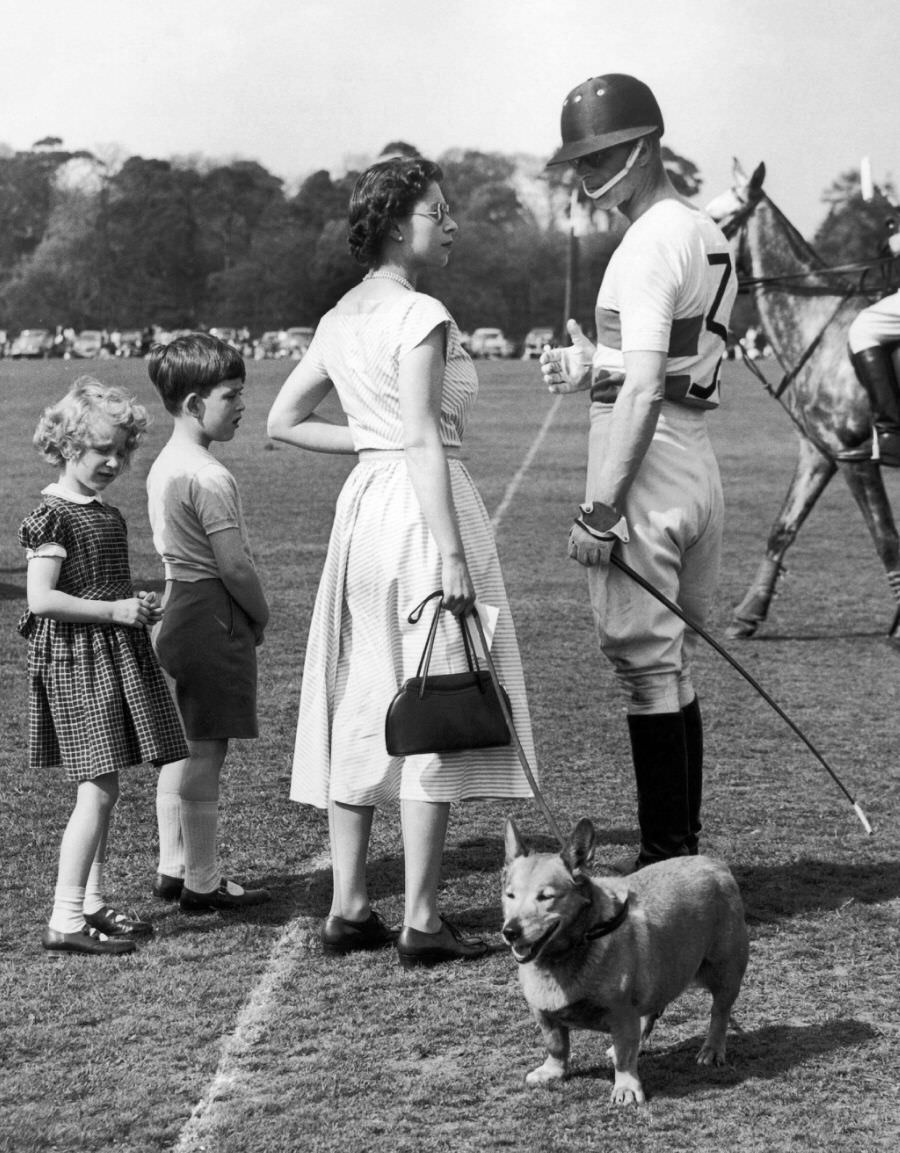
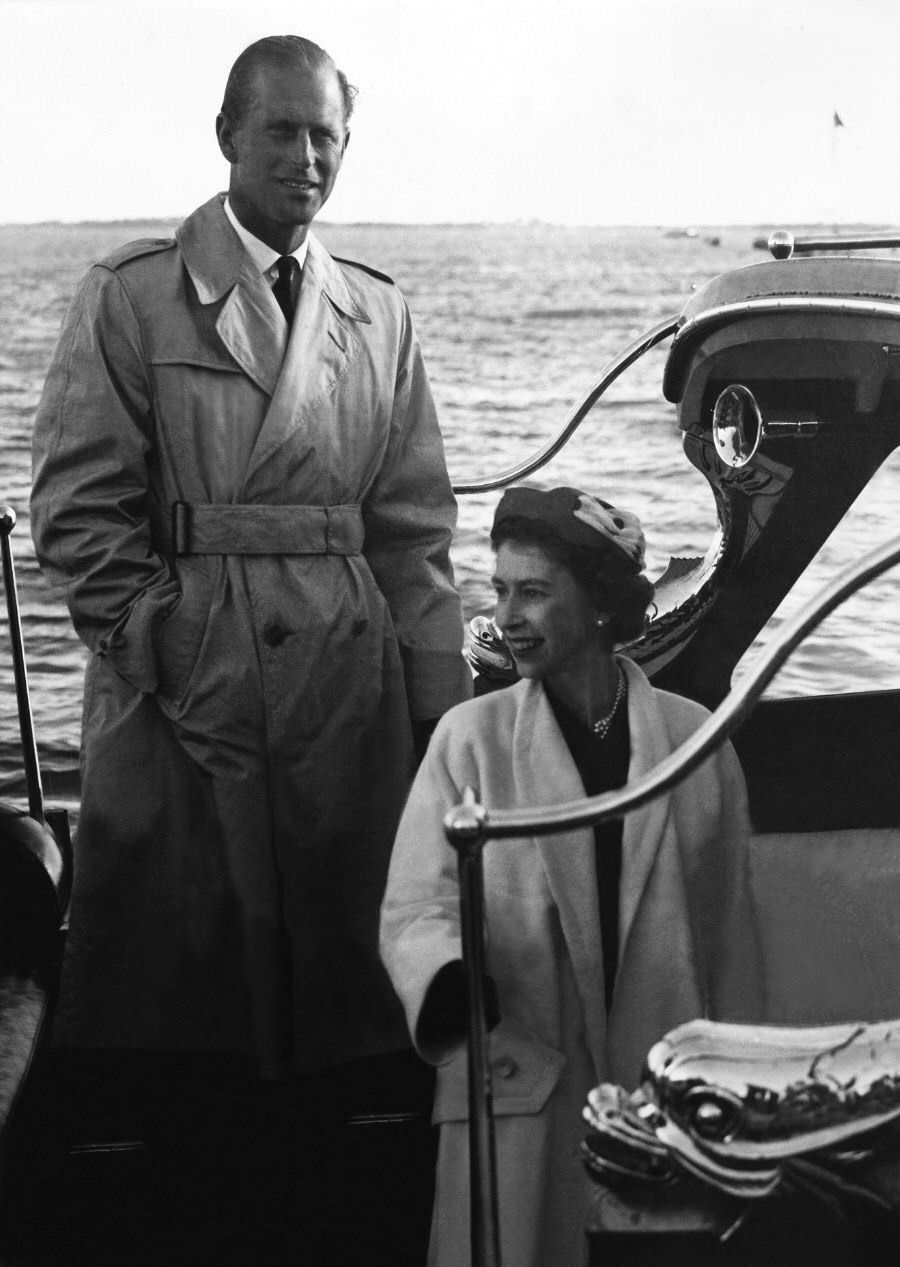
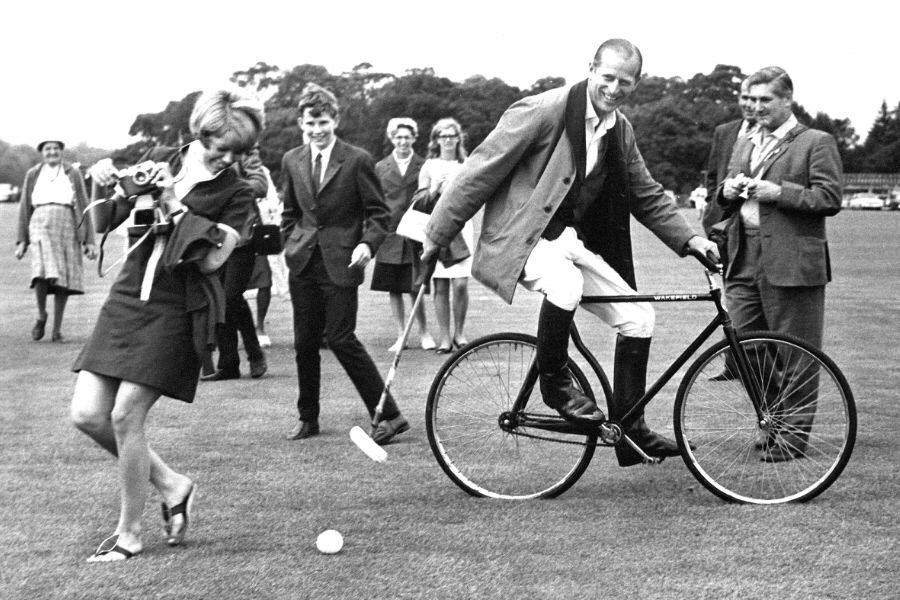
Through the 1950s and 1960s, Philip and the Queen undertook extensive tours of Commonwealth nations, including Nigeria and Portugal. In 1957, he was photographed with the Queen during a polo game in Windsor Park and on their state visit to Portugal. Polo was one of Philip’s great sporting passions, and he played competitively for many years. He was also photographed playing bicycle polo as late as 1964, showing the physical energy he maintained well into middle age.
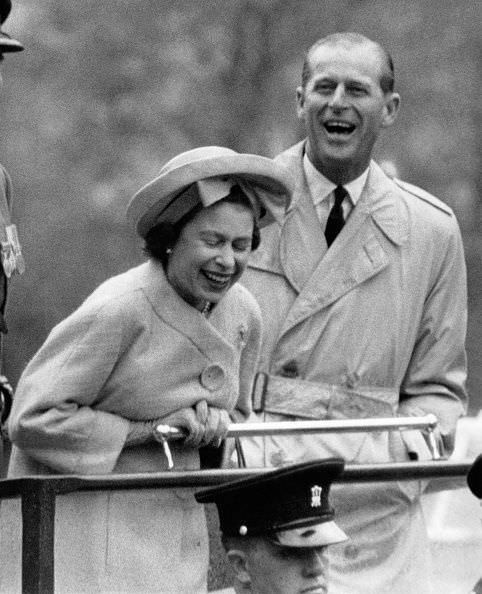
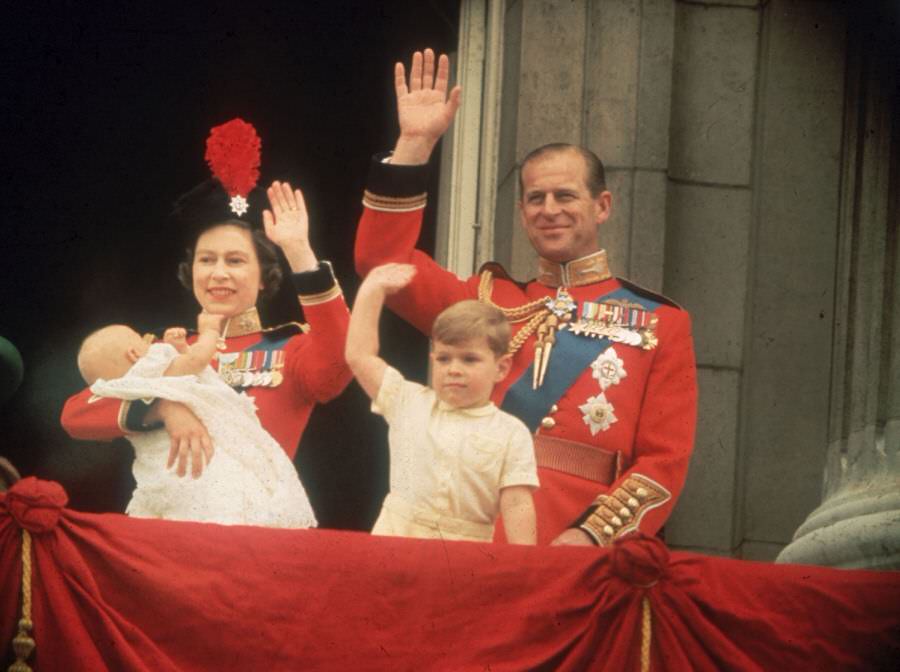
Philip had a genuine, unguarded sense of humor, and photographs from 1963 capture him and the Queen sharing a laugh together — a rare public display of the warmth that people close to them described. By the mid-1960s, the royal family was expanding. Sons Prince Andrew and Prince Edward joined Charles and Anne. A 1964 photograph shows Philip and the Queen on the Buckingham Palace balcony during the Trooping the Colour parade, with young Prince Andrew and Prince Edward waving beside them.
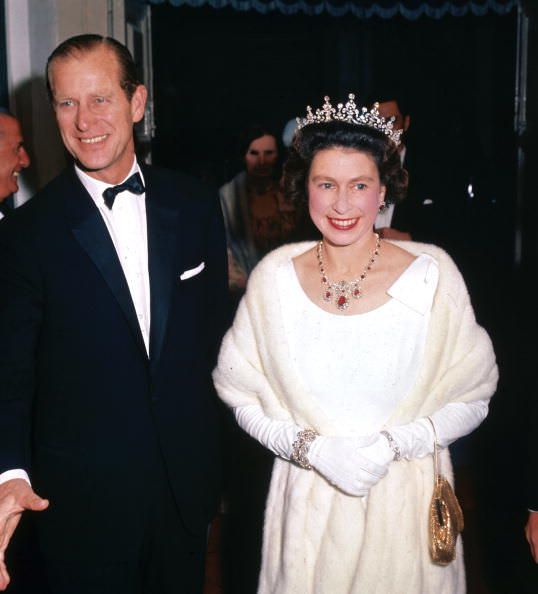
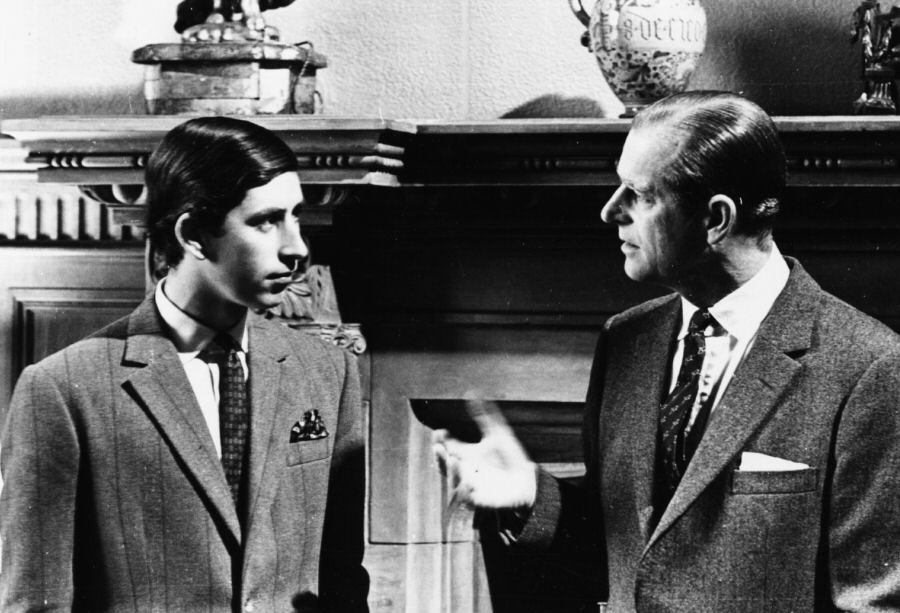
Philip and the Queen continued their international travels throughout the late 1960s, appearing at a theater in Malta in 1967. That same period saw Philip maintaining close bonds with his children. A 1969 photograph at Sandringham shows him in quiet conversation with Prince Charles — a candid moment between father and son away from the formality of official duties.
Philip was a patron, president, or member of more than 780 organizations over the course of his life. He served as chairman of The Duke of Edinburgh’s Award, a self-improvement program for young people aged 14 to 24 that has since reached millions of participants in over 140 countries. Over 96 years of public life, he attended 22,219 solo engagements and delivered 5,493 speeches. In 2014, GQ UK named him one of Britain’s best-dressed men. He officially retired from royal duties in 2017. Prince Philip died on the morning of April 9, 2021, at Windsor Castle, two months short of his 100th birthday. Buckingham Palace confirmed he died peacefully.