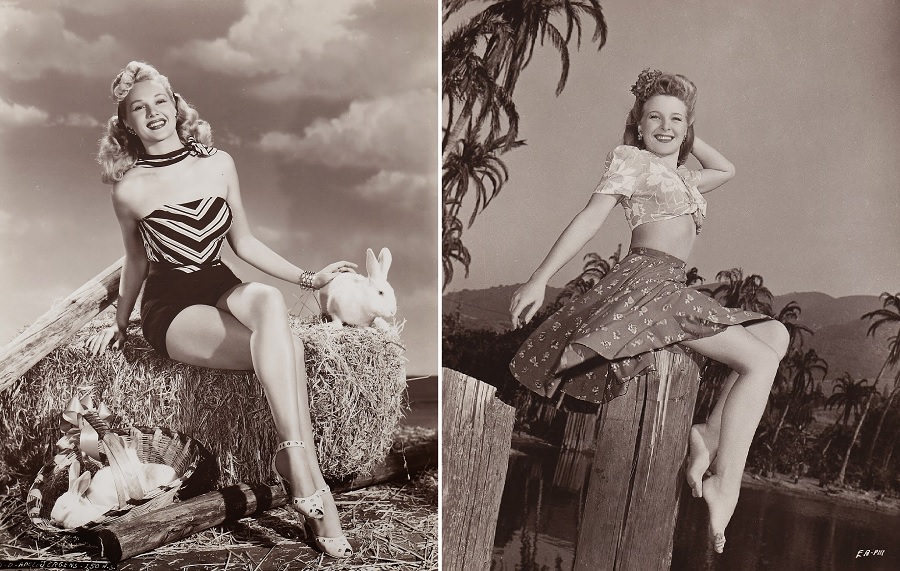
Elizabeth Taylor was born in London to Francis Taylor, an art dealer, and Sara Taylor, a former stage actress. The family moved to Los Angeles just before World War II began. Sara recognized her daughter’s potential early and helped arrange an interview at Metro-Goldwyn-Mayer in 1943. But Elizabeth’s Hollywood story actually started a year earlier, in 1942, when Universal Pictures signed her at age ten for a short comedy.
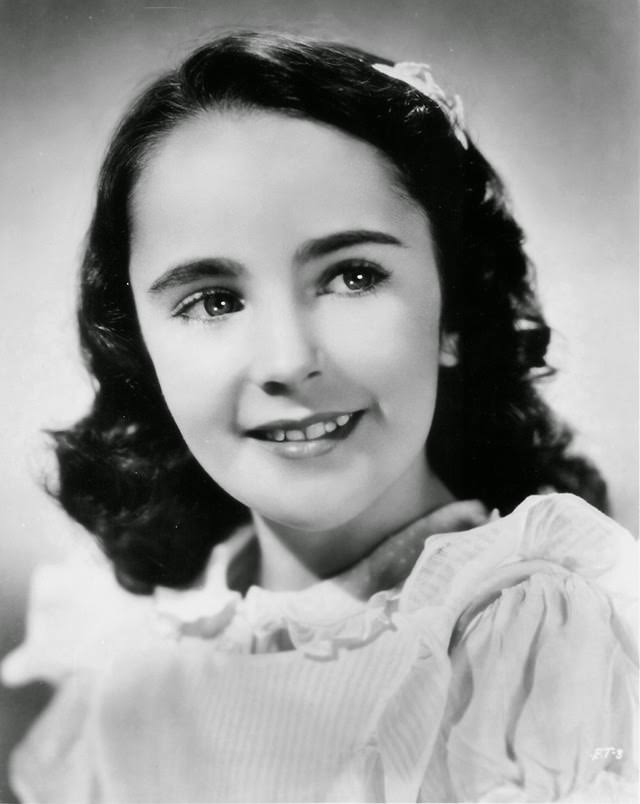
Universal paid her $100 per week, but a studio executive felt she lacked the look of a typical child actress and dropped her after just one picture. It was a short setback. MGM quickly signed her, and she was soon in front of the cameras again.
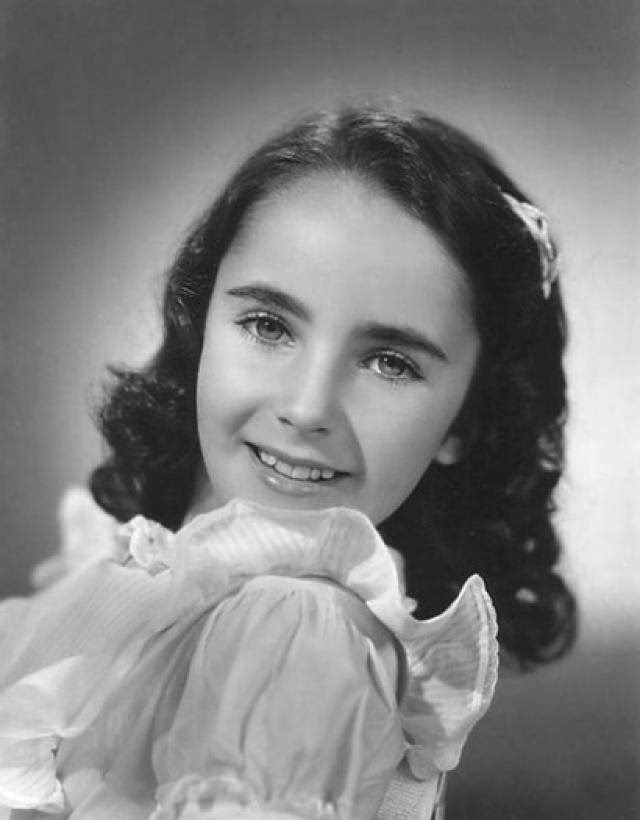
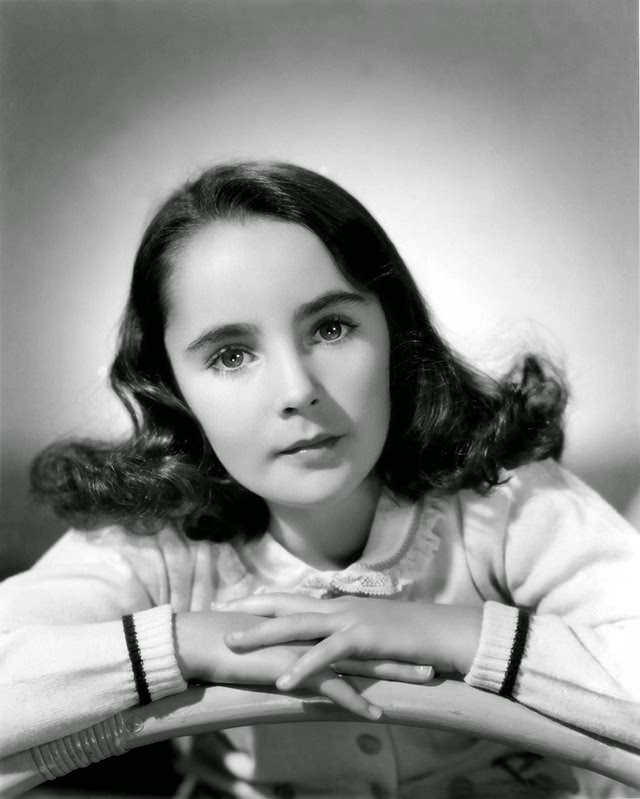
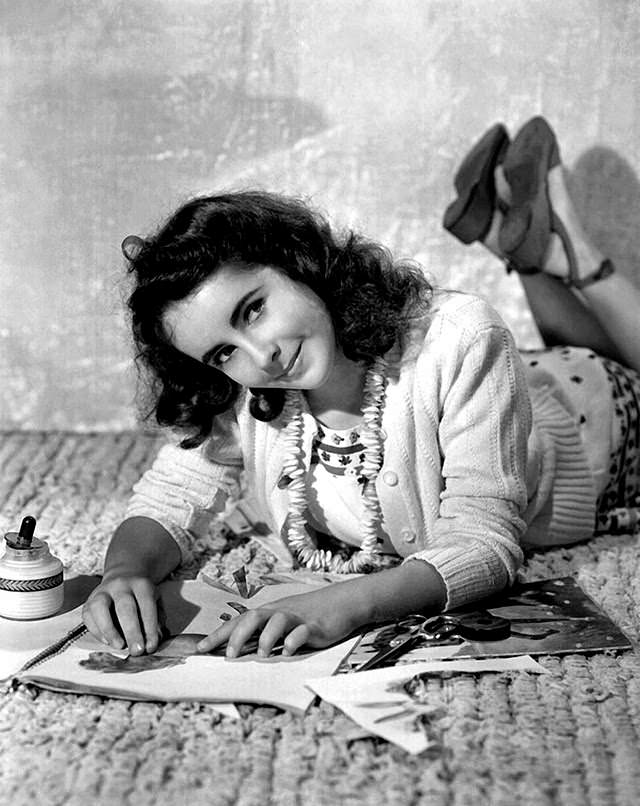
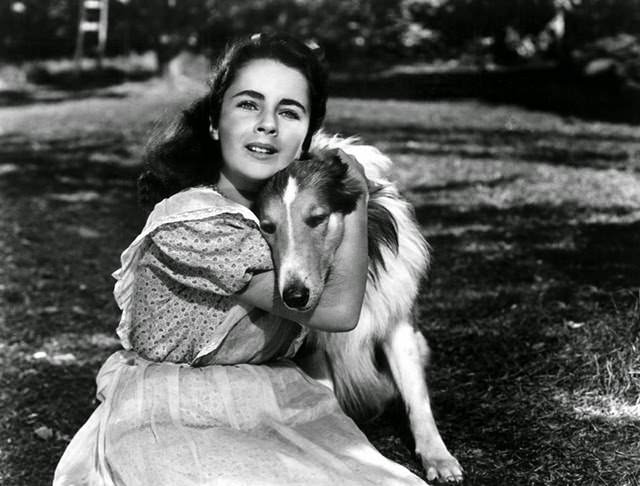
Camera operators and directors noticed something unusual about Elizabeth right away. She was born with distichiasis — a double row of eyelashes — which made her eyes appear thick and dark on film without heavy makeup. Her eyes were a deep blue that shifted to violet under certain studio lights. These traits set her apart from the start. Her first MGM role was in Lassie Come Home in 1943, where she played the granddaughter of a wealthy duke. On set, she met actor Roddy McDowall, who remained a close friend until his death in 1998.
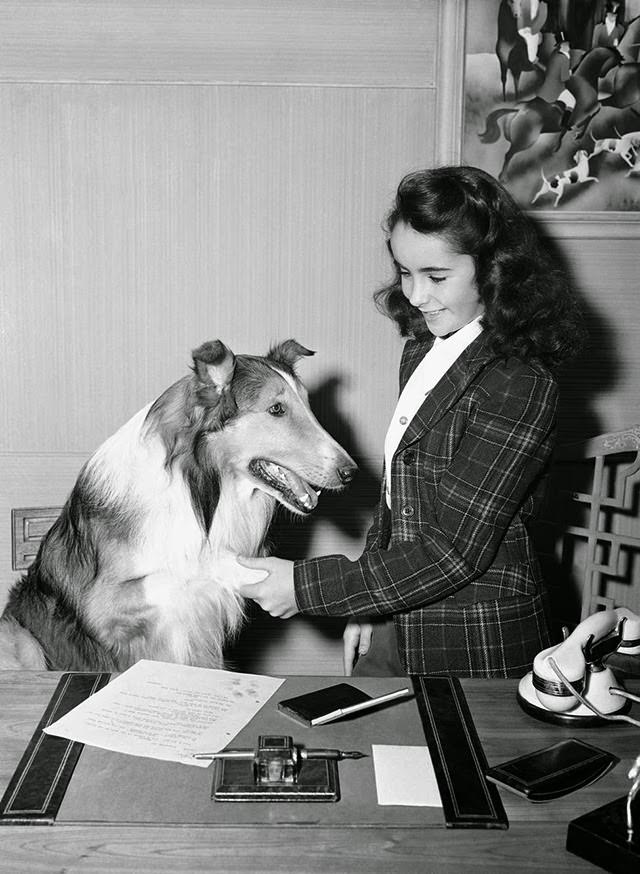
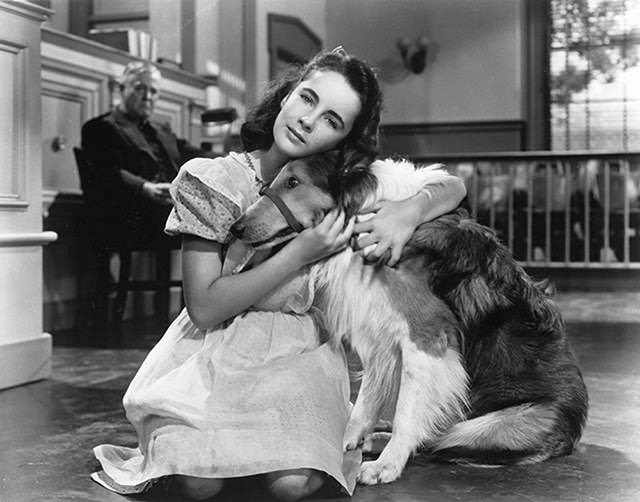
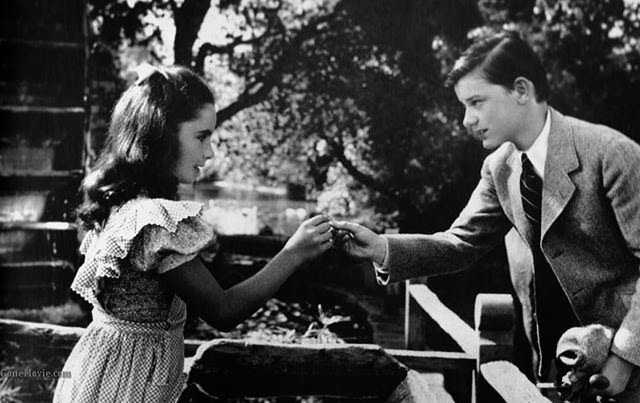
In 1944, Elizabeth fought for the lead role in National Velvet. She spent months proving she was tall enough for the part and trained on horseback daily at a local country club. The film followed a young girl who trains a horse to win the Grand National race. Elizabeth performed many of her own stunts. During one scene, she fell from a horse and injured her back — an injury that caused her chronic pain for the rest of her life. MGM gifted her the film’s horse, a chestnut thoroughbred named King Charles, because of how strongly she had bonded with him.
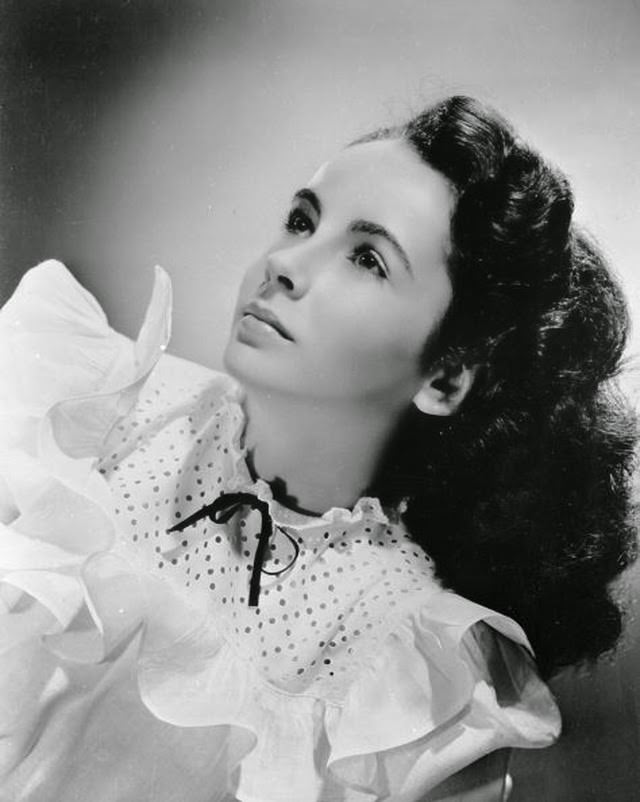
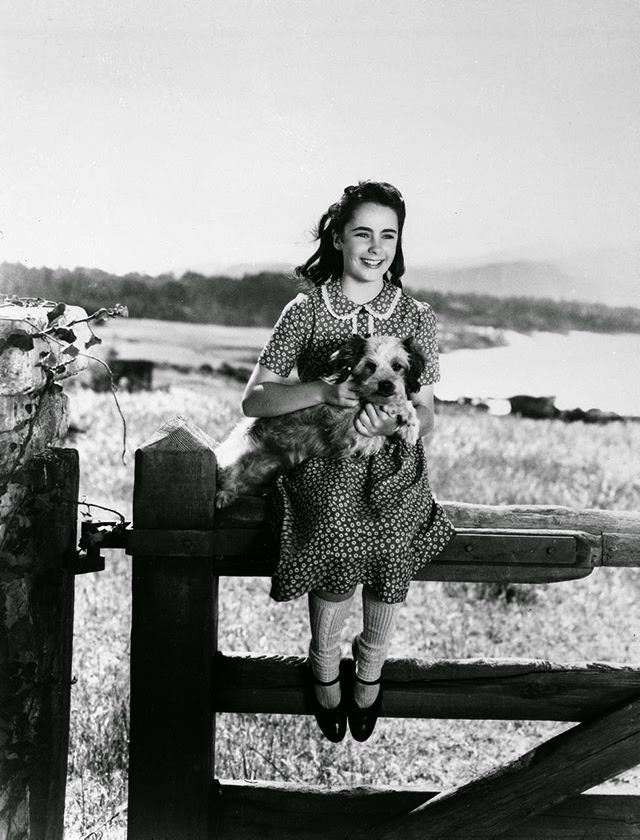
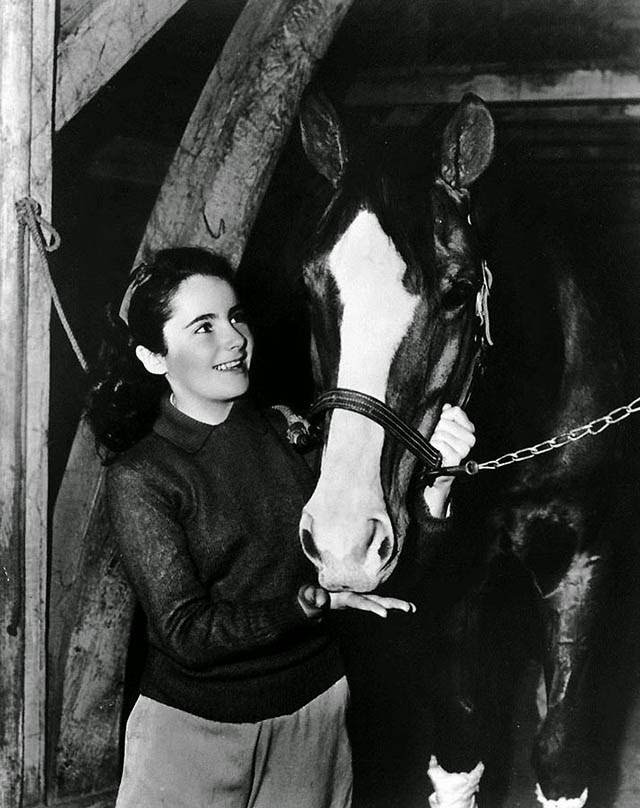
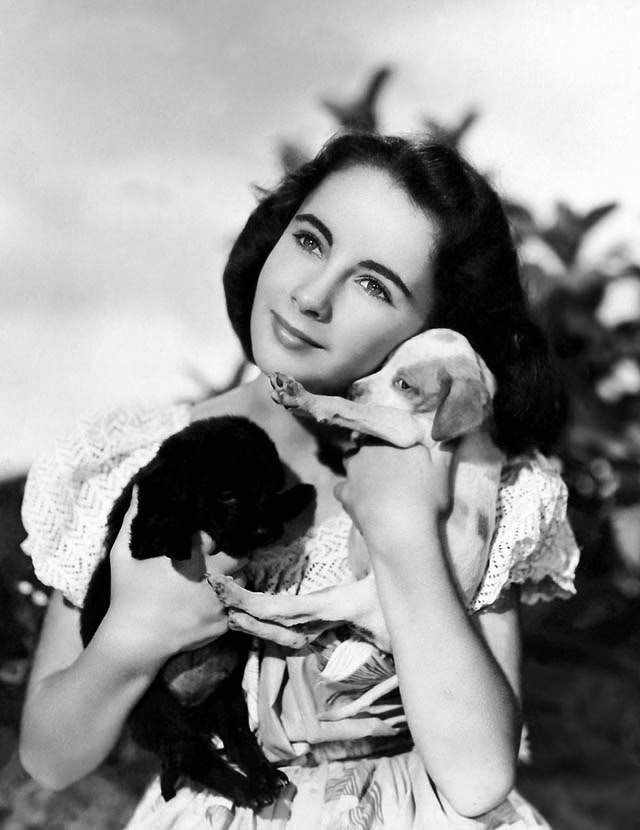
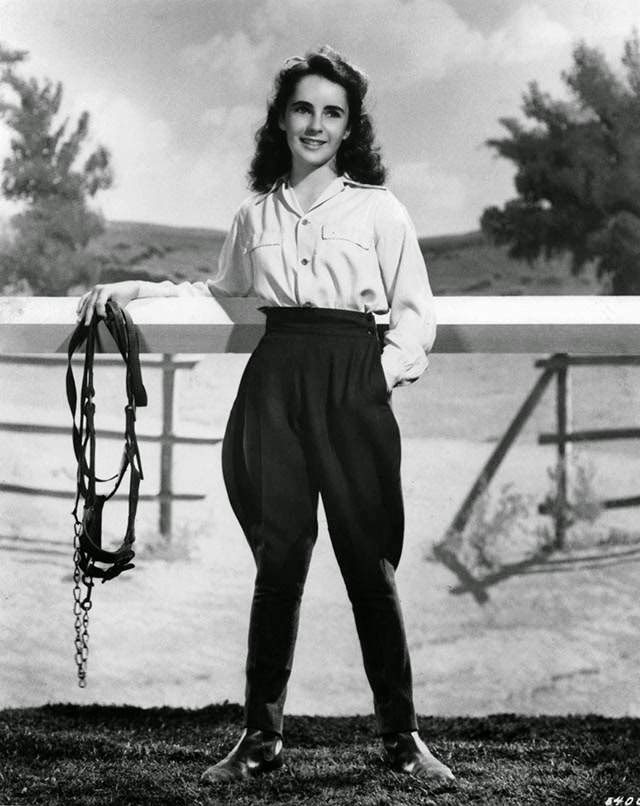
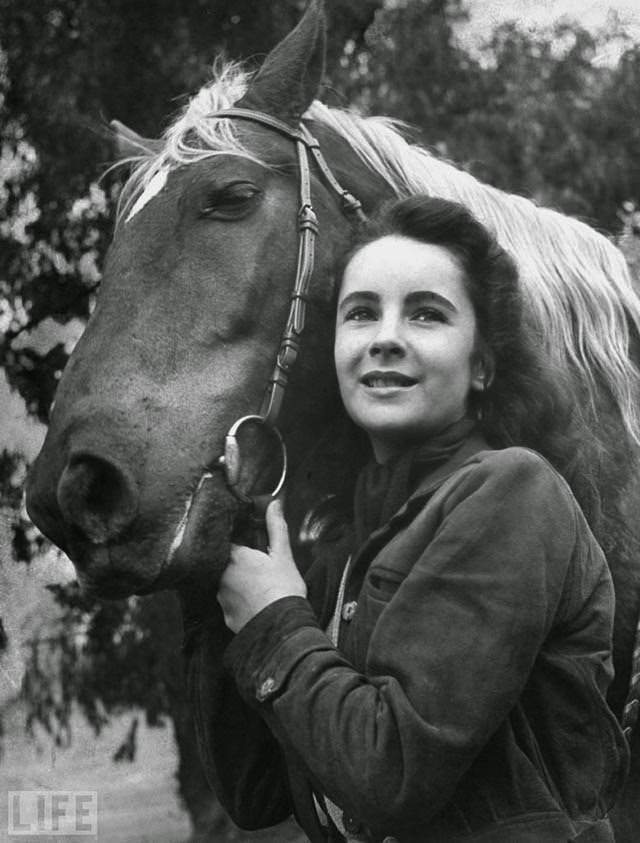
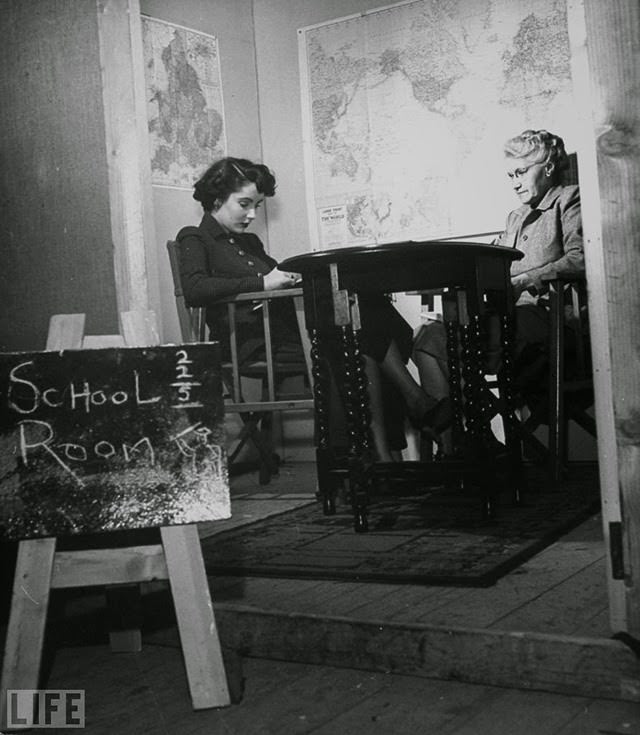
Elizabeth spent most of her teenage years inside MGM’s studio walls. She attended the “Little Red Schoolhouse,” a classroom on the lot where child stars like Jane Powell and Margaret O’Brien were her classmates. Her day was tightly scheduled: three hours of school, several hours on set, and additional time in dance or singing lessons. She never attended a regular high school. She later described herself as a “child of the studio” rather than a normal teenager.
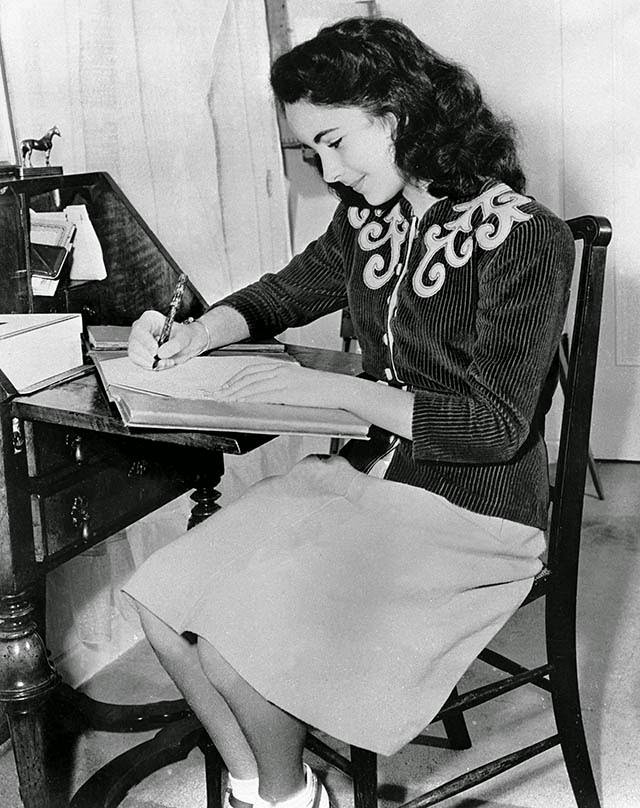
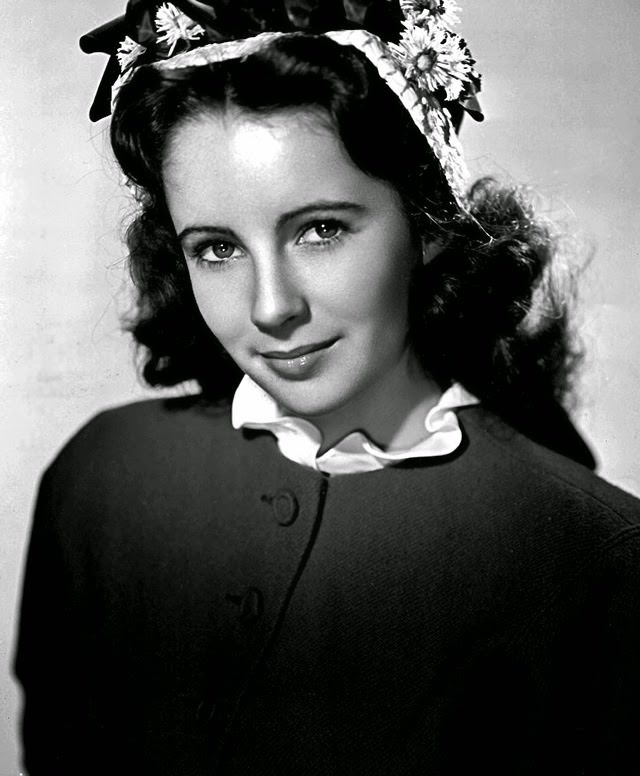
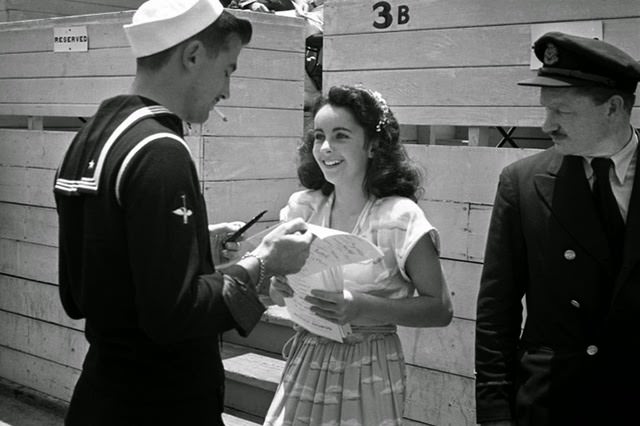
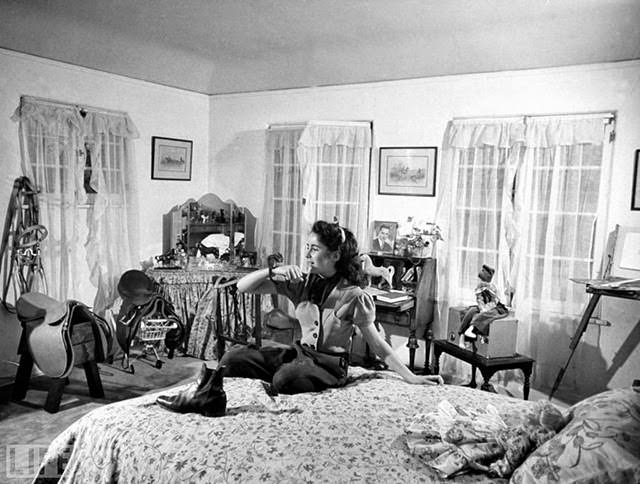
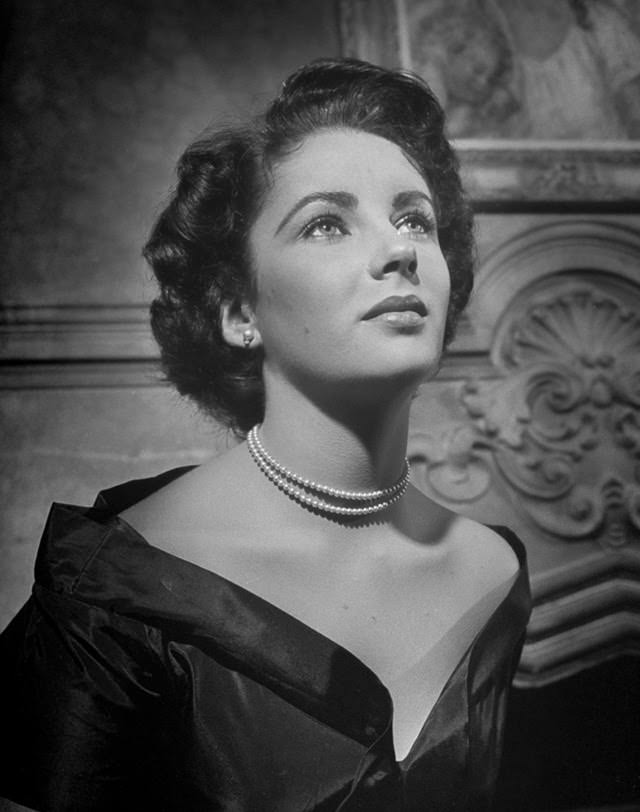
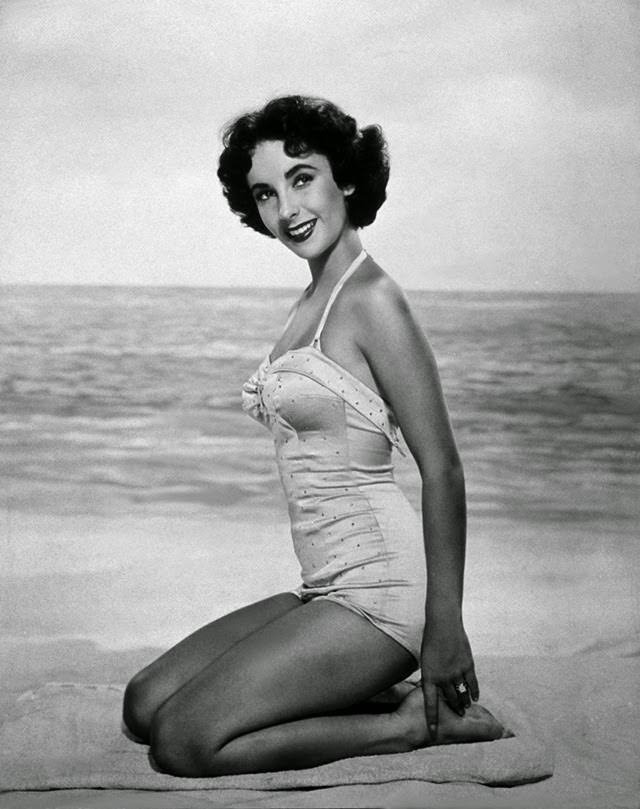
By the mid-1940s, MGM’s marketing team began deliberately aging her image. They styled her in sophisticated hairstyles and high-fashion gowns to make her appear older on screen. In 1946, she starred in Courage of Lassie, and in 1947, she appeared in Cynthia — her first film to include an on-screen kiss. Sara Taylor was a constant presence through all of it, acting as her daughter’s manager and coach, selecting her public wardrobe and teaching her how to project her voice.
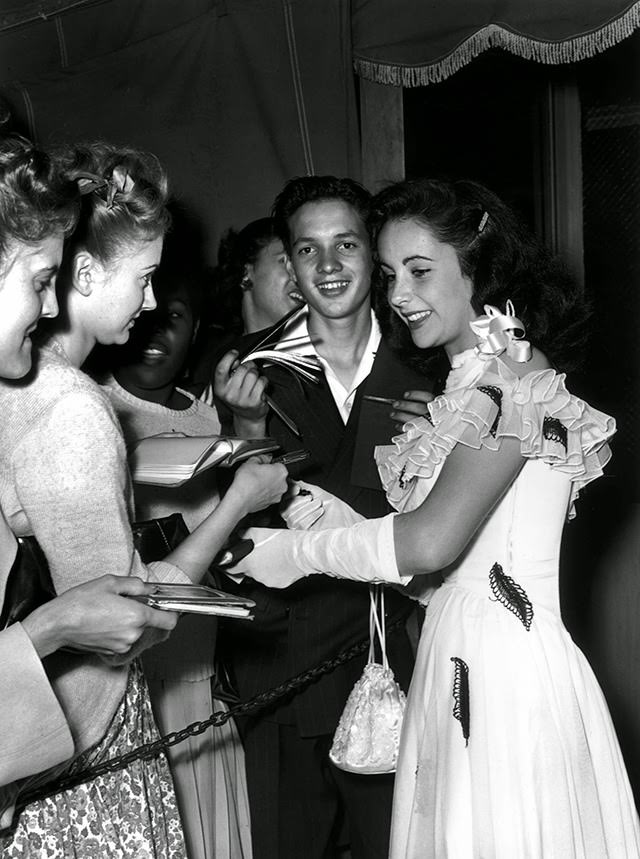
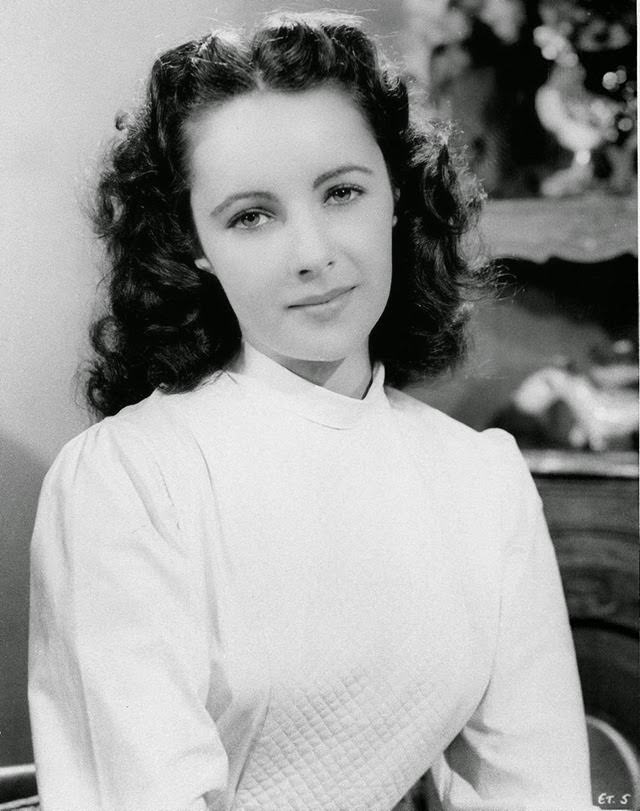
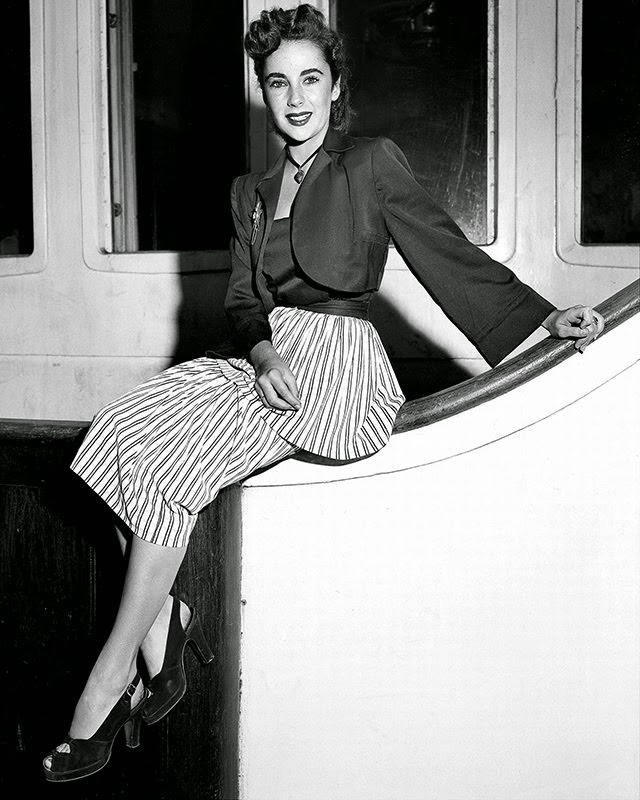
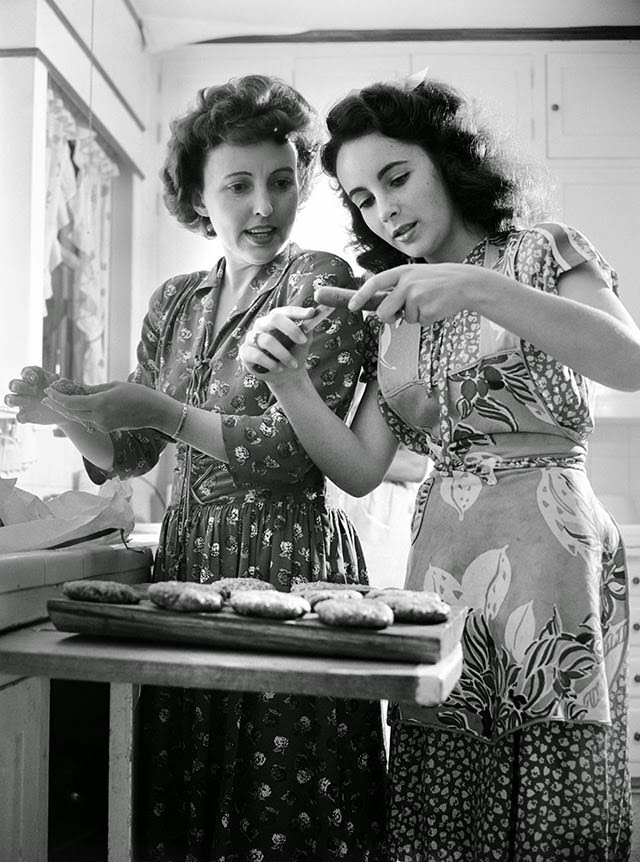
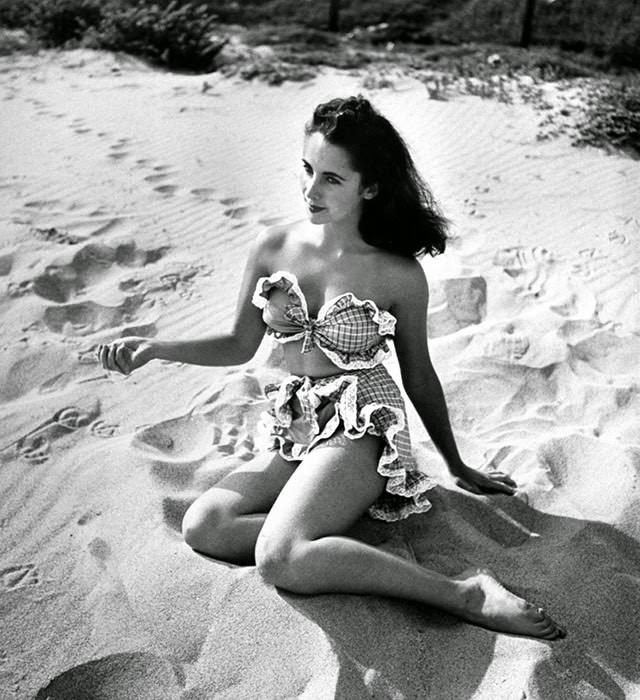
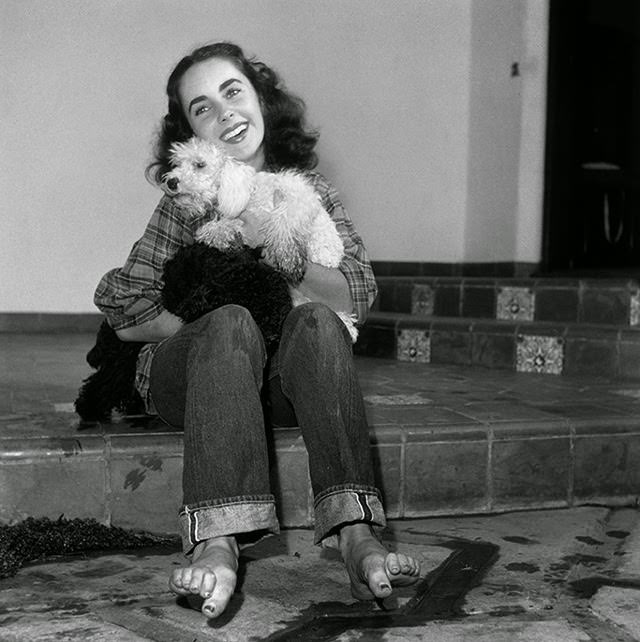
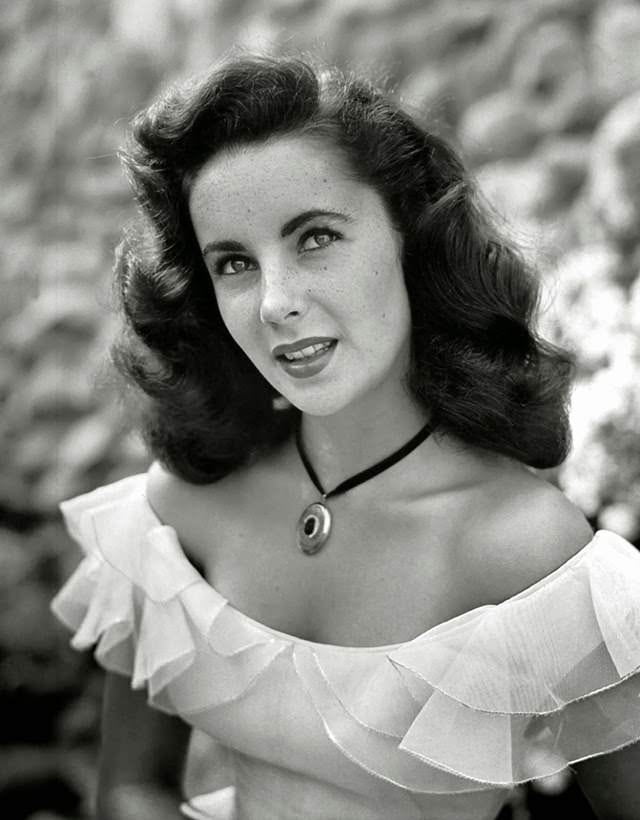
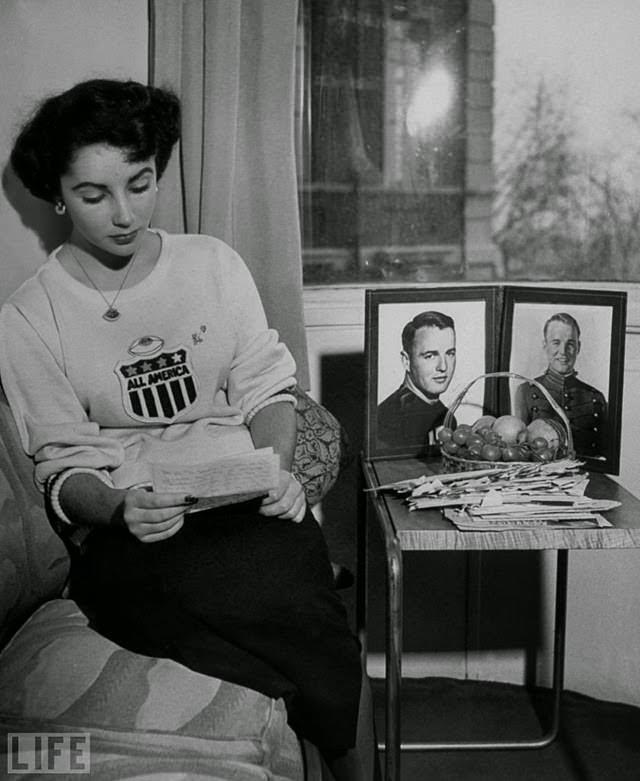
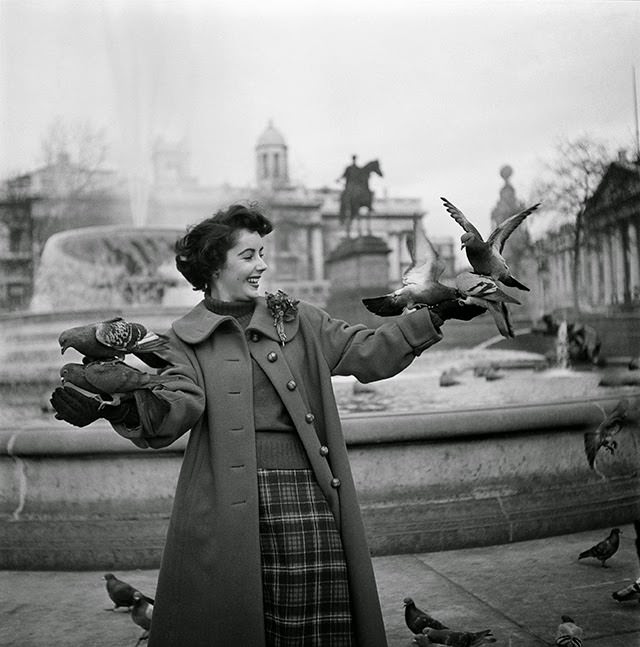
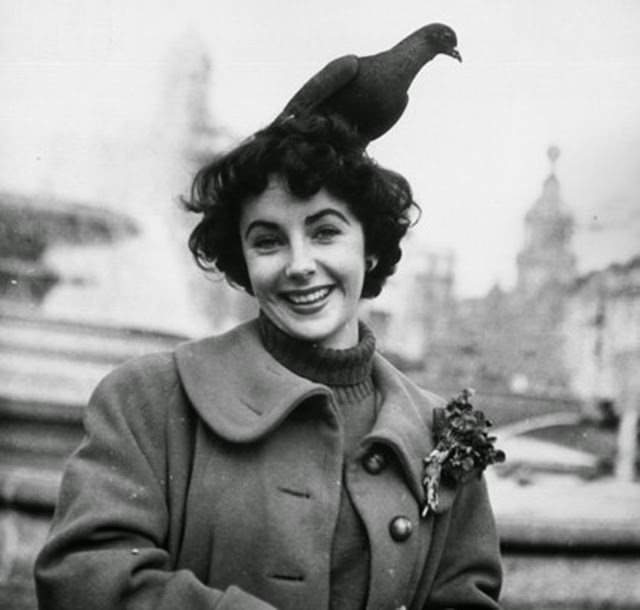
By 1948, at 16, Elizabeth was cast in A Date with Judy alongside Jane Powell. Movie magazines followed her every move, reporting on her love of collecting pets and jewelry. That same year, she filmed scenes in London and visited Trafalgar Square, where photos of her surrounded by pigeons became widely published. MGM used her real-life romantic engagements — first with football star and Heisman Trophy winner Glenn Davis, then with Bill Pawley — to keep her name in the press.
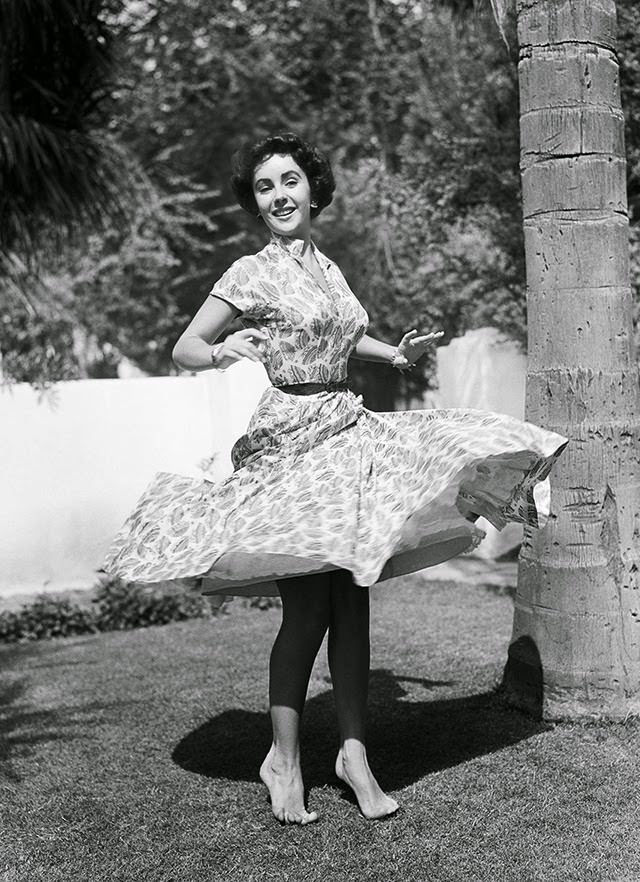
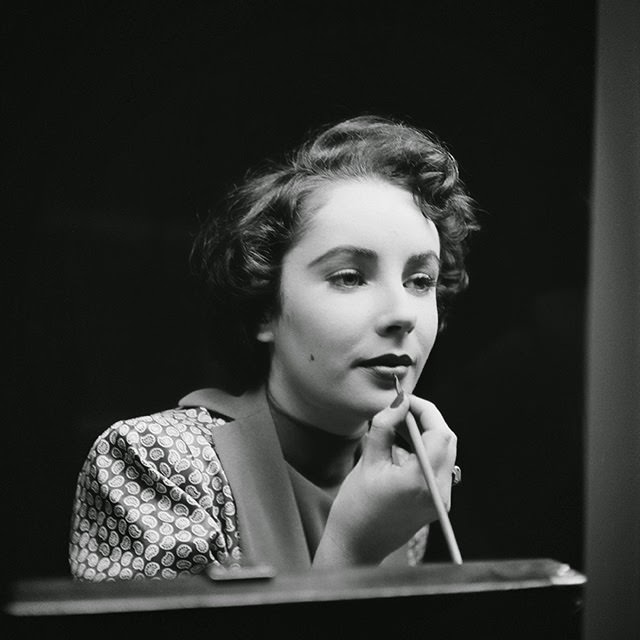
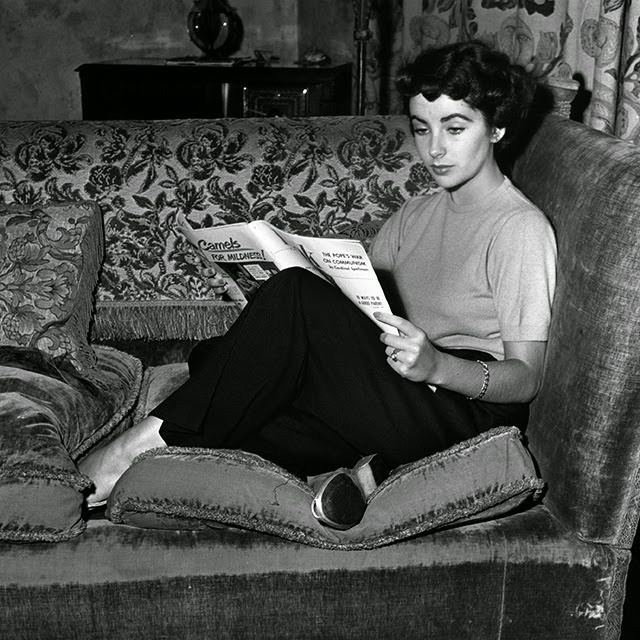
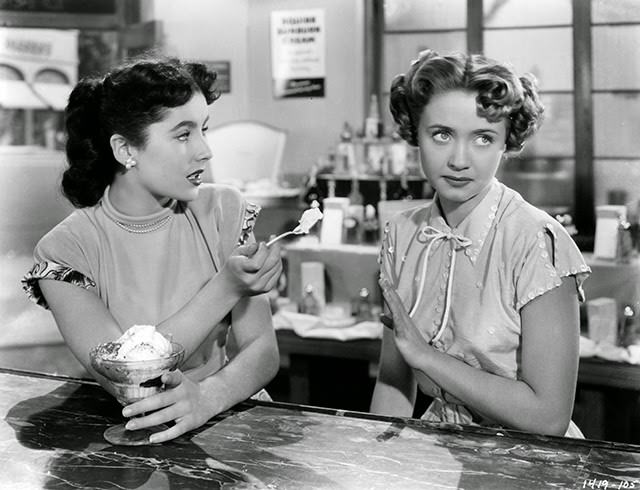
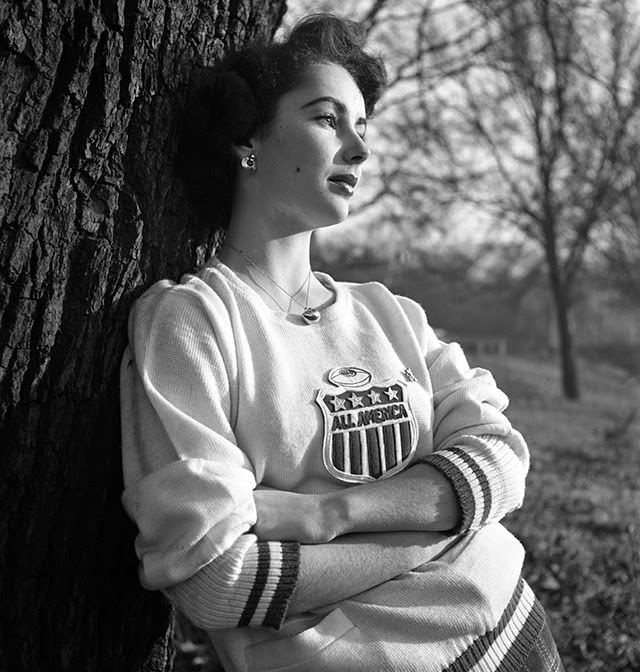
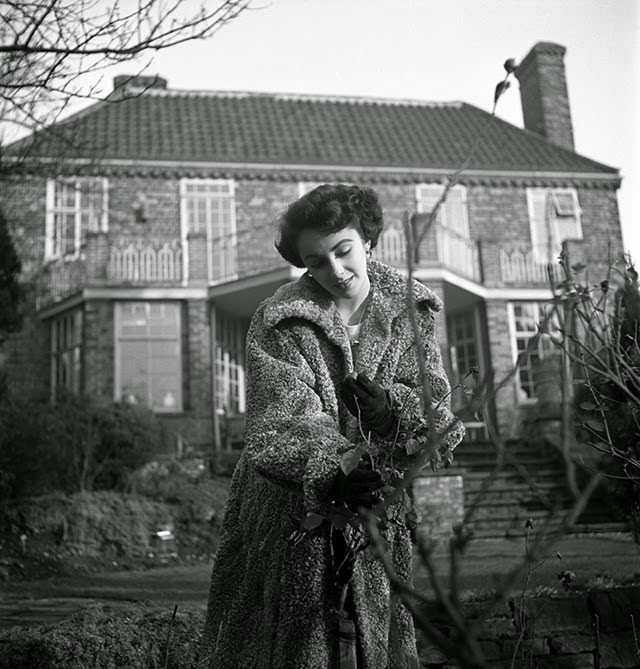
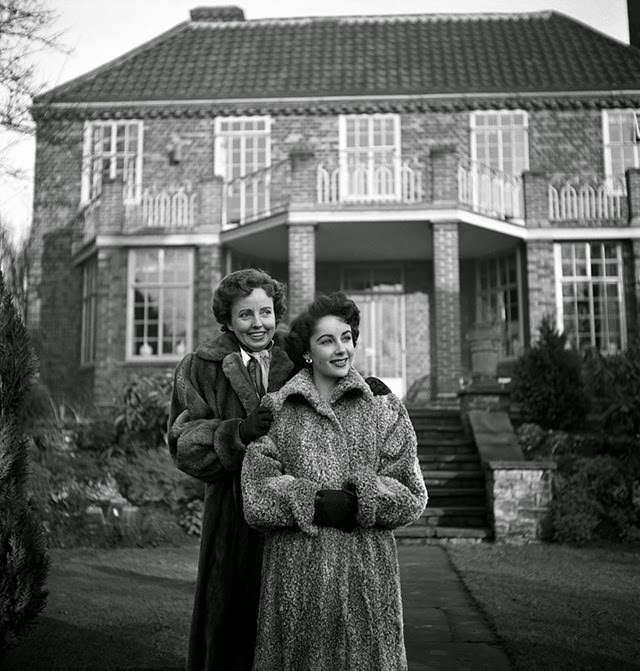
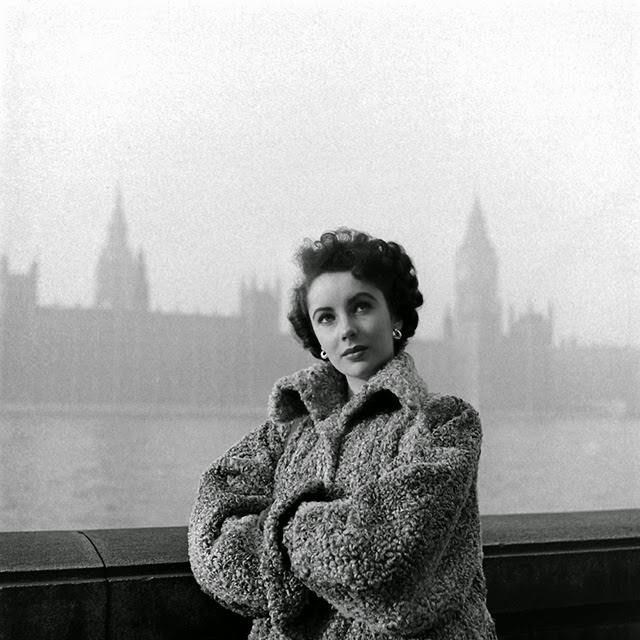
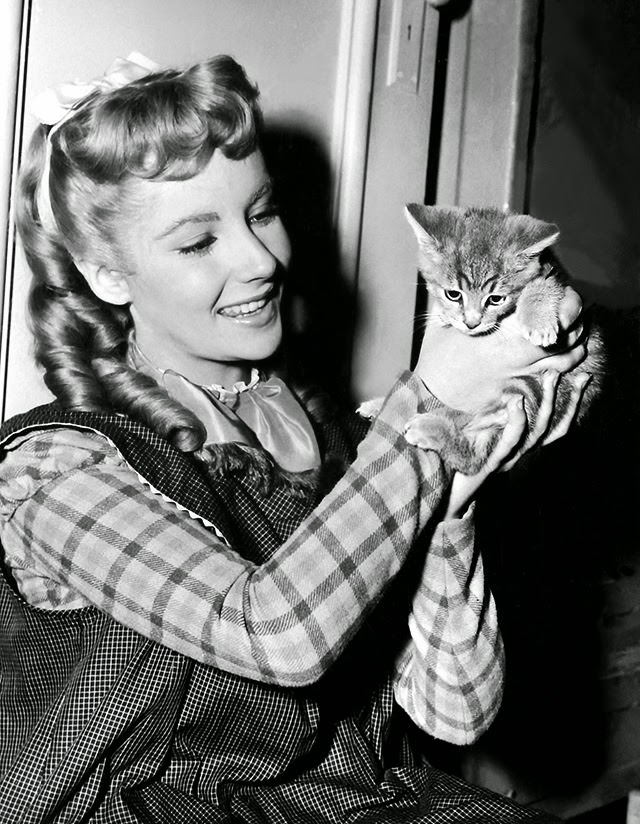
In 1949, Elizabeth wore a blonde wig to play Amy March in Little Women. That same year, at just 17, she filmed Conspirator in England, playing the wife of a Soviet spy portrayed by 38-year-old Robert Taylor. The role completed her transition from child star to adult leading lady. By the end of 1949, she had met Conrad “Nicky” Hilton Jr., heir to the Hilton hotel chain, and was moving toward her first marriage as the decade came to a close.