
In 1927, Dorothy Arzner made her feature film directing debut at Paramount Studios with “Fashions for Women.” Before stepping behind the camera, she had built her skills as a script clerk and a highly regarded film editor. Her move to director was a rare one for women inside the early Hollywood studio system.
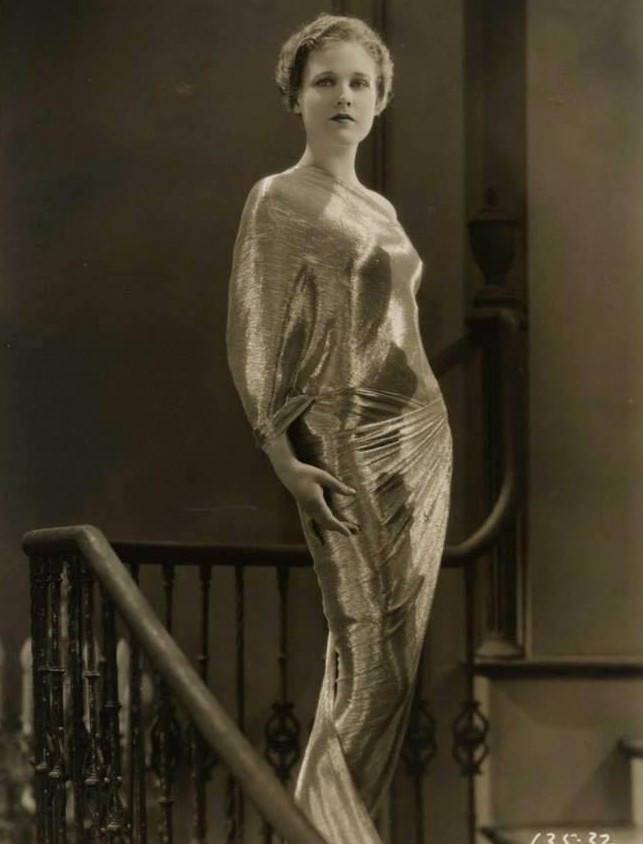
Actress Esther Ralston took on a dual role at the center of the story. She played Celeste, a temperamental Parisian fashion model, and Lola, a humble cigarette girl who was her exact look-alike. The plot used that contrast to explore the gap between high society and the working class.
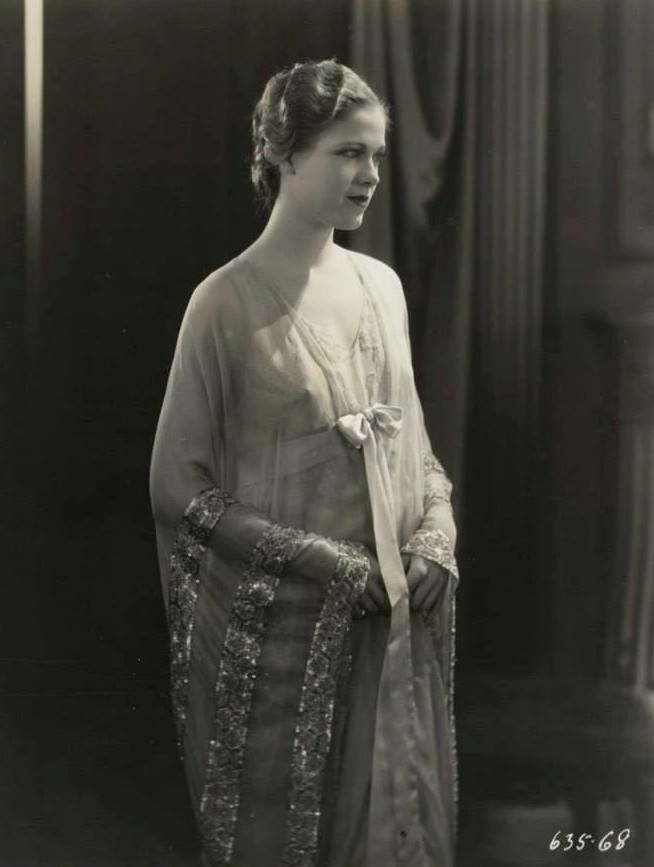
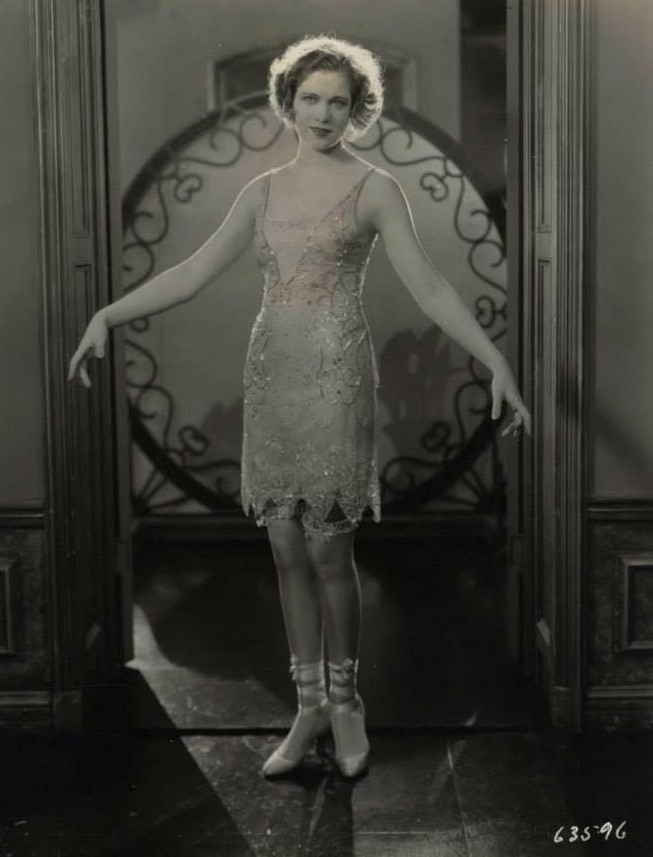
The story follows Lola as she is trained to impersonate Celeste to protect a business contract. Arzner kept the tone focused on humor and the physical changes required to sell the deception. Sharp close-up shots highlighted the differences in each character’s personality.
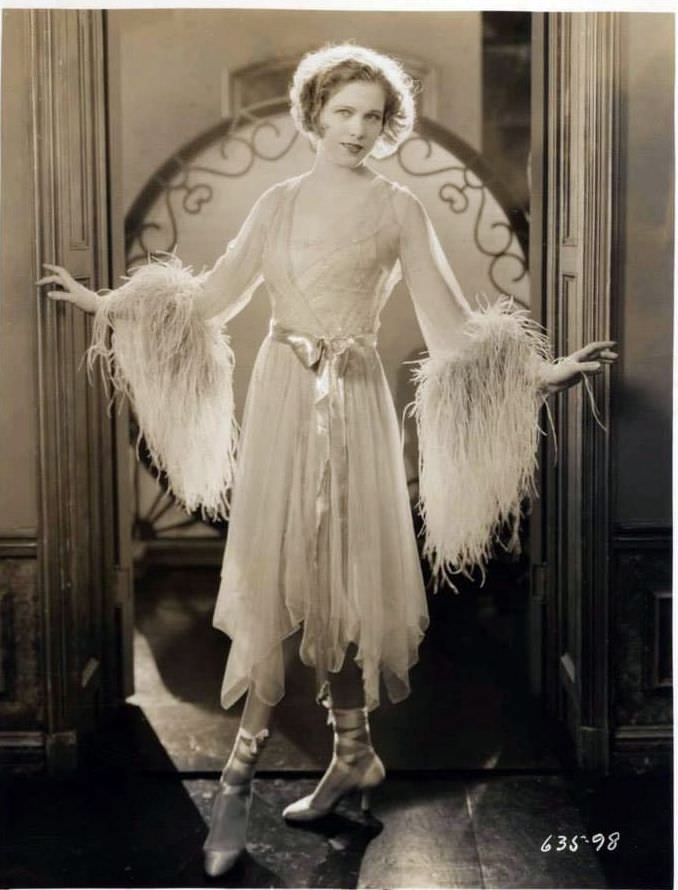
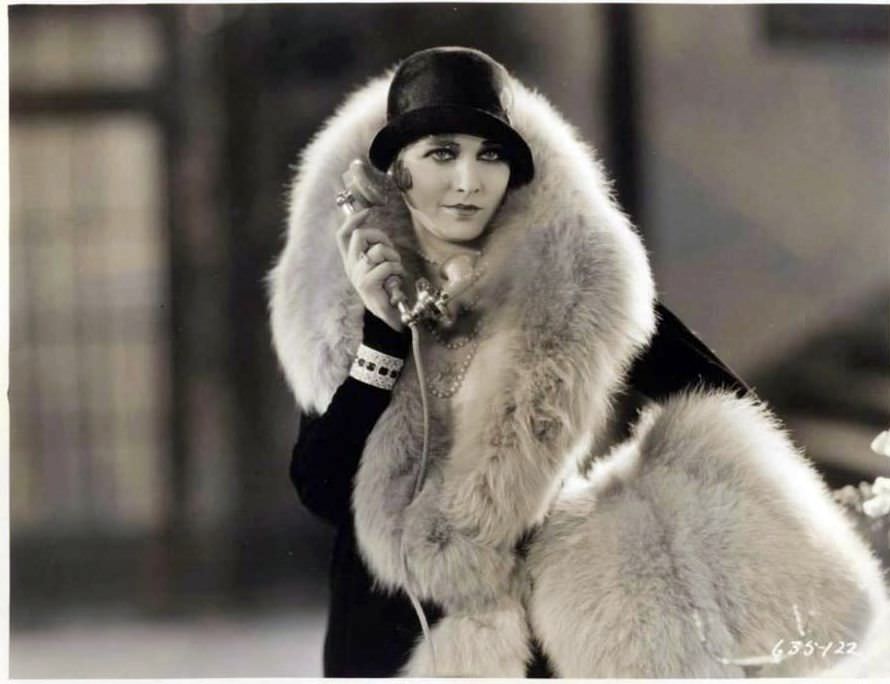
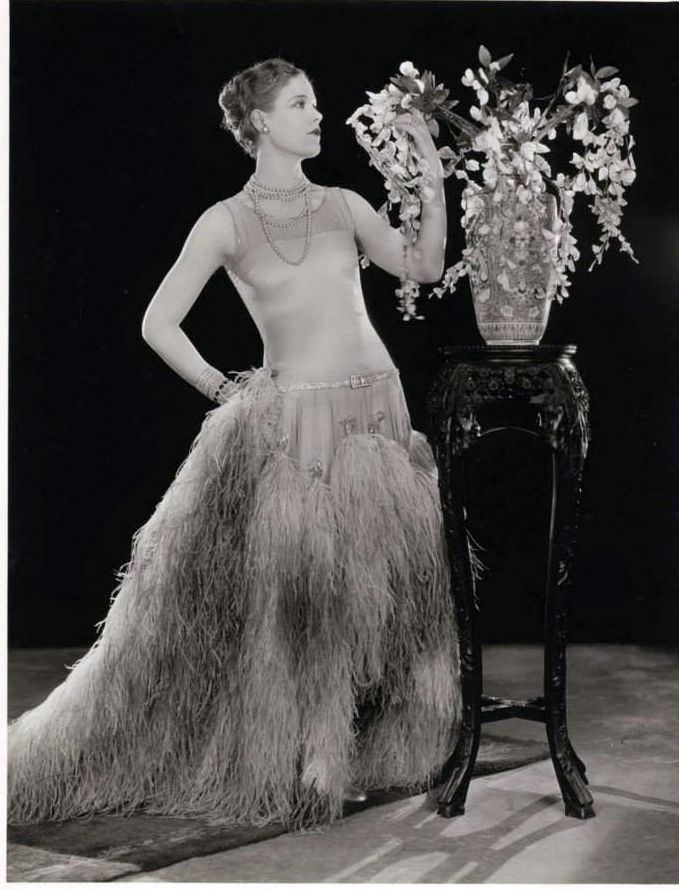
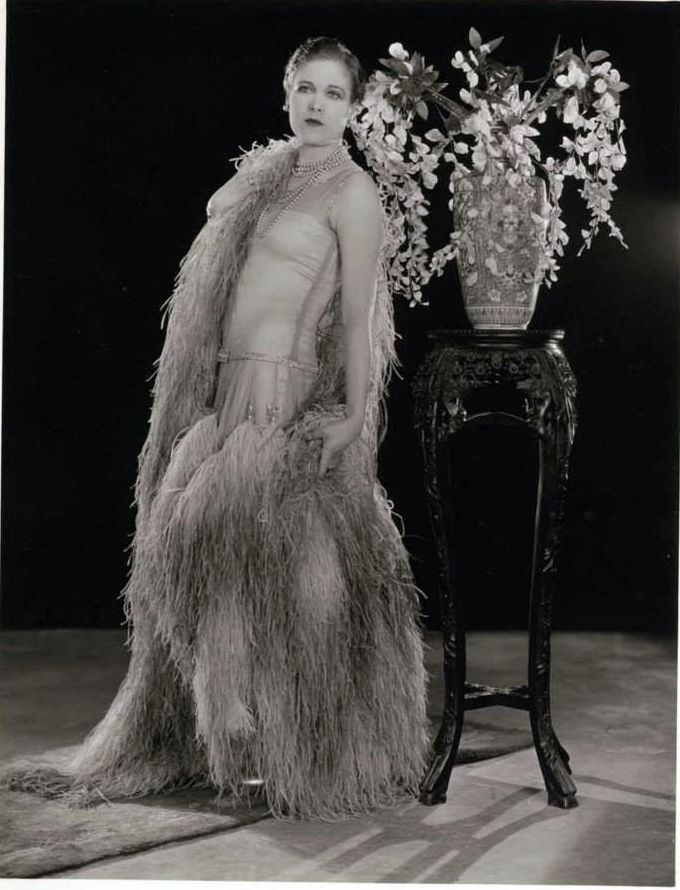
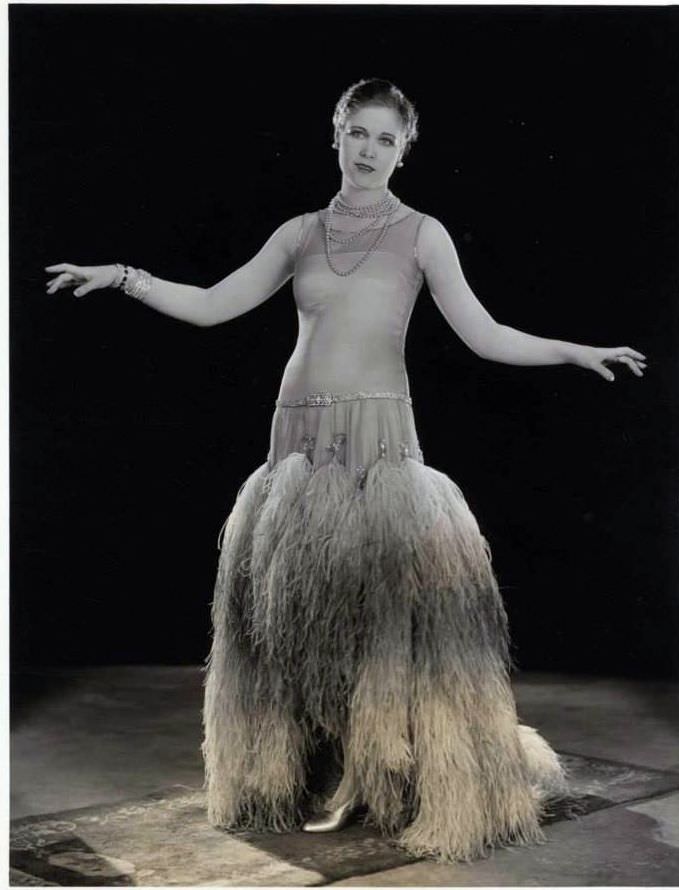
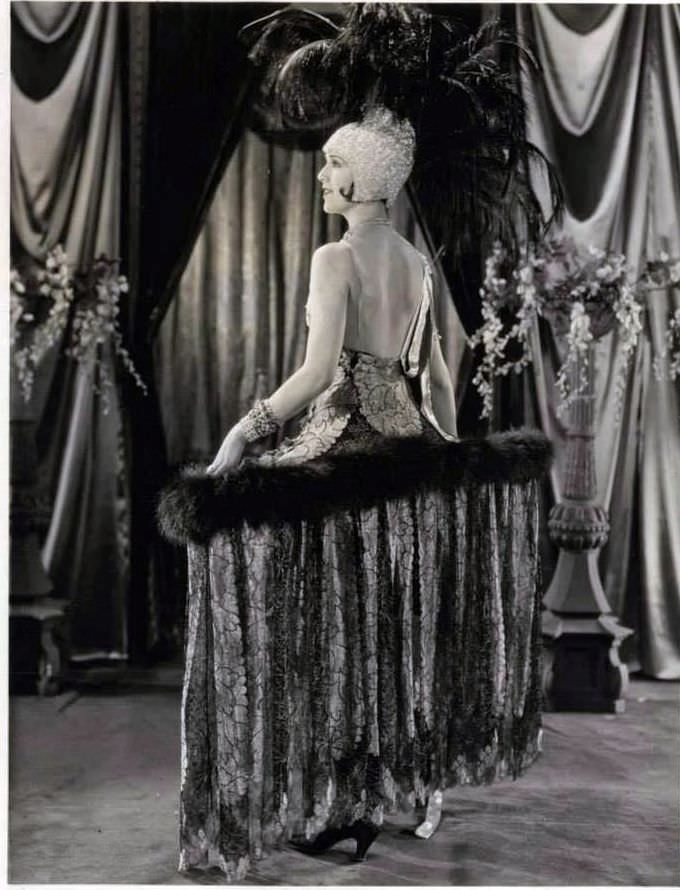
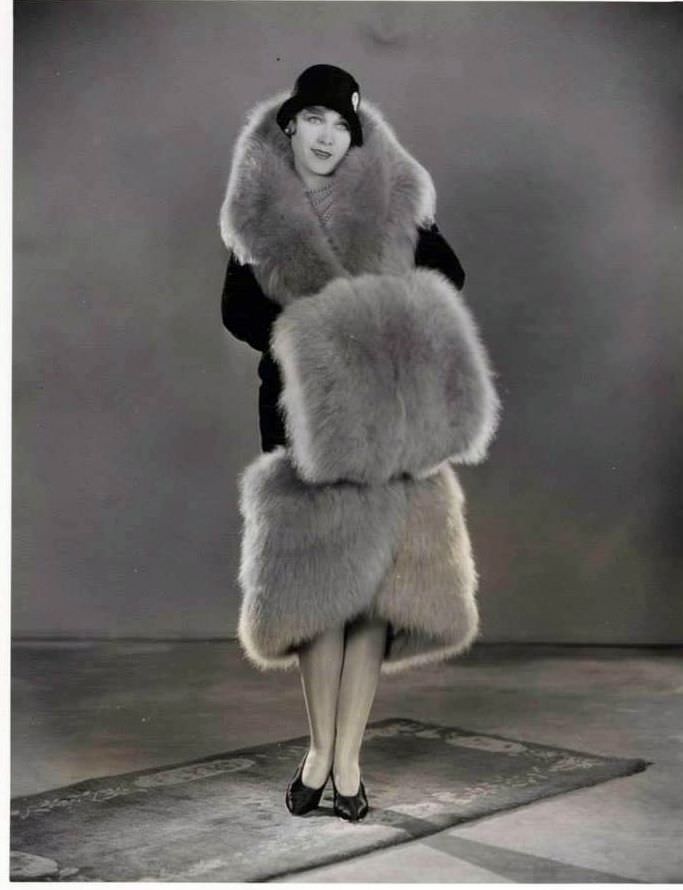
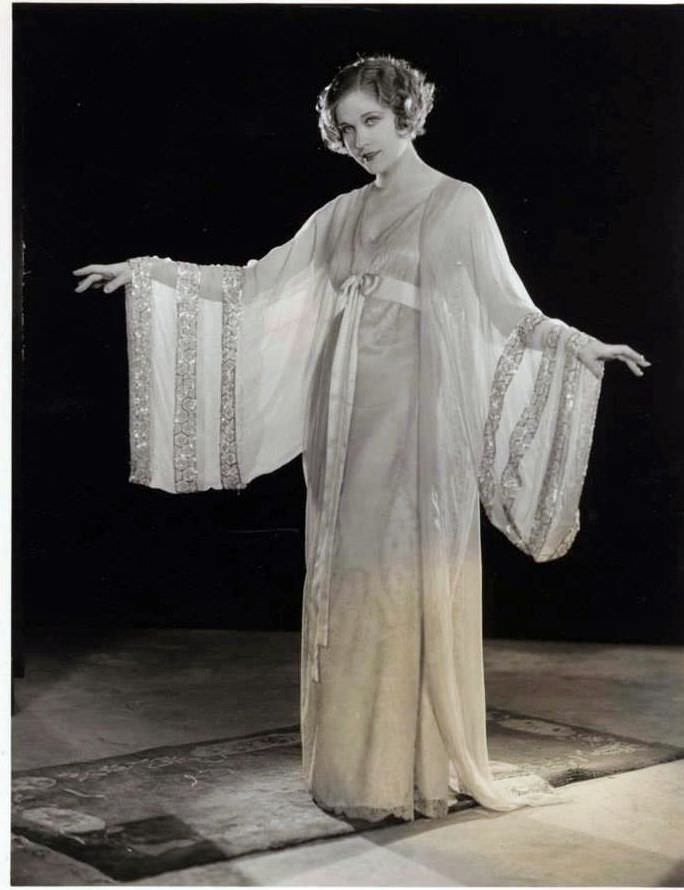
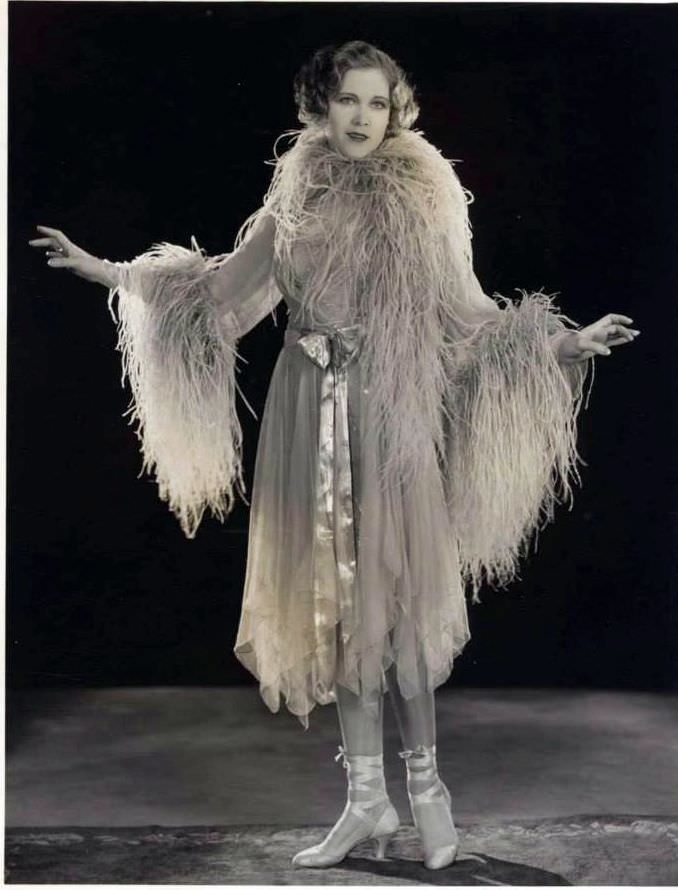
The costumes were the film’s biggest draw. Designers crafted elaborate gowns featuring shimmering silk, intricate beadwork, and expensive fur trims — all representing the peak of 1920s flapper fashion.
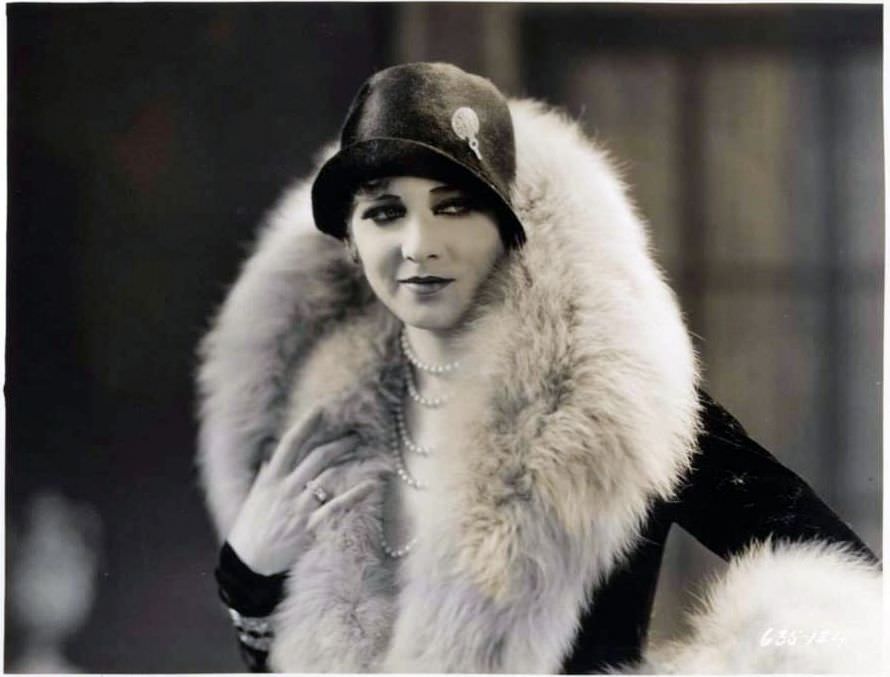
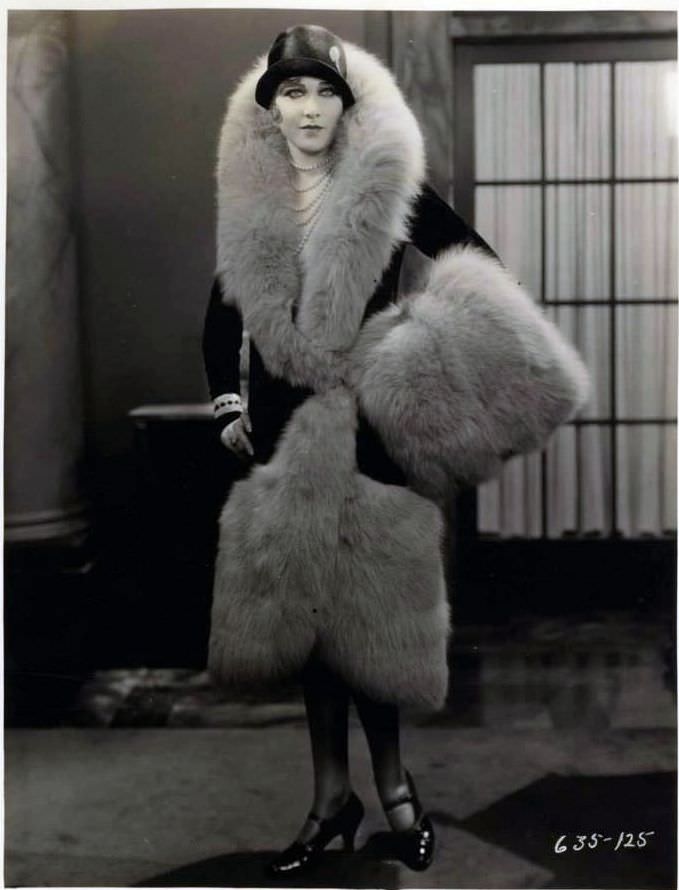
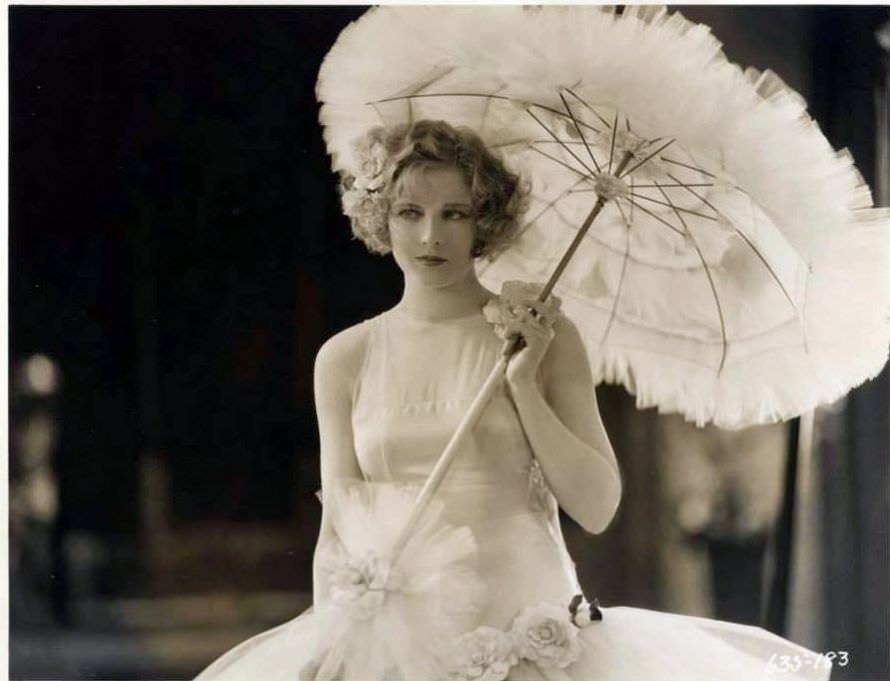
The fashion show sequences were what audiences came to see. Arzner used her editing background to keep those scenes moving at a sharp, engaging pace. The camera captured the texture of luxury gowns as models moved through grand ballrooms and across polished runways.
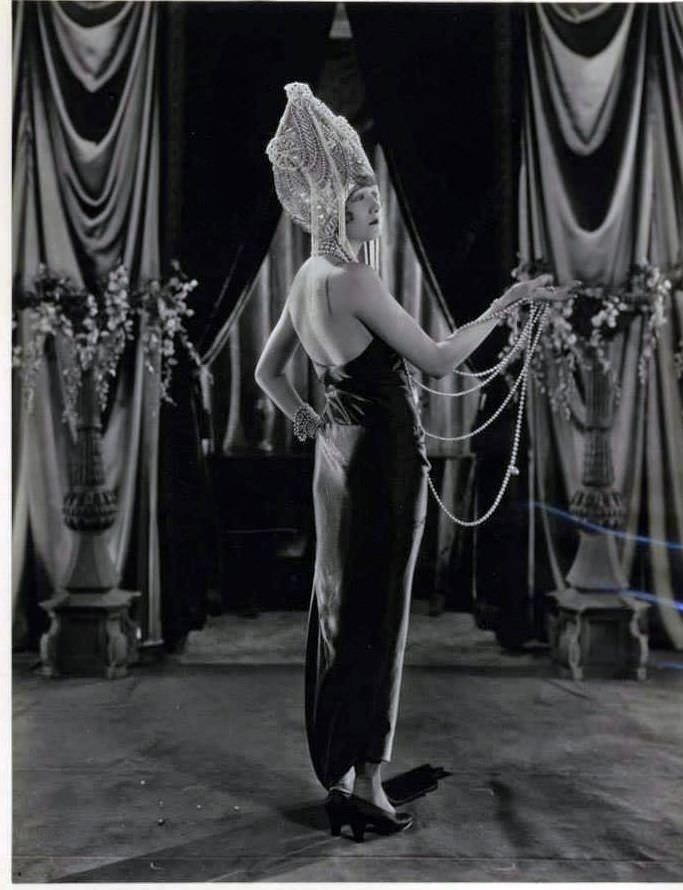
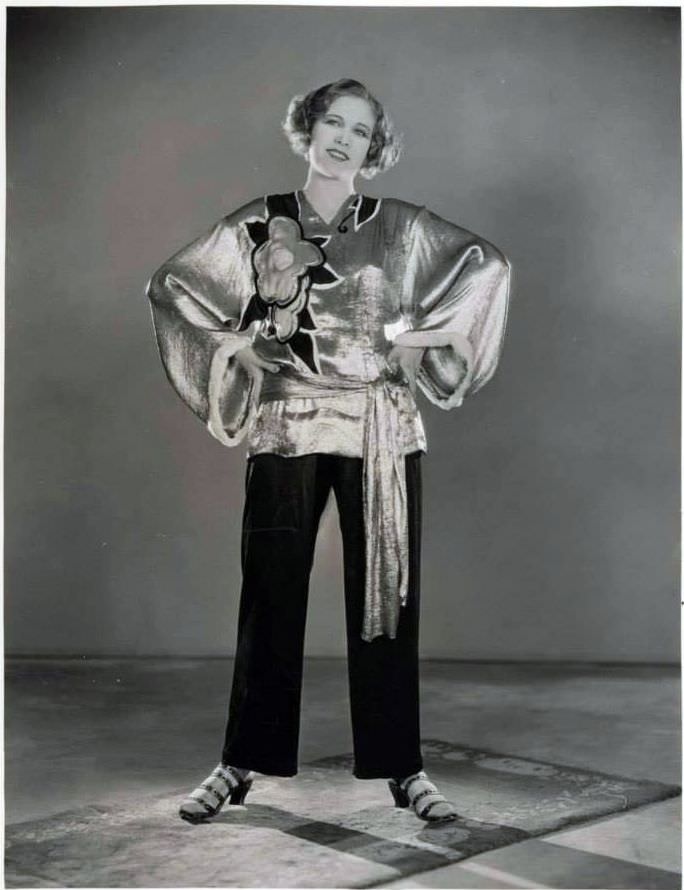
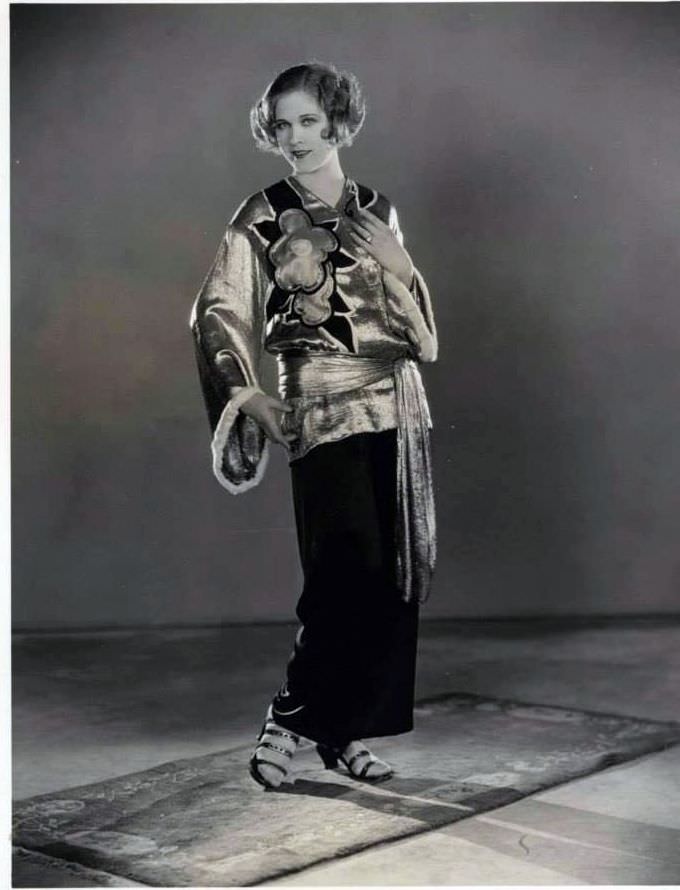
The sets featured Art Deco furniture and massive staircases that reflected the film’s high production budget. Arzner managed large crews and complex locations to bring the wealthy social world of Paris to life on screen.
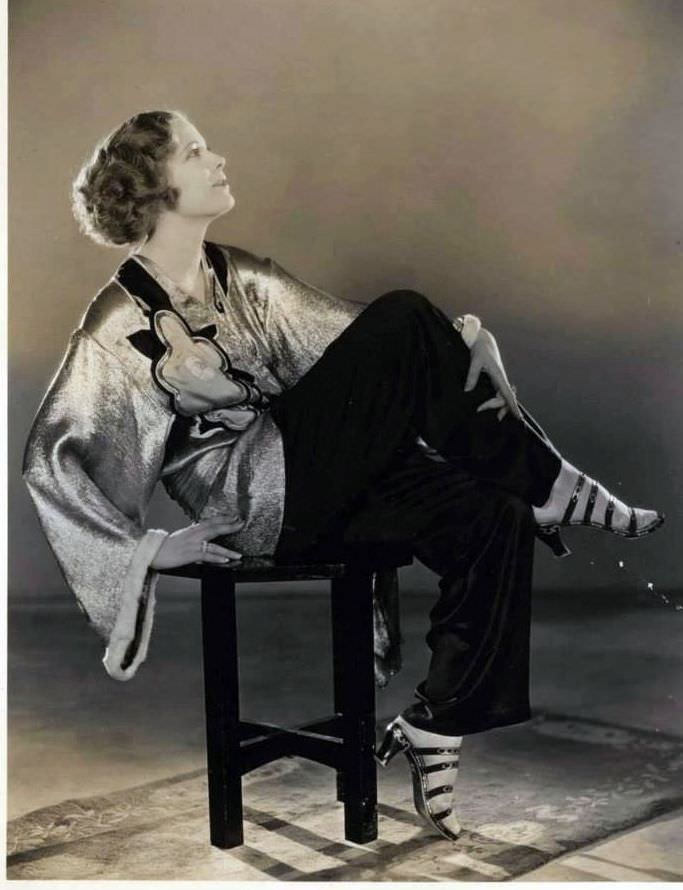
“Fashions for Women” was a commercial success. It proved Arzner could handle major stars and large-scale productions in a male-dominated industry.
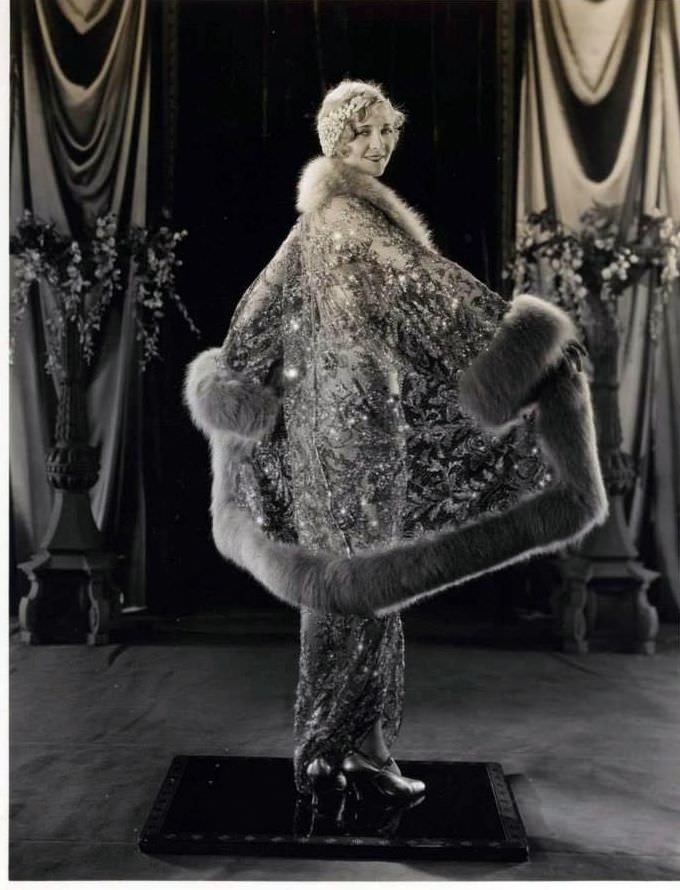
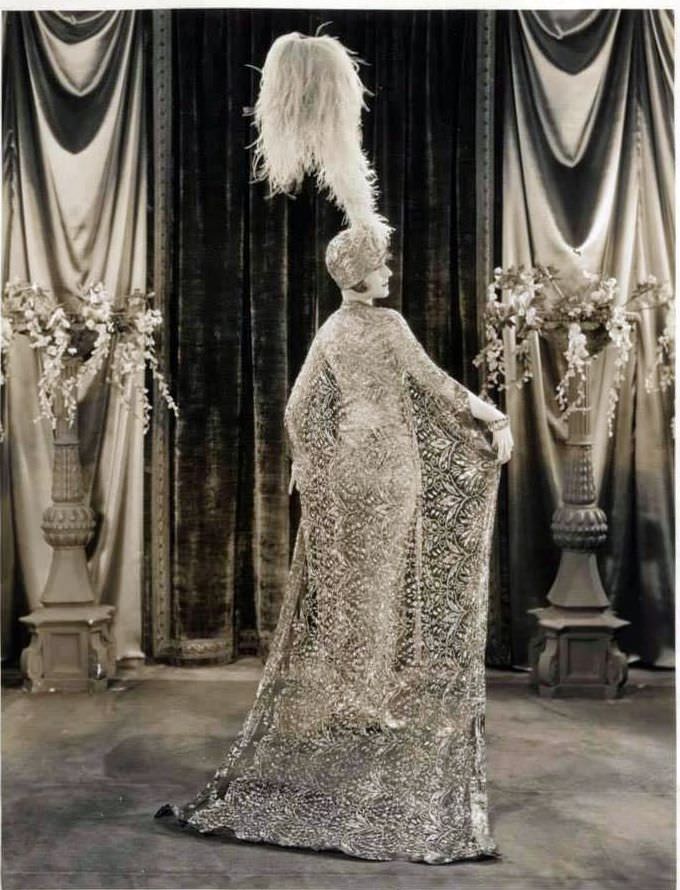
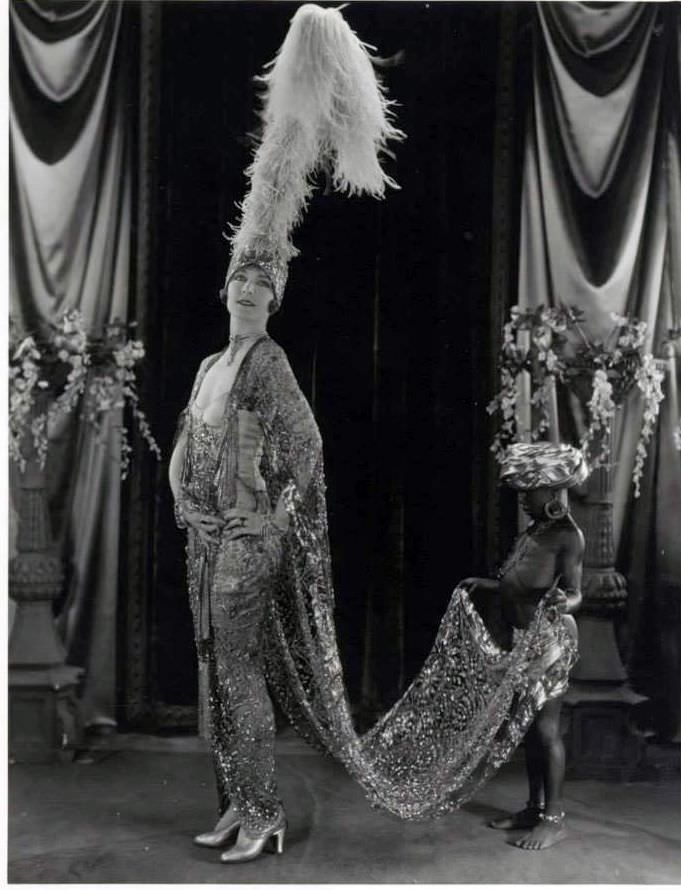
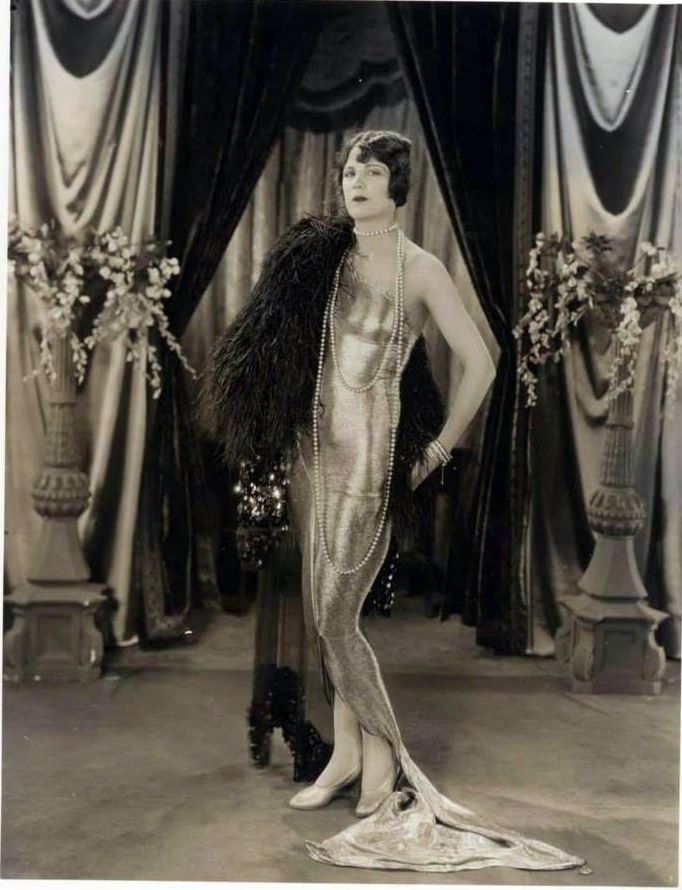
Released in the final years of the silent era, the film stands as a detailed record of both the fashion trends and the filmmaking craft of the late 1920s.
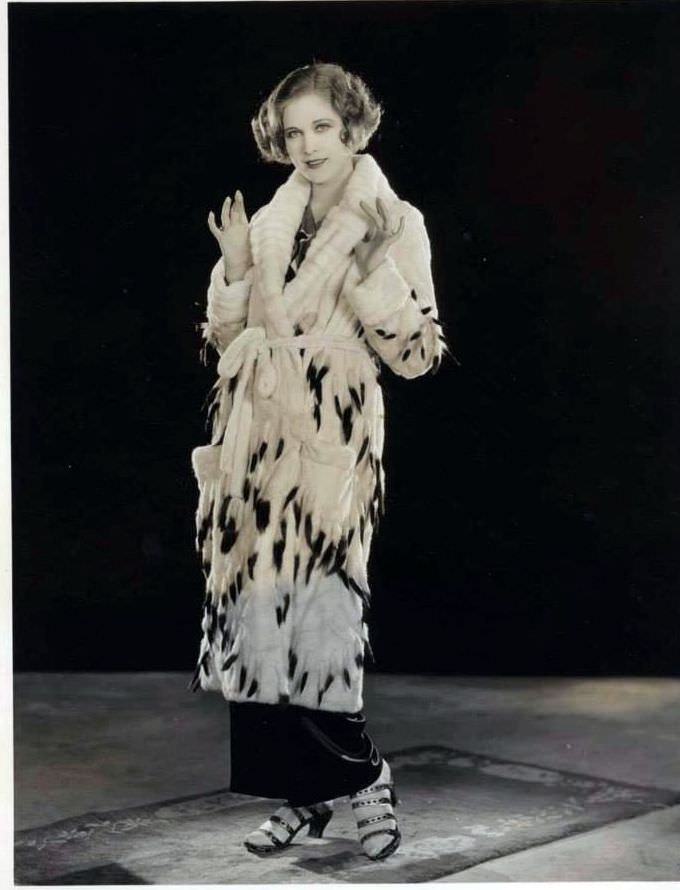
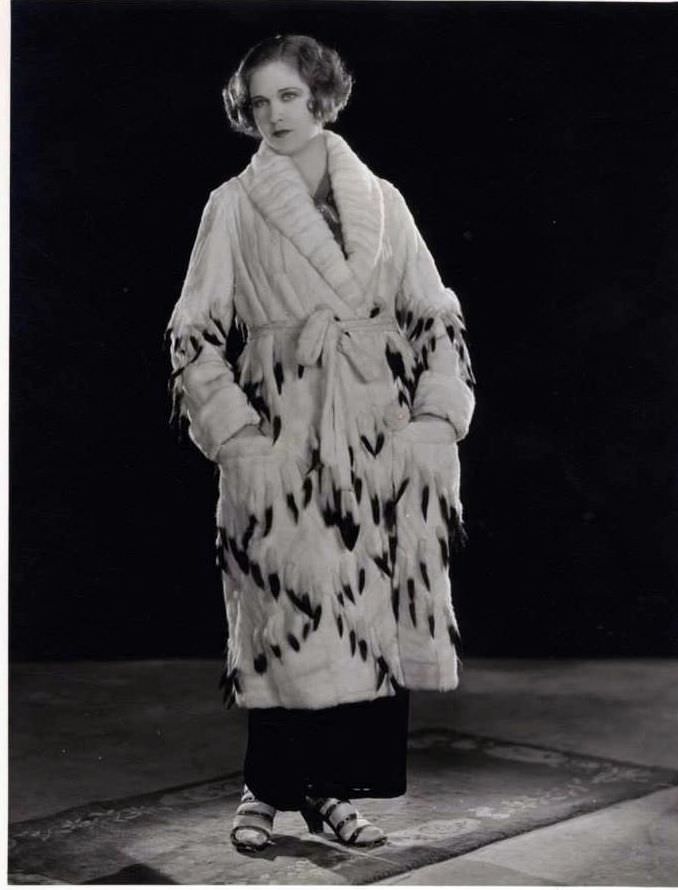
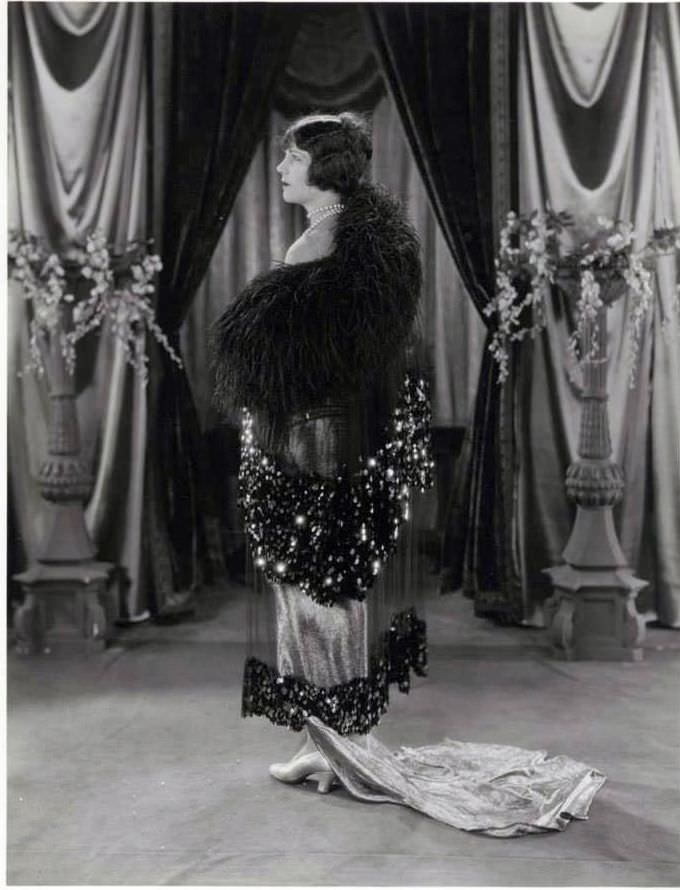
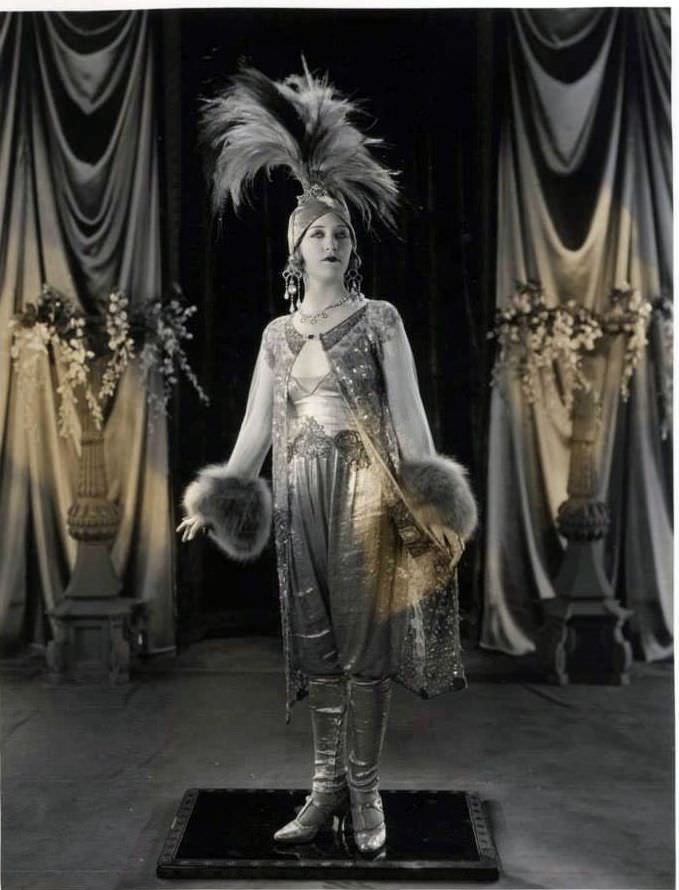
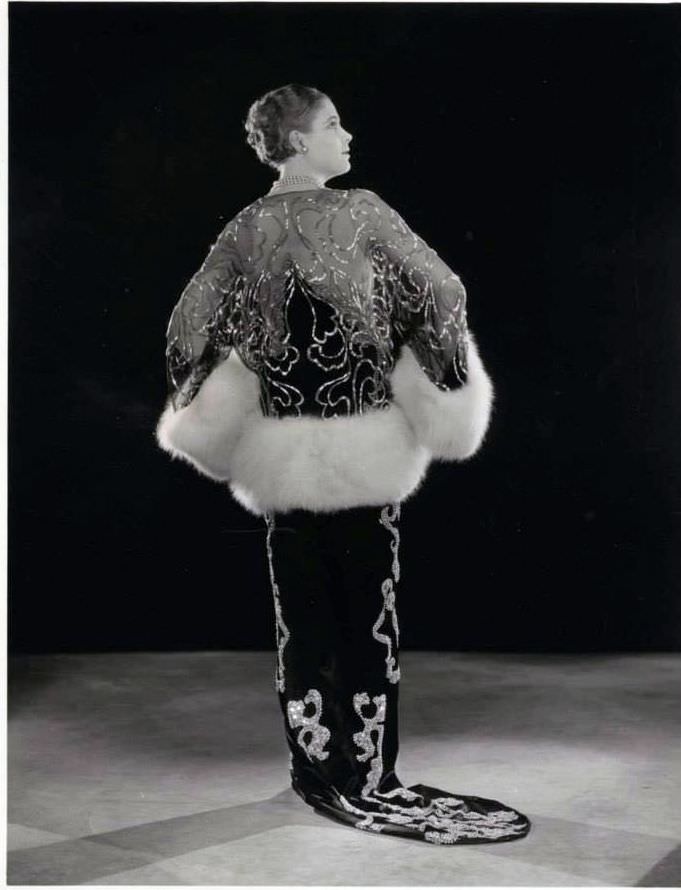
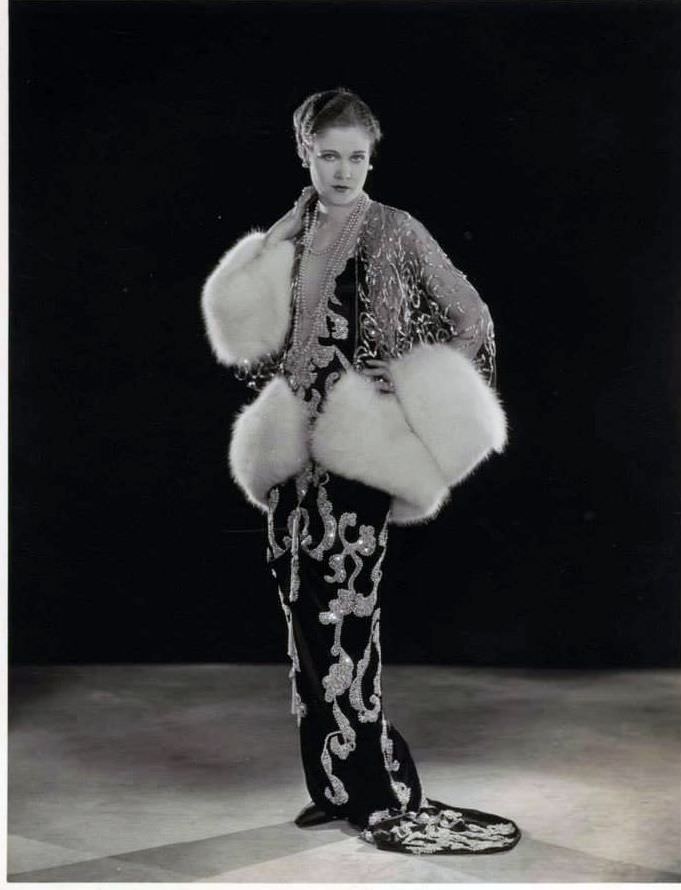
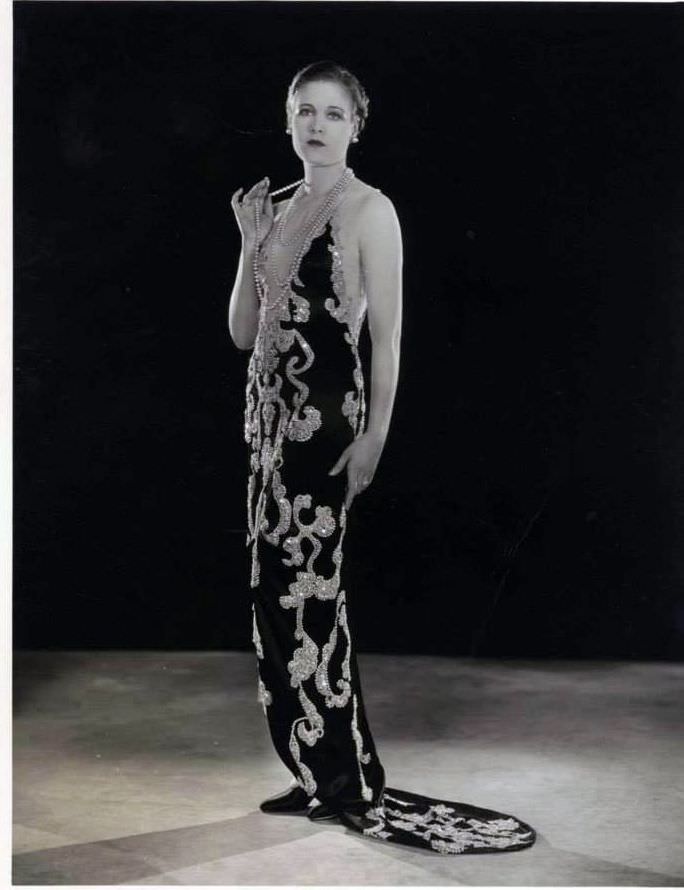
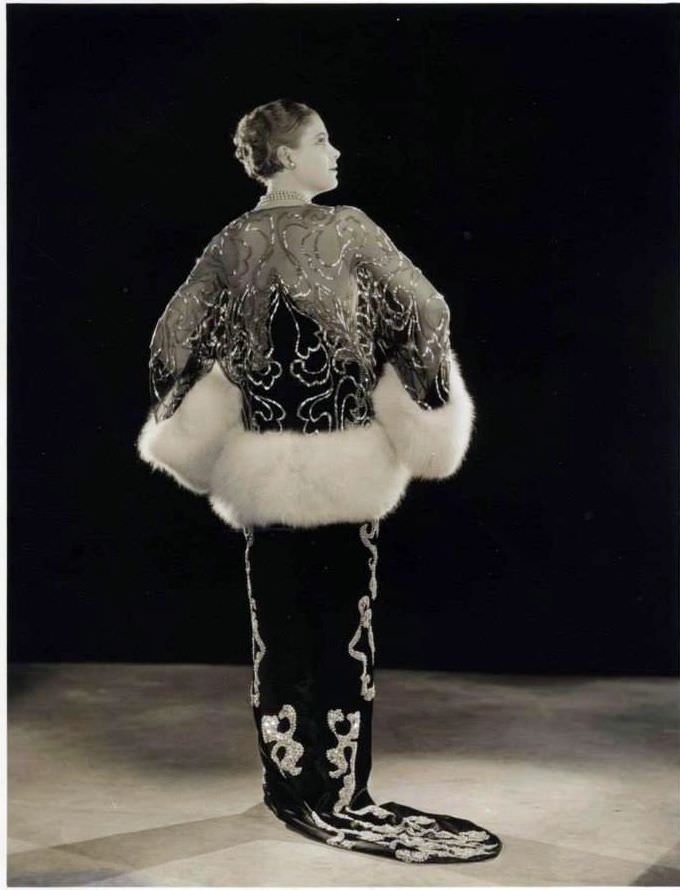
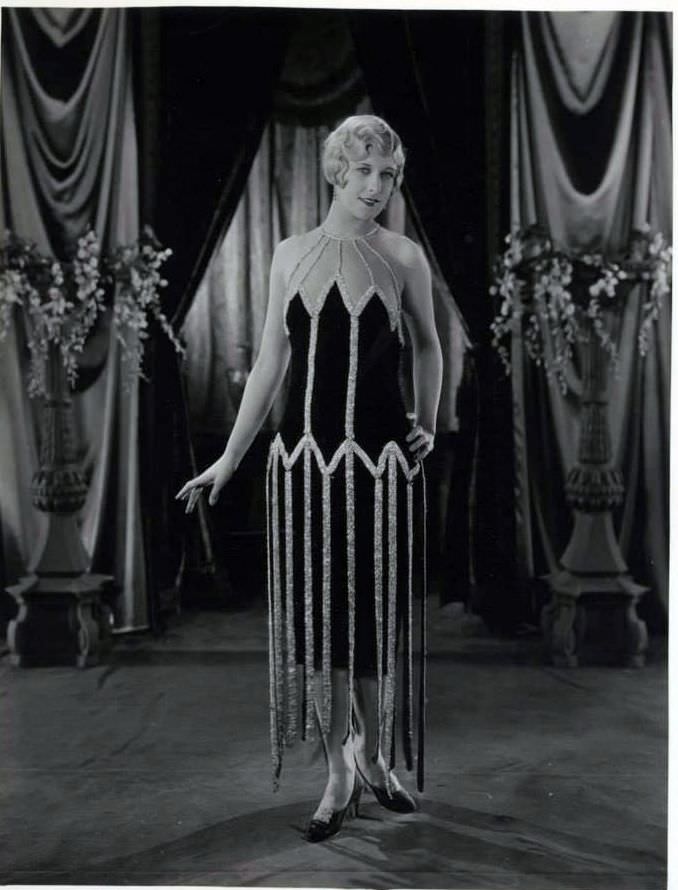
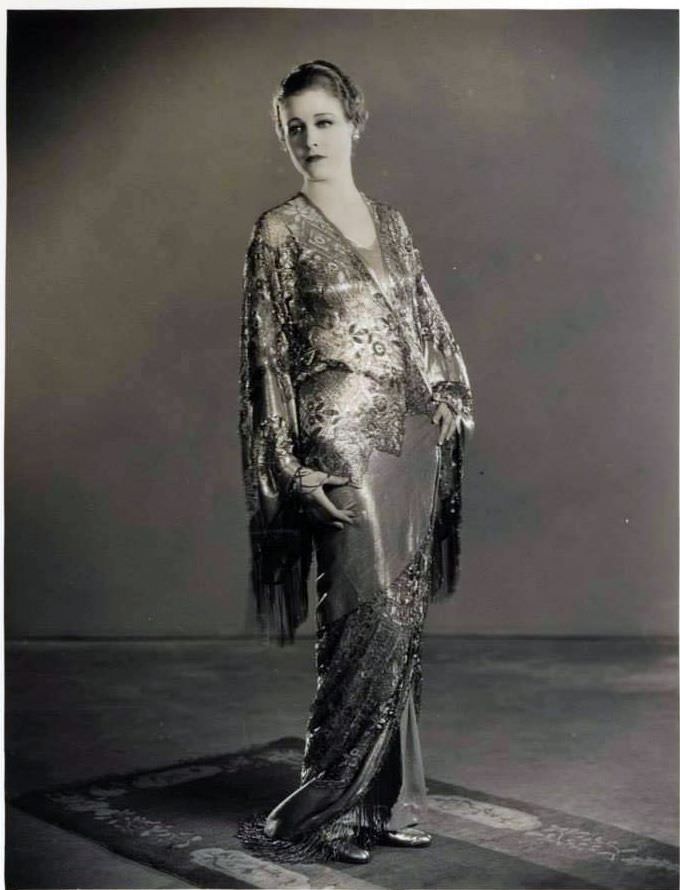
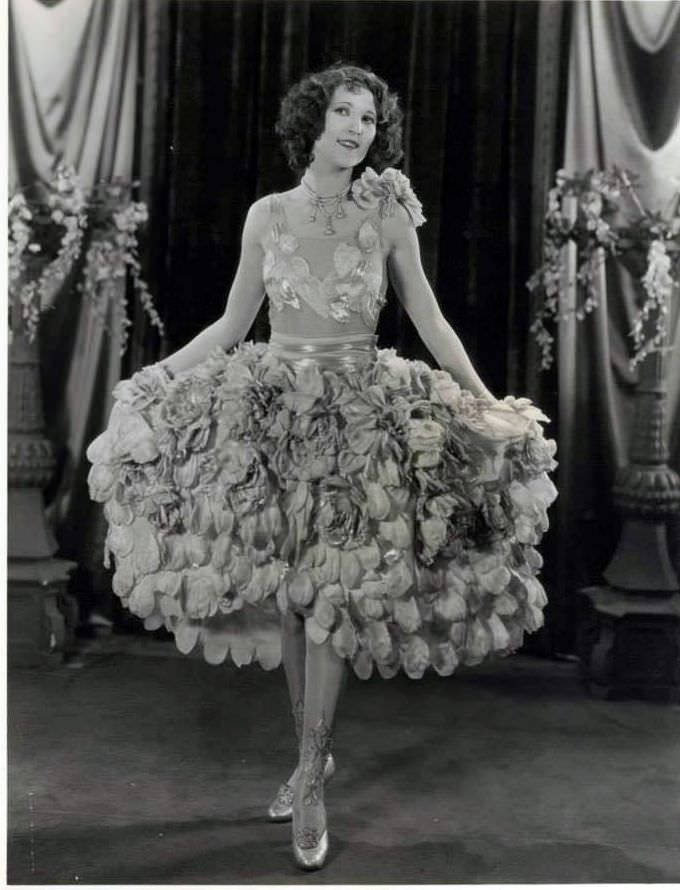
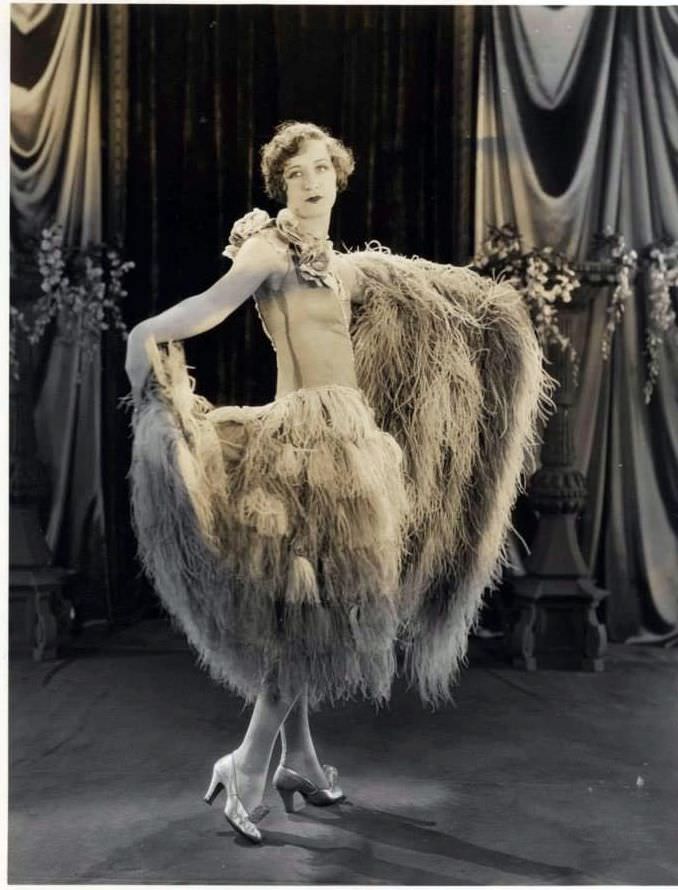
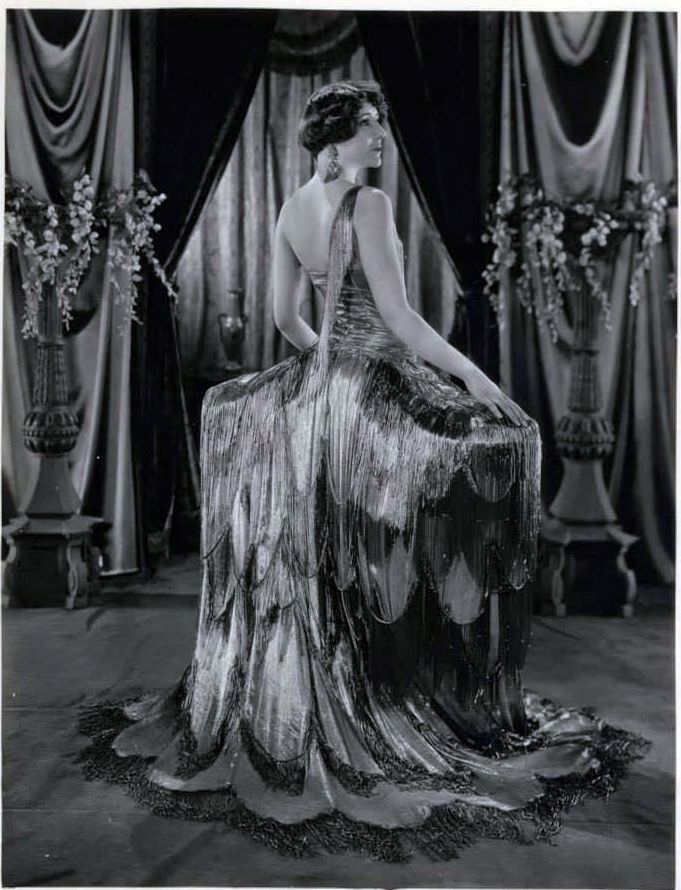
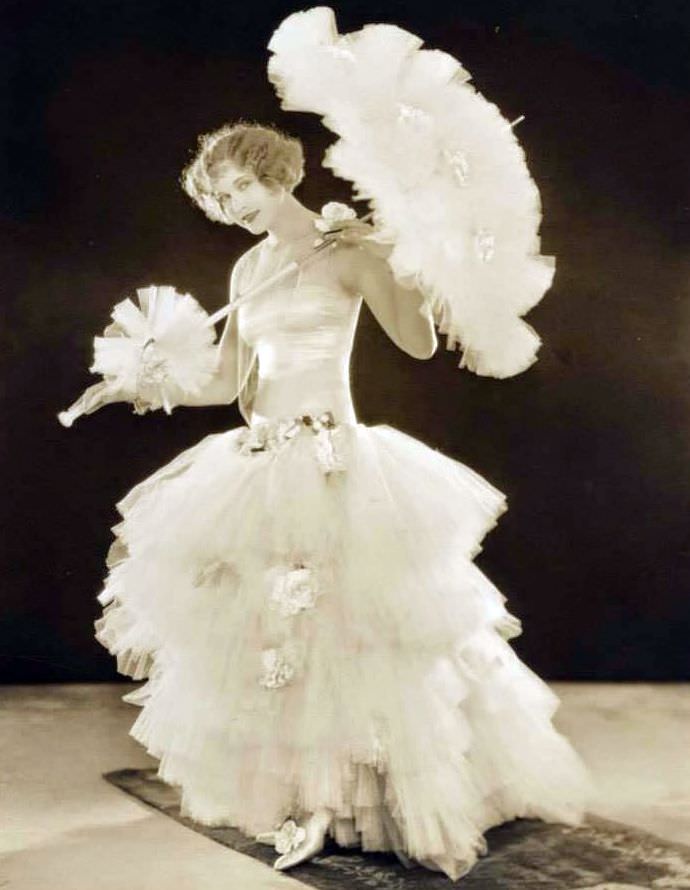

Absolutely gorgeous to the point it hurts. Esther has so many beautiful nuances, the poise in her face (and EYES) is stunning