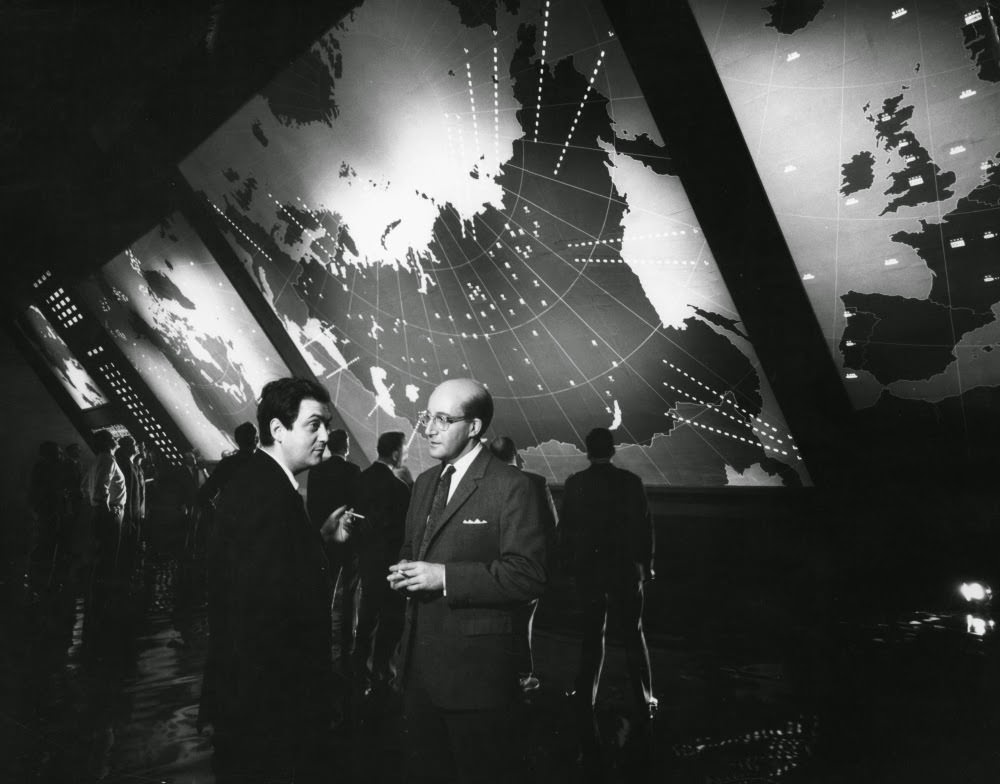
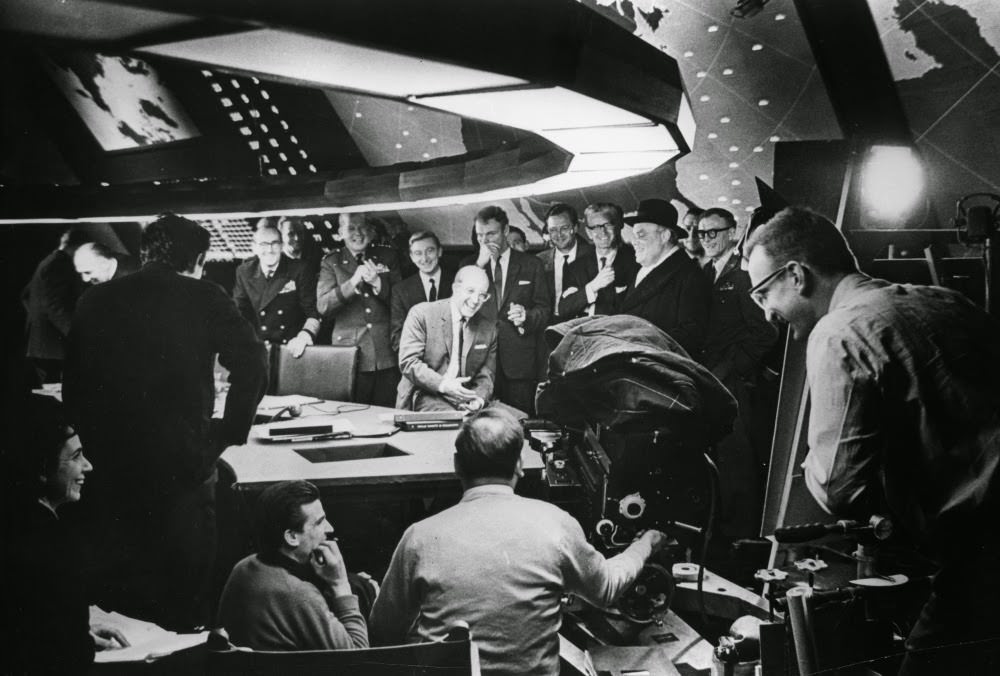
Stanley Kubrick filmed Dr. Strangelove at Shepperton Studios in England in 1963. The production’s most iconic space was the War Room, designed by Ken Adam. Its walls slanted inward at a 30-degree angle, giving the room the feel of a buried concrete bunker. A massive ring of lights hung over the circular table, casting sharp vertical shadows across the actors’ faces. Kubrick had the table covered in green felt — meant to evoke a high-stakes poker game — even though the film was shot entirely in black and white. The goal was to charge the atmosphere for the actors.
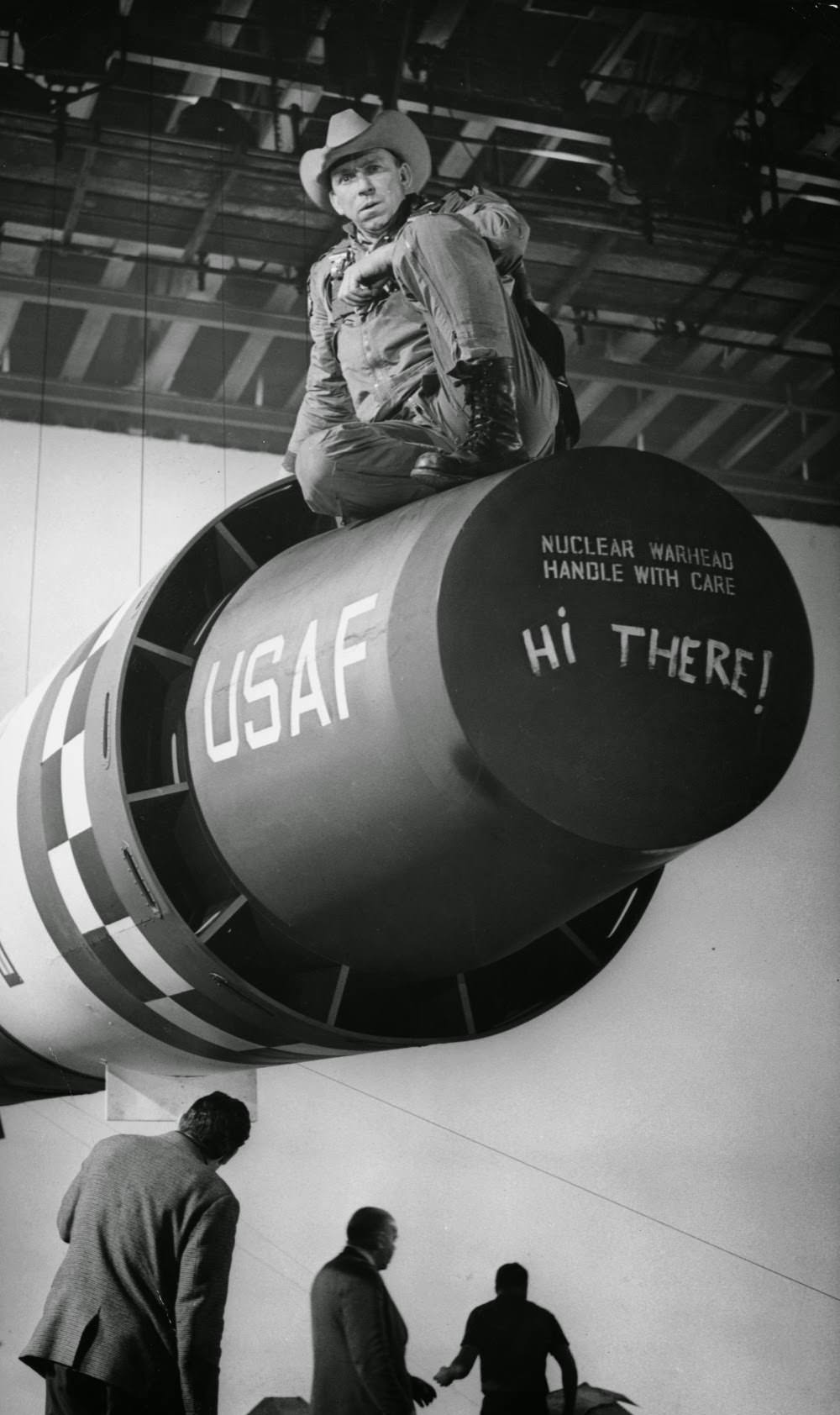
Peter Sellers played three separate roles: President Merkin Muffley, Group Captain Lionel Mandrake, and the scientist Dr. Strangelove. He was originally cast in a fourth role as pilot Major Kong, but a broken leg during filming forced a recast. Slim Pickens, a real working cowboy, stepped in and arrived on set wearing his own boots and hat.
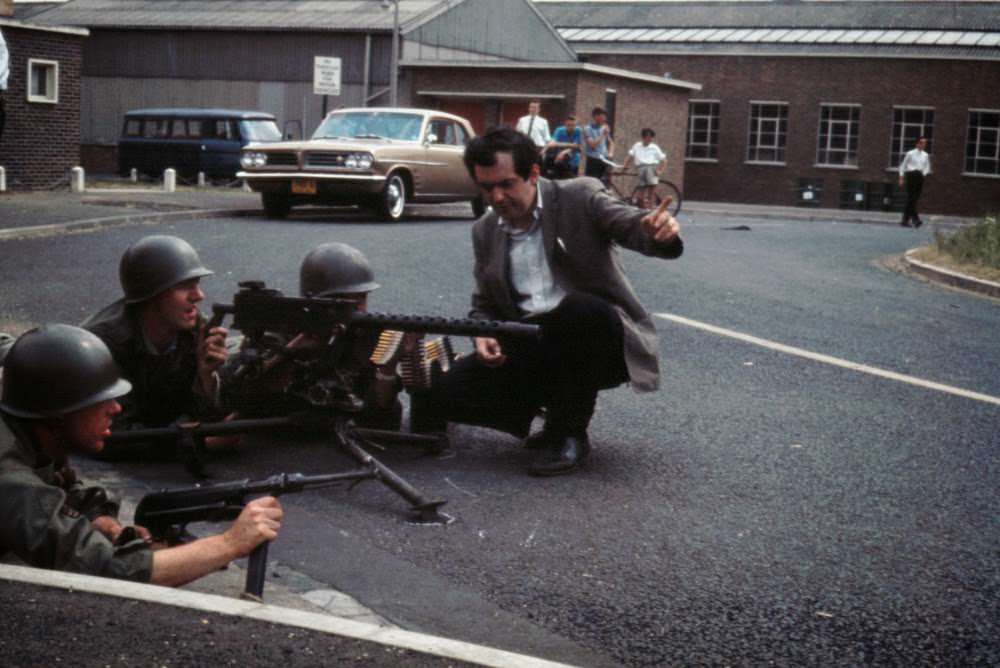
For Dr. Strangelove, Sellers sat in a wheelchair and wore a black leather glove. He improvised many of his most recognized lines and physical gags during long, uninterrupted takes. Kubrick kept the cameras rolling for hours at a time to capture a single perfect moment.
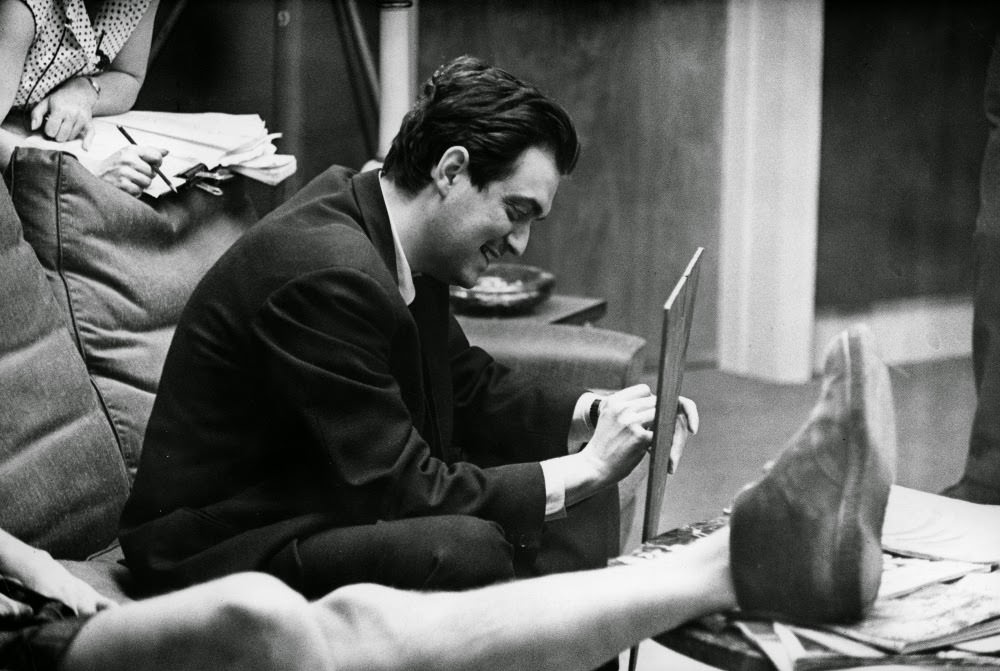
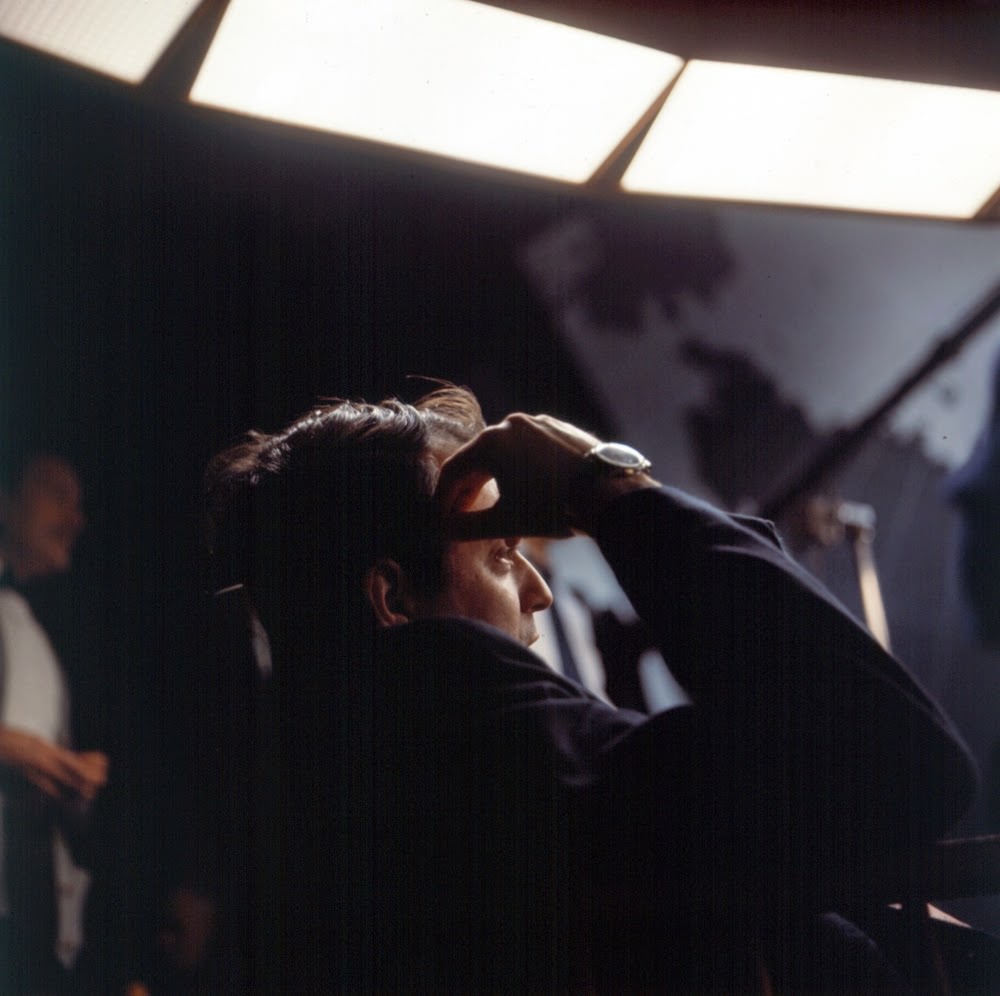
The production crew built a full-scale B-52 bomber cockpit without any help from the U.S. military. The Air Force refused access to a real aircraft, fearing the exposure of classified technology. Designers worked from a single small magazine photograph to recreate every switch, dial, and lever. The finished cockpit was mounted on a gimbal system that tilted and rocked to simulate flight. Military officials later questioned how Kubrick had obtained what appeared to be classified details.
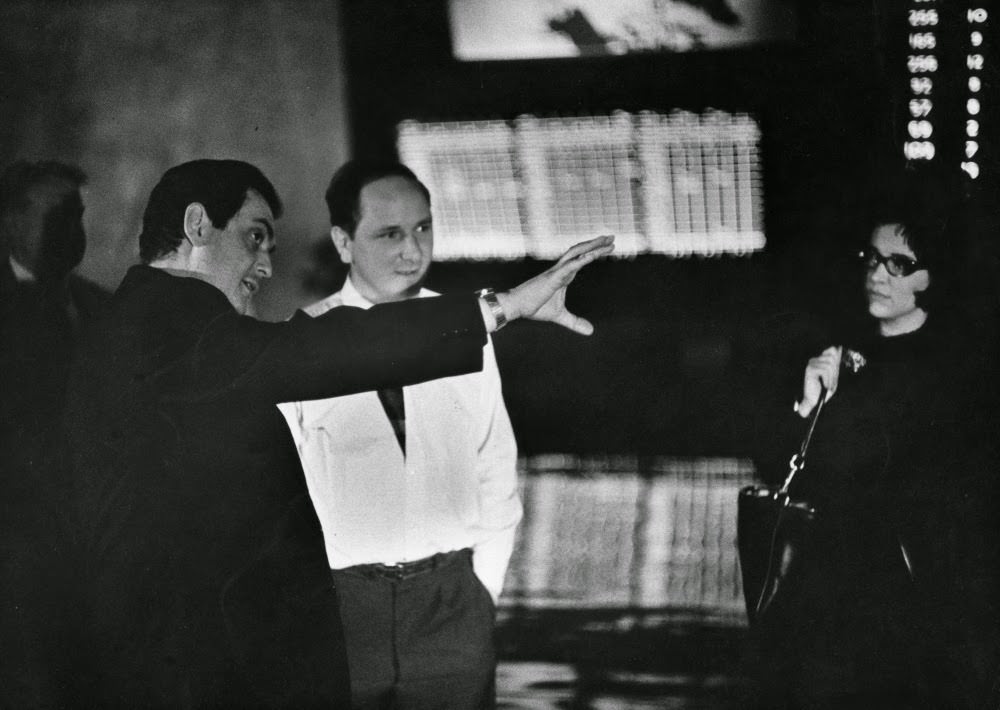
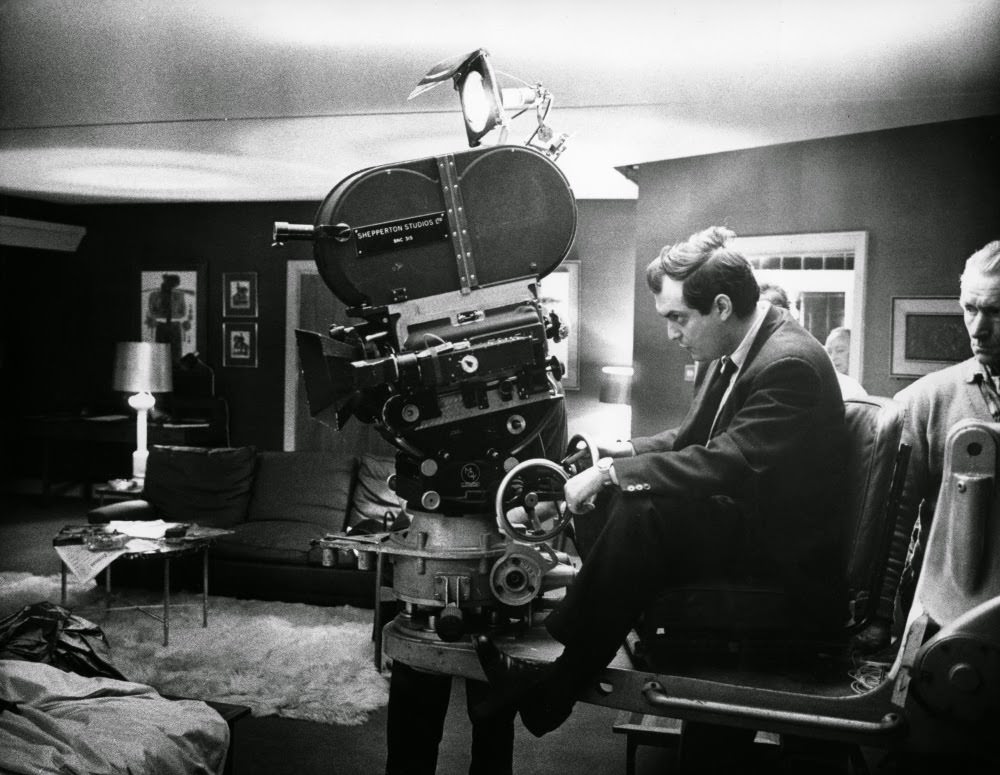
The War Room’s “Big Board” map used thousands of small light bulbs to track planes moving across the globe in real time. Every visual element — wide-angle lenses, high-contrast lighting, stark set design — was chosen to reinforce the film’s cold, tense tone.
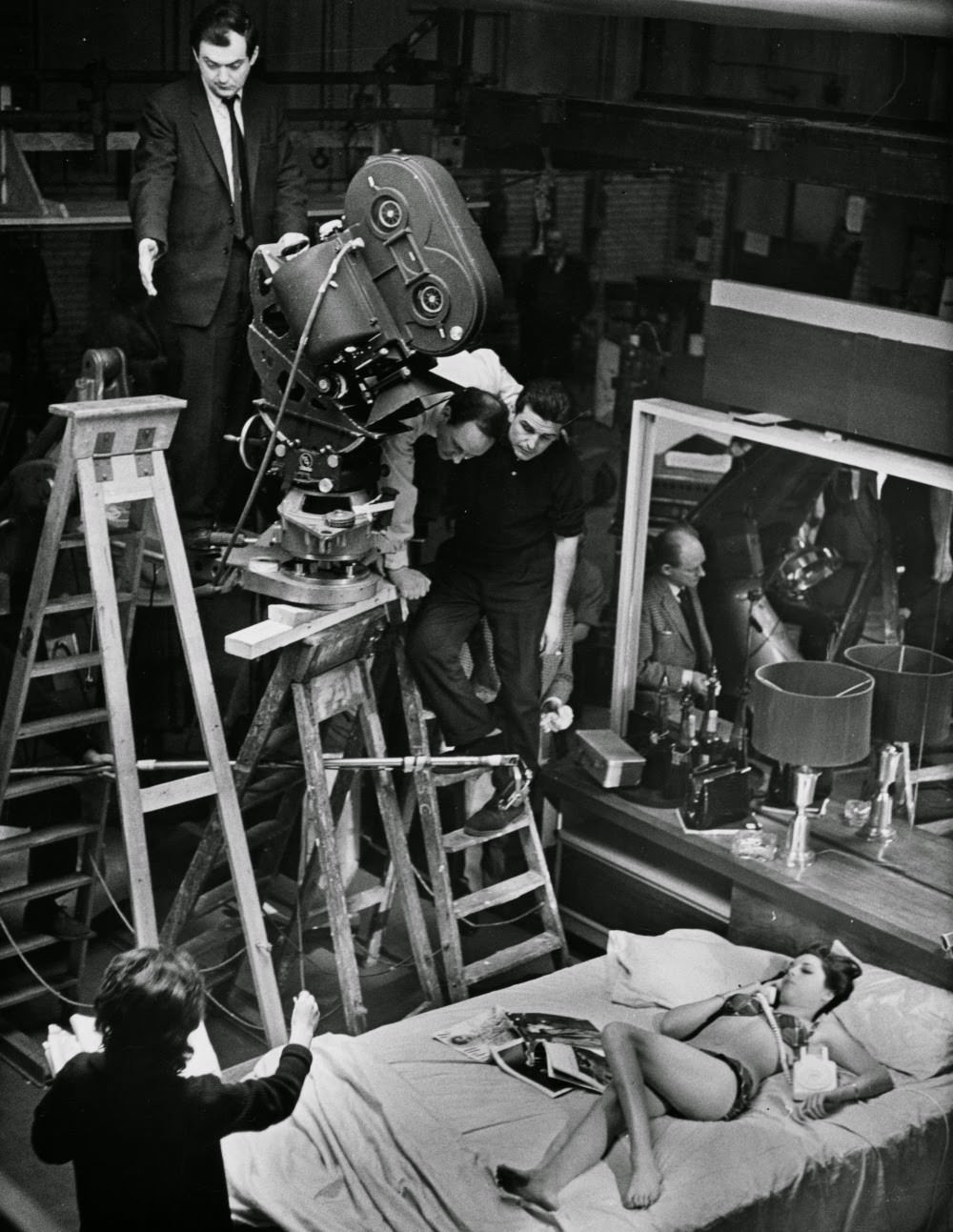
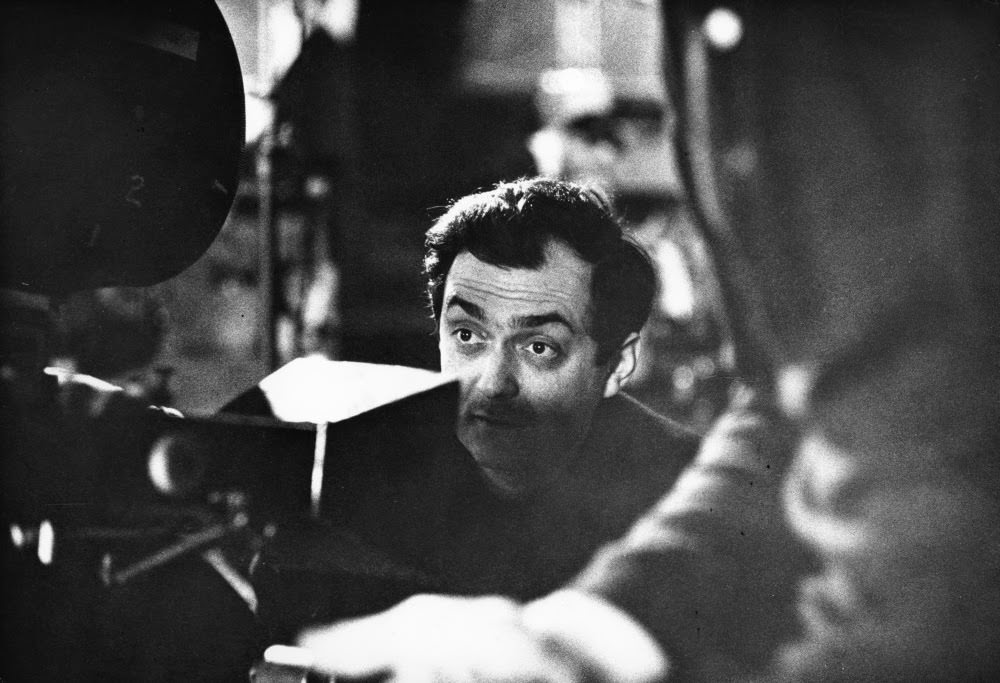
The film’s original ending featured a massive pie fight in the War Room. Actors threw thousands of custard pies at one another over several days of shooting. The President and the Soviet Ambassador were left covered in cream and pastry. Kubrick cut the entire scene, deciding the slapstick tone undermined the tension he had spent the rest of the film building.