
Stanley Kubrick began filming 2001: A Space Odyssey at Shepperton Studios in England in December 1965. The production ran for three years — an almost unheard-of stretch for a single film at the time. To make every detail scientifically believable, Kubrick brought in scientists and engineers from NASA and Boeing. Each piece of equipment on the space sets had a real-world purpose rooted in actual science. This was not a film that guessed at what space travel might look like. It was built on research.
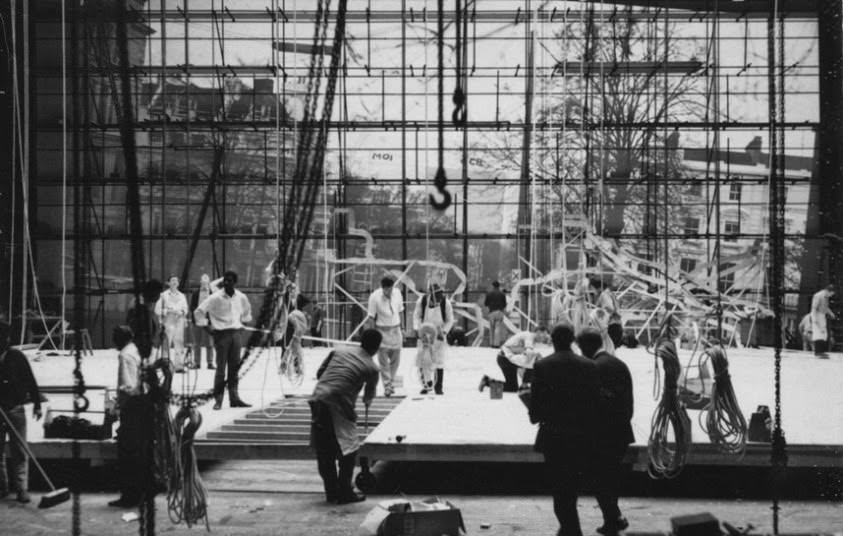
Kubrick oversaw nearly every aspect of production personally. He was known for being obsessive about control on set, reviewing footage repeatedly and adjusting details that most directors would never notice. That intensity set the tone for the entire crew.
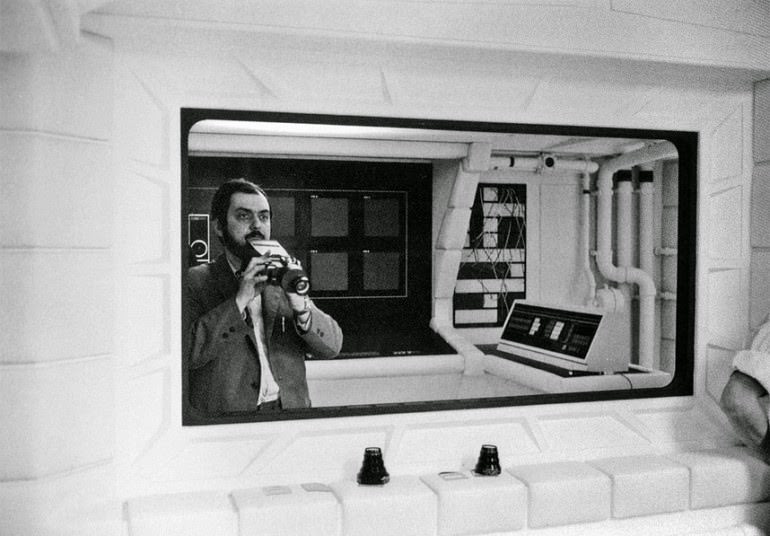
The film opens with the “Dawn of Man” sequence, which was shot entirely inside a studio. Kubrick used a massive front projection system to simulate an African desert landscape. A screen measuring 40 feet tall and 90 feet wide was placed at the back of the set. High-resolution photographs of the African desert were projected onto it using a mirrored glass system. The result looked seamless on camera — a vast, sun-baked wilderness that was actually a soundstage.
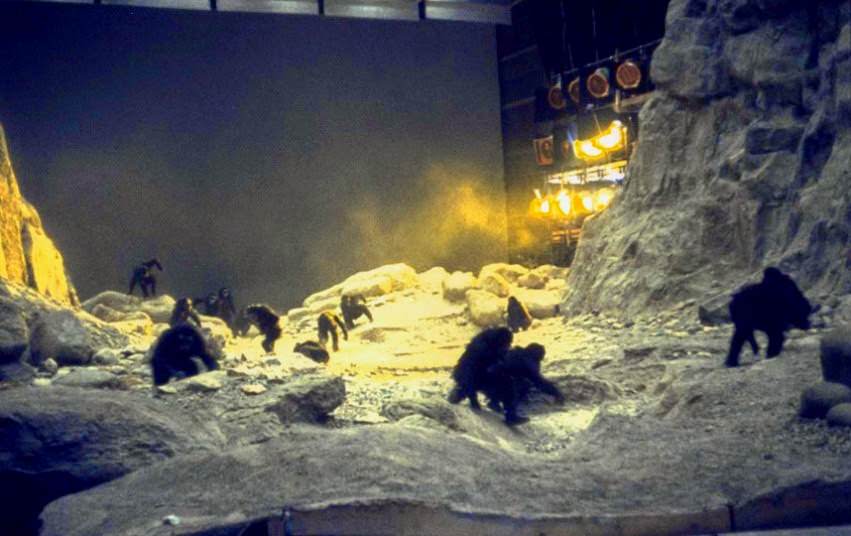
The ape costumes in that sequence were designed by makeup artist Stuart Freeborn. He used real horsehair and fitted each suit with a mechanical jaw that allowed the actor’s own mouth movements to translate through the mask. The result was expressive and convincing in a way that rigid rubber masks never could have been. Actor William Sylvester joined the production later to play Dr. Heywood R. Floyd, one of the central human characters in the film.
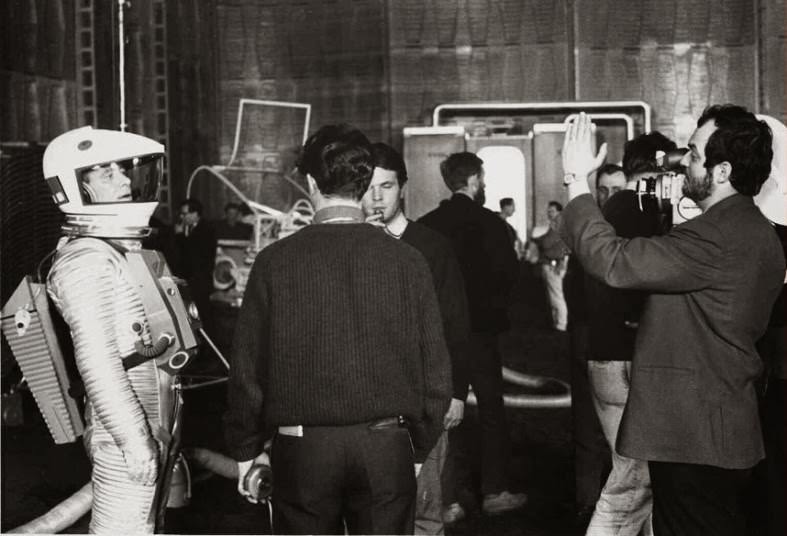
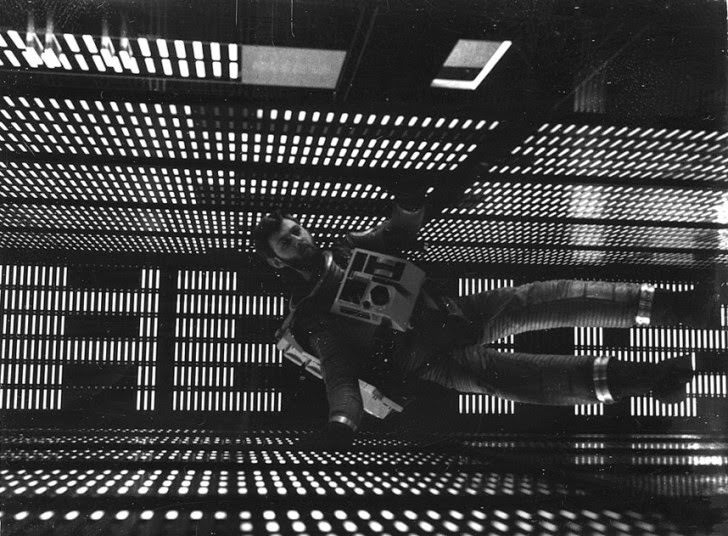
One of the most ambitious and expensive physical constructions in the film was the centrifuge — a rotating circular room built to simulate gravity aboard the Discovery spacecraft. The structure was 38 feet wide and cost $750,000 to build. It was constructed by a company that ordinarily manufactured aircraft. The room rotated at three miles per hour, and actors Keir Dullea and Gary Lockwood walked along its inner surface as it turned, creating the visual effect of gravity in space.
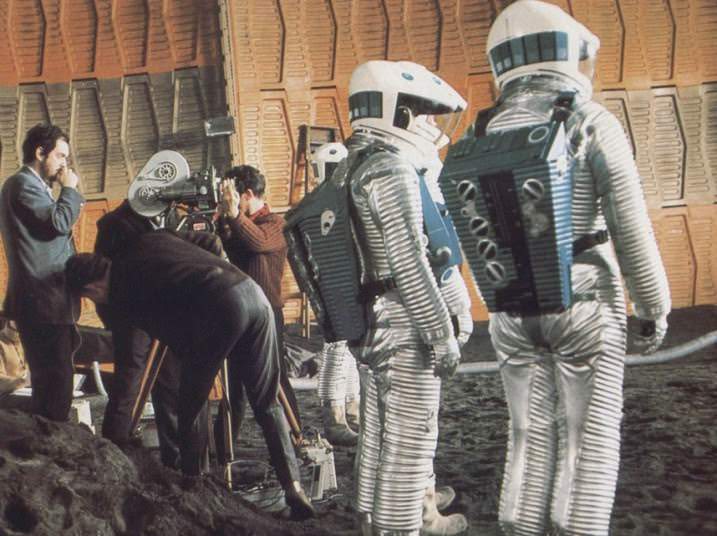
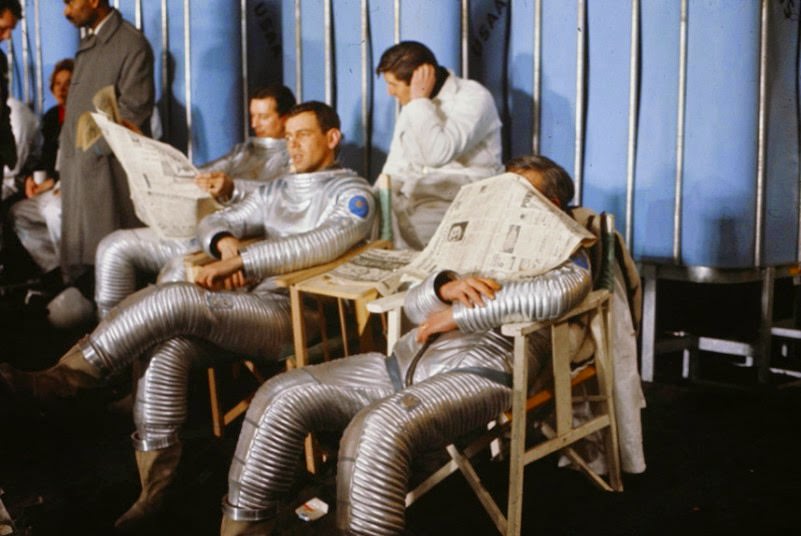
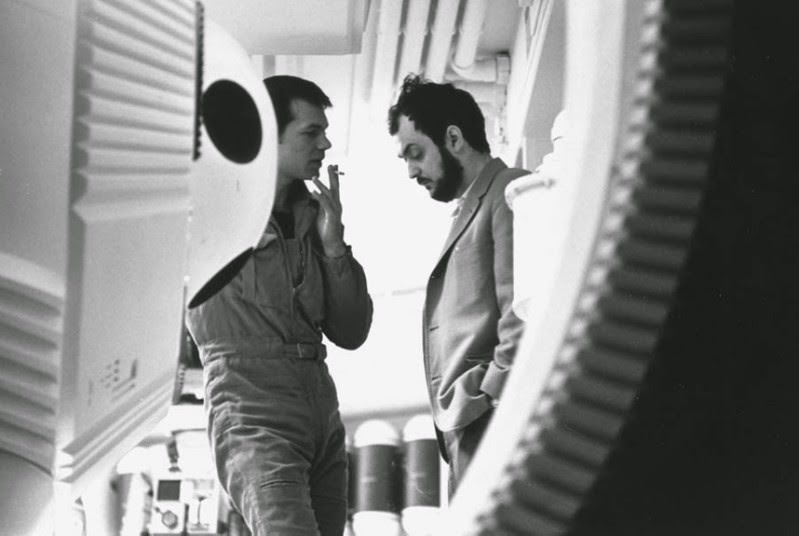
Filming inside the centrifuge required cameras to be bolted to the floor or mounted on specialized tracks. Kubrick directed the actors through a headset while they moved inside the turning wheel. Between takes, the cast had moments of downtime in the strange, curved environment of the set.
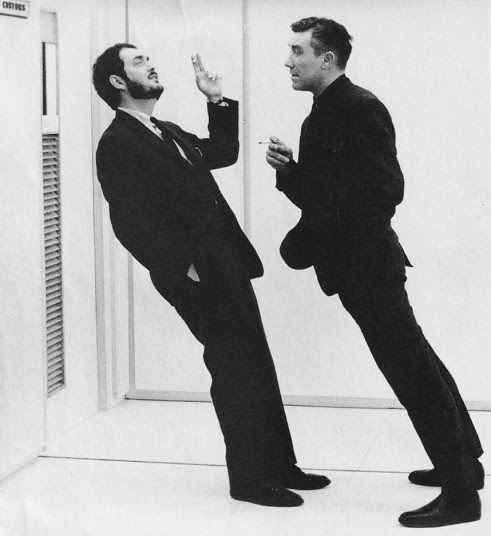
Kubrick remained closely involved with his actors throughout filming, often spending time with them between setups to discuss the scene or simply stay connected to the performance.
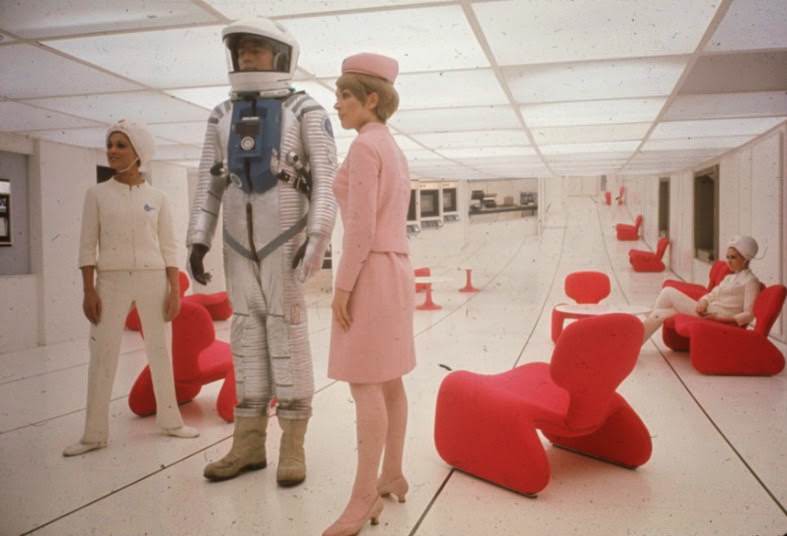
The production design extended to every visible detail, including the costumes worn by crew members aboard the spacecraft. Stewardesses on the orbital shuttle wore clean, modernist uniforms that matched the film’s vision of near-future commercial space travel.
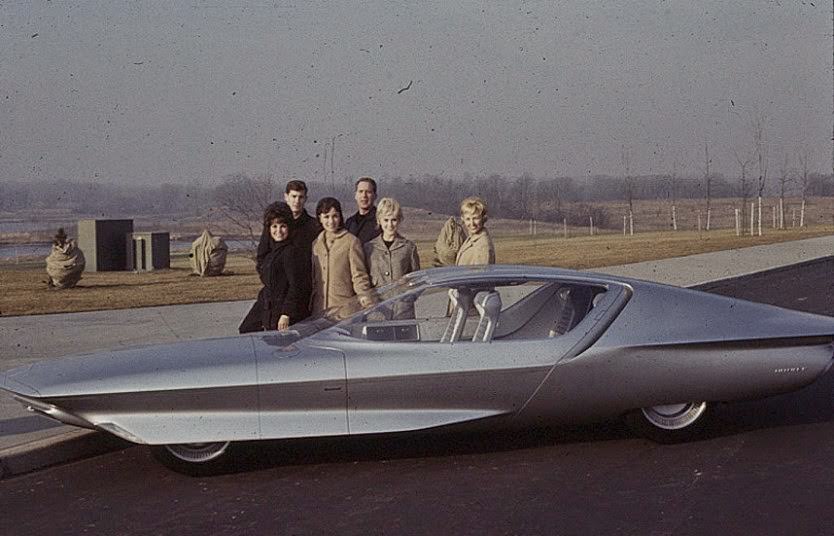
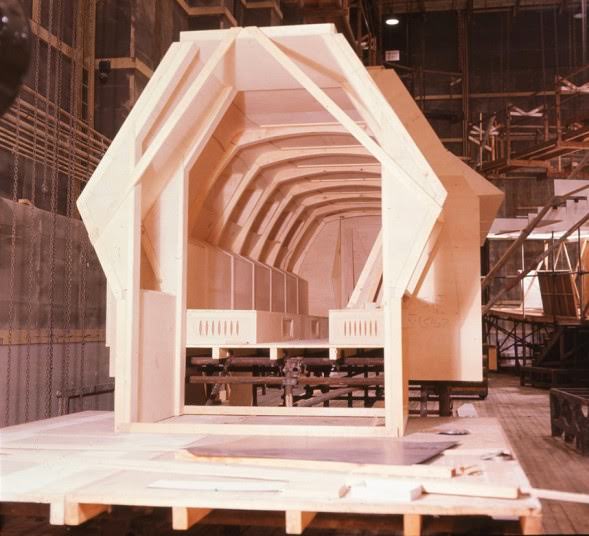
Vehicle design was taken just as seriously. The production team created prototypes and full-scale wooden constructions to work out proportions and aesthetics before any filming began. Everything from ground vehicles to spacecraft went through this physical design process.
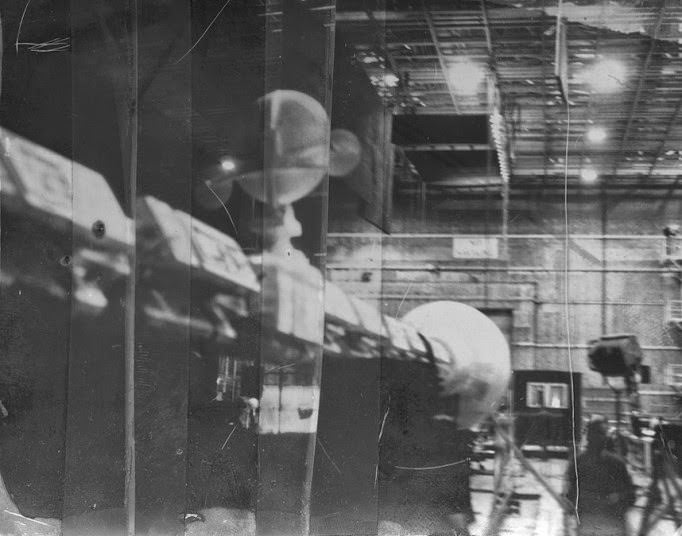
The Discovery One spacecraft — the massive vessel that carries the crew toward Jupiter — was designed and built as a 54-foot-long physical model. Visual effects supervisor Douglas Trumbull used no computers to film it. Instead, the crew applied a technique called motion control photography, moving the camera very slowly past the model to keep every part of the ship in sharp focus. Tiny light bulbs and fiber optics created the glowing windows across the hull.
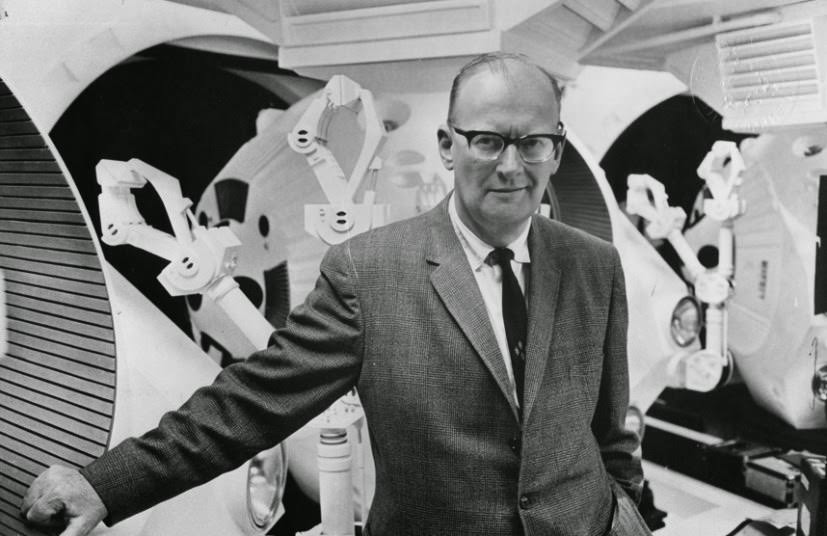
The screenplay itself was developed in close collaboration between Kubrick and science fiction author Arthur C. Clarke, whose short story “The Sentinel” formed the basis of the film. Clarke was a working presence throughout the production, not simply a credited writer.
The Stargate sequence near the end of the film used a technique called slit-scan photography. Trumbull built a machine that moved a camera toward a narrow slit cut into a black screen. Behind the slit, colorful patterns on glass moved across the frame while the camera shutter remained open during the entire movement. This blurred the light into long, streaking lines. The process took months of work to produce just a few minutes of finished footage.
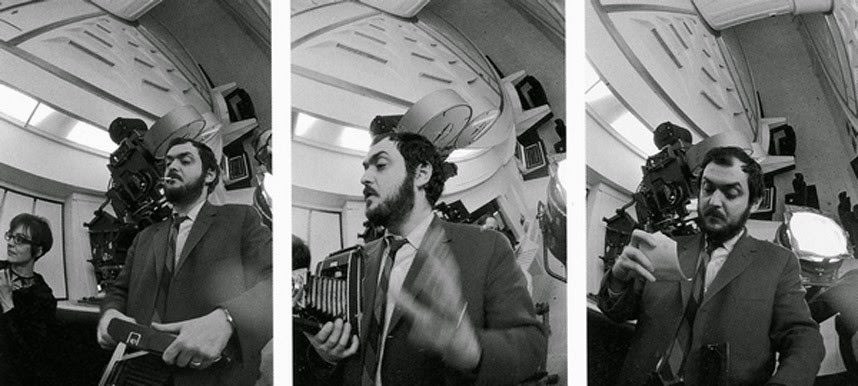
Behind the camera, the crew worked continuously to solve technical problems that had no standard solution. Kubrick insisted on filming the space scenes in total silence, reflecting the fact that there is no sound in a vacuum. He later removed original dialogue from several space sequences during editing.
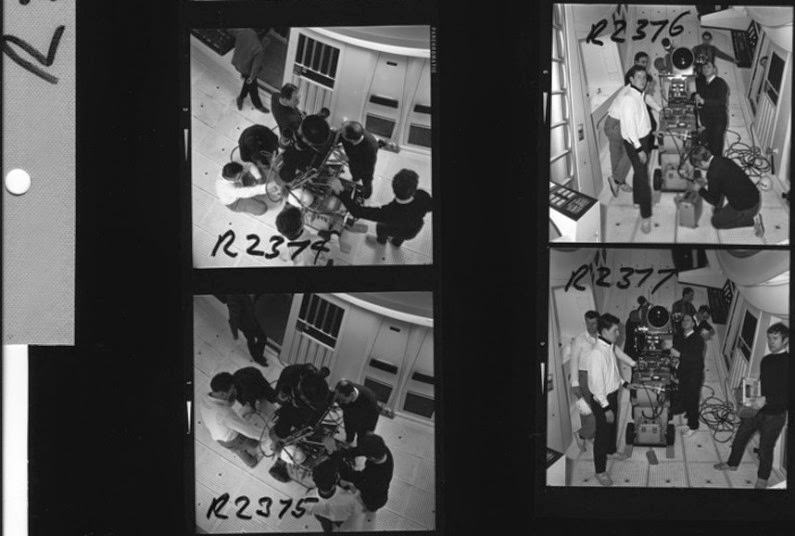
The centrifuge set presented unique filming challenges at every stage of production. Camera rigs had to rotate with the room while maintaining precise angles.
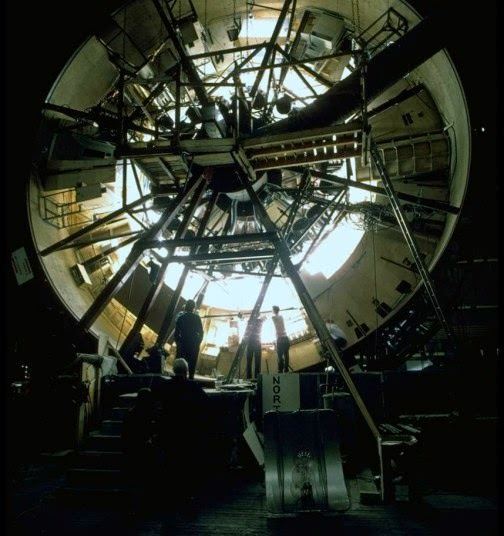
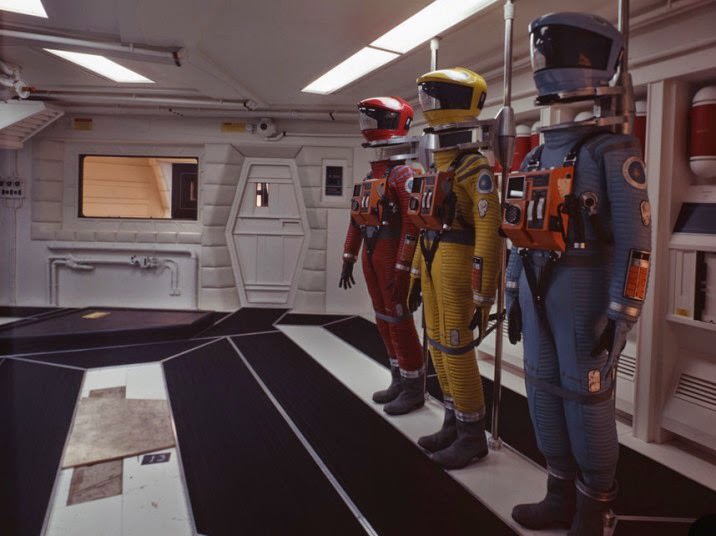
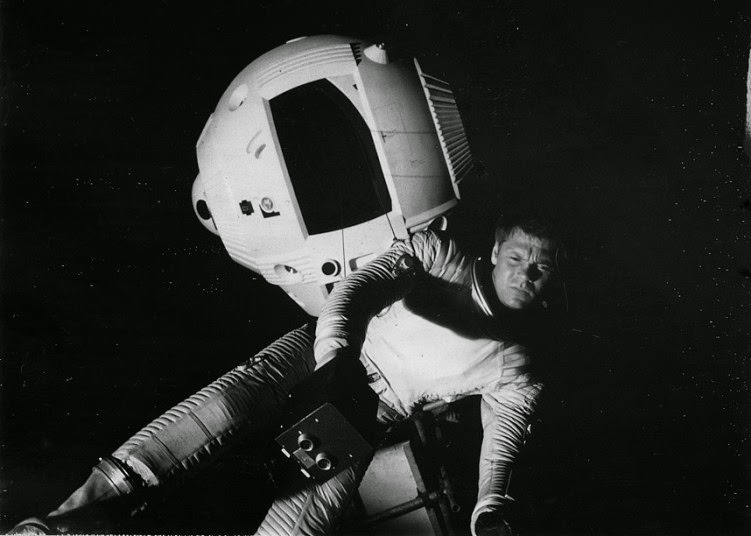
Gary Lockwood, who played astronaut Frank Poole, spent extended periods on set in and around the centrifuge and other Discovery interiors. The brightly colored space suits worn by the crew aboard the ship were designed to be visually distinct, with each astronaut assigned a different primary color.
The same front projection system used for the “Dawn of Man” sequence was also applied to outer space shots. The technique allowed the production to place actors against a convincing black star field without the limitations of traditional rear projection, which often looked washed out on film.
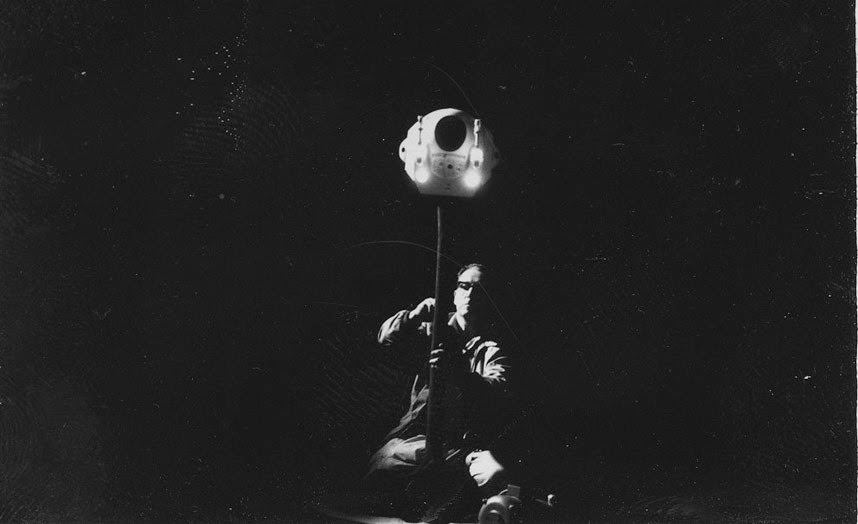
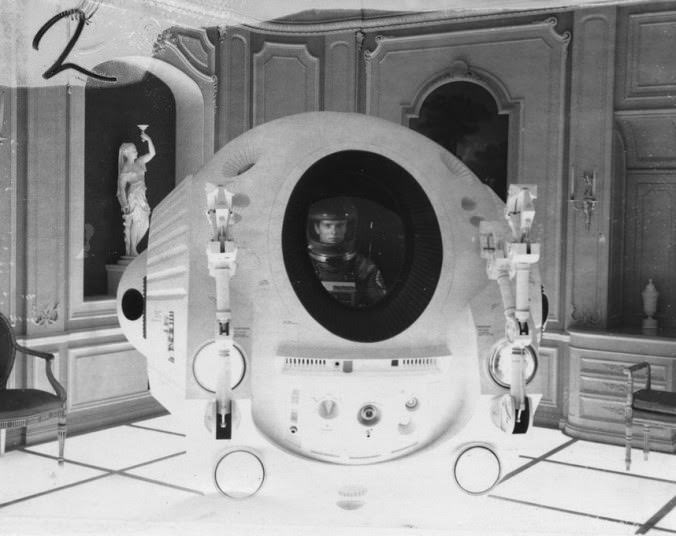
For scenes in which astronauts appeared to float in zero gravity, the crew suspended actors from thin wires attached to the ceiling. The camera angle was chosen specifically to hide the wires behind the actors’ bodies. The EVA pods — the small, spherical vehicles the astronauts use outside the ship — were built as full-scale practical sets.
The HAL 9000 computer’s control panels were built using real electronic components. Every display screen showed 16mm film loops of actual mathematical data and navigation charts. The Monolith — the film’s central mysterious object — was a solid block of wood coated in a mixture of graphite and black paint. The crew polished the surface for hours after each application to remove fingerprints and dust, giving it the perfectly smooth, alien appearance seen on screen.
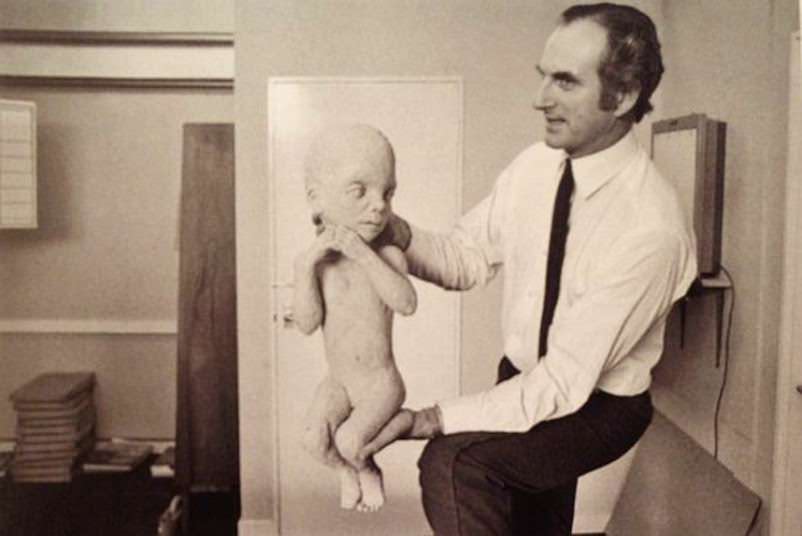
The Star Child seen at the film’s close was a physical model two and a half feet tall, built with mechanically operated eyes. Kubrick filmed it directly rather than relying on optical effects. Every element of the production — from the centrifuge to the Monolith to the Star Child — was built by hand, relying entirely on engineering, practical ingenuity, and methodical craftsmanship.

This is fantastic! Thank you for sharing.
Amazing! I’ve read a few books about the making of the movie, and went to a 2001 exhibit that included actual props from the movie, behind the scenes pictures, set plans and more, including the actual Star Baby model, and there were pics in this article I had never seen before. Thank so much for sharing!!!
Love it