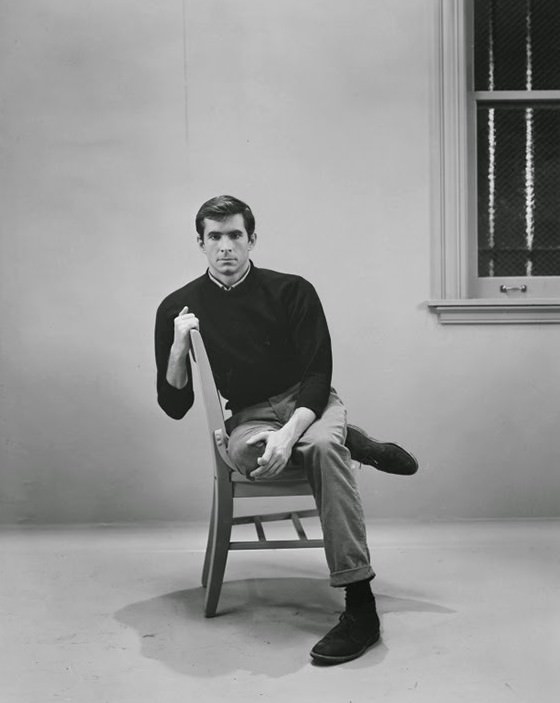
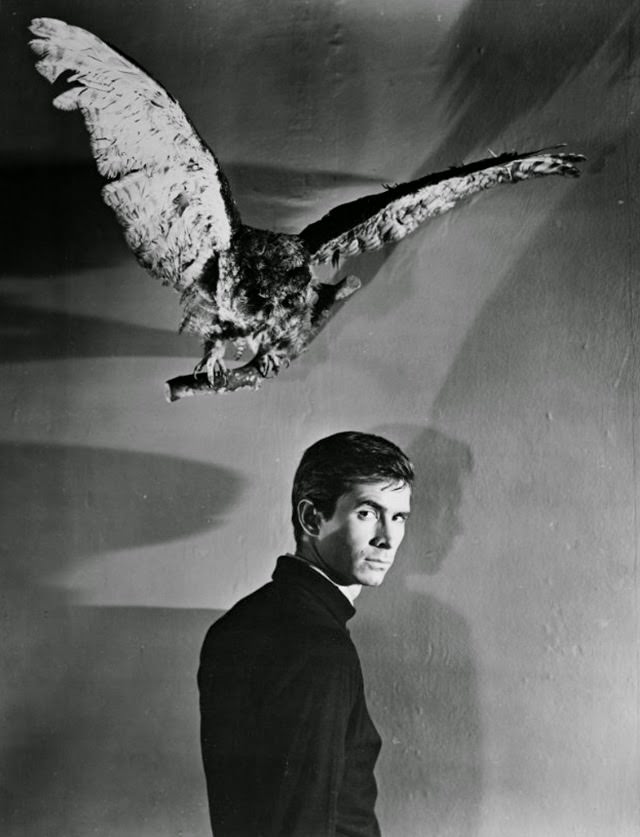
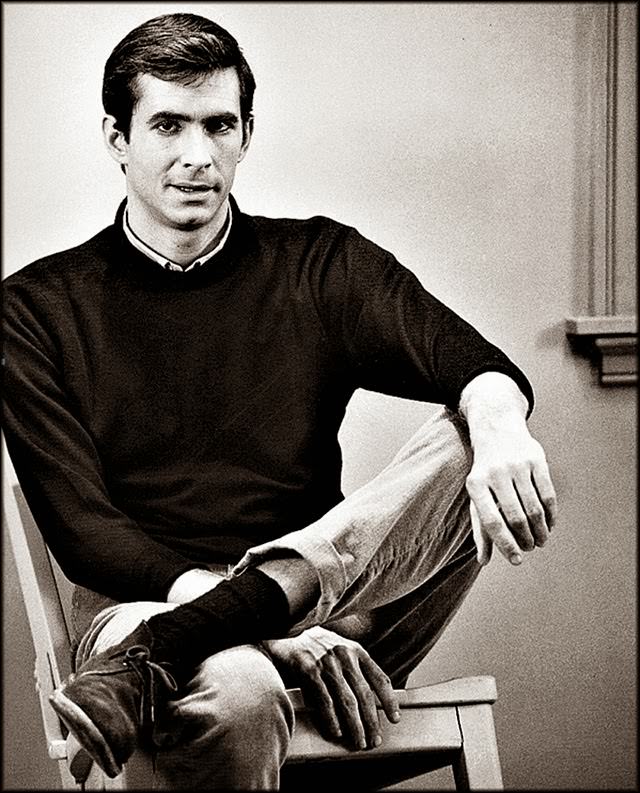
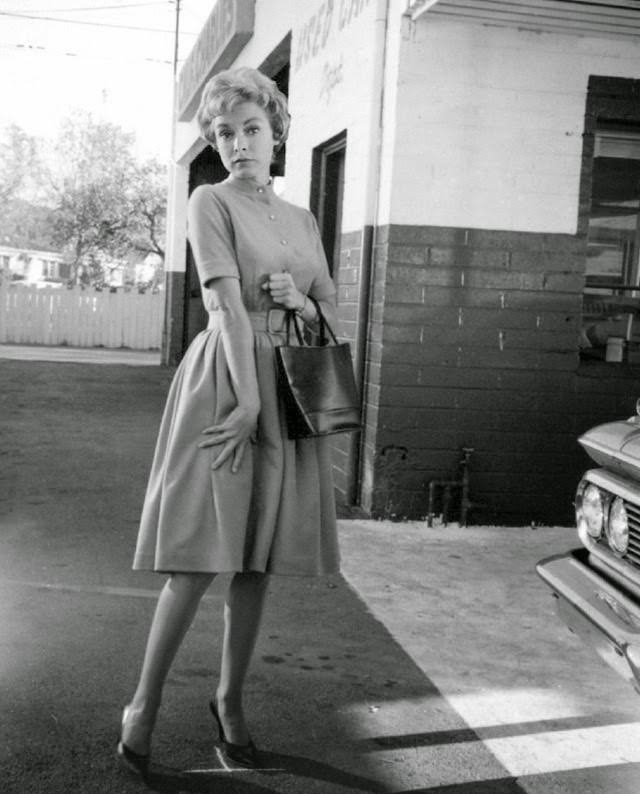
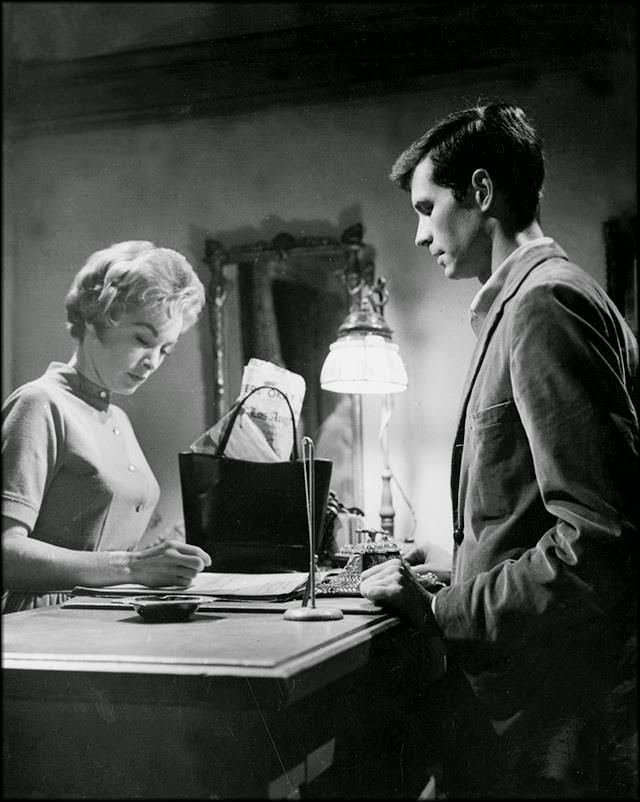
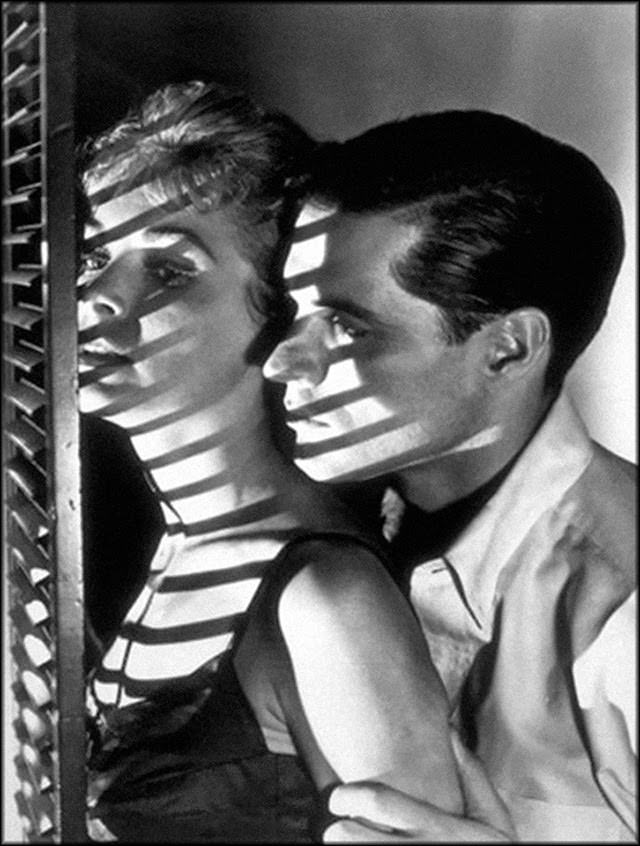
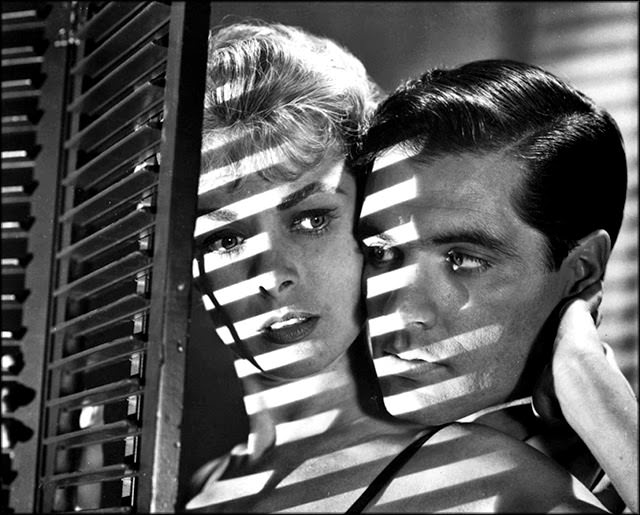
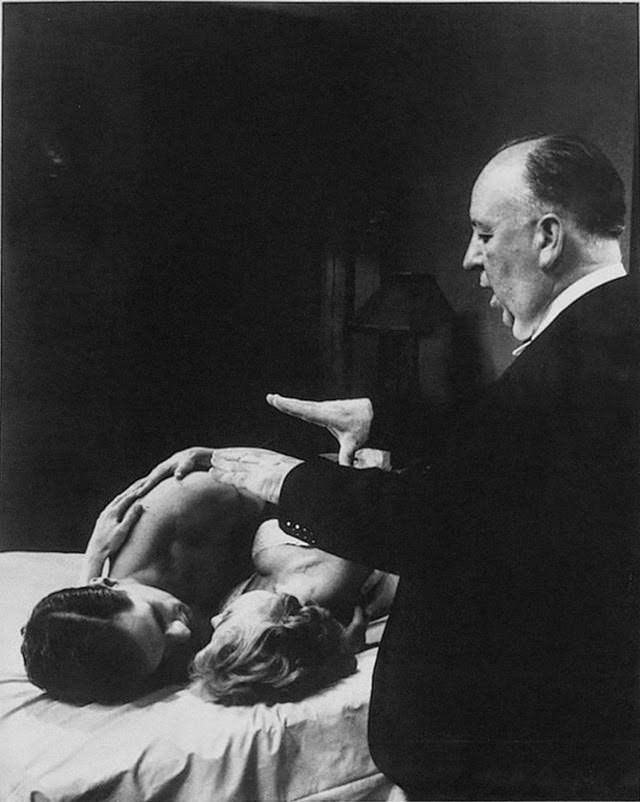
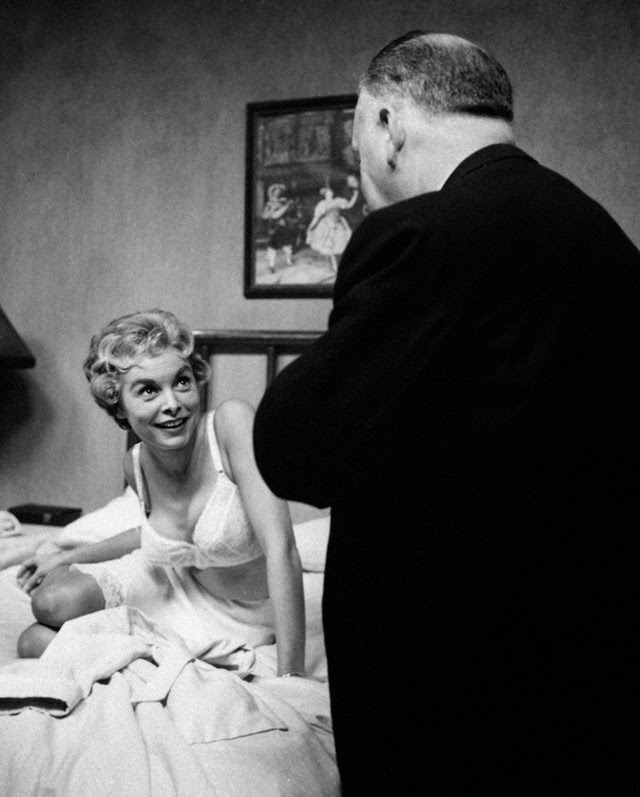
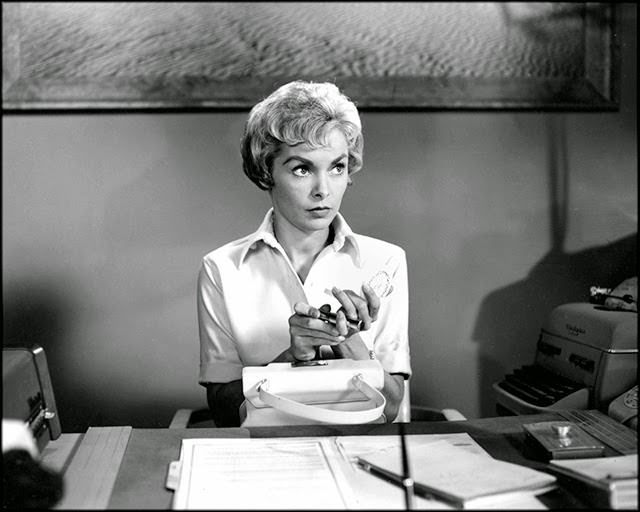
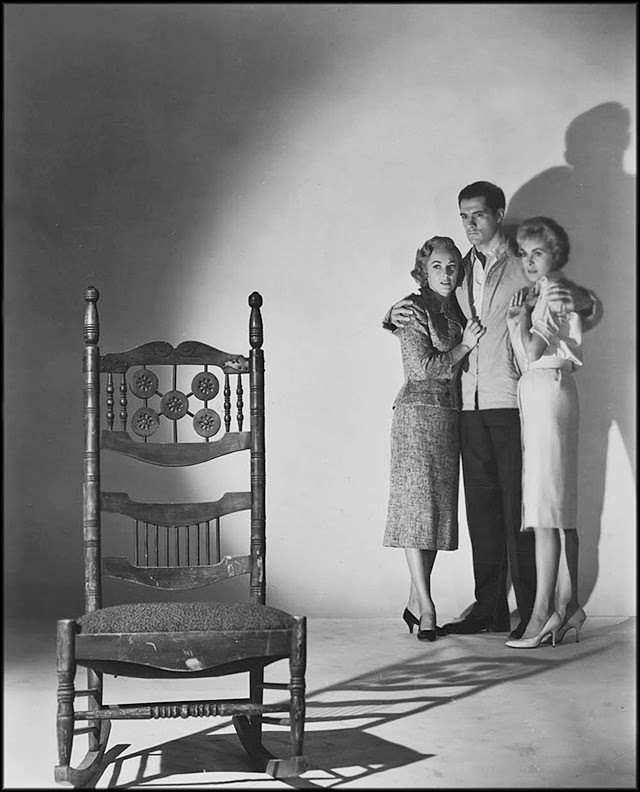
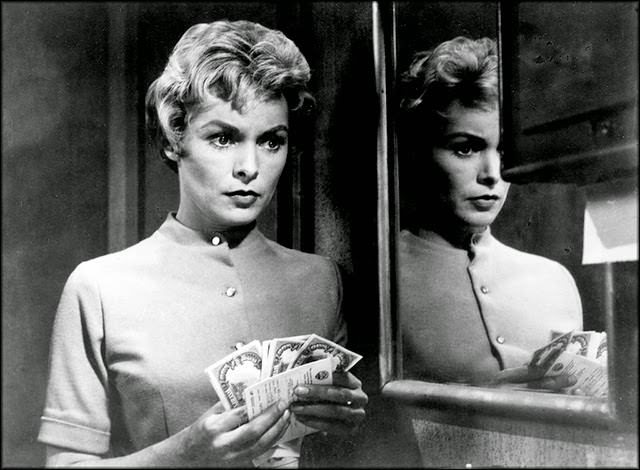
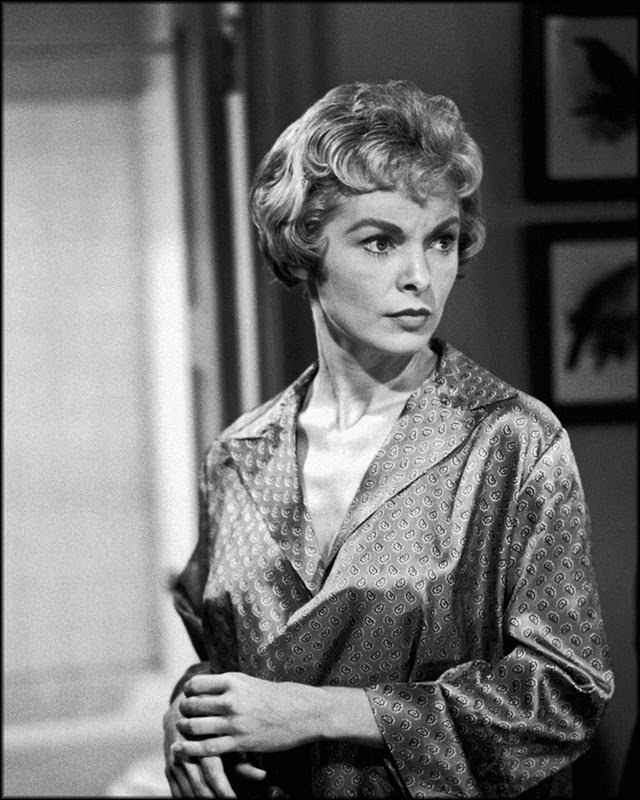
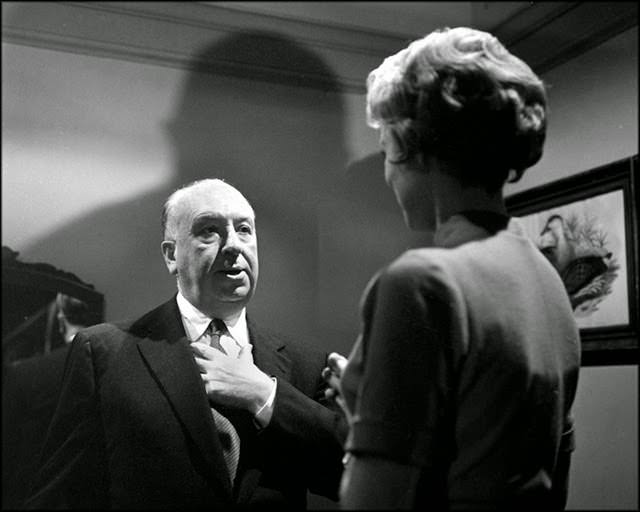
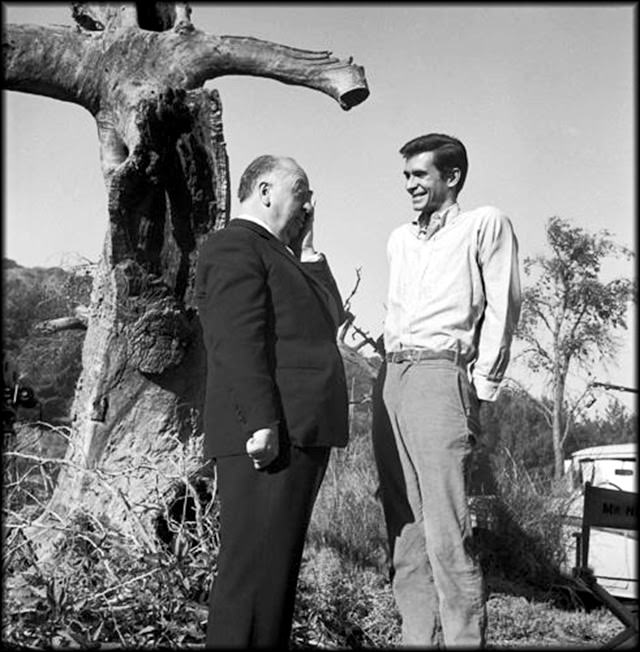
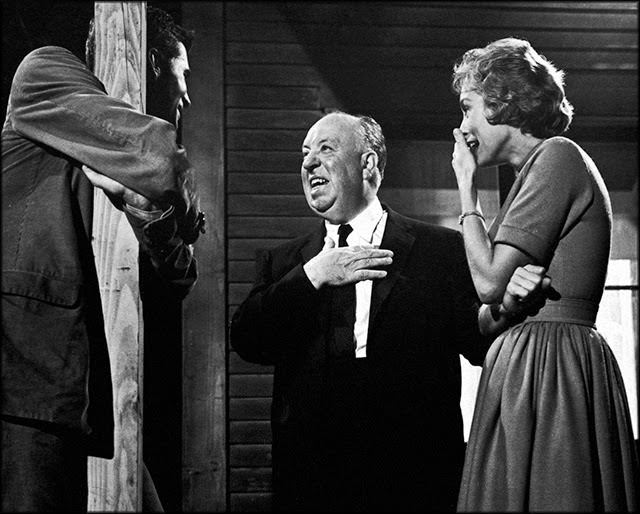
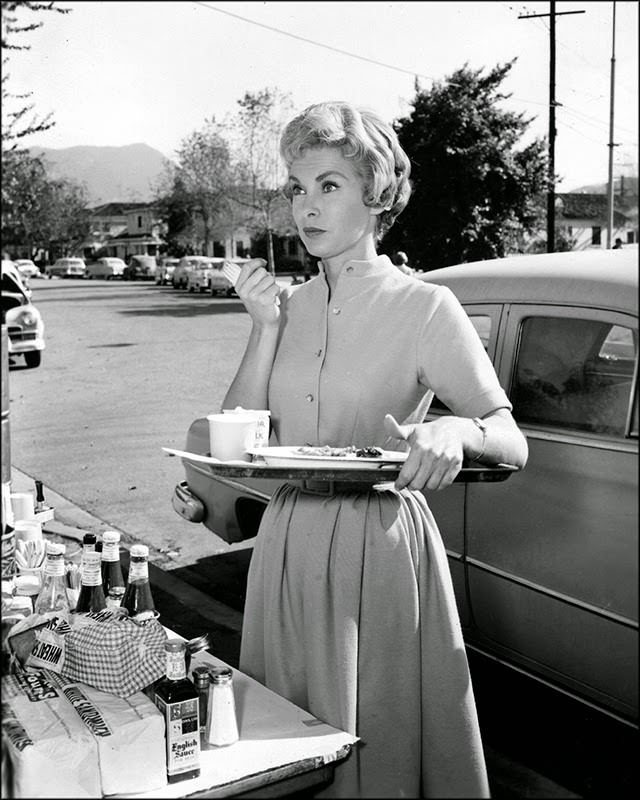
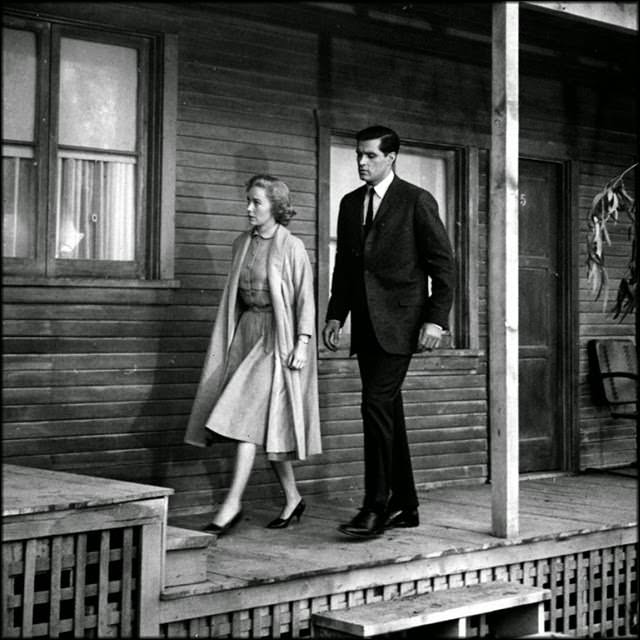
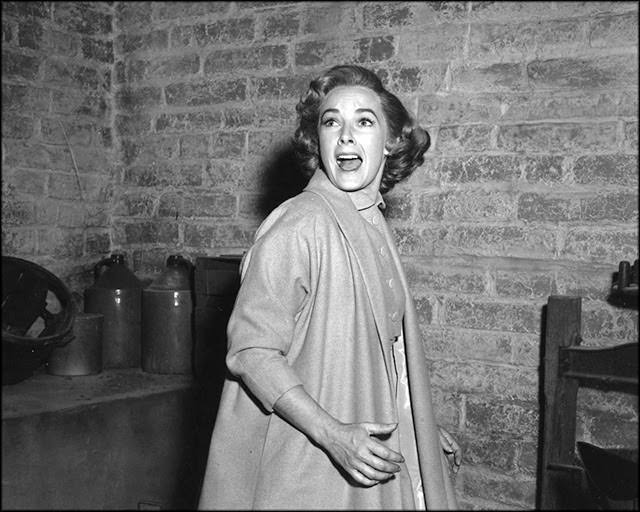
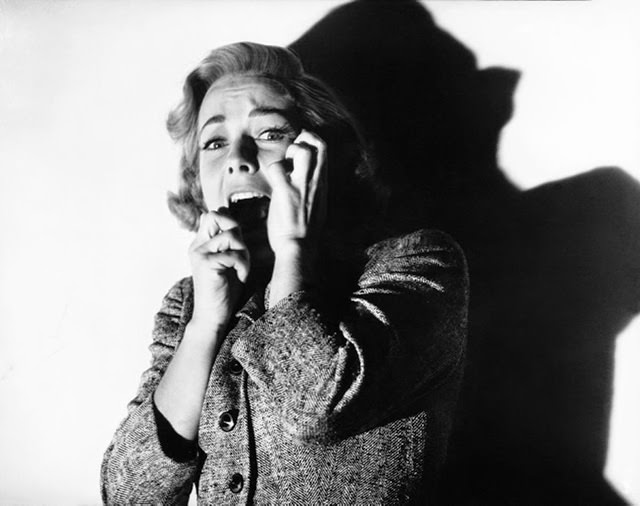
Alfred Hitchcock discovered Robert Bloch’s 1959 novel Psycho through a book review. The story drew from the real crimes of Ed Gein, a Wisconsin murderer who lived alone and kept a shrine to his dead mother. Hitchcock saw immediate potential in the character of Norman Bates and quietly purchased the film rights for $9,000. To keep the ending a secret before release, he ordered his staff to buy up as many copies of the novel as they could find in bookstores.
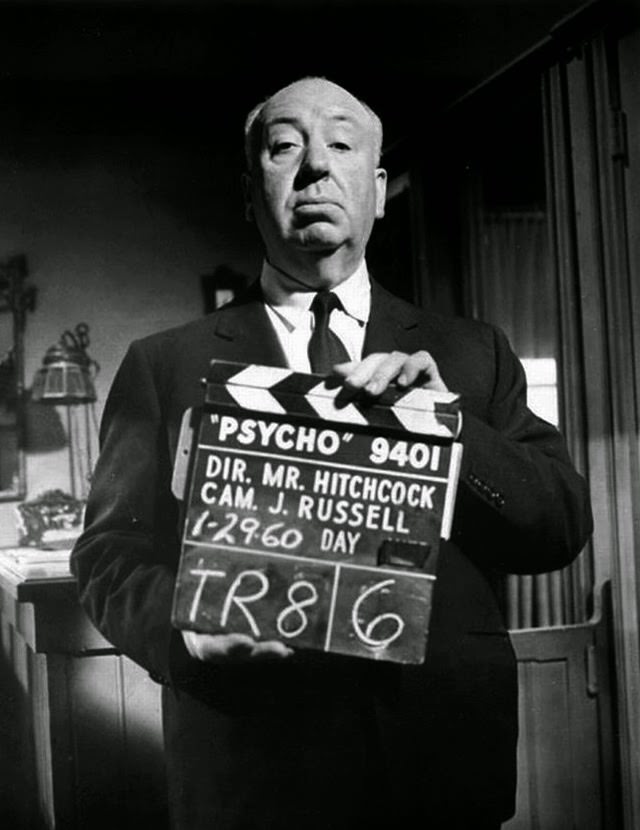
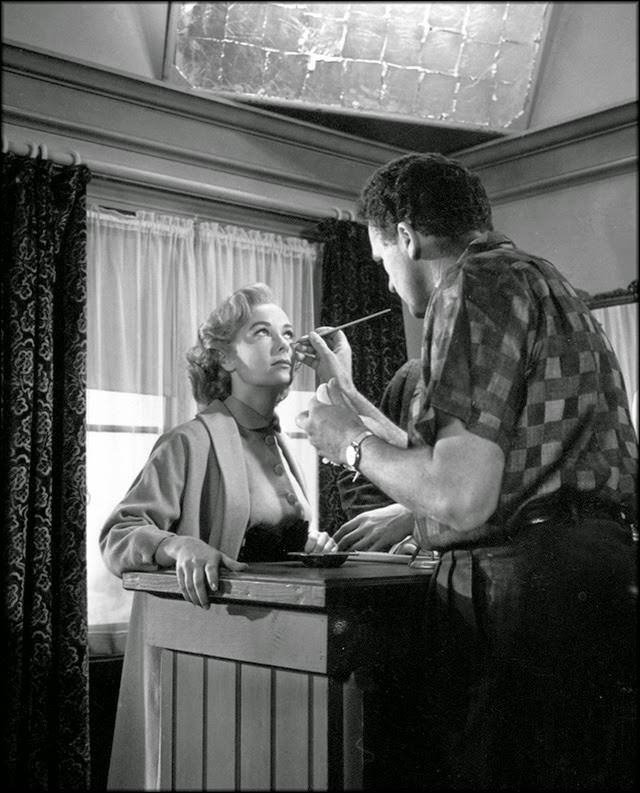
Paramount Pictures refused to back the film. Studio executives considered the material too repulsive for a major production. Hitchcock financed it himself, waiving his director’s salary in exchange for 60% ownership of the negatives. He kept the budget under $1 million by using the crew from his TV series, Alfred Hitchcock Presents, and shooting entirely in black and white. The black-and-white format cut lighting costs and kept the on-screen blood from looking too graphic for censors.
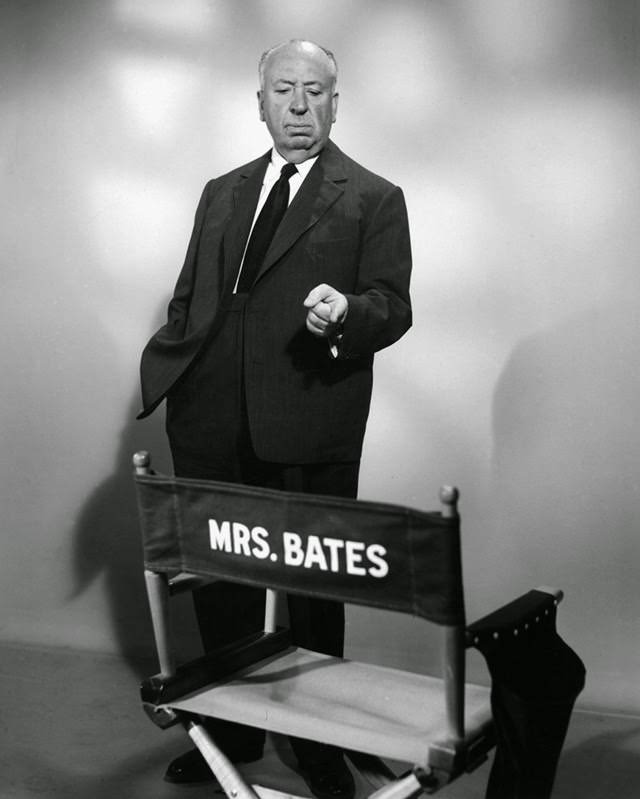
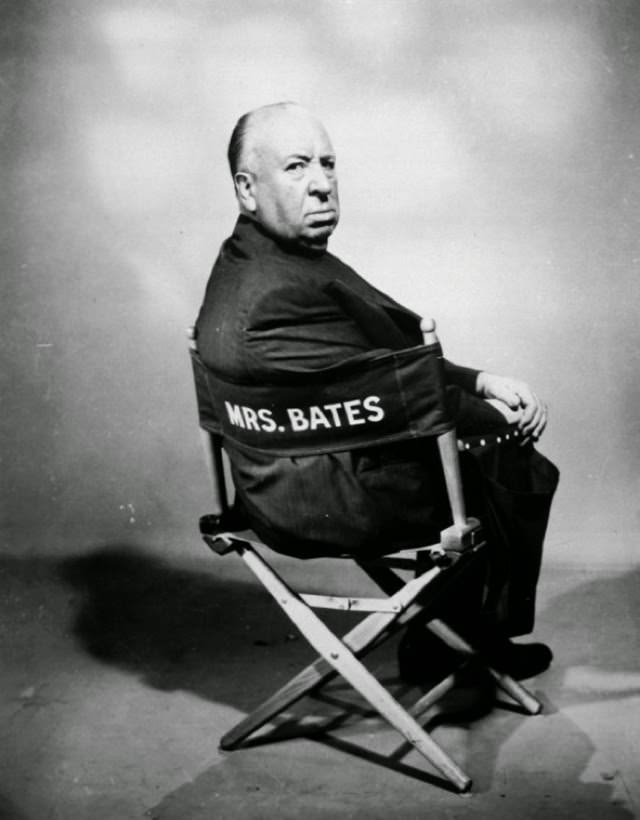
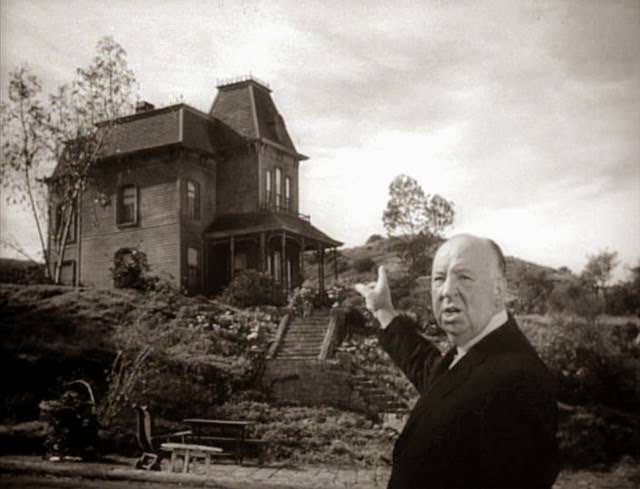
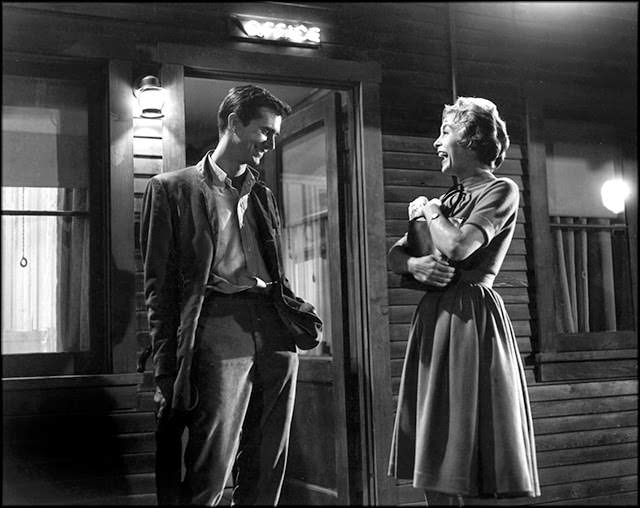
The Bates Motel and the Gothic house behind it were built on the Universal Studios backlot. The house design came directly from Edward Hopper’s painting The House by the Railroad. It was constructed smaller than a real house using forced perspective, making it look taller and farther away when seen from the motel. The structure was only a facade — a front and one side. All interior scenes were filmed on separate soundstages.
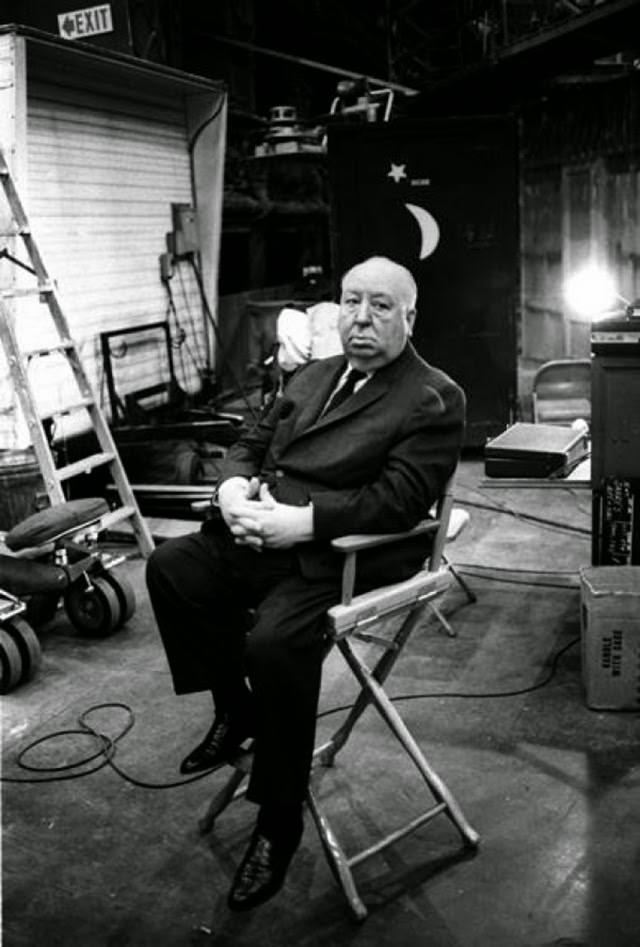
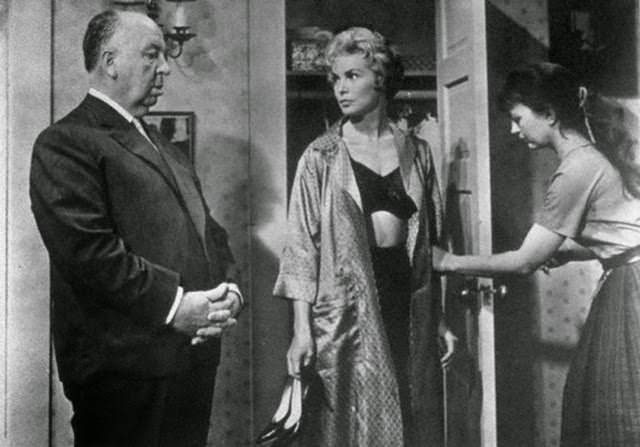
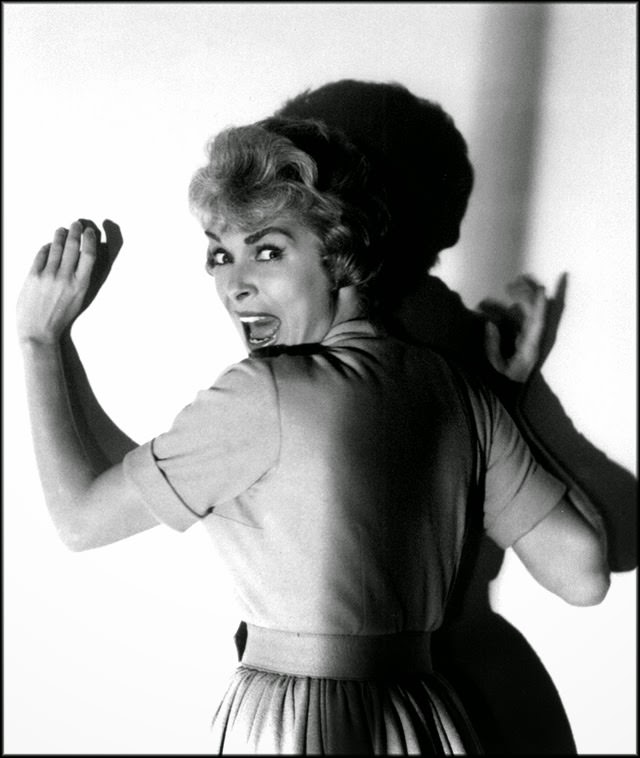
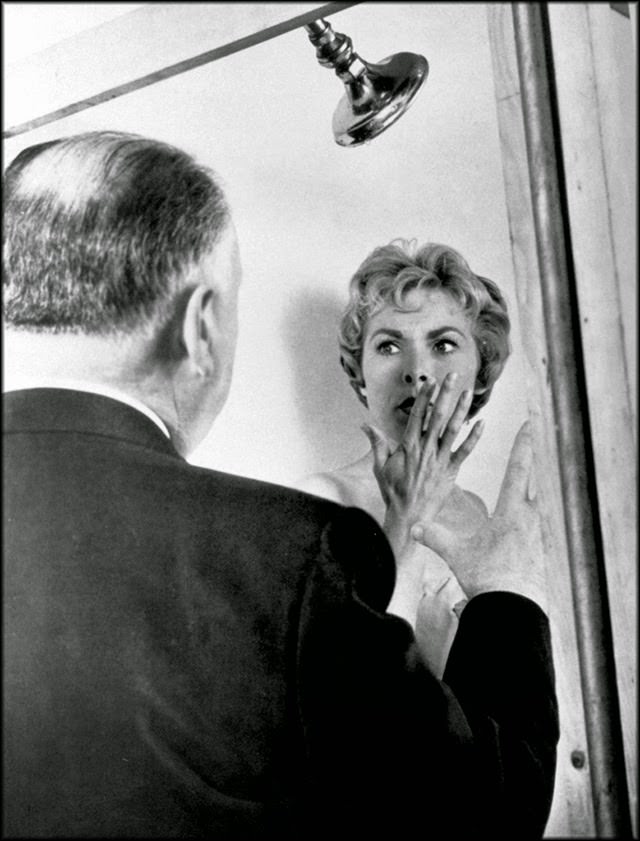
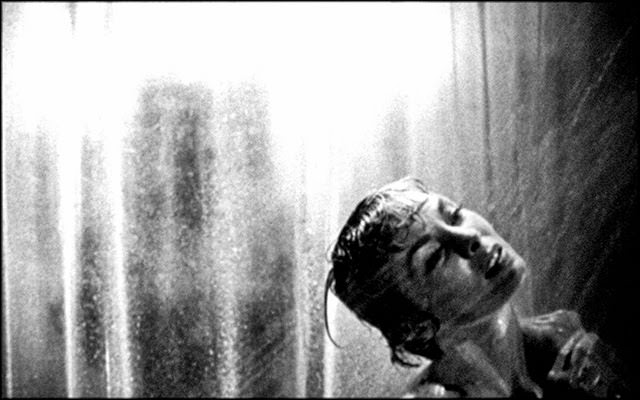
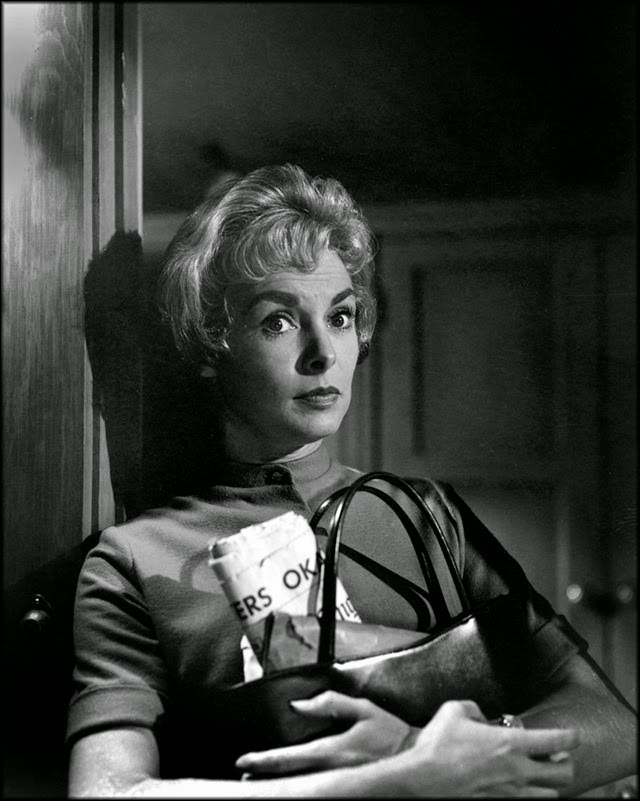
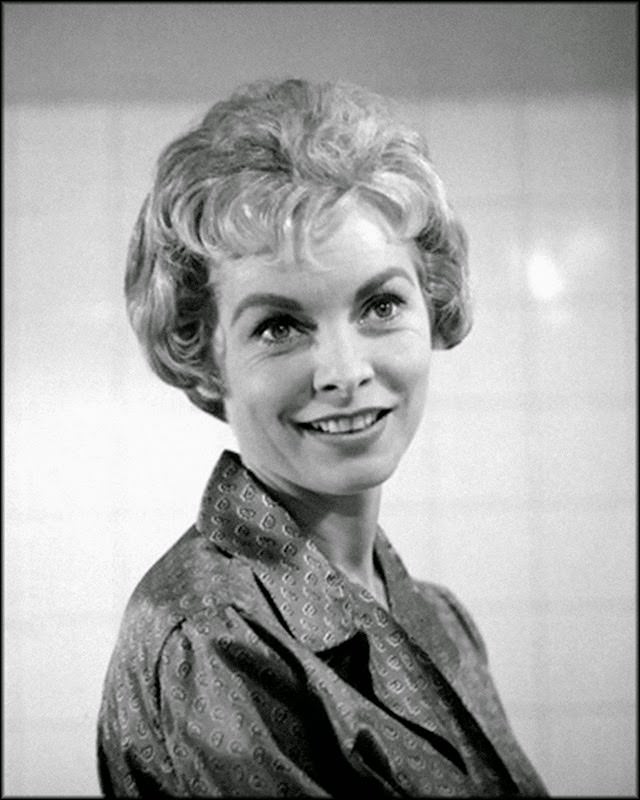
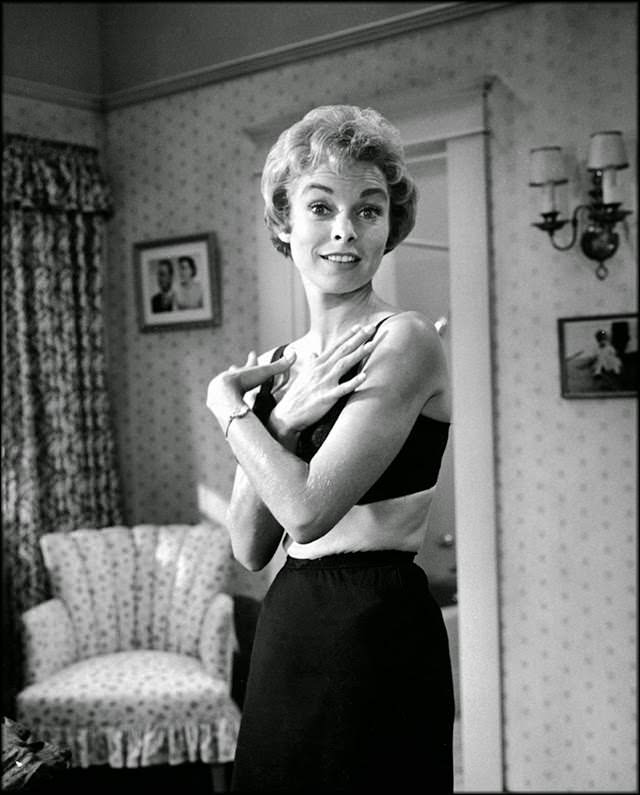
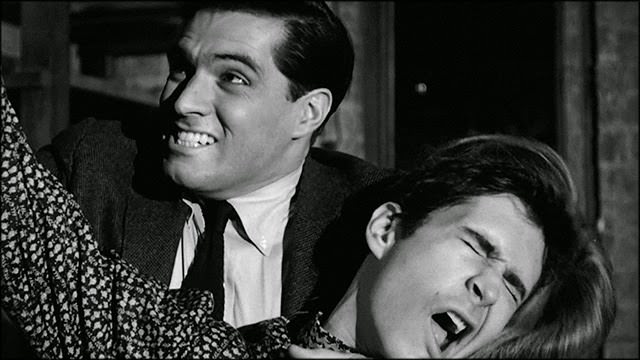
The shower murder is the film’s most complex sequence. That 45-second scene took seven days to shoot, requiring 78 camera setups and 52 rapid edits. Hitchcock never showed the knife breaking skin. Janet Leigh wore moleskin patches throughout the long shoot. The effects team used Bosco’s chocolate syrup for blood because it produced better contrast on black-and-white film than standard stage blood. The stabbing sound was created by plunging a knife into a casaba melon.
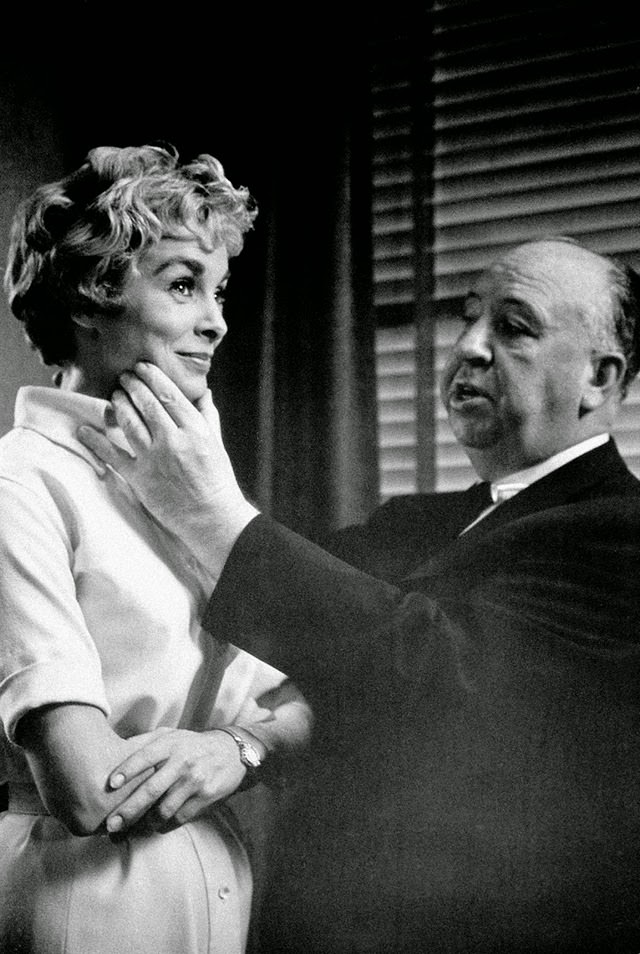
Composer Bernard Herrmann scored the film using only a string orchestra. Hitchcock had originally told him to leave the shower scene completely silent. Herrmann ignored that instruction and wrote the now-famous screeching violin piece called “The Murder.” After hearing it paired with the footage, Hitchcock reversed his decision on the spot and later doubled Herrmann’s salary.
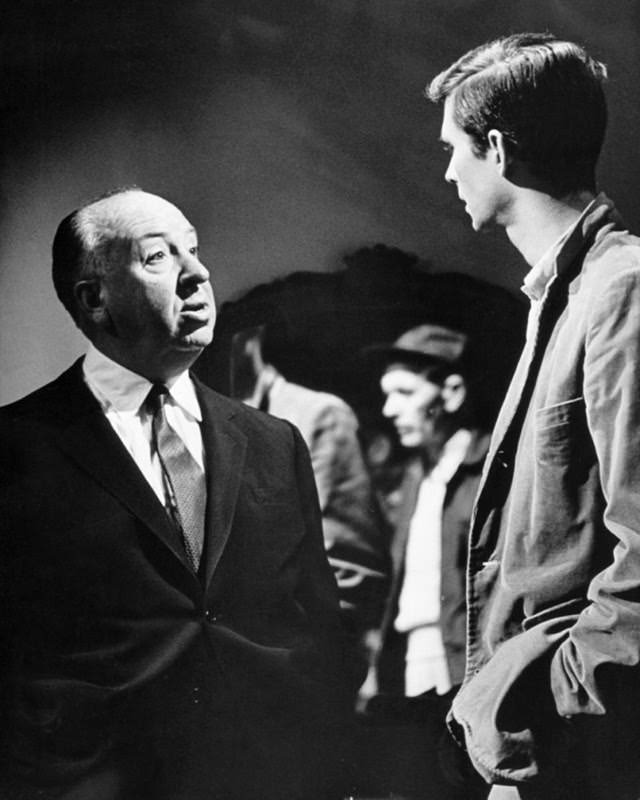
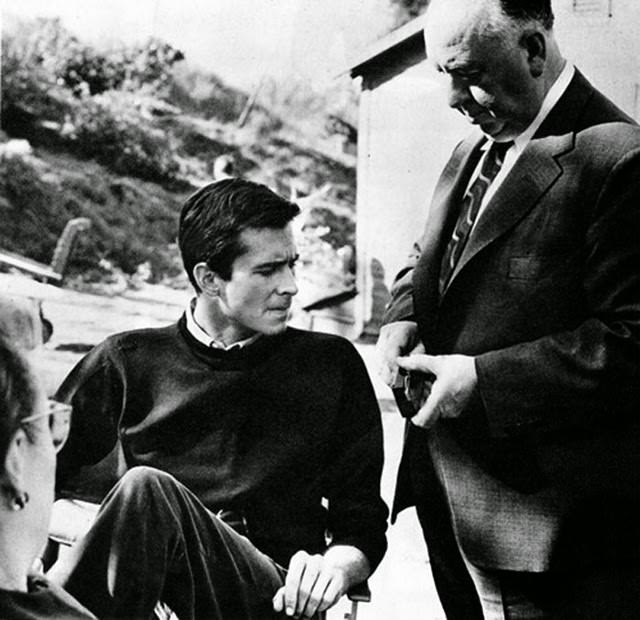
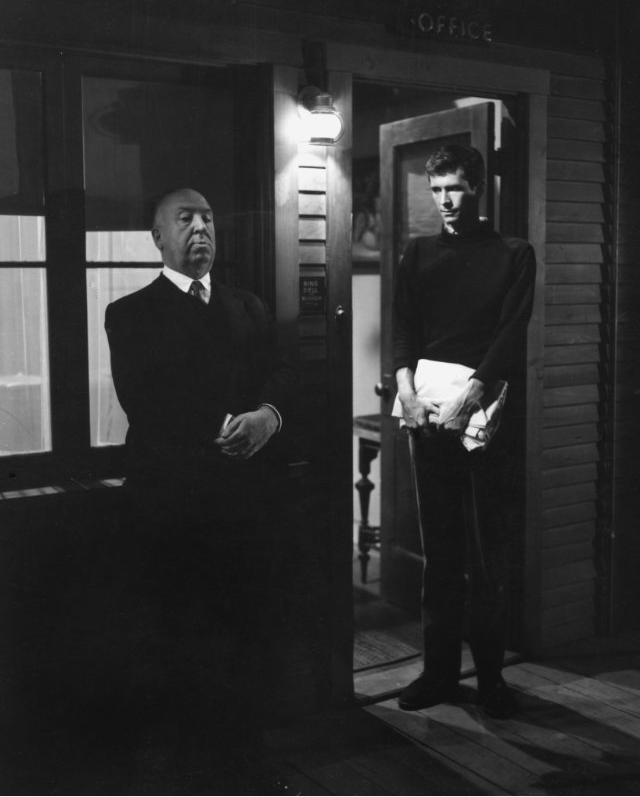
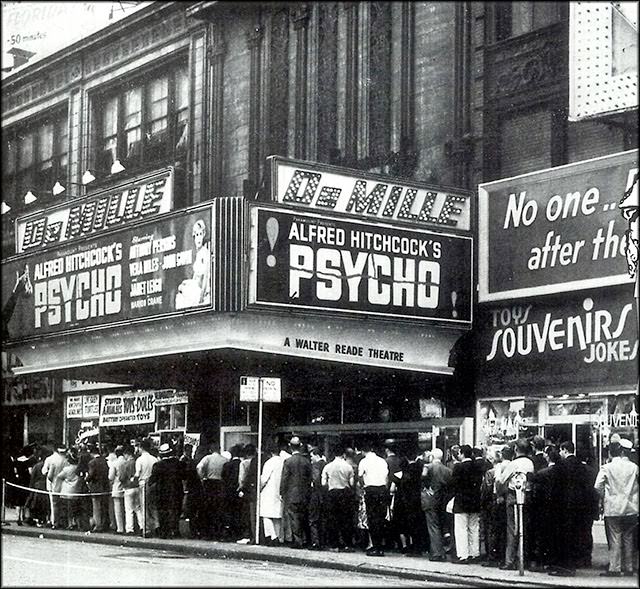
Hitchcock also reshaped how audiences attended the cinema. In 1960, people regularly walked into theaters mid-screening and stayed for the next showing to catch what they had missed. Hitchcock banned this for Psycho. He enforced a strict no-late-admissions policy at every theater showing the film. Promotional posters stated plainly that the manager had been instructed to let no one in after the film began. The rule created long lines outside cinemas and turned the release into a major public event.