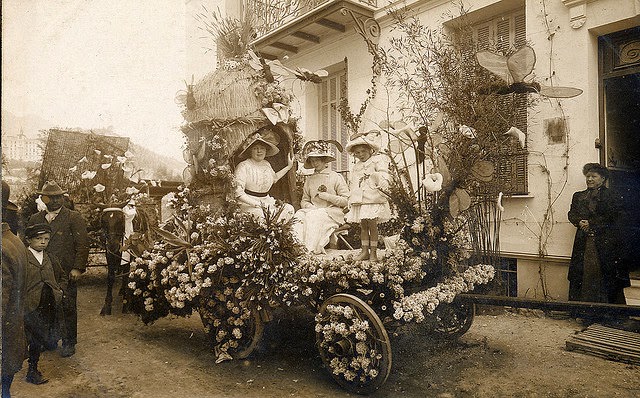
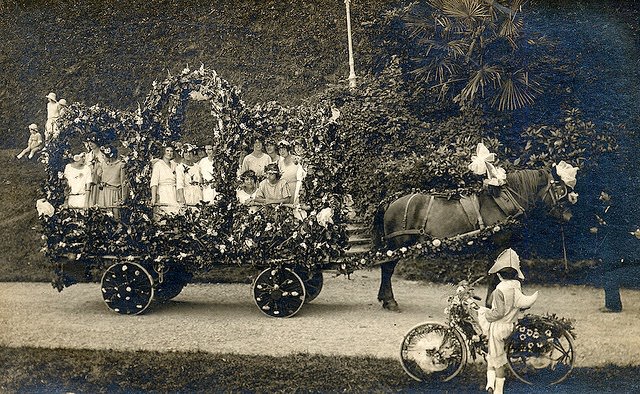
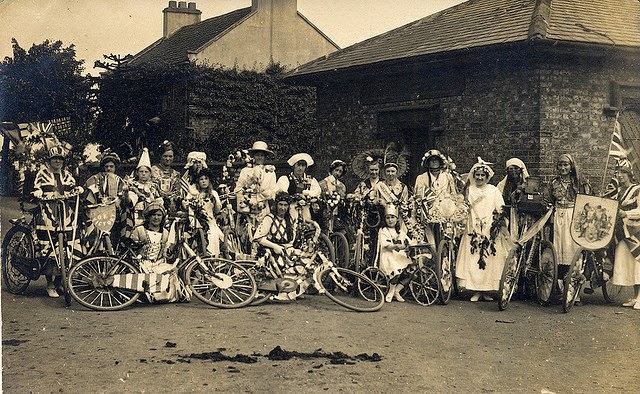
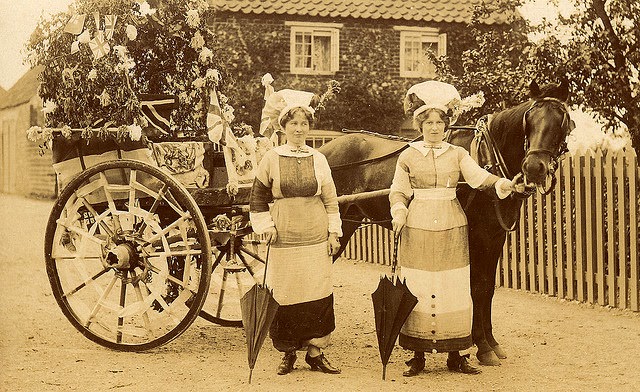
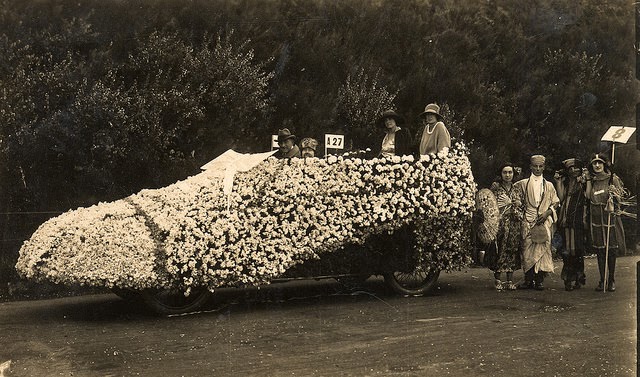
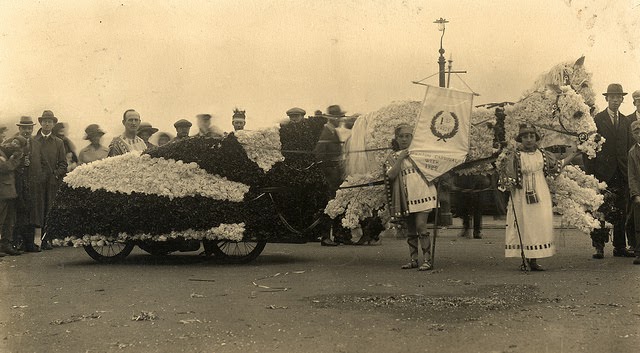
During the 1910s and 1920s, “Battle of Flowers” parades were a major part of community life across the United States and Europe. Towns held these events to mark holidays like the Fourth of July or the arrival of spring. Participants didn’t simply clean their vehicles — they buried them under thousands of fresh blooms, turning machines into rolling gardens. Civic groups and wealthy families competed fiercely for ribbons and silver cups awarded to the most artistic entries.
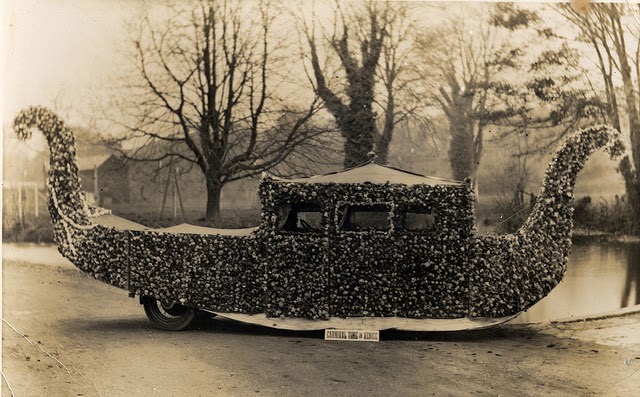
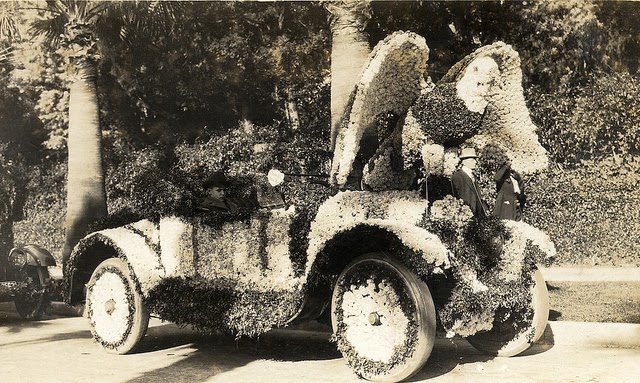
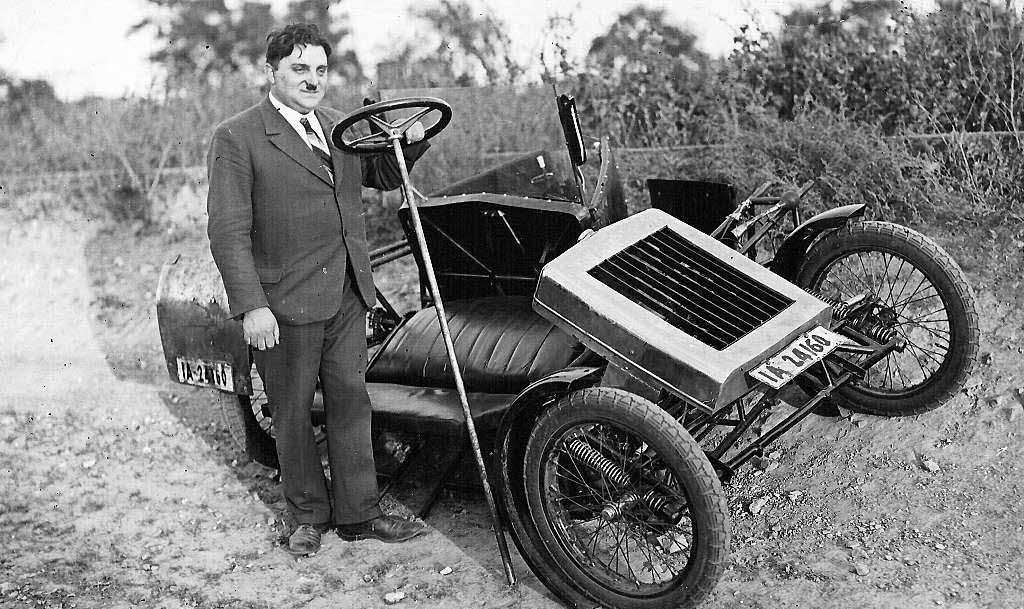
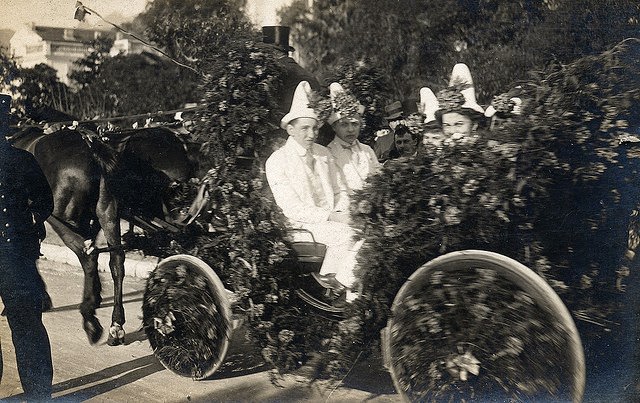
Open-top touring cars like the Ford Model T were ideal for heavy decoration. Owners packed the hoods, fenders, and running boards with dense arrangements of hydrangeas, wisteria, and roses. The floral coverage was often so thick that the car itself became unrecognizable. Drivers peered through small gaps left in the flower banks near the windshield. Some entries used wire frames and greenery to reshape the entire vehicle into a giant basket, a swan, or a butterfly.
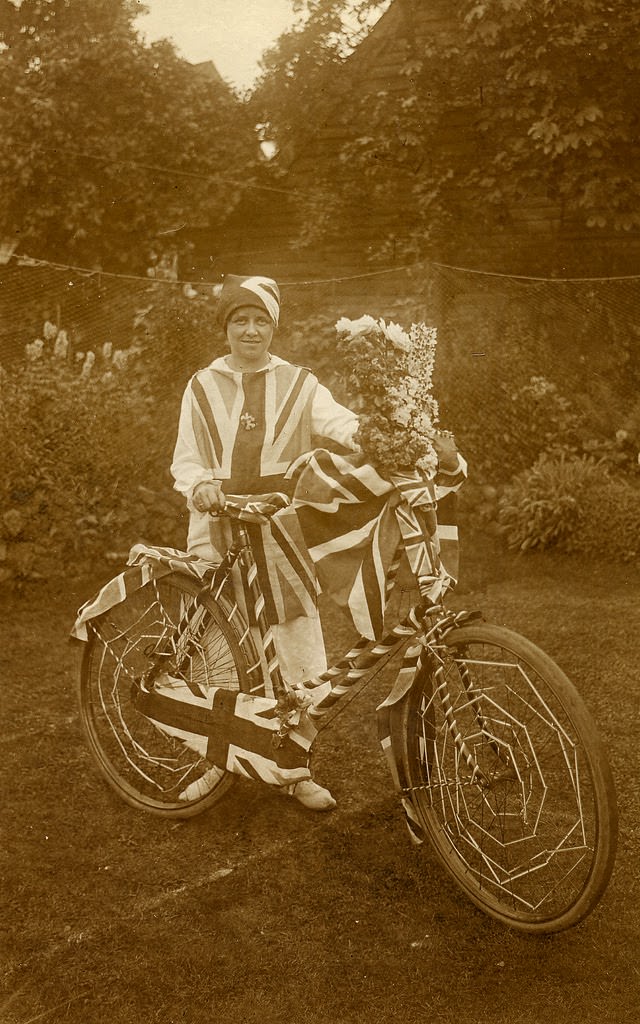
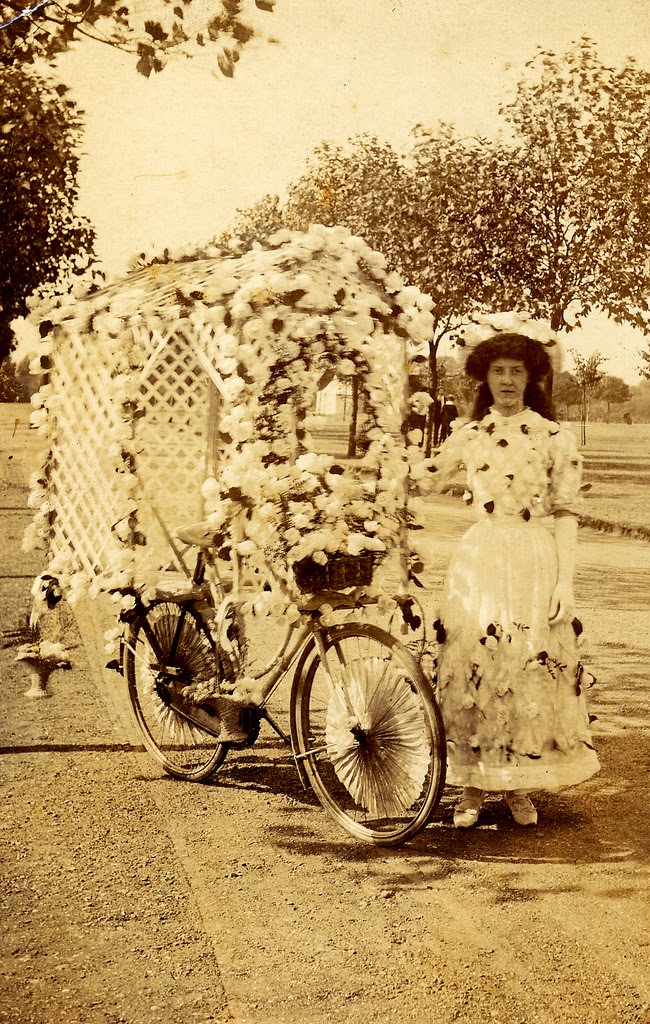
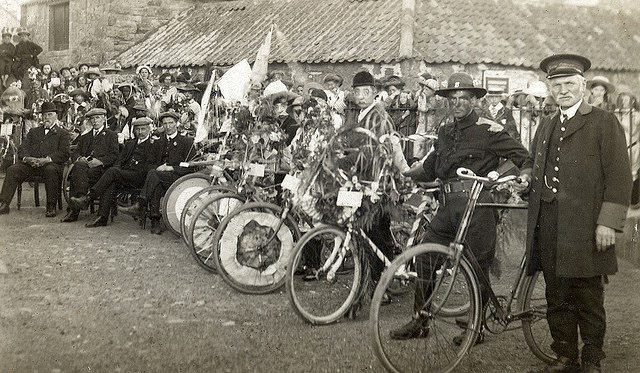
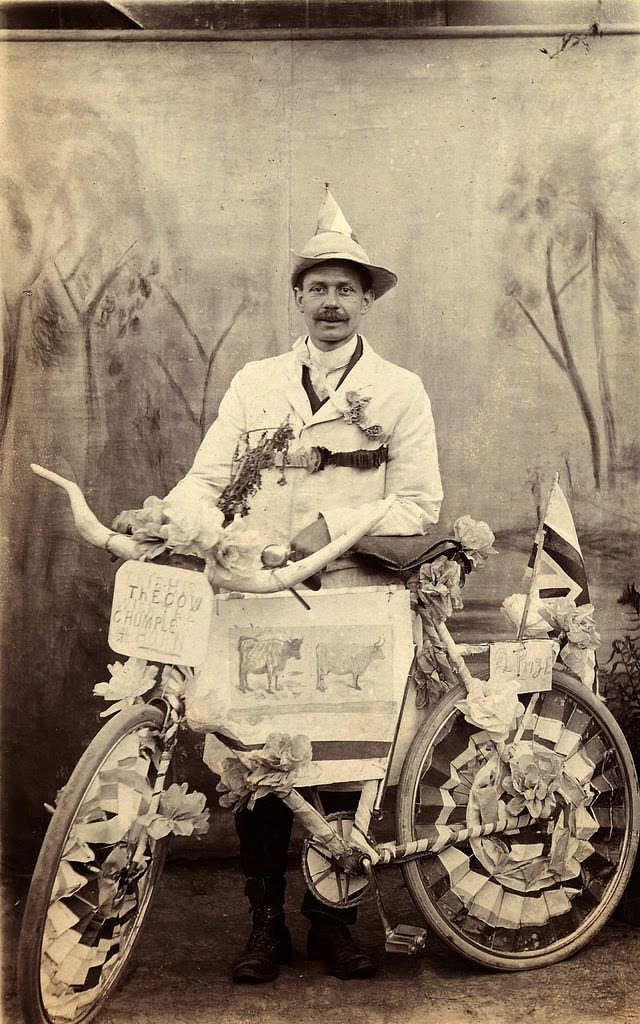
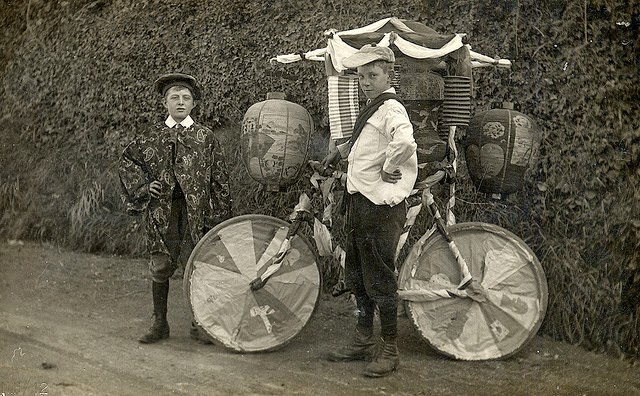
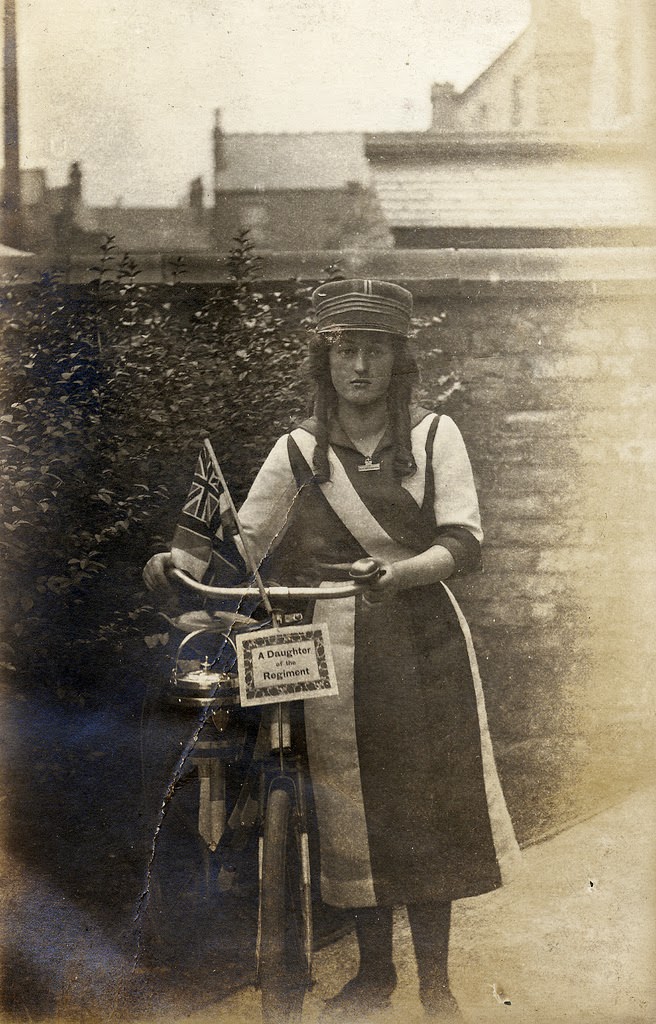
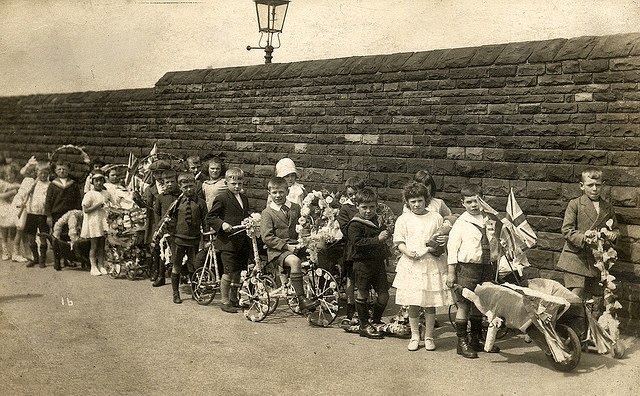
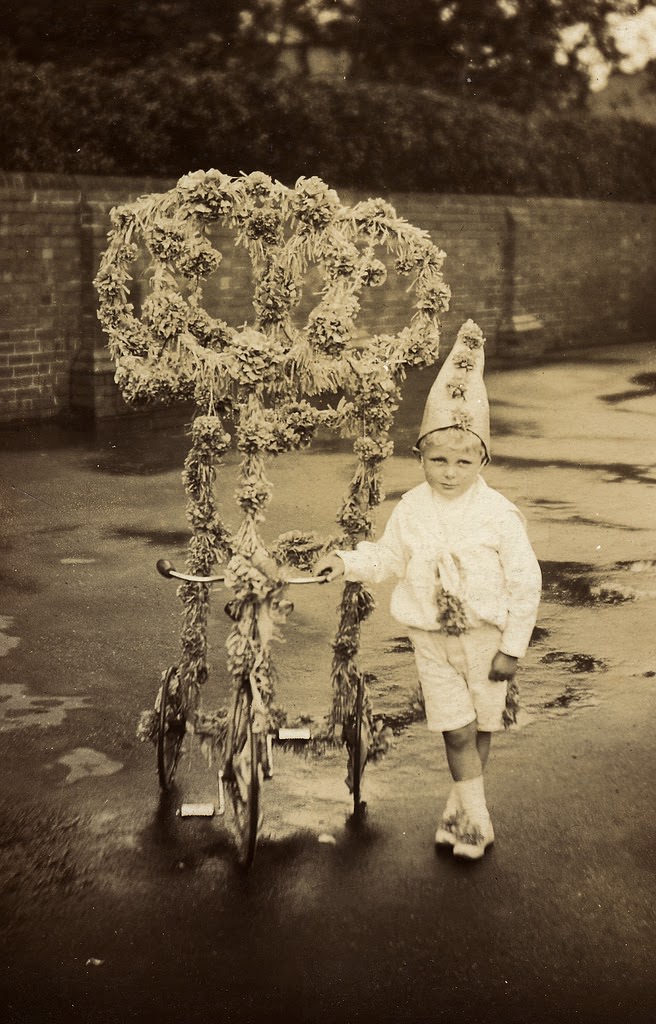
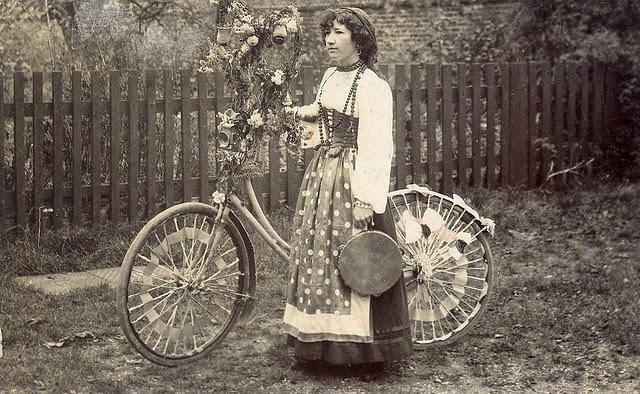
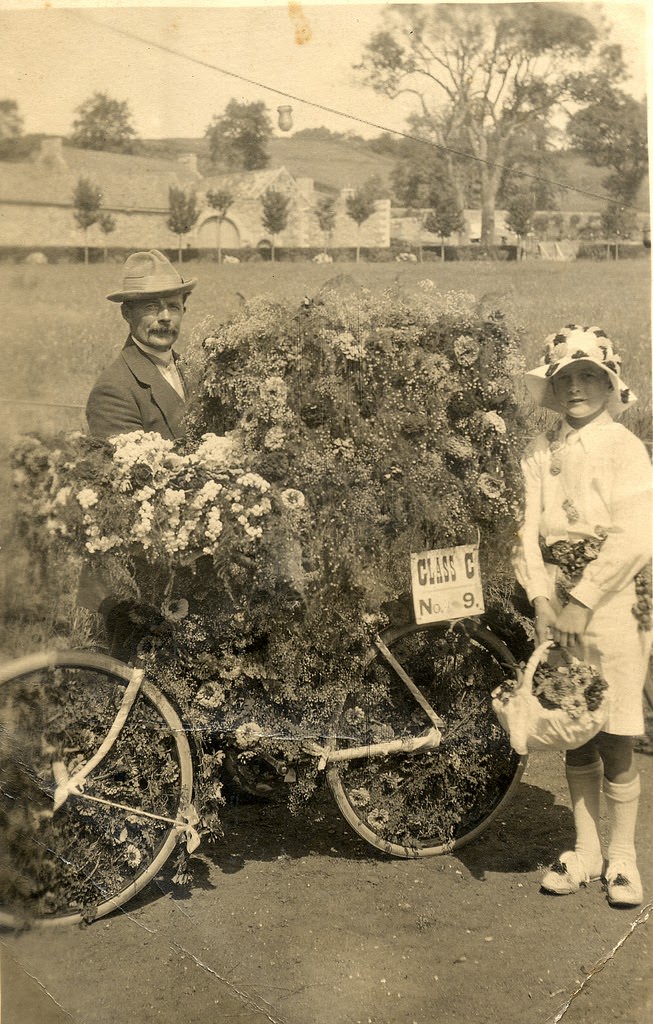
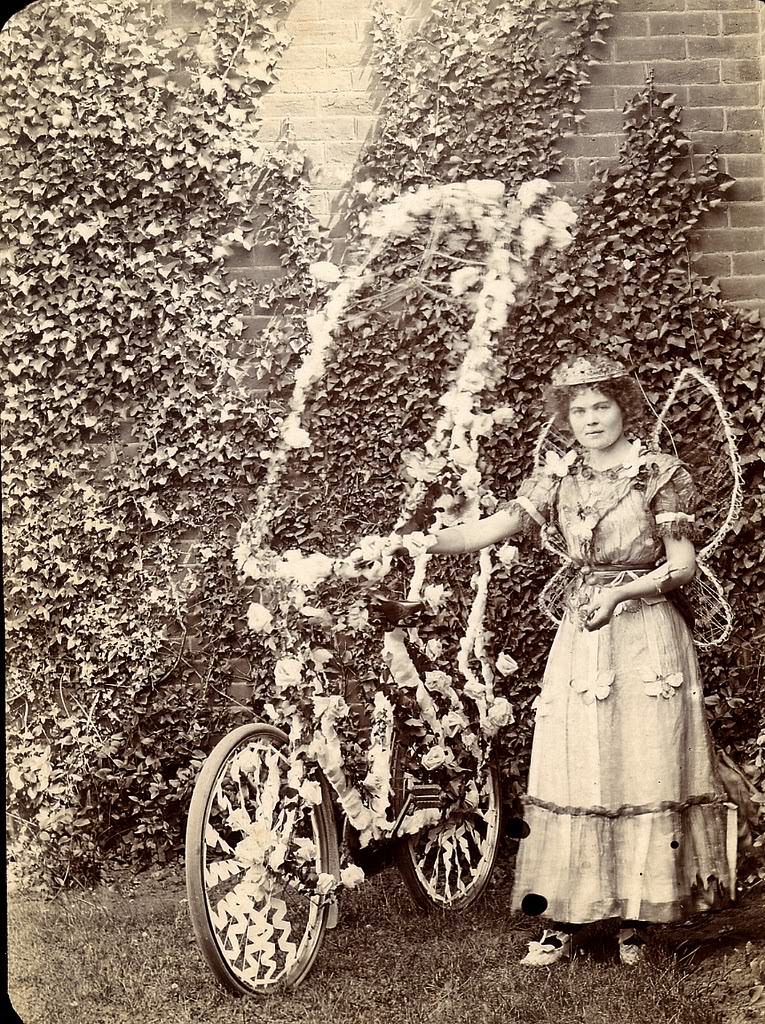
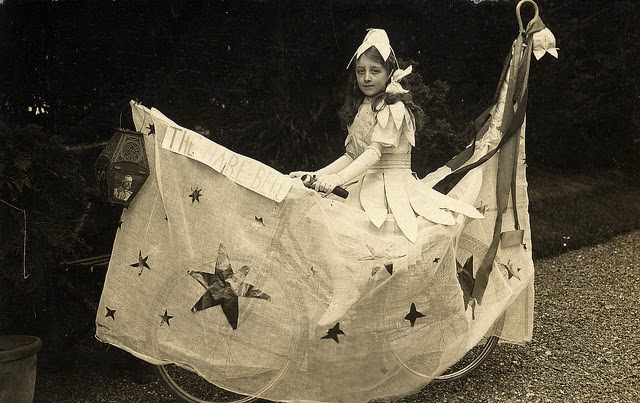
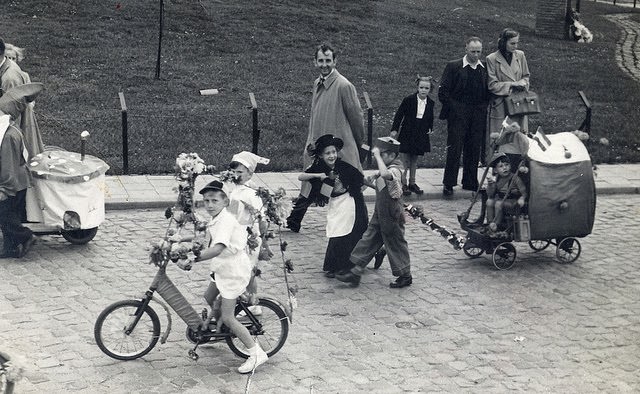
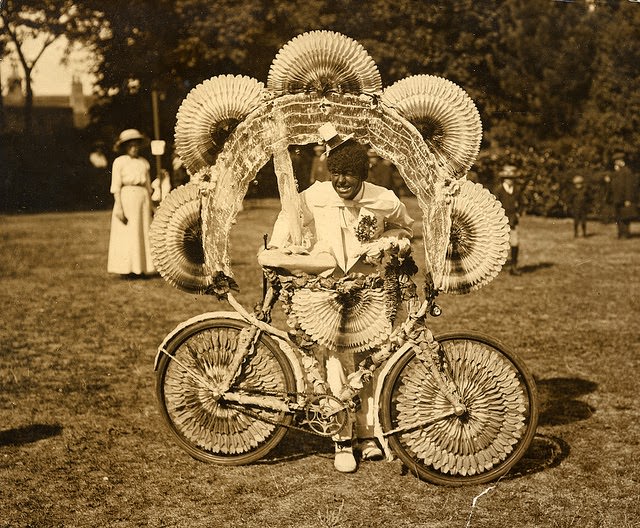
Bicycles had their own dedicated parade categories. Riders wove colored streamers and crepe paper through wire spokes to create a spinning mosaic of color. Large bouquets were tied to the handlebars, and frames were wrapped in ribbons. In the evenings, cyclists hung Japanese paper lanterns from the handlebars, forming a glowing procession through city streets.
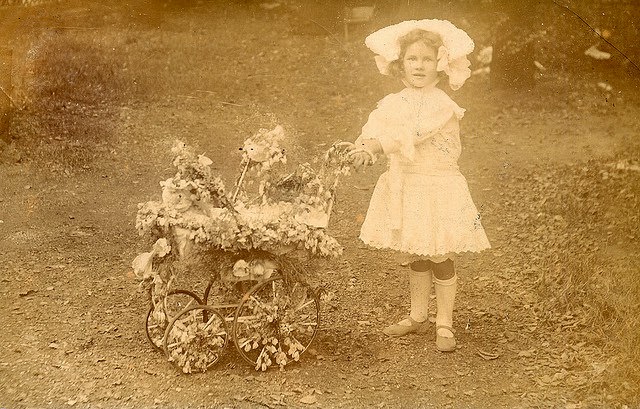
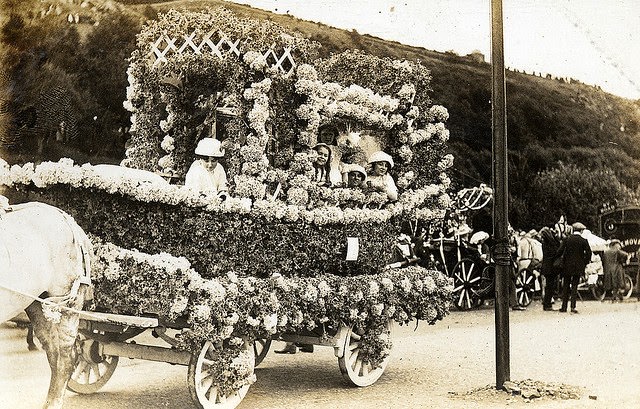
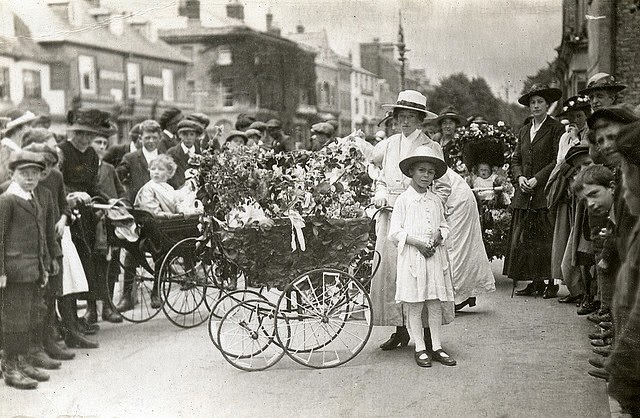
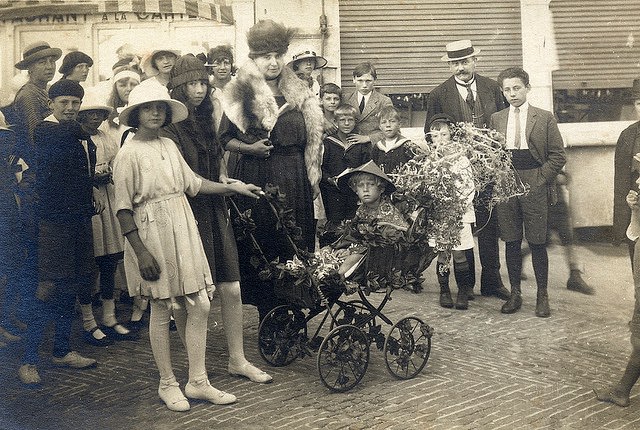
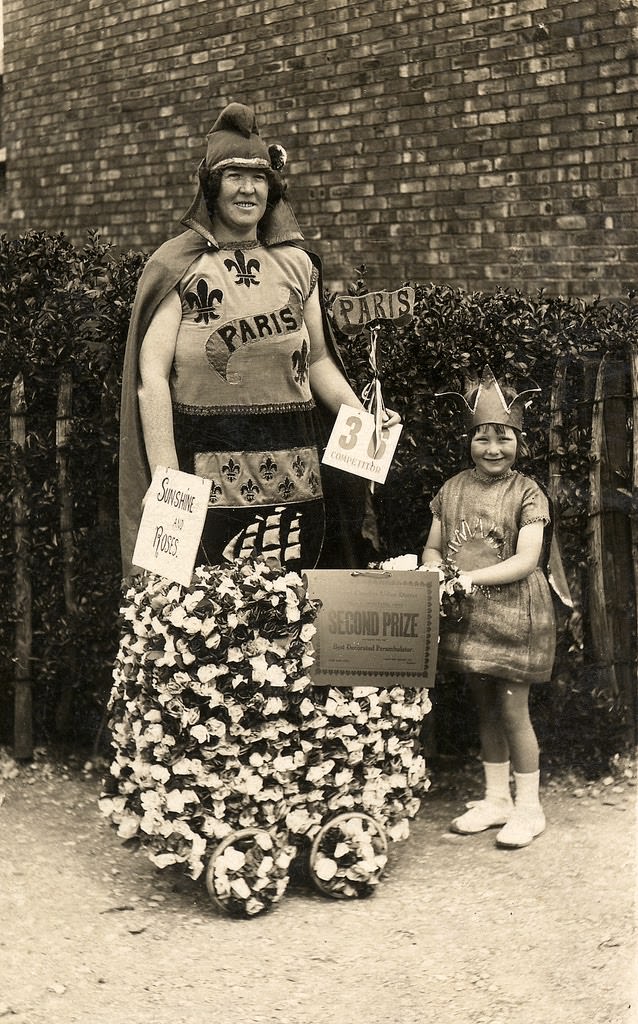
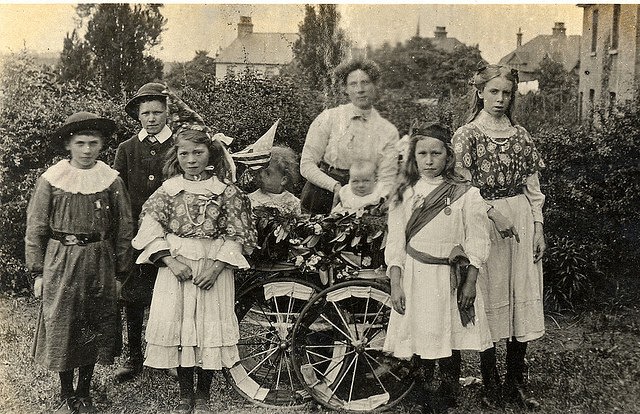
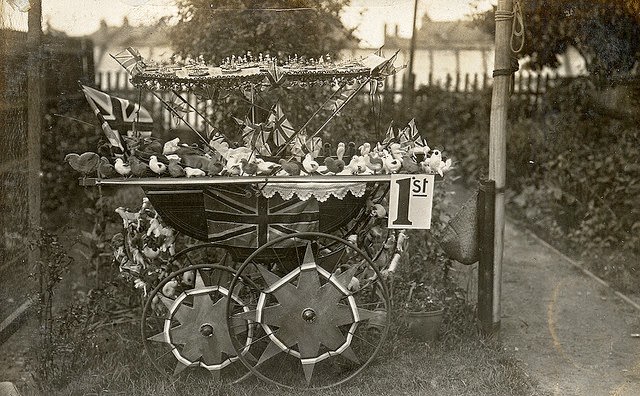
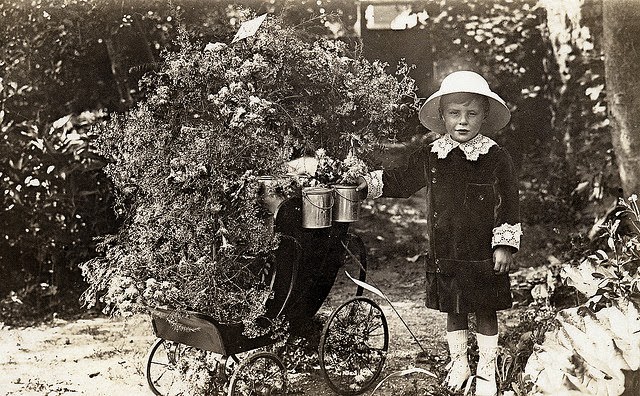
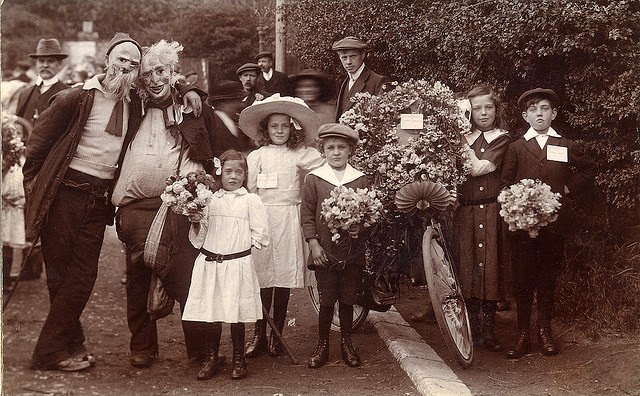
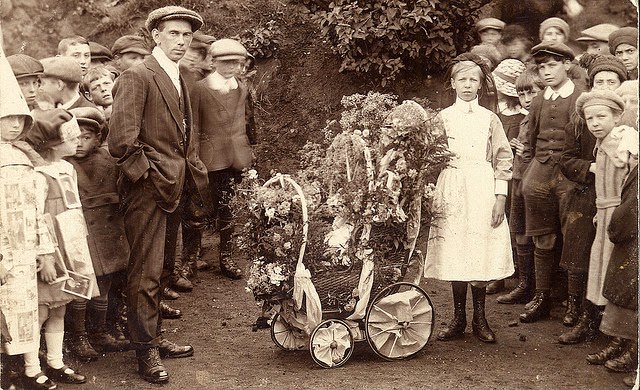
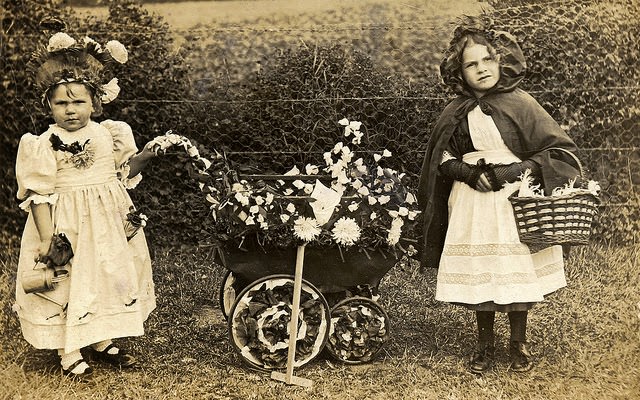
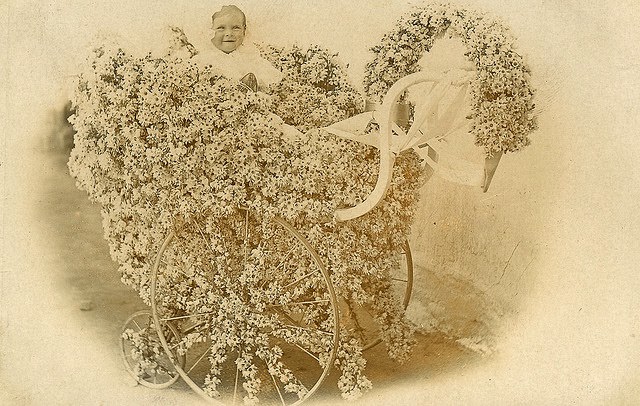
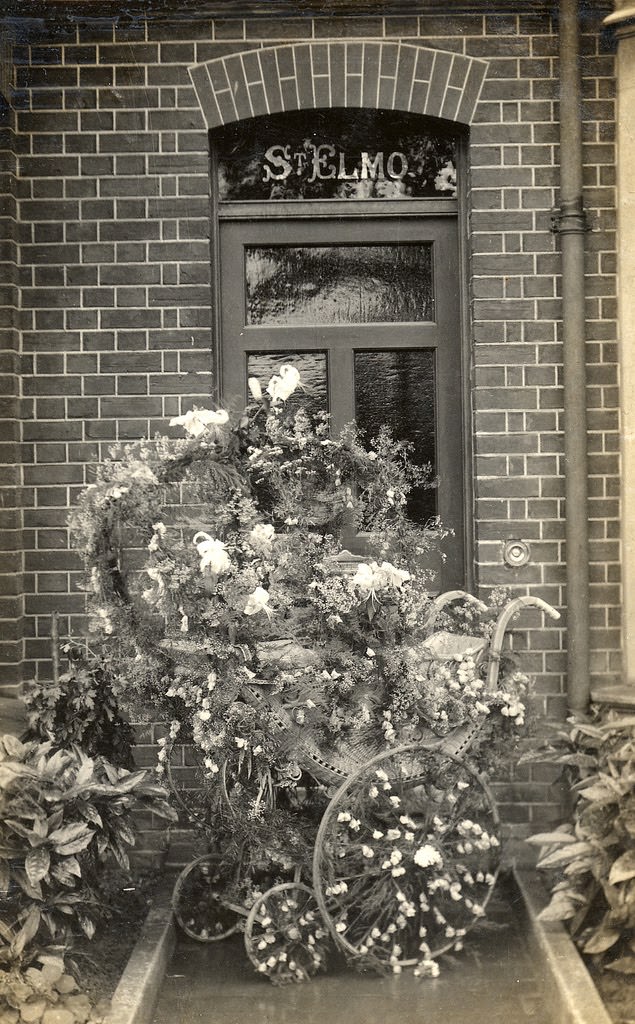
Children and mothers joined the spectacle with elaborately decorated baby carriages and doll prams. Wicker buggies were draped in fern leaves and carnations. Little girls pushed doll prams fitted with miniature parasols made entirely of flowers. Participants often dressed in white outfits that matched the pale tones of the floral arrangements, creating a unified look for the whole procession.
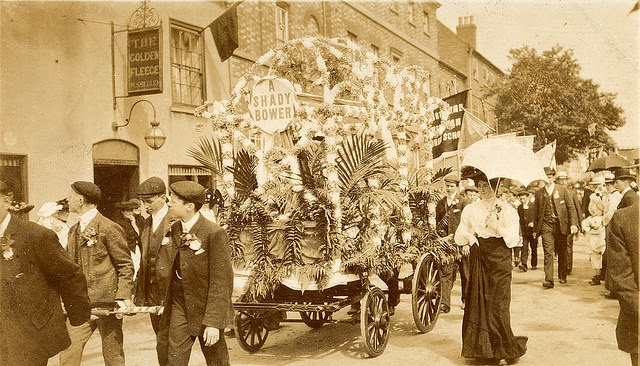
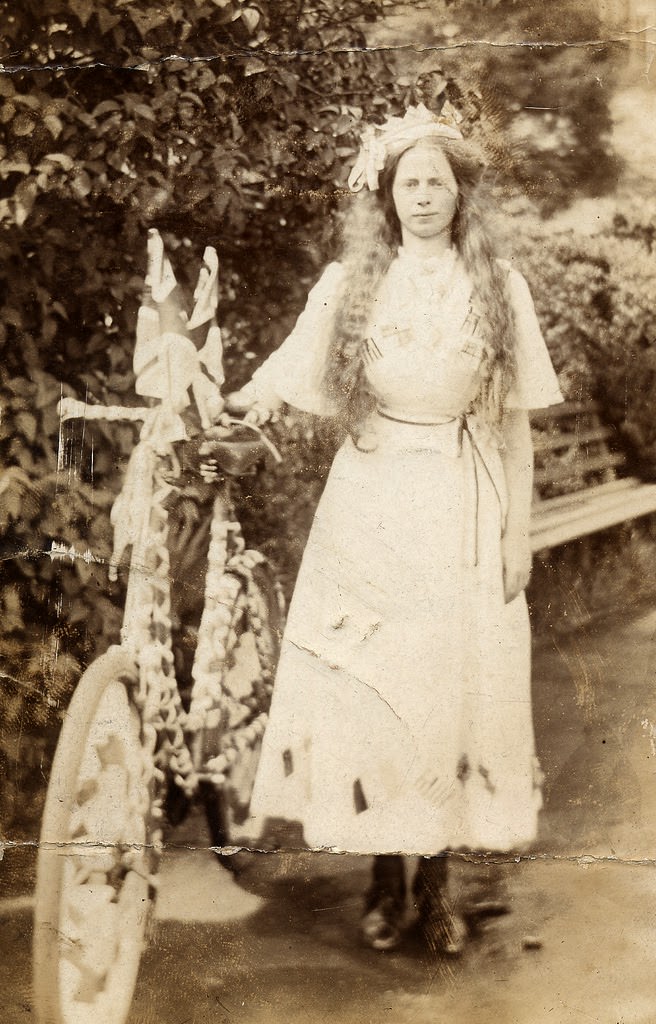
Fresh flowers were the standard for wealthier entrants, but many decorators turned to handmade materials. Manufacturers sold special “parade paper” — a durable, brightly colored crepe paper designed for exactly this purpose. Women spent weeks curling and twisting paper strips to mimic the shape of real chrysanthemums or poppies, allowing them to cover large surfaces without worrying about wilting in the summer heat.