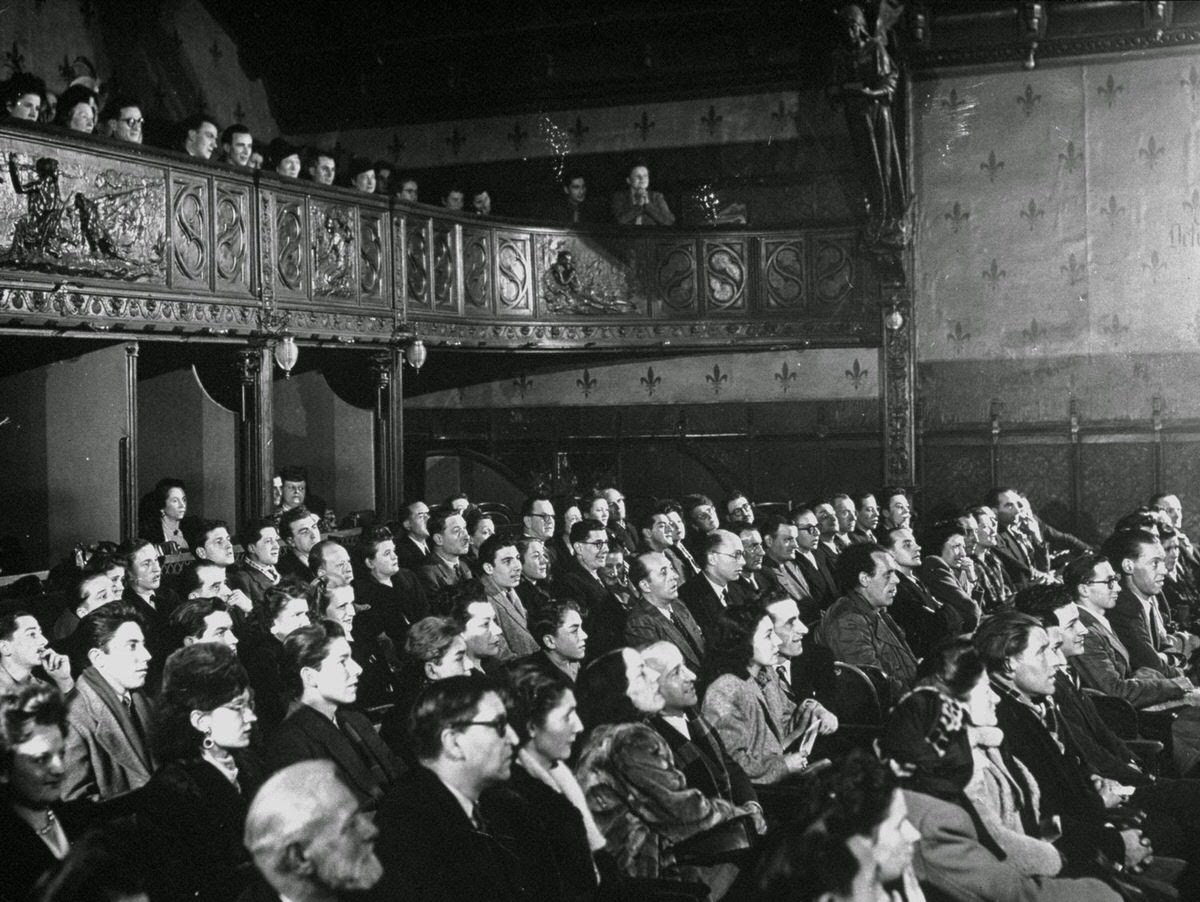
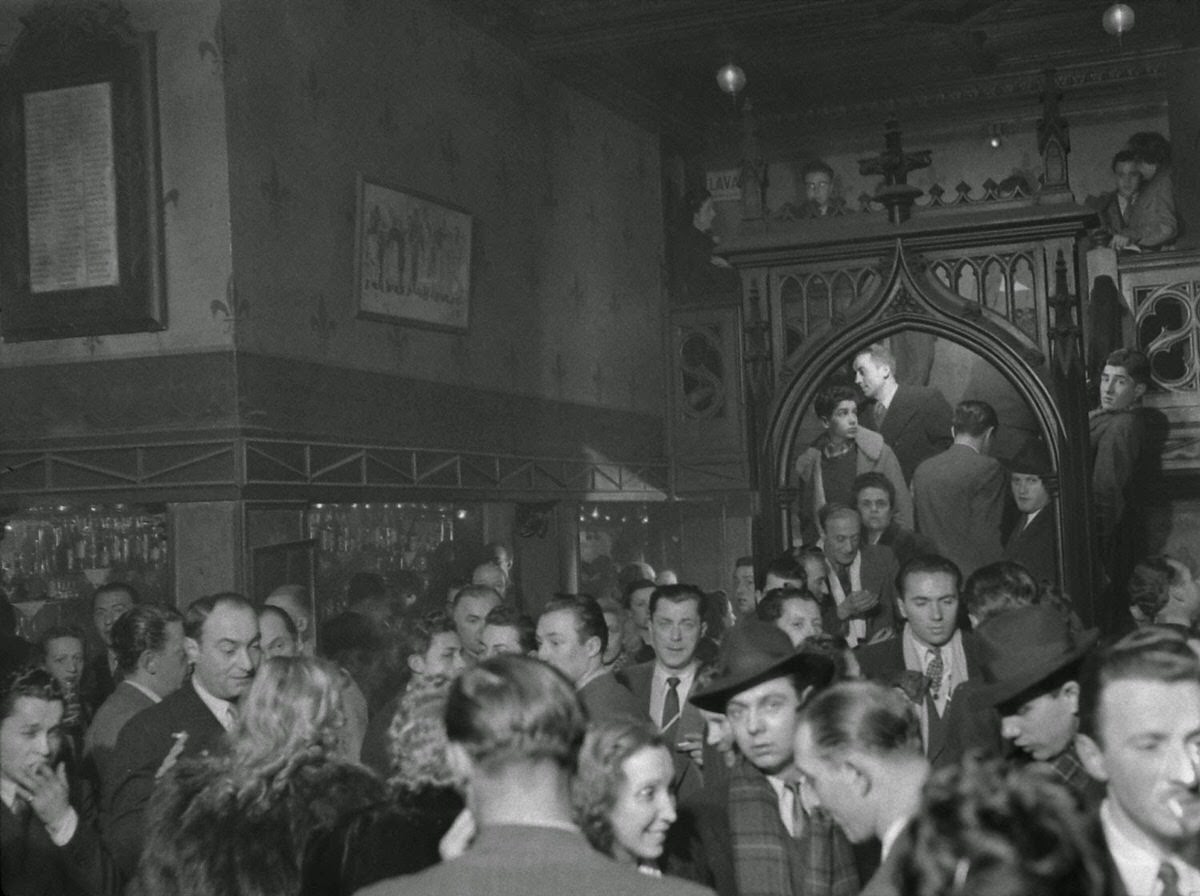
Before horror movies became the dominant genre of fear, Parisians packed into a tiny theater at the end of a dark alley in Pigalle to watch it performed live. The Théâtre du Grand Guignol held fewer than 300 people inside a converted chapel. That cramped space was deliberate — it put the audience close enough to smell the stage blood.
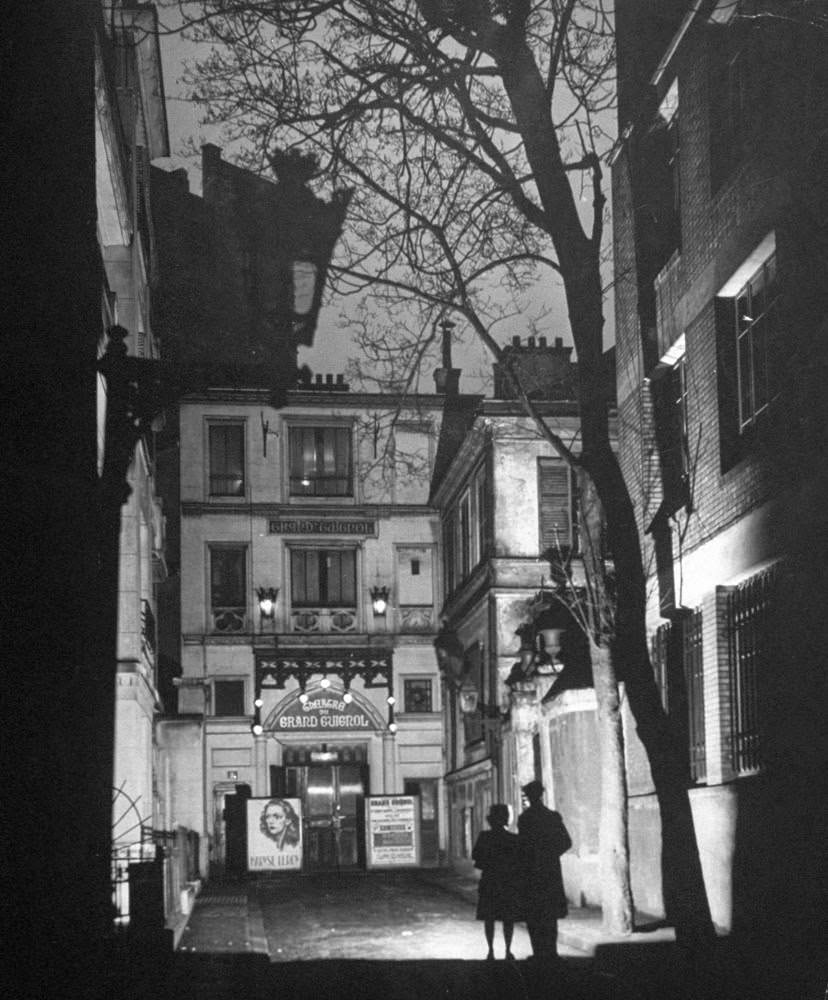
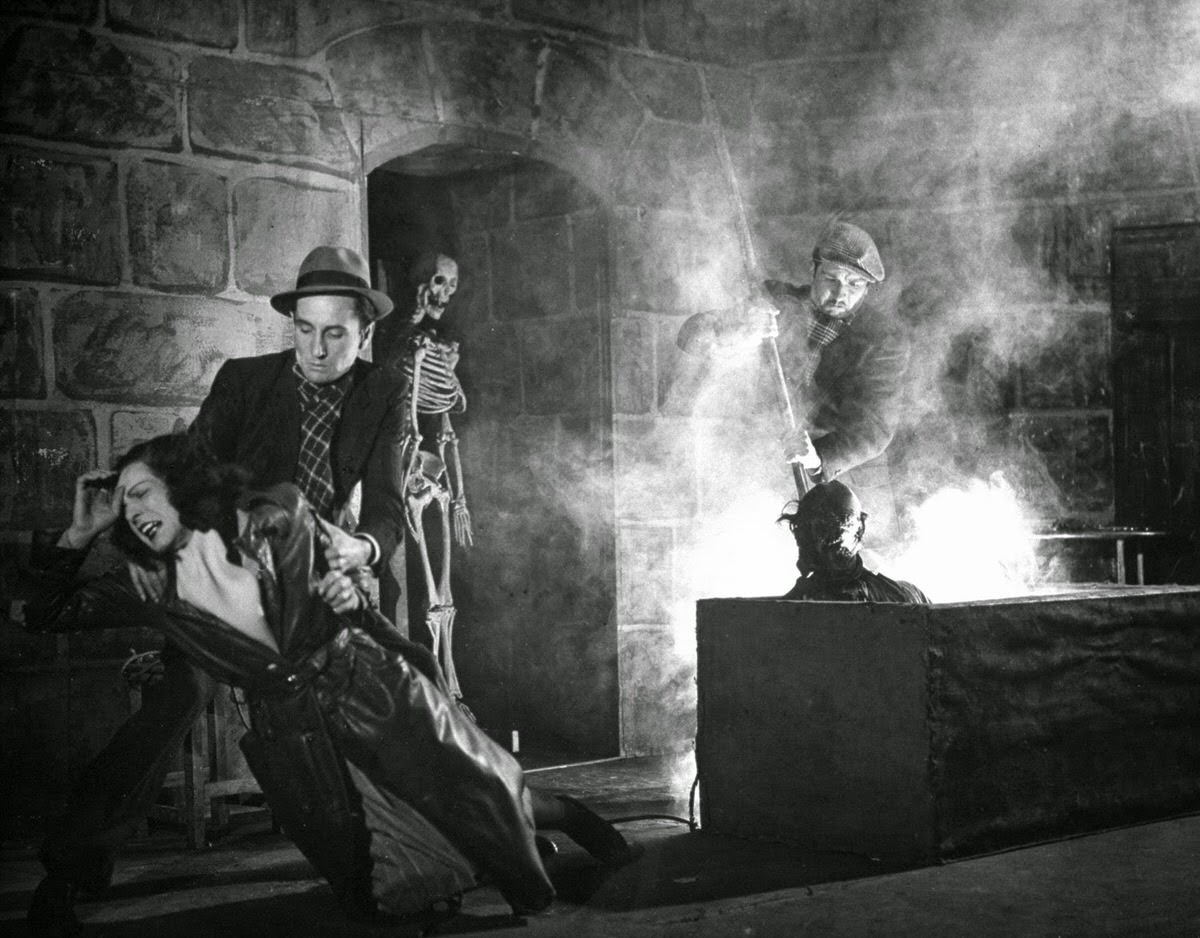
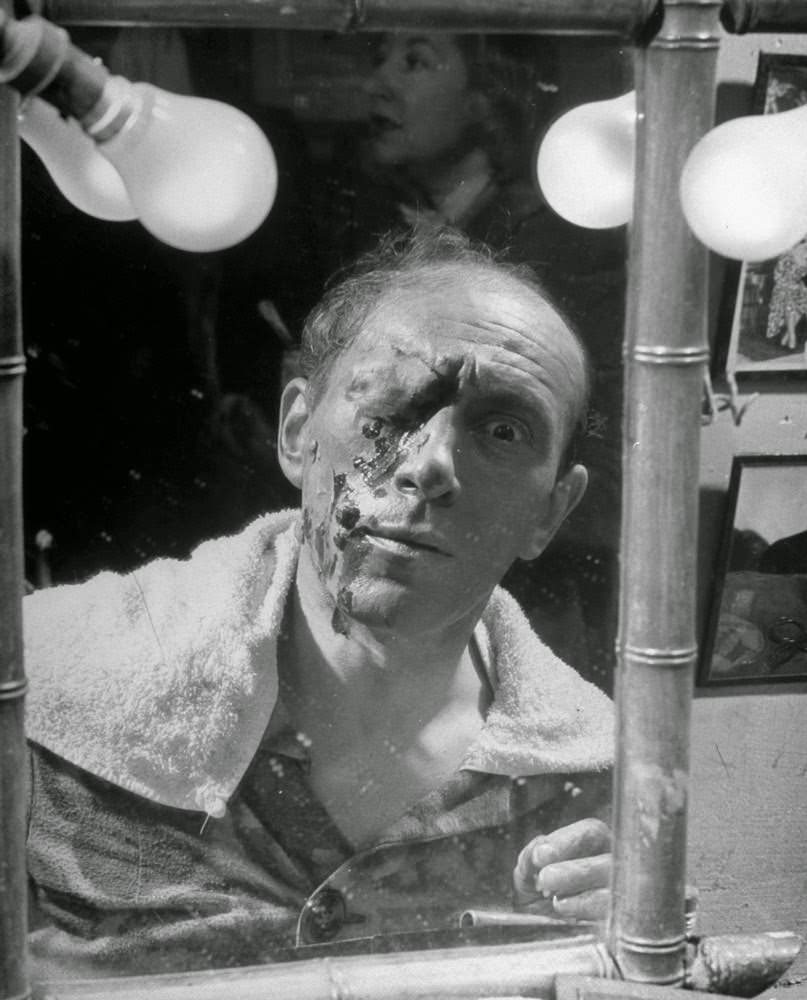
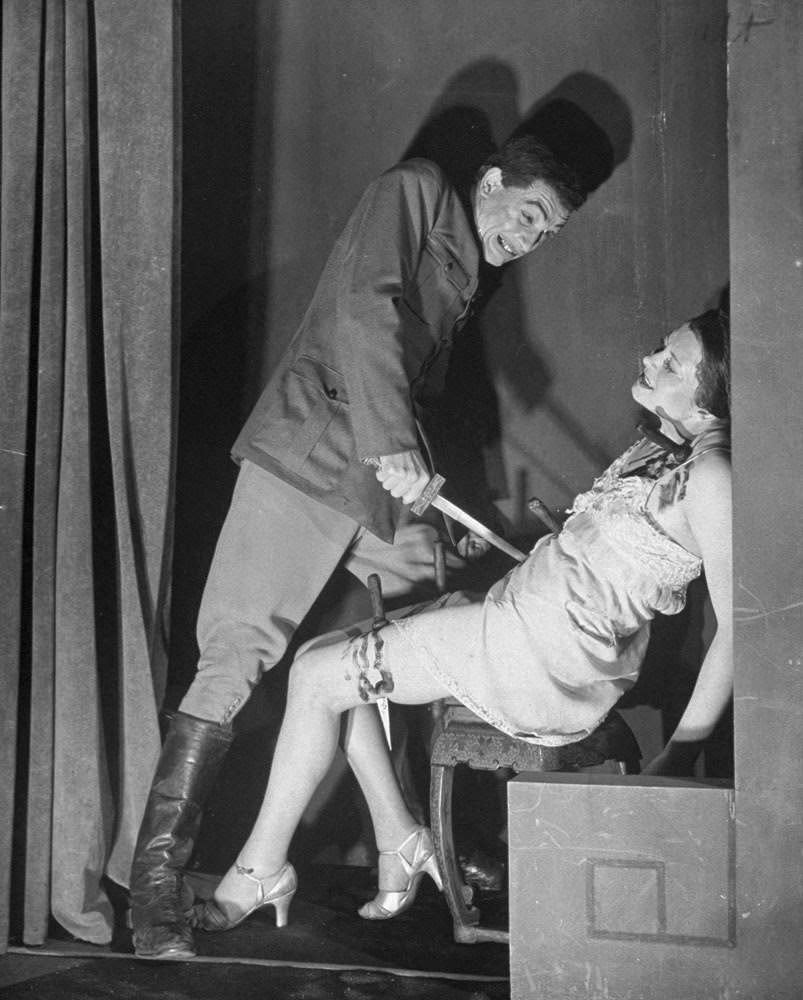
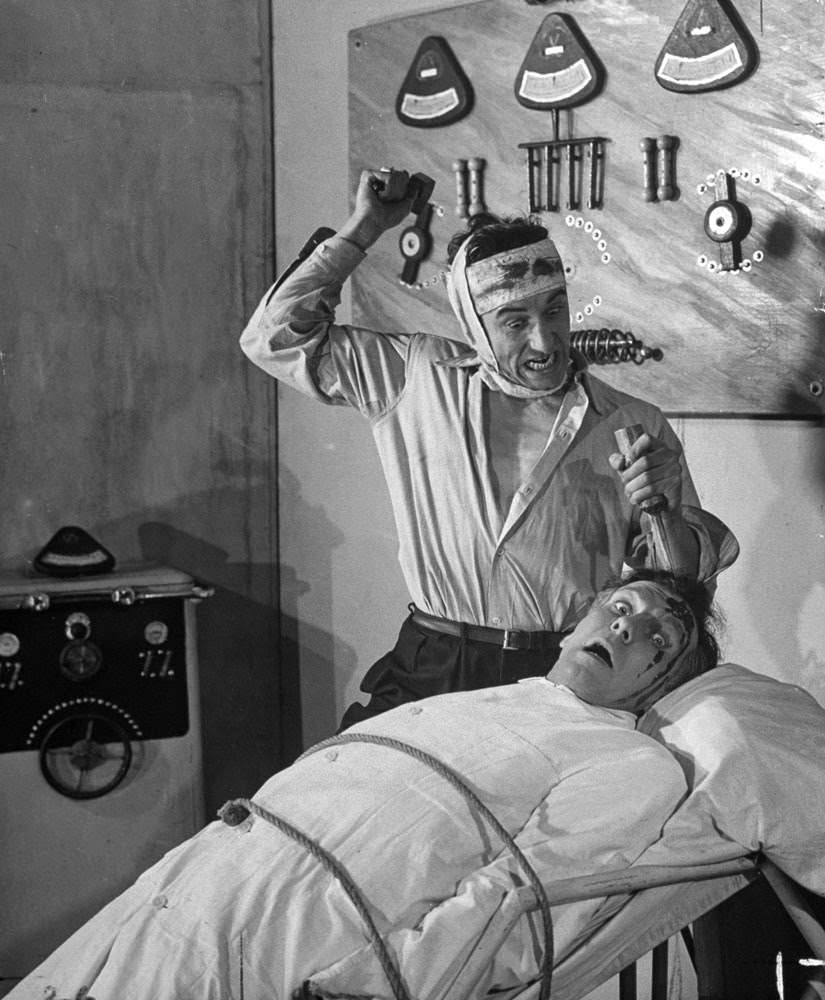
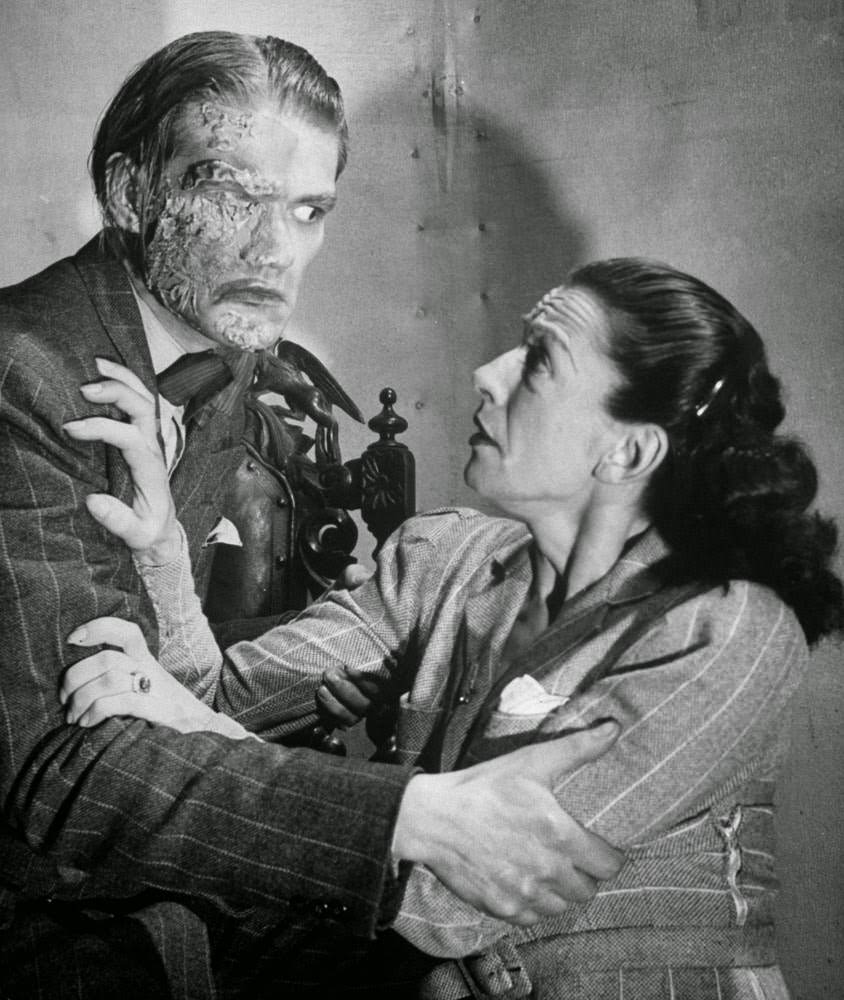
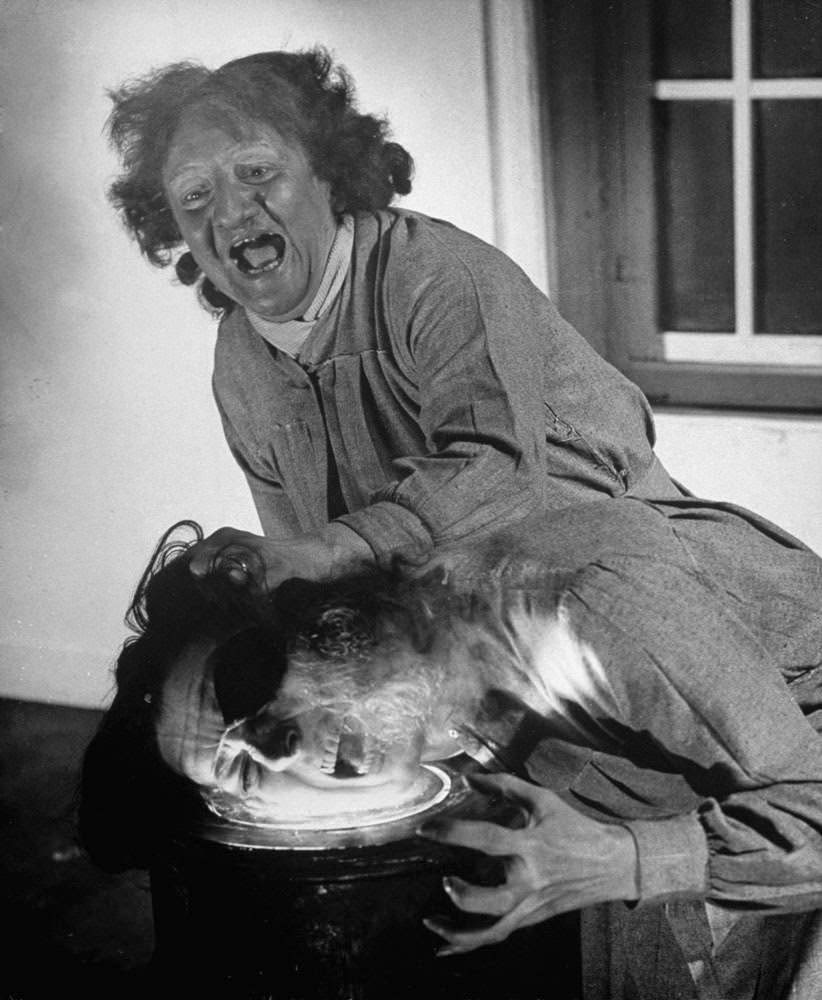
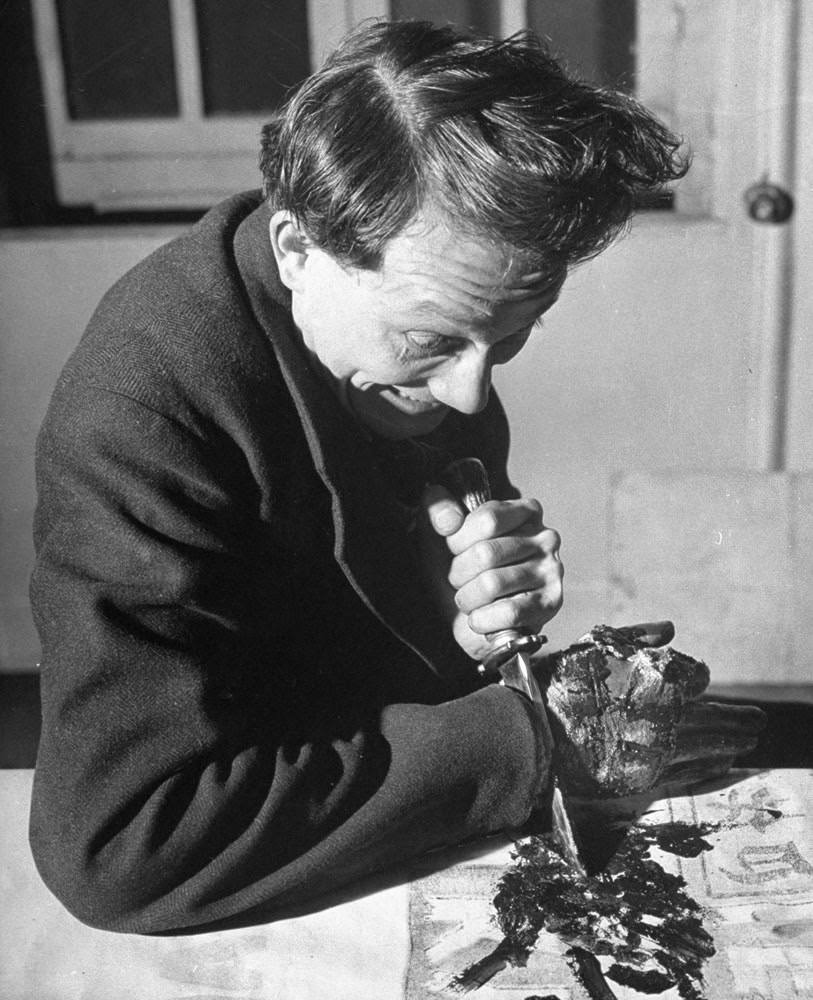
The 1947 season leaned hard into madness and physical brutality. There were no ghosts or supernatural monsters here. The plays depicted eye-gouging, scalpings, and botched surgeries carried out by human hands. The special effects team made stage blood from carmine pigment and glycerine, kept warm so it would flow realistically. Hidden rubber tubes and bulbs let actors spray it across the stage mid-scene.
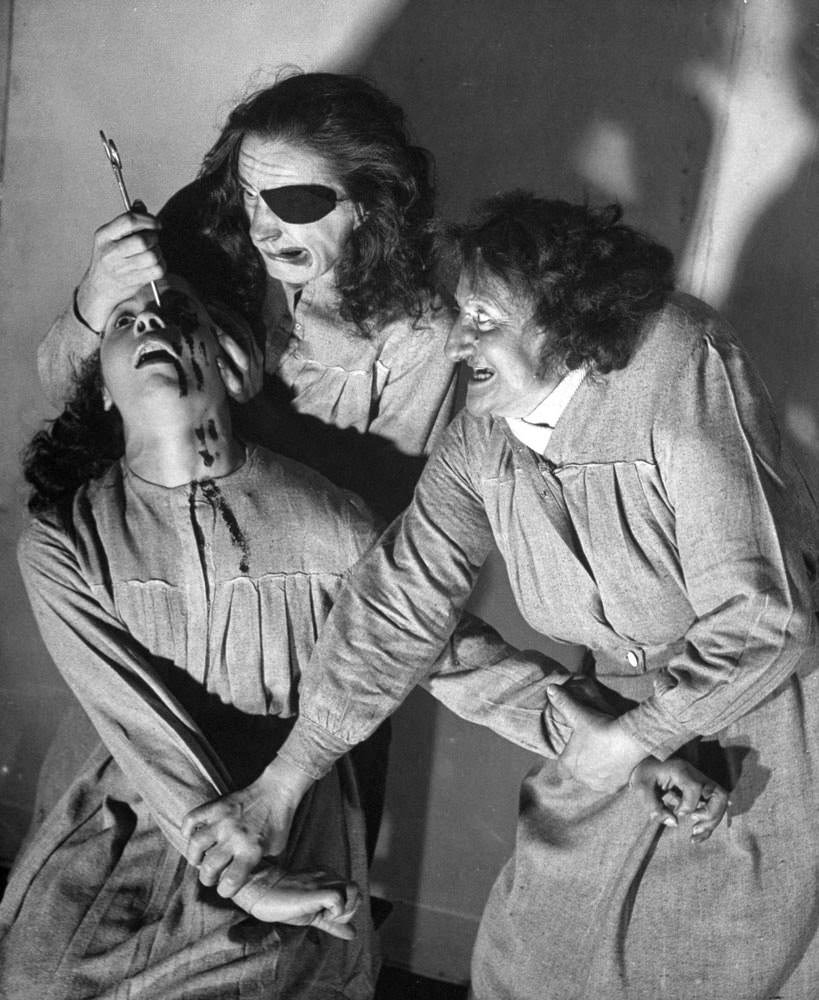
The star of the era was Paula Maxa, known as “the most assassinated woman in the world.” By 1947, she had been stabbed, shot, and strangled on stage thousands of times. She was known for holding a look of pure terror on her face for extended periods while audiences sat just feet away.
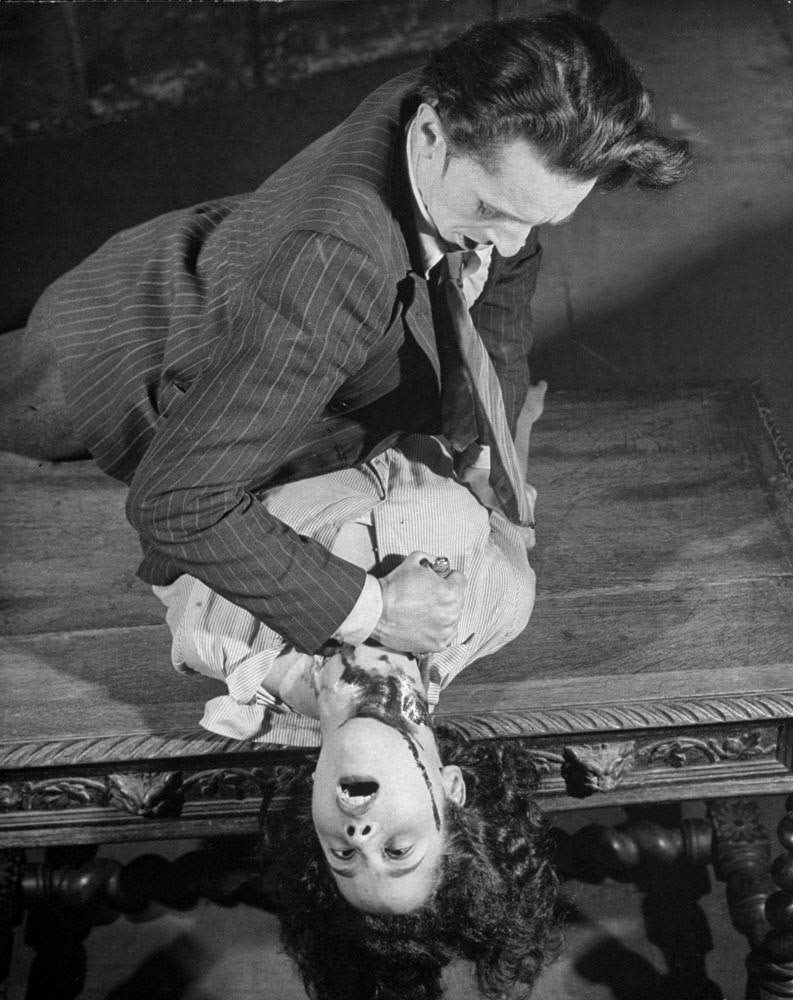
Audience reactions were extreme and frequent. People fainted mid-scene often enough that the theater employed a full-time doctor to sit in the crowd. Some patrons vomited at the sight of realistic organs, which were actual animal parts bought from local markets.
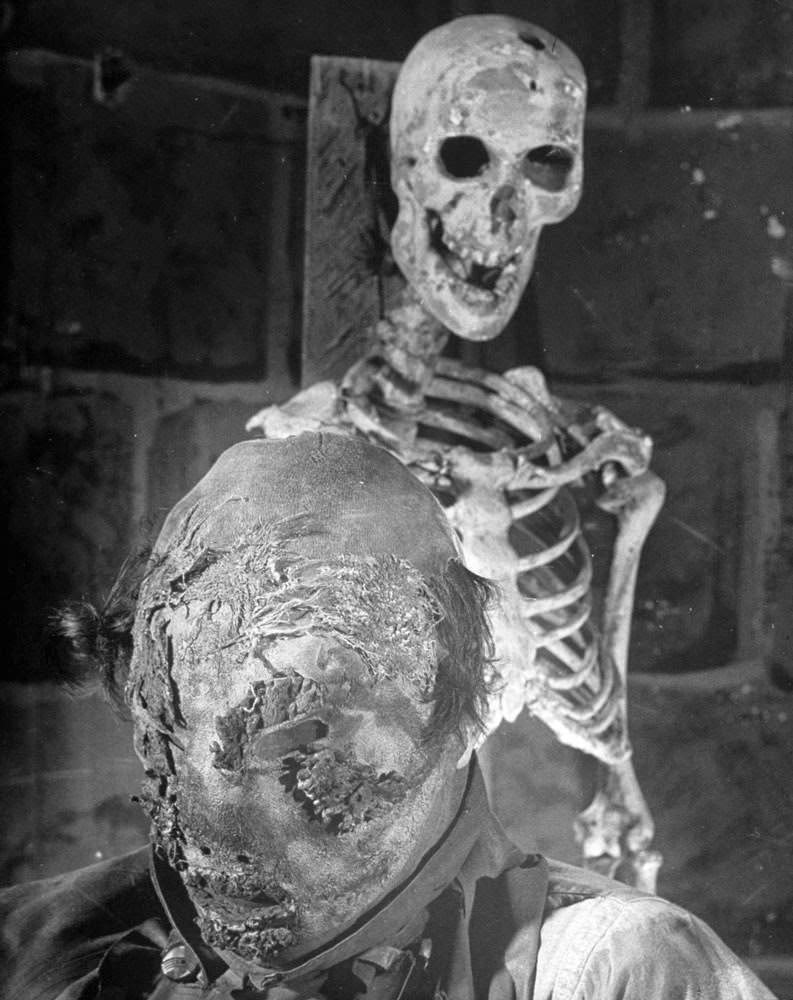
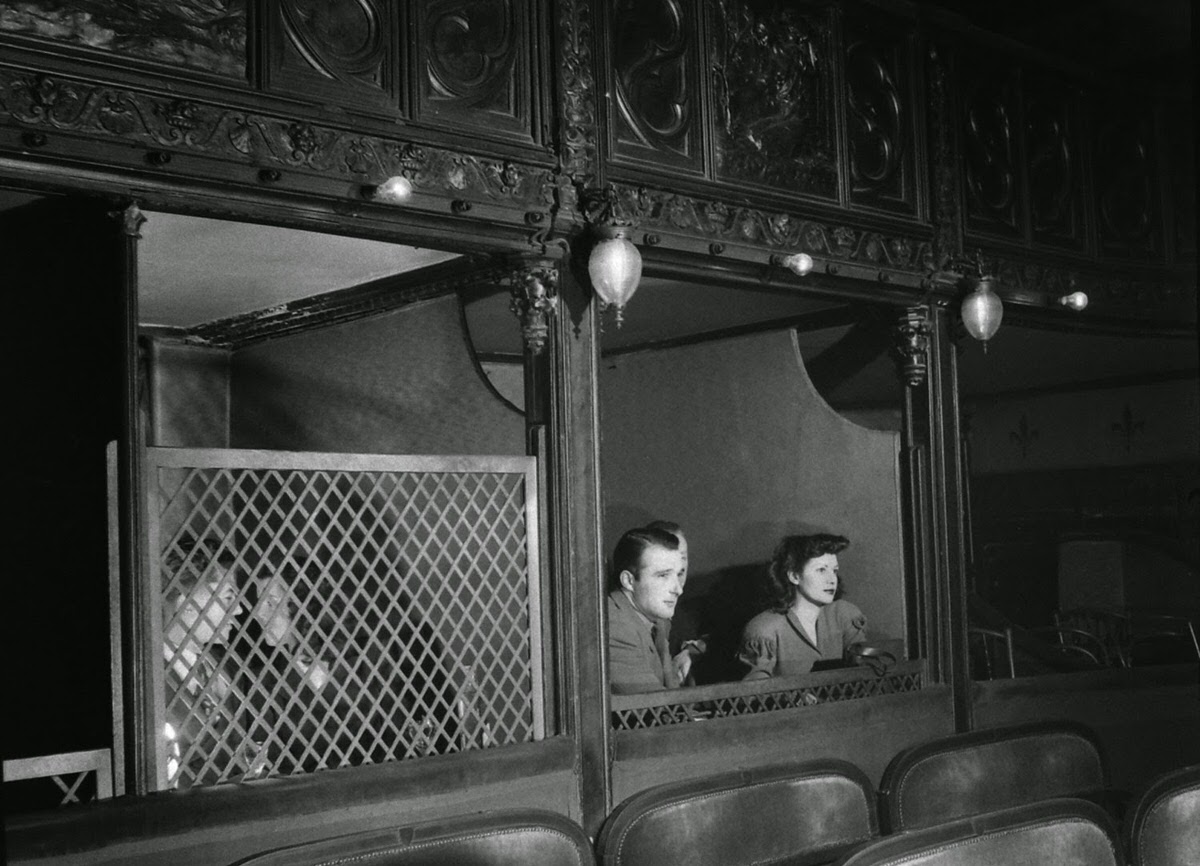
Backstage, staff created sound effects by hand — dry wood snapped to mimic breaking bones, heavy metal pans dropped to simulate falling bodies. Green and red lamps cast sickly glows across actors wearing thick greasepaint. The physical space added another layer of dread: some audience members sat in private wooden boxes fitted with metal bars, resembling cages or confession booths.
Between plays, stagehands mopped blood from the floor to reset for the next scene. The theater ran a deliberate “hot and cold” format — alternating brutal horror plays with short comedies to keep audiences unsettled throughout the night.