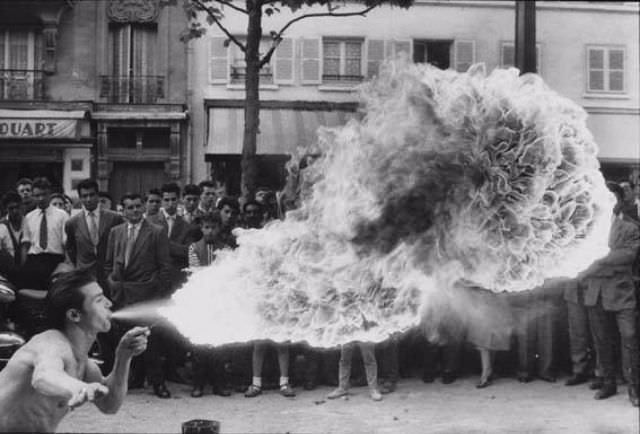
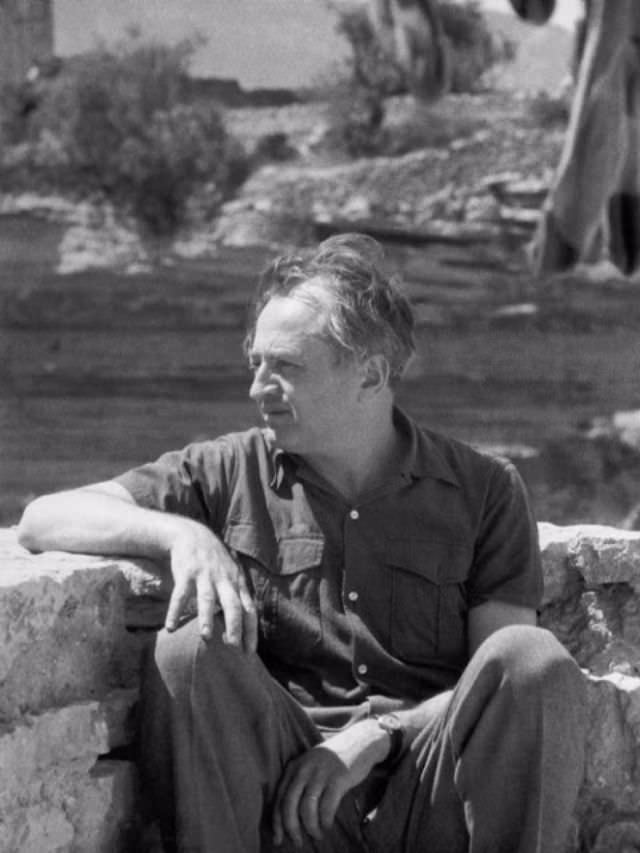
Izraelis Bidermanas, known simply as Izis, was a Lithuanian-born Jewish photographer who fled to Paris carrying little more than his camera. He had survived the horrors of World War II while most of his family had not. When the war ended, Paris was battered — its buildings damaged, its people exhausted and poor.
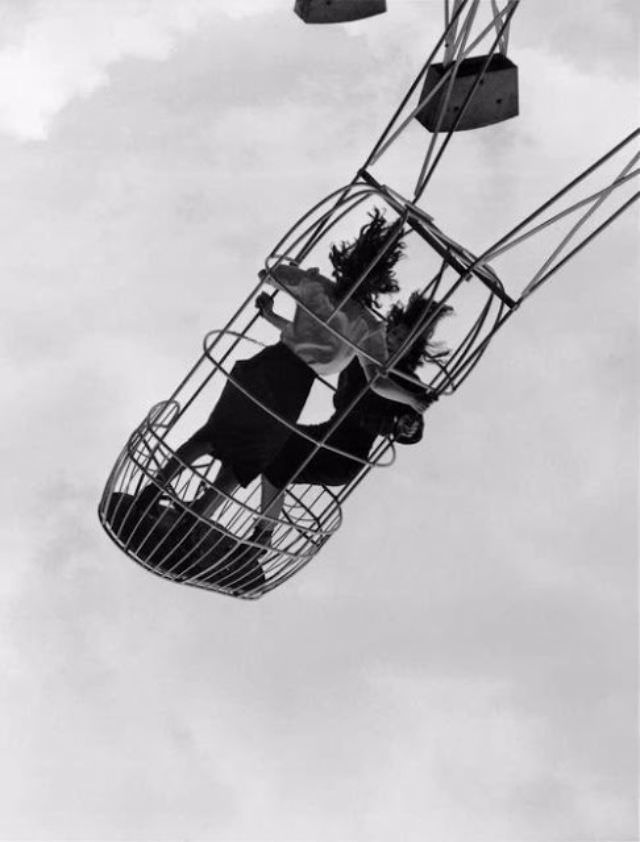
Rather than photograph grand monuments or famous faces, Izis walked the streets and turned his lens on ordinary Parisians. Workers, children, lovers, and street vendors — these were his subjects.
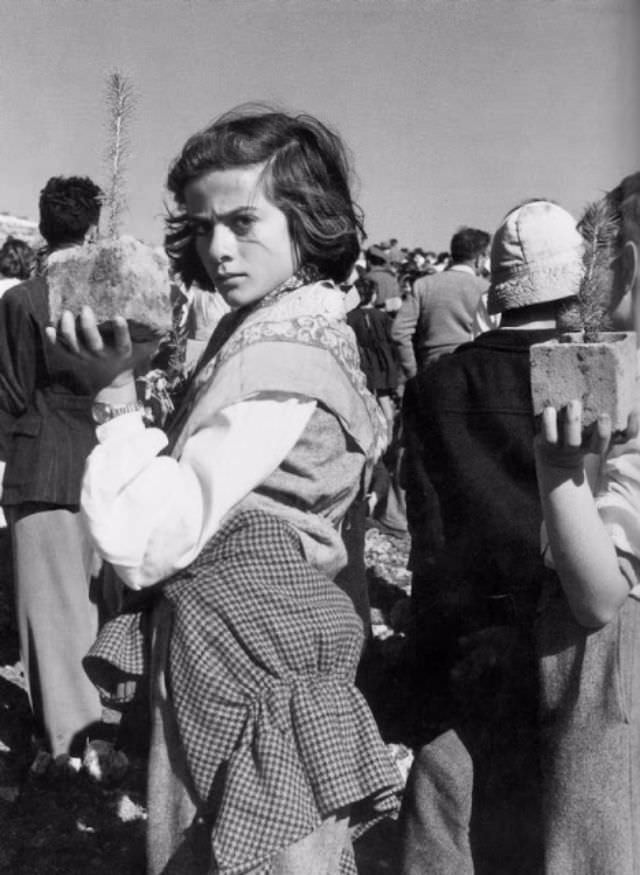
He photographed couples embracing in the shadow of bomb-scarred buildings. These were not staged moments. They were real, caught in passing, and all the more powerful for it.
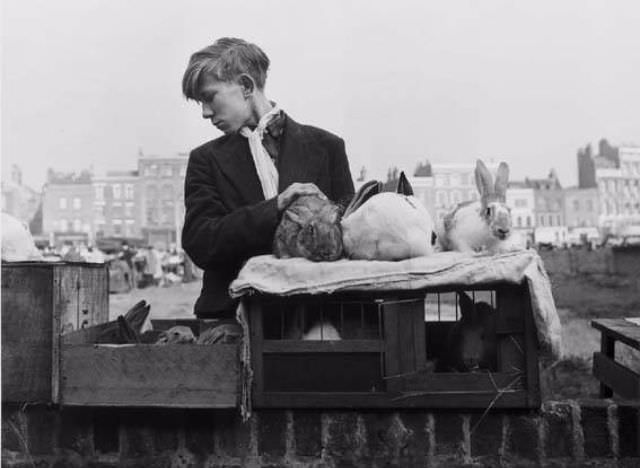
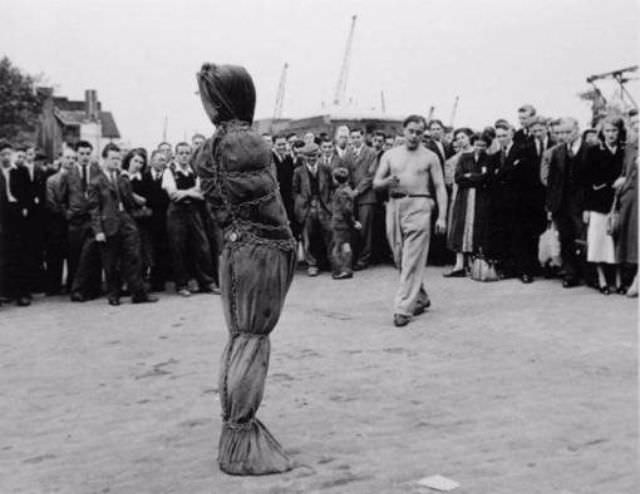
Children played in the rubble-strewn streets of the city, their games uninterrupted by the destruction around them. Izis documented this too — the normalcy that quietly returned even to the hardest-hit neighborhoods.
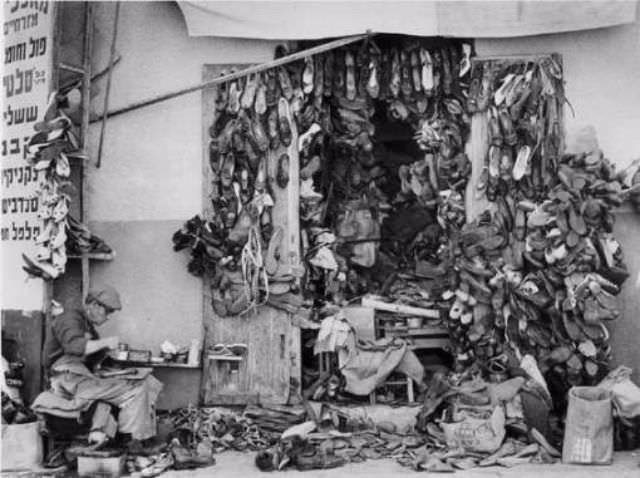
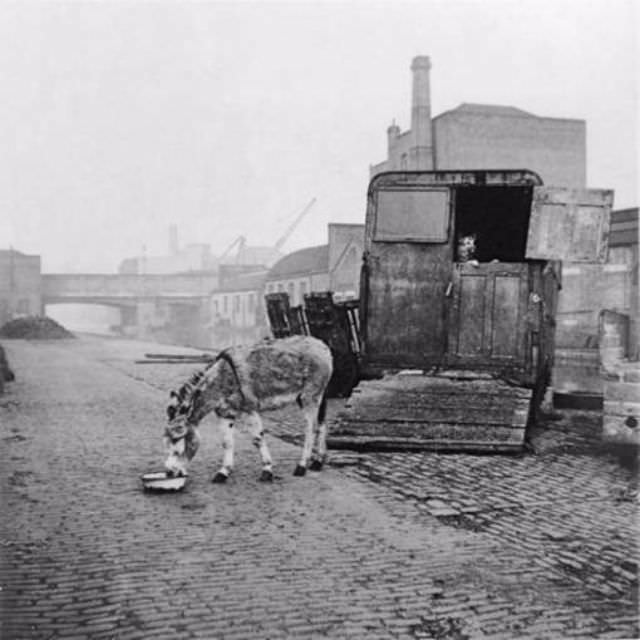
His photographs were intimate and unposed. He had a gift for being present without intruding, capturing expressions and gestures that most photographers would have missed entirely.
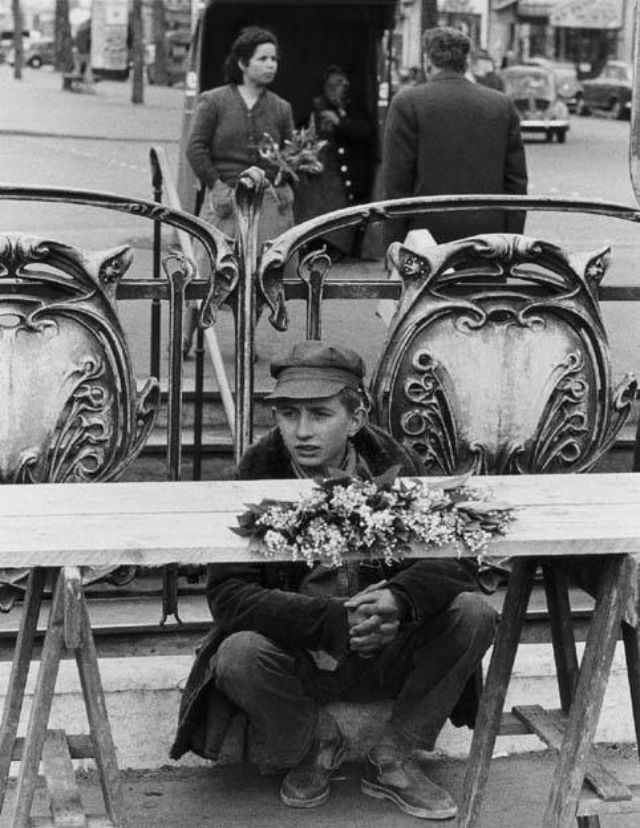
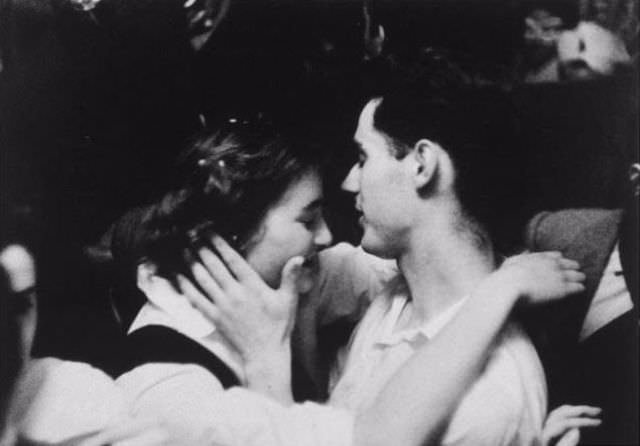
Paris in the late 1940s was a city rebuilding itself block by block. Izis recorded this process not through architecture or politics, but through the faces of the people living it every single day.
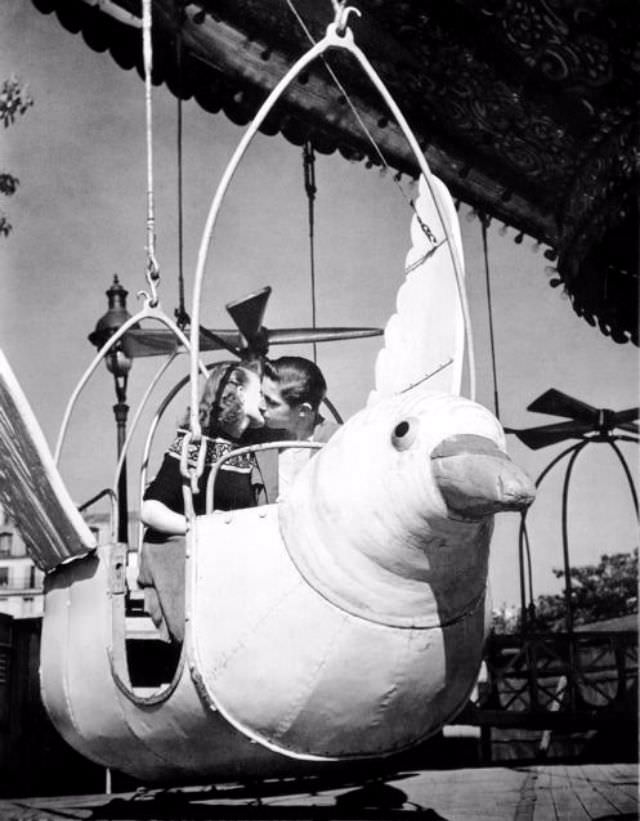
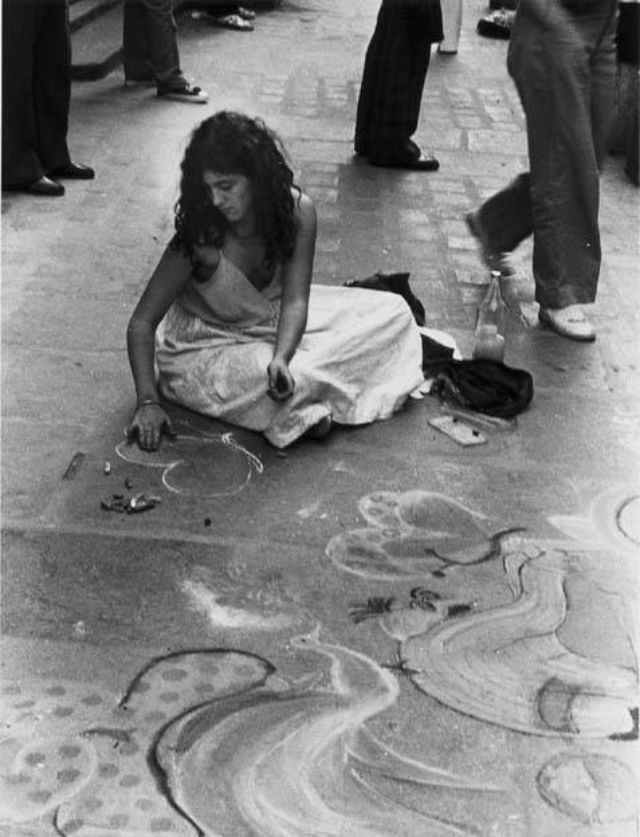
Street markets, park benches, café doorways — Izis found humanity in every corner. His work built a visual record of a city in transition, raw and unfiltered.
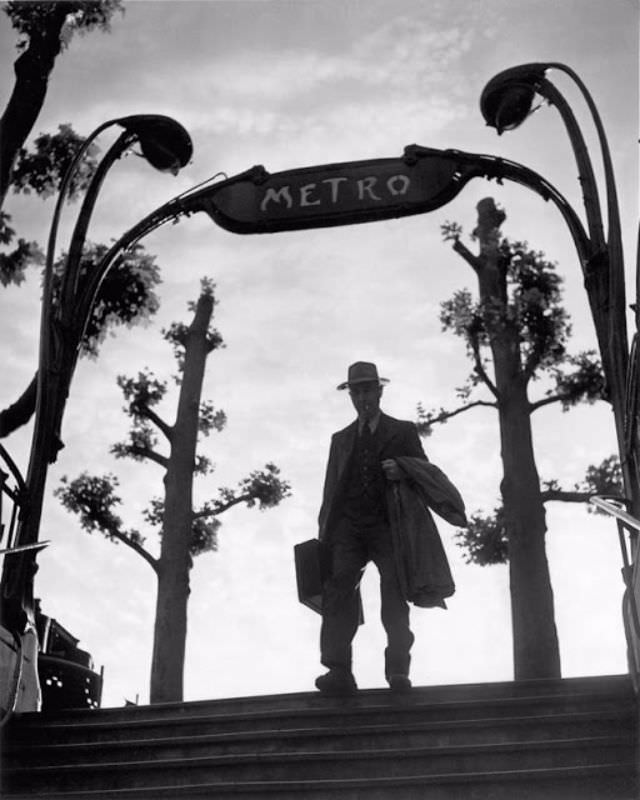
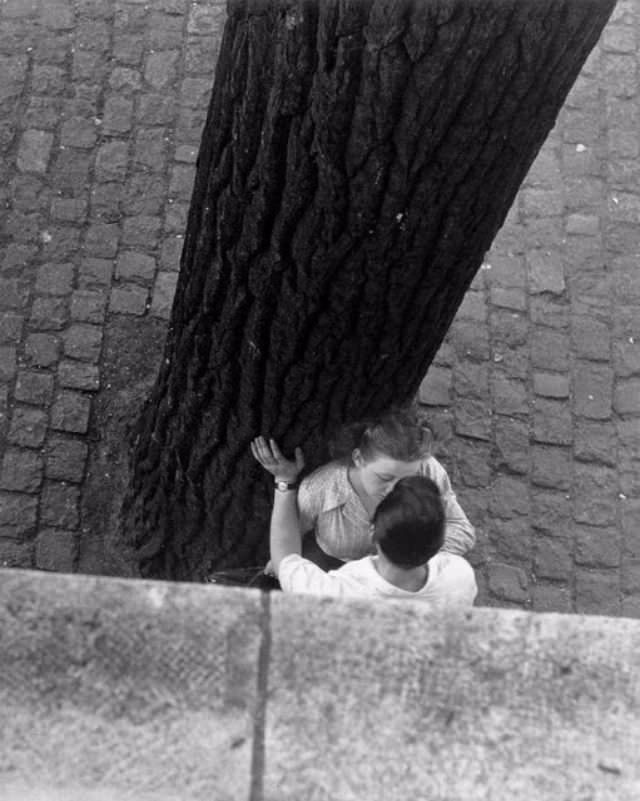
As a Jewish refugee himself, Izis understood loss firsthand. That personal history gave his street photography a weight and honesty that set it apart from the romanticized images Paris was already famous for producing.
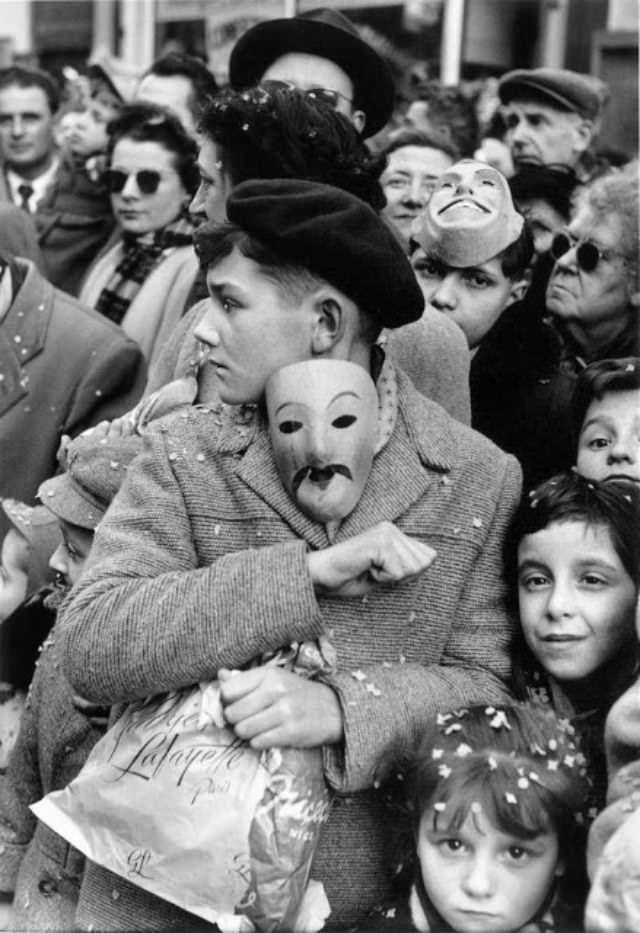
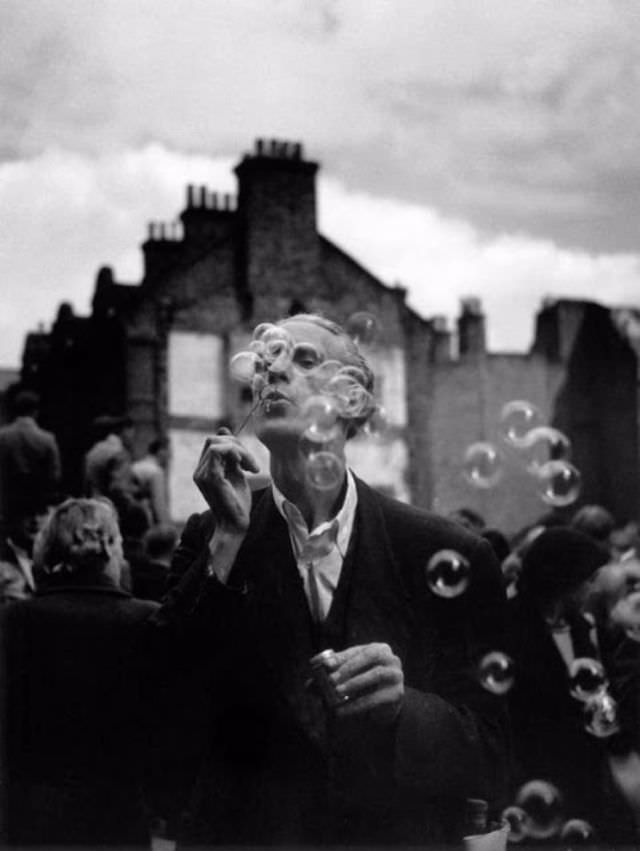
He photographed the elderly sitting alone, the young laughing in groups, and the quiet in-between moments that defined daily postwar life. Each frame told a specific story rather than a general one.
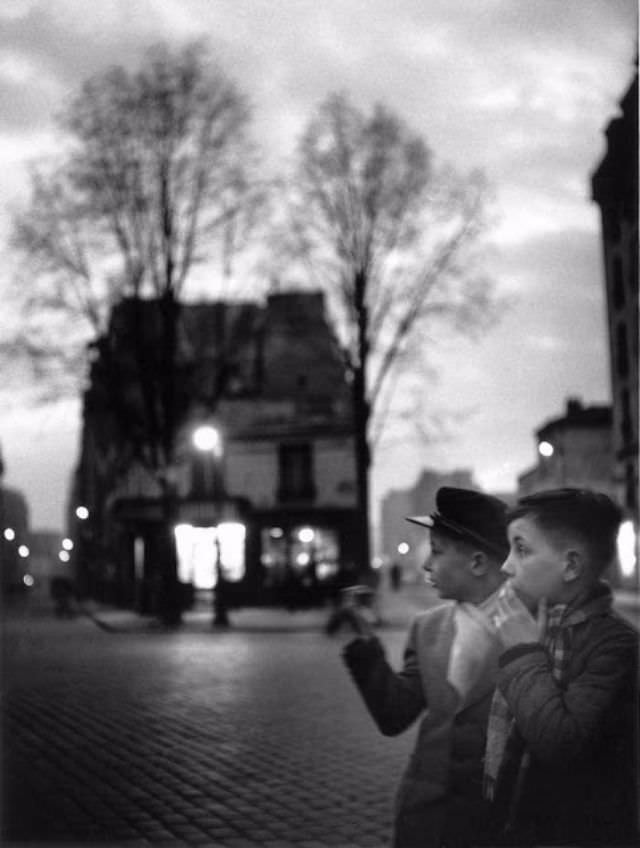
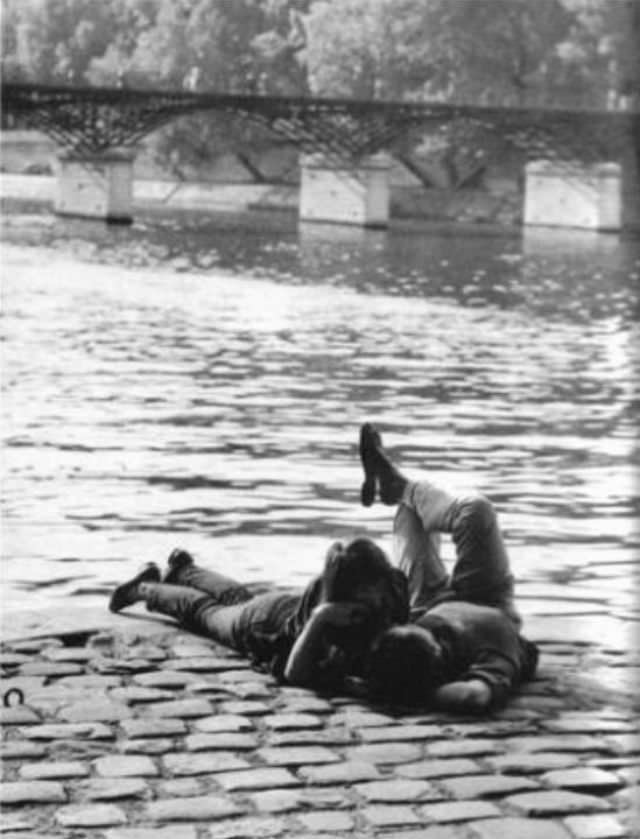
Izis worked largely in black and white, which suited the stark contrasts of postwar Paris — joy alongside grief, new life alongside ruin. His images appeared in major publications including Paris Match.
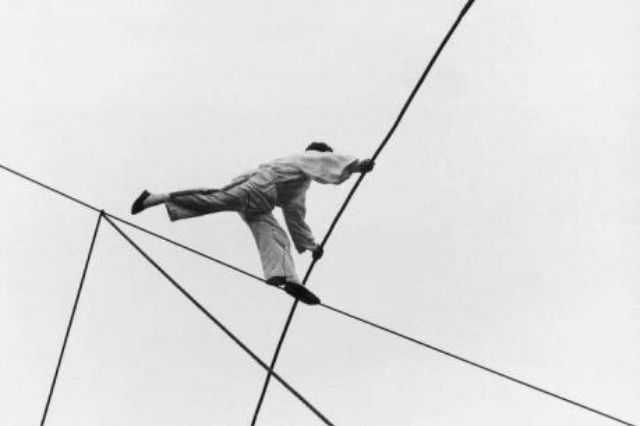
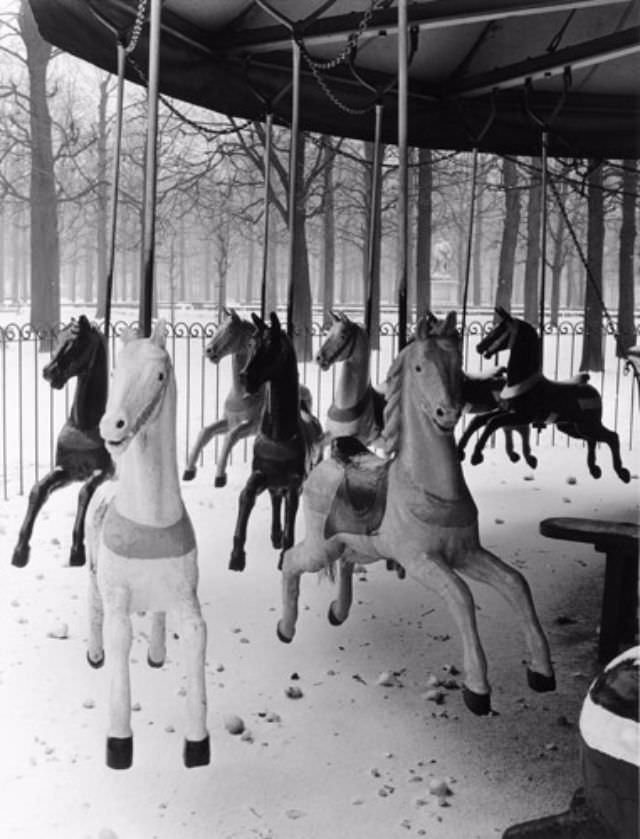
He collaborated with writers and artists, including Jacques Prévert, whose poems accompanied Izis’s photographs in the 1950 book Grand Bal du Printemps. The pairing deepened the emotional reach of both the images and the words.
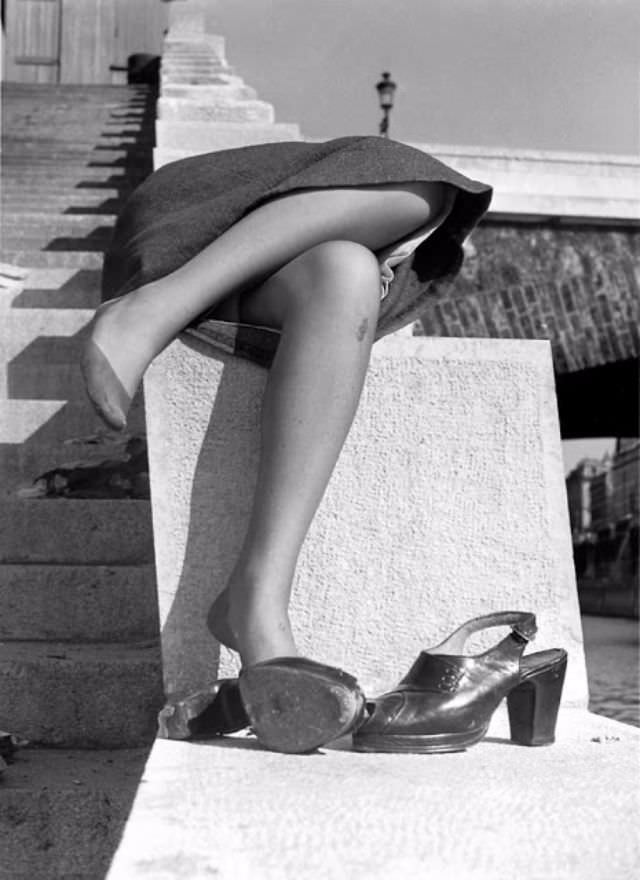
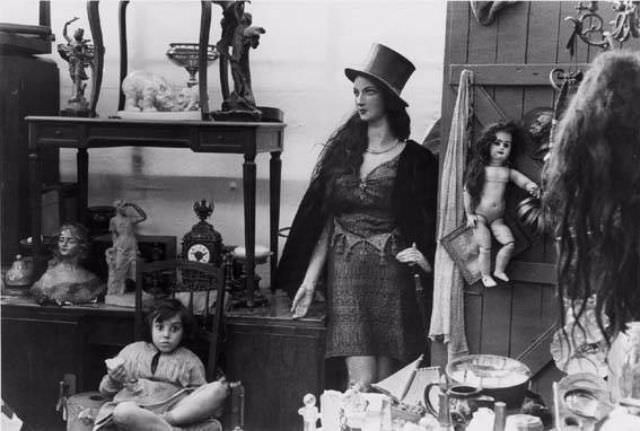
Izis spent the rest of his life in Paris, continuing to document the city and its people. His postwar street photography stands as one of the most honest visual records of how a wounded city and its people simply kept going.