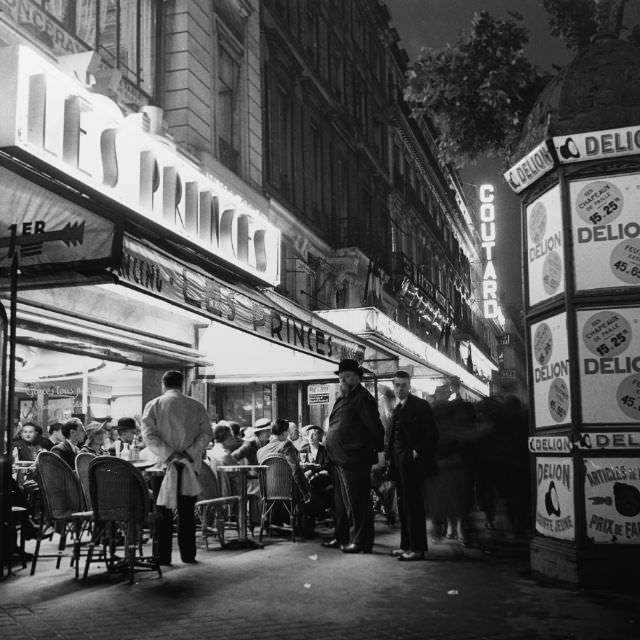
Roger Schall was a French photographer whose work in the 1930s and 1940s produced one of the most detailed visual records of Paris ever assembled. He photographed the city’s streets, landmarks, working-class neighborhoods, nightlife, and people with a precise and observant eye. His images are not just beautiful — they are documents of a city moving through prosperity, political tension, and eventually wartime occupation.
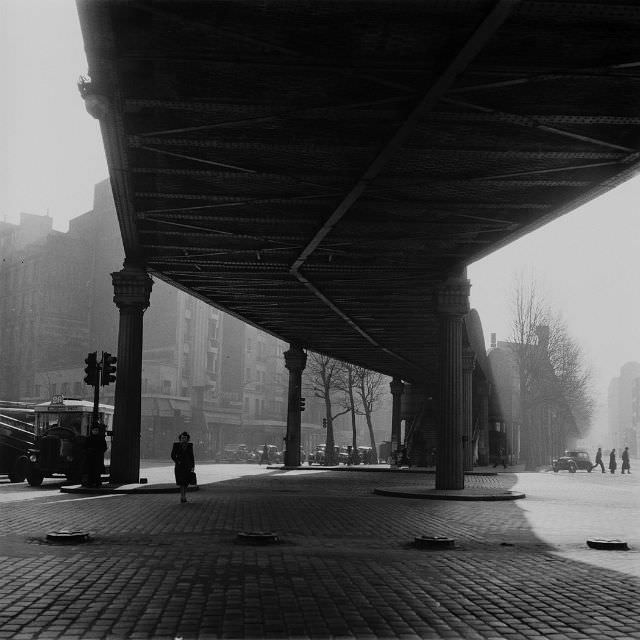
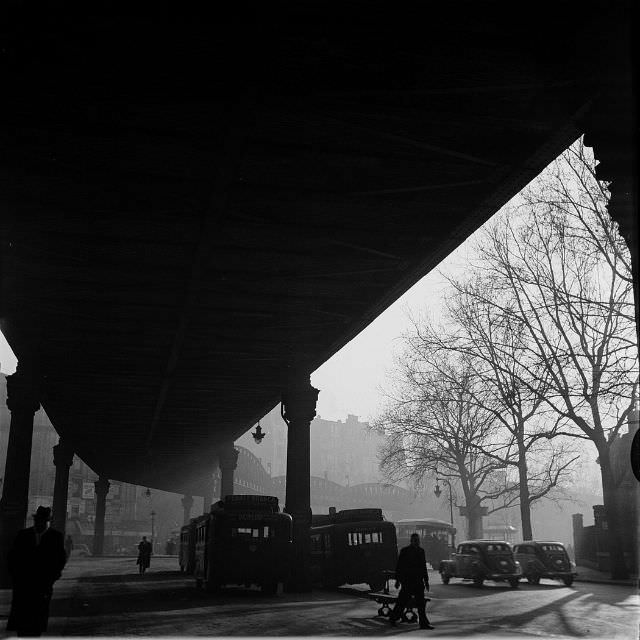
Schall had an instinct for finding the right moment on any given street. His early 1930s work captured Paris before the turbulence of the following decade changed the city’s rhythm entirely. Among his earliest subjects were the Seine’s iconic bridges and the worn stone streets of the city’s oldest quarters.
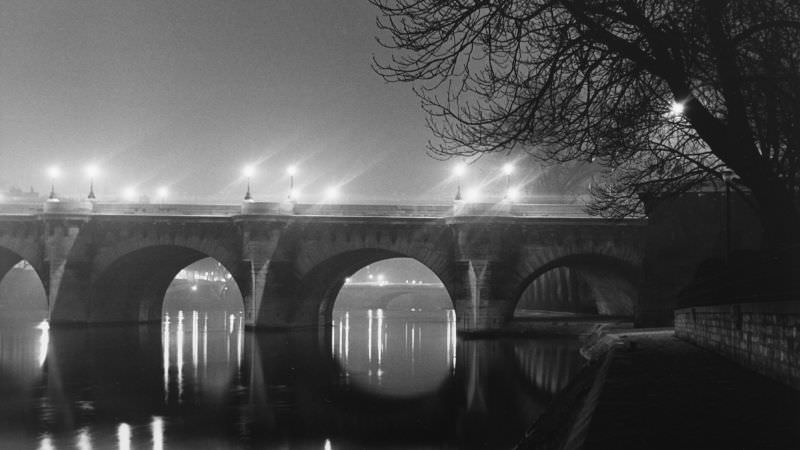
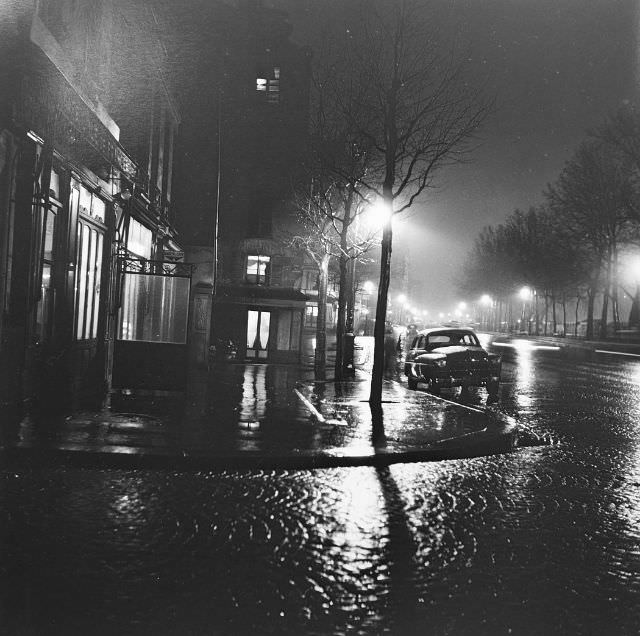
The bridges of Paris were a recurring subject for Schall. The Pont d’Iéna, stretching across the Seine toward the Trocadéro, offered sweeping views that he returned to throughout the decade. These shots show a city that was grand in its architecture but also deeply human in its scale — people walked, cyclists passed, and vendors gathered near the water.
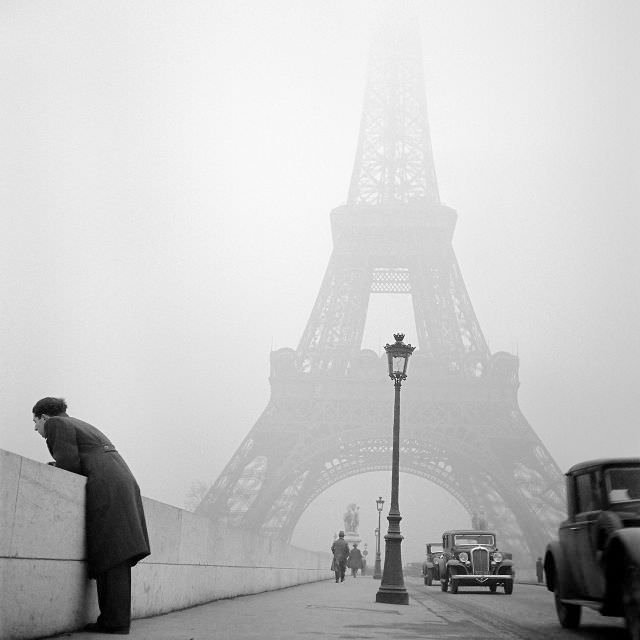
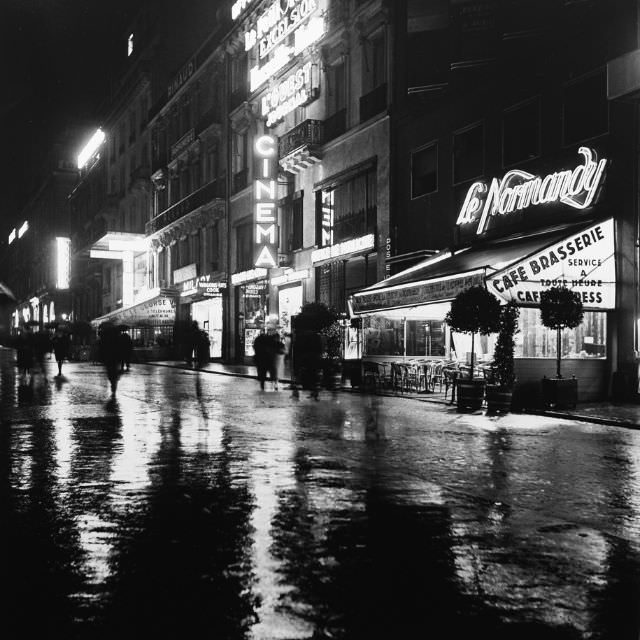
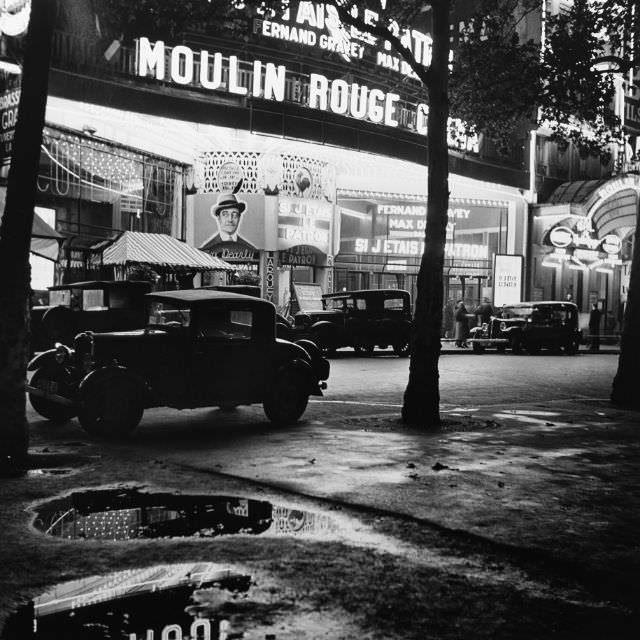
Schall was especially drawn to Paris after dark. Place Blanche, the square at the foot of Montmartre, glowed with the neon of cabarets and late-night cafés. Not far away stood the Moulin Rouge, its famous red windmill lit up against the night sky. These photographs capture the electric energy of Paris’s entertainment district in the mid-1930s, when the city’s nightlife was at a peak.
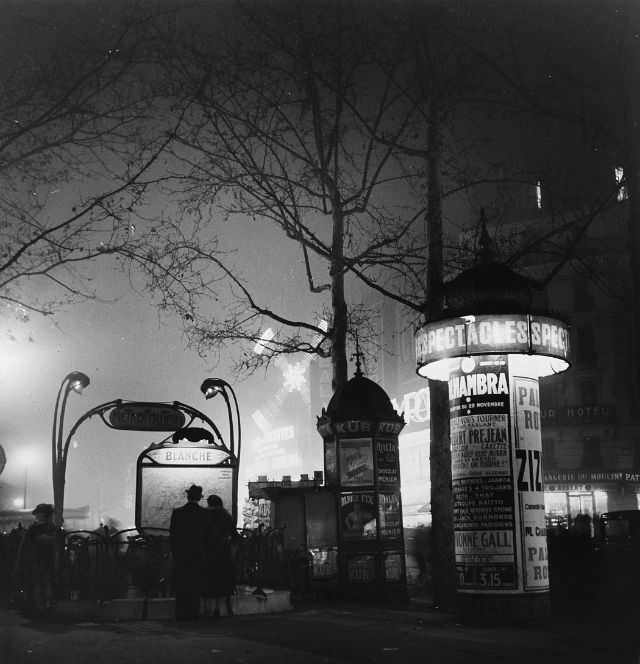
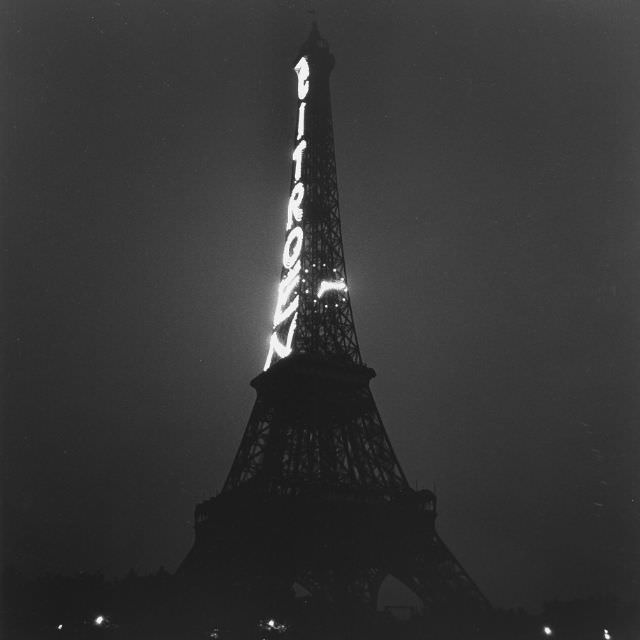
Along the riverbanks — the quais — booksellers, fishermen, and passersby occupied a quieter slice of Parisian life. Schall photographed these stretches of the Seine with the same attention he gave to the city’s busiest intersections. The Eiffel Tower, completed in 1889, appeared regularly in his work as an unmistakable backdrop to everyday Parisian scenes.
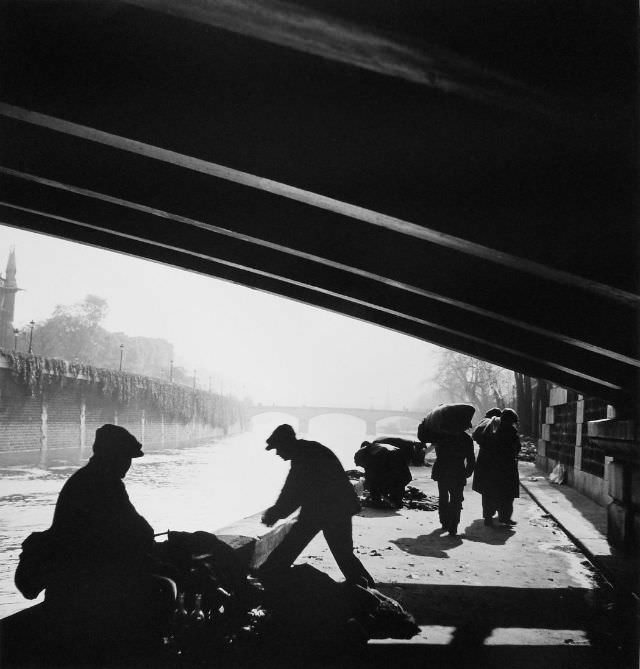
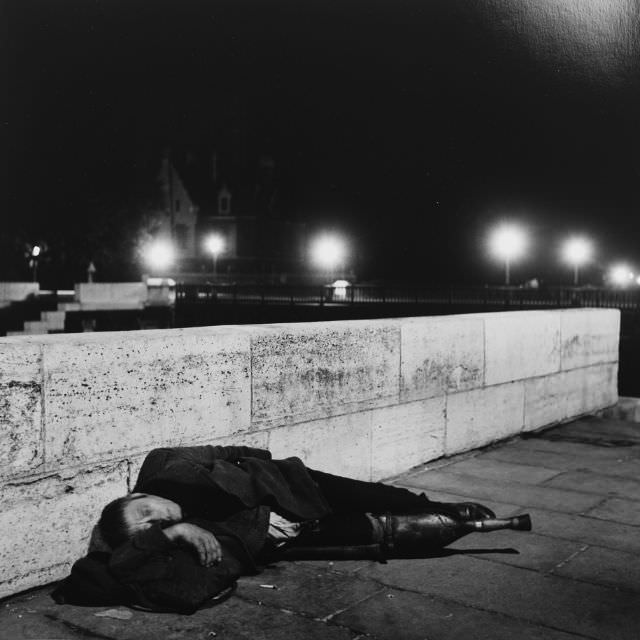
Schall did not limit himself to postcard Paris. He photographed ragpickers — chiffonniers — who made their living sorting through the city’s waste for salvageable materials. He photographed a one-legged vagrant, known as a clochard, on the city’s margins. These were real people occupying the lower rungs of Parisian society, and Schall recorded them without sentimentality.
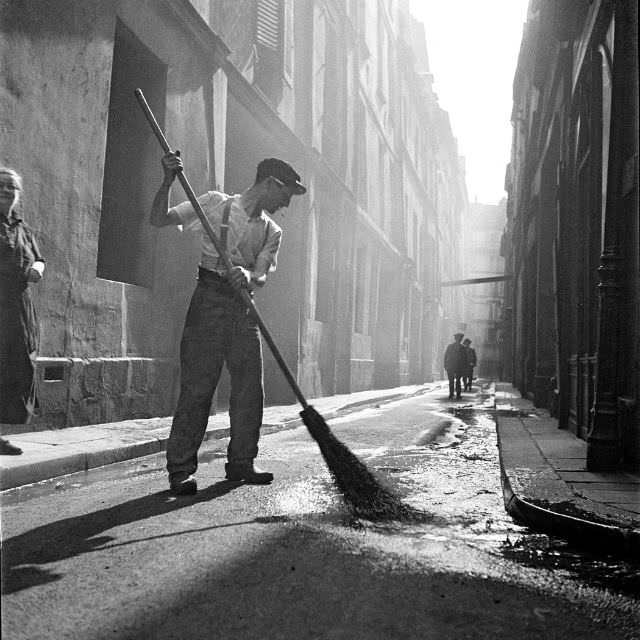
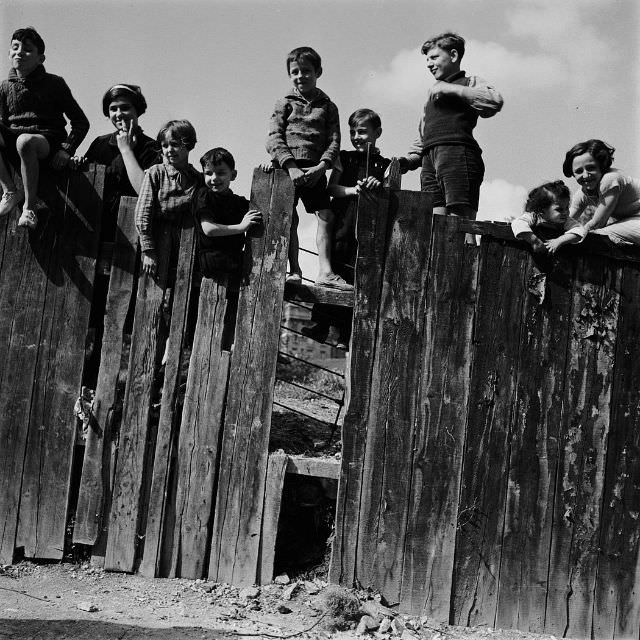
Street workers also featured in his lens. A sweeper on the narrow Rue Visconti and the working-class streets of Ménilmontant in the city’s east showed a side of Paris rarely seen in glamorous photography of the era. These neighborhoods were densely populated and shaped by labor, not leisure.
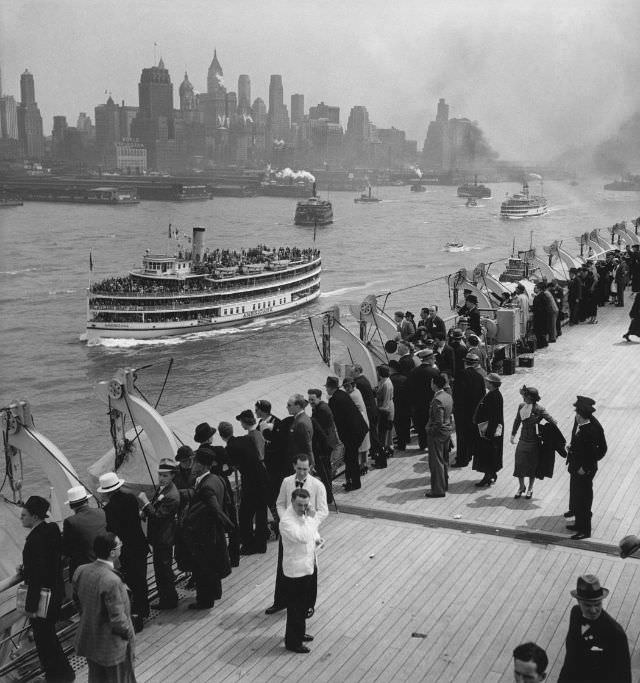
In 1935, Schall also traveled aboard the ocean liner Normandie, documenting its celebrated arrival in New York. Back in Paris, he turned his camera toward the city’s metro system. Stations like Stalingrad and Jaurès, photographed in 1936, show the tiled platforms and commuters of a functioning underground network that Parisians depended on daily.
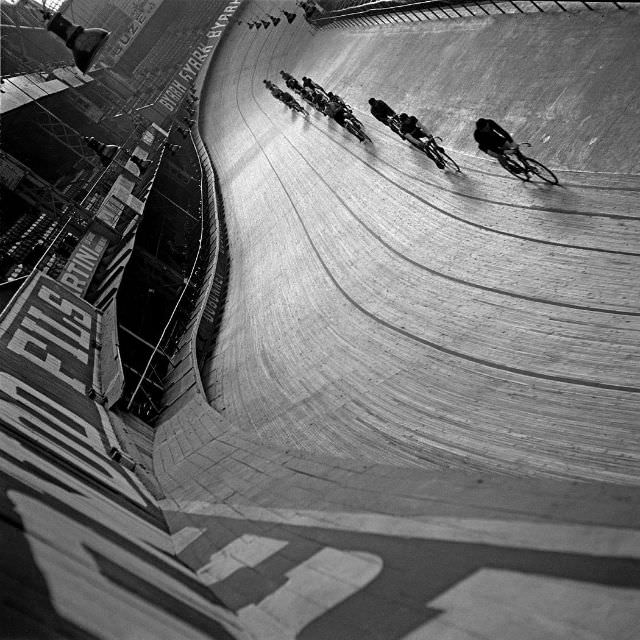
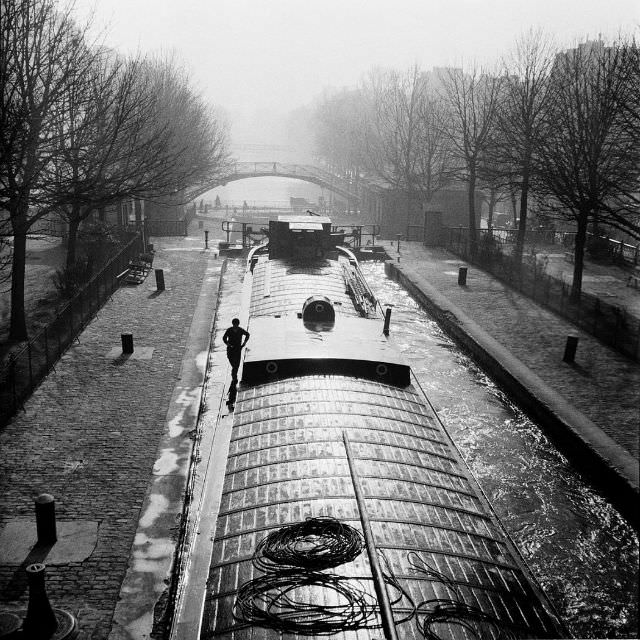
Sport was another part of city life Schall covered. The Six Days cycling race at the Vélodrome d’Hiver — the Vel’ d’Hiv — was a major annual event that drew enormous crowds. His 1936 photographs from the velodrome capture the noise and motion of the event, packed stands rising around the banked track. That same year, he photographed the serene Canal Saint-Martin, where light fell across the water between iron footbridges.
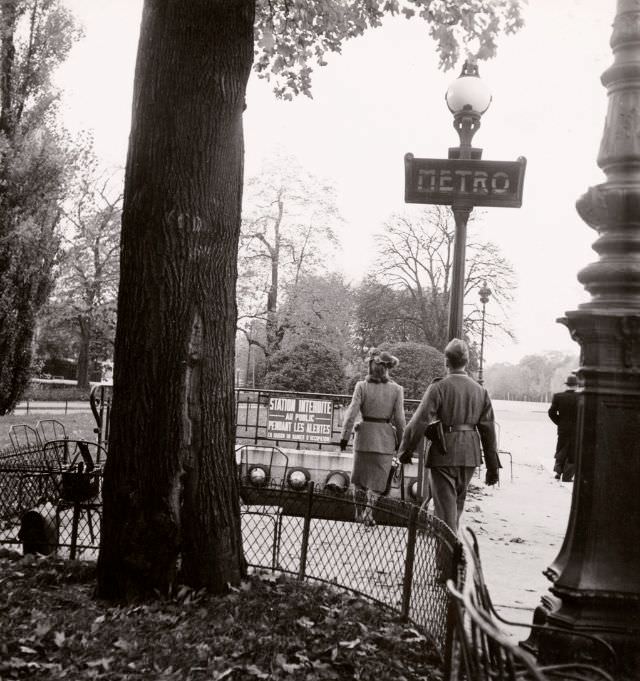
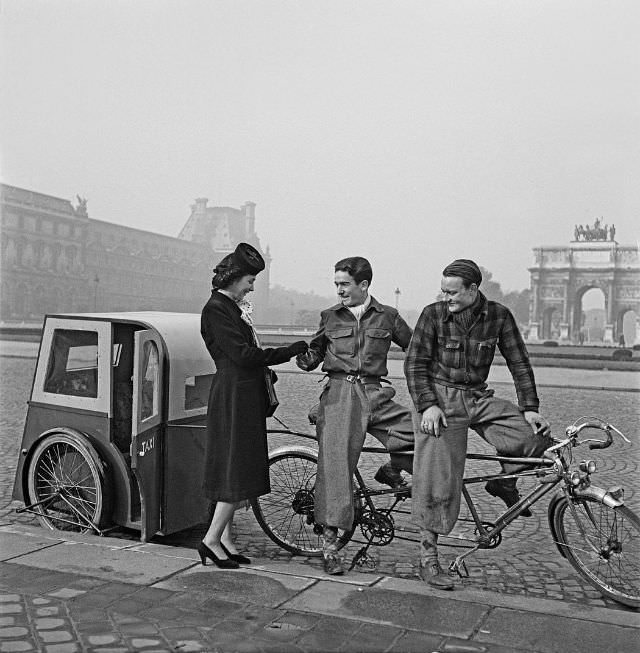
By the early 1940s, German forces occupied Paris. Fuel shortages made automobiles a rare sight. Schall’s 1941 metro photograph and his 1943 image of a bicycle taxi outside the Louvre reflect a city adapting to wartime restrictions. The bicycle taxi — a vélo-taxi — became a practical solution when petrol was rationed, and Schall captured it as a matter of fact, the Louvre’s grand façade framing the scene behind it.