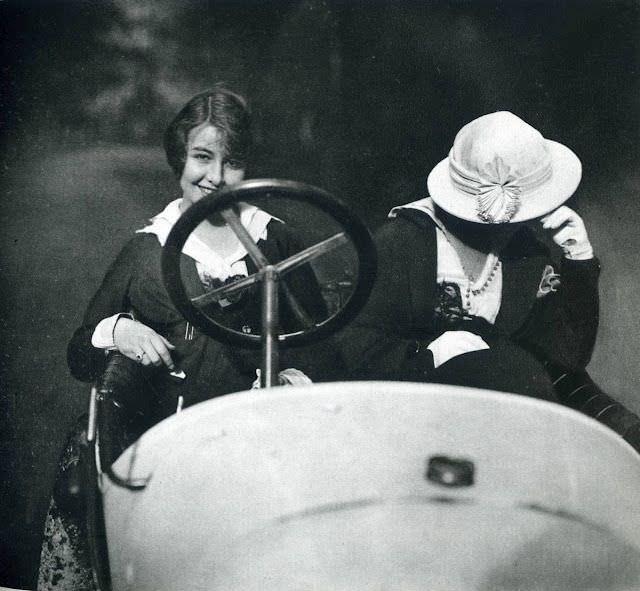
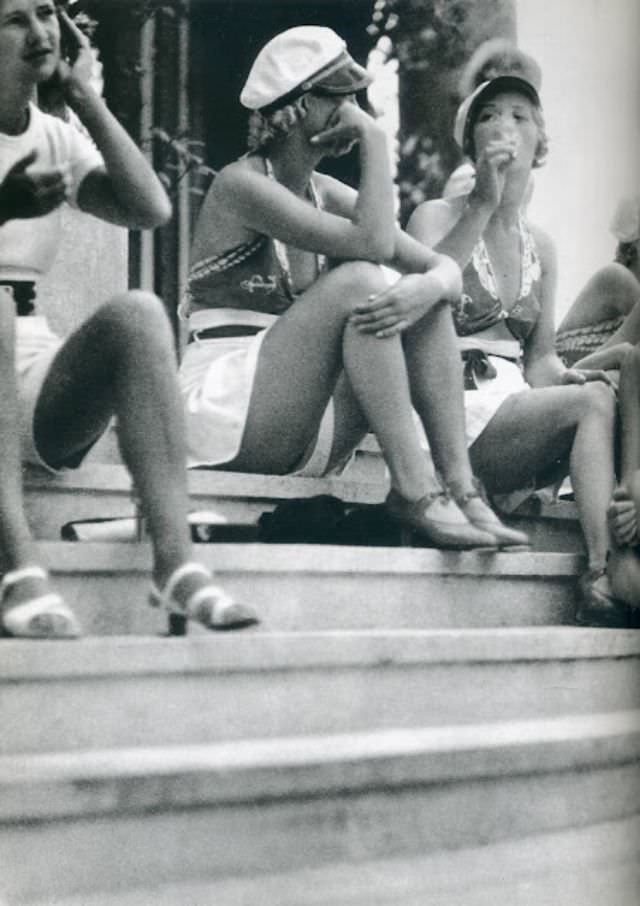
Jacques Henri Lartigue was born in 1894 in Courbevoie, just outside Paris, into a wealthy family that gave him early access to a camera. He began photographing as a child, turning his lens on friends and family as they raced soapbox cars, built kites, and launched gliders. From the start, he treated photography as a way to freeze real moments rather than pose for them.
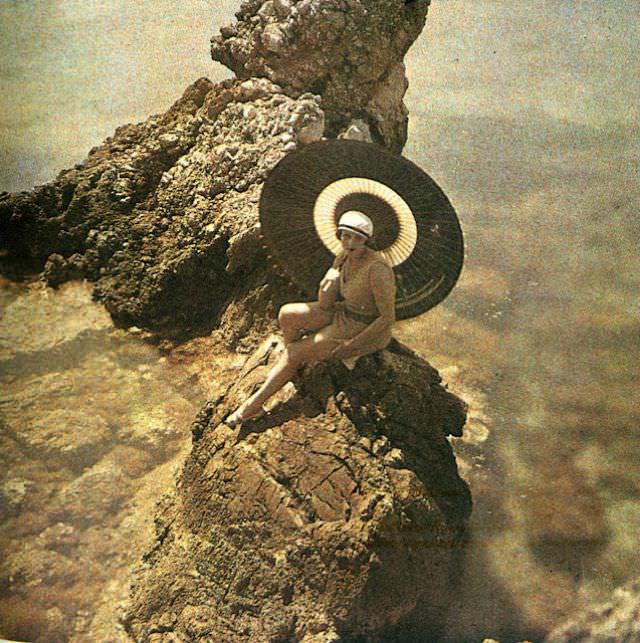
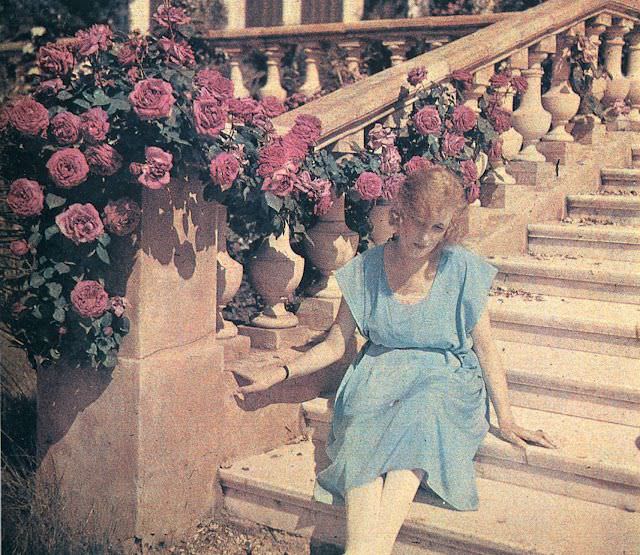
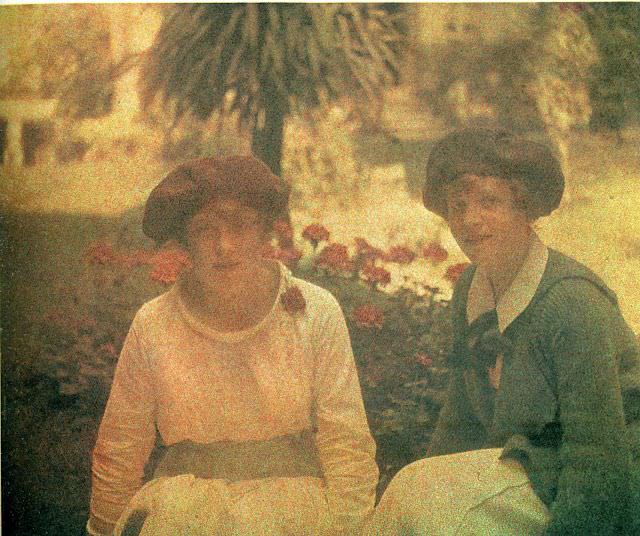
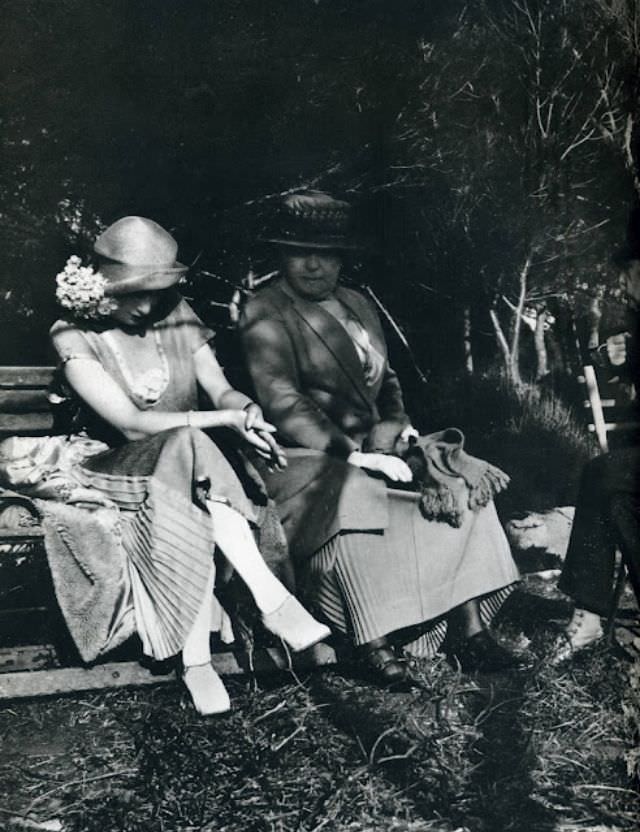
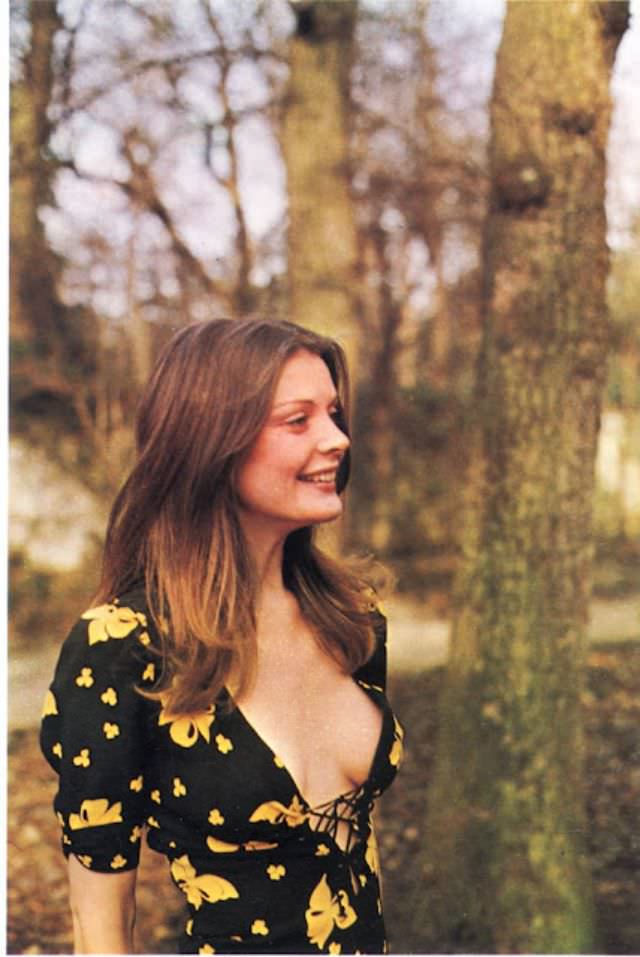
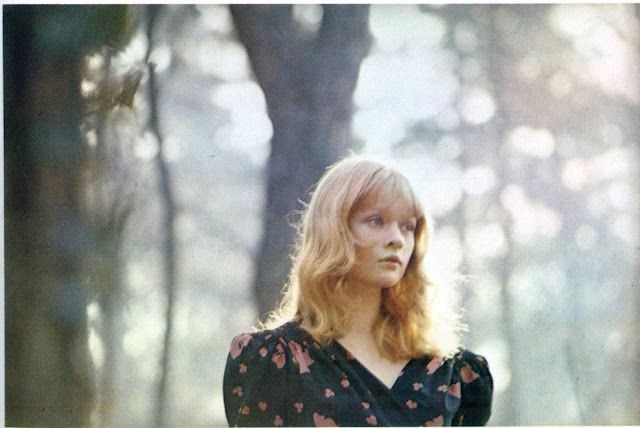
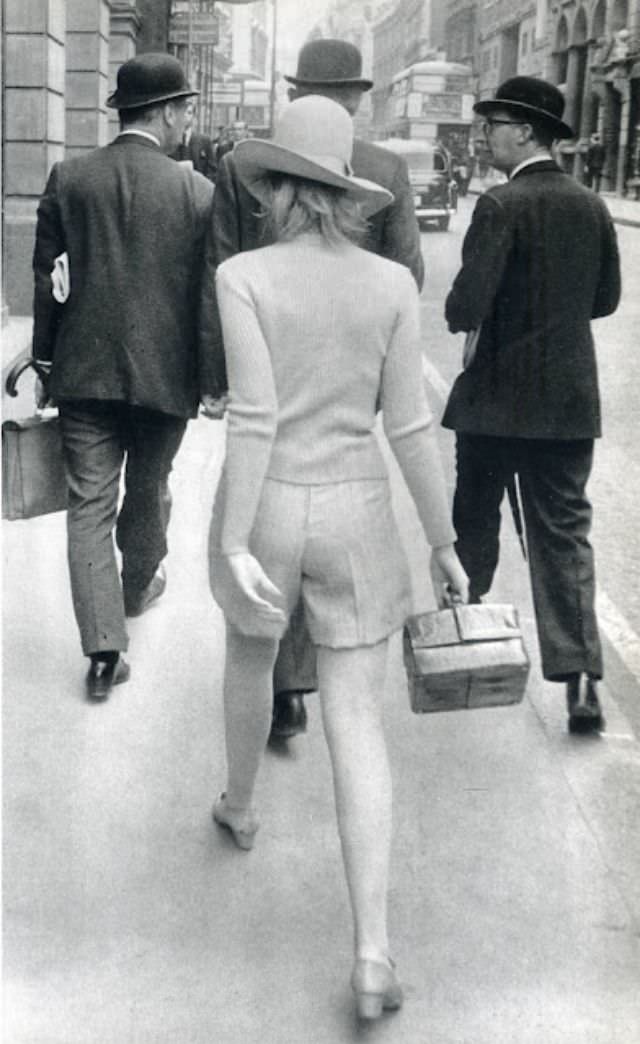
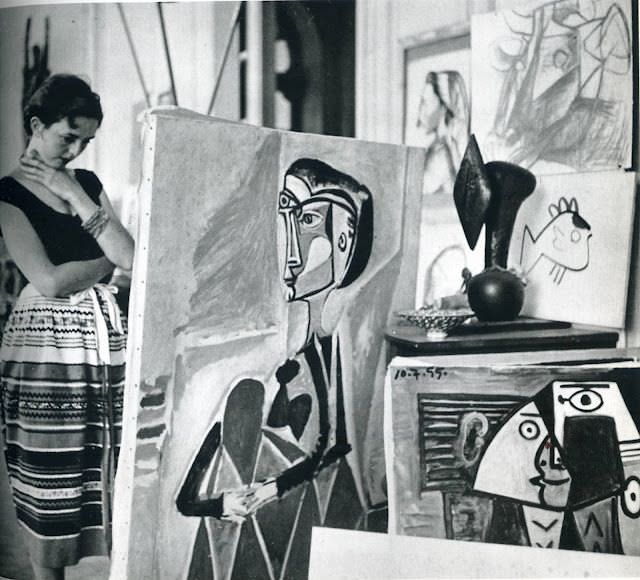
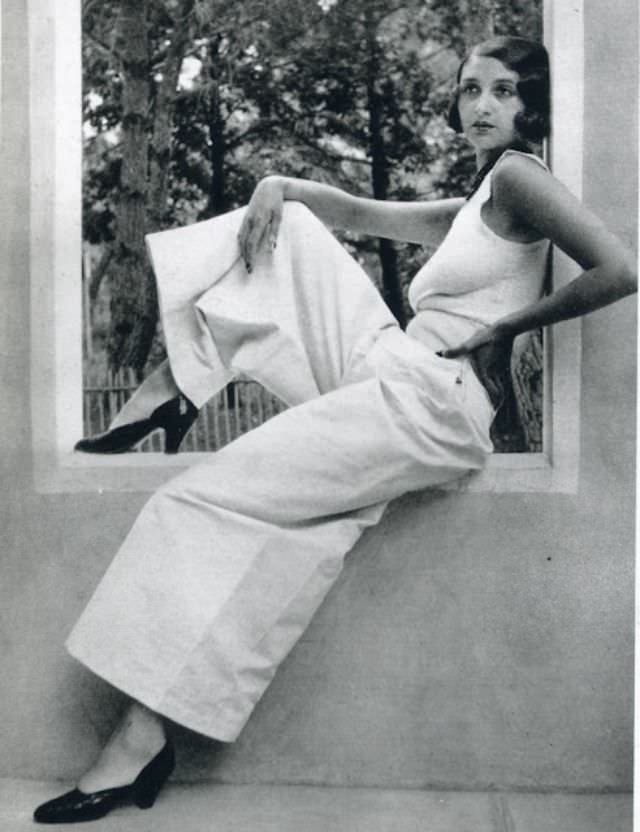
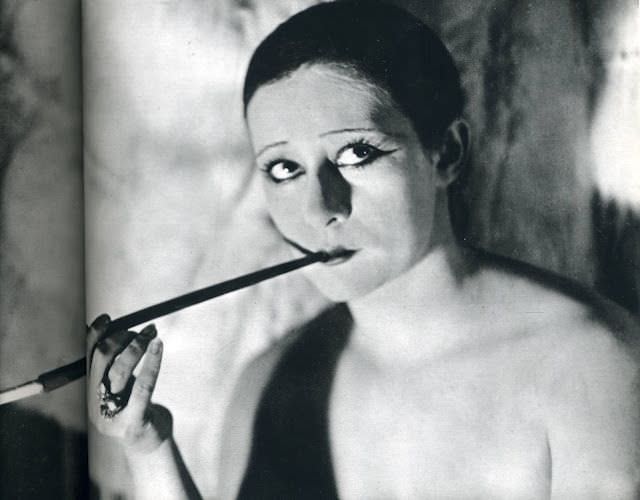
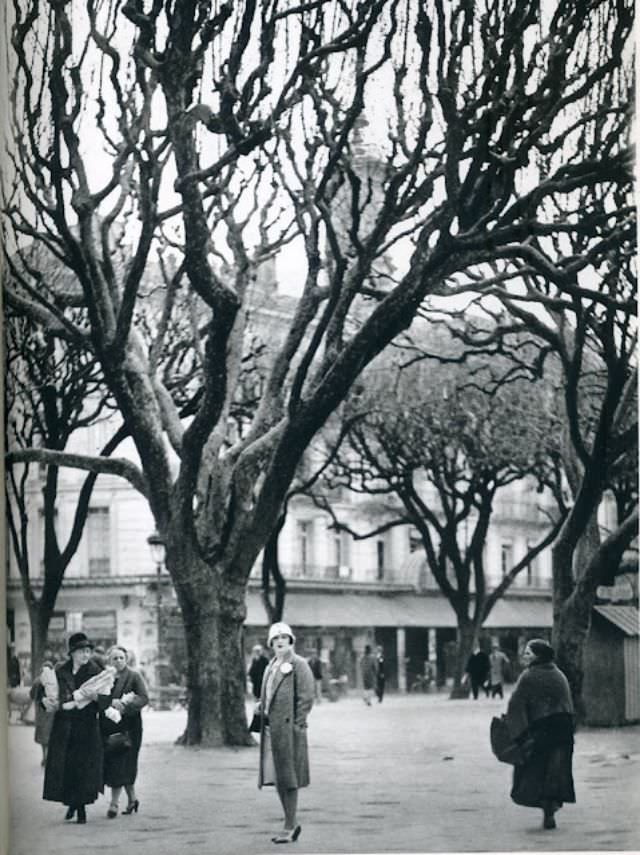
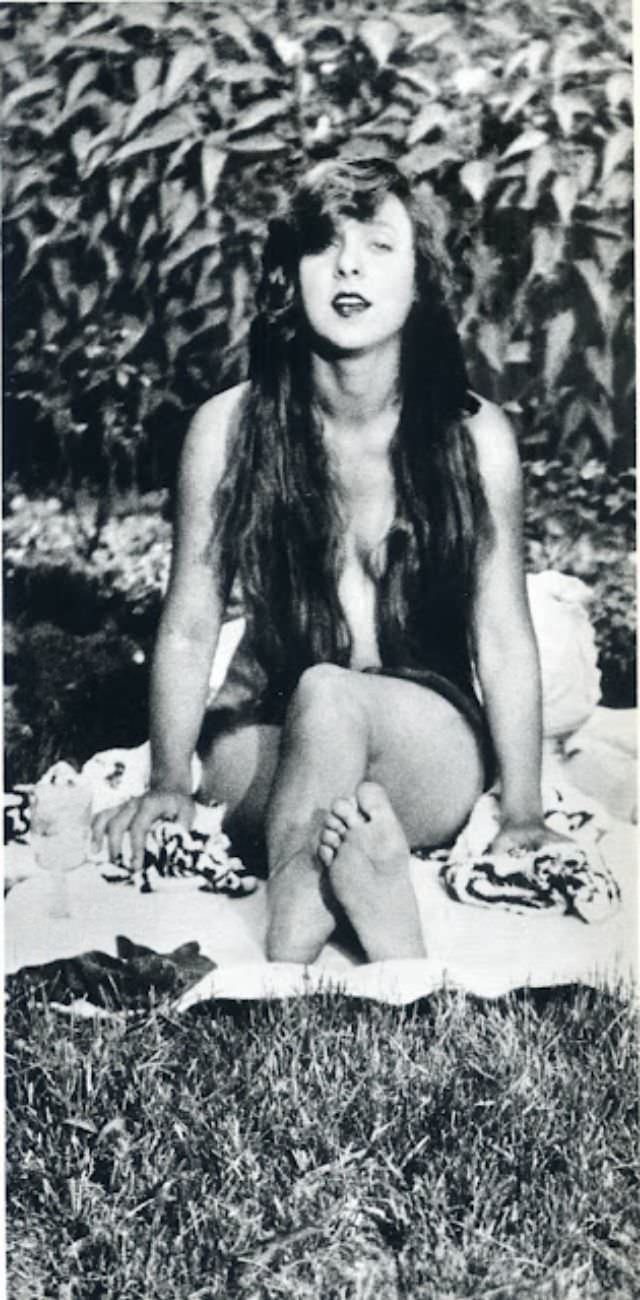
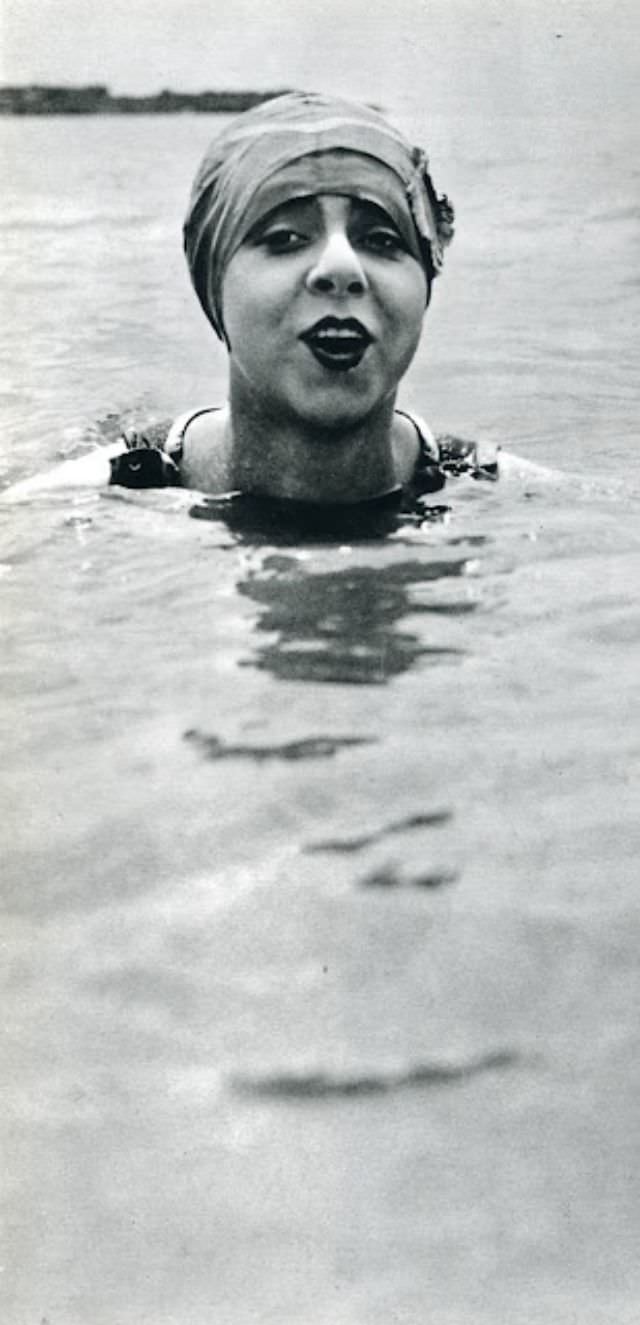
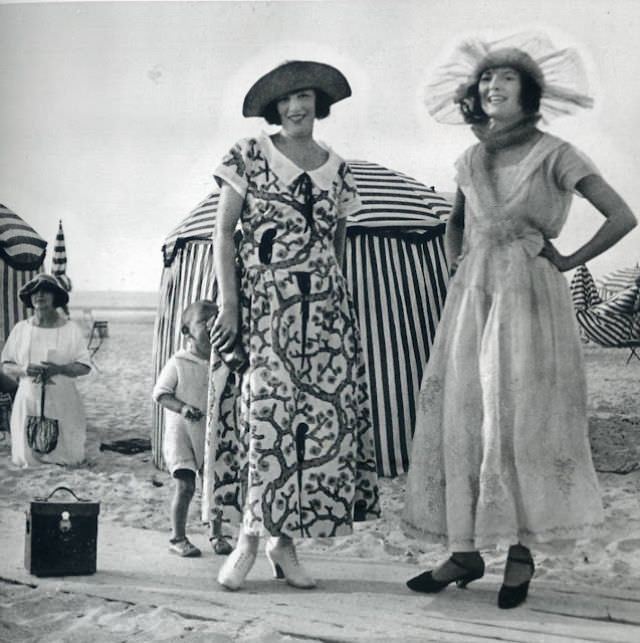
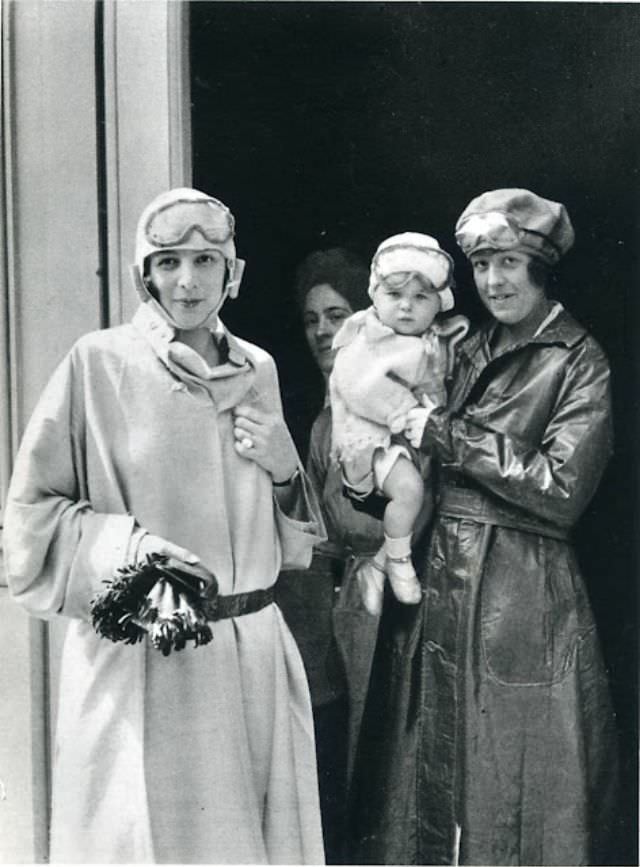
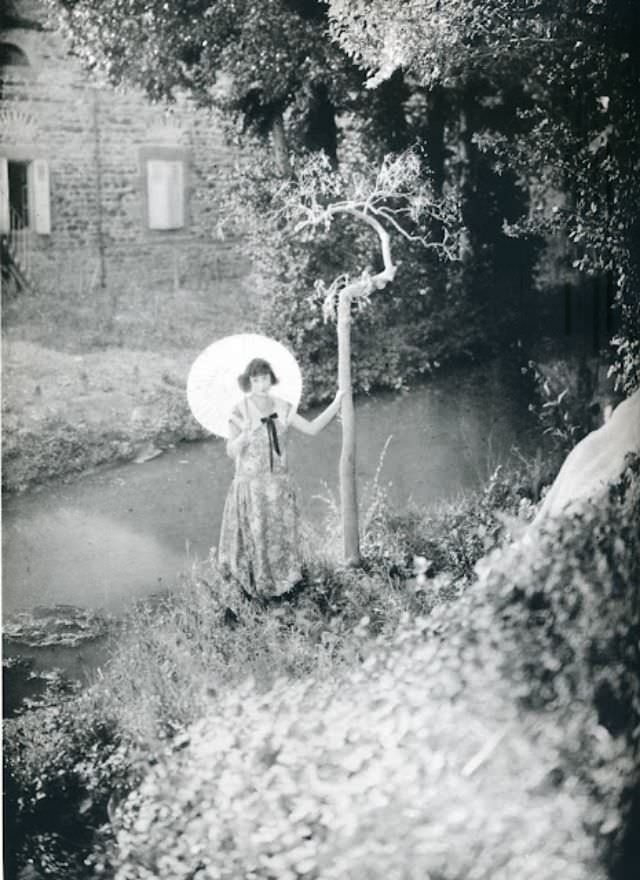
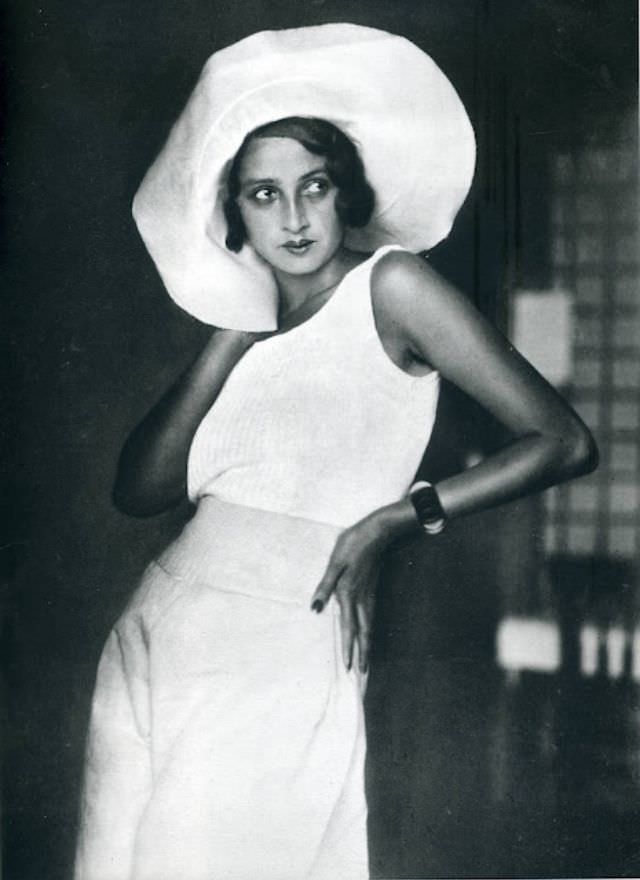
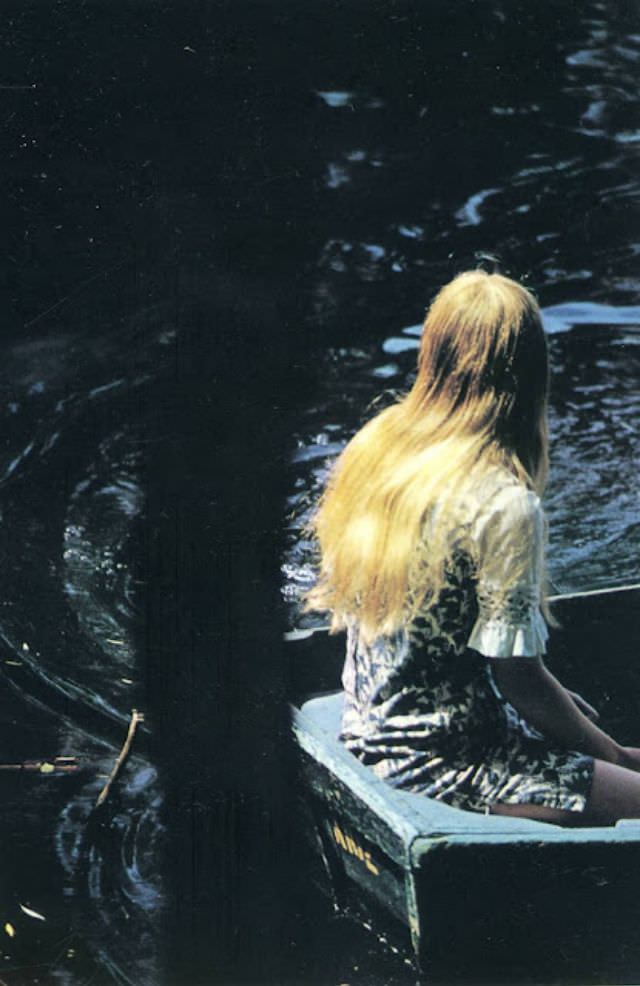
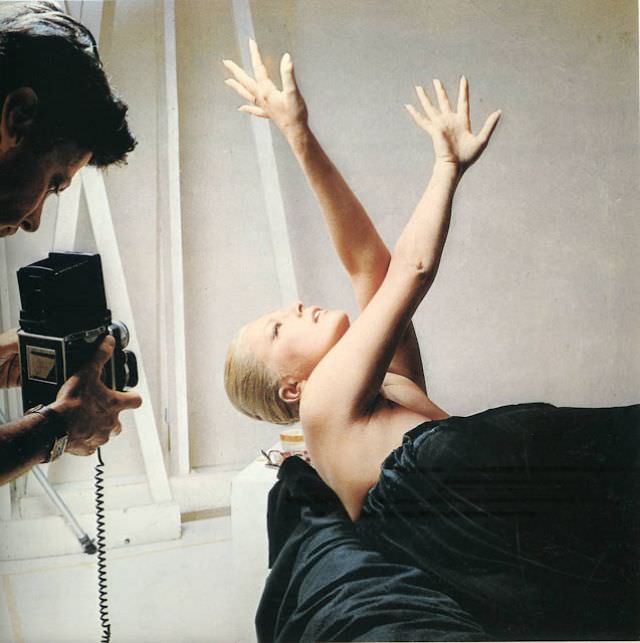
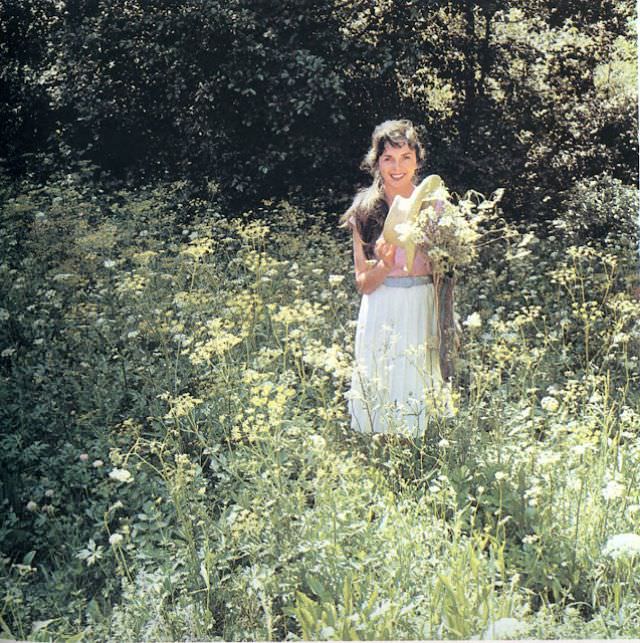
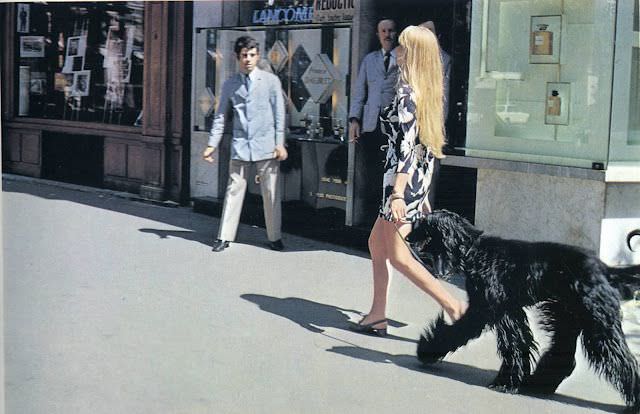
As Lartigue grew older, Parisian women became his most compelling subjects. He photographed them on the Champs-Élysées, at social gatherings, and in quiet everyday moments. What set his work apart was his ability to catch each woman at exactly the right instant.
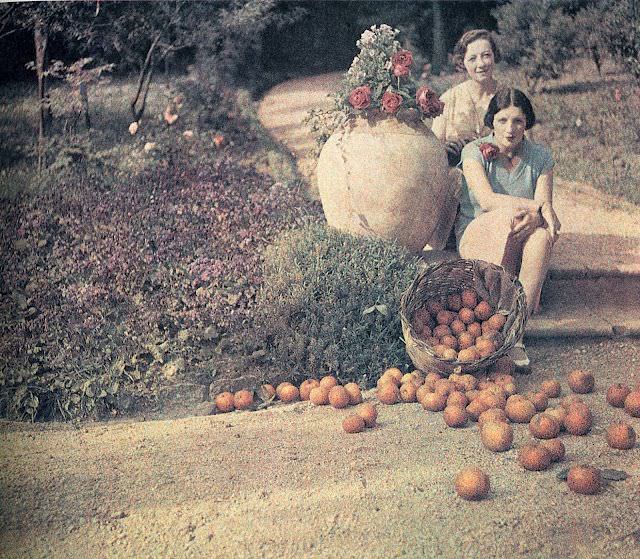
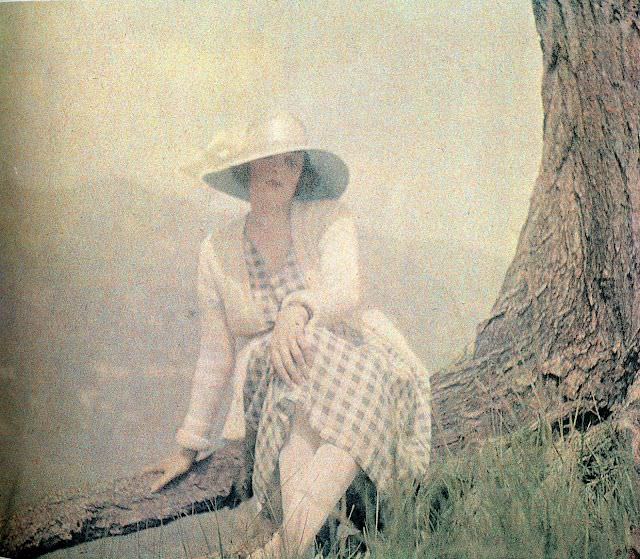
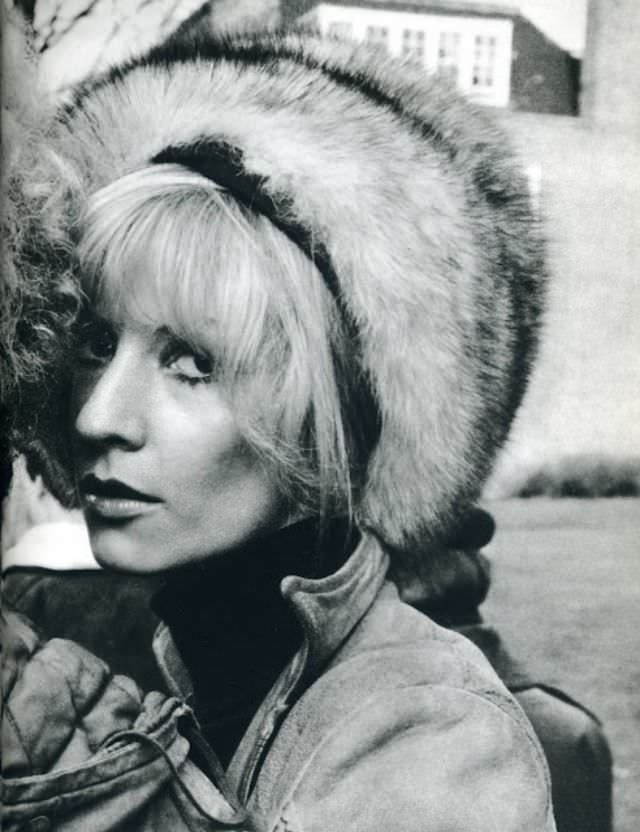
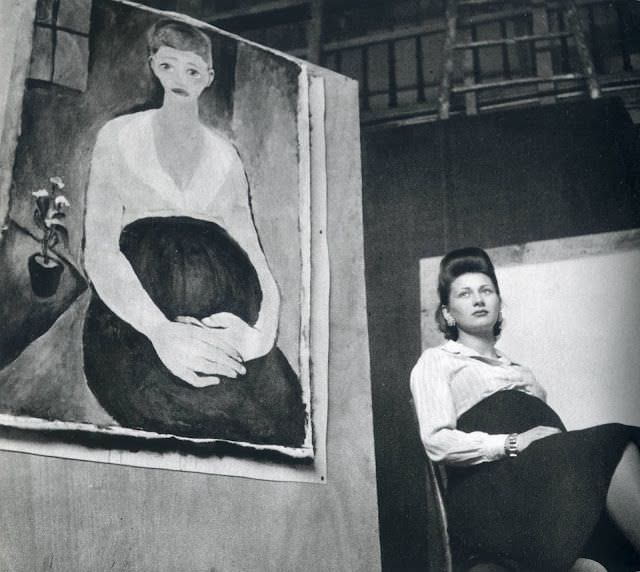
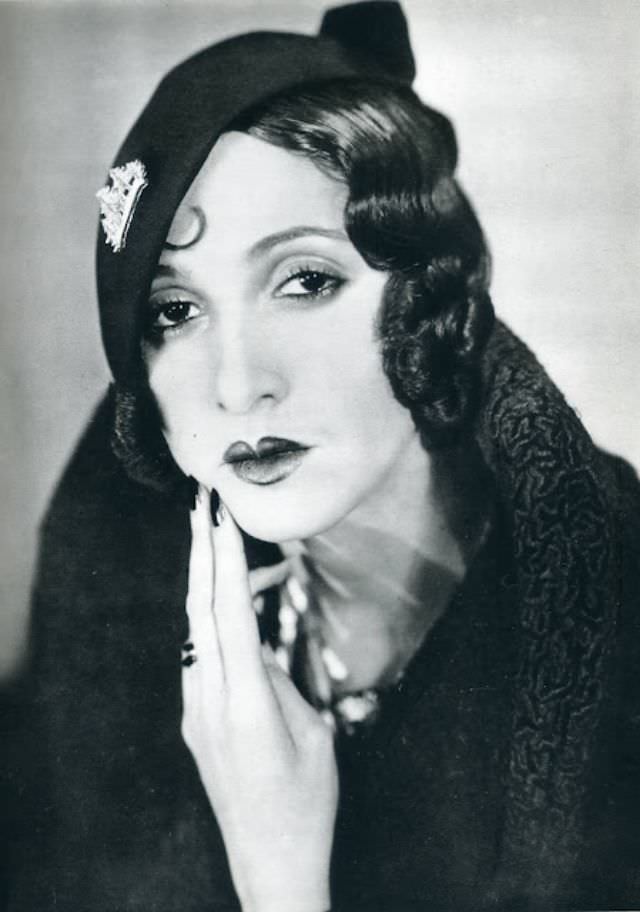
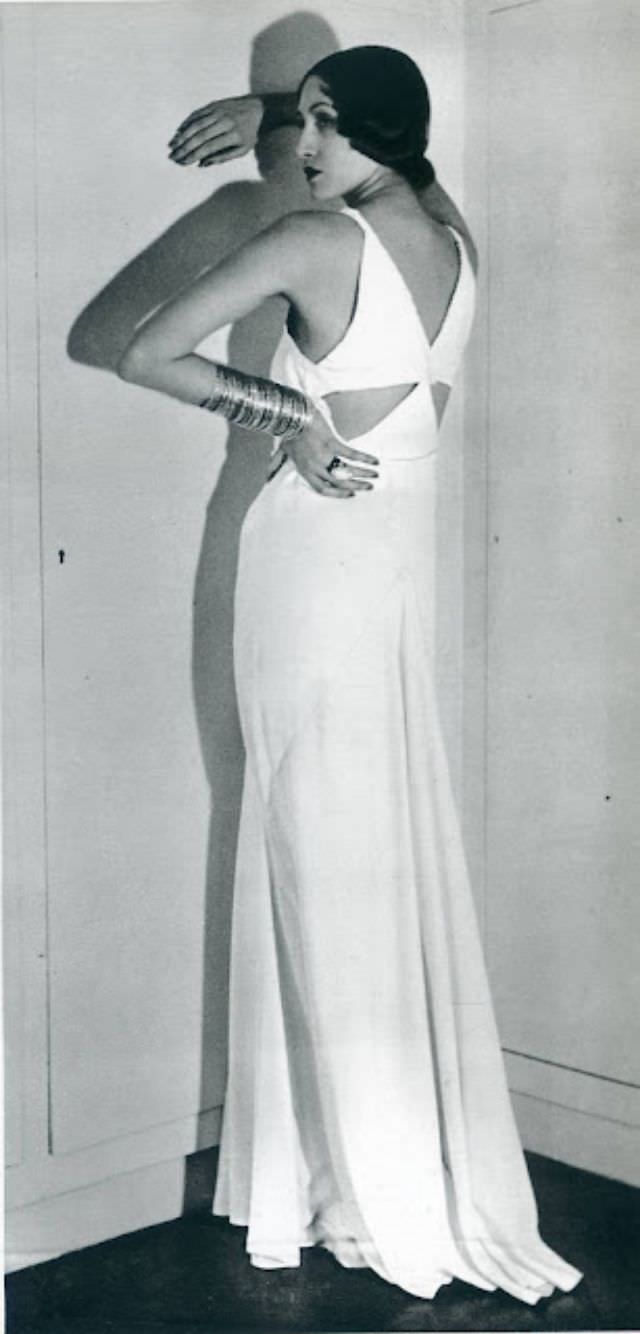
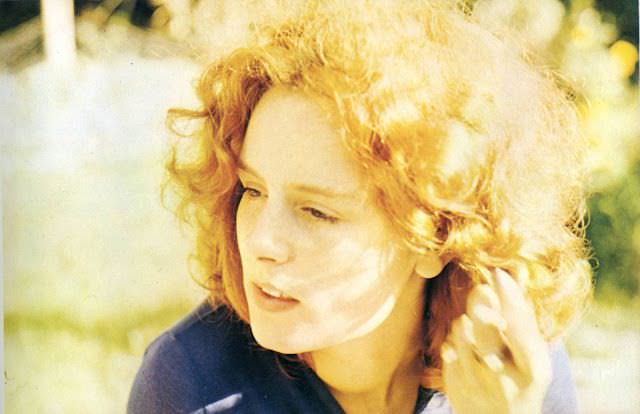
Each portrait revealed something specific about the person in front of his camera. A direct gaze, a slight turn of the head, a confident posture — these details told a story that went far beyond fashion or beauty.
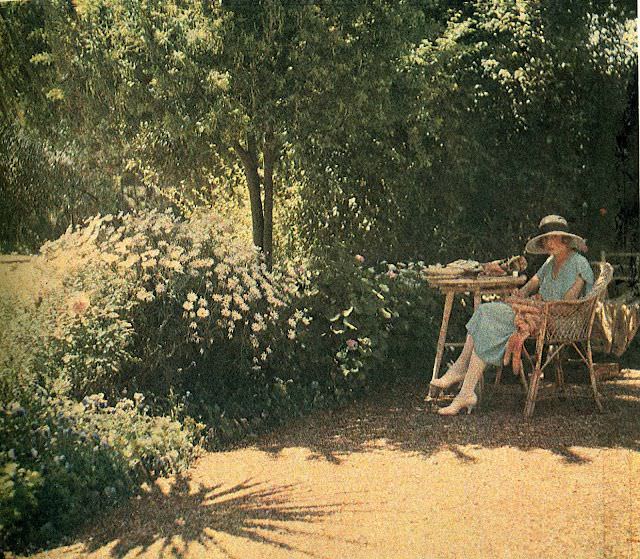
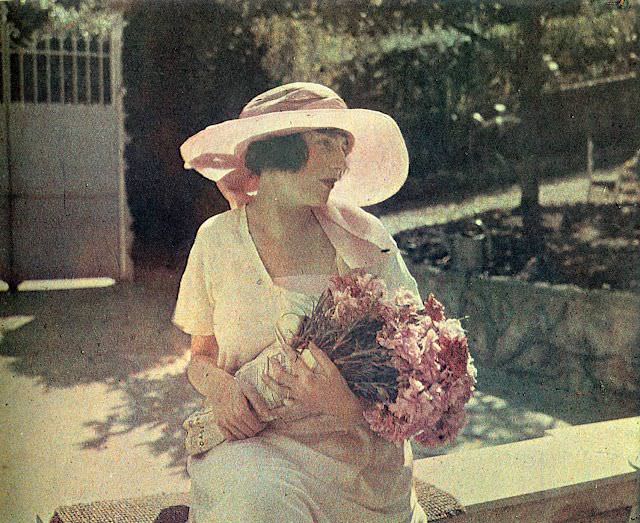
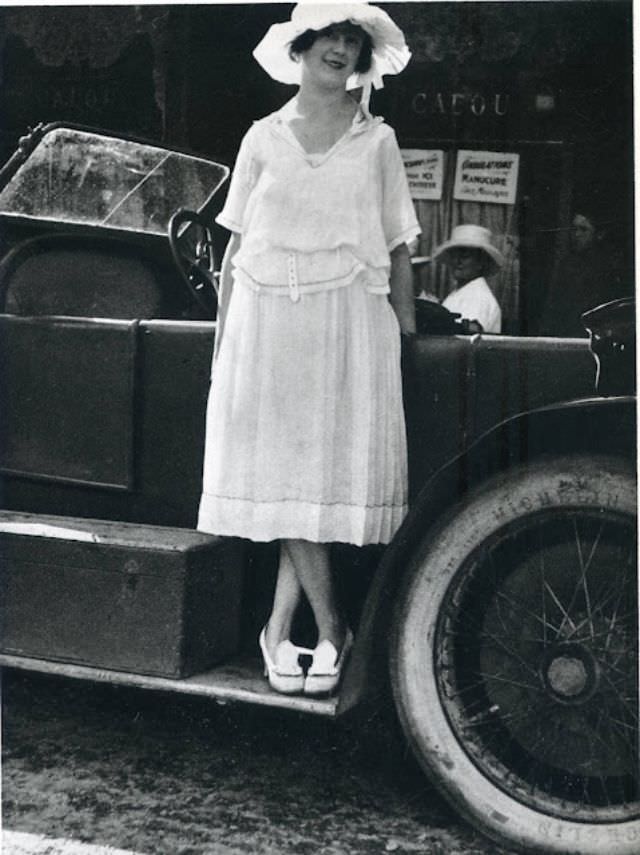
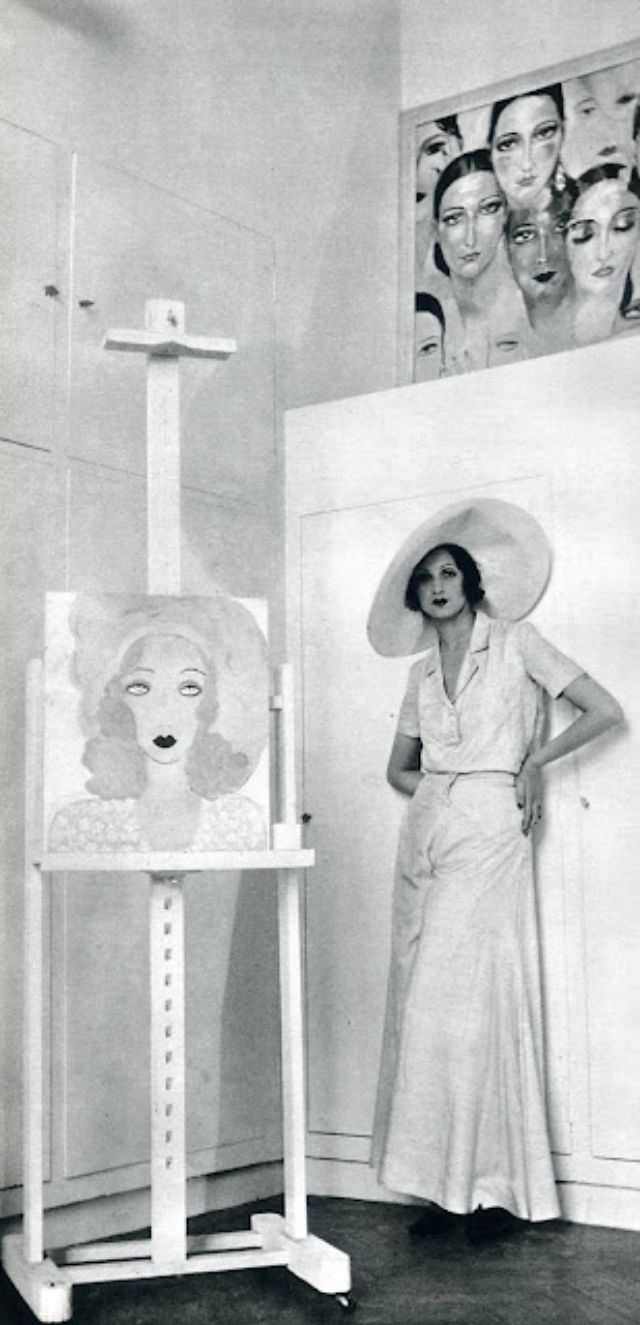
The women he photographed were not passive. They posed with clear awareness and self-assurance, actively shaping how they appeared in the frame. Lartigue recognized this and worked with it rather than against it.
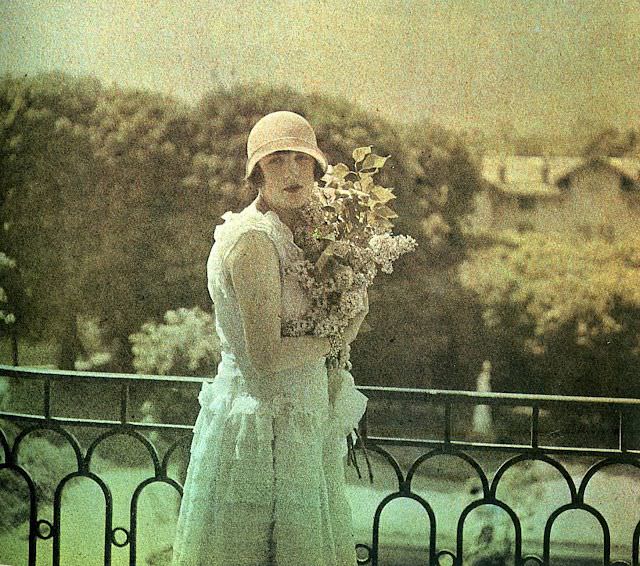
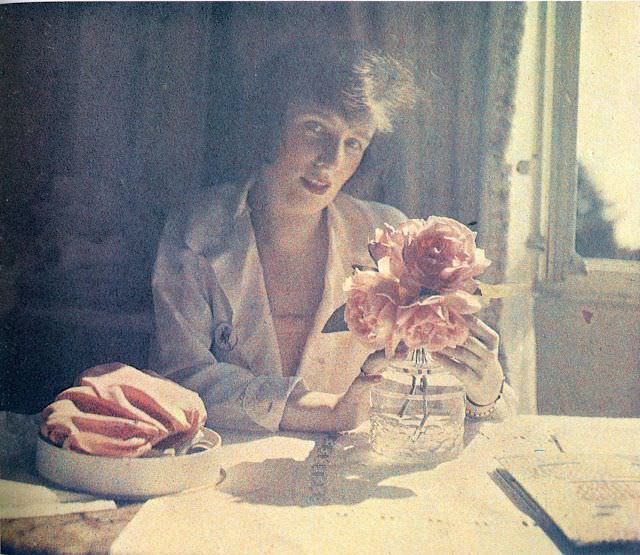
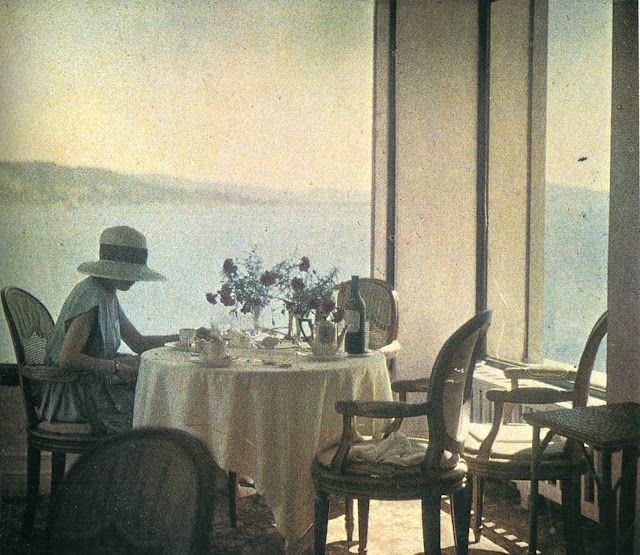
His portraits document early 20th-century Parisian life with precision. The clothing, the settings, and the body language all reflect a specific time and place that no written record alone could capture.