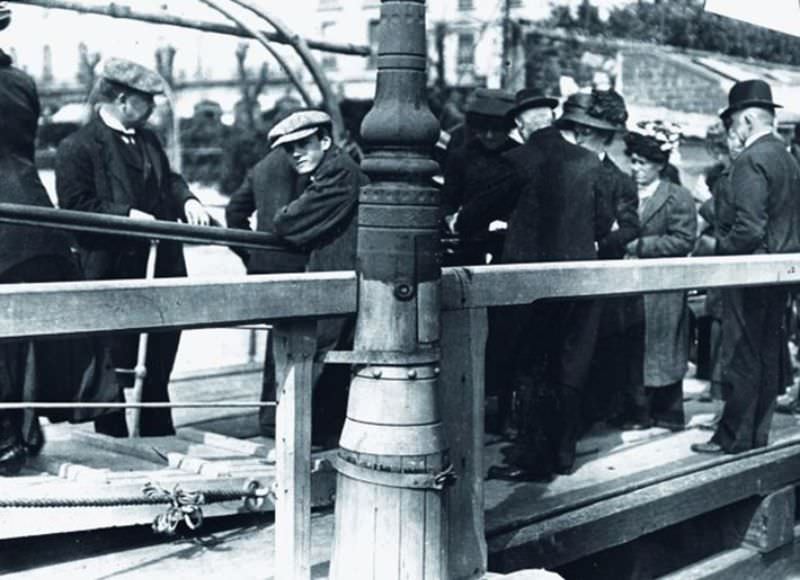
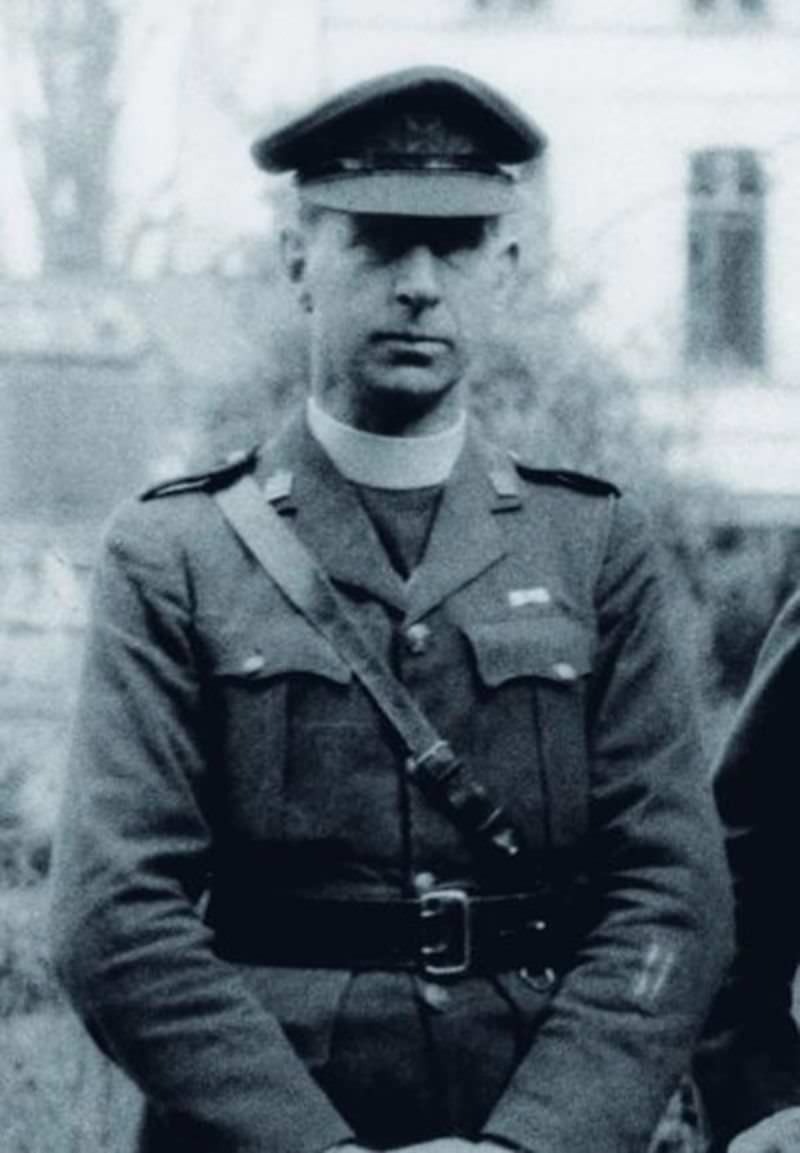
In April 1912, a Jesuit priest named Father Frank Browne boarded the Titanic with a camera and a first-class ticket — a gift from his uncle. His ticket covered only the first leg of the maiden voyage, from Southampton, England, to Queenstown, now known as Cobh, in Ireland. When the ship docked there, Browne stepped off. Days later, the Titanic struck an iceberg in the North Atlantic and sank, killing more than 1,500 people. Browne survived simply because his journey ended early.
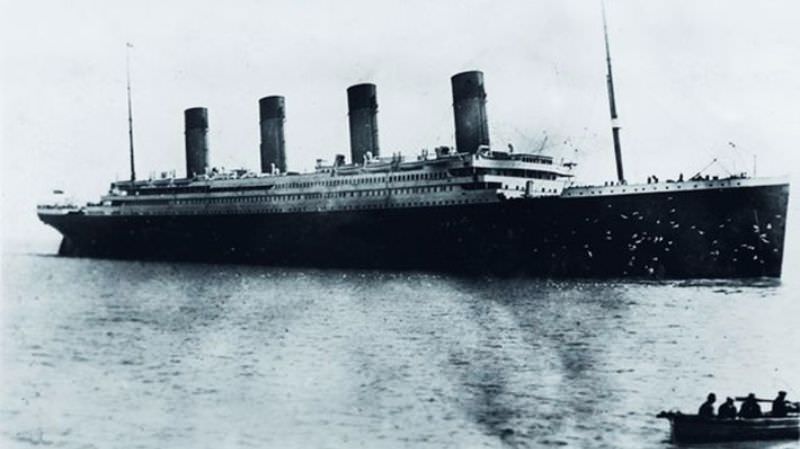
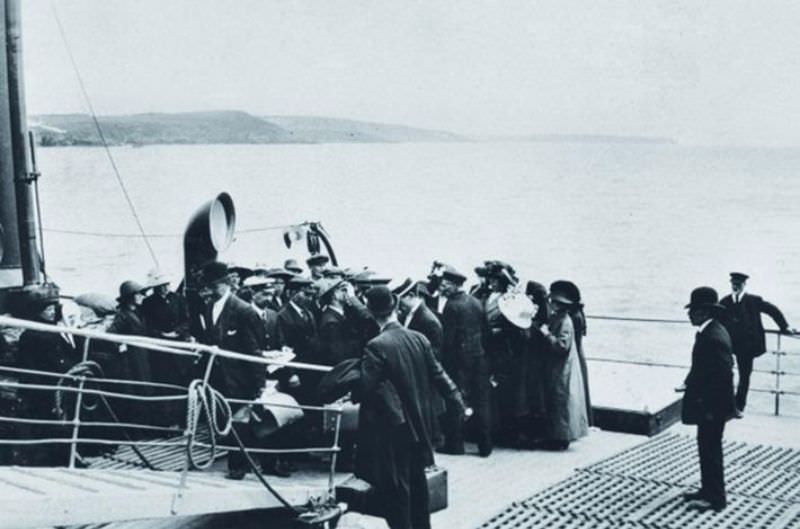
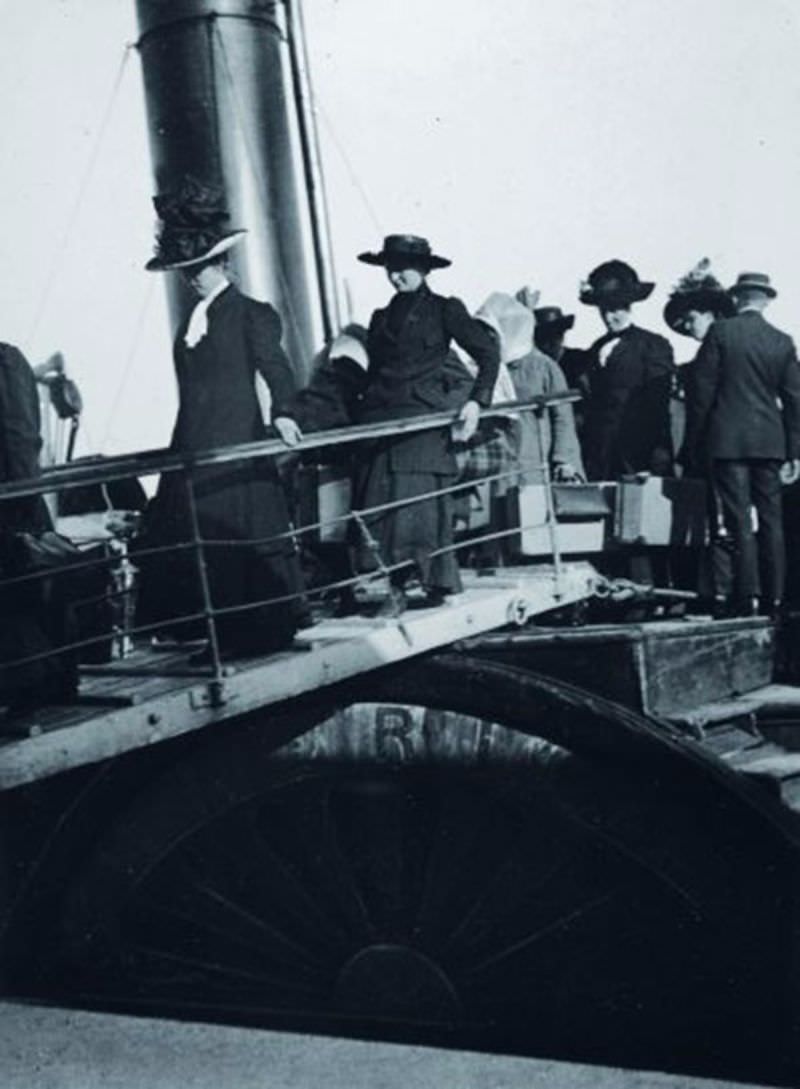
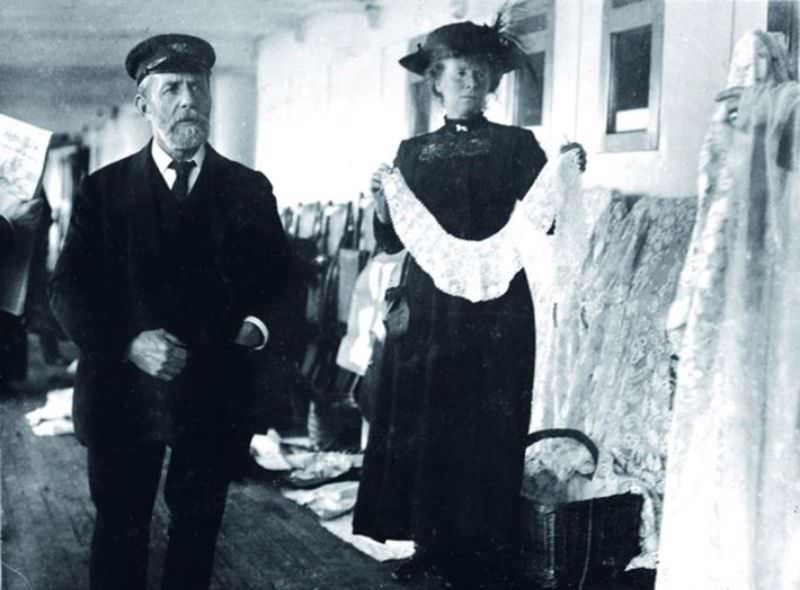
During those few days aboard, Browne photographed nearly everything around him. He documented crew members, fellow passengers, and the ship’s interior spaces with a keen eye. His images from the deck and common areas show the Titanic as a living, working vessel — not just a symbol of tragedy.
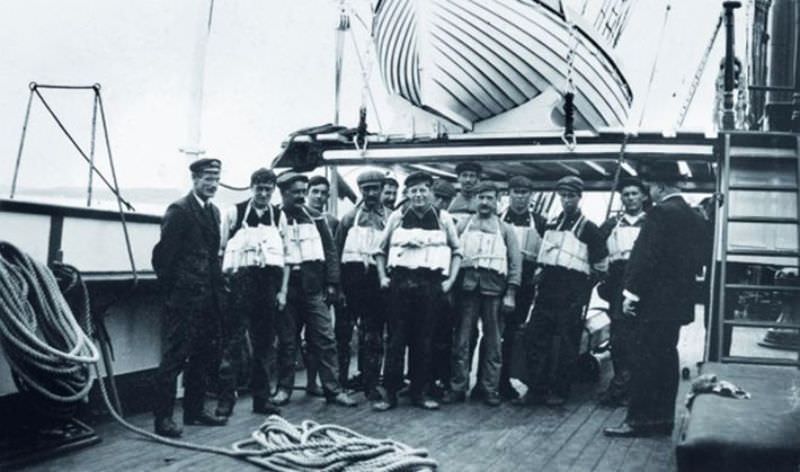
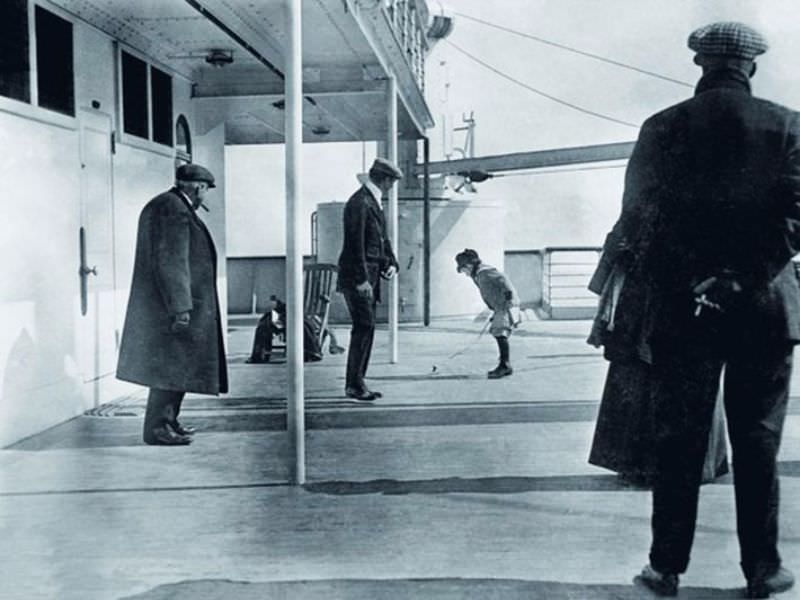
Browne’s lens captured moments that ranged from the routine to the remarkable. A U.S. doctor conducted eye inspections on passengers, a common health check of the era. Vendors came aboard at Queenstown to sell local goods. These details paint a full picture of life on the ship in its final hours before leaving Irish waters.
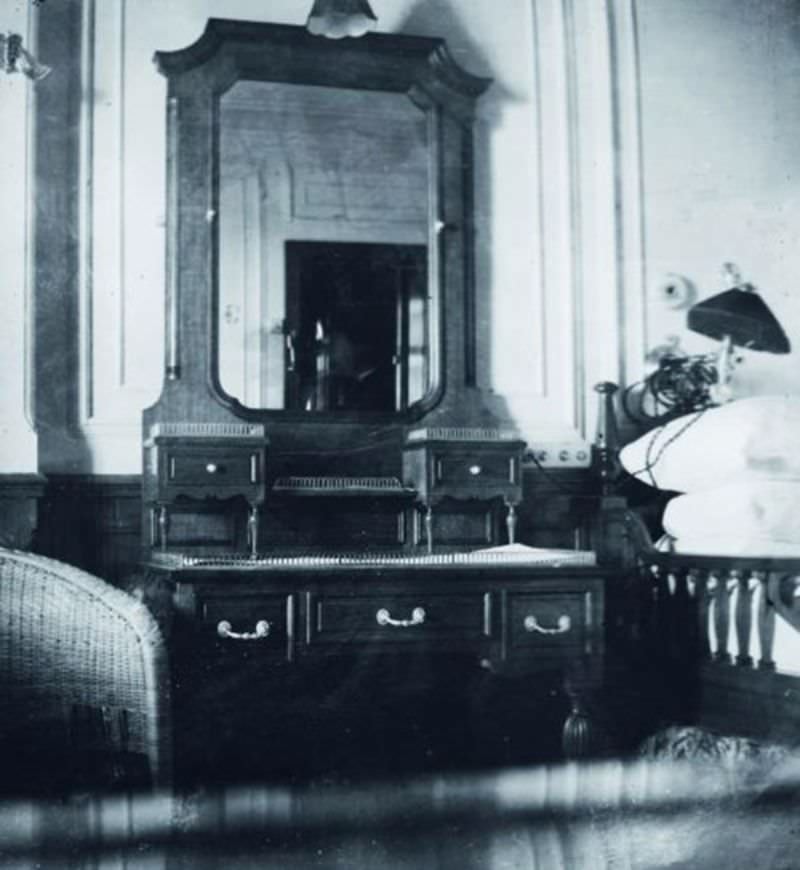
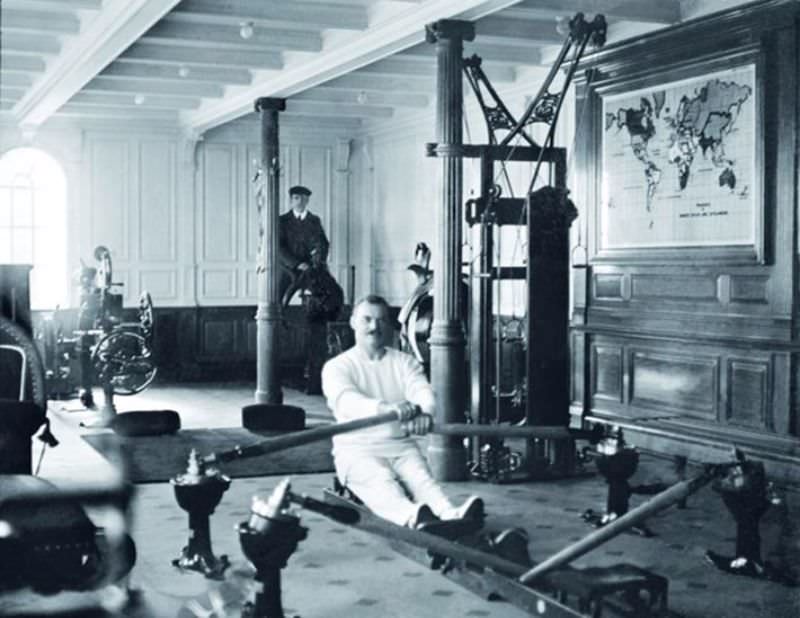
Browne’s first-class access gave him a rare look at the ship’s most lavish spaces. His cabin suite featured furnishings that rivaled any fine hotel. The onboard gymnasium was fully equipped for passenger use — a luxury by any standard of the time.
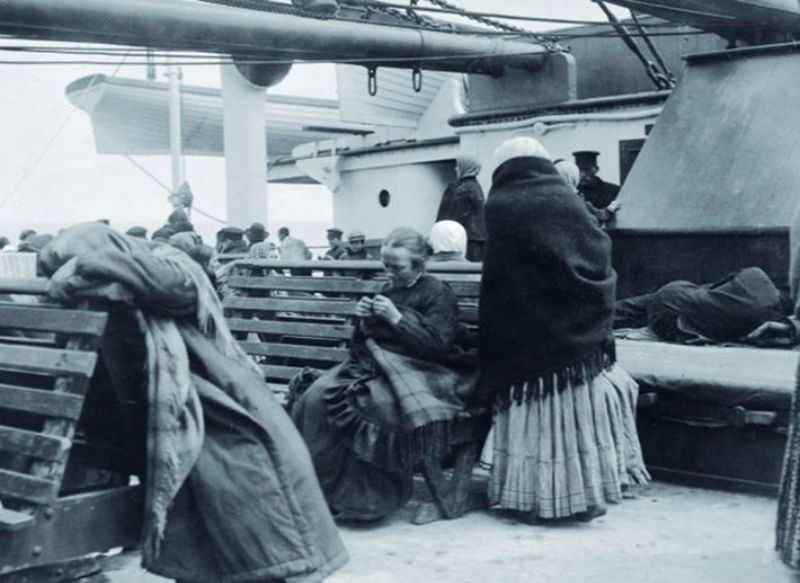
He also turned his camera toward steerage passengers settling on deck and the everyday activity that filled the ship’s lower decks. These photographs are among the only visual records of third-class life aboard the Titanic.
After Browne died in 1960, a trunk holding 42,000 photographic negatives was found at the Jesuit house where he had lived. His Titanic images had gone unseen for over 25 years. He had never printed them. The negatives sat undisturbed until their discovery brought one of history’s most important photographic records back into the light.