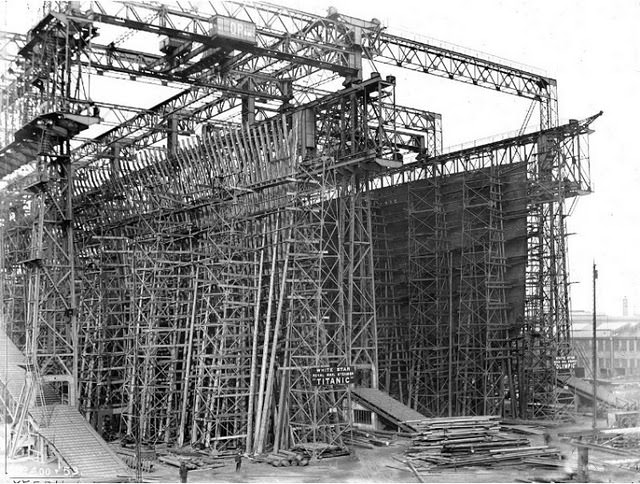
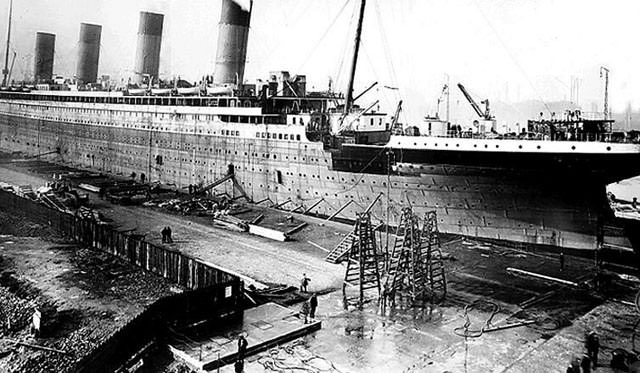
In 1909, workers at the Harland and Wolff shipyard in Belfast, Ireland, began building what would become the most famous ship in history. The RMS Titanic was designed to be the largest and most luxurious passenger liner ever put to sea. Naval architect Thomas Andrews led the design, and every detail was planned to signal power, comfort, and modern engineering. The goal was simple but bold: build a ship so advanced that nothing could sink her.
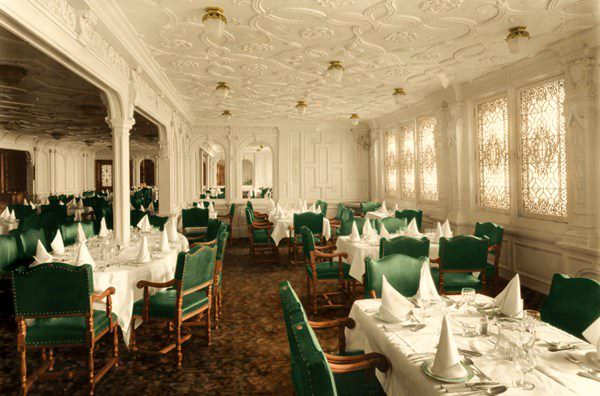
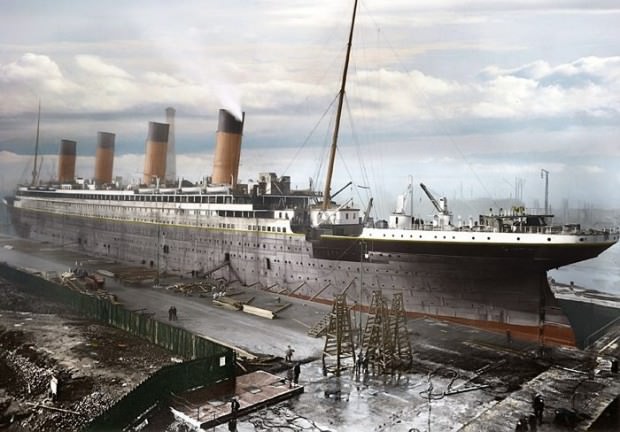
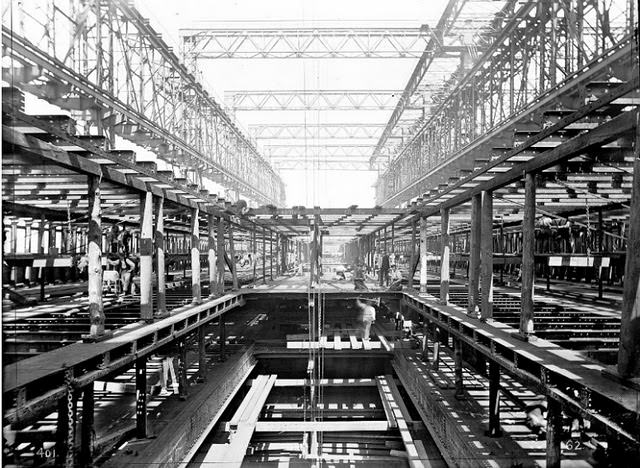
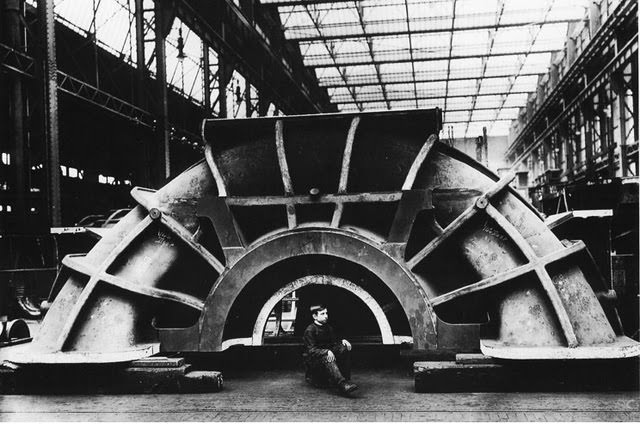
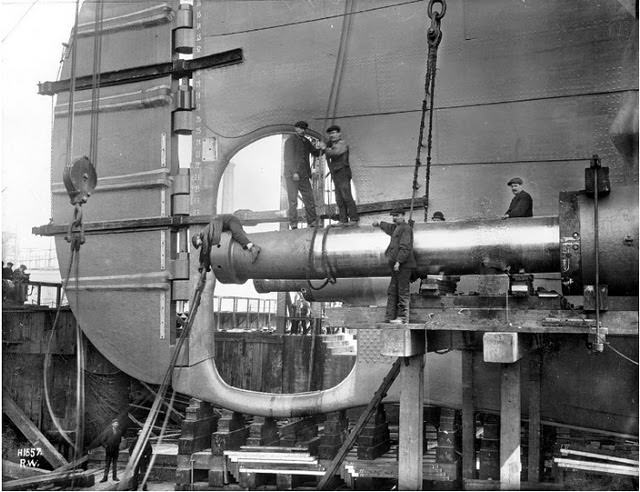
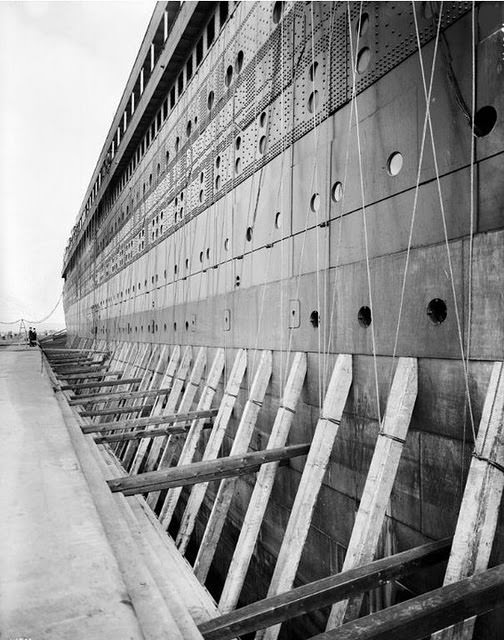
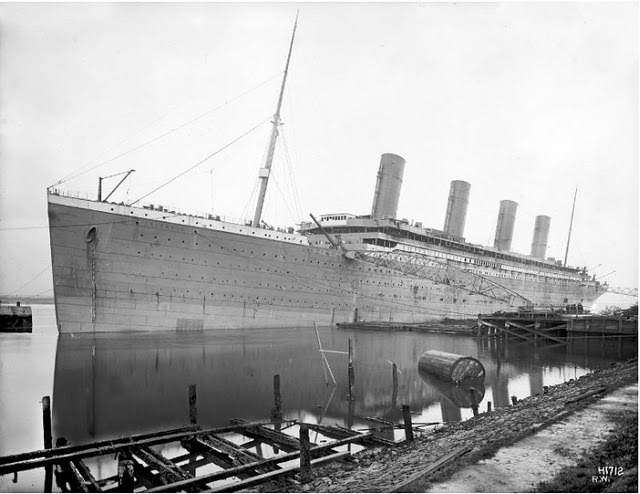
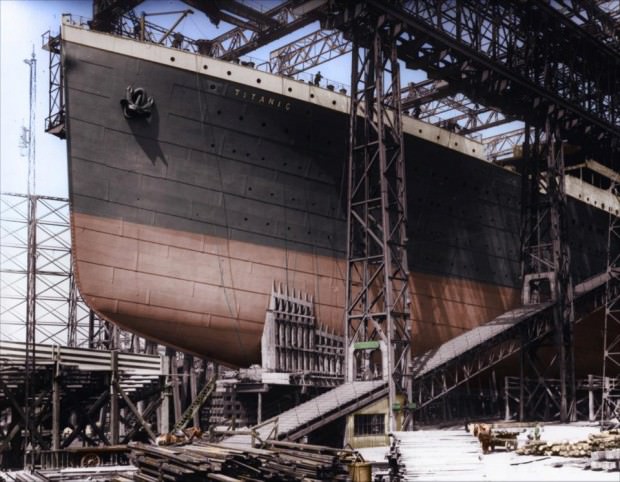
The Titanic’s hull was built using a method called riveting. Workers fastened large steel plates together by driving iron rivets through them. Thousands of workers hammered those rivets by hand or with machines, joining plate after plate until the enormous hull took shape. The decks and upper structure were framed with wood, and the passenger areas were finished with ornate wood paneling and high-end furnishings that matched the grandest hotels of the era.
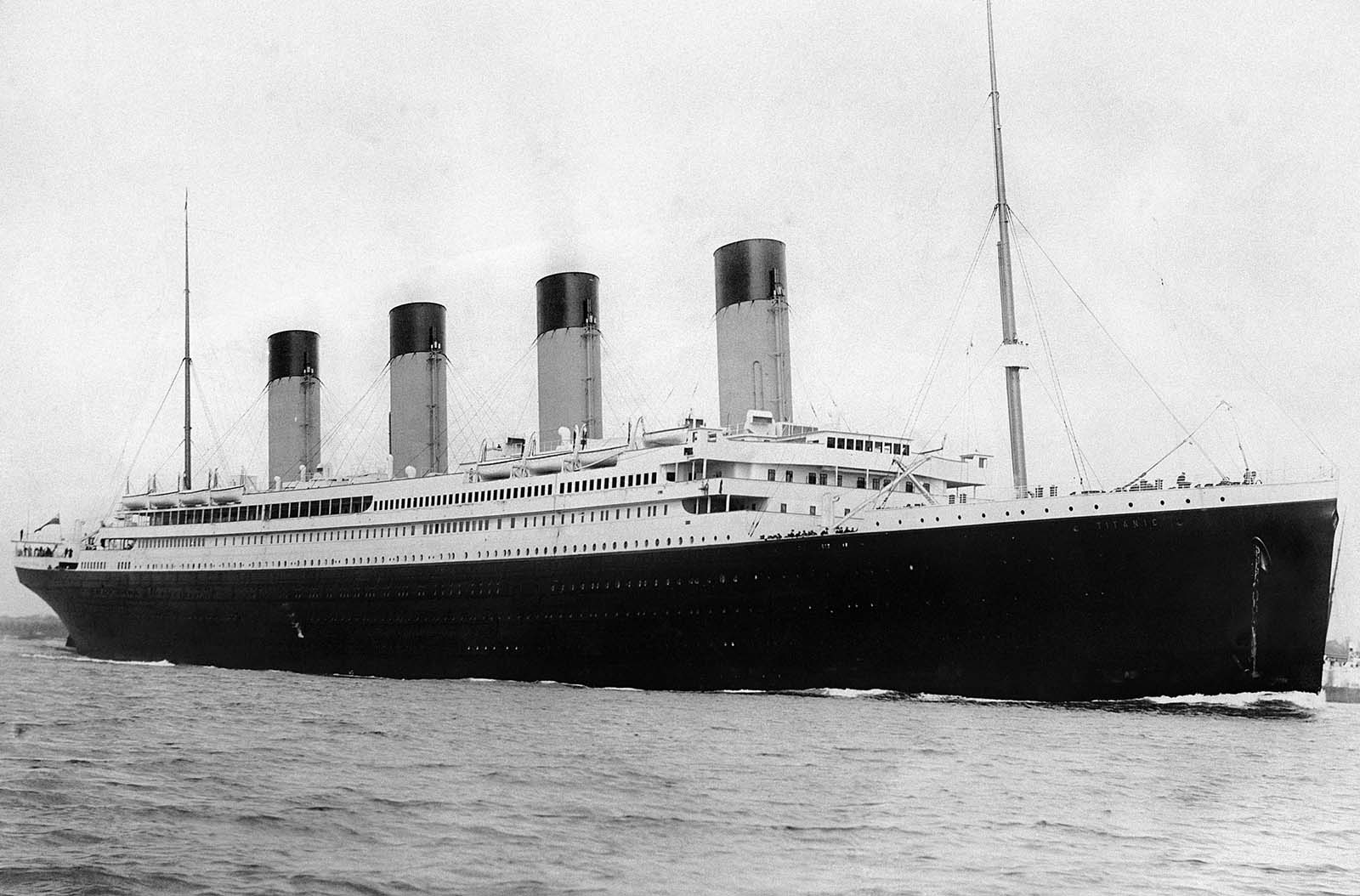
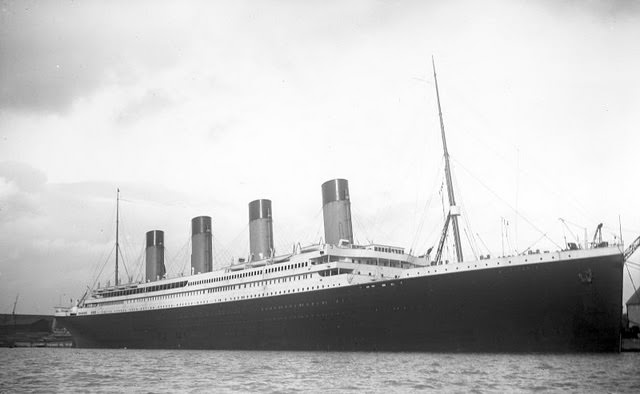
The ship stretched 882 feet long and weighed over 46,000 tons. To manage her sheer size, Andrews divided the hull into 16 watertight compartments separated by walls called bulkheads. These bulkheads could be sealed shut during an emergency by closing heavy watertight doors. The design team believed the ship could stay afloat even if several compartments flooded at once. This thinking gave birth to the claim that the Titanic was unsinkable — a label that would later prove devastatingly wrong.
The flaw in the design was the height of those bulkheads. They did not extend all the way to the upper decks. If enough compartments flooded, water would simply spill over the top of each bulkhead and pour into the next one. When the Titanic struck the iceberg on April 14, 1912, that is exactly what happened. But in 1909, that vulnerability was not seen as a problem. The ship was celebrated as an engineering triumph before a single passenger ever stepped aboard.
The Titanic had several decks, each serving a different purpose. The Boat Deck sat at the very top and held the lifeboats. Below it was the Promenade Deck, where first-class passengers could walk along open-air corridors. The Bridge Deck housed the captain’s bridge, the wheelhouse, and the quarters for senior officers. Further down were the working decks — spaces for cargo storage, machinery, and the third-class passenger areas.
First-class accommodations on the Titanic were unlike anything seen on a ship before. Wealthy passengers booked private suites with sitting rooms, private promenades, and servants’ quarters attached. The ship offered a swimming pool, a fully equipped gymnasium, and a Turkish bath — features that were rare even in luxury hotels at the time. Multiple restaurants and cafes served fine food at all hours.
Second-class passengers had comfortable private cabins and access to shared lounges and dining rooms. The quality of their accommodations actually matched or exceeded first-class standards on many other ships of the time. Third-class passengers, known as steerage, lived in dormitory-style rooms in the lower decks. Their spaces were simpler, but the Titanic still offered them more room and better facilities than most ships provided at that price.
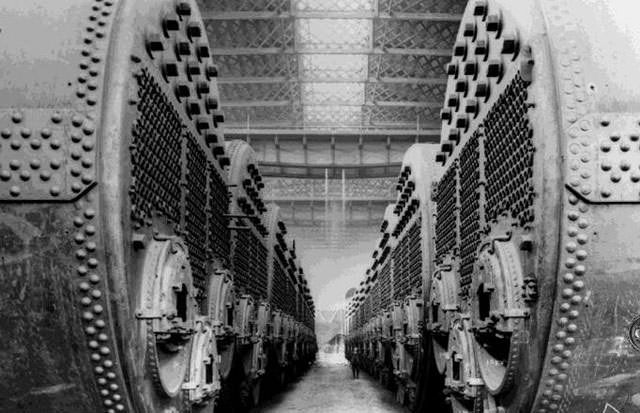
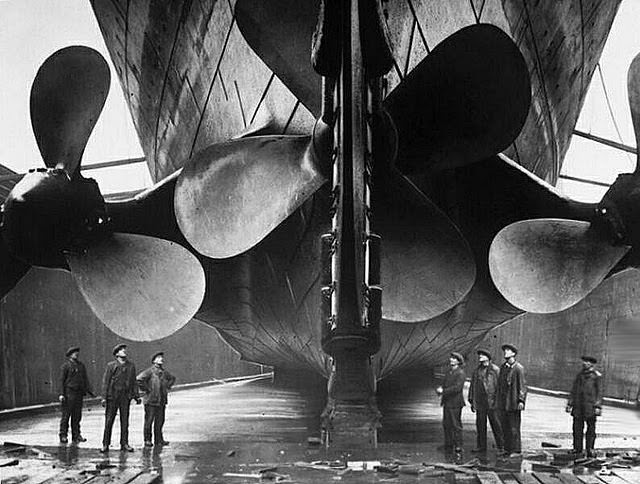
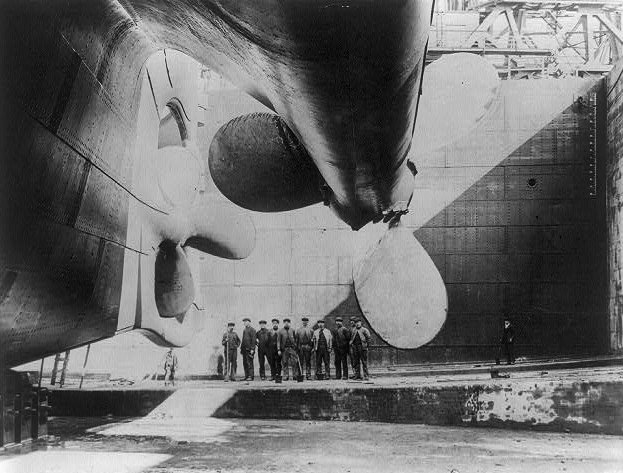
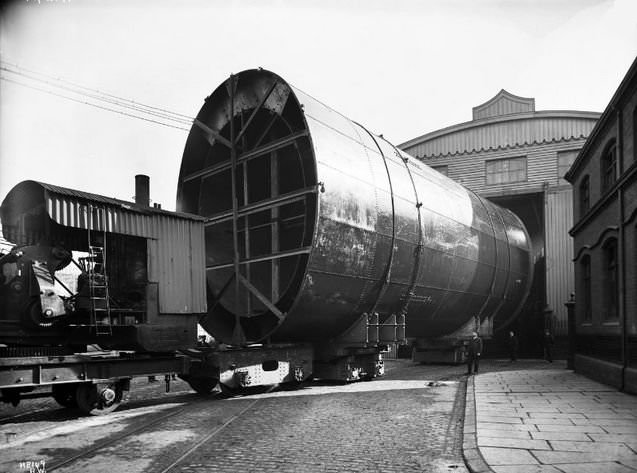
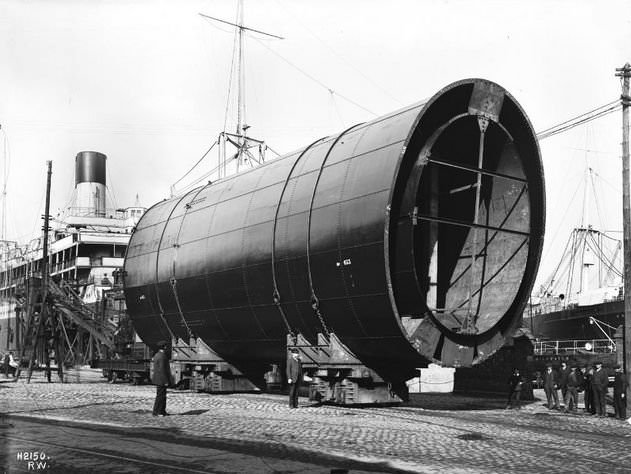
Powering this massive ship required an extraordinary amount of energy. The Titanic was fitted with 29 coal-fired boilers. Teams of workers called firemen and trimmers worked around the clock in the boiler rooms, shoveling coal into the furnaces and keeping steam pressure at the right level. The heat those boilers produced was fed into triple-expansion steam engines — a technology widely used in ships of that era because of its efficiency.
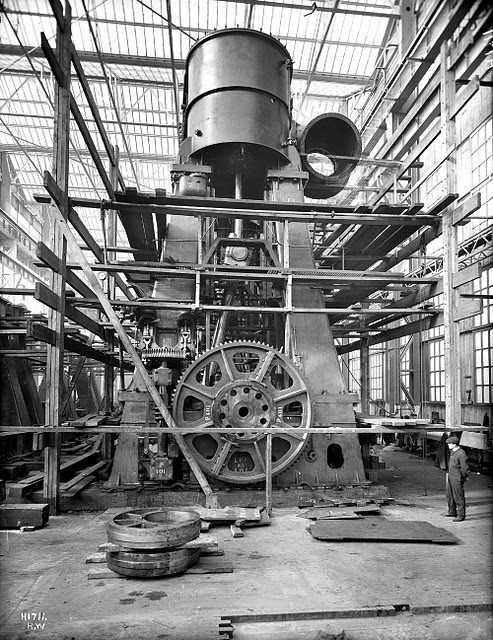
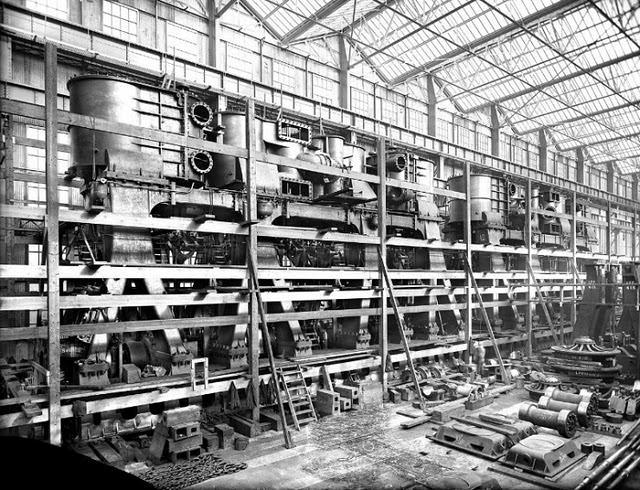
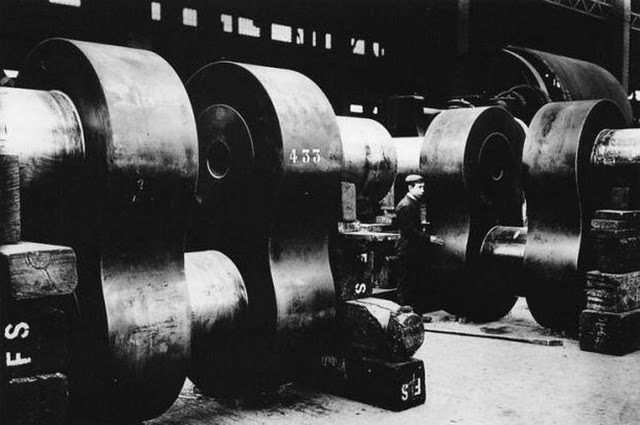
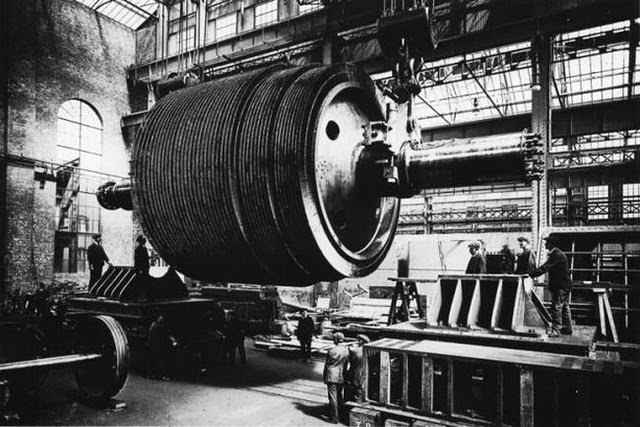
Triple-expansion engines work by passing steam through three cylinders of increasing size. The steam pushes a piston in the first cylinder, then moves to the second cylinder where it expands and pushes again, and then does the same in a third, larger cylinder. Each stage pulls more energy out of the steam before it is finally released. This process allowed the Titanic’s engines to generate a combined 46,000 horsepower — enough to push the ship to a top speed of around 23 knots.
The engine room sat at the rear of the ship and was staffed by a team of engineers headed by a chief engineer. These men monitored every gauge and valve, keeping the mechanical systems running smoothly. Above them, on the bridge, a separate team of officers handled navigation. The captain had final authority over the ship’s course, speed, and safety decisions.
The Titanic also carried a full crew of stewards, cooks, waitstaff, and other personnel whose job was to keep 2,223 passengers comfortable. In total, the ship employed around 860 crew members. That workforce was split between those who kept the ship moving and those who kept the passengers fed, clean, and entertained. Running the Titanic was, in many ways, like running a small city at sea.
One safety feature that received significant attention was the system of watertight doors. These heavy doors could be triggered remotely from the bridge to seal off flooded compartments. The idea was that an officer could close all the doors in seconds without needing crew members to run through the ship manually. During the sinking, these doors were engaged, but the water flooding in overwhelmed the compartments faster than the system could contain it.
The Titanic carried 20 lifeboats on her Boat Deck. Those boats had a combined capacity of around 1,178 people. The ship was carrying 2,223 passengers and crew when she departed Southampton, England, on April 10, 1912, bound for New York City. Even if every lifeboat had been filled to capacity, more than 1,000 people would have been left without one. The regulations of the time did not require ships to carry enough lifeboats for everyone on board.
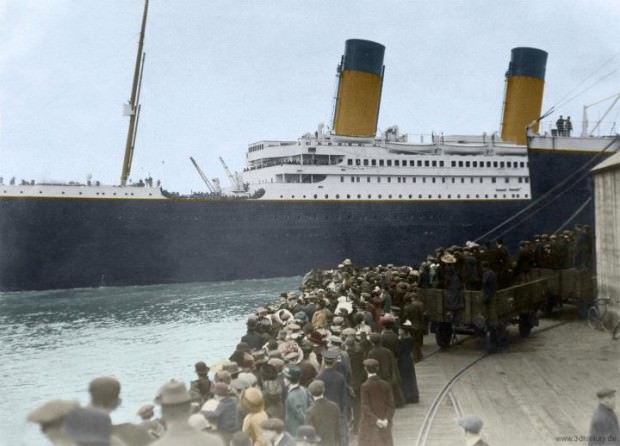
The maiden voyage began with enormous fanfare. Crowds gathered to watch the Titanic leave Southampton. Passengers included some of the wealthiest people in the world alongside hundreds of emigrants traveling in third class, hoping for a new life in America. The ship stopped briefly in Cherbourg, France, and Queenstown, Ireland, before heading out into the open North Atlantic.
On the night of April 14, 1912, the Titanic was moving at high speed through waters where other ships had reported ice. At 11:40 p.m., the lookouts spotted an iceberg directly ahead. The officers on the bridge ordered the engines reversed and the ship turned, but there was not enough time. The iceberg scraped along the starboard side of the hull, buckling and piercing the steel plates across five of the watertight compartments.
Water poured into those five compartments immediately. Thomas Andrews, the ship’s designer, inspected the damage himself and quickly calculated that the Titanic had, at most, two hours before she went under. The bulkheads could not hold the flooding back because they did not rise high enough. As the bow sank lower, water crept over each bulkhead wall and filled the next compartment.
The crew launched distress signals and began loading passengers into lifeboats. Many of those lifeboats left the ship less than half full. Crew members were not properly trained in emergency evacuation, and there was confusion and panic on several decks. Some passengers refused to board because the ship still felt stable at first. By the time the reality of the situation was clear, there were not enough seats left for everyone still on board.
At 2:20 a.m. on April 15, 1912, the Titanic broke apart and sank. More than 1,500 people died in the freezing North Atlantic water. The RMS Carpathia arrived about two hours later and rescued around 710 survivors from the lifeboats. It was one of the deadliest peacetime maritime disasters in recorded history.
The disaster exposed serious gaps in maritime safety rules. Ships were required to carry enough lifeboats for all passengers and crew. Emergency drills and crew training became mandatory. Ice patrol and communication standards were also overhauled. The changes that came directly out of the Titanic disaster reshaped the rules governing ocean travel worldwide.
The wreck of the Titanic sat undiscovered on the ocean floor for over seven decades. In 1985, oceanographer Robert Ballard led a joint American-French expedition that located the wreck about 370 miles south of Newfoundland, Canada. The ship rested in two main pieces roughly 12,500 feet below the surface. Photographs and footage from the wreck revealed the scale of the damage and showed many of the ship’s original features still largely intact.
Thousands of artifacts have been recovered from the debris field surrounding the wreck, including personal items, ship fittings, dishes, and pieces of the hull. These objects have been studied by historians and engineers, and they have answered many questions about the quality of materials used in construction and the sequence of events during the sinking.
The story of the Titanic captured public attention in 1912 and has never let go. Newspapers around the world ran front-page coverage for weeks. Survivor accounts were collected, government inquiries were held in both the United States and Britain, and the names of the lost were published in full. The human details of that night — who survived, who did not, and why — became the subject of debate almost immediately.
Documentaries, books, and films have revisited the story repeatedly across more than a century. The 1997 film Titanic, directed by James Cameron, won the Academy Award for Best Picture and introduced the story to a new generation. Its production used actual footage from the wreck alongside a fictional narrative to recreate the ship and the night of the sinking with a level of detail that had not been attempted before.
What made the Titanic’s story so powerful from the very beginning was the gap between what the ship represented and what actually happened. She was built with the most advanced tools and techniques available in 1909. She was staffed by experienced officers and engineers. She carried the wealthy and influential alongside ordinary people seeking better lives. And she sank on her very first voyage.
The engineering choices made at Harland and Wolff in Belfast — the height of the bulkheads, the number of lifeboats, the riveting materials, the speed the ship was traveling — all played a direct role in the outcome. Each decision was made by real people working within the standards and expectations of their time. The Titanic’s construction was genuinely remarkable for 1909. The disaster was the result of specific failures, not inevitable fate.
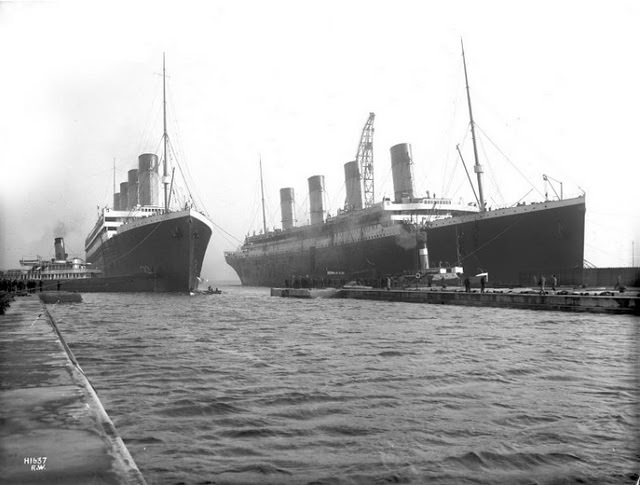
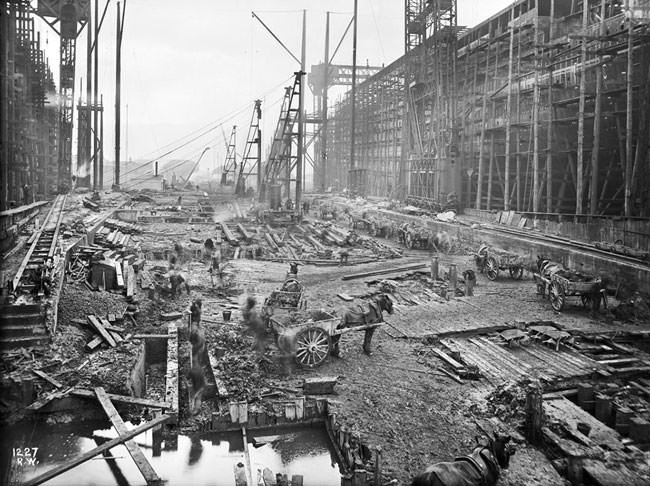
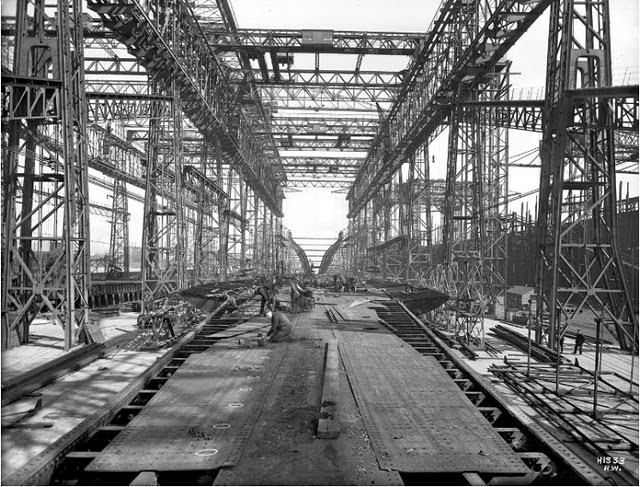
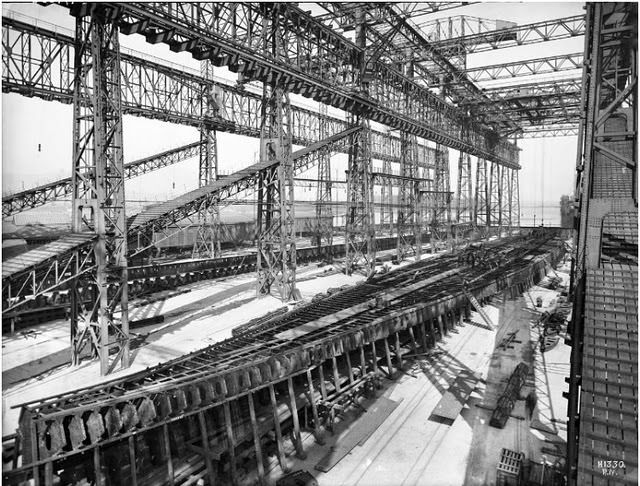
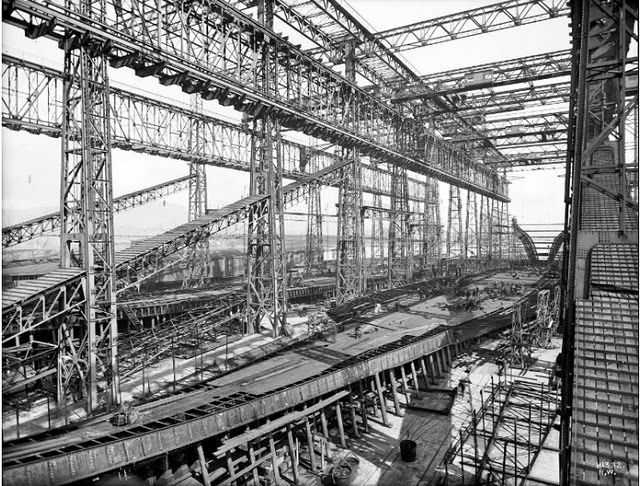
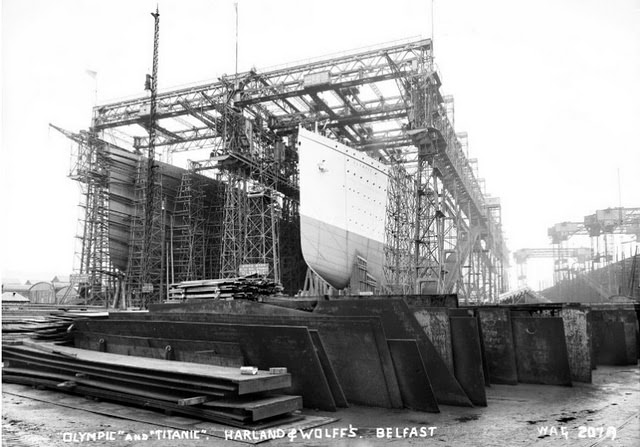
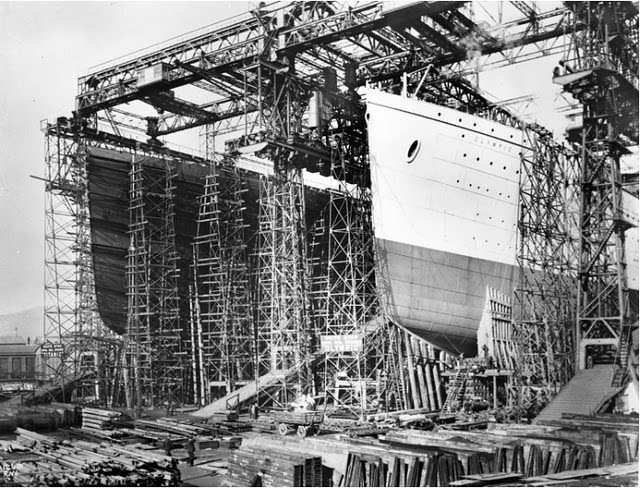
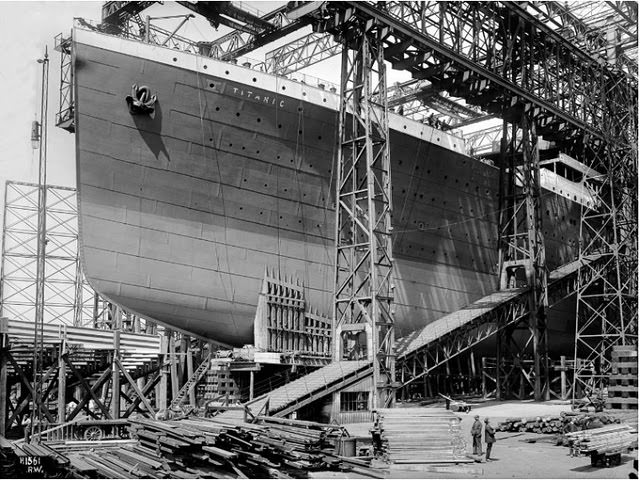
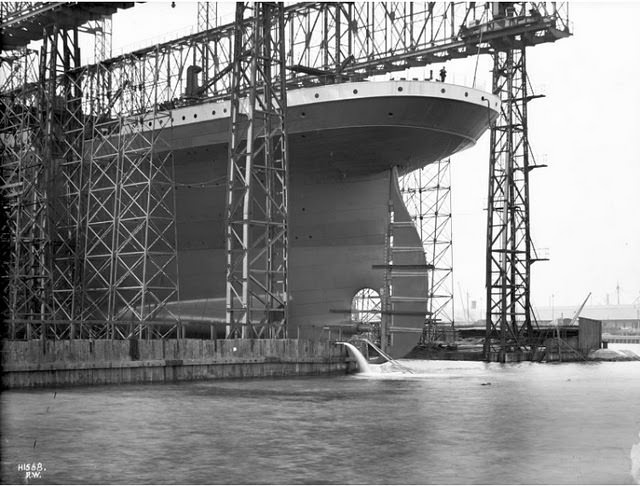
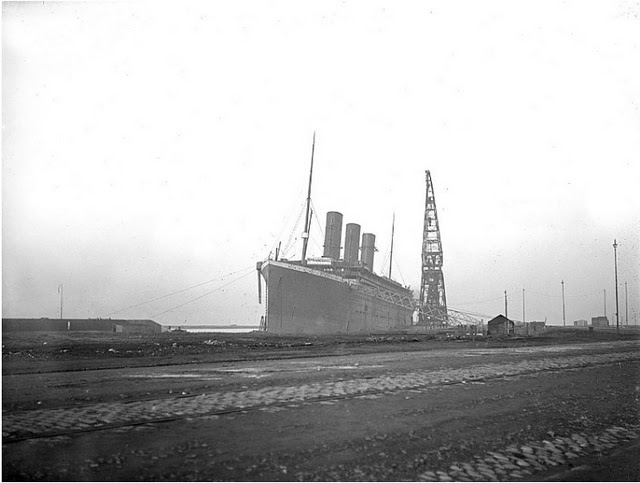
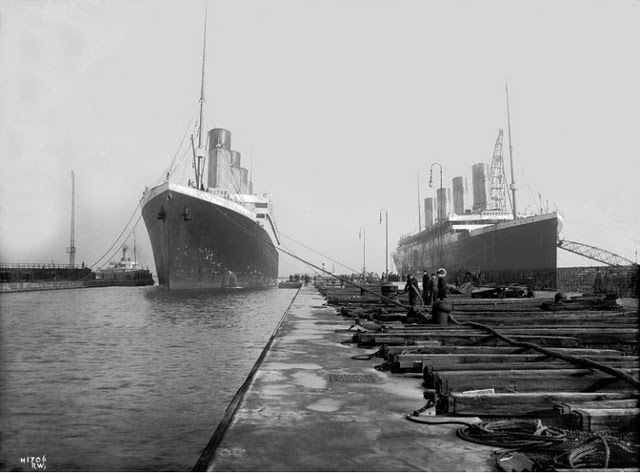
The scale of the Harland and Wolff shipyard during construction gives some sense of what the project required. At its peak, around 15,000 workers were employed there. The Titanic and her nearly identical sister ship, the Olympic, were built side by side. Massive gantry cranes were constructed specifically to handle the two hulls. The sheer weight of the project reshaped the Belfast waterfront.
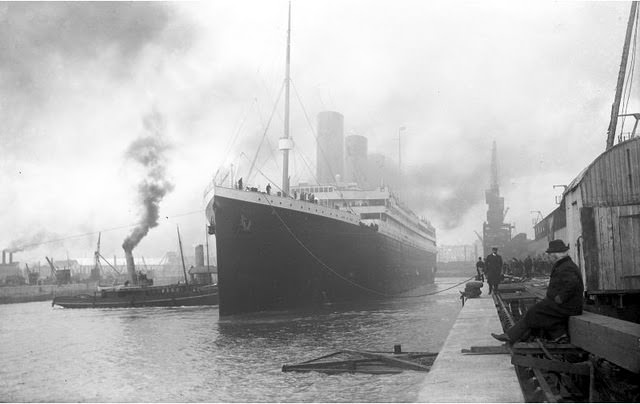
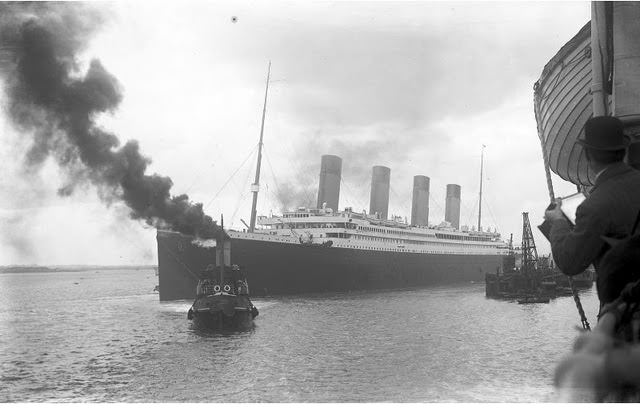
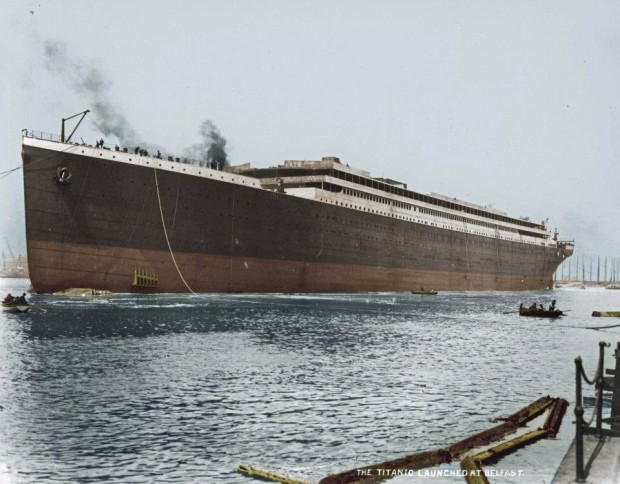
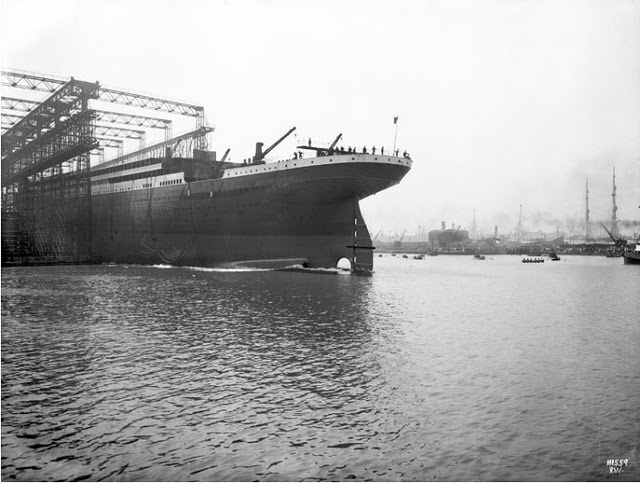
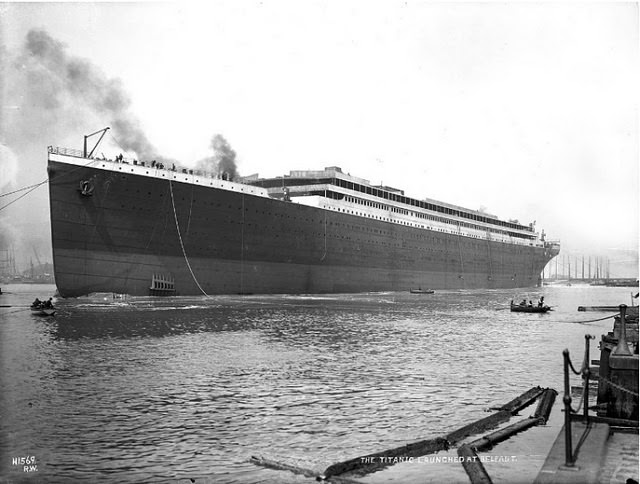
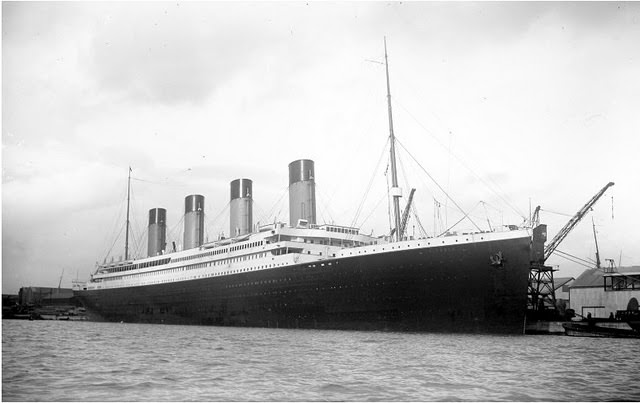
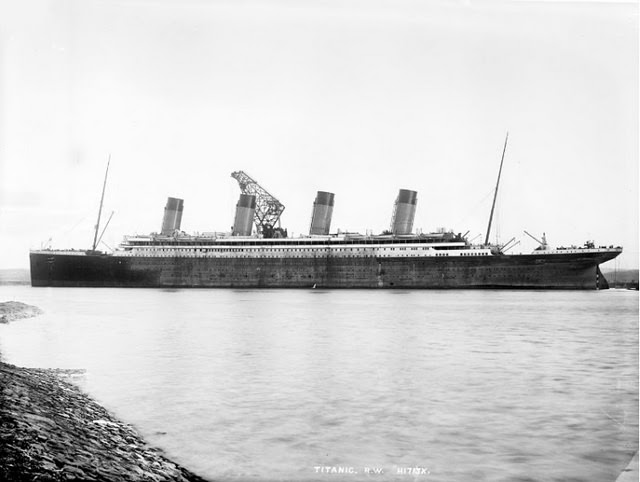
On May 31, 1911, the Titanic’s hull was launched into the River Lagan in Belfast. Over 100,000 people watched the event. The launch took just 62 seconds. The hull was then towed to a fitting-out dock where her engines, decks, interiors, and equipment were installed over the following ten months. She was officially handed over to the White Star Line on April 2, 1912 — just eight days before her maiden voyage began.
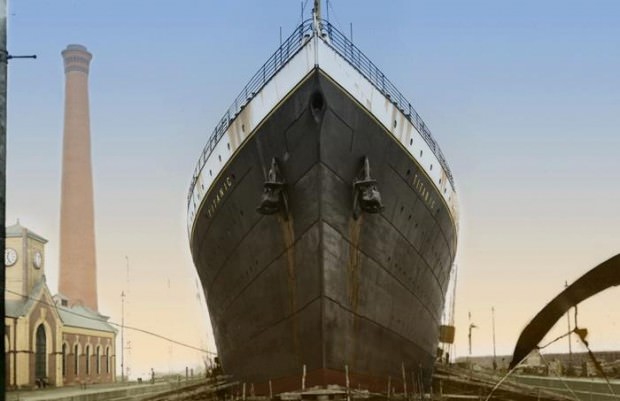
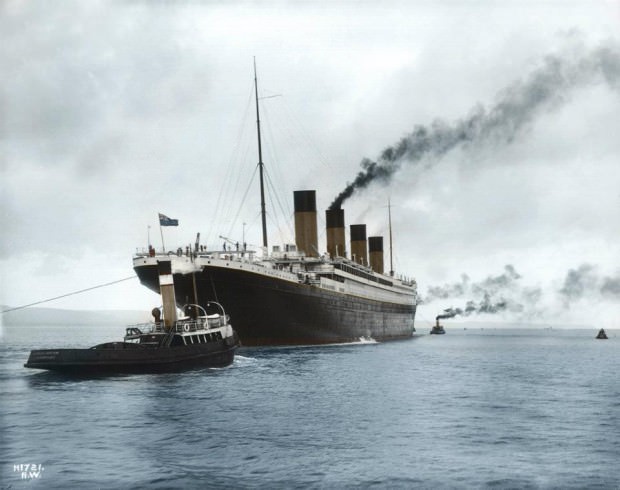
Sea trials took place on April 2, 1912, in Belfast Lough. The ship was put through a series of tests, including speed runs, turning maneuvers, and emergency stop drills. She passed. The White Star Line accepted delivery that same day, and the Titanic began her short journey to Southampton to prepare for the maiden voyage.
From the moment the keel was laid in 1909 to the moment she slipped beneath the Atlantic on April 15, 1912, the Titanic’s entire life spanned less than three years. Of that time, she spent only about ten months in active service as a completed ship. Her maiden voyage lasted four days. Yet the events of those four days — and the engineering decisions made across the three years before them — have remained the subject of serious study, public fascination, and ongoing debate for more than a century.