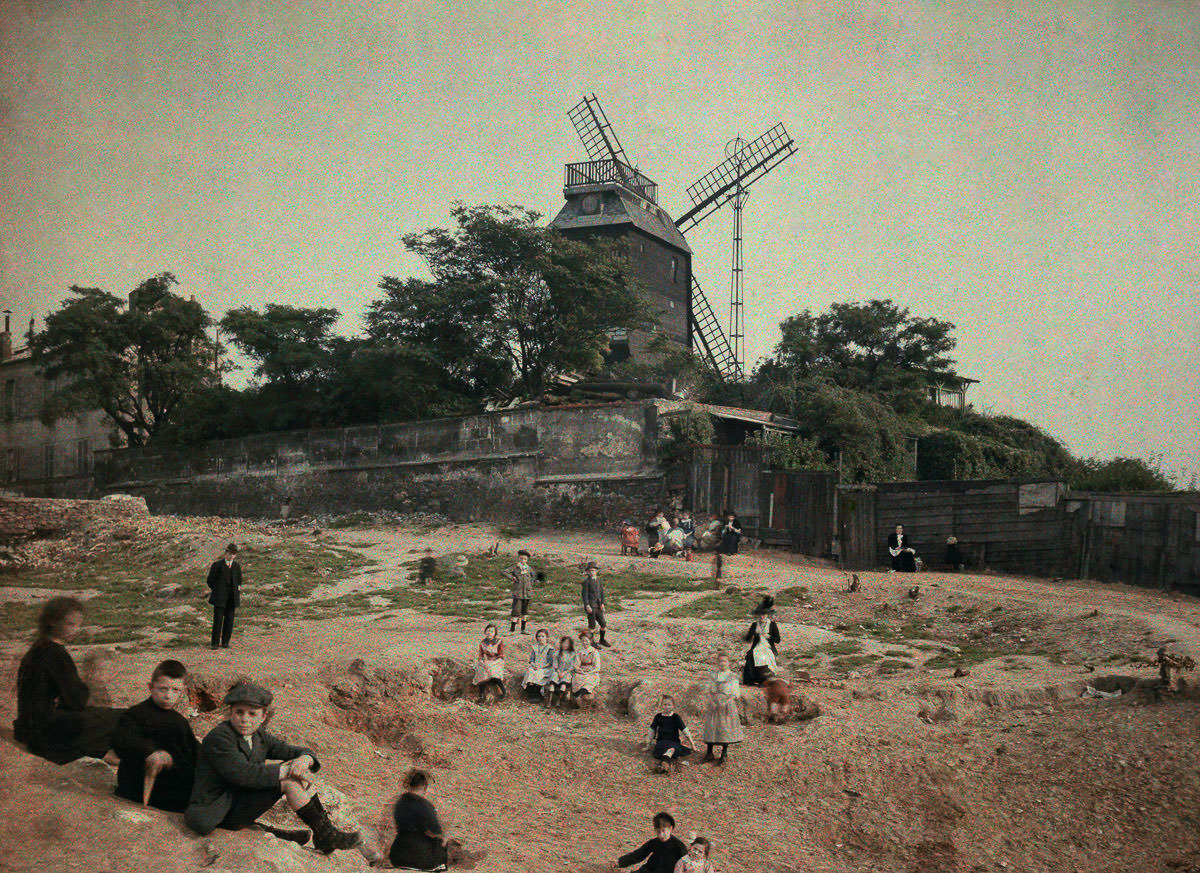
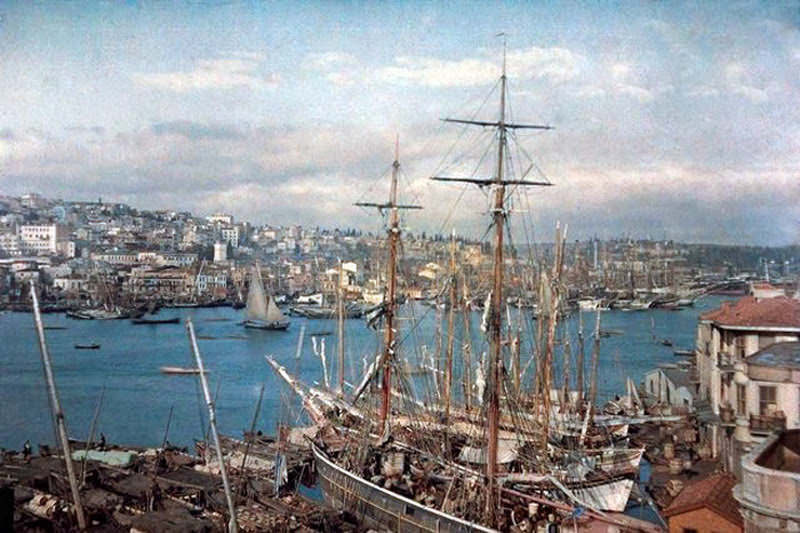
Before 1907, the world existed in photographs as shades of gray. Color photography was theoretical — complicated, expensive, and out of reach for most. That changed when French brothers Auguste and Louis Lumière, already famous for inventing motion pictures, introduced the Autochrome Lumière plate to the public. It was the first commercially successful method for producing true color photographs from a single glass plate.
Among the first colored pictures ever taken by Louis Lumière, 1907
The technology behind it was surprisingly simple. Each glass plate was coated with millions of microscopic potato starch grains, dyed in three colors — red-orange, green, and blue-violet — and scattered randomly across the surface. Carbon black powder filled the gaps between the grains. This colored layer acted as a filter. Over it, a layer of black-and-white photographic emulsion was applied. When exposed and developed, the black-and-white image was reversed into a positive, and the result was a transparent plate that showed full color when held to the light.
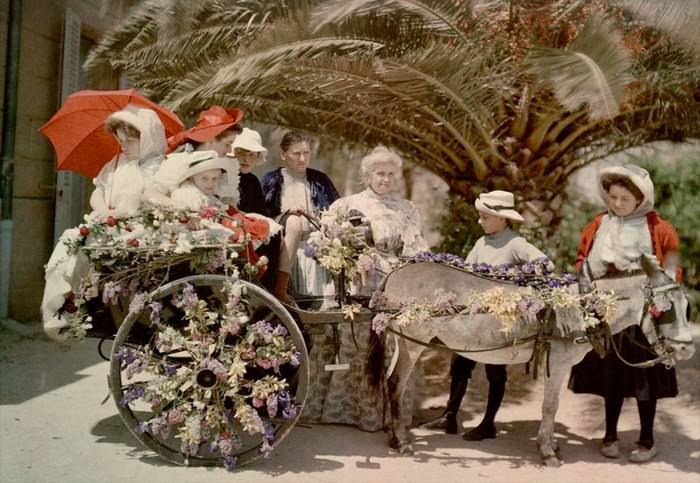
Suzanne and Andre, the daughters of Louis and Auguste Lumiere, 1909.Signor Antonio Lumiere with grandchildren, 1909.
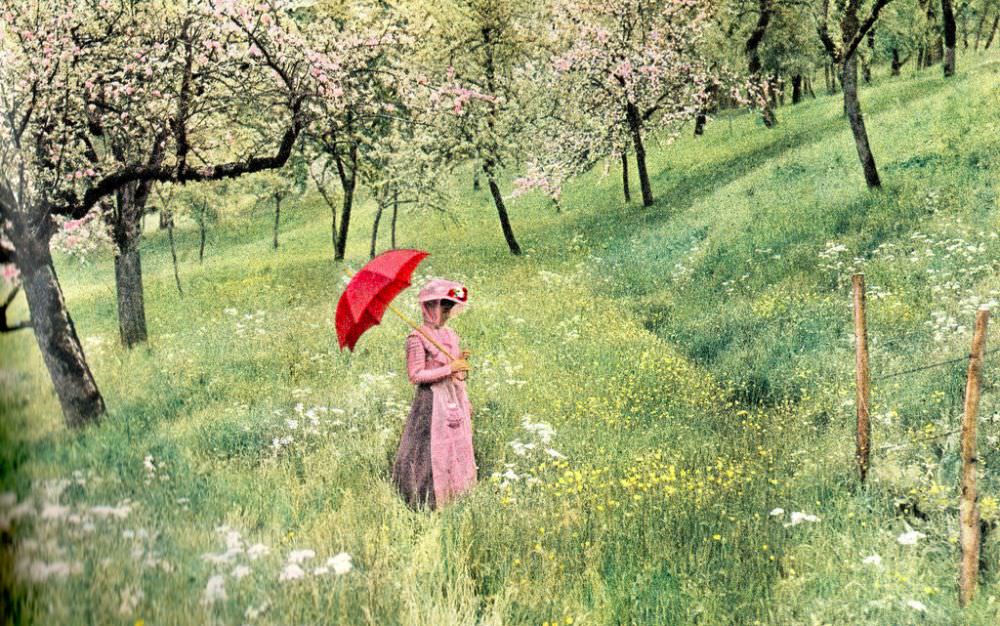
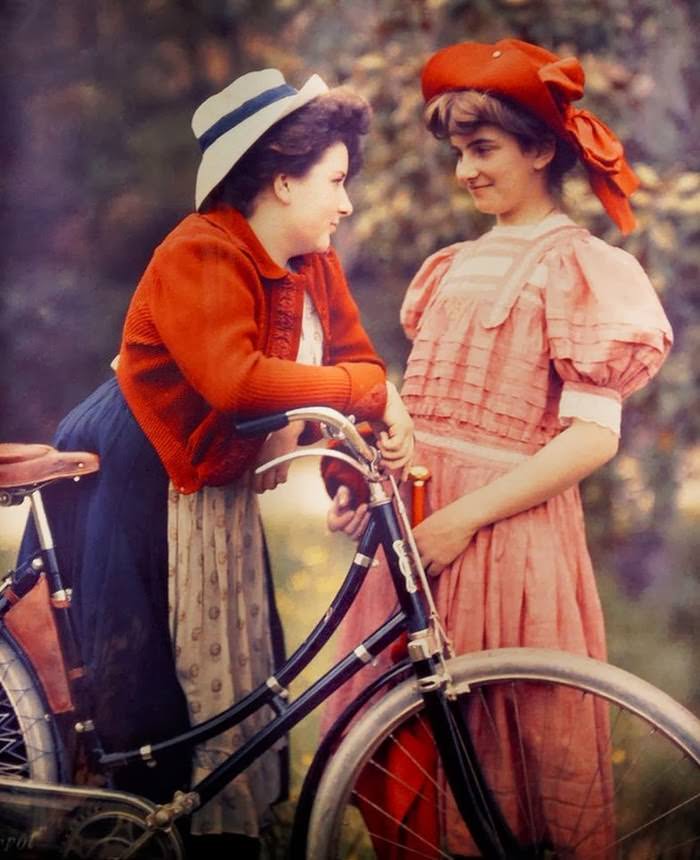
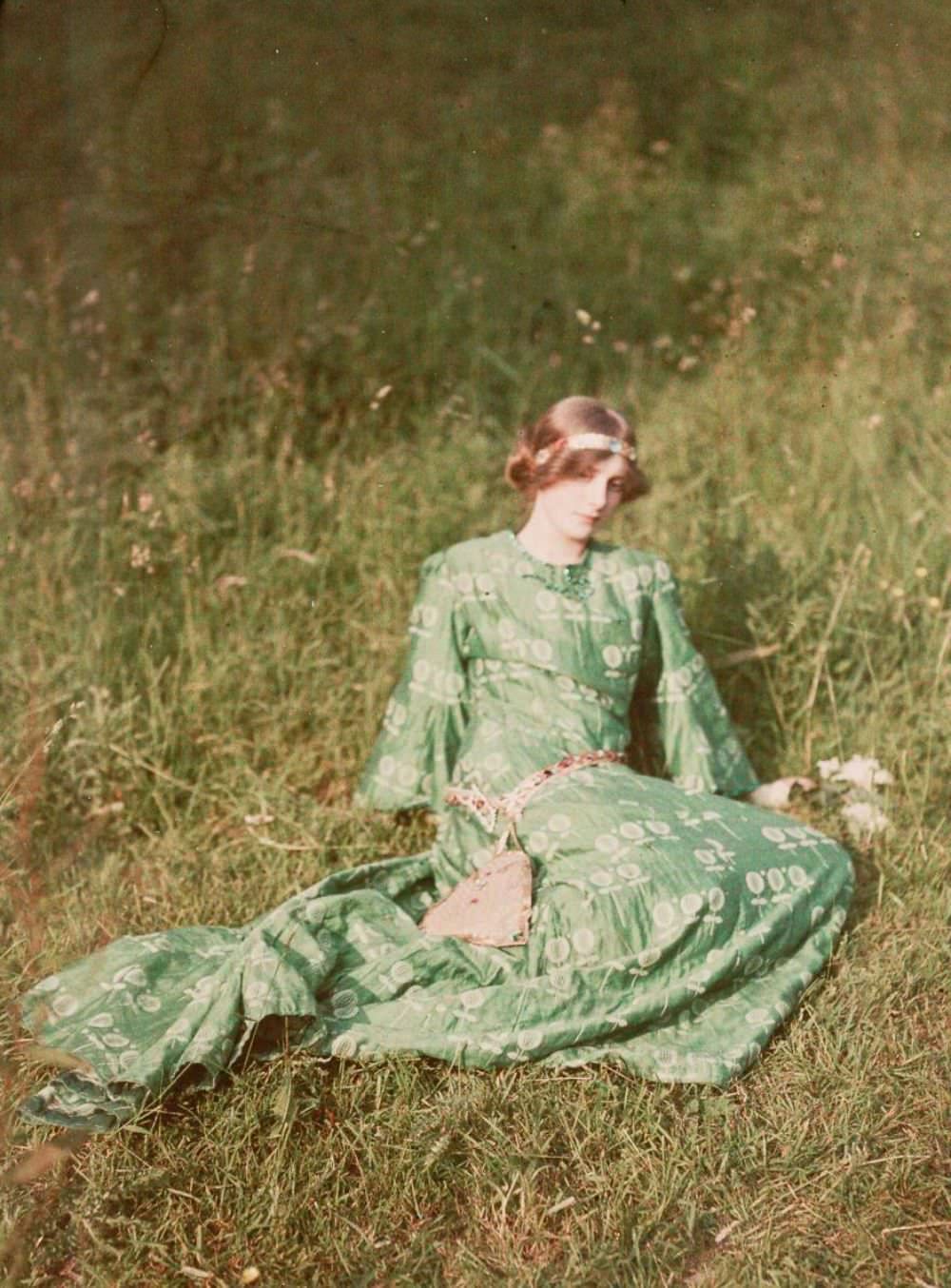
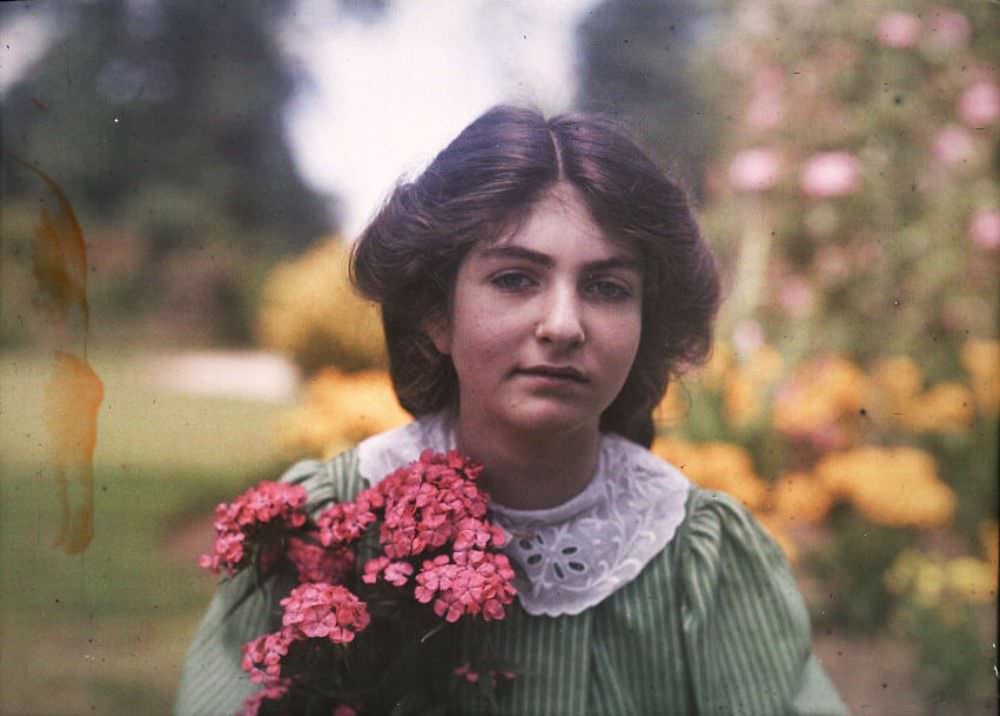
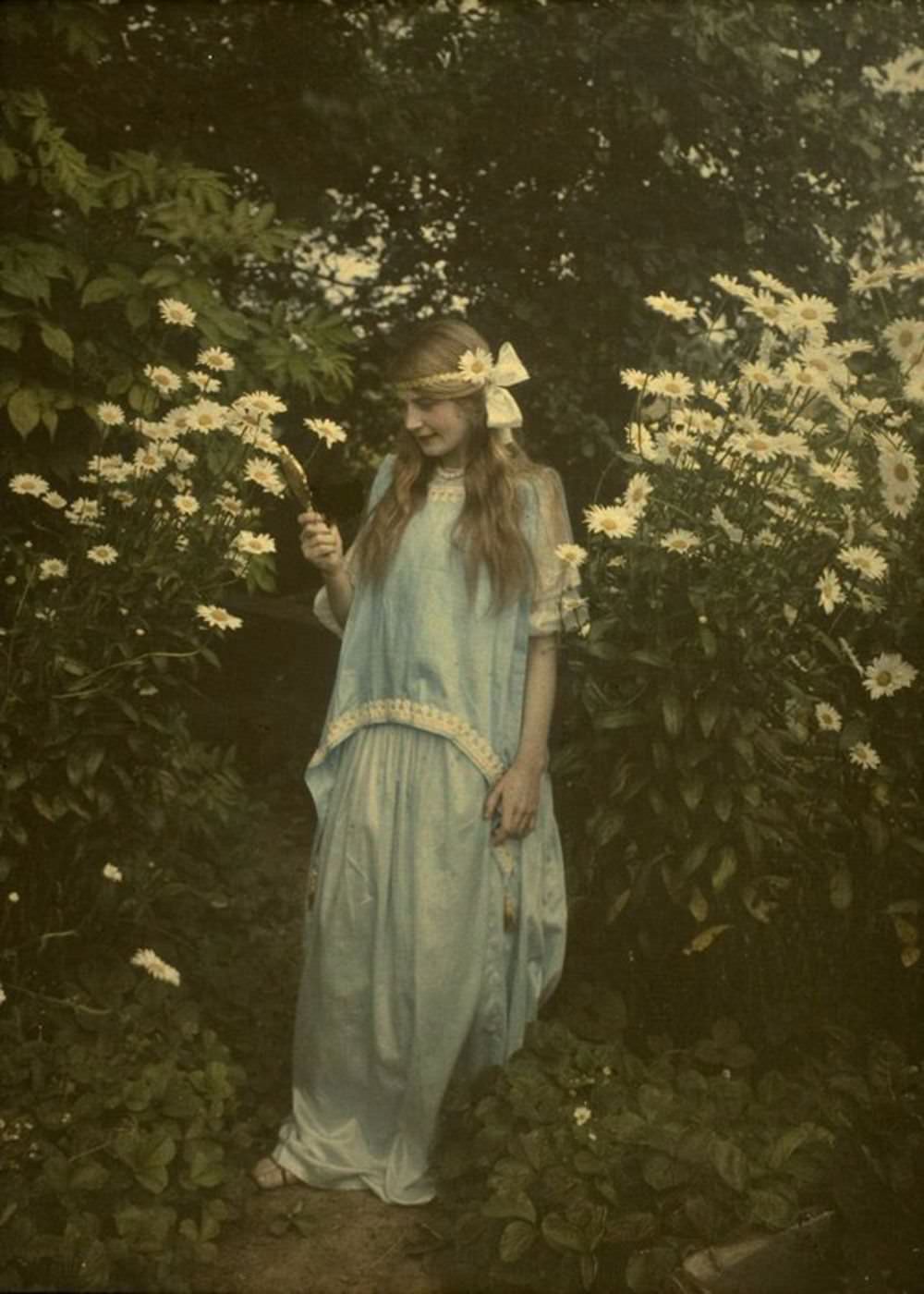
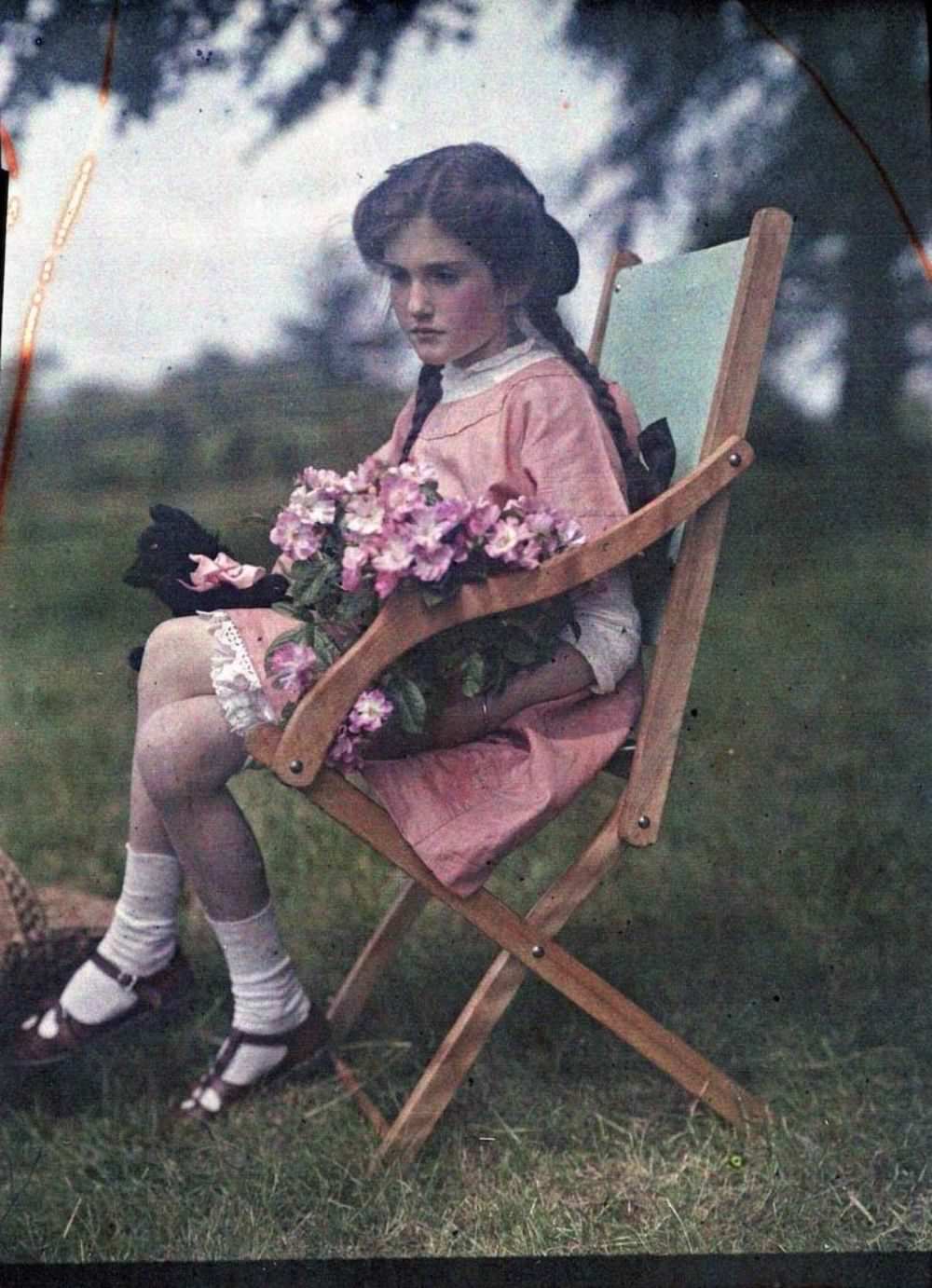
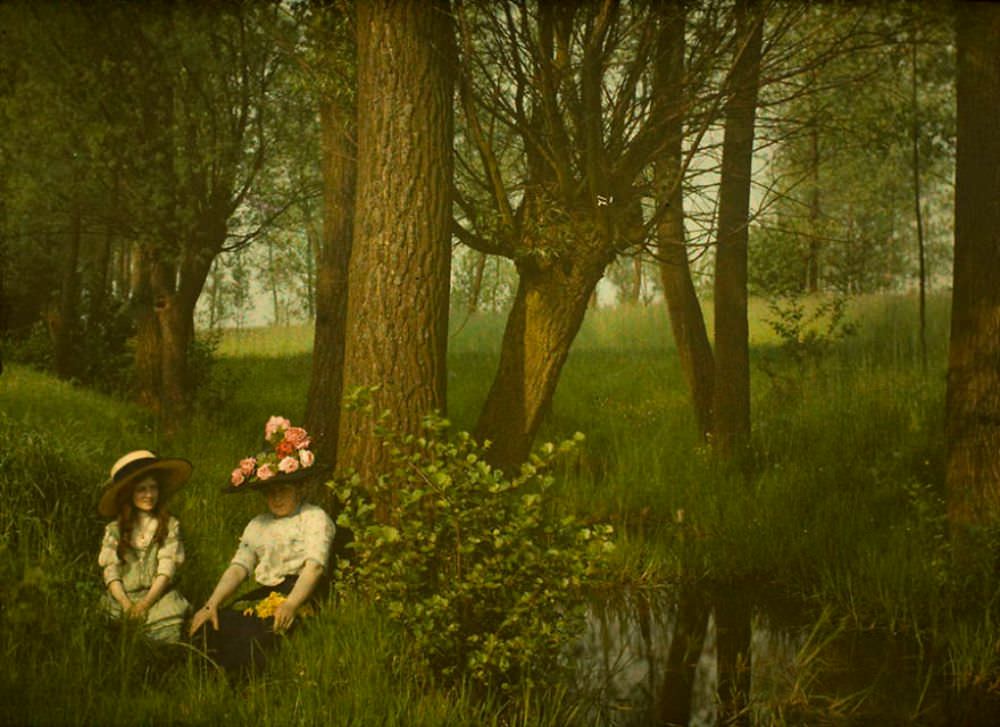
The colors produced by the Autochrome process were soft and slightly diffused — often compared to the Pointillist paintings of Georges Seurat. The random arrangement of colored starch dots created a gentle, dreamlike quality that made even ordinary scenes look painterly. Photographers took portraits in gardens, captured street life in cities, and documented moments that black-and-white film had never been able to fully convey.
Daydreams, 1909
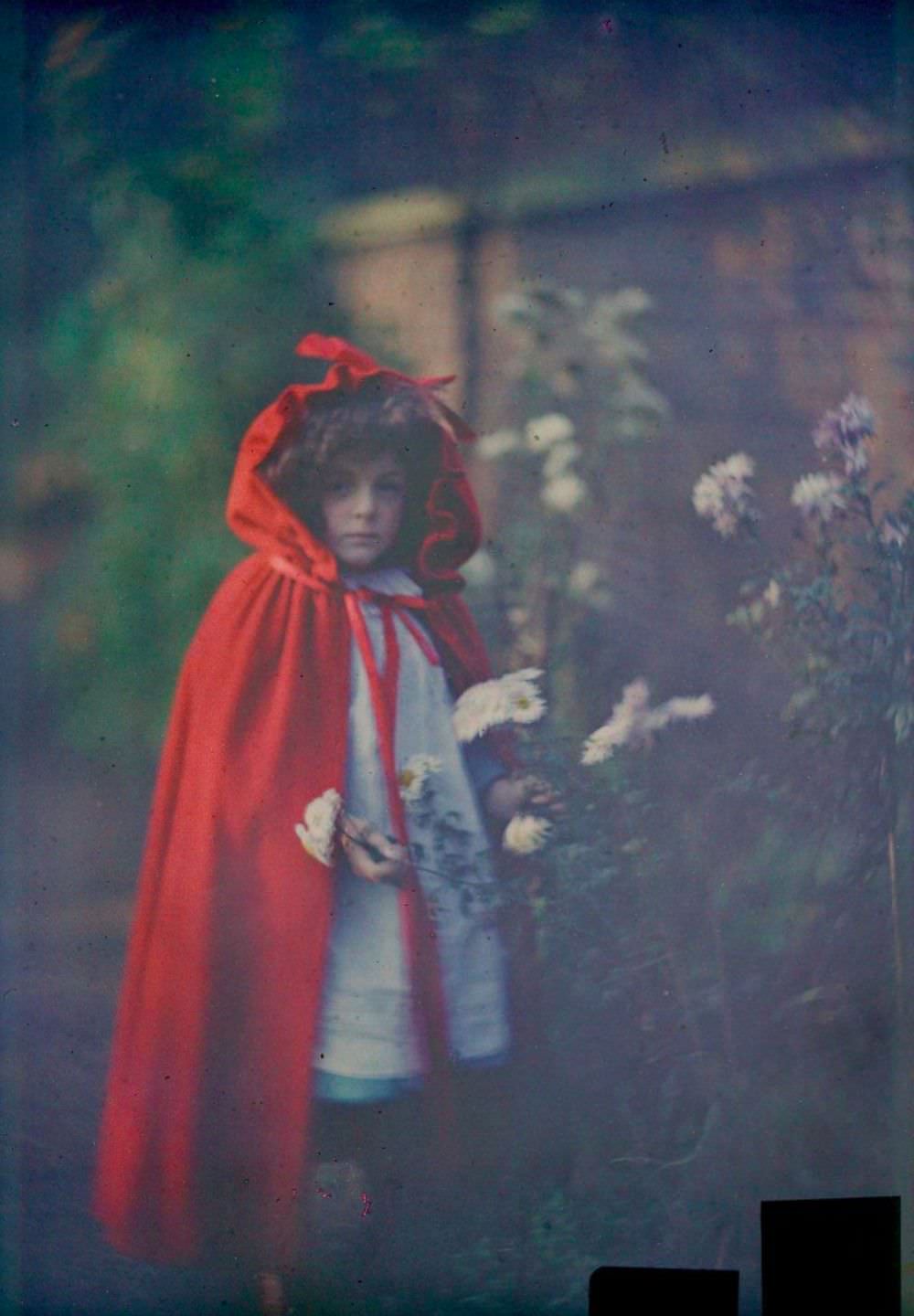
Joan in red riding hood cape with basket, 1907
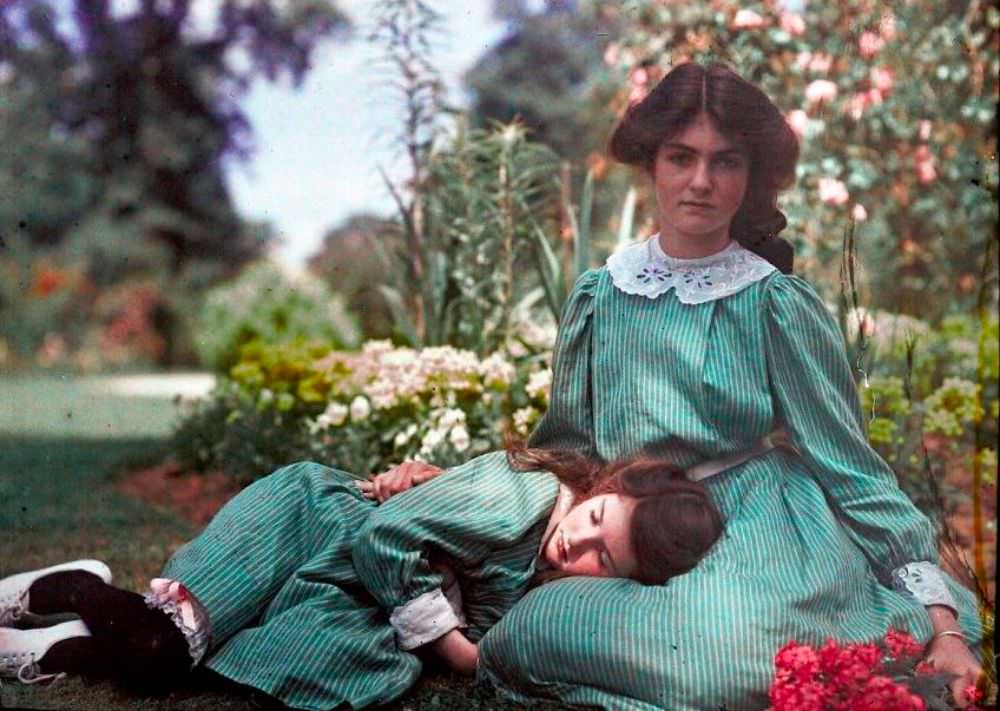
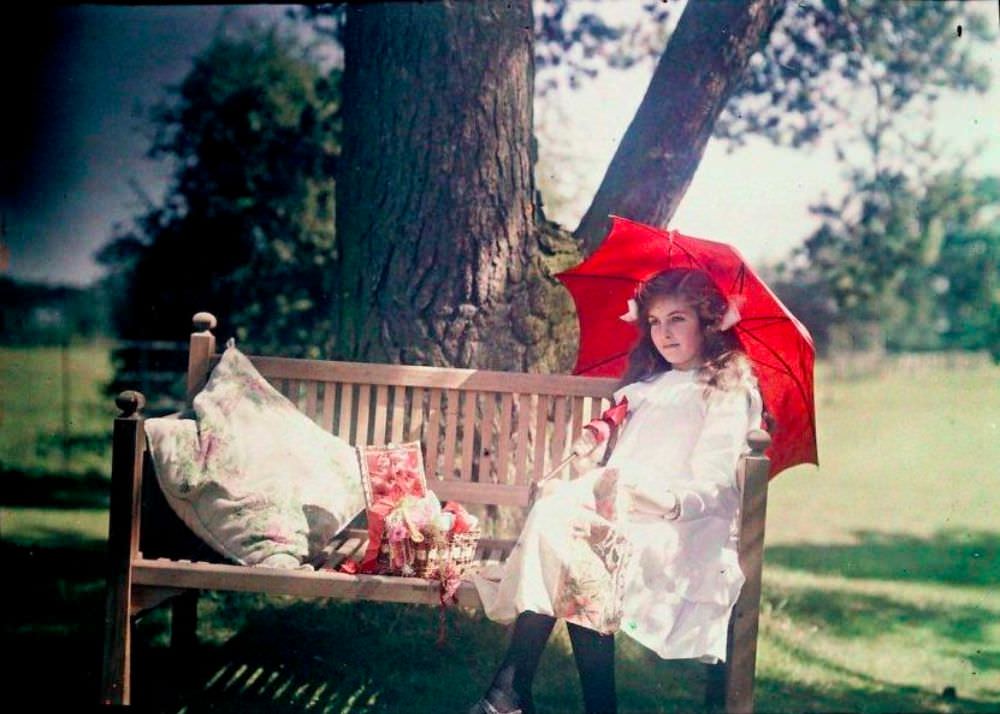
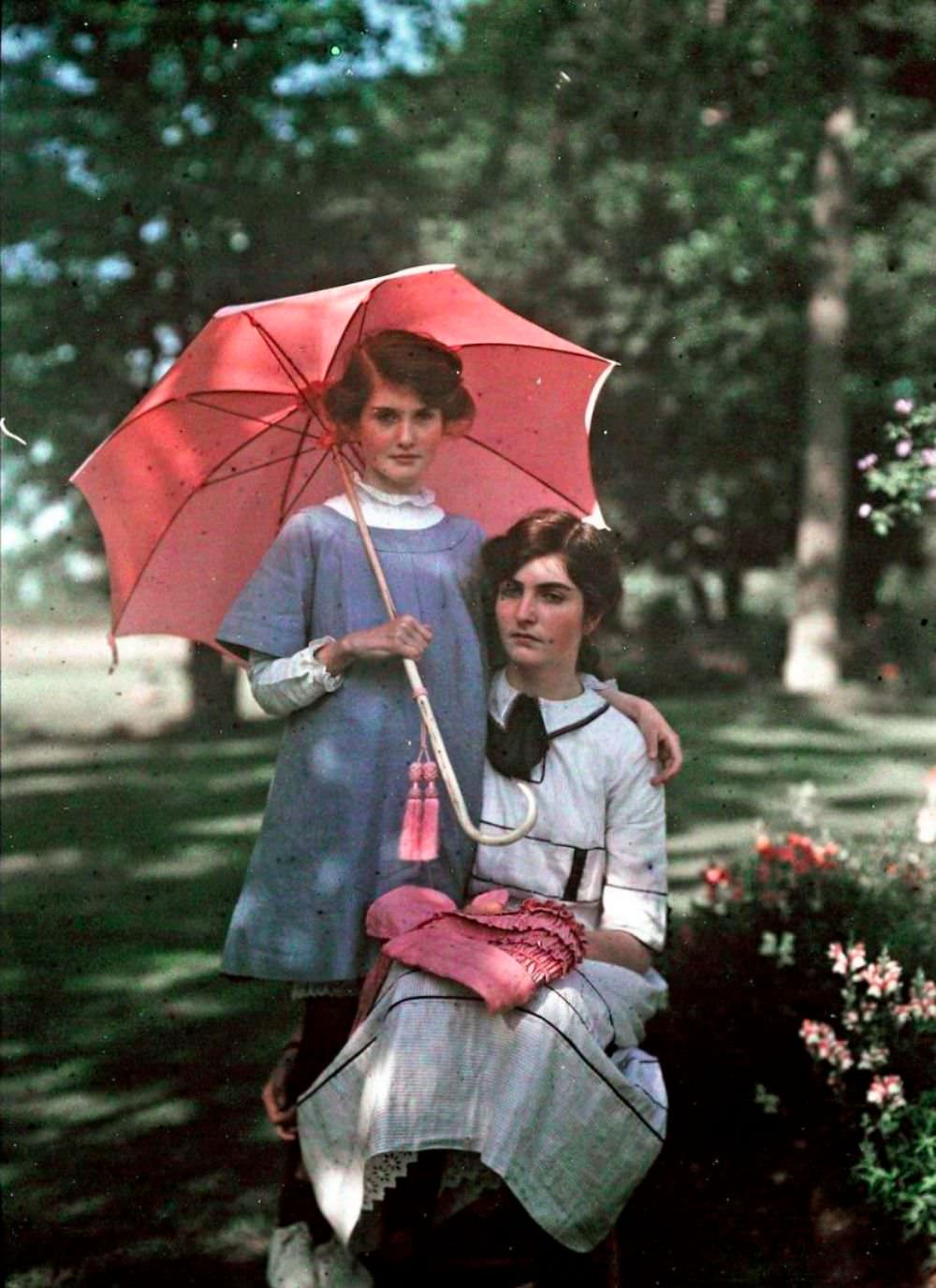
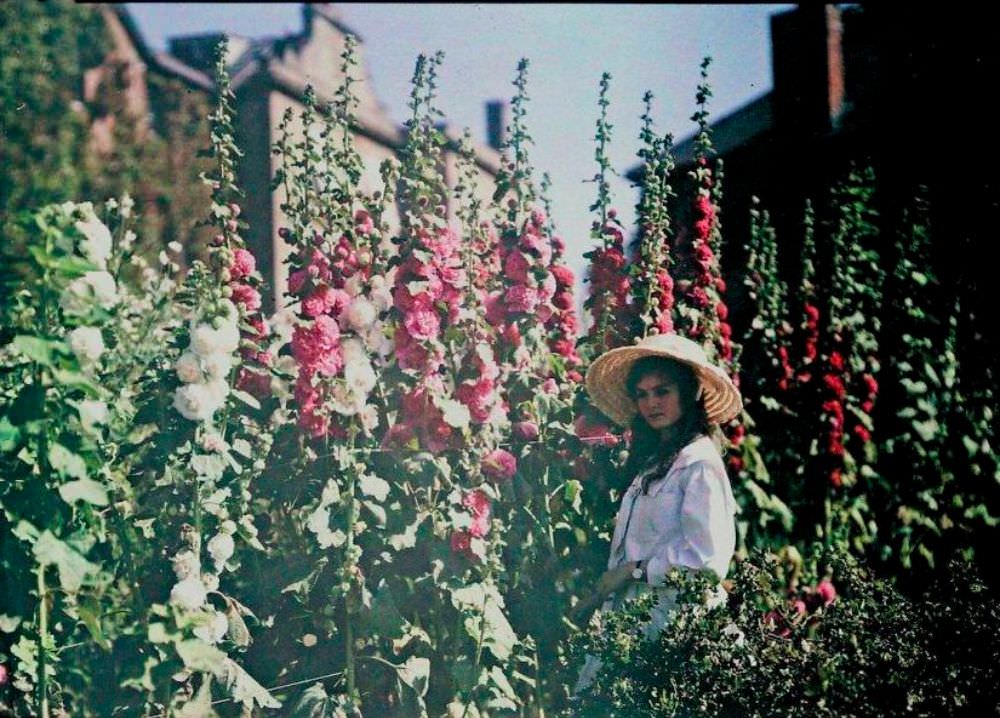
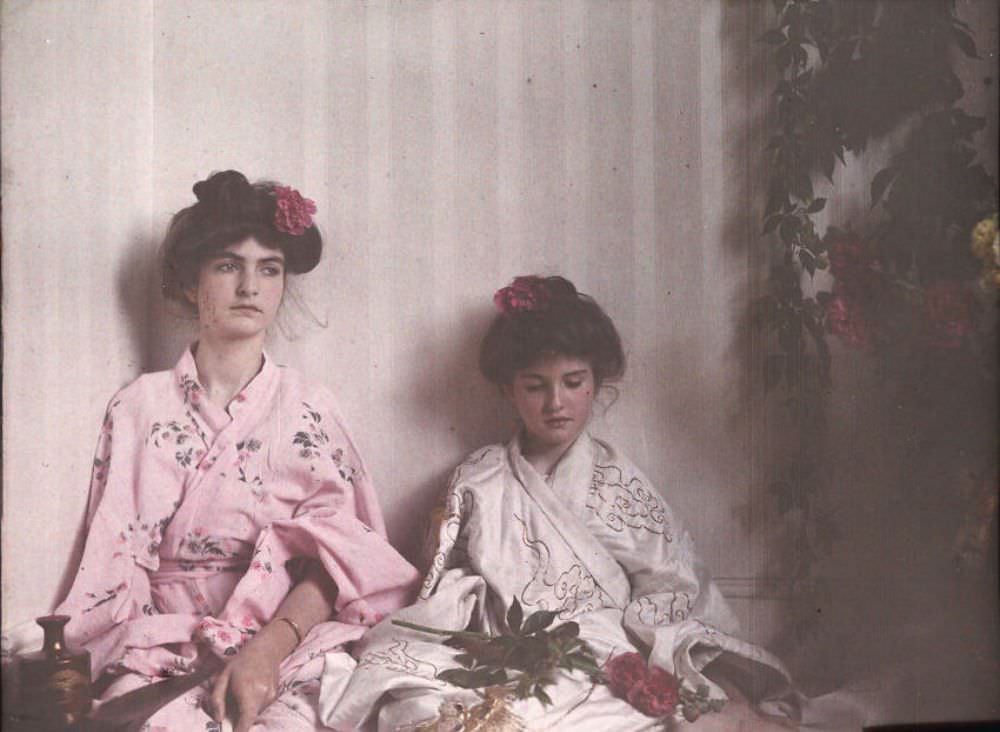
An Autochrome of two sisters, 1908Girl with a parasol sitting on a bench, 1908Younger girl stands beside her sister holding a pink parasol, 1908An Autochrome of Etheldreda Janet Laing daughter in a garden, 1908Girl in a garden with hollyhocks, 1908Two girls in oriental costume, 1908
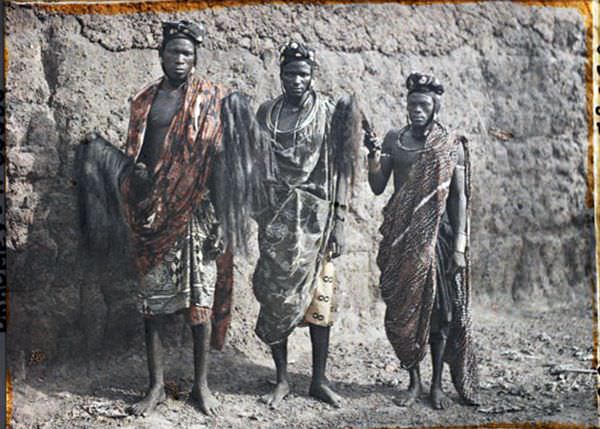
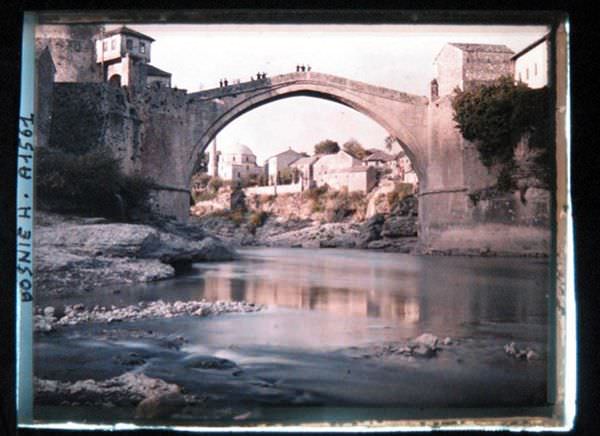
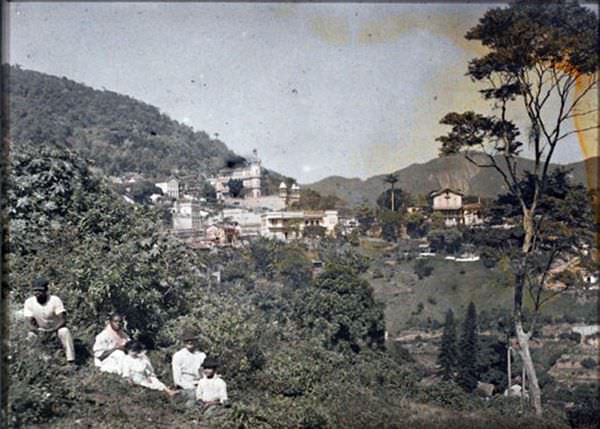
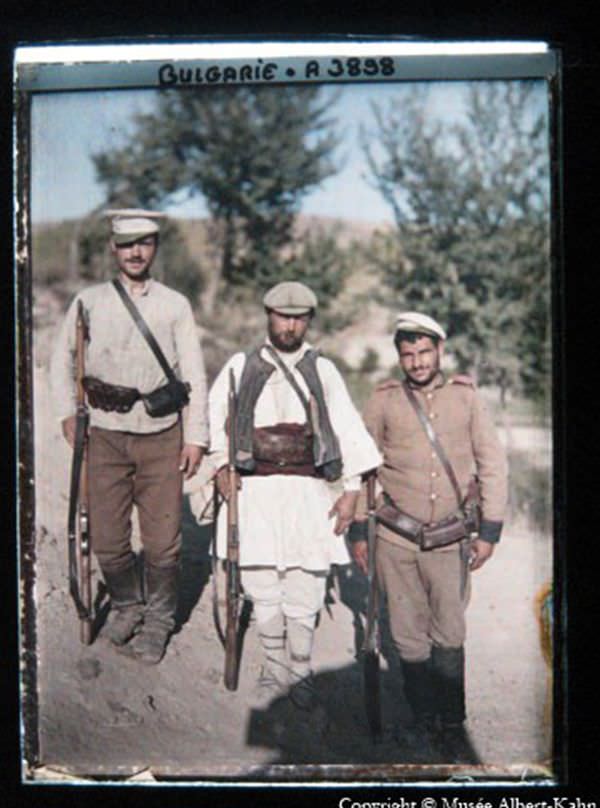
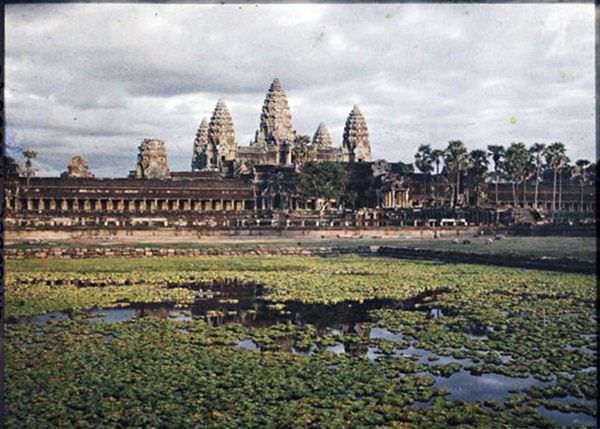
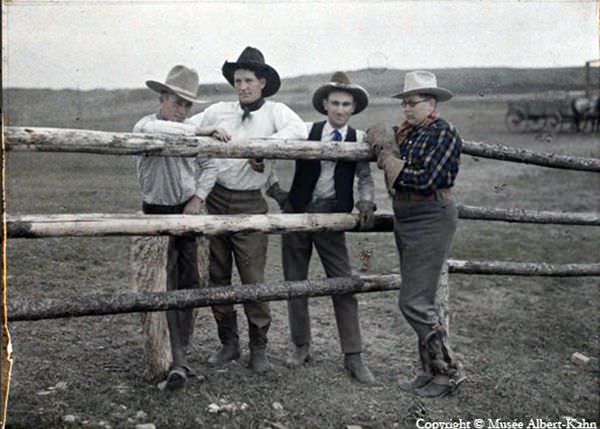
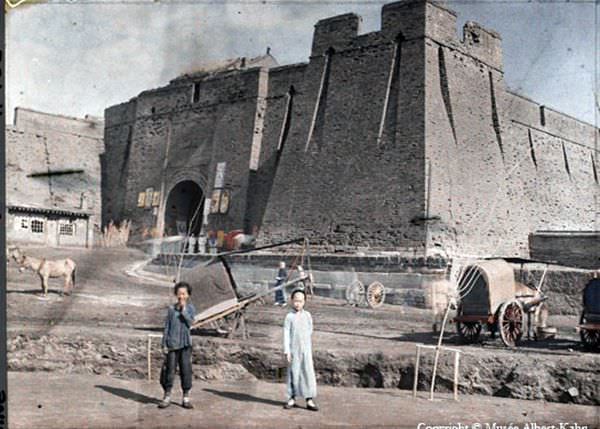
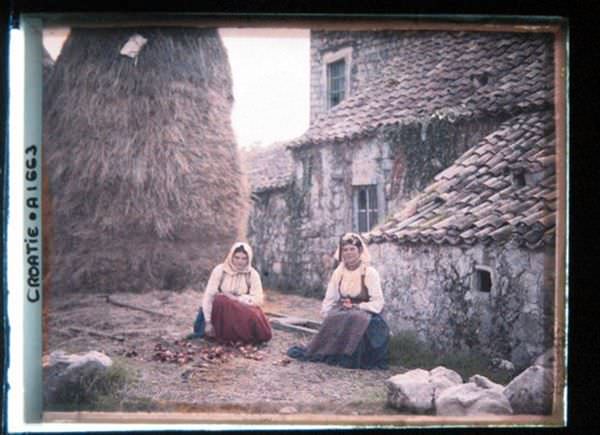
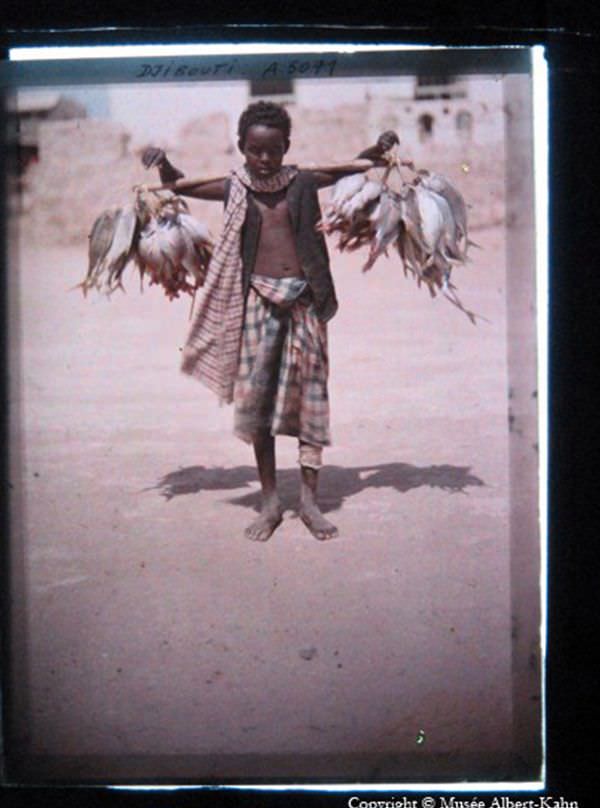
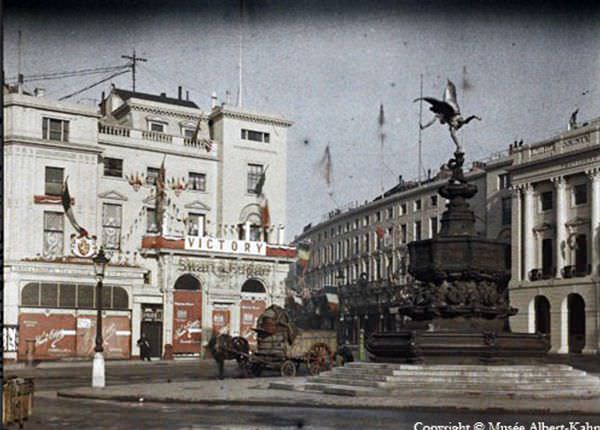
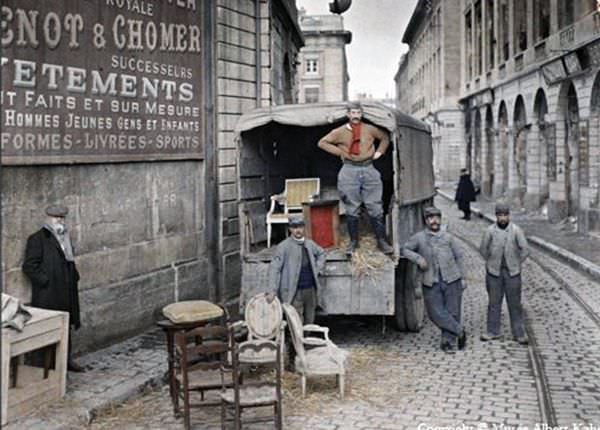
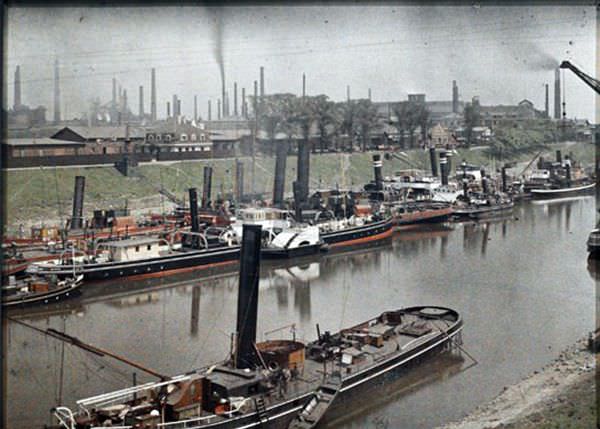
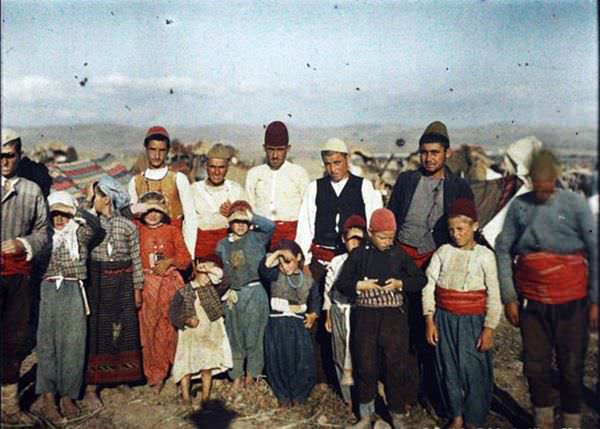
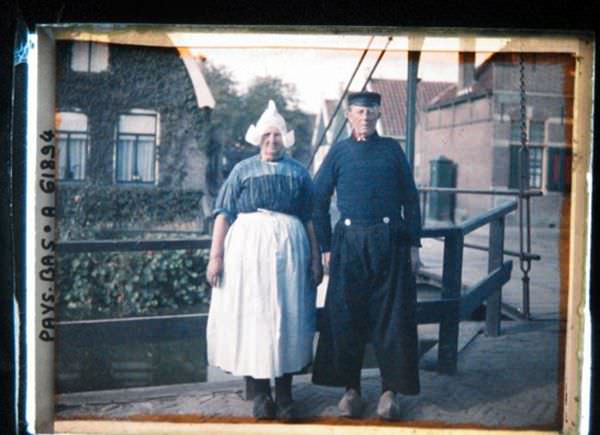
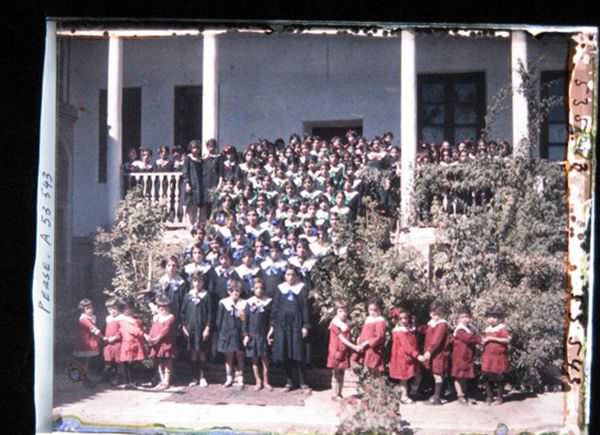
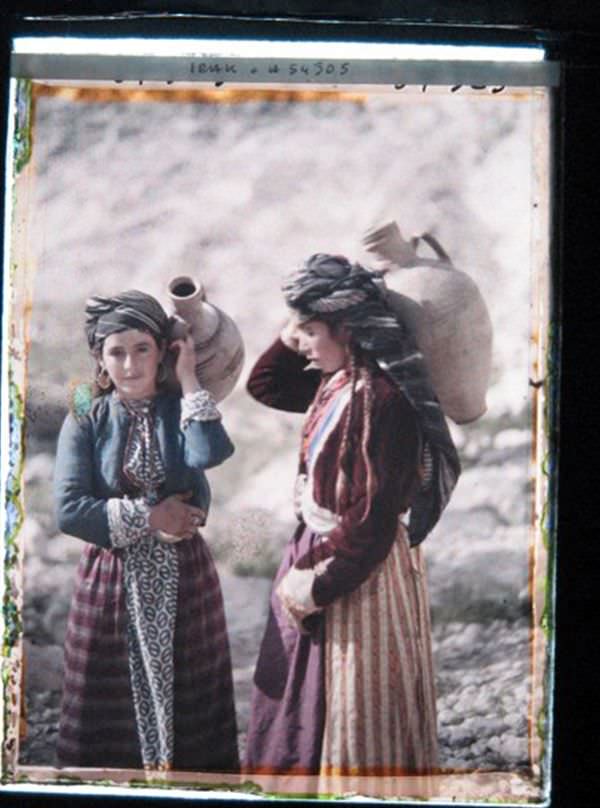
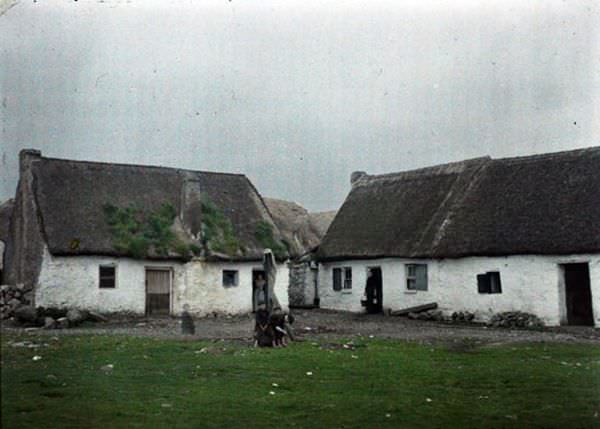
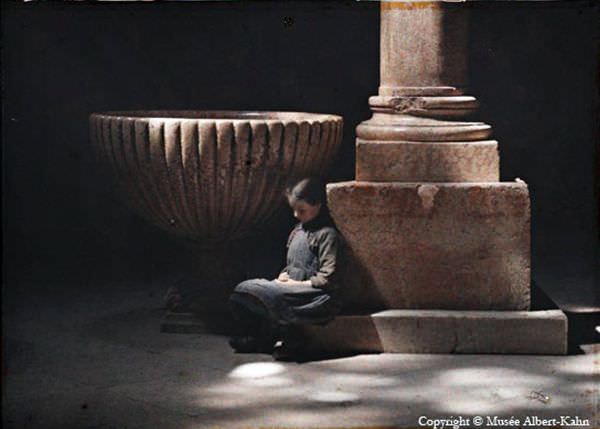
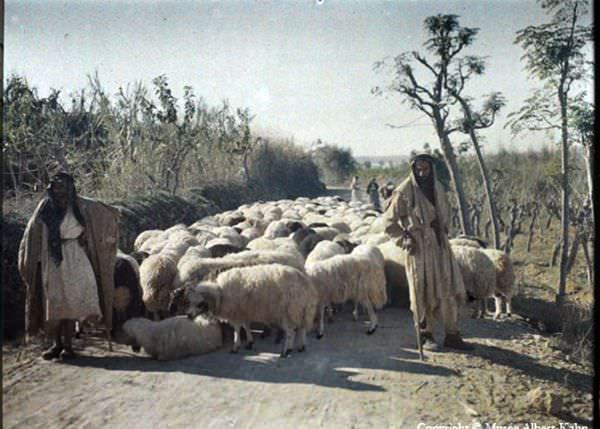
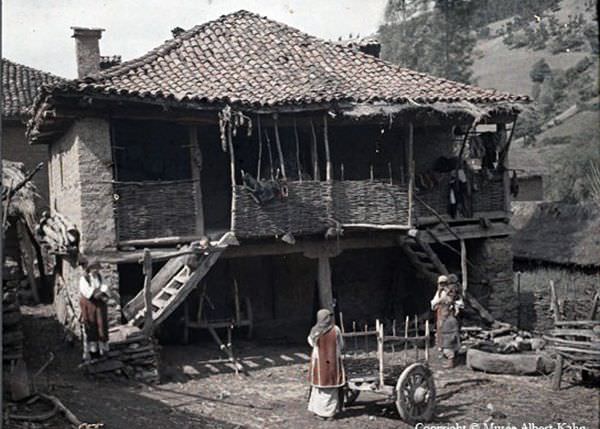
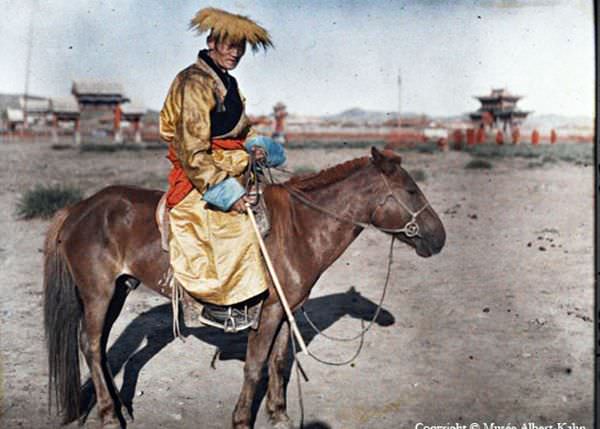
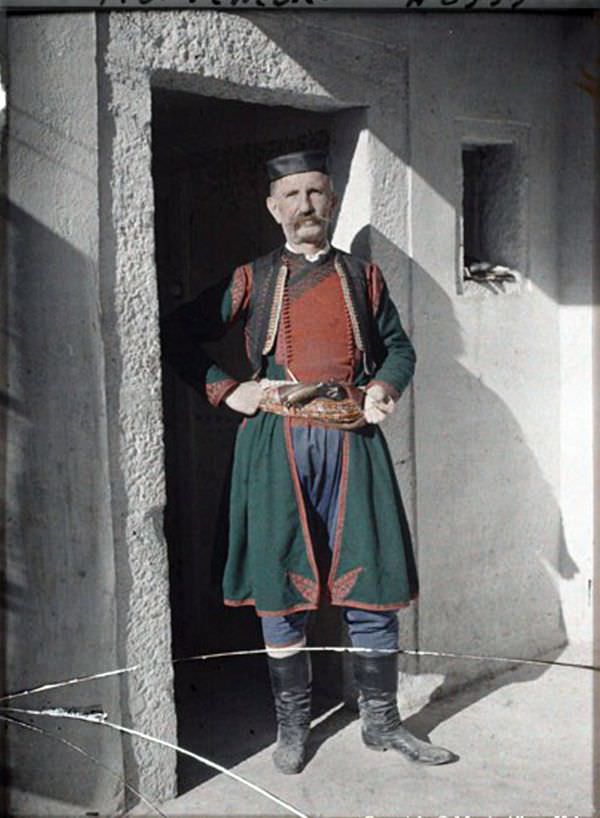
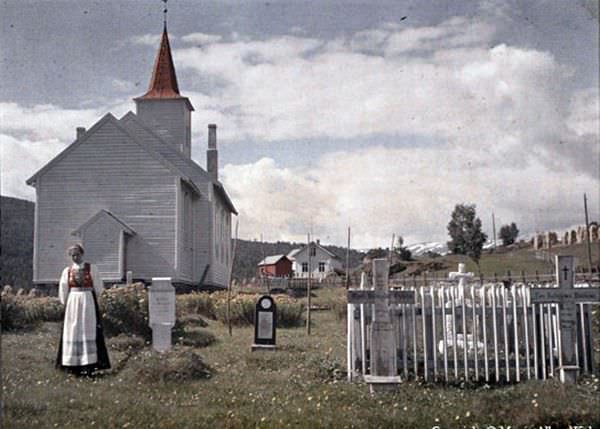
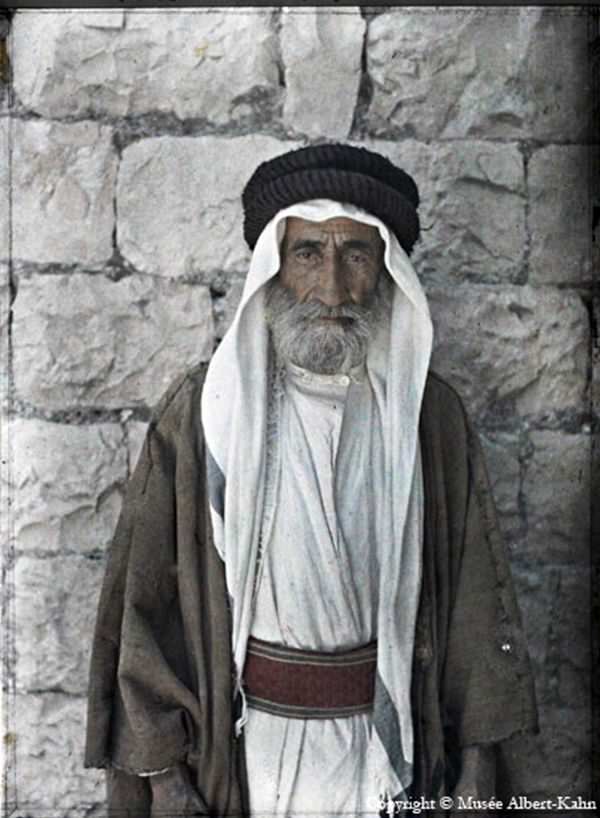
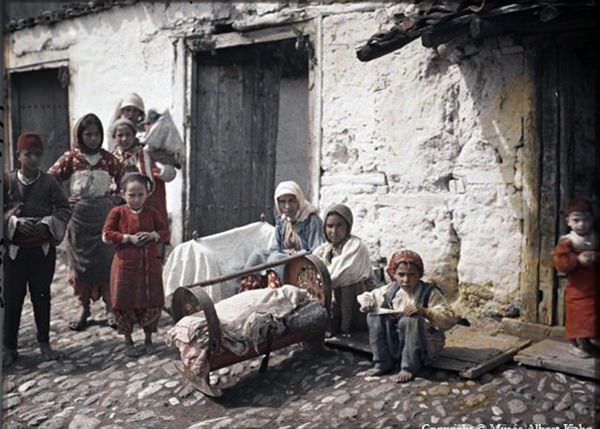
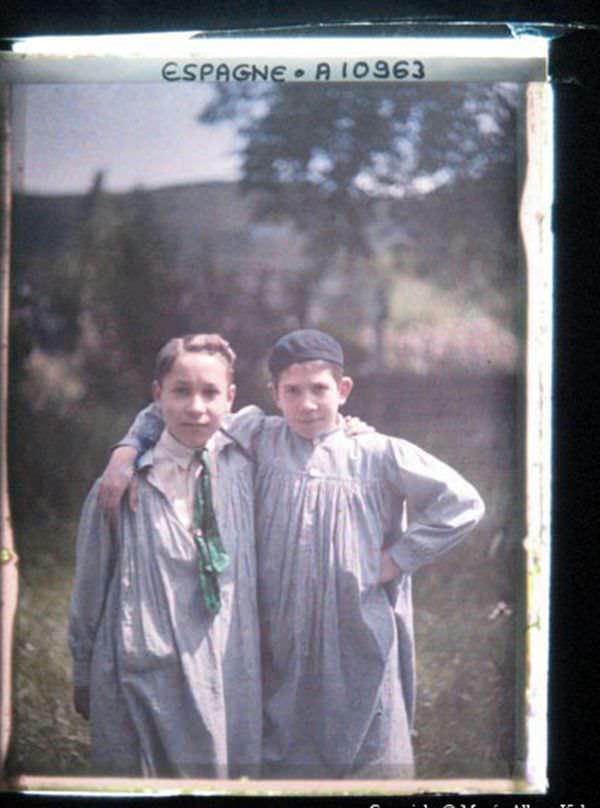
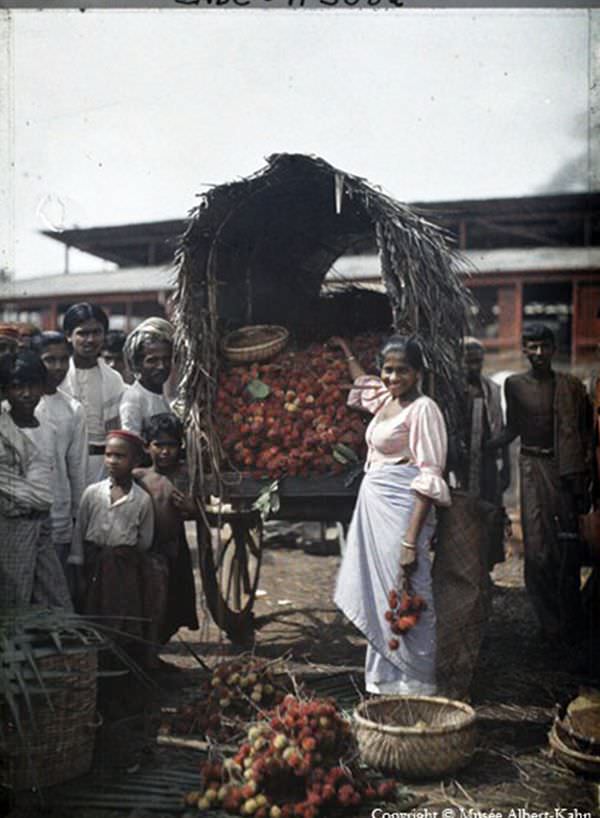
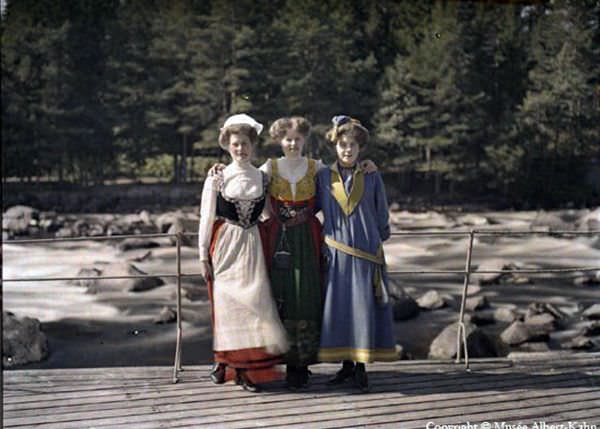
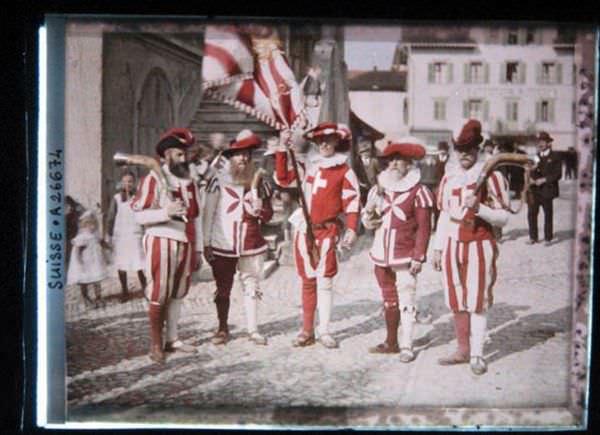
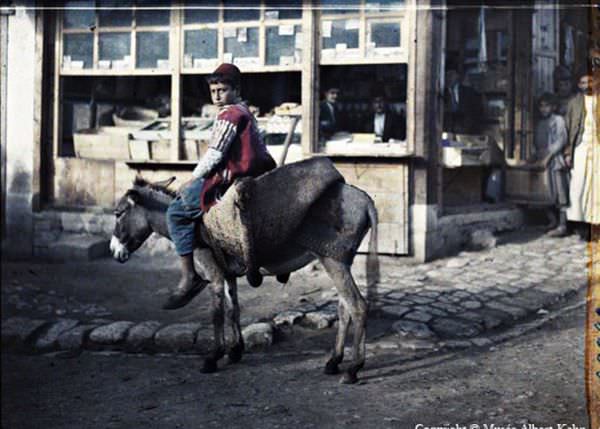
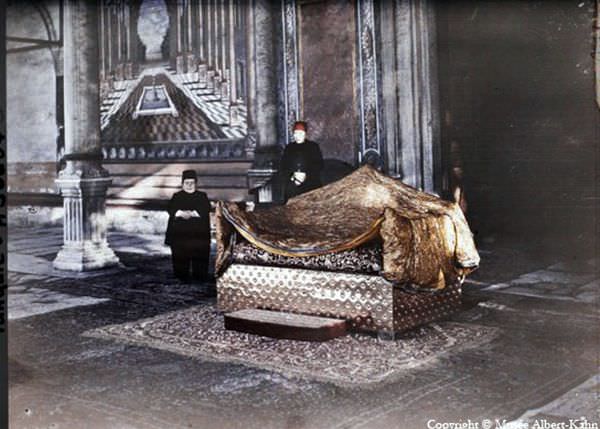
One of the most ambitious uses of the new technology came from French banker Albert Kahn. In 1909, he launched a project called “The Archives of the Planet,” hiring a team of photographers and sending them to more than 50 countries. Their mission: document human life on Earth in color. Over the next two decades, they produced one of the most remarkable visual records in history.
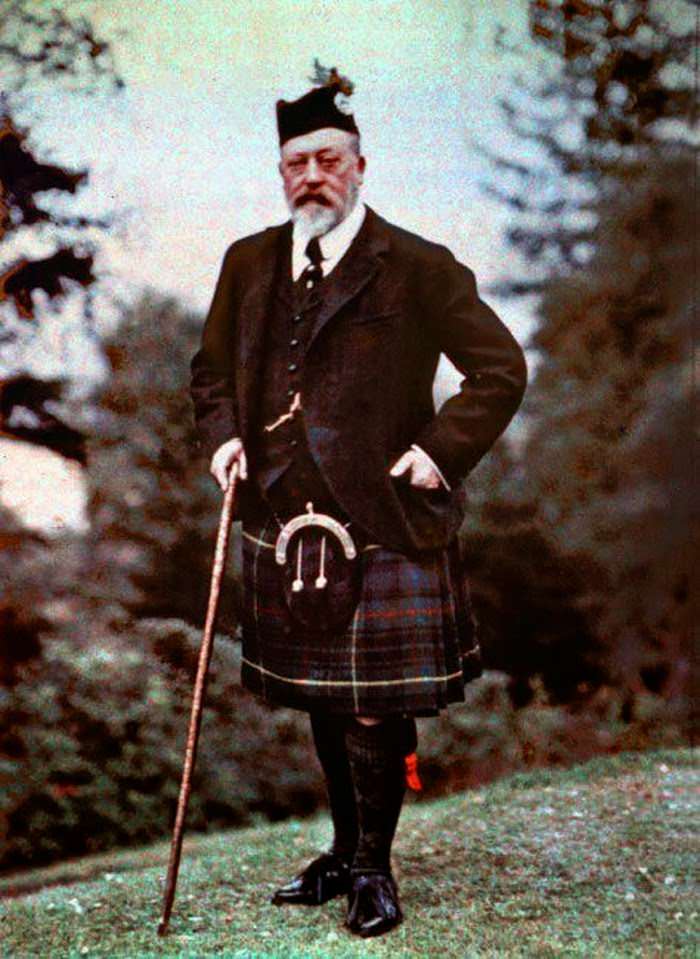
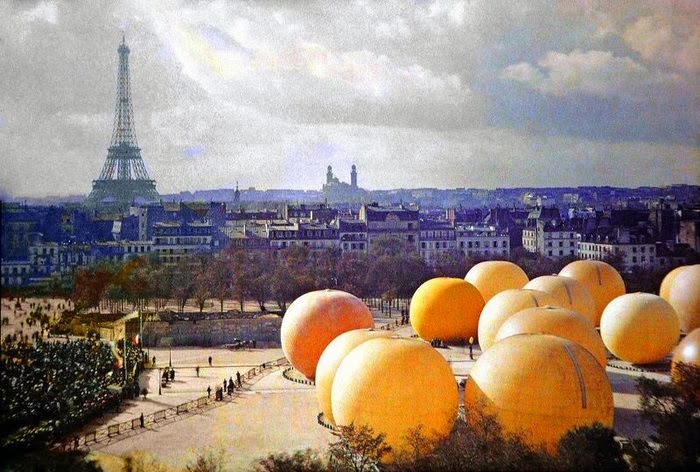
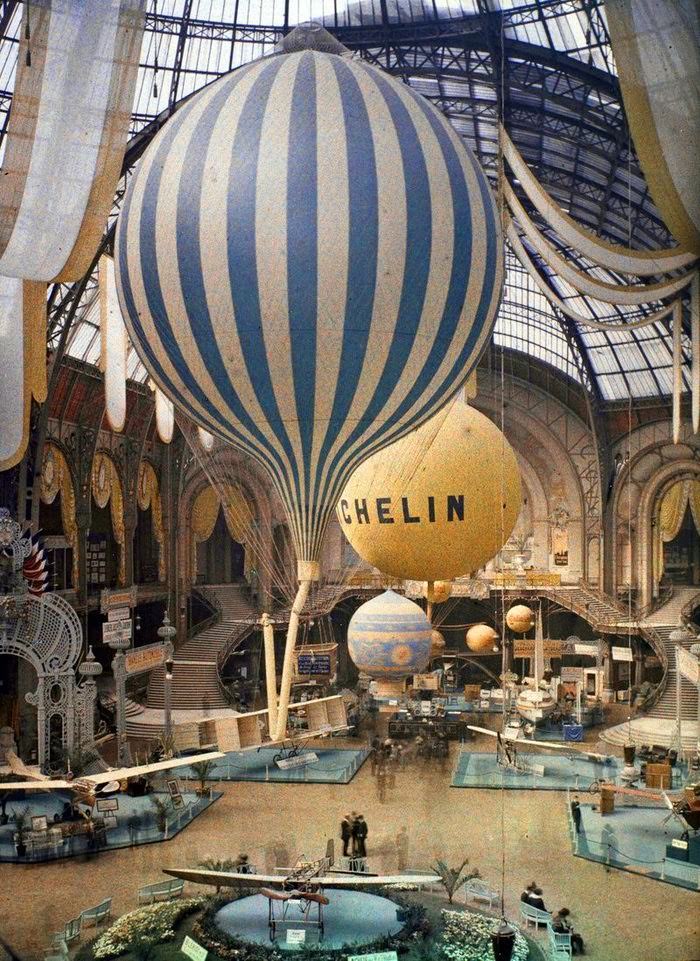
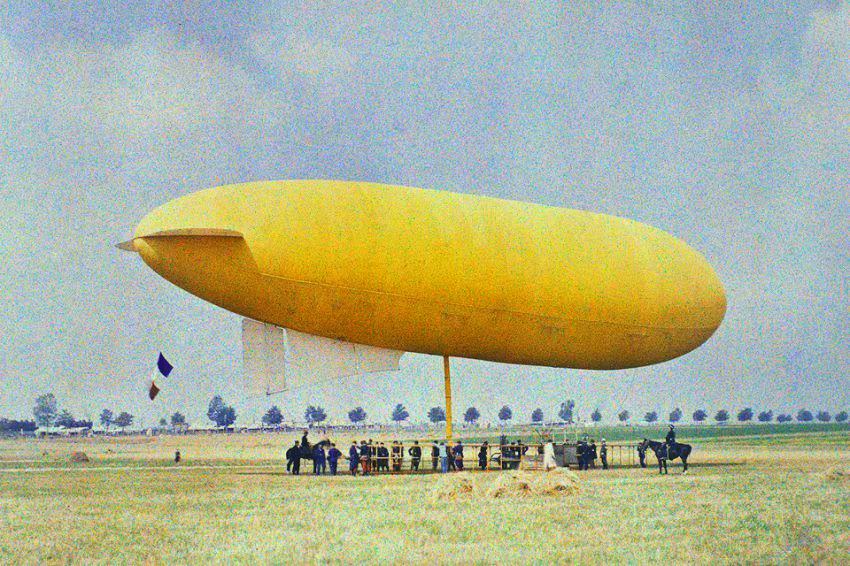
The only color photograph of King Edward VII, in 1909.Ballooning exhibition in Paris, 1909.Grand Palais Air Show in Paris, 1909.Zodiac III airship in Bétheny, France, 1909.
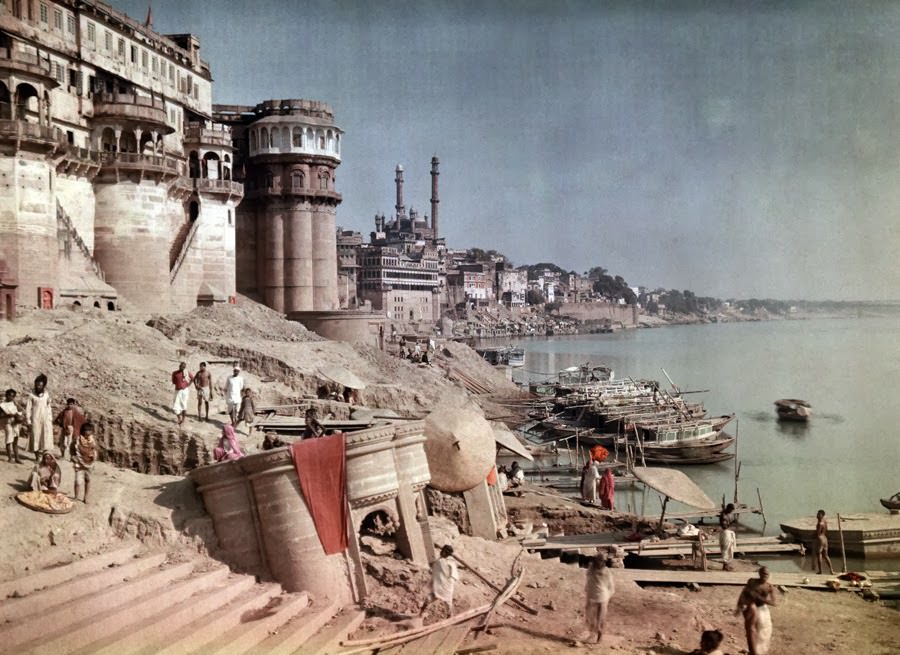
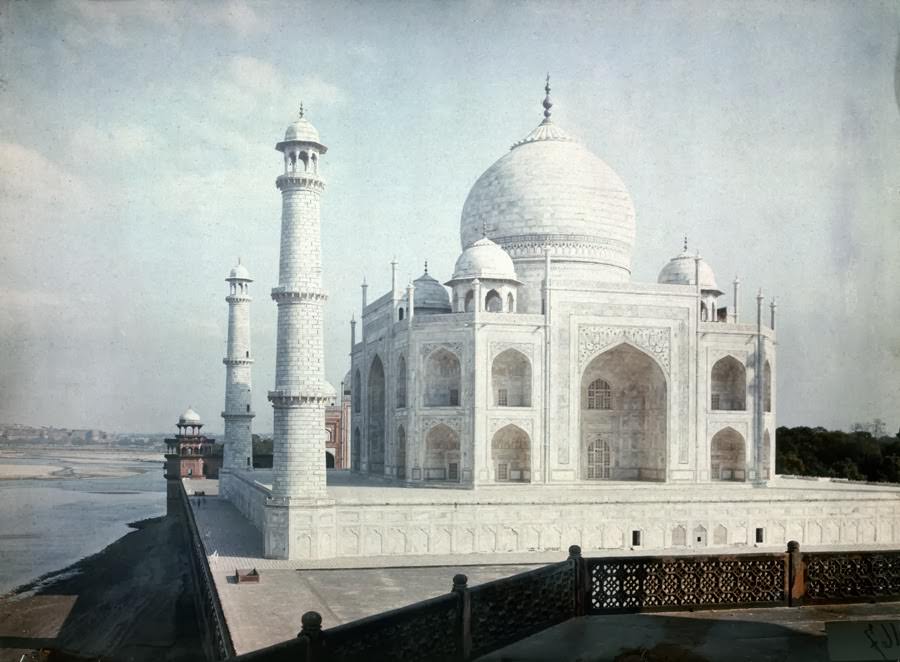
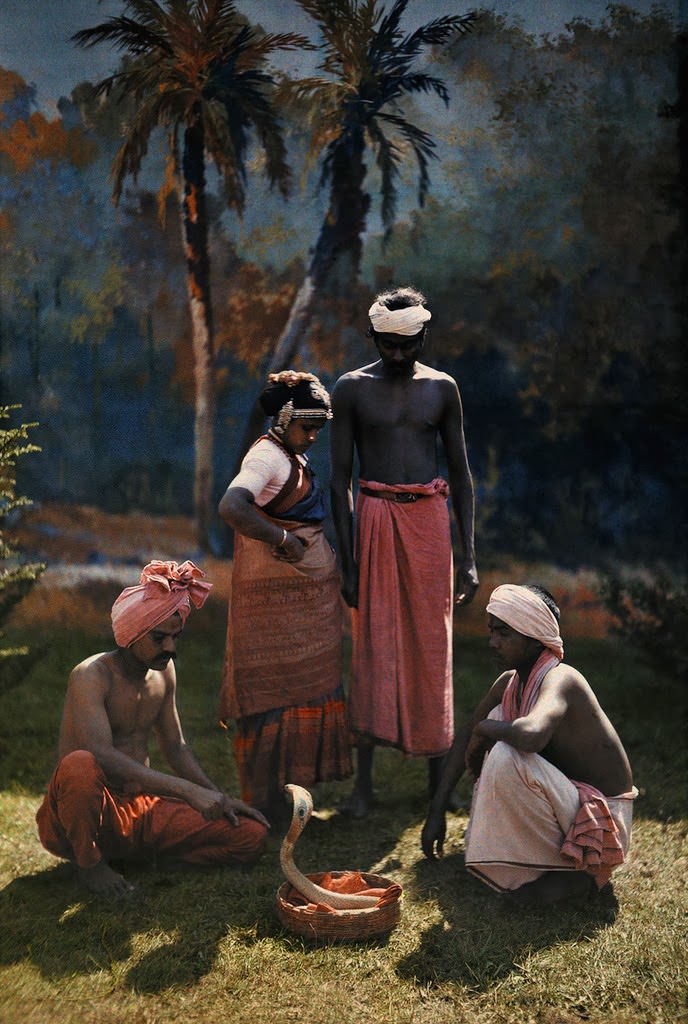
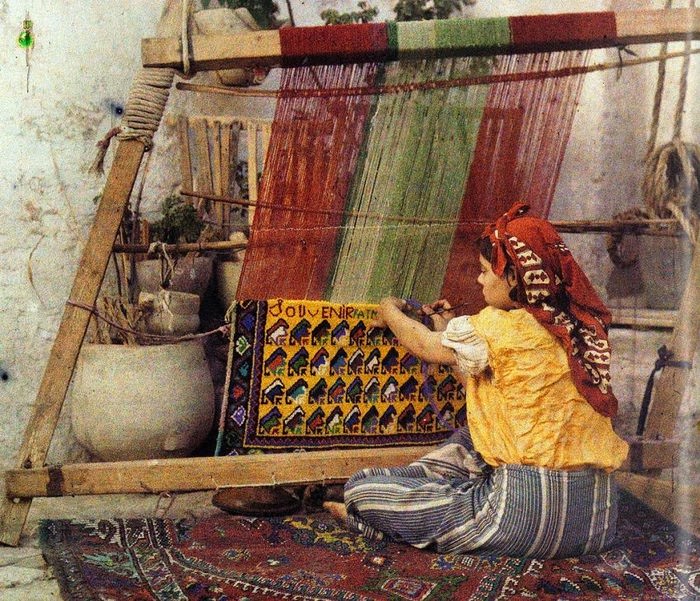
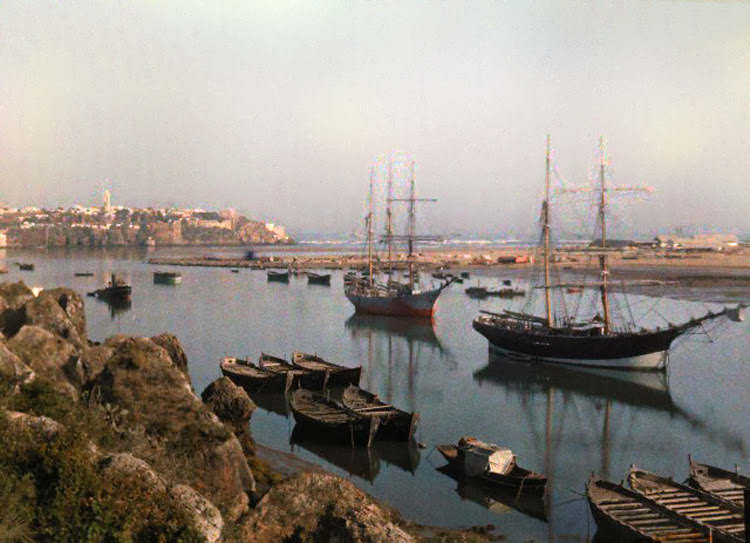
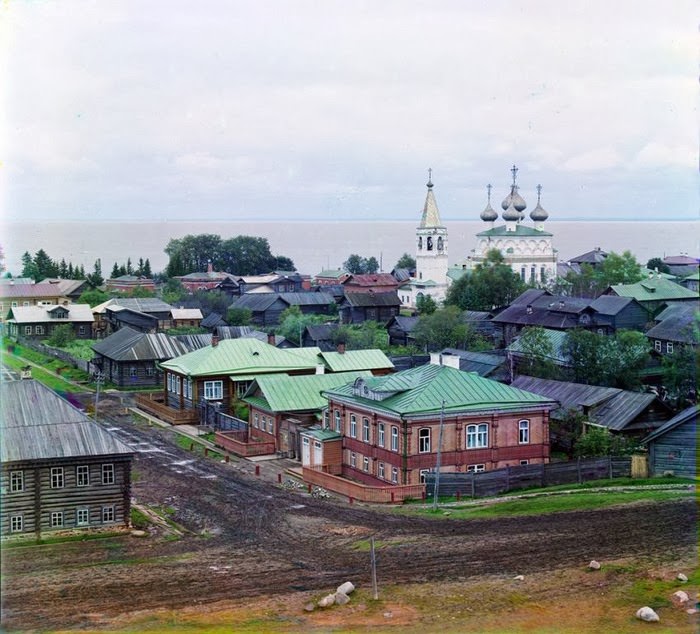
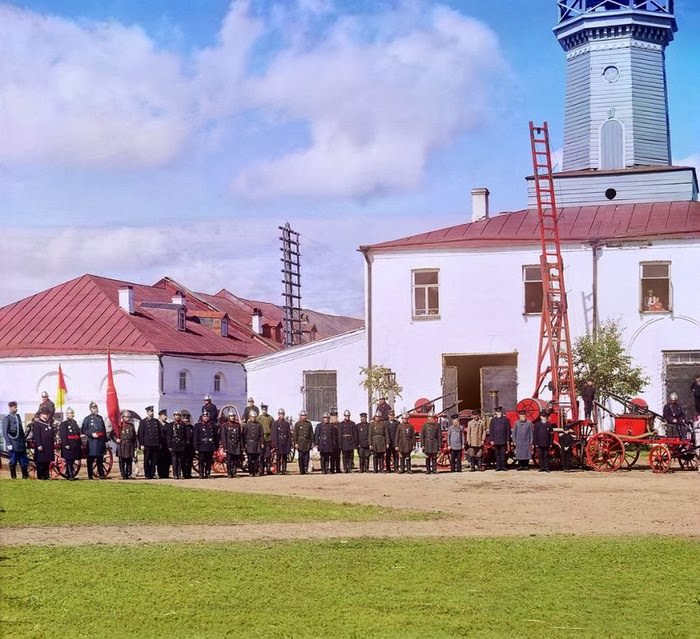
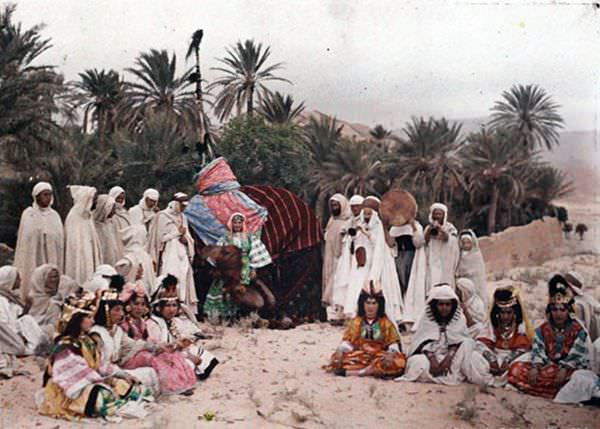
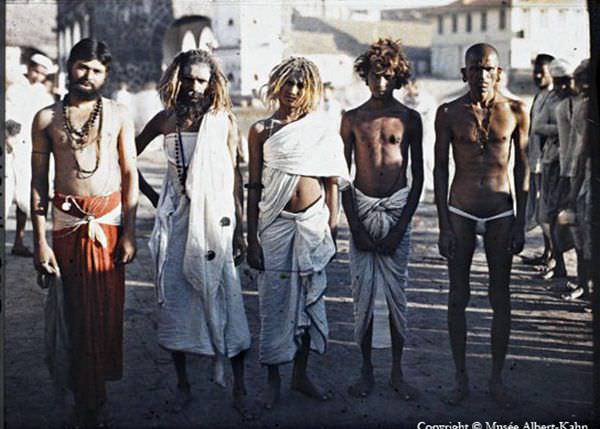
Kahn’s photographers traveled to every corner of the globe. In India, they photographed sacred bathing sites along the Ganges and ancient landmarks. In Vietnam, they captured temple life and daily routines. In Morocco and Algeria, they documented bustling marketplaces and craftspeople at work. In Russia, they photographed city streets, workers’ housing, and local fire brigades.
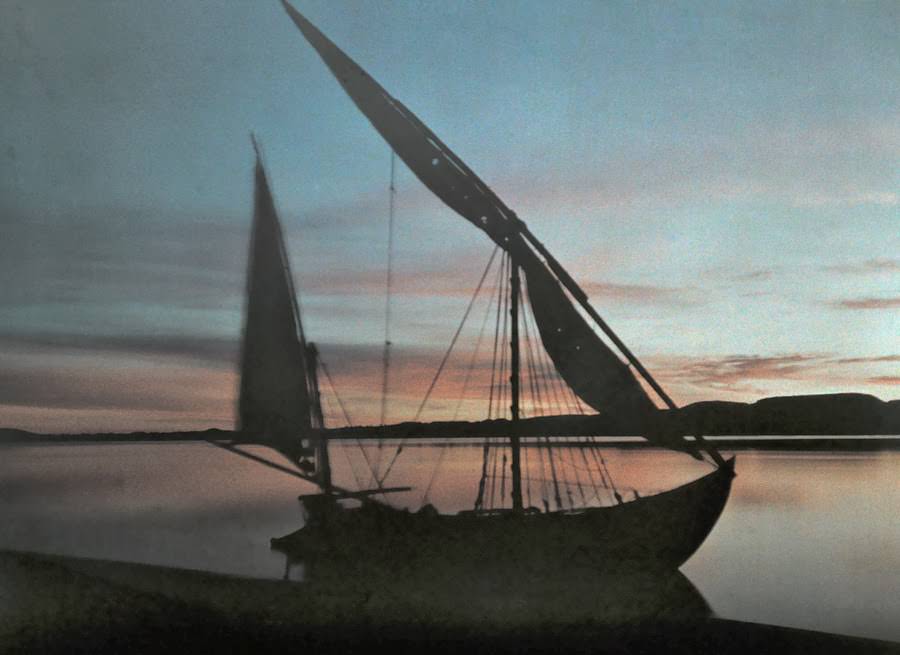
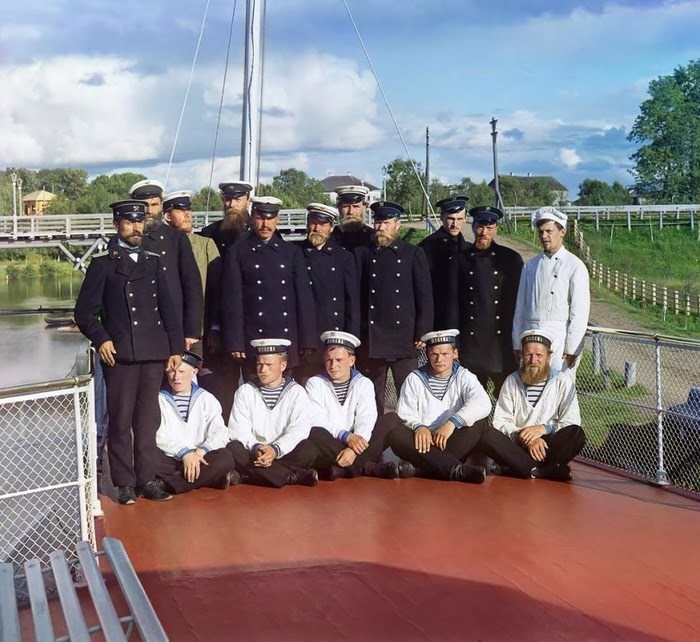
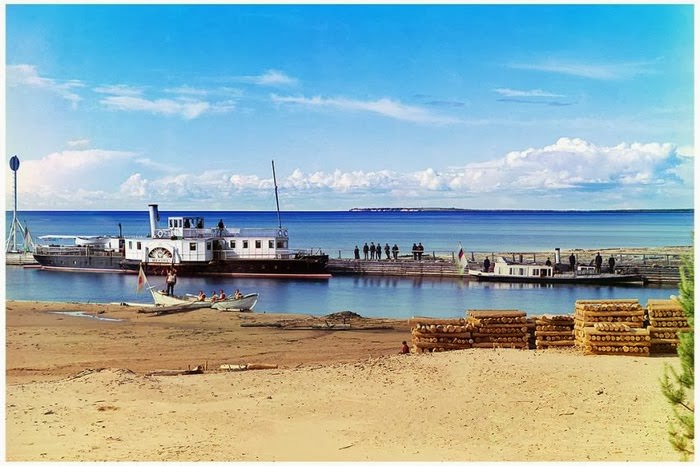
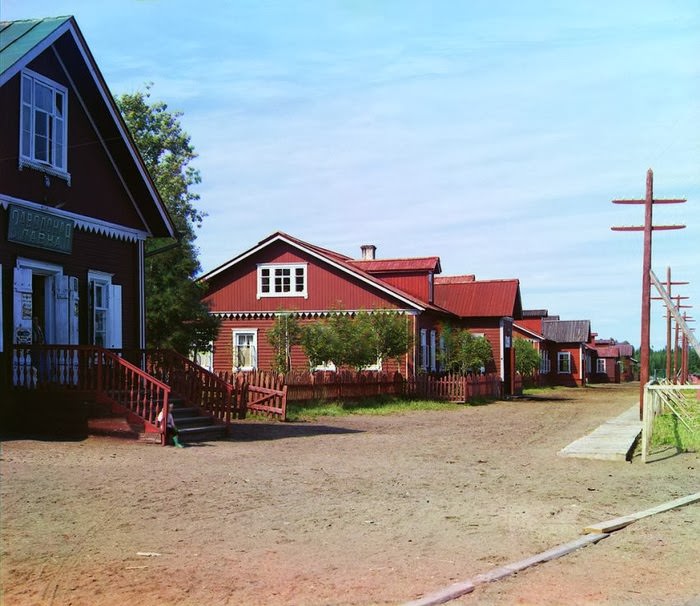
Sacred place for bathing in the Ganges river in Varanasi, India.Taj Mahal, IndiaSnake charmers in IndiaWoman weaves a carpet in Algeria (Jules Gervais-Courtellemont, Albert Kahn Collection), 1909.General view of the harbor in Rabat, MoroccoSailboat at dawn near the town of Abu Simbel in Egypt.Crew of the steamship “Sheksna” of the M.P.S., Russian Empire, 1909.Russian Empire’s ship, 1909.House of workers in Kovzhinsky mill, 1909.General view of Beloyarsk from the rampart, 1909.Fire brigade in Vytegra, 1909.General view of the city of Perm with urban slides, 1909.
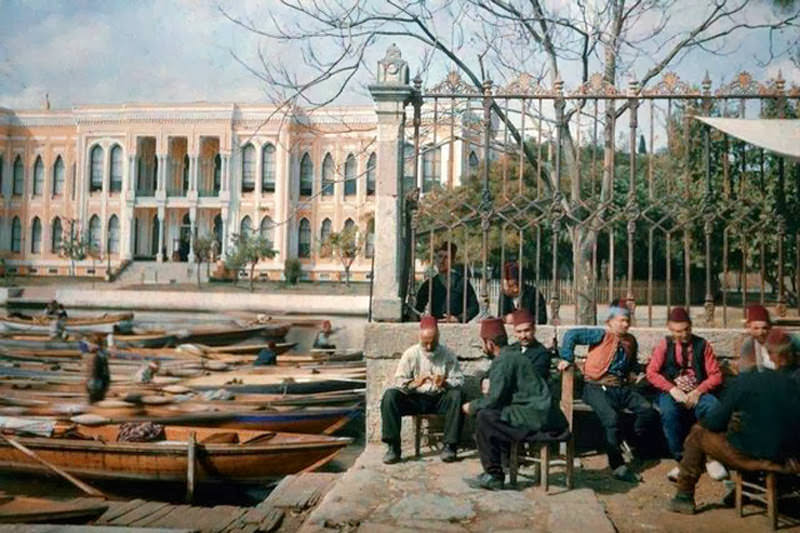
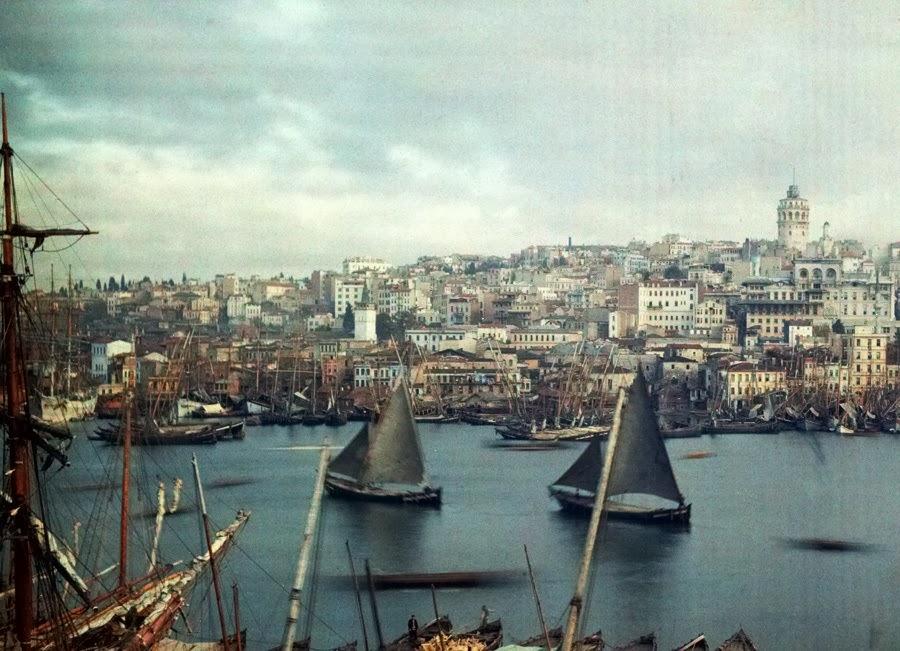
The project spanned continents and cultures, preserving scenes that would otherwise exist only in memory. From Constantinople’s waterways to Japan’s royal court, no subject was too grand or too ordinary for Kahn’s photographers.
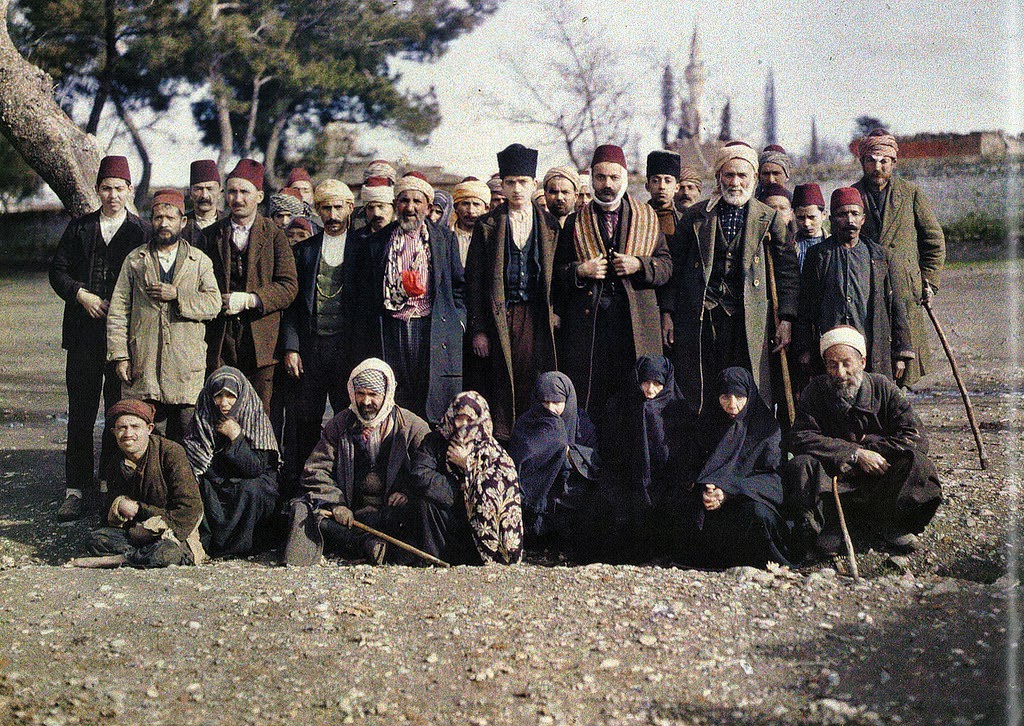
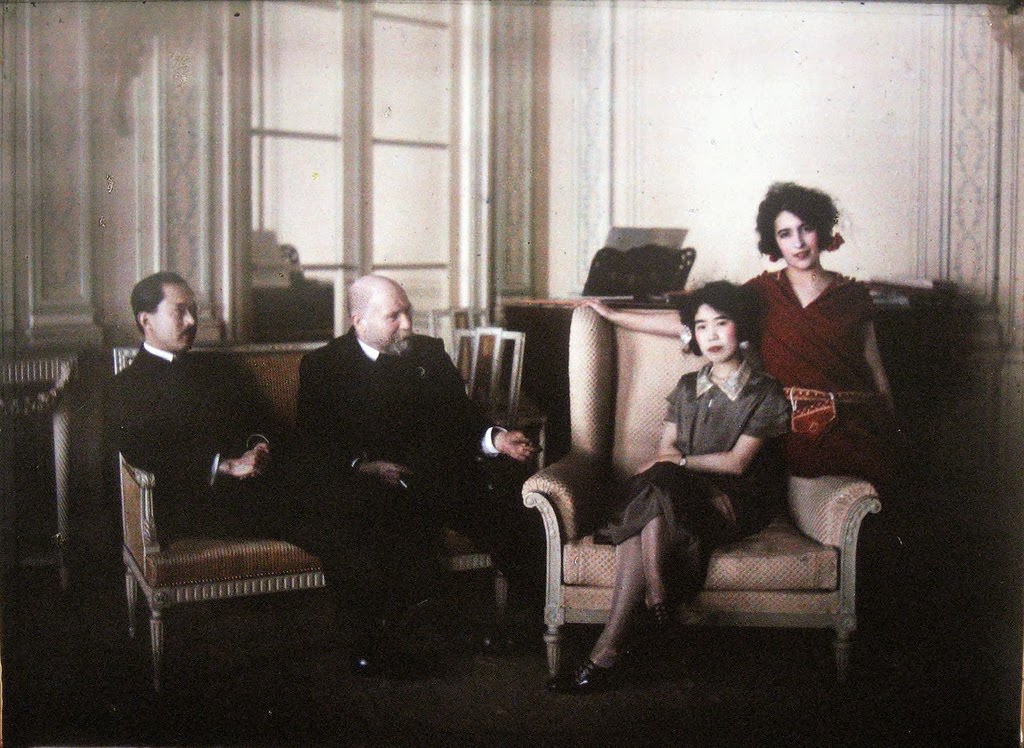
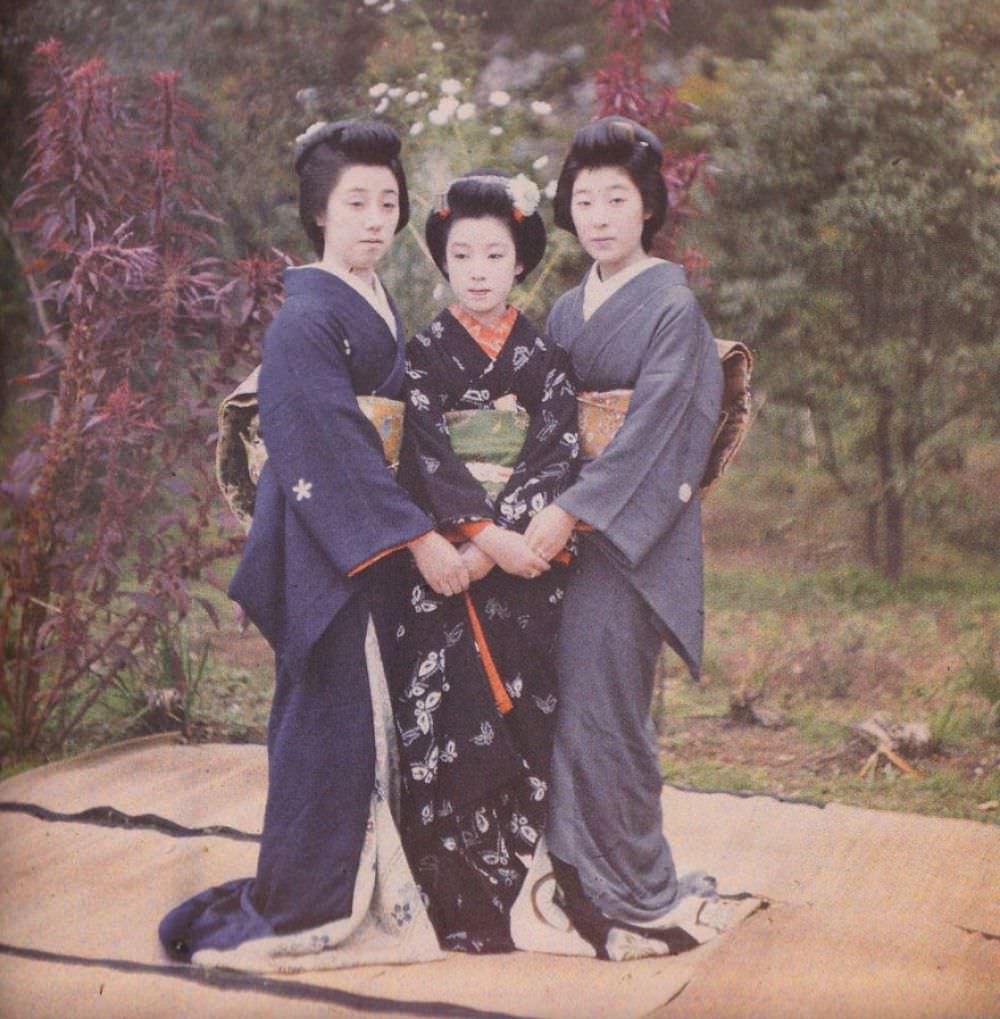
Coffee time on the shores of the Golden Horn, Constantinople (now Istanbul)General view of the Golden Horn in Constantinople.Turkish in Manisa.Members of the Japanese royal family in Tokyo.Three women in Japan, Kyoto, 1912
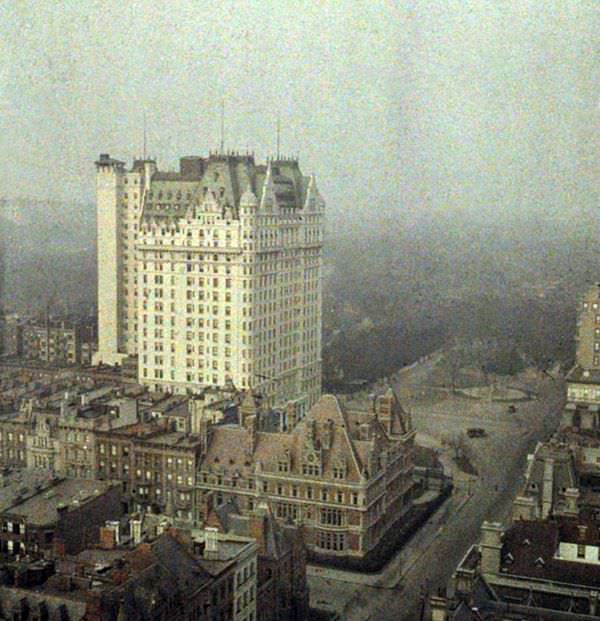
Below is a sweeping selection of Autochrome images from around the world, shot during the early decades of the 1900s. Each one is a window into a place and time that photography had never before shown in color.
Back in Europe and beyond, individual photographers used the Autochrome to capture portraits and personal moments with a warmth that black-and-white film simply couldn’t produce. The soft color palette made portraits feel alive in a way that was entirely new to audiences of the era.
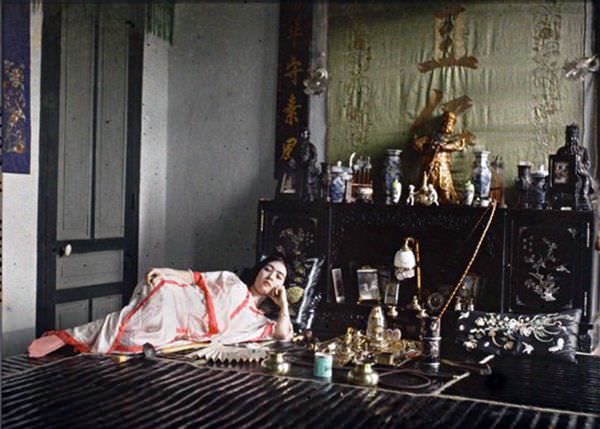
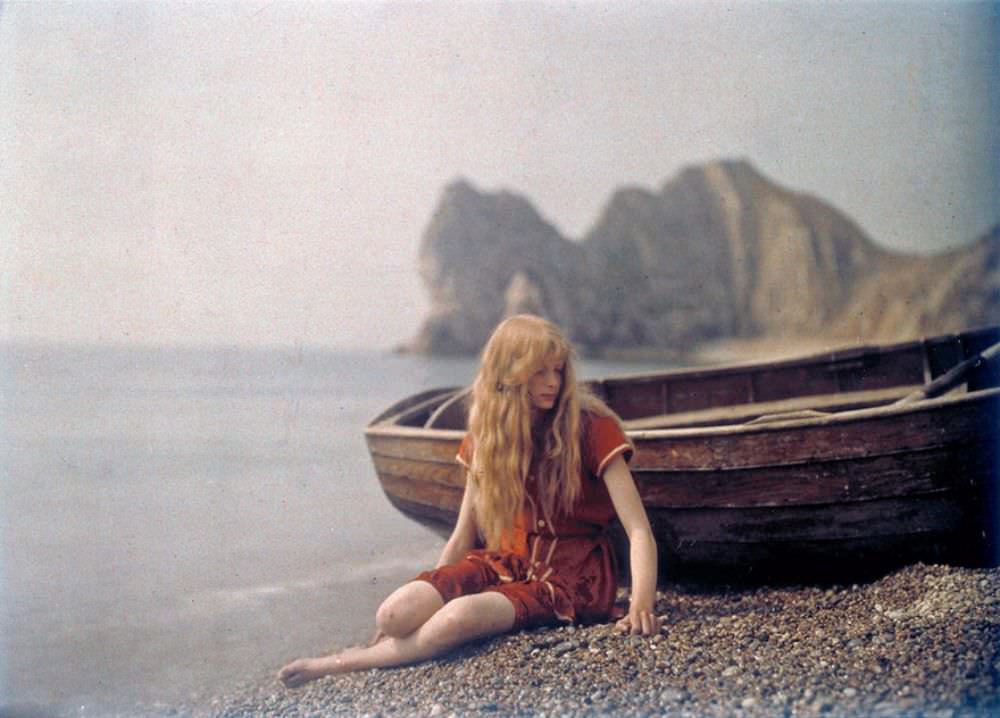
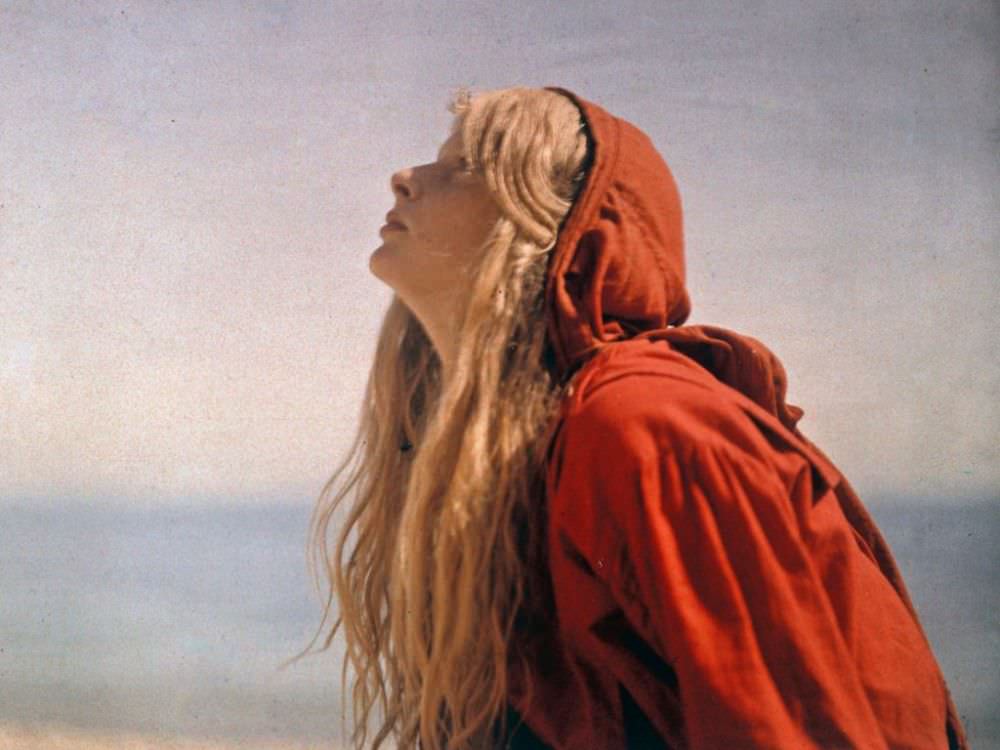
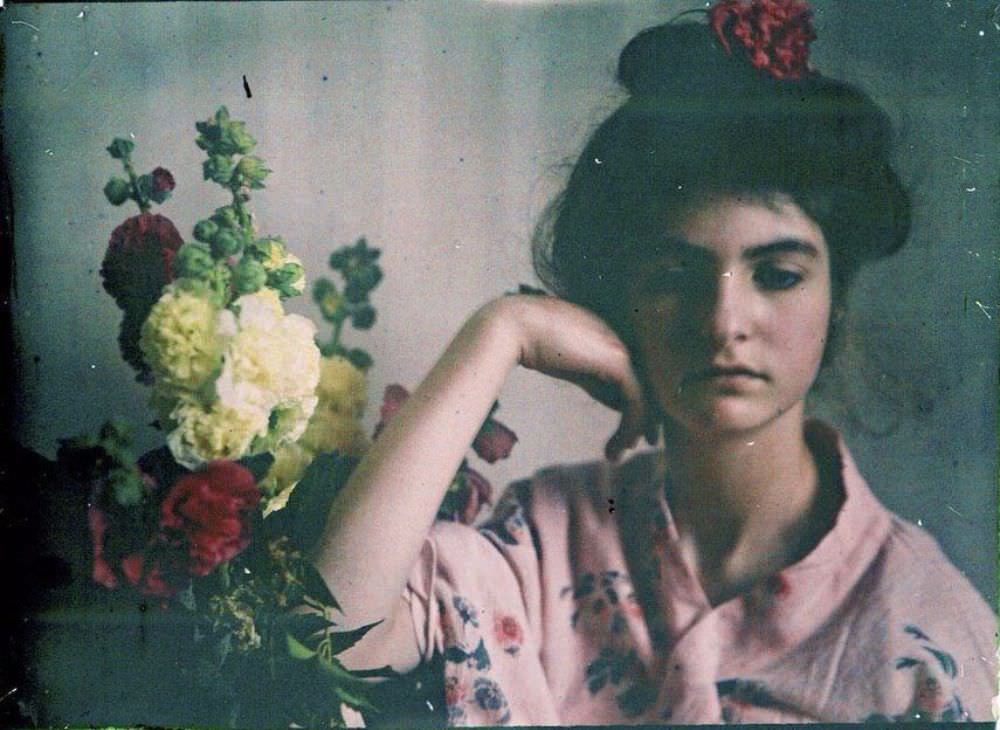
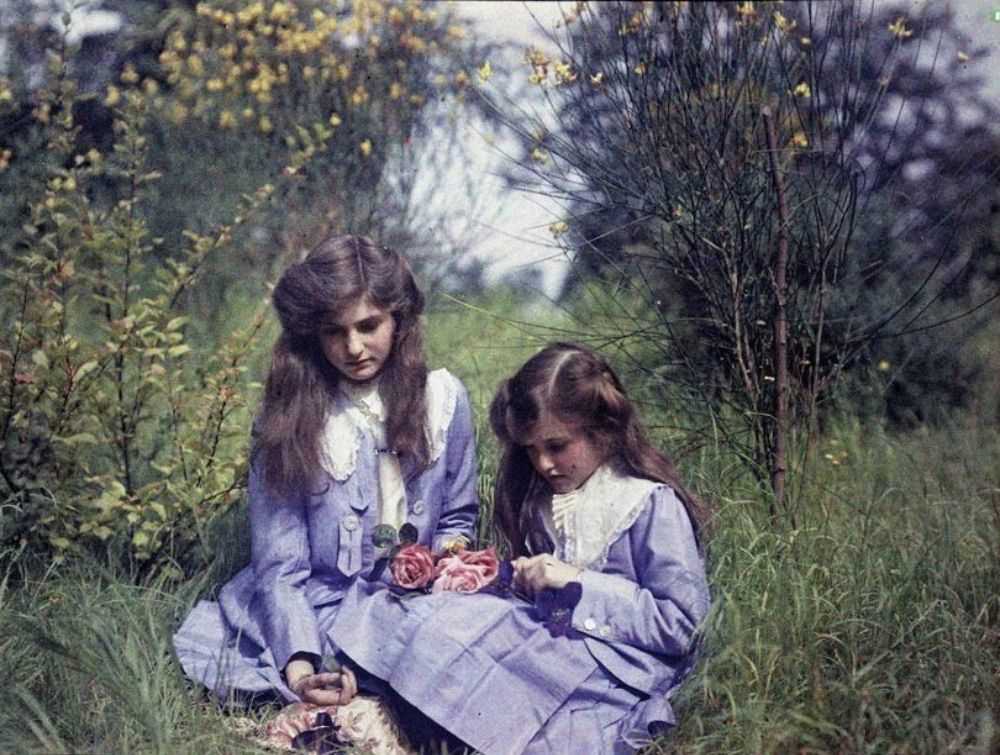
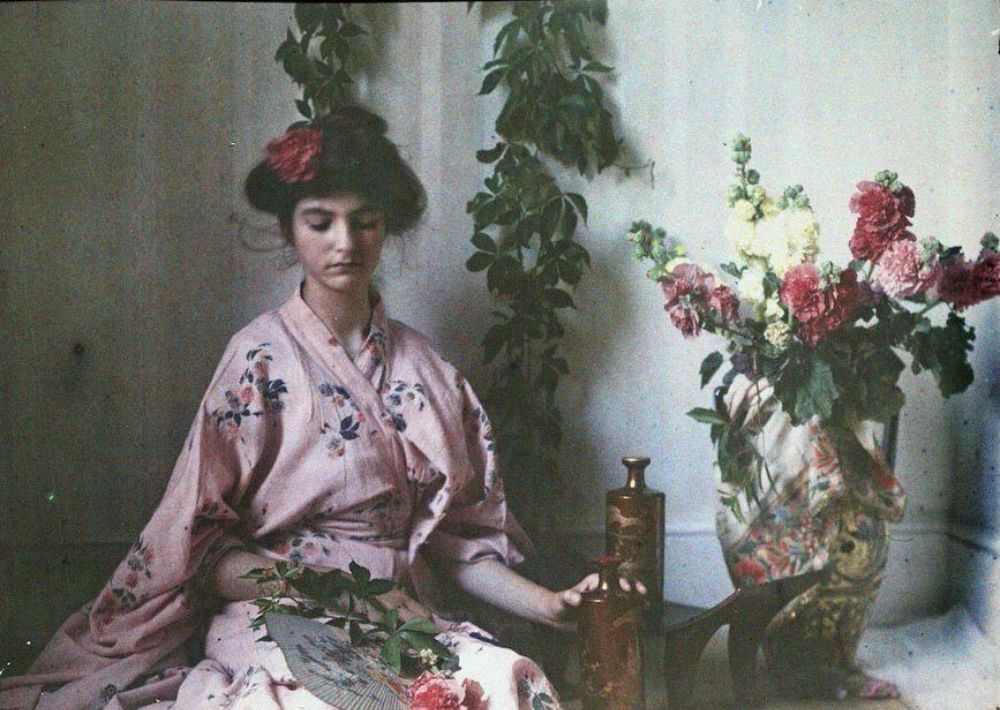
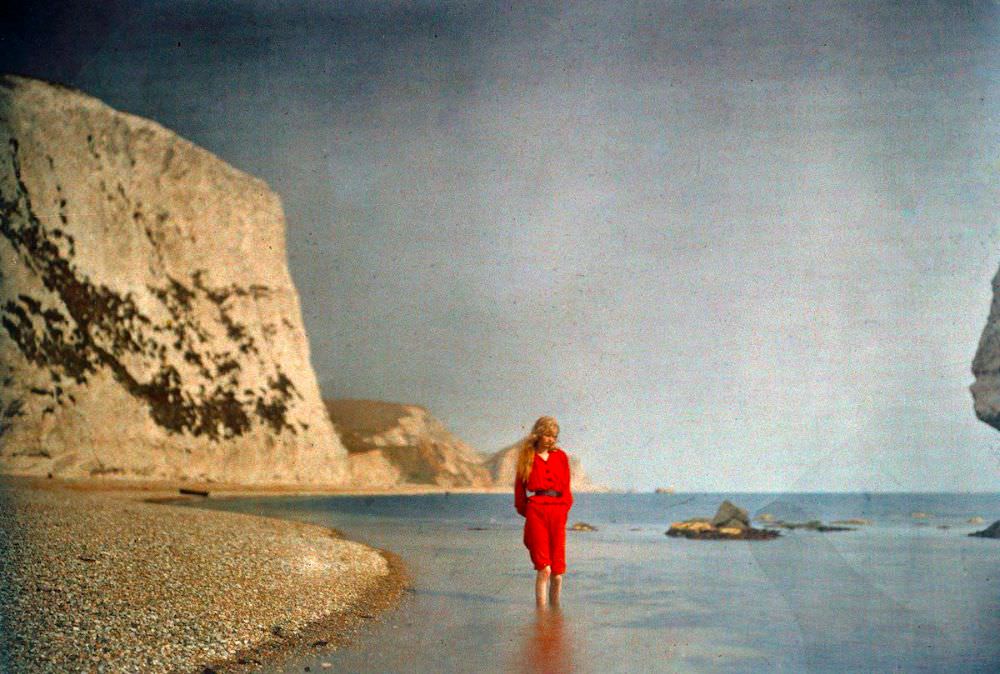
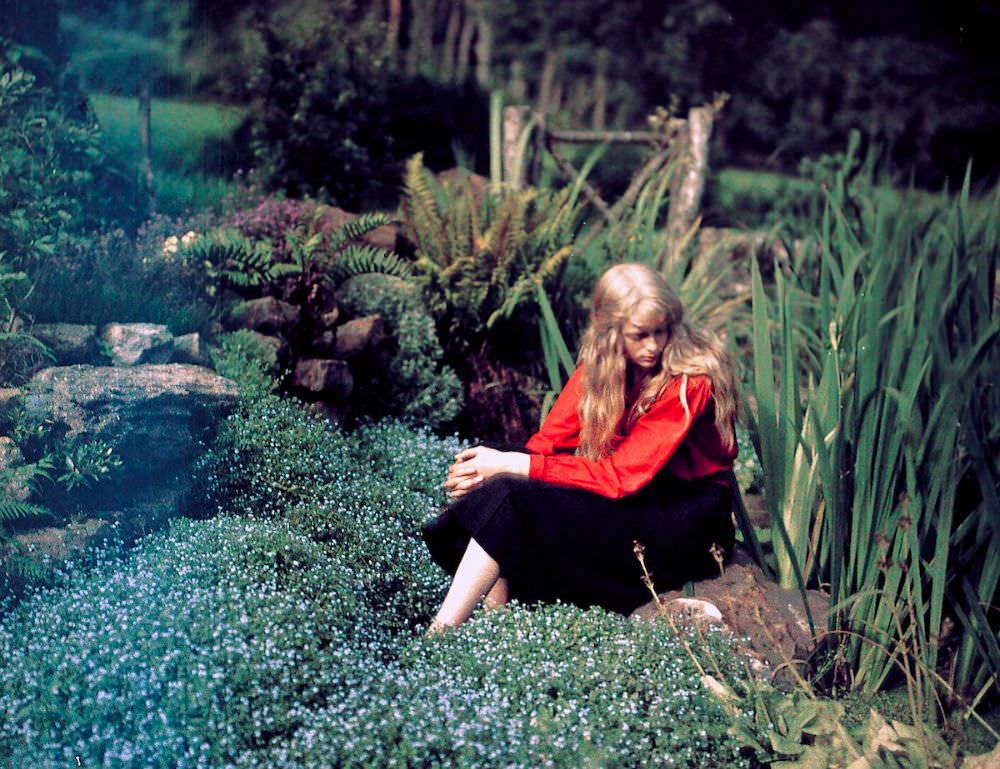
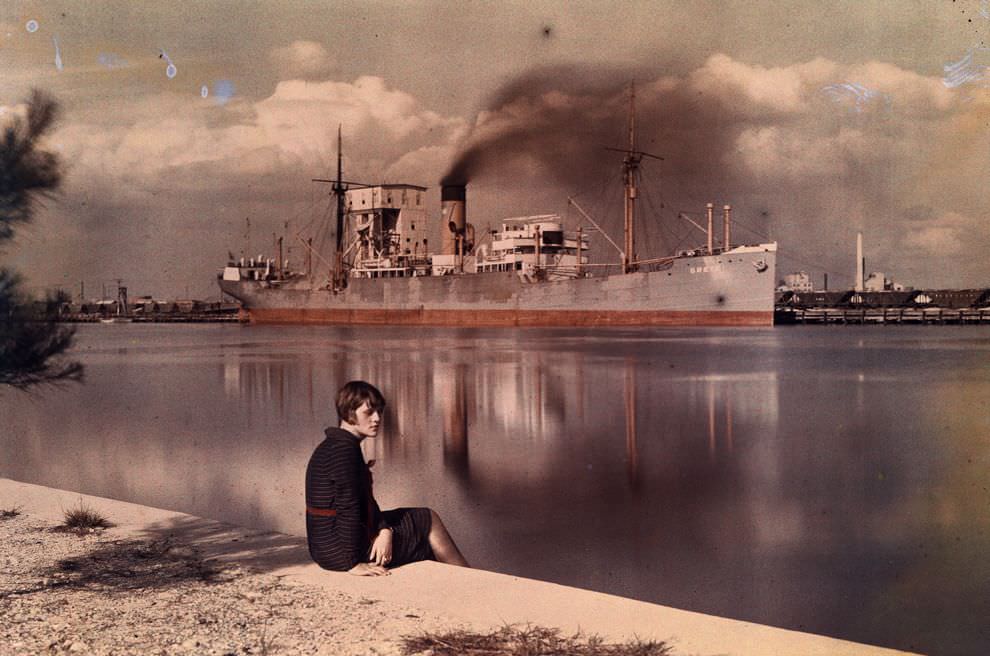
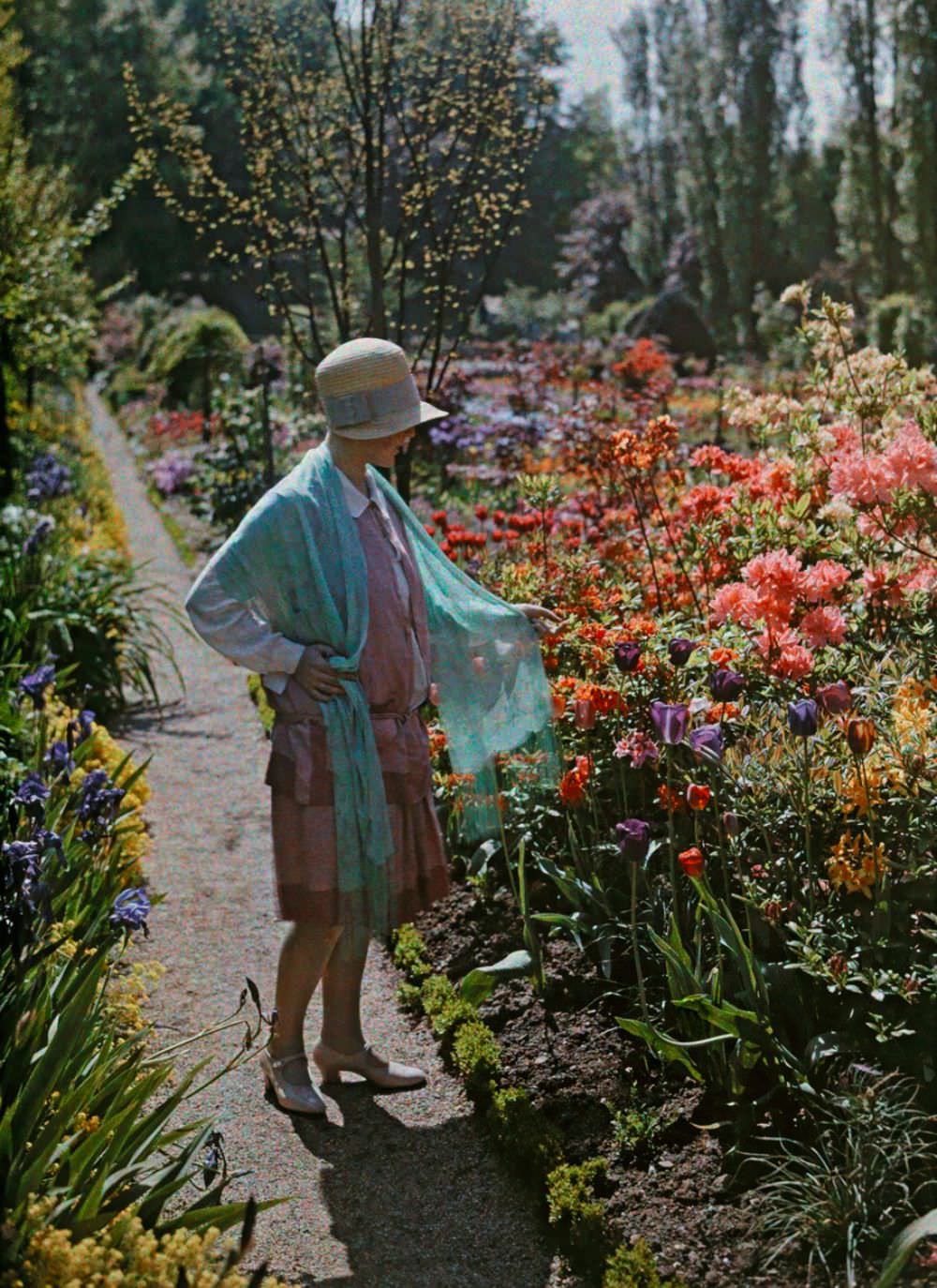
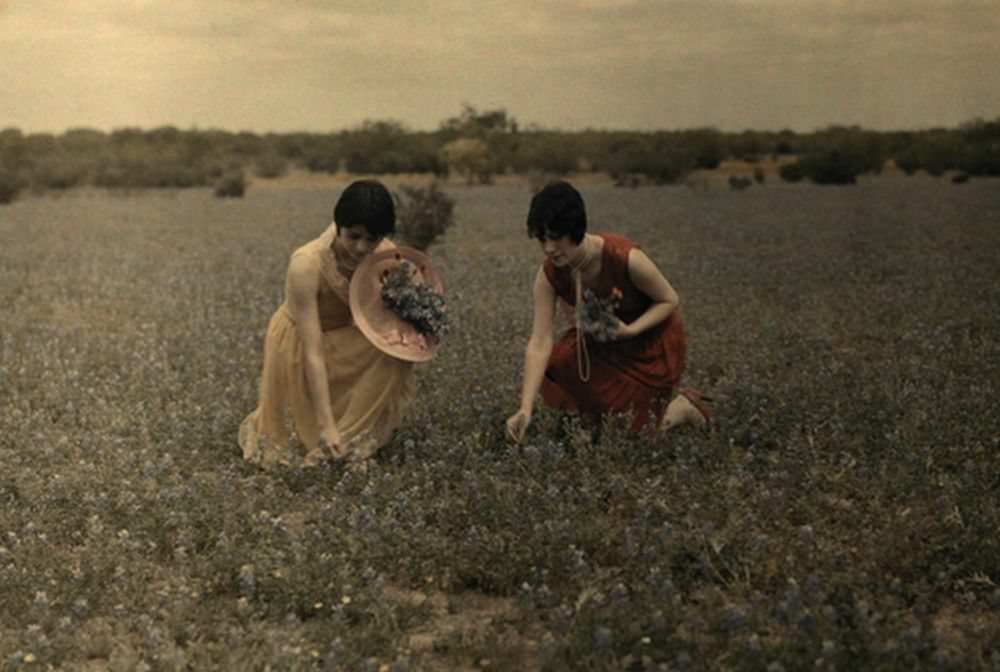
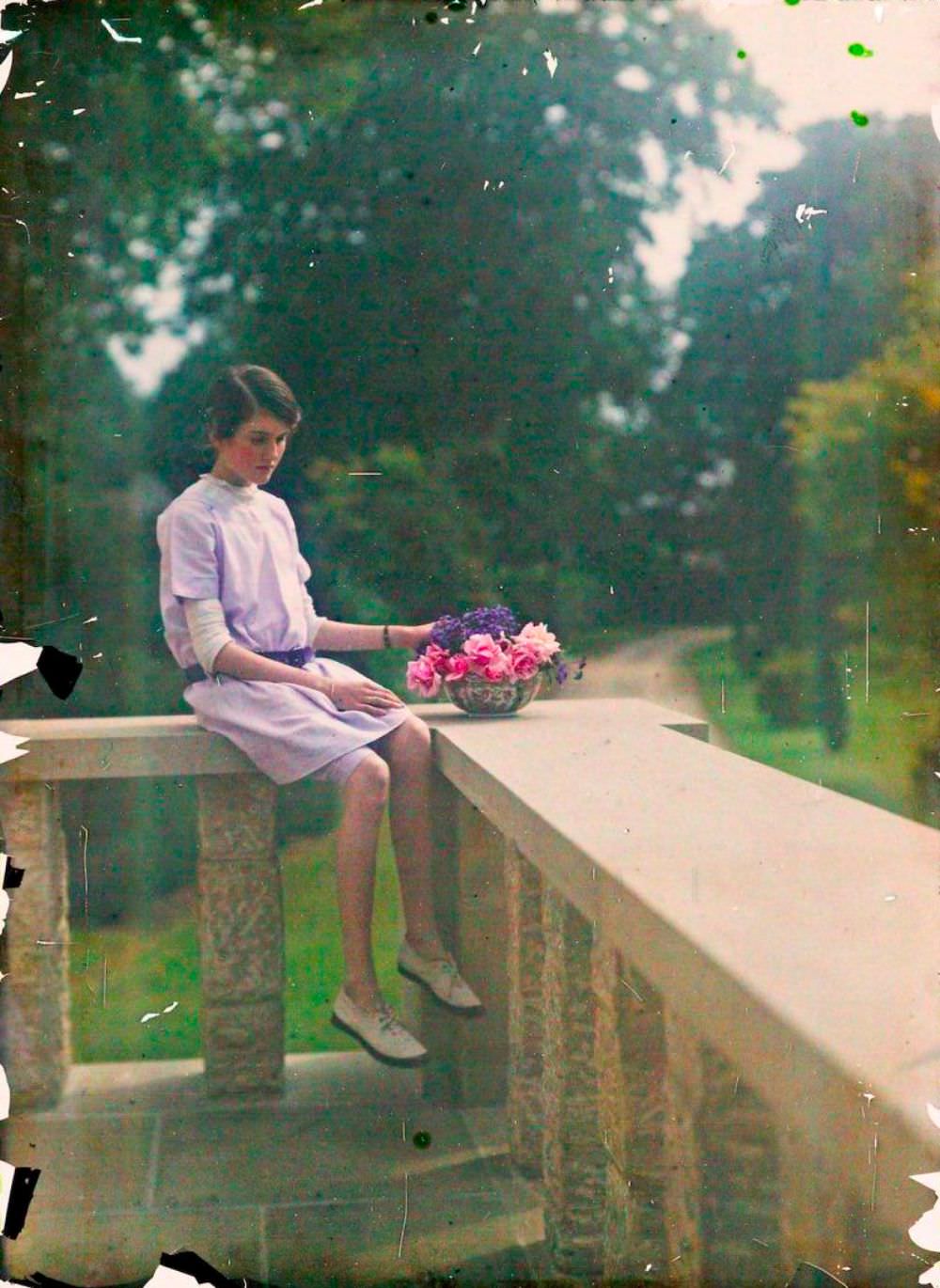
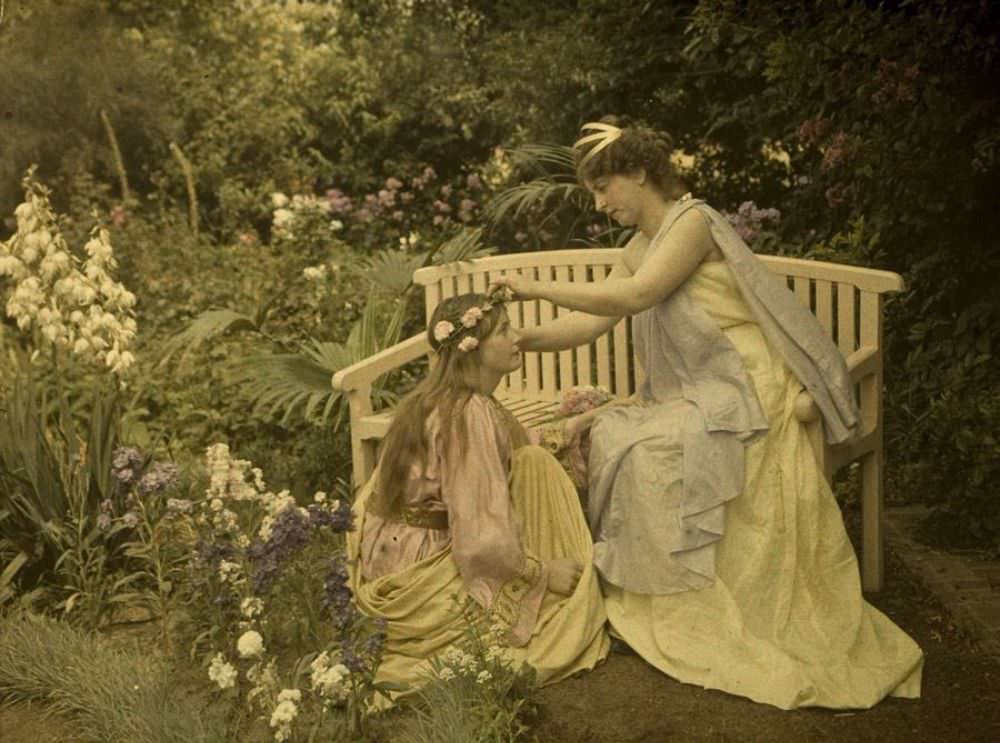
Christina in red, 1913Christina in red, 1913Two girls picking Cornflowers, c.1912Young girl amidst marguerites, c.1912Young girl posing in Japanese kimono, c.1914Sisters sitting in a garden tying roses together, 1911Young girl in kimono, c.1914c.1910Woman and girl by a brook, 1910Woman smoking opium, 1915Christina in red, 1913Christina in red, 1913A woman sits on an edge by a harbor where a freighter boat approaches, 1930A young woman admires flowers in a Baden garden in Germany, 1928Two women pick the state flower in a Laredo field
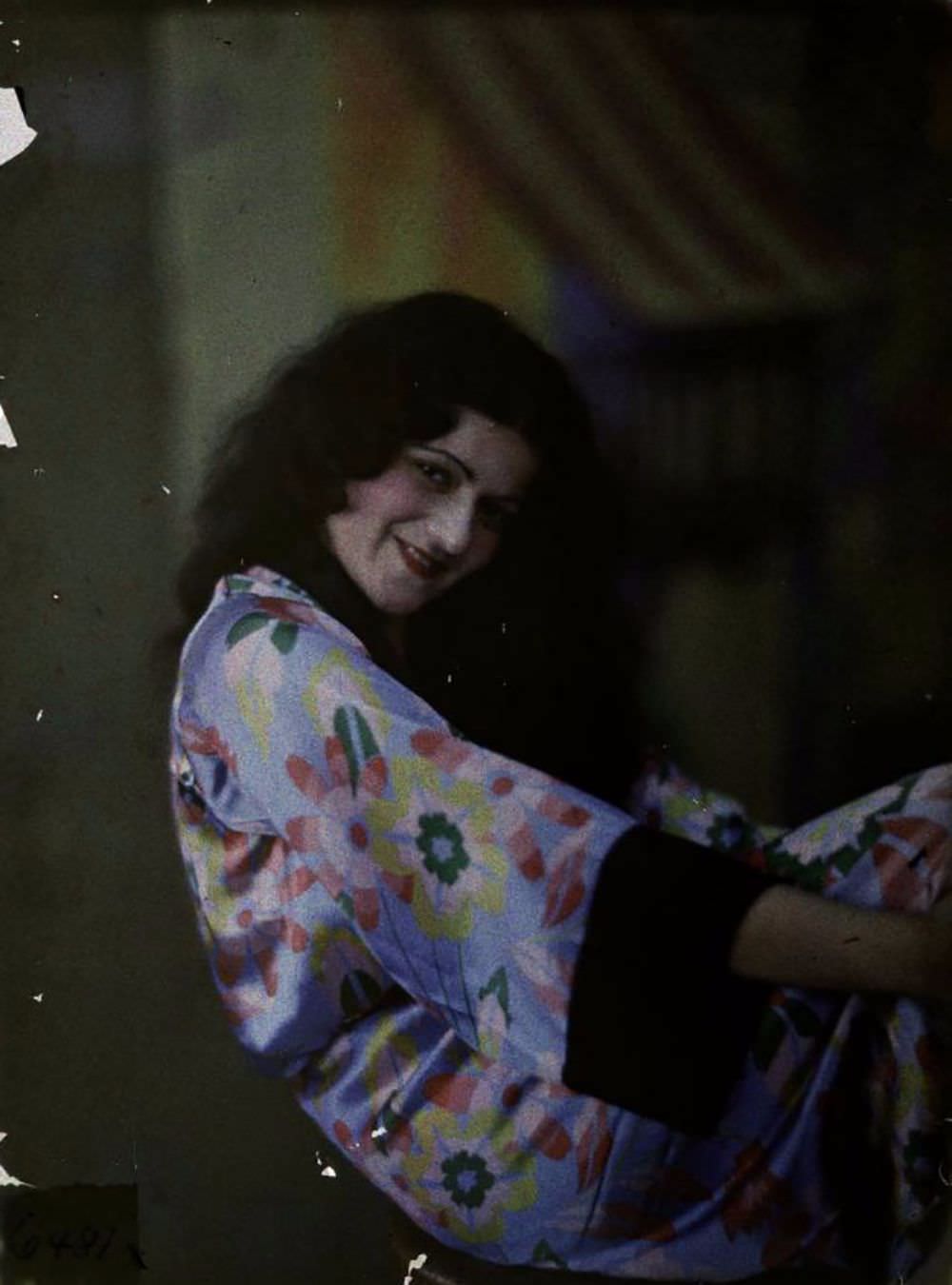
Woman in floral silk robe, 1915
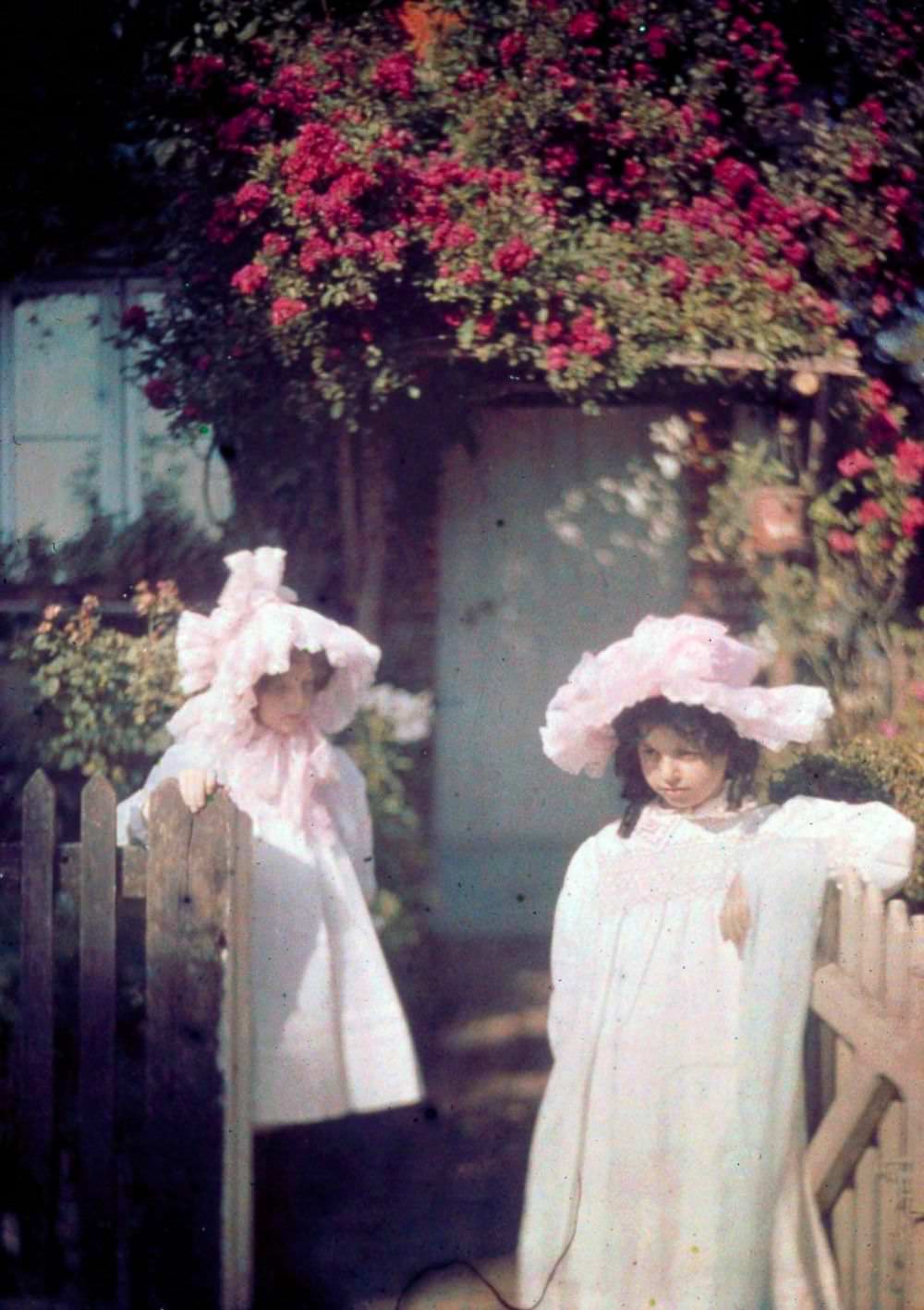
Two girls at the gate, 1915
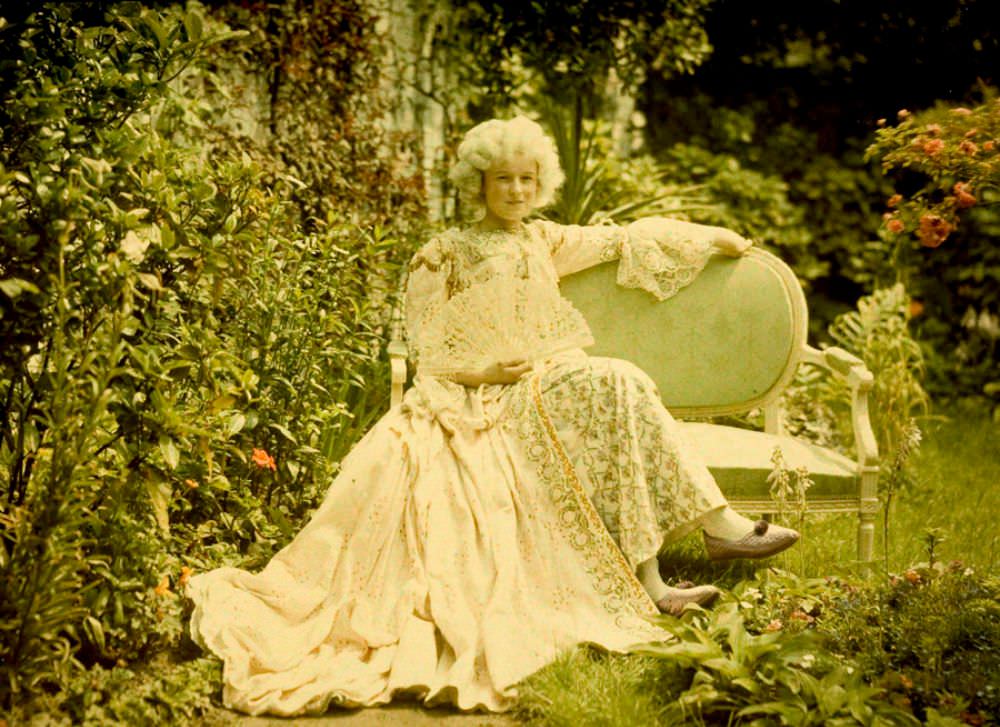
Autochrome of a young girl, 1910Innocence, c.1912Young lady with a fan, c.1910
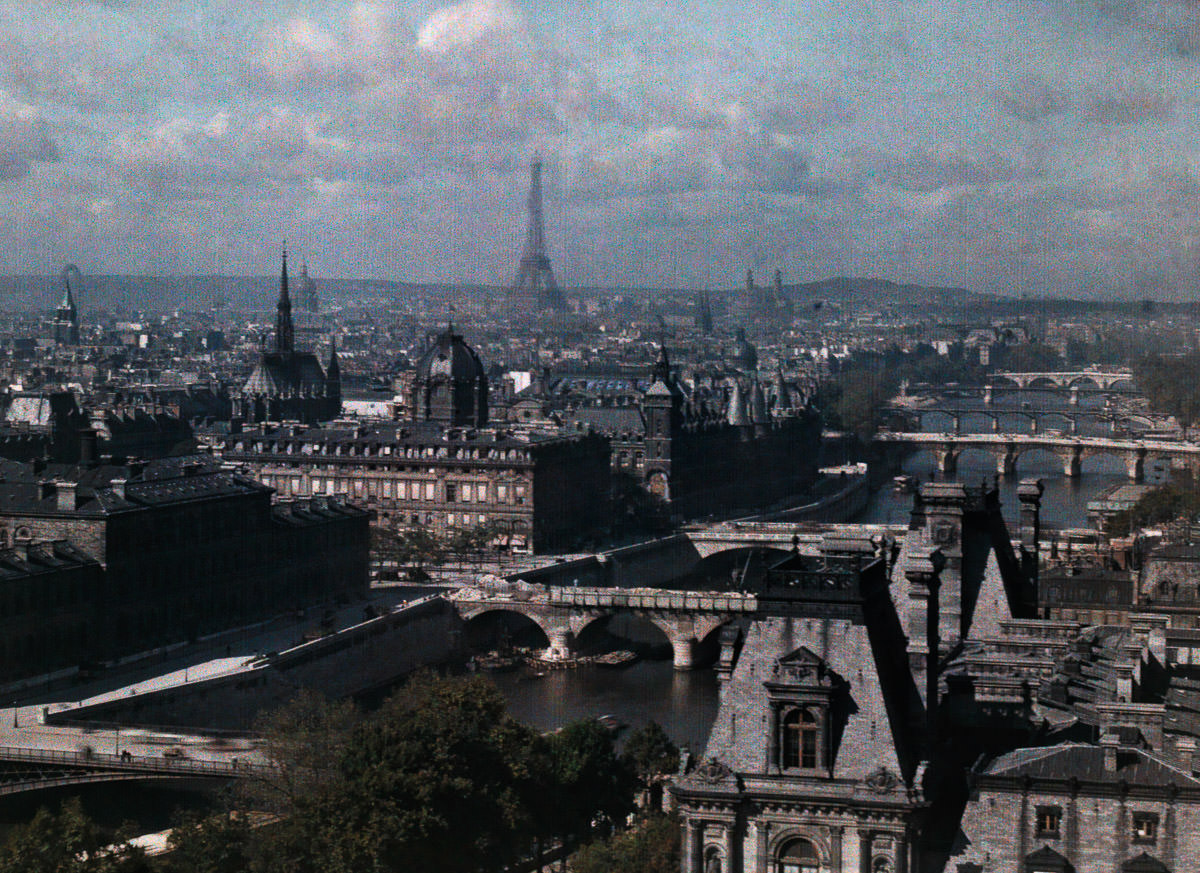
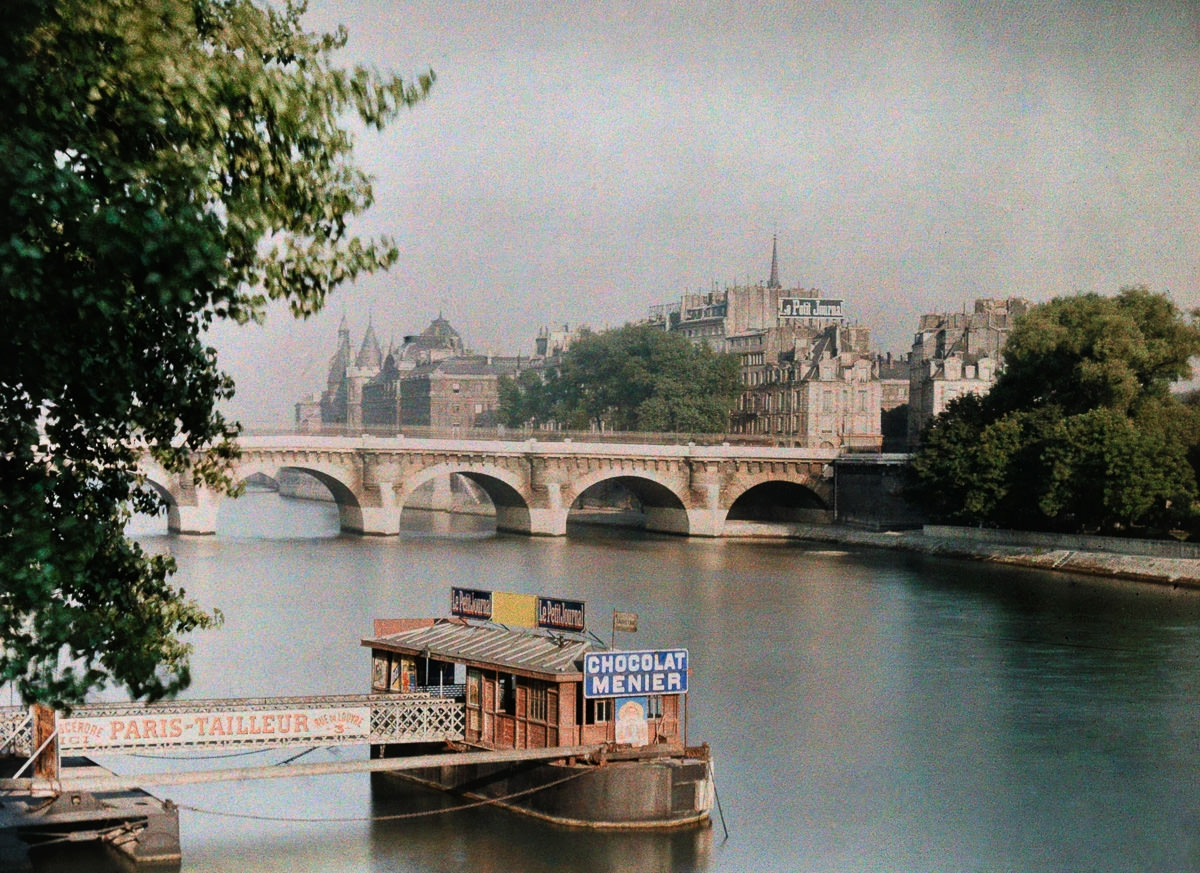
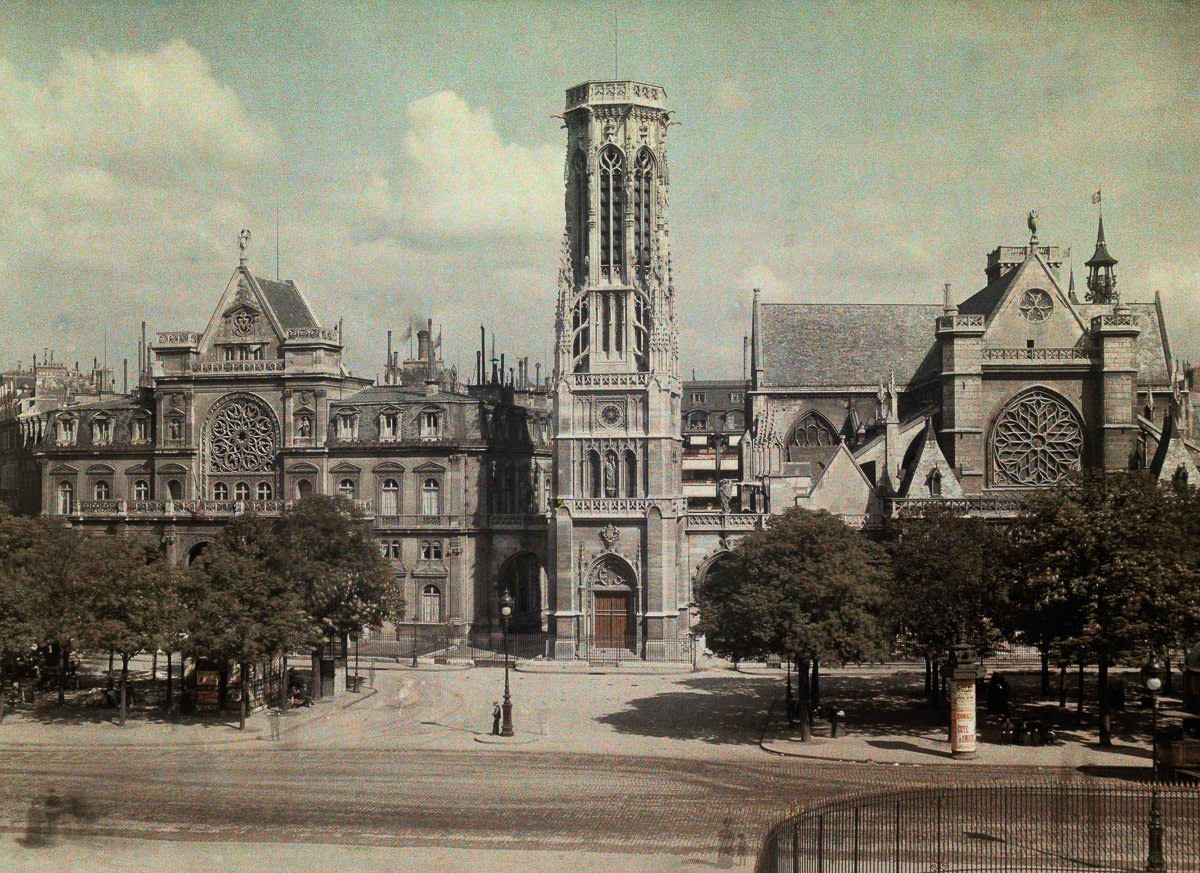
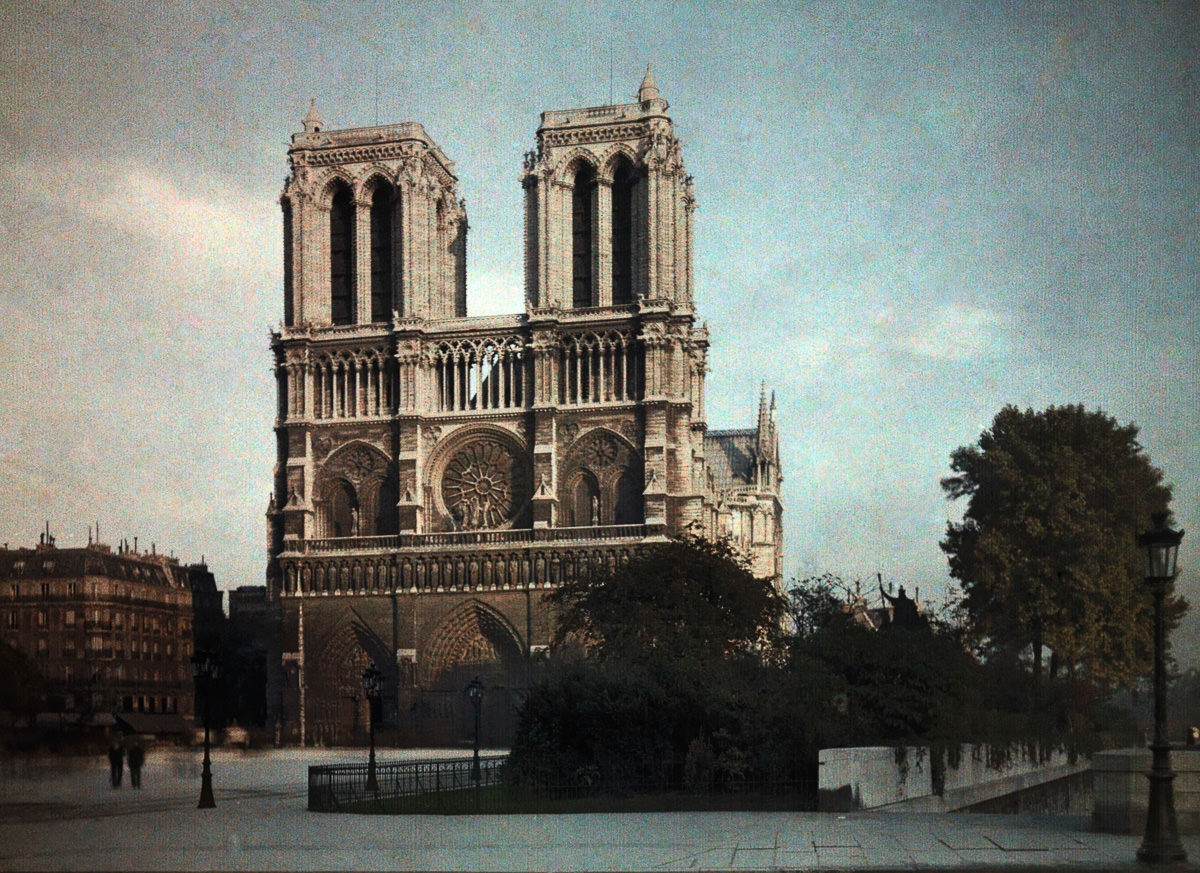
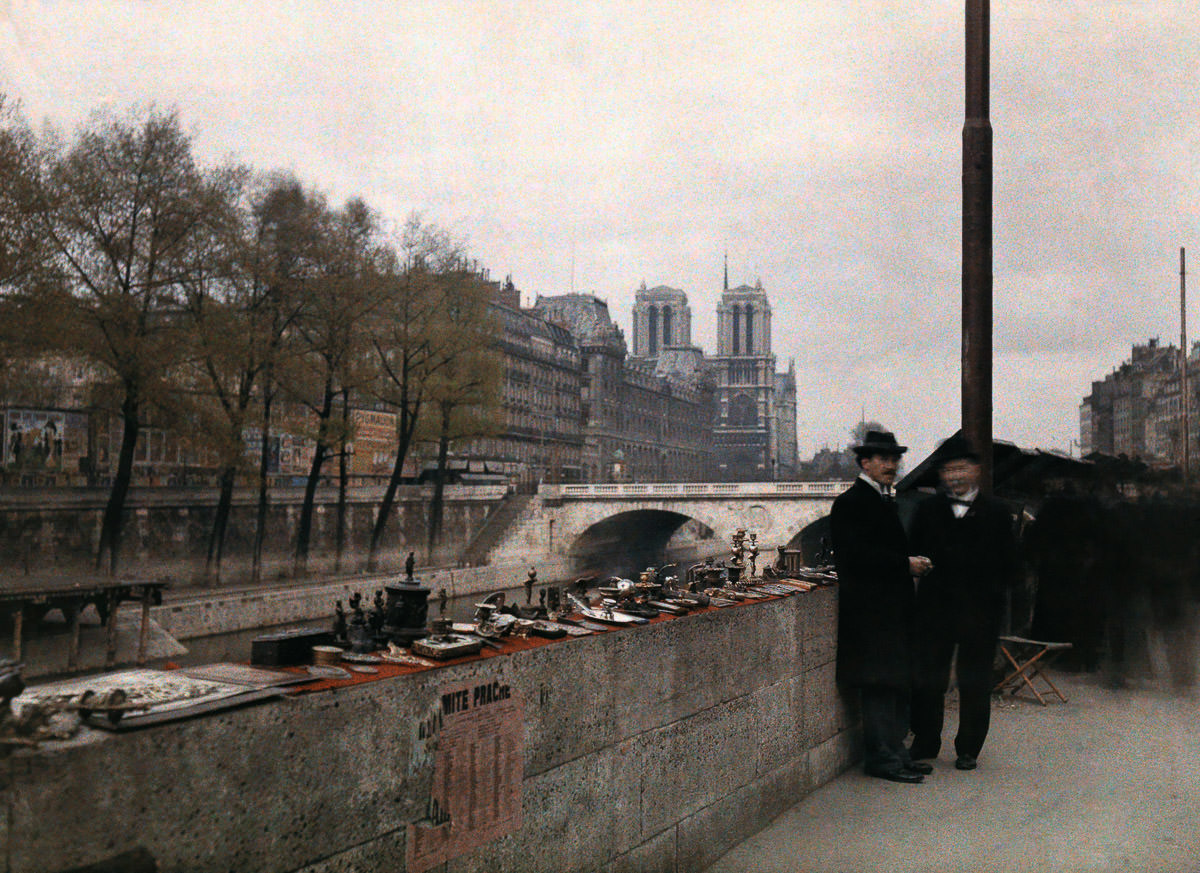
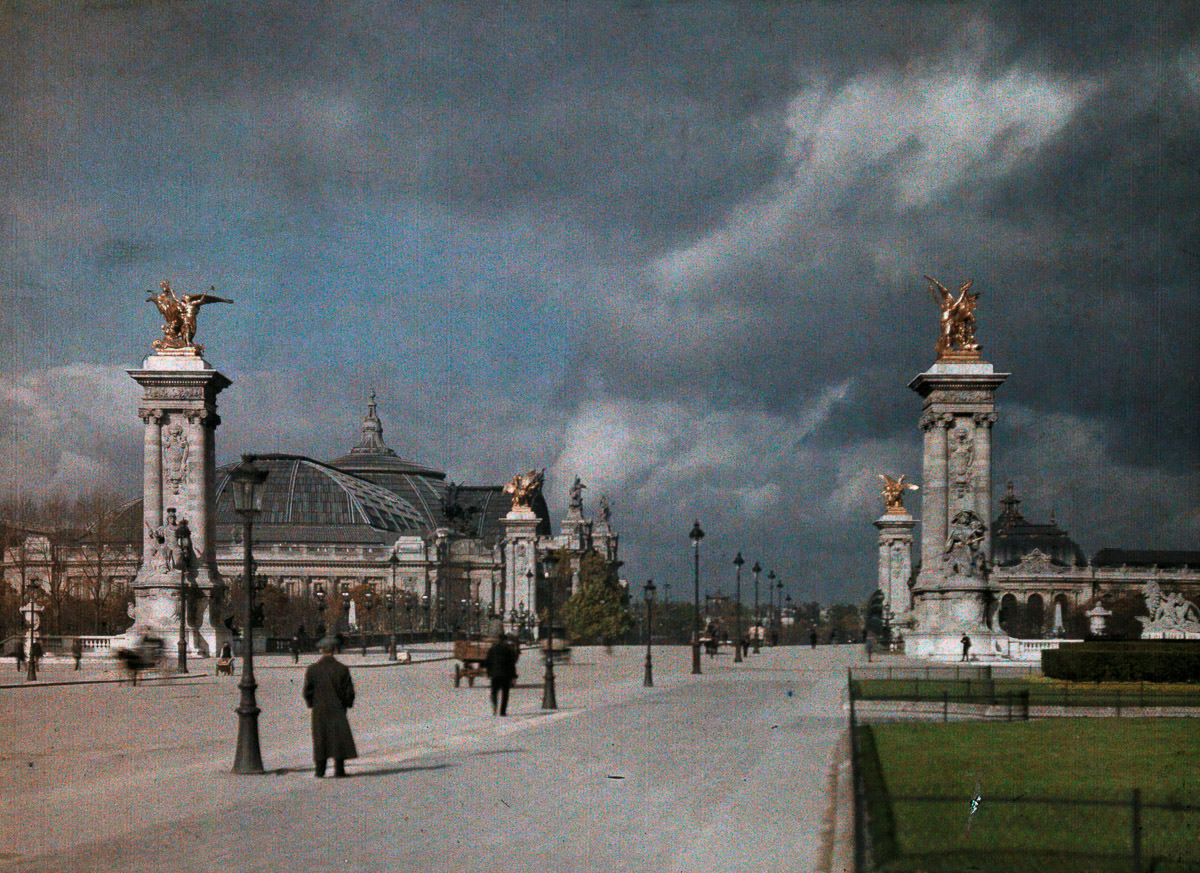
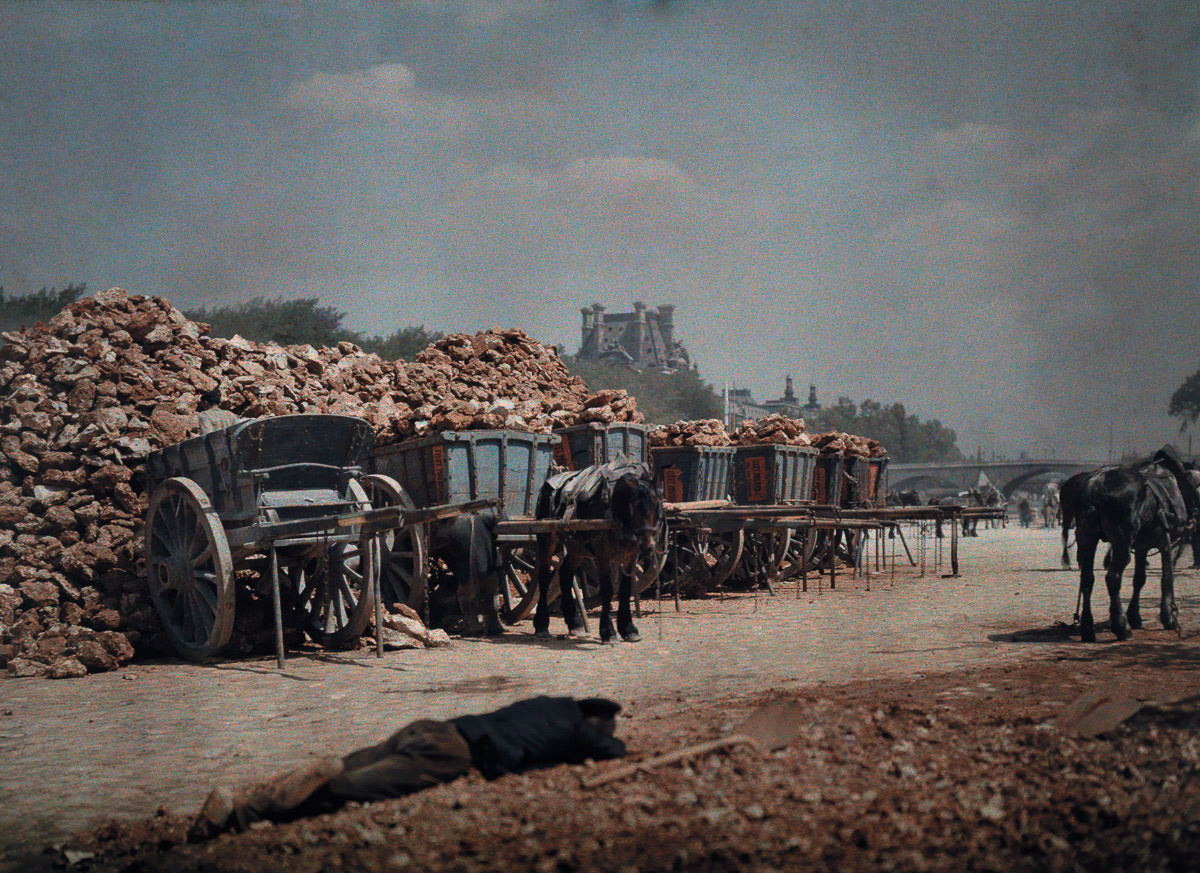
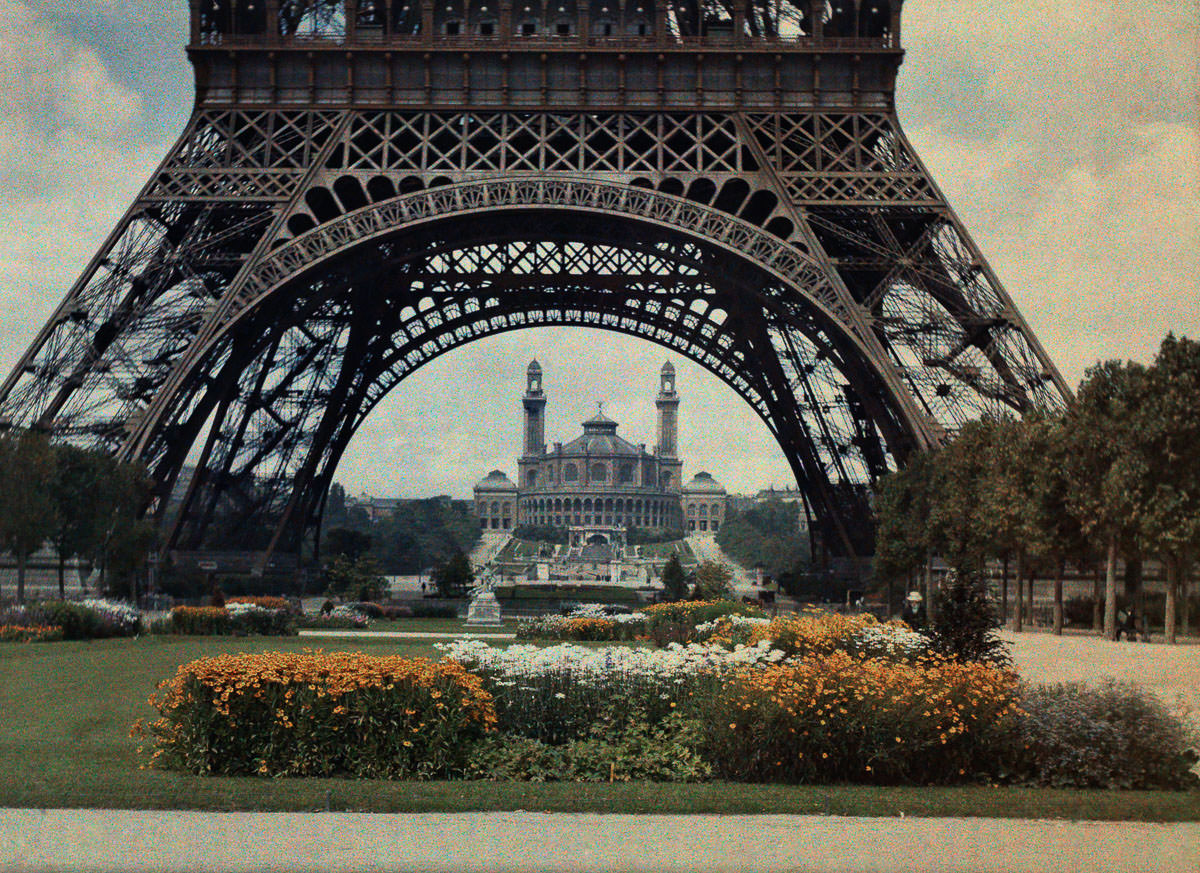
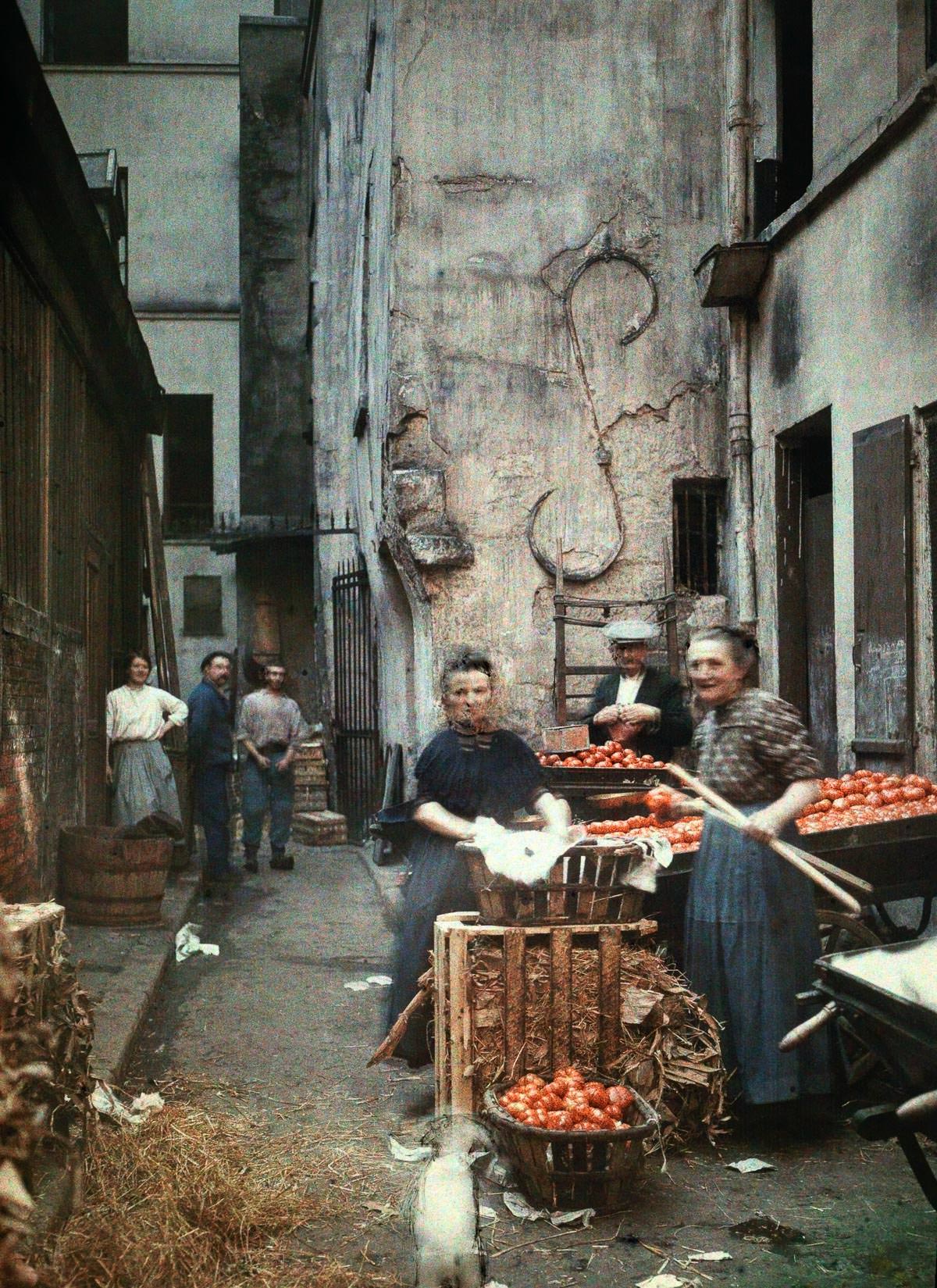
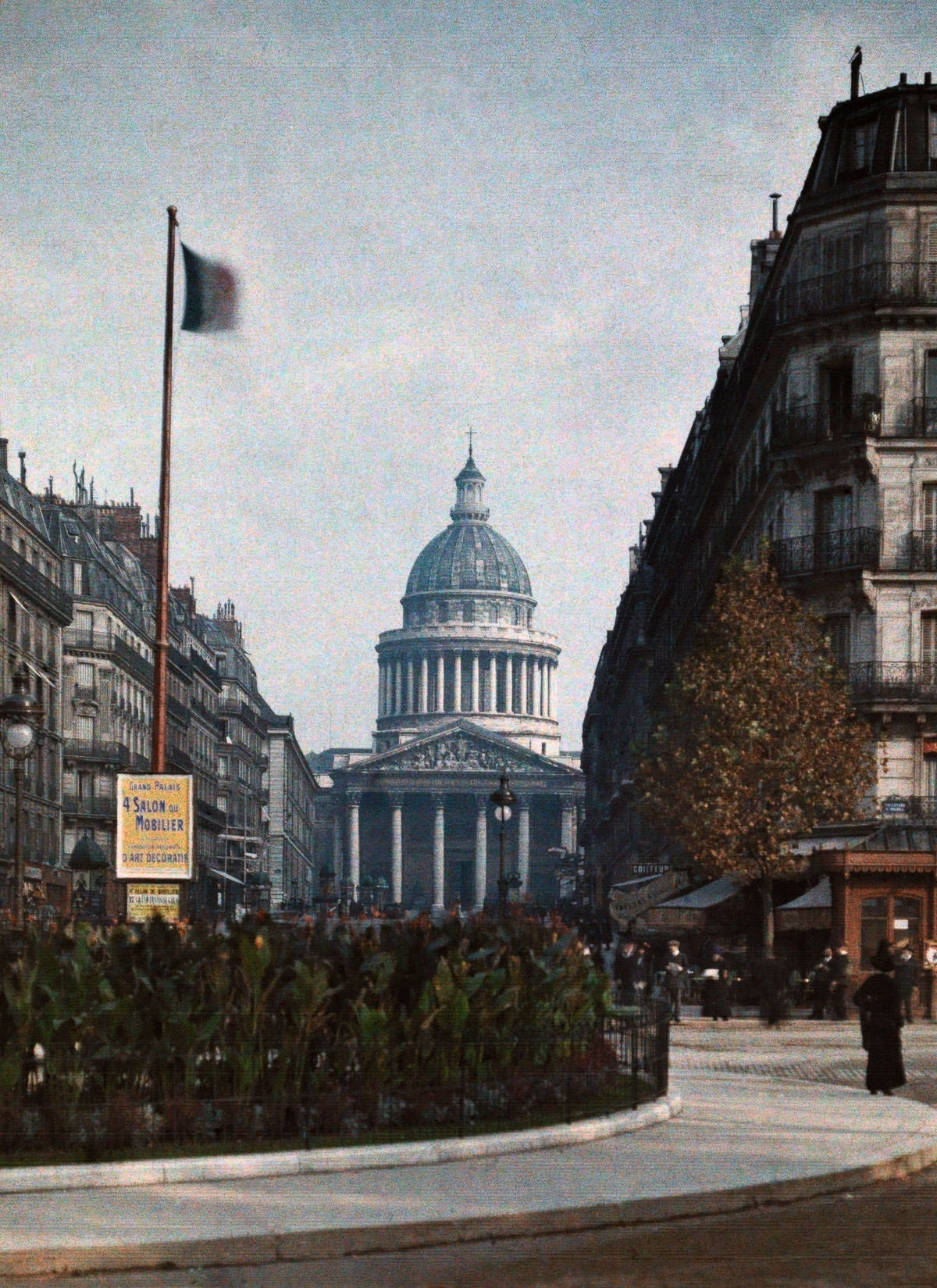
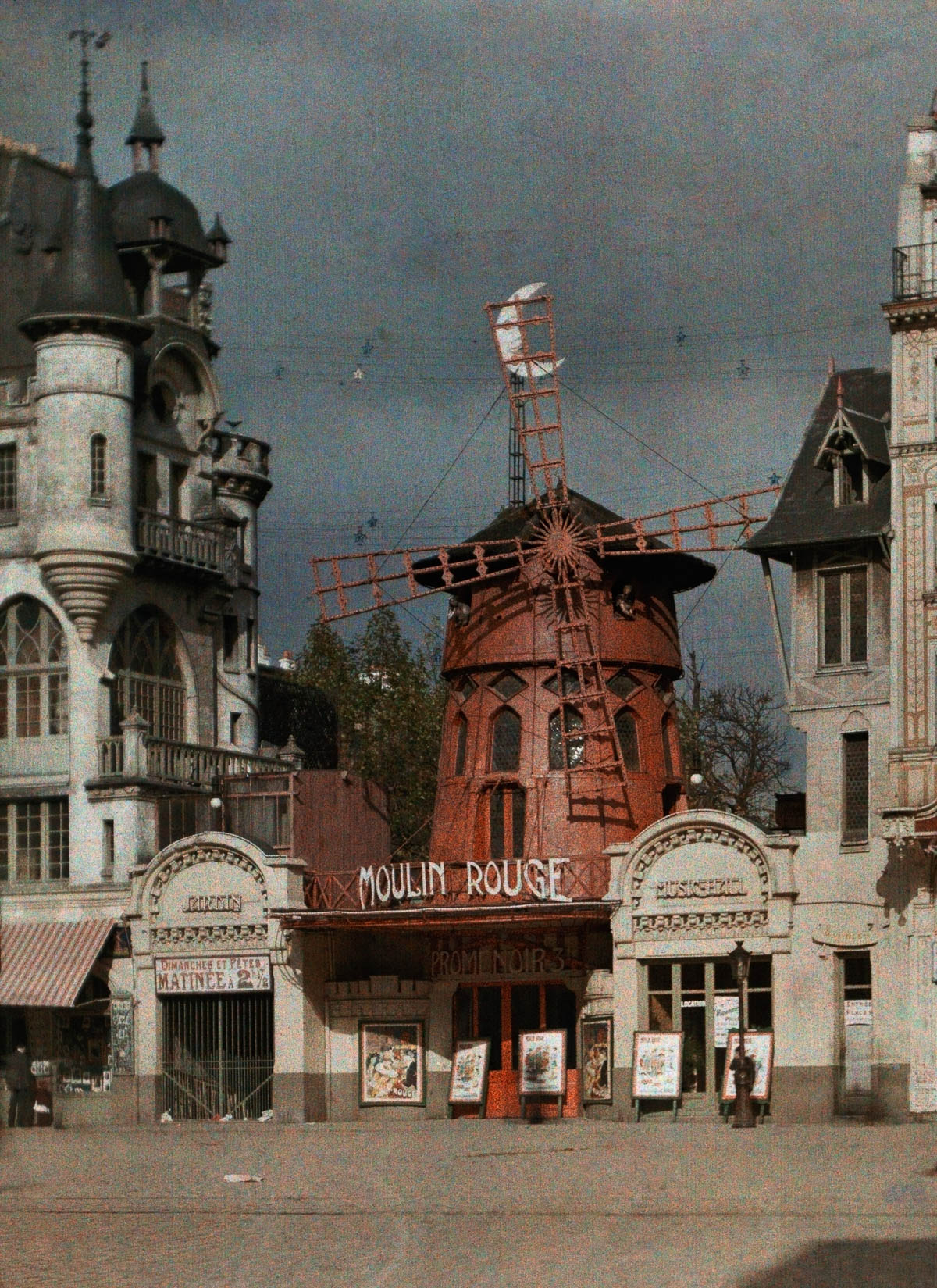
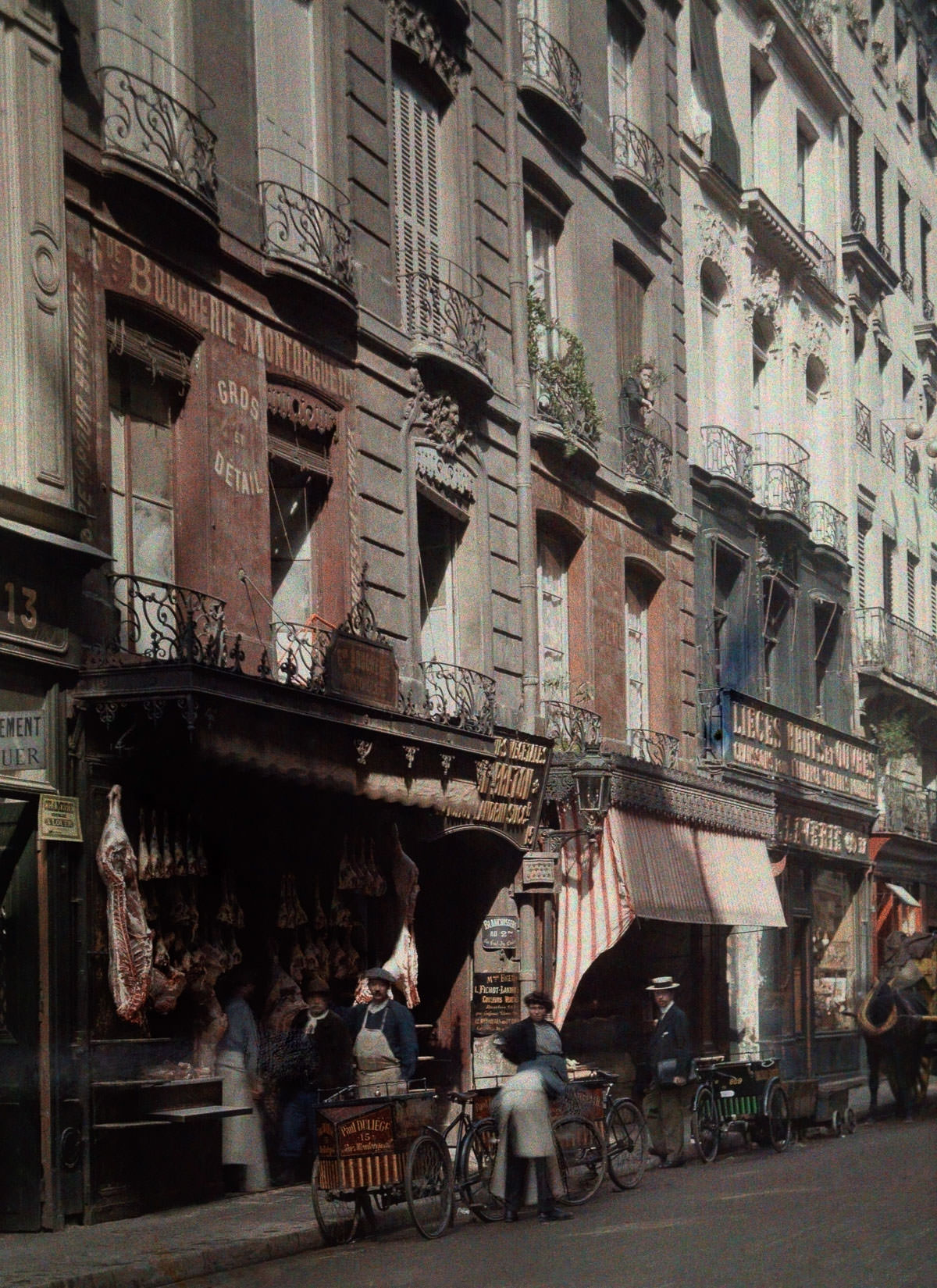
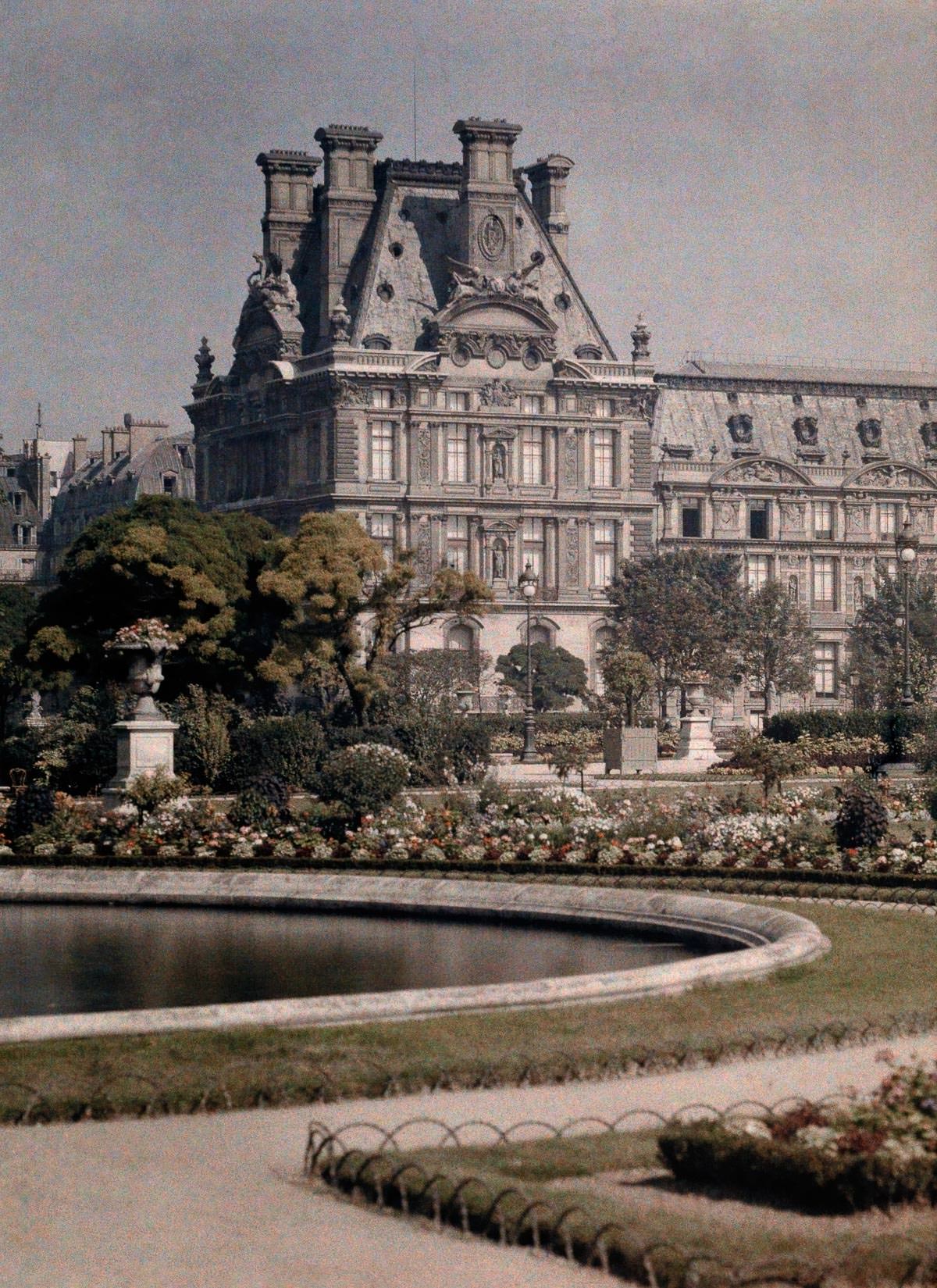
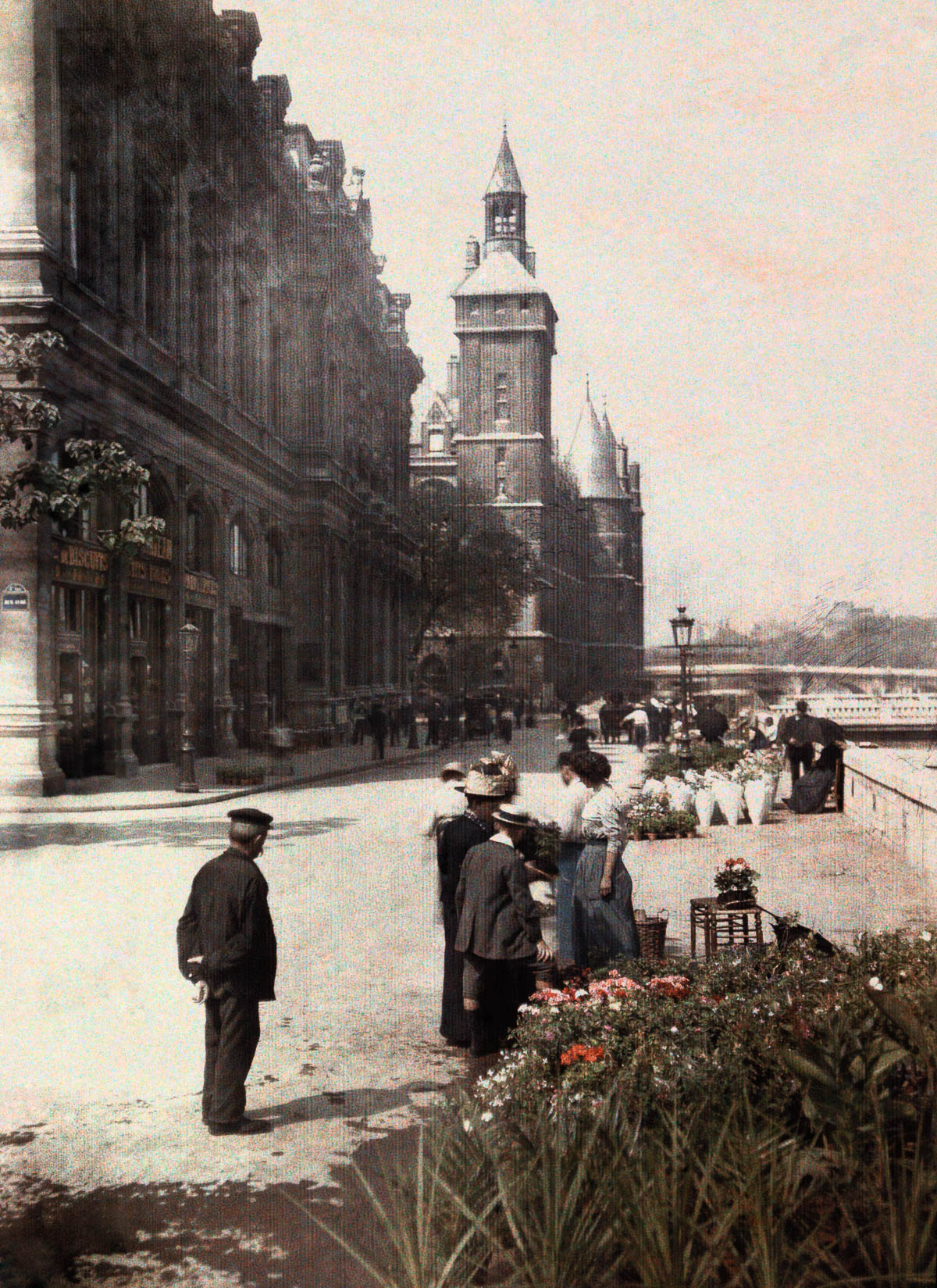
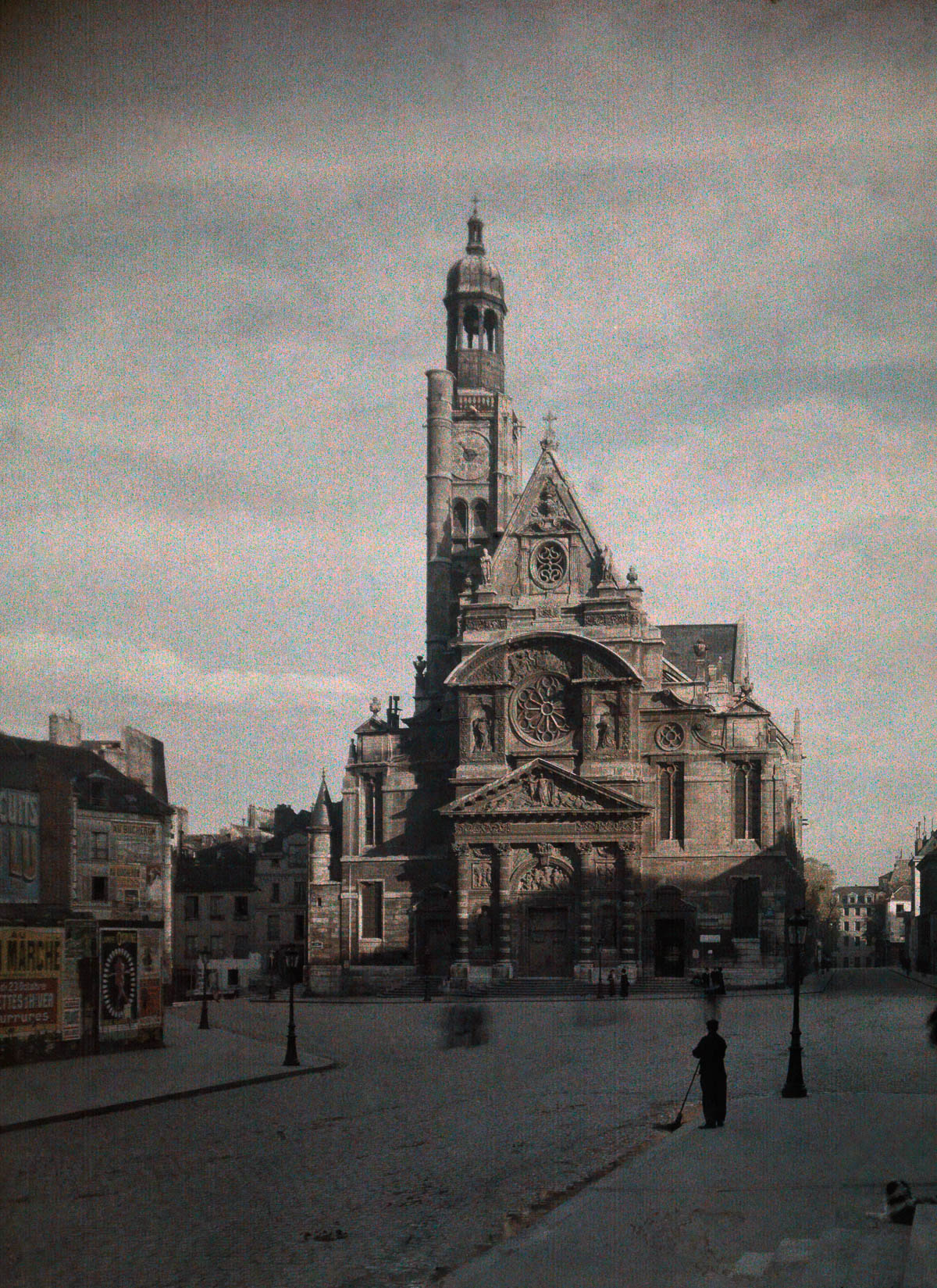
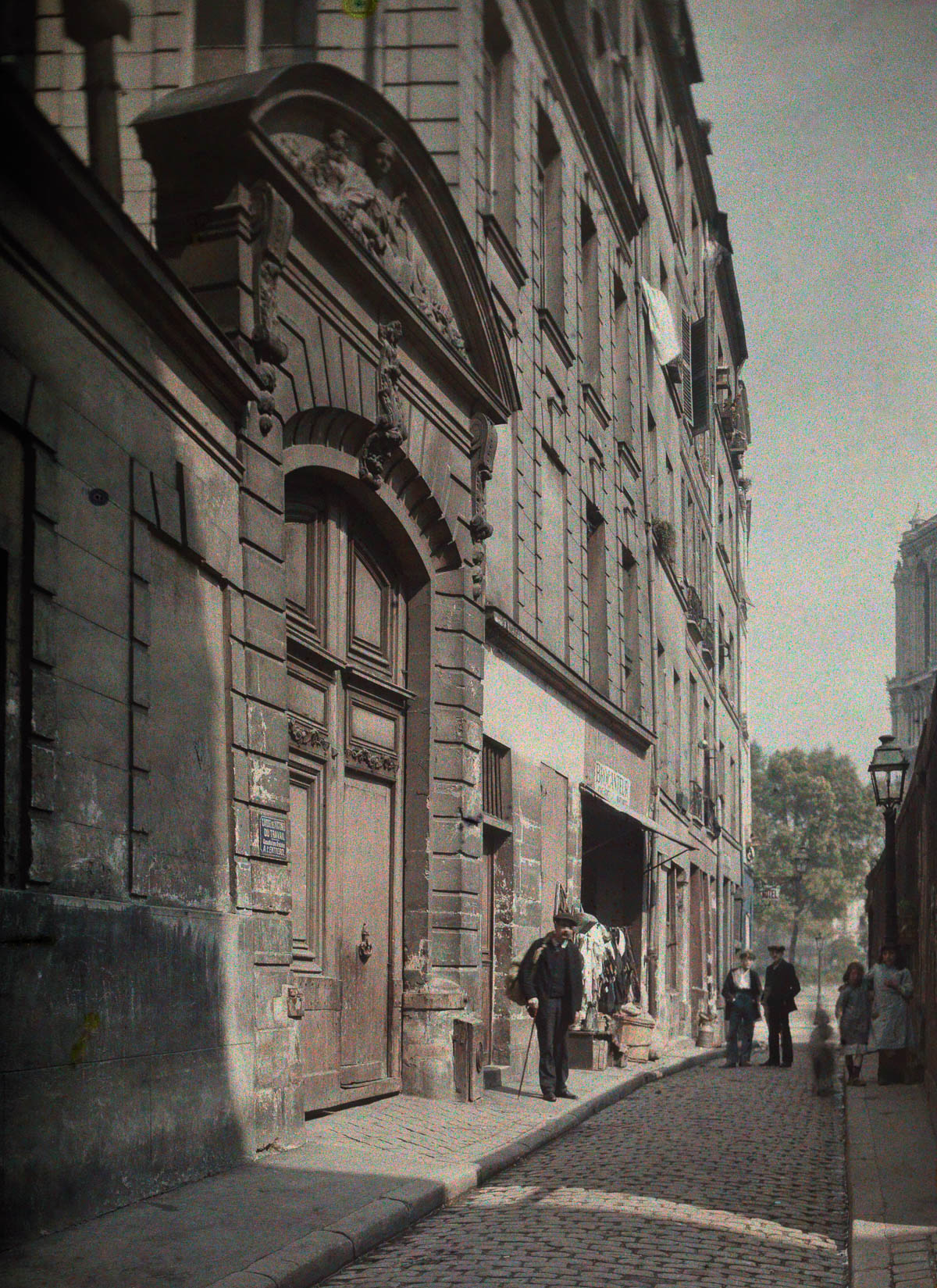
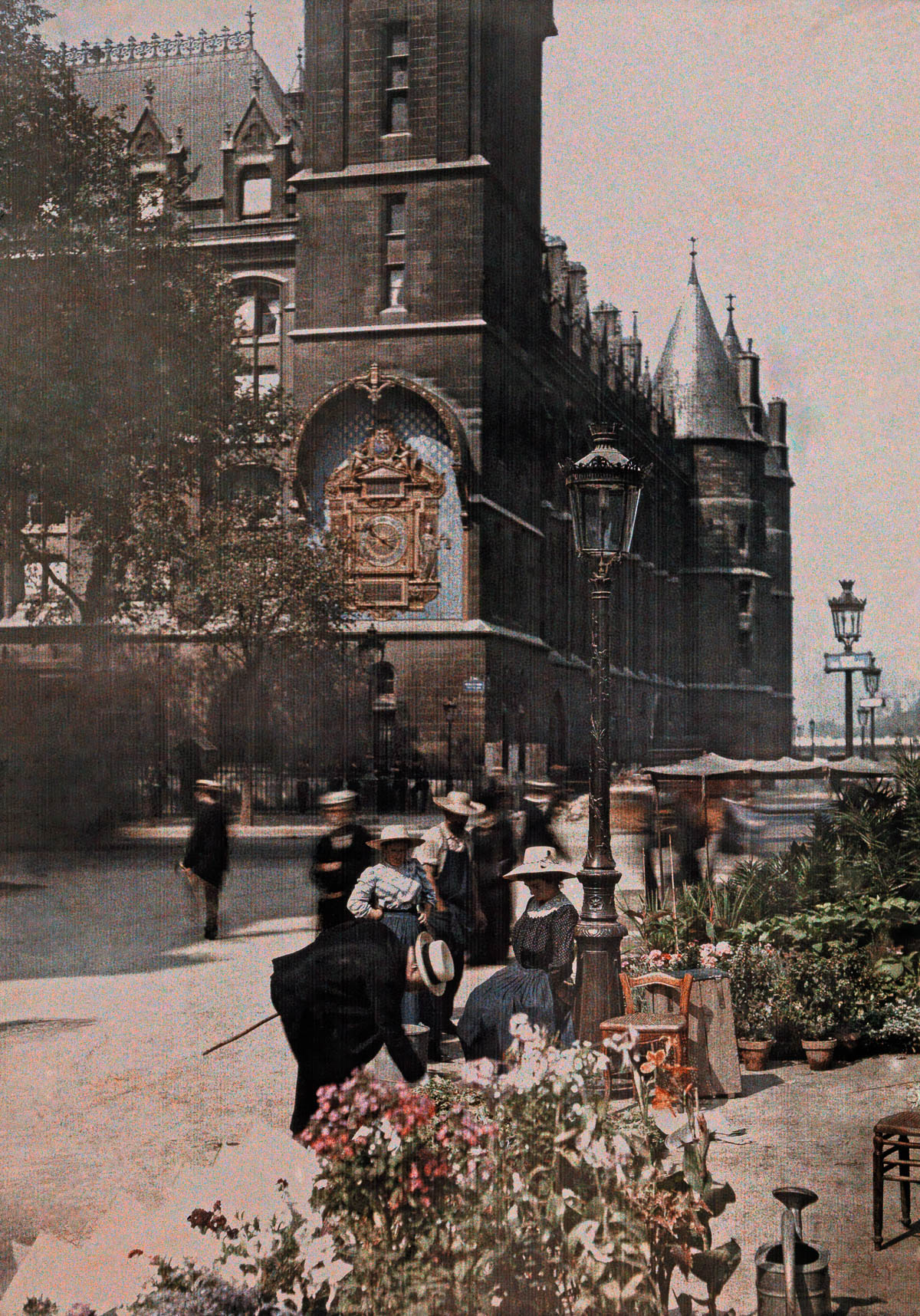
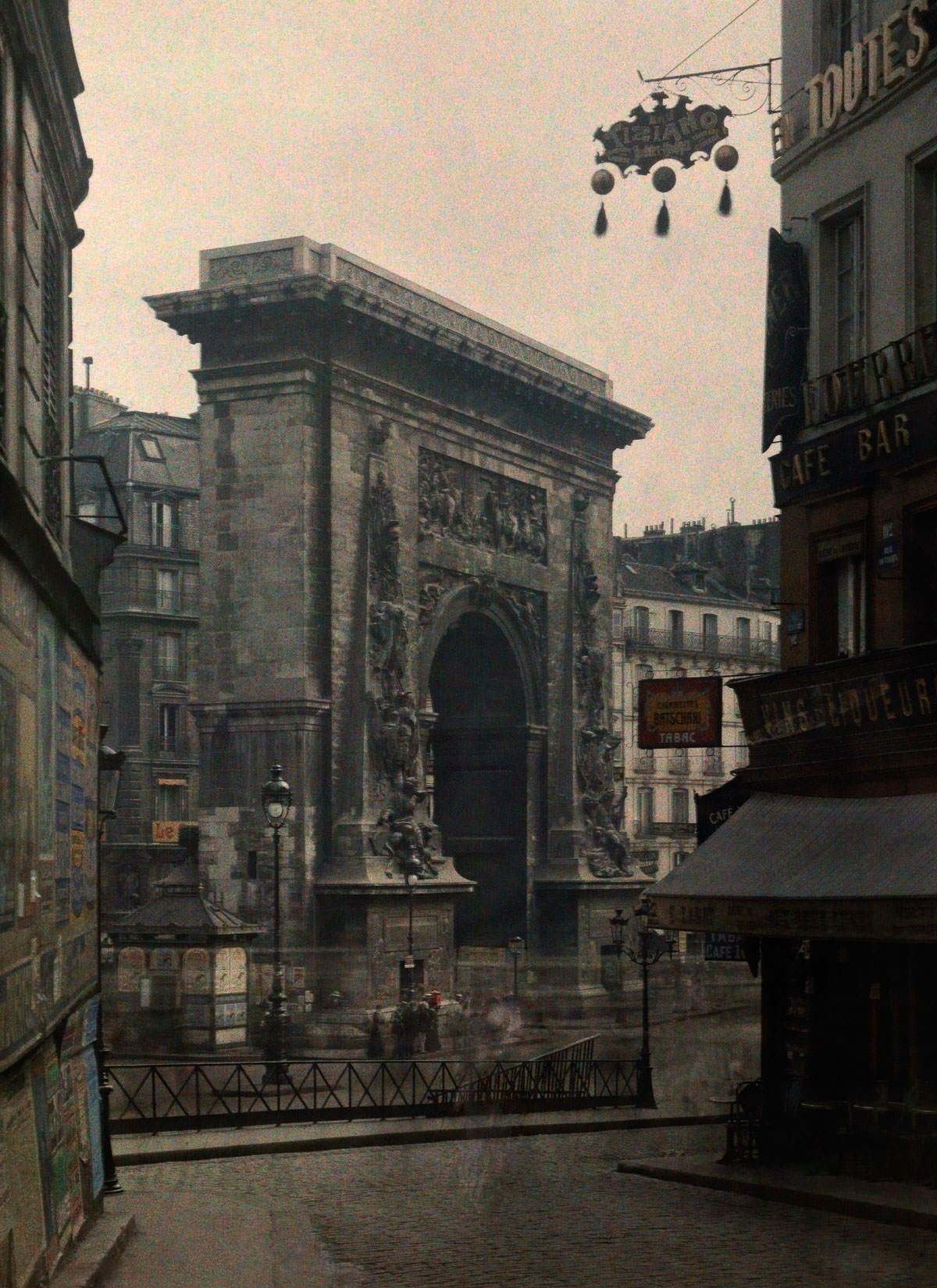
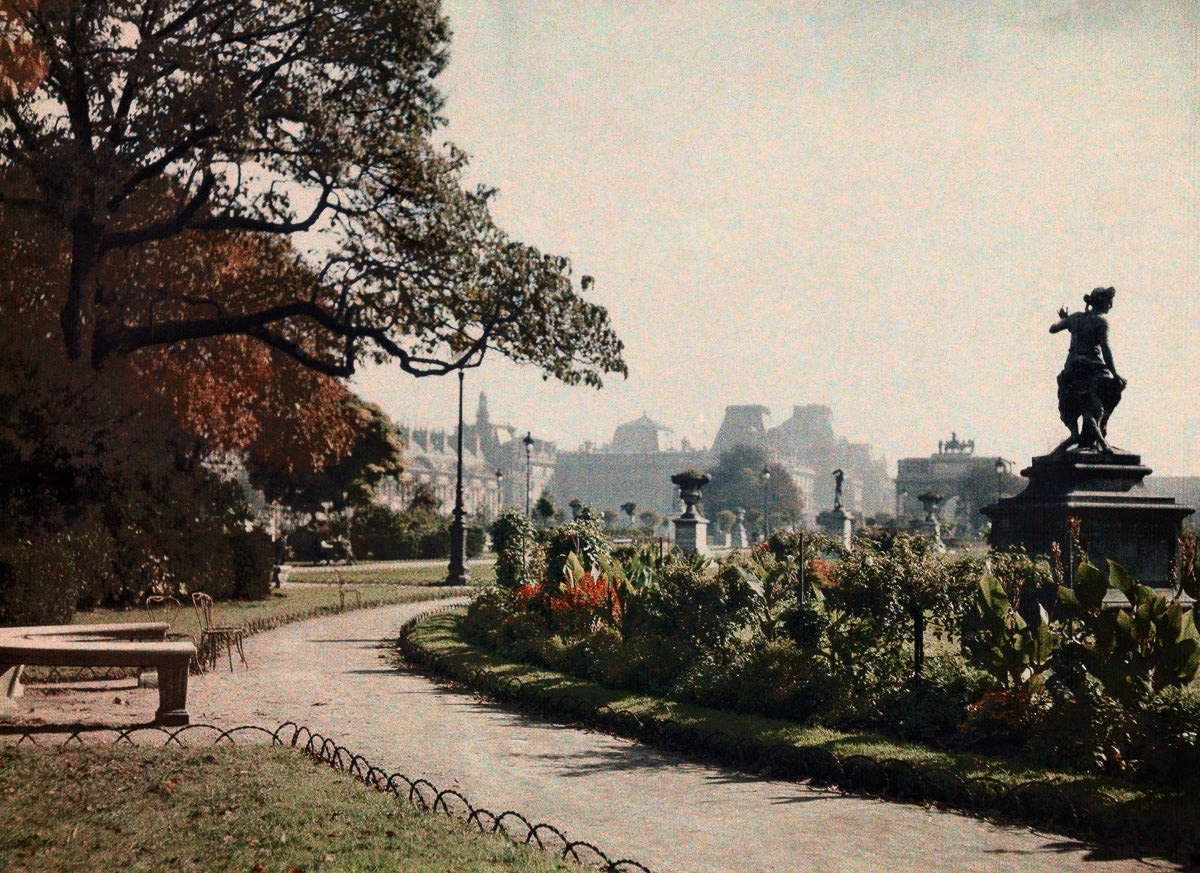
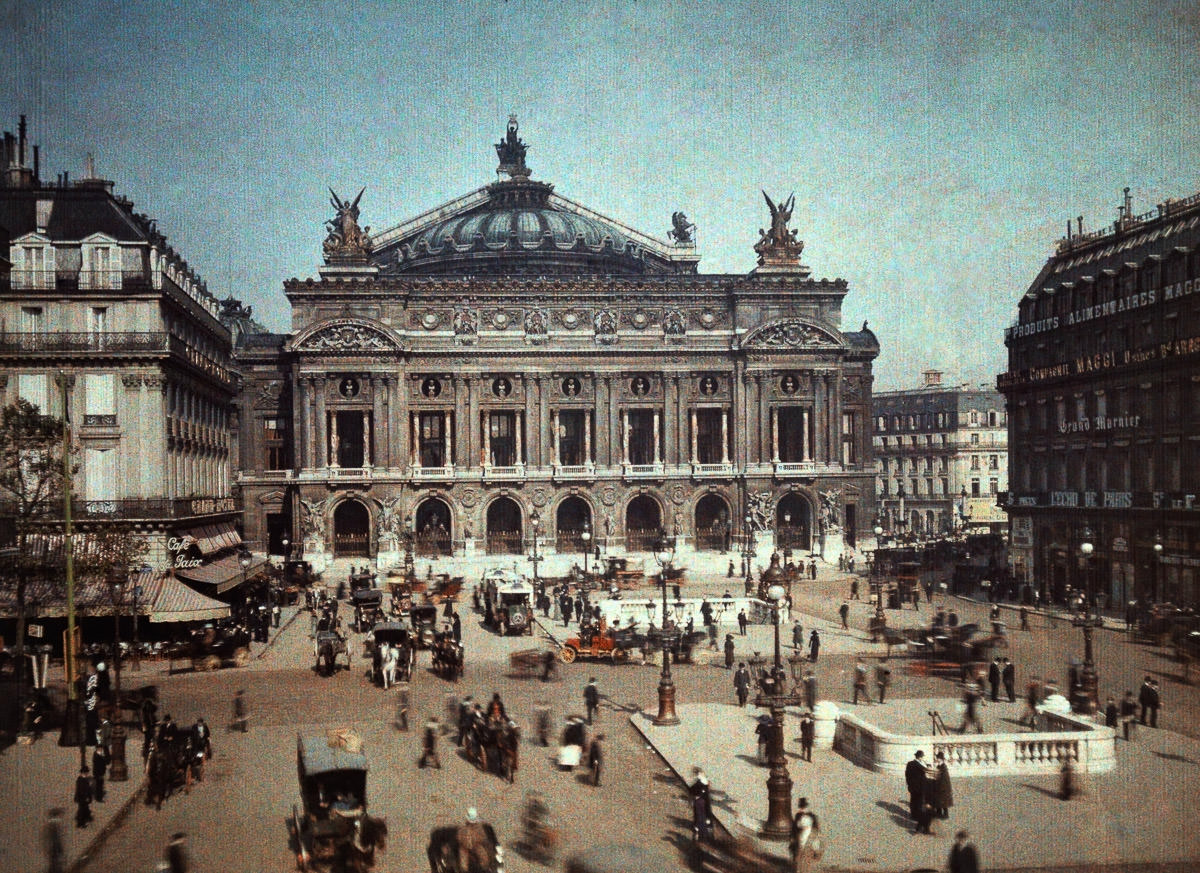
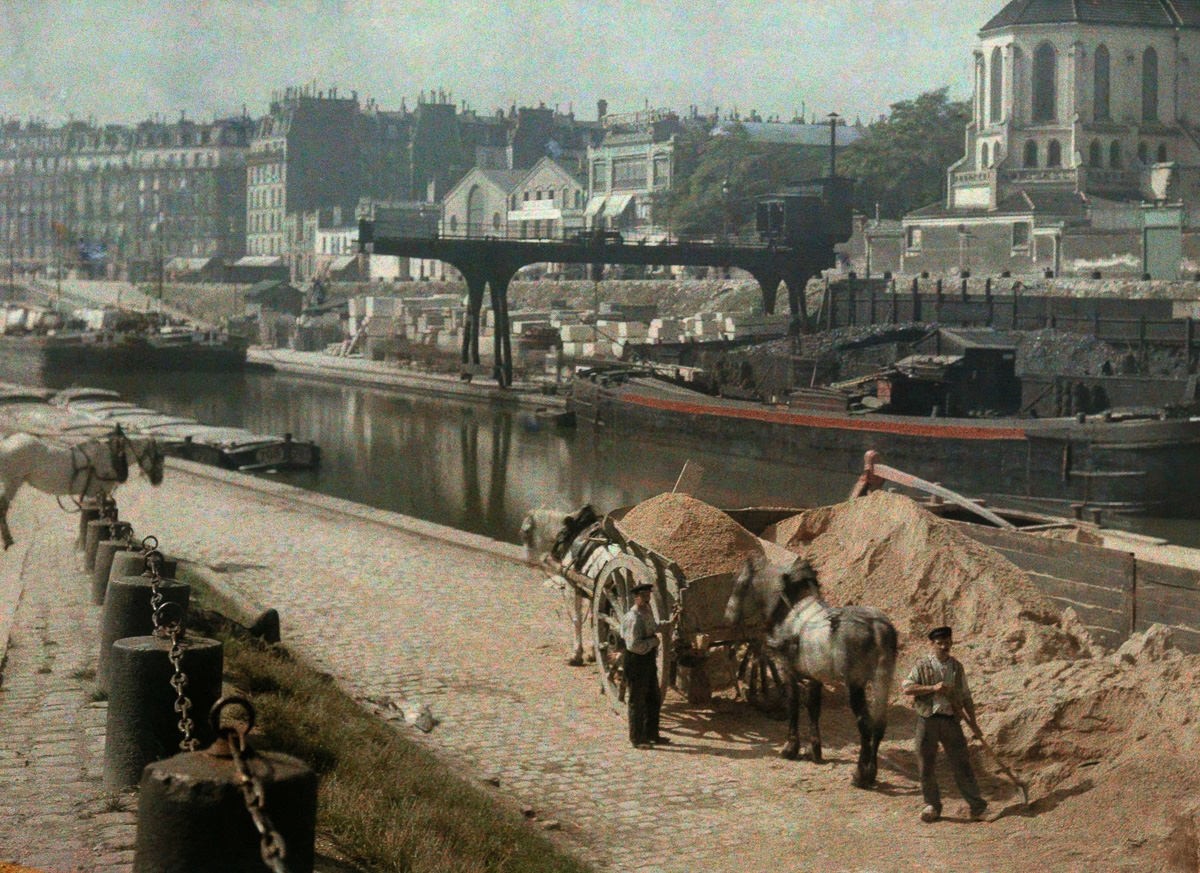
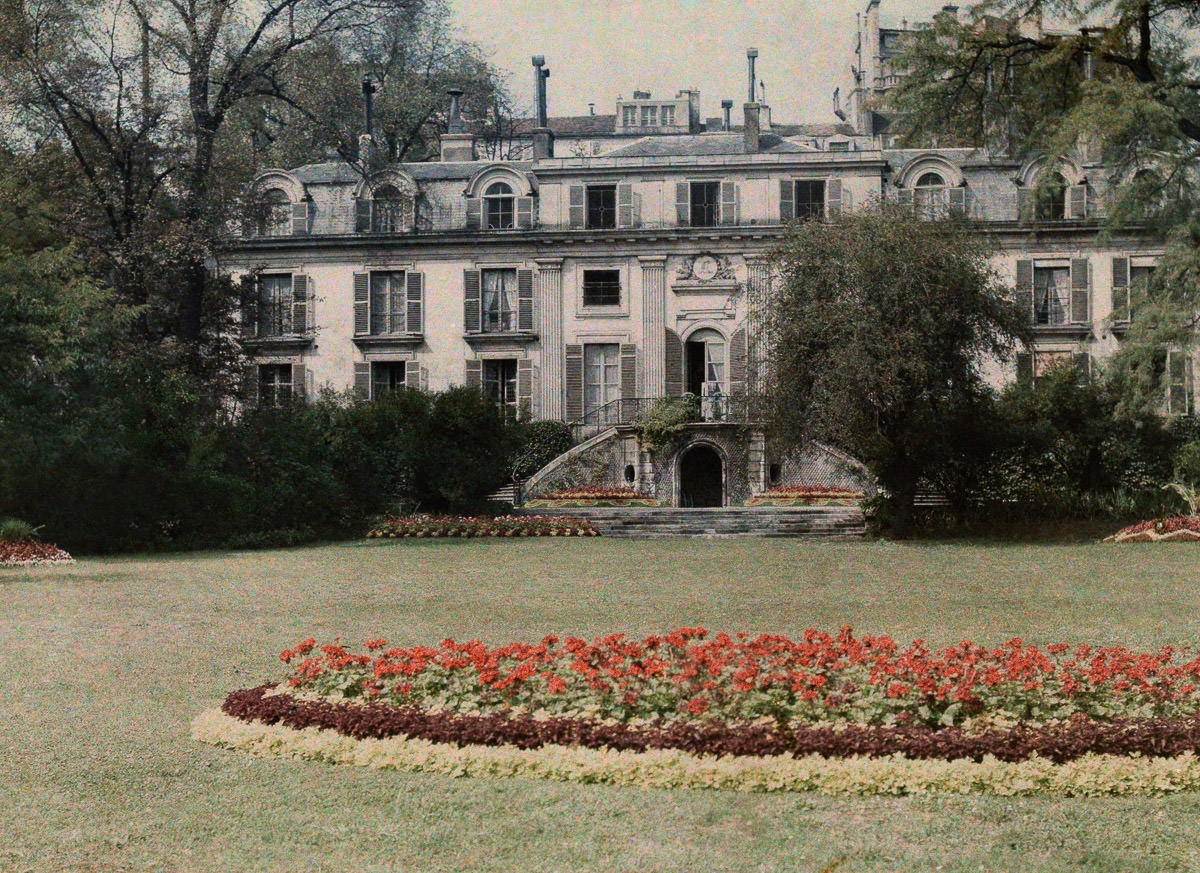
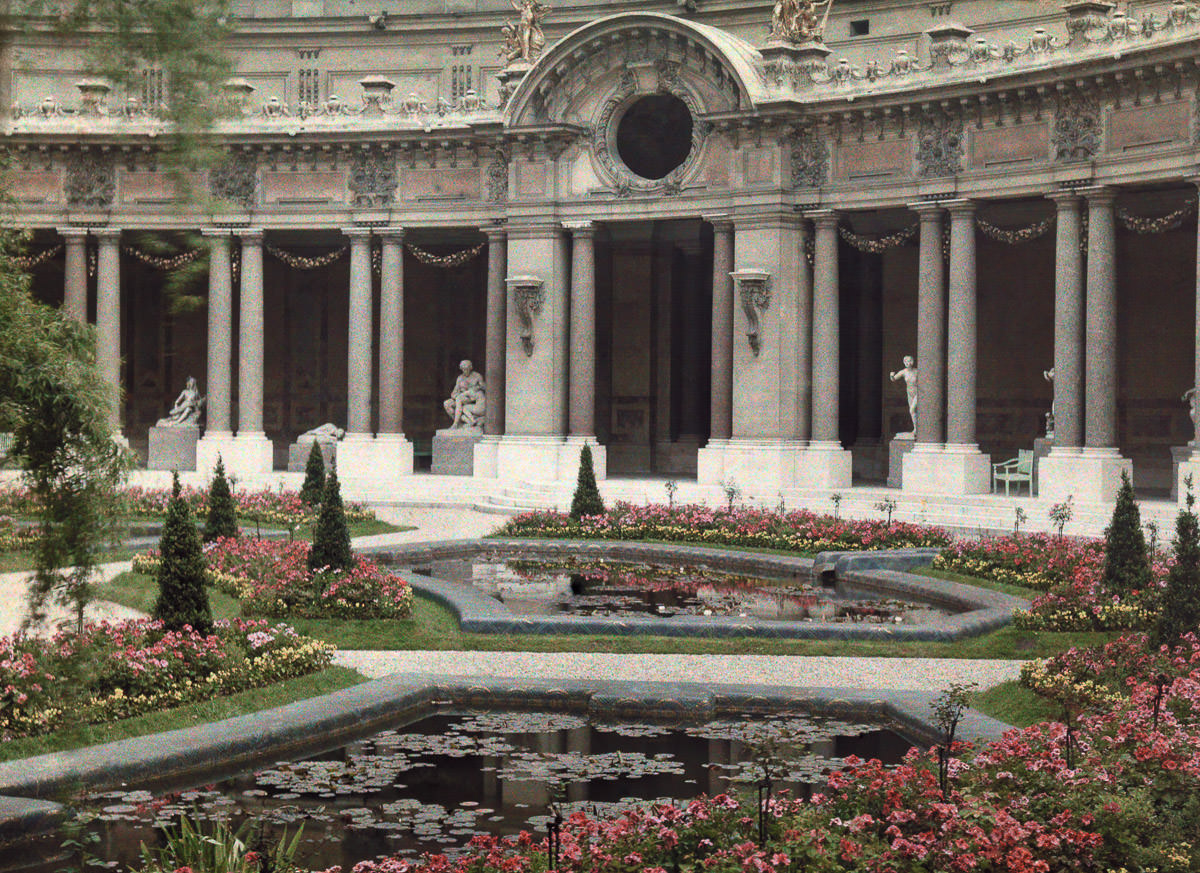
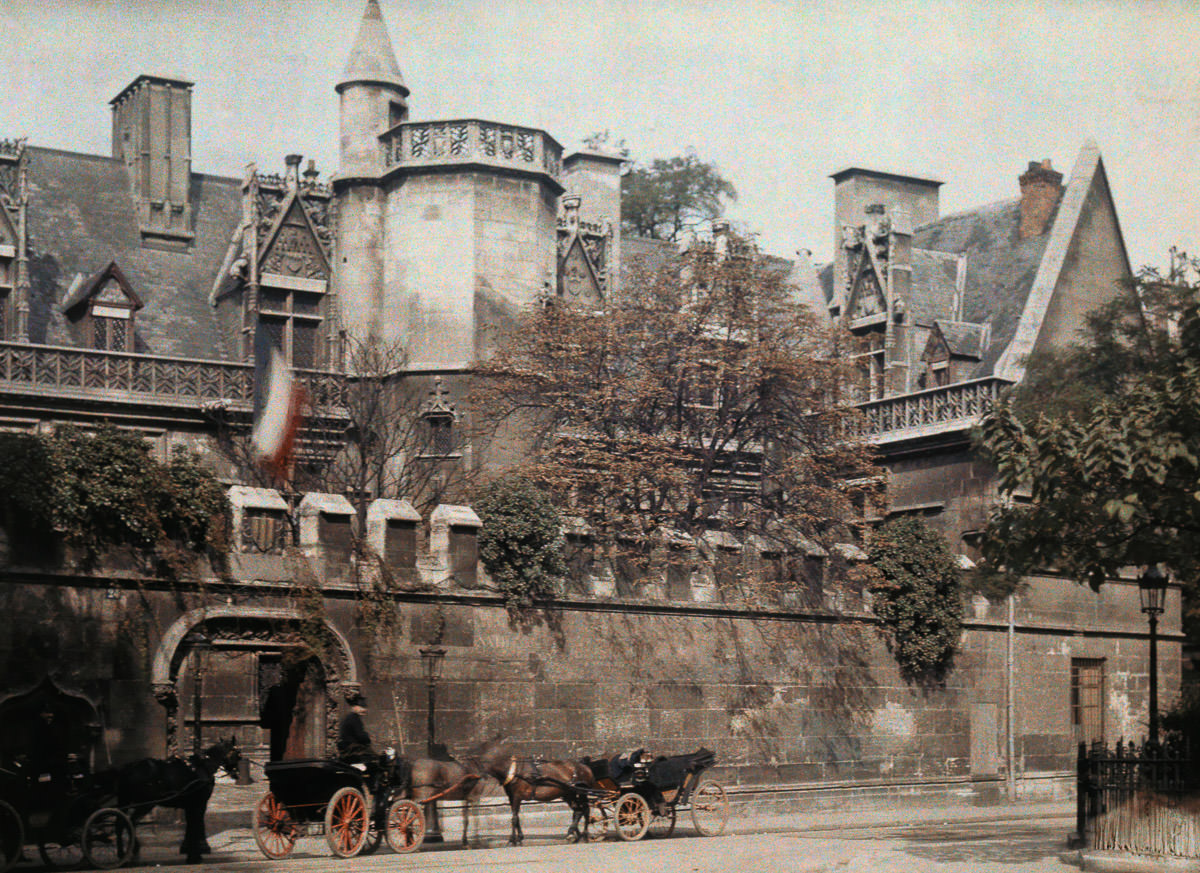
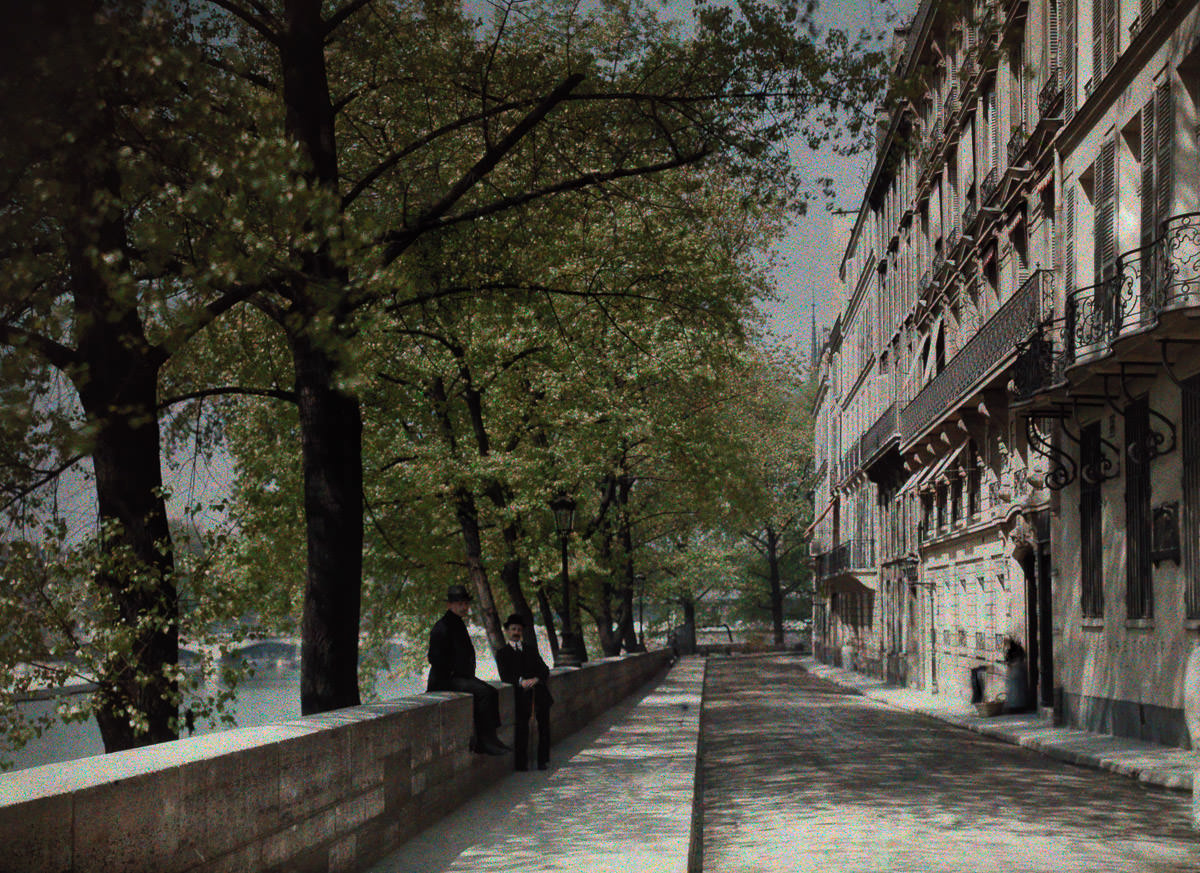
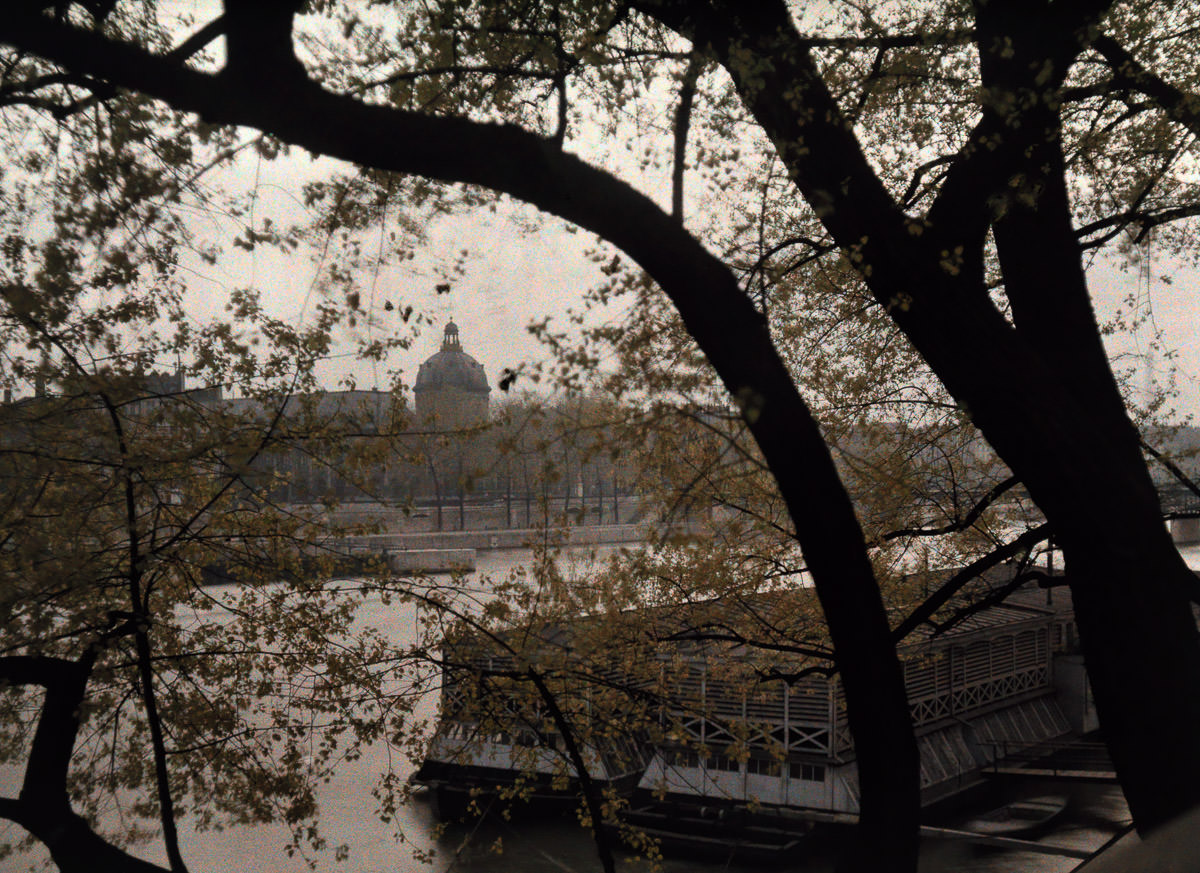
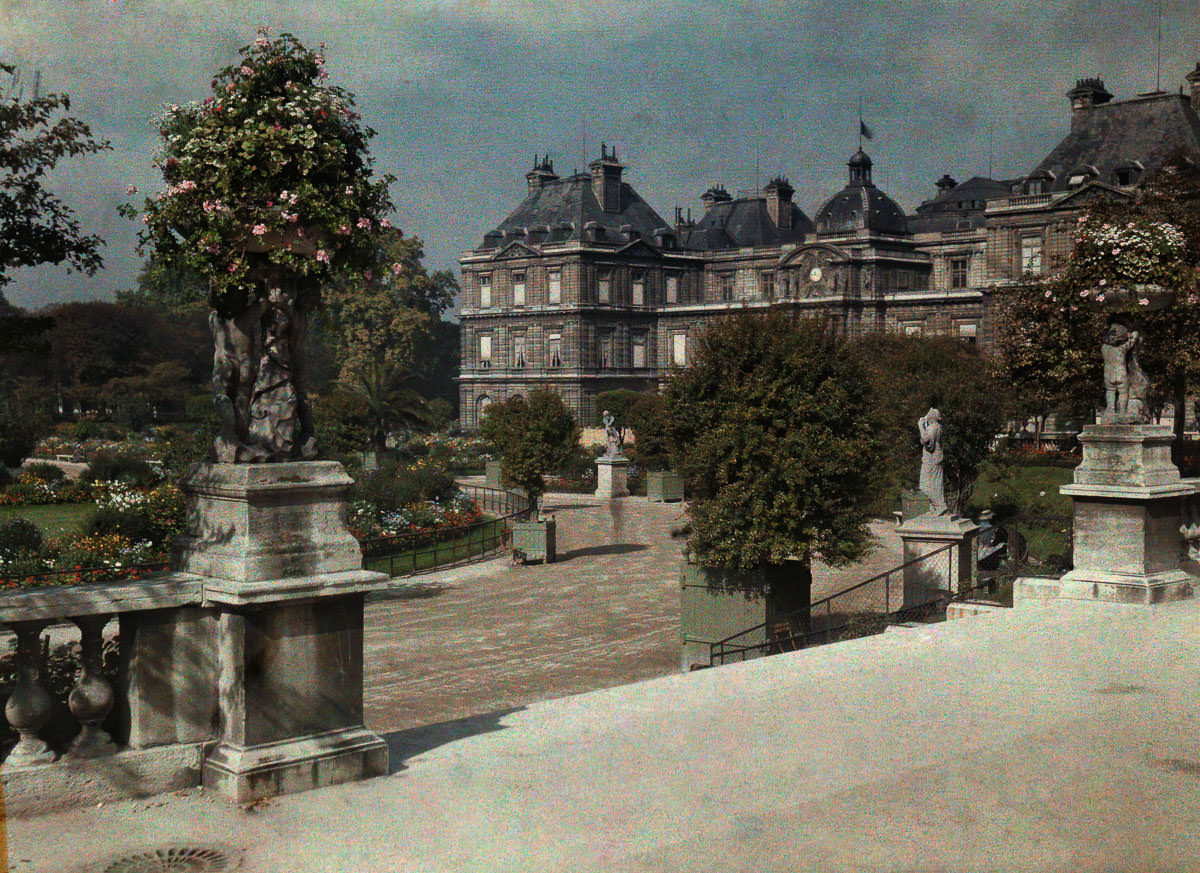
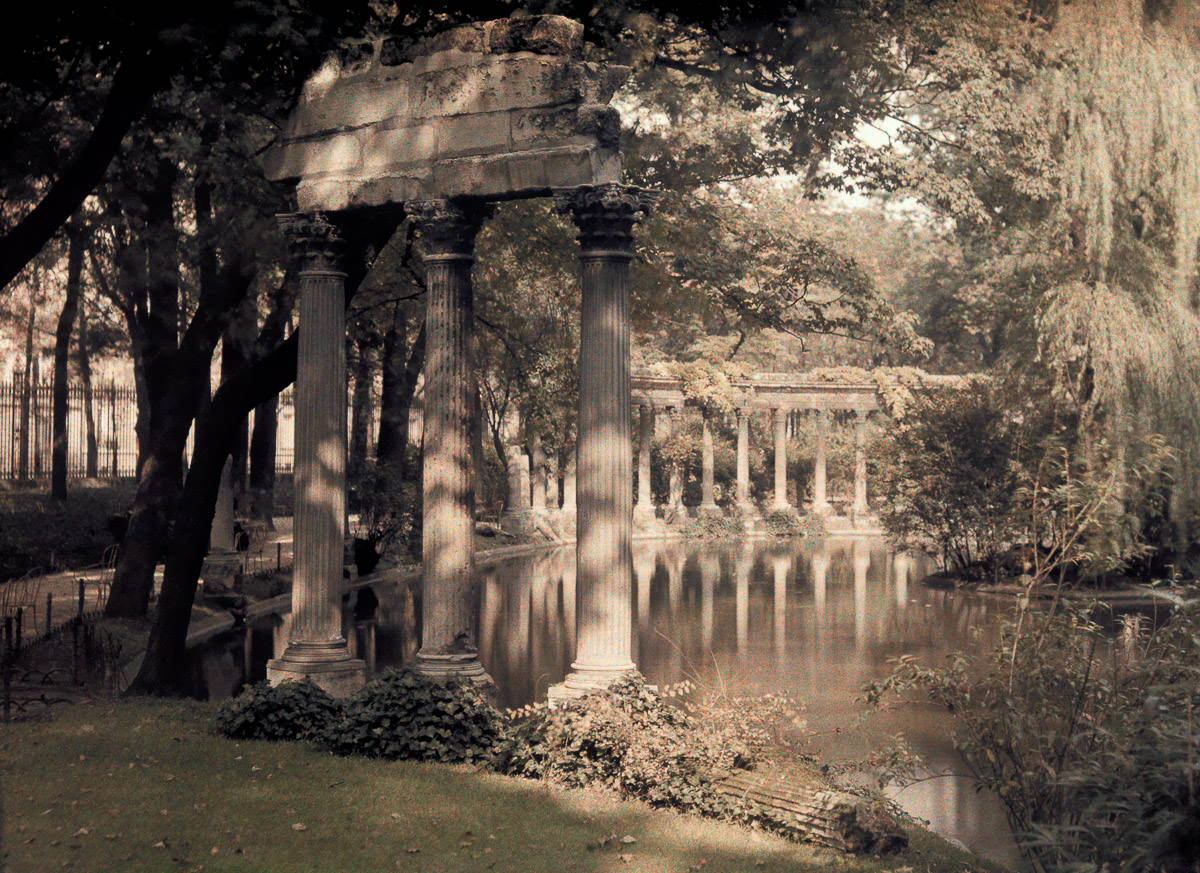
By the 1920s, photographers were using the Autochrome extensively in Paris, documenting the city’s streets, architecture, and daily life in vivid color. These images stand as some of the earliest full-color records of one of the world’s most photographed cities.
Michael Rodriguez is a content creator and historian who specializes in creating viral listicles and other engaging content about historical photos and events. He has a passion for history in a fun and accessible way, curating interesting and informative lists that showcase the lesser-known stories and significance behind famous historical events and figures.