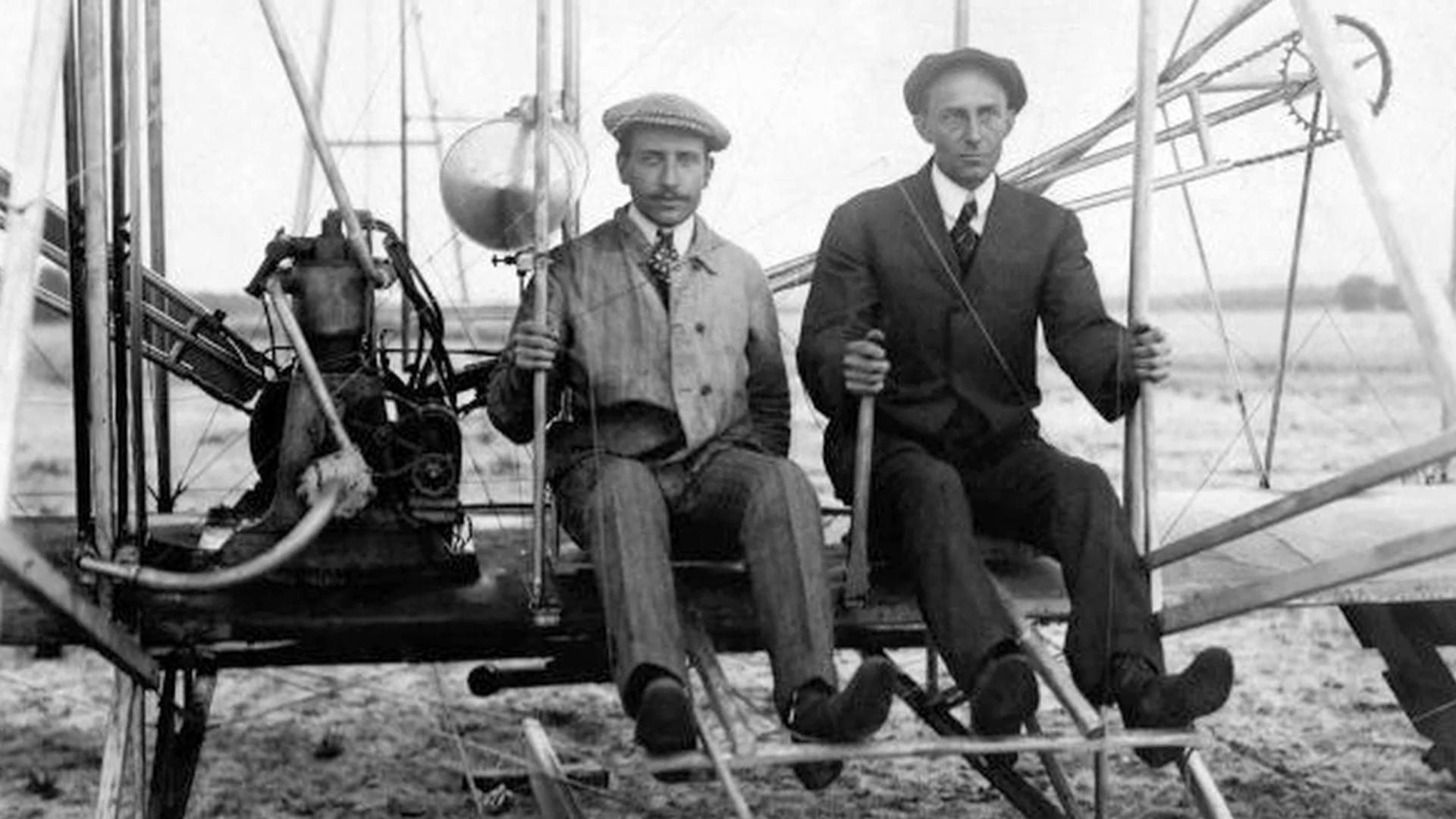
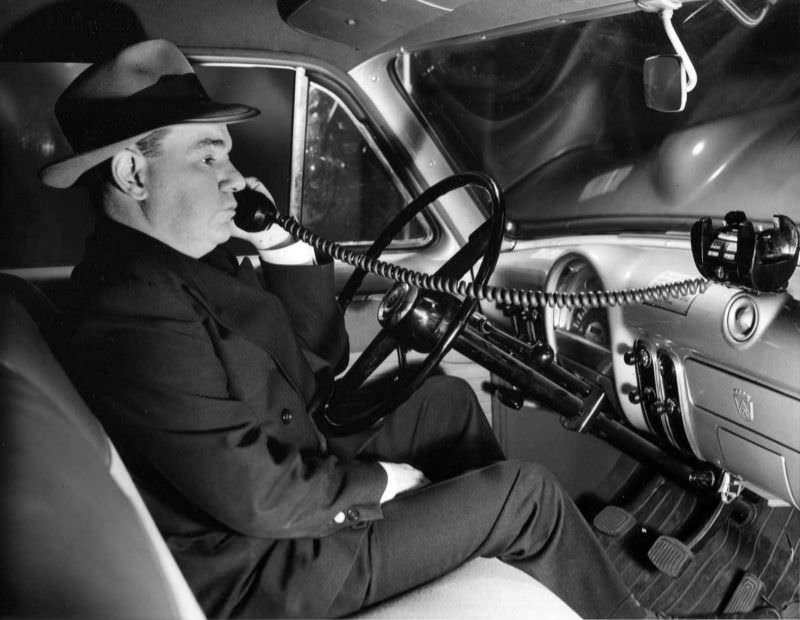
The idea of a wireless telephone is older than most people think. A U.S. patent for one was issued in Kentucky as far back as 1908. By the 1940s, AT&T engineers had built early mobile communication devices — but these were two-way radios, not true phones. Taxi drivers and emergency services used them to talk over a channel. There were no personal calls, no dialing a friend. The concept of a handheld phone that anyone could carry and use freely was still decades away.
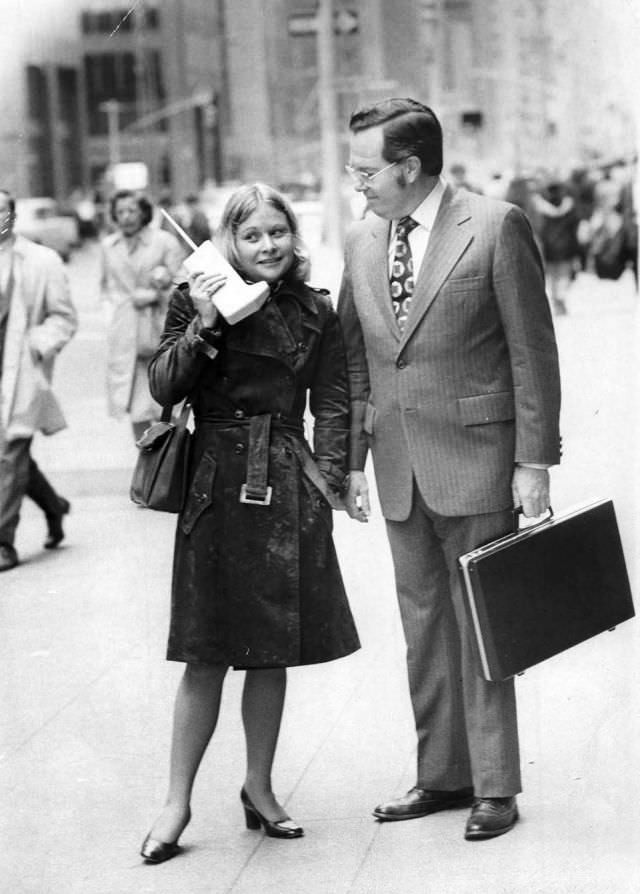
That changed on April 3, 1973. Motorola executive Martin Cooper stood on a street in New York City and made the first handheld cellular phone call in history. He called his rival at Bell Labs. The phone he used weighed just under 2.5 pounds — about 1.1 kilograms. After 30 minutes of use, the battery was dead and needed 10 hours to recharge. Phones from this era are known as 0G, or Zero Generation, devices.
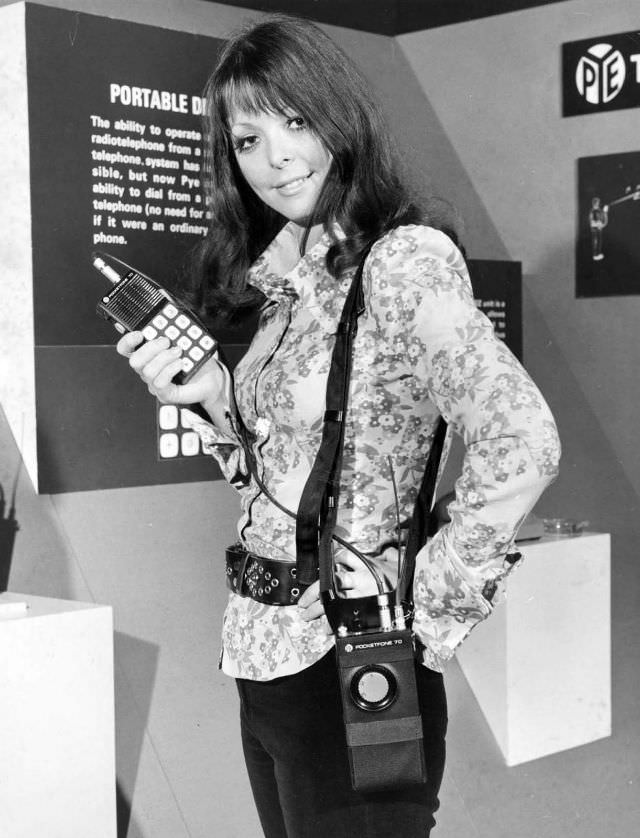
Cooper didn’t work alone. John Mitchell, a Motorola engineer, played a key role in developing the physical design of that first phone. Meanwhile, the industry was also experimenting with portable radio-telephone systems that could connect to existing telephone networks — a bridge between the old world of radio communication and the new world of cellular technology.
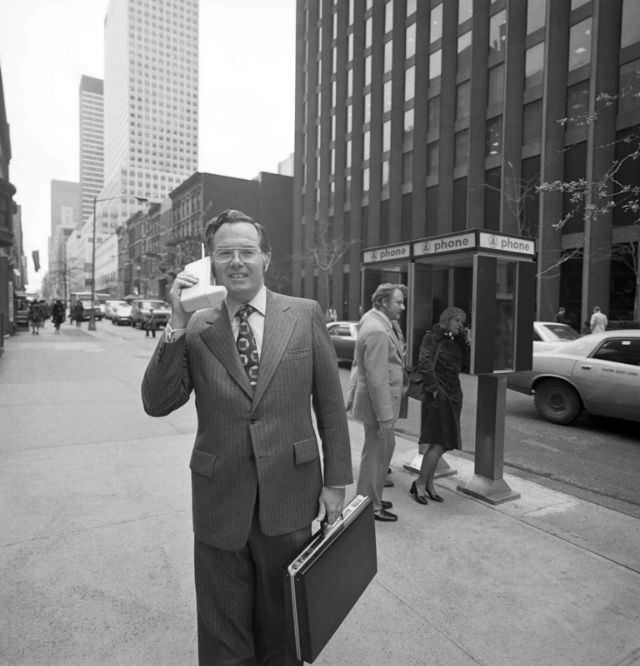
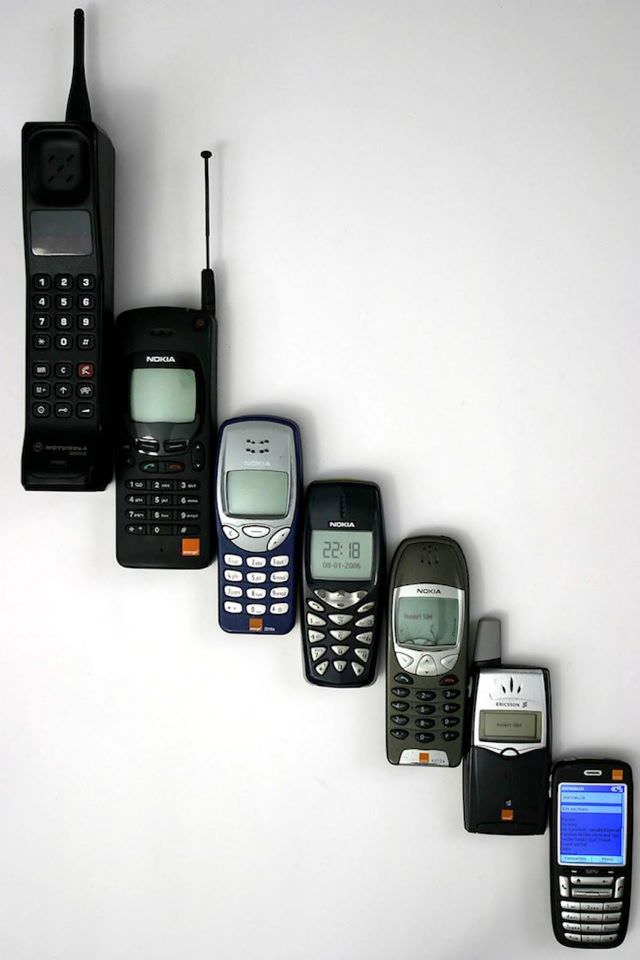
Six years after Cooper’s historic call, the world’s first cellular network — 1G — launched in Tokyo in 1979. By 1984, it covered all of Japan. That same year in the United States, Motorola released the DynaTAC 8000X. It took $100 million to develop and cost buyers around $4,000. It ran for only 30 minutes on a charge. People nicknamed it “the brick” — a name it earned honestly, given its size and weight. Still, it was the most portable phone ever made at the time. For the first time, a person could make a call without a wire or a fixed base unit.
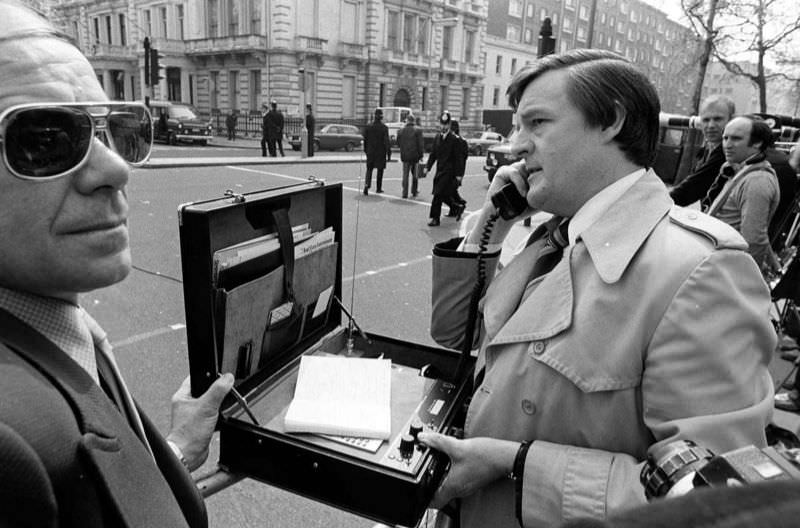
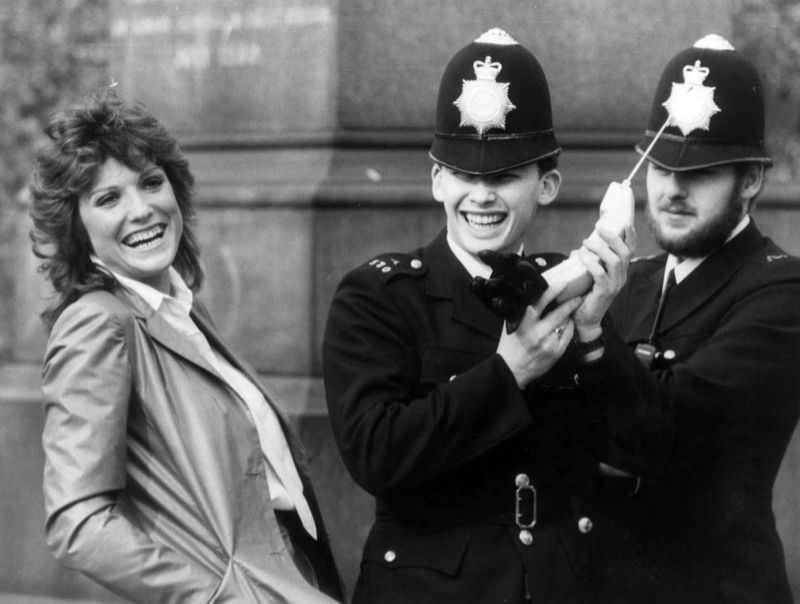
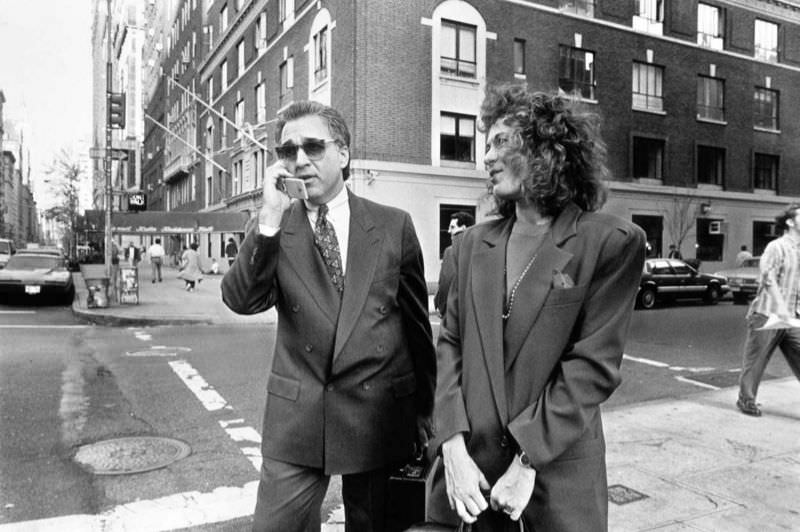
Through the mid-1980s, mobile phones began appearing in popular culture. TV shows like Miami Vice and Magnum P.I. featured characters using them, which helped shape the image of the mobile phone as a symbol of wealth and modernity. Owning one meant you were successful — or at least wanted people to think so.
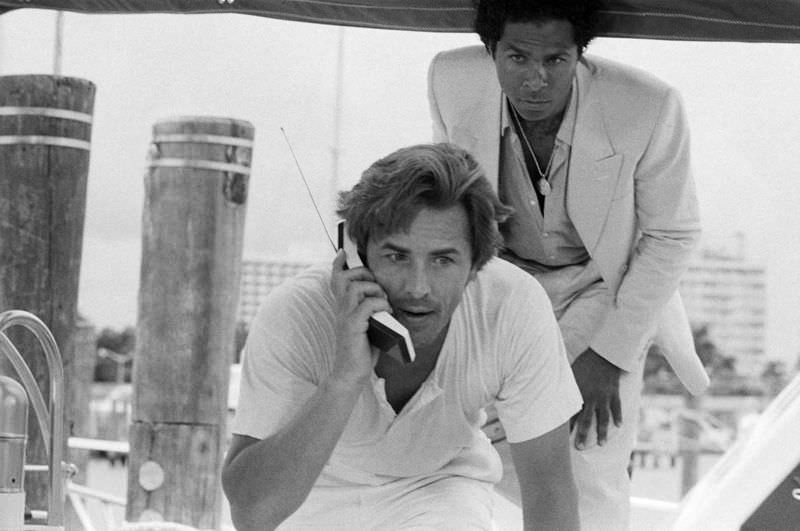
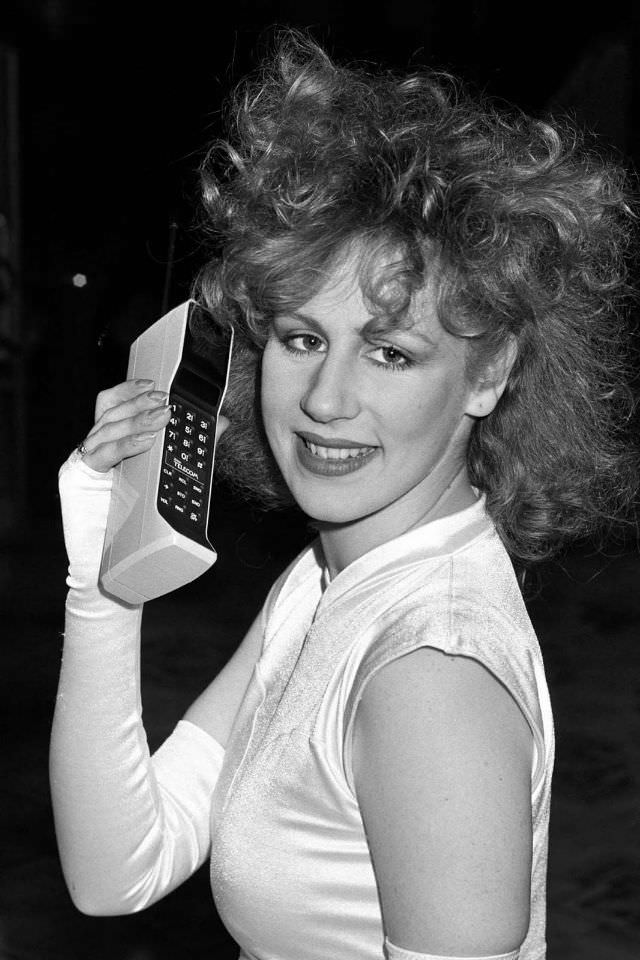
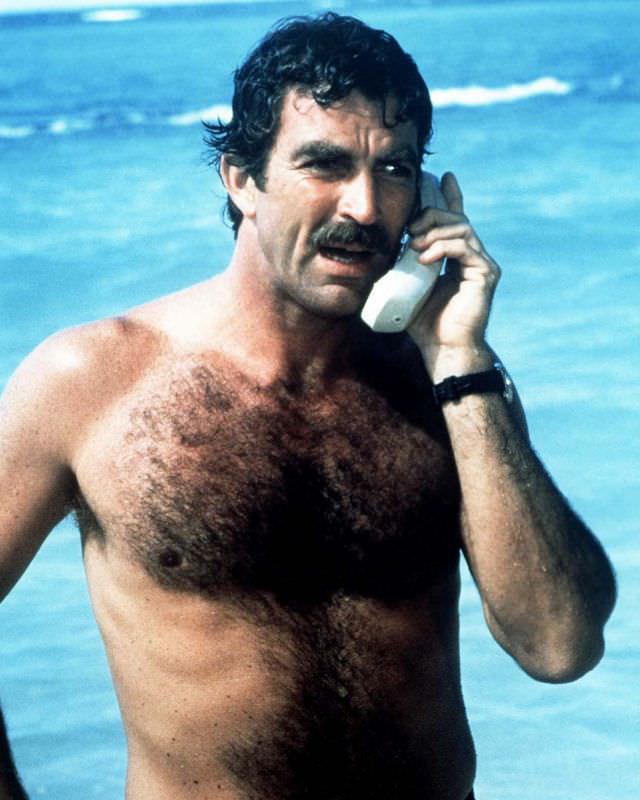
By the late 1980s, carrying a mobile phone was a full-on status symbol. The devices were still large, heavy, and expensive — but demand kept growing. Cellular networks expanded across Europe and North America, and more people gained access to the technology.
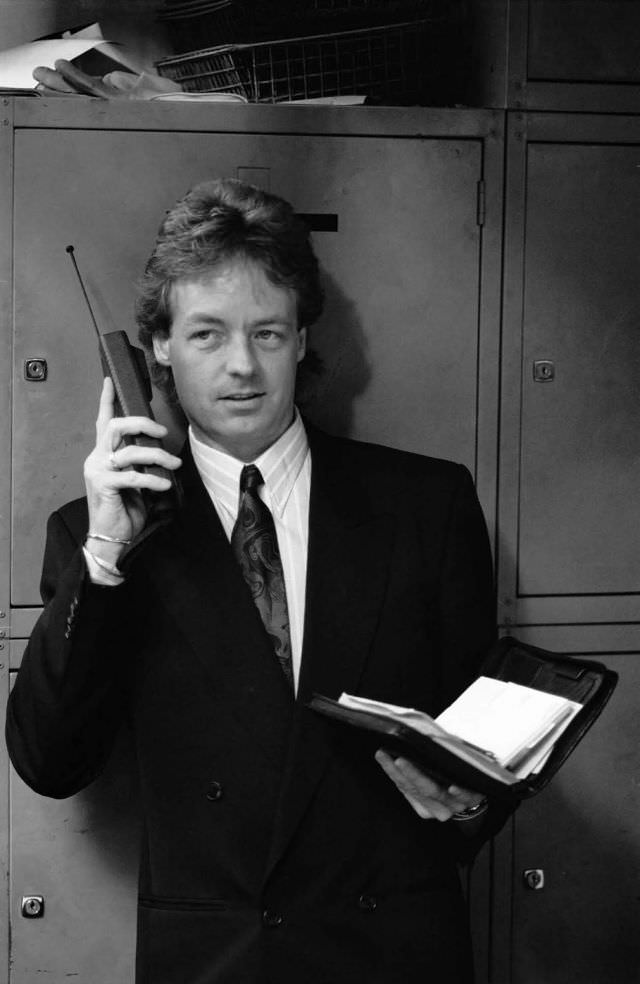
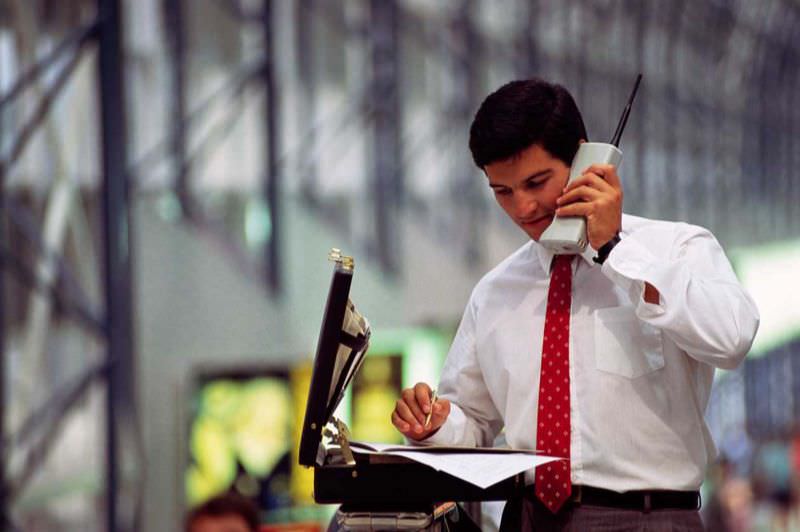
The 1990s brought the second generation of mobile phones, known as 2G. Handsets became noticeably slimmer, though they were still far from pocket-sized by today’s standards. The biggest leap of the decade came in 1992, when IBM released the Simon Personal Communicator — widely considered the first smartphone. Simon did more than make calls. It stored contacts, created task lists, and functioned as a personal planner. It retailed for around $900 and sold close to 50,000 units. It wasn’t powerful by modern measures, but it pointed clearly toward what phones would become.