Before silicon chips and circuit boards, the word “computer” described a person — and more often than not, that person was a woman. For centuries, women performed complex mathematical calculations by hand, powering advances in astronomy, engineering, ballistics, and space exploration. Their work was precise, demanding, and frequently uncredited. Yet without them, many of the 20th century’s greatest scientific achievements would not have been possible.
Some of the earliest recognized female computing pioneers set the tone for what was to come. Ada Lovelace, born in 1815, was an English mathematician who foresaw that machines could do far more than simple arithmetic. She is widely regarded as the world’s first computer programmer. Decades later, Grace Hopper developed the first compiler, a tool that translated human-readable code into machine language and fundamentally changed how computers were programmed. Hollywood actress Hedy Lamarr co-invented frequency-hopping technology during World War II to prevent torpedo signals from being jammed — a concept that later became the foundation of Wi-Fi and Bluetooth.
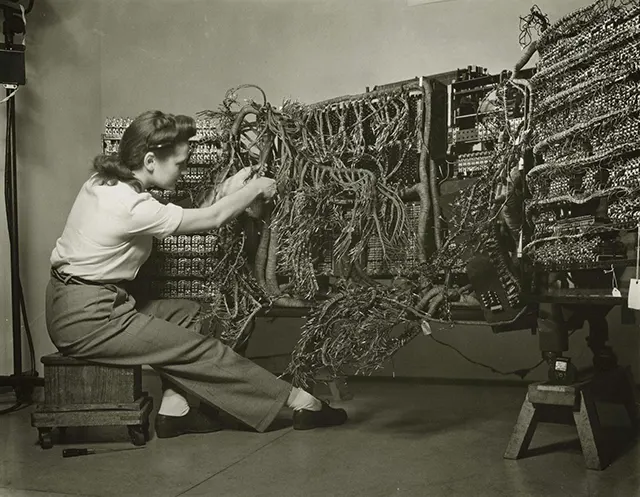
One of the earliest organized teams of female computers formed at the Harvard Observatory in the late 19th century. Edward Pickering, frustrated with his male assistants, hired a group of women to catalog stars and analyze astronomical data. Known as the Harvard Computers — and sometimes dismissively called “Pickering’s harem” — these women cataloged around ten thousand stars, discovered the Horsehead Nebula, and developed a system for classifying stars. Annie Jump Cannon was among the most skilled, classifying stars at a rate of three per minute.
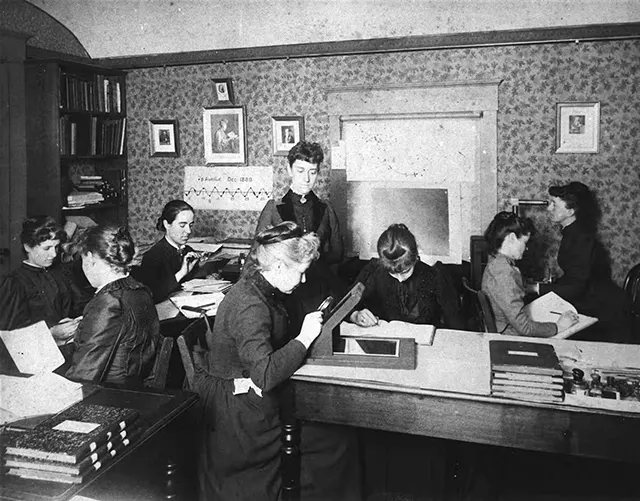
During World War I, the need for ballistics calculations pulled women computers into military work. In Britain, Karl Pearson’s Biometrics Lab produced shell trajectory calculations for the Ministry of Munitions. Beatrice Cave-Browne-Cave was a key member of that team before leaving in 1916 to work full-time for the Ministry. In the United States, women were hired in 1918 to calculate ballistics from a building on the Washington Mall, with Elizabeth Webb Wilson serving as chief computer.
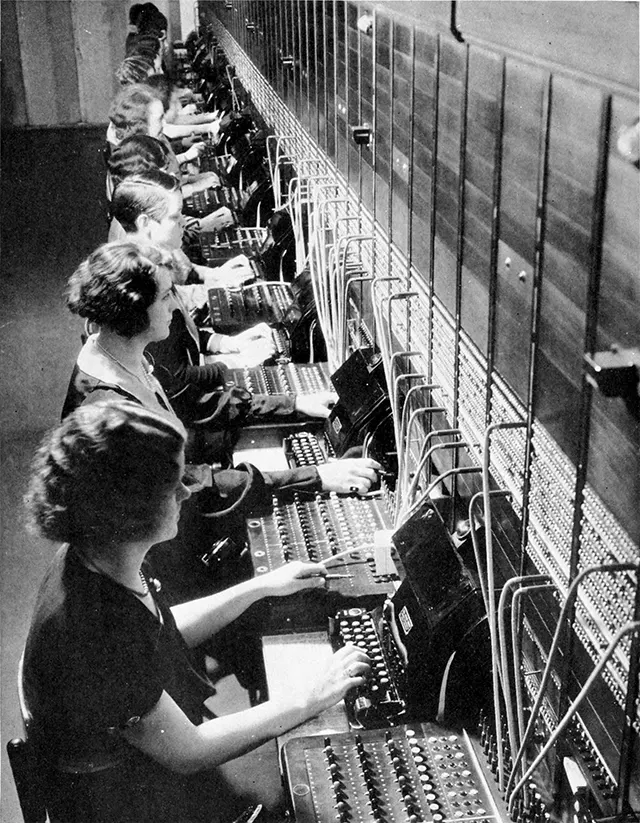
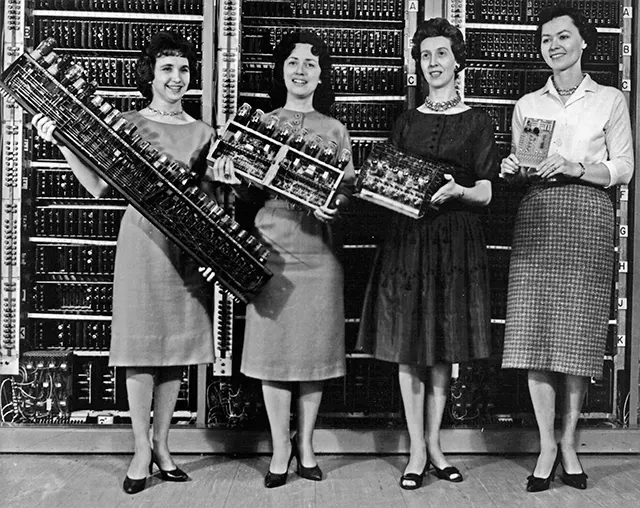
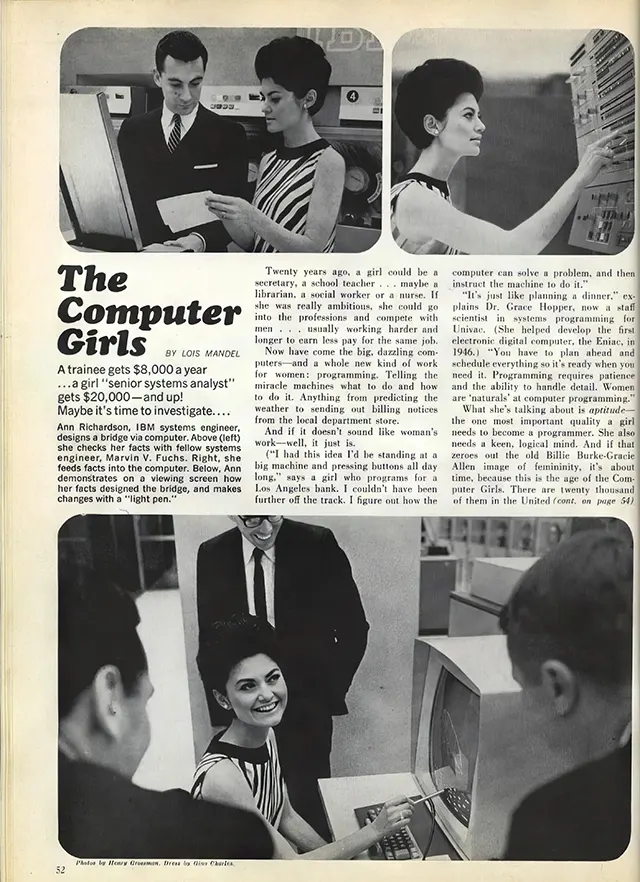
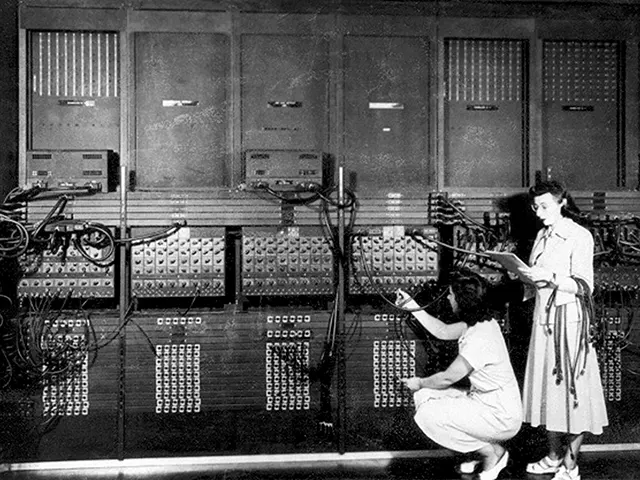
By the 1940s, computing was openly classified as “women’s work.” A member of the Applied Mathematics Panel coined the term “kilogirl” to represent roughly a thousand hours of computing labor. During World War II, women performed the majority of ballistics computing — work that male engineers considered beneath them. Black women contributed equally, often working harder than their white counterparts, but always in segregated facilities. Despite this, their calculations were just as critical to the war effort.
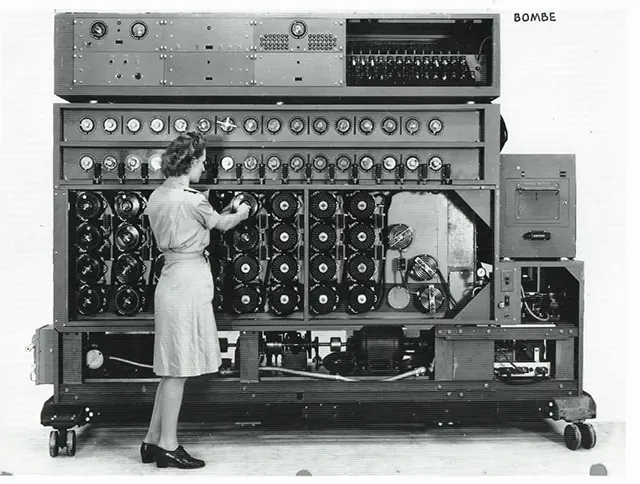
Women also played a major role in cryptography. By 1943, nearly all human computers were women. At Bletchley Park, Joan Clarke worked alongside Alan Turing on the Enigma machine. Though she was promoted and given a higher salary, the civil service had no designation for a “senior female cryptanalyst,” so her title was listed as linguist. Joyce Aylard was another Bombe operator, testing methods to crack Enigma-encrypted German messages.
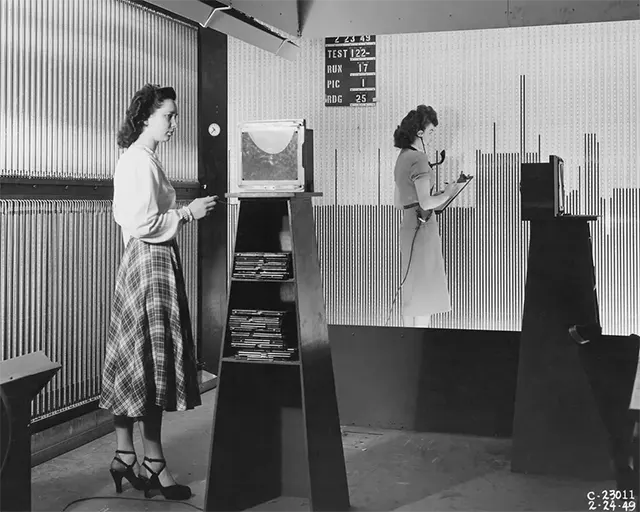
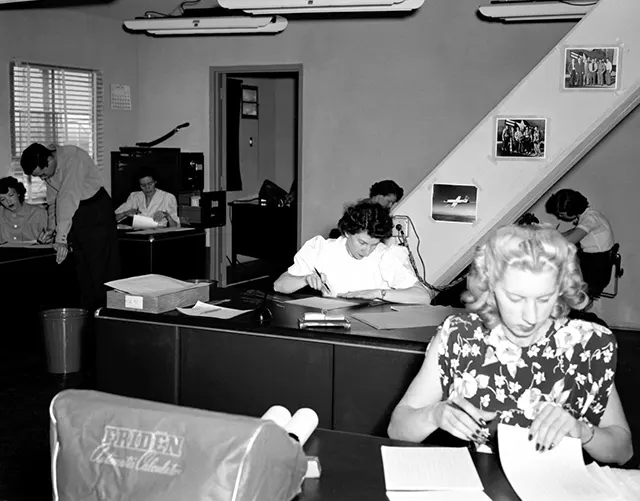
After the war, the National Advisory Committee for Aeronautics (NACA) and later NASA actively recruited women as human computers. Teams of female mathematicians worked at facilities like the Lewis Research Center in Cleveland, Ohio. In 1942, NACA itself acknowledged that “the engineers admit themselves that the girl computers do the work more rapidly and accurately than they could.”
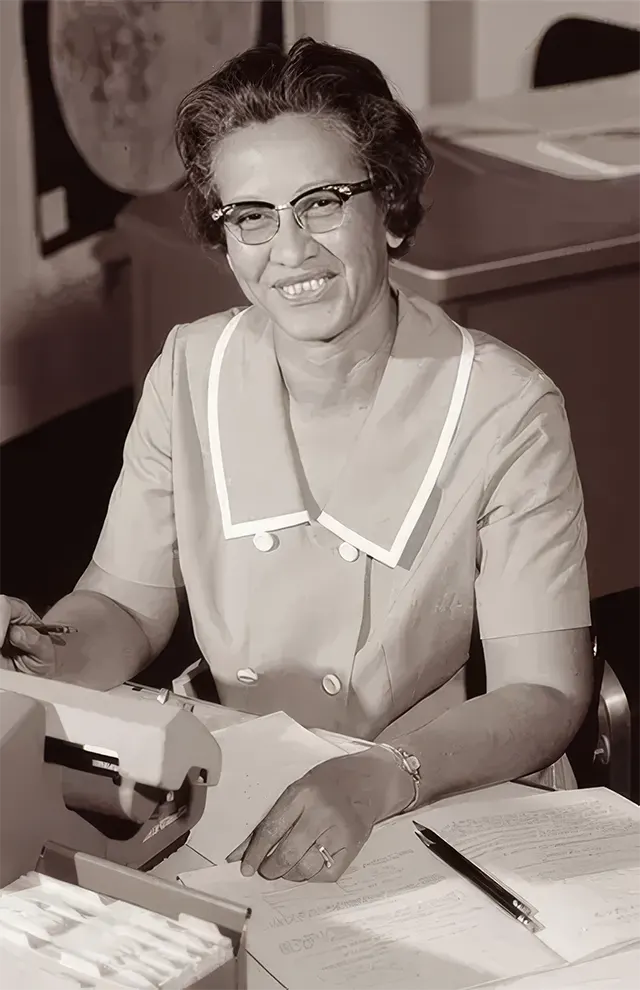
Among the most notable figures at NASA was Katherine Johnson, an African-American mathematician whose calculations were essential to John Glenn’s orbit around the Earth and the Apollo moon landing. Her precision was so trusted that Glenn personally requested she verify the electronic computer’s numbers before his flight.
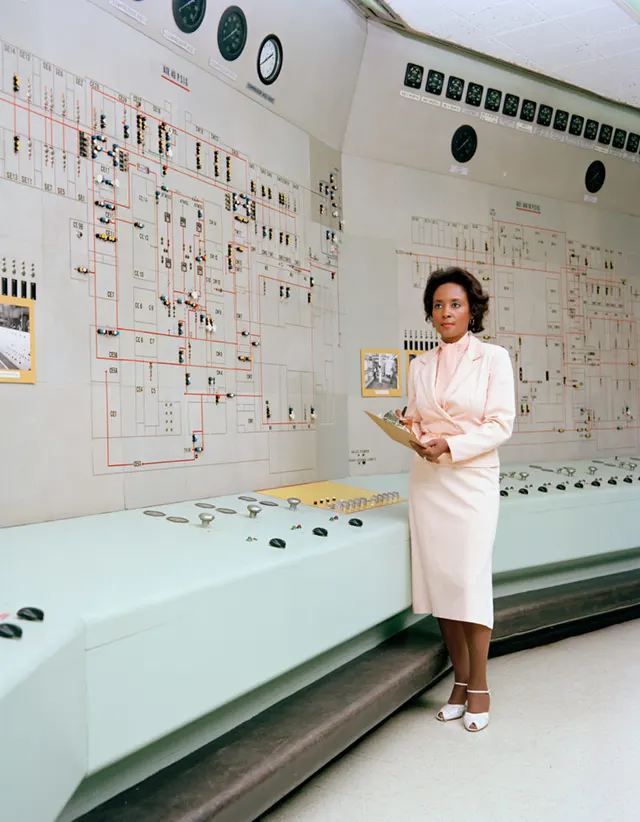
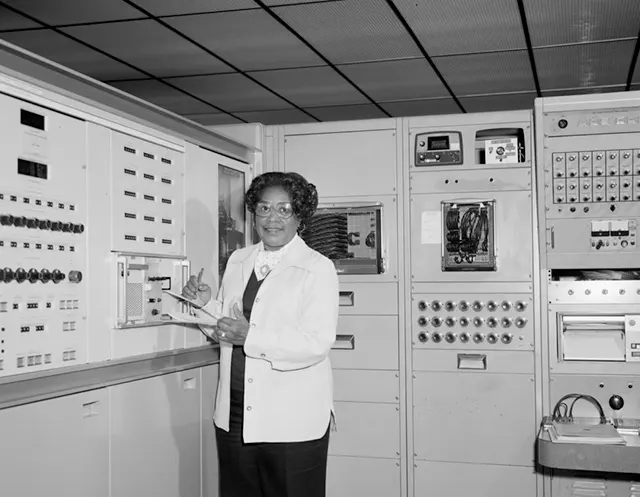
Annie Easley was another trailblazer, among the first African-Americans to work at NASA. She developed code used in the Centaur rocket stage and energy research. Melba Roy headed the group of NASA mathematicians who tracked the Echo satellites, coordinating calculations that kept spacecraft on course.
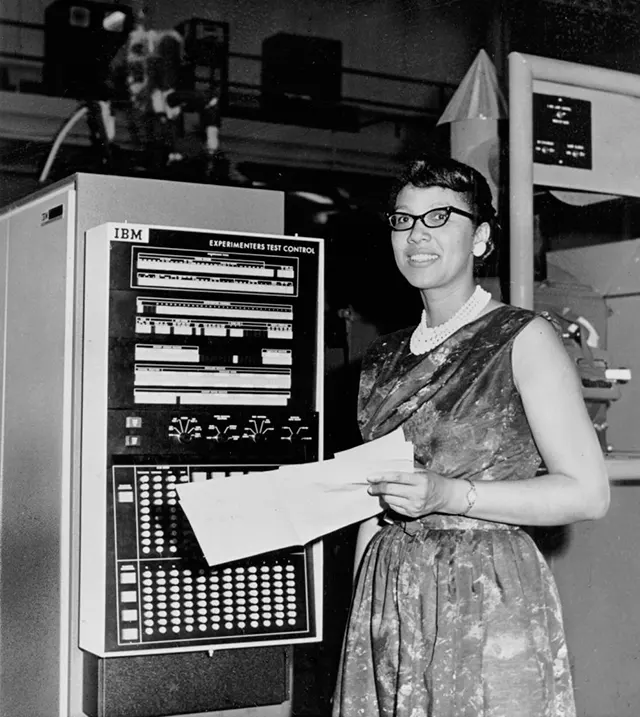
The work at NASA required not just calculation but also creative problem-solving under pressure. At Convair Aircraft Corporation, Joyce Currie Little analyzed wind tunnel data using punch cards on an IBM 650 stored in a separate building. To speed up delivery of the cards, she and colleague Maggie DeCaro wore roller skates between buildings. Meanwhile, Gladys West, hired by the U.S. Naval Weapons Laboratory in 1956, performed the calculations that ultimately contributed to the development of GPS technology.
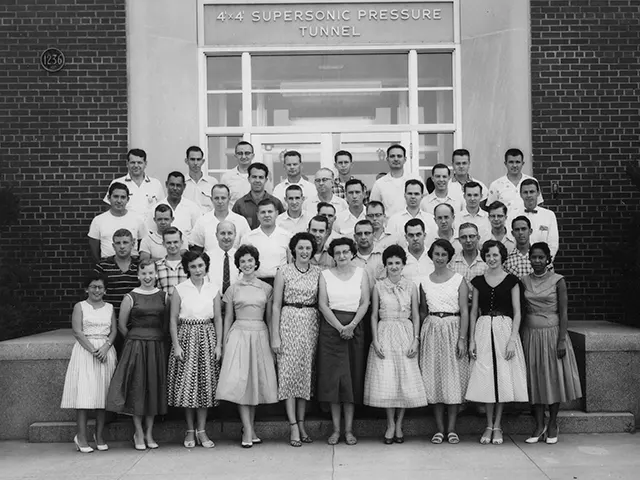
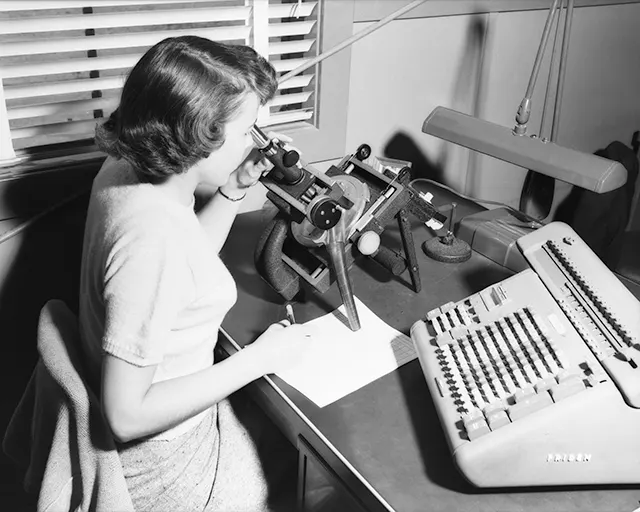
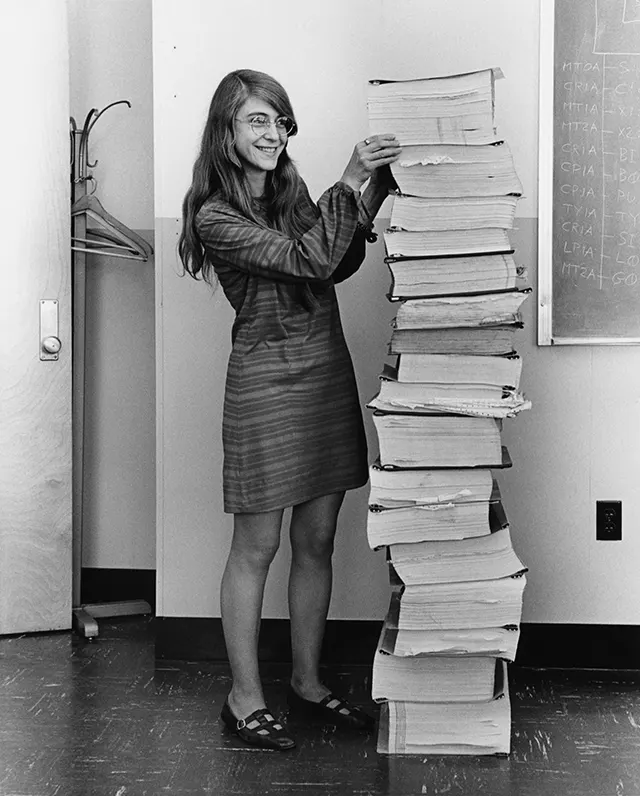
Margaret Hamilton took human computing into its most sophisticated form. Between 1961 and 1963, she studied software reliability on the SAGE air defense system. By 1965, she was programming the onboard flight software for the Apollo mission computers. Once her code was complete, it was sent to Raytheon, where a group of women known as the “Little Old Ladies” — expert seamstresses — hardwired the code by threading copper wire through magnetic rings by hand.
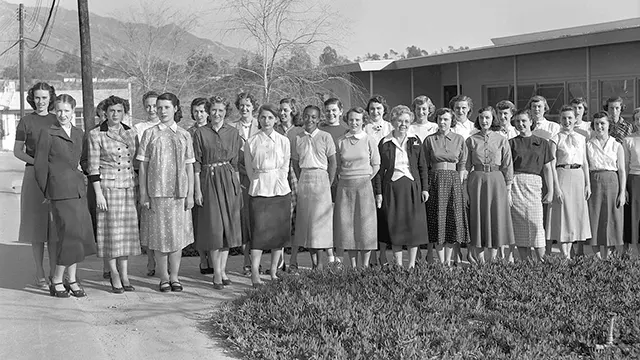
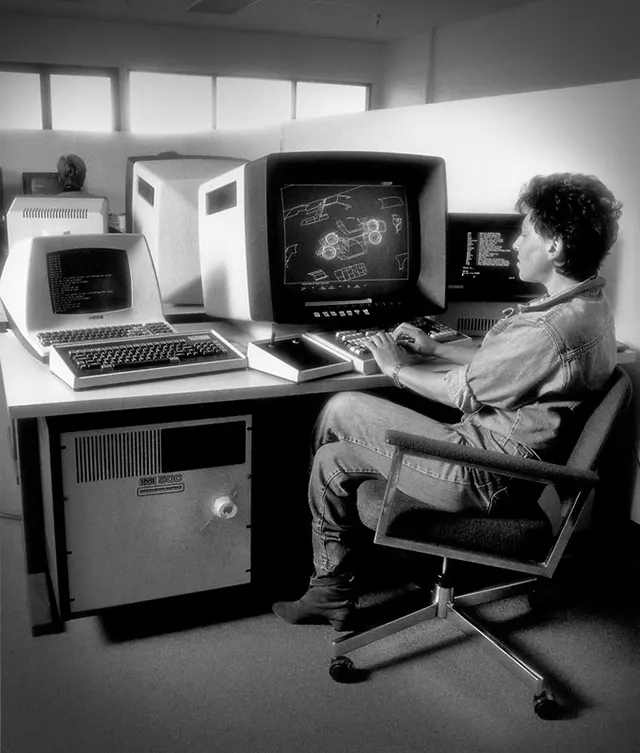
Early computing teams also developed tools still used today. At Iowa State College in the early 1920s, Mary Clem introduced the term “zero check” as a method for identifying calculation errors — a quality-control concept that carried into electronic computing. Milly Koss, who worked with Grace Hopper at UNIVAC, later joined Control Data Corporation in 1965 and developed algorithms for computer graphics, including methods for storing and retrieving graphic data.