
Syracuse, New York has a history shaped by water, salt, and steel. The city was incorporated as a village in 1825, the same year the Erie Canal was completed. That timing was no coincidence — the canal’s low shipping rates made it cheap to move goods, and salt production in the region surged almost immediately. The salt industry put Syracuse on the map before the railroads arrived in the 1830s and deepened the city’s commercial reach even further.
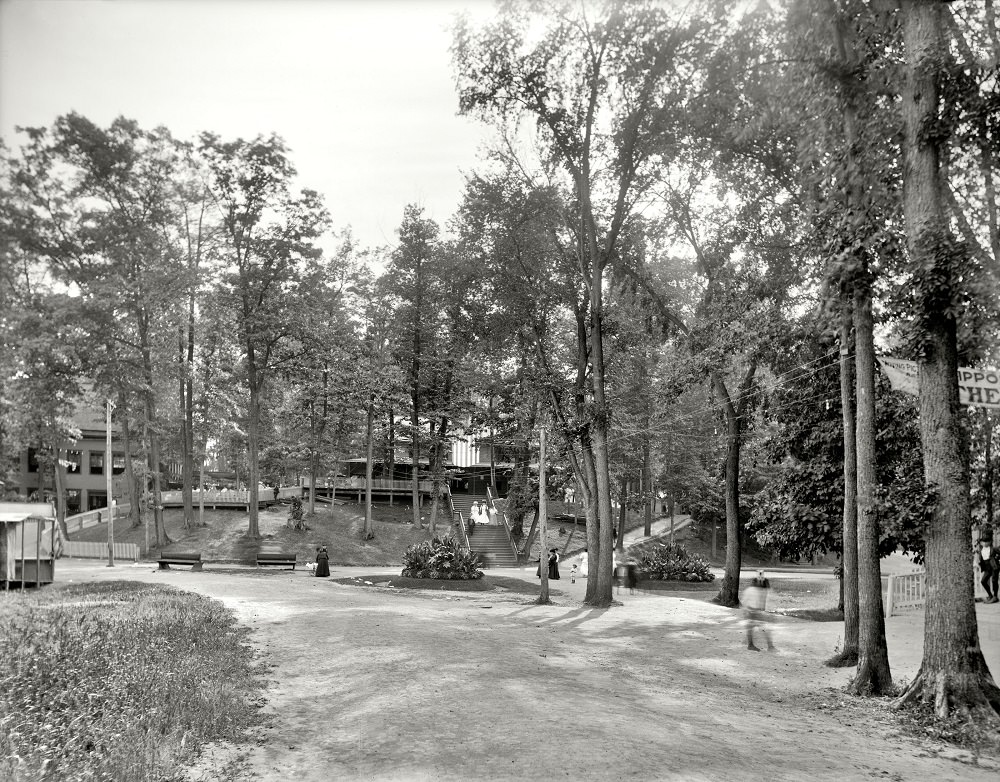
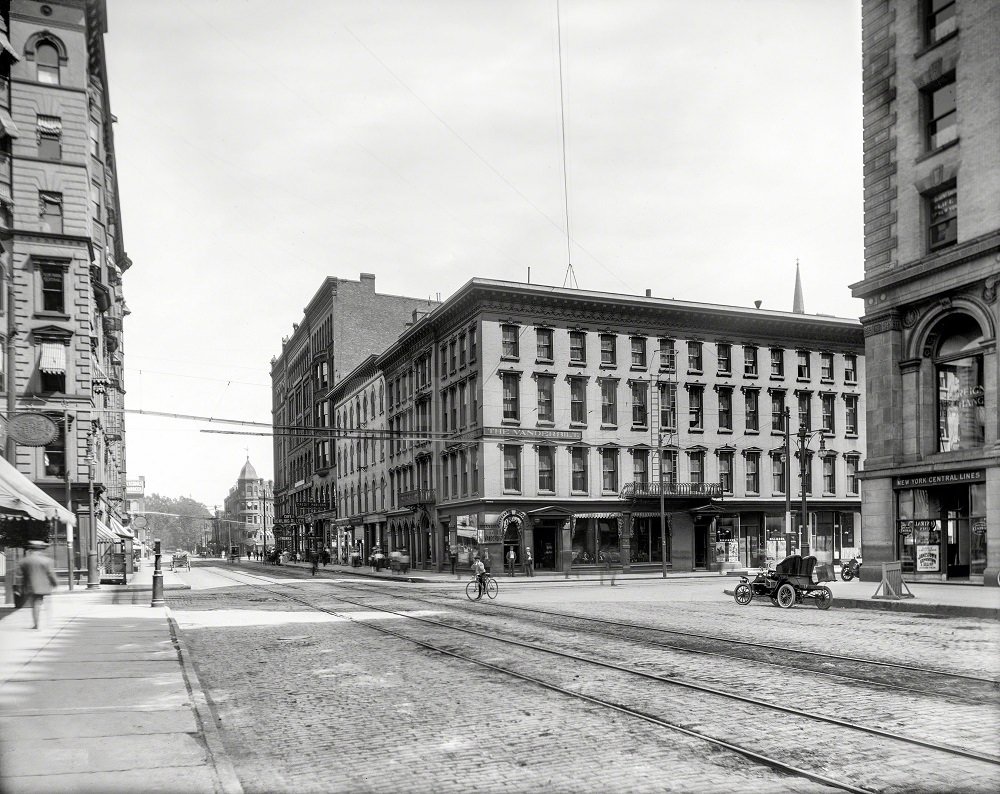
By the early 20th century, Syracuse had grown into a thriving urban center. Its downtown streets were lined with hotels, banks, and commercial blocks. Electric streetcars moved passengers across the city, and public parks gave residents a place to gather on weekends. The photographs below were taken between roughly 1900 and 1941, and they document the city at a particularly active moment in its development.

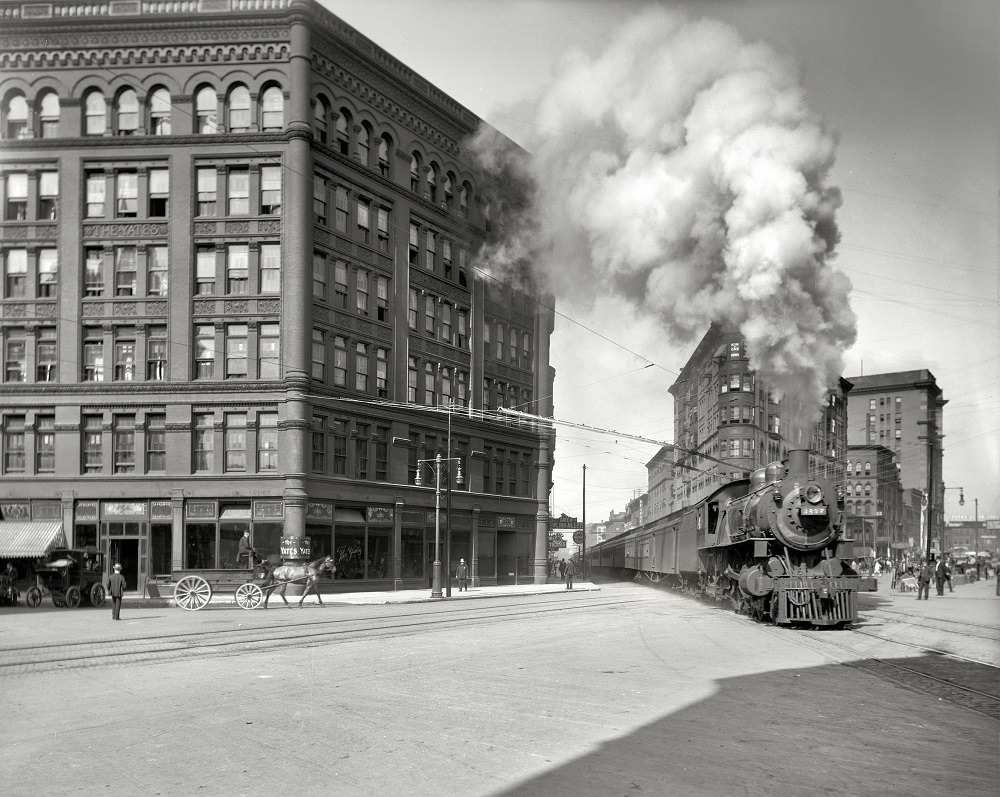
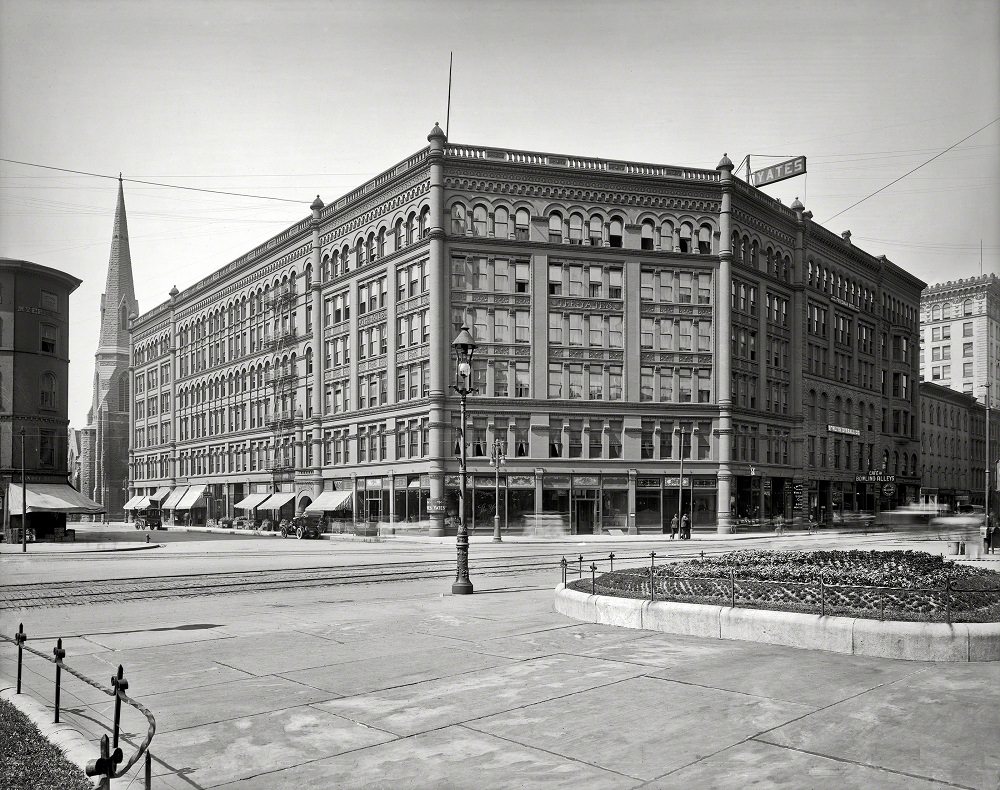
The Yates Hotel was one of Syracuse’s most prominent buildings in the early 1900s. Hotels like this one served not only travelers arriving by rail but also local businessmen and civic gatherings. The area around it reflected the energy of a city growing quickly in both population and commerce. West Genesee Street, one of the city’s main corridors, showed that same momentum.

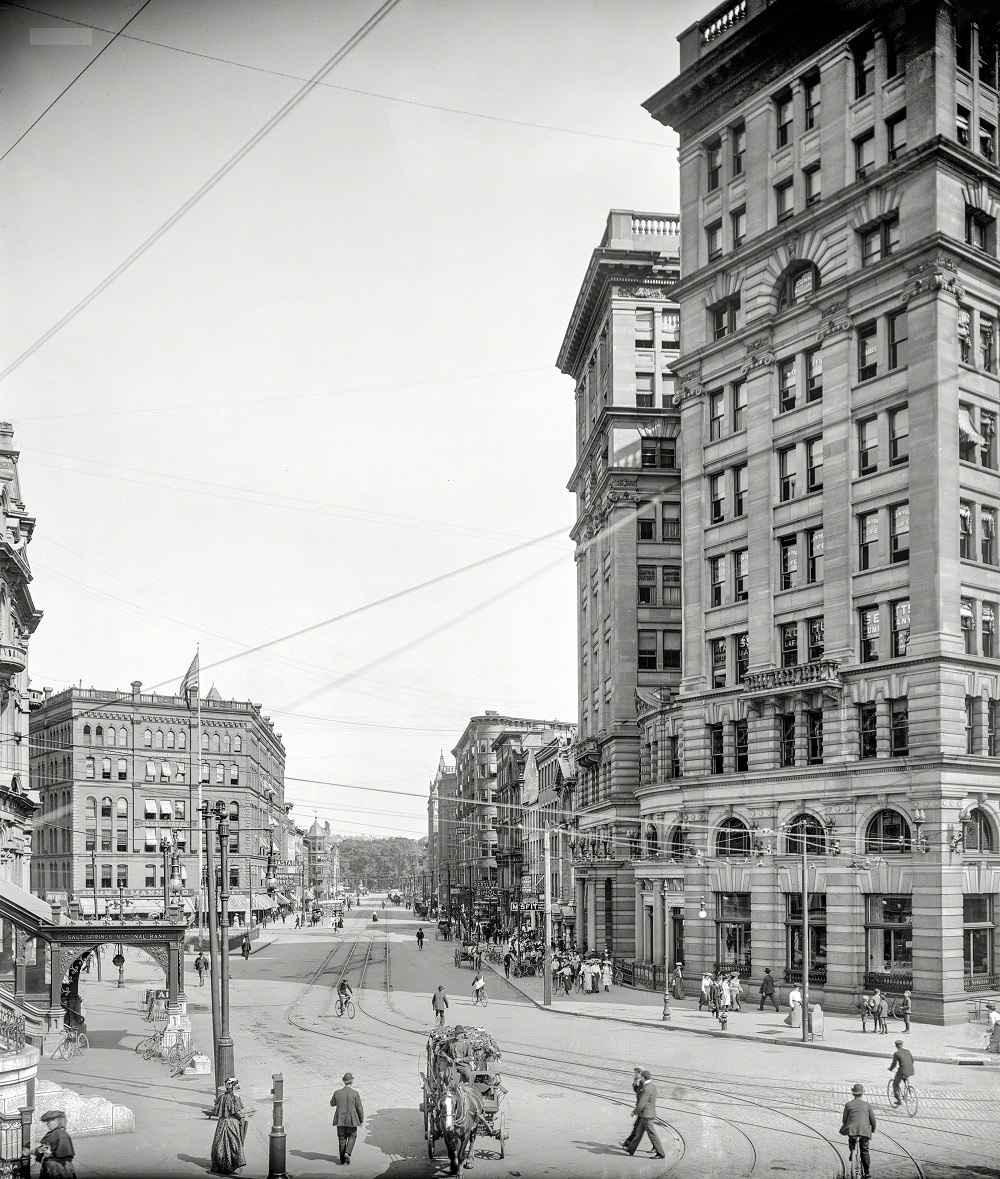
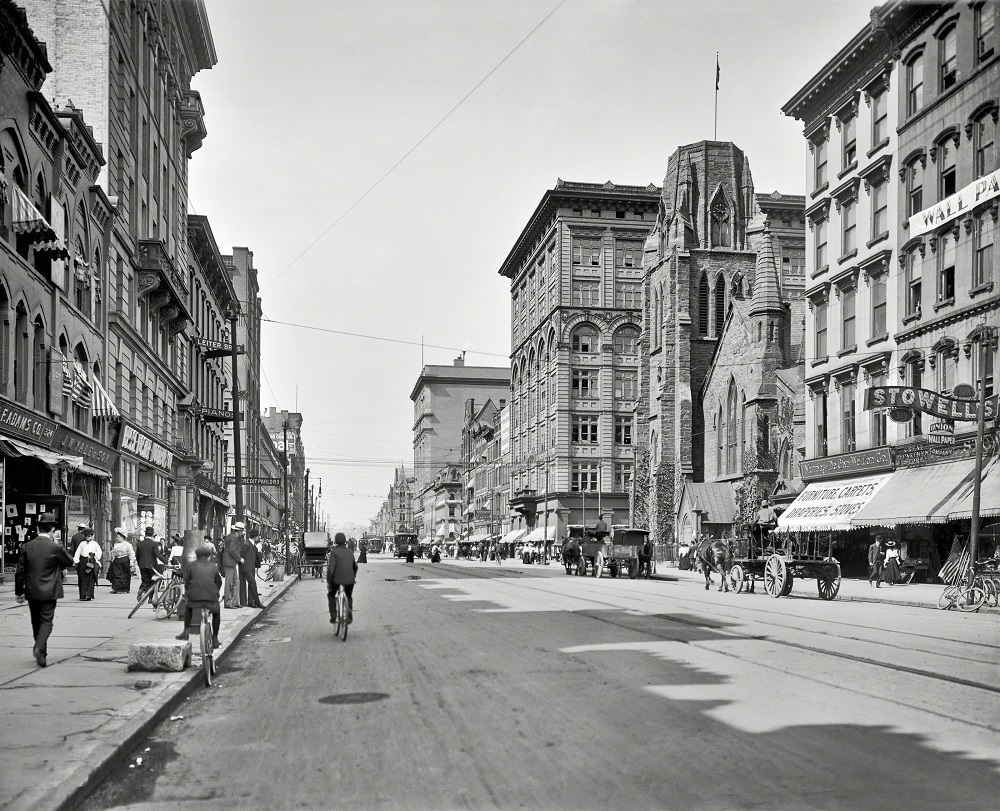
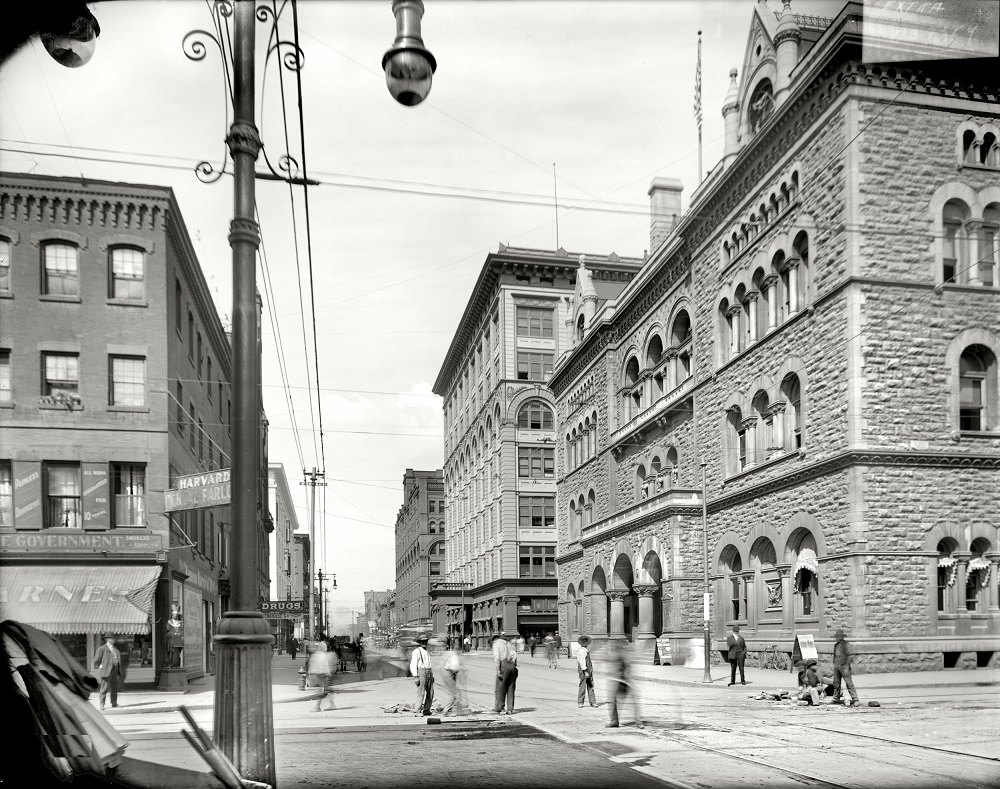
At the turn of the century, West Genesee Street was a busy commercial artery. Storefronts stretched along both sides, and foot traffic filled the sidewalks. The street was part of the broader downtown grid that connected Syracuse’s residents to its businesses and public institutions. Genesee Street continued to be a focal point of city life into the early 1900s.

South Salina Street was another key commercial stretch in downtown Syracuse. Running north to south through the heart of the city, it served as a retail and business hub for decades. The street’s architecture from this era reflected the prosperity Syracuse had built on manufacturing and trade.

The Vanderbilt House was one of Syracuse’s well-known establishments in the early 20th century. Buildings like it defined the character of the city’s downtown and catered to the steady stream of visitors and residents that a growing industrial city attracted.

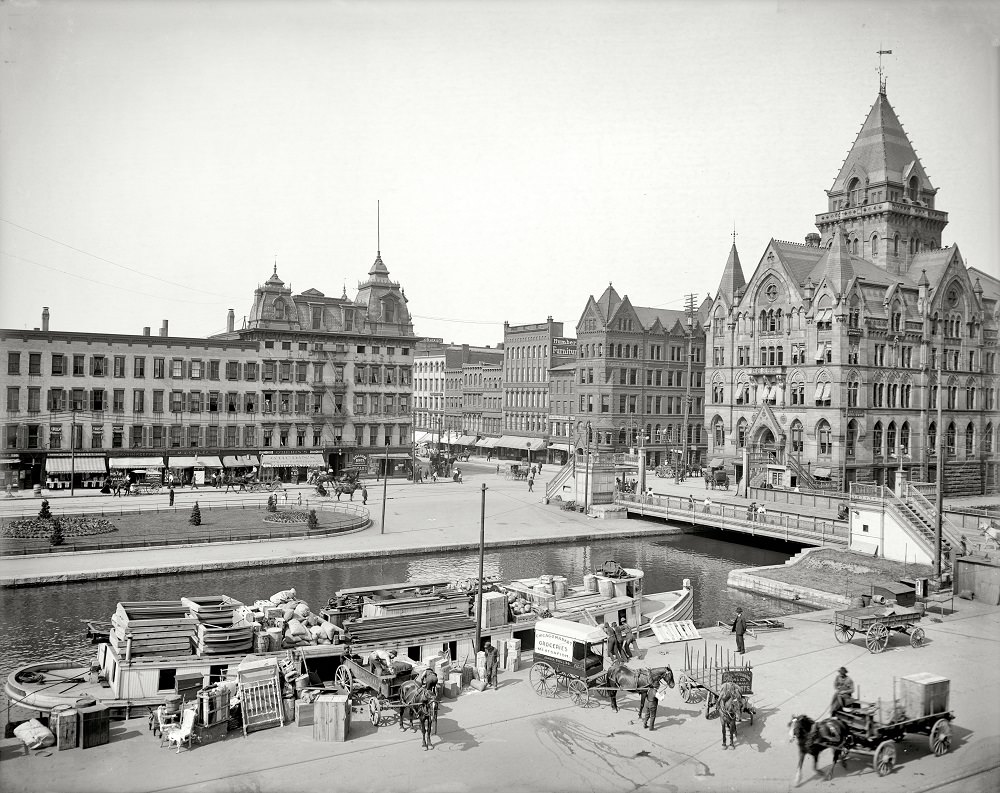
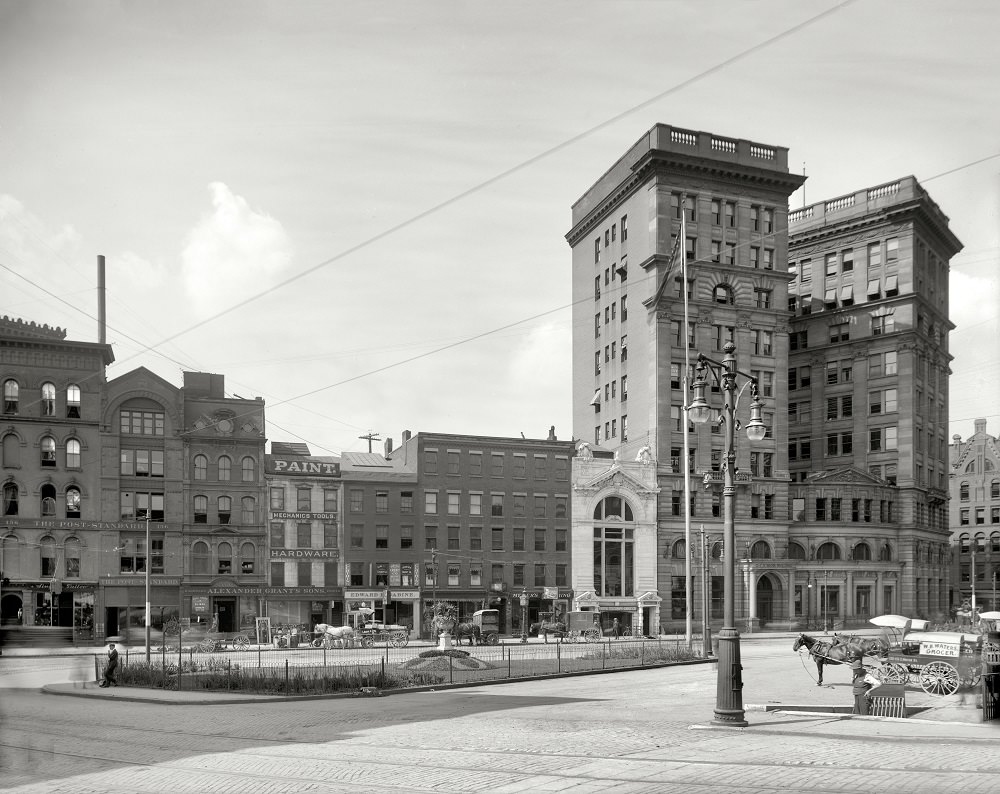
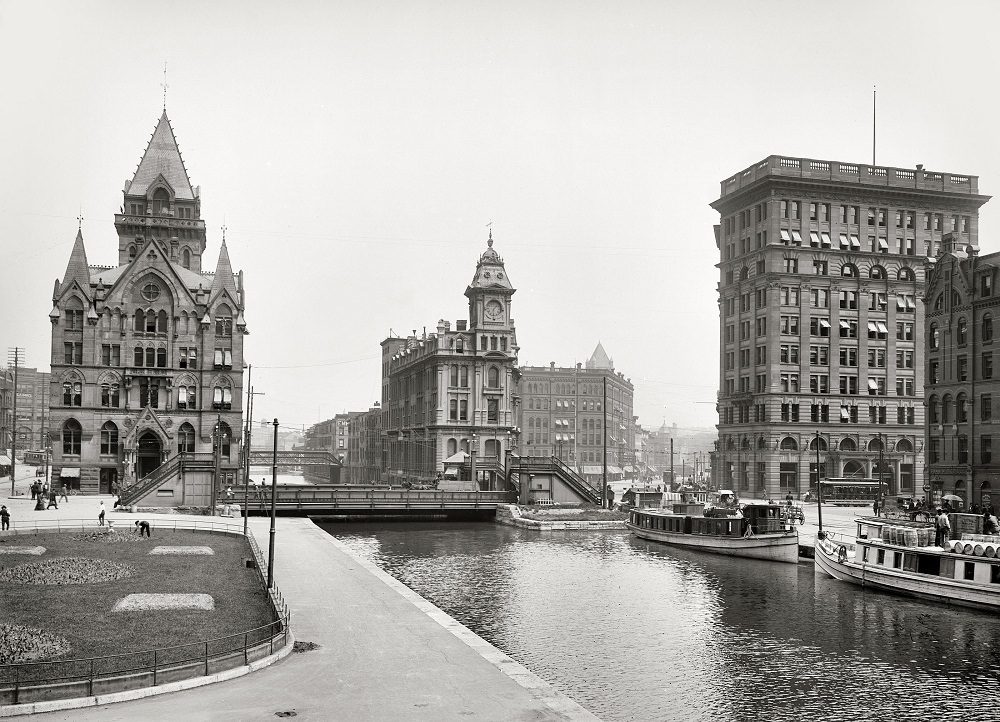
Clinton Square sat at the center of downtown Syracuse and was one of the city’s most photographed public spaces. It served as a gathering point and a symbol of civic identity. Nearby, the Onondaga County Savings Building and Veteran Park anchored the financial and memorial life of the city.


The Erie Canal ran directly through Syracuse, and its presence was felt on major streets like Salina Street. By 1904, the canal was still an active commercial waterway, though its importance was beginning to fade as railroads took over long-distance freight. The photo of the canal at Salina Street captures the overlap of two eras — one defined by waterways and another defined by trains.

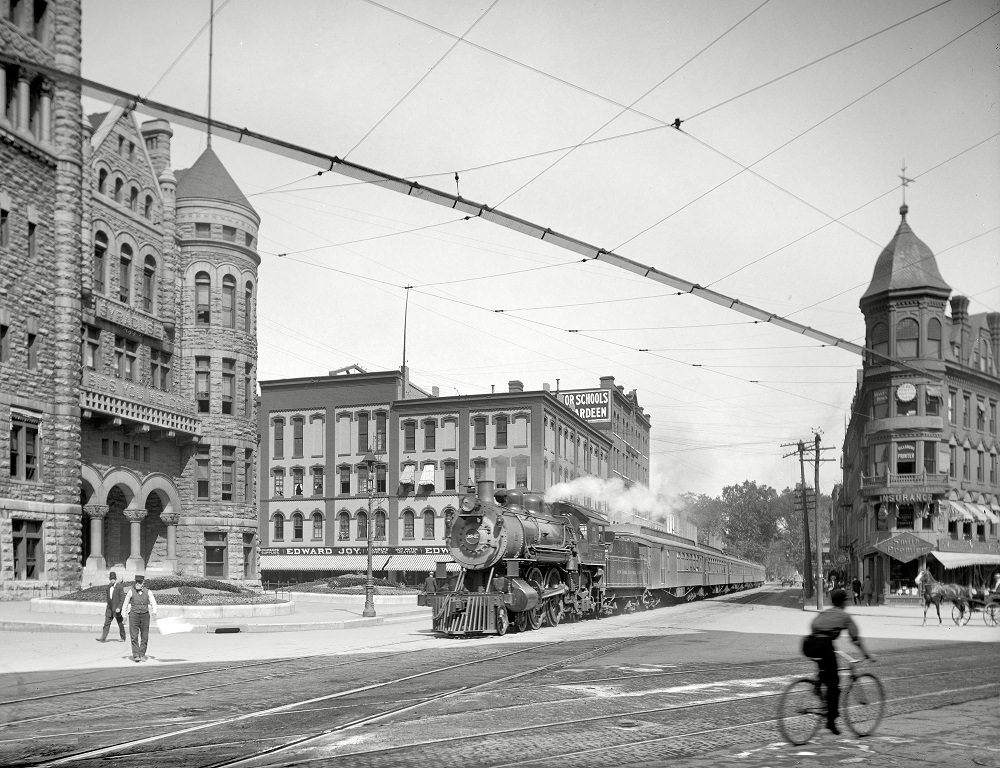
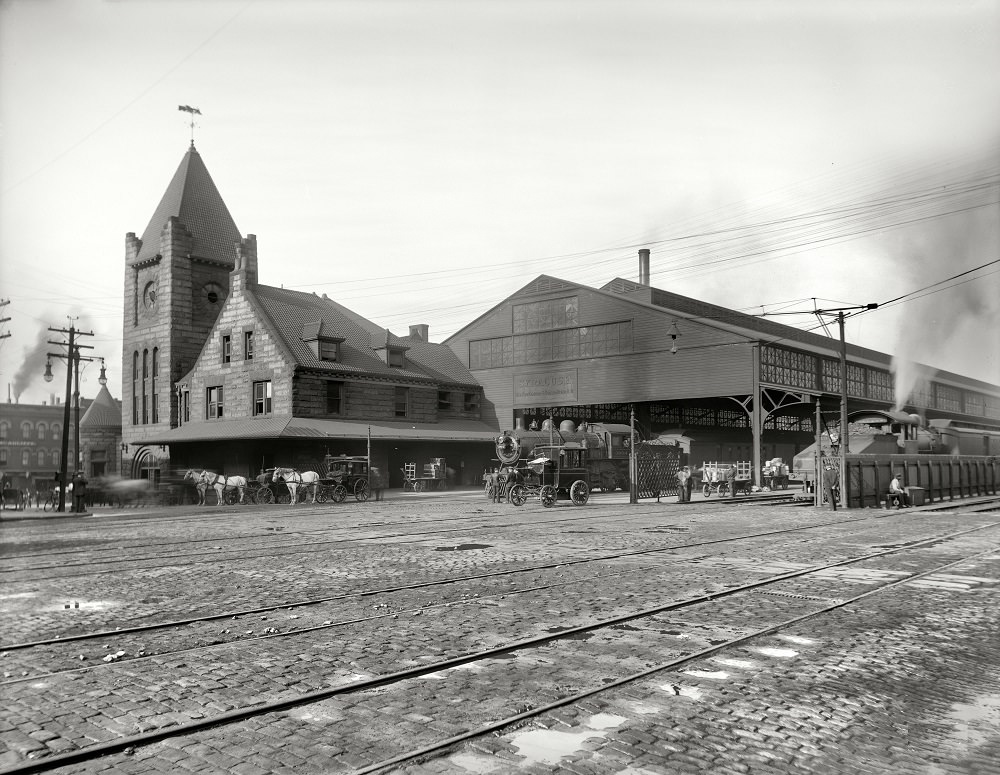
Rail travel was central to Syracuse’s identity in this period. The New York Central Railroad depot served as a major hub connecting the city to the rest of the state. The Empire State Express, one of the most famous trains of the era, passed directly through Washington Street in downtown Syracuse — a dramatic sight that drew onlookers to the tracks.


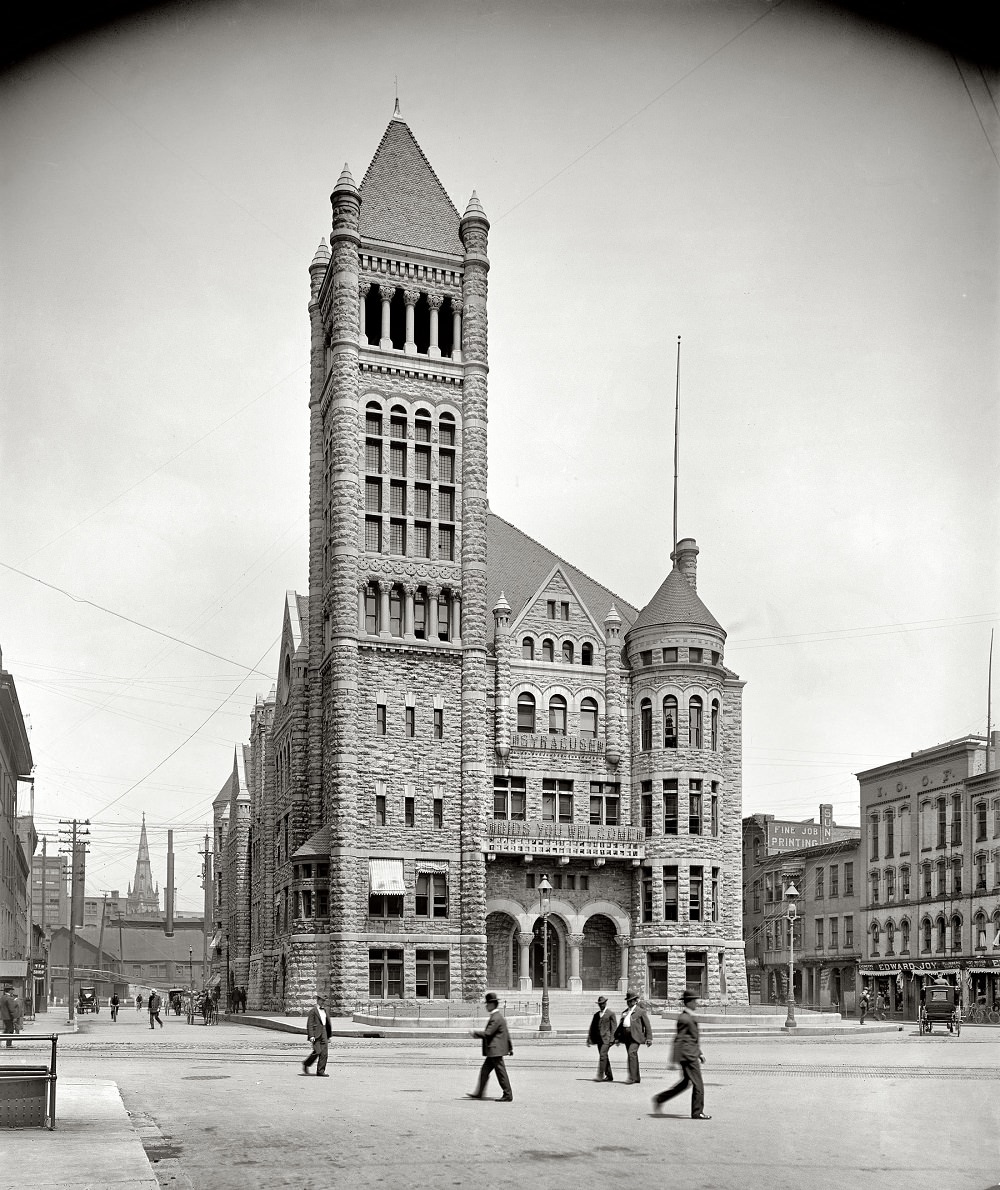
Syracuse City Hall stood as a formal expression of municipal authority in the early 1900s. Built in an era when cities invested heavily in public architecture, it anchored the civic core of downtown. Not far away, the federal post office on Fayette Street served the growing correspondence needs of both businesses and residents.


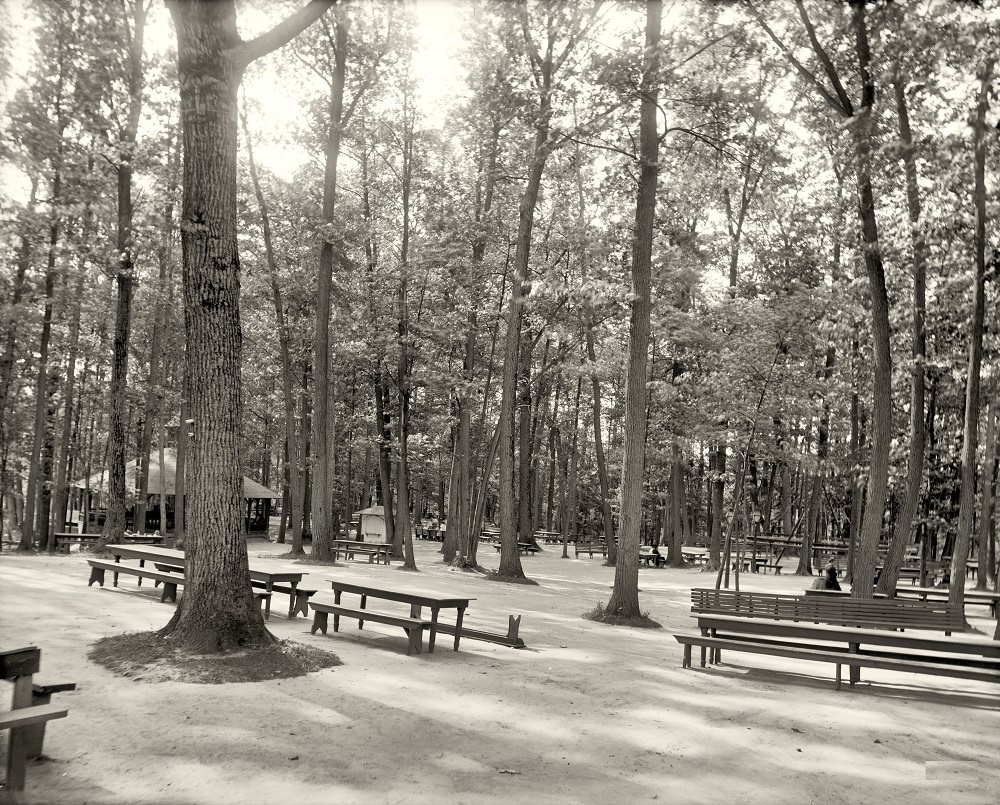
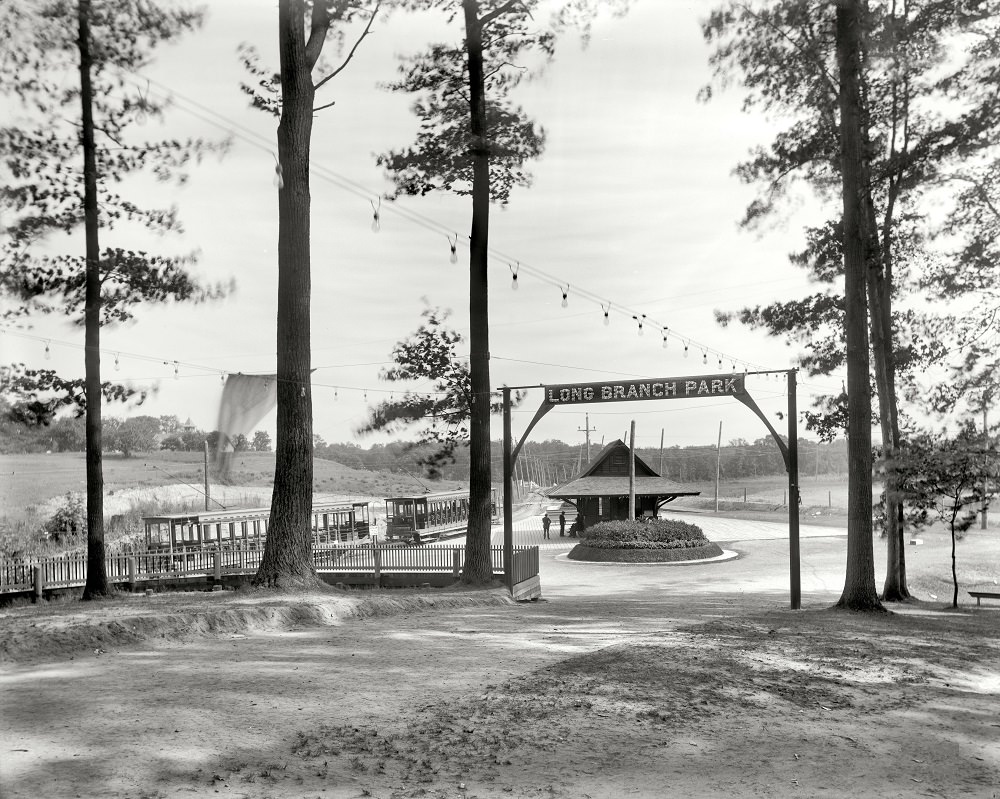
Long Branch Park was a popular destination for Syracuse residents in the early 1900s. Located along Onondaga Lake, it featured picnic grounds and a streetcar depot that made it easy to reach from downtown. Families rode the electric streetcars out to the park on weekends, spreading blankets across the grounds and enjoying the open space.


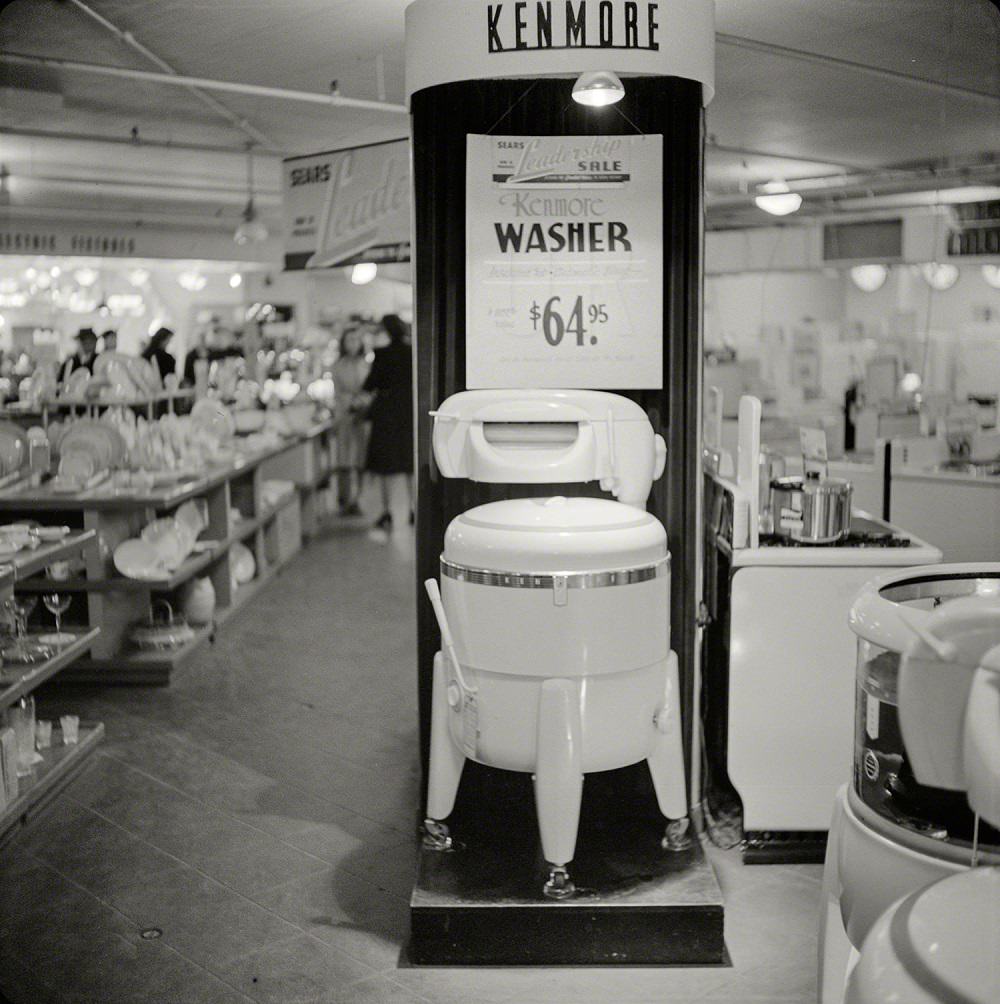
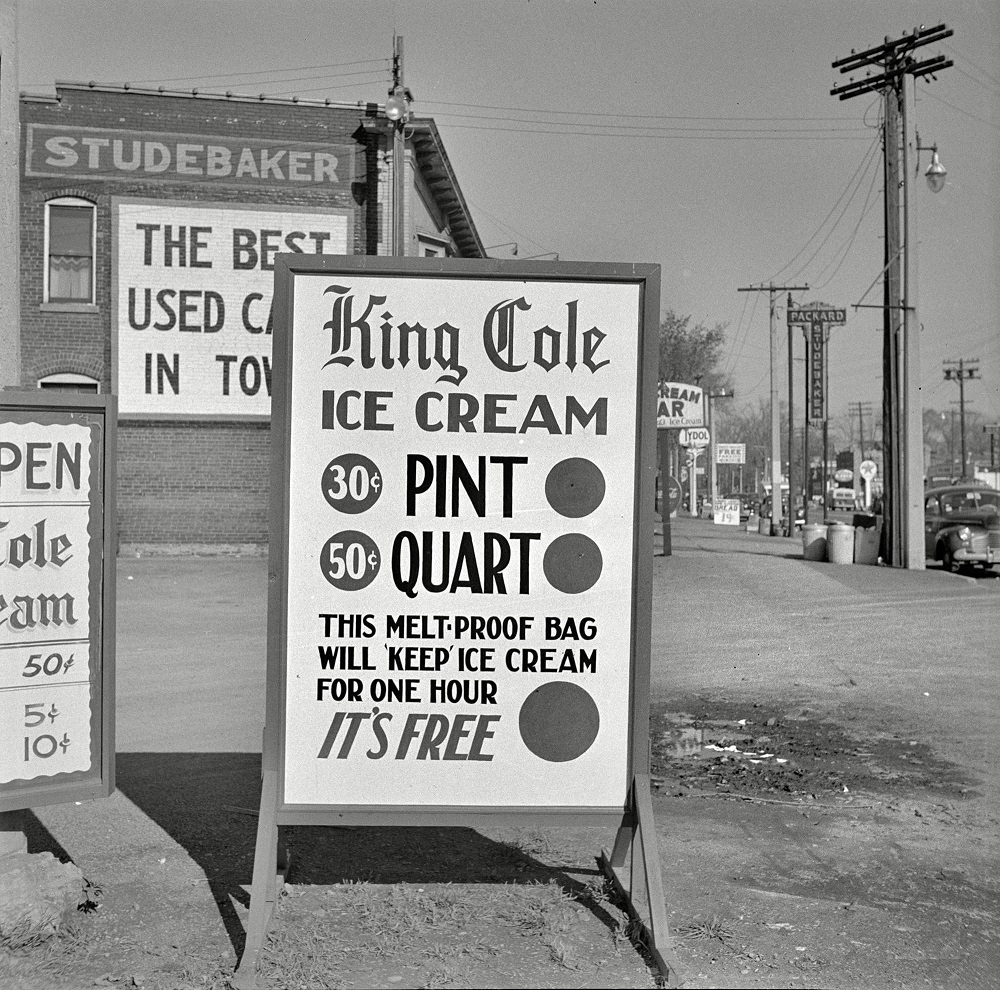
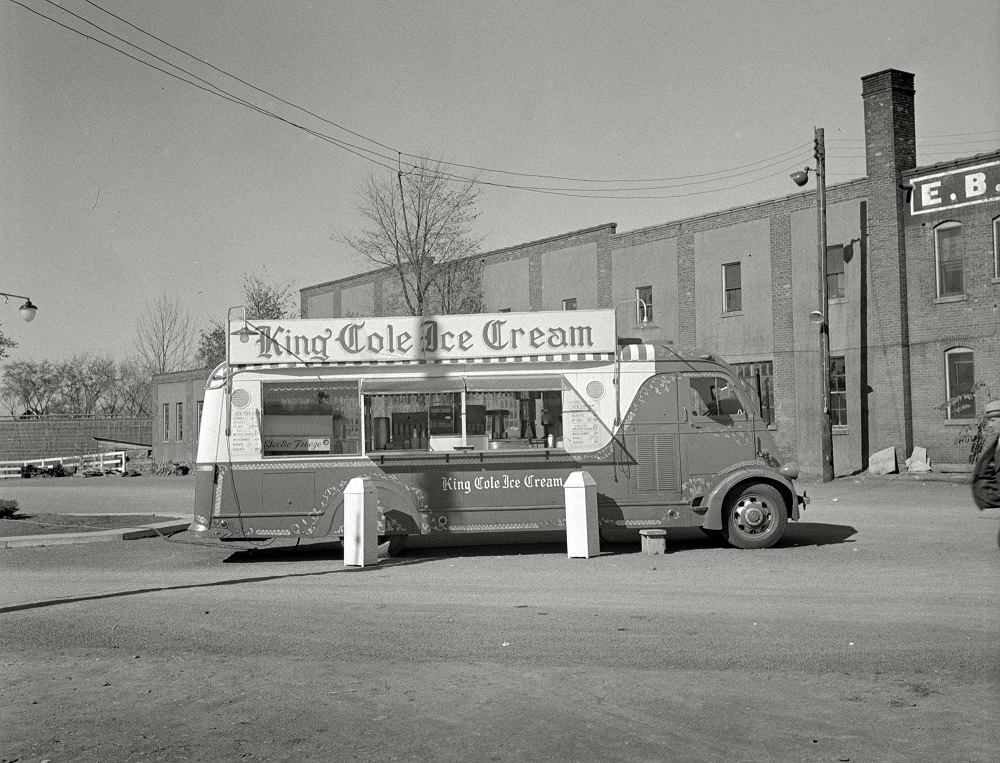
By October 1941, Syracuse was on the eve of wartime industrial expansion. Street vendors were still a common sight across the city. An ice cream vendor working the streets that month represented a slice of ordinary commercial life that would soon be reshaped by the demands of the war economy. Similarly, a washer being advertised for sale captured the consumer culture of a city still going about its daily routines before the country entered World War II.


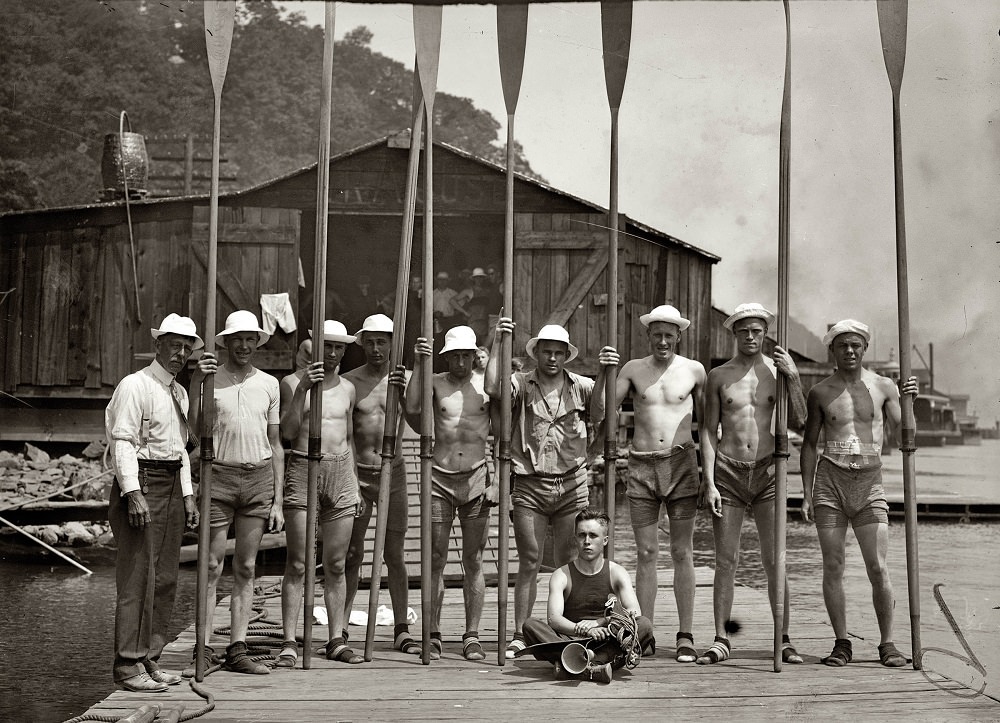
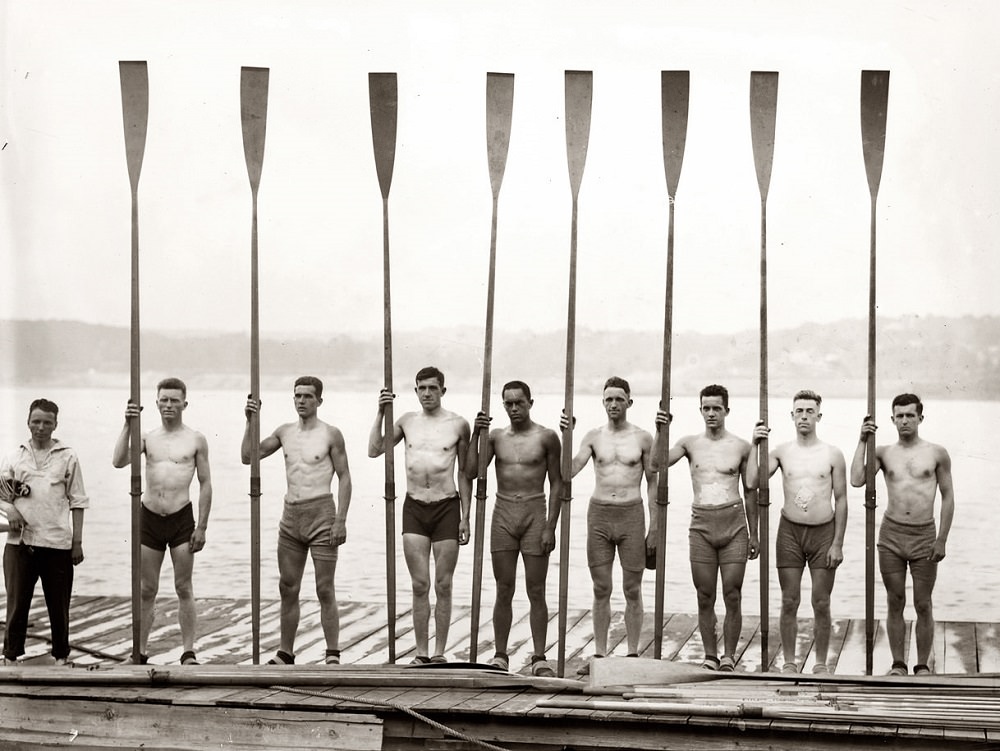
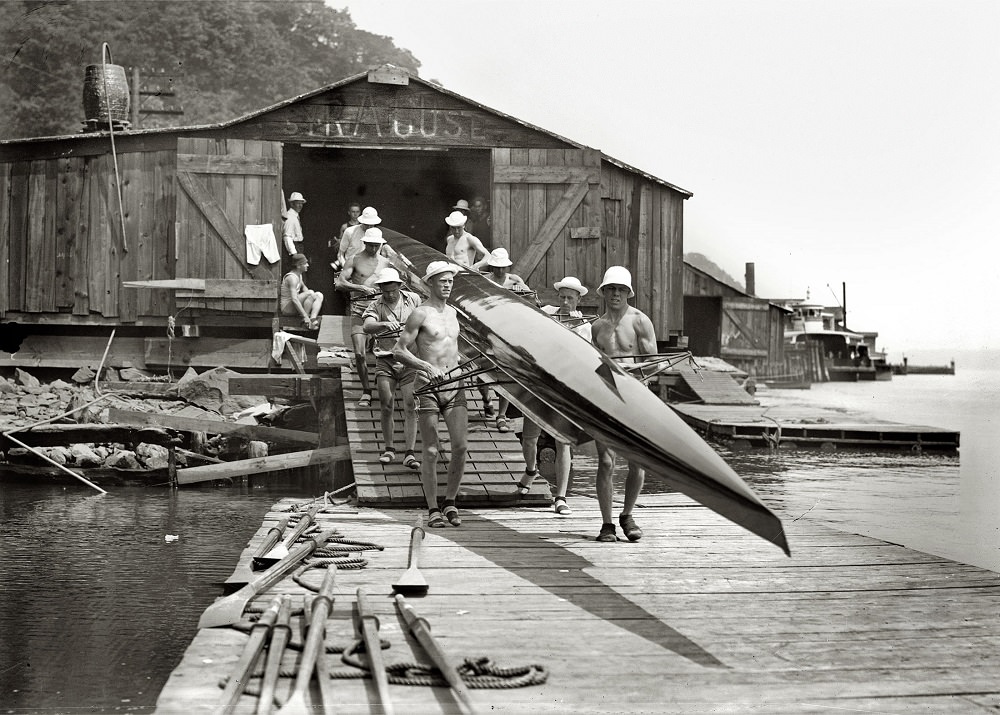
Syracuse University’s rowing program was a source of civic pride in the early 20th century. Coach James Ten Eyck, who led the program for decades, is seen with the varsity crew team at the boathouse around 1908. Ten Eyck built one of the most respected rowing programs in the country during his long tenure, and his teams trained on local waters with serious discipline. The 1914 photographs of the varsity and second varsity squads show the team in full competitive form.


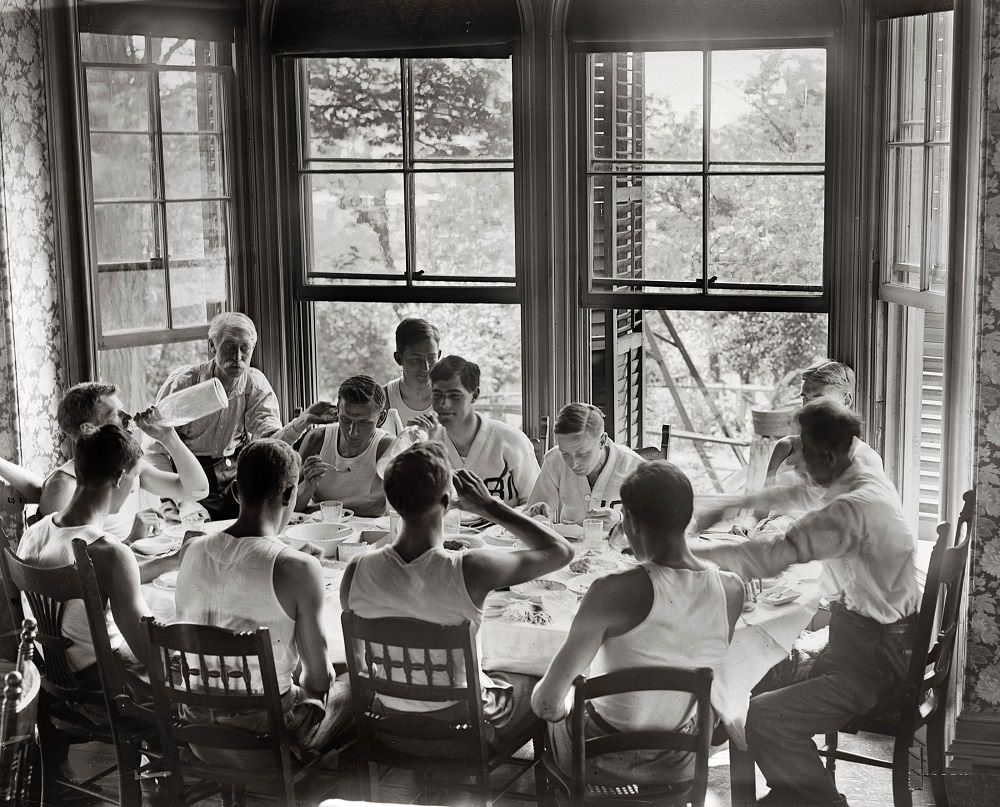
The freshman rowing team photographed at the dinner table on June 19, 1908, shows a different side of the sport — young men at the start of their athletic careers, gathered together in the camaraderie that competitive rowing demanded. These athletes trained hard and represented a university that was growing alongside the city around it. The first New York State Fair had been held in Syracuse back in 1841, and by 1908 the city had long established itself as a place where institutions — educational, civic, and commercial — took deep root.


Time has flown by so fast!
The lack of education, coupled with a high violent crime rate, has slowly eroded this once beautiful city.
I wish the world were as simple as you portray it to be
It would have been great if they had kept the canal.
An old coworker would always say, “I wish they’d put the canal back in; that way, I could barge into work.”
Whatever floats your boat
It would be beautiful to see Syracuse with that canal still in place.
This is amazing! What beautiful pictures! My dad currently works at the Syracuse Savings Bank
I really enjoyed it.
Isn’t it amazing how so many beautiful buildings were demolished during the city’s history? Wouldn’t it be cool if Syracuse still had its canal?