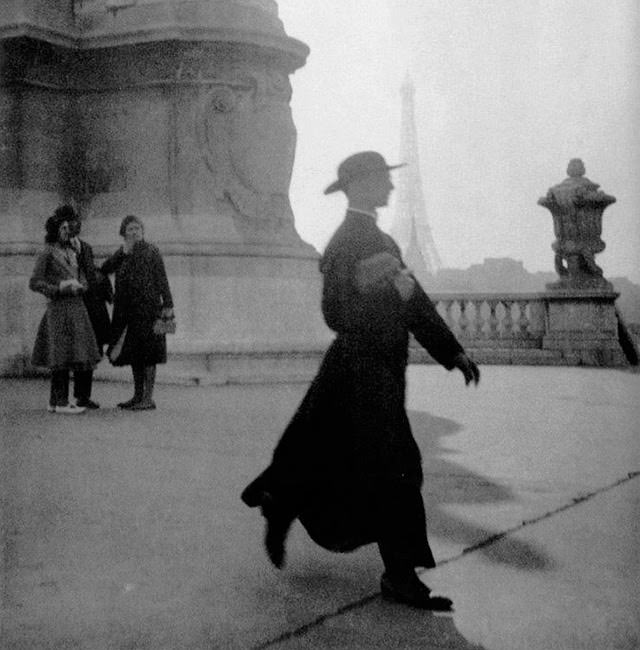
In 1901, a seven-year-old boy named Jacques-Henri Lartigue received his first camera as a birthday gift from his father. Born into a wealthy French family in Paris, Lartigue wasted no time. He immediately began photographing the world around him — and he never really stopped.
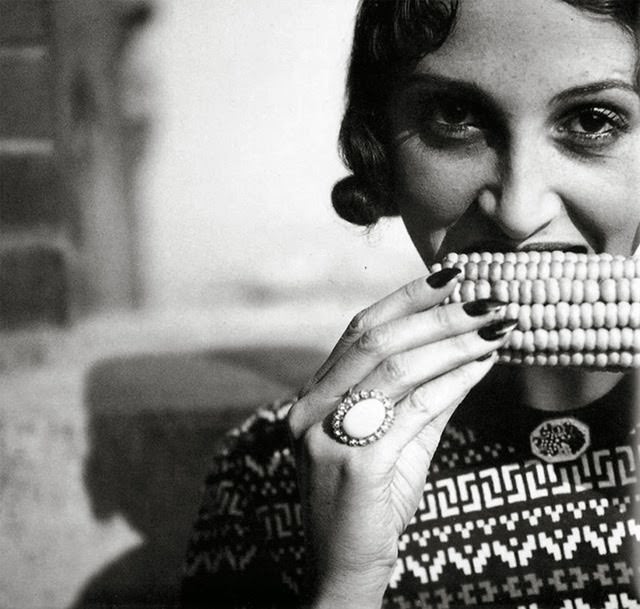
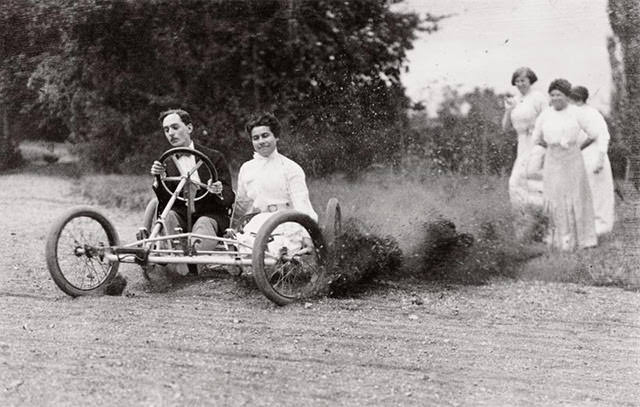
His earliest photographs were anything but stiff. He captured his brother Zissou leaping down staircases, cousins dressed in costumes, and family members attempting to fly in homemade gliders. These candid shots were full of motion and genuine joy.
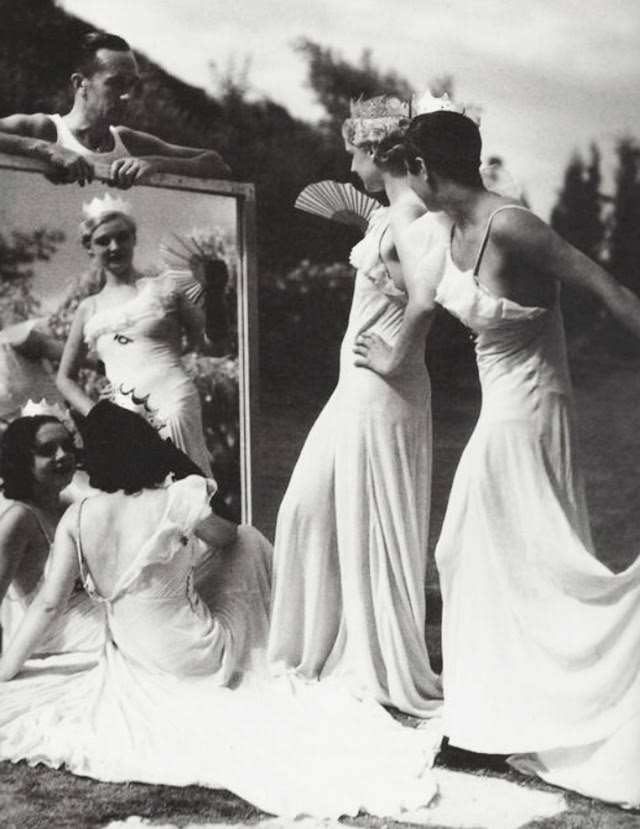
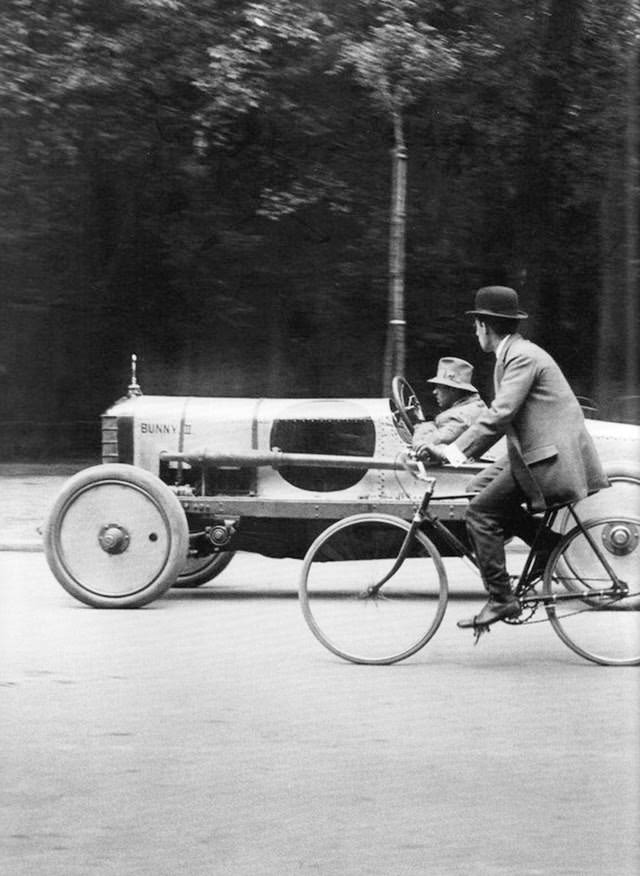
Lartigue grew up during the Belle Époque, or “Beautiful Era” — a time of optimism and rapid technological change in Europe before World War I. Speed and motion fascinated him deeply. He photographed early automobiles, airplanes taking off, and people mid-dive into swimming pools.
One of his most famous images, taken in 1912, shows a race car speeding past, its body visibly distorted and leaning from the camera’s exposure — a raw snapshot of the new century’s obsession with speed.
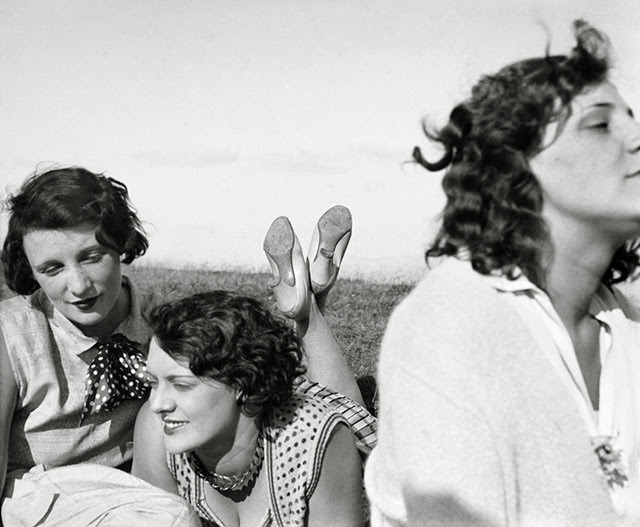
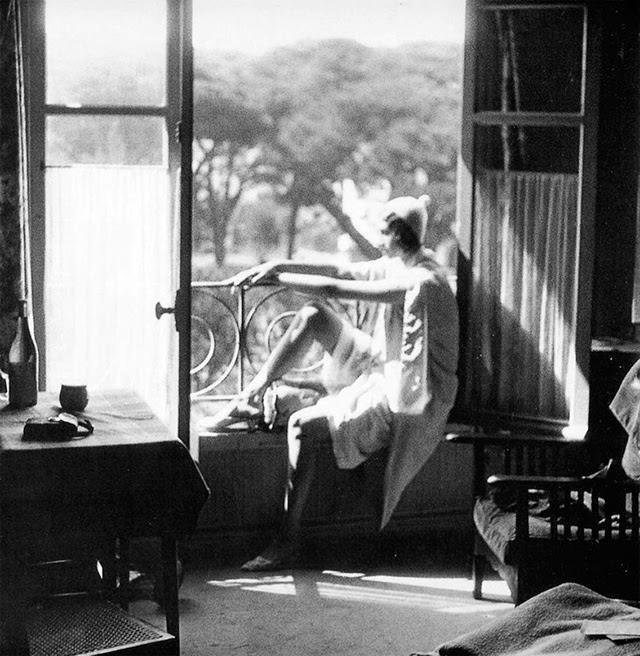
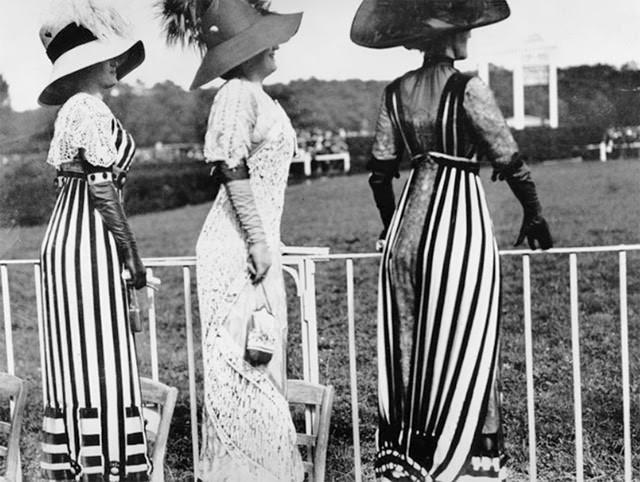
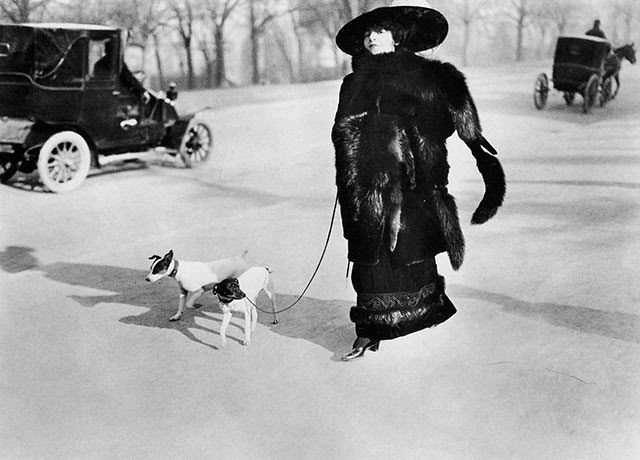
As a teenager and young adult, Lartigue frequented the Bois de Boulogne, a large park in Paris. There he photographed elegantly dressed women strolling the avenues in wide-brimmed hats, long dresses, and fur stoles, often with small dogs in tow.
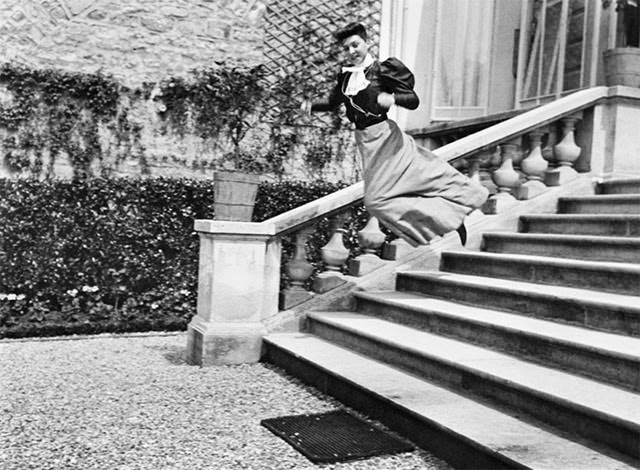
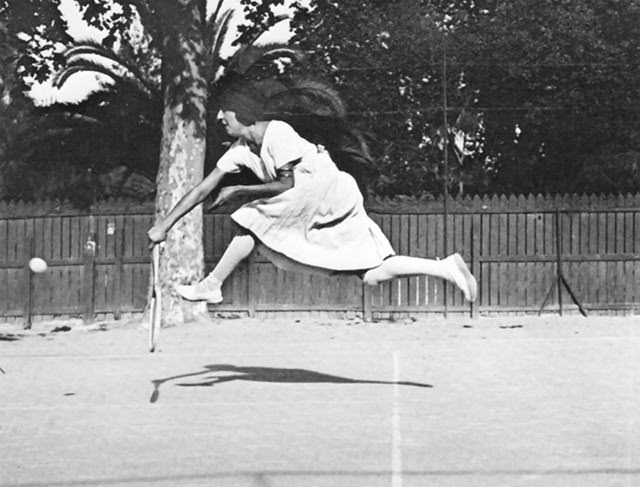
His informal approach gave these fashion photographs a spontaneous, lively feeling rarely seen in the formal studio portraits of the era.
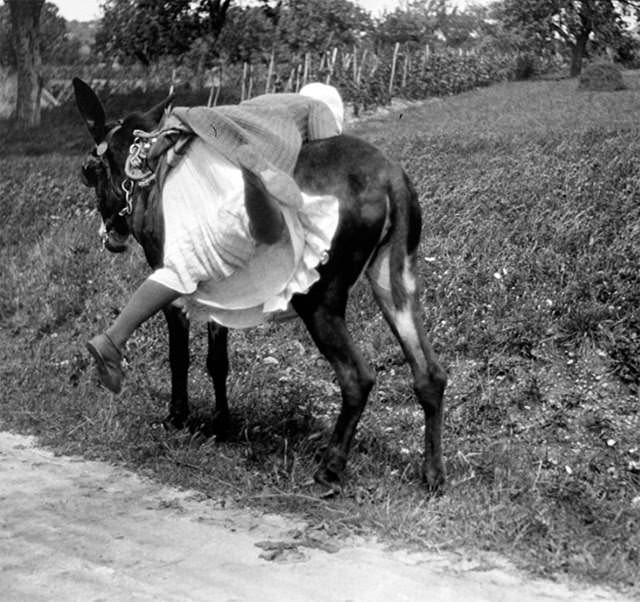
While most of Lartigue’s work was in black and white, he also experimented with Autochrome — an early color photography process that used dyed potato starch on glass plates to produce color images. The results had a soft, painterly quality.
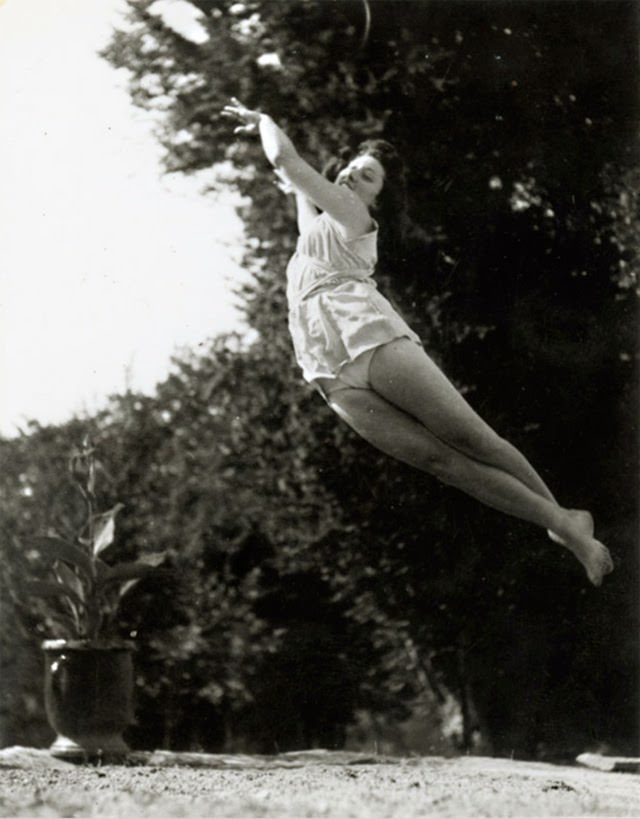
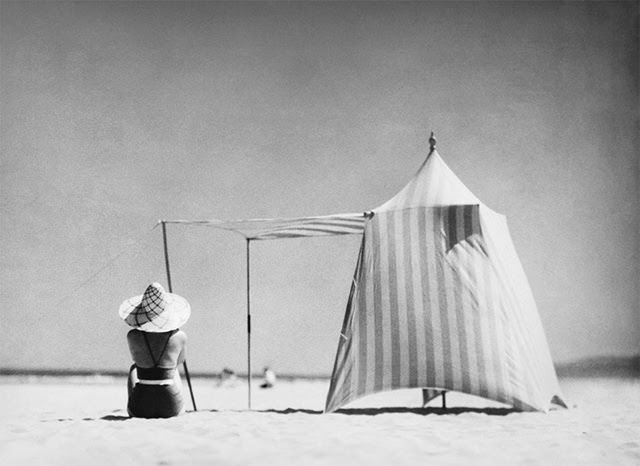
Lartigue, who considered himself a painter first, found the Autochrome process well-suited to his eye. His color photographs captured flower gardens in full bloom, the bright dresses of society women, and warm, intimate family scenes.
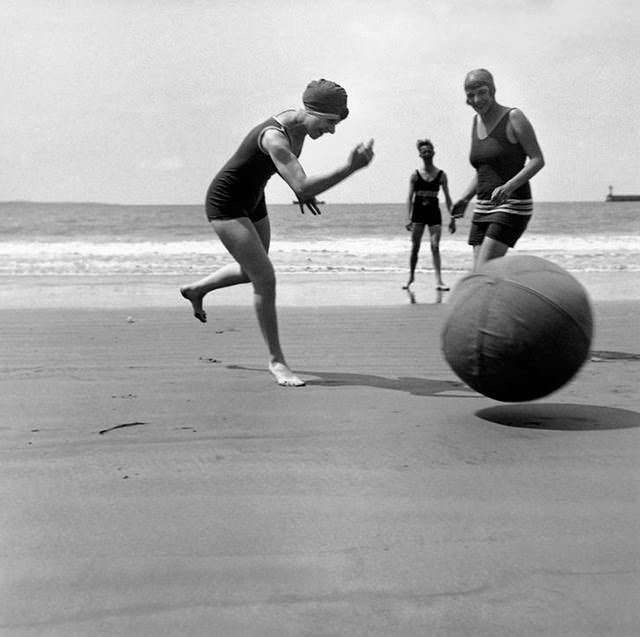
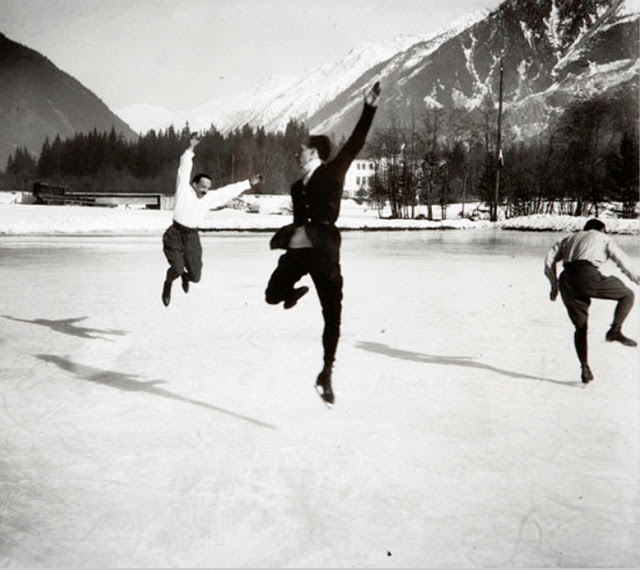
Through the 1930s and 1940s — as Europe faced war and upheaval — Lartigue kept his focus on leisure. He photographed people skiing down slopes, relaxing on beaches, and sailing on open water.
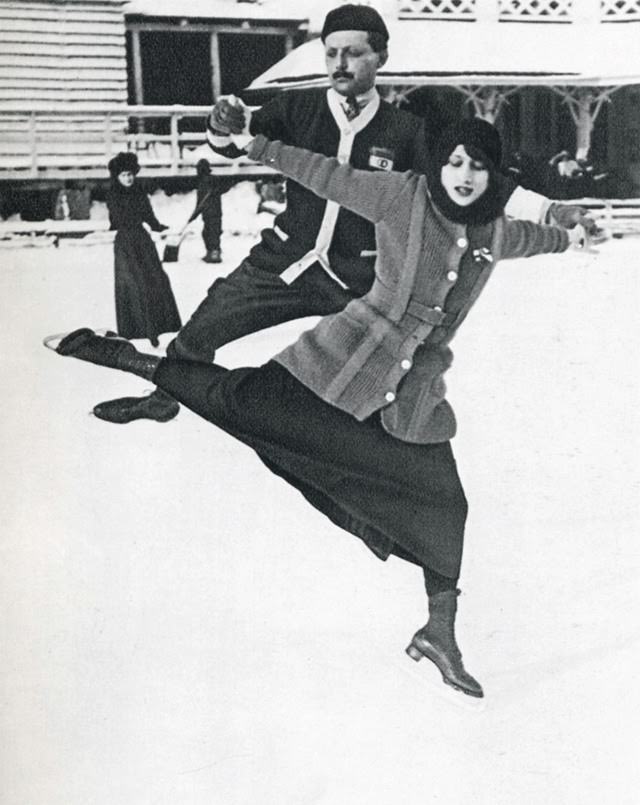
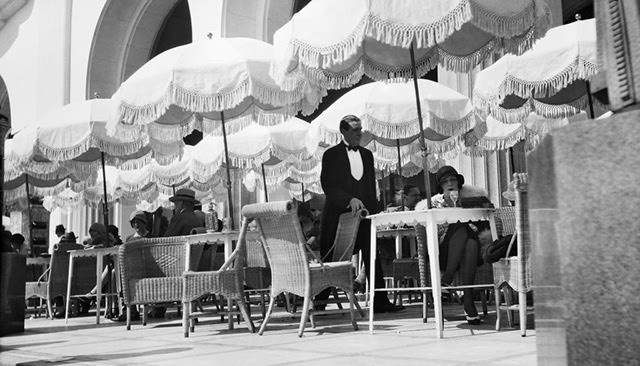
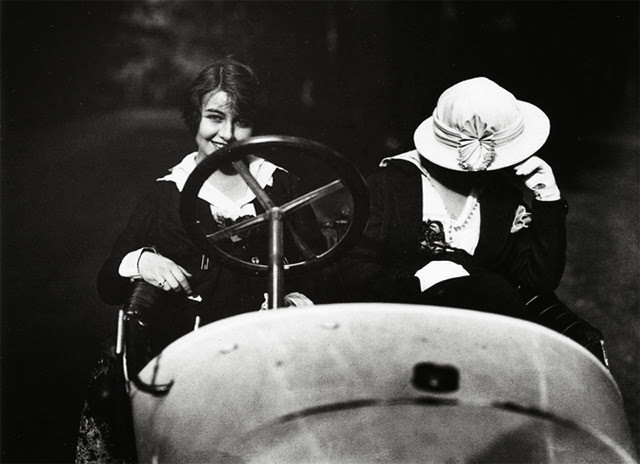
His photographs from fashionable French resorts show a world of ease and personal pleasure, removed from the political tensions of the time. The people in his frames are laughing, jumping, racing, and playing.
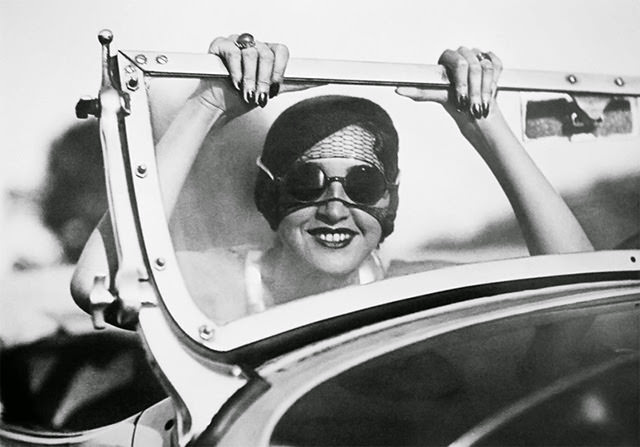
Together, his photographs from the first half of the 20th century form a detailed visual record of French upper-class life — its fashions, pastimes, and above all, its sense of motion.