
On October 2, 1959, CBS aired the first episode of The Twilight Zone — and American television was never quite the same. Created and hosted by Rod Serling, the series ran for five seasons, ending on June 19, 1964. In that span, it produced 156 black-and-white episodes, each one a self-contained story built around a sharp twist. Serling had a rare talent: he could set up a full world, build suspense, and deliver a gut-punch ending — all in under 30 minutes.
The show drew from science fiction, horror, and fantasy, but its real power came from something more grounded. The stories were about ordinary people — soldiers, housewives, drifters, dreamers — caught in situations that forced them to face hard truths. The writing, direction, and music all operated at the same high level. In 2016, Rolling Stone ranked it No. 7 on its list of the 100 greatest TV shows of all time.
Serling didn’t just write the show — he was its face, stepping on screen between scenes to introduce each episode with a quiet, deliberate delivery that set the mood perfectly. The roster of actors he attracted was remarkable. Some were already household names. Others were unknowns who would go on to major careers. The behind-the-scenes photos from those years offer a window into a production that was both ambitious and remarkably efficient.
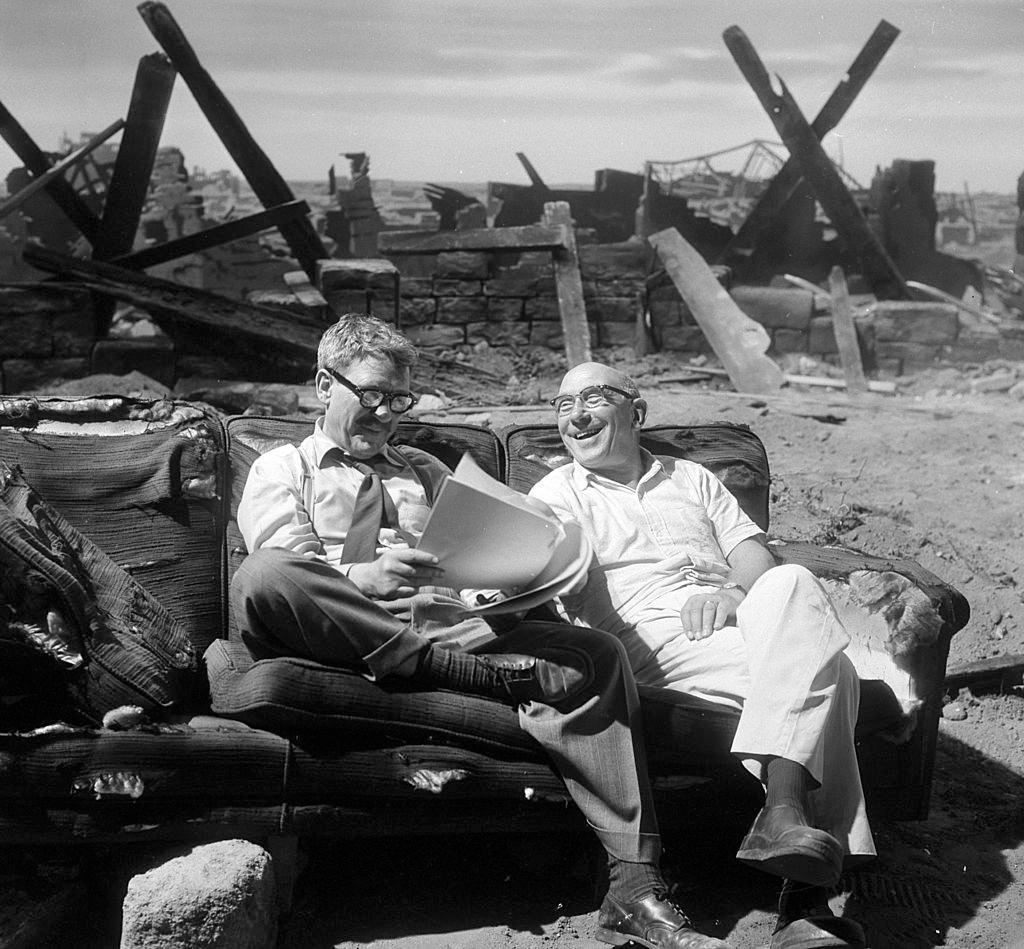
“Time Enough at Last” remains one of the series’ most remembered episodes. Burgess Meredith plays Henry Bemis, a meek bank teller who survives nuclear war only to face a cruel final irony. Meredith’s performance is perfectly calibrated — quiet, hopeful, then devastated. The episode aired in November 1959 and became one of the most quoted finales in TV history.
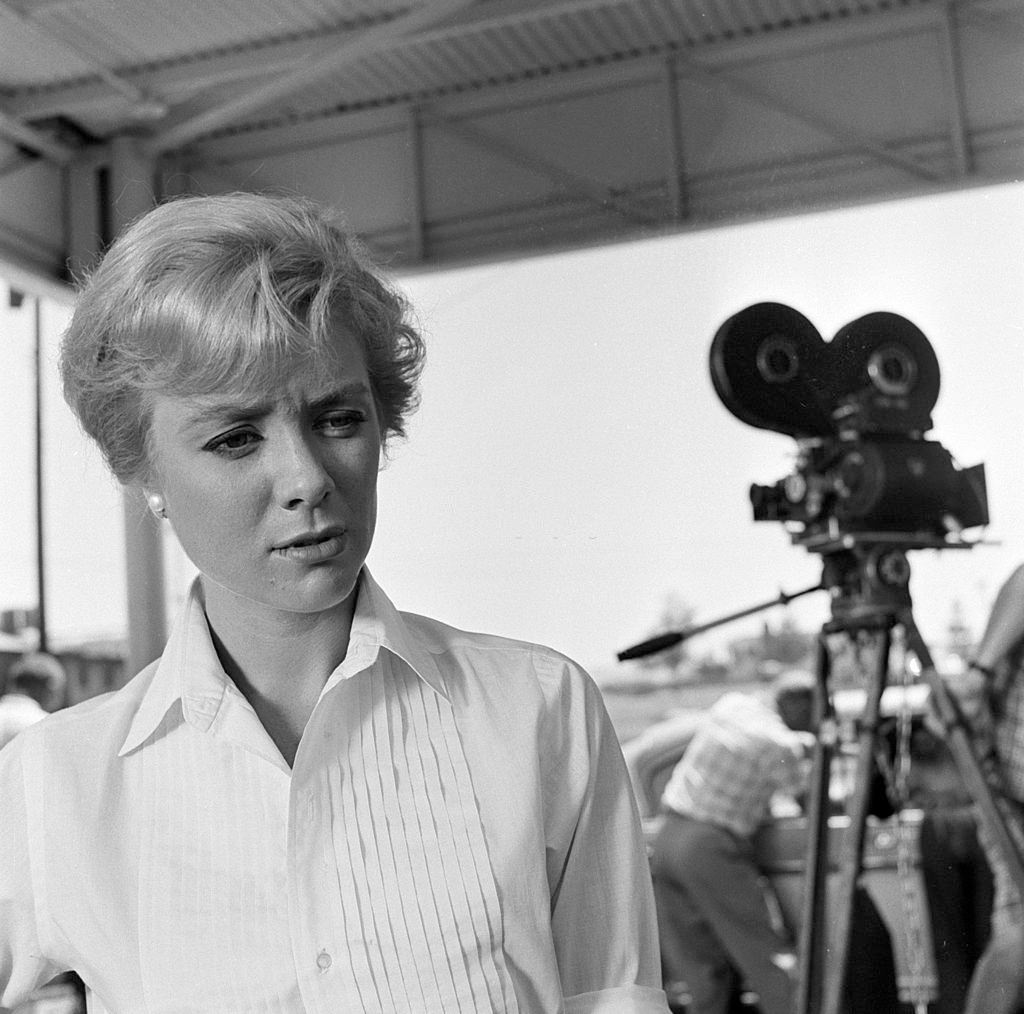
Inger Stevens brought genuine fear to “The Hitch-hiker,” playing a woman being stalked across the country by a figure no one else can see. The episode was filmed in the summer of 1959. Stevens carries almost every scene alone, and the story’s final reveal lands hard. Season one of the show was packed with episodes of this caliber — strong performers, tight scripts, and directors who knew exactly how to use shadow and silence.
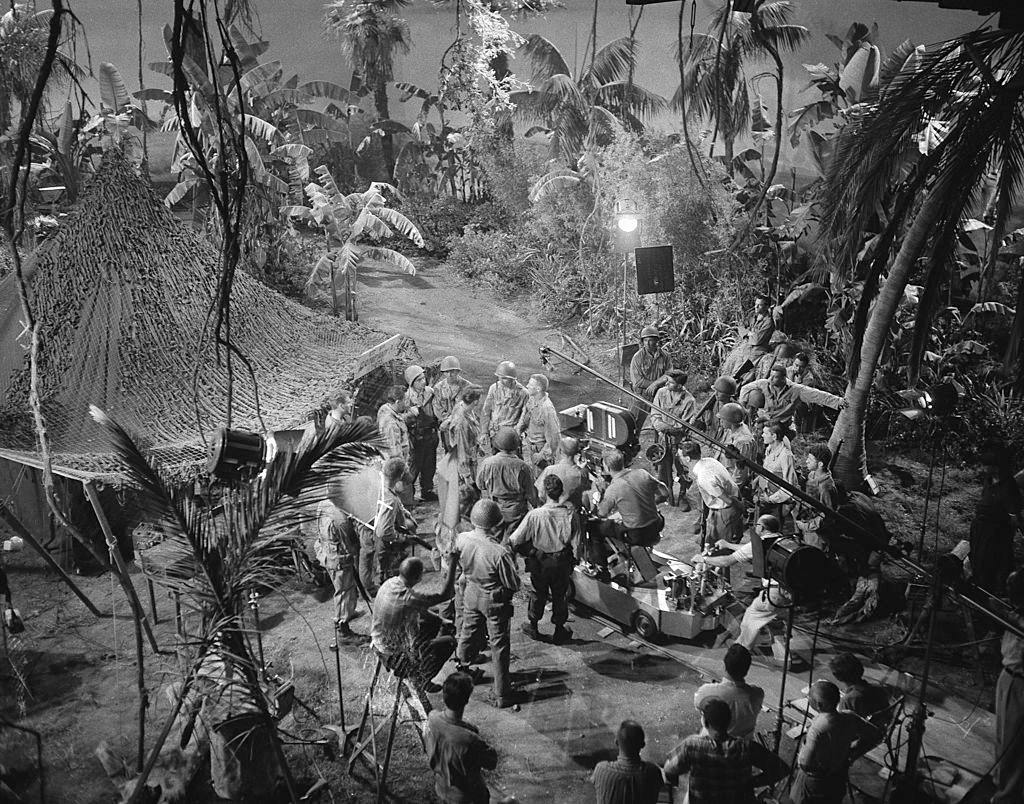
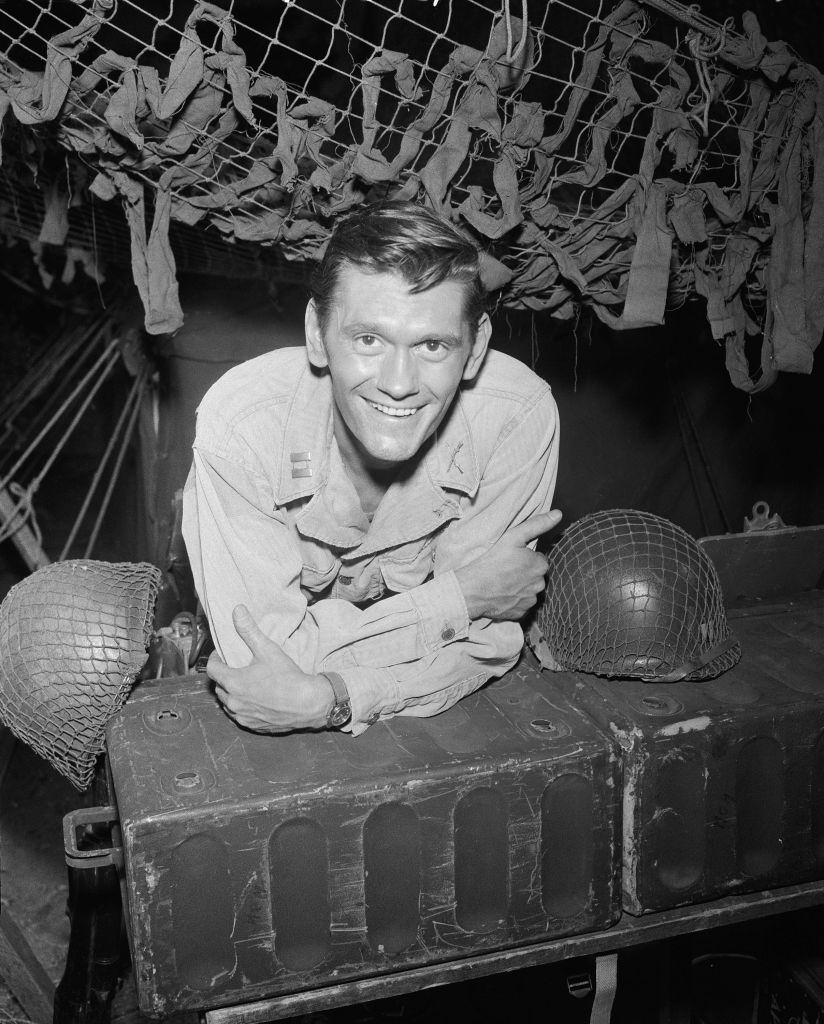
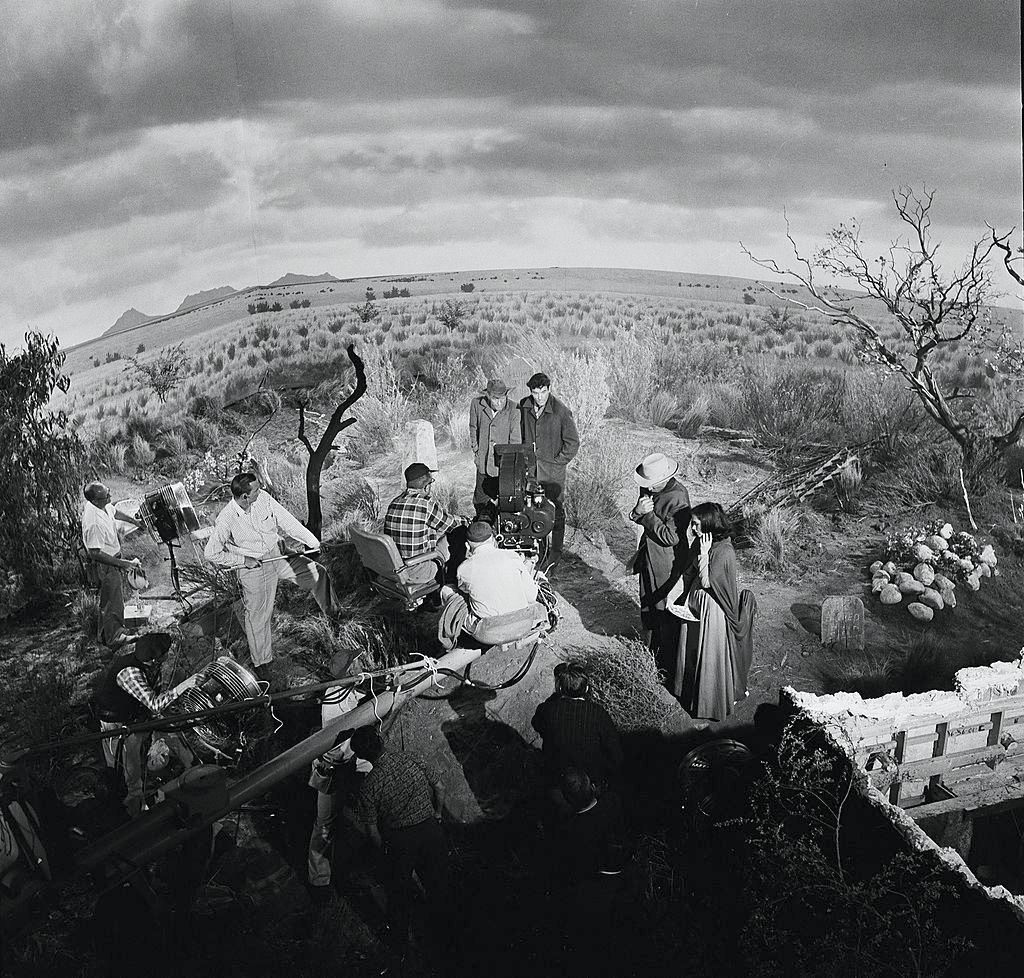
“The Purple Testament” was one of the darker entries in season one. Set during World War II, it follows a soldier who develops the ability to see which of his fellow troops will die in battle. Dick York, who played Captain Riker, brought a physical intensity to the role that matched the material. Rod Serling himself spent time on set between takes, and the production photos from that episode show the close working relationship he kept with his cast.
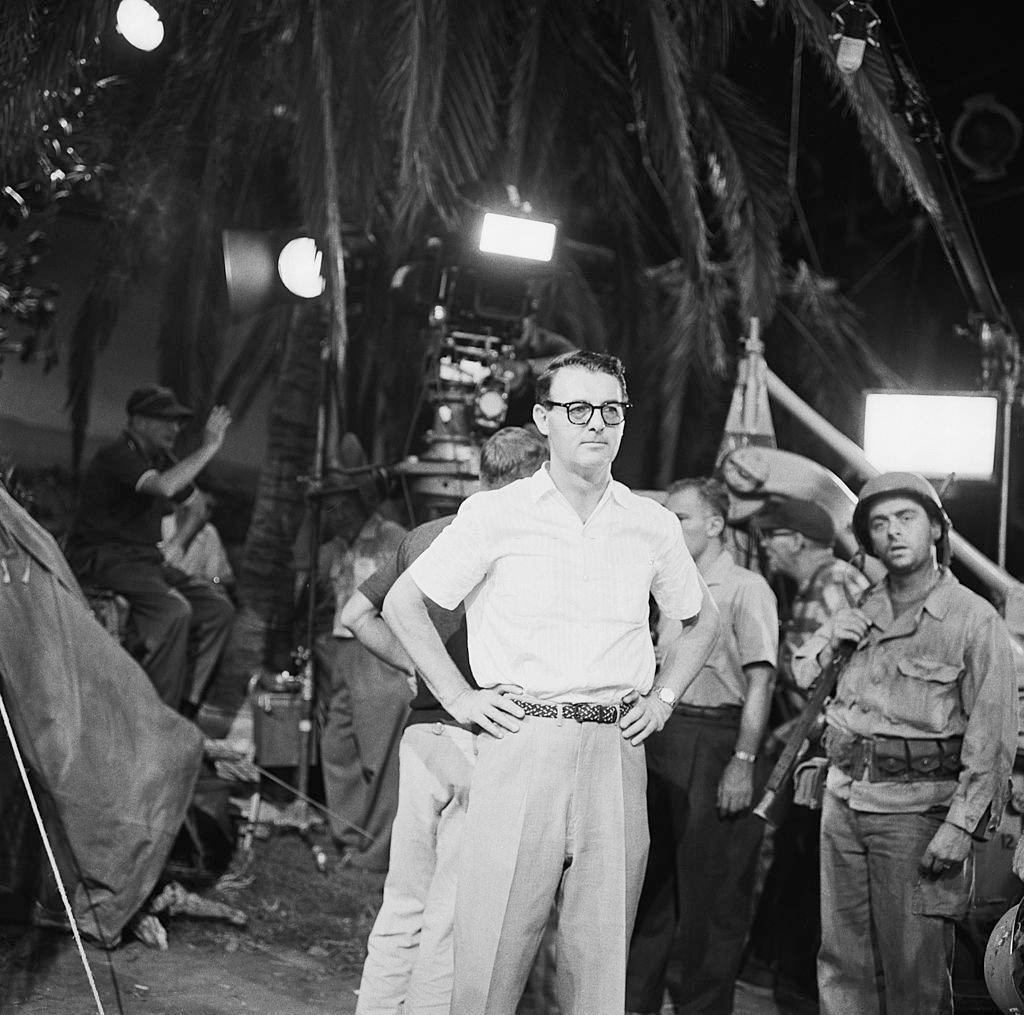
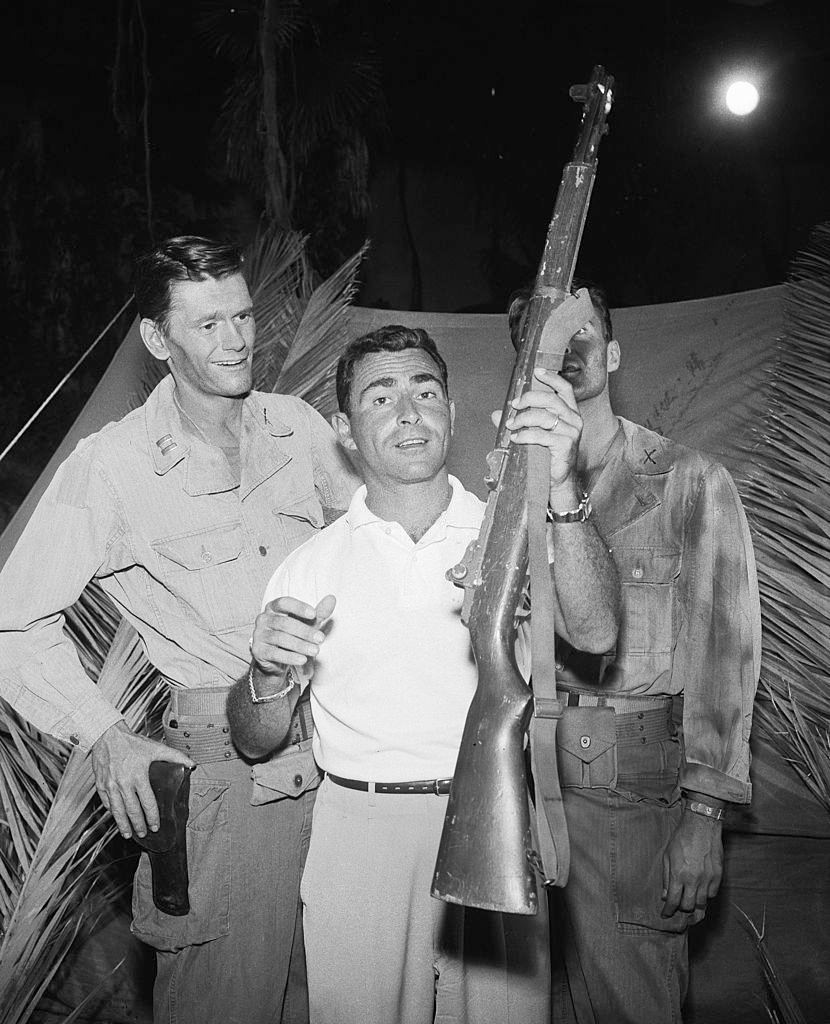
Director Richard Bare kept the war sequences grounded and tense throughout “The Purple Testament.” The show’s production schedule was demanding — episodes were turned around quickly, and the crews worked fast without sacrificing quality. Serling was present on set for much of the filming, keeping a close eye on how his scripts were being translated to screen.
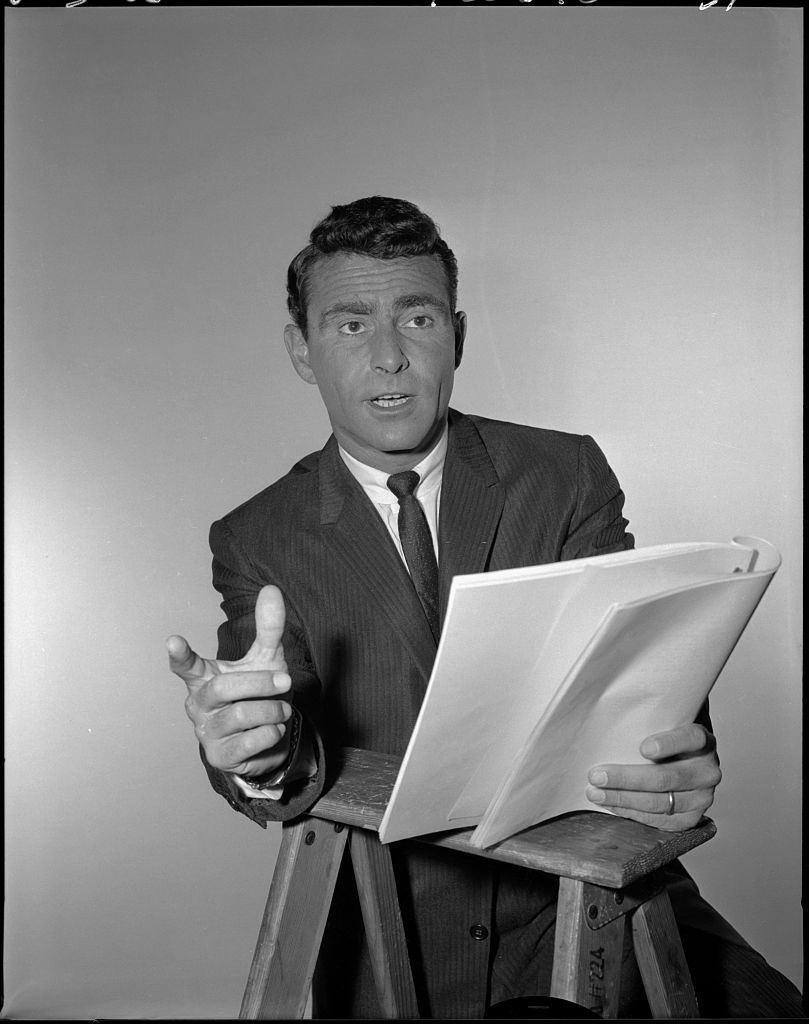
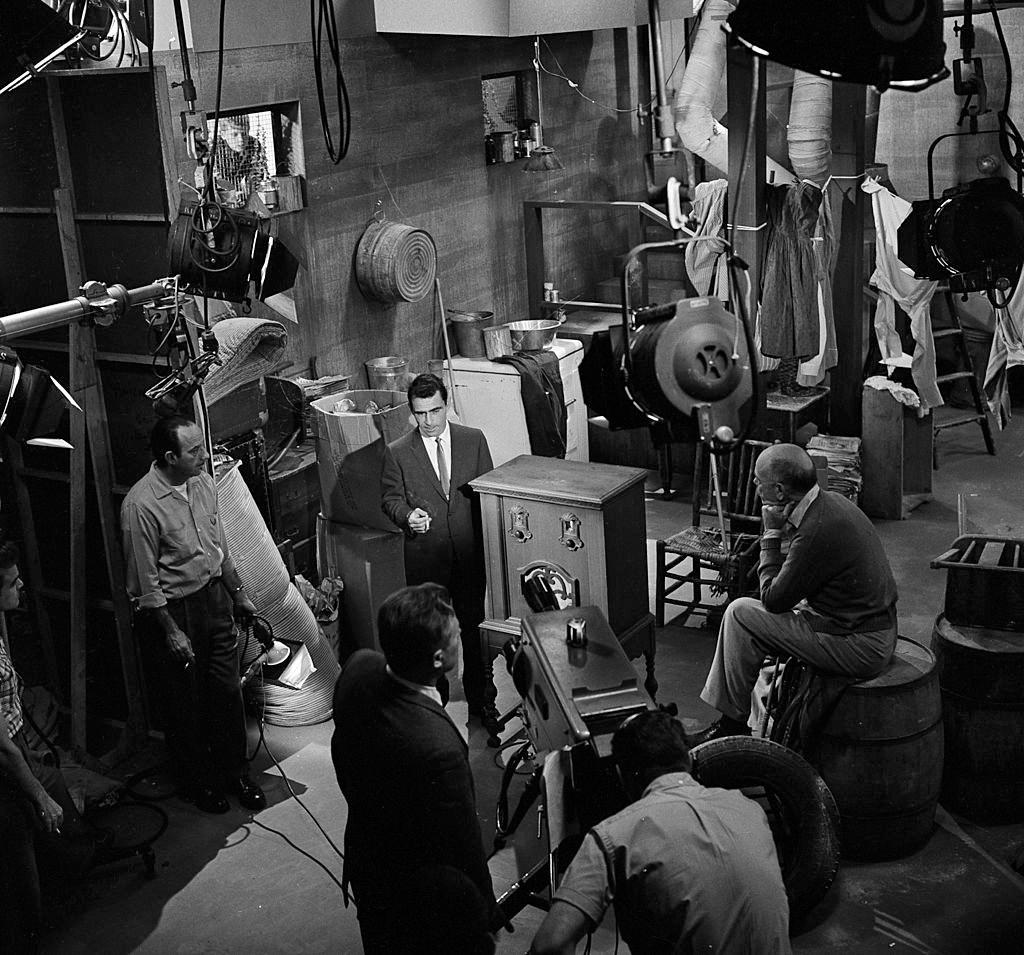
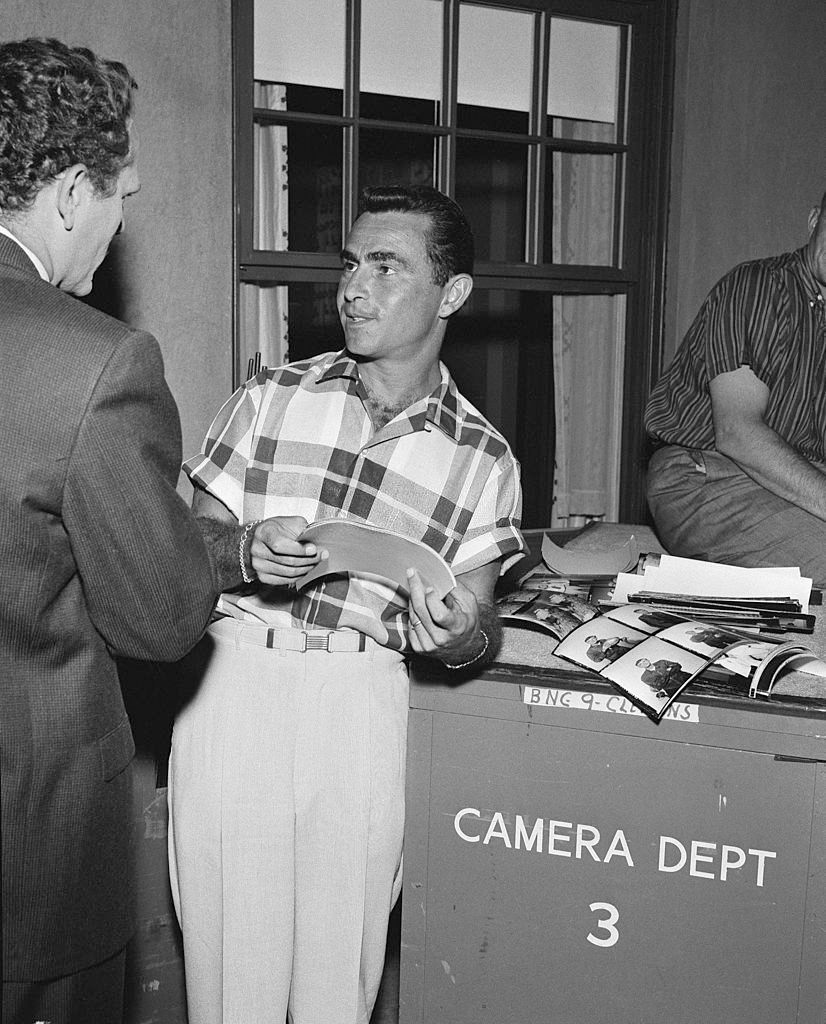
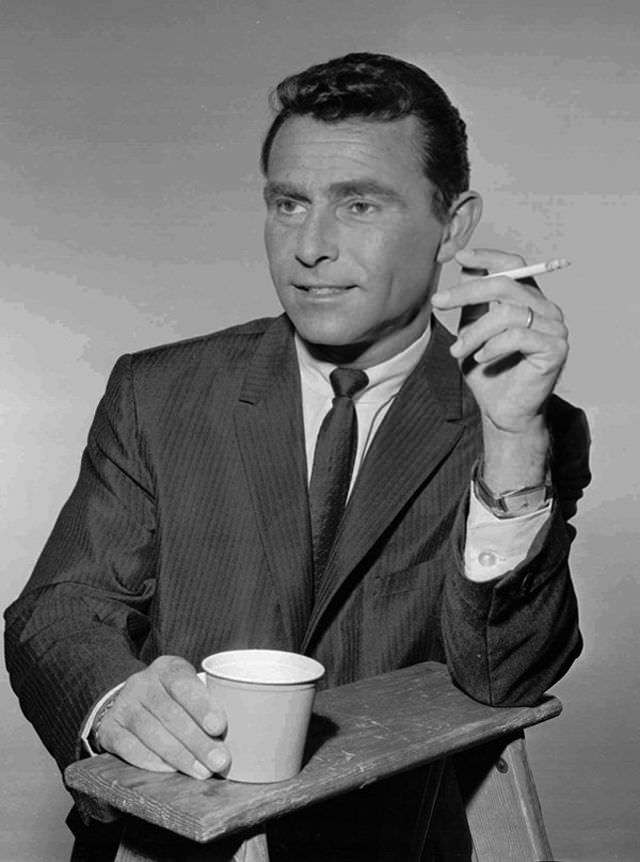
Serling wrote the vast majority of the show’s episodes himself. He also filmed the on-camera introductions and closings, walking viewers into each story with precise, measured language. By the time season two was in production, his introductions had become part of the show’s identity. On the set of “Static” in 1960, he can be seen filming one of those segments — cigarette close at hand, as was almost always the case.
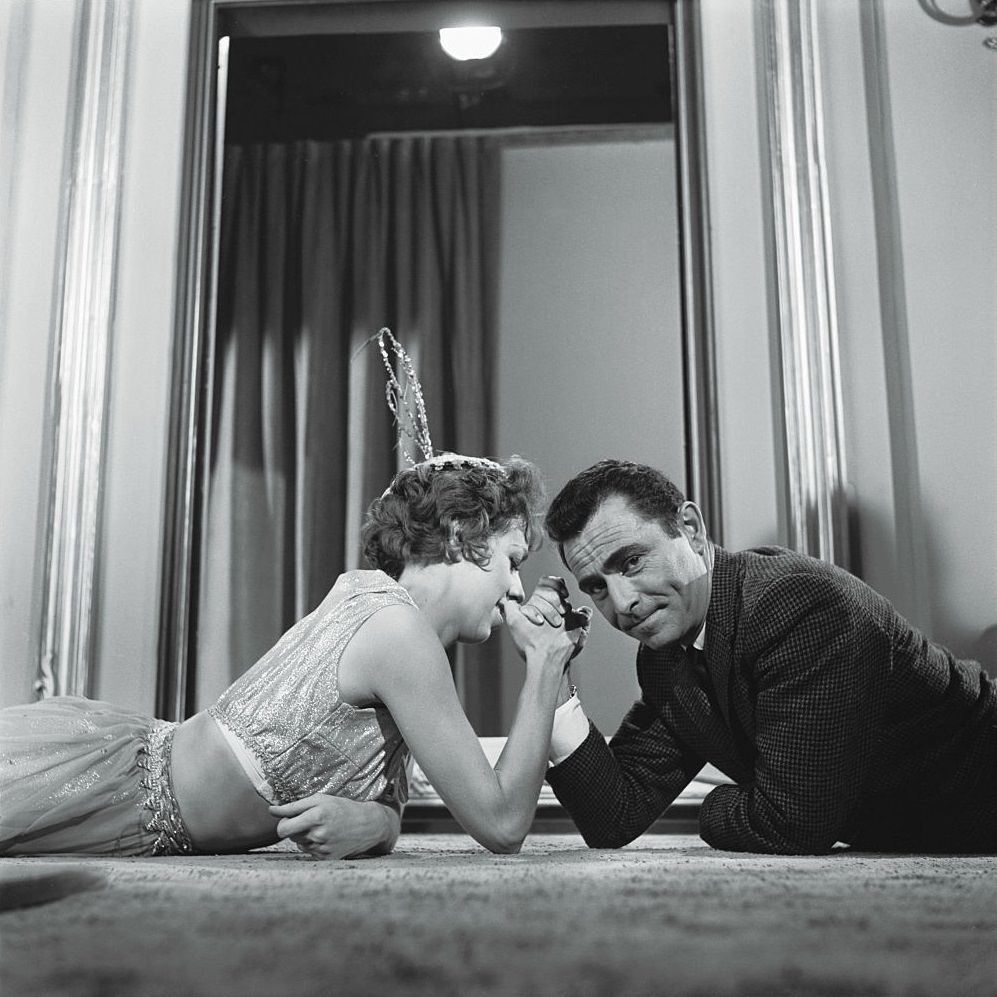
Not everything on set was grim. Off-camera moments from the production show a crew that got along well and found humor between takes. Serling was known to be personable and engaged with everyone on set — not just the leads. That collaborative atmosphere showed up in the work. Even guest performers who came in for a single episode talked about the experience as one of the best of their careers.
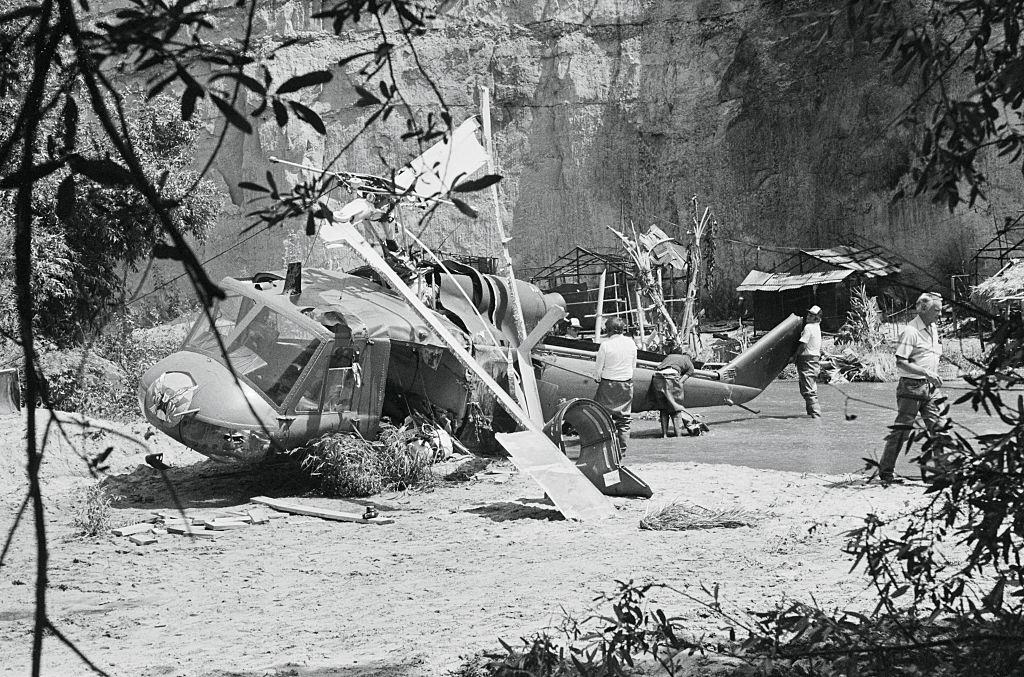
The darkest moment connected to The Twilight Zone name came not during the original series but during the 1983 film adaptation. On July 23, 1982, a helicopter crash on the set of the movie killed actor Vic Morrow and two child actors — My-Ca Dinh Le, age 7, and Renee Shin-Yi Chen, age 6. The crash occurred during a night shoot. The accident led to major changes in on-set safety regulations in Hollywood and resulted in a lengthy criminal trial.
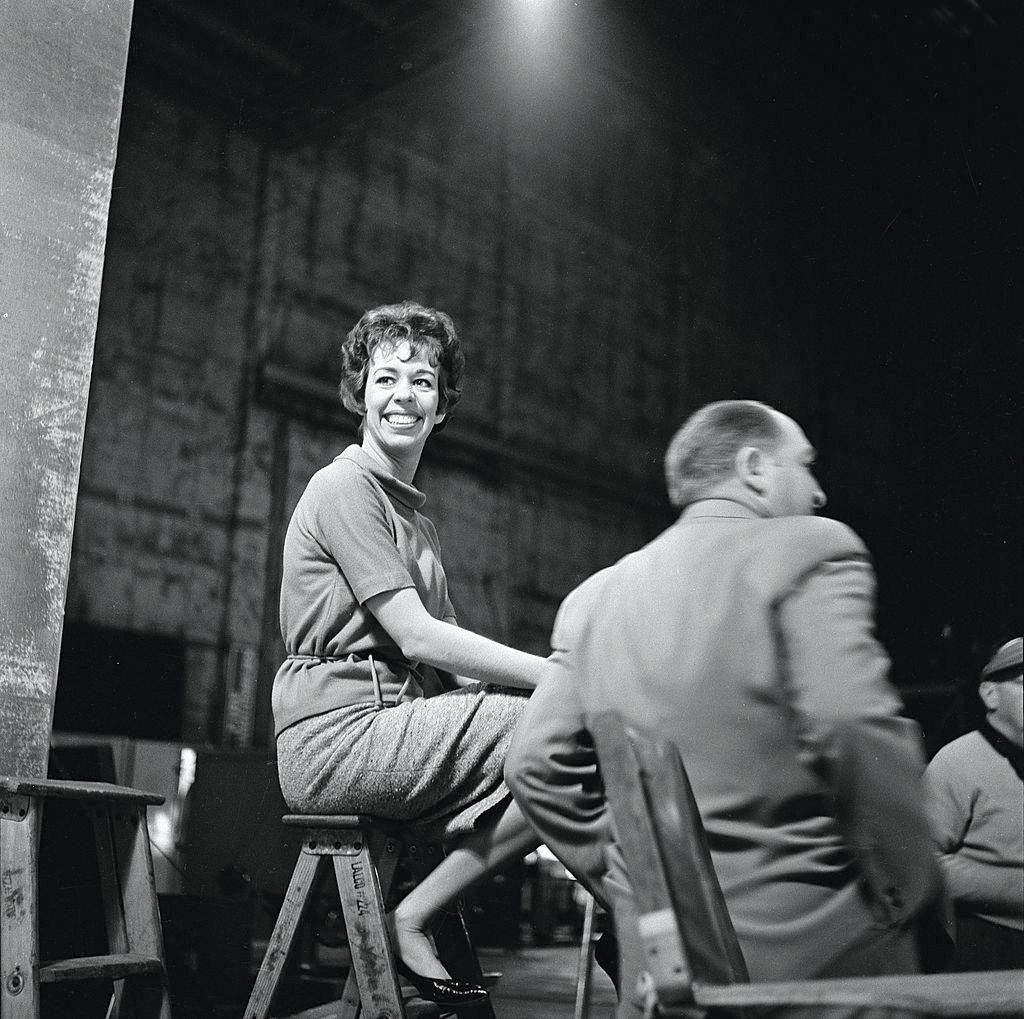
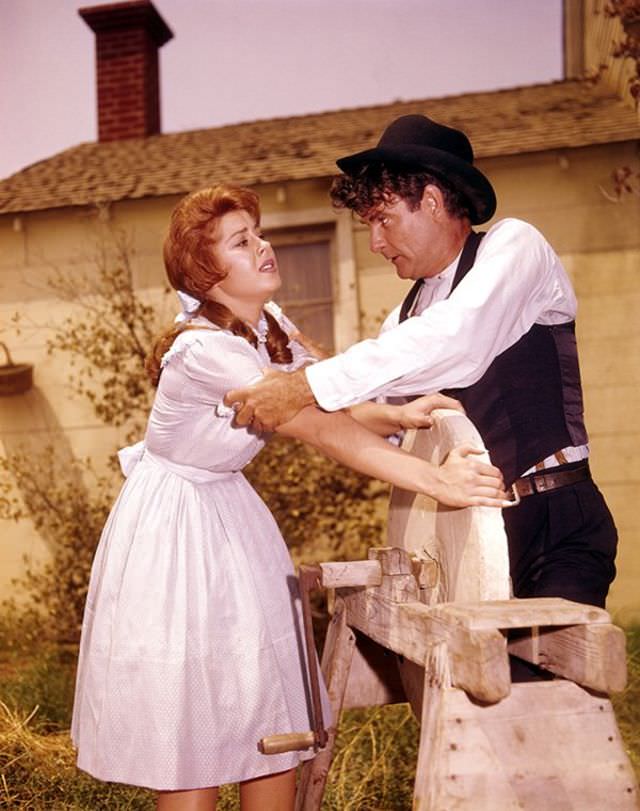
Carol Burnett appeared in the season three episode “Cavender is Coming,” one of the show’s few outright comedic entries. The episode features Burnett as Agnes Grep, a clumsy woman assigned an angel who’s trying to earn his wings by improving her life. Burnett was already well-known in 1962, and the backstage photos from that period show her relaxed and at ease — the same energy she carried in front of the camera.
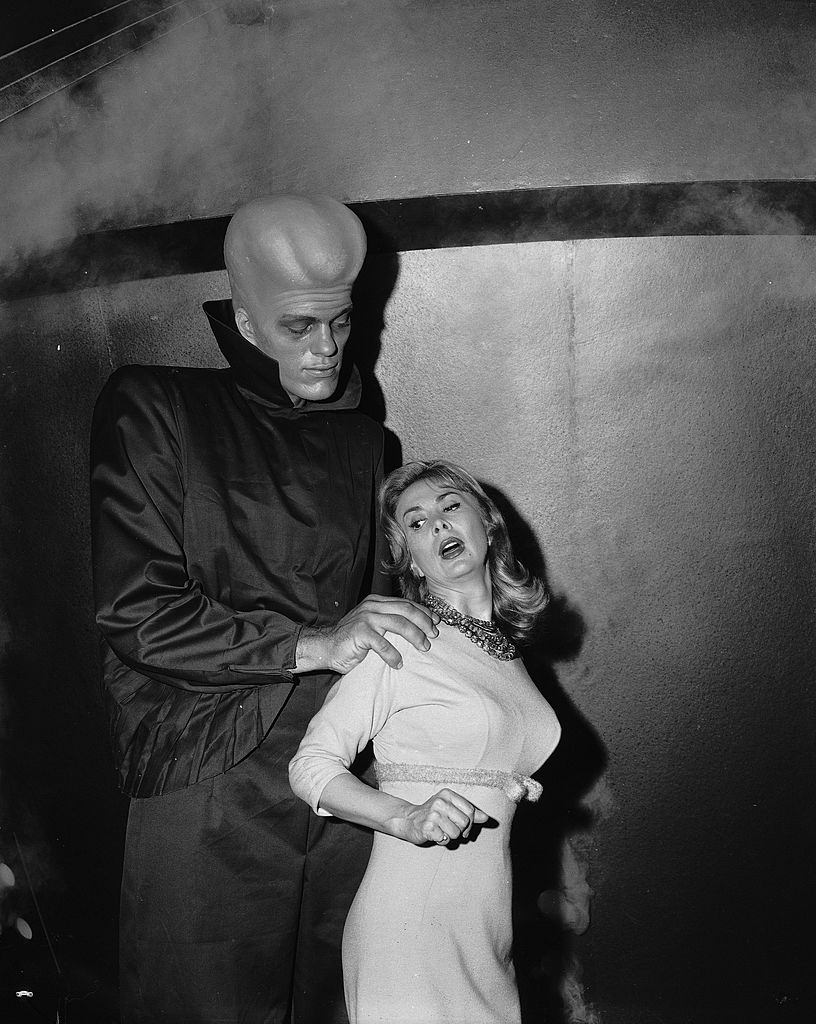
“To Serve Man” is among the most recognized episodes in the entire run. Richard Kiel — standing 7’2″ — played one of the alien Kanamits, beings who arrive on Earth with an apparent message of peace. The title of their book, decoded only at the episode’s end, delivers one of the most memorable twists in TV history. Kiel’s imposing physical presence made the Kanamits genuinely unsettling without any special effects required.
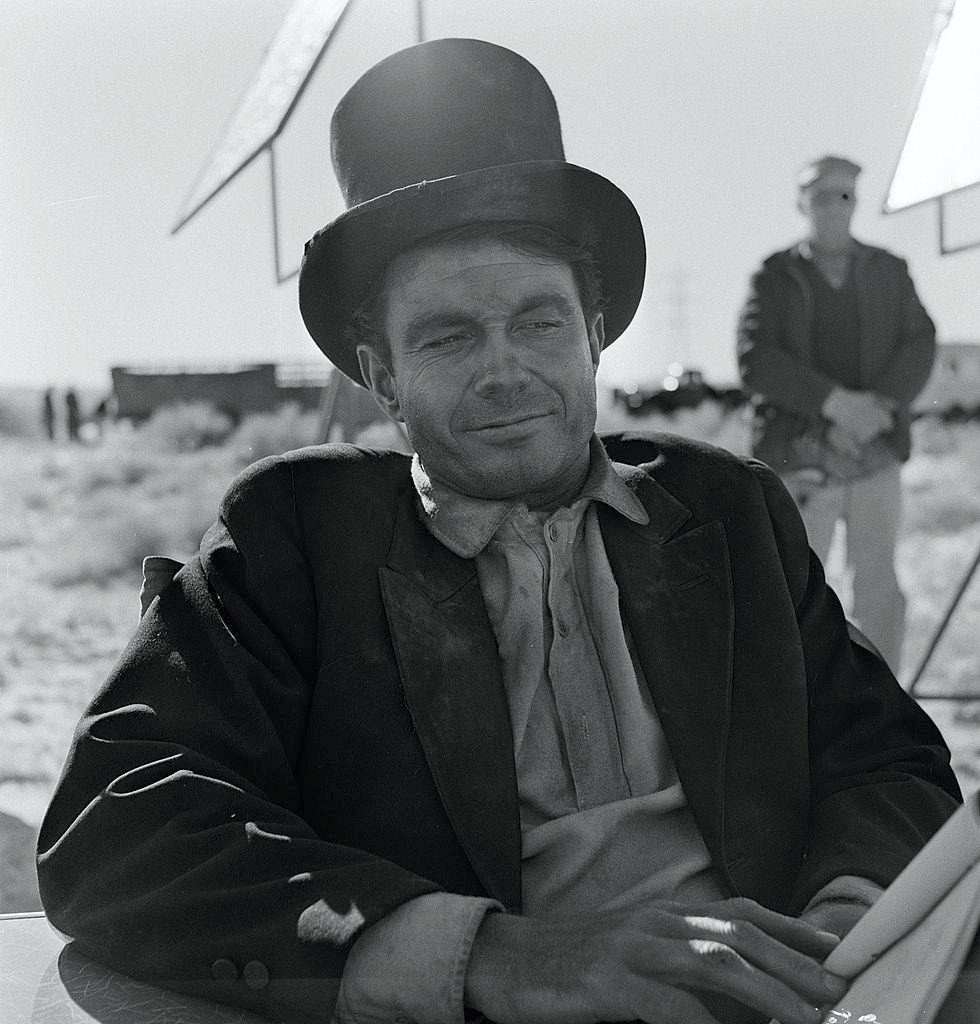
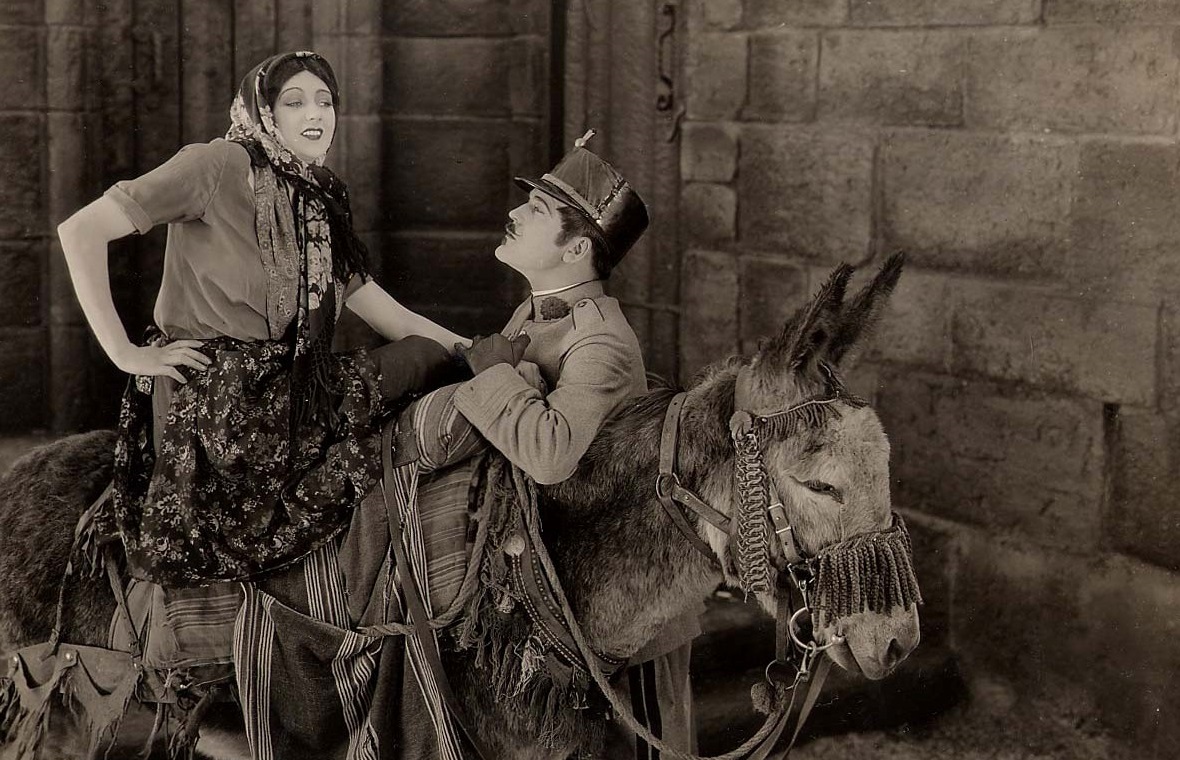
Cliff Robertson starred in “A Hundred Yards Over the Rim” in 1961, playing a 19th-century pioneer who stumbles through a time barrier into the present. Robertson was already a respected film actor by that point, and his work in the episode is understated and effective. The show regularly attracted talent of that caliber — actors who saw the short format as a creative challenge rather than a step down.
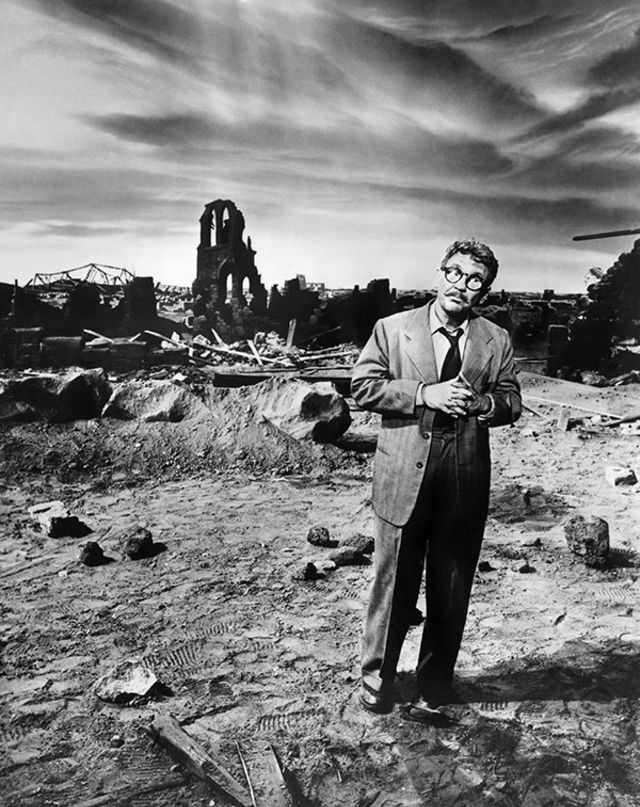
The sets built for The Twilight Zone were more detailed than many viewers realized watching on small black-and-white screens. The library set constructed for “Time Enough at Last” is a good example — fully dressed with books, rubble, and debris to sell the post-apocalyptic setting. Meredith’s photo on that set shows just how much physical space and material went into creating a world that appears on screen for only a few minutes.
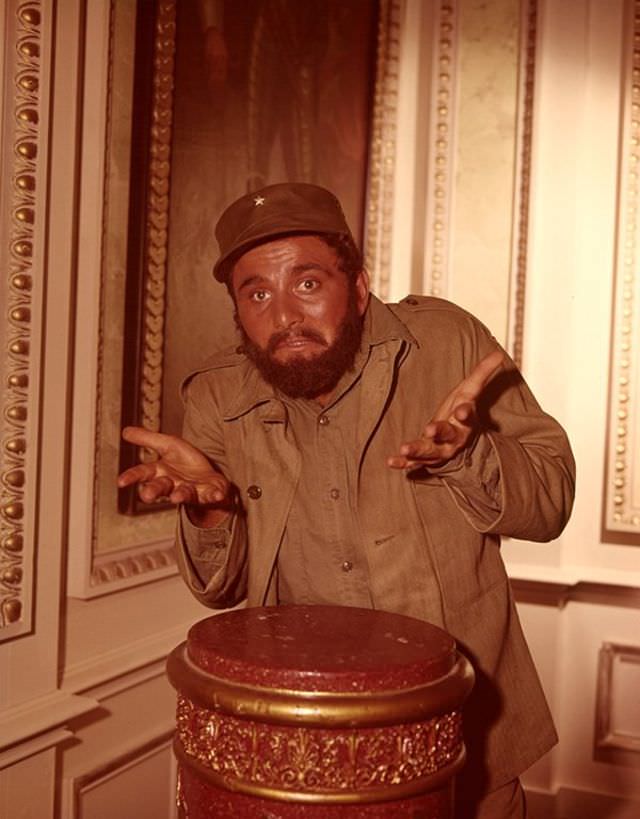
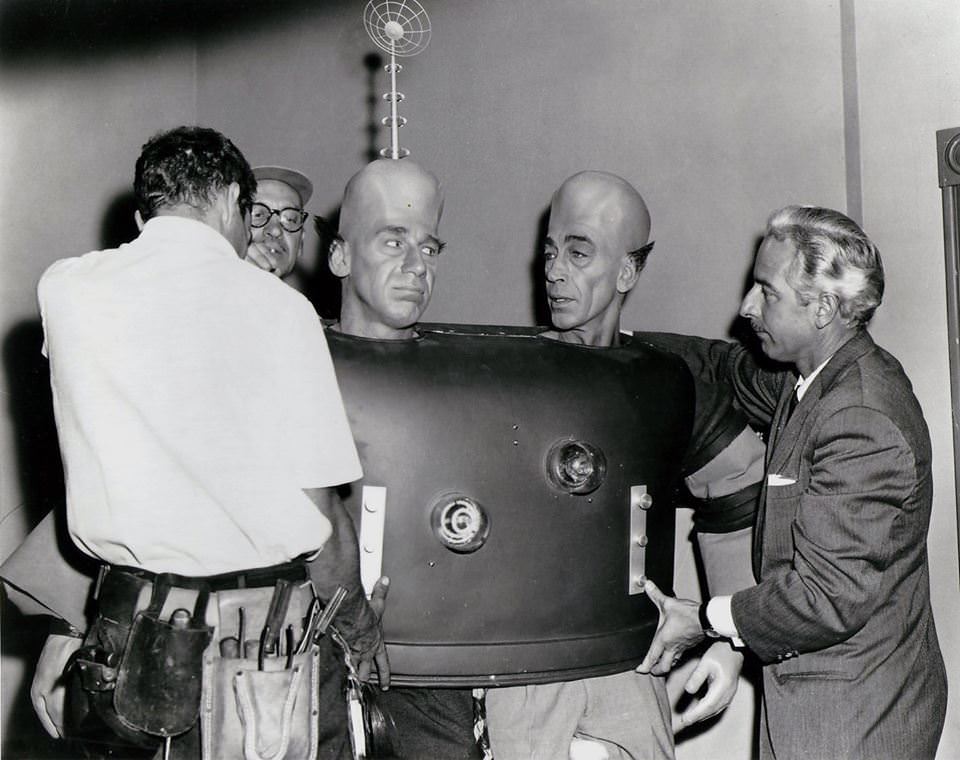
Peter Falk appeared in the season three episode “The Mirror” years before he became famous as Columbo. He played a Latin American revolutionary leader who sees his own potential assassins in a mirror — a role that required a very different kind of intensity than the rumpled detective he’d later be known for. The costume work on the show was equally inventive, as the two-headed Martian suit built for “Mr. Dingle, the Strong” makes clear.
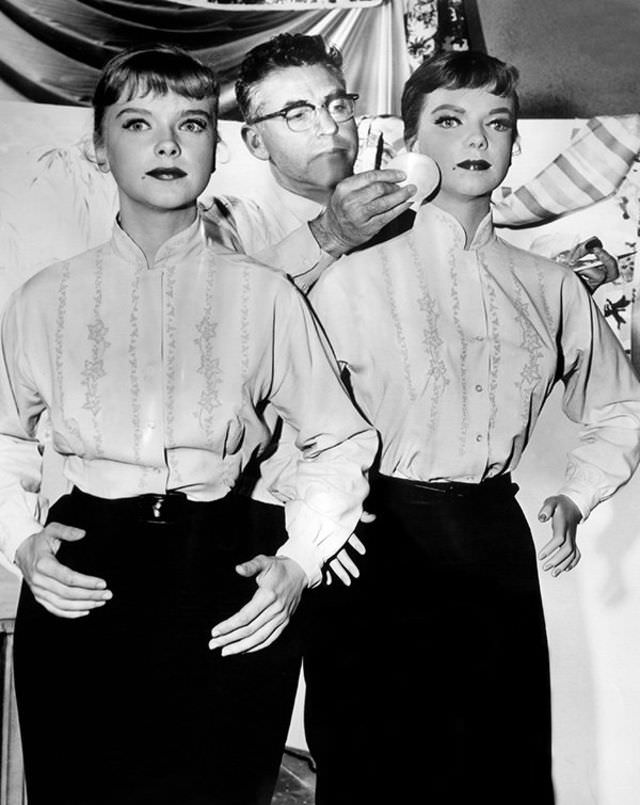
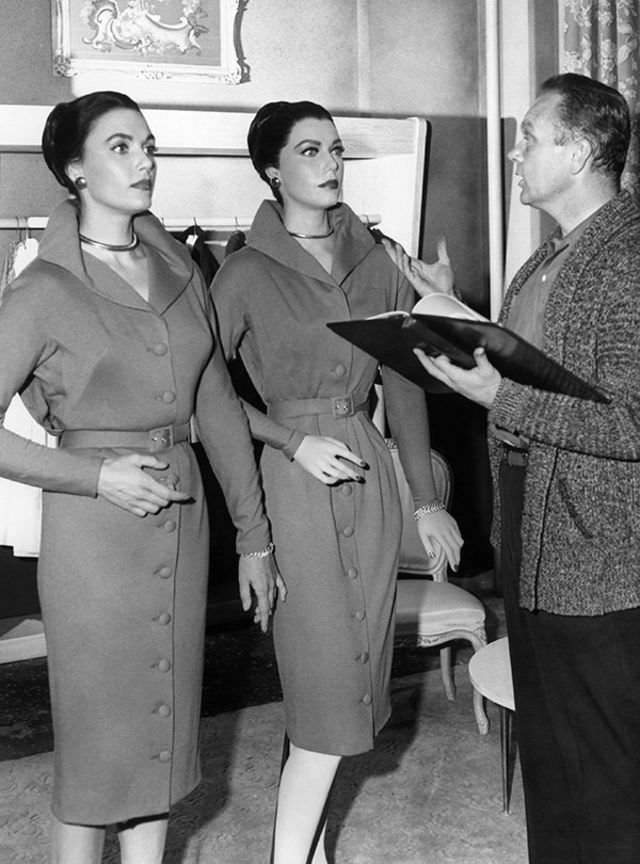
“The After Hours” was one of the first-season episodes that leaned hardest into the uncanny. Anne Francis plays a woman who discovers that the department store she’s trapped in is staffed by mannequins — one of whom is herself. The production photos from that episode are genuinely strange: makeup artists powdering dummy faces, directors giving line notes to standing mannequins. The crew played it completely straight, which is exactly what made the episode work.
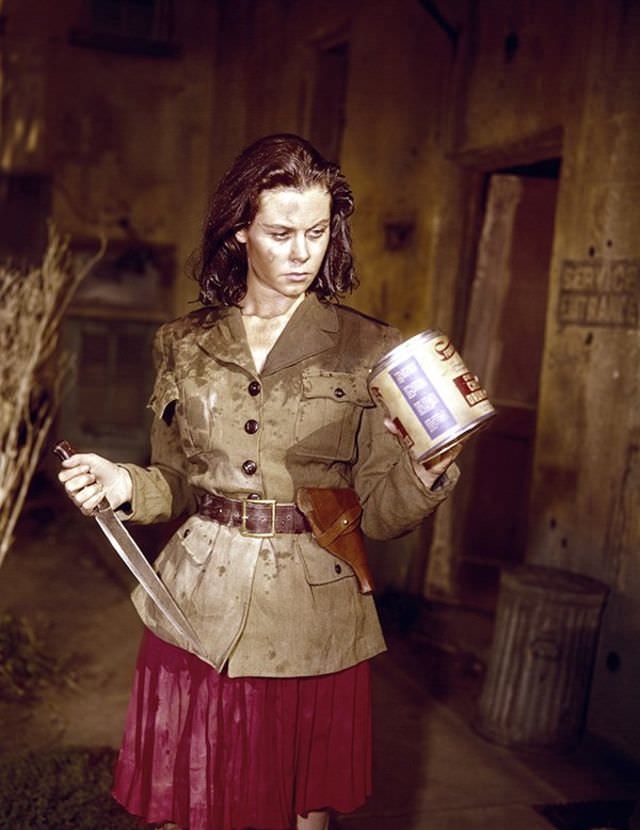
Elizabeth Montgomery opened season three in “Two,” playing a soldier from an enemy nation who encounters a lone American survivor in a ruined city. The episode has almost no dialogue — the two characters communicate through tension and small gestures. Montgomery was best known at the time for her stage work, and three years later she’d become a TV icon through Bewitched. Her performance in “Two” shows exactly why Serling sought out actors with real range.
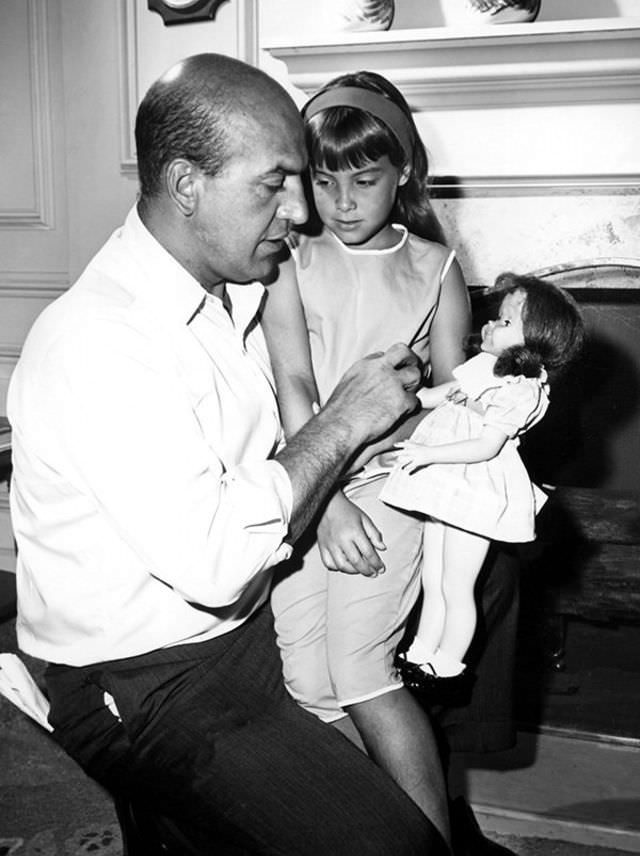
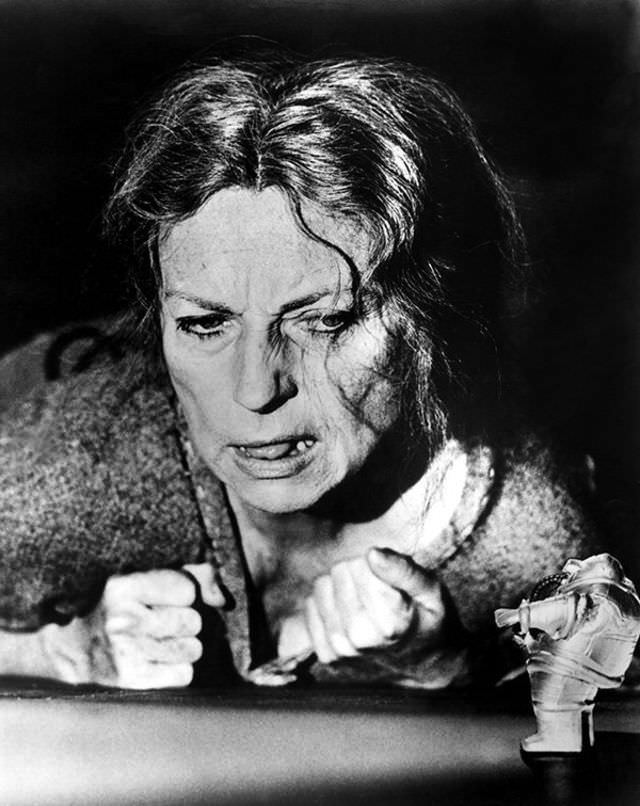
“Living Doll” starred Telly Savalas as a stepfather terrorized by a child’s talking doll named Talky Tina — voiced by June Foray. Savalas brought real menace to the role, which made the doll’s threats land even harder. Agnes Moorehead’s episode, “The Invaders,” went in the opposite direction. She plays a woman alone in a cabin, fighting off tiny alien figures who have landed on her roof — a bottle episode with almost no dialogue that runs entirely on physical performance.
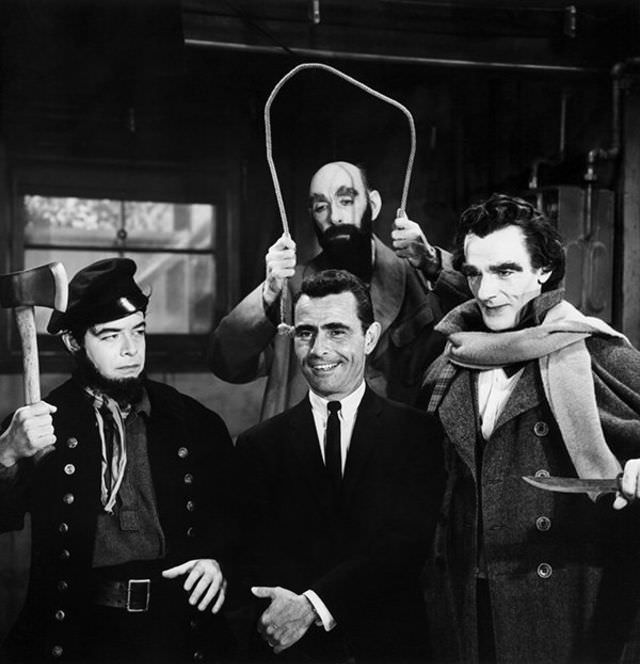
Season four expanded the show’s episode length to an hour, which gave writers more room but also changed the pacing that had made the half-hour format so sharp. “The New Exhibit” was one of the standout entries from that season, centered on a museum caretaker haunted by wax figures of famous killers. The cast photos show Serling visibly at ease with the show’s darker material — he had been writing in this space for years by that point.
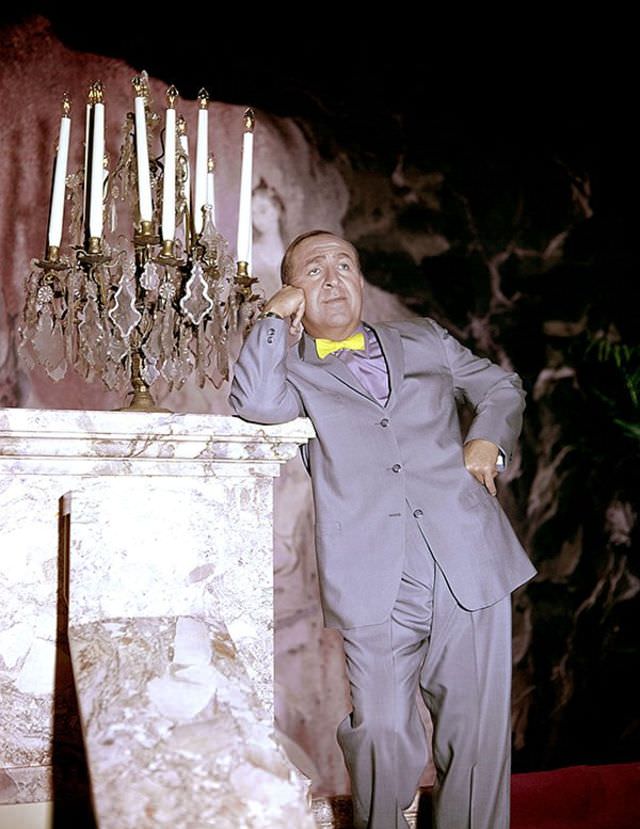
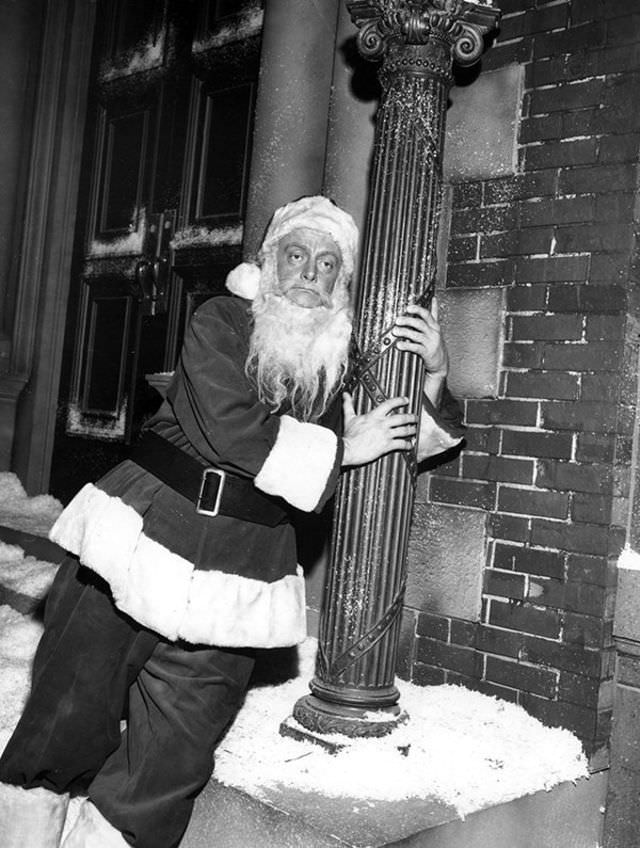
Art Carney brought his familiar warmth to “Night of the Meek,” playing a down-and-out department store Santa Claus who discovers a bag that produces gifts for anyone in need. Carney was already beloved from The Honeymooners, and Serling wrote the role with a genuine softness that stood apart from the show’s usual fare. Jesse White in “Cavender is Coming” played a hapless angel — the show’s lighter episodes used comedy as a contrast to the darker material surrounding them.
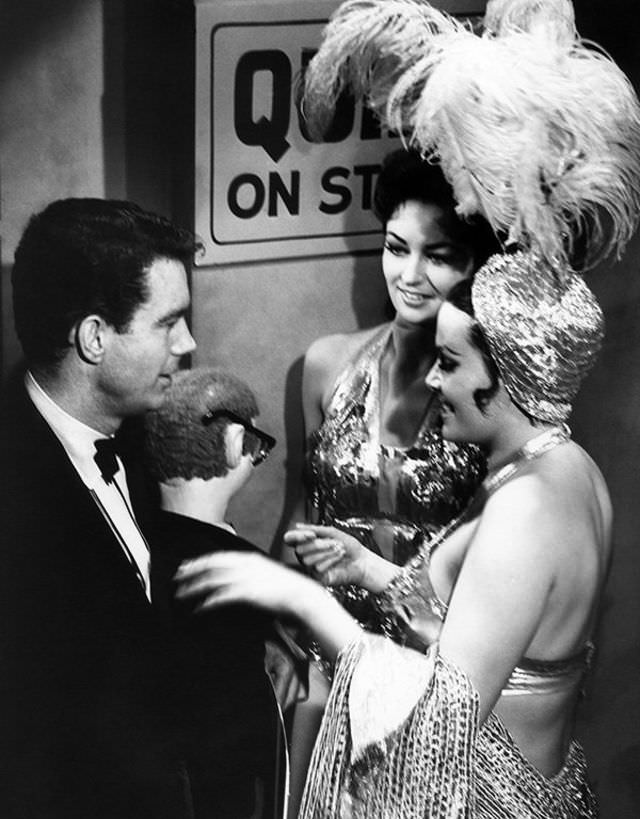
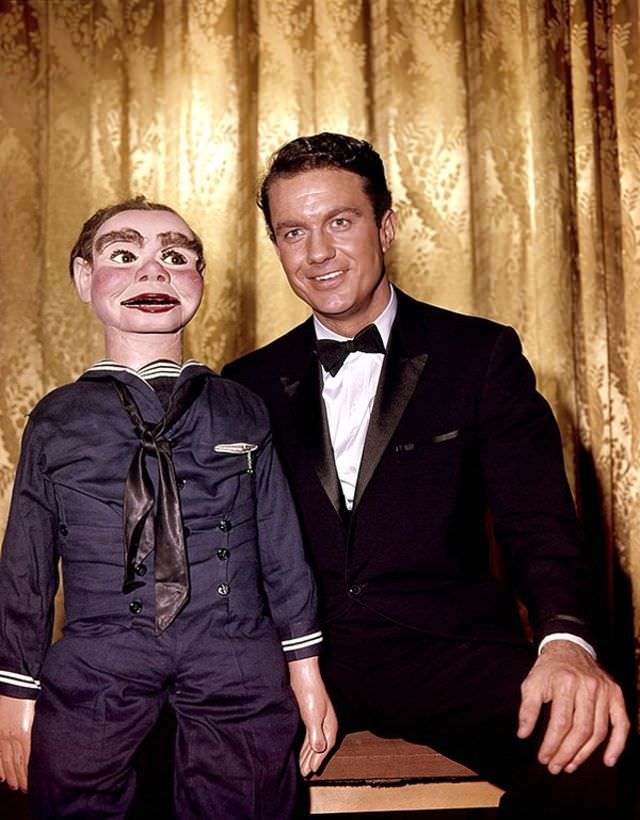
Cliff Robertson returned to the series in 1962 for “The Dummy,” playing a ventriloquist who becomes convinced his dummy is alive and plotting against him. The episode is a study in paranoia, and Robertson plays the character’s unraveling with careful restraint. The color behind-the-scenes photo from that episode is a rare artifact — the show itself was filmed entirely in black and white, making any color documentation from the set an unusual find.
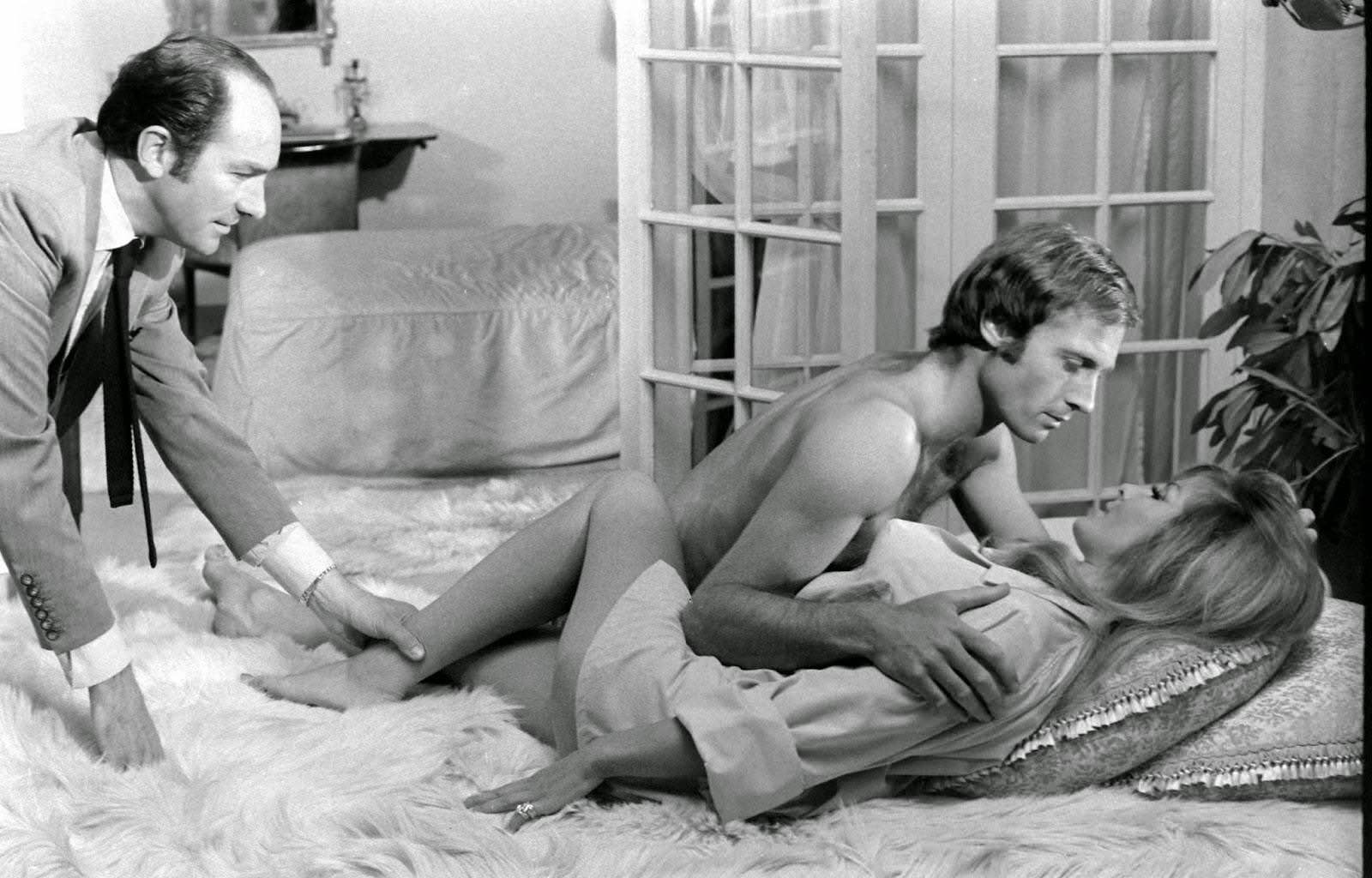
Wow, those are some fantastic photos! Love it!
Having the mistake of saying the deaths that took place on the set of the 80s Twilight Zone movie took place on the show bothers me. Serling’s excellent series should never be associated with that horrible event
Yes, I would say the same thing, but is that the same helicopter? Why is the image in black and white? I’m trying to figure out if it could be from one of the many war-related episodes.
I’m not sure if there were any helicopter episodes in the original series.
Yeah. For the initial series, that would have been expensive as hell. Probably they would have used a sound effect and shown helicopters off-screen if there were any helicopters..
I don’t think helicopters were yet so common that they would have even been mentioned in the original show. It wasn’t until 1967 that helicopters were used commercially, and they were used very rarely during World War II and the Korean War, so it’s unlikely they’ll be shown in one of the war episodes. Granted, if any show were to feature them in the early 60s, it would be The Twilight Zone because of its focus on futuristic technology. But that would have been obscenely expensive, much more than using a helicopter today.
Umm, that’s Carol Burnett.
Inger Stevens…. just so sad everytime I see this amazing actress. Just so young.
Carol Burnett! Not Inger Stevens. 😊
Odd they chose to show images of the helicopter that crashed and killed 3 people. It’s interesting, but that was in the 80’s. Also, so weird the photo was in black and white. No color cameras in the 80’s?