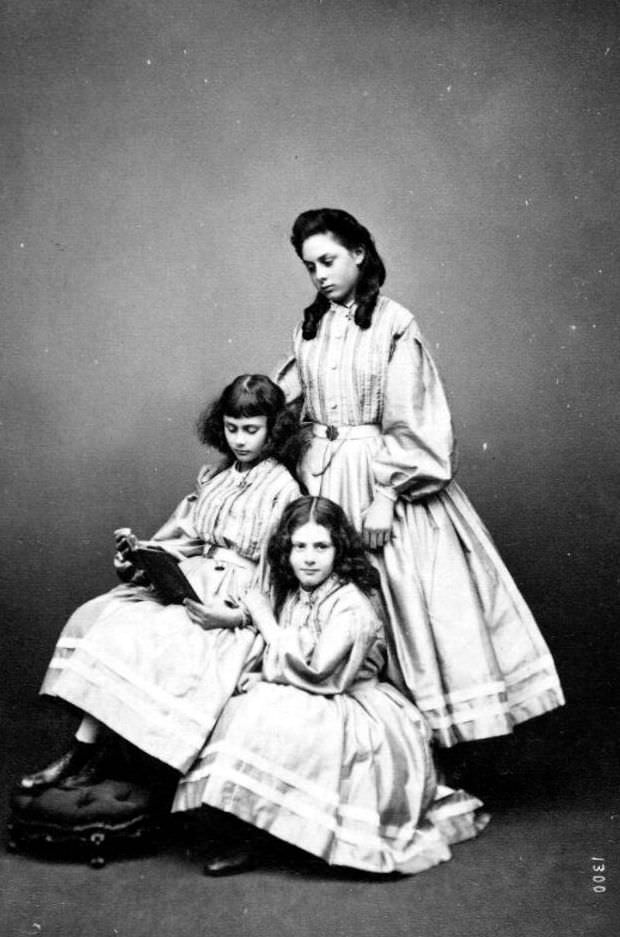
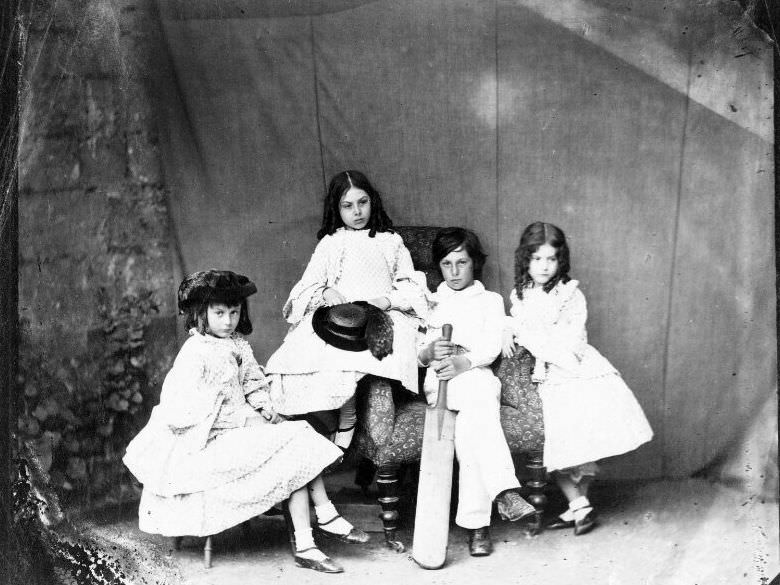
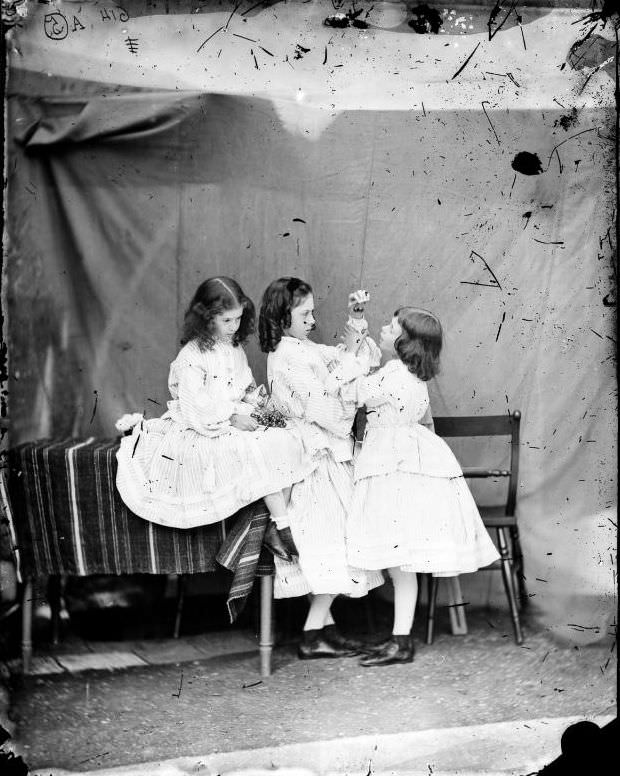
On April 25, 1856, a mathematician named Charles Lutwidge Dodgson walked into the garden of Christ Church at Oxford. He was there to photograph the cathedral. What he didn’t know was that the Dean’s three young daughters were watching him set up his equipment. One of those girls was Alice Pleasance Liddell. That accidental meeting changed the history of children’s literature.
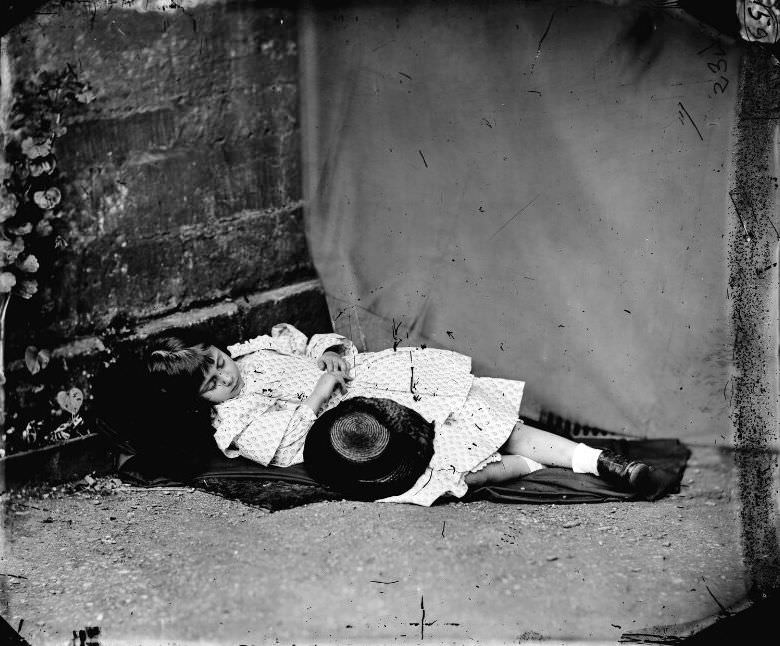
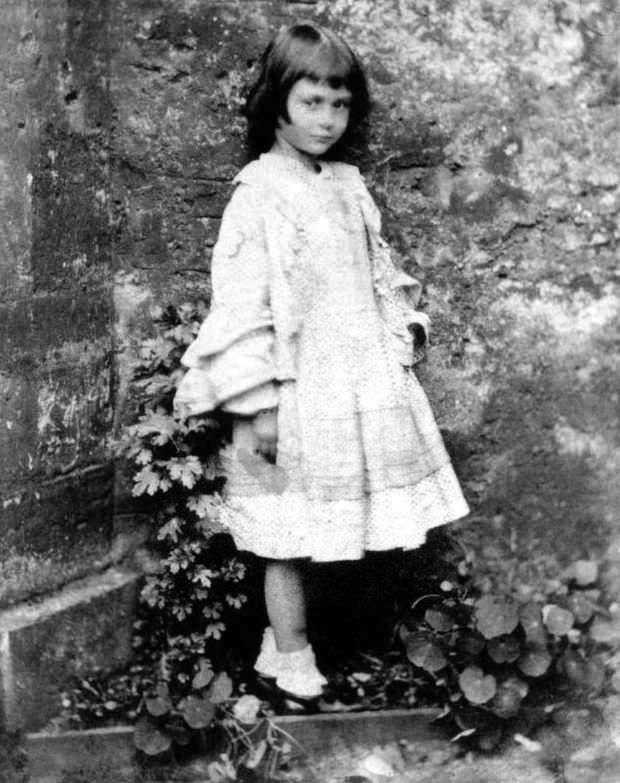
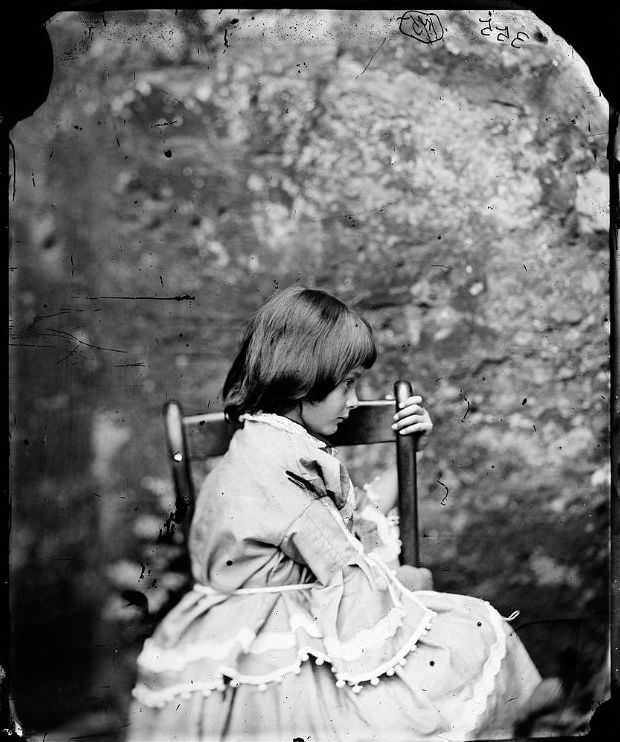
Alice’s father, Henry George Liddell, was the Dean of Christ Church. Dodgson, who later took the pen name Lewis Carroll, quickly became a familiar figure in the Liddell household. The three sisters — Alice, Lorina, and Edith — posed for his camera many times and joined him on day trips around Oxford. Carroll was a gifted mathematician at the university, but he had a natural talent for entertaining children with stories and wordplay.
The afternoon that started everything was July 4, 1862. Carroll and his friend, the Reverend Robinson Duckworth, took Alice and her sisters on a boating trip along the River Isis near Oxford. They stopped to have tea on a shaded bank, and Alice asked Carroll to tell them a story. He began on the spot, with no plan, sending a young girl tumbling straight down a rabbit hole. The tale kept growing as he rowed, pulled along by the children’s delight.
Alice was so taken with the story that she pressed Carroll to write it down for her. He agreed. Over the next two years, he shaped the wild, rambling tale into a proper manuscript. He titled it Alice’s Adventures Under Ground and filled its pages with his own hand-drawn illustrations. On November 26, 1864, he presented the finished book to Alice as a personal gift.
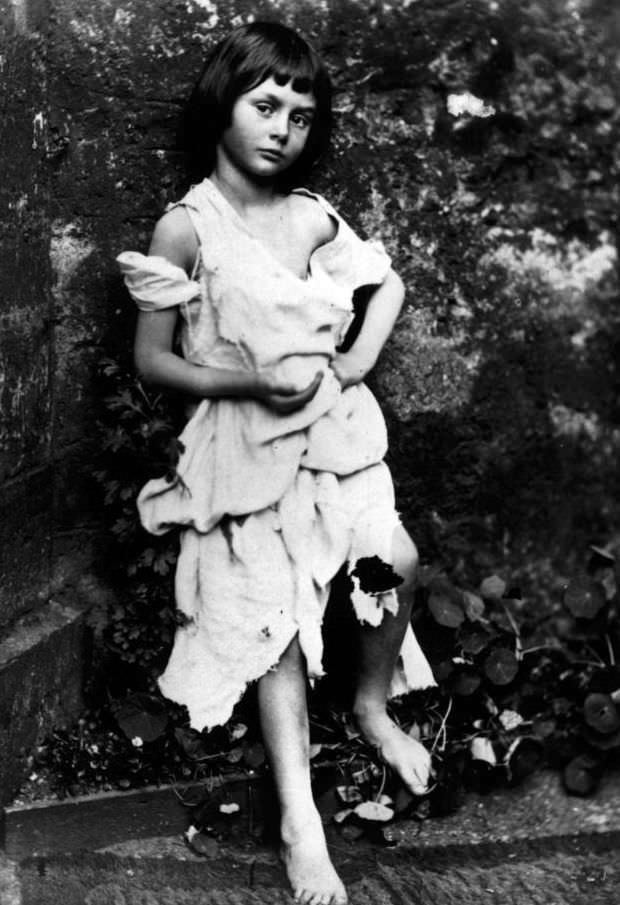
When the story was published for a wider audience in 1865, the title became Alice’s Adventures in Wonderland. Alice Liddell was ten years old on that famous July afternoon and forever tied to the character at the heart of it. As she grew older, her friendship with Carroll gradually faded. By the time he published the sequel, Through the Looking-Glass, she was nearly twenty.
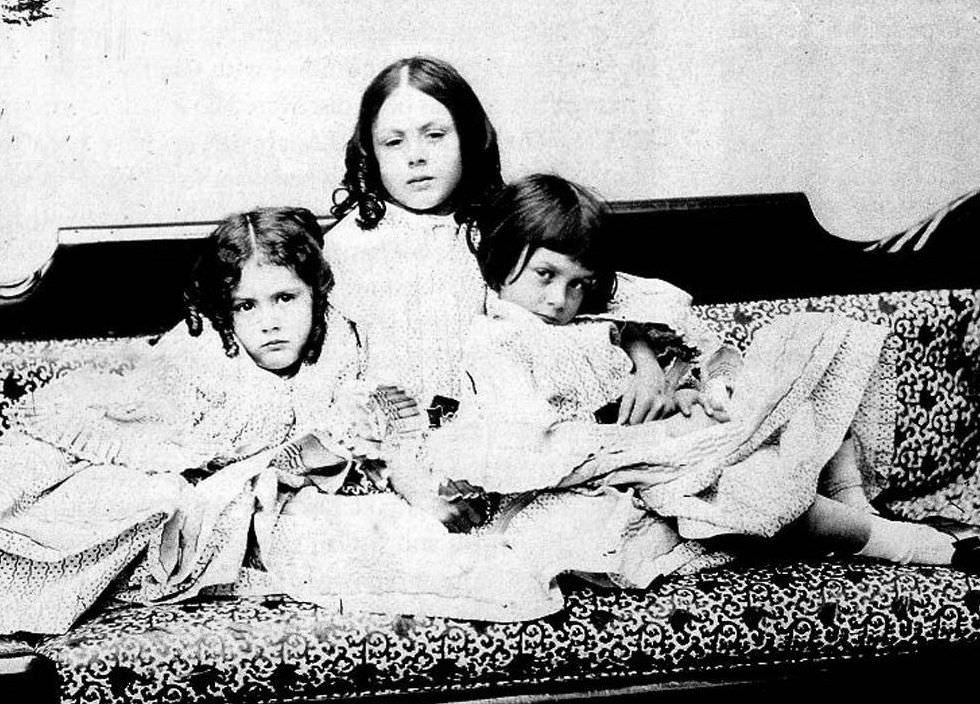
In 1880, Alice married Reginald Hargreaves, an amateur cricket player, and settled in Lyndhurst in southern England. She lived as a country lady and had three sons. World War I brought devastating loss — two of her sons were killed in action. After her husband died, she faced serious financial pressure and needed to cover the taxes on her estate.
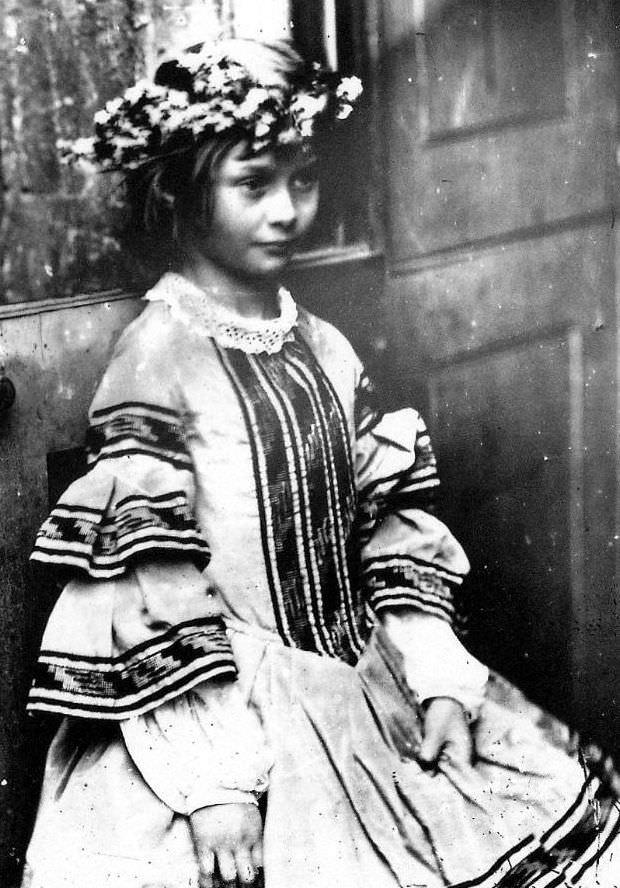
To raise the money, Alice sold the original Under Ground manuscript at Sotheby’s in 1928. It fetched £15,400 — nearly four times the starting reserve price. The buyer was Eldridge R. Johnson, an American collector who later put the manuscript on display at Columbia University to mark the centennial of Lewis Carroll’s birth.
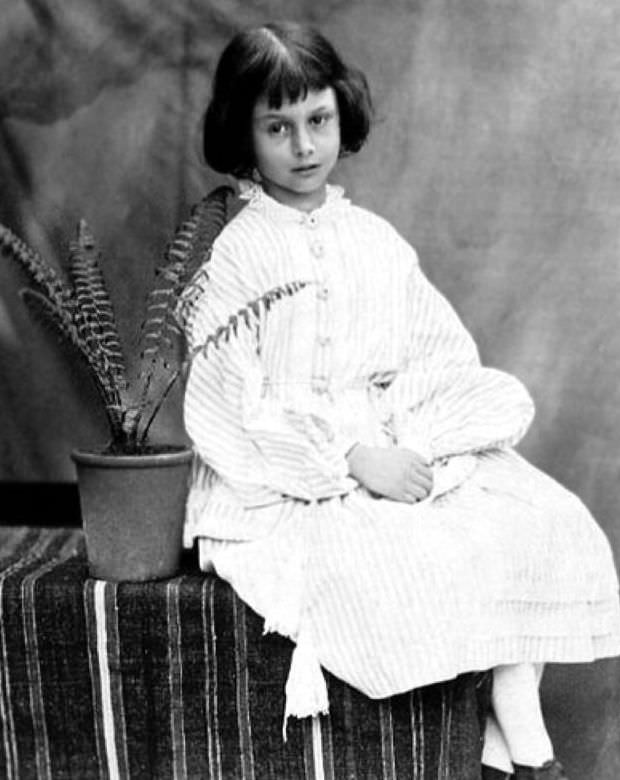
Alice traveled to New York for the exhibition at the age of 80. During that visit, she met Peter Llewelyn Davies — one of the brothers who had inspired J. M. Barrie’s Peter Pan. In one room, the real-life inspirations behind two of the most famous fictional children in the English language stood together.
After Johnson died, a group of American book collectors bought the manuscript. They donated it to the British nation as a tribute to Britain’s resolve in standing against Adolf Hitler before the United States entered World War II. The manuscript is now held at the British Library.
Alice Liddell died in 1934 and was cremated at Golders Green Crematorium. Her ashes were buried in the graveyard of St Michael and All Angels in Lyndhurst. Her grave is marked with a simple plaque bearing the name “Mrs. Reginald Hargreaves.” Her personal mirror is on display at the nearby New Forest Heritage Centre.