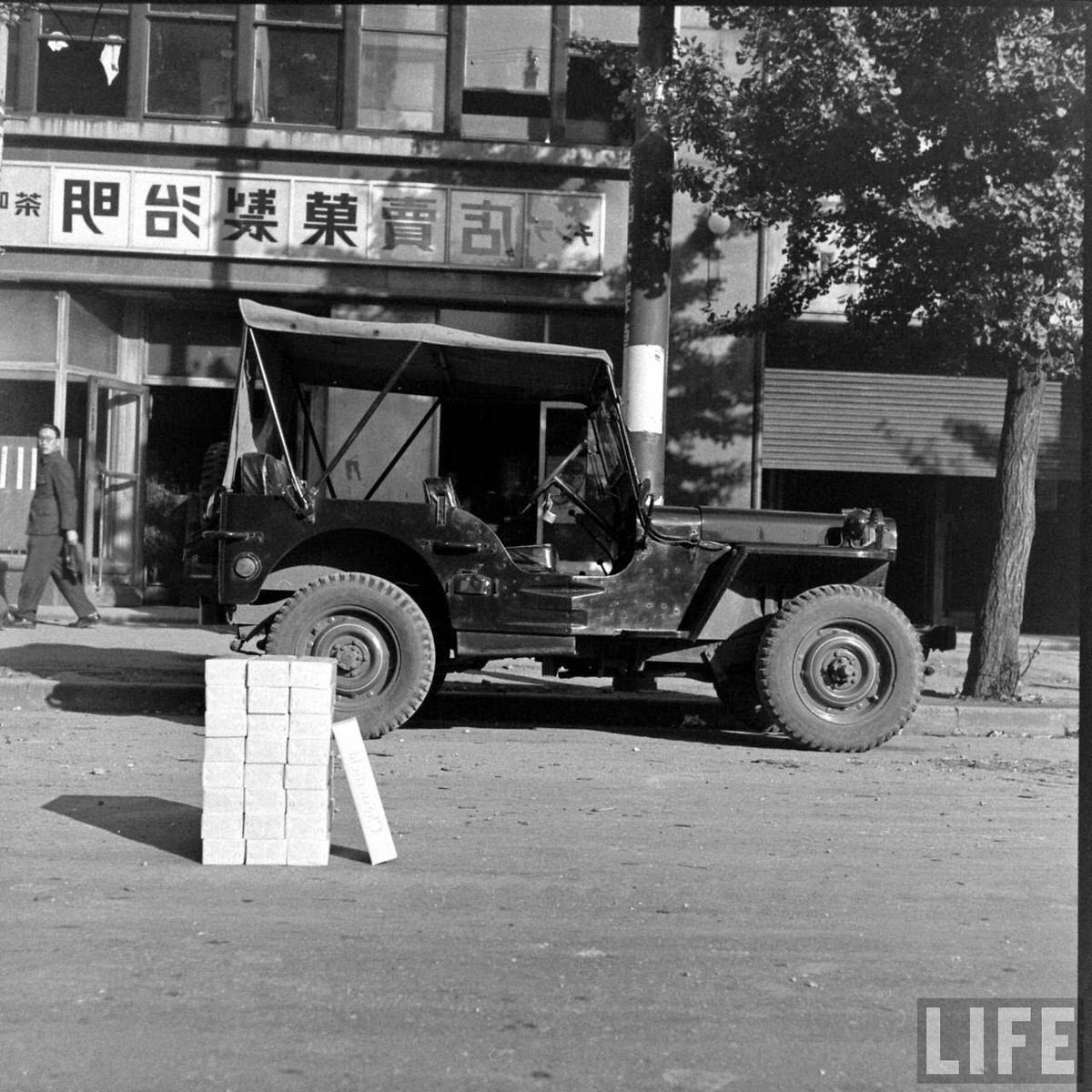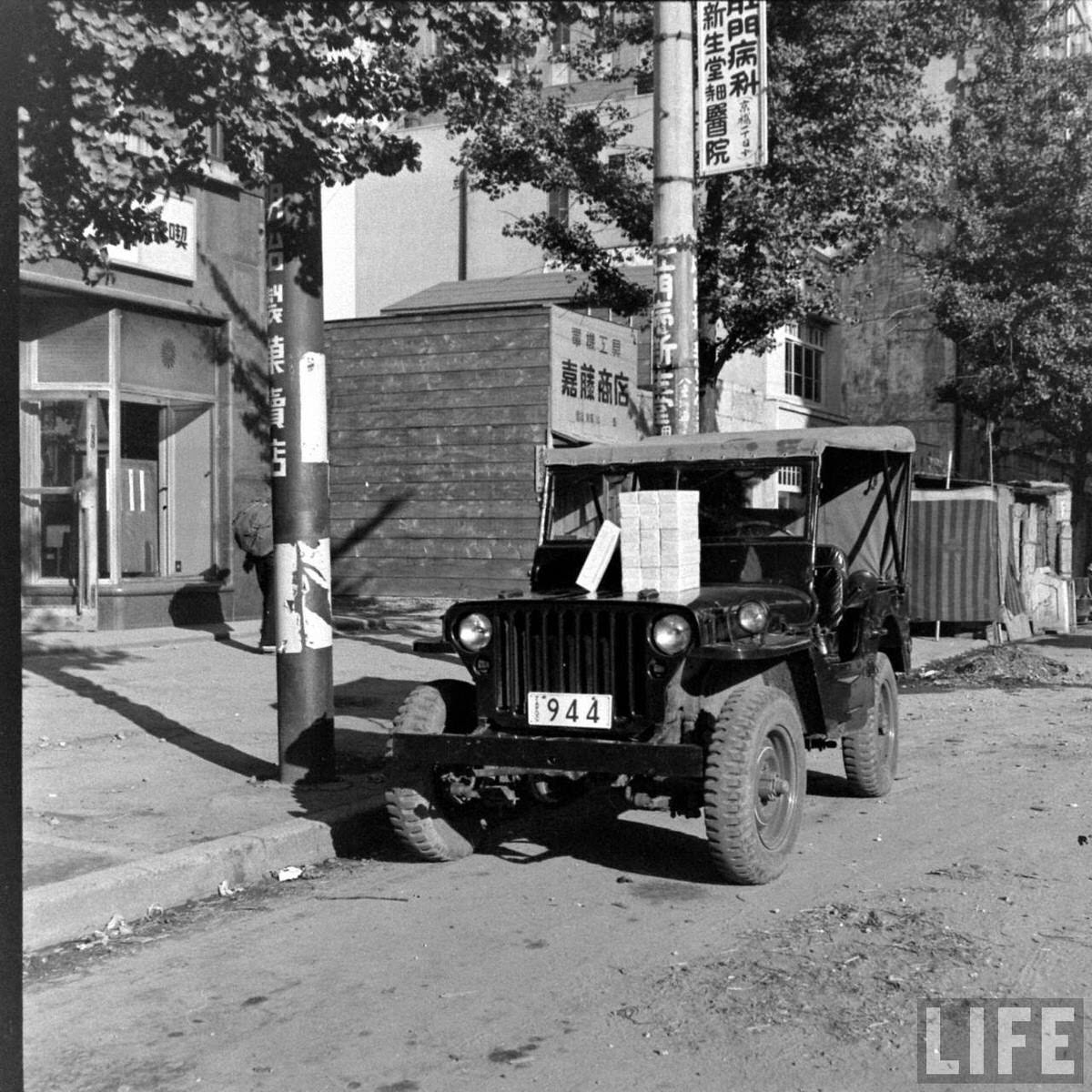

Japan’s official economy collapsed the moment the war ended in August 1945. Government food rations failed to reach the population, and starvation became a real threat for millions of urban residents. Into that void came the yami-ichi — open-air black markets that sprang up near major train stations almost overnight.
The Ozu gang moved faster than anyone else. Just four days after Japan’s surrender, they placed advertisements in newspapers telling factory owners to bring their goods directly to them rather than to the military. It was a bold, public move — and it worked. Suppliers showed up, and the Ozu gang had inventory before any competitor had even organized.
Their headquarters was a massive market near Shinjuku Station in Tokyo. To make sure no one missed it, the gang erected a giant illuminated sign powered by 117 hundred-watt bulbs. In a city that was bombed out and mostly dark, that sign was visible for miles. It drew in desperate buyers searching for rice, cooking oil, and soap.
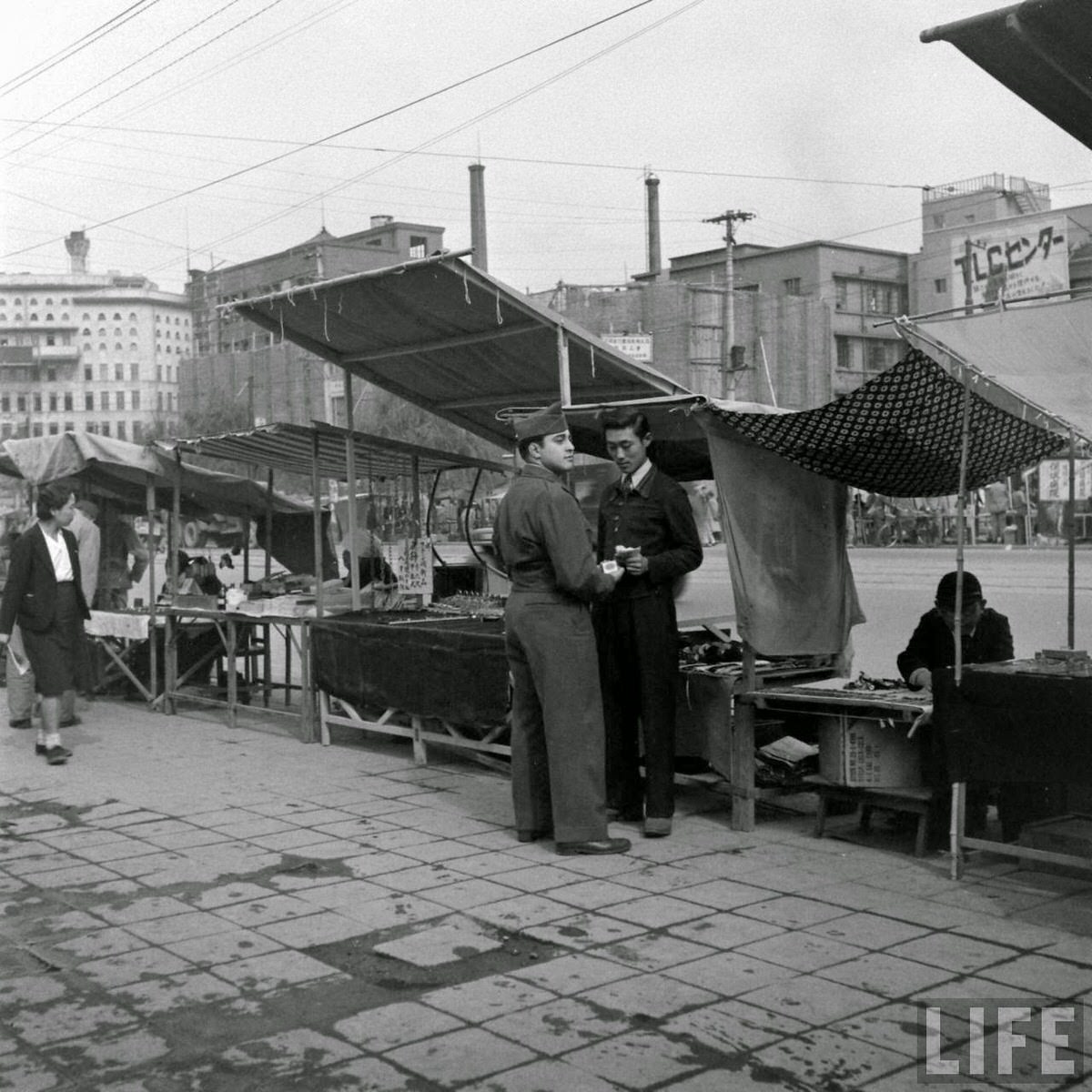
Other criminal gangs quickly copied the model, setting up similar markets in Ueno, Ikebukuro, and Osaka. The formula was simple: find a transport hub, source goods, and advertise loudly.
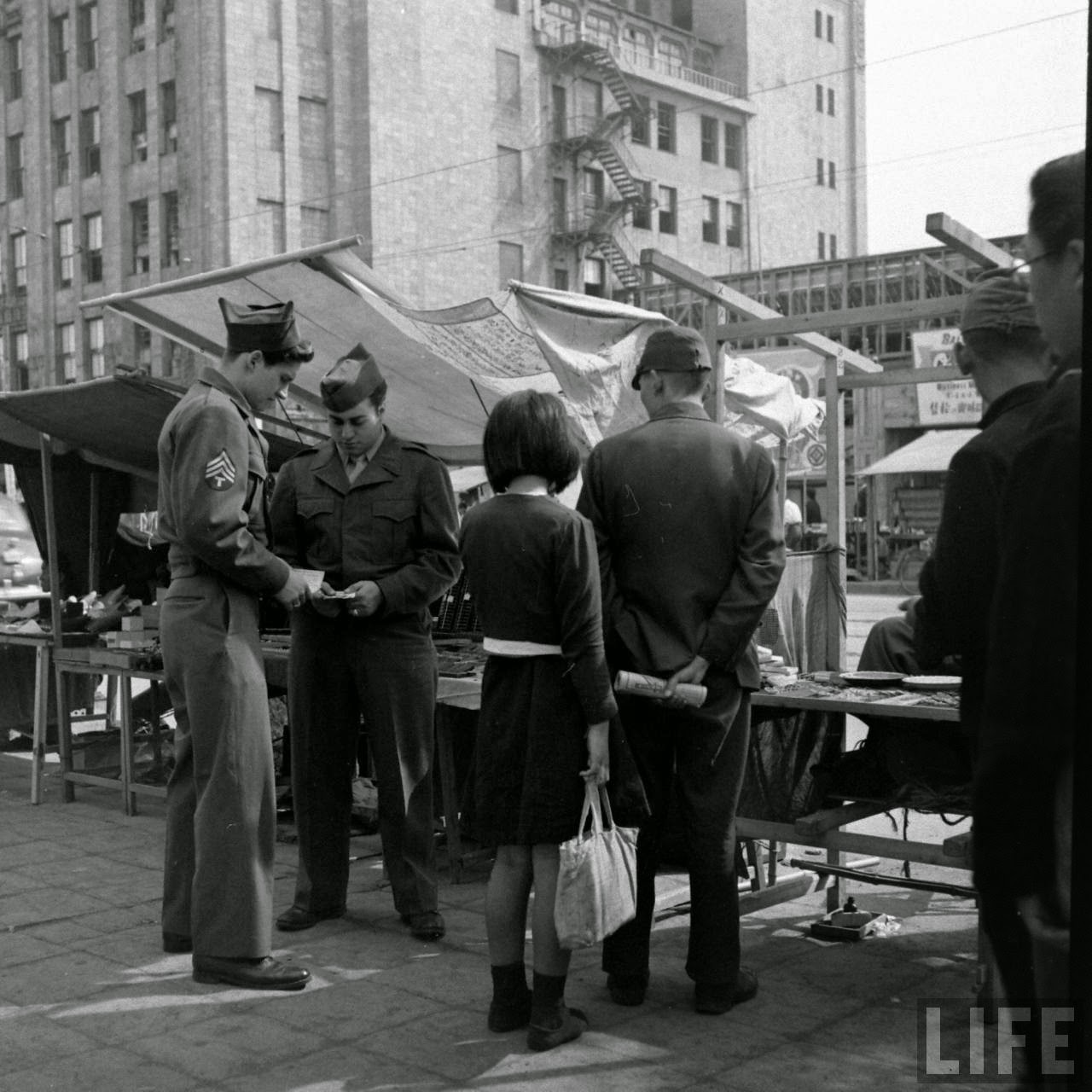
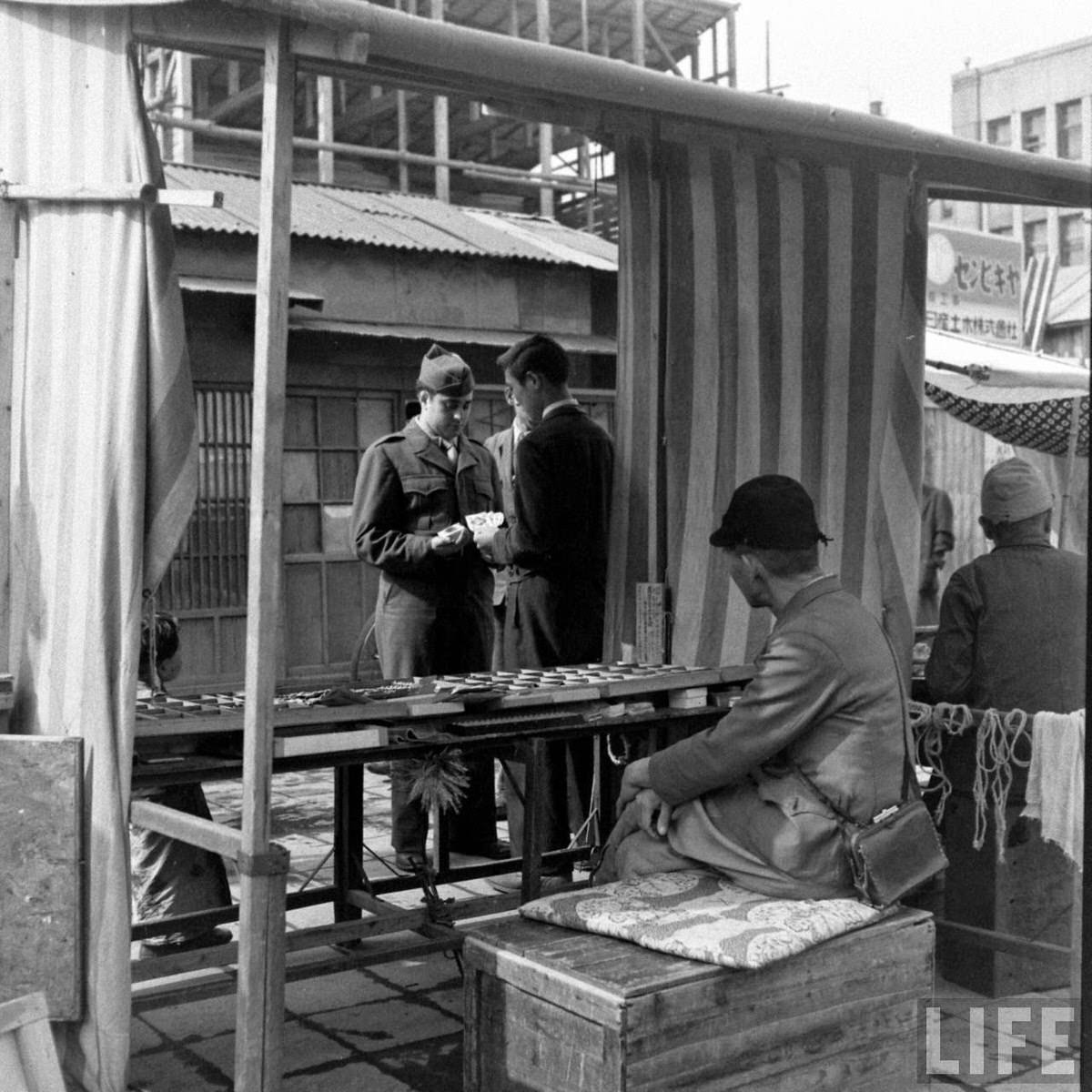
The stall vendors were nicknamed “peanuts” — the lowest rung of the criminal hierarchy. But they earned far more than law-abiding workers. A single vendor in Shinjuku took home roughly 50 yen a day. A schoolteacher in 1946 earned just 300 yen per month. That gap pulled thousands of unemployed soldiers and civilians straight into the underground economy.
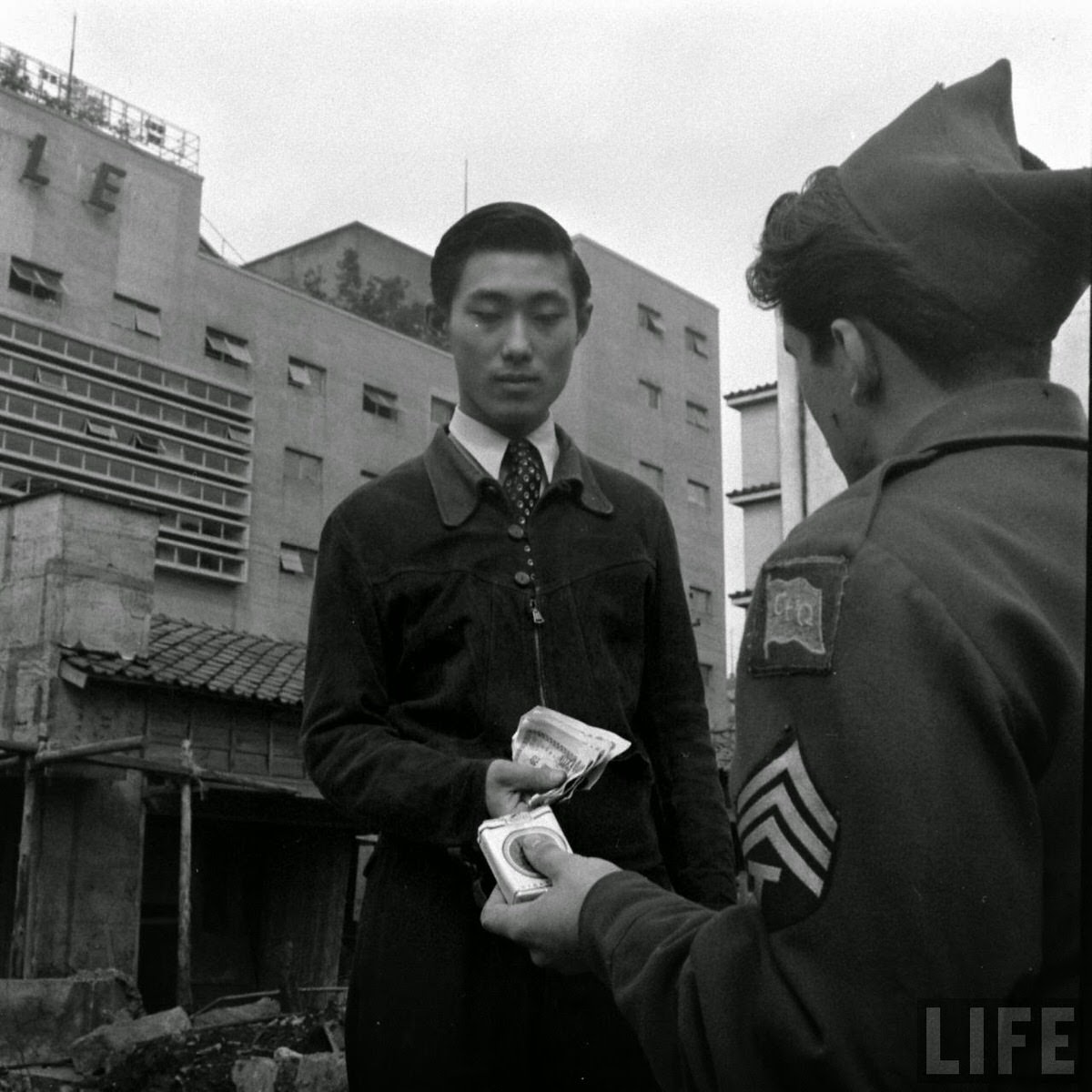
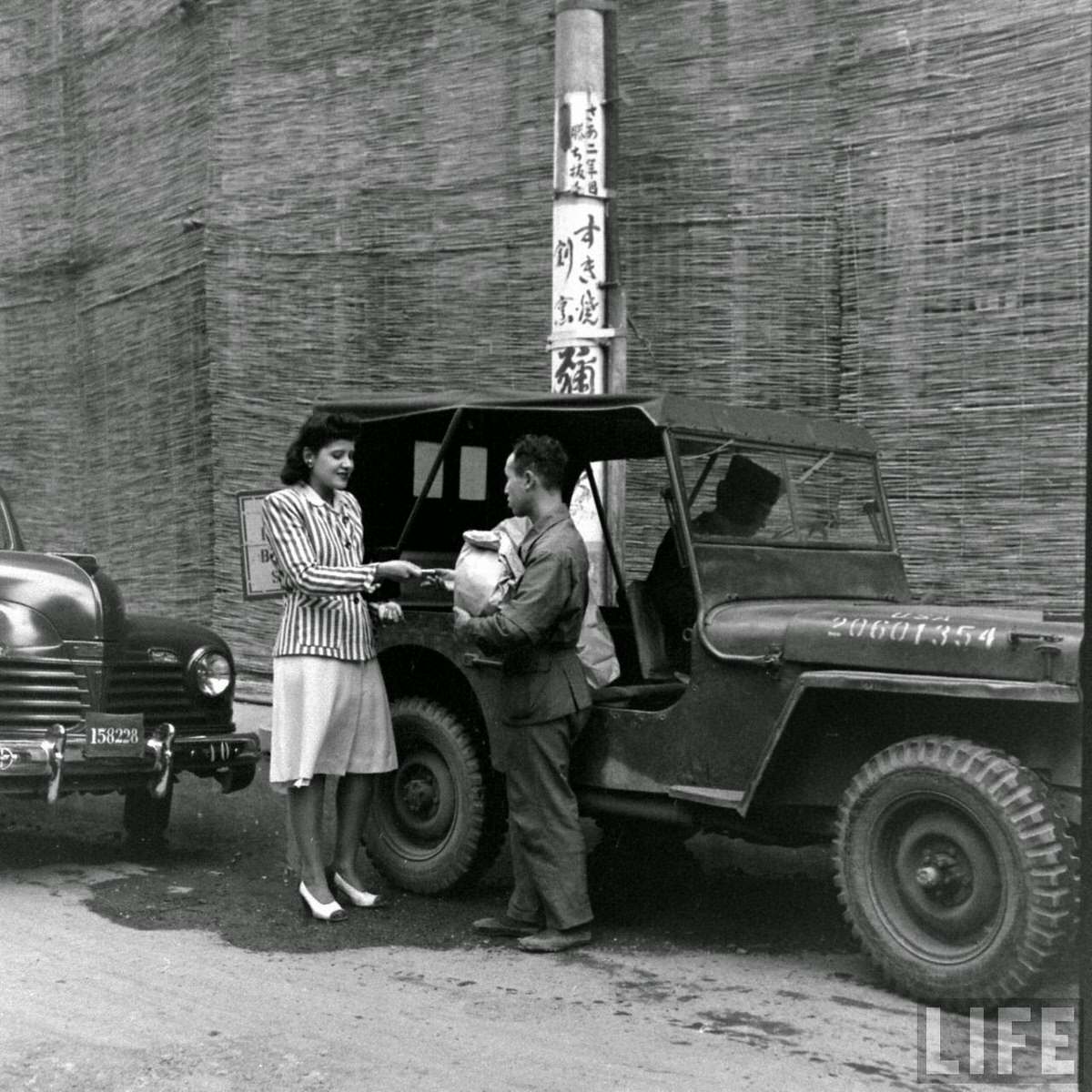
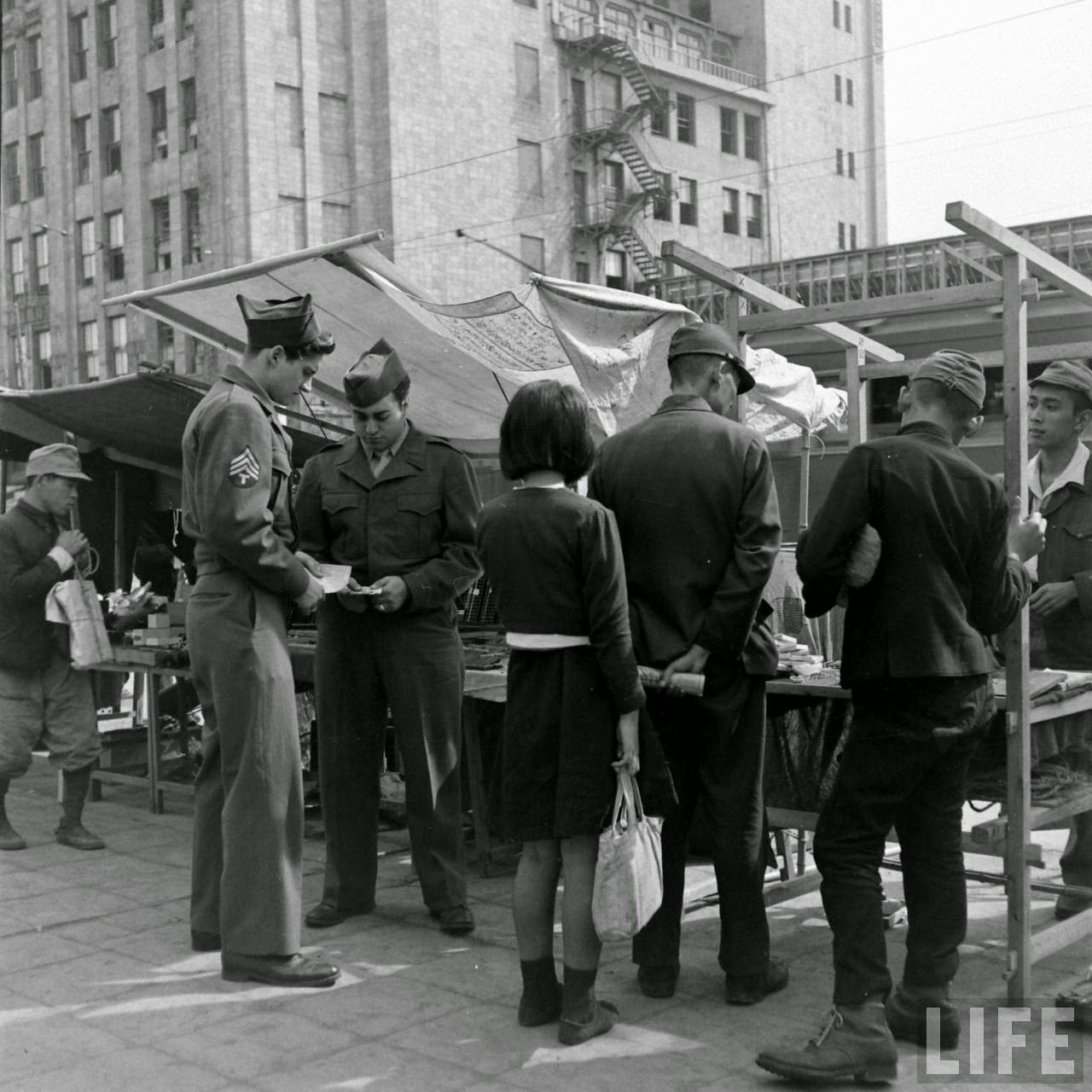
The goods on sale were a mix of military surplus and diverted factory stock — canned food, army blankets, and old uniforms fetched high prices. About 30% of market workers were Korean and Taiwanese residents who had remained in Japan after the war. They often had better access to supplies and faced different legal treatment than Japanese citizens.
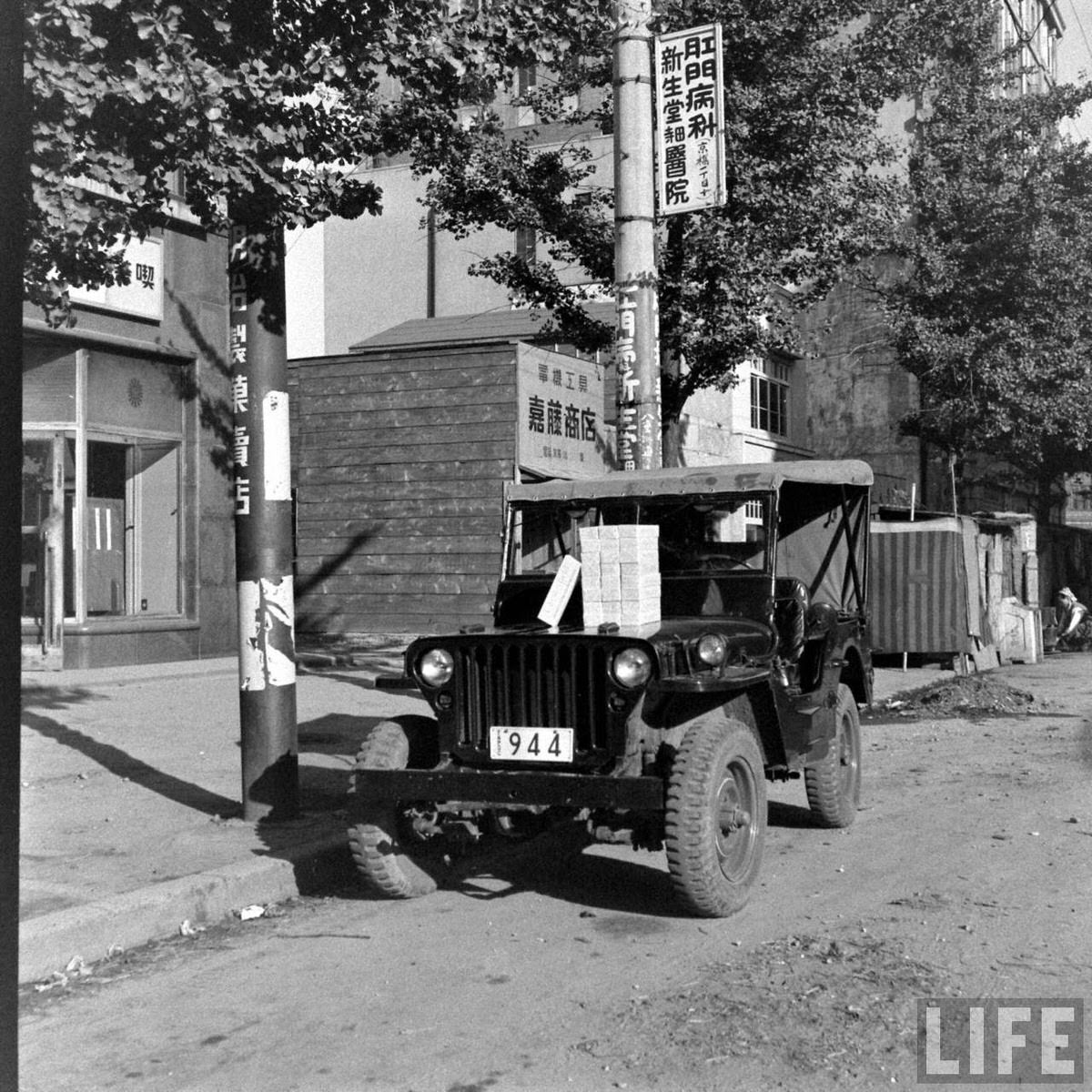
Police raided the stalls regularly, seizing illegal goods. The markets reopened the next day every single time.
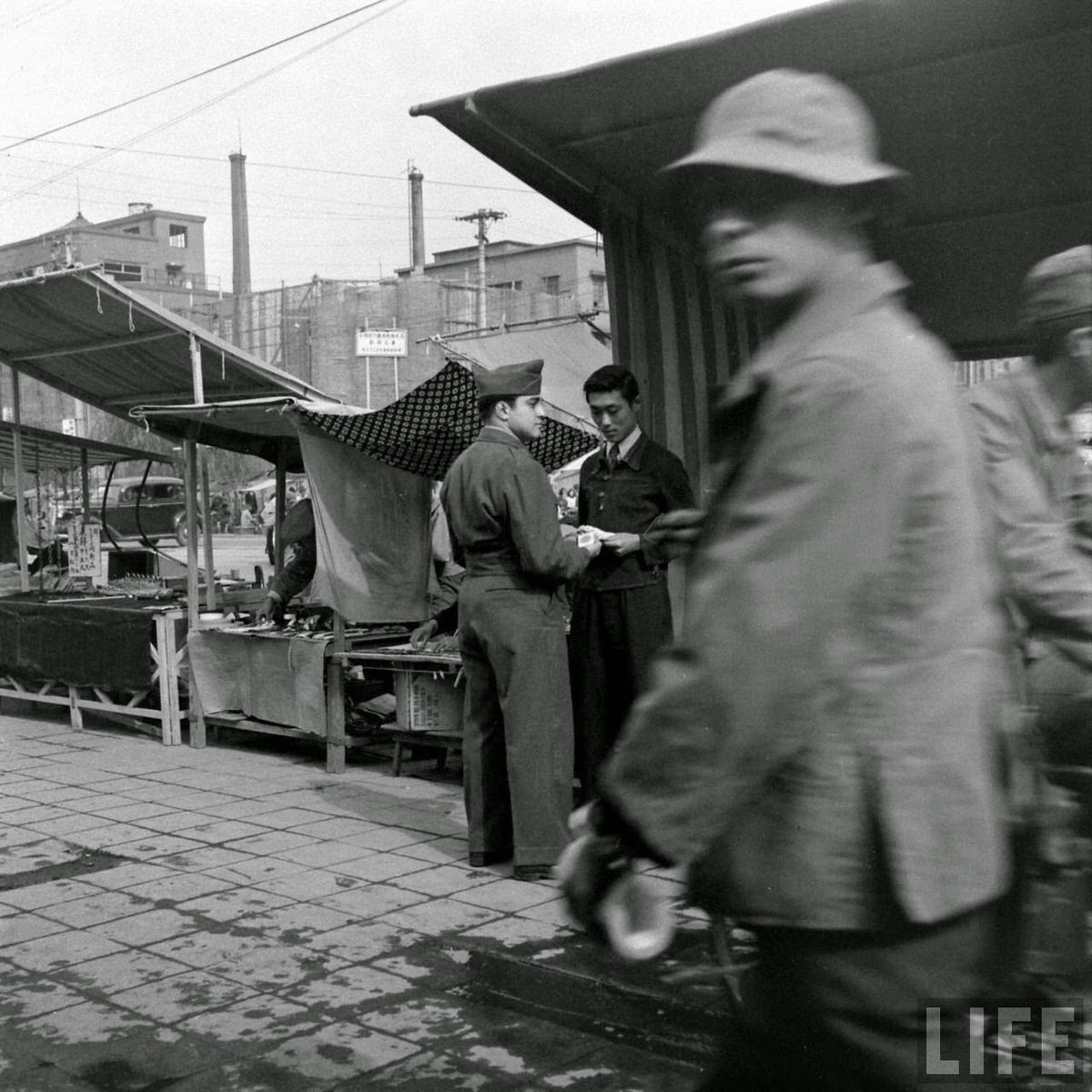
For customers, the black market was a place of both survival and loss. Inflation was so severe that prices changed by the hour. Families lived what people at the time called a “bamboo shoot existence” — like peeling layers from a bamboo shoot, they sold their belongings one by one to buy food.
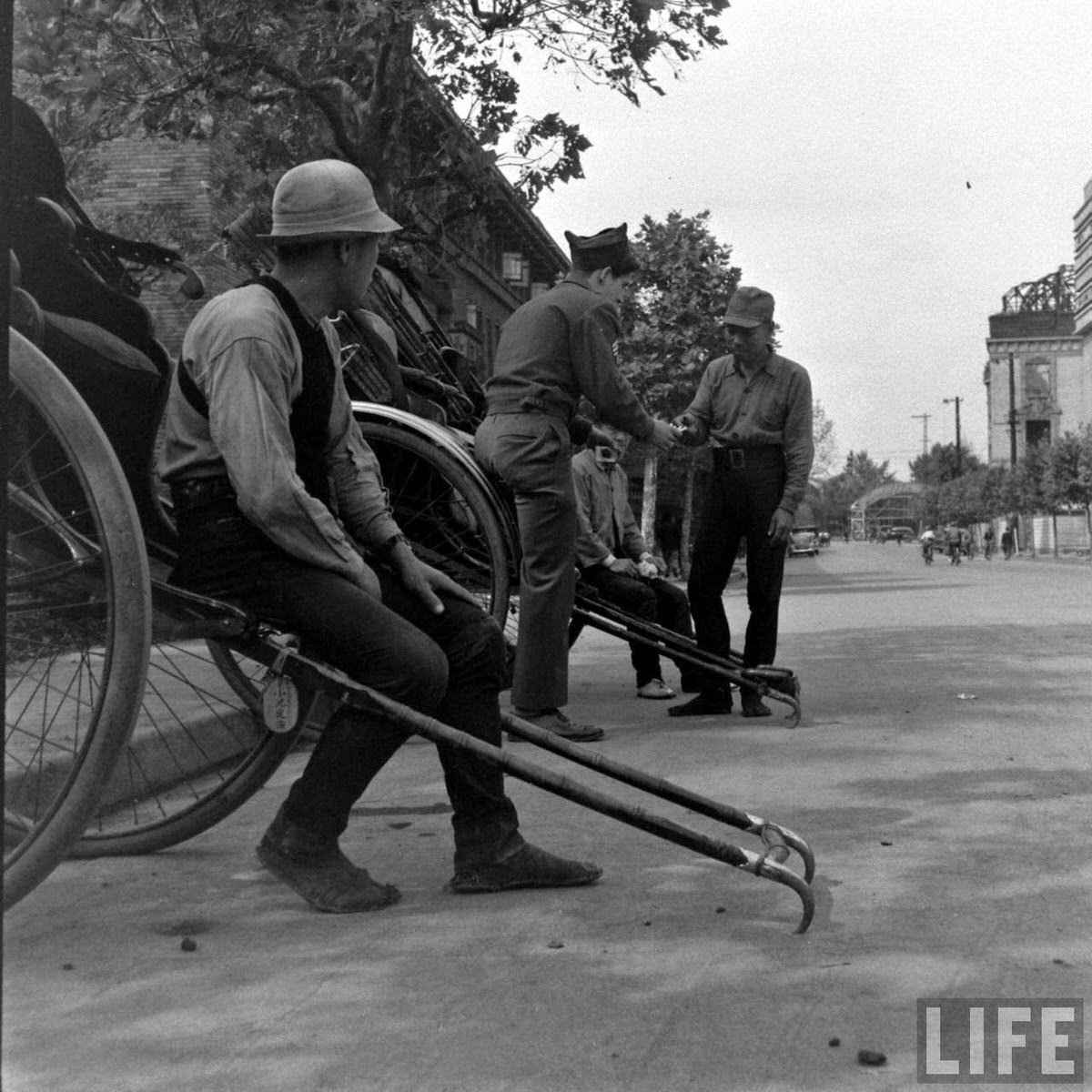
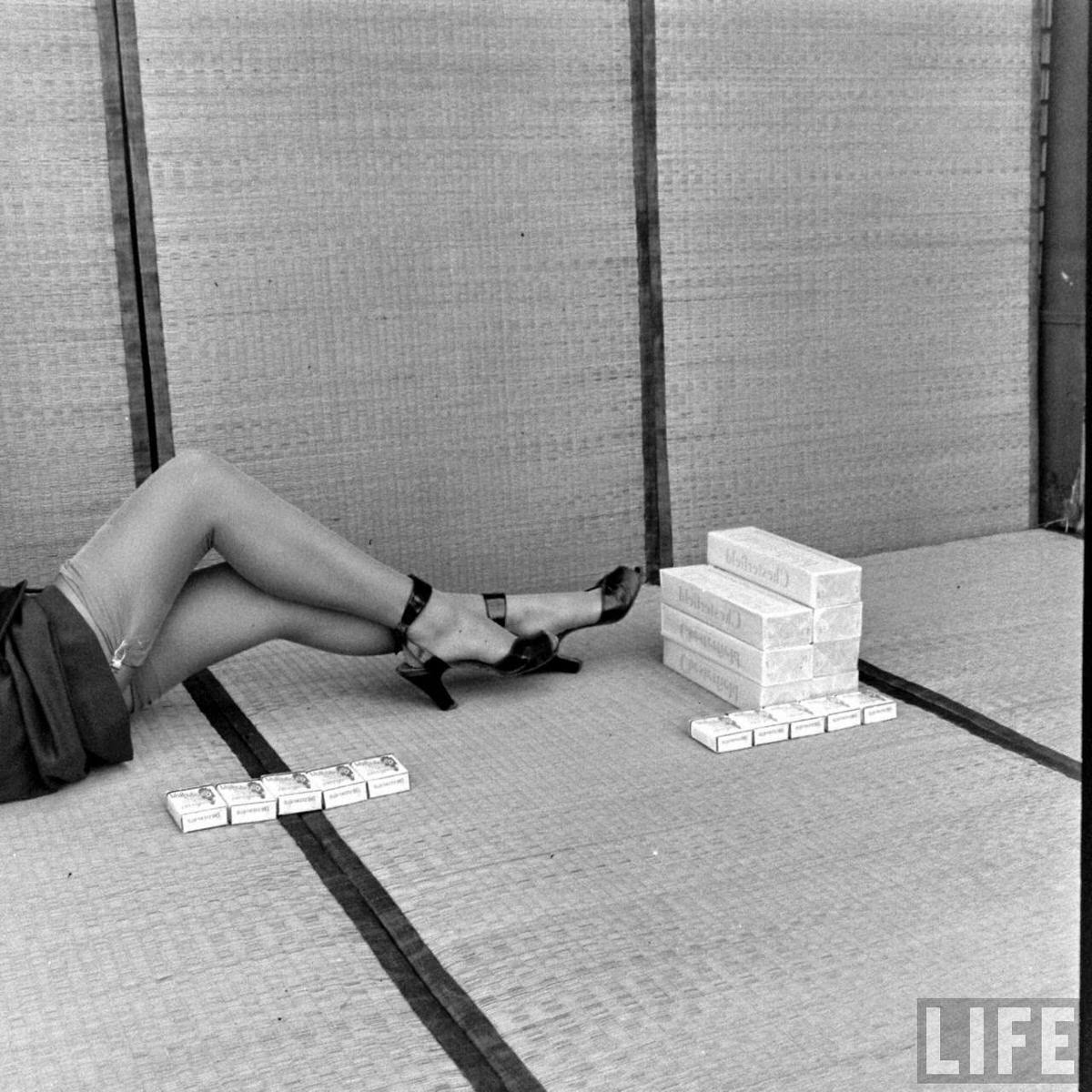
Silk kimonos, family heirlooms, and furniture were traded away for small bags of white rice or sweet potatoes. The transaction was rarely fair, but for many urban families it was the only option between eating and starving.