

Between 1961 and 1971, the U.S. military carried out a systematic chemical warfare campaign across Vietnam, Cambodia, and Laos. The operation, codenamed “Operation Ranch Hand,” deployed aircraft and helicopters to spray more than 20 million gallons of toxic herbicides over the landscape below. The most widely used of these was Agent Orange — a defoliant designed to strip trees of their leaves and destroy the dense jungle cover that enemy forces relied on. What followed was one of the most devastating environmental and humanitarian disasters in modern history, and its effects are still visible in Vietnam today.
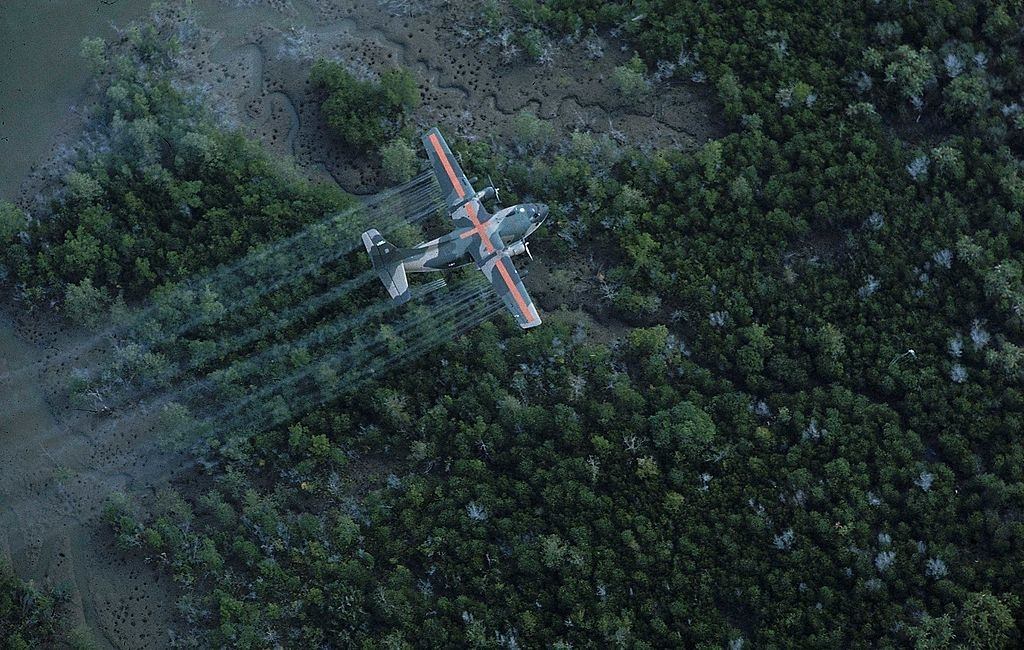
Agent Orange was not a single formula. The U.S. military used slightly different mixtures, referred to as Agent Orange I, Agent Orange II, Agent Orange III, and “Super Orange.” Beyond Agent Orange itself, the military also deployed Agent Green, Agent Pink, Agent Purple, Agent Blue, and Agent White. Each of these herbicides had long-lasting effects on the soil, water, and food chain. The chemical that made all of them so dangerous to human health was dioxin. Dioxin does not break down quickly — it persists in the environment for years and accumulates in the fatty tissues of animals, birds, and fish. When people ate contaminated food, the toxin entered their bodies and stayed there.
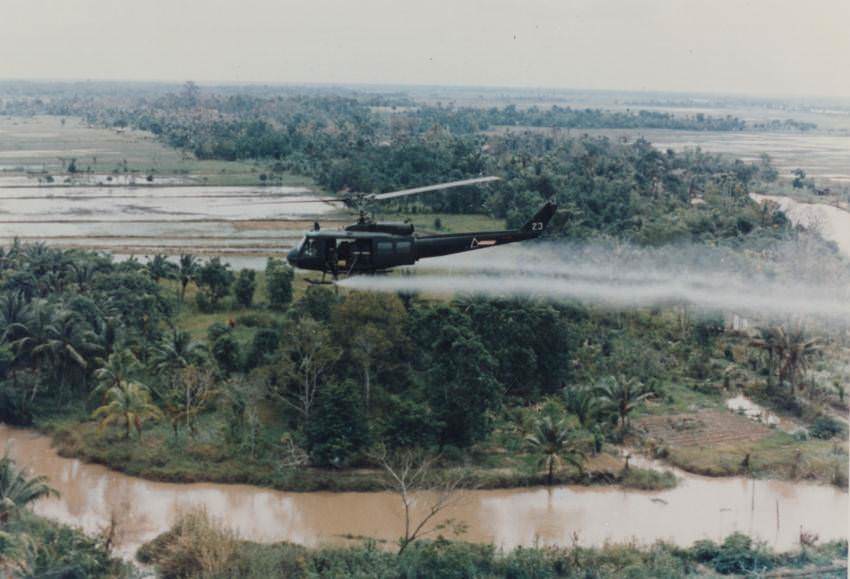
The herbicides destroyed more than 4.5 million acres of Vietnamese land, including forests, farmland, and water sources. These were not just military targets — they were the primary food sources for millions of Vietnamese civilians. Starvation and toxic exposure combined to kill more than 400,000 people. Dioxin exposure causes severe skin disease known as chloracne, immune system dysfunction, nerve disorders, and heart disease. Developing fetuses are especially vulnerable. Dioxin is directly linked to miscarriages, spina bifida, and abnormal development of the fetal brain and nervous system. The consequences showed up not in the soldiers who fought, but in the children born years after the war ended.
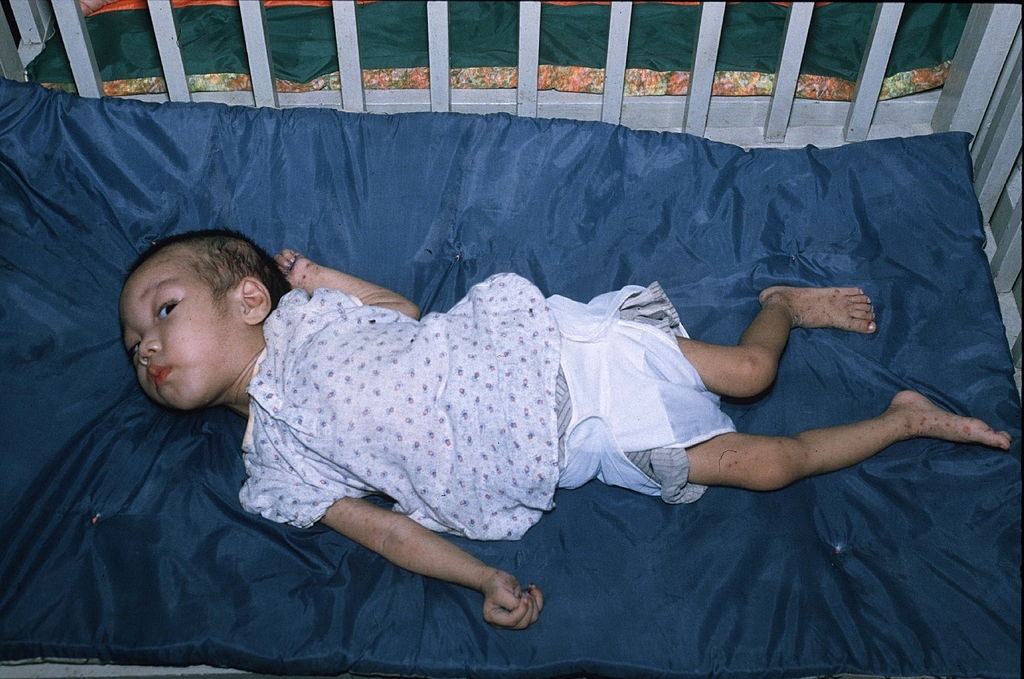
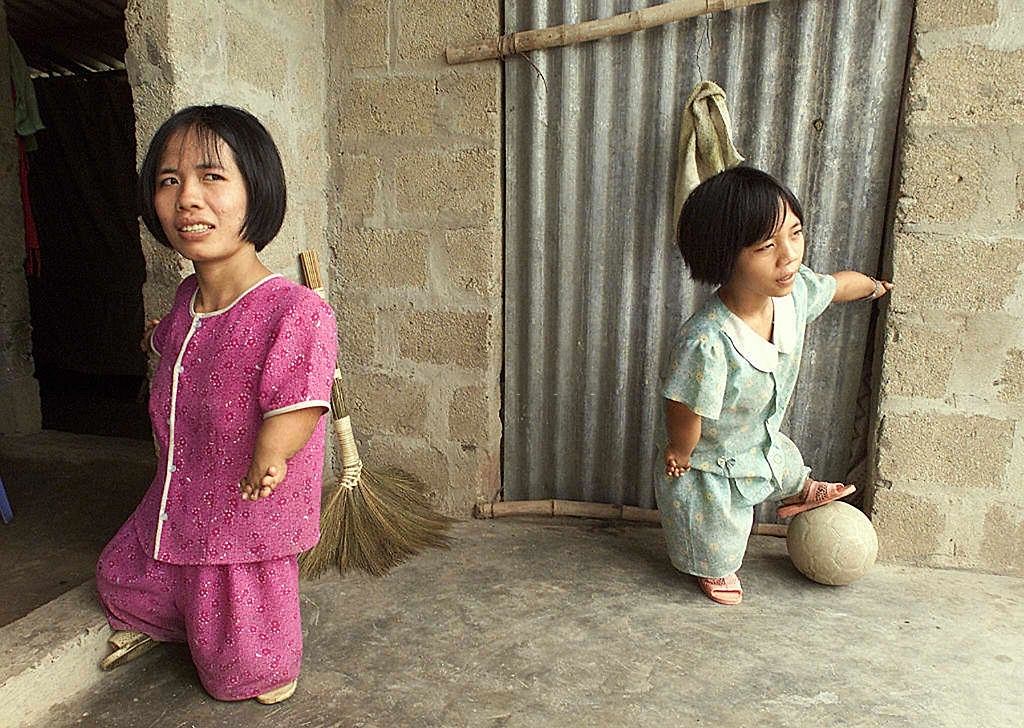
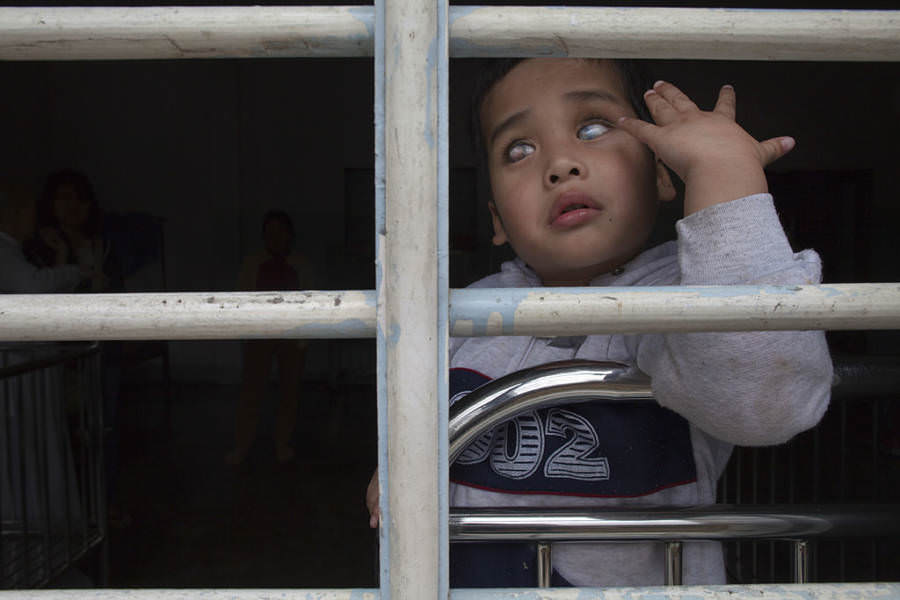
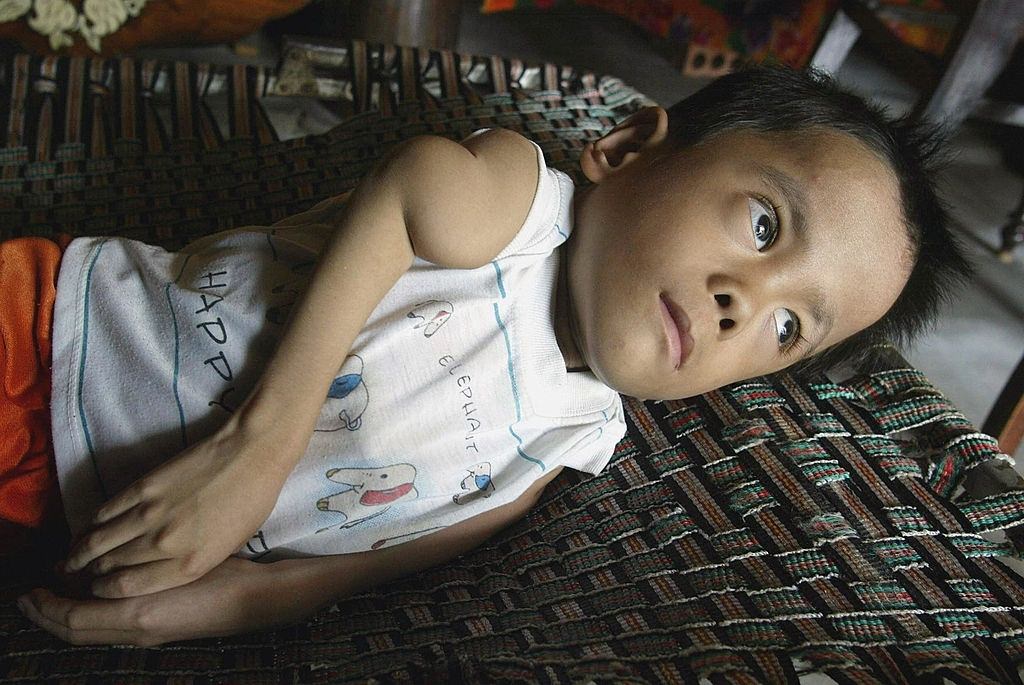
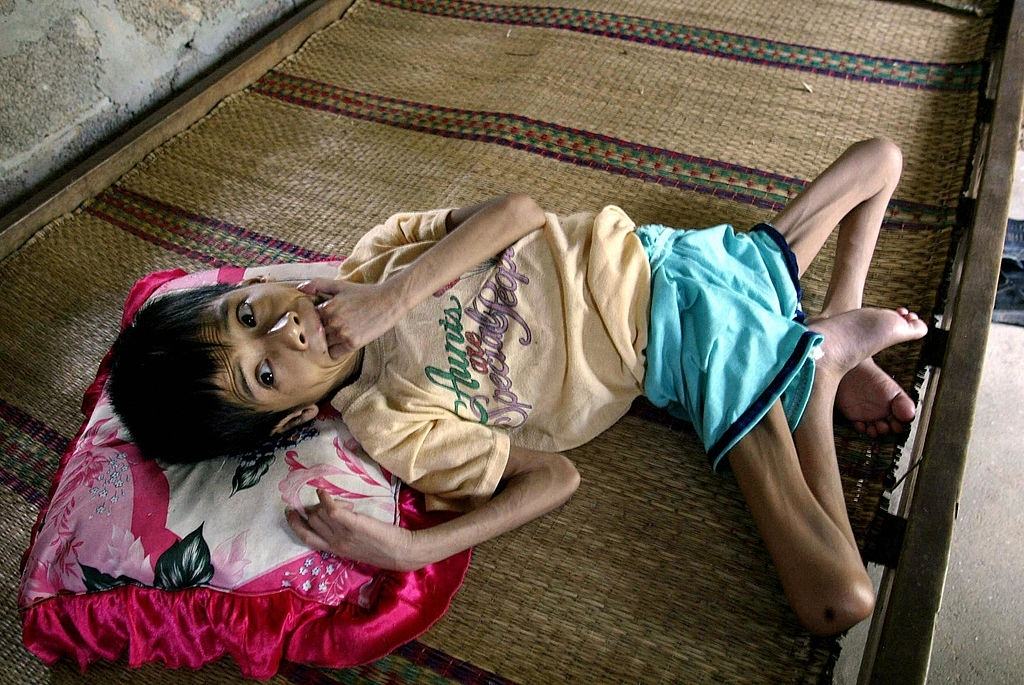
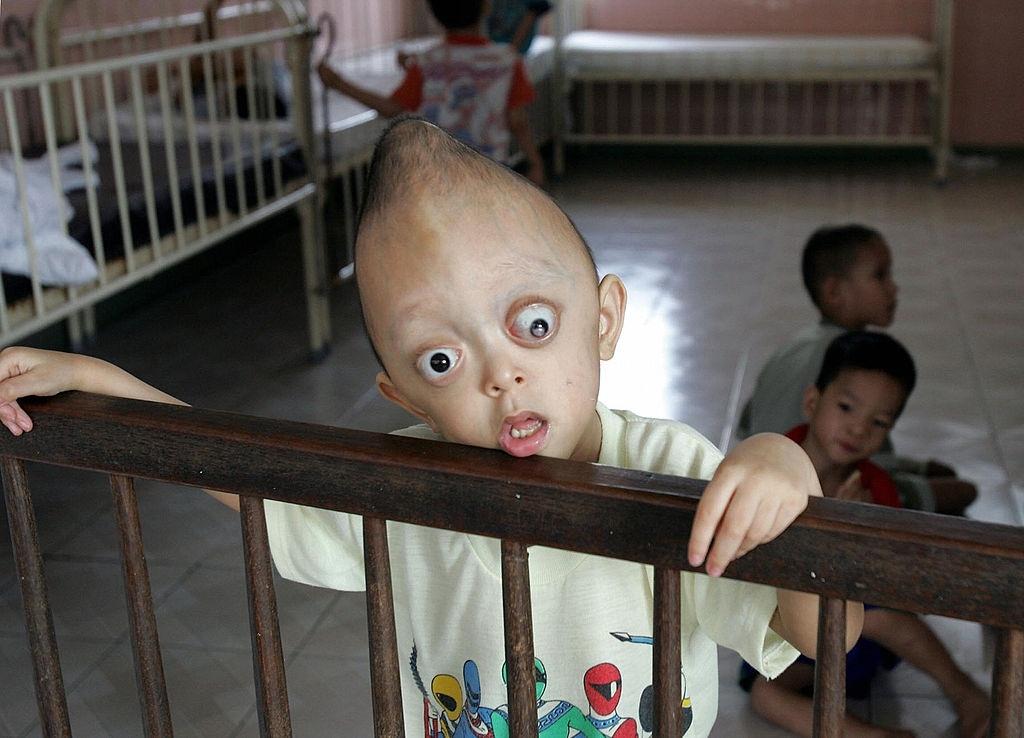
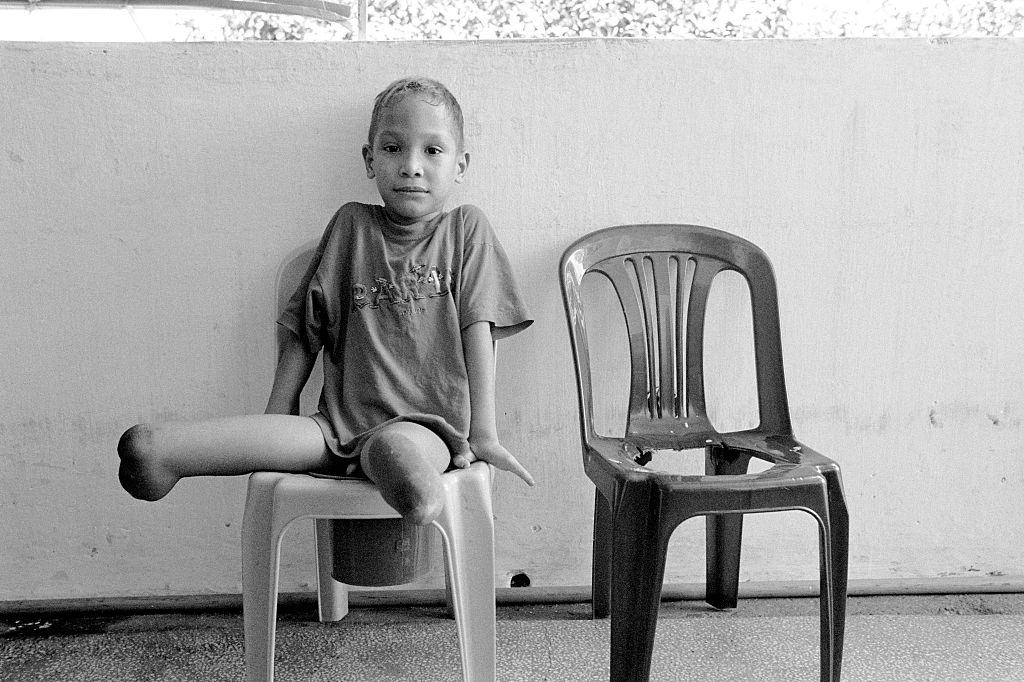
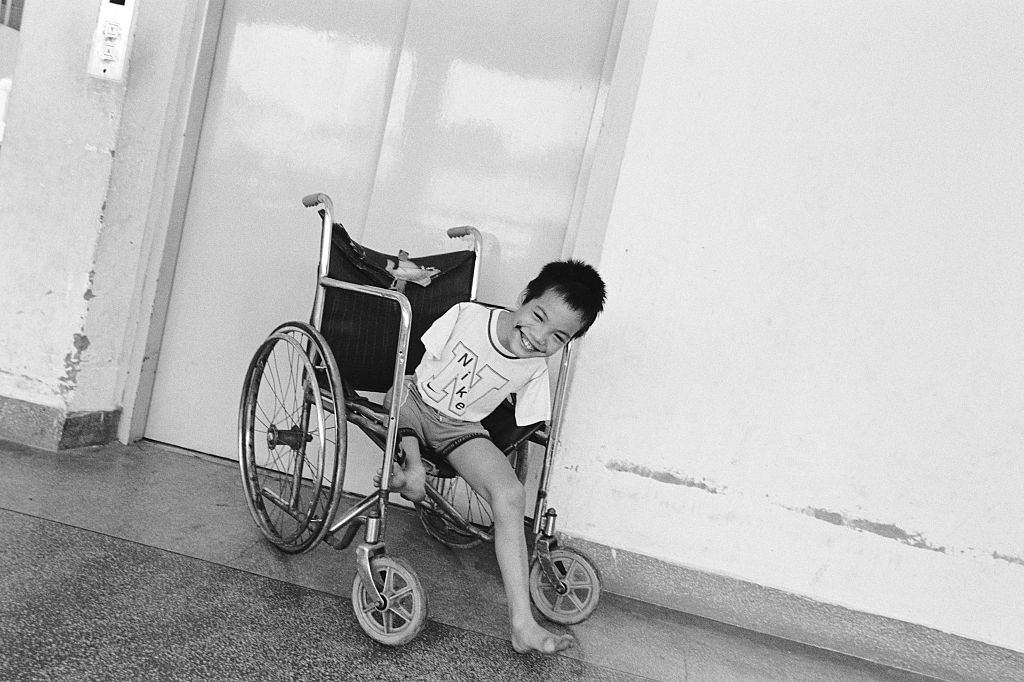
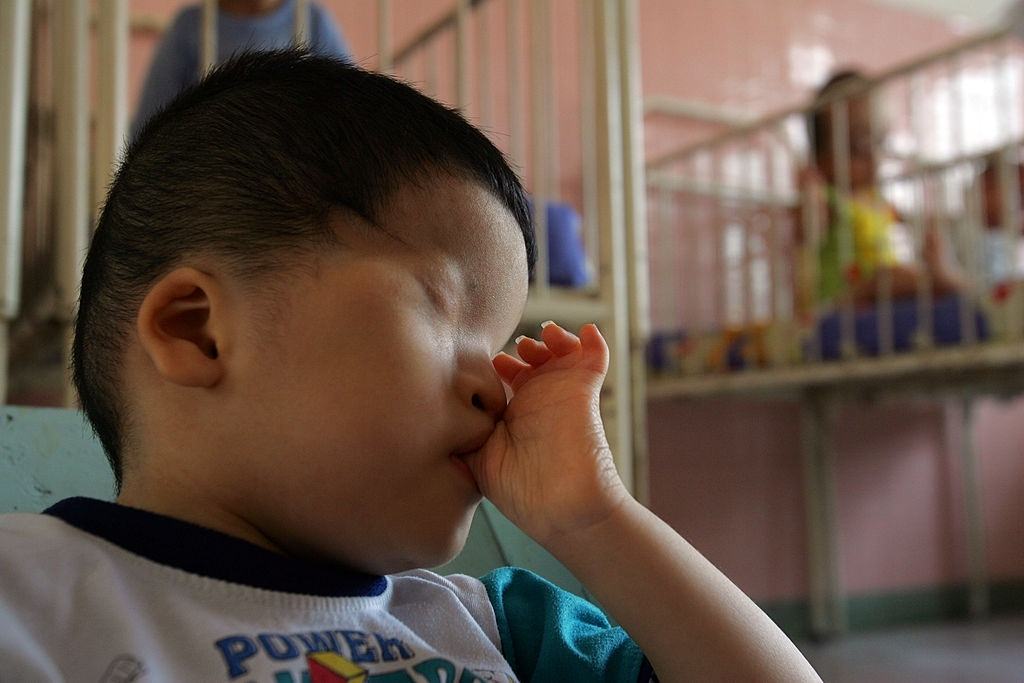
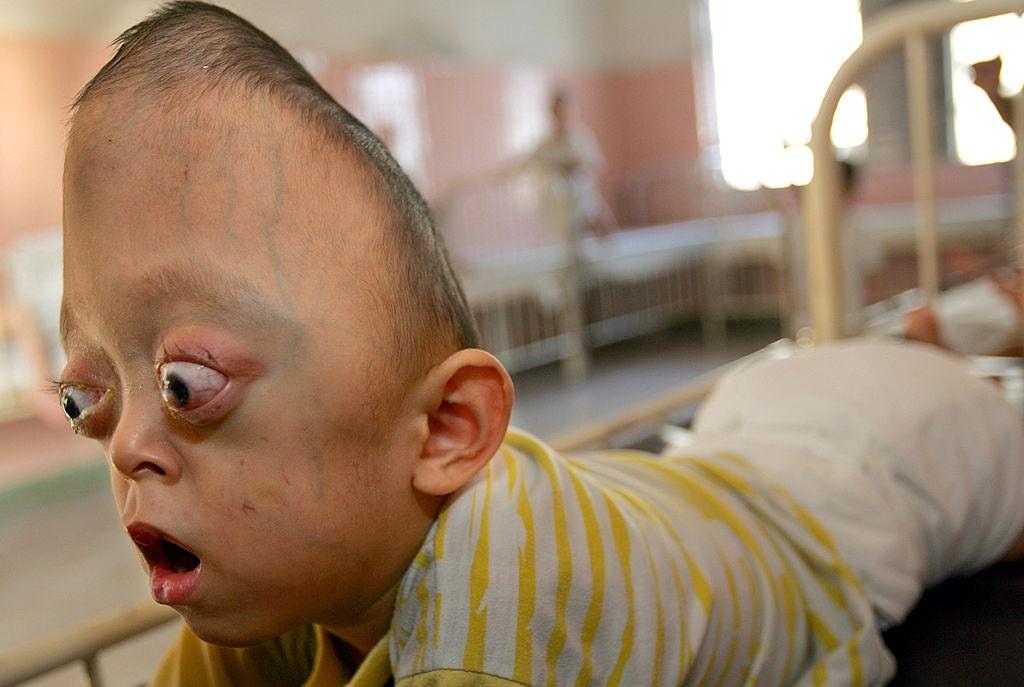
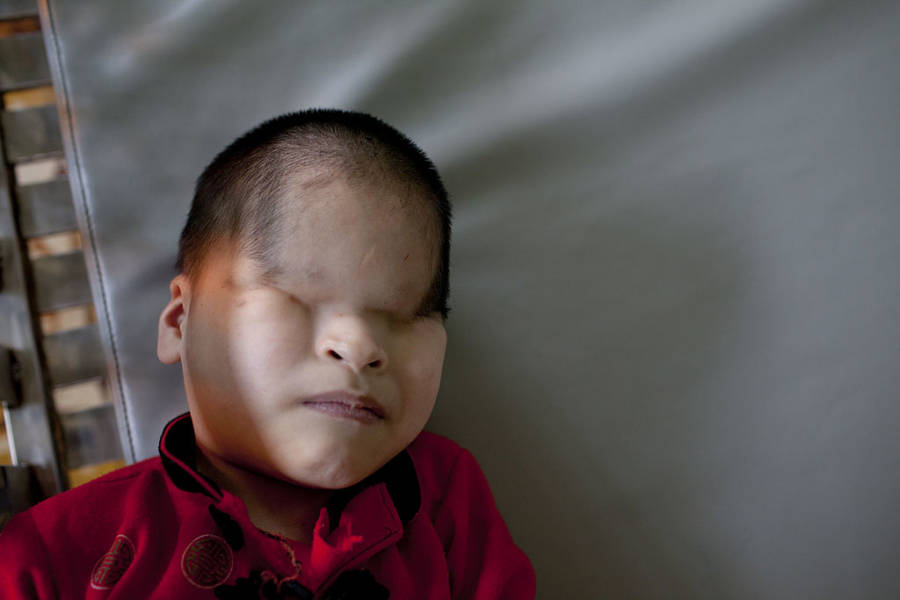
More than half a million children were born with serious birth defects as a direct result of their parents’ exposure to Agent Orange. Over two million people developed cancer or other chronic illnesses tied to the chemical. The birth defects were severe — children born without eyes, without limbs, without the ability to speak or hear, or with profound neurological damage. Hospitals in Ho Chi Minh City became centers for documenting and caring for these children, and the scale of what they recorded was staggering.
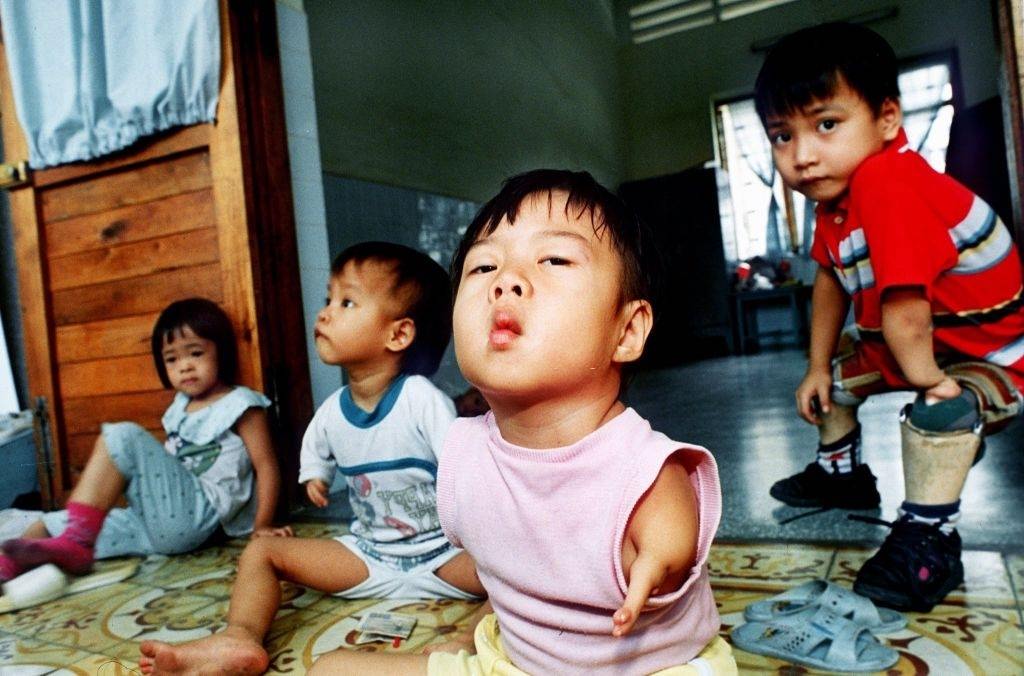
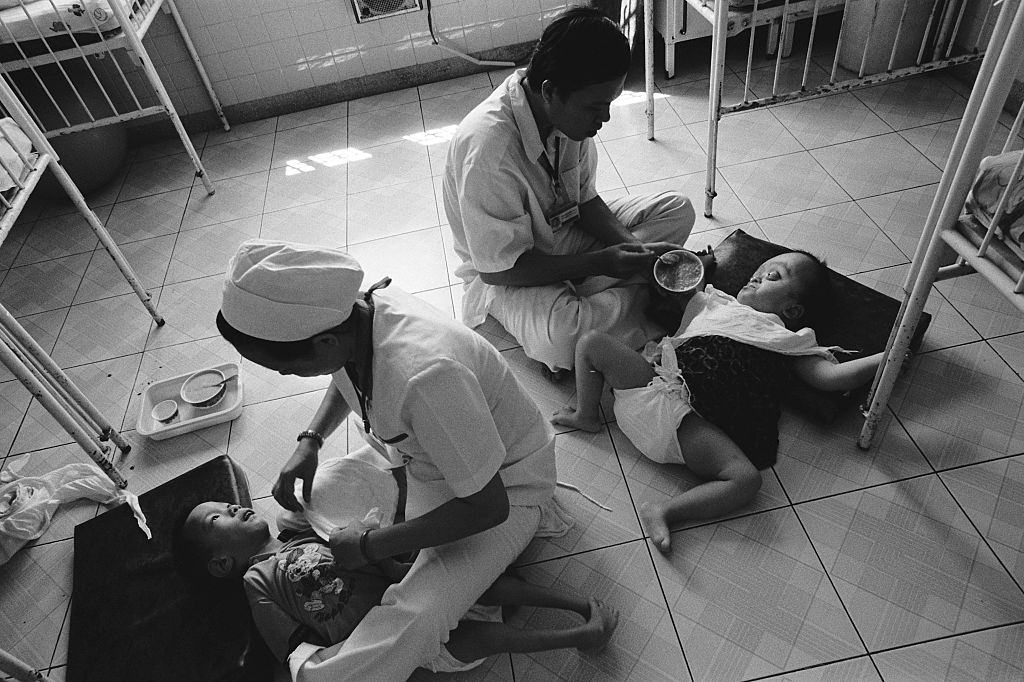
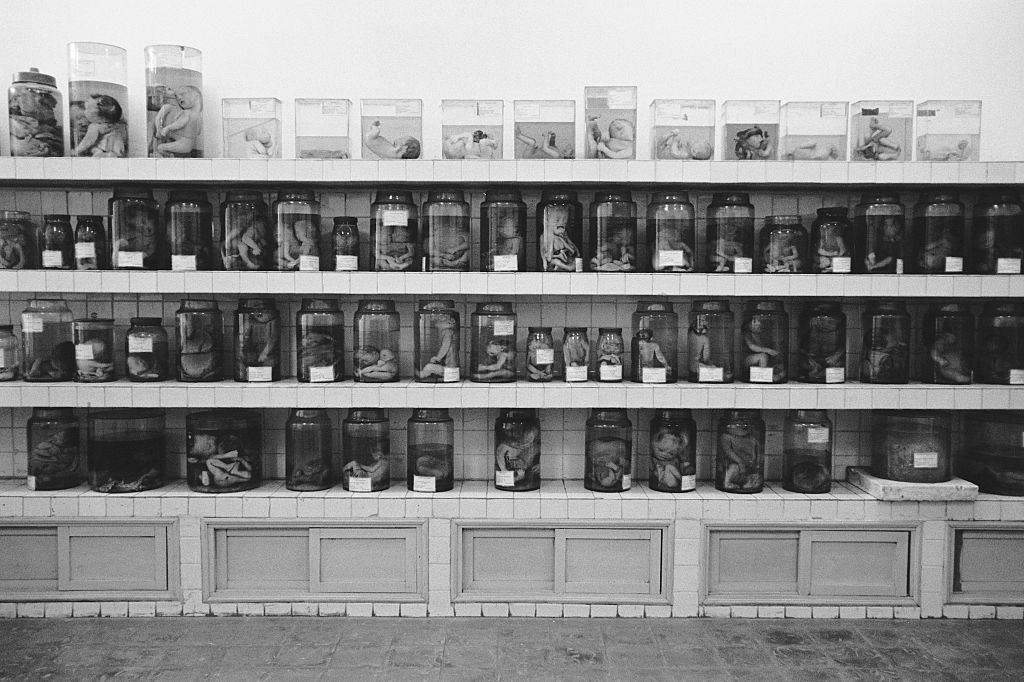
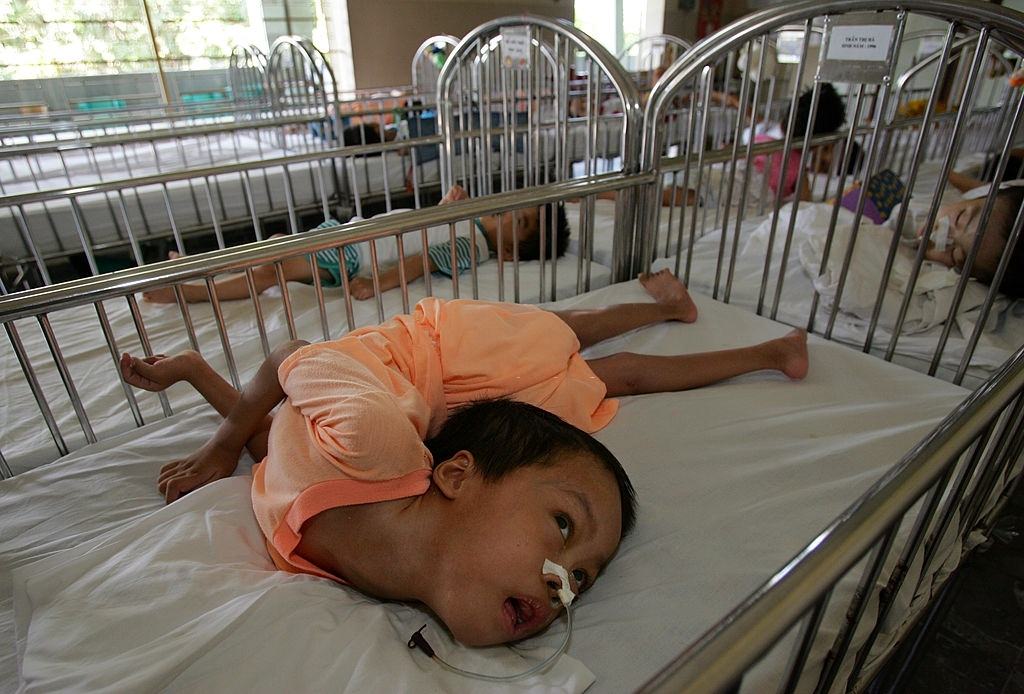
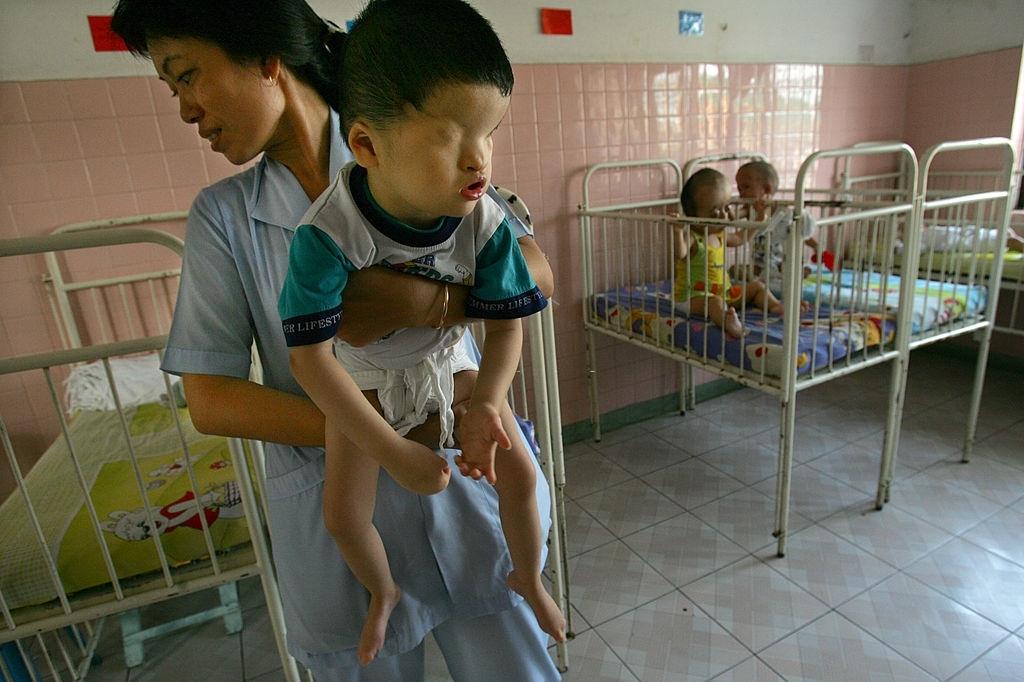
Tu Du Hospital in Ho Chi Minh City became a focal point for Agent Orange victims. Its Peace Village ward was established to house and care for children born with disabilities caused by the defoliant. The hospital also preserved physical evidence of what the chemical had done. Jars containing deformed fetuses — the result of pregnancies affected by dioxin exposure — were kept on display as a permanent record of the chemical’s biological impact.
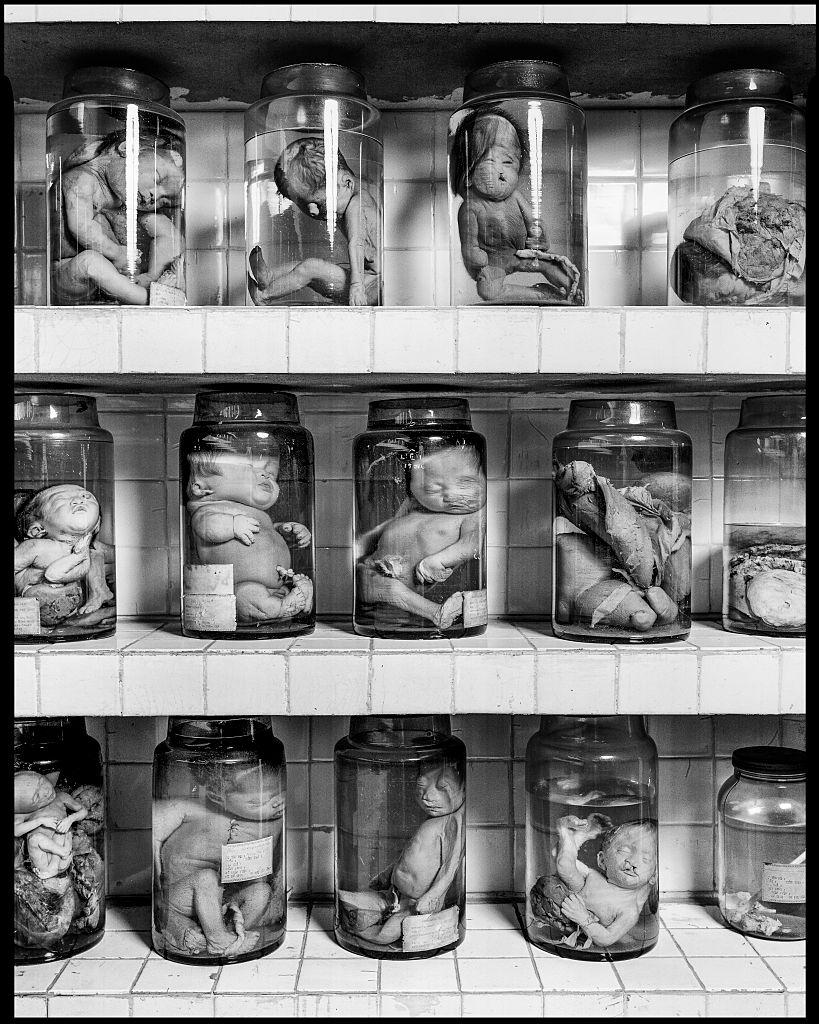
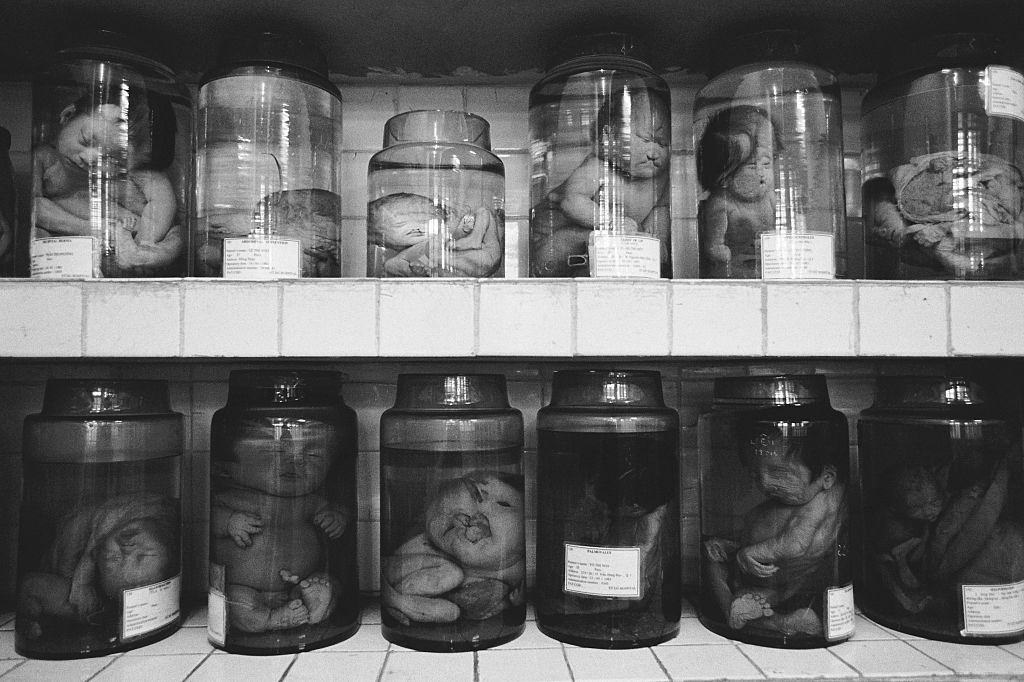
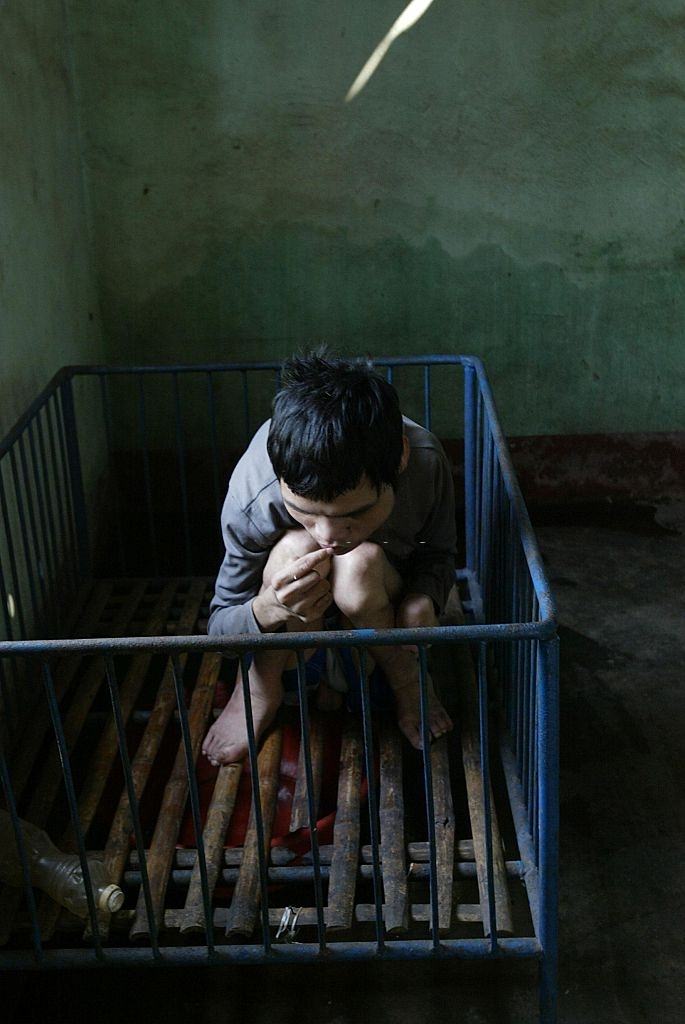
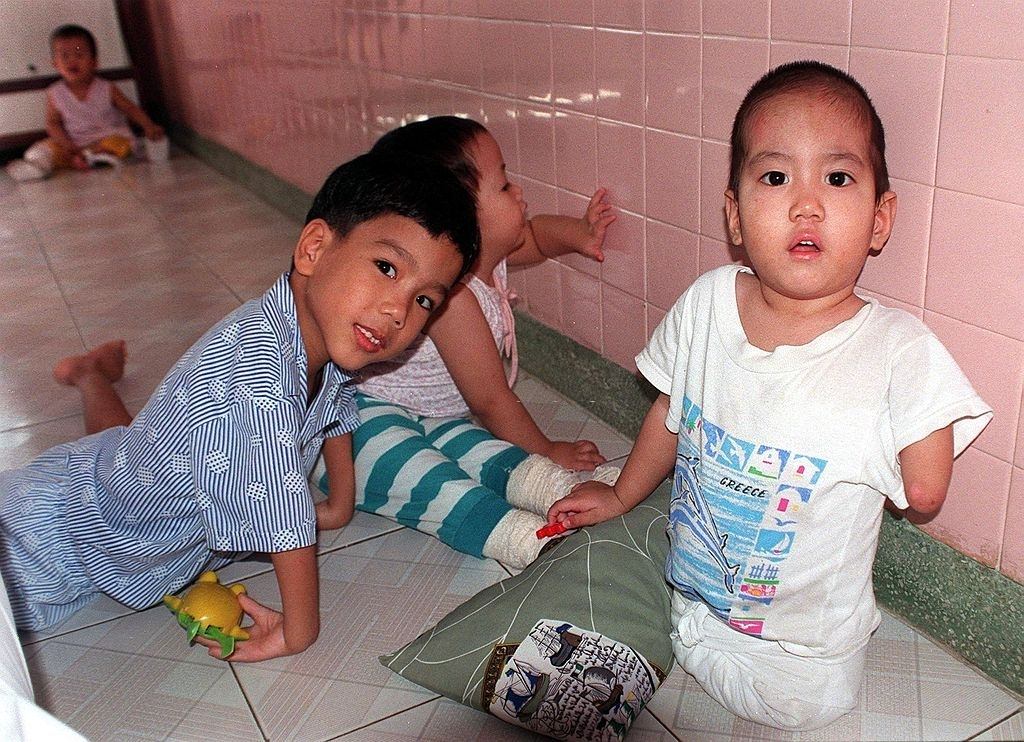
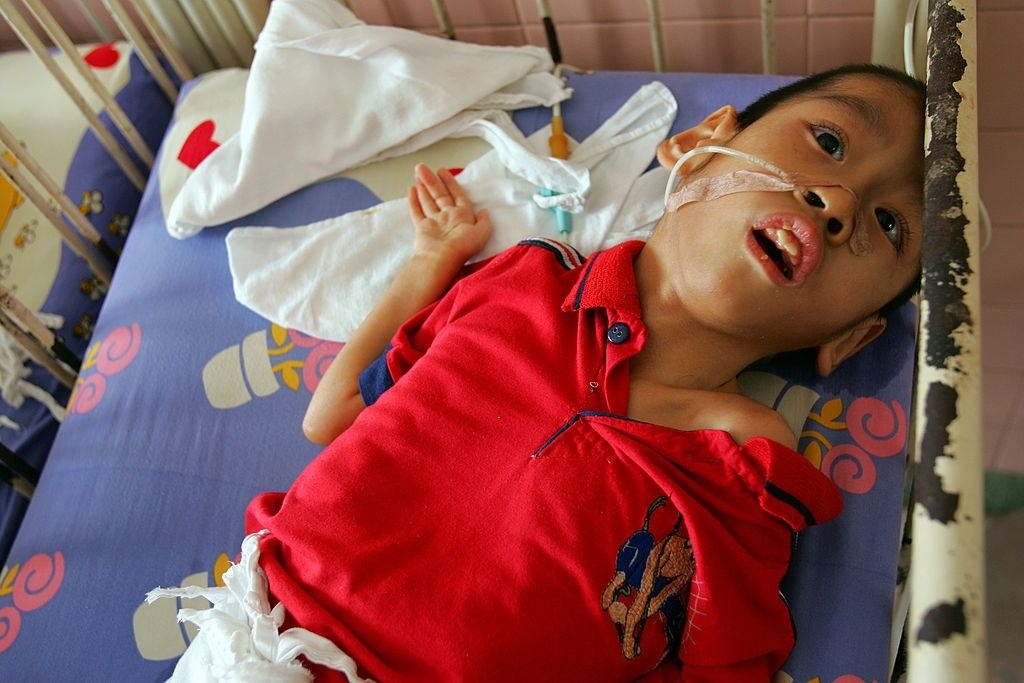
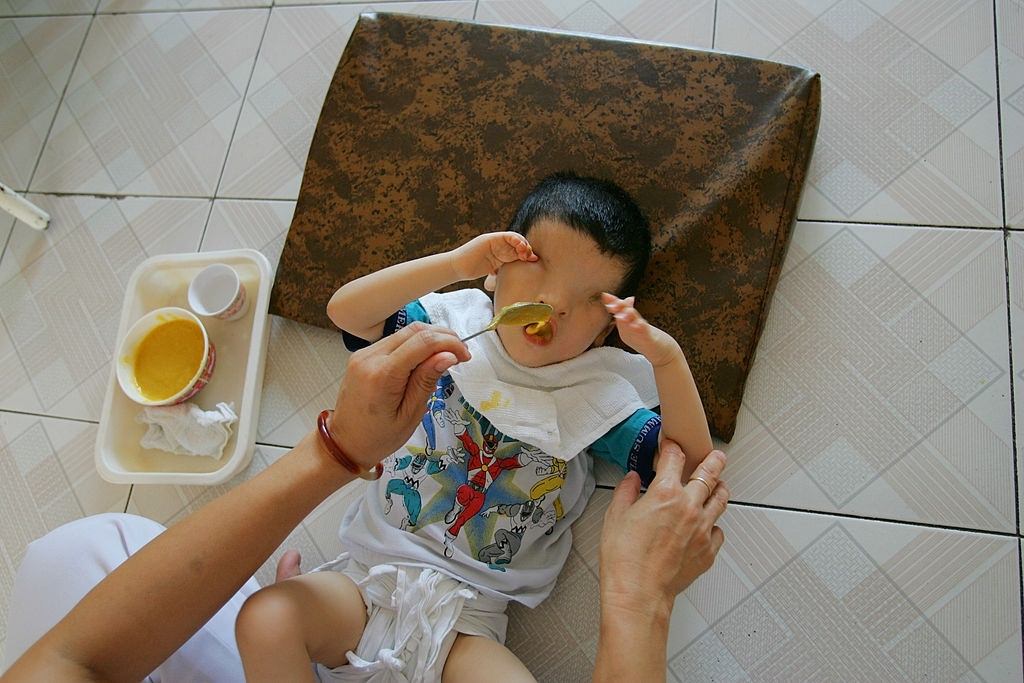
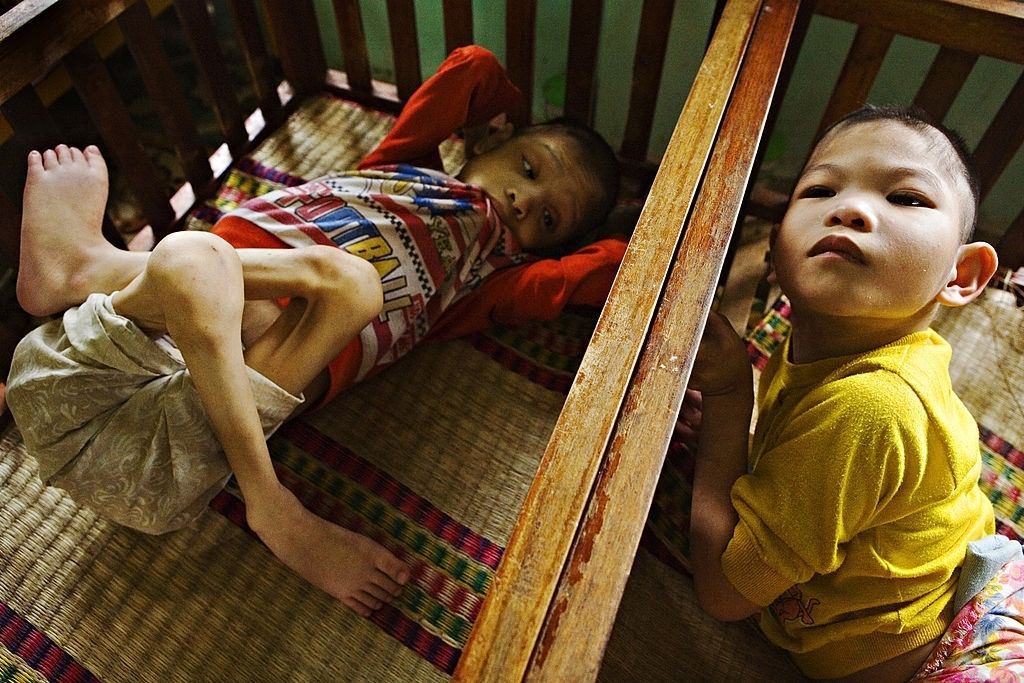
The children cared for at Tu Du’s Peace Village faced a wide range of physical conditions. Some had no limbs. Others were born blind or mute. Some could not control their movements and had to be secured in their cribs to prevent self-injury. Nurses and caregivers provided round-the-clock attention, feeding, holding, and tending to children who had been abandoned by families unable to cope with the demands of their care.
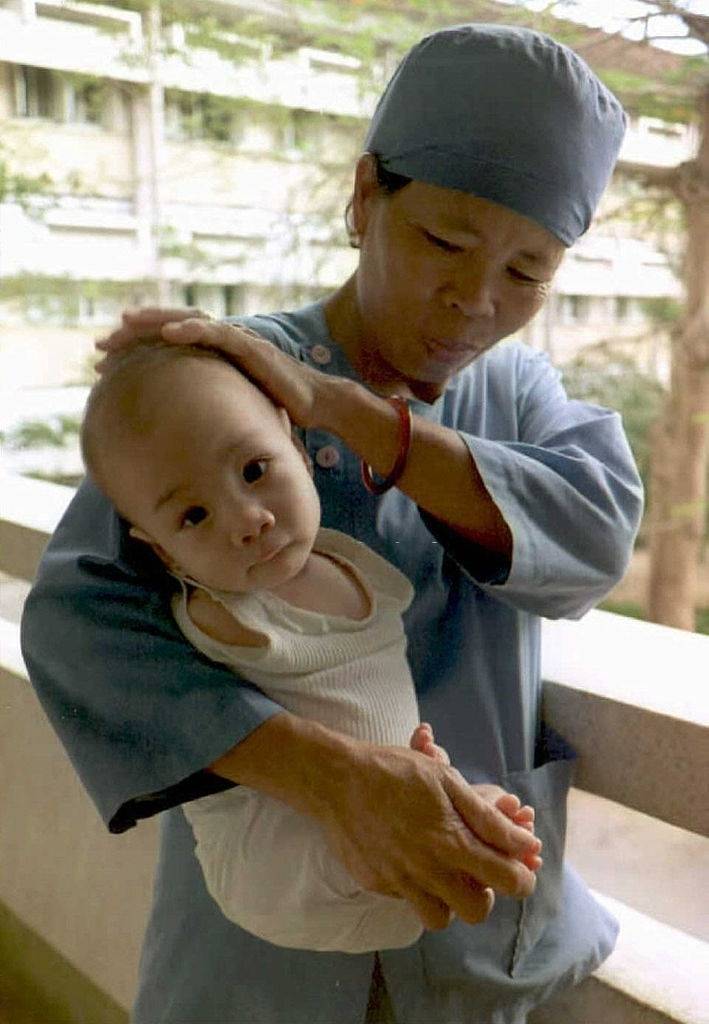
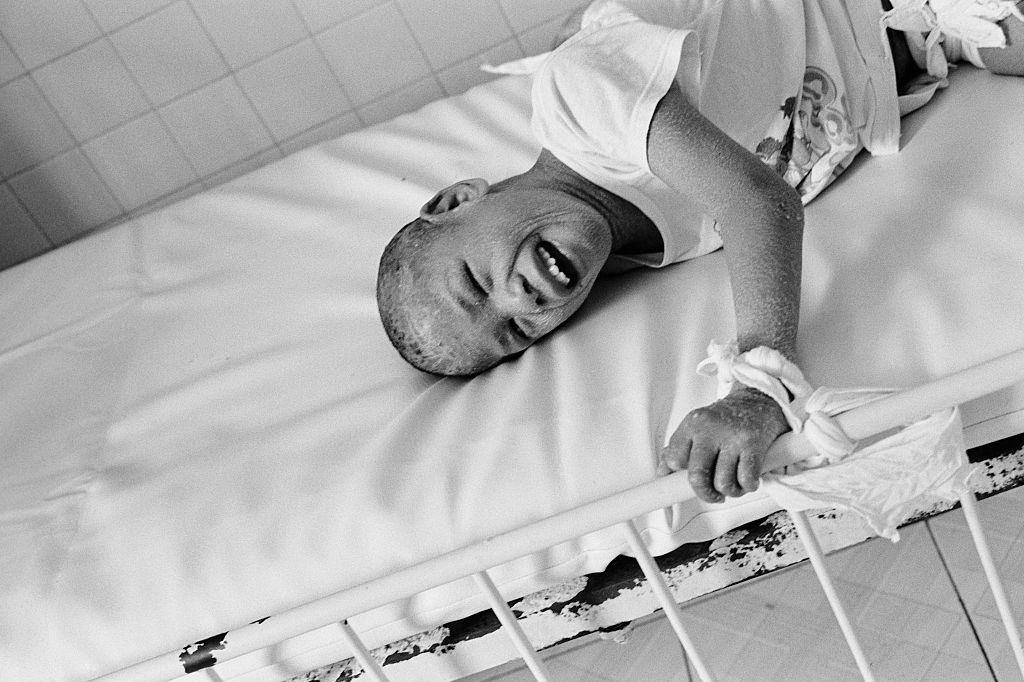
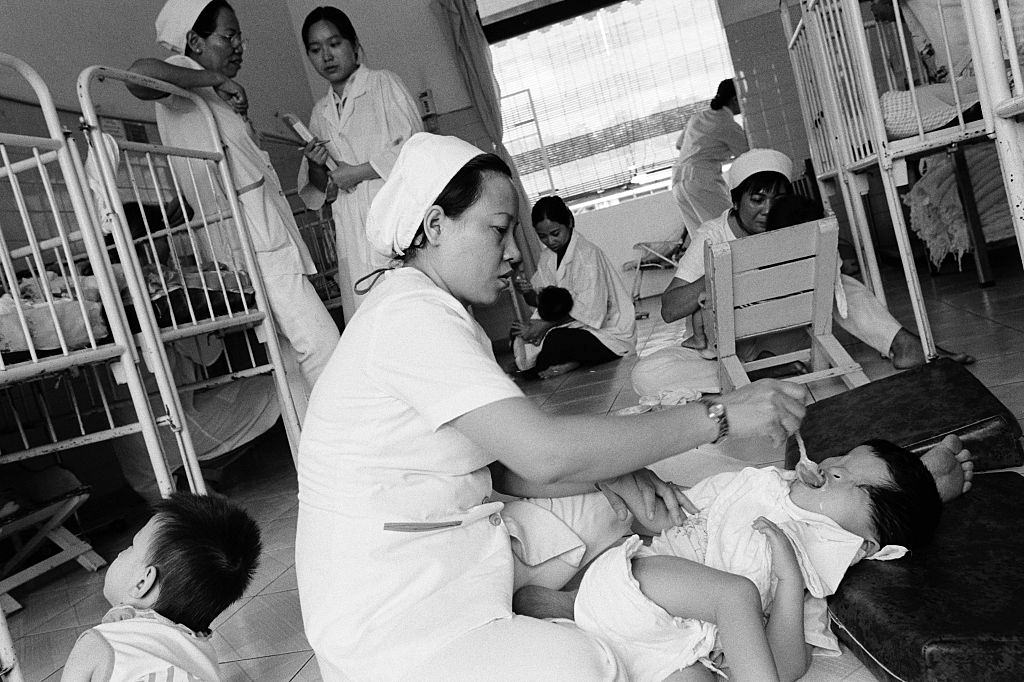
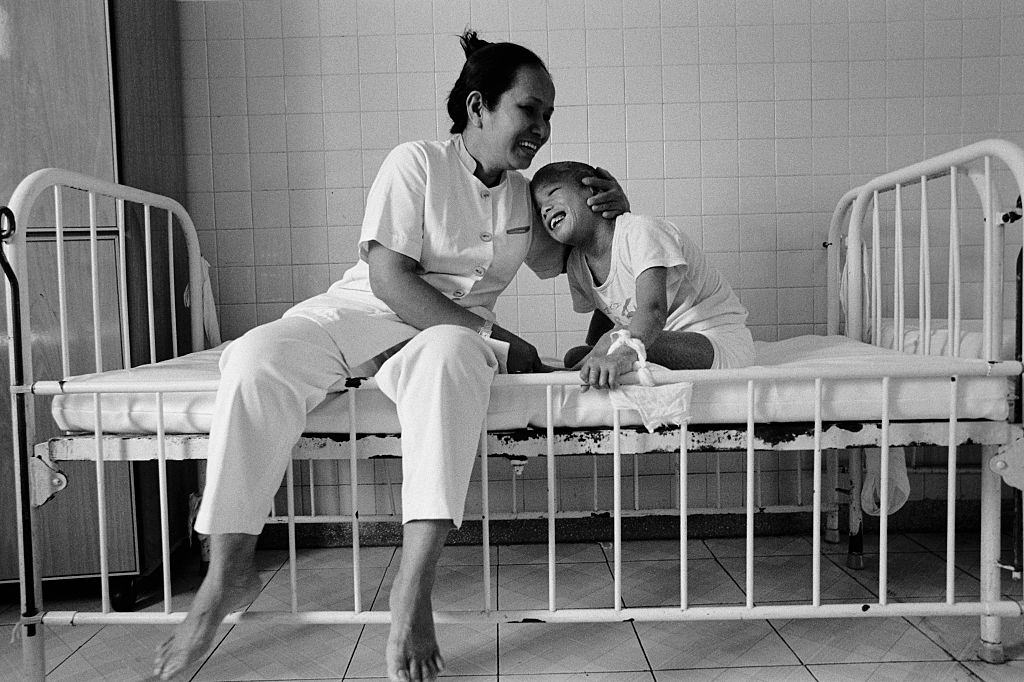
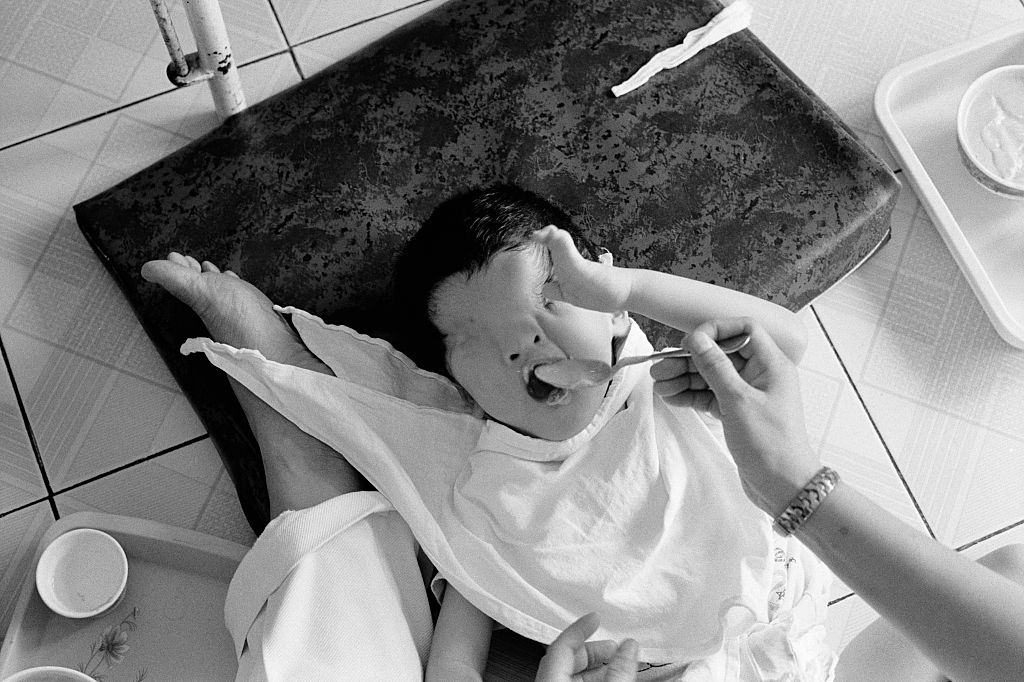
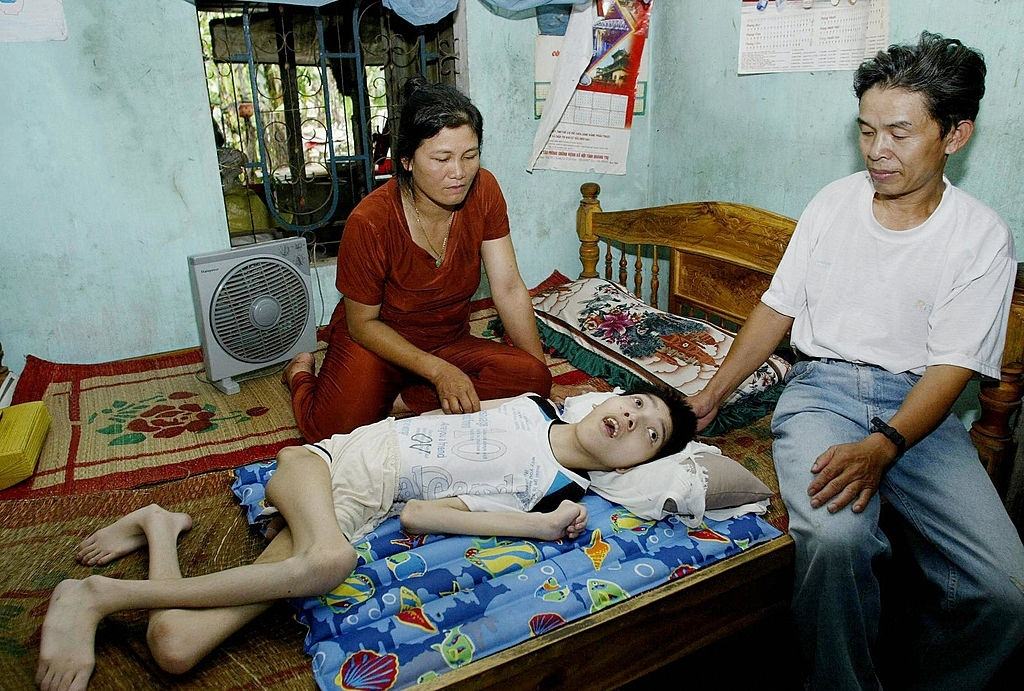
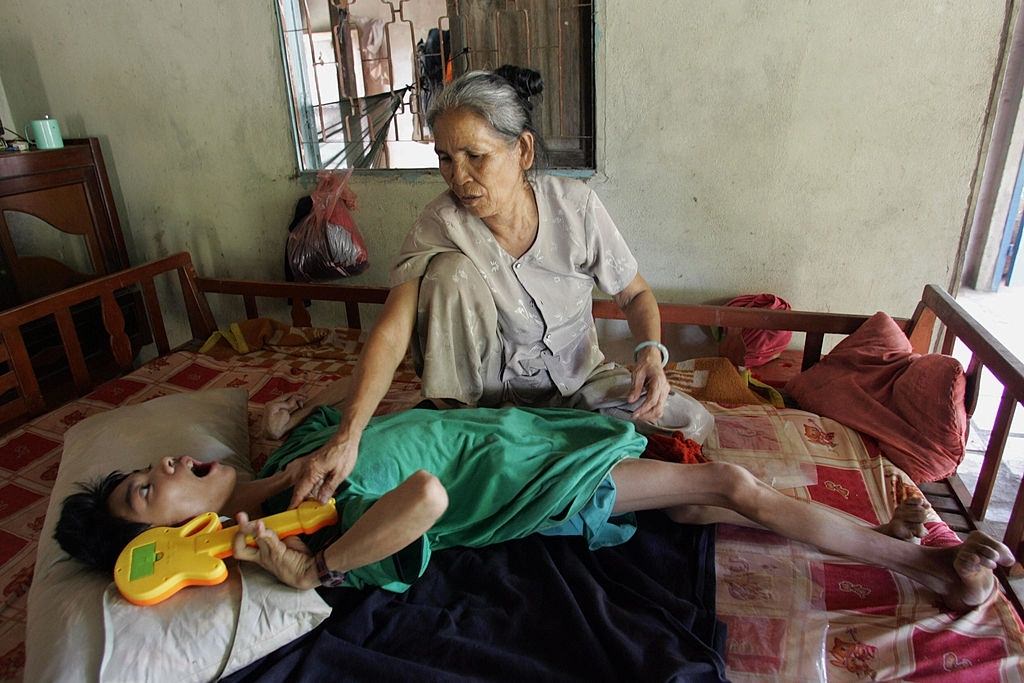
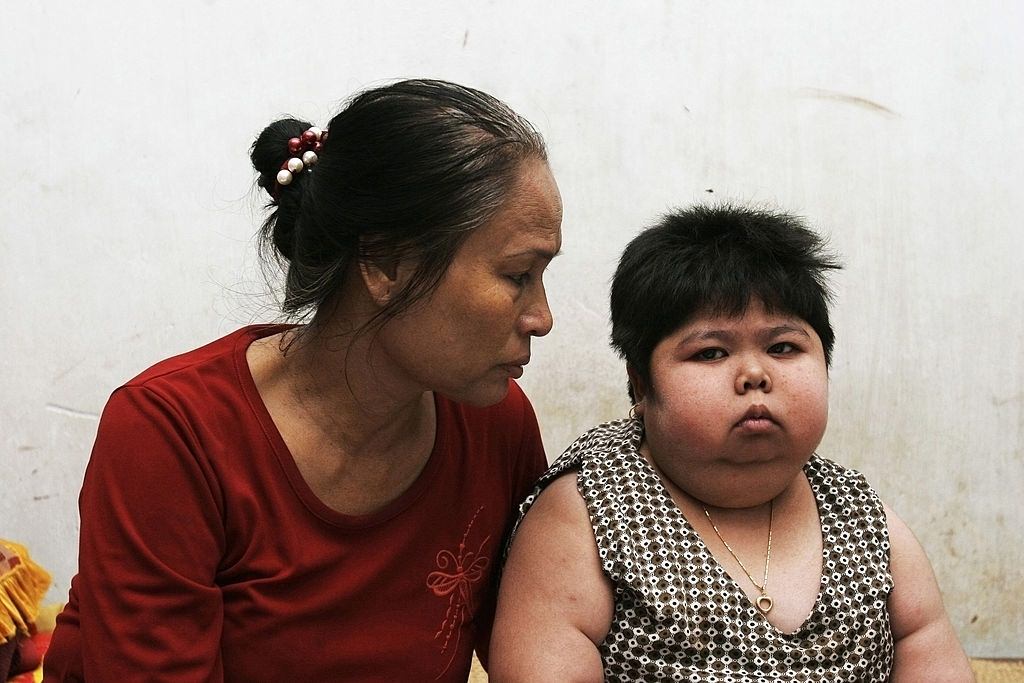
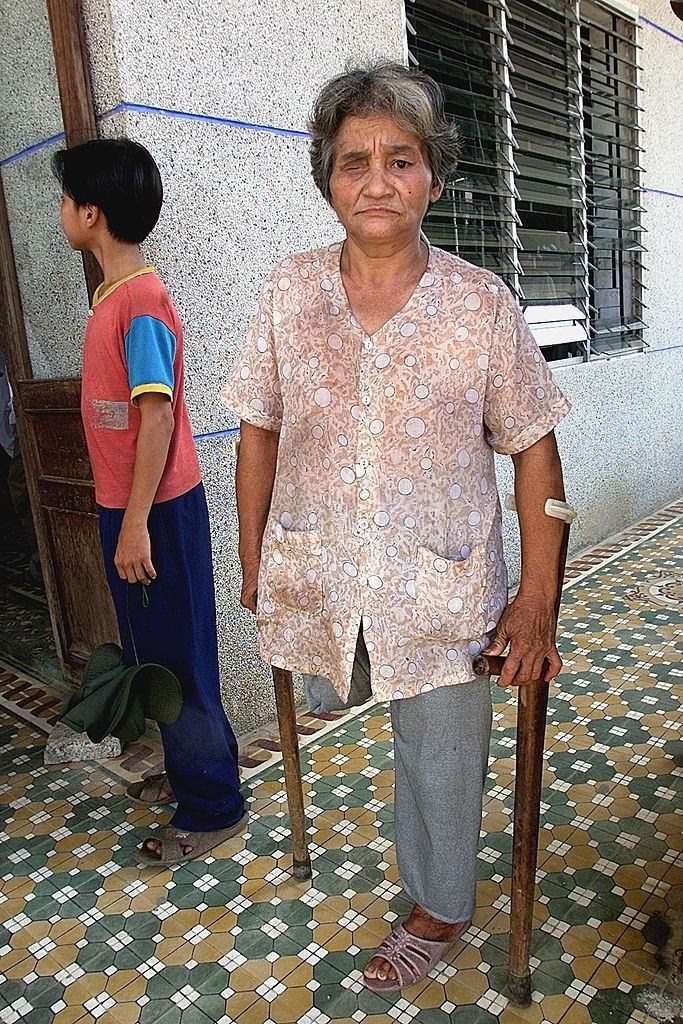
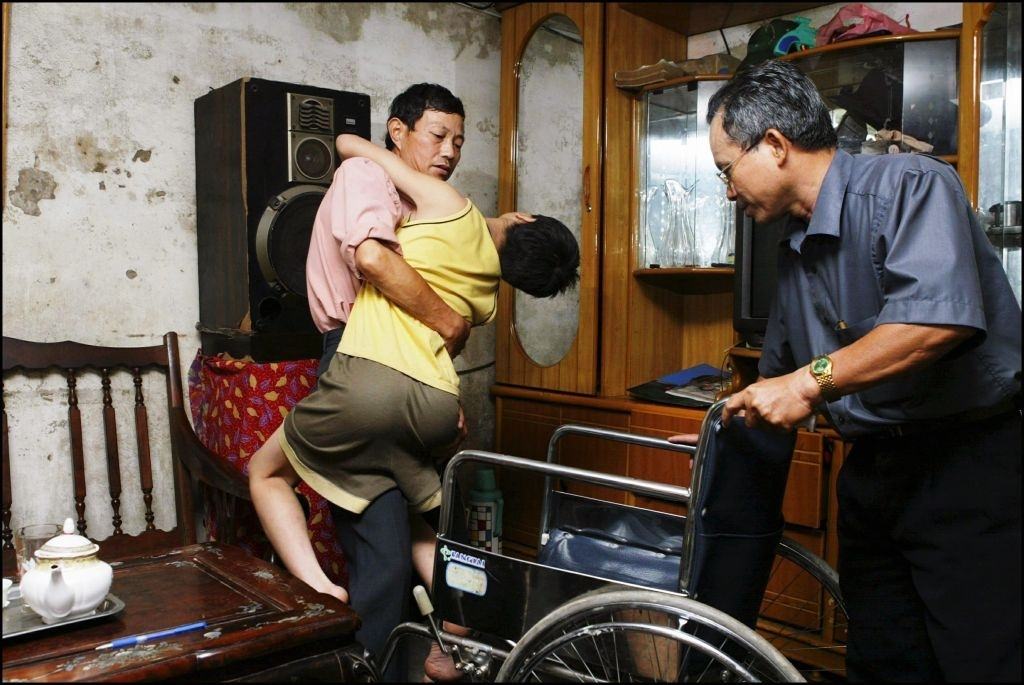
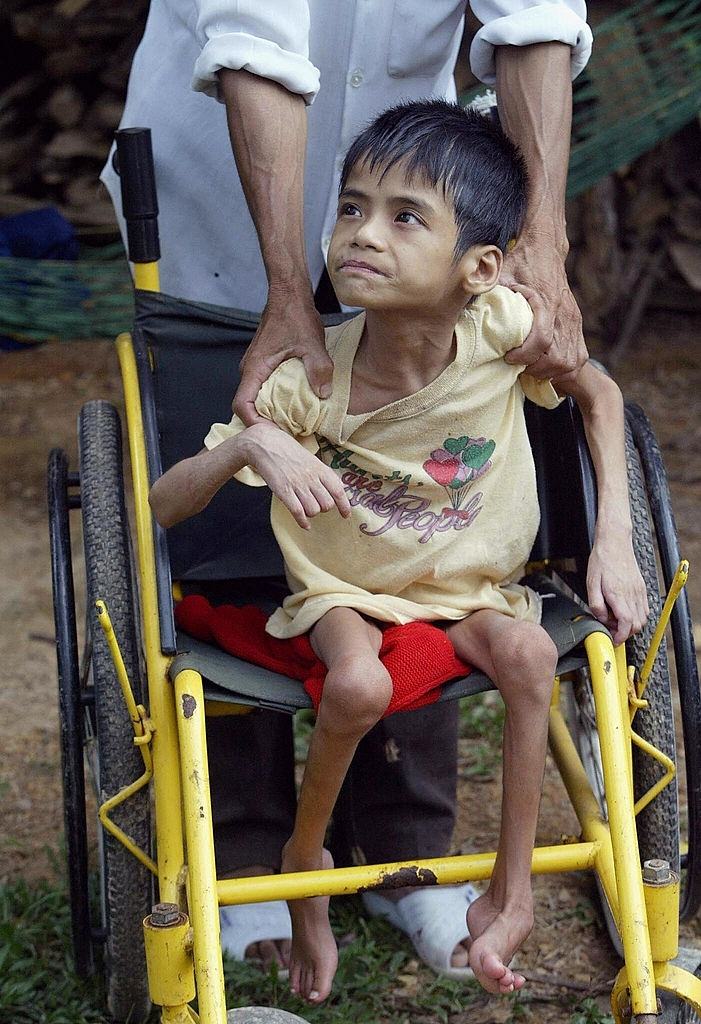
Not all victims were confined to hospitals. Many lived at home, cared for by aging parents who had themselves been exposed to the chemical during the war. In rural communes across Vietnam, families faced the reality of a son or daughter who could not walk, speak, or care for themselves — decades after the spraying had stopped.
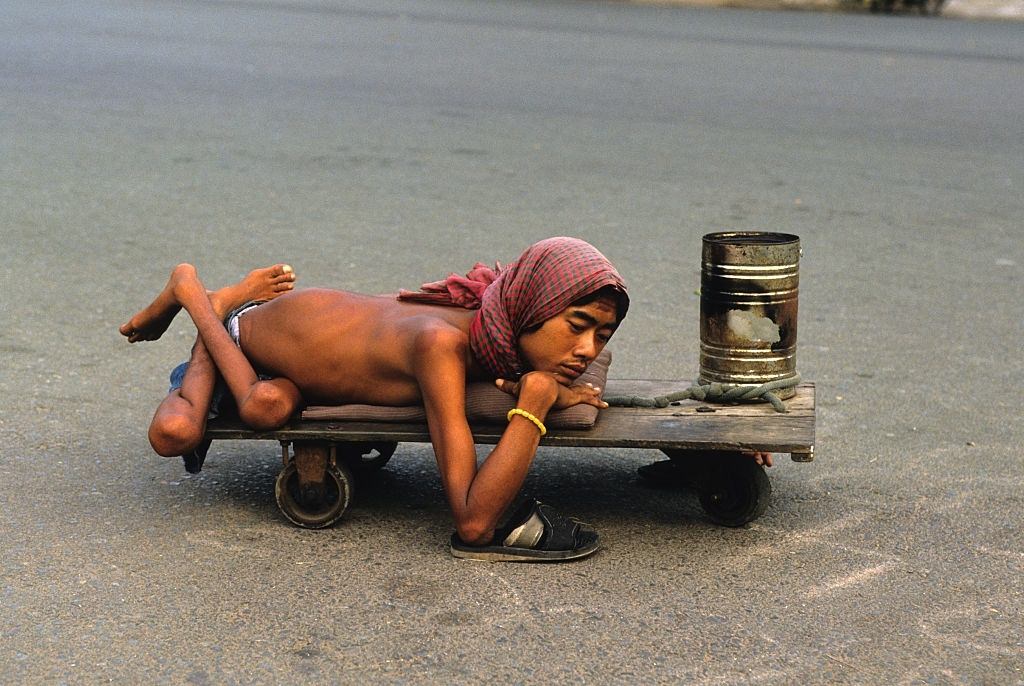
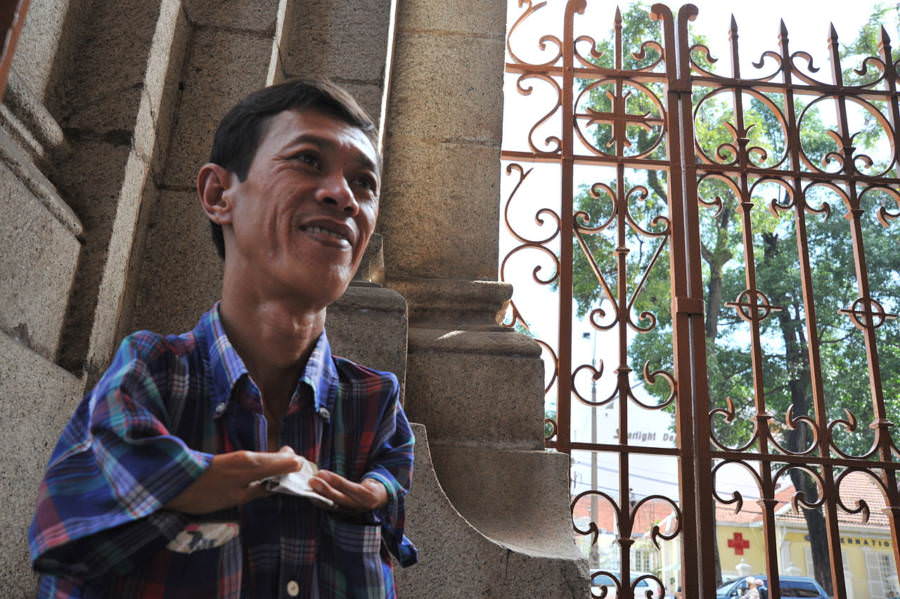
Some victims managed to move through the world despite their injuries. A man photographed outside a cathedral begs for money, his arm severely deformed by Agent Orange exposure — a condition that made finding employment nearly impossible. Others used wheelchairs or relied on others entirely. In cities like Saigon, visibly disabled Agent Orange victims were a common sight on the streets, left to survive through begging.
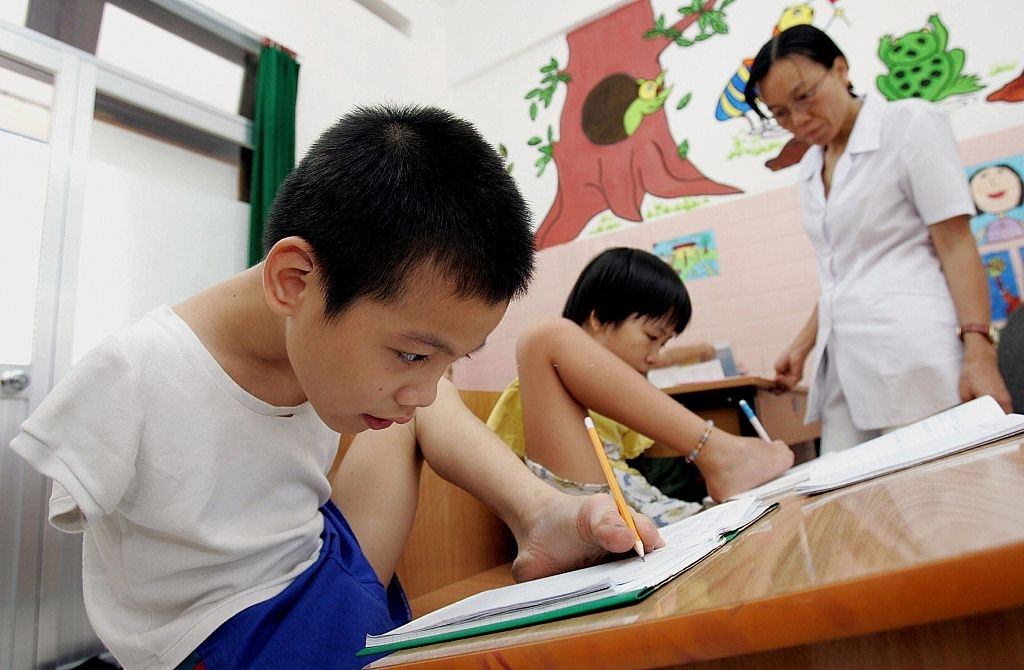
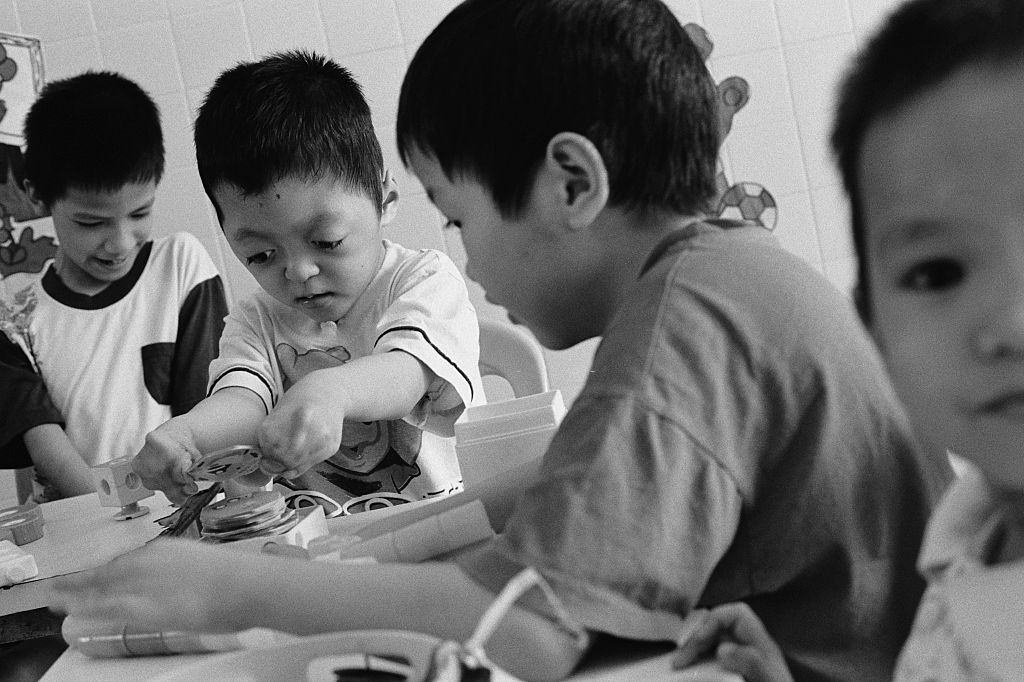
Children born with Agent Orange-related disabilities who were capable of any learning were given opportunities to develop basic skills. At the Peace Village in Tu Du Hospital, children without arms were taught to write using their feet. The determination shown by these children — and the staff who taught them — stood in sharp contrast to the institutional neglect that left their injuries uncompensated.
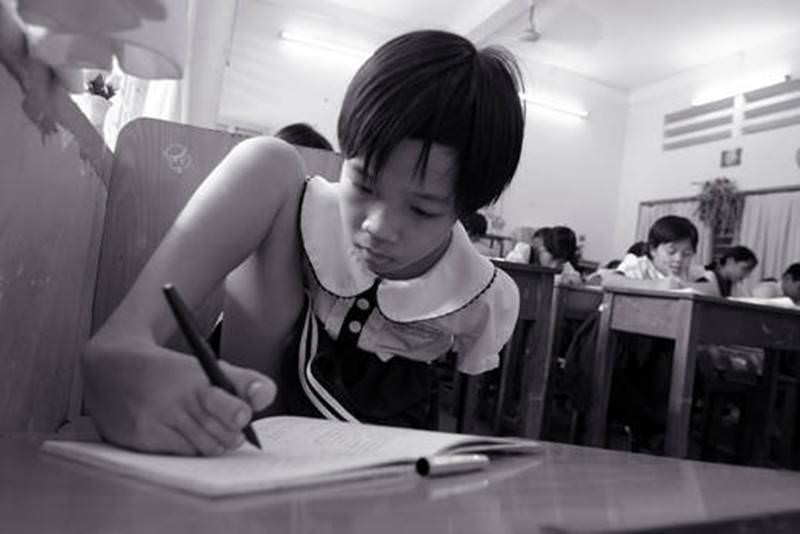
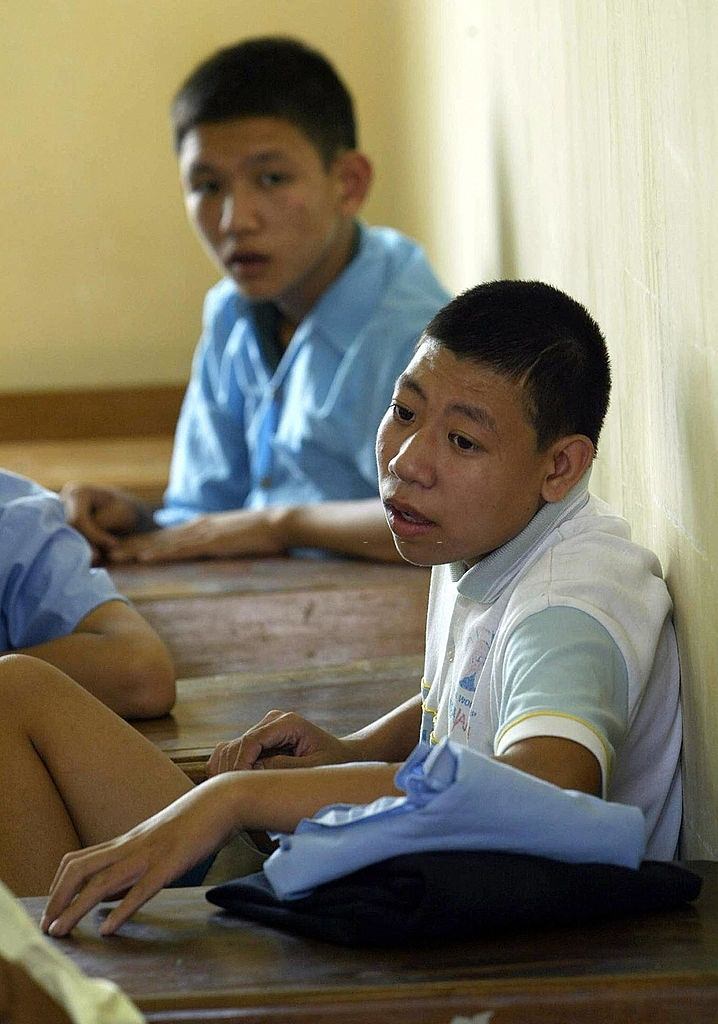
The Friendship Village in Hanoi was another facility established to care for child victims of Agent Orange. It housed children who had been born to veterans, many of whom displayed severe neurological and physical impairments. Some of these children participated in communal activities — music, play, shared spaces — as part of their daily routines.
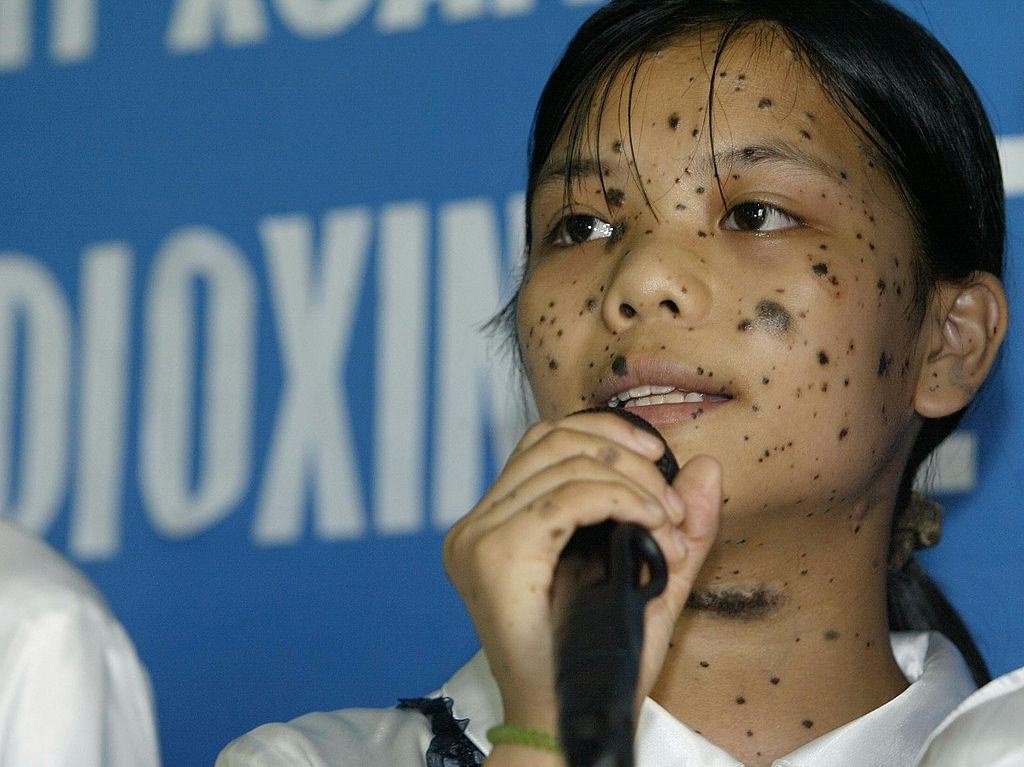
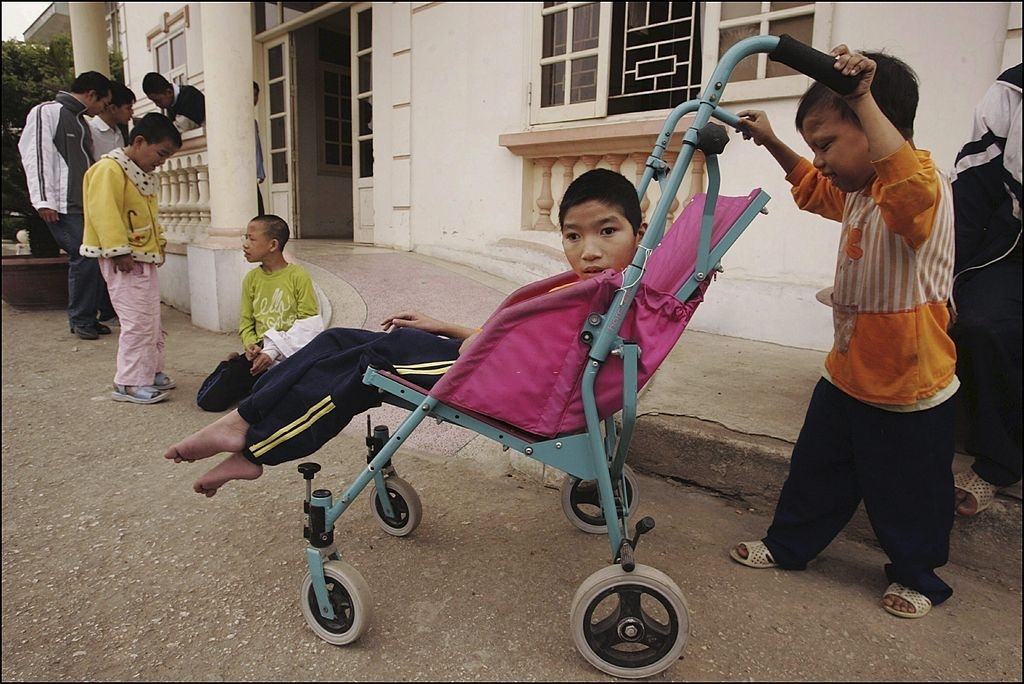

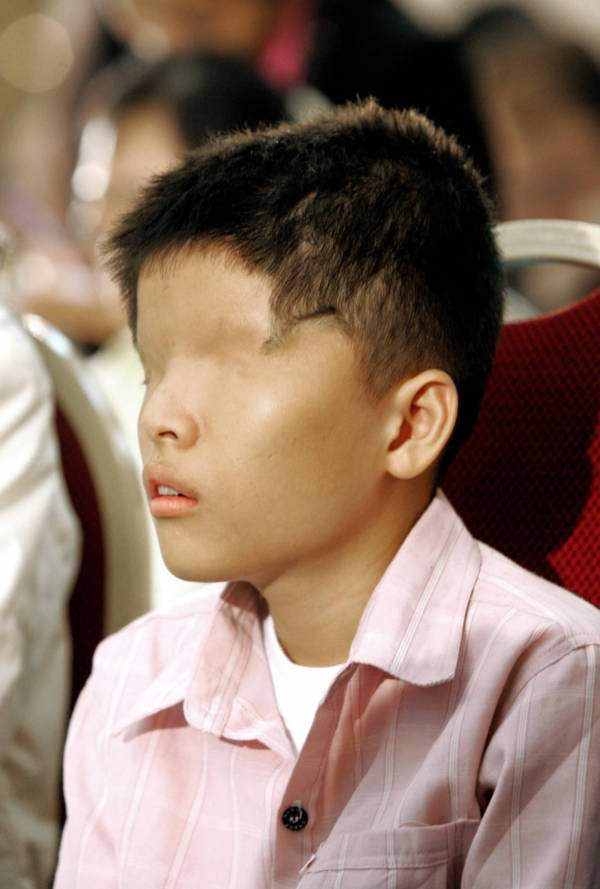
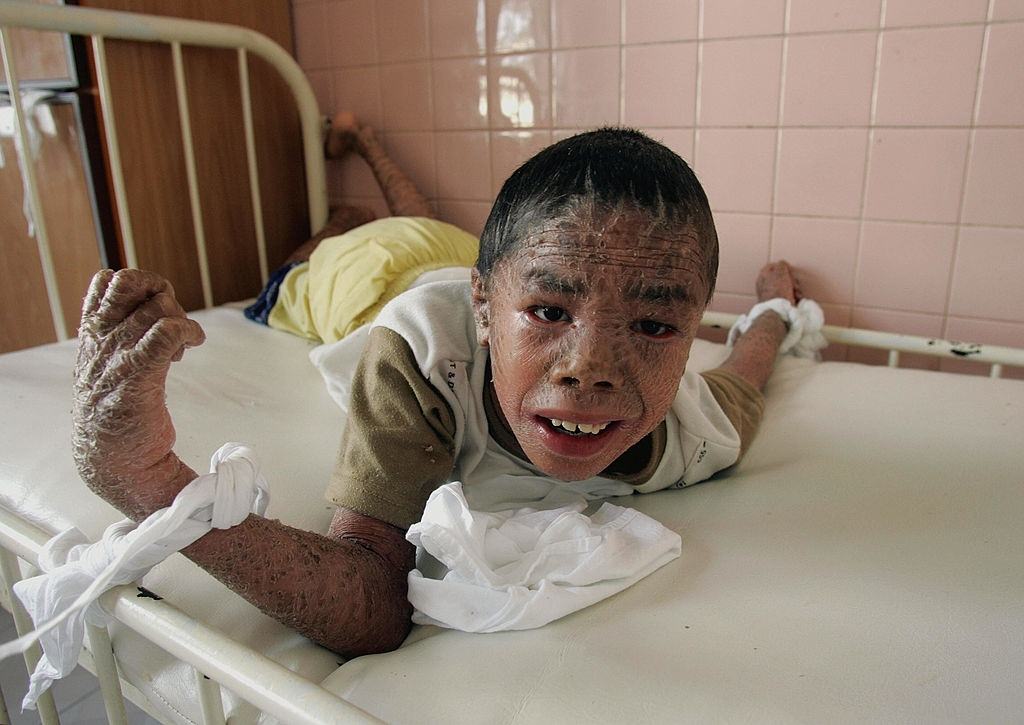
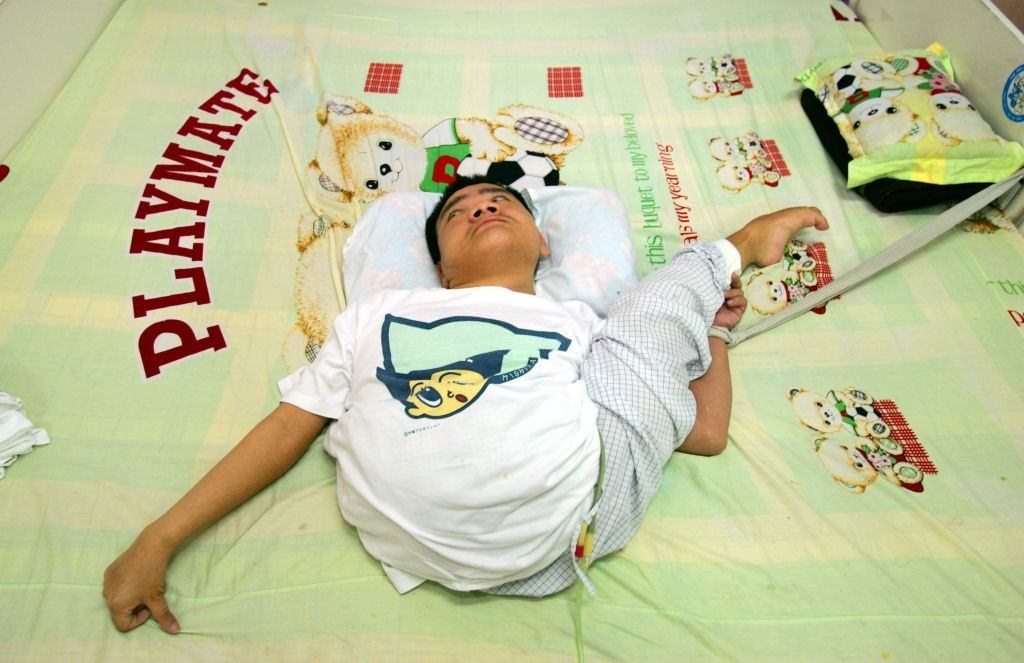
The individual cases documented by photographers tell the full weight of what Agent Orange did to generations of Vietnamese families. Le Van O., a 14-year-old boy from Hanoi, was born without eyes. Tran Minh Anh, aged 11, suffered from “fish skin” disease — a painful skin condition caused by dioxin exposure — and was kept in bed with his hands tied to prevent him from scratching. Truong Tan Thong, the 25-year-old son of a soldier, had spent most of his life confined to a playpen, unable to move independently.
Agent Orange also harmed returning American servicemen and their families. Veterans reported rashes, cancers, Hodgkin’s disease, leukemia, and psychological conditions. Their children were also born with congenital defects. The chemical companies that manufactured Agent Orange — including Dow Chemical and Monsanto — paid $240 million in compensation to U.S. veterans and their families following legal action.
Vietnamese victims received no such compensation. In 2004, Vietnam filed a lawsuit against the chemical companies responsible for producing Agent Orange. The case was dismissed in 2005. Vietnam appealed, but in 2008 the U.S. Supreme Court rejected the final appeal. The U.S. government refused to compensate Vietnamese victims of chemical warfare. The chemical companies faced no financial accountability for the harm done to the Vietnamese population.



During the war, the US sprayed chemicals to destroy crops and create a famine. In south Vietnam, the US destroyed over 10 million hectares of agricultural land. There is nothing more shameful to me than this atrocity against Vietnam’s agricultural industry.
Agent Orange is mostly used to target tropical jungle. It cause more harm to the environment than the agricultural
The poor souls in those pics born with 1/3 of a head as well as the others.
The chemical affects chromosomes and DNA and is passed from generation to generation.
Not just Vietnam, but also Lao, too.
It’s so awful and sad. Since these photographs are so recent, are children still being born suffering from these effects?
America was there by request of the South Vietnamese.
Russia is there by request of Donbass and Luhansk regions.
Is this an excuse?