
On October 13, 1972, Uruguayan Air Force Flight 571 took off carrying 45 passengers — most of them young men in their late teens and early twenties. The plane had been chartered to fly the Old Christians Rugby Club from Montevideo, Uruguay, to Santiago, Chile, for an exhibition match. Along with 19 team members, the flight carried friends and family who came to support them. None of them had any idea that their plane would never reach Santiago.
As the co-pilot guided the aircraft through the cloud-covered Andes mountain range, he began his descent too early. Survivors later reported feeling sharp turbulence before a black mountain ridge appeared directly in front of the plane. The pilot pulled hard to climb over it, but there was no time. The aircraft struck the mountain, broke apart into several pieces, and skidded down the slope before finally coming to rest on a glacier at high altitude. The pilot, the co-pilot, and 12 other passengers died in the impact.
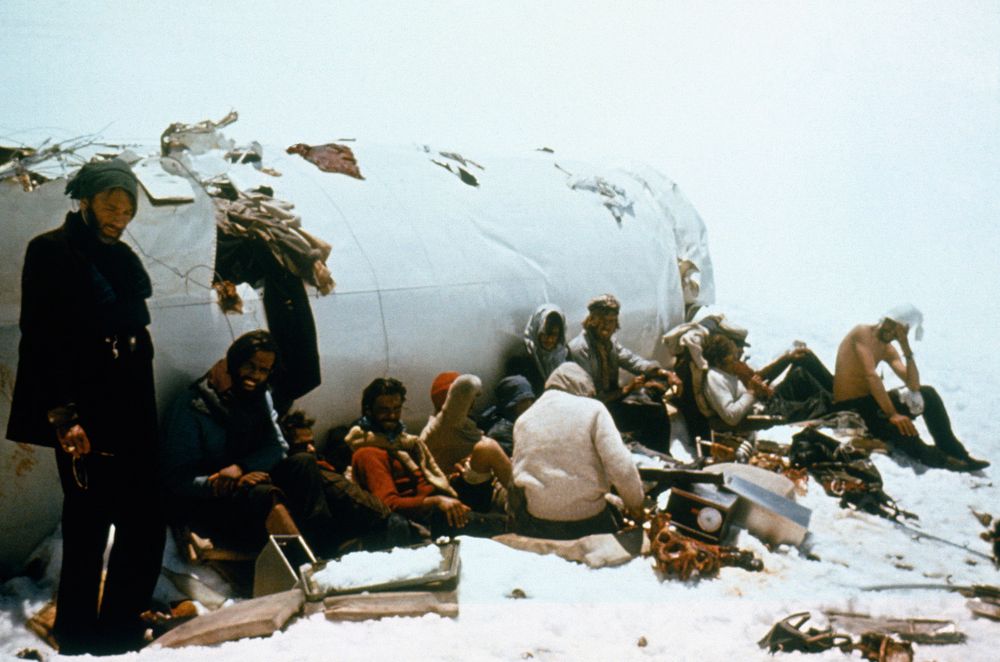
Authorities in Uruguay, Chile, and Argentina launched extensive search and rescue operations in the days that followed. The terrain was brutal — steep, snow-covered peaks and unpredictable weather made the search nearly impossible. After ten days with no sign of the plane or its passengers, officials declared everyone on board dead and called off the search. The families waiting at home had no choice but to accept the news.
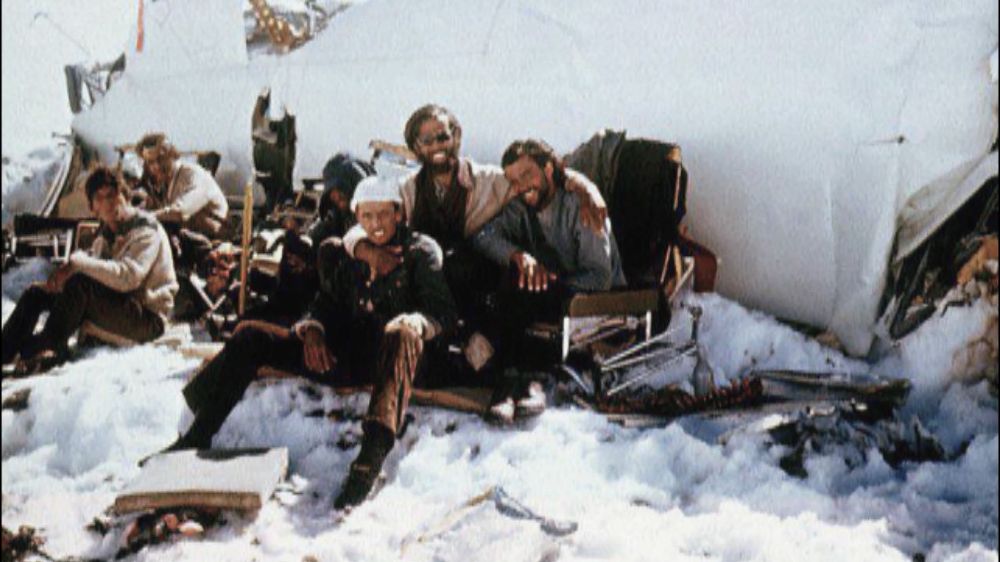
But 16 people were still alive on that glacier. On their eleventh day in the mountains, survivors pieced together a small radio from salvaged parts and picked up a broadcast confirming that the search had been cancelled. They were completely on their own, thousands of feet above sea level, with no rescue coming.
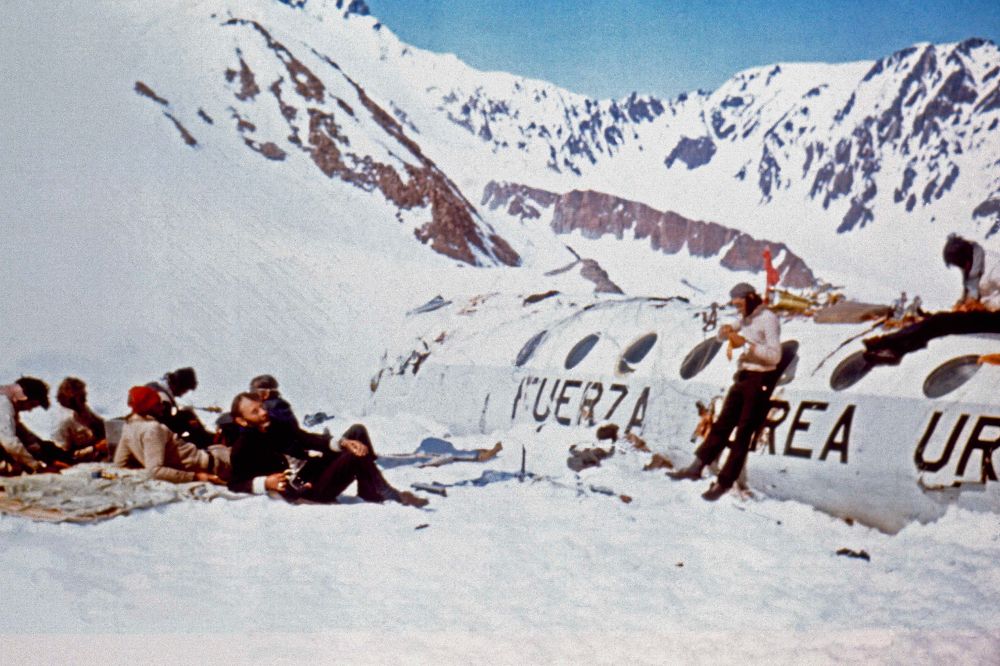
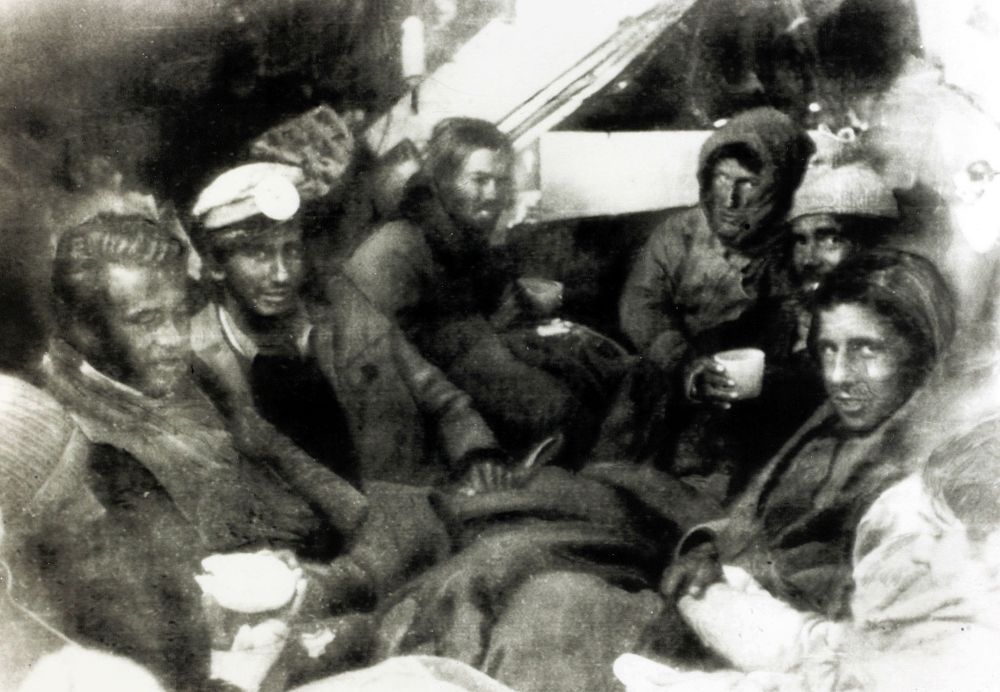
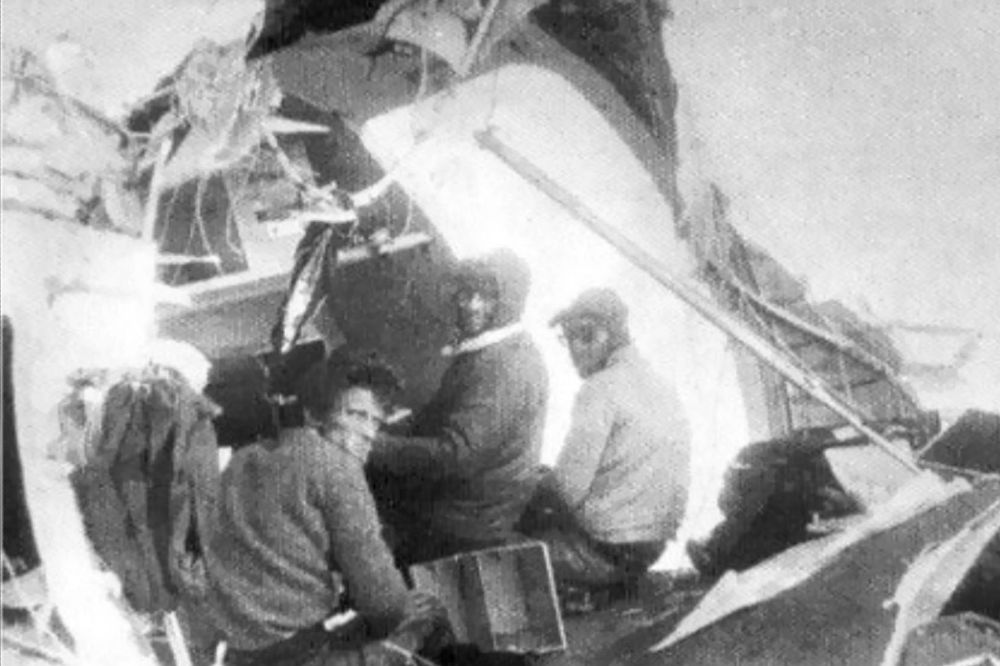
The group was taking shelter inside the plane’s fuselage — the only structure still standing. Food ran out within days. Survivor Roberto Canessa later described the feeling plainly: after just a few days, they felt their bodies consuming themselves to stay alive. Temperatures at night dropped to extreme lows. They had no climbing gear, no proper winter clothing, and no means of signaling for help.
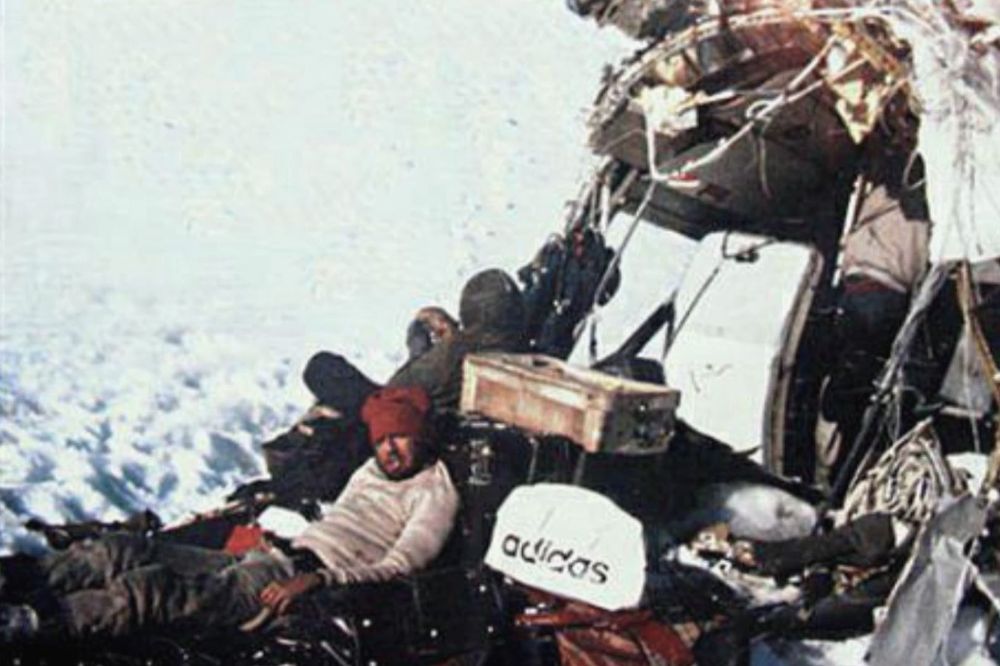
Facing starvation, the survivors confronted a decision that would haunt them for the rest of their lives. After prayer and days of agonizing discussion, all but one of them agreed to eat the flesh of those who had died in the crash. It was not a choice made lightly. For many of them, it went against their deepest religious and personal beliefs. But the alternative was death for everyone. The decision to resort to cannibalism is what kept the remaining survivors alive.
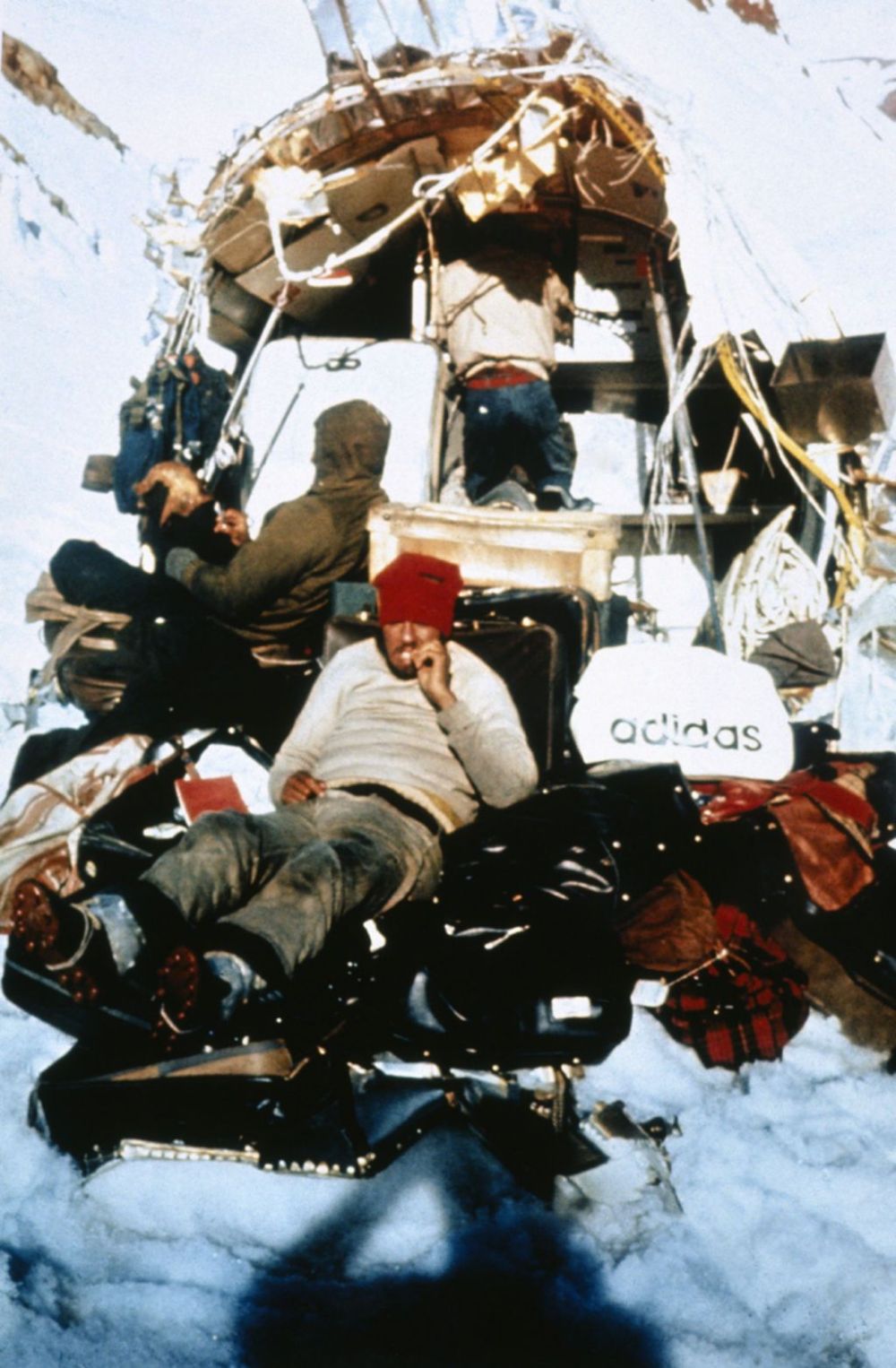
Then, on the 29th day, disaster struck again. An avalanche swept down the mountain and buried the fuselage while the survivors slept inside. Eight more people died. The rest dug themselves out of the snow with their bare hands in the dark. They had lost nearly half of their remaining group in a single night.
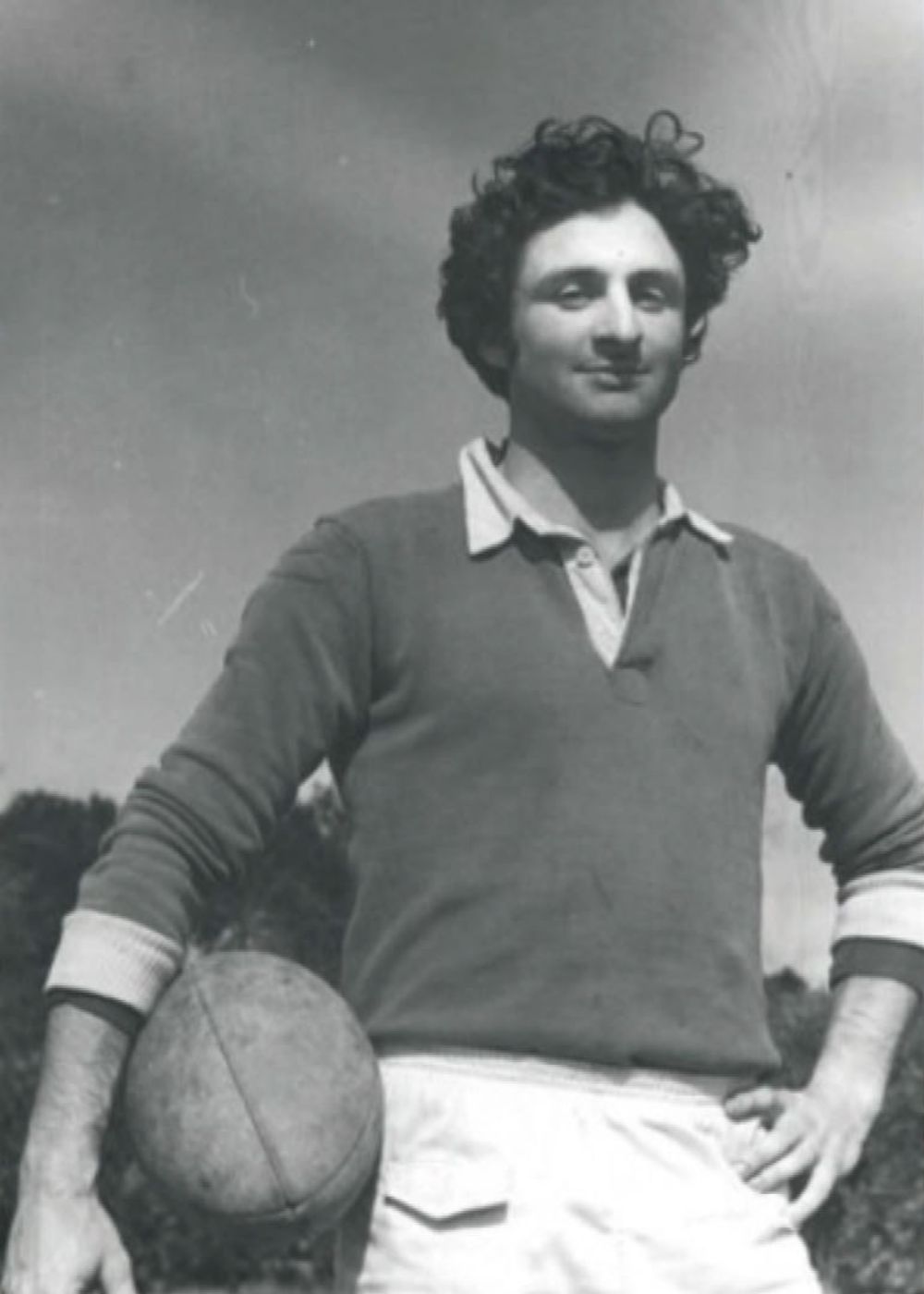
On November 15, a group of four survivors set out on foot to find help by locating the nearest valley. They discovered food and medicine stored in the tail section of the wrecked plane, but harsh conditions forced them to turn back. The survivors studied what they could see of the surrounding mountains and concluded that their only real chance of finding help was to climb west over the mountain range. To prepare for the journey, they salvaged insulation material from the plane and stitched it into a makeshift sleeping bag so the expedition team could survive the nights at high altitude.
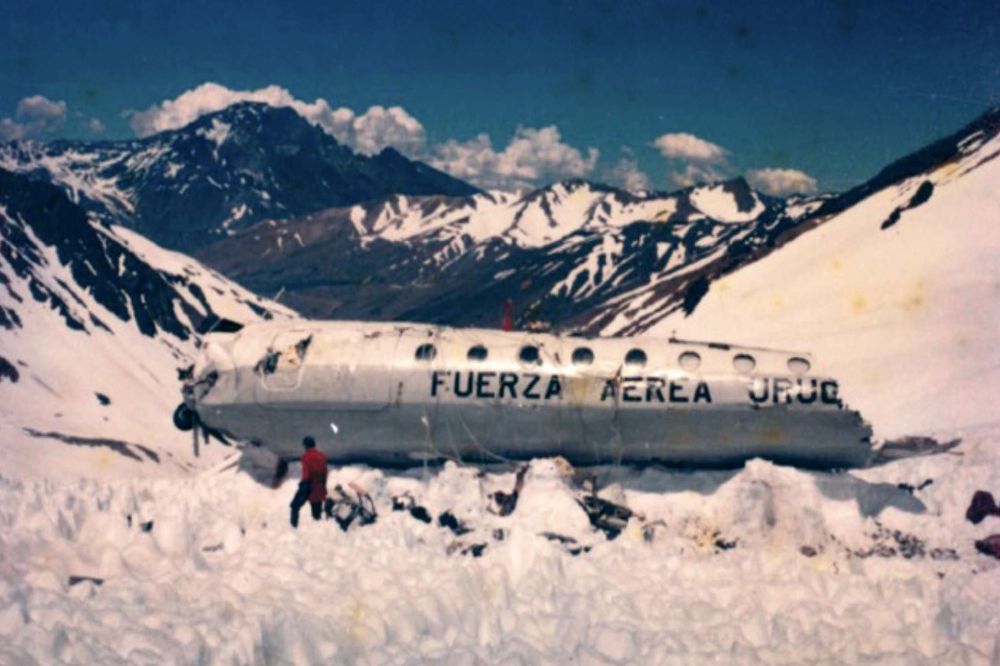
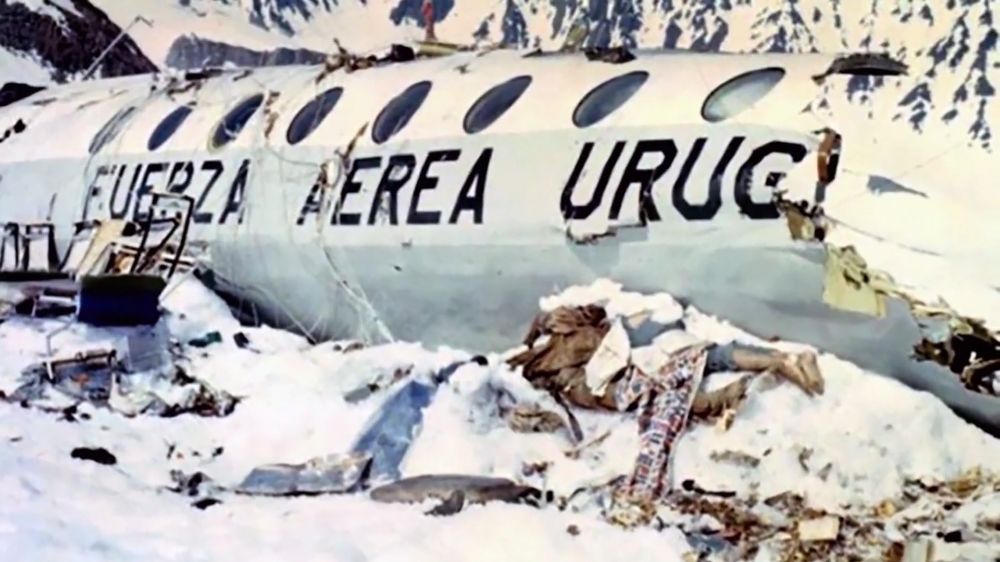
Nando Parrado and Roberto Canessa led the westward climb. On the third day, they reached the summit — and what they saw stopped them cold. Instead of the foothills of Chile stretching out below them, they were looking at more mountains, range after range, in every direction. The navigational error that had caused the crash had also led them to believe they were close to the Chilean town of Curicó. They were not. They were far deeper into the Andes than anyone had realized.
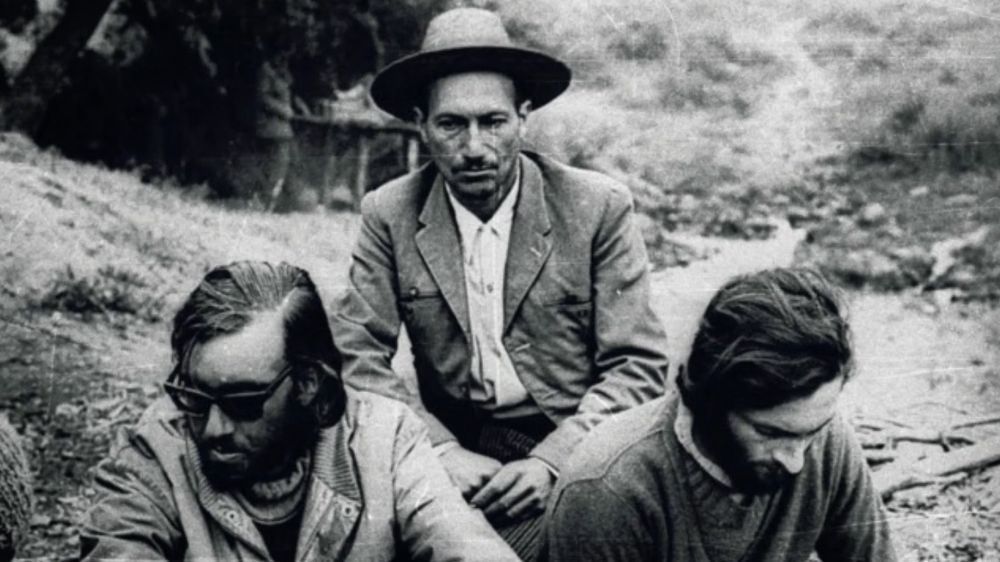
Parrado and Canessa kept moving. They hiked for nine more days after reaching that summit, exhausted and barely functioning, until they followed a river down out of the mountains and into a valley. There, a Chilean muleteer named Sergio Catalán spotted them across a river. He tossed them paper and a pencil, and Parrado wrote a note explaining who they were and that 14 more survivors remained on the mountain. Catalán rode three hours to the nearest village and alerted authorities.
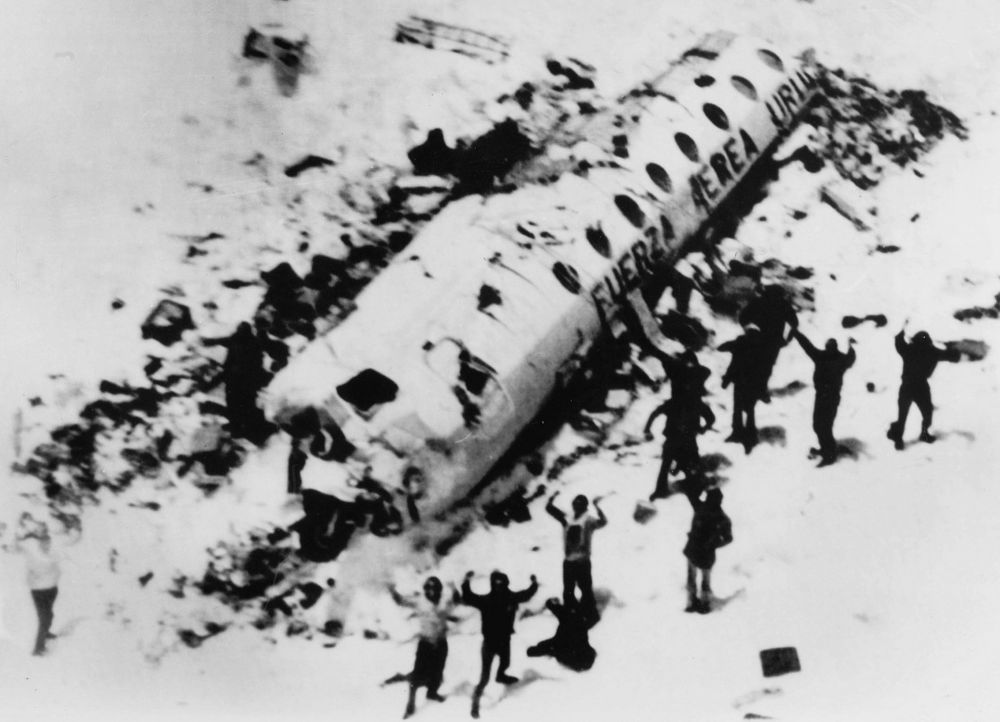
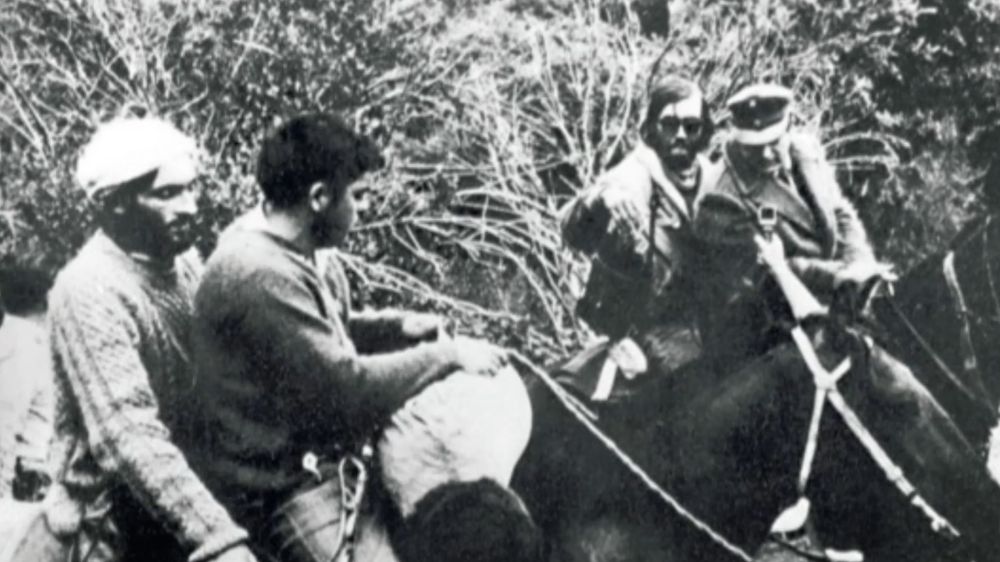
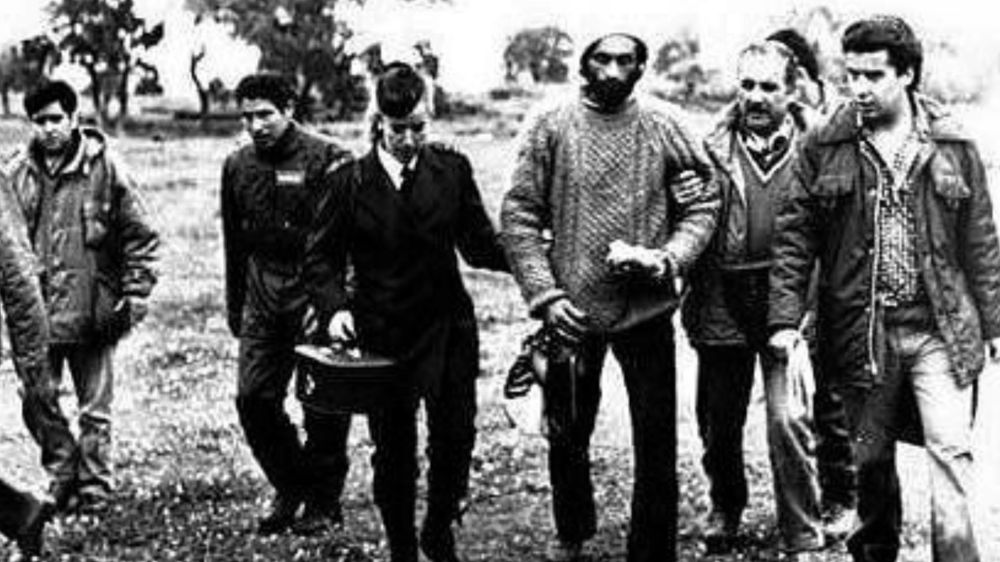
Two Chilean Army helicopters were dispatched to the crash site. Due to the dangerous conditions and the remoteness of the glacier, the evacuation had to be completed in stages. All 16 survivors were brought out safely — 72 days after the crash. When they emerged from the Andes, two of them, bearded and skeletal, walked into a Chilean town and told their story. The world had already mourned them. No one expected anyone to be alive.
International media immediately focused on one question: how had they survived? The survivors were open about the truth. They had eaten the bodies of the dead. The revelation shocked the world. Some reacted with horror, others with understanding. The Catholic Church weighed in, and many religious figures drew a distinction between desecration and an act of survival necessity. The survivors themselves framed it as a form of communion — that those who died had given their bodies so that others could live.
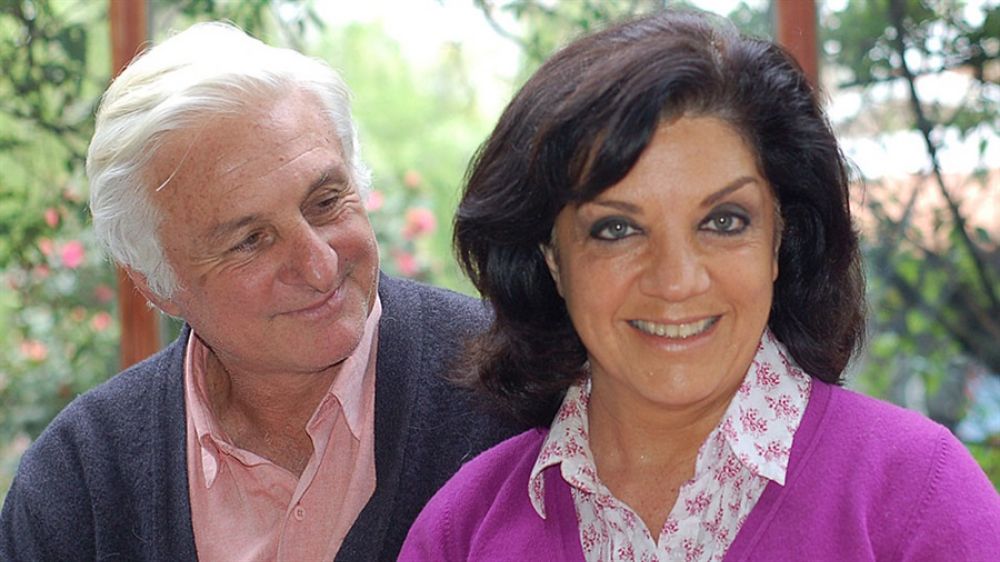
Roberto Canessa went on to become a pediatric cardiologist in Uruguay. He married a woman named Lauri, and the two built a life together in Montevideo. For decades, Canessa spoke publicly about the crash, the survival, and the moral weight of what the group chose to do on that glacier. He never shied away from the details.
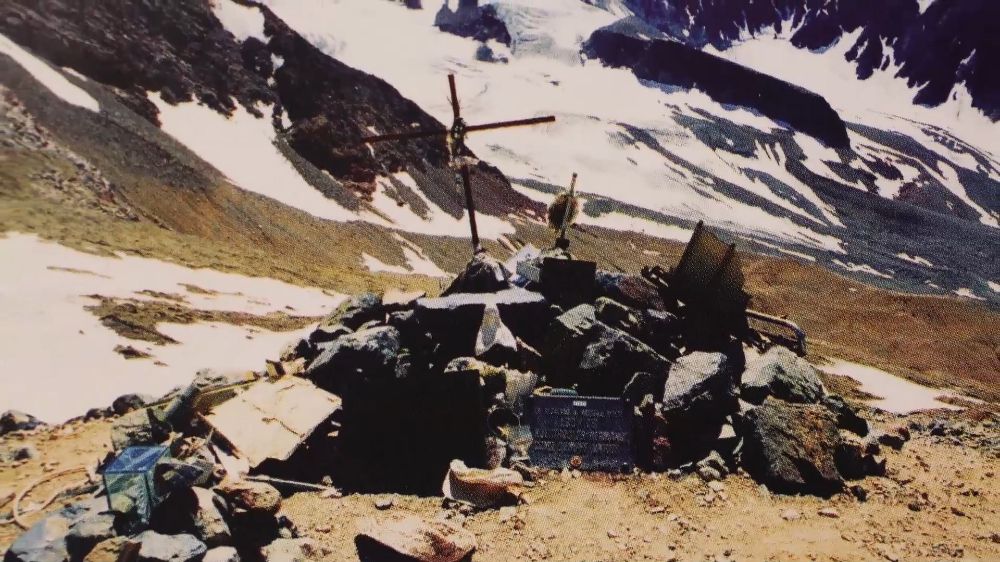
High in the Andes, at the site where the plane came to rest, a simple stone memorial now marks what happened there in 1972. The site is known as the Valley of Tears. The memorial honors both those who died and those who survived — 72 days of cold, starvation, grief, and an almost unimaginable will to live.

I can’t even imagine having to make such a choice
What comes first, the shank or the rump?
There is a movie called ‘Alive’ about this starring Ethan Hawke. It was based on a book that has been disputed by survivors. However, both Nando and Canessa have written excellent books of their own.
I learned how resourceful they were when I read the AMAZING book, Alive, by Piers Paul Read. Having made peace with the whole cannibalism thing, they decided “waste not want not”. Skulls were used as bowls, bones were cracked for marrow, and the ones who hiked out would use their own skin as moleskin in their shoes. Ankle skin, elbow skin. To help absorb some of the damage, they would put it on their feet. Most of them had light shoes, which were not suitable for hiking.
Surely most people would be fine with being eaten/used to prevent others from dying?
I’ve always wondered why there’s always a moral dilemma when it comes to cannibalism in situations like this. Because I’ve never been in such a hard spot before, I don’t mean this as a judgment. The decision to survive if necessary seems completely logical.
I believe the men were Catholics from a heavily Catholic cultural background. For what they did in order to live, they were initially considered unforgivable sinners by other Catholics, but were formally forgiven for it by the Pope or the Vatican. They did this under a declaration that, essentially, those they consumed for survival had already died, and God understood the circumstances they were in, and would expect anyone in a similar situation to do what he or she must.
Thank you. That’s terrible. I believe in the Christian God myself (not Catholic), so of course my God would understand and never ever even for a moment consider it a sin. If I was struggling with my heart, I am convinced that (my) God would comfort me with prayer and in these circumstances.
If I died. I hope people realize I would want them to benefit. My life is over.
This story was just covered in a 4-part podcast called “Against the Odds”. You should definitely listen to it
The only thing you can do is what you have to do. The Donner party also had to do this. Food is food. I disagree with murdering someone and eating them, but if they are already dead and you are about to starve to death, dig in..
Not exactly my idea of a miracle