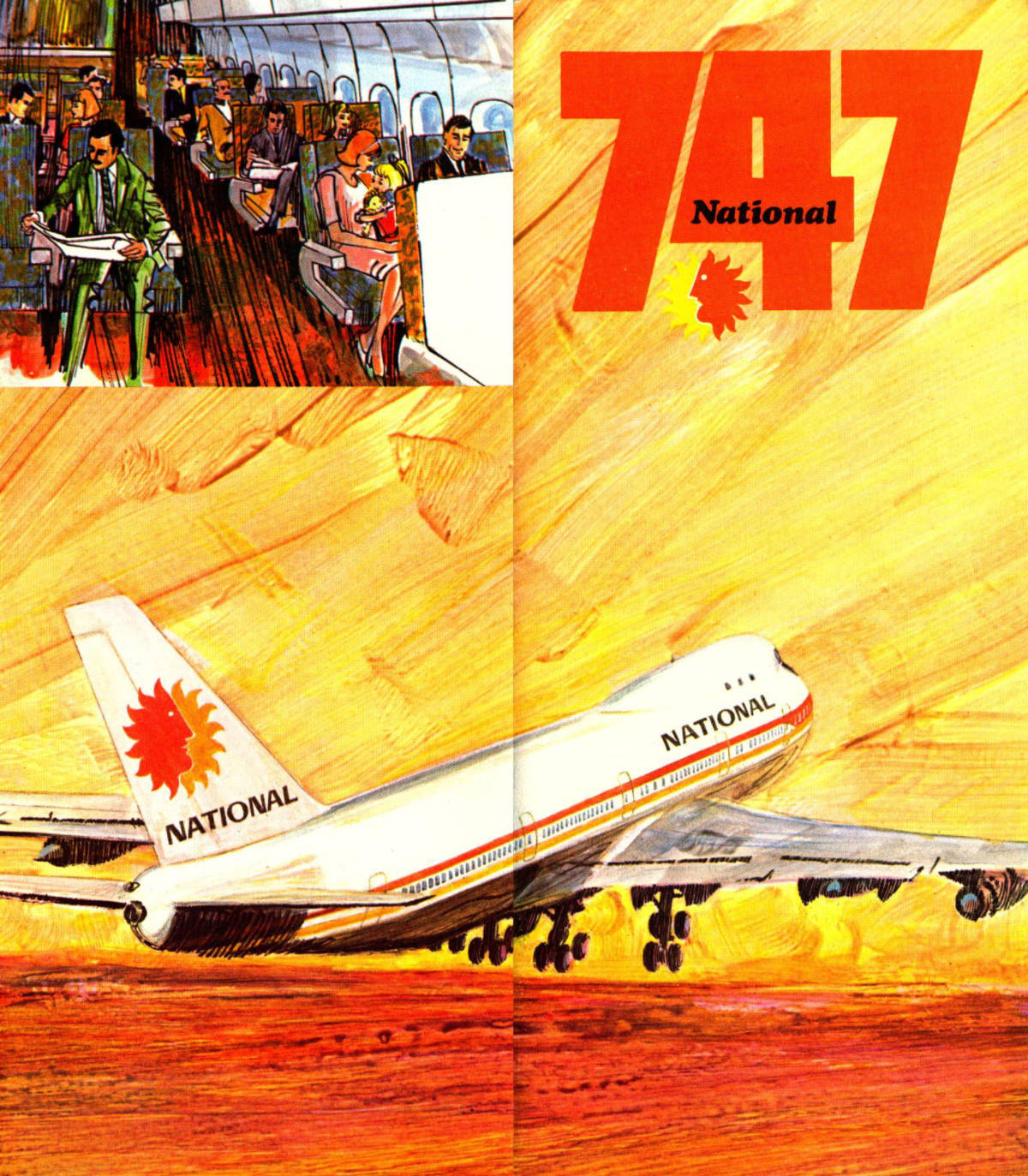
On January 22, 1970, Pan American World Airways operated the first scheduled Boeing 747 service from New York’s John F. Kennedy International Airport to London’s Heathrow Airport. The aircraft, named Clipper Young America, carried passengers into what aviation historians mark as the second phase of the jet age — the era of wide-body aircraft. Nothing quite like it had flown commercially before.
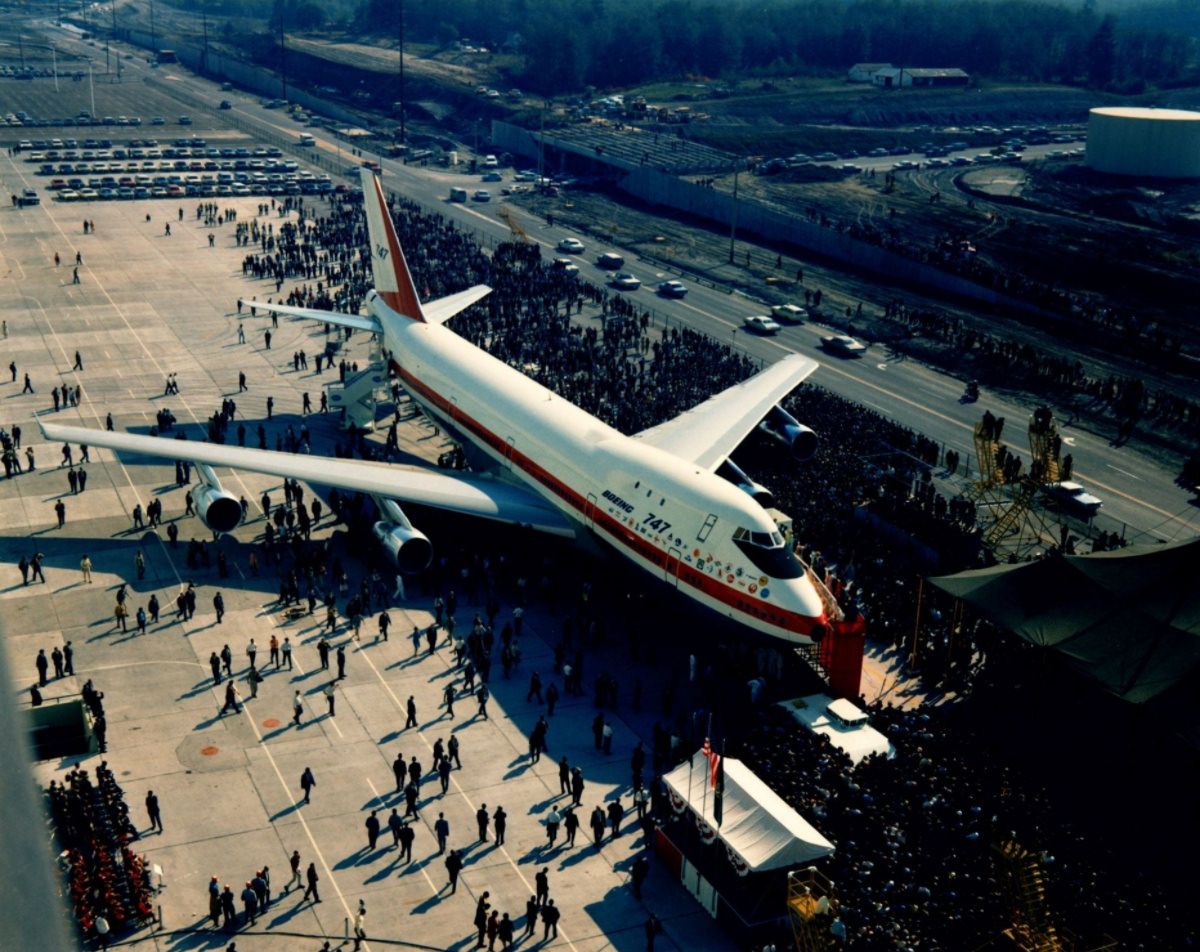
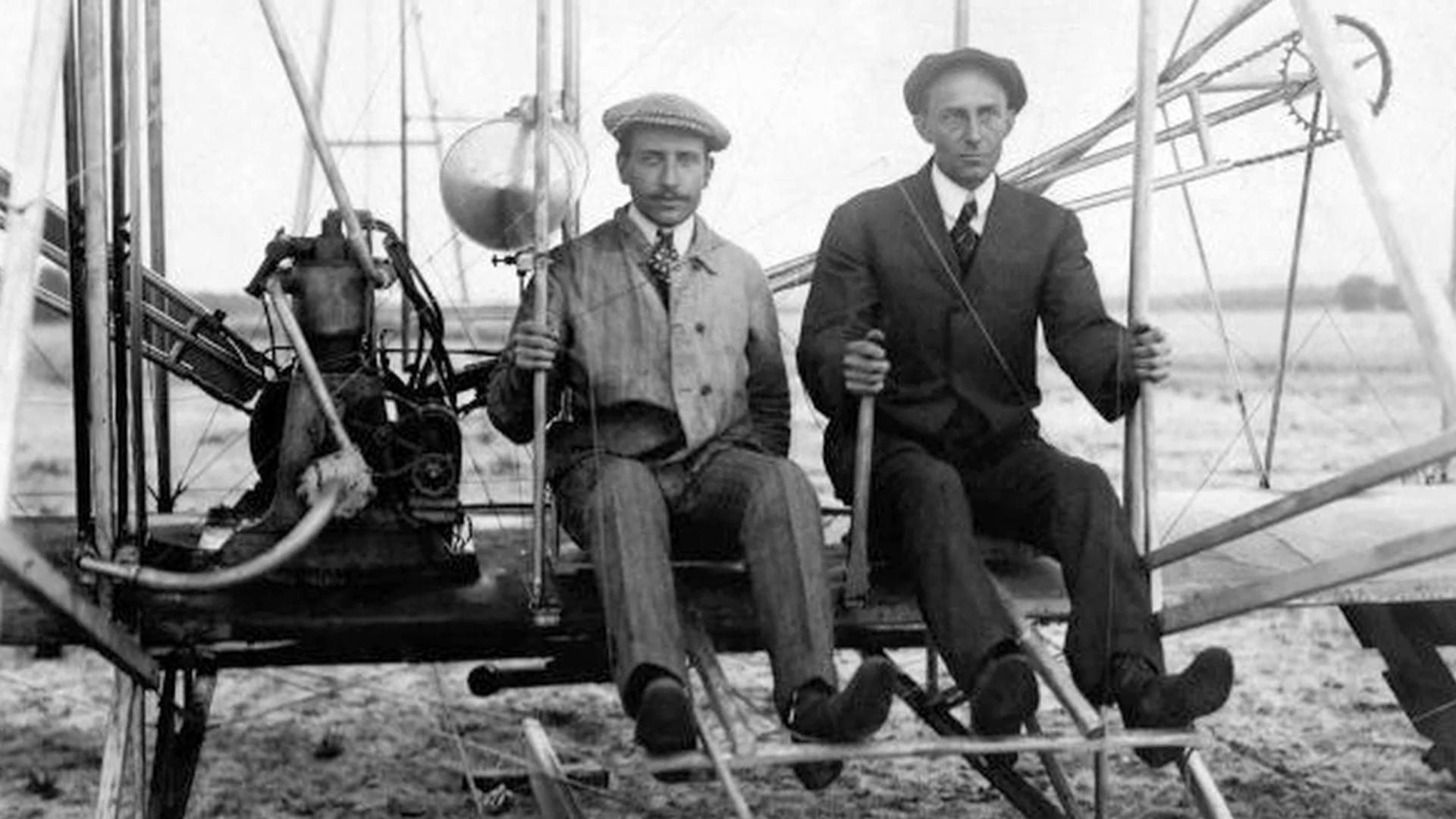
The sheer size of the 747 set it apart from every other airliner in service at the time. Its fuselage was longer than the distance of the Wright Brothers’ first powered flight at Kitty Hawk in 1903. The cabin was wider than a city boulevard. Its tail rose as high as a six-story building. These were not just impressive numbers — they translated directly into how many passengers the plane could carry and how much it cost per seat to fly them across the Atlantic.
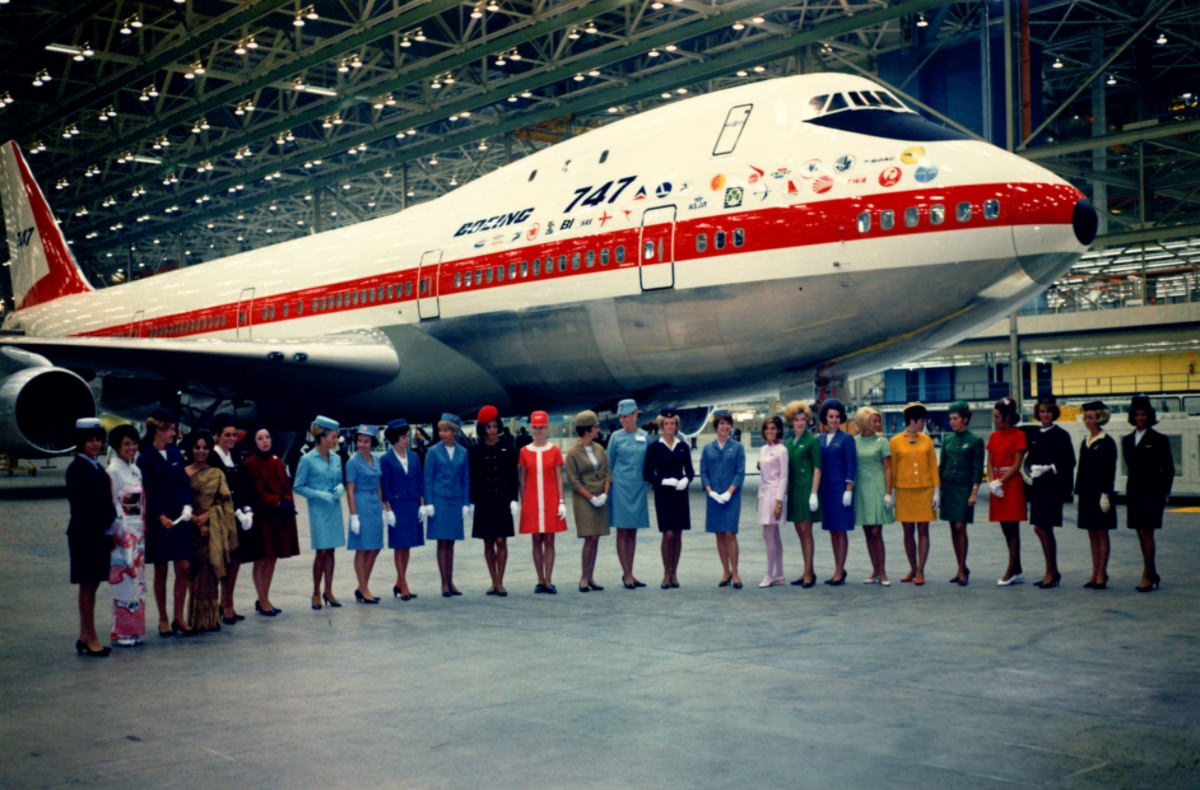
Boeing engineers designed the 747 with one core financial goal: maximize seat-mile and ton-mile revenue. By the late 1960s, the major airlines needed an aircraft that could carry far more passengers per flight than the Boeing 707 or Douglas DC-8 that dominated long-haul routes. More seats per flight meant airlines could spread their operating costs across a larger number of passengers, which directly lowered the price of each ticket.
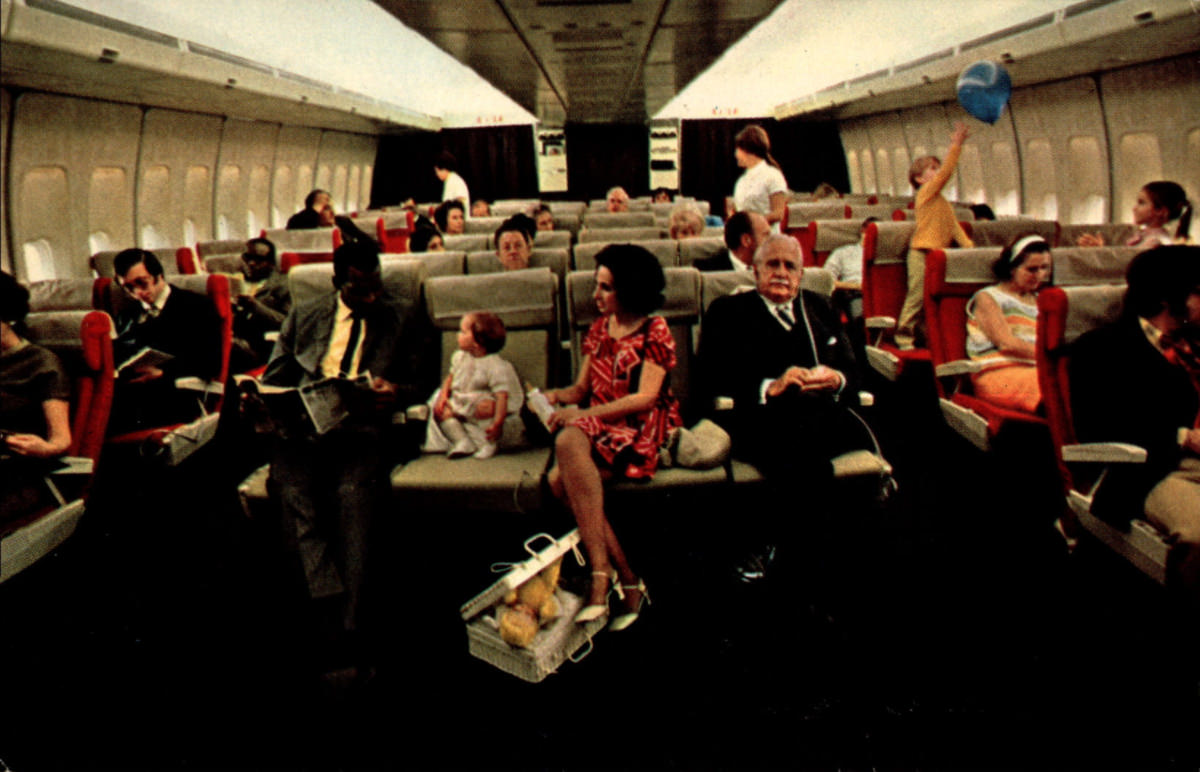
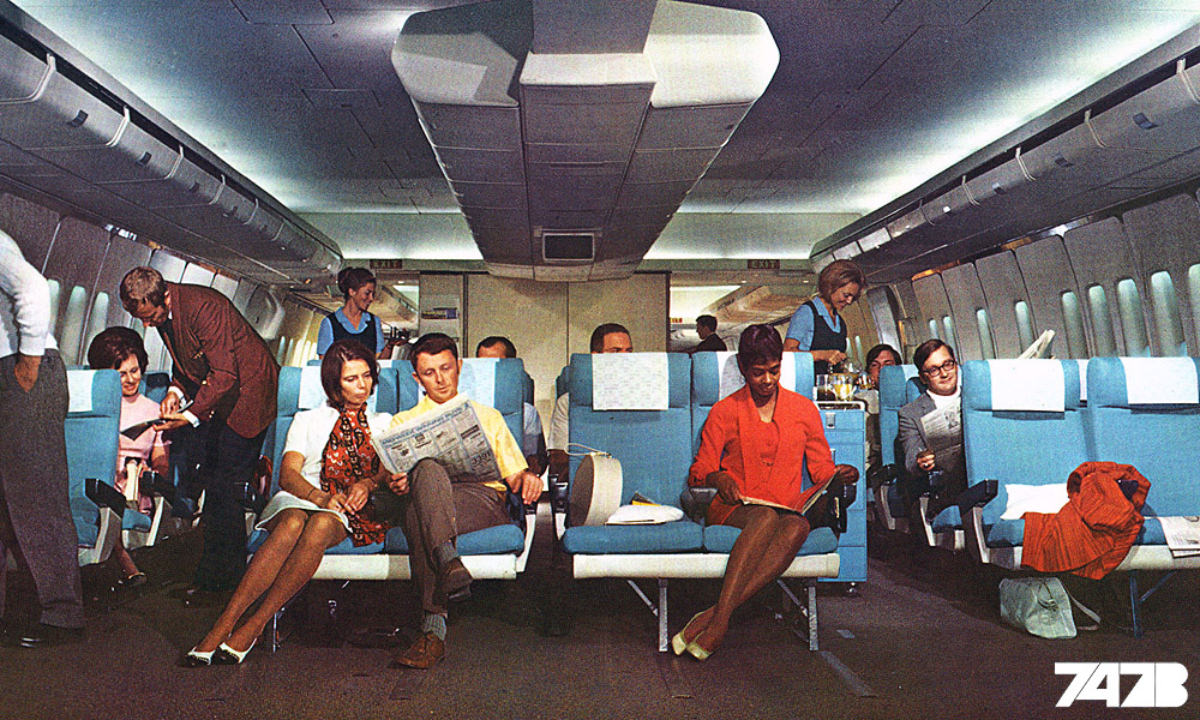
That cost reduction had a real effect on who could afford to fly. Before the 747, transatlantic air travel was largely out of reach for working- and middle-class families. The jumbo jet changed that. Airlines filled its wide cabins with hundreds of economy seats, and ticket prices fell enough to open international travel to a much broader public.
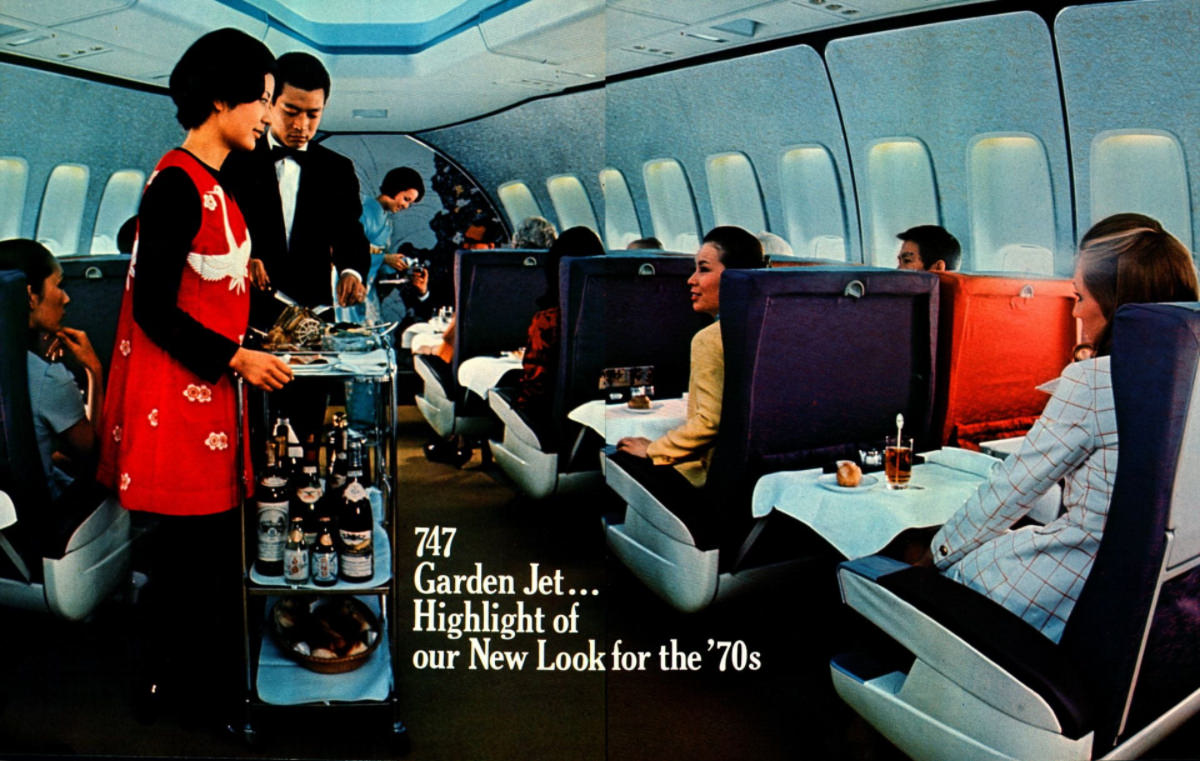
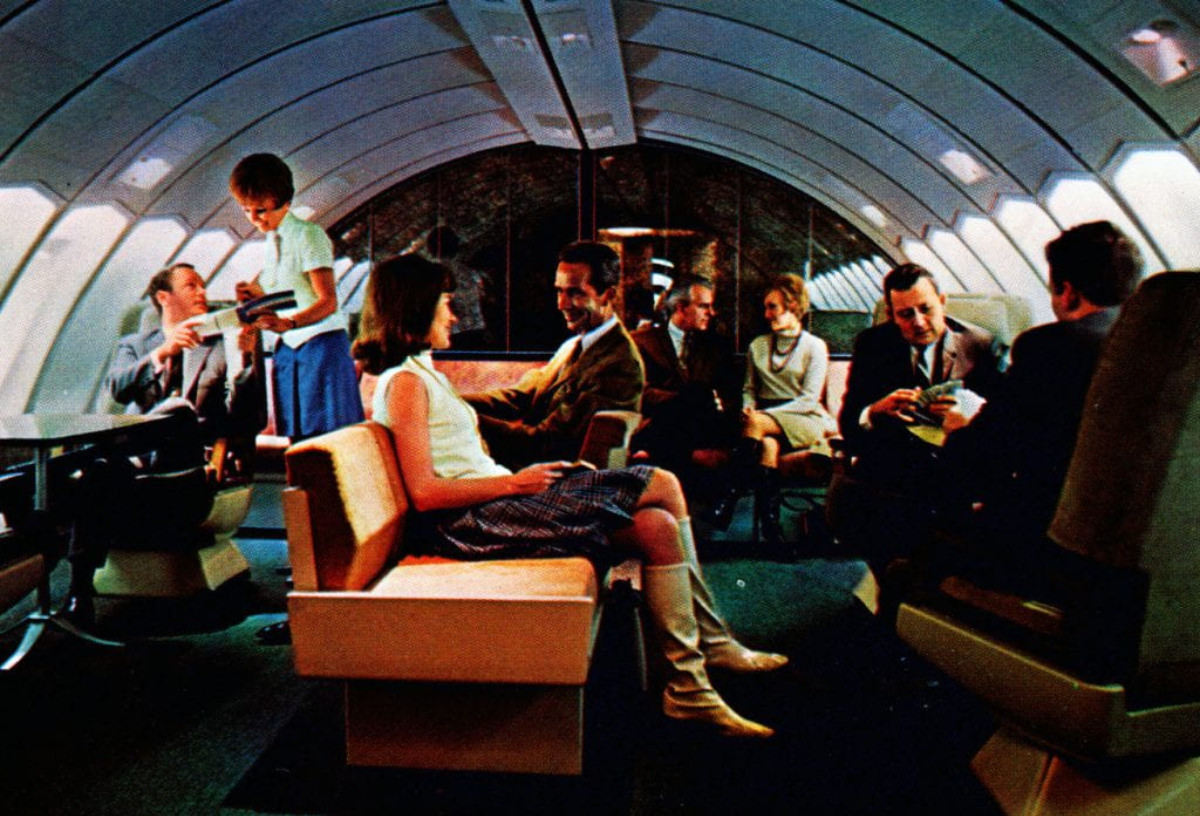
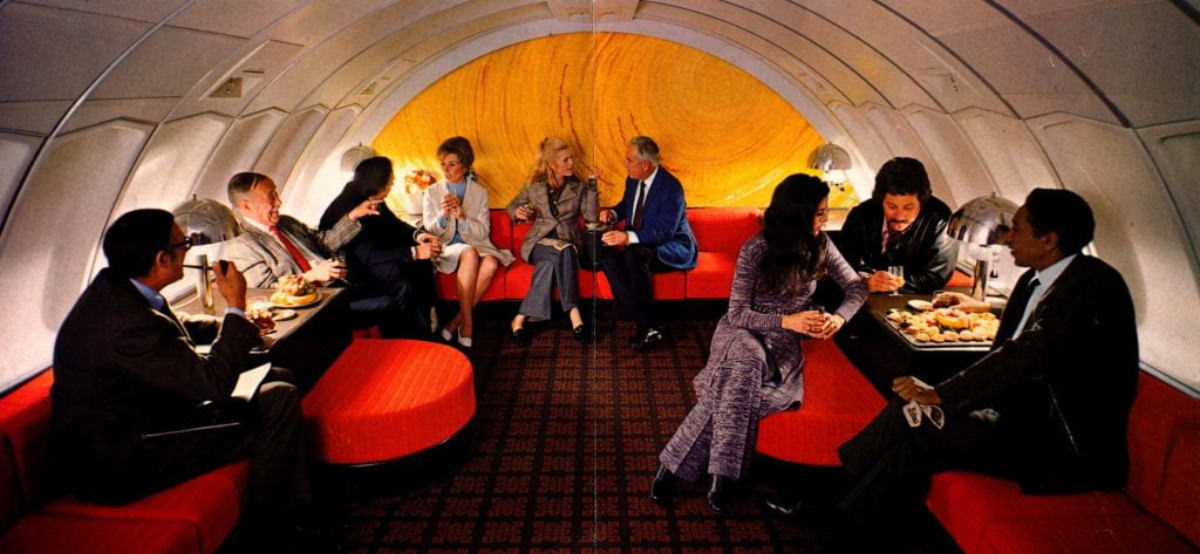
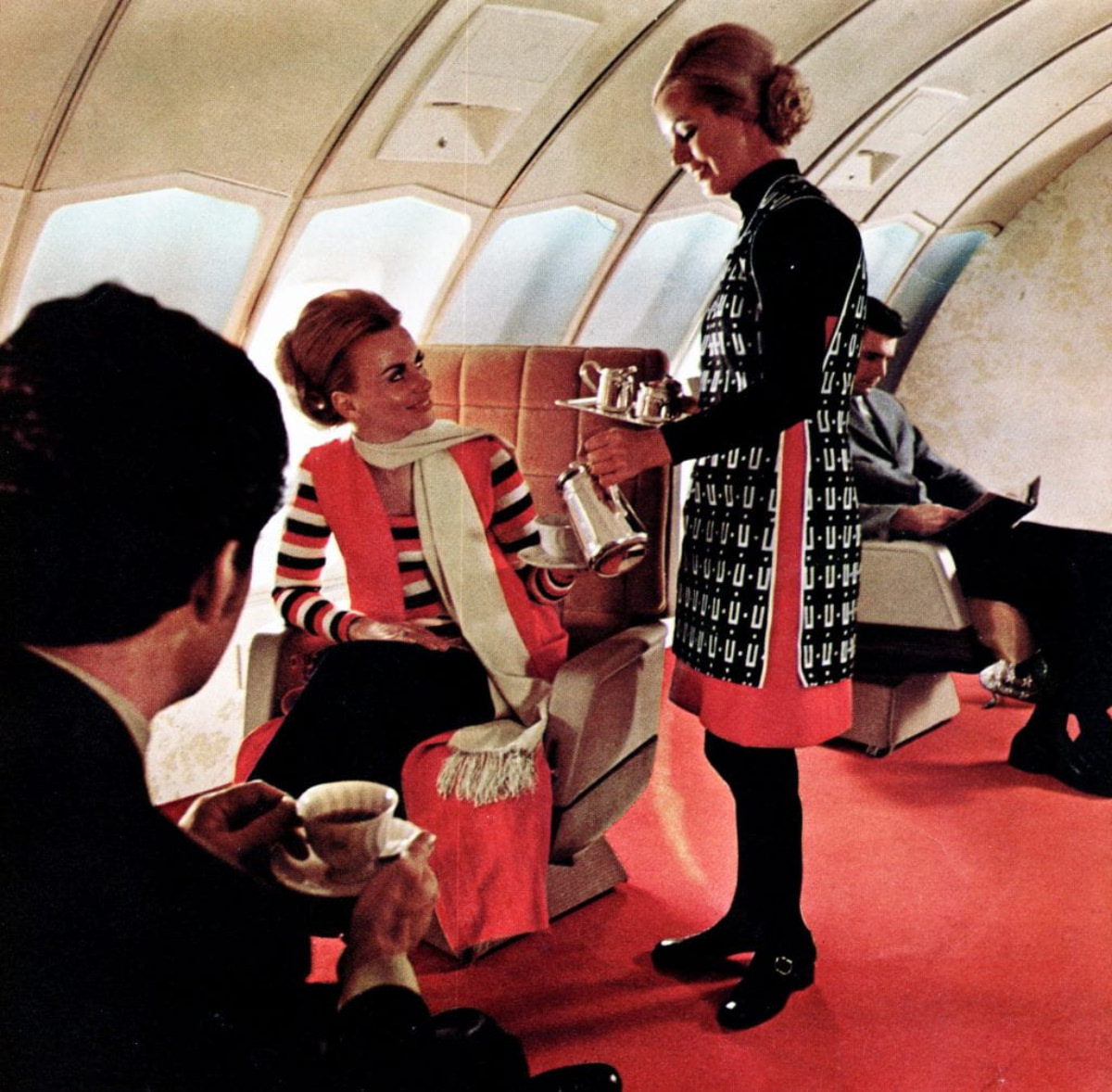
At the same time, the 747 did not sacrifice comfort for capacity. Airlines used the spacious interior as a marketing tool, offering luxury appointments, enhanced dining menus, and in-flight entertainment options that appealed to first-class passengers willing to pay a premium. The upper deck lounge, accessible by a spiral staircase on early models, became one of the most distinctive features of the aircraft and a selling point for premium cabins.
Pan Am was the launch customer for the 747, having placed the original order with Boeing back in 1966. The airline’s founder, Juan Trippe, and Boeing president Bill Allen struck the deal together, each betting that the enormous aircraft would find a large enough market to justify production. Pan Am took delivery of its first 747 in December 1969, just weeks before the inaugural scheduled service.
The January 22 departure was not without difficulty. The original aircraft scheduled for the flight, named Clipper Constitution, developed an engine overheating problem while passengers were already boarding. Pan Am swapped in Clipper Young America as a replacement, delaying the flight by several hours. The plane finally departed in the early hours of January 22 and landed at Heathrow later that morning.
The 747 entered service carrying up to 366 passengers in a typical mixed-class layout, though the aircraft’s maximum certified capacity in an all-economy configuration reached well above 400 seats. That passenger load was roughly two to three times what the Boeing 707 carried on the same transatlantic routes, making each flight dramatically more efficient for the airline.
Other major carriers quickly followed Pan Am’s lead. TWA, United, American, and dozens of international airlines placed orders, and the 747 became the standard for long-haul international travel throughout the 1970s and 1980s. Its four-engine configuration and range of over 6,000 miles made it well-suited to routes across the Atlantic and Pacific alike.
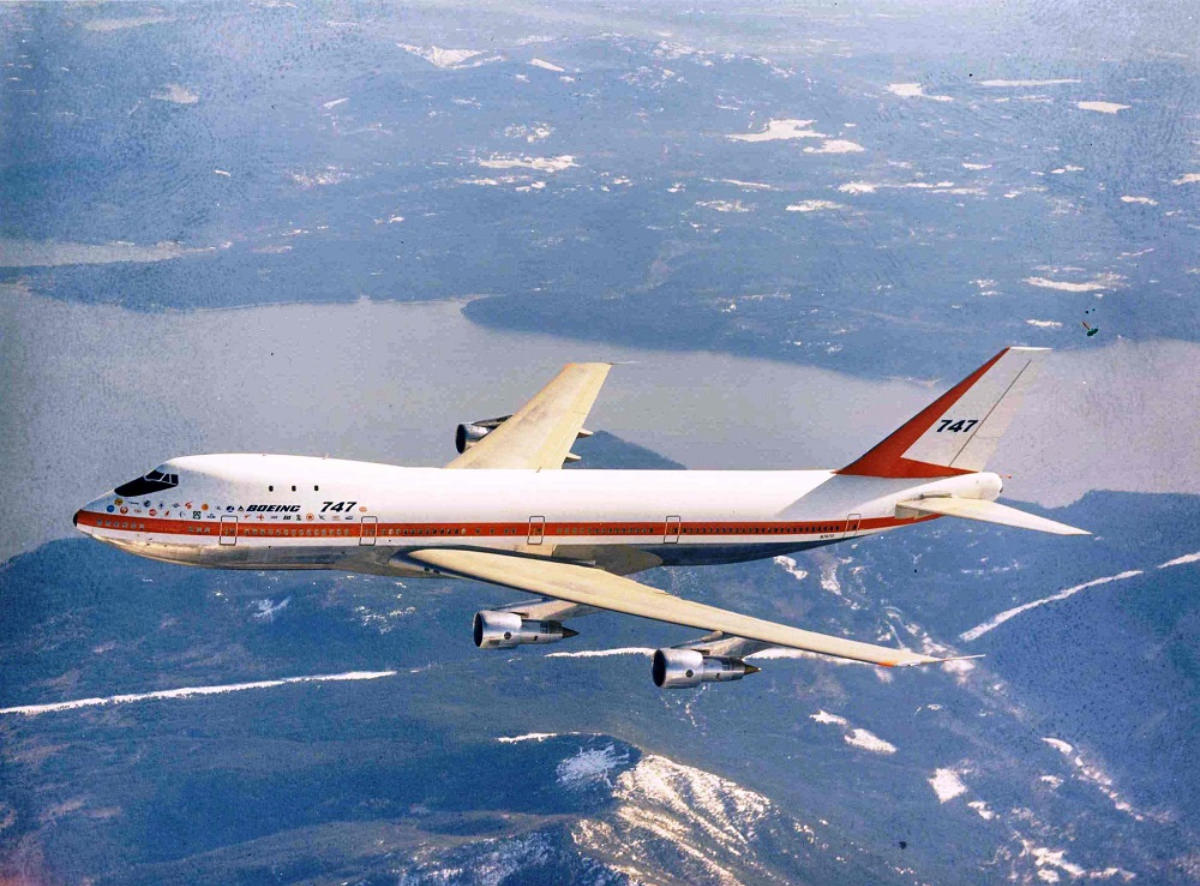
The aircraft’s distinctive hump — housing the flight deck above the main cabin — gave the 747 its immediately recognizable silhouette. Boeing designed the raised nose section so the plane could be converted into a cargo freighter by loading through the front. That cargo variant, the 747F, became a workhorse of international air freight, hauling everything from industrial machinery to racehorses across the globe.