
in

Fascinating Vintage Photos Show Life in Hong Kong in 1945

By 1945, Hong Kong was barely holding together. The Japanese military administration had occupied the city since December 1941, and three and a half years of war had pushed it to the edge. Unable to feed the population, the Japanese forced hundreds of thousands of residents to leave. Families packed what little they owned and walked back to mainland China. The population dropped from over one million to roughly 600,000. Those who stayed faced brutal shortages. Rice became nearly impossible to find. People survived on peanut cake and mixed grains just to get through the day.
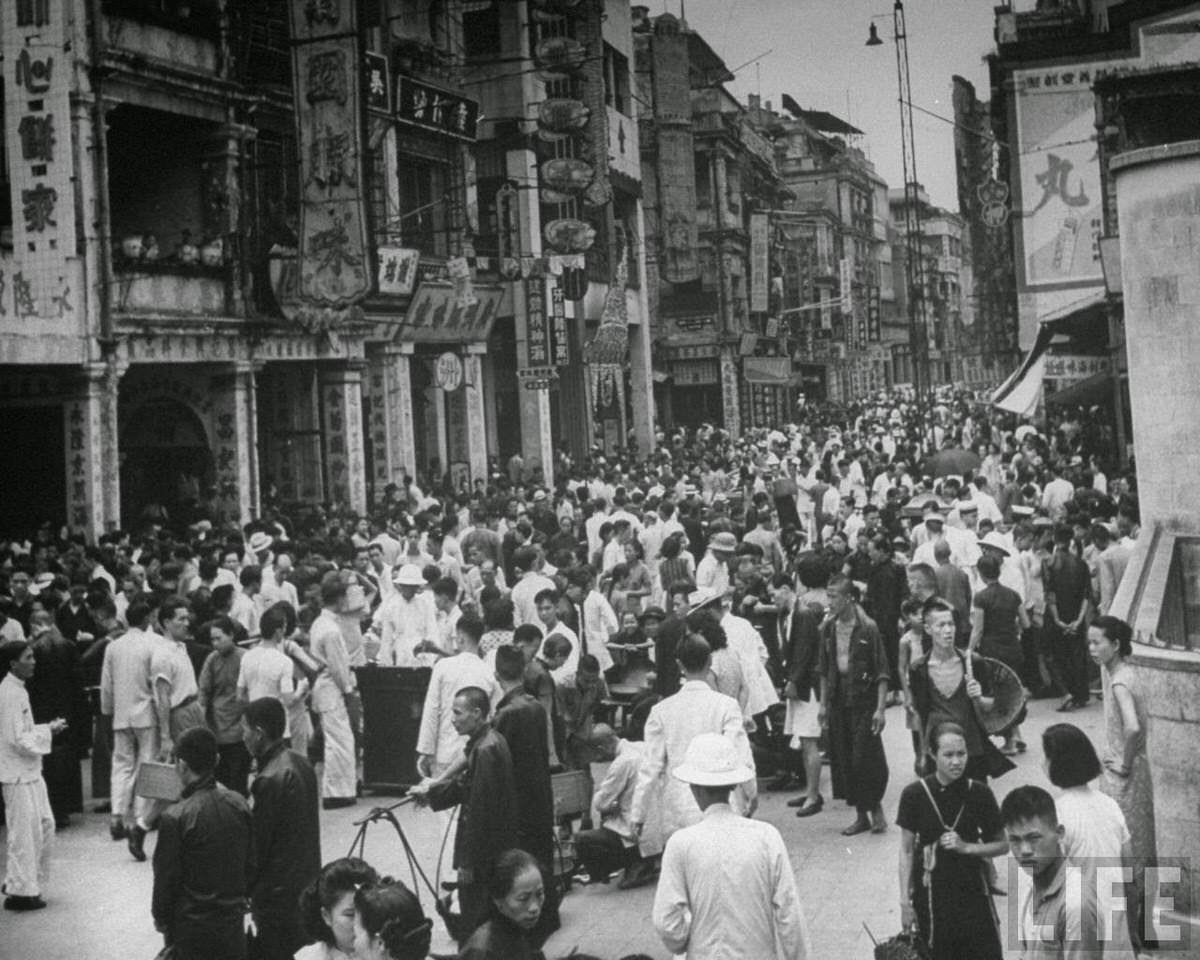
People conducting business along Queen's Road.
People conducting business along Queen’s Road.

The Japanese administration held a tight grip on all coal supplies, reserving them for military use. With no fuel available, civilians had no way to cook food or boil water. The solution was desperate and visible across the entire territory — residents cut down nearly every tree in Hong Kong. The hillsides of Hong Kong Island and the New Territories, once covered in green, became completely bare. People also stripped wooden floorboards and window frames from bombed-out buildings to use as firewood.
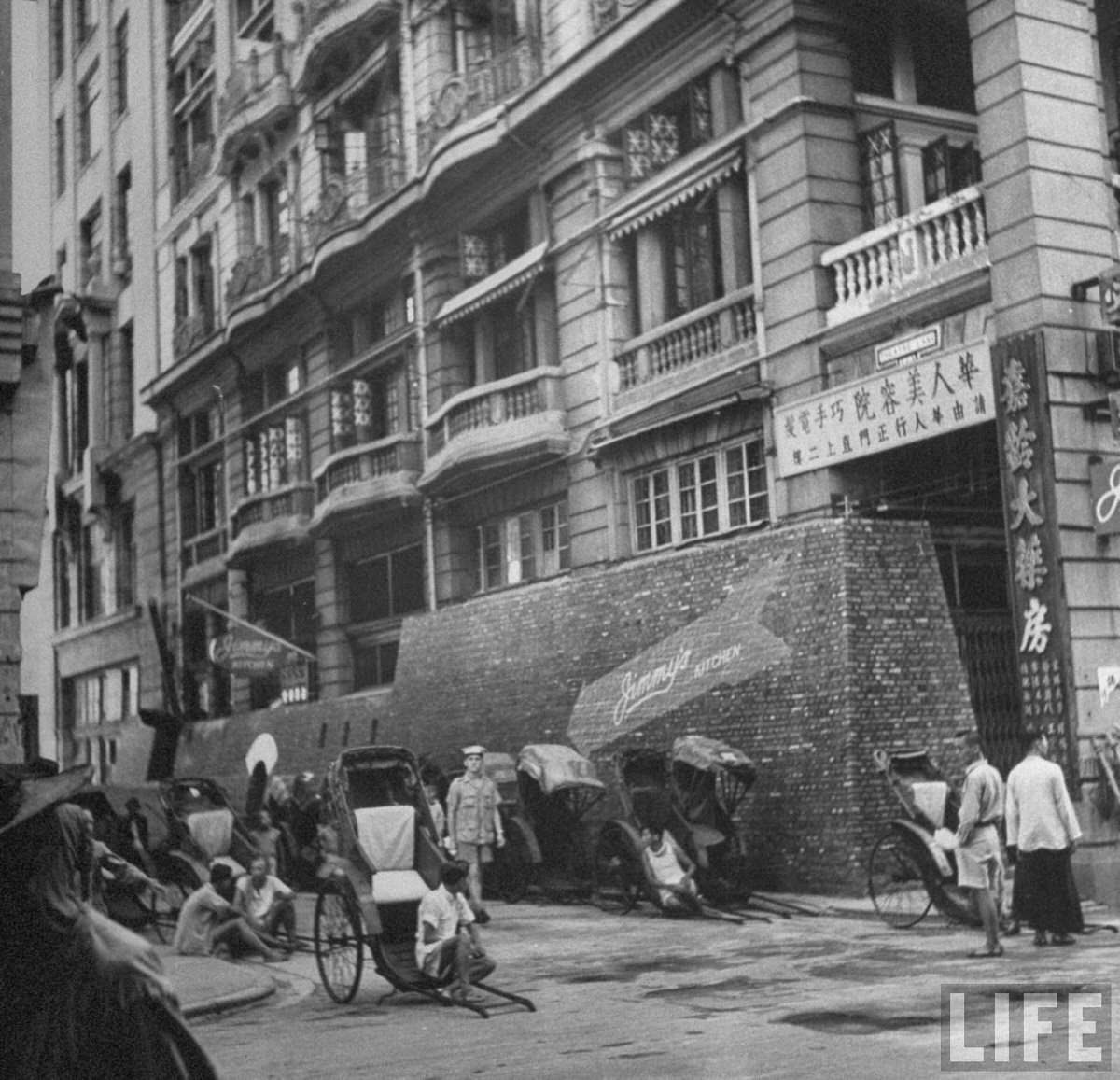
Rickshaws and their drivers awaiting fares on Theatre Lane.

Throughout the spring of 1945, American aircraft from the United States Army Air Forces flew regular raids over Victoria Harbour. Their targets were Japanese ships and dockyards at Hung Hom and Taikoo. The bombing runs successfully sank enemy vessels, but errant bombs frequently struck residential neighborhoods in Wanchai and Central. When the air raid sirens sounded, civilians fled to the hills or took cover in reinforced basements. The raids were effective militarily, but the civilian cost was real.
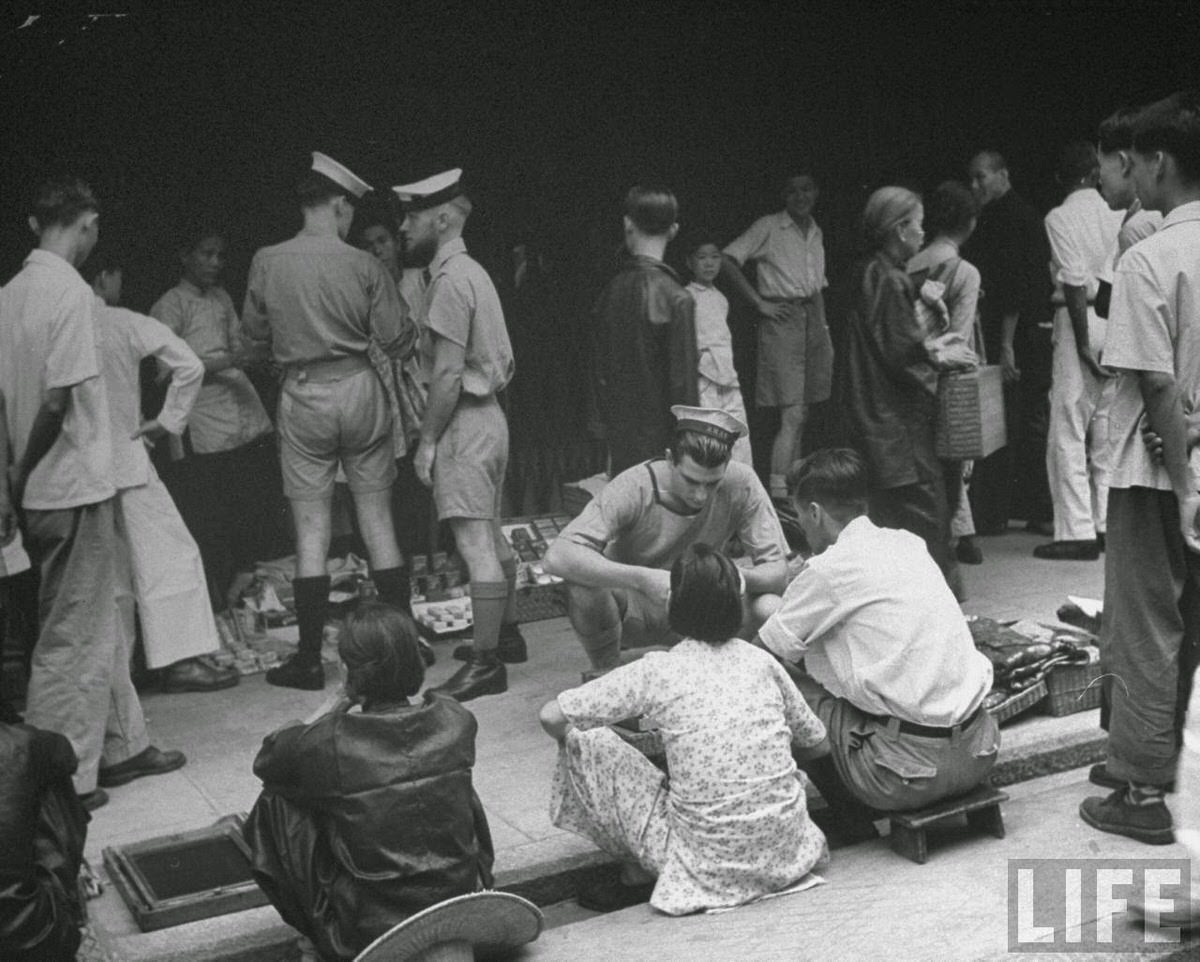
Members of Royal Navy and Royal Marines shopping at an open air market on Queen's Road.
Members of Royal Navy and Royal Marines shopping at an open air market on Queen’s Road.
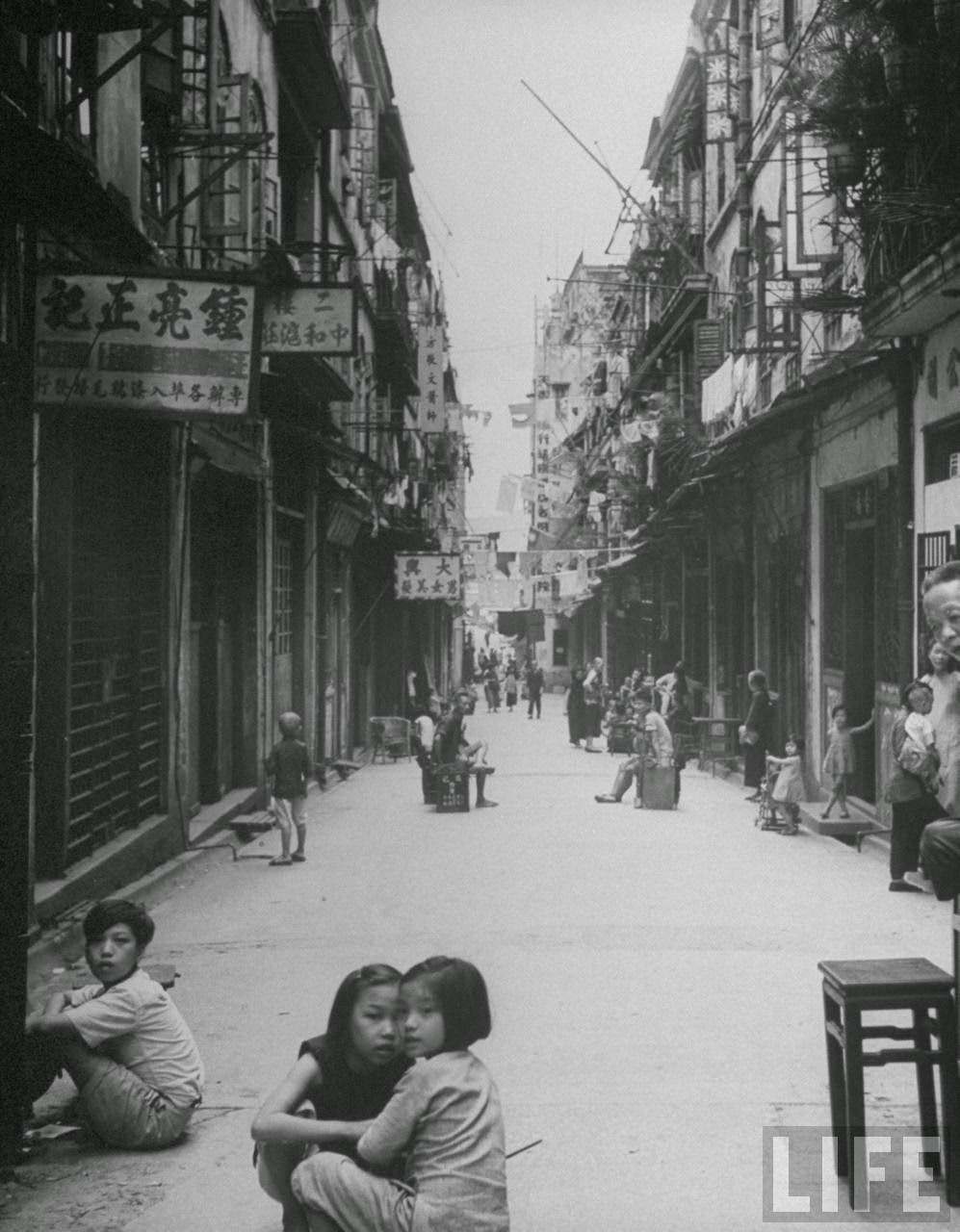
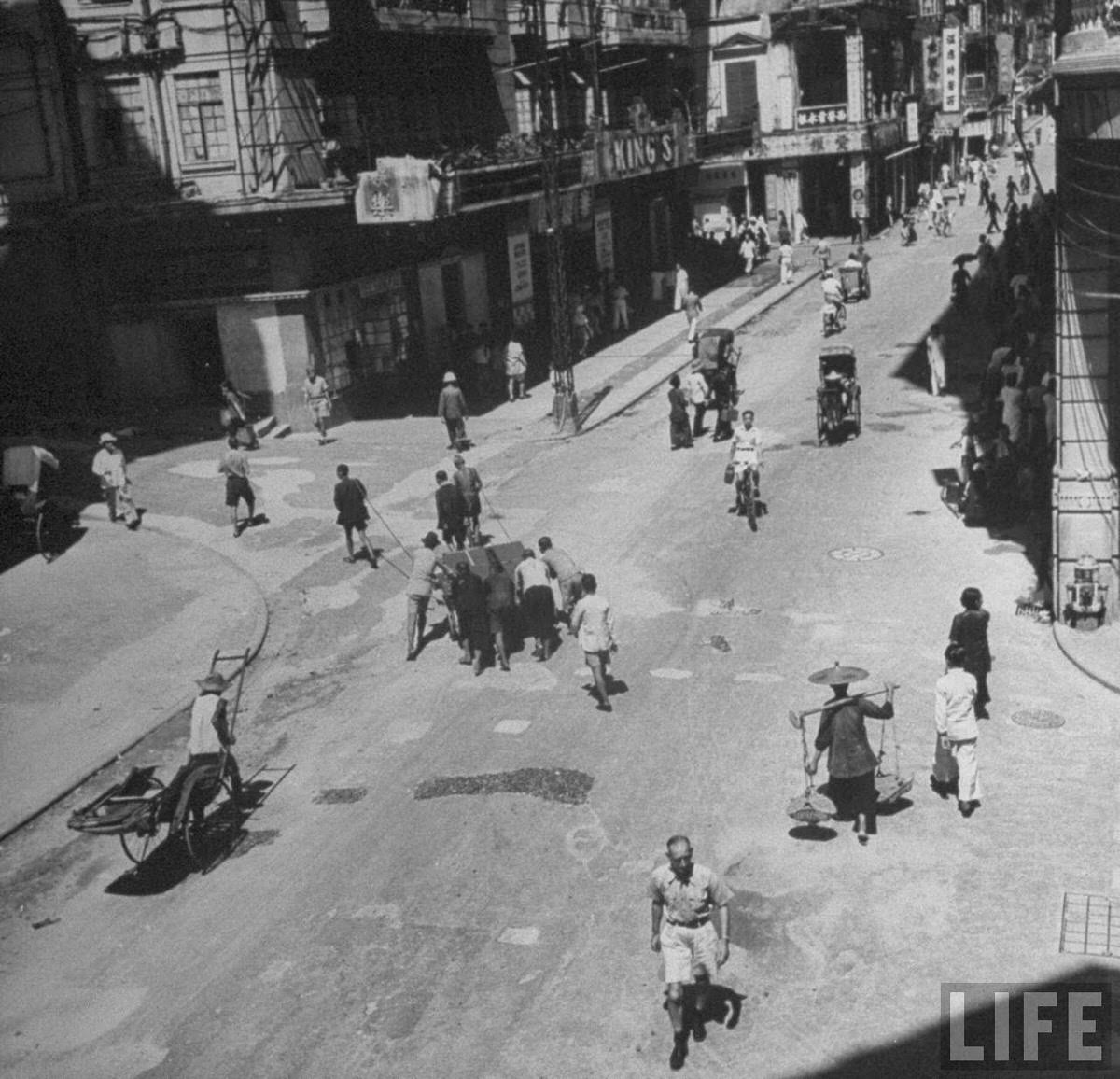
Overhead of a busy street.

The economy collapsed in the final months of occupation. The Japanese Military Yen, the only currency permitted under the occupation, lost its value rapidly. Prices for basic goods skyrocketed — a single egg or a small cup of rice cost a small fortune in paper notes. People carried sacks of banknotes just to buy food for one meal. When Japan surrendered in August 1945, the Military Yen became worthless overnight, wiping out whatever savings thousands of families had managed to hold onto.
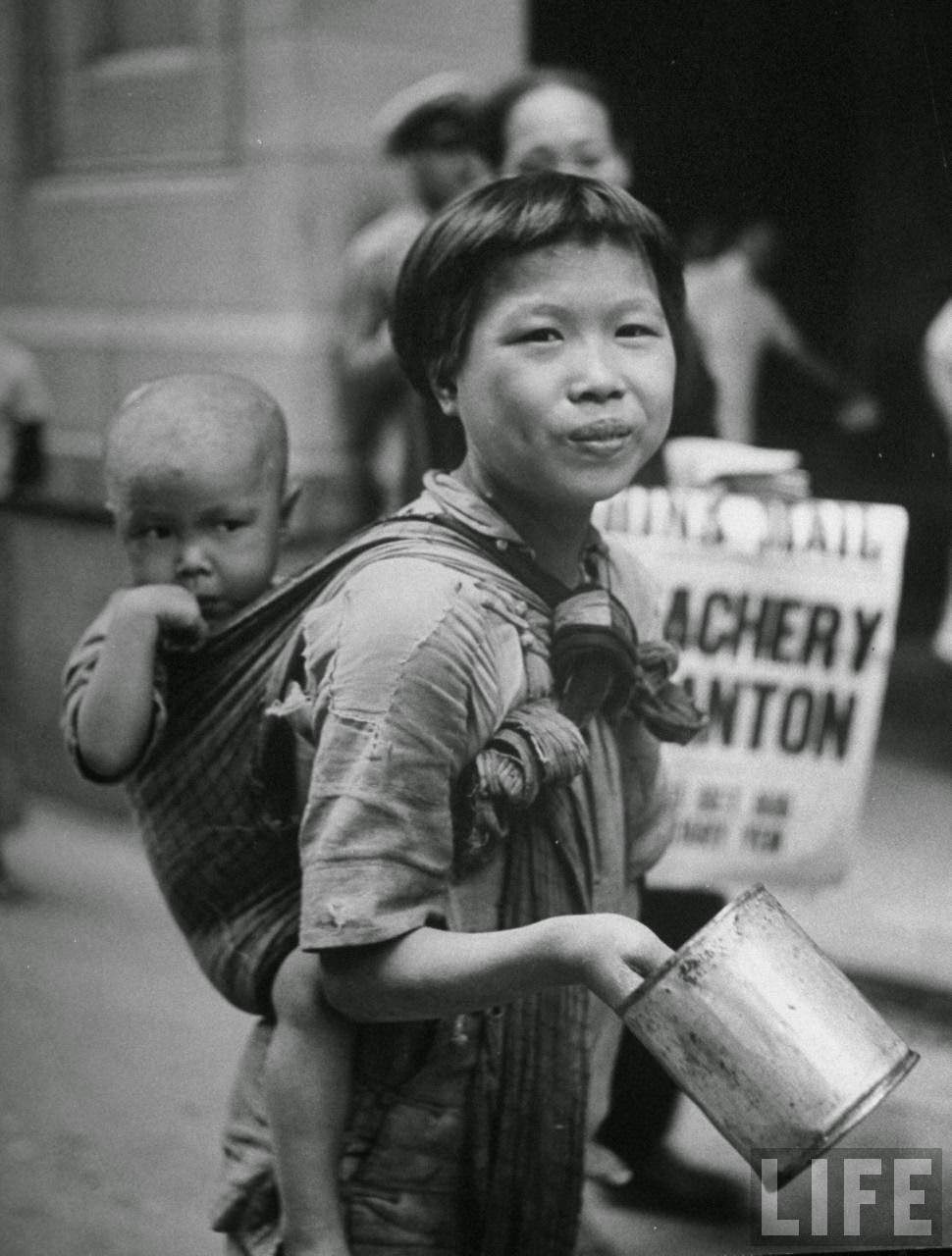
Young girl carrying her baby brother on her back and begging for money.
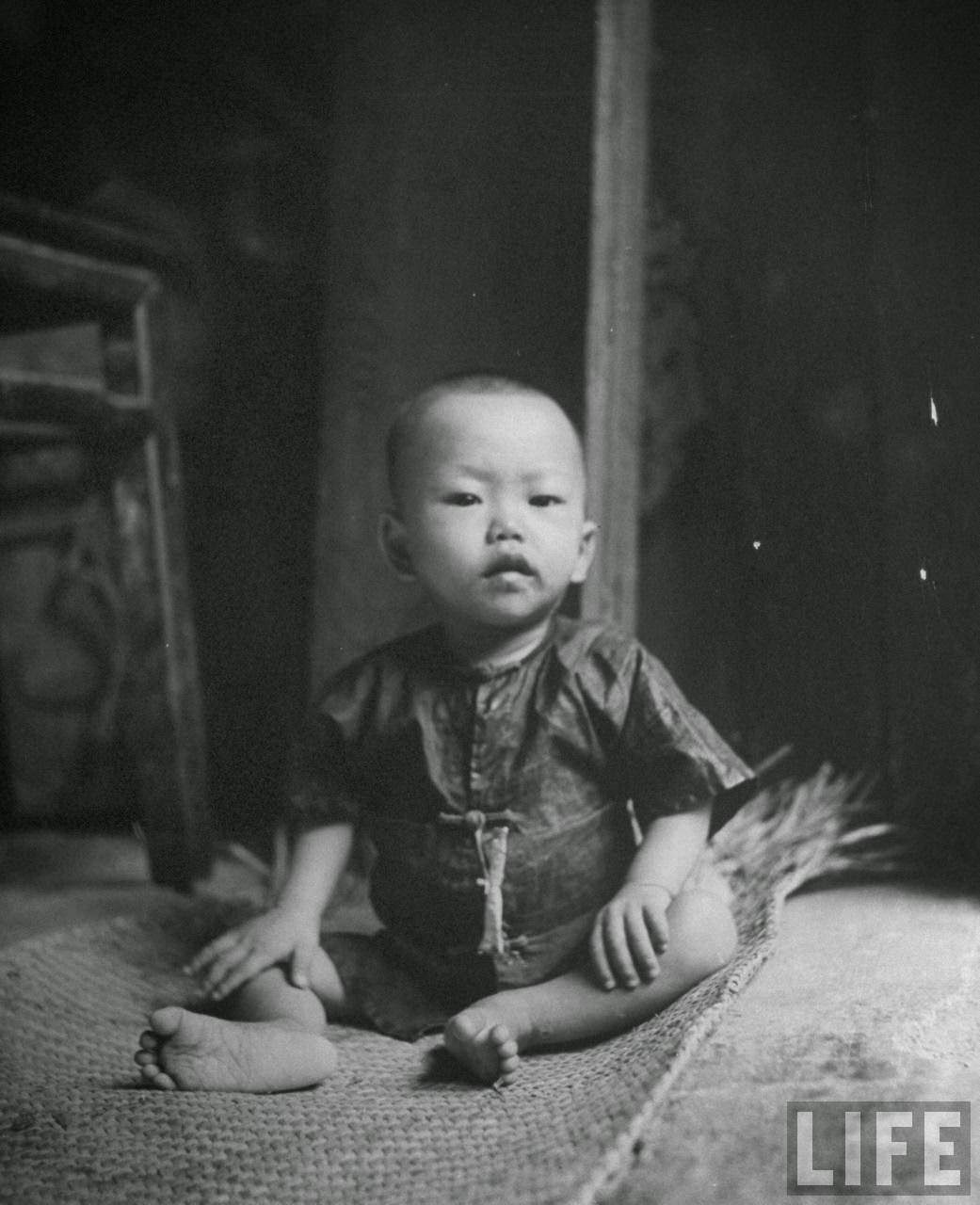
Young Chinese child sitting on woven bamboo mat.

Japan’s surrender came in August 1945, but British forces did not arrive immediately. For two weeks, a tense power vacuum left the city without any clear authority. That changed on August 30, when Rear Admiral Cecil Harcourt sailed the cruiser HMS Swiftsure into Victoria Harbour. The sight of the British White Ensign flying from the fleet drew crowds to the waterfront. Harcourt established a temporary military government to begin restoring order to the exhausted city.
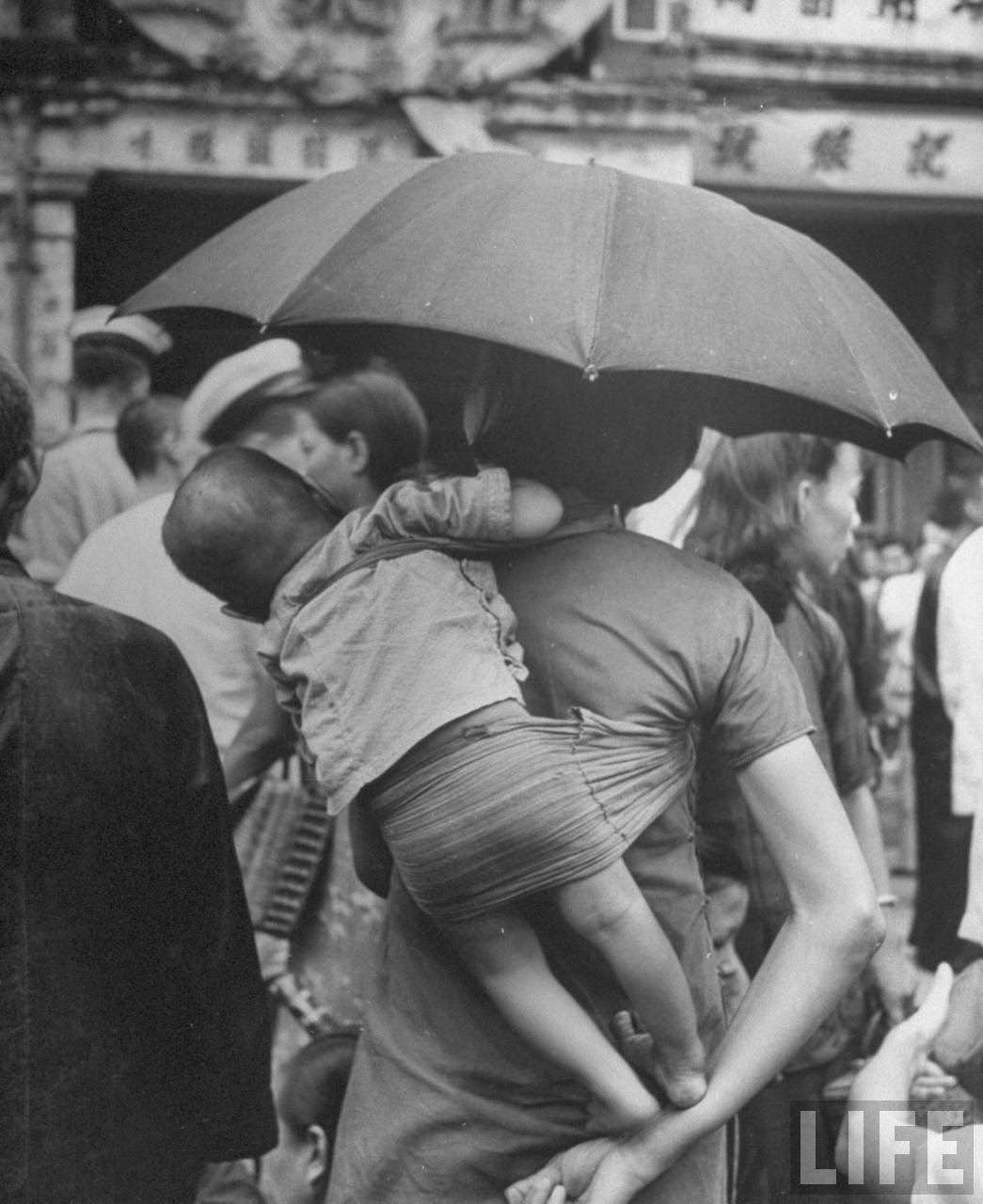
Woman carrying young child on her back through marketplace on Queen's Road.
Woman carrying young child on her back through marketplace on Queen’s Road.
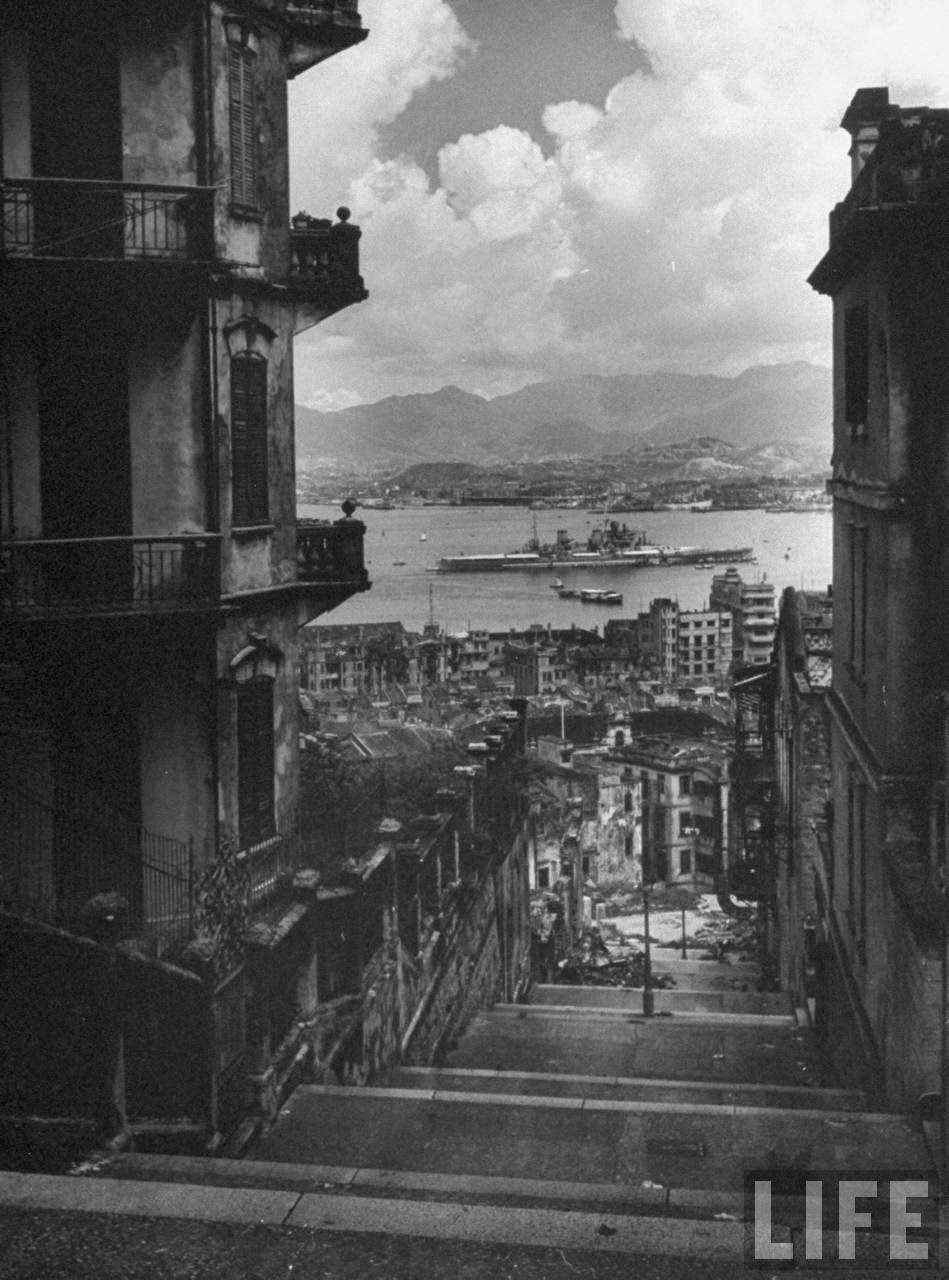
Looking down Shing Hoag Street toward the HMS Duke of York sitting in the harbor.

The formal surrender ceremony took place on September 16, 1945, at Government House. Japanese Major General Okada and Vice Admiral Fujita signed the surrender documents, officially ending three years and eight months of Japanese rule. British military authorities immediately set to work — restoring electricity, clearing debris from the streets, and distributing emergency food supplies to a malnourished population. The streets of Queen’s Road, which had been the backdrop for daily survival under occupation, slowly began to show signs of ordinary life returning.
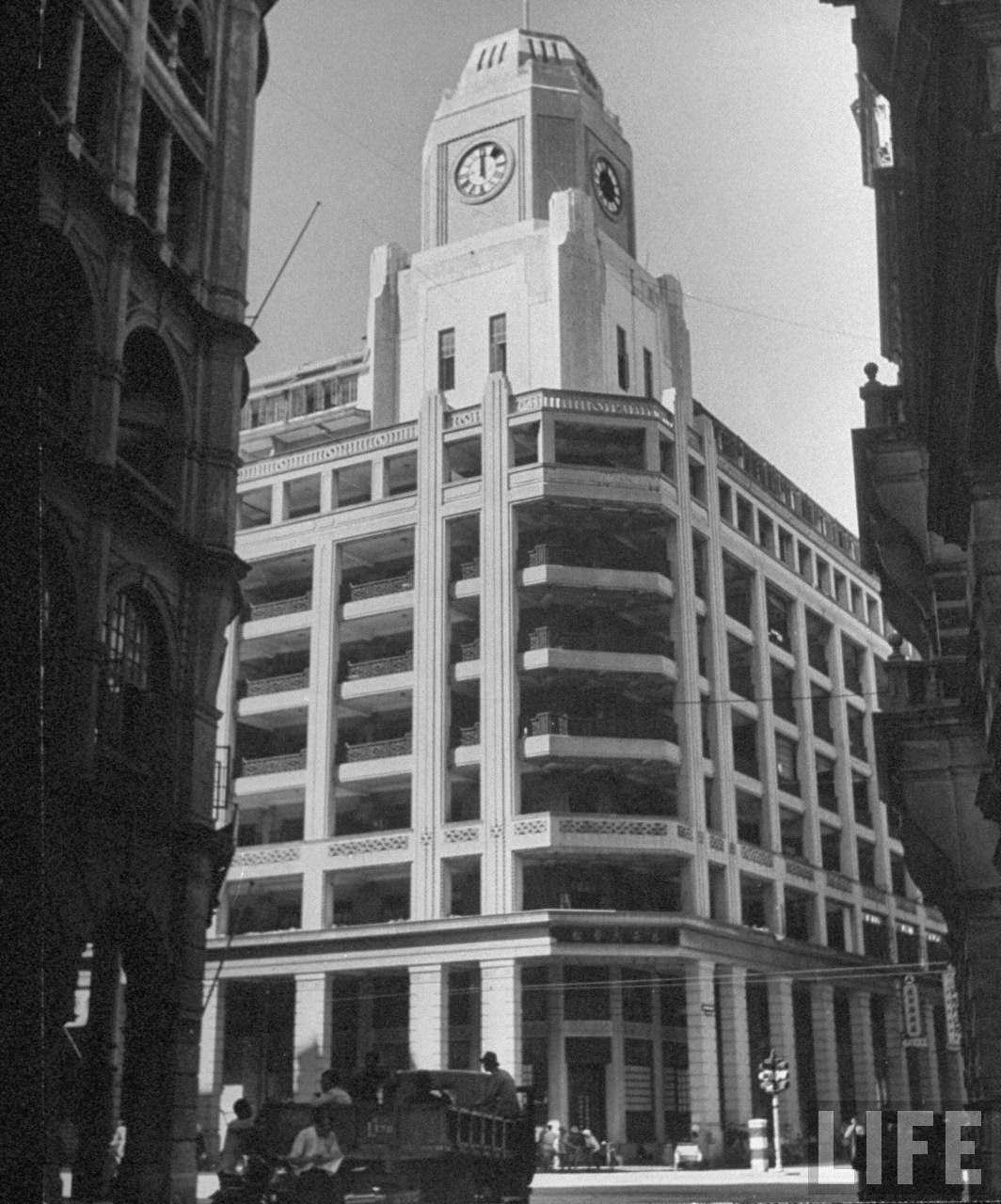
Exterior of the Gloucester and Hong Kong Hotel.
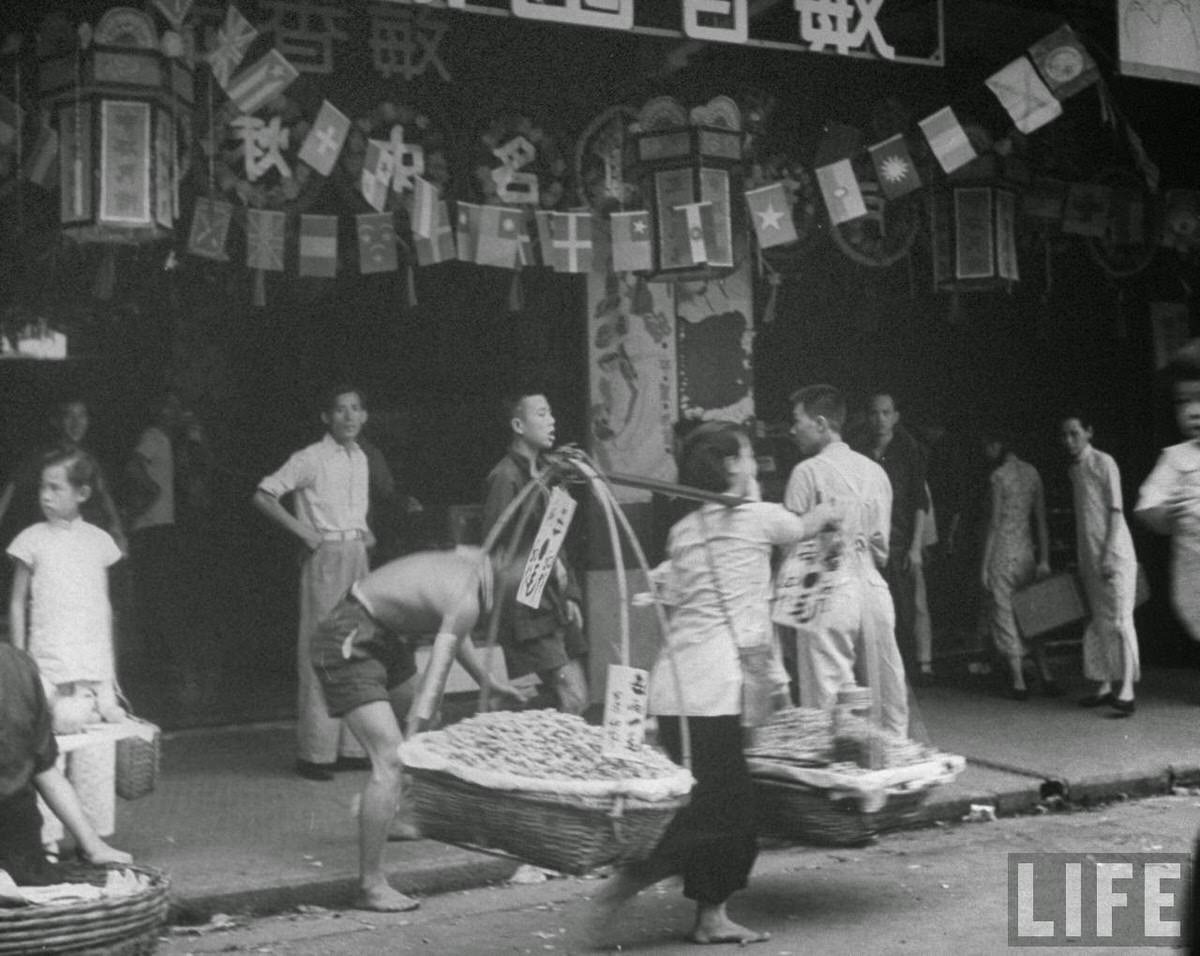
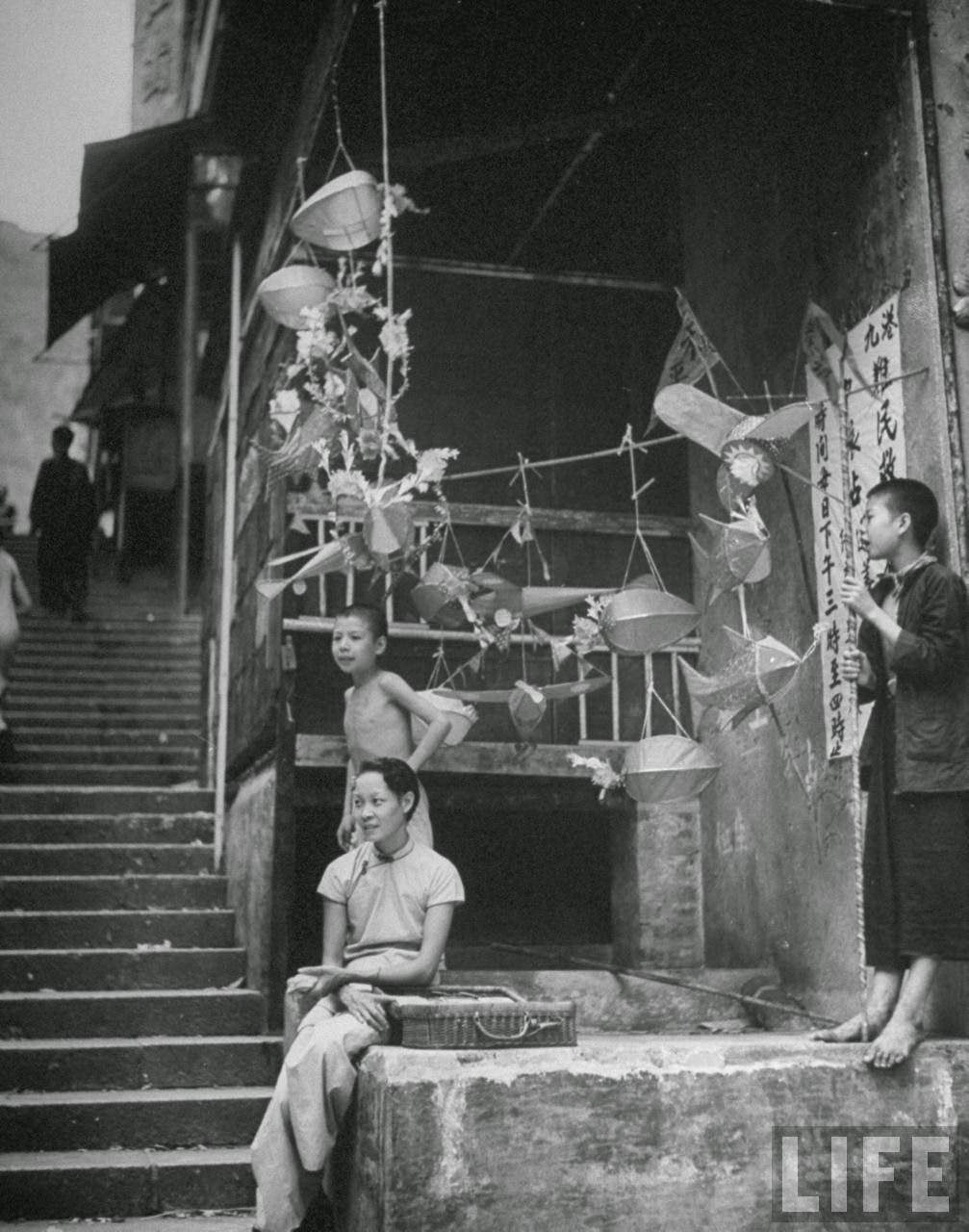
Woman and children selling lanterns and kites in a market on Queen's Road.
Woman and children selling lanterns and kites in a market on Queen’s Road.
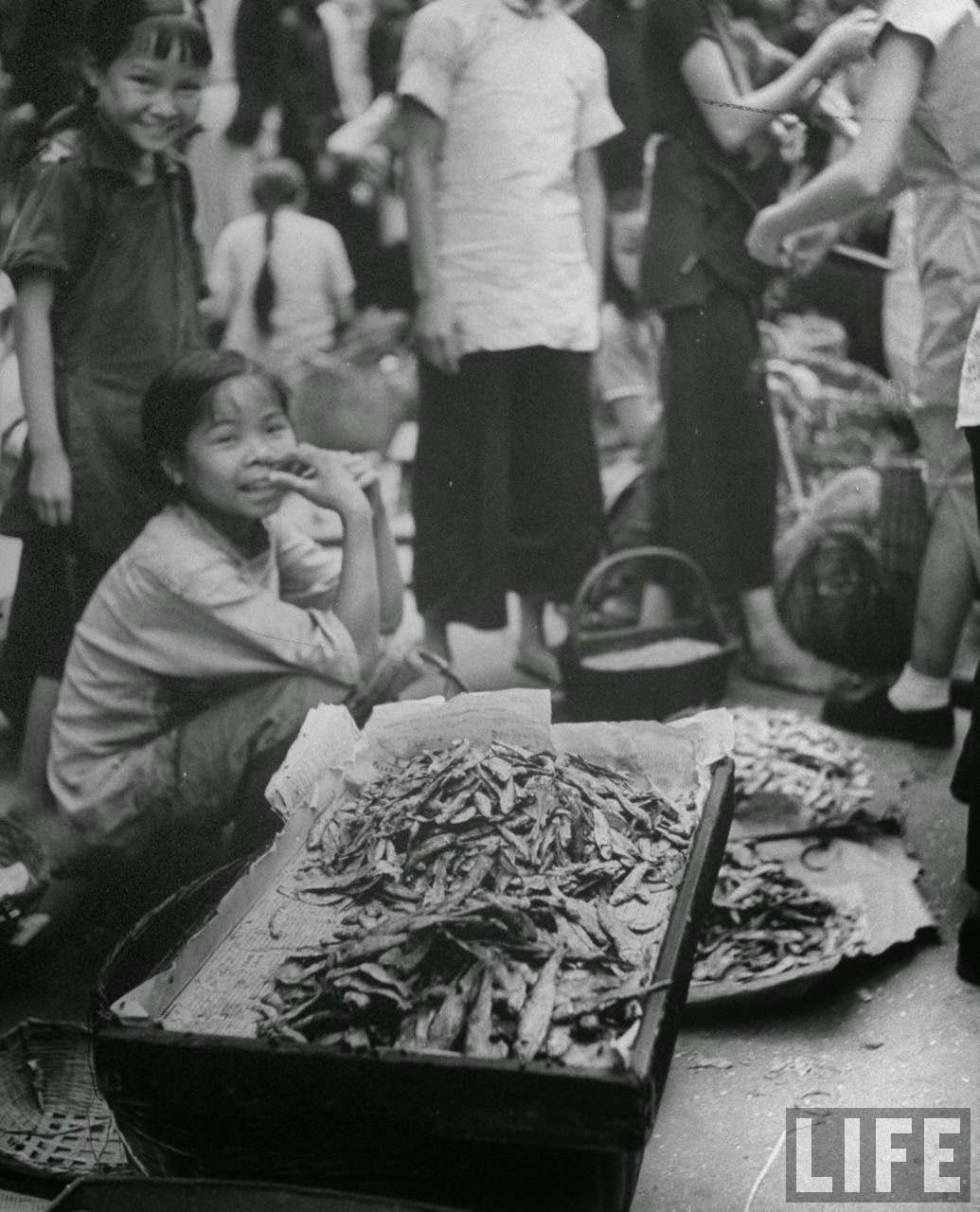
Young street vendor selling fish in marketplace on Queen's Road.
Young street vendor selling fish in marketplace on Queen’s Road.
Street vendors along Queen's Road preparing for business.
Street vendors along Queen’s Road preparing for business.
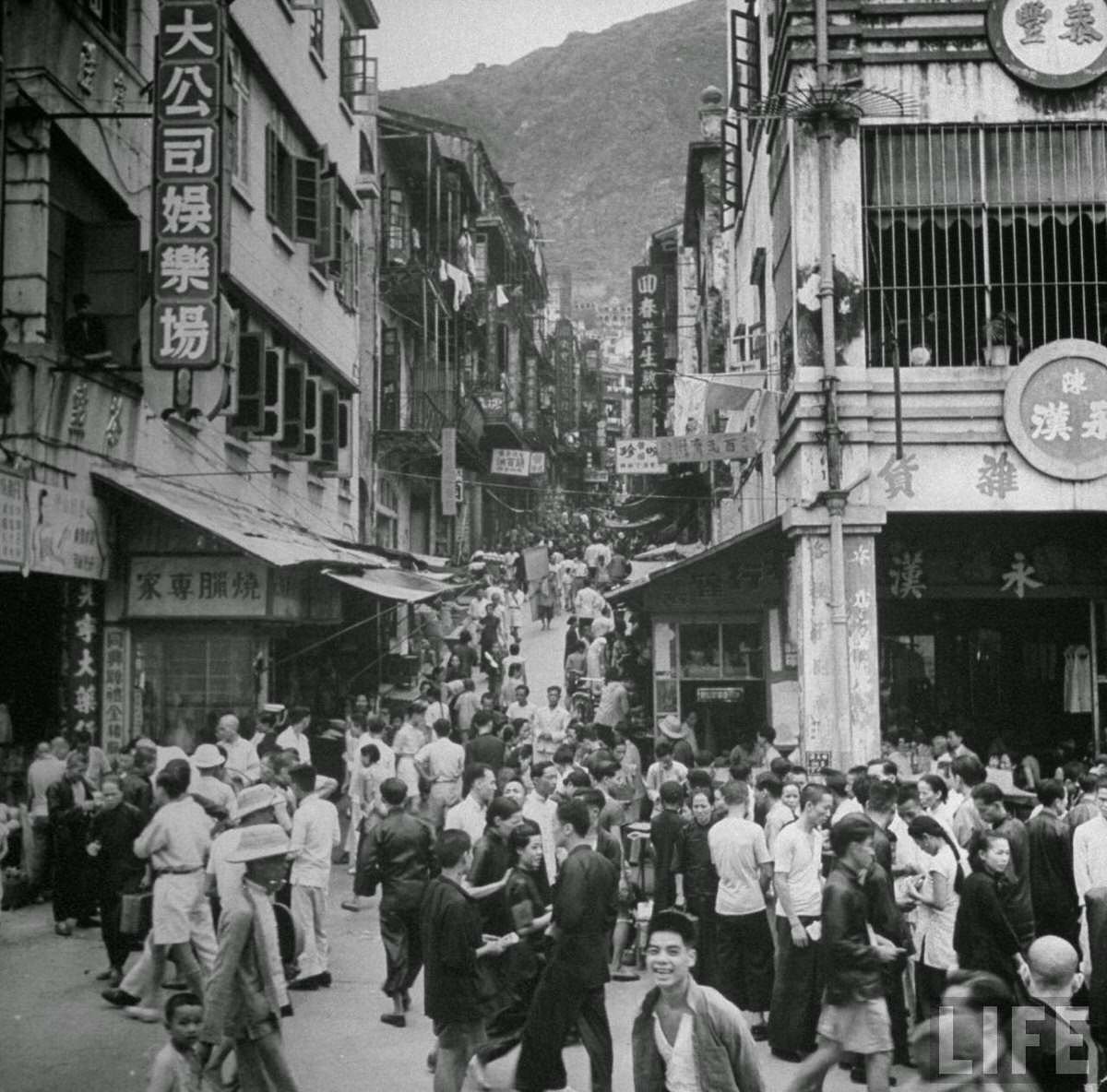
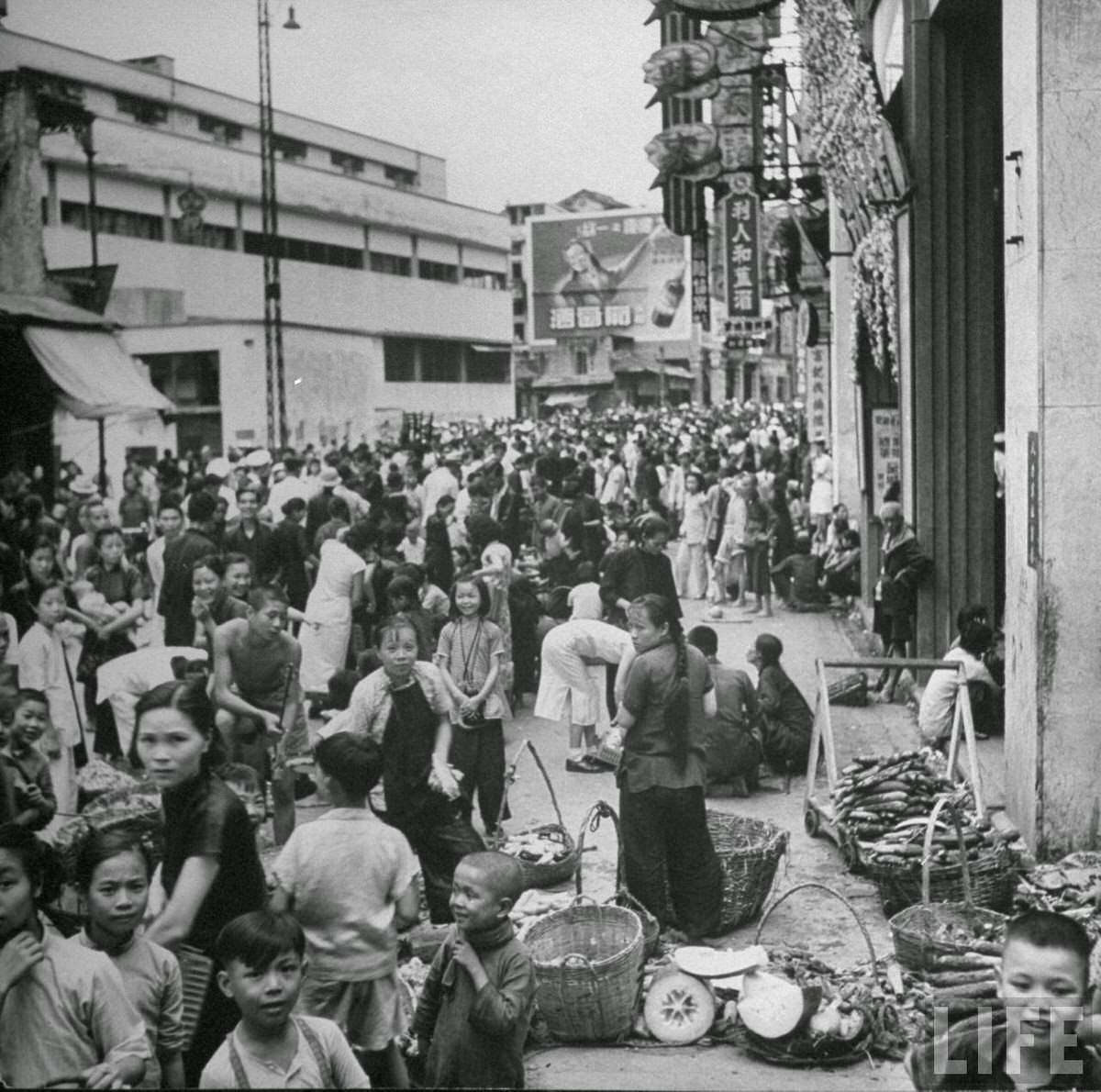
Scene in marketplace along Queen's Road.
Scene in marketplace along Queen’s Road.
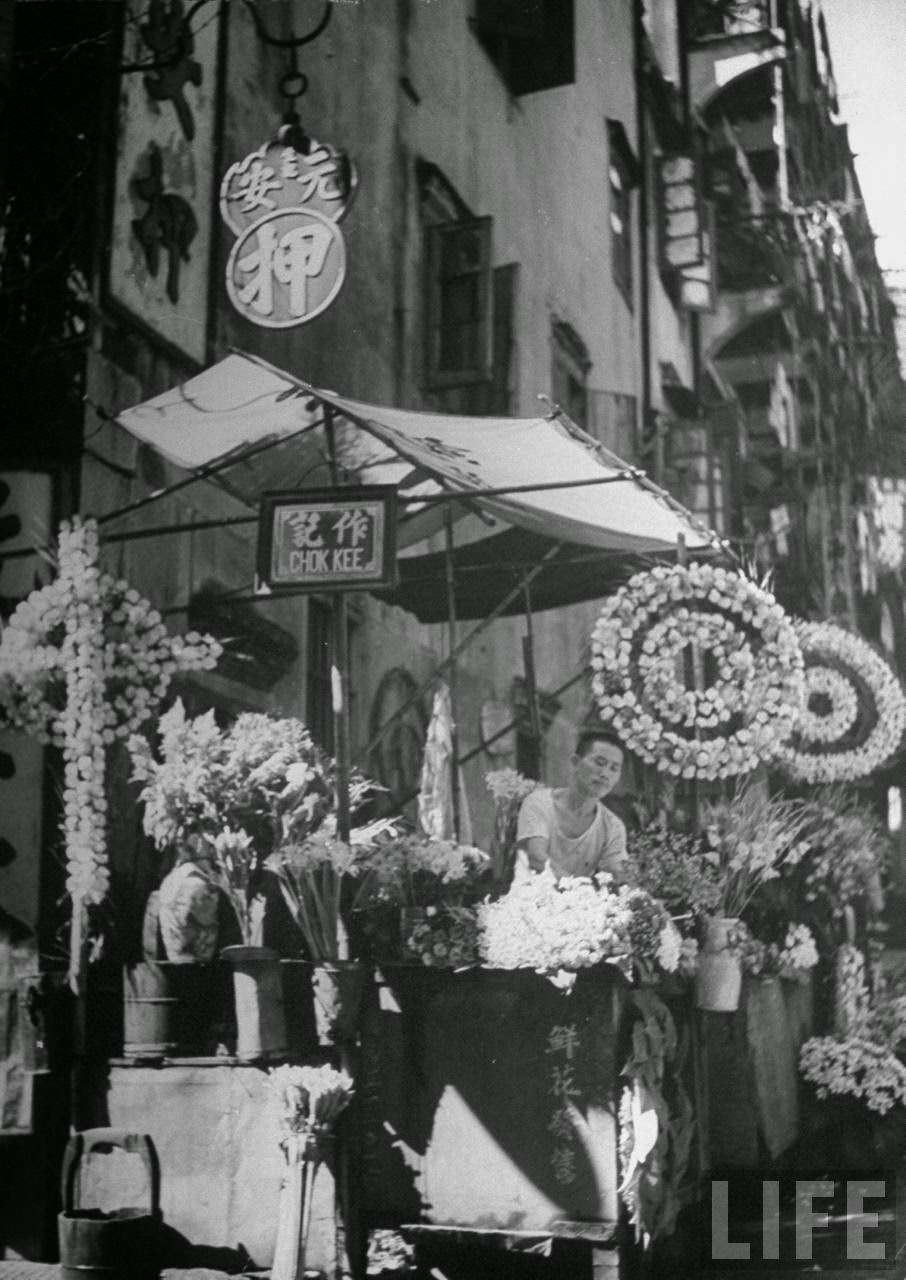
Man selling flowers from a stand on Douglas Street.
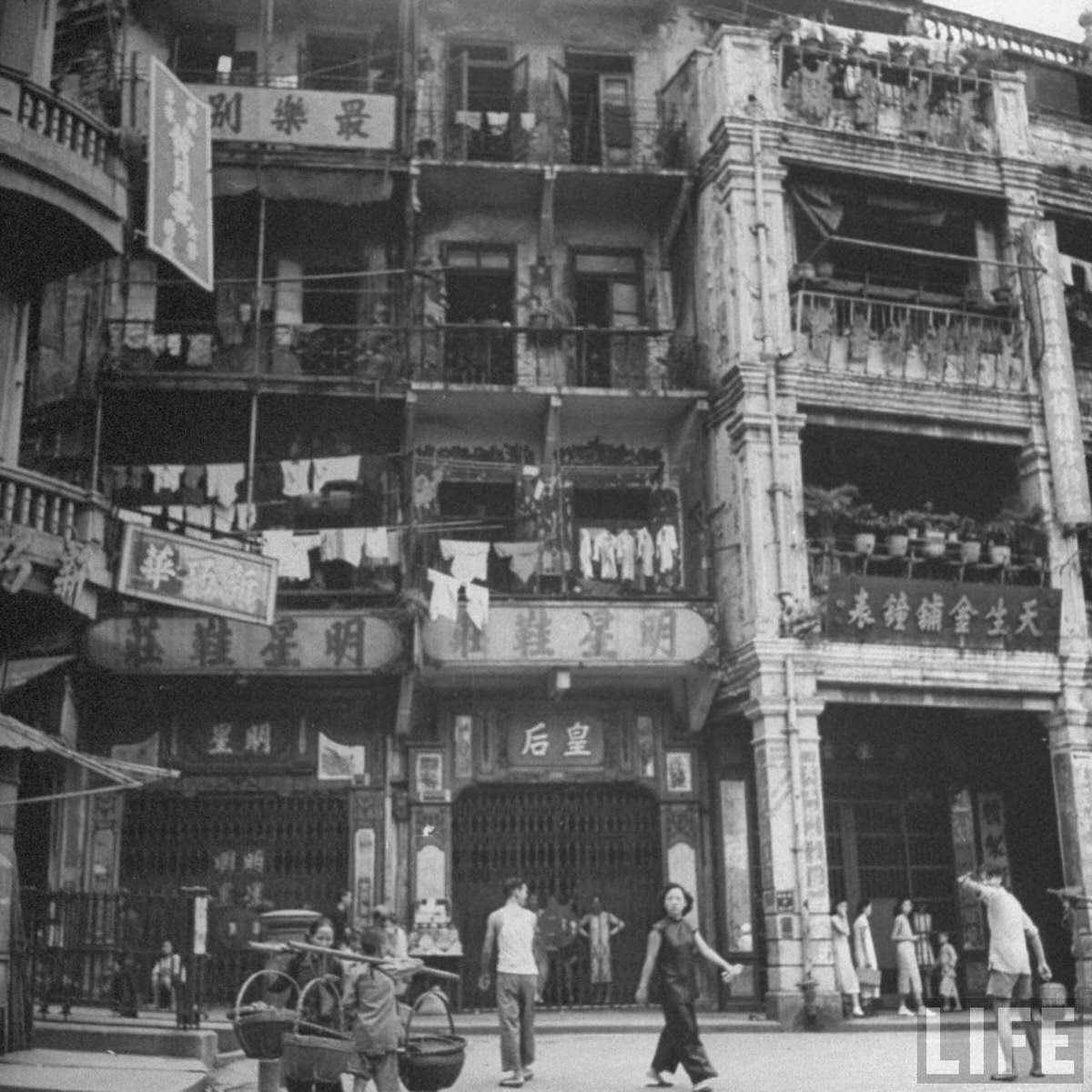
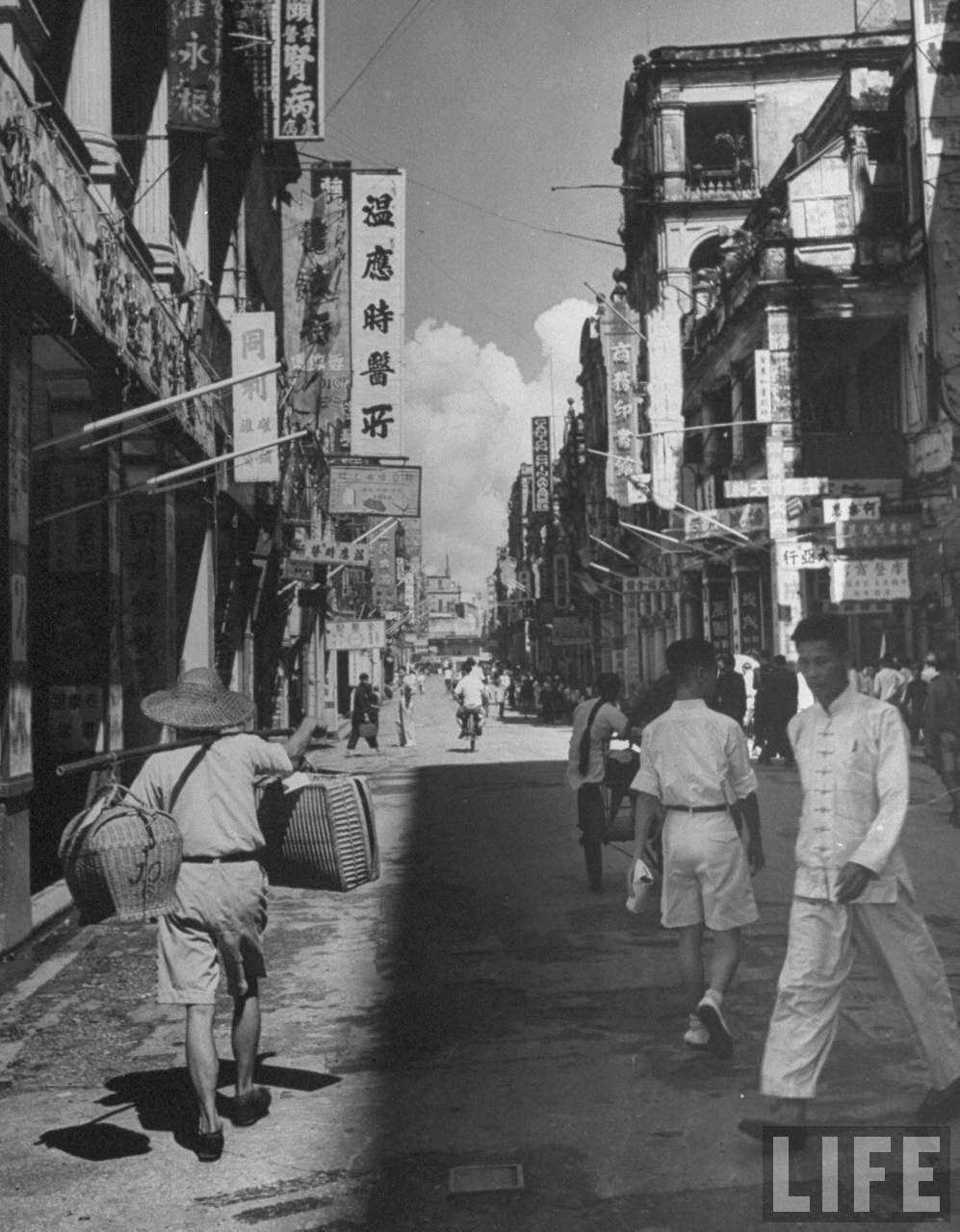
Pedestrians walking down Queen's Road.
Pedestrians walking down Queen’s Road.
People going about their business on Queen's Road.
People going about their business on Queen’s Road.
Street vendors selling their wares in marketplace on Queen's Road.
Street vendors selling their wares in marketplace on Queen’s Road.
Street vendors and their customers conducting business along Queen's Road.
Street vendors and their customers conducting business along Queen’s Road.
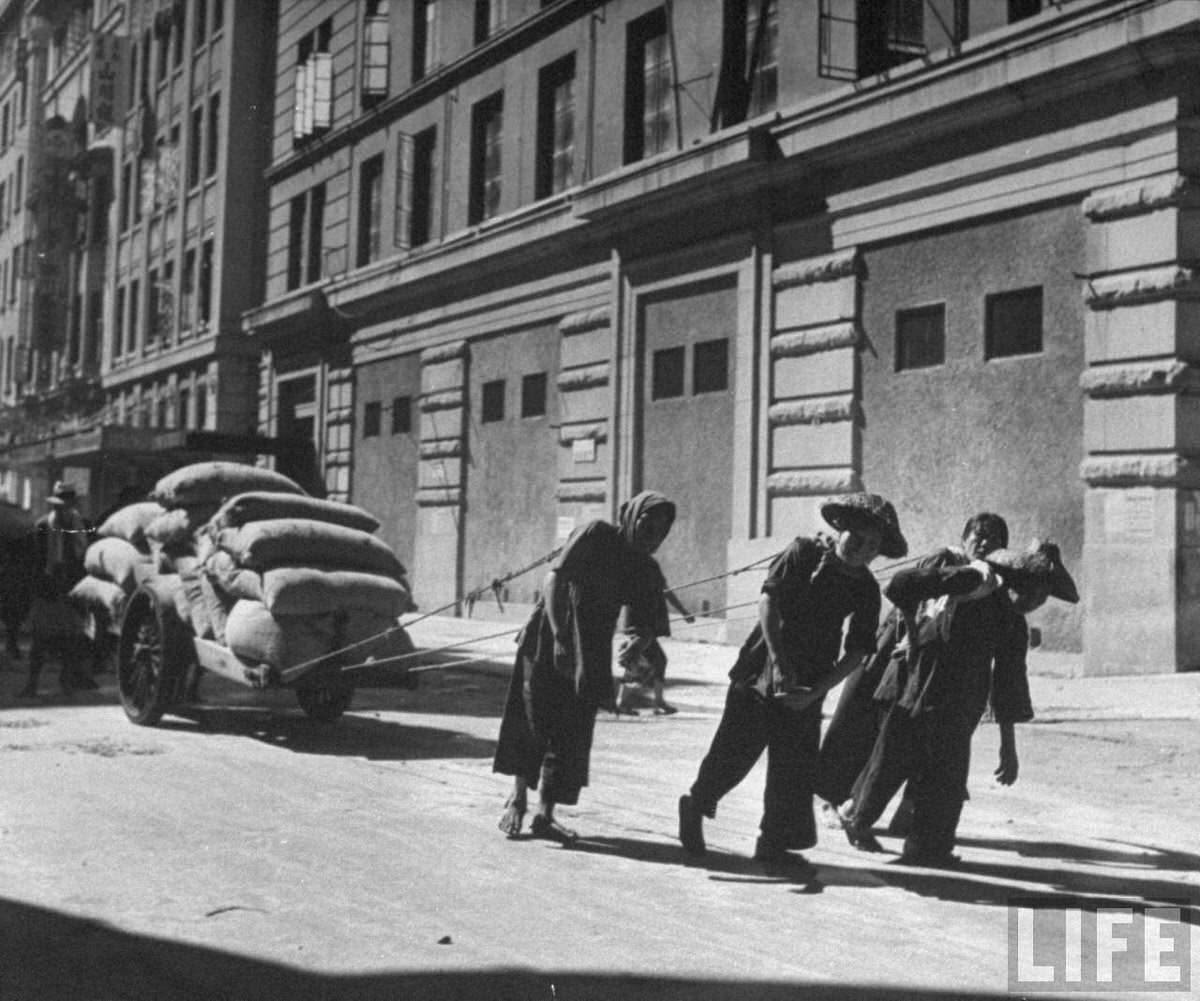
Elderly Chinese women pulling a cart loaded with sacks of rice.
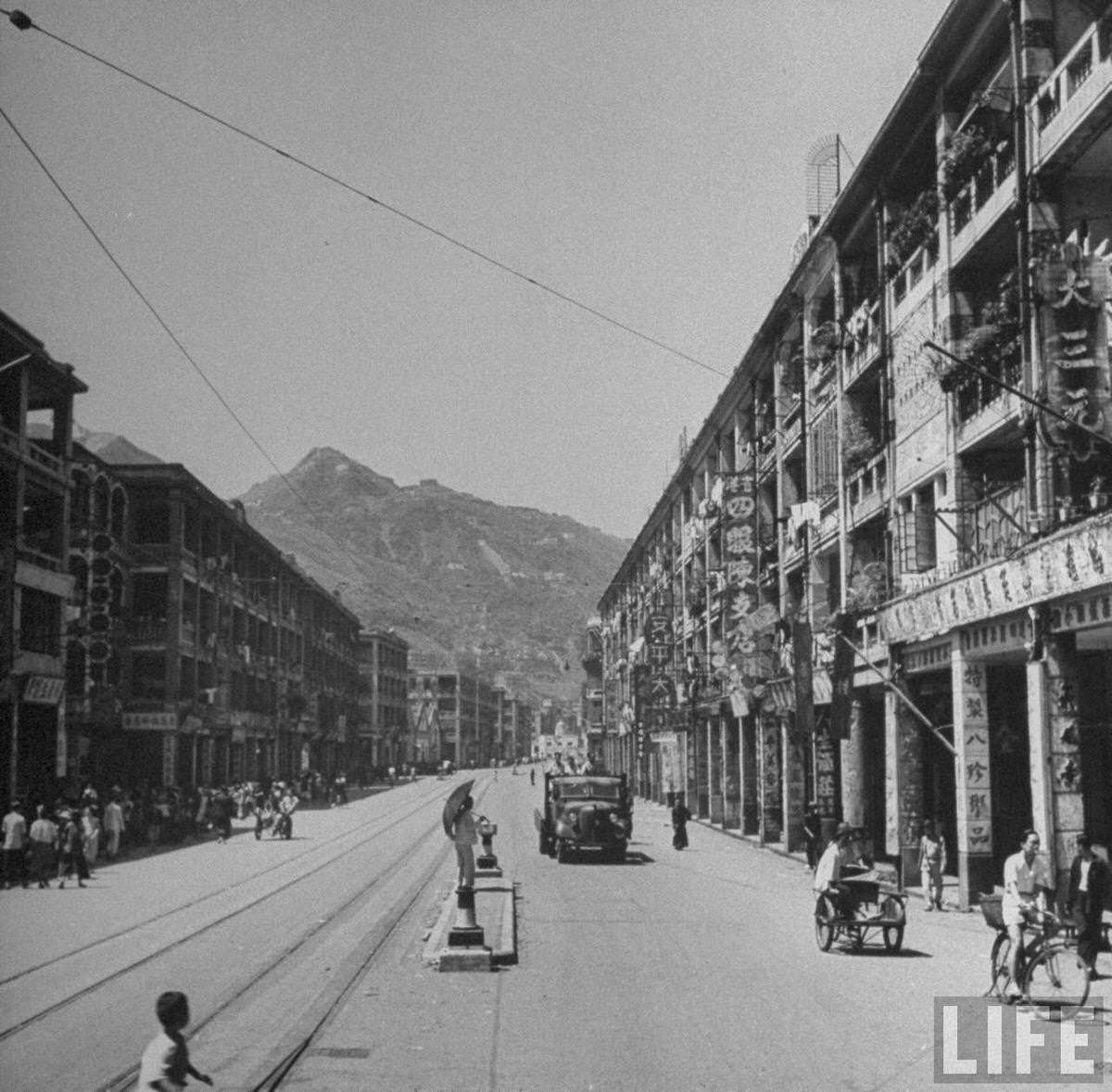
Pedestrians and vehicles moving along Queen's Road.
Pedestrians and vehicles moving along Queen’s Road.
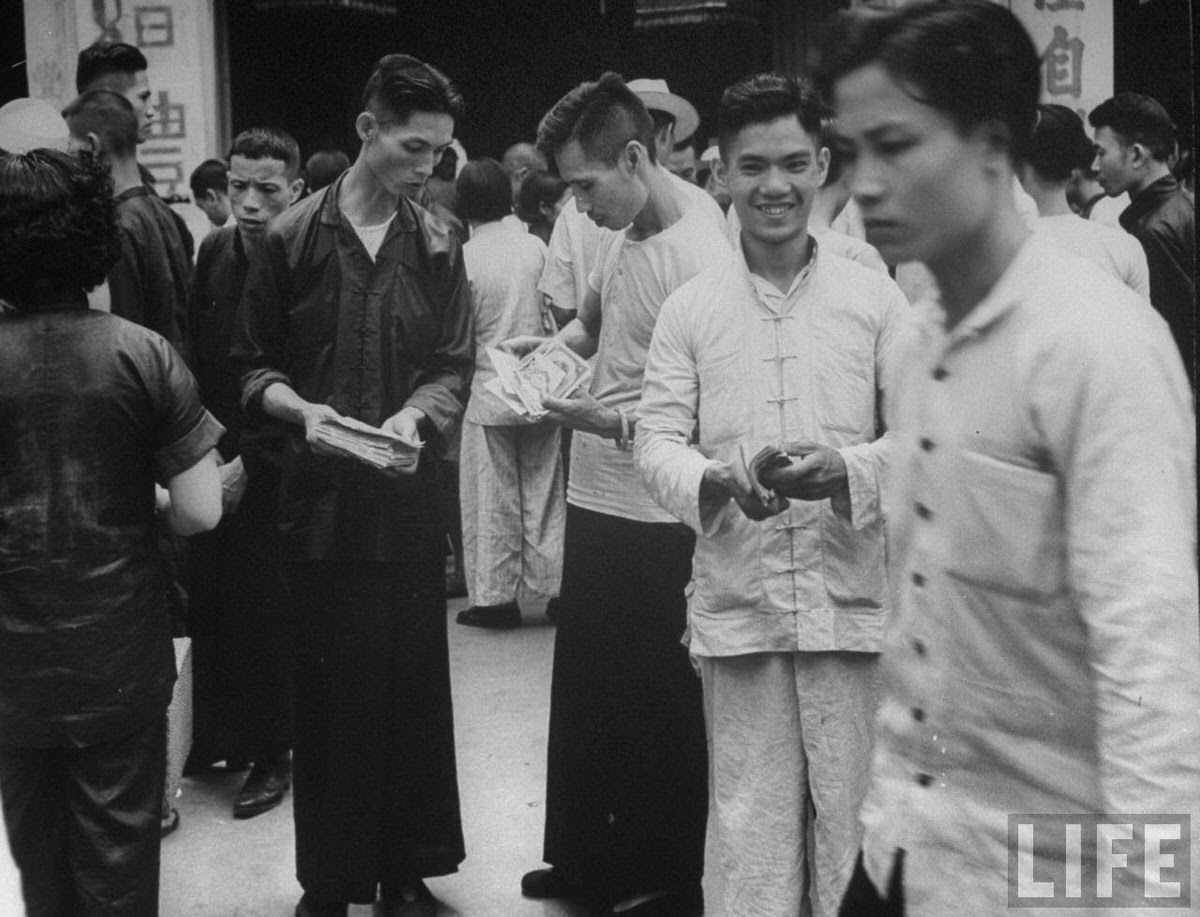
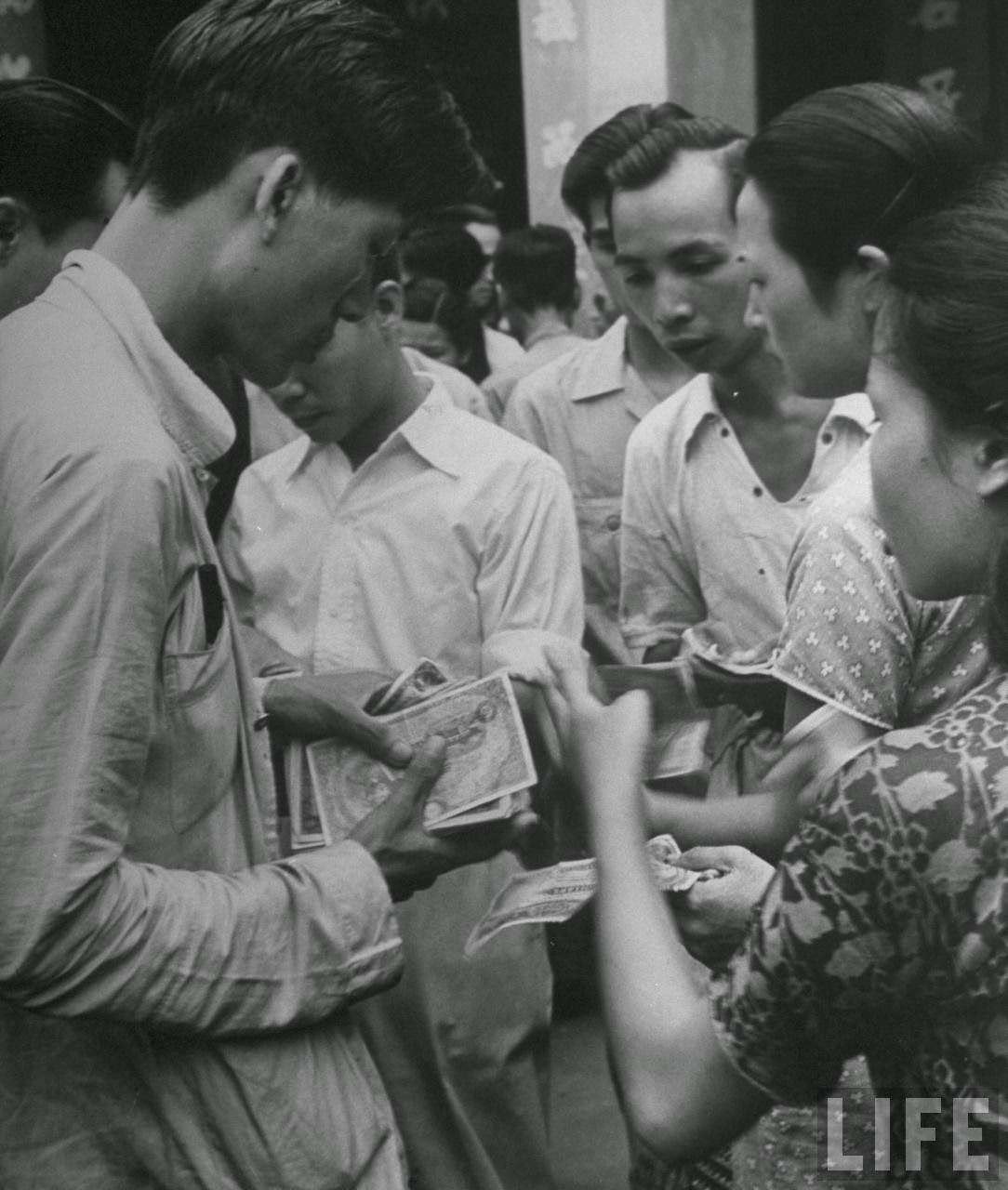
Black marketeers doing business on busy street.
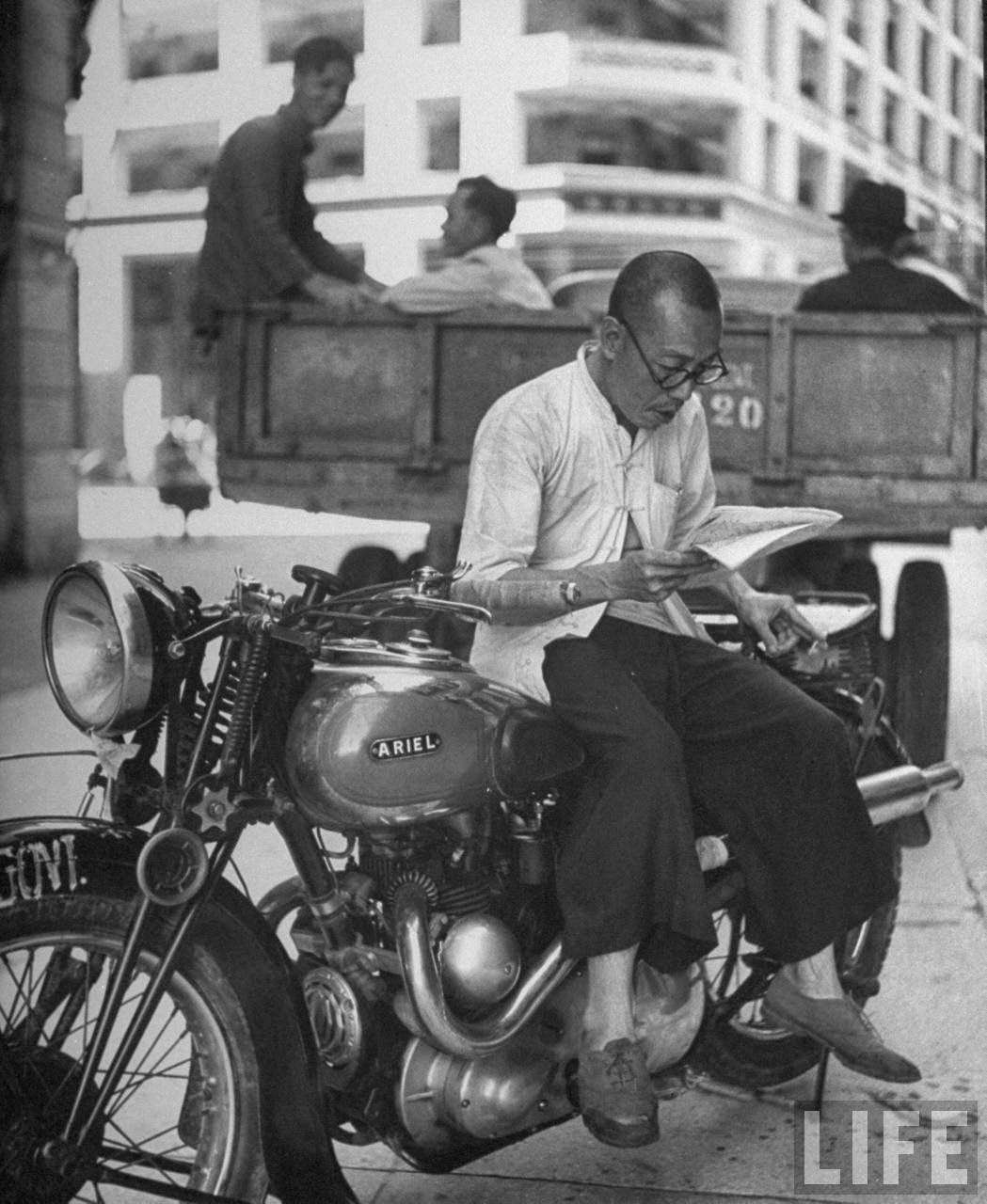
Chinese man sitting on a motorcycle, reading a newspaper.
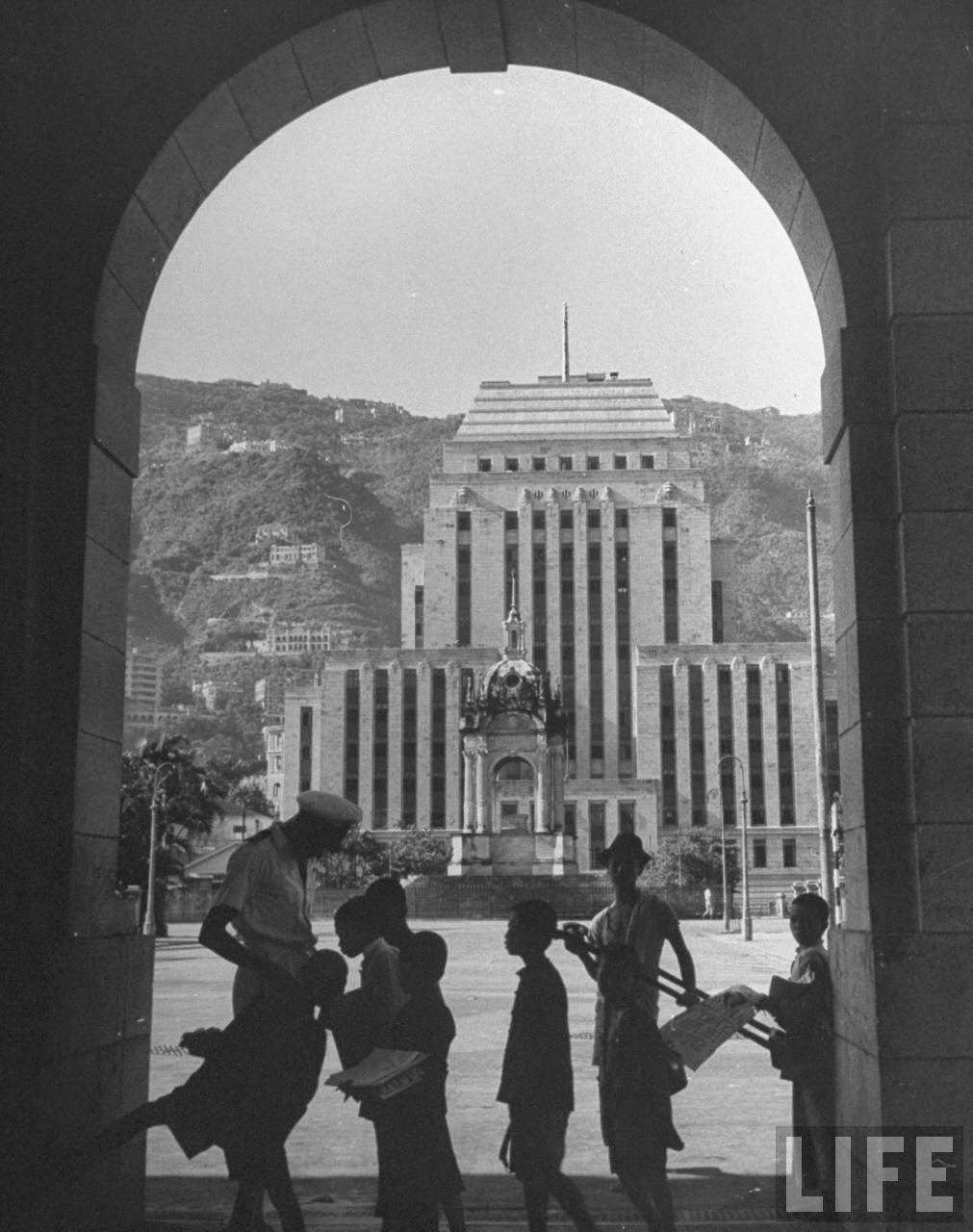
View through archway toward Hong Kong-Shanghai Bank.
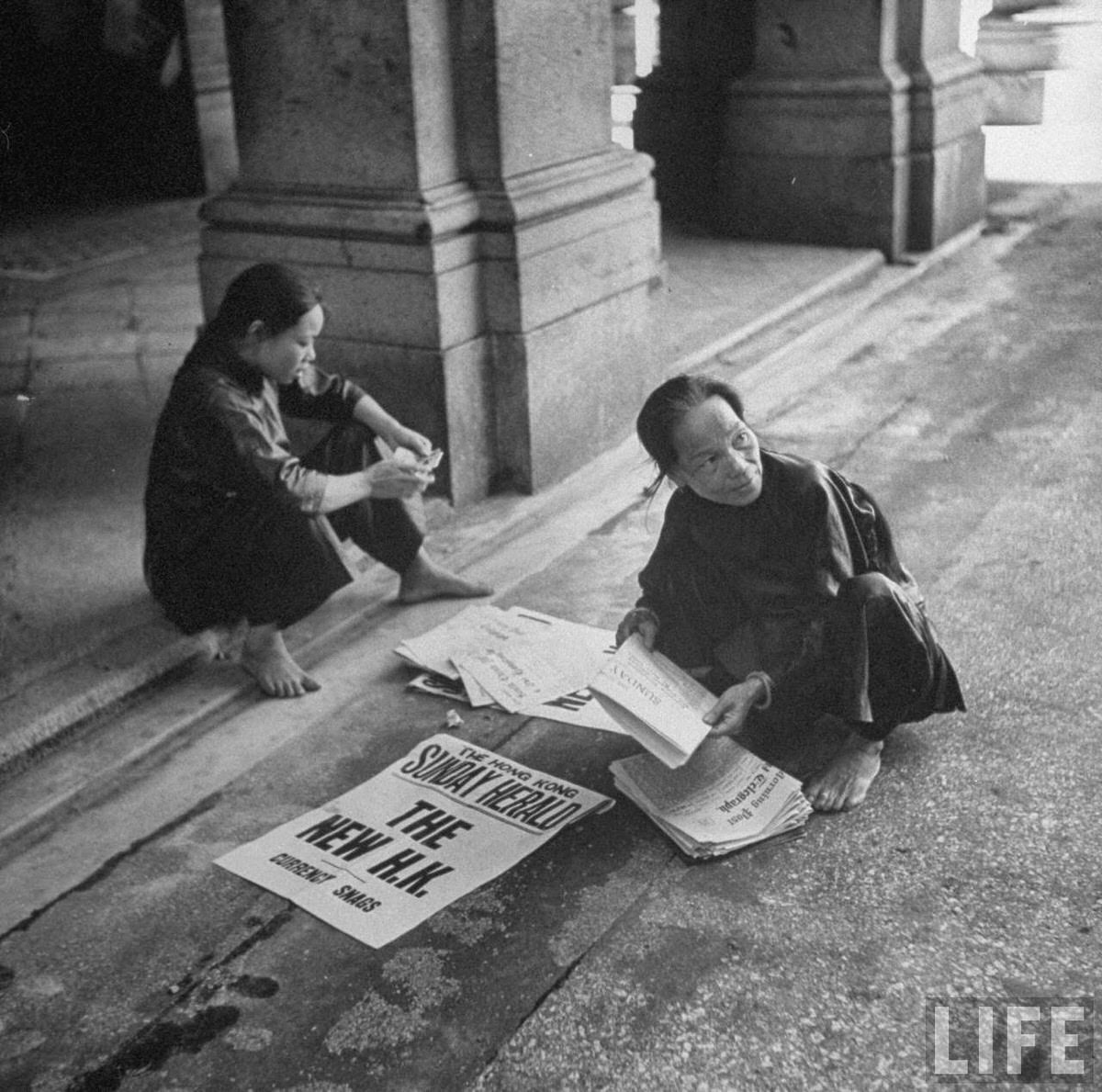
Chinese women selling newspapers.
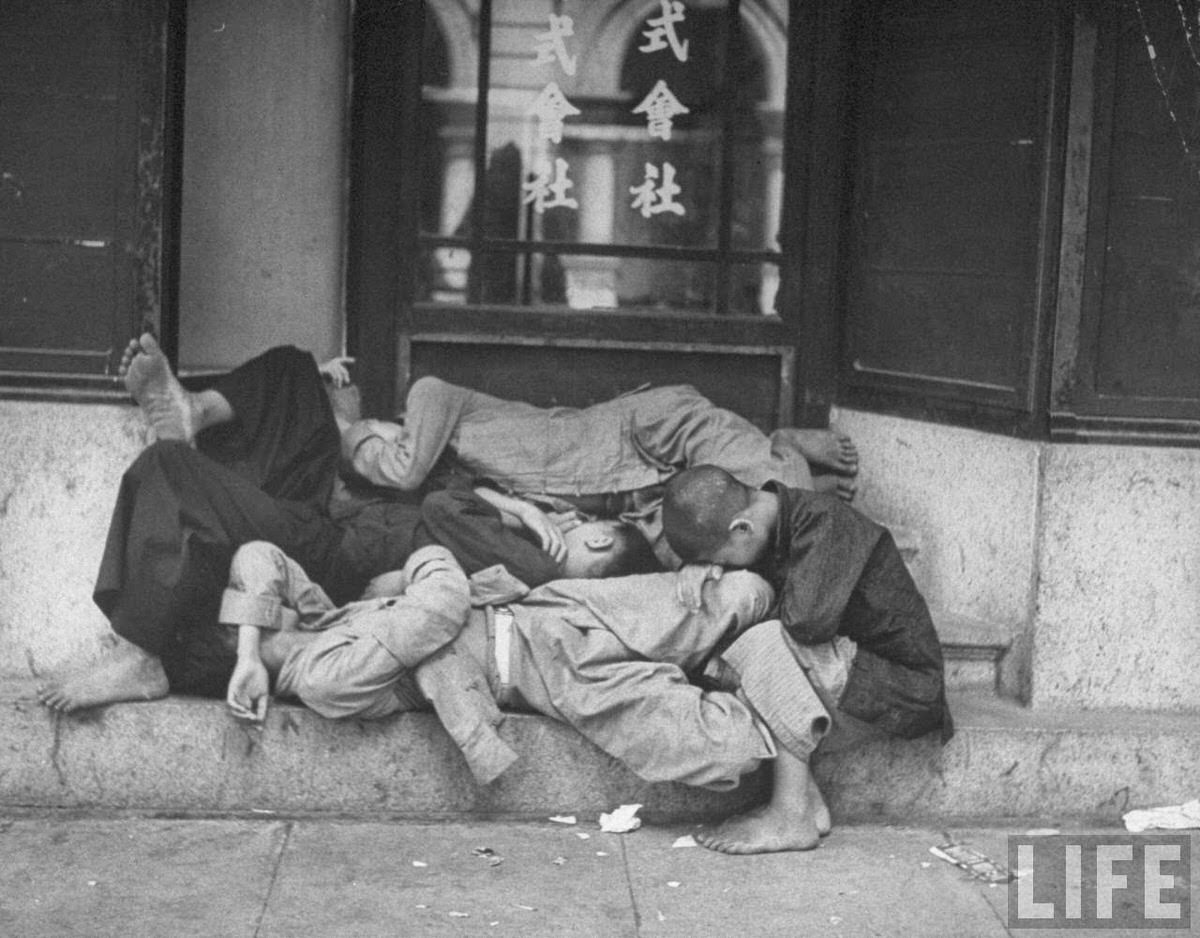
Coolies taking an afternoon nap on steps of a hotel.
Black marketeers doing business on busy street.
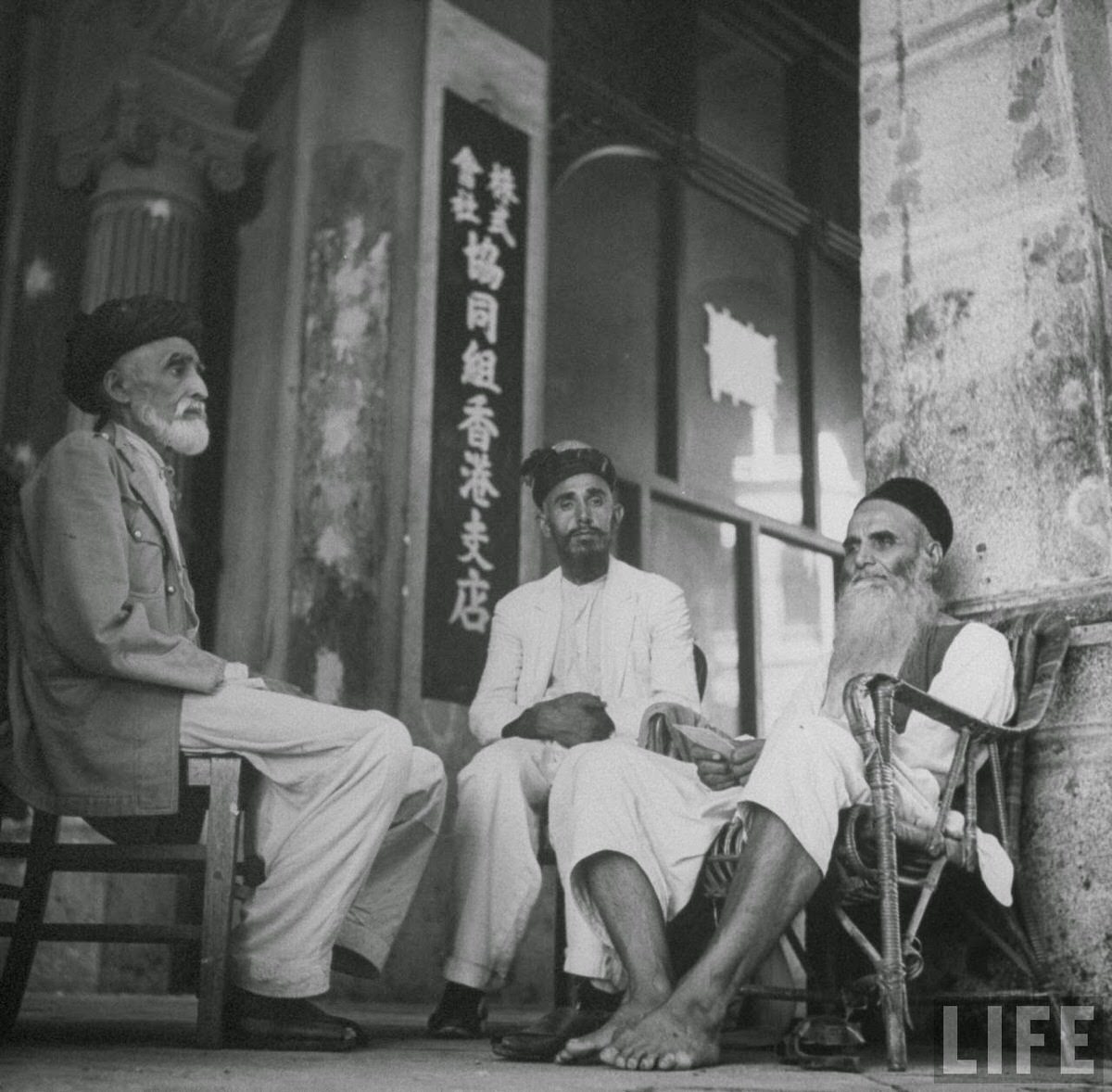
Men from India sitting in front of post office.
Enjoyed this post? Get new ones in your inbox.
Avatar of Kevin Clark

Written by Kevin Clark

Kevin Clark is a historian and writer who is passionate about sharing the stories and significance behind historical photos. He loves to explore hidden histories and cultural contexts behind the images, providing a unique insight into the past.

Leave a Reply

Your email address will not be published. Required fields are marked *