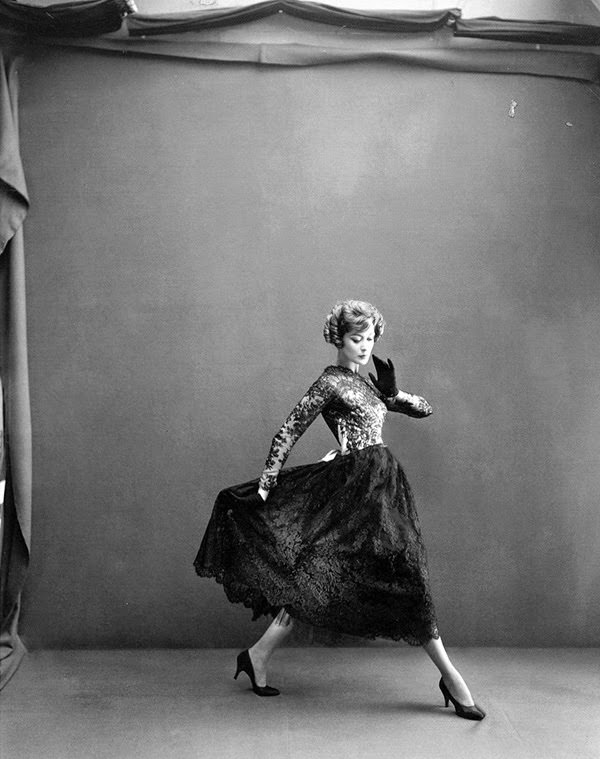
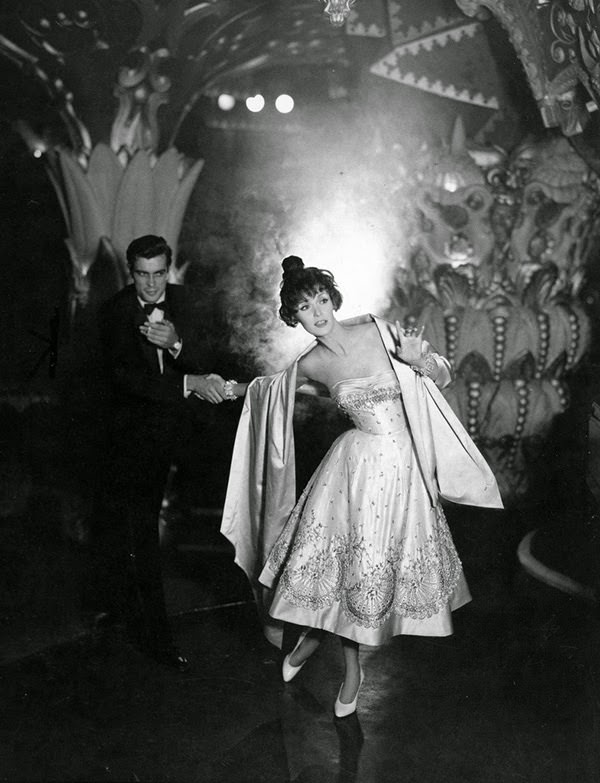
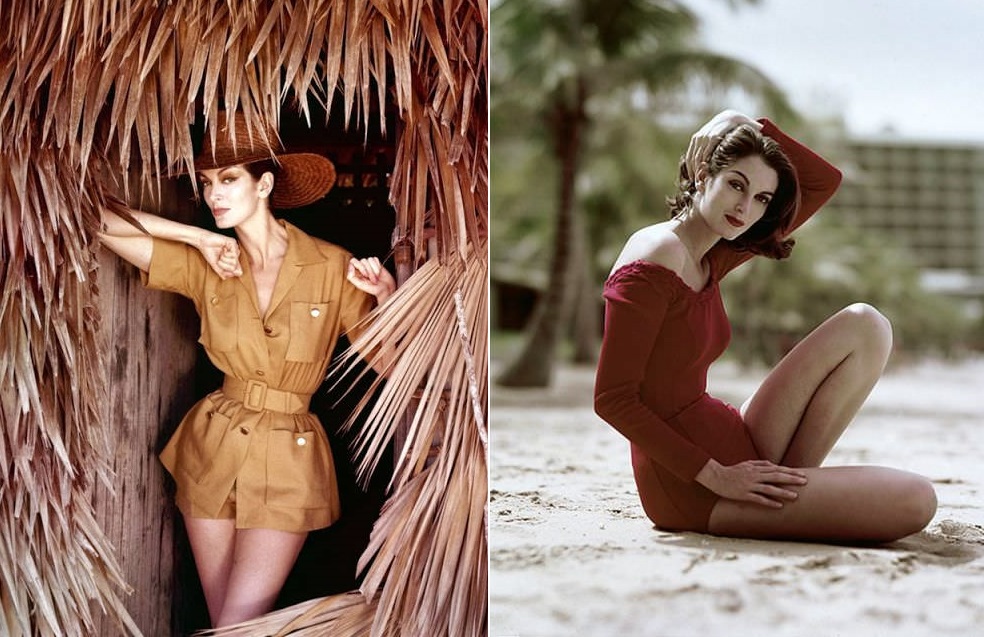
Barbara Mullen arrived on the fashion scene in the late 1940s with a look that stopped people cold. While mainstream magazines favored soft curves and wholesome smiles, Mullen was sharp, angular, and unlike anything editors had seen. Her waist measured just 18 inches, giving her a silhouette that looked almost drawn rather than real. Designers sought her out specifically because fabric draped across her frame without interruption. Colleagues nicknamed her “the string bean,” and she wore complex couture gowns that overwhelmed other models.
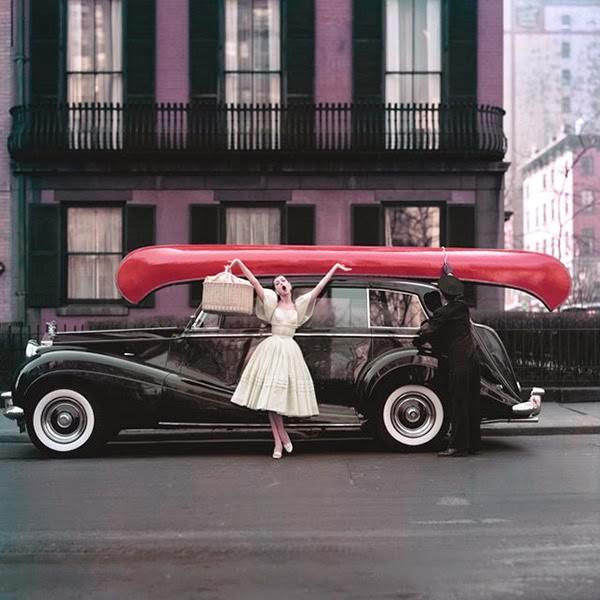
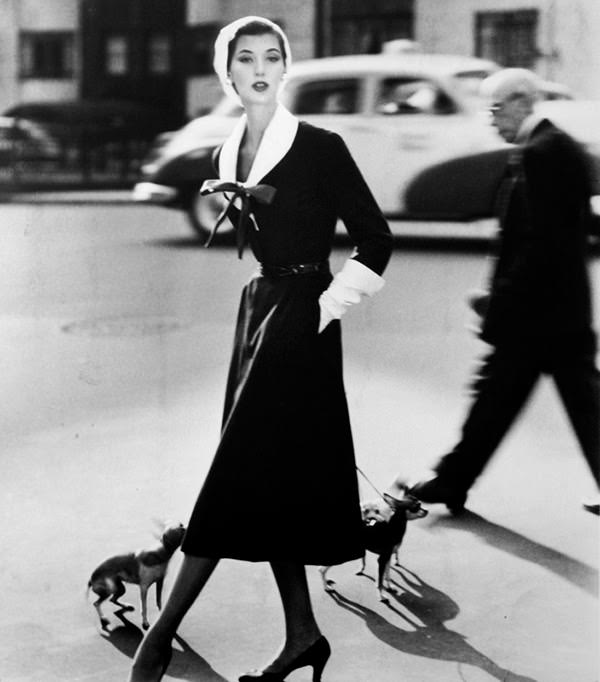
Editors and photographers prized Mullen for her ability to transform completely from one shoot to the next. She never relied on a single signature look. In one Vogue spread, she appeared as an untouchable, elegant queen. In the next issue, she became a rugged, playful tomboy. Through makeup and expression alone, she altered her features so drastically that readers often failed to recognize her across issues. This versatility kept her in high demand for over a decade.
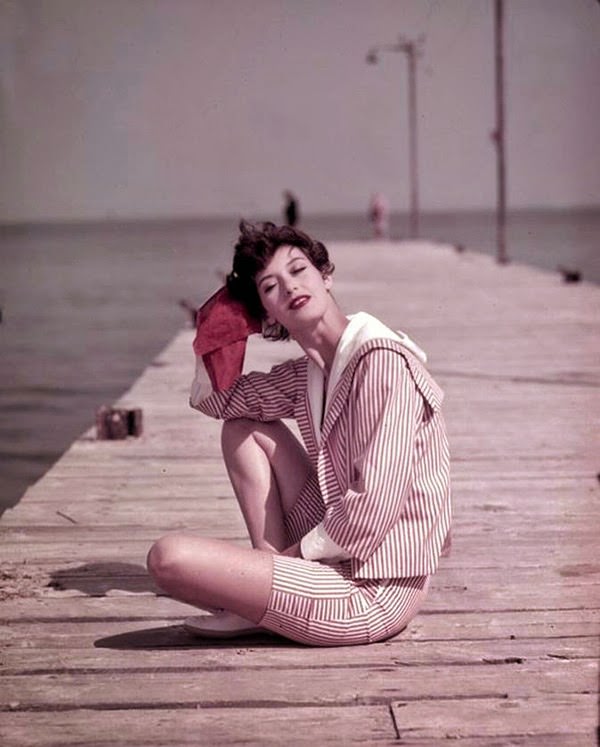
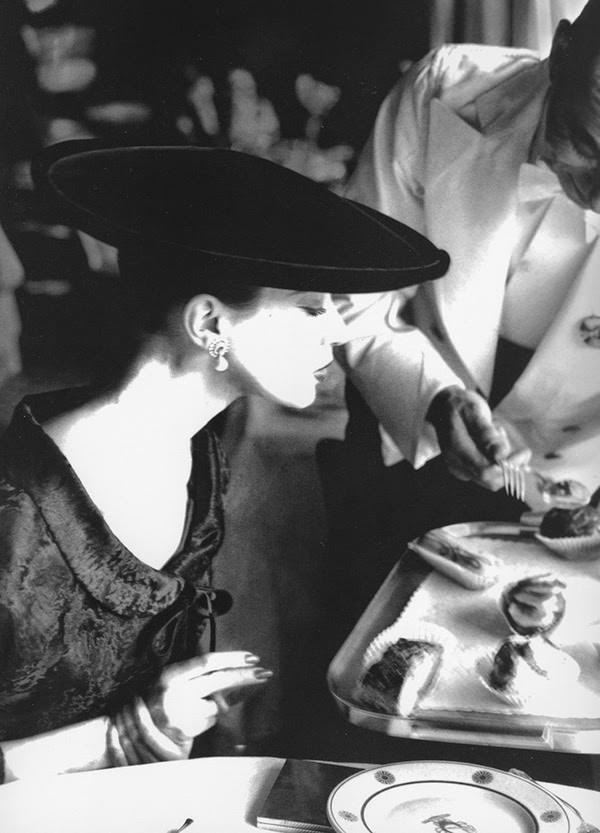
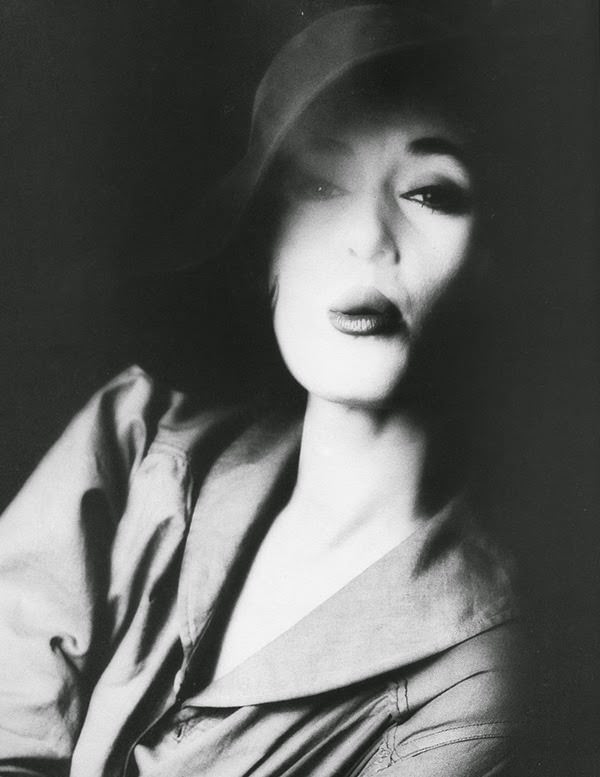
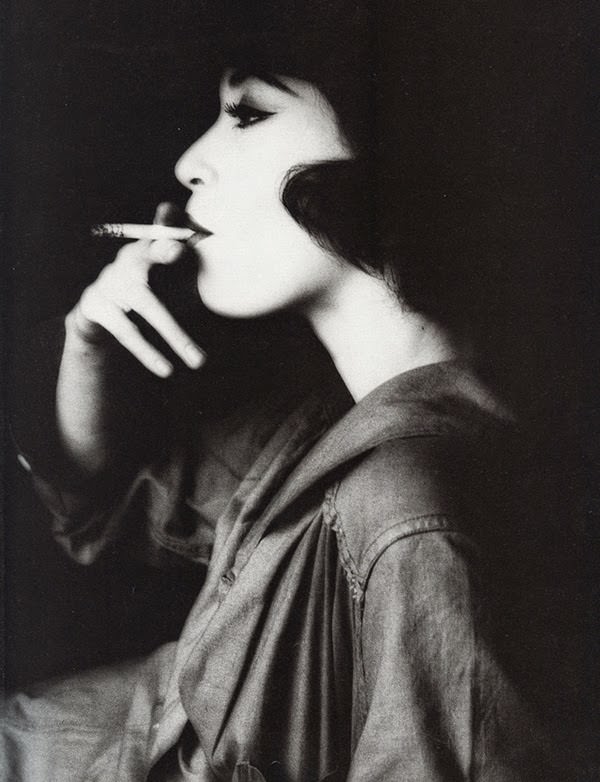
Mullen found her perfect visual partner in photographer Lillian Bassman. Bassman produced grainy, high-contrast images built around mood rather than sharp detail. Mullen’s long neck and angular lines cut cleanly through the blur of Bassman’s lens. She held difficult, twisted poses for extended periods to place shadow and light exactly where Bassman needed them. The results looked less like photographs and more like charcoal sketches.
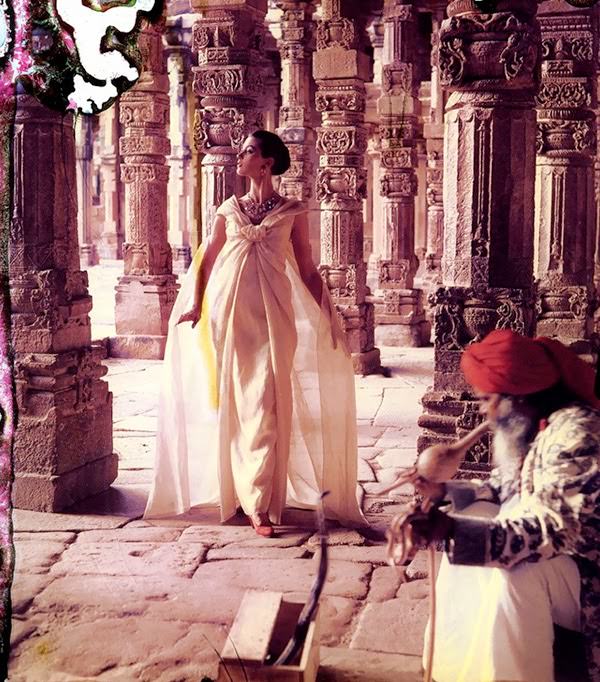
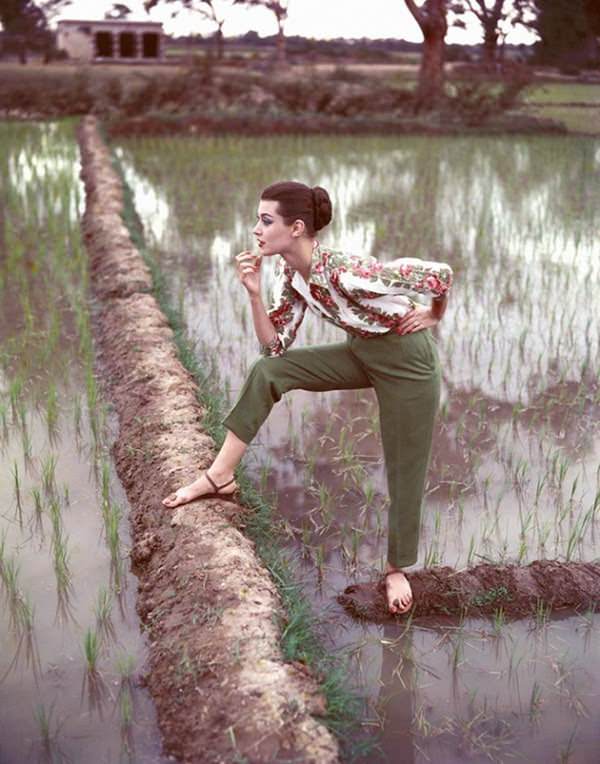
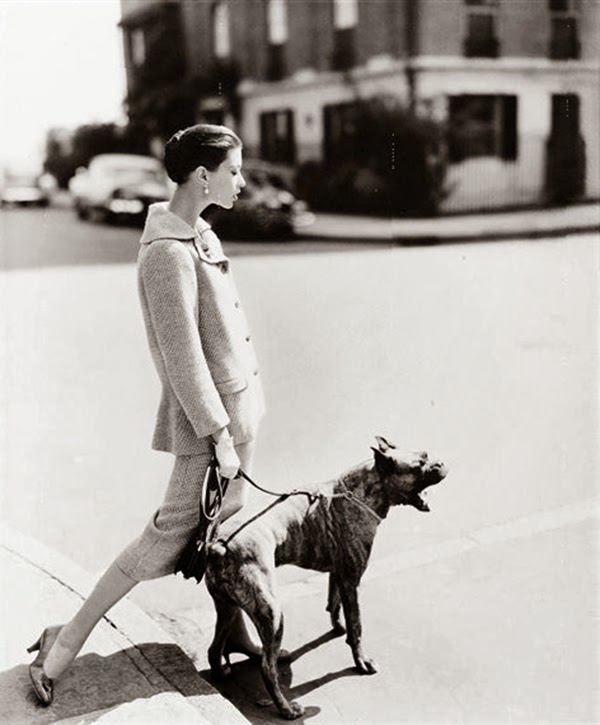
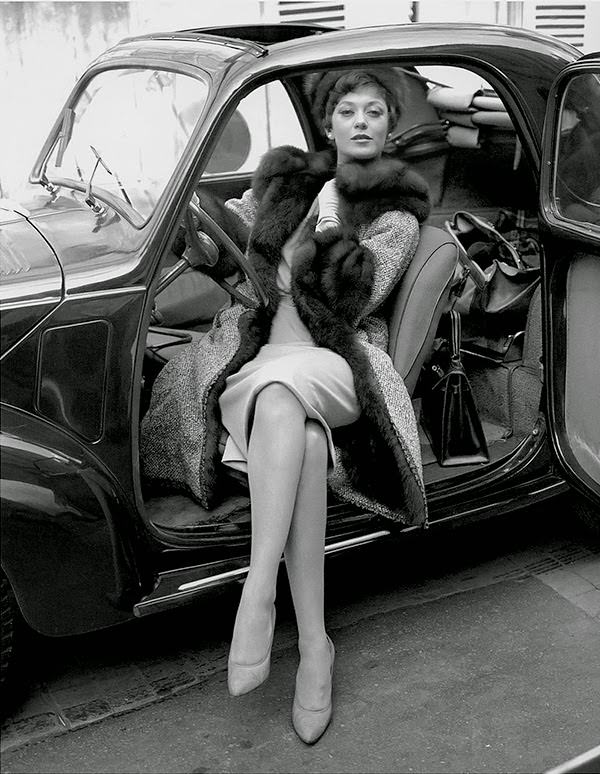
Mullen treated modeling as a form of theater. She moved with deliberate, dancer-like gestures rather than simply standing before a backdrop. Her hands were constant tools — fingers splayed or wrists curved to inject drama into a frame. Photographers like Norman Parkinson and Richard Avedon captured her mid-leap over puddles or leaning dangerously over railings, always with total composure. Her body control was so precise that she made heavy wool coats appear light and effortless.
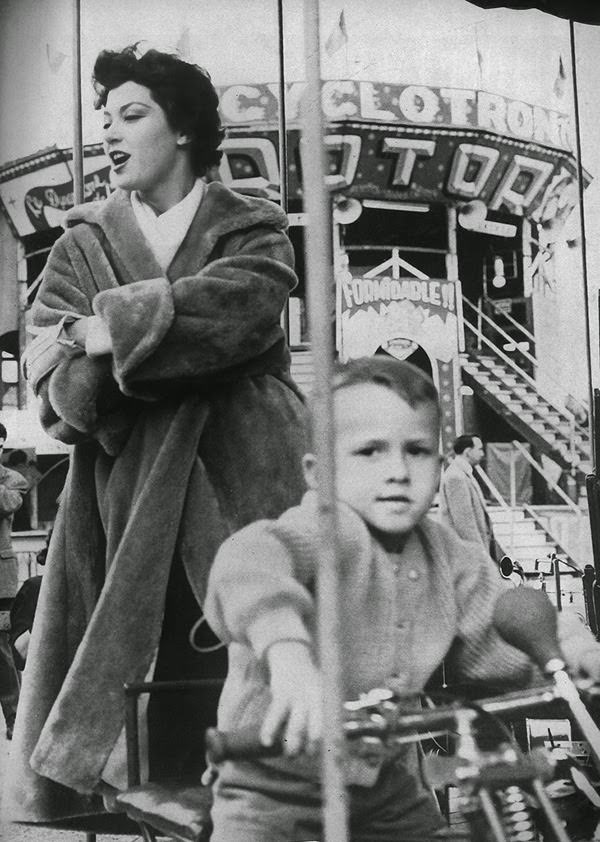
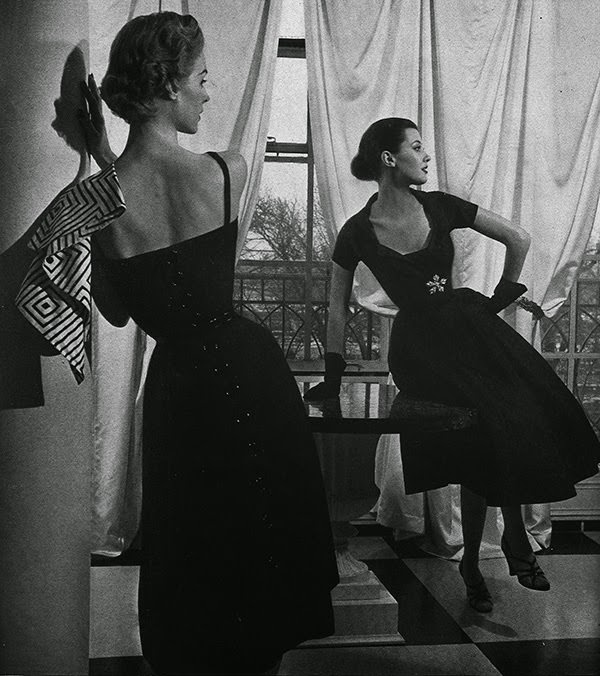
The discipline behind Mullen’s career was relentless. Models in that era handled their own hair and makeup, so she arrived at every shoot carrying a heavy bag of wigs and accessories, ready to build a character from scratch. She maintained her 18-inch waist through a strict diet, surviving long workdays on coffee and cigarettes. This allowed her to fit sample sizes that no one else in the industry could wear. She shuttled constantly between New York and Paris, walking runways for major houses including Dior alongside a packed editorial schedule.