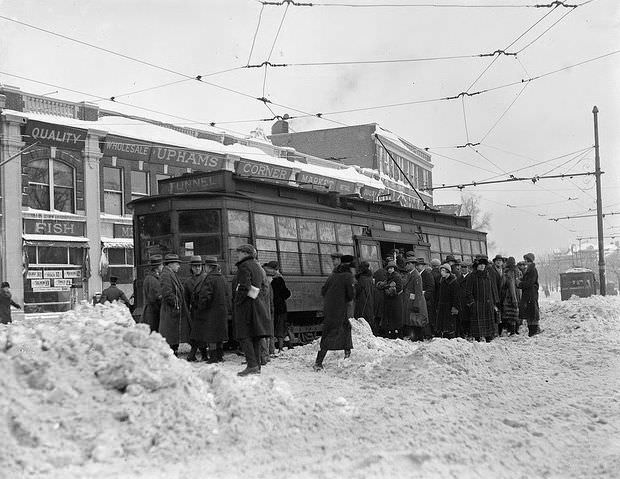
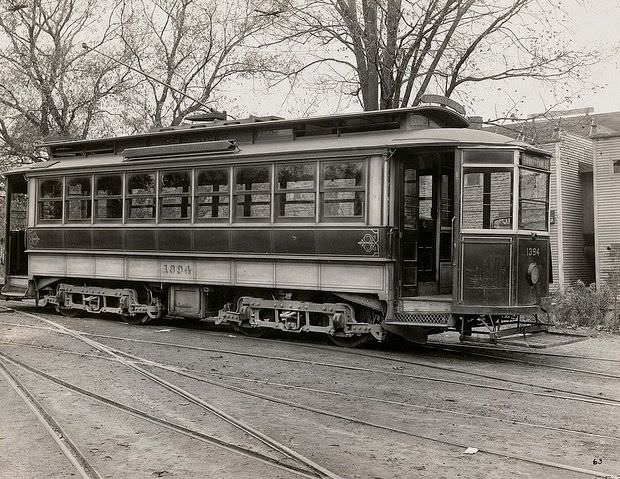
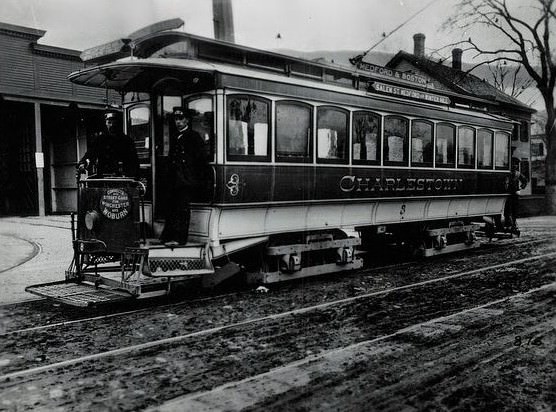
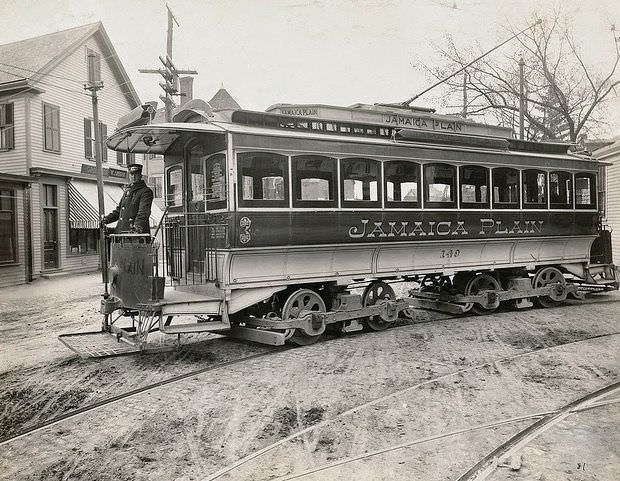
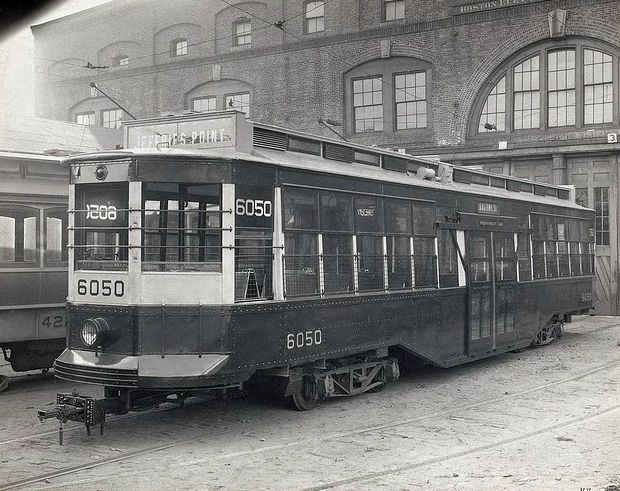
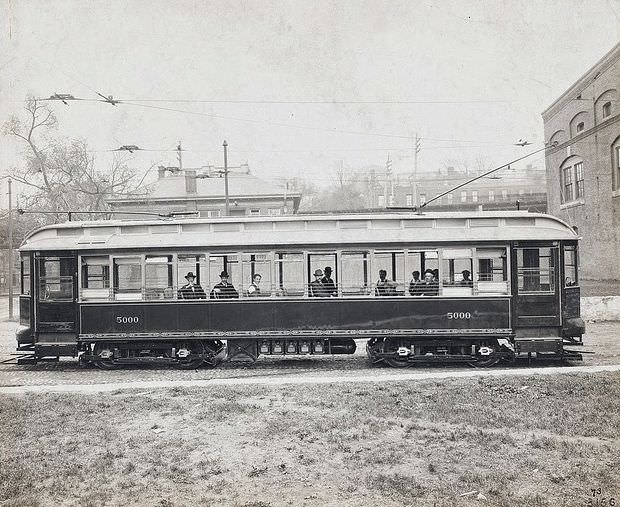
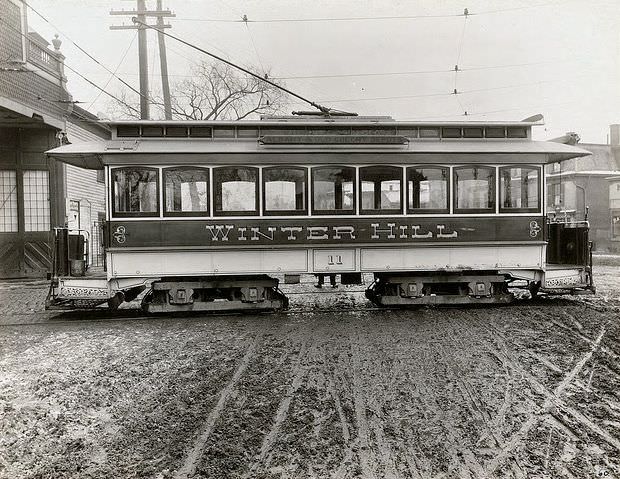
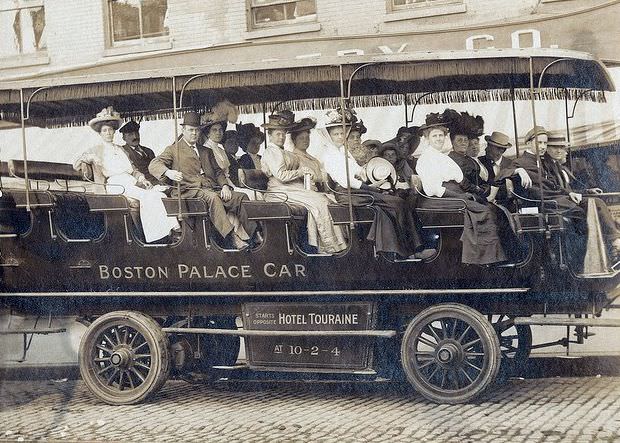
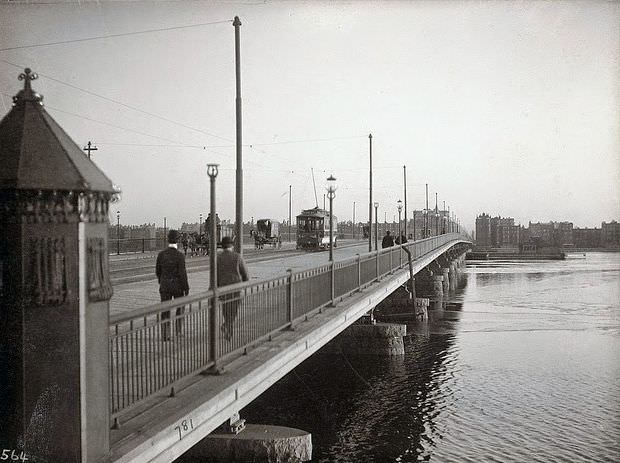
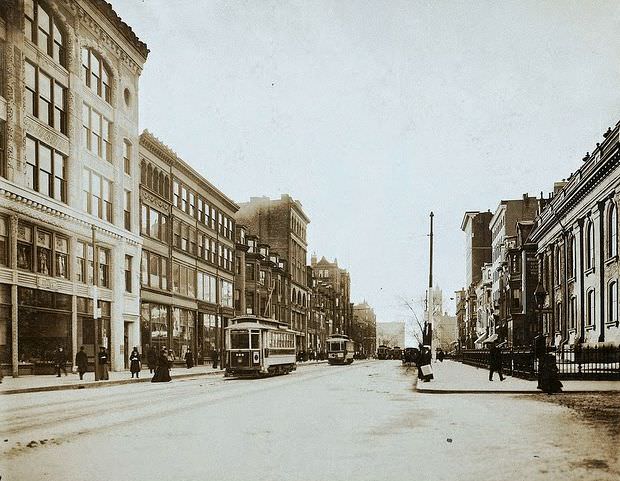
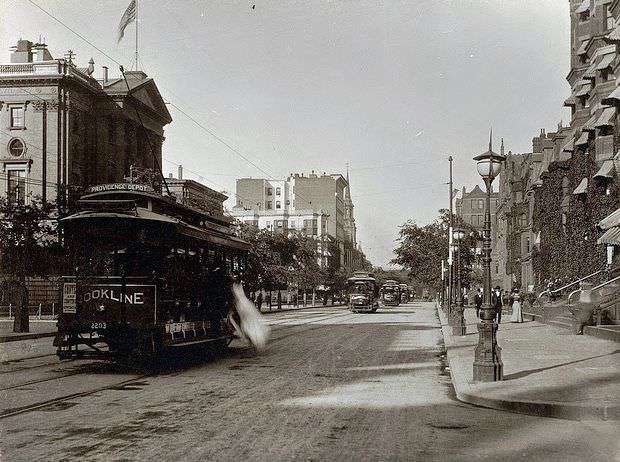
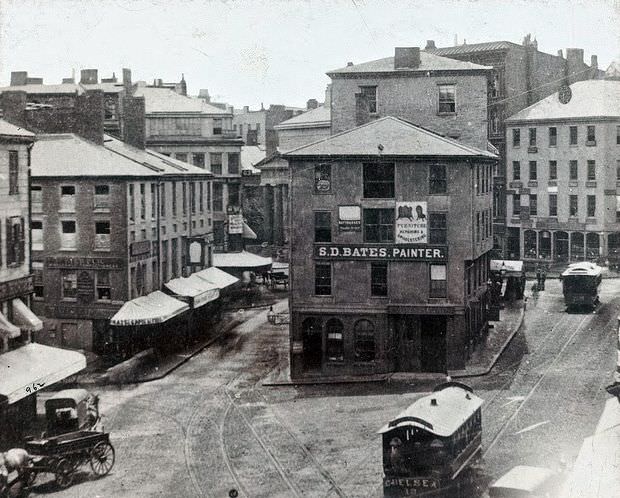
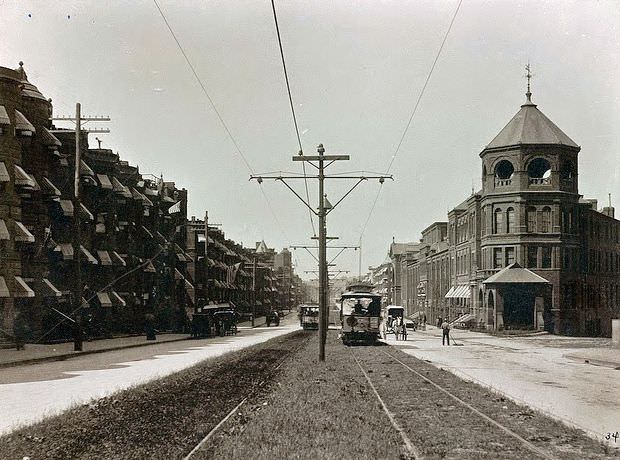
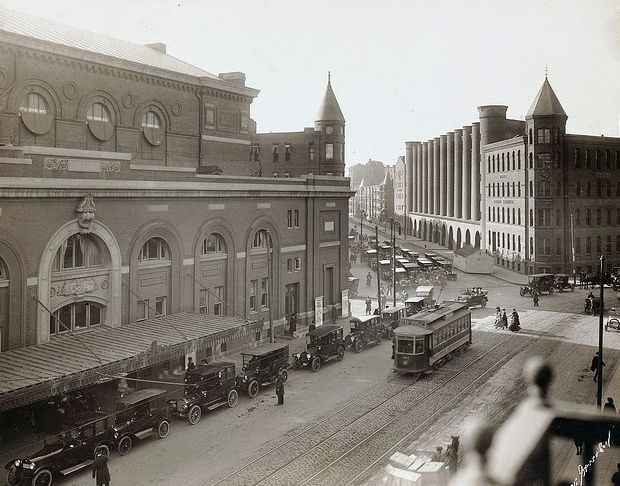
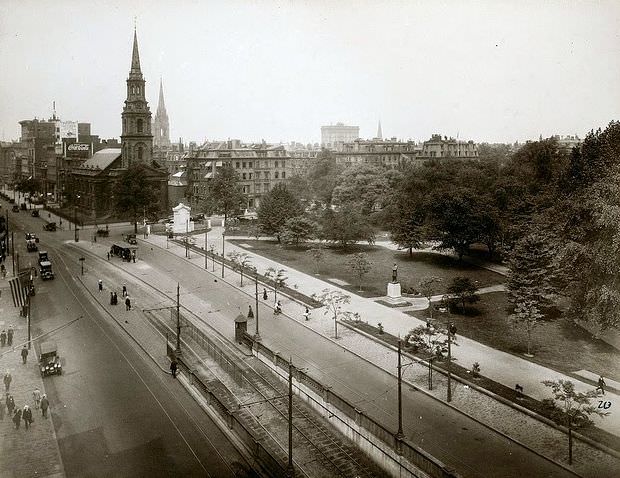
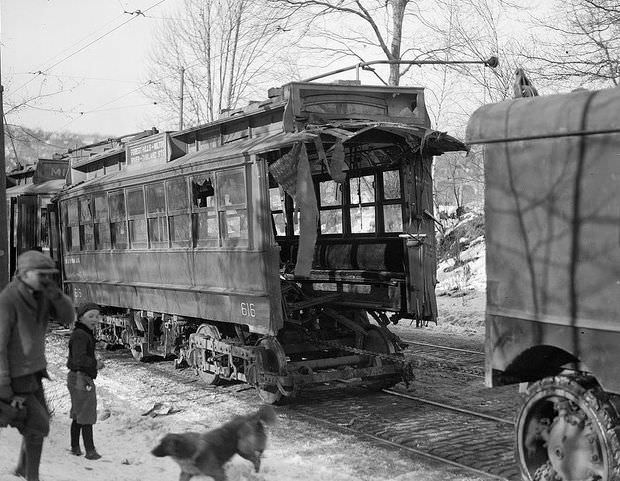
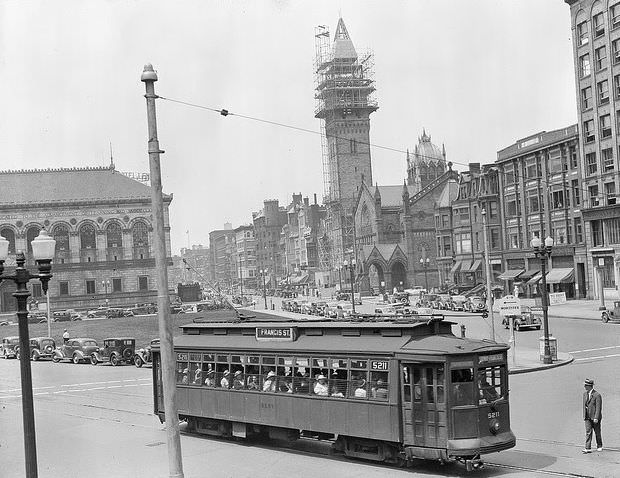
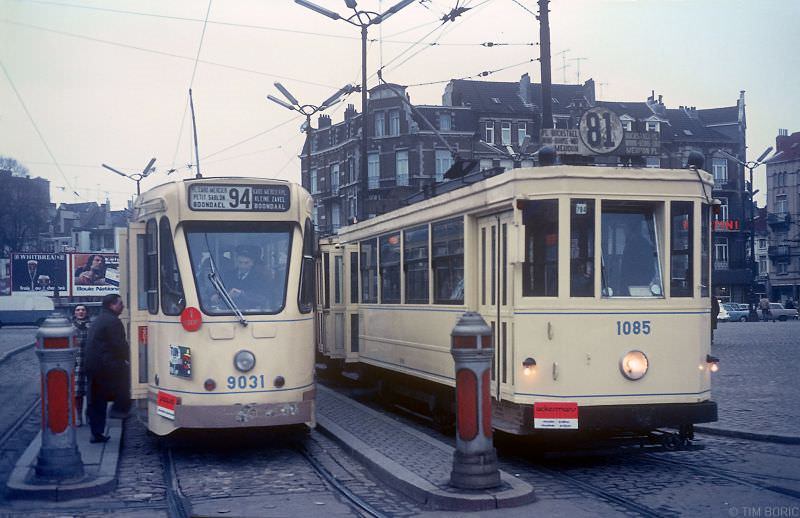
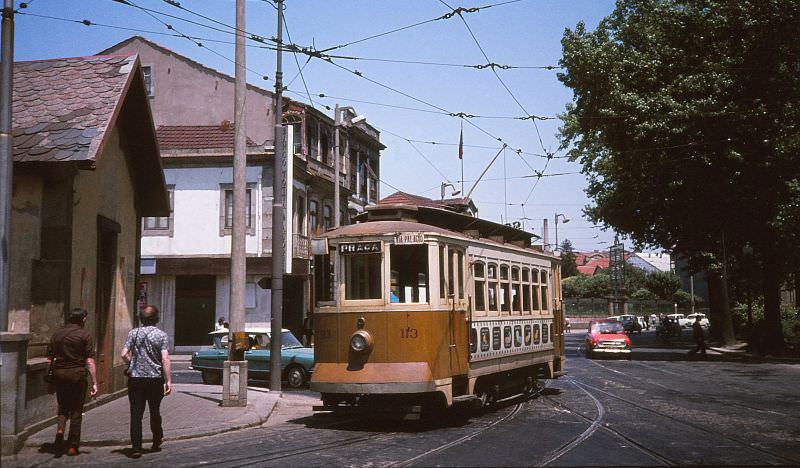
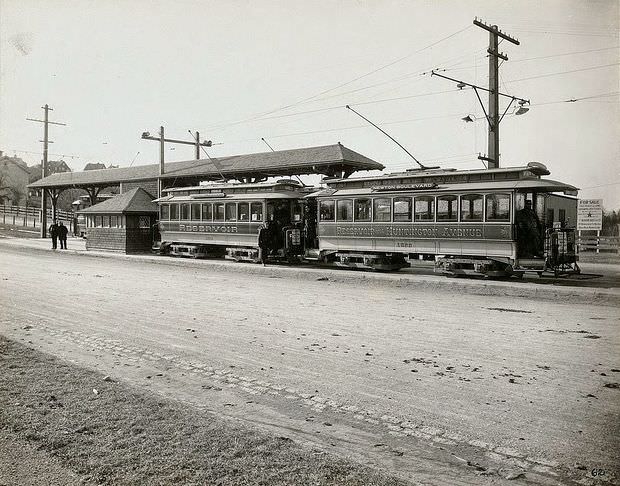
By the early 1900s, horses had vanished from Boston’s transit lines. Electric trolleys operated by the West End Street Railway now threaded through the city’s narrow, winding streets. Copper wires stretched overhead, feeding power to each car through a trolley pole on its roof. These vehicles linked dense neighborhoods to the business district faster than any horse ever had.
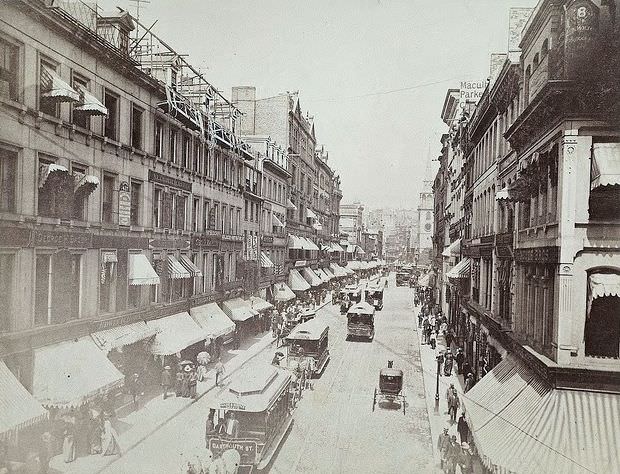
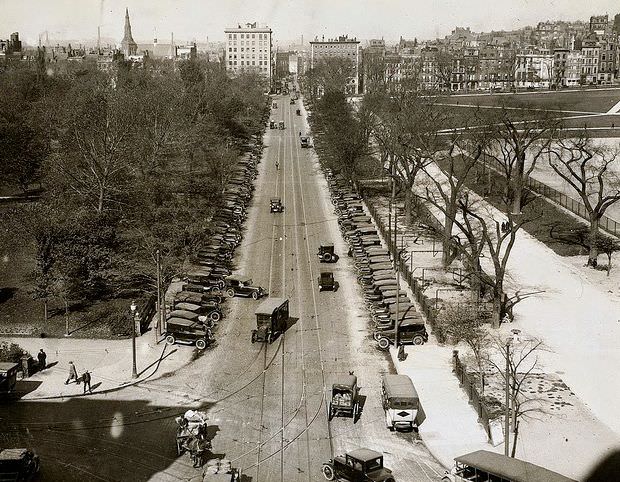
Downtown, however, the streets were simply too tight. Trolleys, wagons, and pedestrians competed for the same narrow corridors, and gridlock became routine. Boston’s engineers responded with a bold solution: they moved the trolleys underground.
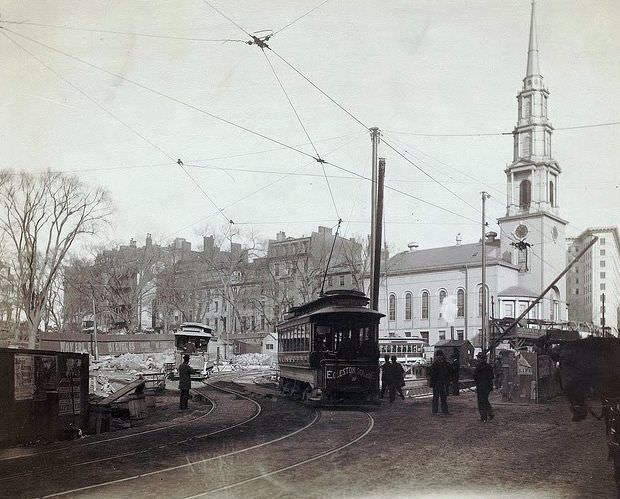
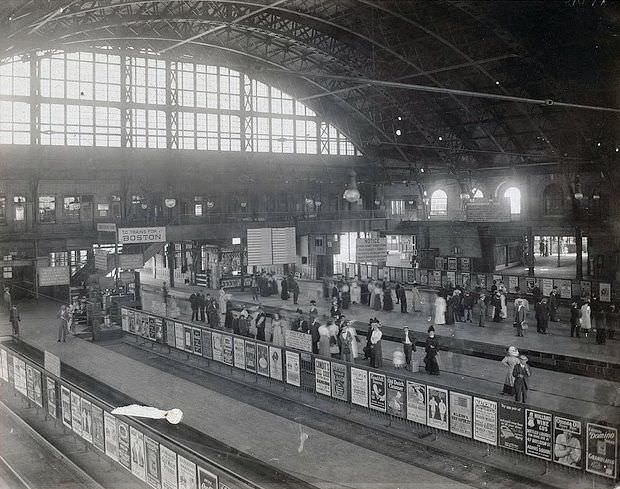
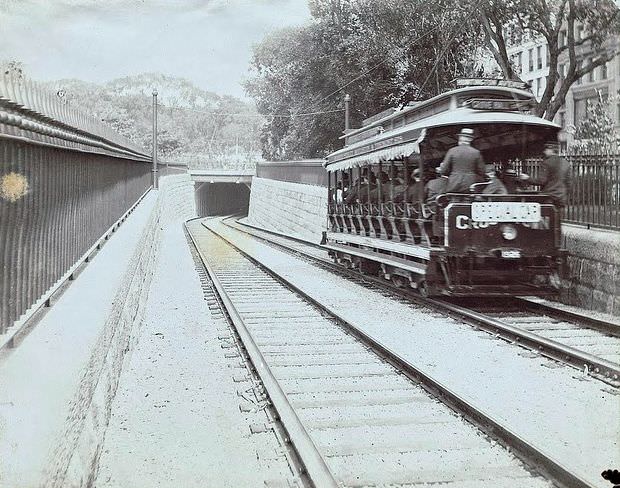
The Tremont Street Subway funneled surface cars below ground at the Public Garden and near North Station. Stations at Park Street and Boylston featured wide stone platforms serving thousands of passengers daily. With trolleys removed from Tremont Street’s surface, traffic above ground finally moved again.
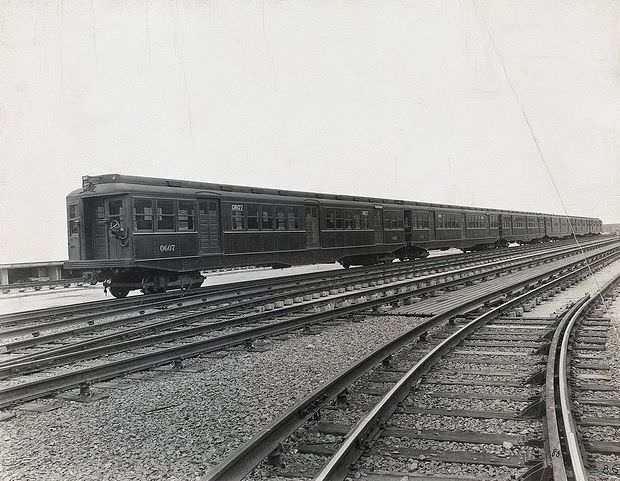
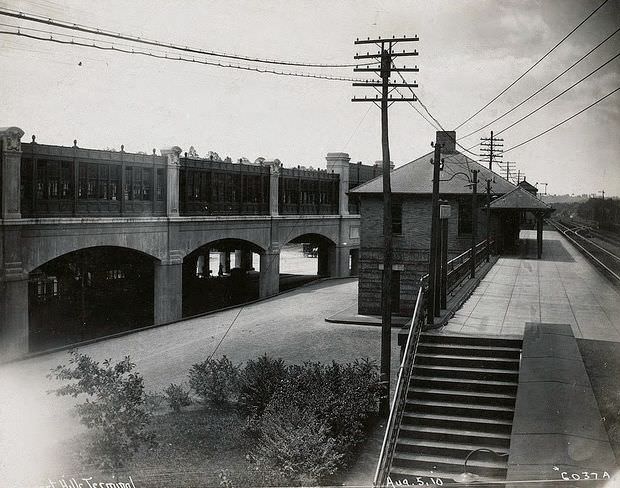
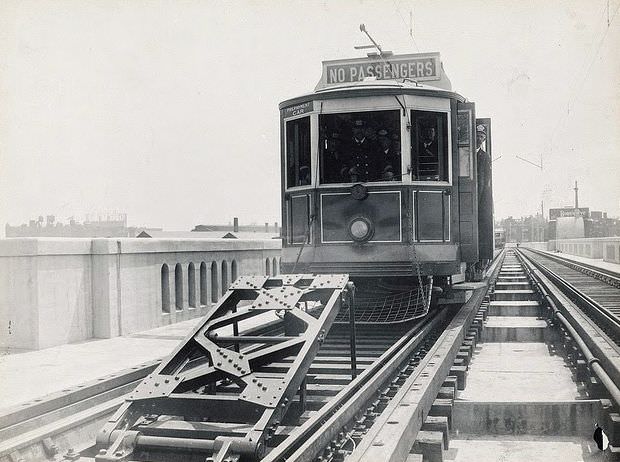
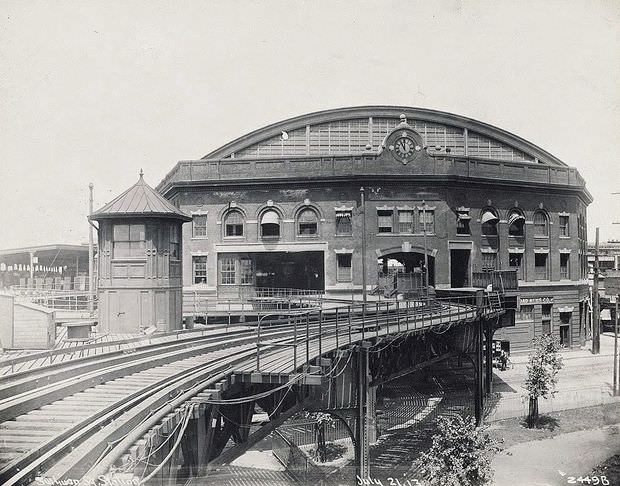
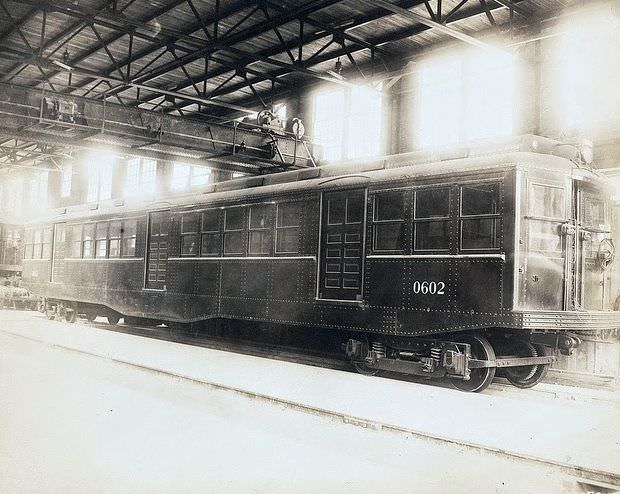
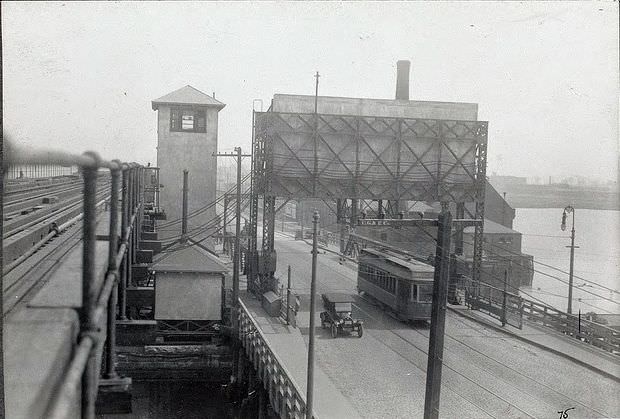
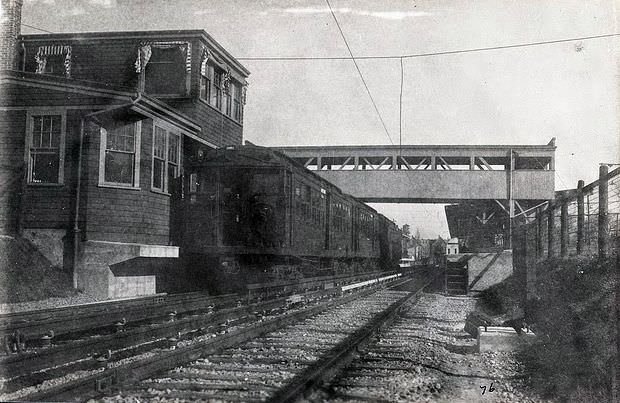
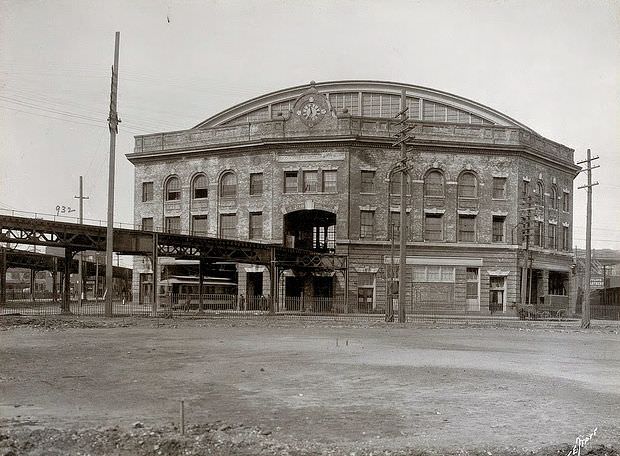
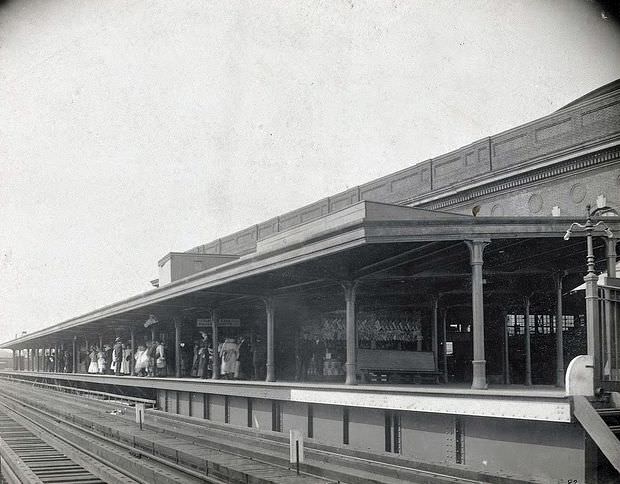
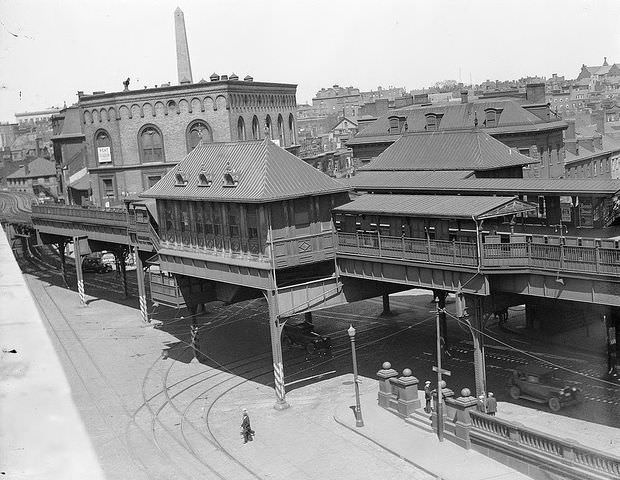
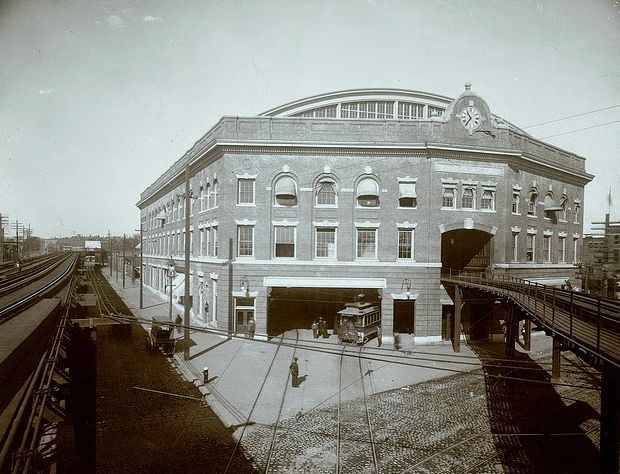
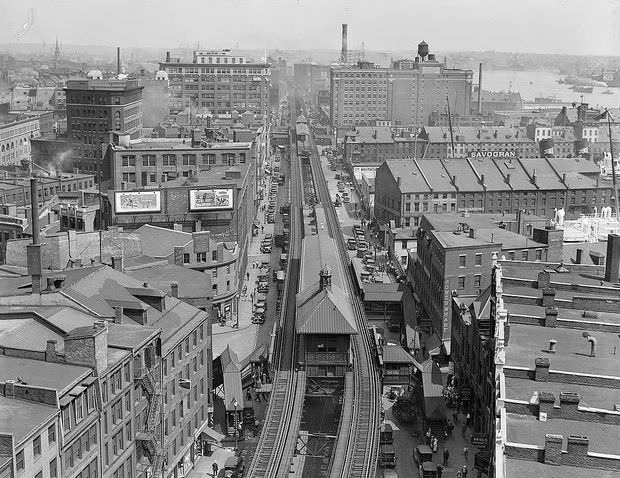
While trolleys ran below the streets, heavy rail trains rose above them. The Boston Elevated Railway Company — known as BERy — opened the Main Line Elevated in 1901. Massive steel trestles carried trains above Charlestown, the South End, and Roxbury, running from Sullivan Square in the north all the way down to Dudley Square.
A separate loop ran along Atlantic Avenue, connecting North Station and South Station along the waterfront. Trains passed the busy wharves and ferry terminals, though sharp curves forced them to slow and screech through the harbor-side bends.
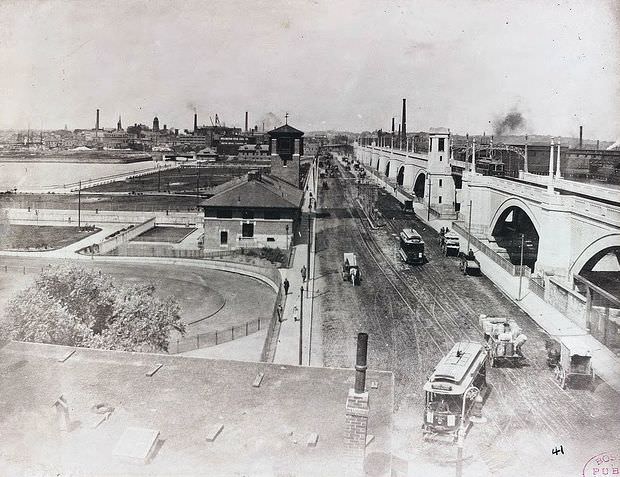
BERy managed the surface trolleys, the subway, and the elevated trains as one unified system. A single five-cent fare covered entry, and free transfers let riders switch between modes without paying again. At major hubs like Dudley Square, elevated trains arrived on the upper level while trolleys looped below. Riders walked down ramps to transfer — no extra cost, no confusion.
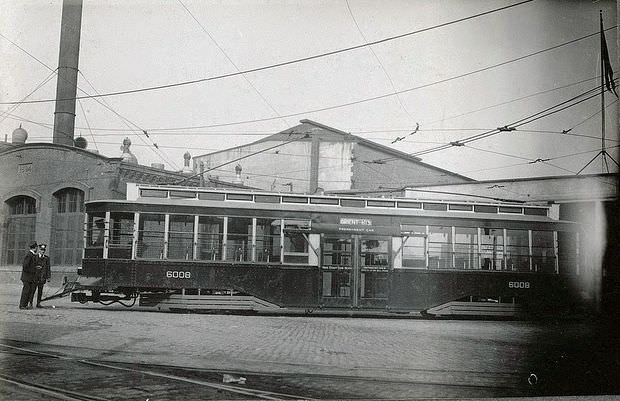
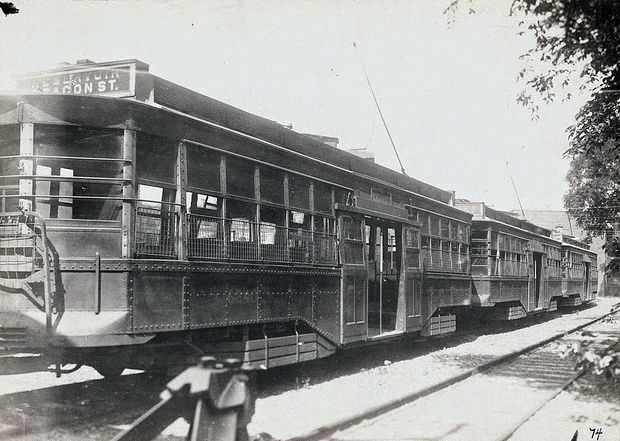
This five-cent network made it practical for workers to live in outlying neighborhoods like Dorchester while commuting daily to downtown jobs. The integrated fare structure was as important as the infrastructure itself.