By the 1850s, Britain looked nothing like it had a generation before. Steam trains now crossed the country at speeds that horses could never match, hauling coal, manufactured goods, and passengers along thousands of miles of new track. Canal boats and horse-drawn carriages hadn’t disappeared, but the railway had clearly won. For the first time, ordinary citizens could travel for leisure, reaching coastal towns, mountain valleys, and historic cities in a matter of hours. This shift opened up the landscape of Britain to a new kind of documenter — the photographer.
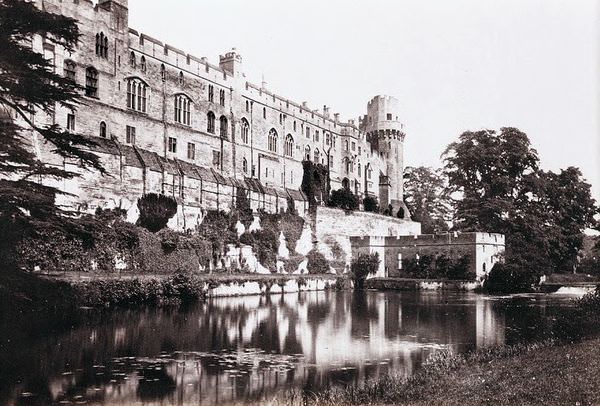
Francis Bedford was among the most respected photographers working in Britain during this period. He specialized in topographic and architectural views — precise, carefully composed images of places rather than people. His work wasn’t casual. Moving a full photographic kit across the country meant hauling glass plates, toxic chemicals, and heavy wooden cameras by train, cart, and sometimes on foot. The images Bedford produced from these journeys gave the British middle class something they had never had before: a detailed, reliable visual record of places most of them would never see in person.
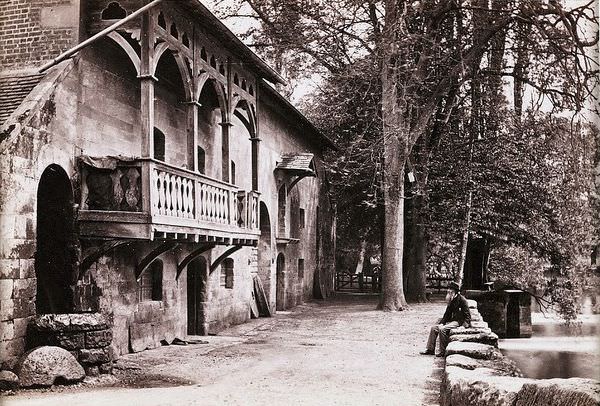
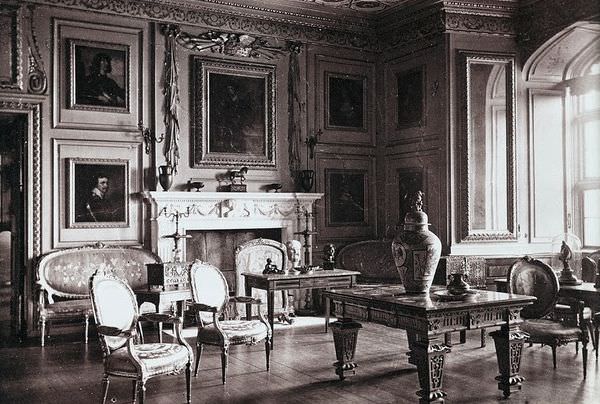
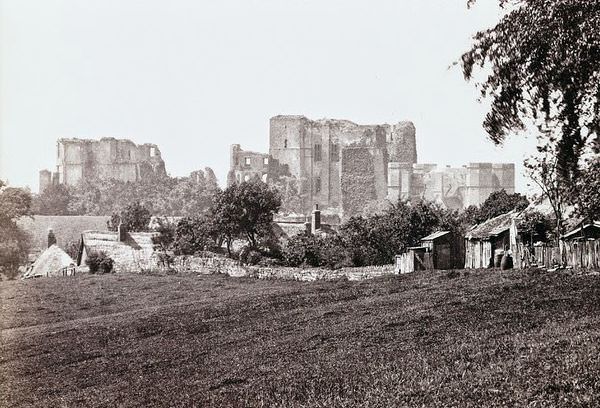
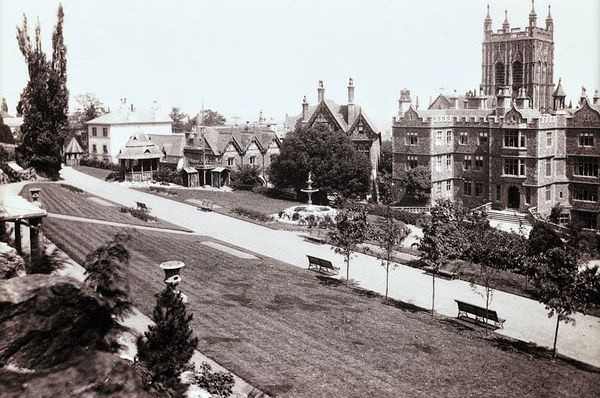
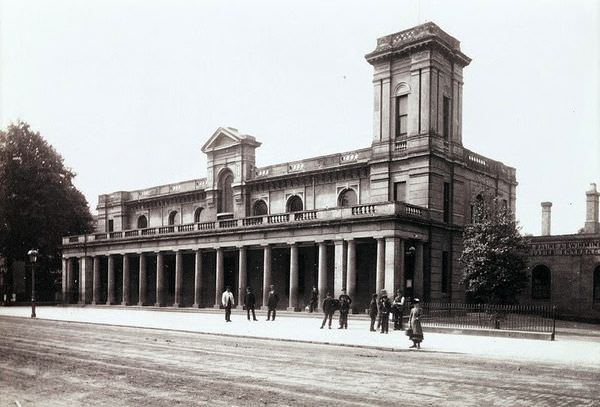
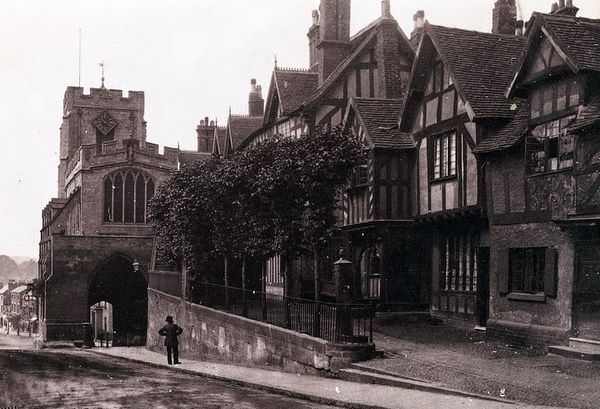
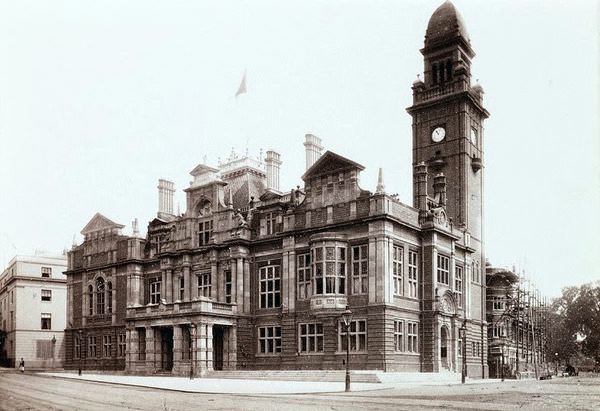
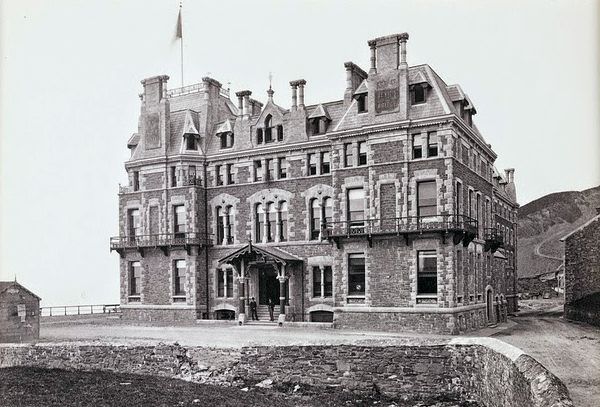
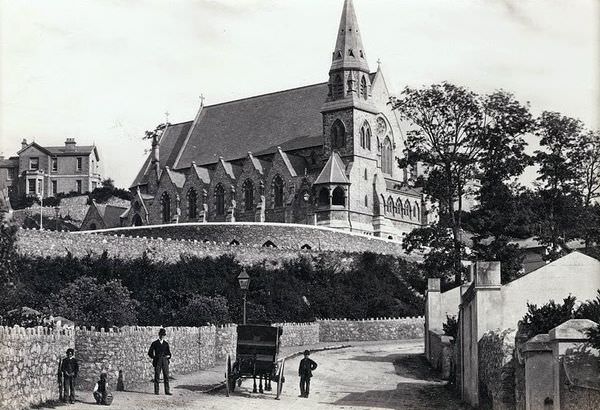
The Victorian era had a deep fascination with its own past. Architects restored crumbling medieval structures and built new public buildings in the Gothic Revival style, deliberately echoing the look of the Middle Ages. Photography fit neatly into this interest. By capturing castles, abbeys, and ancient town streets in sharp detail, photographers like Bedford created a visual archive at exactly the moment when modernization threatened to erase the very things being photographed.
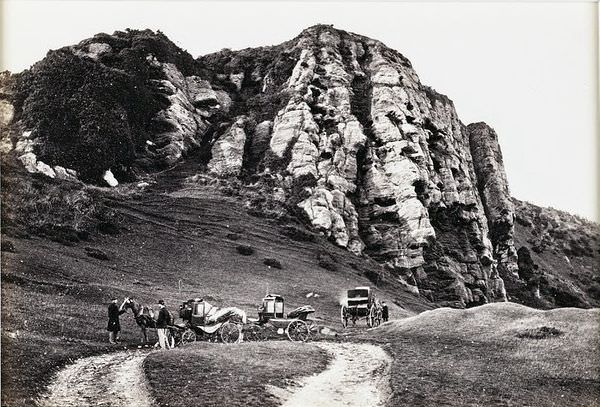
Bedford joined the Photographic Society in 1857, a newly formed body that worked to establish photography as a legitimate profession and art form, not simply a scientific trick. The technology at the time was demanding. Glass plates had to be coated with chemical emulsions, exposed quickly, and developed before they dried — all in the field, often in makeshift darkrooms set up in tents or wagons. Despite these obstacles, the images that came out of the process were crisp and detailed in ways that no engraving or illustration could match.
In 1862, the royal family appointed Bedford as the official photographer for the Prince of Wales — the future King Edward VII — on a tour of the Middle East. This was a significant appointment. It placed Bedford at the highest level of British public life and confirmed that photography had moved well beyond novelty. The images he brought back from that tour fed a hungry British public eager for views of the wider world, regions that few would ever visit themselves.
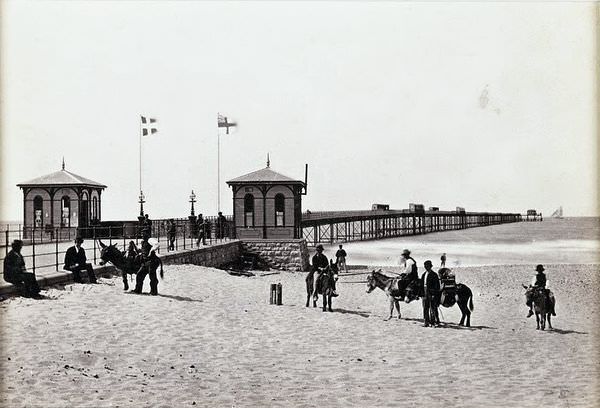
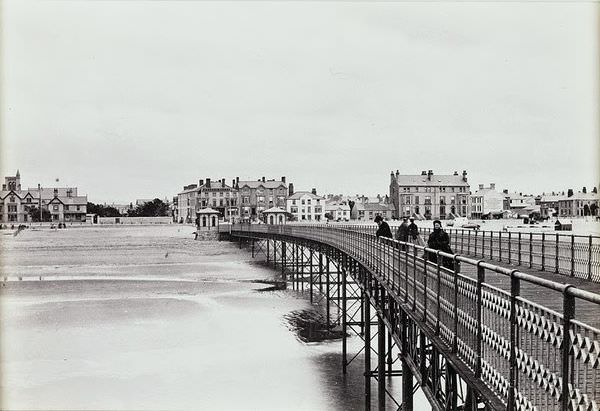
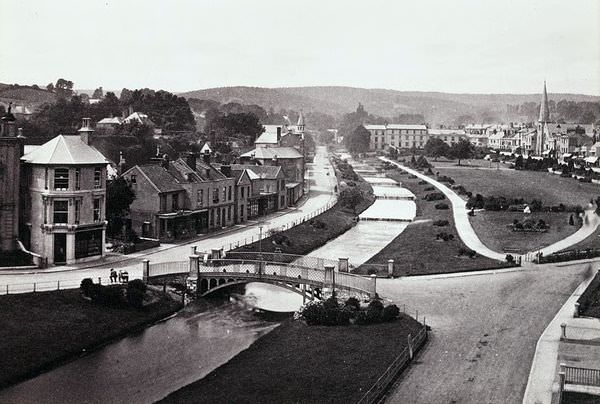
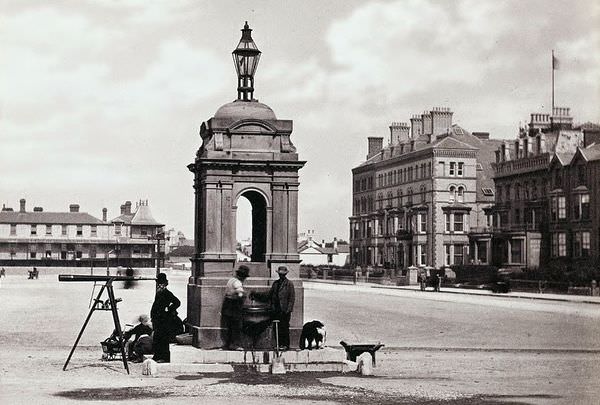
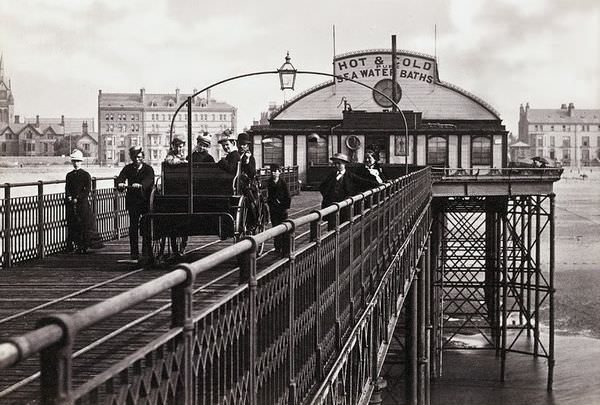
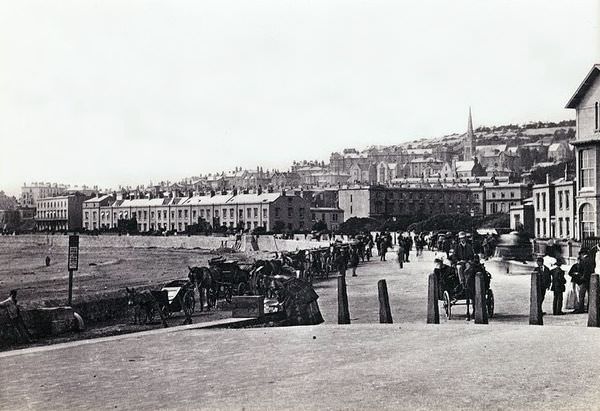
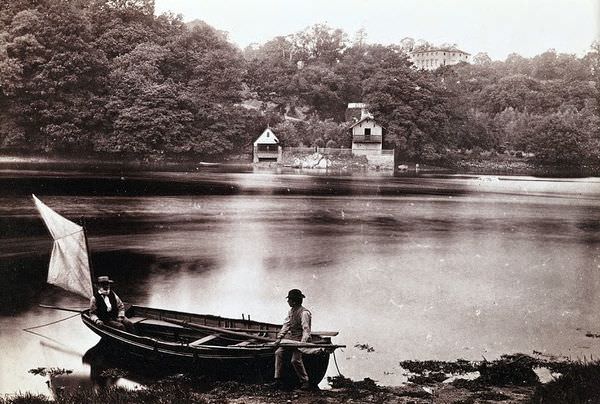
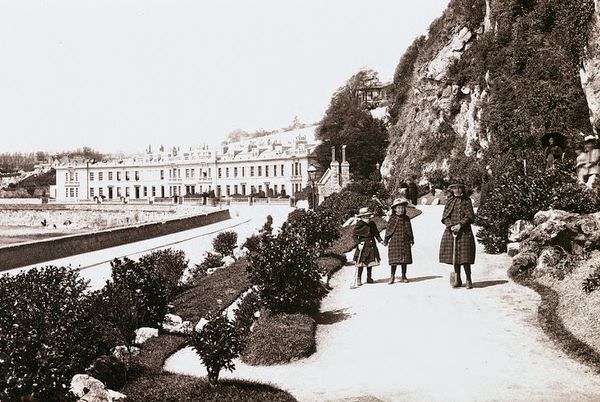
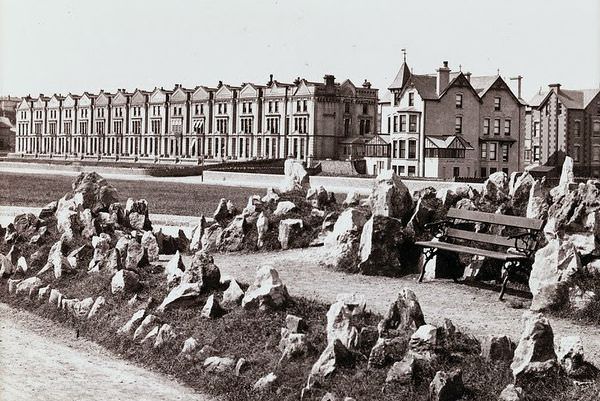
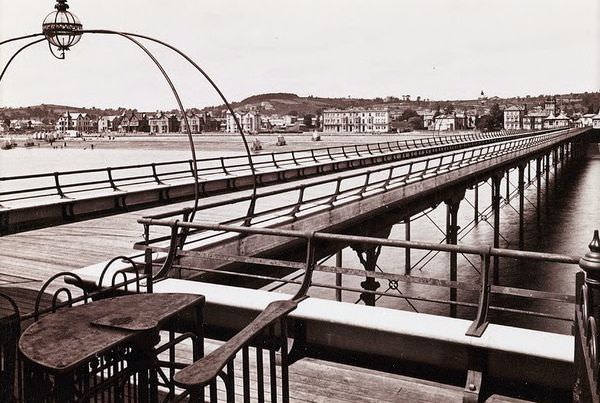
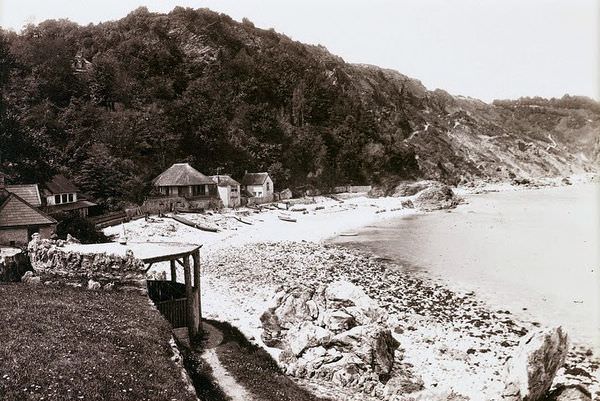
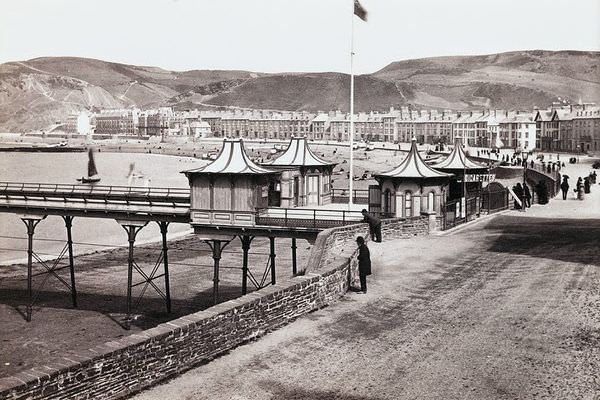
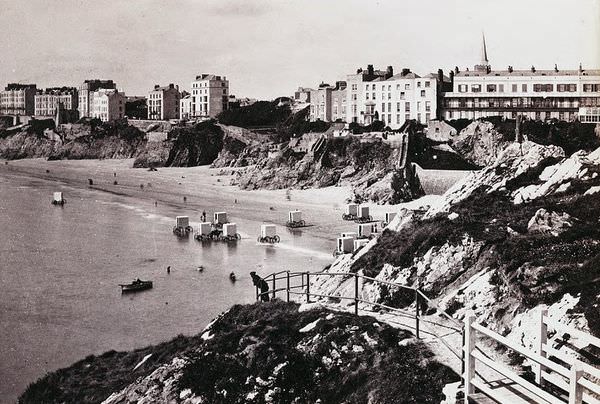
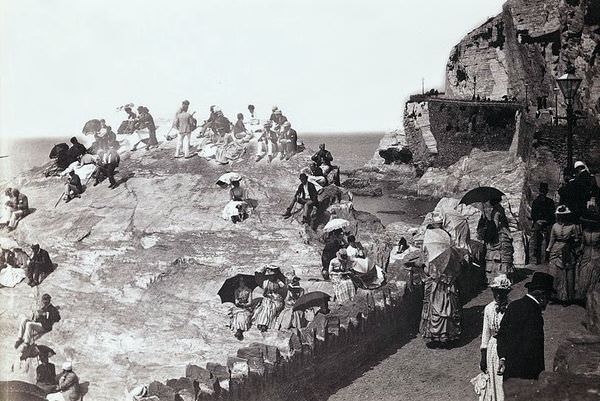
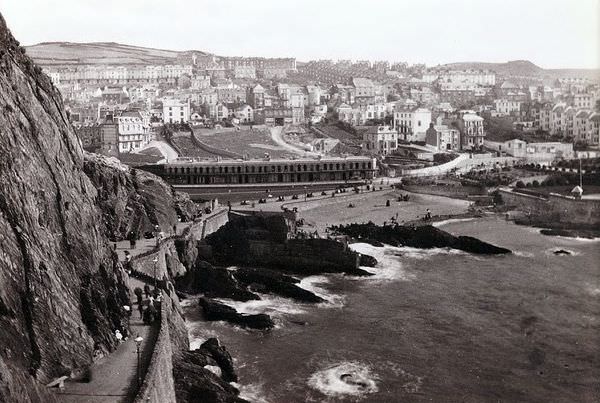
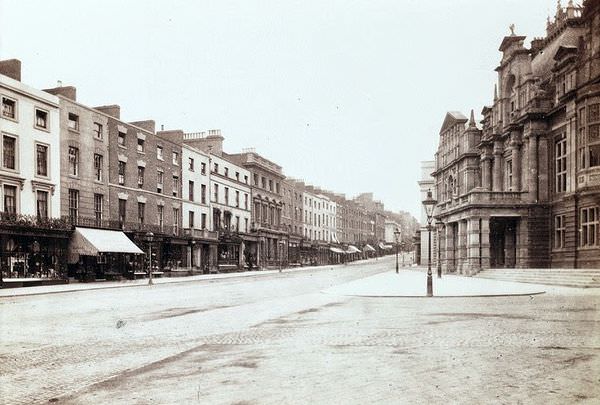
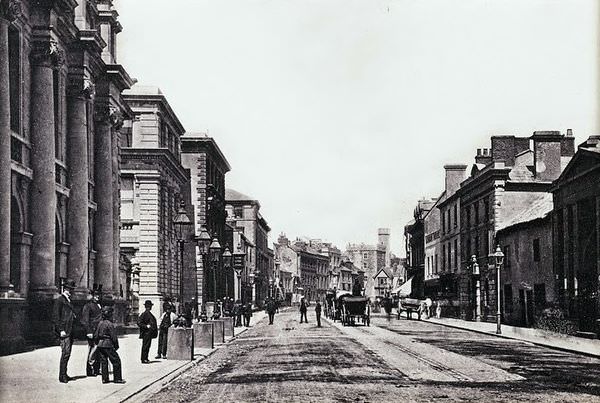
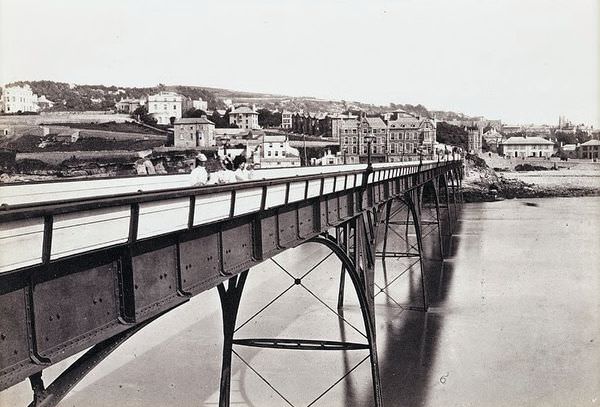
Back home, demand for scenic views of Britain itself remained intense throughout the 1860s and 1870s. The growing middle class purchased photographic prints in large numbers, hanging them in parlors and collecting them in albums. Bedford traveled constantly to supply this market — coastal resorts, mountain summits, river valleys, cathedral cities, and industrial harbors all fell within his range. The images ranged from the elegant promenades of Cheltenham to the raw industrial activity along the Welsh docks.
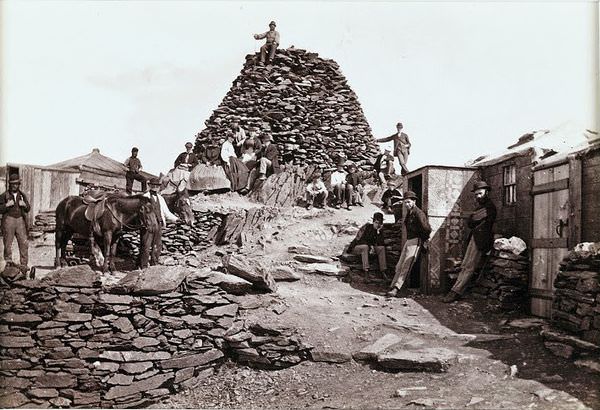
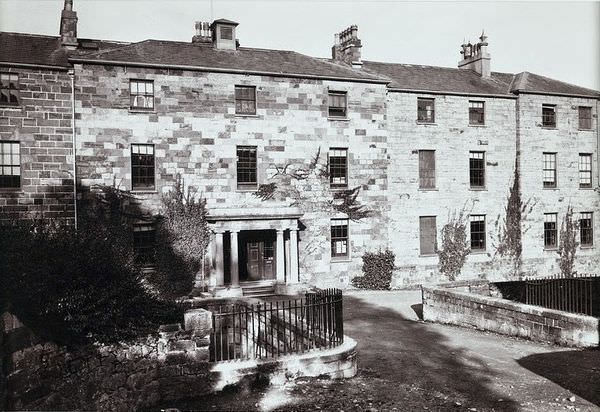
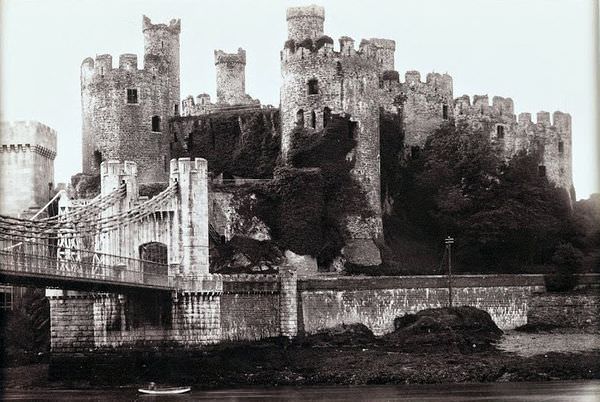
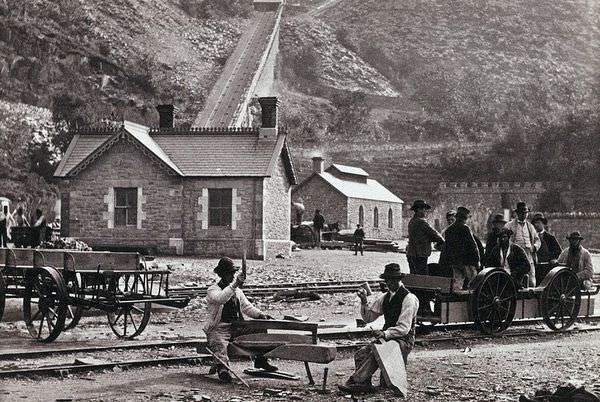
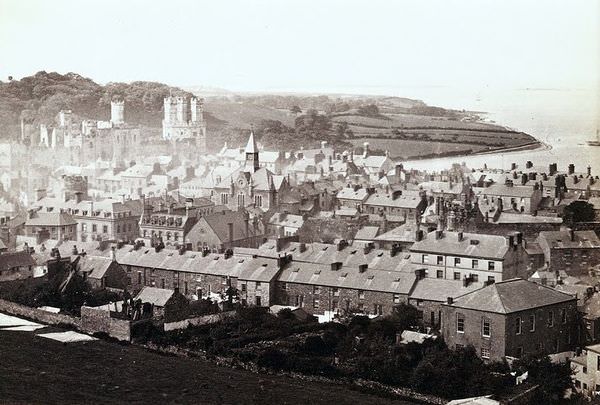
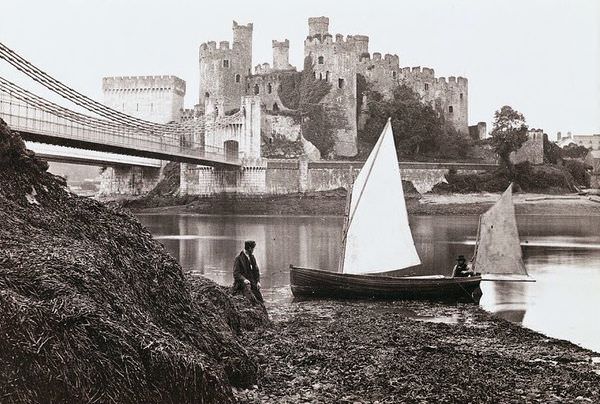
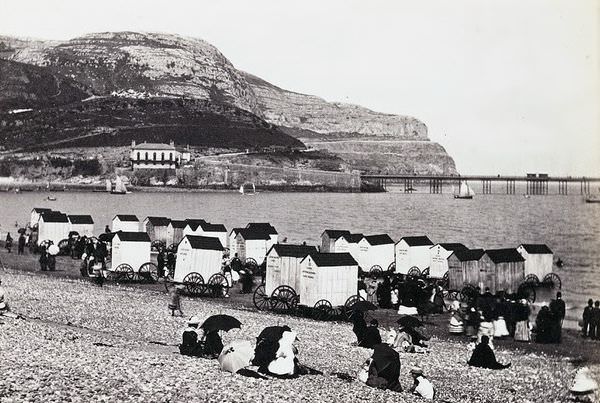
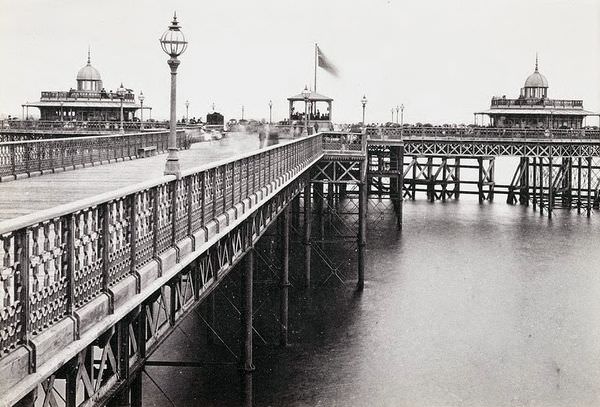
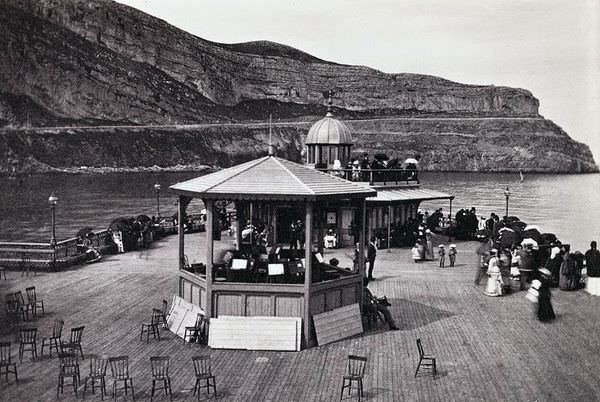
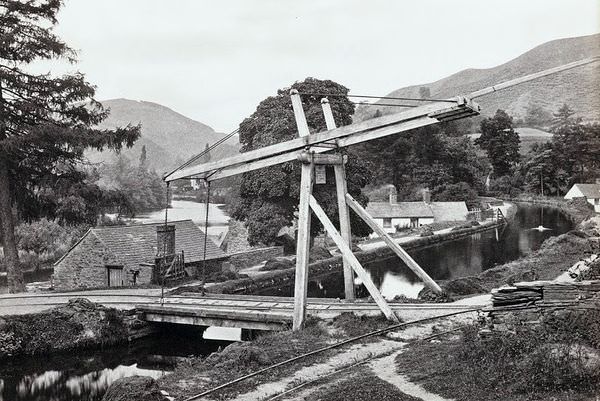
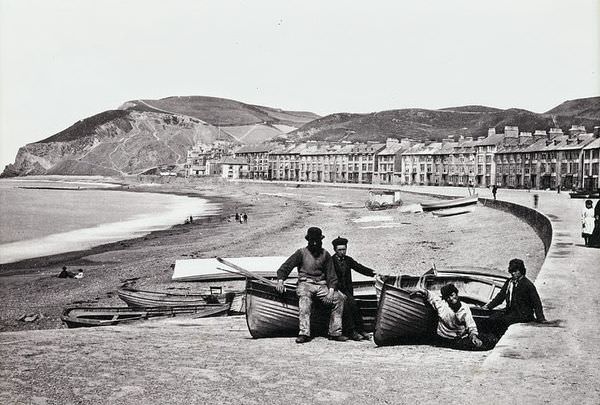
Wales formed a major part of Bedford’s catalog. He photographed the medieval fortifications at Conway and Carnarvon, the slate quarries at Llanberis, the narrow-gauge railways of Ffestiniog, and the seaside resorts at Rhyl and Llandudno. These weren’t glamorous tourist postcards — they were working documents of a region in the middle of industrialization, where ancient castles sat within a few miles of modern steam-powered quarry equipment.
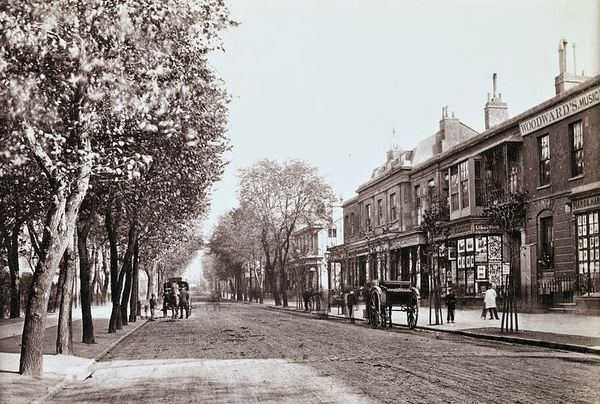
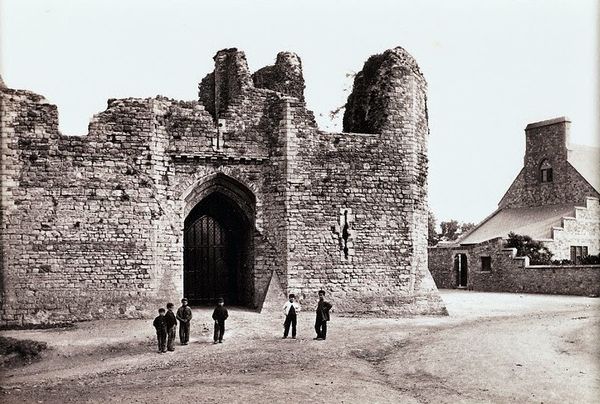
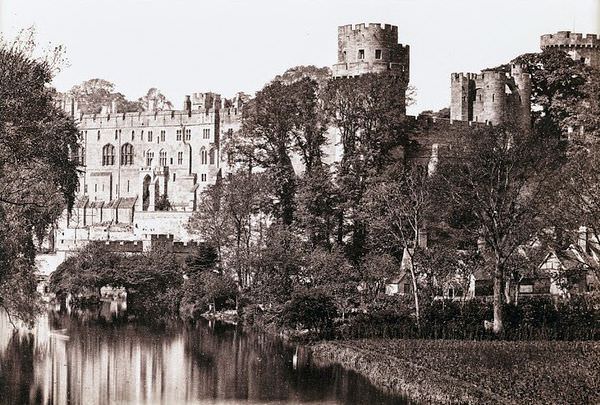
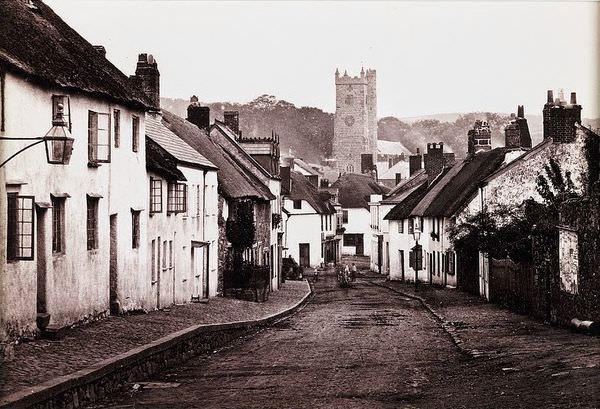
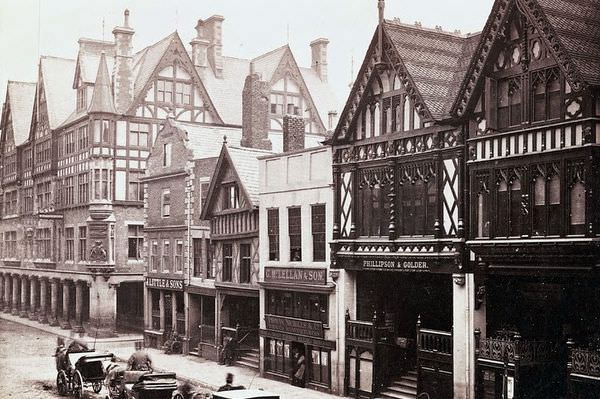
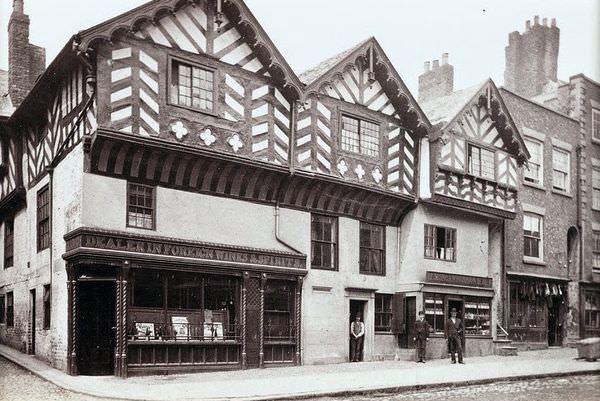
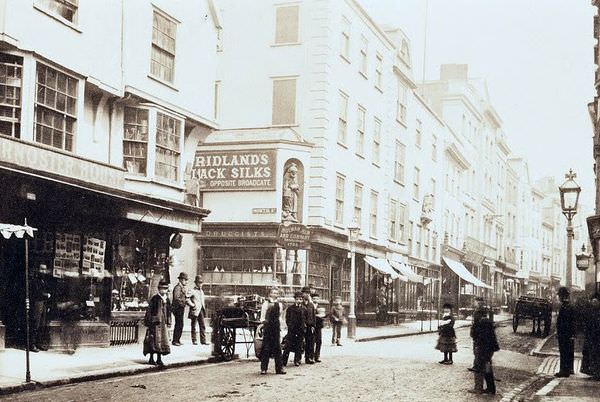
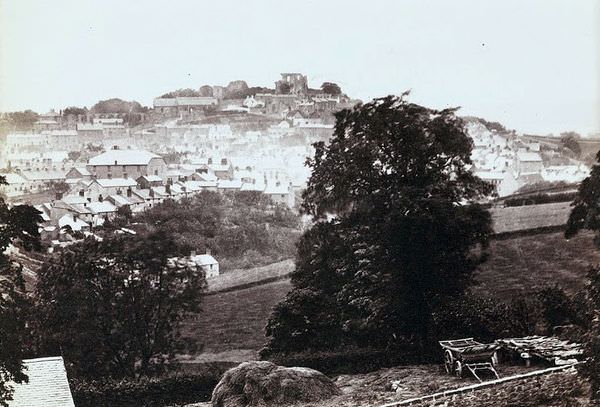
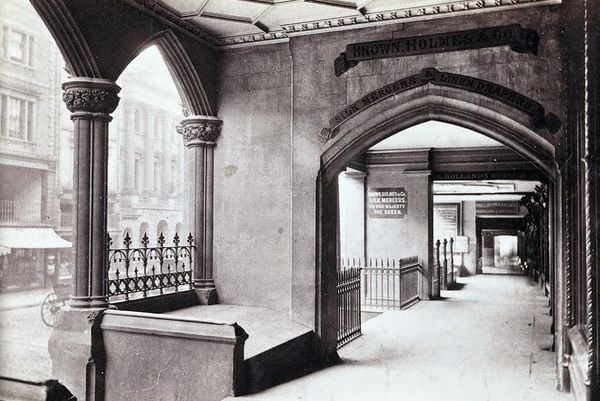
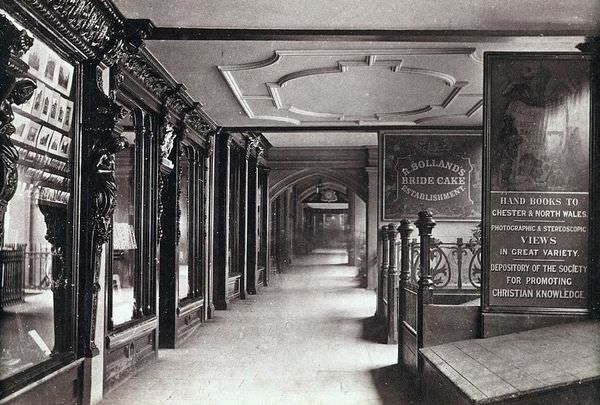
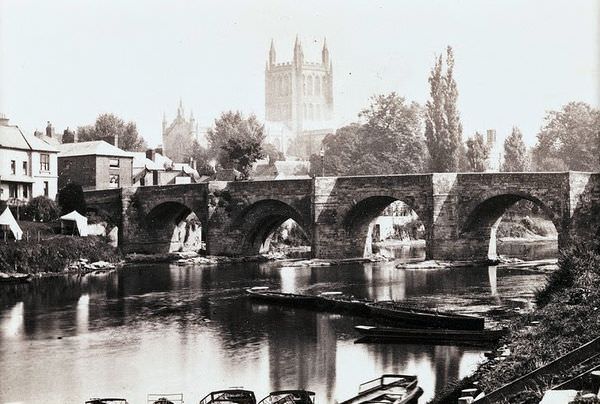
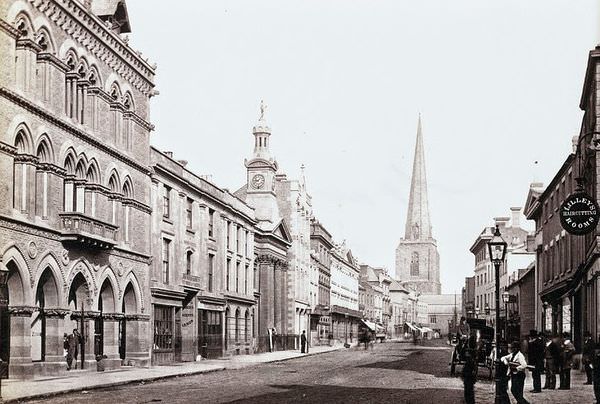
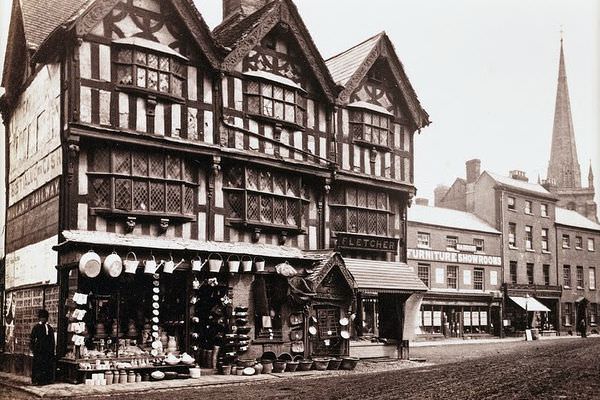
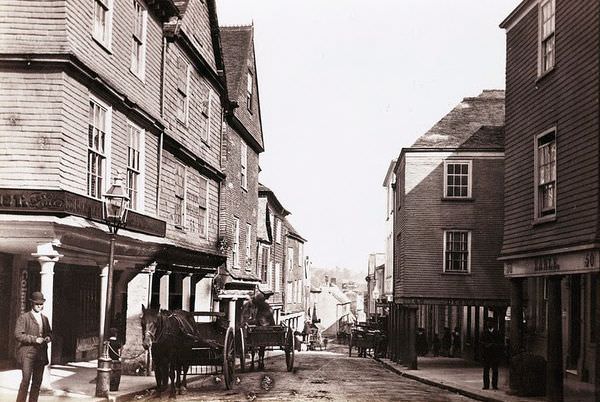
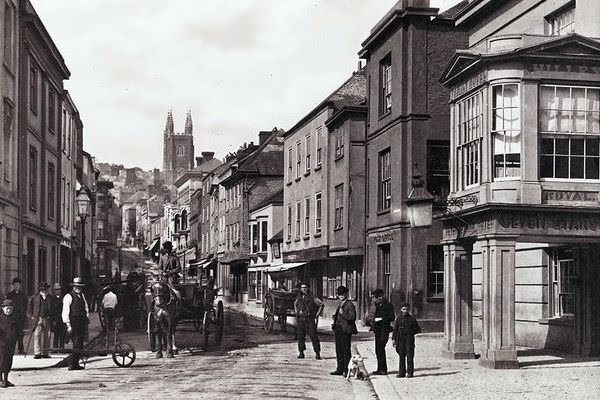
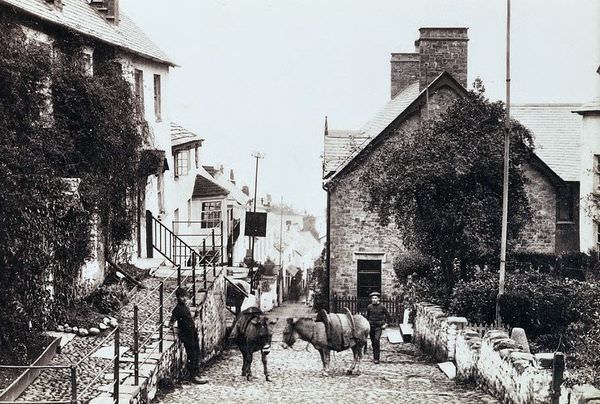
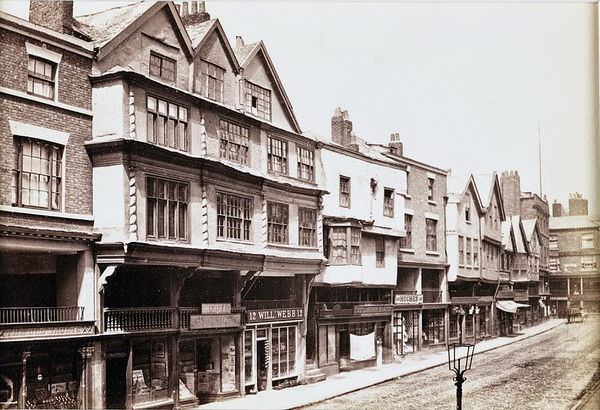
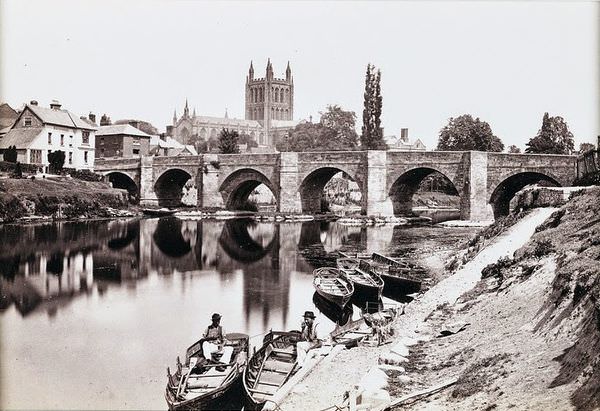
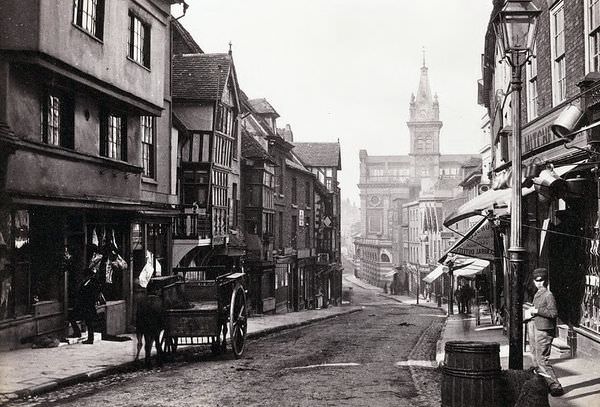
English market towns and cathedral cities received the same careful treatment. Chester’s timber-framed buildings on Bridge Street and Eastgate Row, Hereford’s old Wye Bridge with the cathedral rising behind it, and Shrewsbury’s busy Pride Hill all appear in Bedford’s work. These street-level compositions show not just architecture but the texture of daily Victorian life — shop fronts, cobblestones, and the occasional pedestrian caught on the edge of the frame.
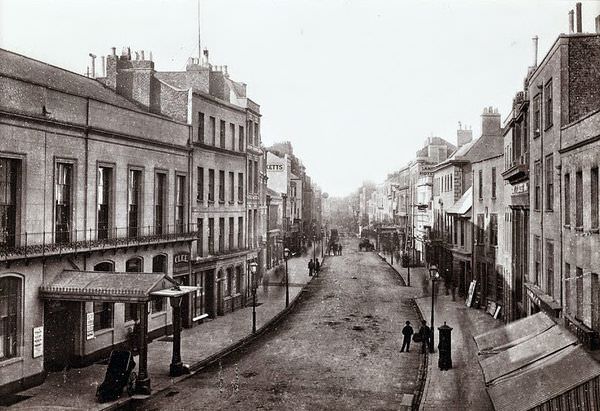
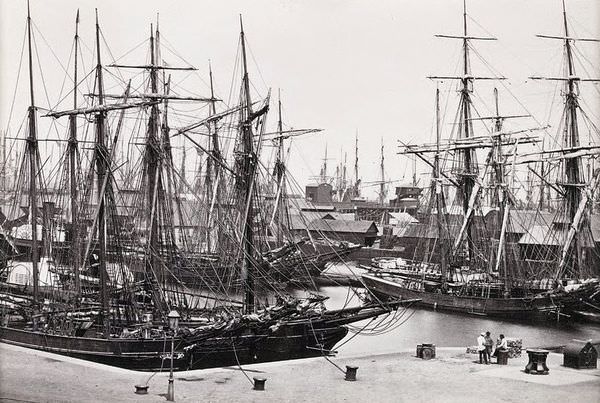
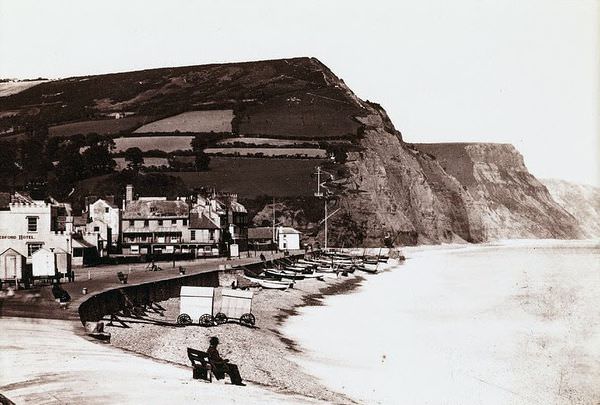
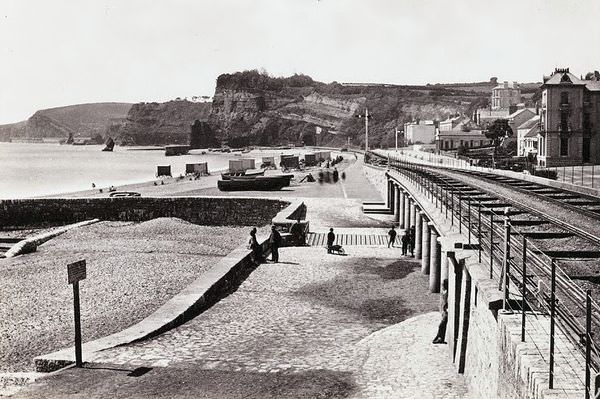
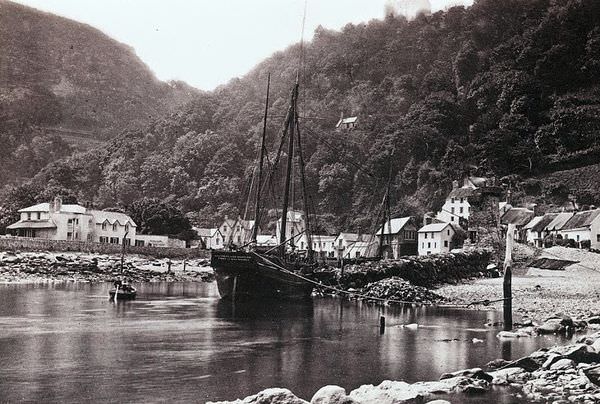
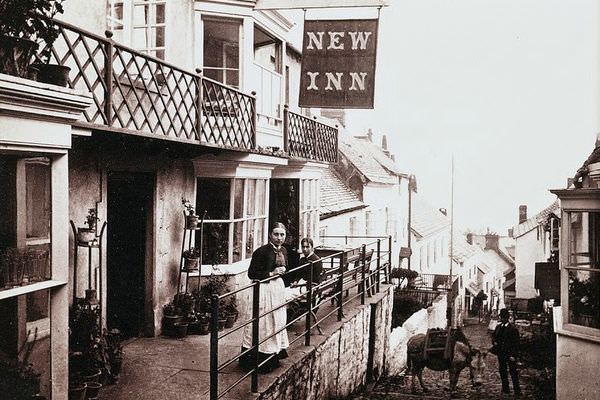
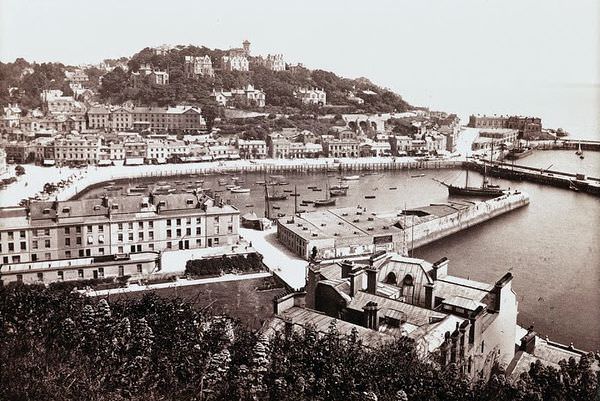
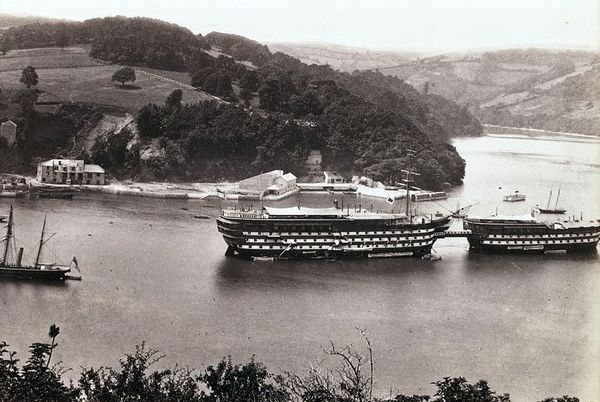
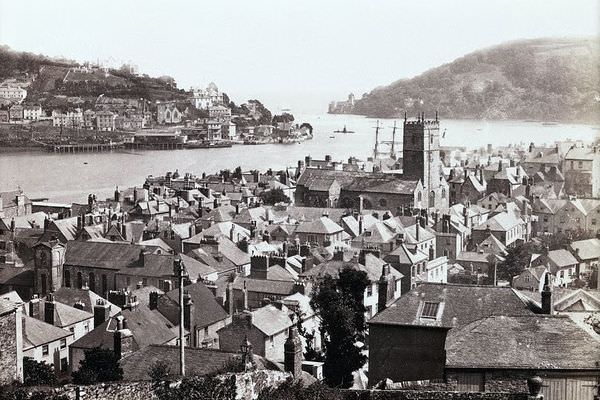
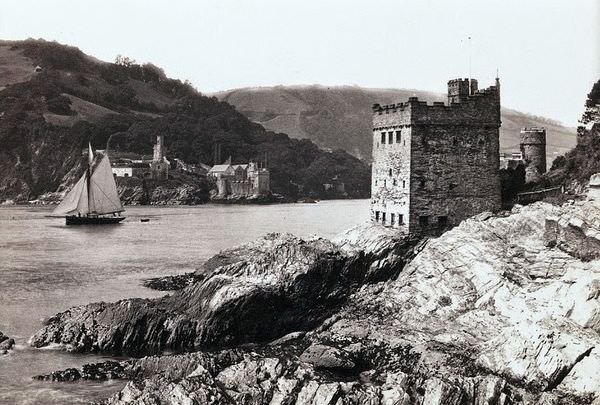
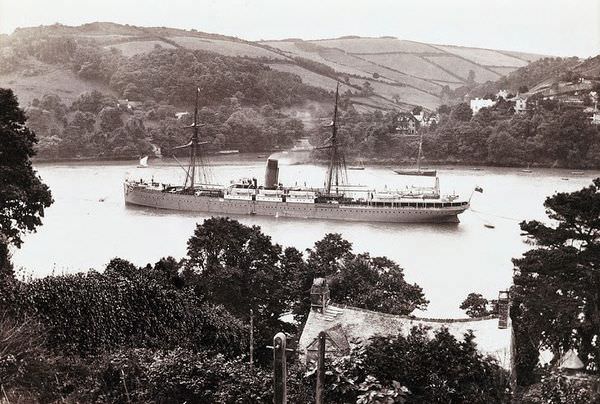
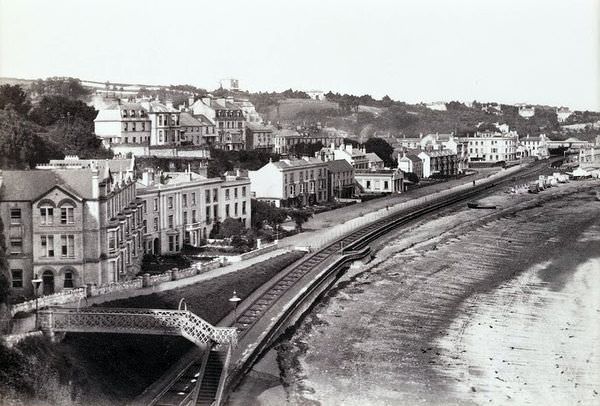
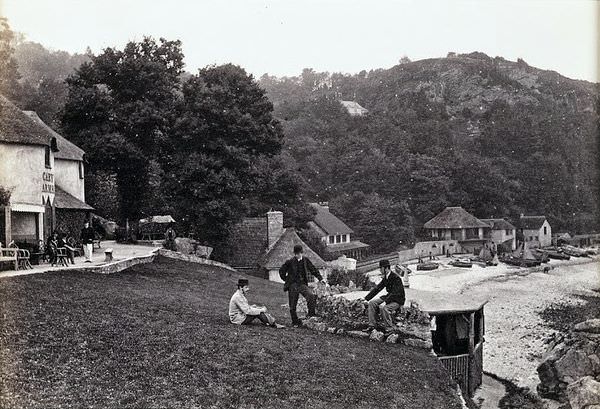
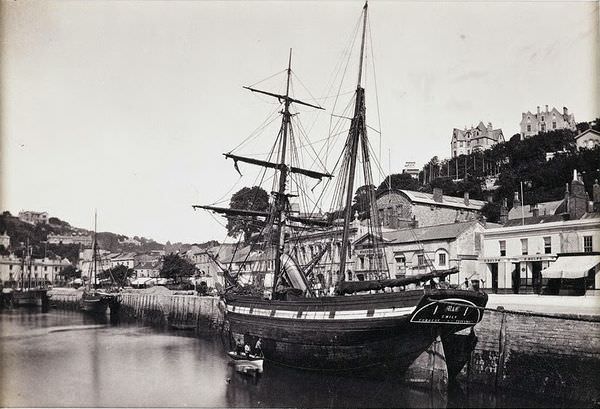
The English West Country also appears extensively in Bedford’s output. Torquay, Dawlish, Sidmouth, Dartmouth, and Ilfracombe all feature, showing the Devon coastline as it was during the height of Victorian seaside tourism. Steamships appear in the harbor at Dartmouth alongside the old castle walls. At Dartmouth, the Royal Navy’s training ships sat anchored in Old Mill Creek — a reminder that military life ran alongside civilian leisure along the same stretch of water.
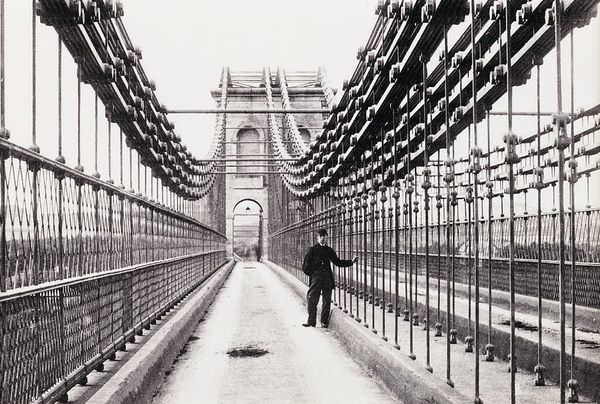
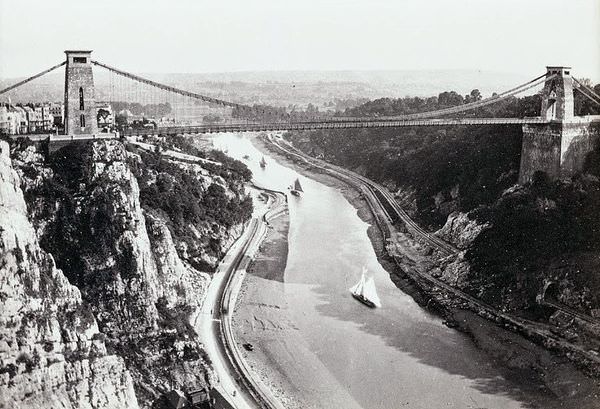
Engineering achievements received the same attention as ancient ruins. The Clifton Suspension Bridge near Bristol, completed in 1864, appears in Bedford’s catalog alongside medieval gateways and ruined abbeys. The Bangor Suspension Bridge over the Menai Strait and the small-gauge railway at Ffestiniog — then one of the earliest narrow-gauge steam lines in the world — both made it into the collection. Bedford treated iron and stone with equal seriousness.
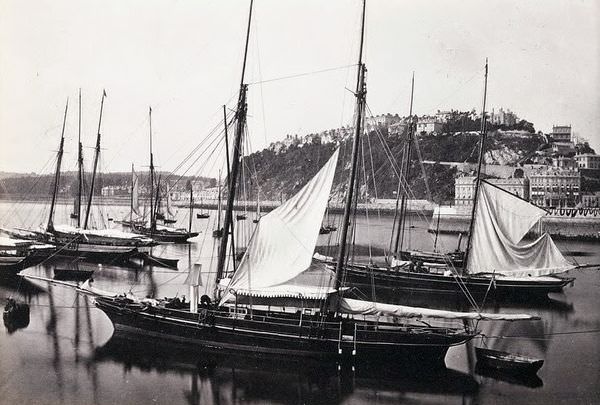
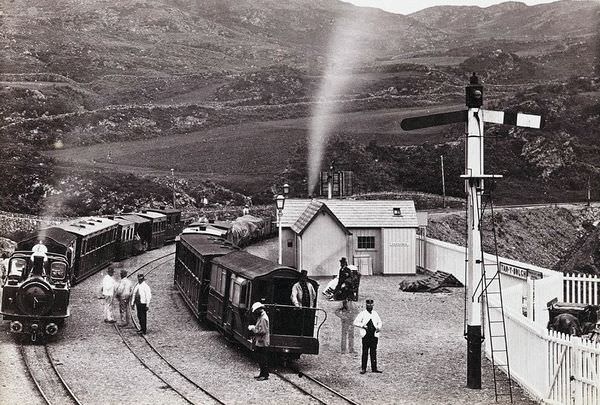
Francis Bedford did not work alone. His son William accompanied him in the field and assisted with the demanding technical process. Their methods aligned so closely that identifying which man made a given photograph is often impossible. As Francis aged, William gradually took over the running of the business. This father-to-son handover was common in Victorian Britain, where skilled trades and specialized knowledge passed through families rather than through formal institutions.