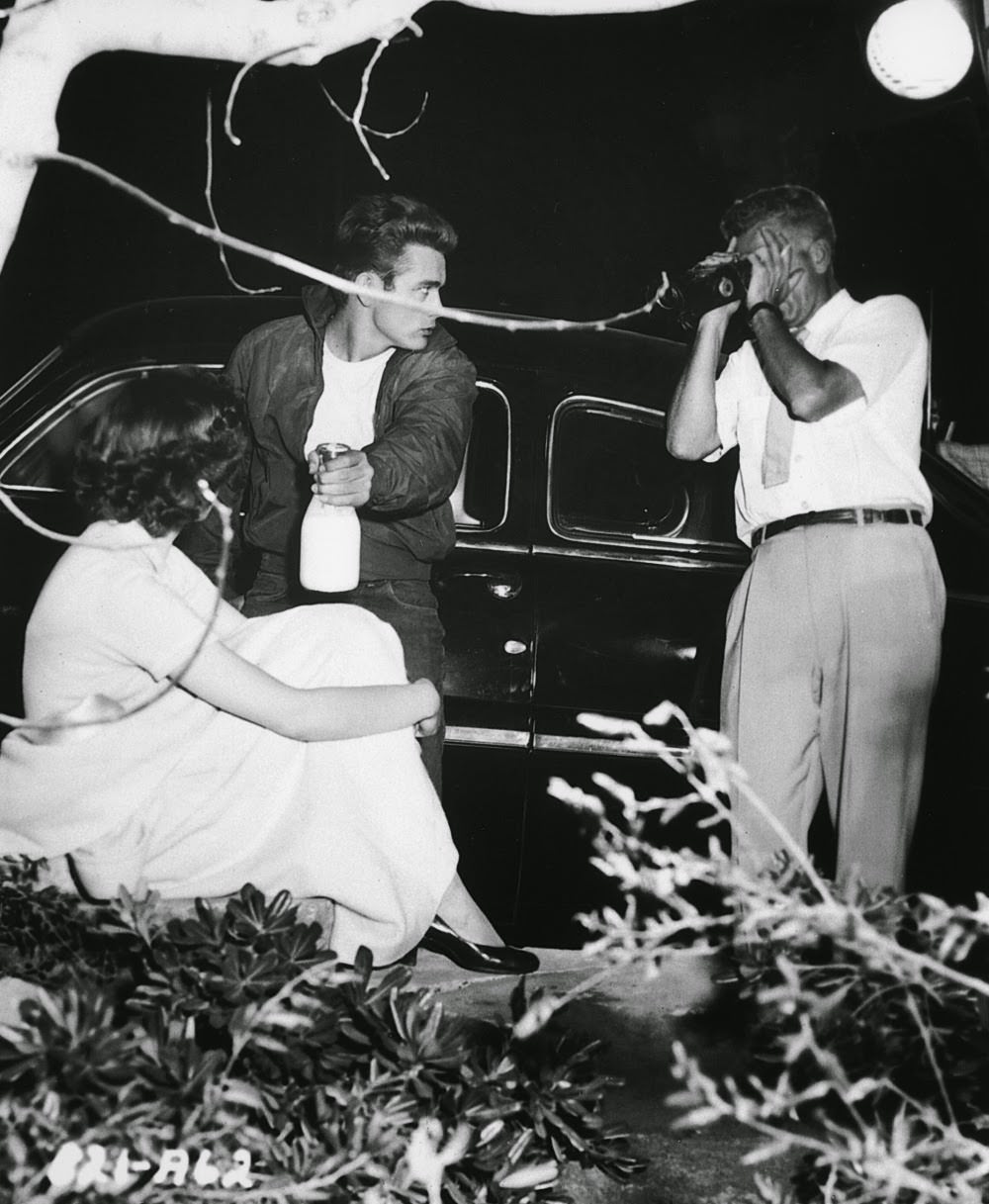
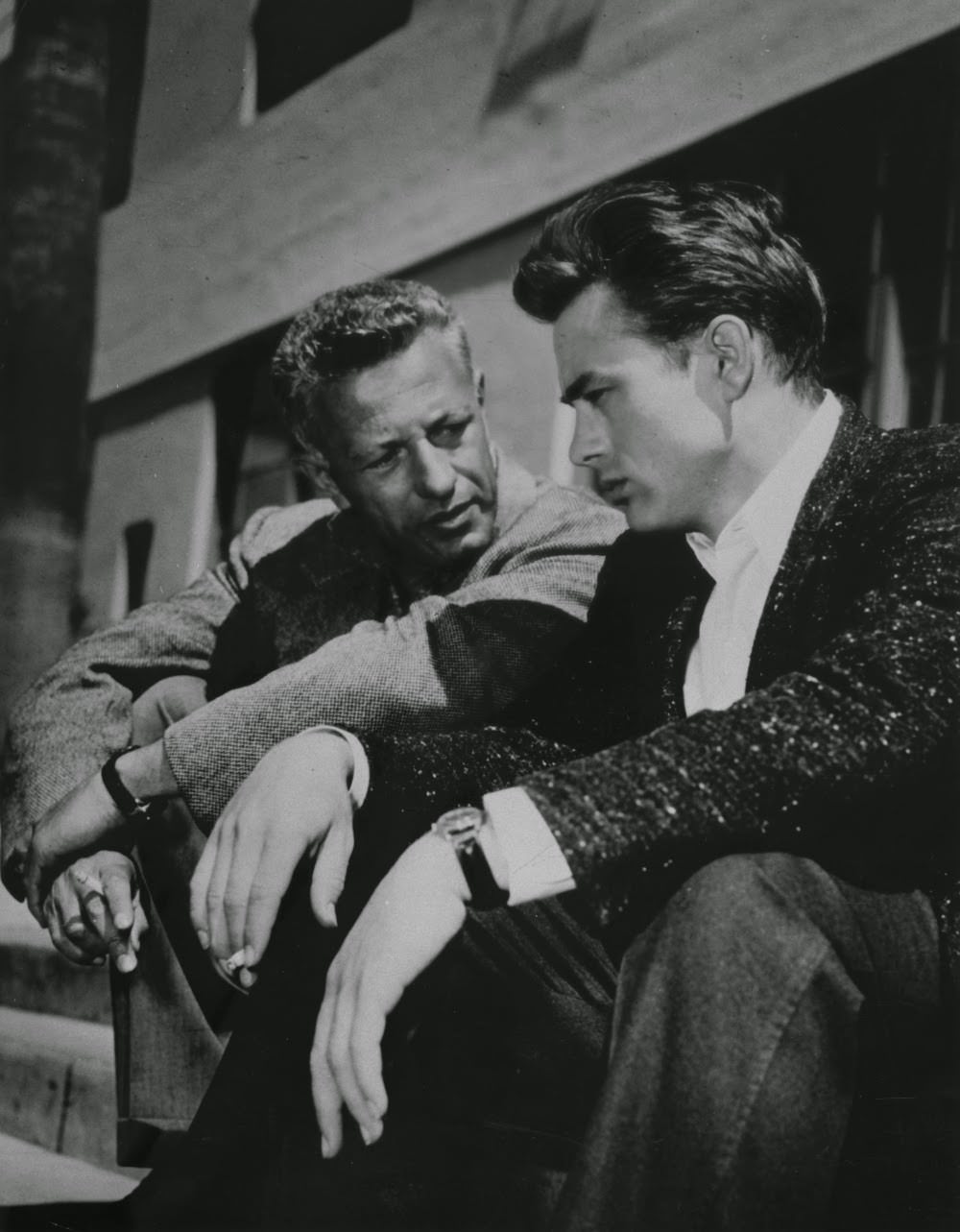
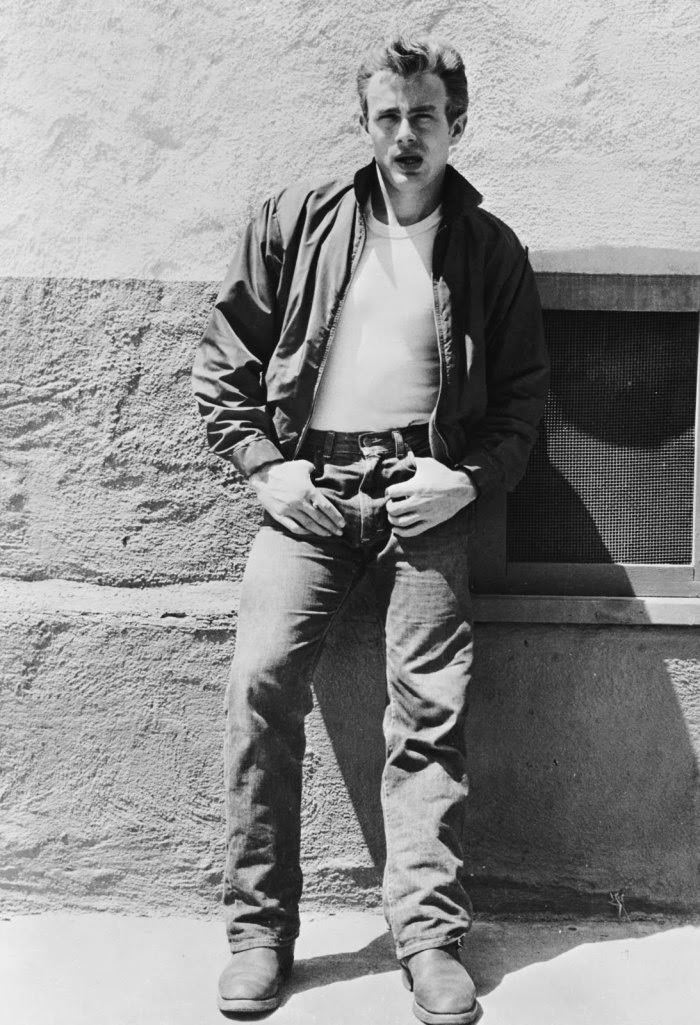
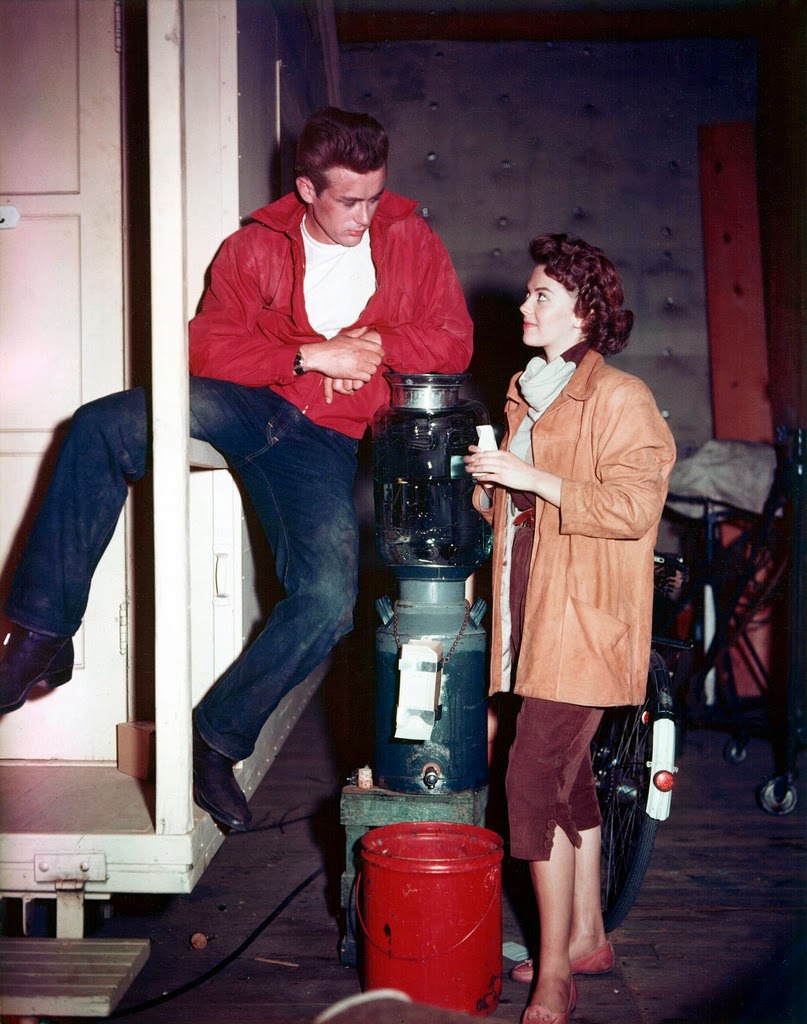
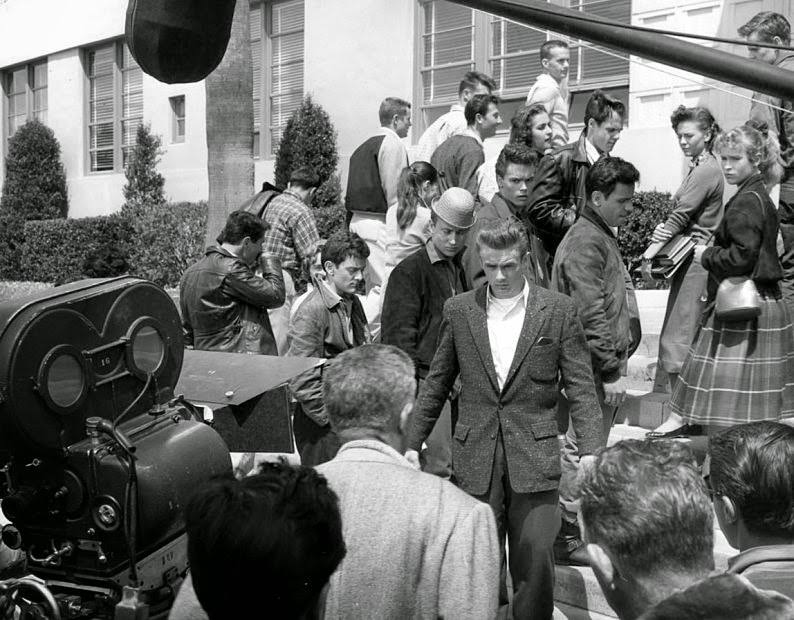
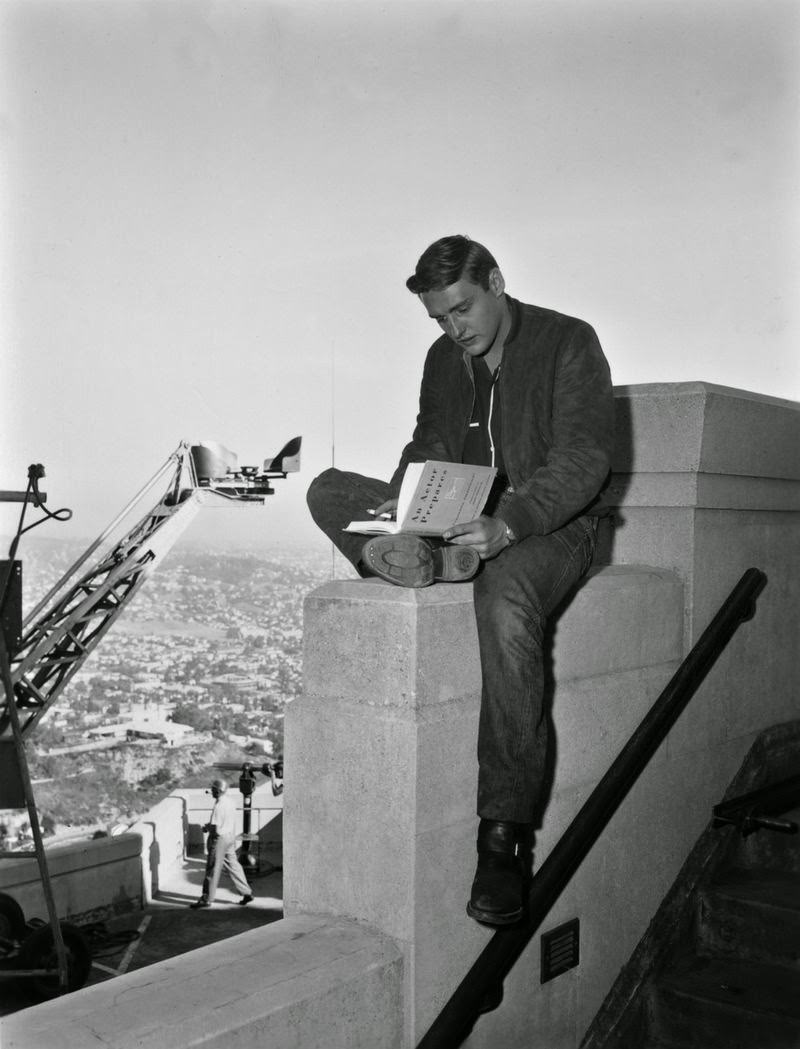
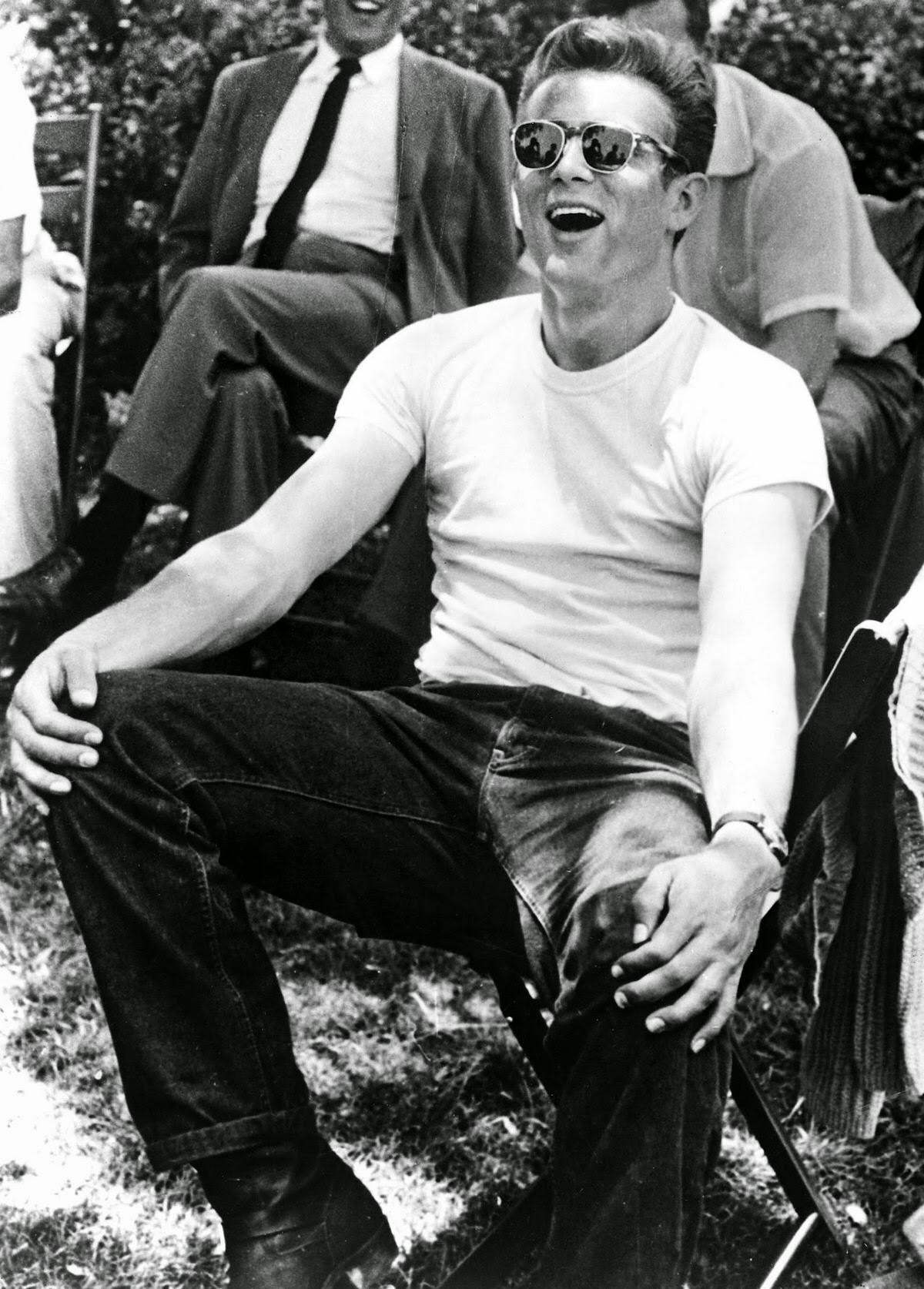
Warner Bros. did not expect much from Rebel Without a Cause when production began in early 1955. The studio greenlit it as a low-budget B-movie and director Nicholas Ray shot the opening sequences in black and white. Then executives watched the early footage of James Dean. What they saw changed everything.
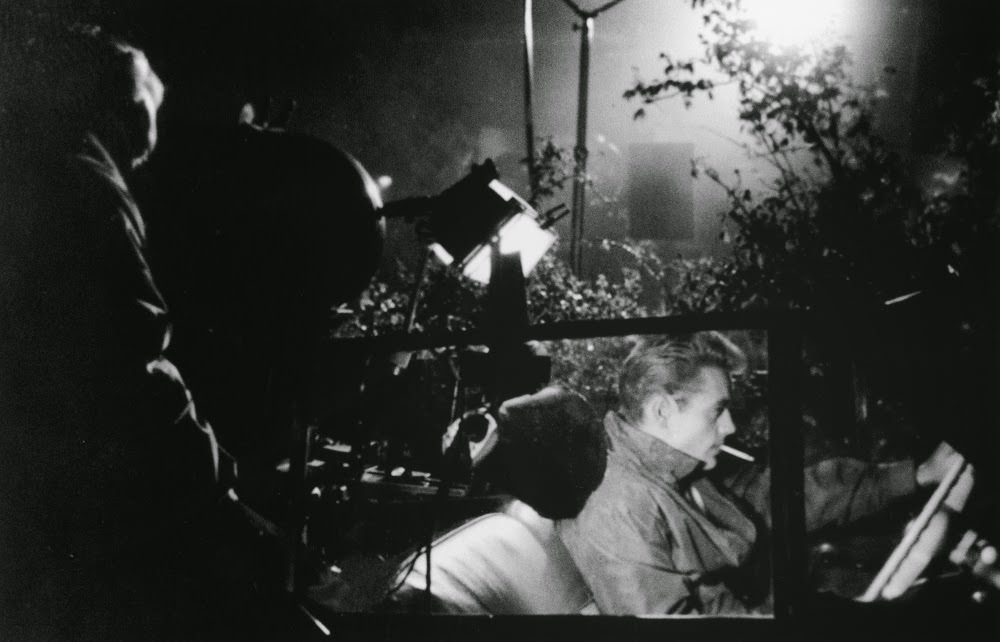
Studio executives halted production immediately. They ordered Ray to scrap the completed black-and-white footage and restart the entire film in color using the new CinemaScope widescreen format. Days of finished work were thrown out. The crew had to rethink the film’s entire visual style to fill the wider frame — a massive shift forced by the sudden recognition of Dean’s raw screen presence.
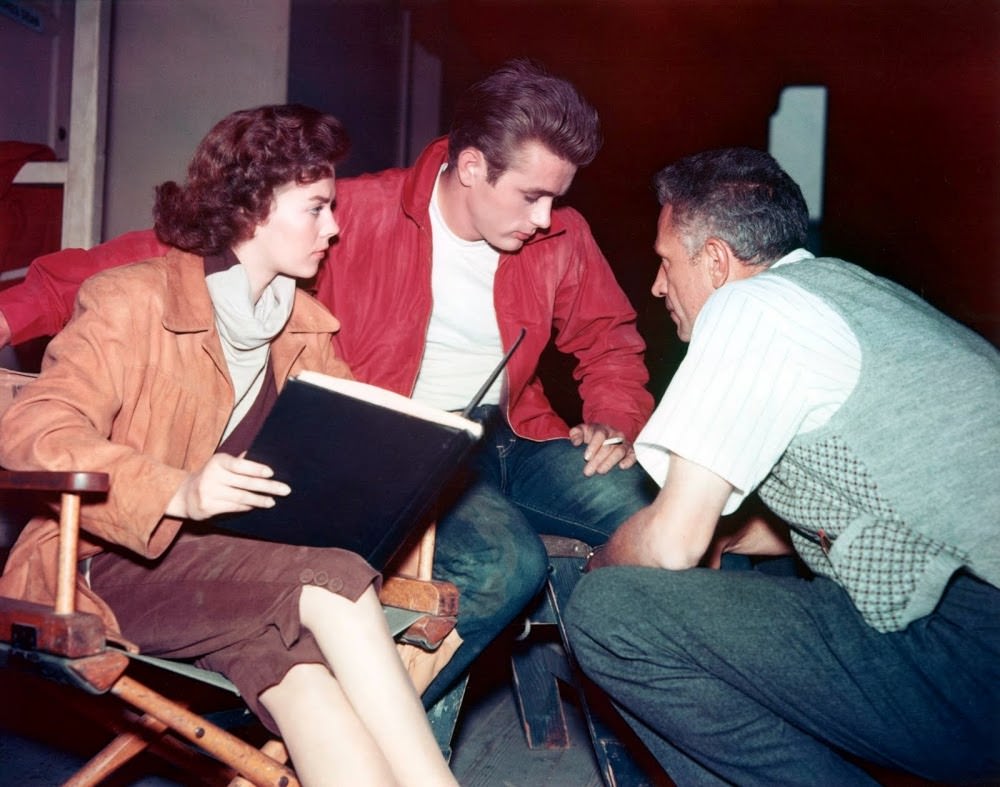
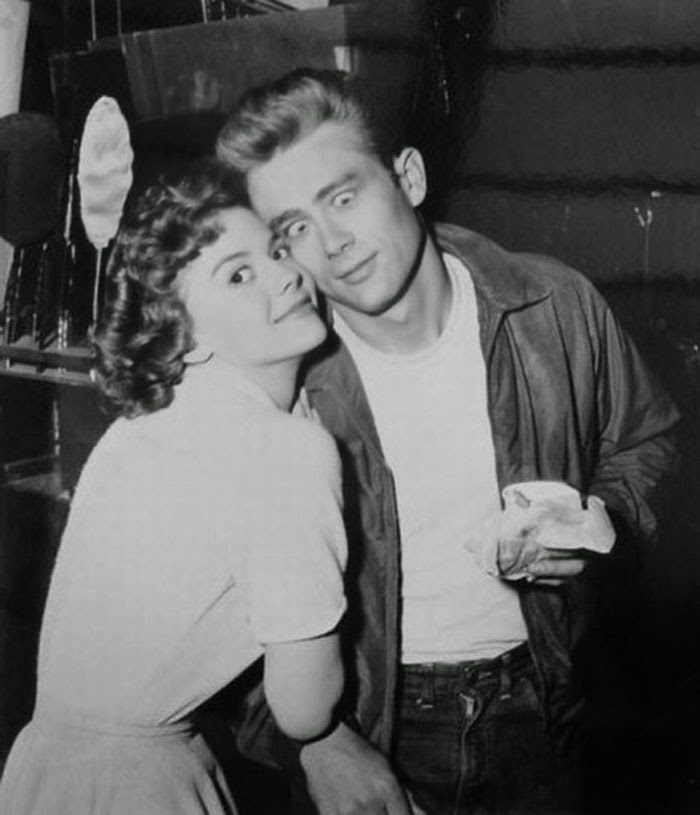
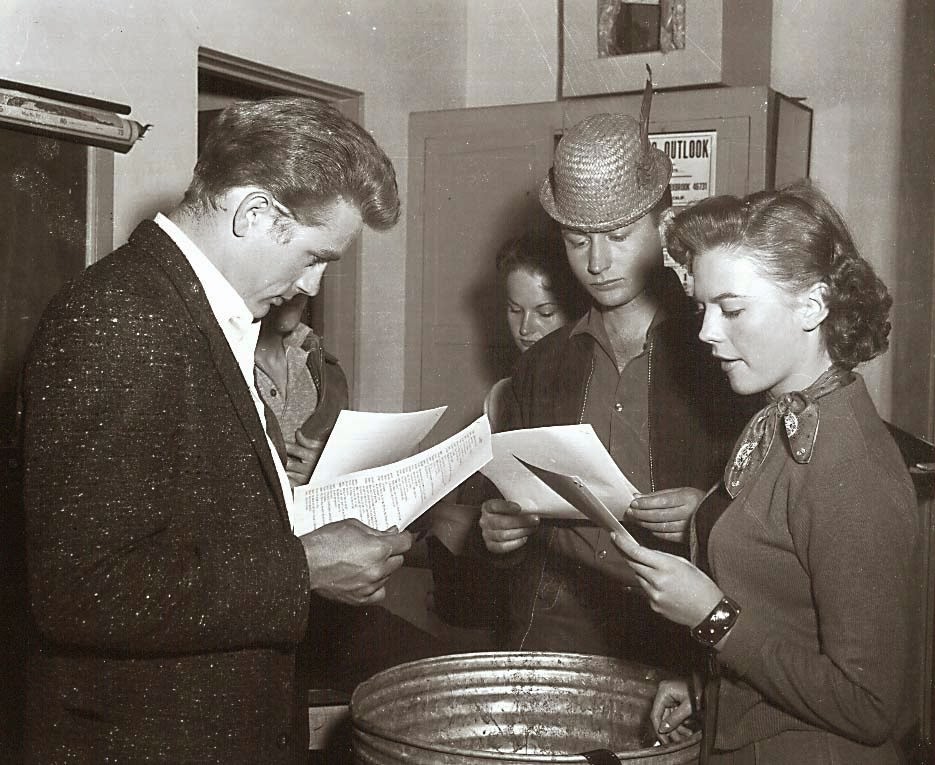
Casting the film’s leads was equally dramatic. Warner Bros. refused to consider Natalie Wood for the role of Judy. To the studio, she was still the little girl from Miracle on 34th Street. Ray himself doubted her, believing she was too innocent for a rebellious teenager. Wood was determined to prove him wrong. She staged a car accident near his home and called him to the scene. When Ray arrived, he found her disheveled and in a hysterical state. He cast her.
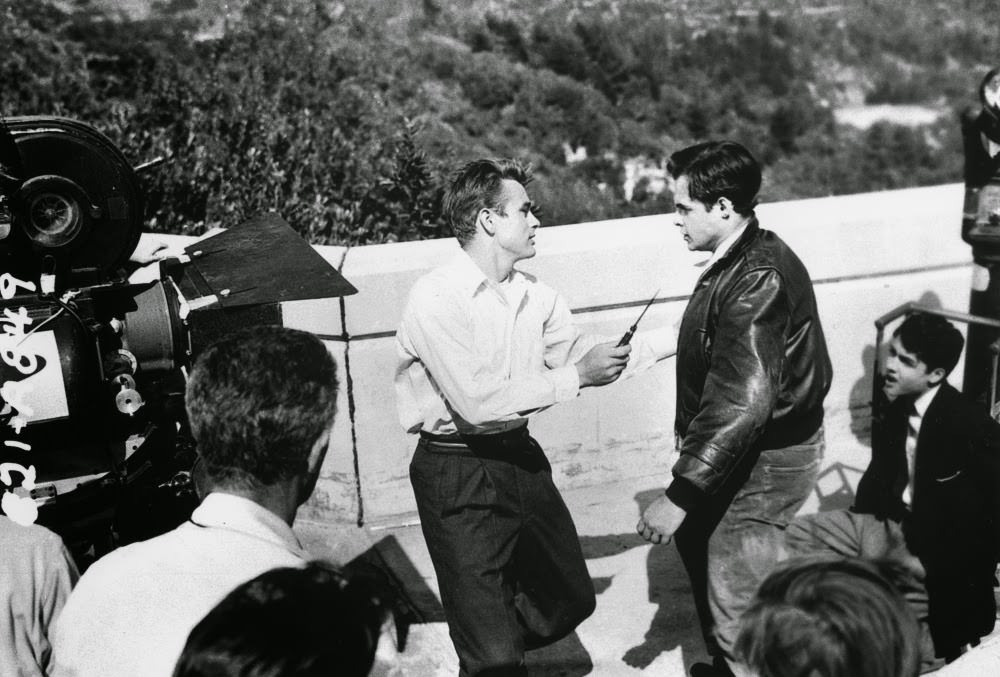
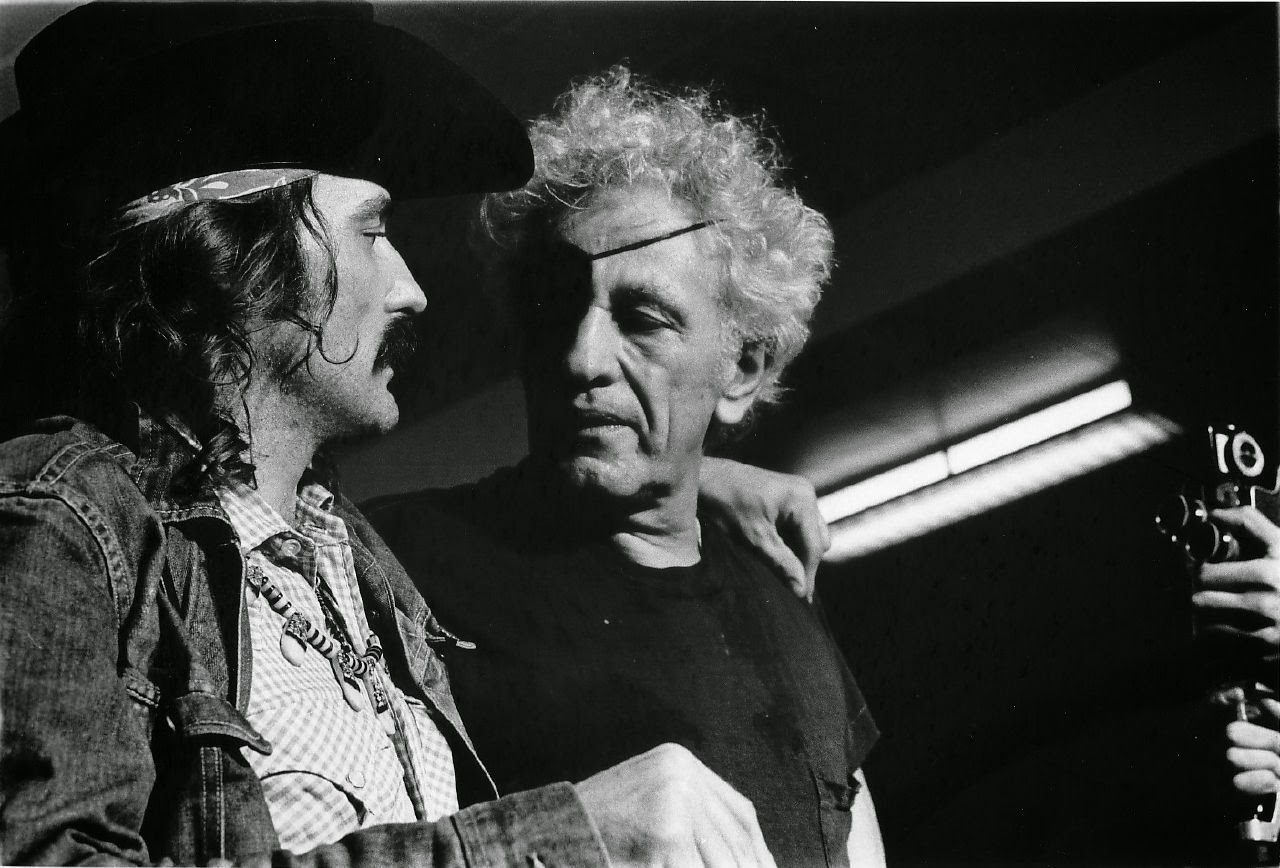
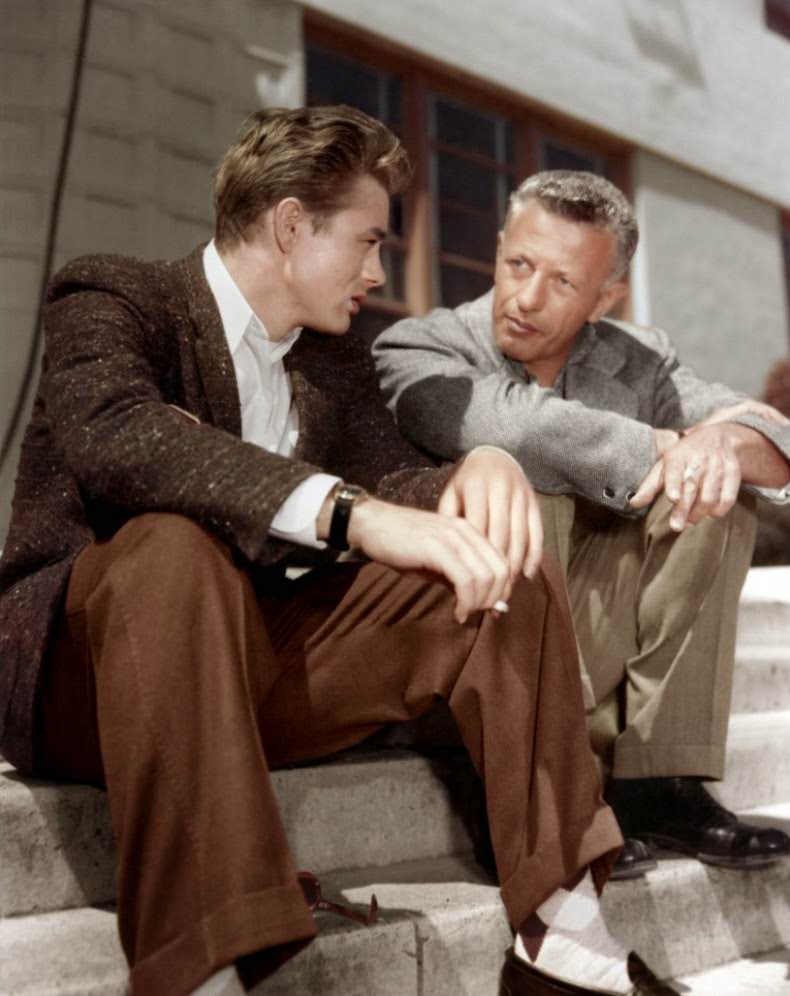
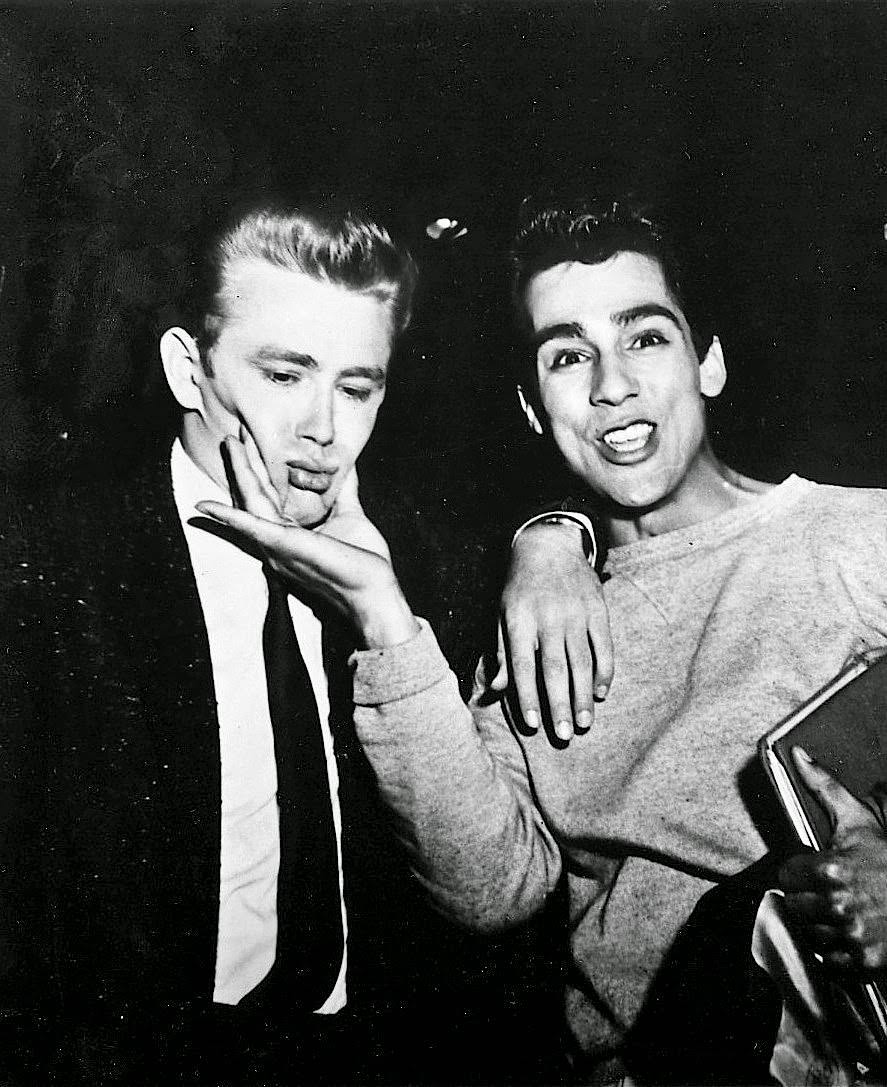
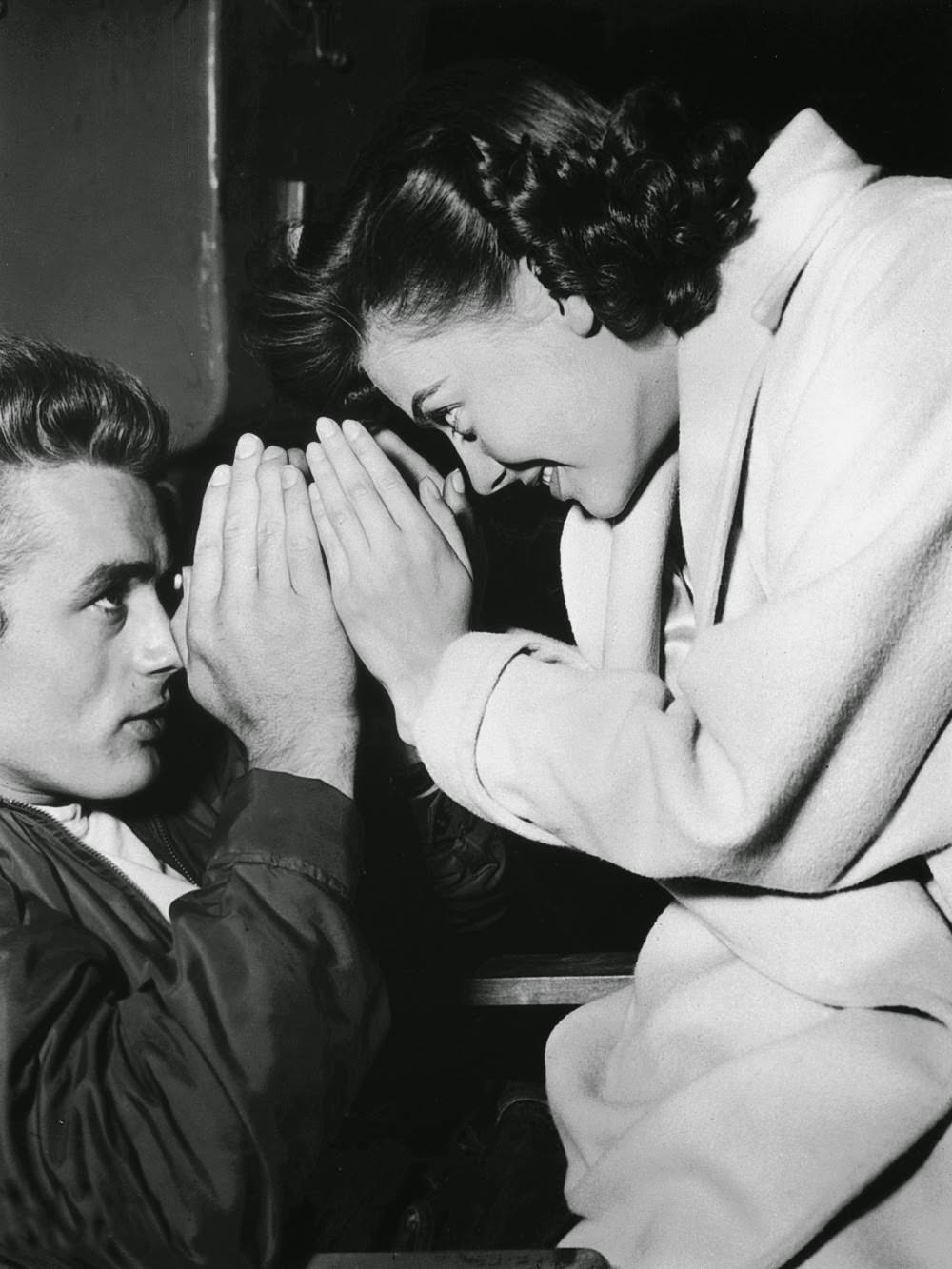
James Dean came to the project through a recommendation from director Elia Kazan, bringing his signature Method acting approach with him. To match that intensity on set, Ray hired Frank Mazzola — an actual Los Angeles gang member — as a technical advisor. Mazzola also played the character Crunch in the film. He schooled the cast on how real teenagers of the era dressed, walked, and spoke. He rolled up T-shirt sleeves, scuffed boots to make them look worn, and coached Dean and co-star Corey Allen on how to hold switchblades the way fighters on real streets did.
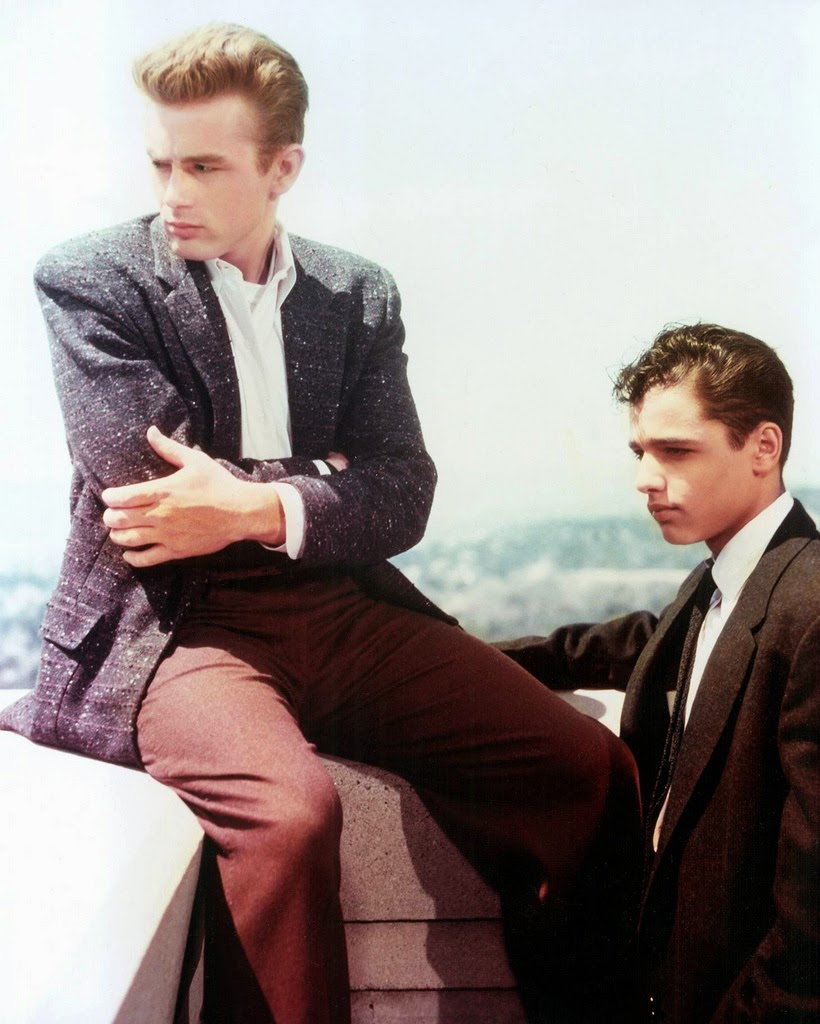
The knife fight at Griffith Observatory was rehearsed for weeks. For close-up shots, Dean and Allen used real switchblades. Both actors wore chainmail vests under their T-shirts for protection. During one take, Allen lunged too close and cut Dean on the ear. Ray kept the cameras rolling. The wound appears in the finished film.
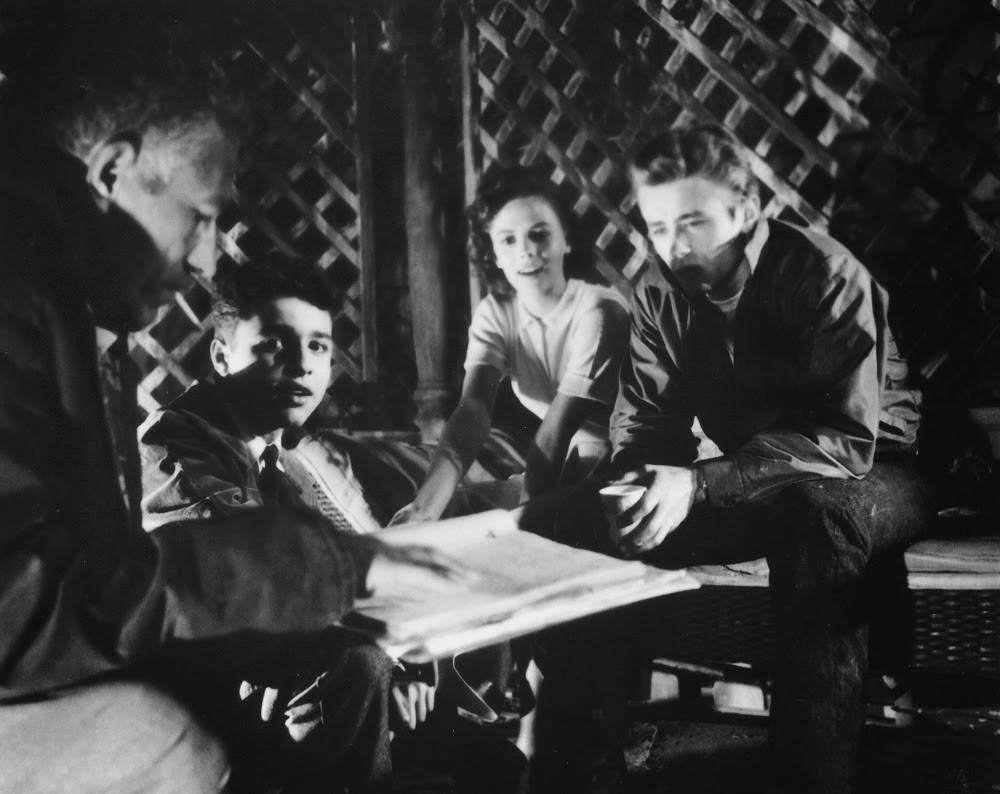
Dean’s improvisations were just as memorable as the scripted moments. In the police station opening, his character interacts with a toy monkey — a moment that never appeared in the original screenplay. Dean found the toy on set, wound it up, and played with it on camera. The gesture gave his character a childlike fragility that sat uneasily beside the teenage toughness the film was built around. Ray loved it and left it in. In another scene, Dean punched a desk so hard in character that he reportedly cracked a bone in his hand. He stayed in character and the take was used.
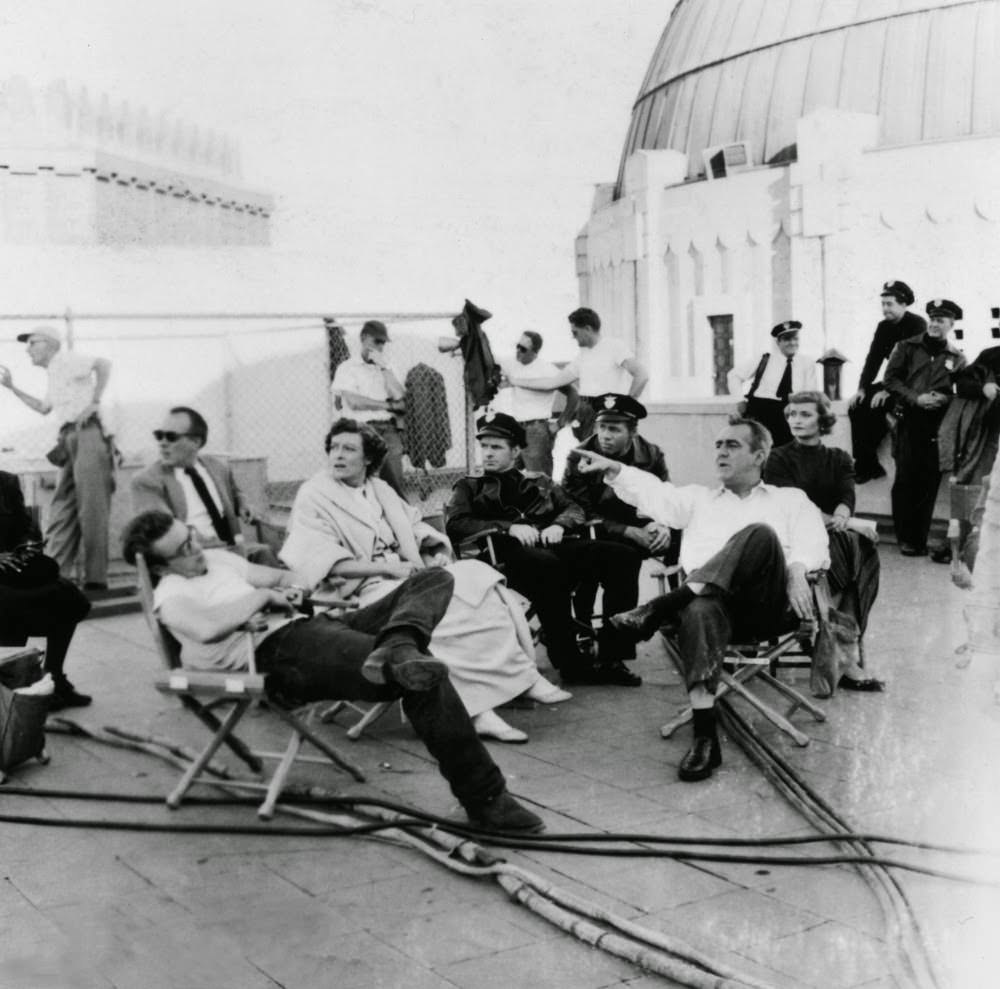
The Chickie Run sequence — the film’s famous car duel toward a cliff edge — was filmed at Warner Ranch in Calabasas. Hundreds of extras lined the cliffs to watch real 1940s coupes race toward the drop. Special effects crews rigged the vehicles with pulleys and cables to control the cars going over the edge. Empty shells were used for the crash shots. The actor in the car that goes over had to jump out at the last possible second. The stunt was shot in low light to hide the wires.