In the early 1950s, fashion photography was stiff and cold. Models stood frozen inside studio sets, dressed in expensive gowns, and stared blankly at the camera. Georges Dambier wanted nothing to do with that approach. He picked up his camera, walked out the studio door, and brought haute couture directly to the streets of Paris.
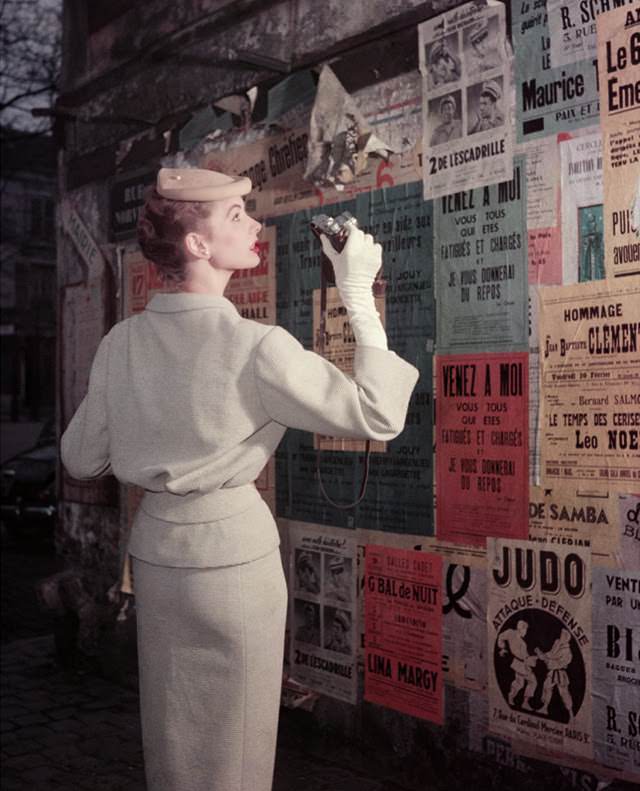
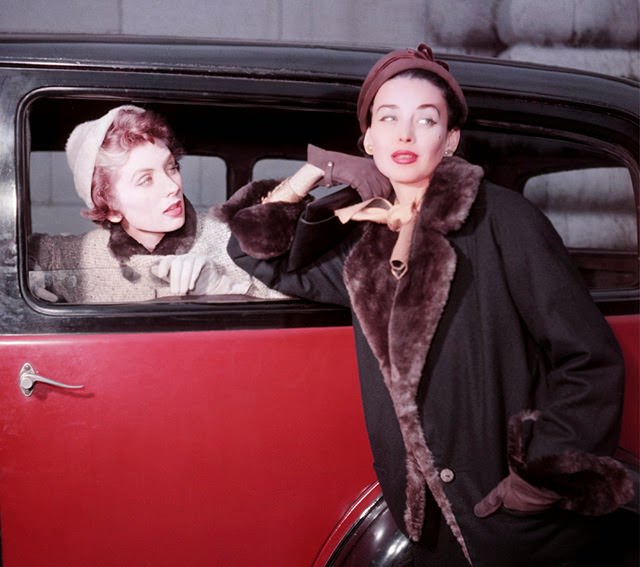
Dambier used Paris itself as his backdrop. A model in a Christian Dior dress might lean against a weathered lamp post, sit on the hood of a car stuck in traffic, or pause near a vegetable market on the cobblestones. Ordinary Parisians wandered into the frame, glancing at the scene with open curiosity. That mix of luxury and everyday life gave his photos an energy that studio shots never had.
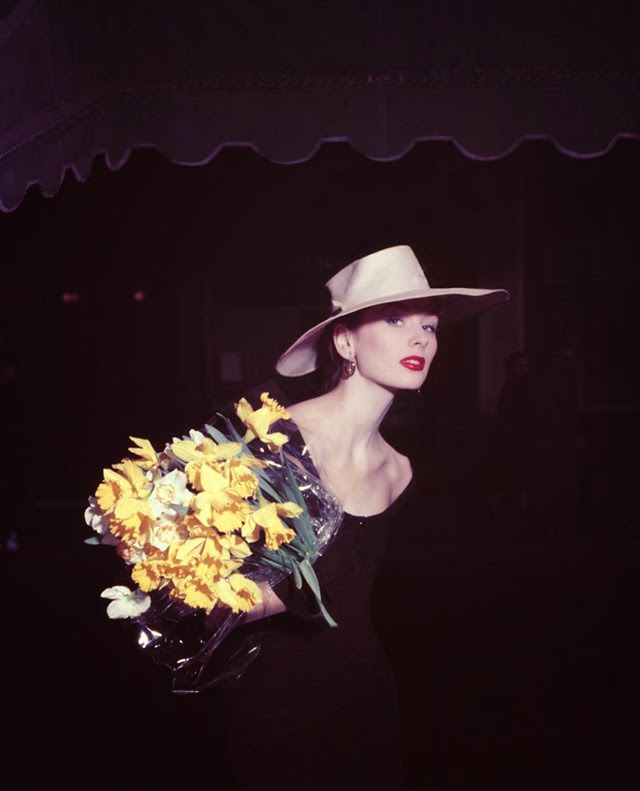
The post-war recovery gave Paris a restless, optimistic mood, and Dambier captured it frame by frame. Metro stations, bookstalls, and busy cafes all served as settings. Placing high fashion inside these familiar spaces made the clothing feel real rather than untouchable.
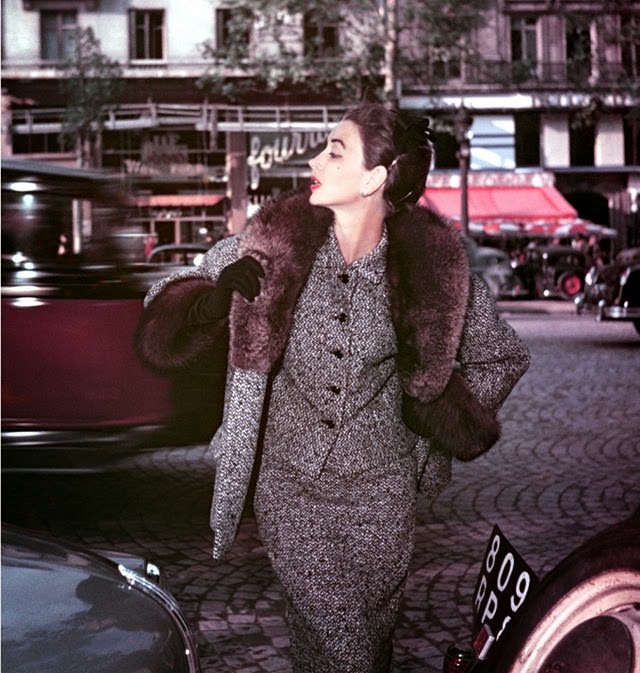
He also broke the industry’s rule on emotion. Before Dambier, editors at magazines like Elle and Vogue demanded a look of cold, distant elegance. He told his subjects to smile, laugh, eat ice cream, read newspapers, or sprint to catch a bus. The result was a kind of spontaneity that had been completely absent from fashion pages.
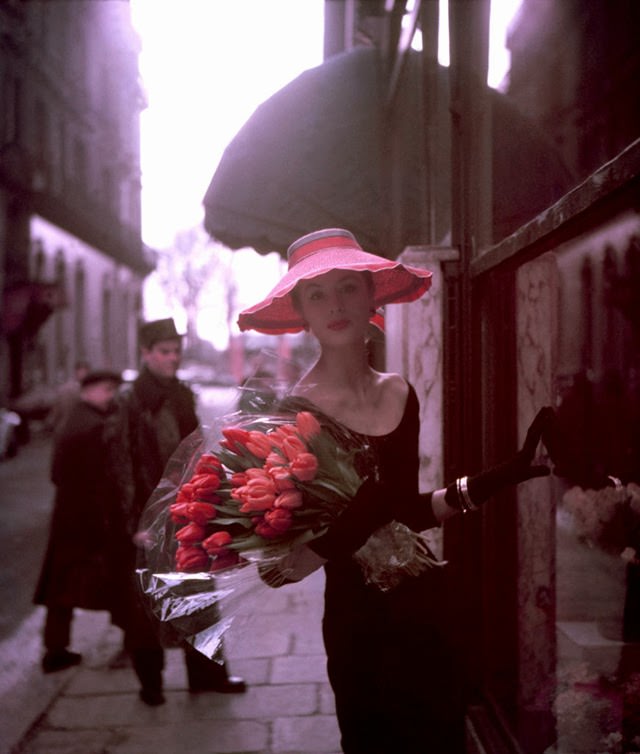
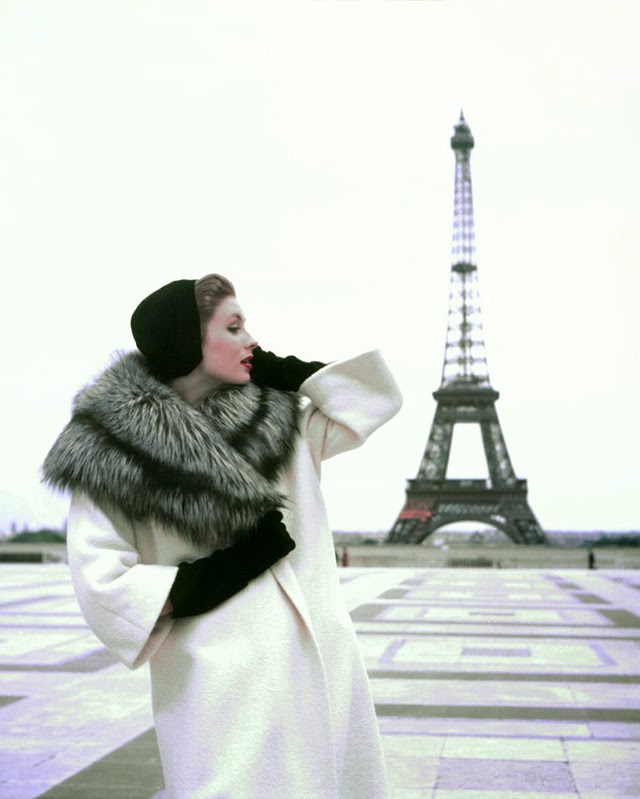
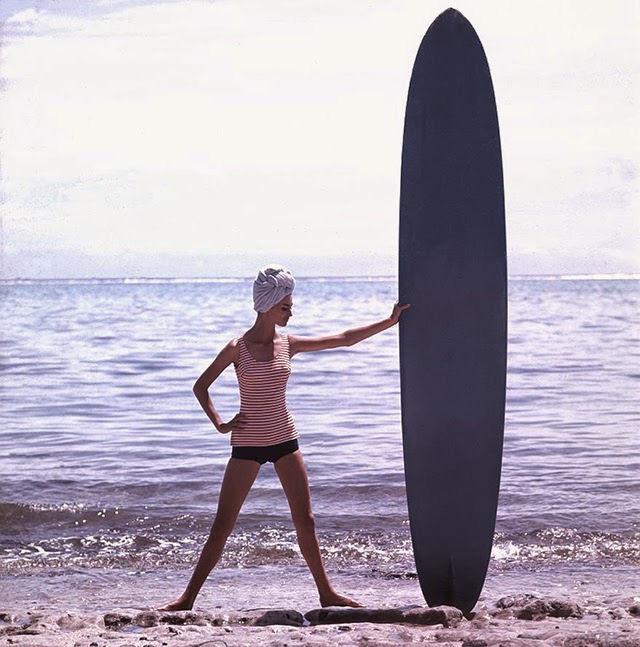
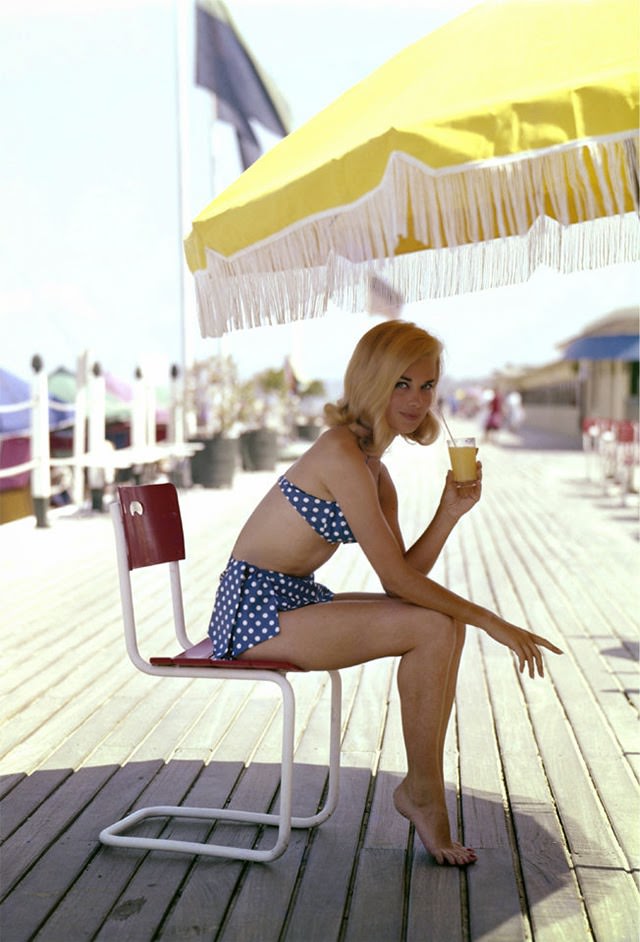
Technically, Dambier relied on natural sunlight rather than studio lamps. He shot on overcast days for soft, even shadows and in direct sun to make colors stand out sharply. He encouraged his models to keep moving, which showed off the fabrics of the New Look era. Full skirts swirled as women walked, and the wind caught their hair. The motion revealed the weight and flow of silk and wool in a way no static pose could.
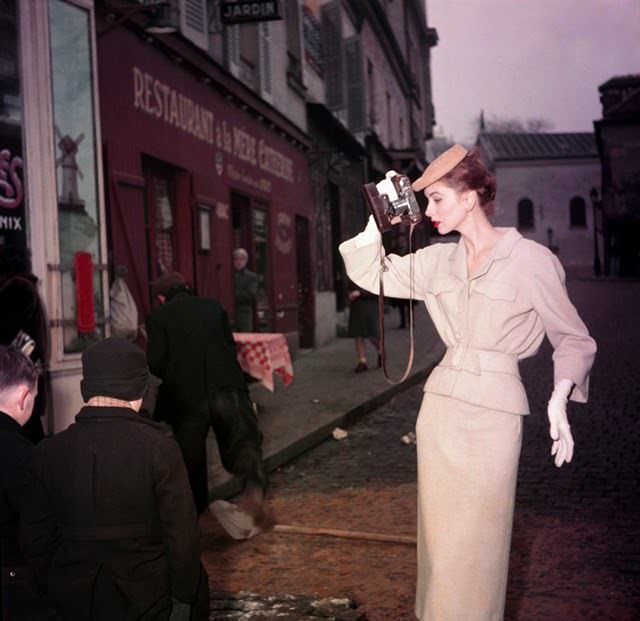
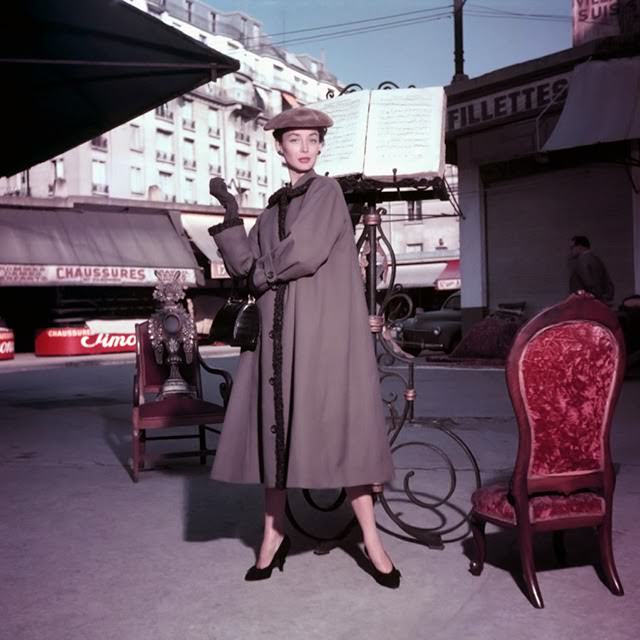
Dambier built close friendships with the top models of the decade, and that trust showed in every shot. He worked frequently with Brigitte Bardot before she became a global film star. In his photographs, Bardot appears relaxed and playful — walking barefoot, dancing in the street, entirely at ease.
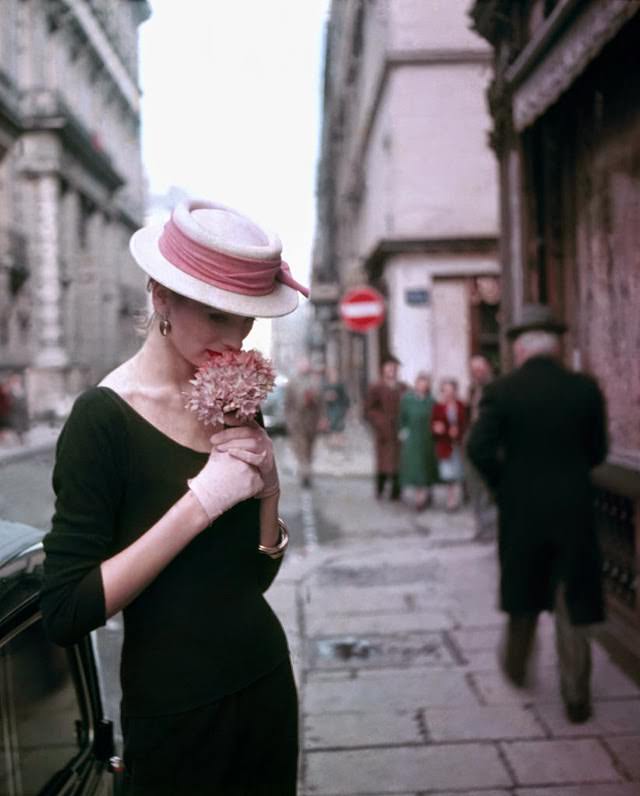
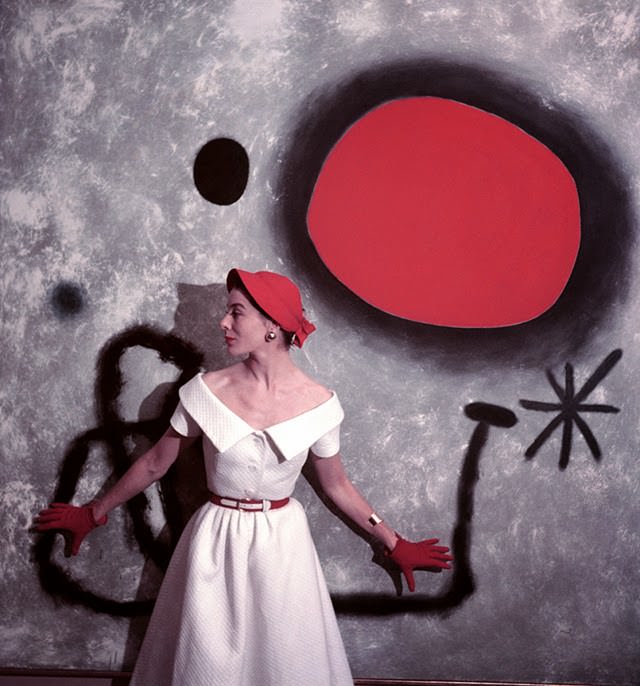
He also collaborated regularly with Suzy Parker and Bettina, two of the most recognized names in 1950s modeling. Because these women trusted him, they dropped their guarded poses and let their real personalities come through the lens.
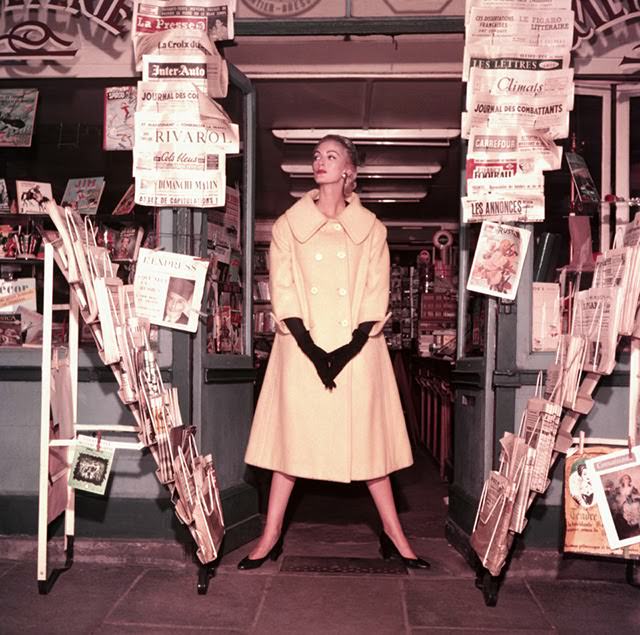
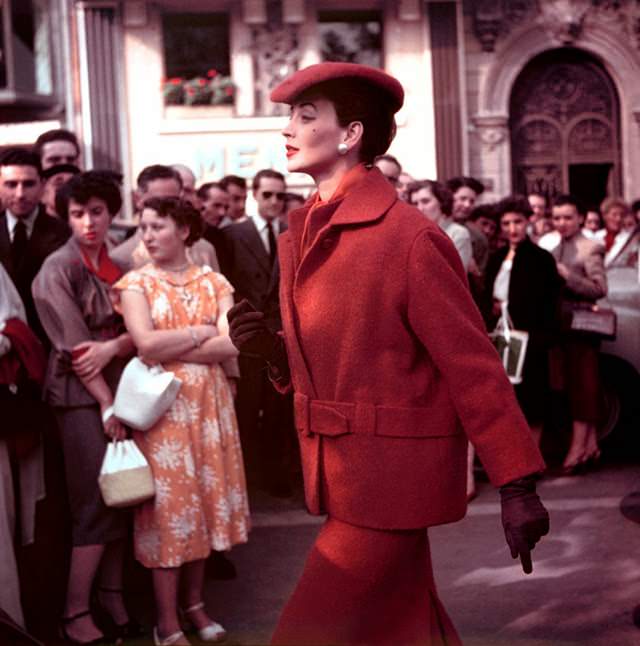
What set Dambier apart was his belief that fashion belonged to real life. His work showed women as active, joyful, and present — not as mannequins. Every photograph placed glamour squarely inside the living, breathing city of Paris.