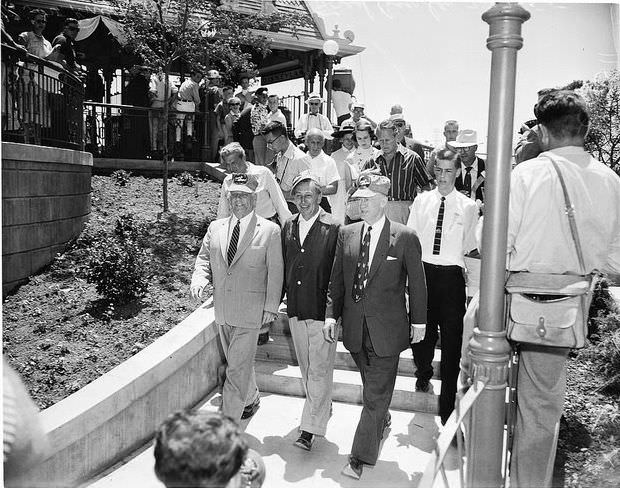
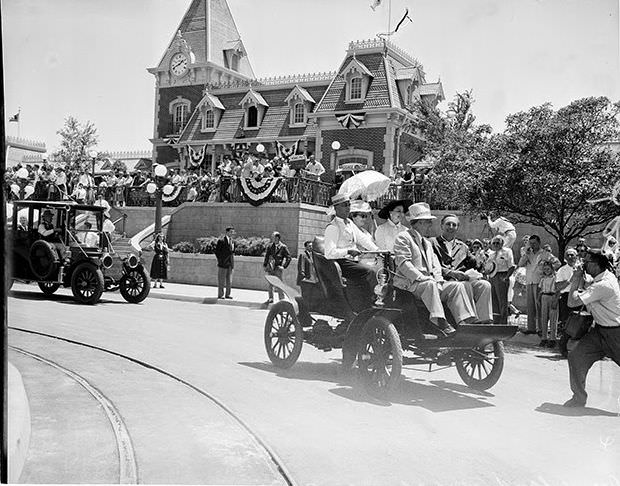
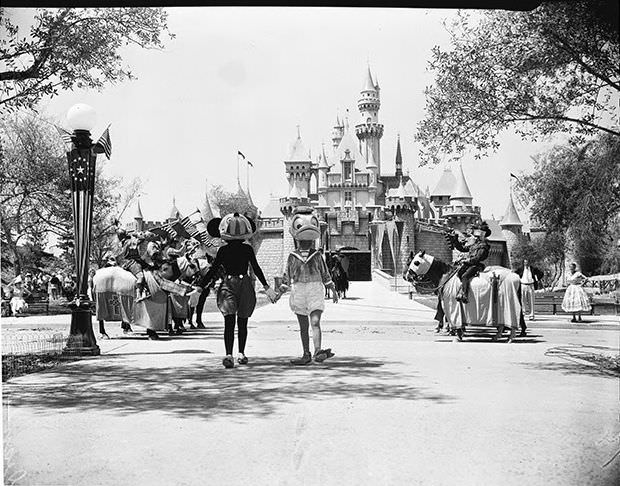
Sunday, July 17, 1955 was supposed to be a controlled, invitation-only preview of Walt Disney’s brand-new theme park in Anaheim, California. The guest list was set at 15,000 — press, studio staff, and sponsors only. What happened instead became one of the most chaotic single days in American entertainment history.
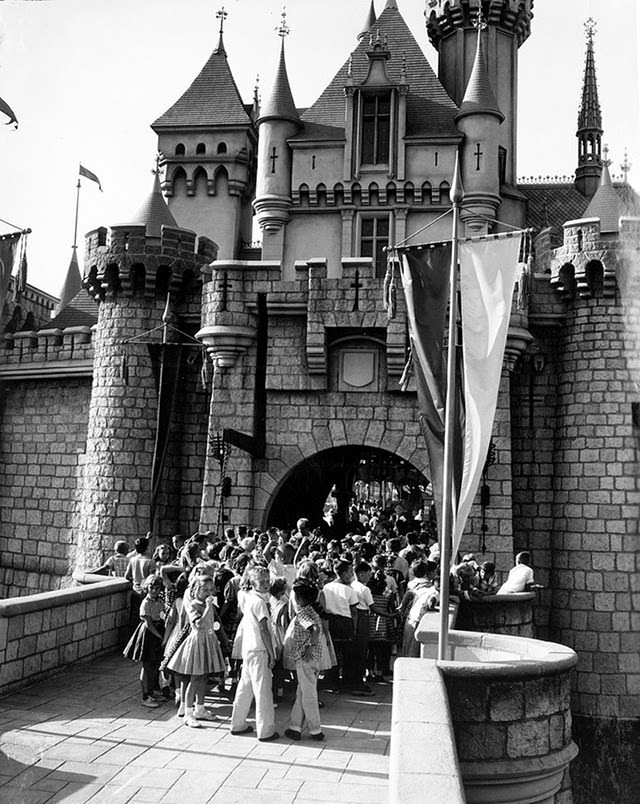
Counterfeiters had printed thousands of fake tickets in the days leading up to the opening. By the time the gates swung open, more than 28,000 people had shown up — nearly double the planned attendance. The Santa Ana Freeway backed up for seven miles. Cars sat bumper-to-bumper under a blazing sun, leaving special guests and television crews stranded for hours before they could even reach the parking lot.
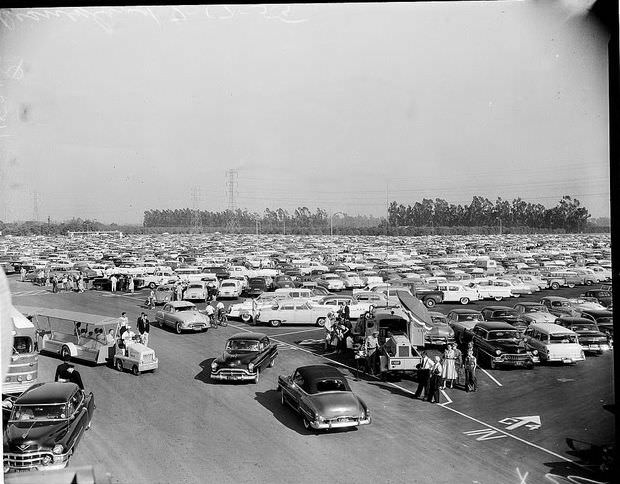
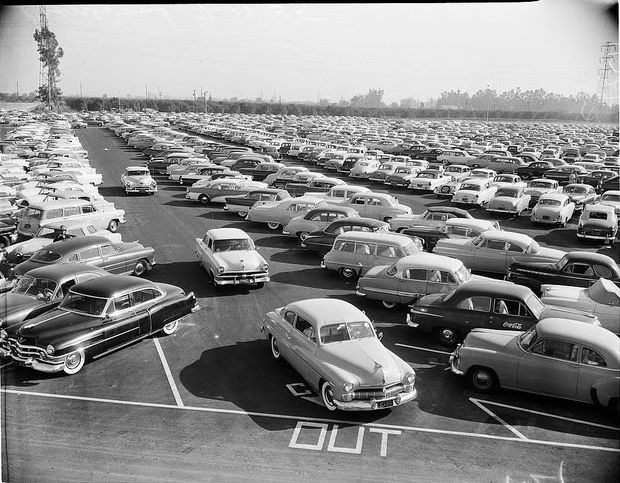
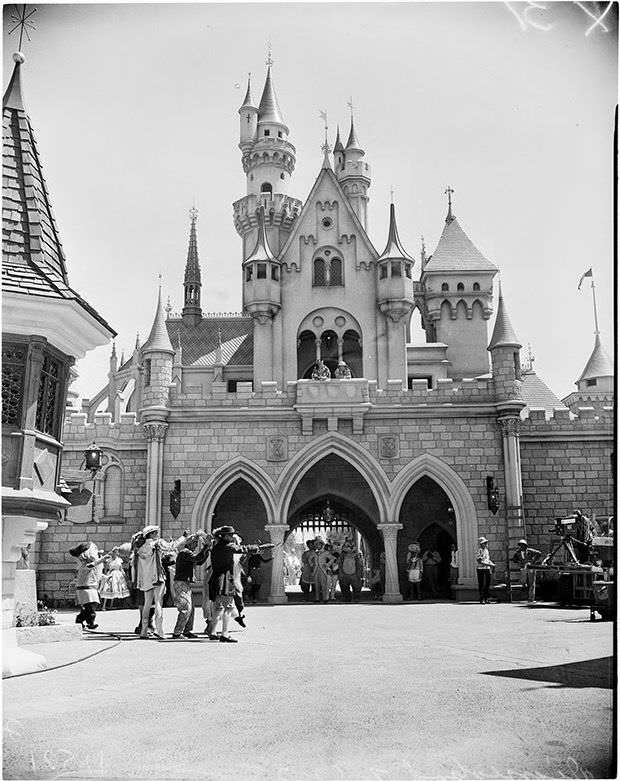
The heat made everything worse. Temperatures in Anaheim hit 101 degrees Fahrenheit that afternoon. Workers had poured the asphalt on Main Street, U.S.A. just hours before the park opened, and it never had time to fully harden. Women in high heels sank straight into the blacktop. Many had to pull their feet free of their shoes just to keep moving. Even the paint on Sleeping Beauty Castle was still tacky in the heat.
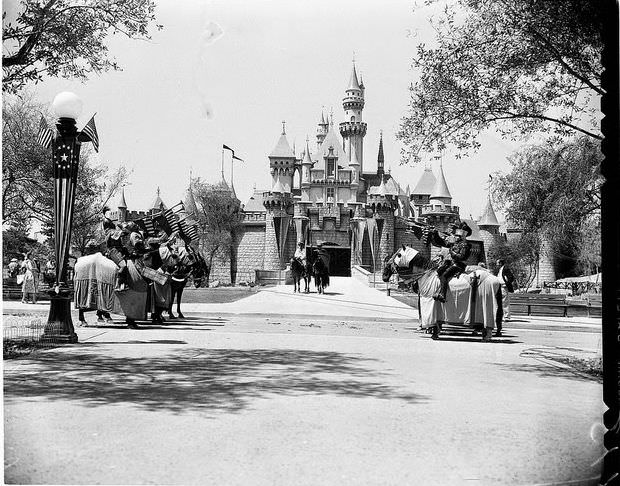
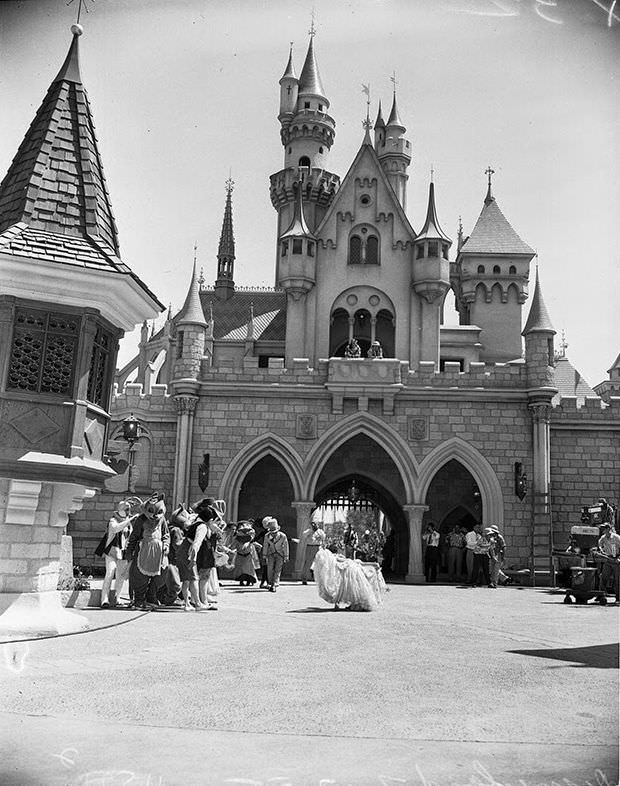
Walt Disney had spent weeks preparing for the ceremony. He rehearsed the dedication alongside California Governor Goodwin Knight and made sure every detail of the opening was planned out. None of that preparation could account for the sheer scale of what arrived on the day.
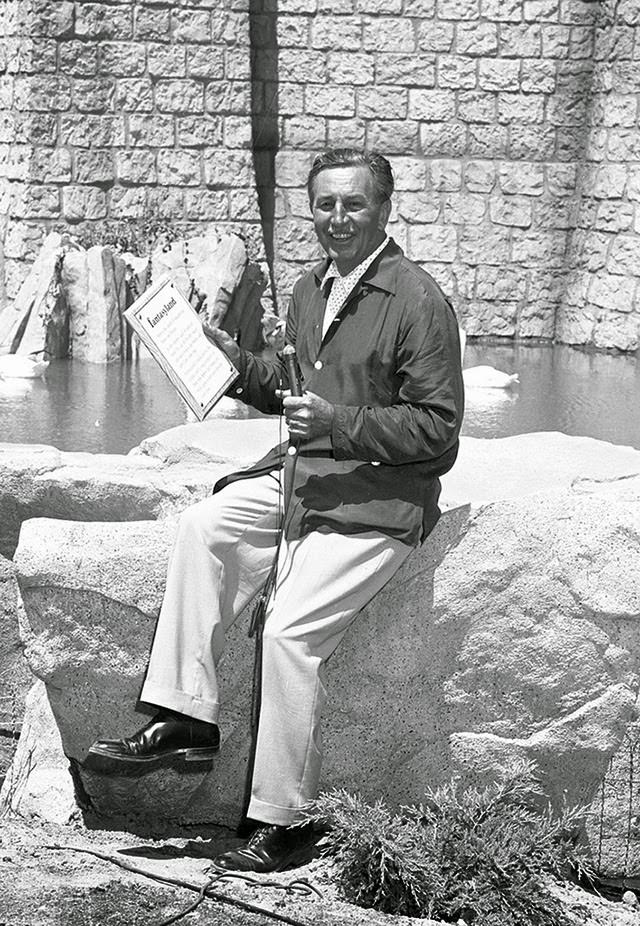
Thirsty guests quickly discovered that not a single drinking fountain in the park worked. A plumbers’ strike in the weeks before opening had forced Disney into a hard choice: finish the restrooms or connect the water fountains. He chose the restrooms. With no free water available, visitors had to buy soda to stay hydrated. Pepsi was a major sponsor, and many guests accused Disney of deliberately leaving the fountains dry to boost soft drink sales. Disney maintained the decision was purely practical.
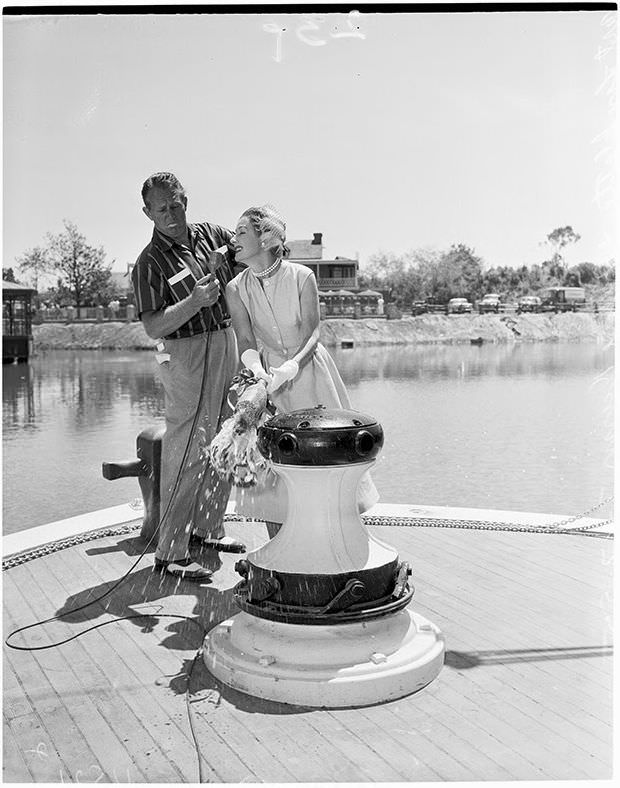
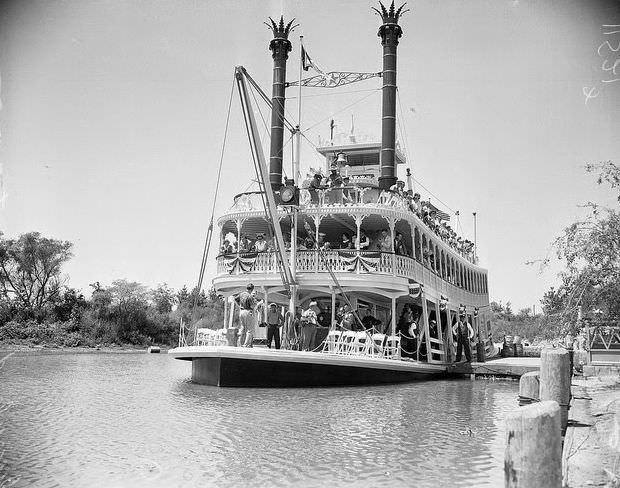
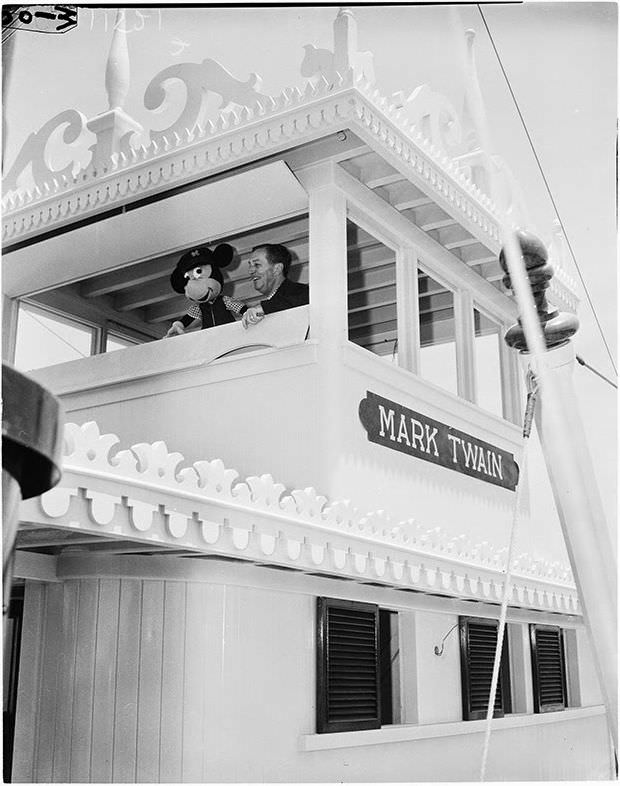
The overcrowding hit the attractions hard. The Mark Twain Riverboat took on far more passengers than it was built to carry. The excess weight pushed the boat so low that muddy river water sloshed over the deck, soaking guests’ feet and shoes. Earlier in the day, actress Irene Dunne had christened the vessel with a bottle of water from rivers across America — a dignified ceremony that stood in sharp contrast to what followed.
In Fantasyland, a gas leak broke out near Sleeping Beauty Castle. Staff evacuated the area and shut the entire section down temporarily while workers located and sealed the loose valve. At the Rocket to the Moon attraction, mechanical failures caused repeated breakdowns throughout the afternoon, leaving long lines of guests with nowhere to go in the punishing heat.
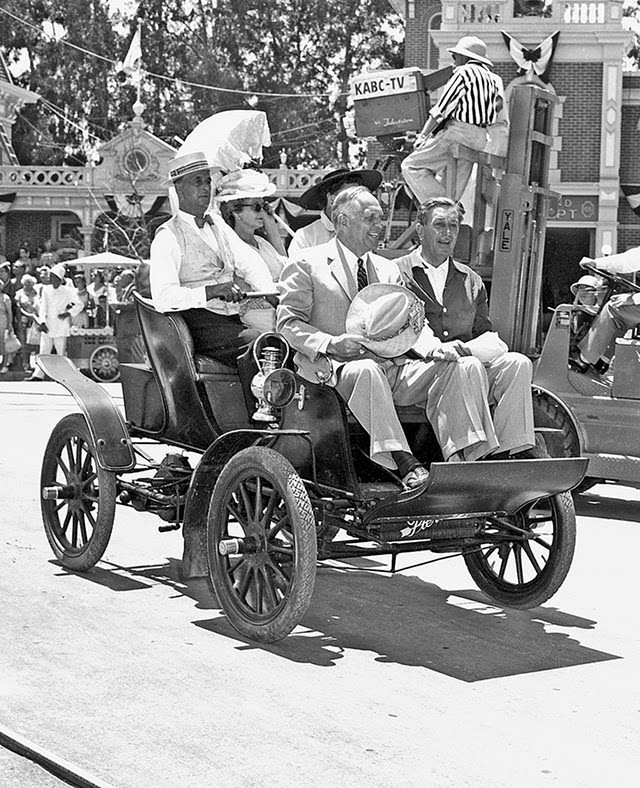
While all of this unfolded inside the park, ABC was broadcasting the event live to millions of American households. The special was called Dateline: Disneyland, and it featured three hosts: Art Linkletter, Bob Cummings, and Ronald Reagan, who was then a television host years before his political career.
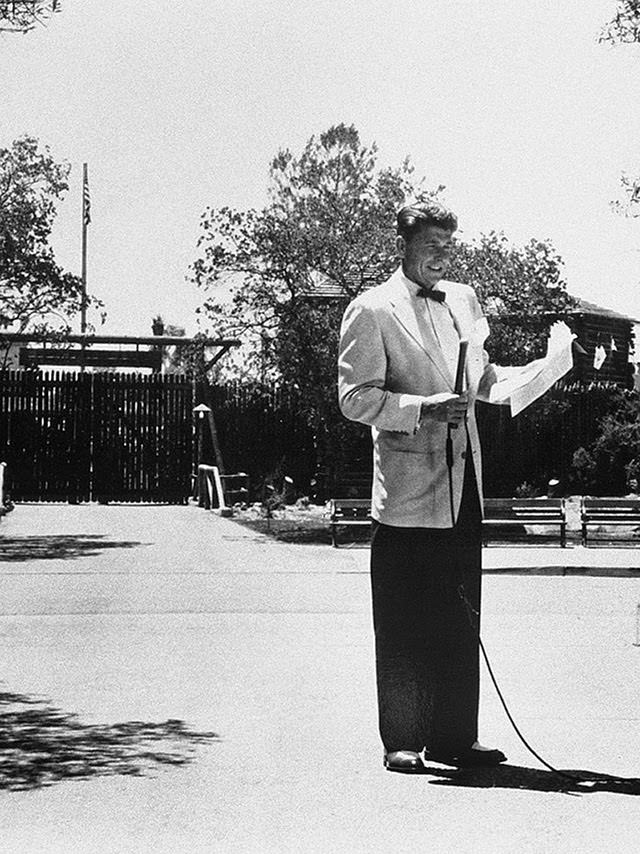
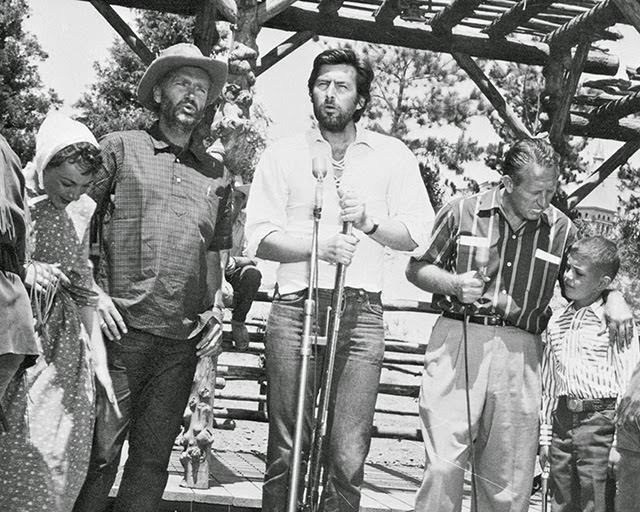
The broadcast was as troubled as the park itself. Cameras caught crew members running across live shots. Microphones cut out at critical moments. The production lurched from segment to segment as technicians scrambled behind the scenes. Viewers at home saw a polished-looking theme park. The reality on the ground was far messier.
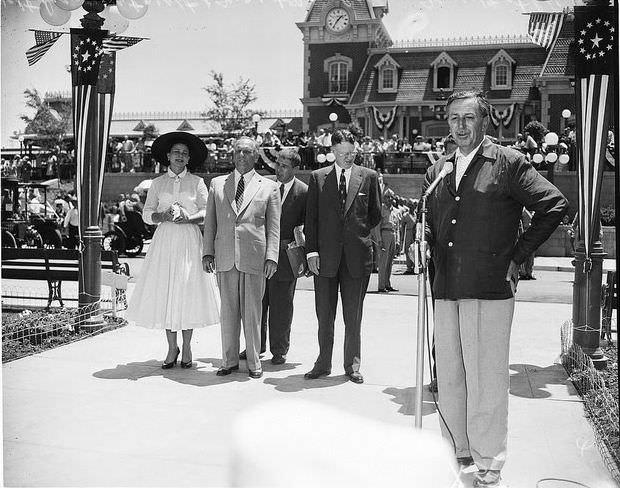
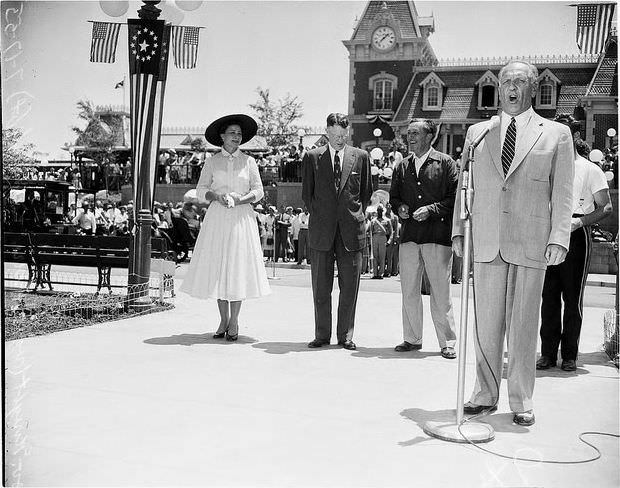
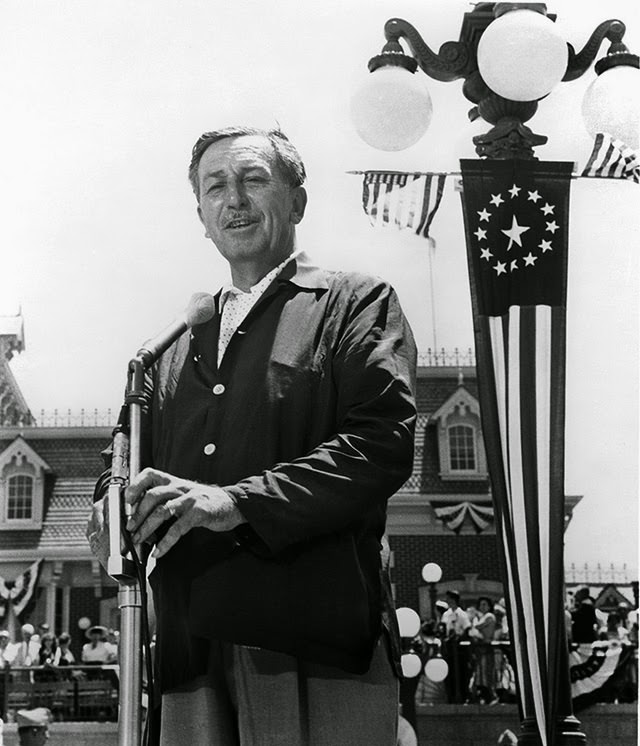
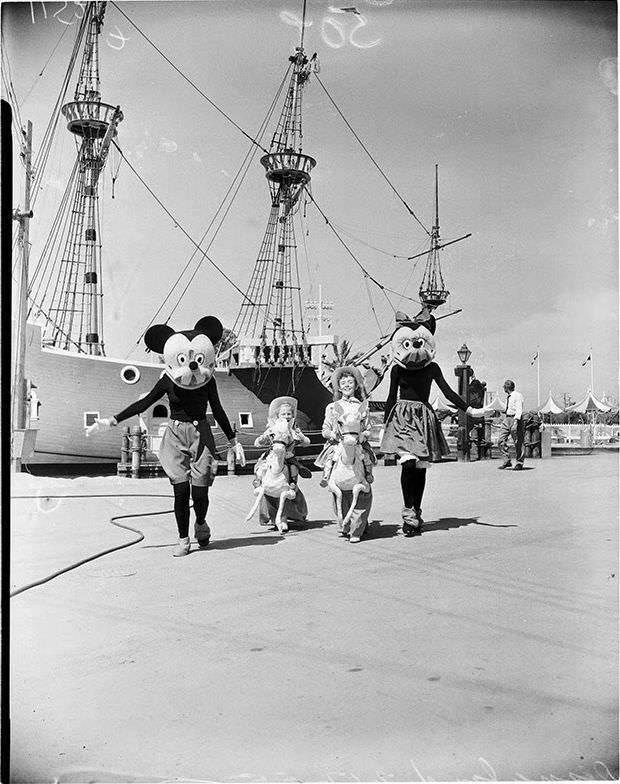
Despite the surrounding disorder, Walt Disney stood in Town Square and delivered his dedication speech. He welcomed the world to Disneyland, speaking of a place built for the young and the young at heart. Parades rolled through the park, characters appeared alongside guests, and the day filled with ceremony and spectacle — even as asphalt swallowed shoes, boats rode dangerously low, and fountains sat silent across the grounds.
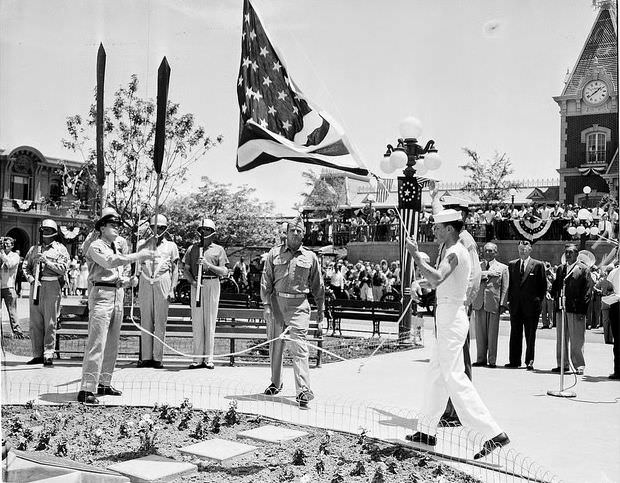
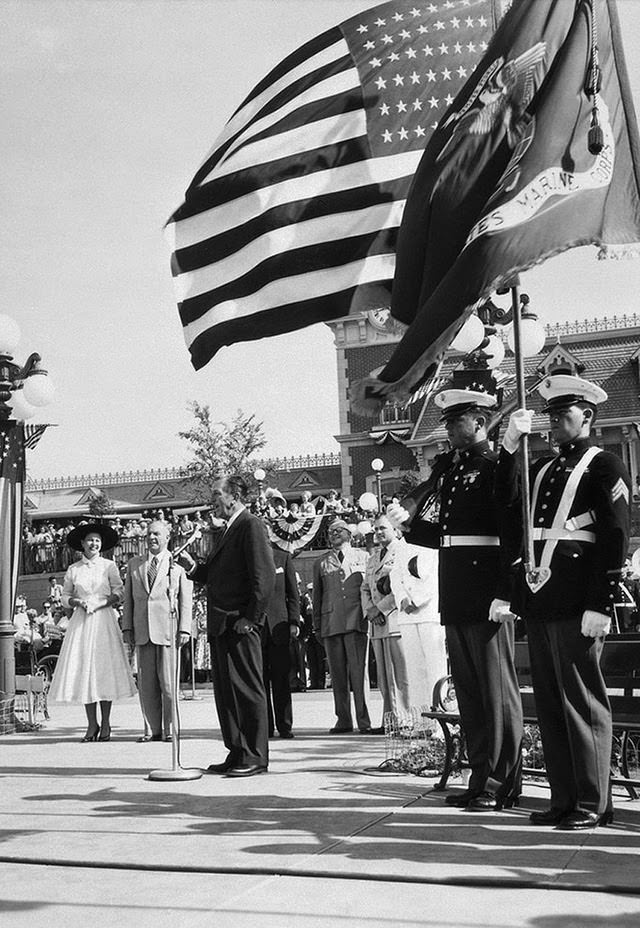
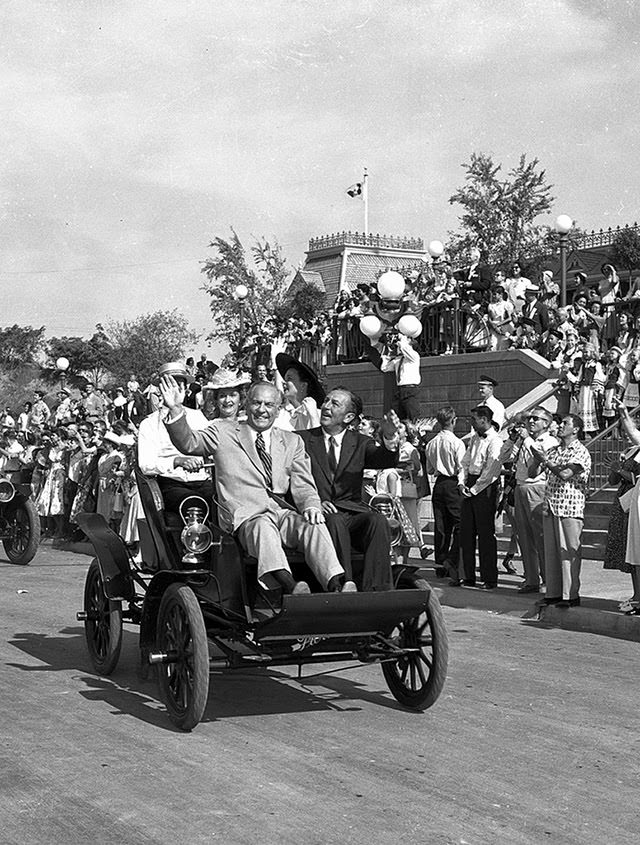
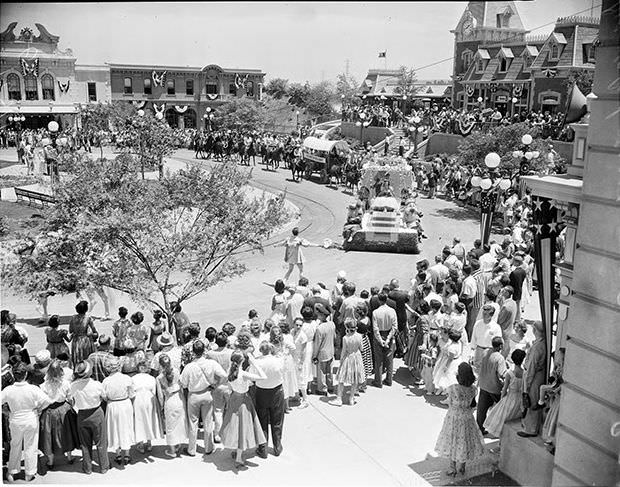
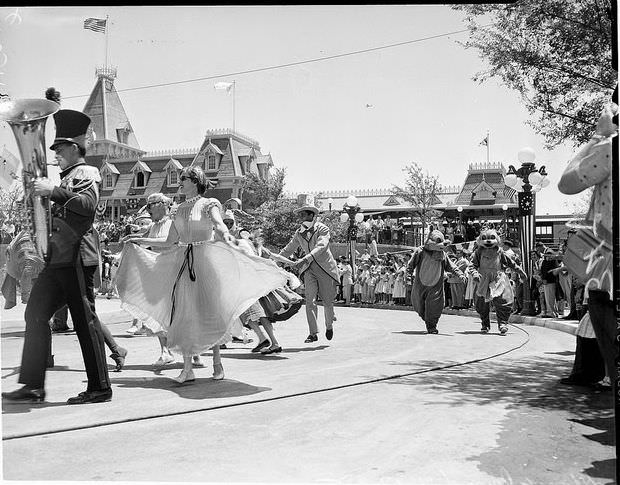
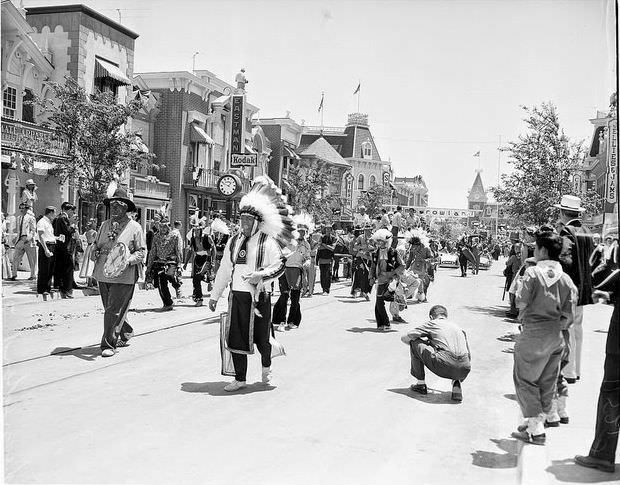
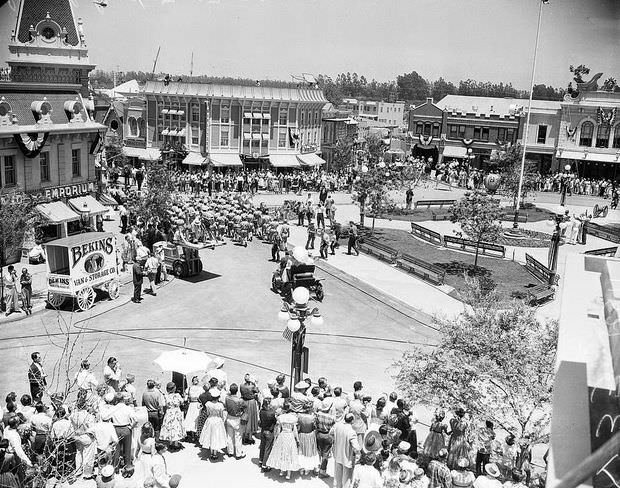
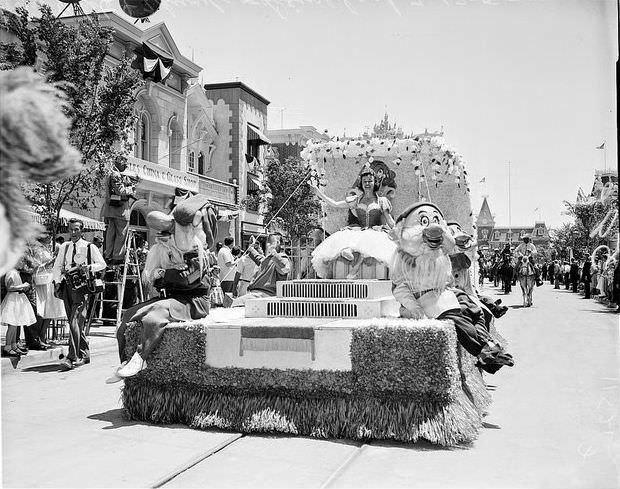
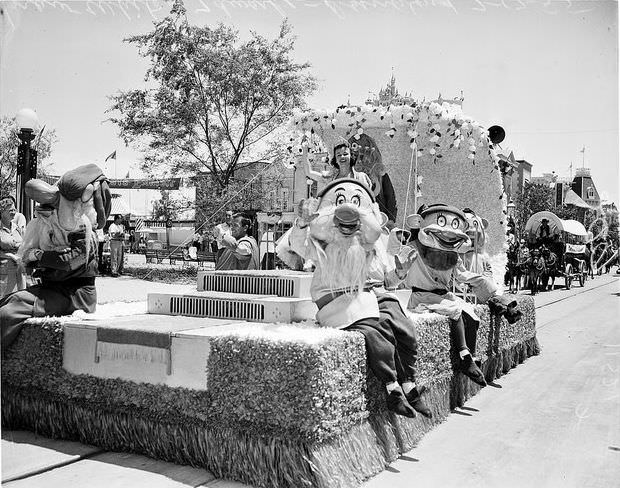
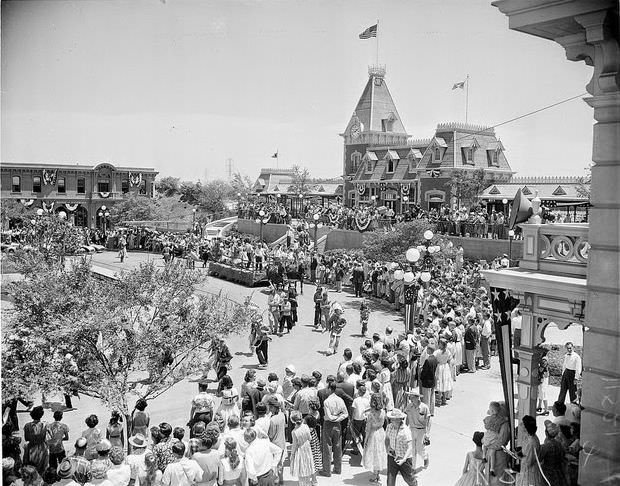
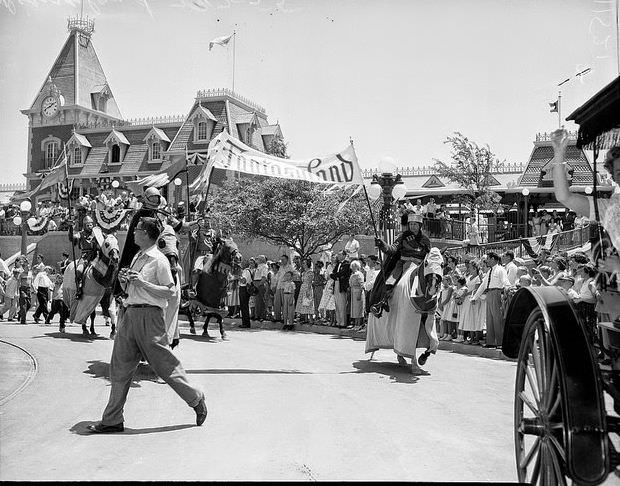
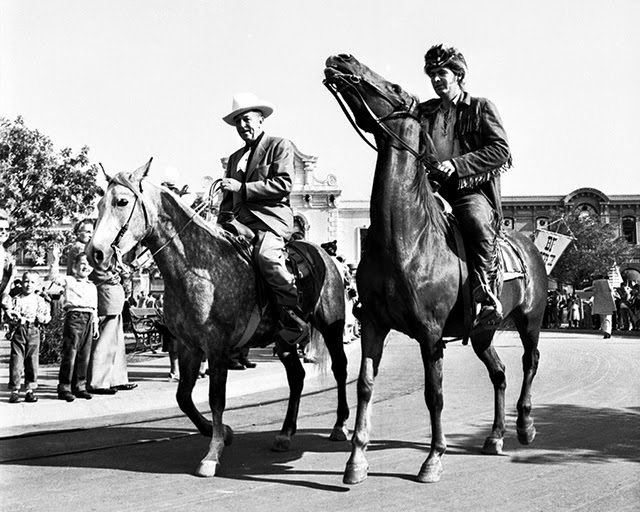
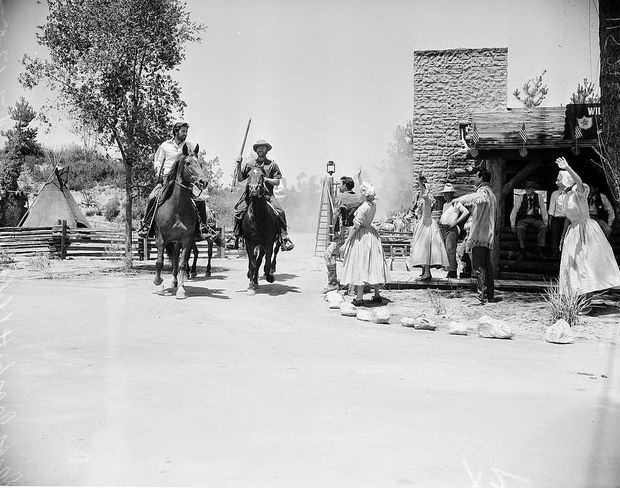
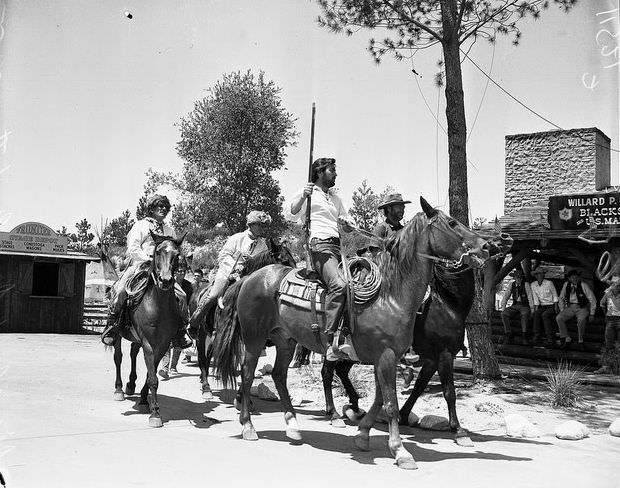
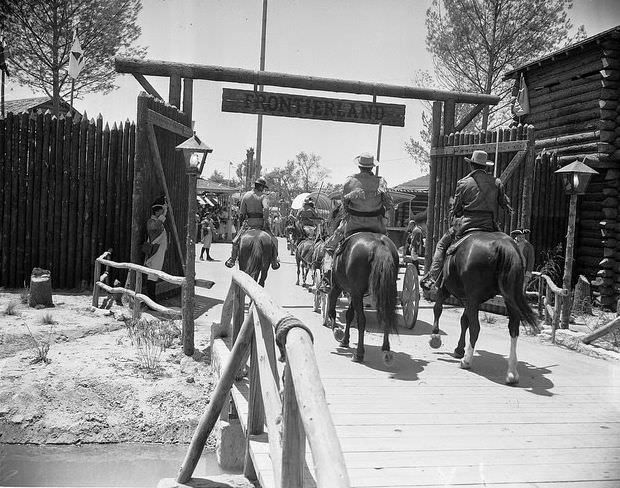
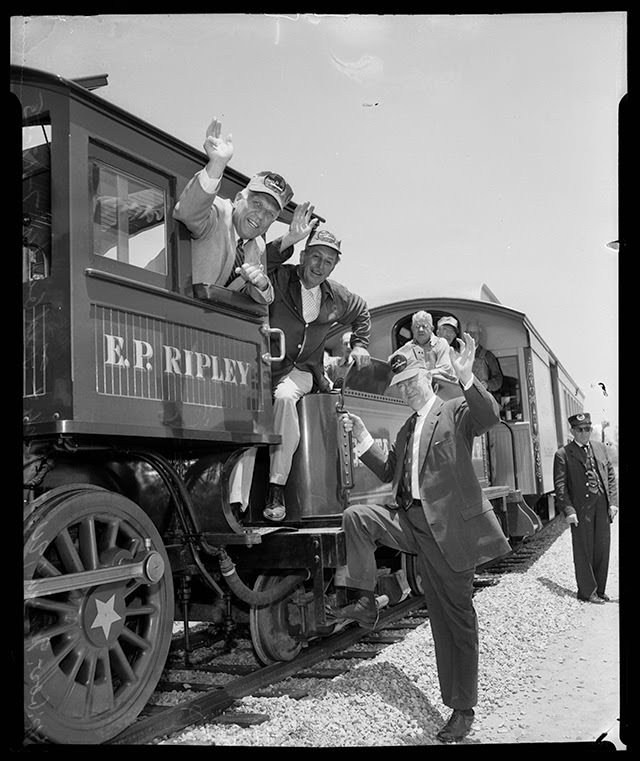
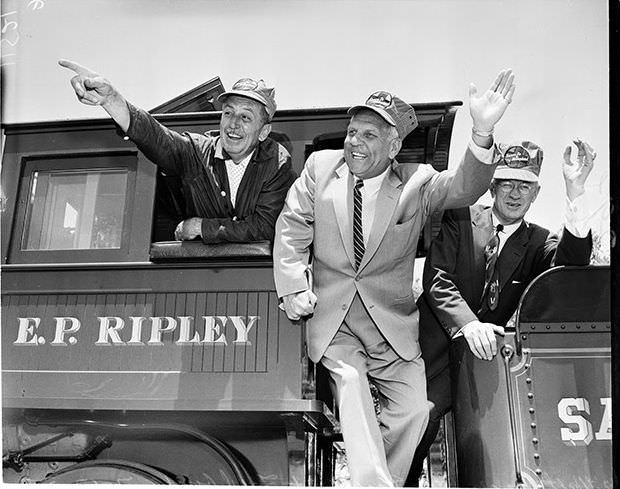
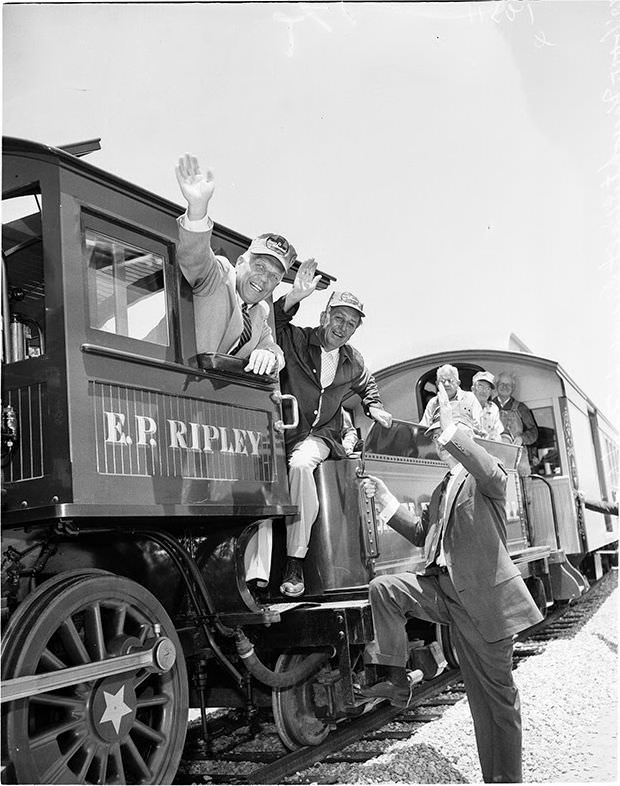
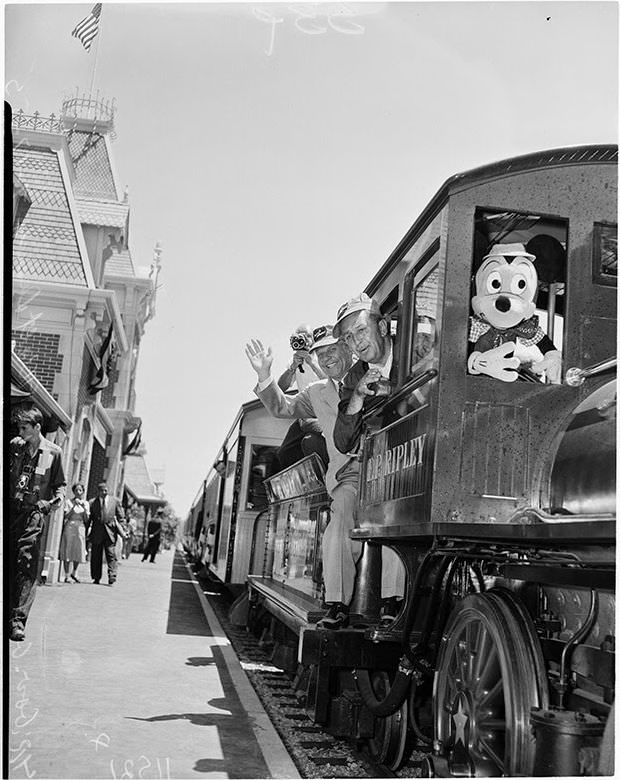
Walt Disney himself moved through the park by train and on horseback throughout the day. Fess Parker, the actor then famous for playing Davy Crockett on television, joined him on horseback through Frontierland as part of the day’s festivities.