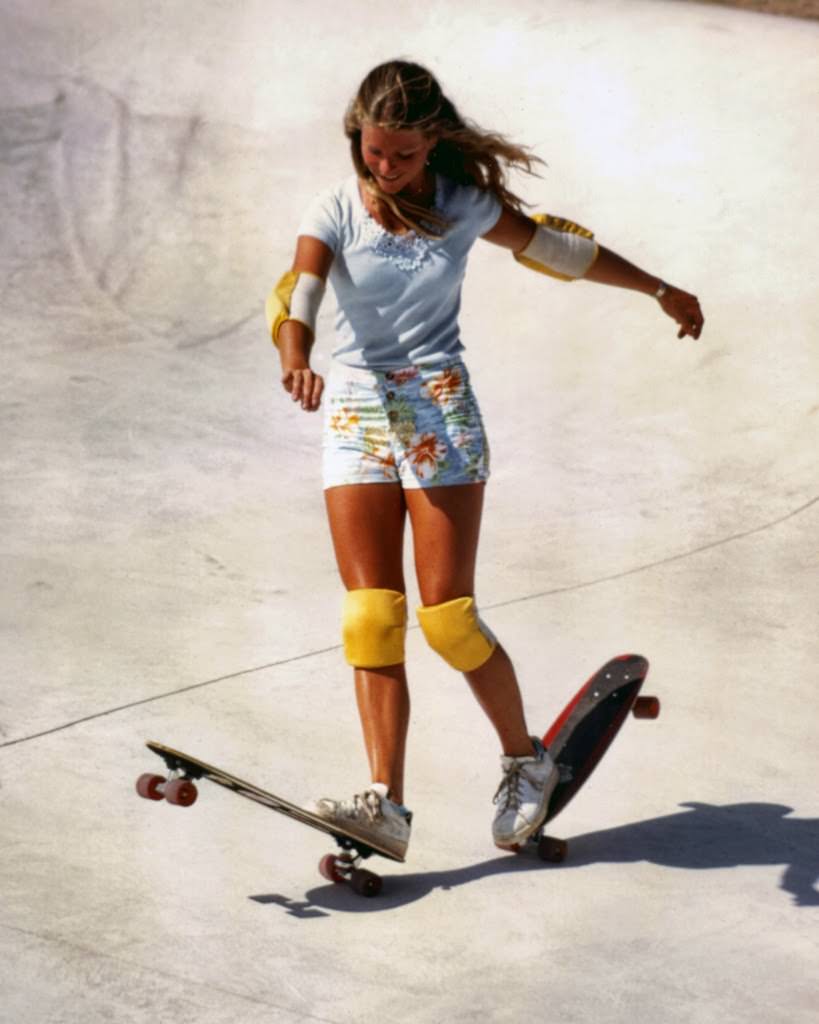
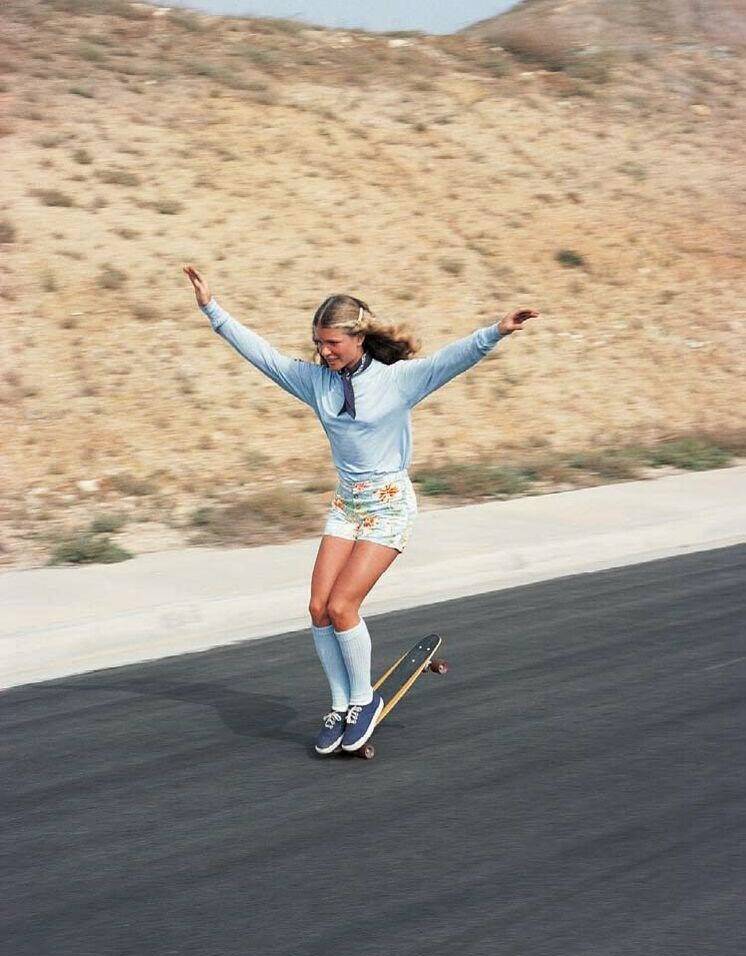
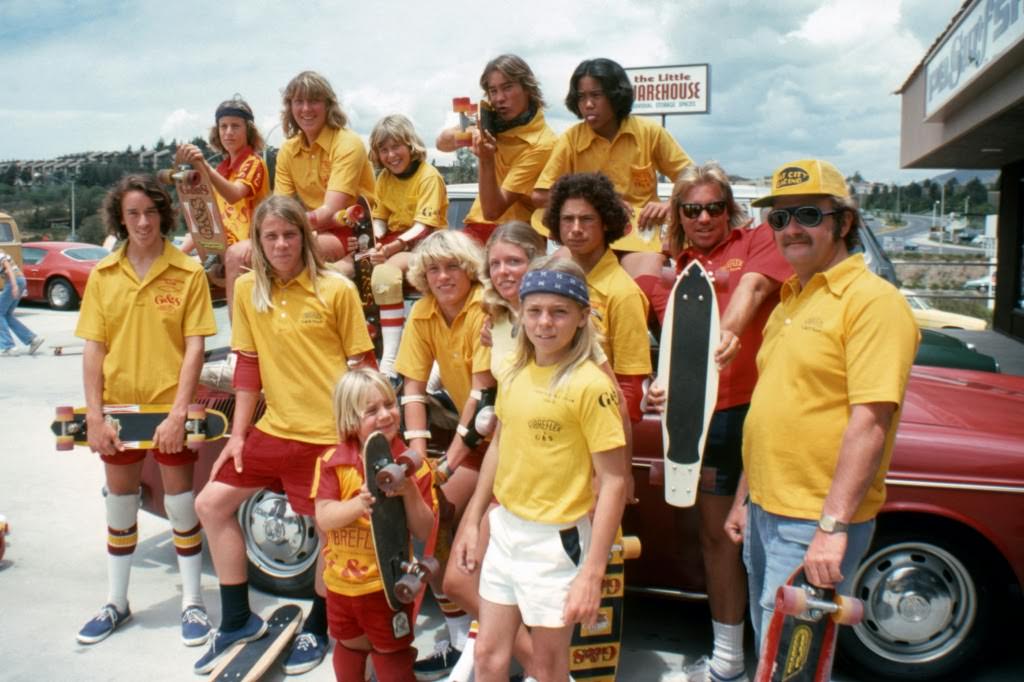
Ellen O’Neal grew up in Southern California — the birthplace of modern skateboarding — and she didn’t waste any time making her mark. After just one year of skating, she landed sponsorships from three major industry names: Gordon & Smith, Bennett Trucks, and Vans. That kind of backing, that fast, was almost unheard of. It signaled immediately that O’Neal wasn’t just talented — she was operating at a level the industry had to pay attention to.
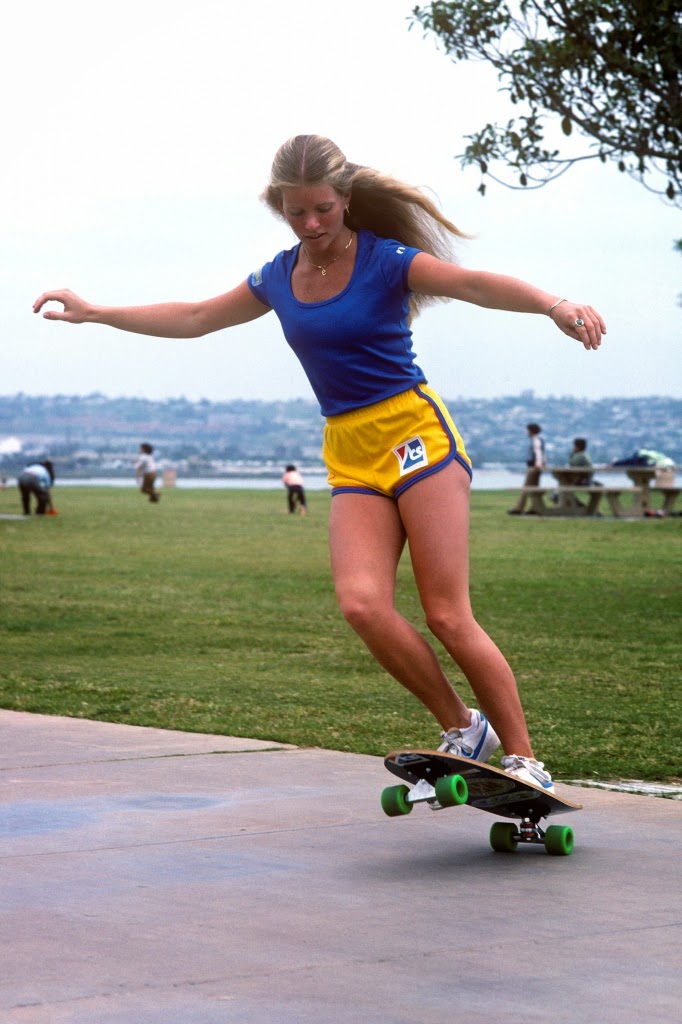
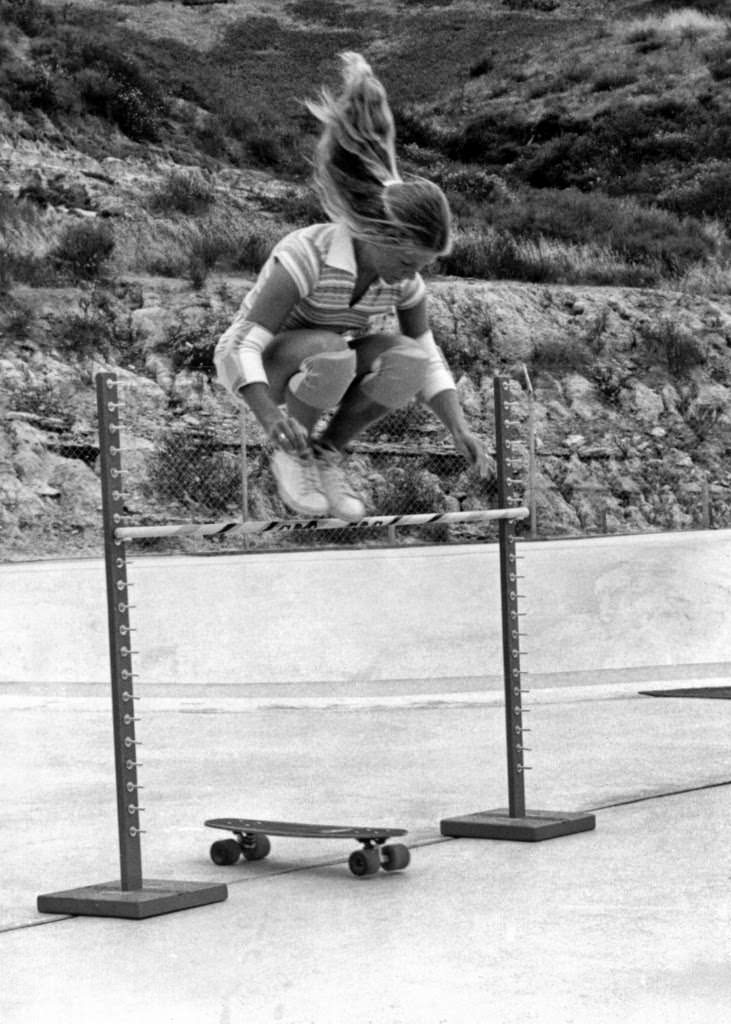
O’Neal focused on freestyle skateboarding, a discipline completely different from pool or ramp riding. Freestyle happens on flat ground, and it demands exact body control, sharp balance, and technical skill on every single move. There’s nowhere to hide a mistake. Her routines had the flow of a dance performance but required the strength of an athlete.
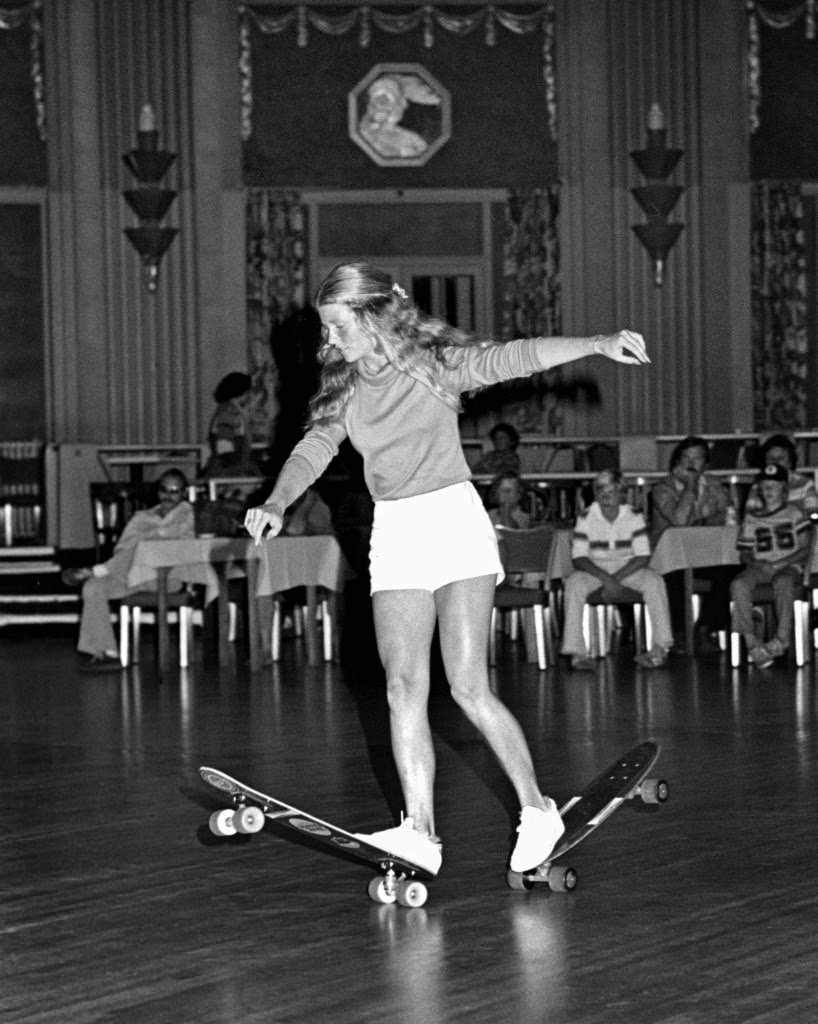
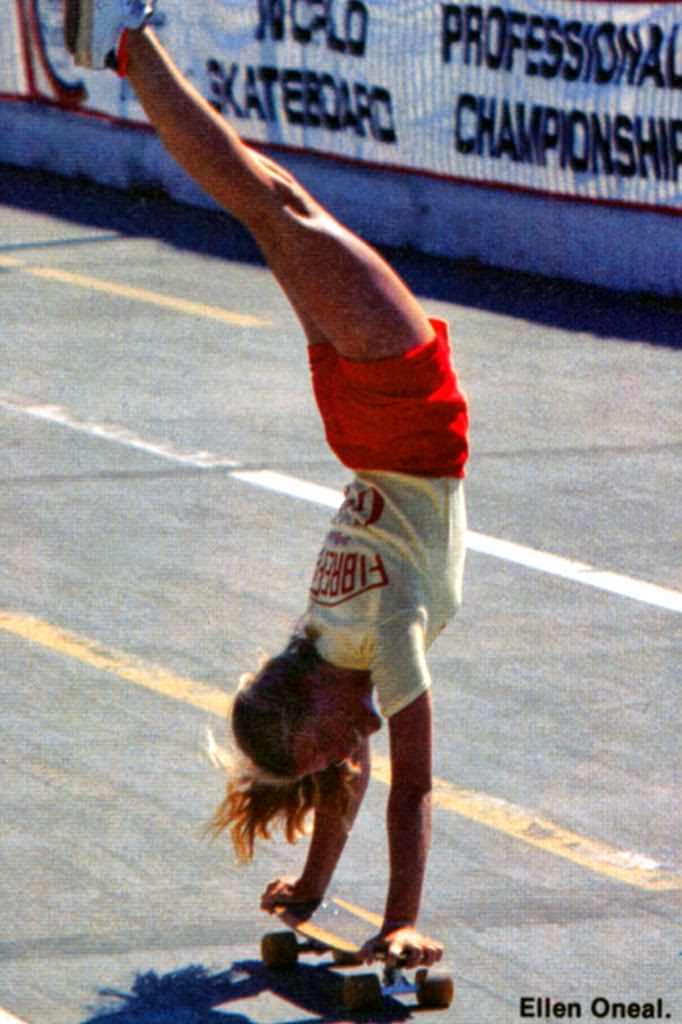
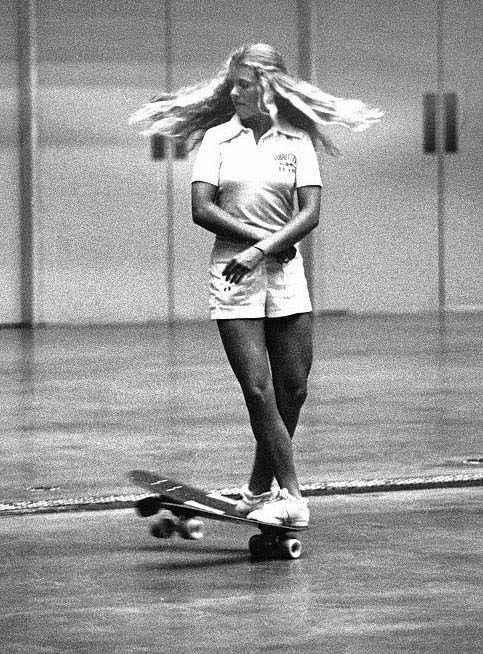
Her trick list was impressive. She performed nose wheelies — balancing the board on its front wheels while rolling — and executed handstands on a moving board. She spun full 360-degree rotations on the back wheels and balanced along the board’s thin edge, a move that requires serious core strength to hold even for a moment. Each maneuver built on the last, creating routines that were genuinely difficult to replicate.
In the mid-1970s, skateboarding was still fighting a bad reputation. Many people saw skaters as troublemakers — teenagers dodging pedestrians on Venice Beach boardwalks with nothing better to do. O’Neal helped change that perception on a national scale. She appeared on the hit TV series Wonder Woman, performing stunts in front of a massive prime-time audience.
Seeing her precise, controlled skating on a major network show reframed how millions of Americans thought about the sport. This wasn’t reckless behavior — it was disciplined athleticism. O’Neal demonstrated that skateboarding required real practice and physical ability, something her televised performances made impossible to dismiss.
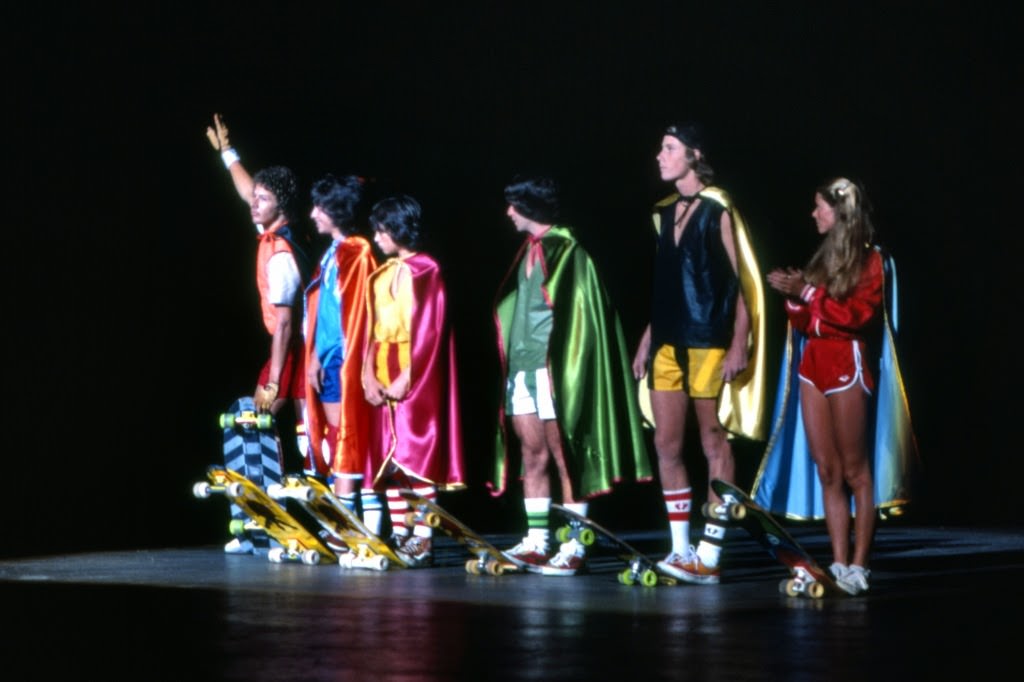
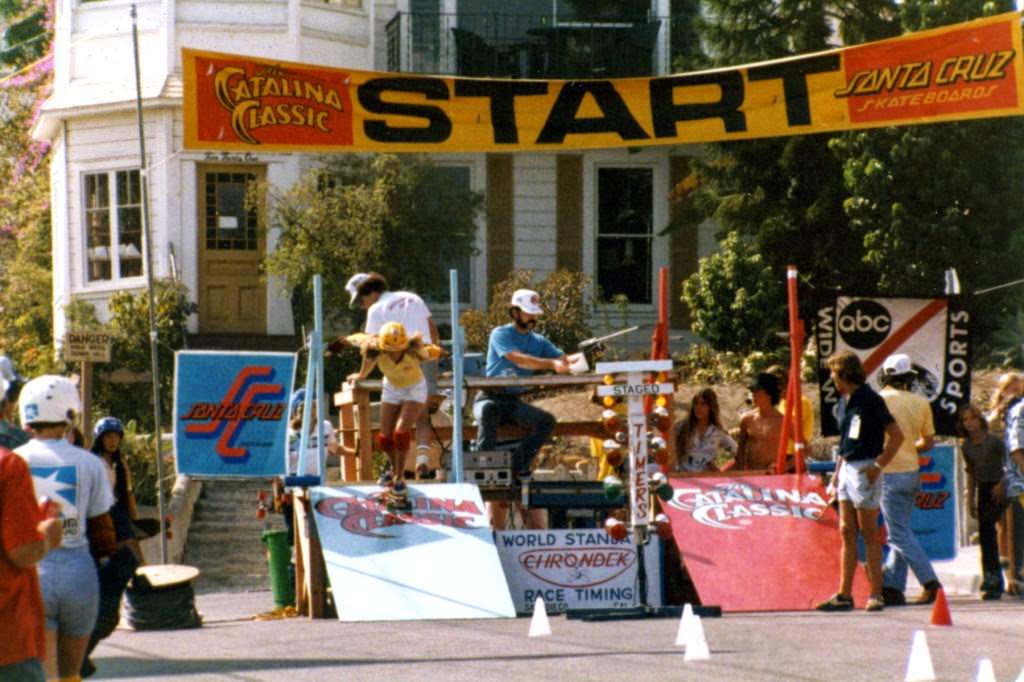
By the late 1970s, O’Neal was competing and performing alongside the biggest names in the sport, traveling internationally as a professional. Her reach extended well beyond Southern California — she was a recognized figure across the skateboarding world, recognized not just as a top female skater, but as one of the most technically skilled freestyle riders of her generation, full stop.
What made O’Neal’s story particularly striking was how completely she dominated a field run almost entirely by men. She didn’t enter a separate category and thrive there — she earned sponsorships, media exposure, and professional recognition in the same arena as her male peers. Her skill was the only argument she needed.