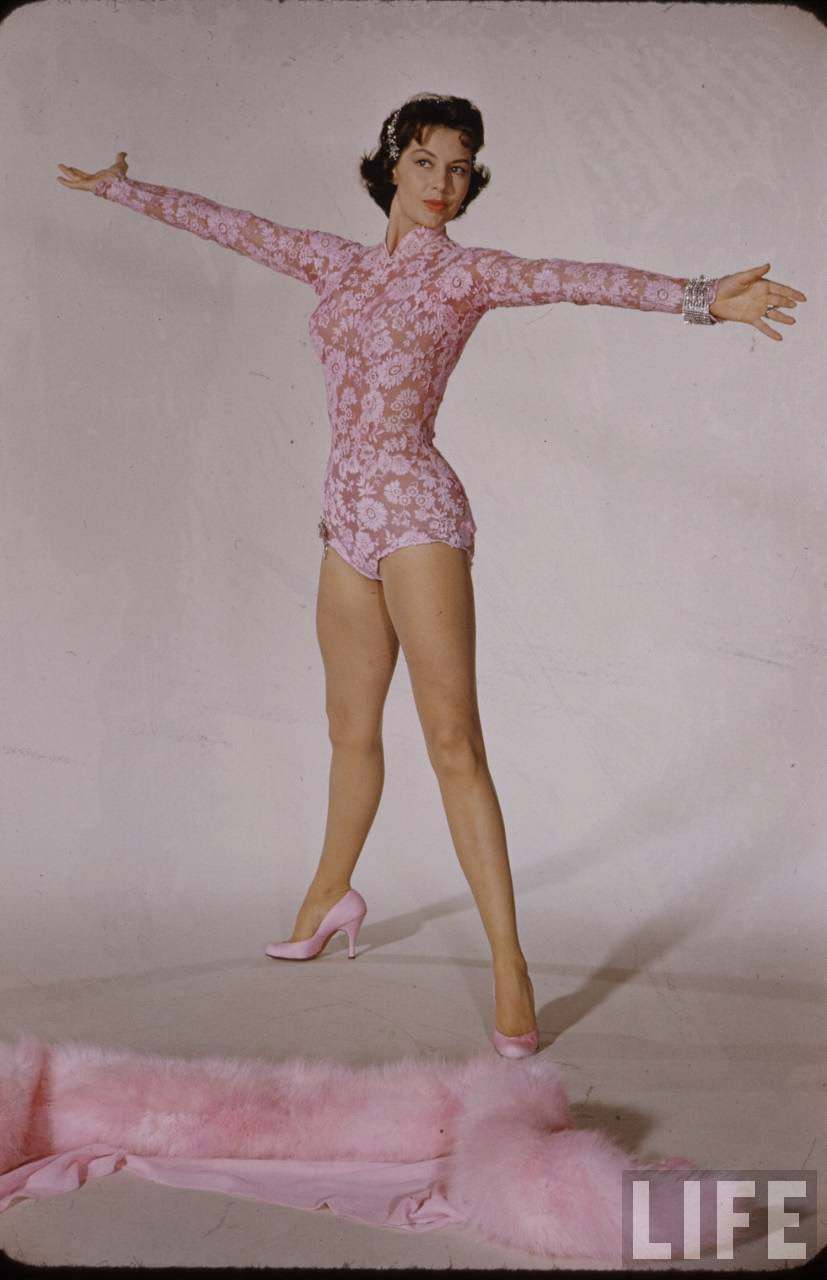
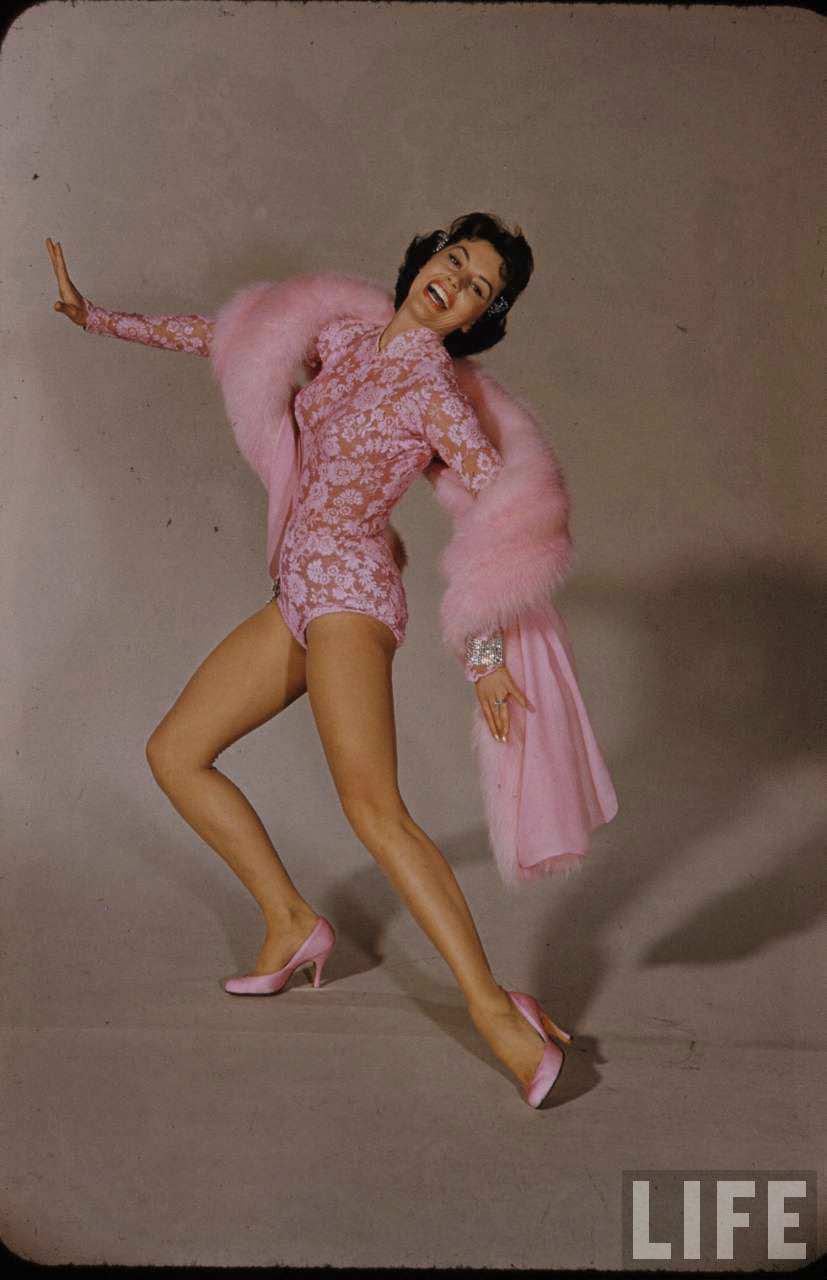
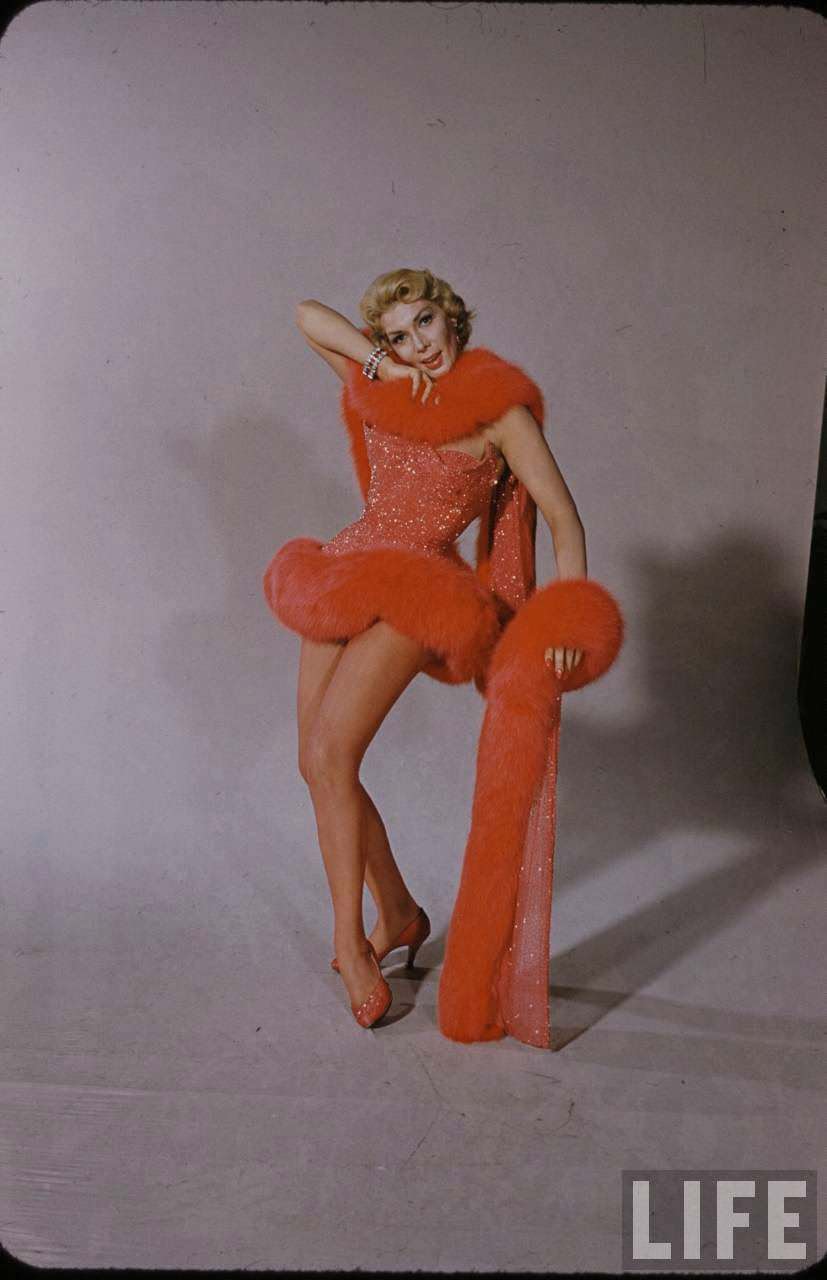
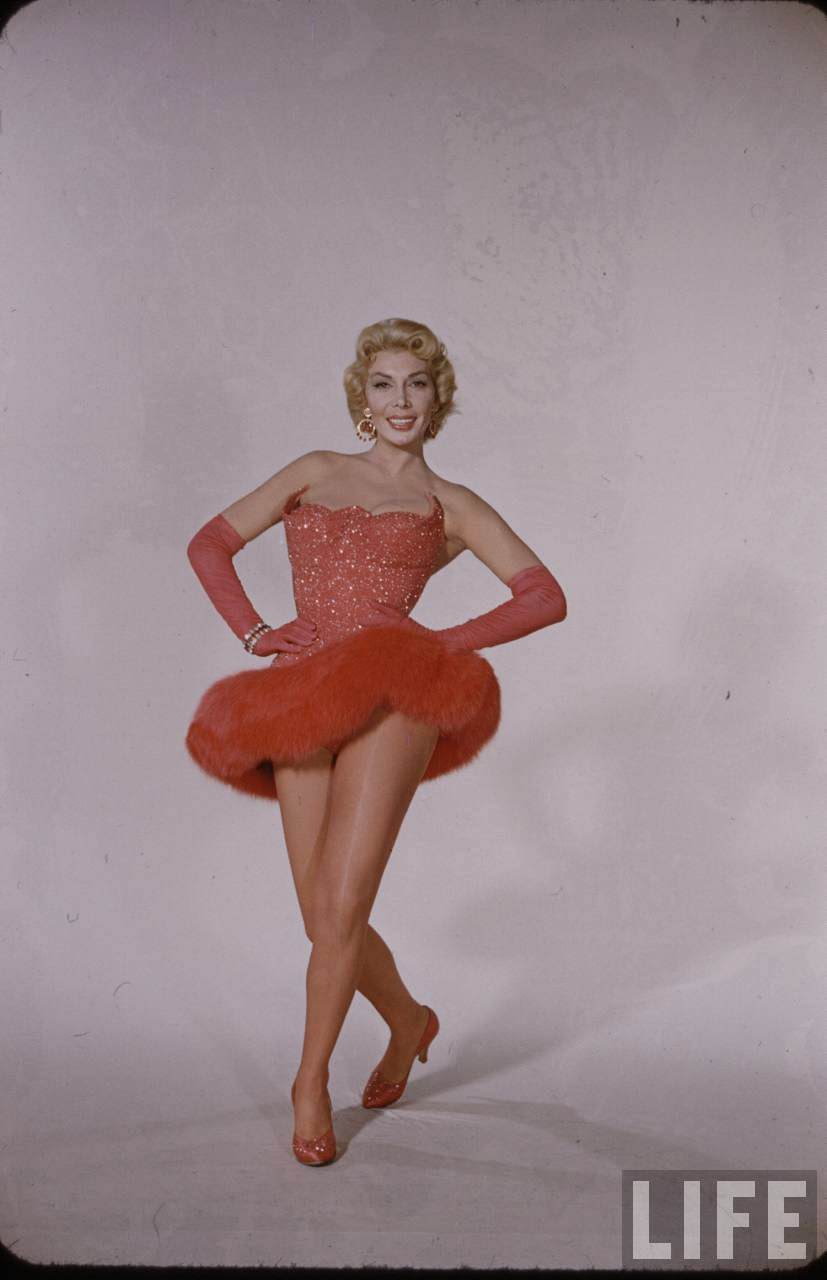
MGM’s 1955 musical satire It’s Always Fair Weather featured Gene Kelly, Dan Dailey, and Michael Kidd at its center, but two women defined its visual and emotional range. Dolores Gray and Cyd Charisse brought entirely different energies to the film — and together, they made it something far more than a straightforward song-and-dance picture.
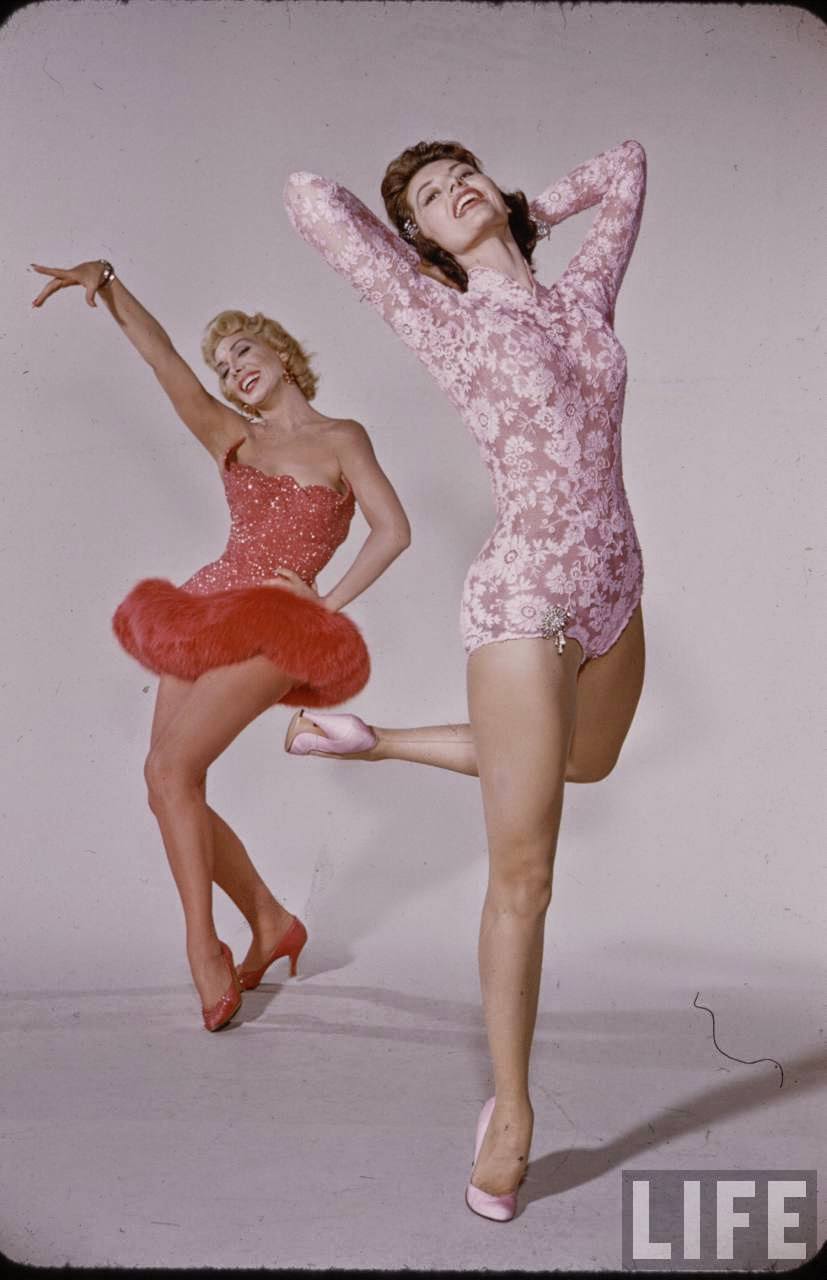
Cyd Charisse played Jackie Leighton, a television producer with polished composure and a firm moral center. Where the three male leads were rough around the edges, Jackie projected cool, measured authority. Her dance sequences used CinemaScope’s wide frame to full effect — long glides, smooth turns, and controlled leg extensions that let every movement breathe. Nothing felt hurried. Her tailored suits and sleek jewel-toned dresses stood out sharply against the Eastmancolor palette, reinforcing her character’s composed professionalism.
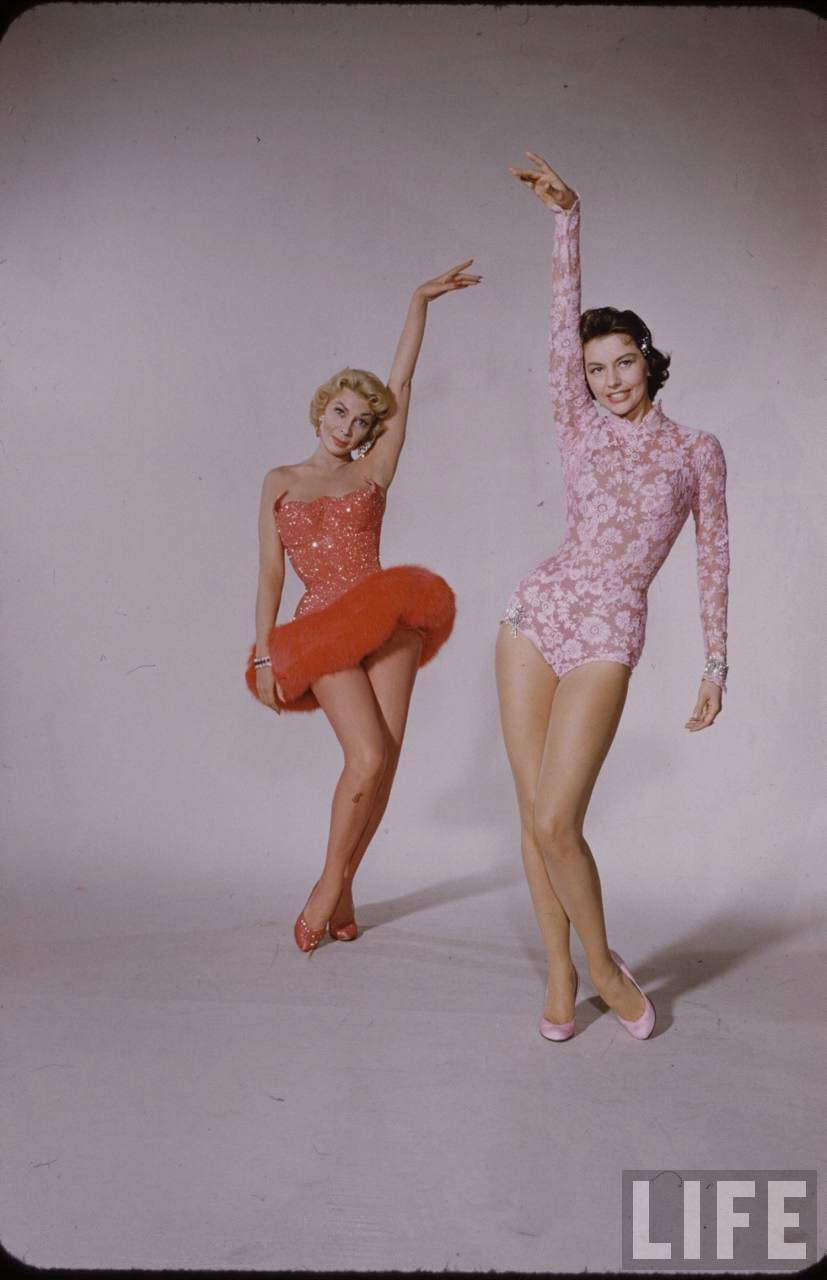
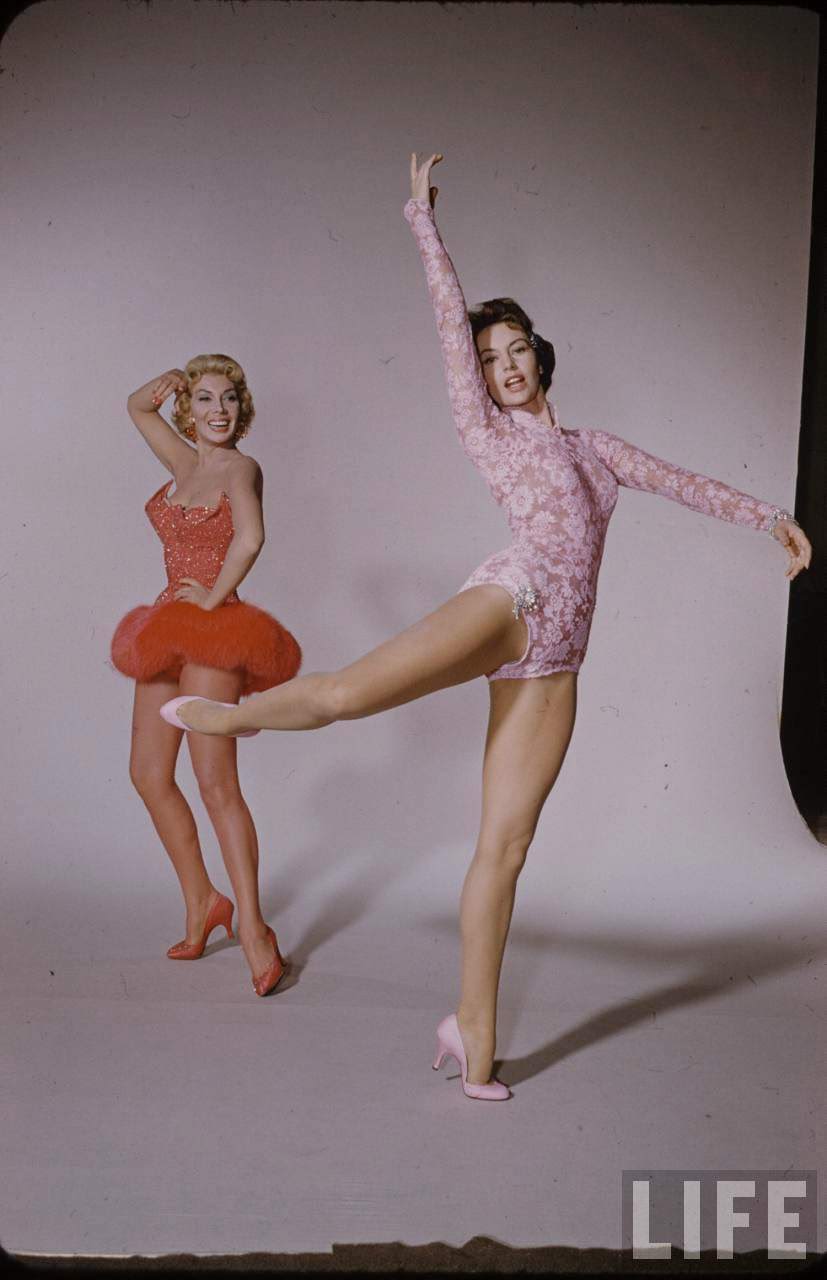
Dolores Gray played Madeline Bradville, a television hostess built for spectacle. Her wardrobe leaned hard into theatrical excess — feathered hats, sparkling gowns, bold silhouettes that demanded attention in every frame. Gray’s delivery was razor-sharp, each syllable landing with the precision of a live broadcast cue.
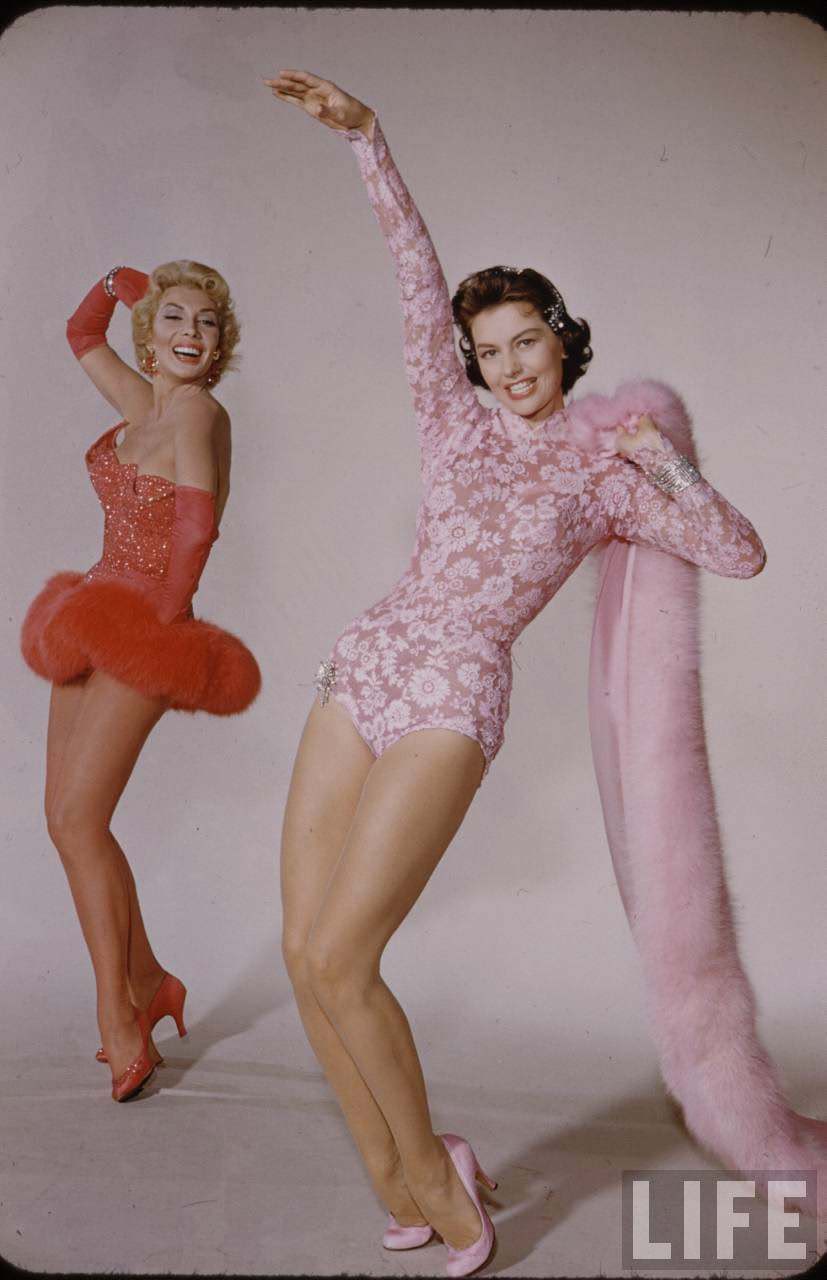
Her showstopper, “Thanks a Lot, But No Thanks,” staged as a satirical fantasy, combined tightly timed choreography with a wry comedic take on romantic pursuit. Gray swept through the number with oversized gestures and comic bite that filled the CinemaScope frame from edge to edge.
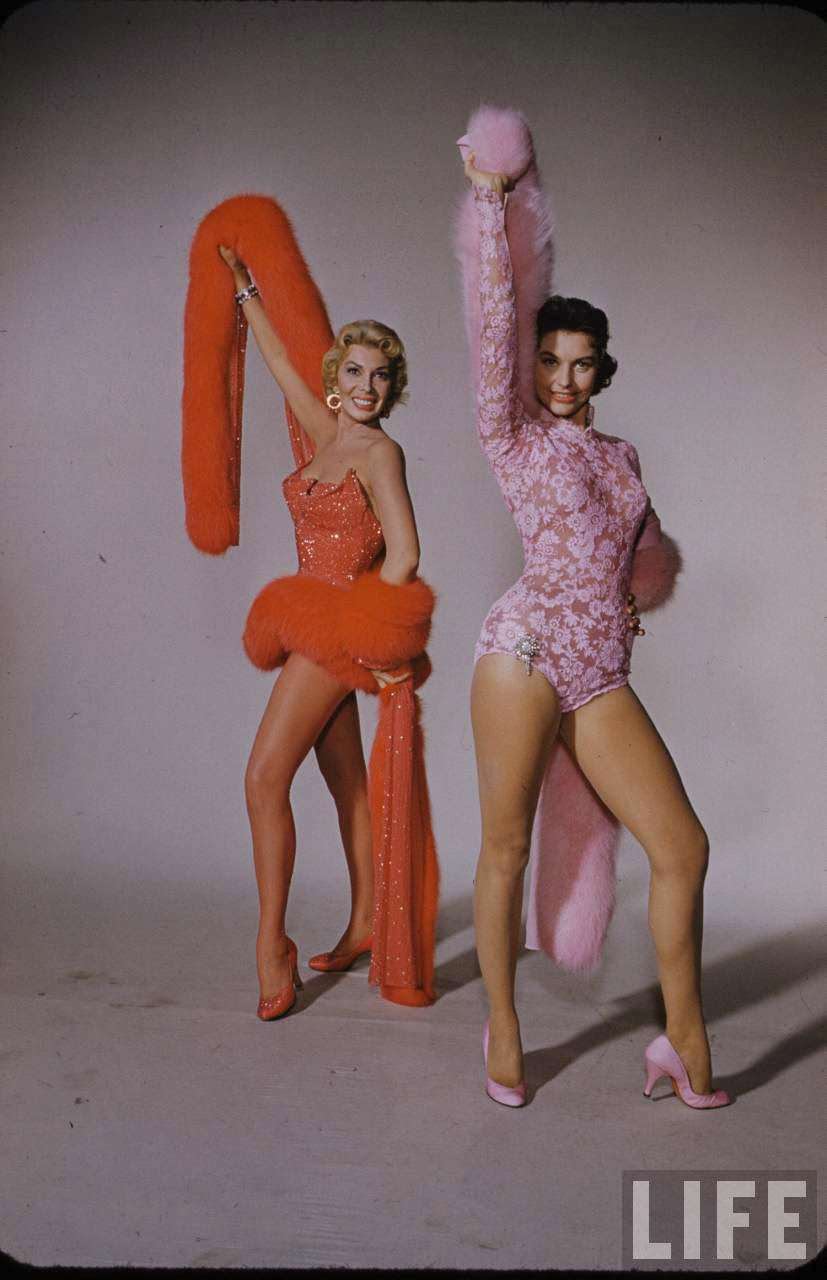
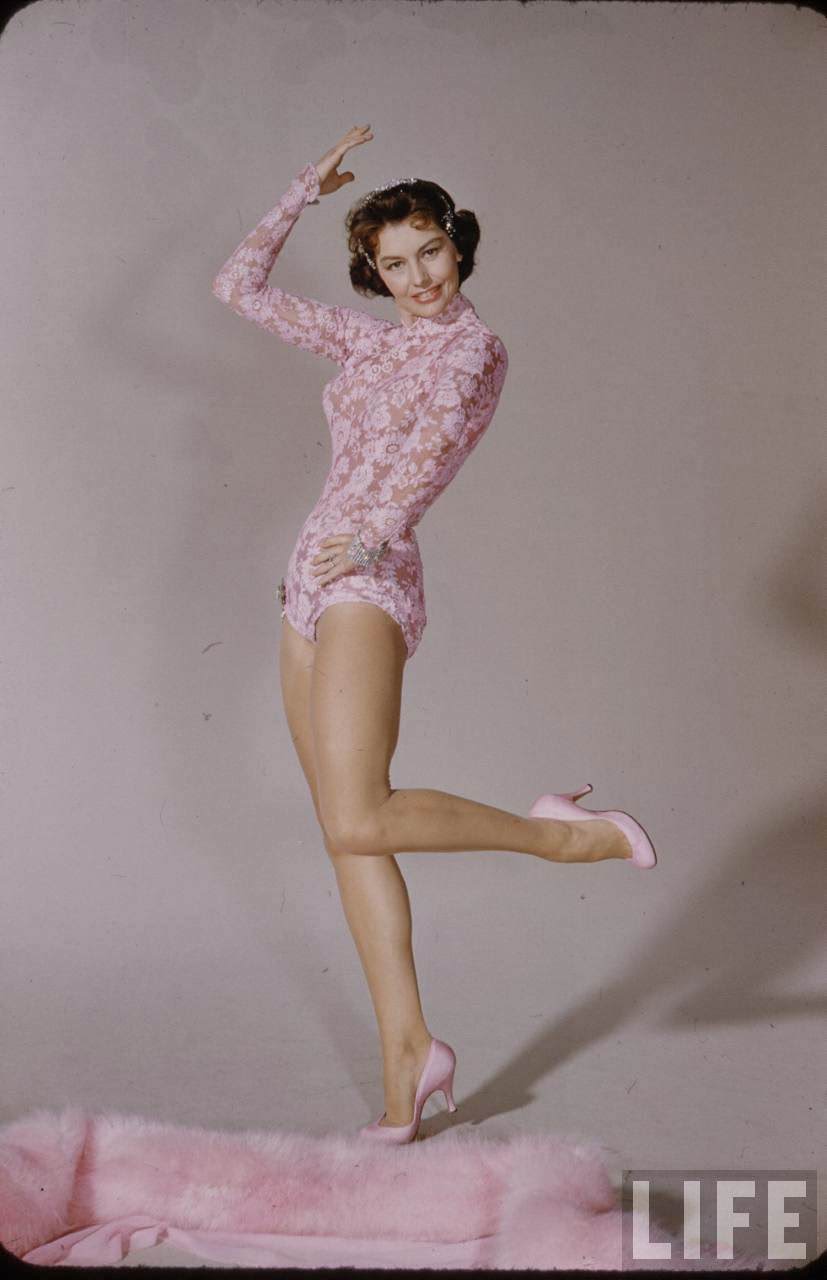
The contrast between Charisse and Gray was deliberate and precisely staged. Charisse occupied quiet authority — understated, sleek, grounded. Gray occupied the opposite end entirely — broad, theatrical, relentlessly front-facing. In scenes together, both commanded full attention while never competing for the same register.
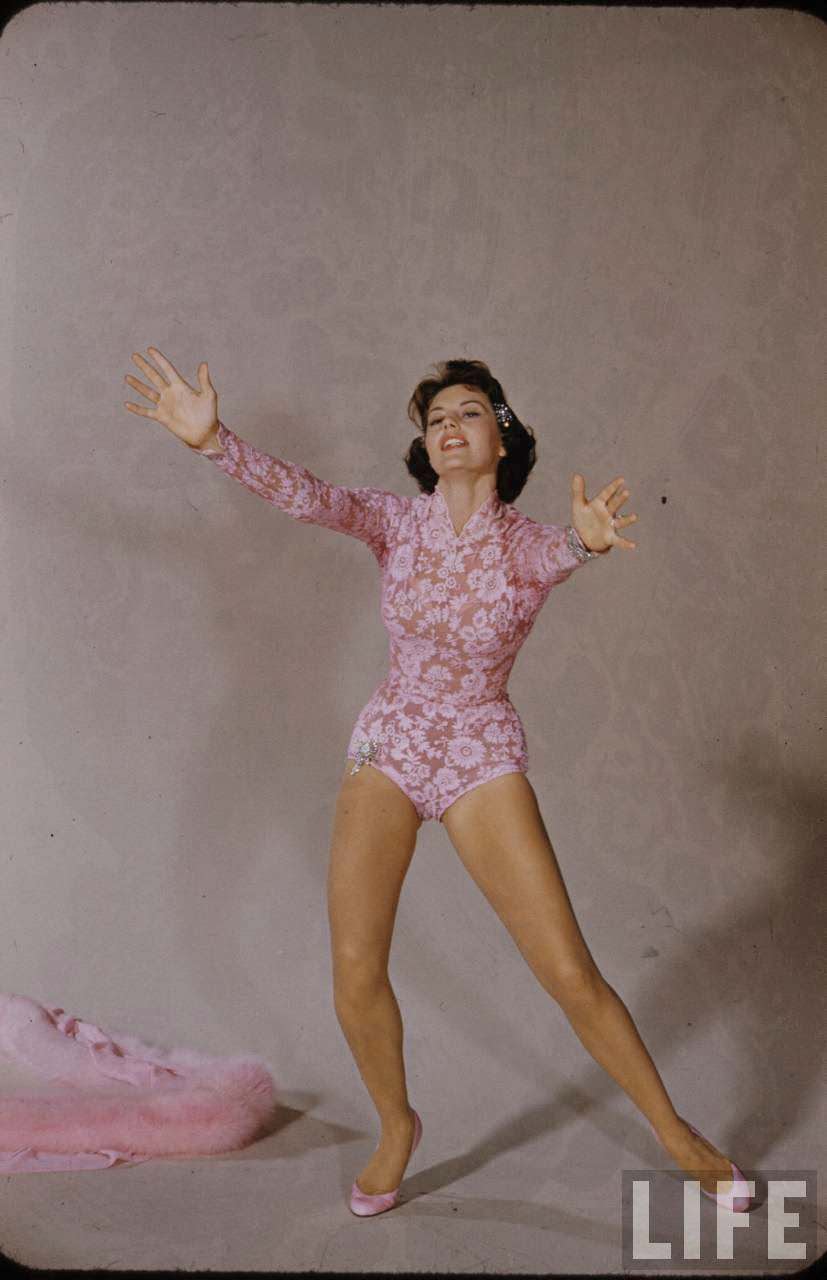
Cinematography reinforced their differences at every turn. Long fluid tracking shots followed Charisse through her sequences, while Gray received grand, straight-on framings that let her personality fill the lens. Eastmancolor deepened reds, brightened blues, and made gold accents shimmer under studio lights — every costume choice amplified by the film’s rich color.
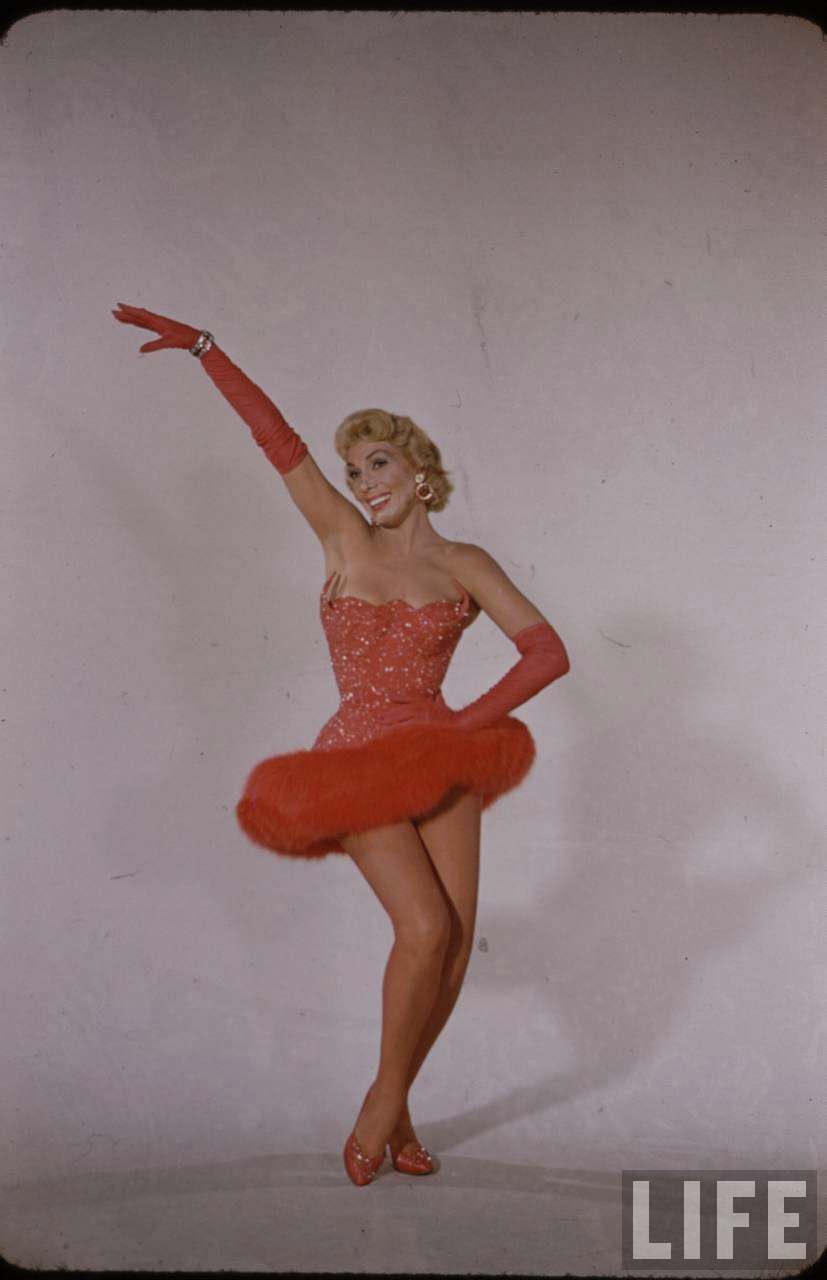
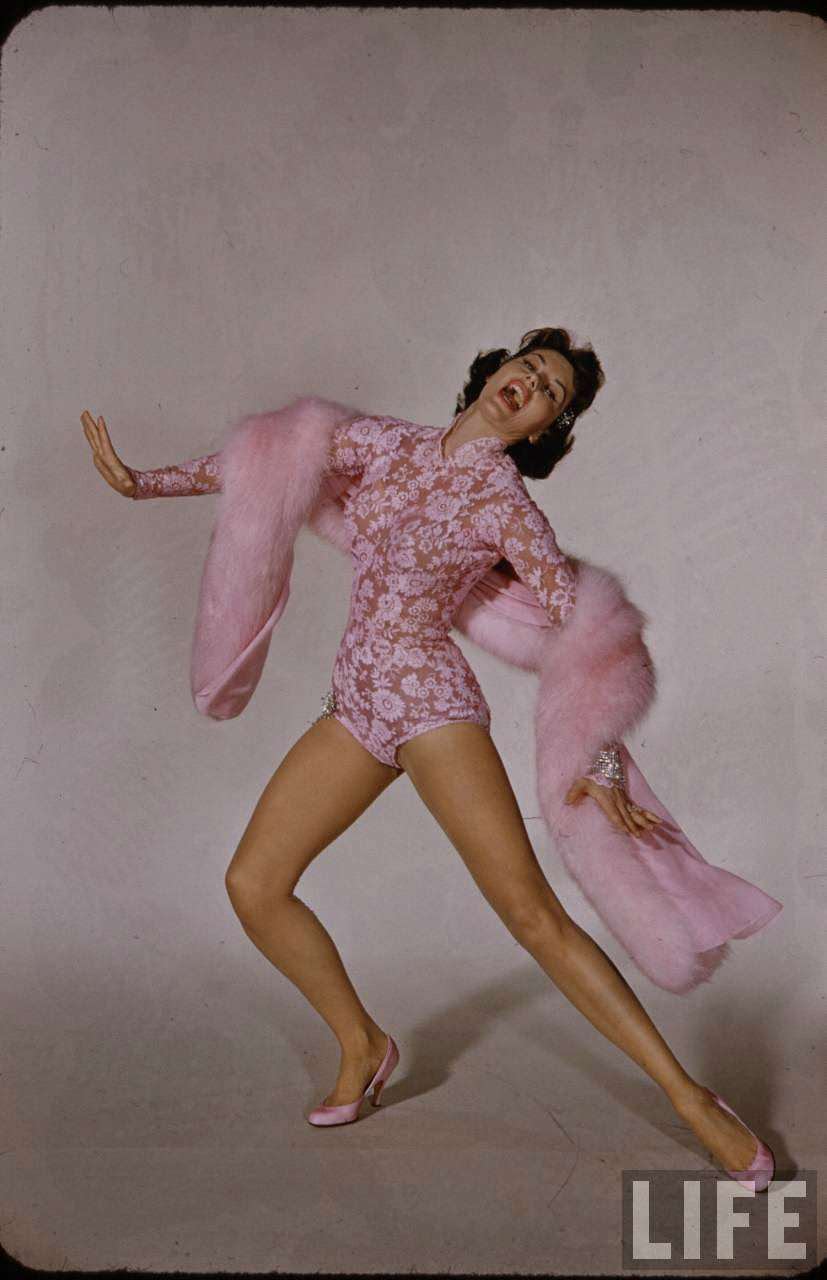
Their roles also carried the film’s satirical point. Charisse’s Jackie represented the disciplined, behind-the-scenes machinery of television production. Gray’s Madeline lampooned the glossy, hollow performance culture television sold to audiences. Each character fit a different side of the same cynical argument the film was making about the medium.
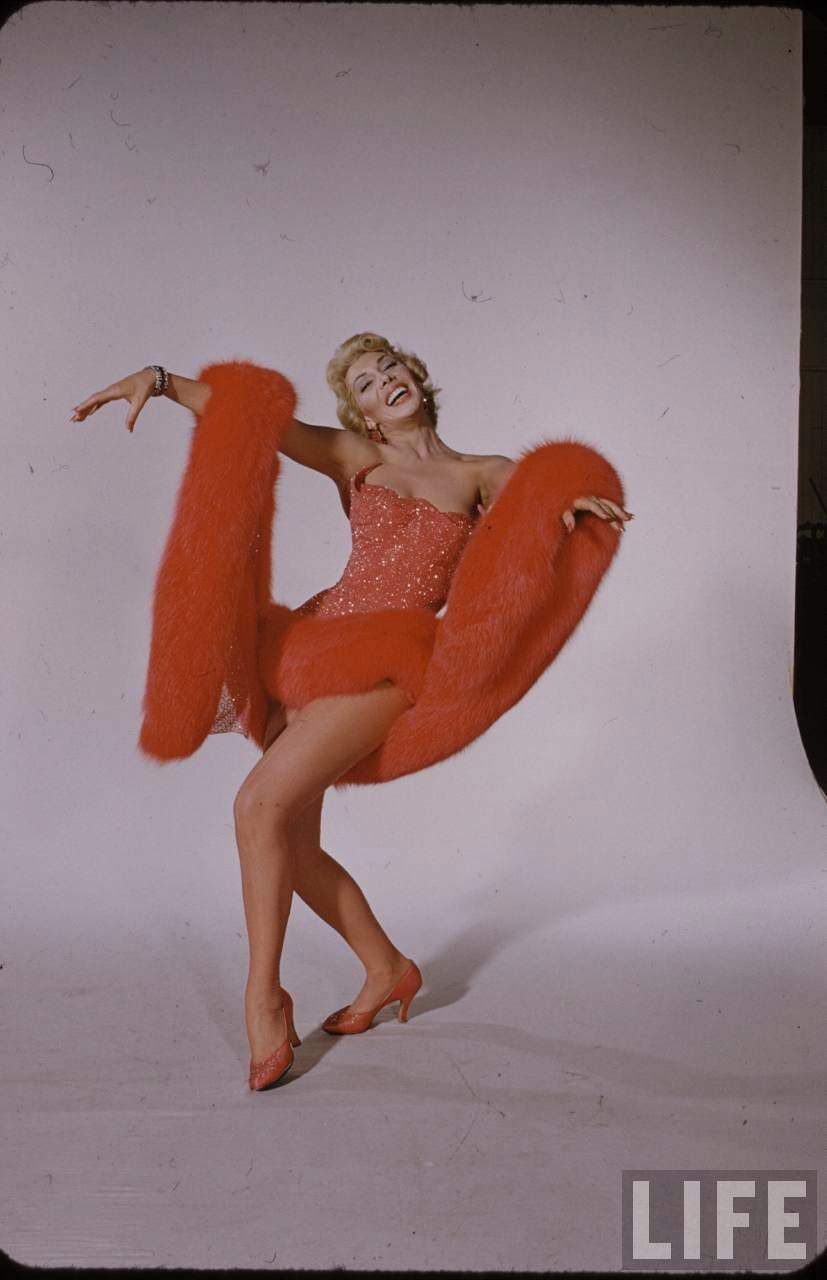
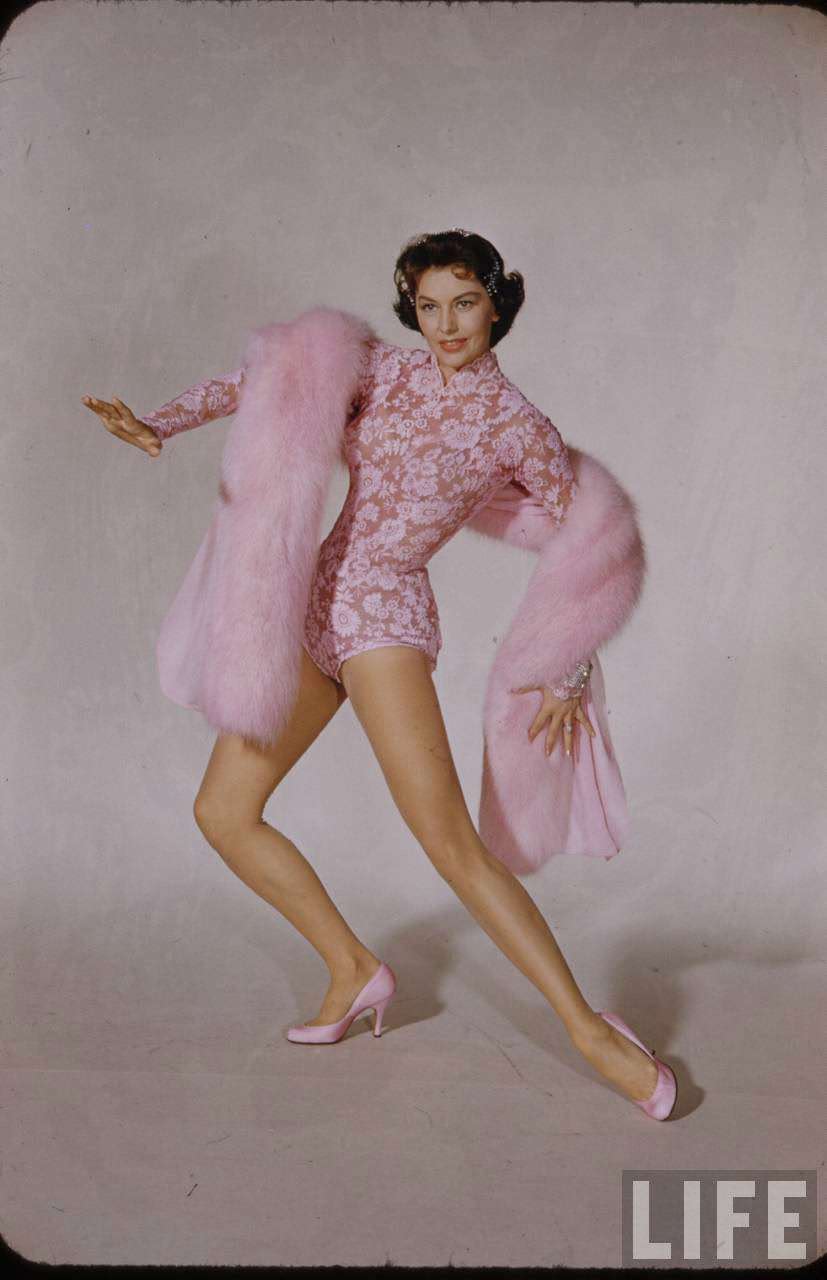
Neither woman was an afterthought. Both Charisse and Gray delivered the kind of technical precision and screen command that MGM musicals demanded — while staying fully within the film’s sharp, satirical tone.