The Moulin Rouge opened in Paris in 1889 and quickly became one of the city’s most famous venues. By the 1950s, it was still drawing crowds with its high-energy revues, skilled dancers, and elaborate costumes. Most people associate it strictly with adult nightlife — but the cabaret had another side that few remember today.
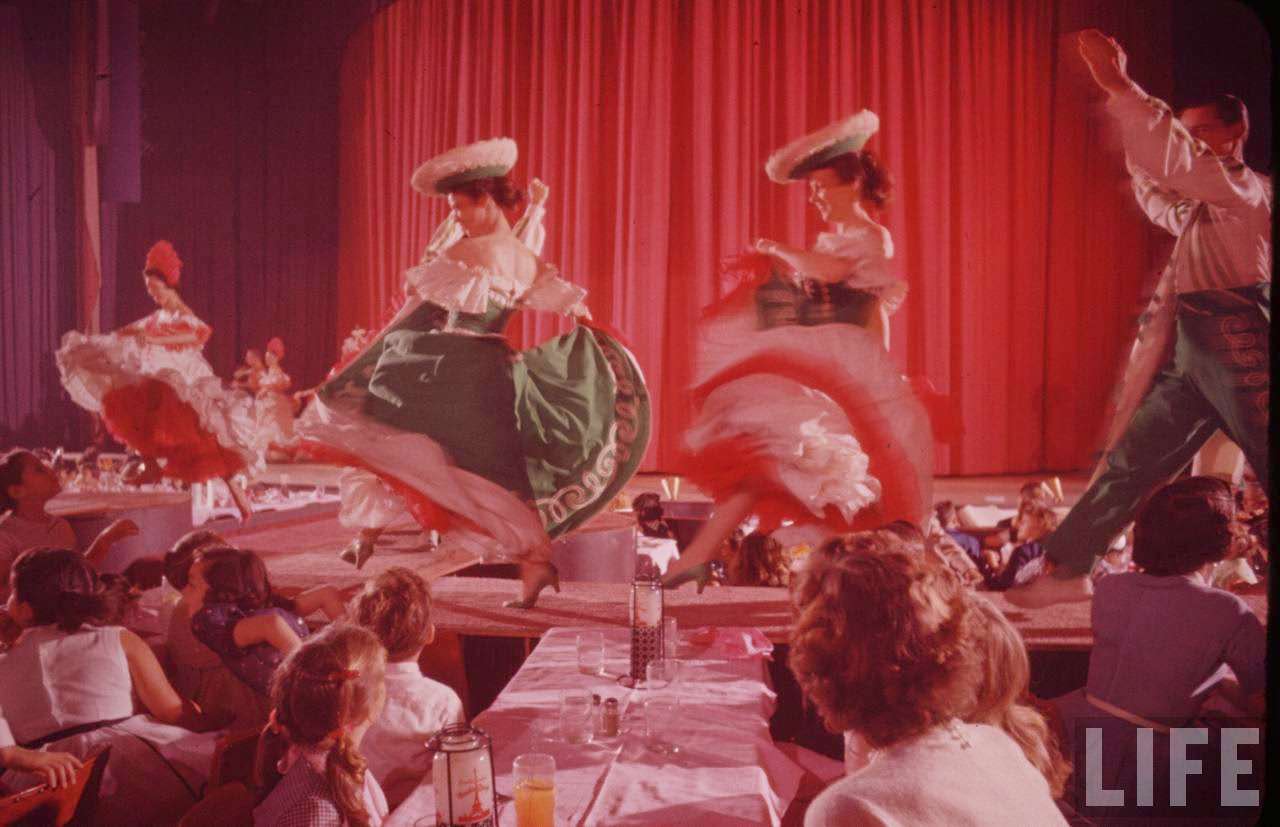
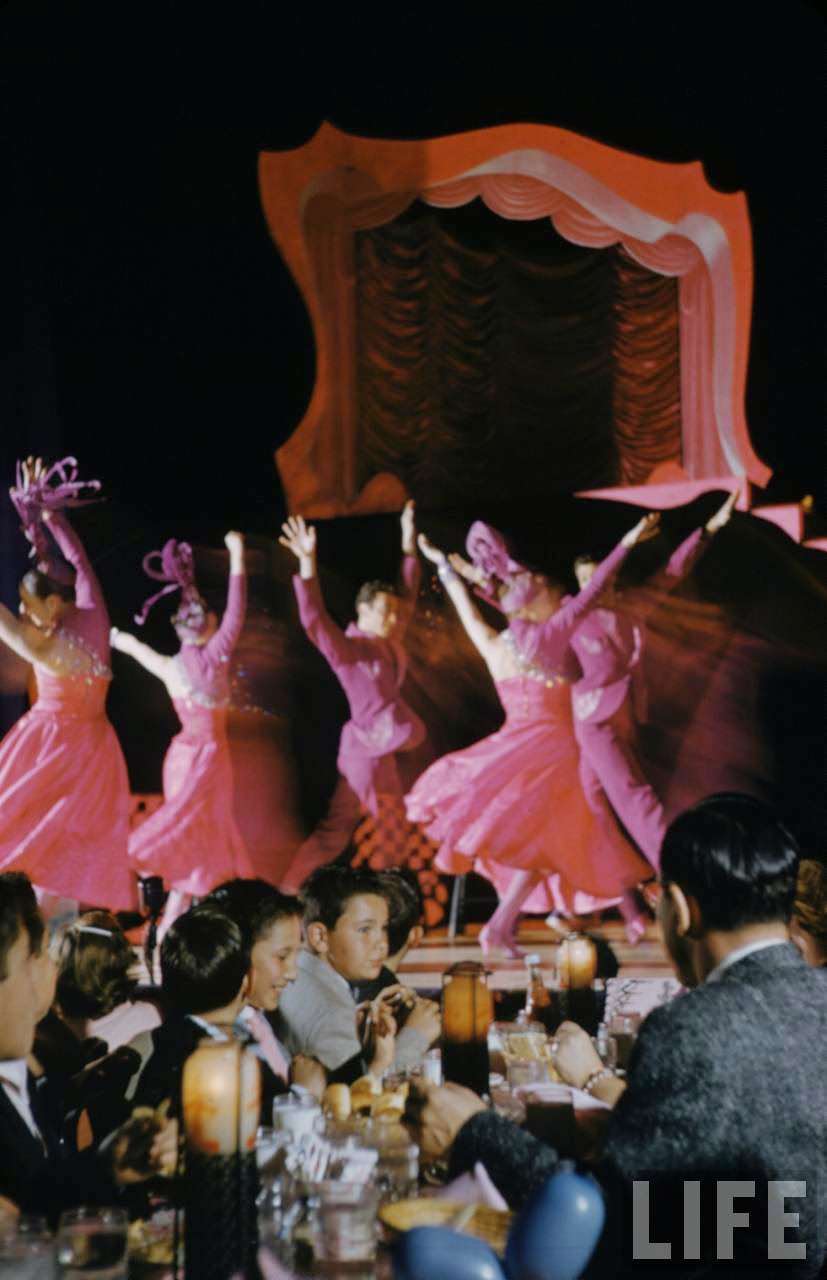
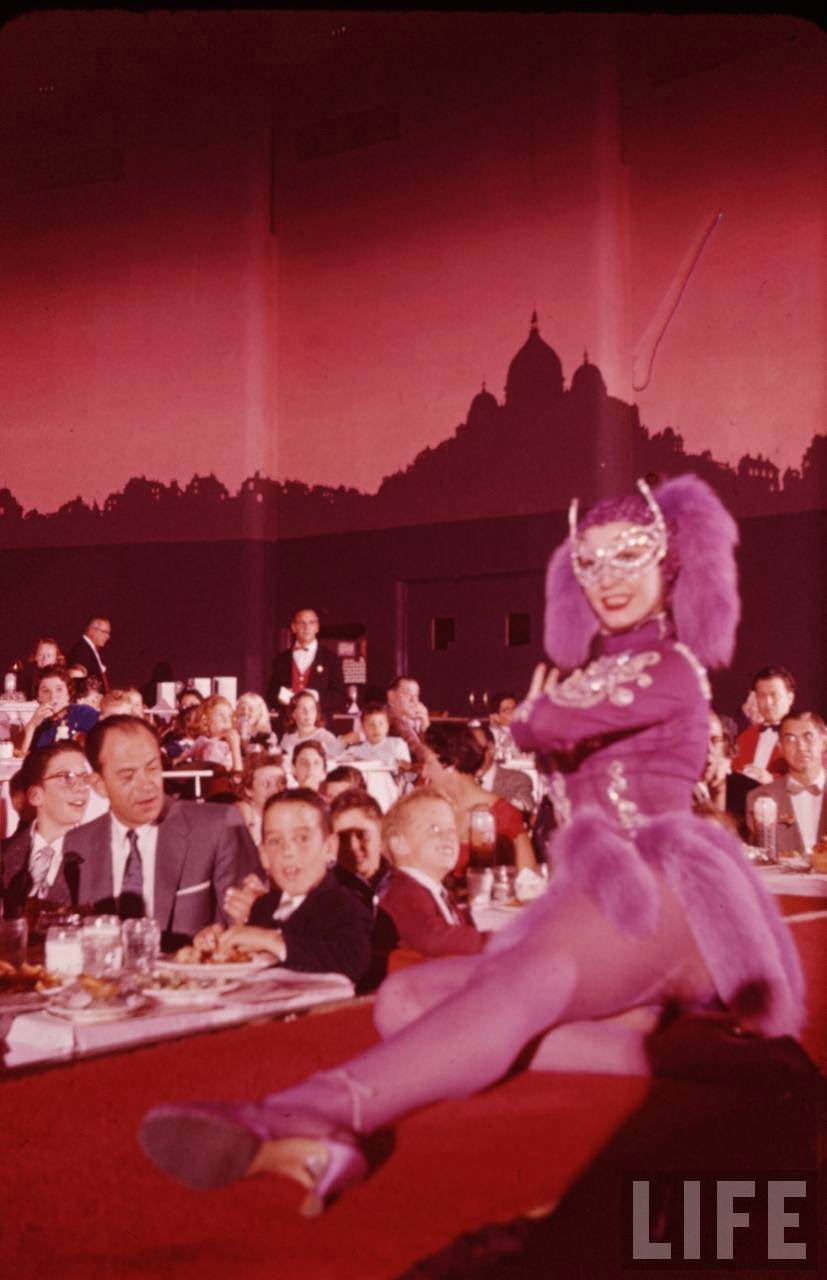
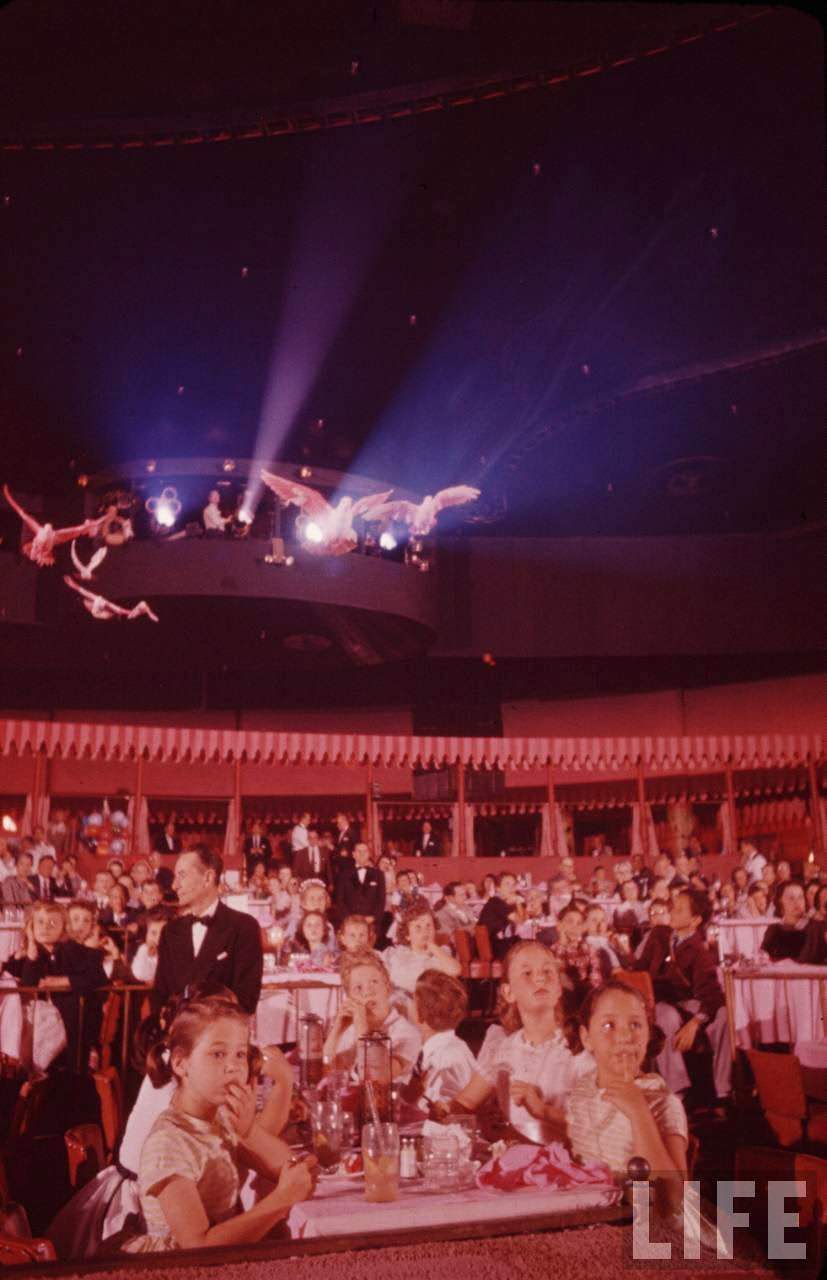
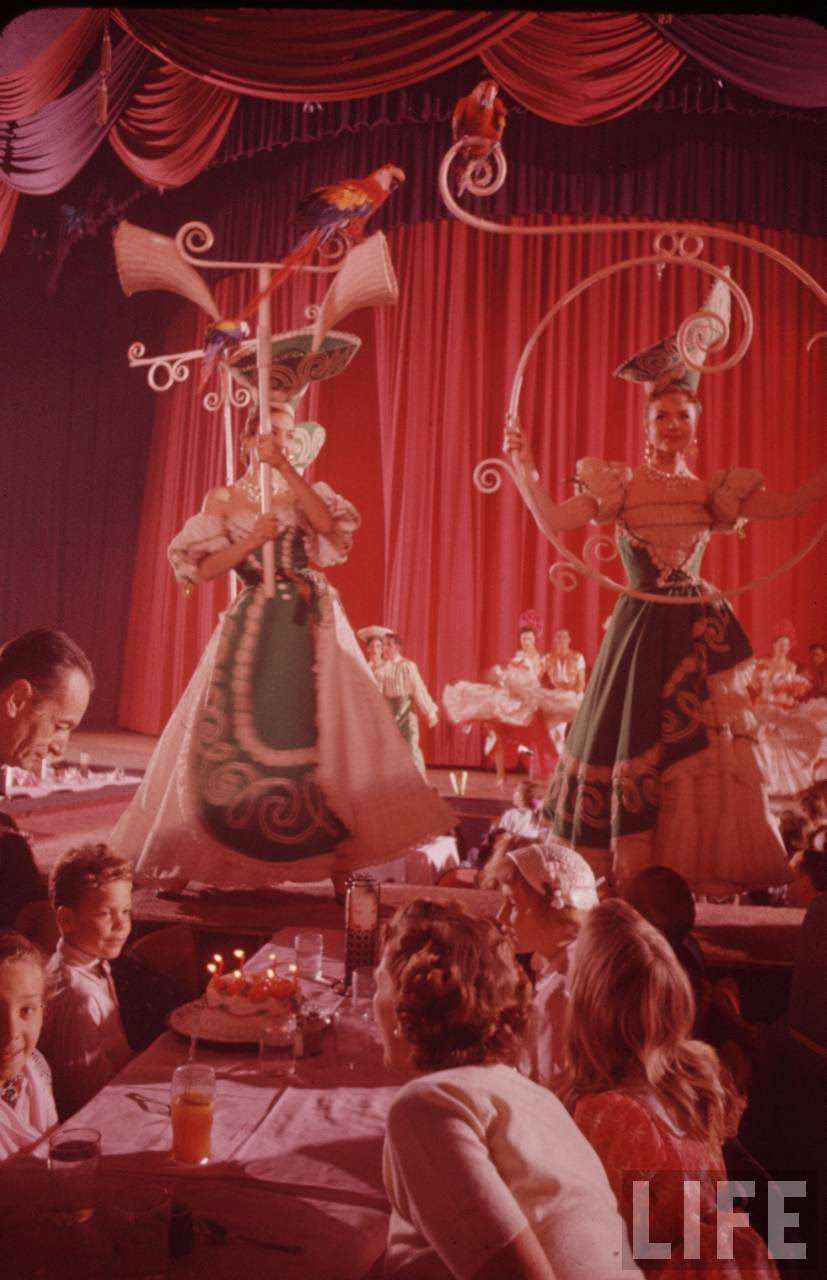
On Sunday afternoons, the Moulin Rouge opened its doors to families. These children’s matinees were a regular feature of the era, giving younger audiences a chance to experience the famous stage in a completely different setting.
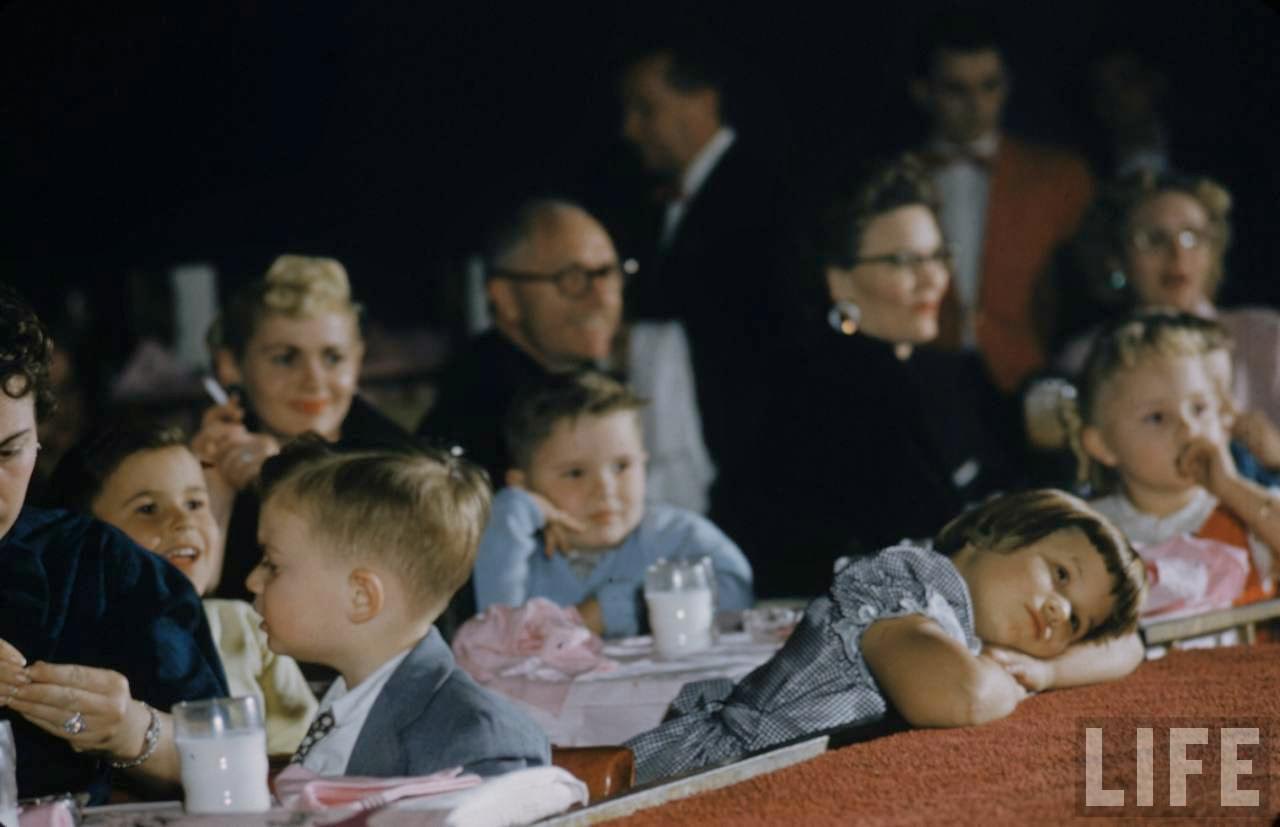
The program was fully adapted for children. Dancers wore more modest costumes, and routines shifted toward acrobatics, colorful staging, and comedic skits rather than the bold acts of the evening shows.
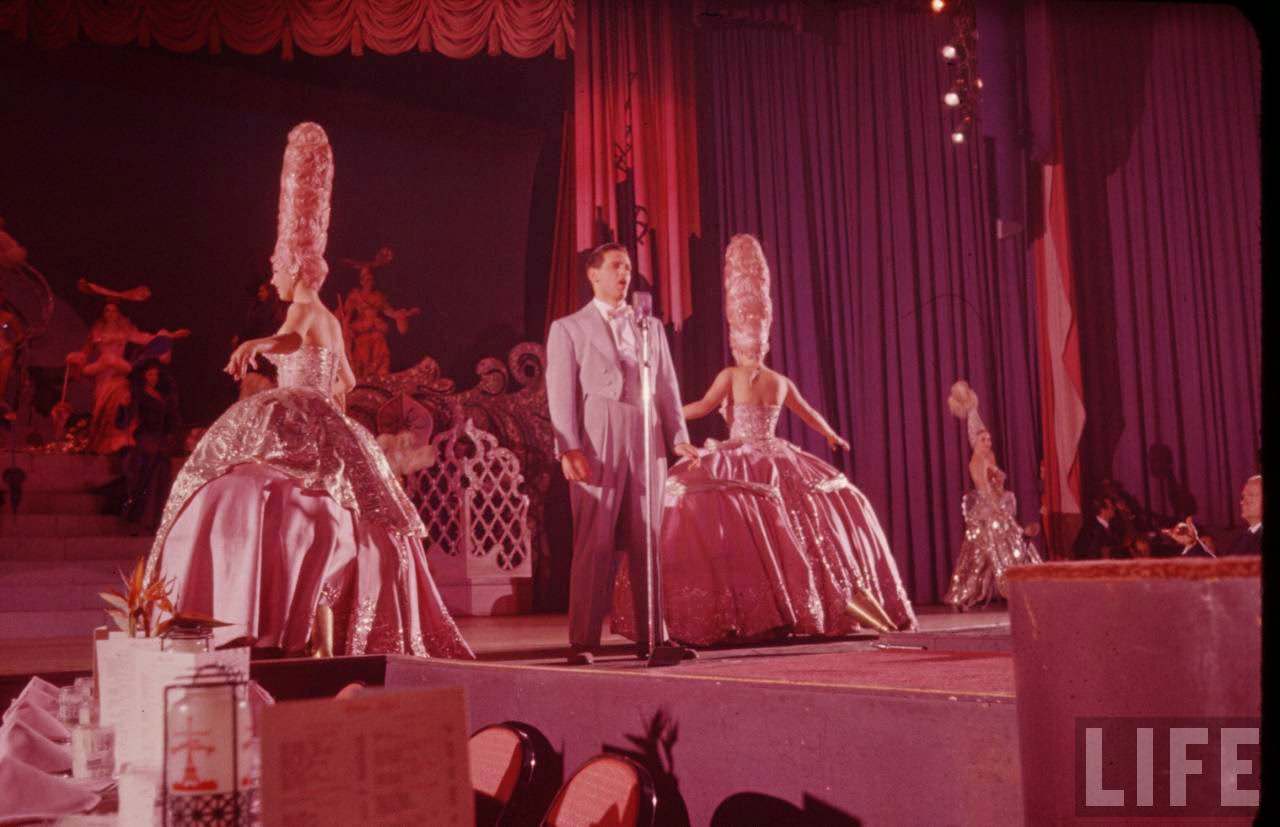
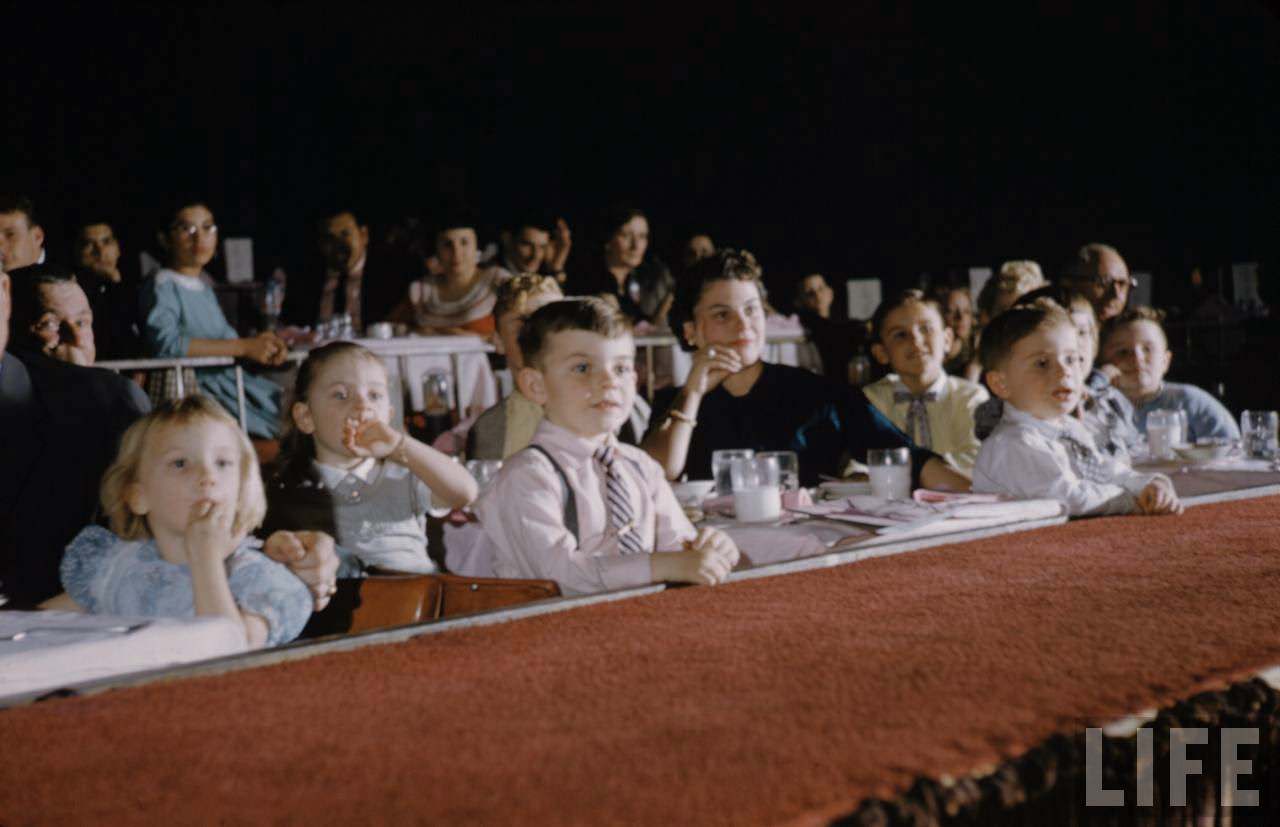
The orchestra still performed live, but the tone was lighter and more playful. Lighting effects and set changes kept the sense of spectacle intact, giving children a real taste of professional stagecraft.
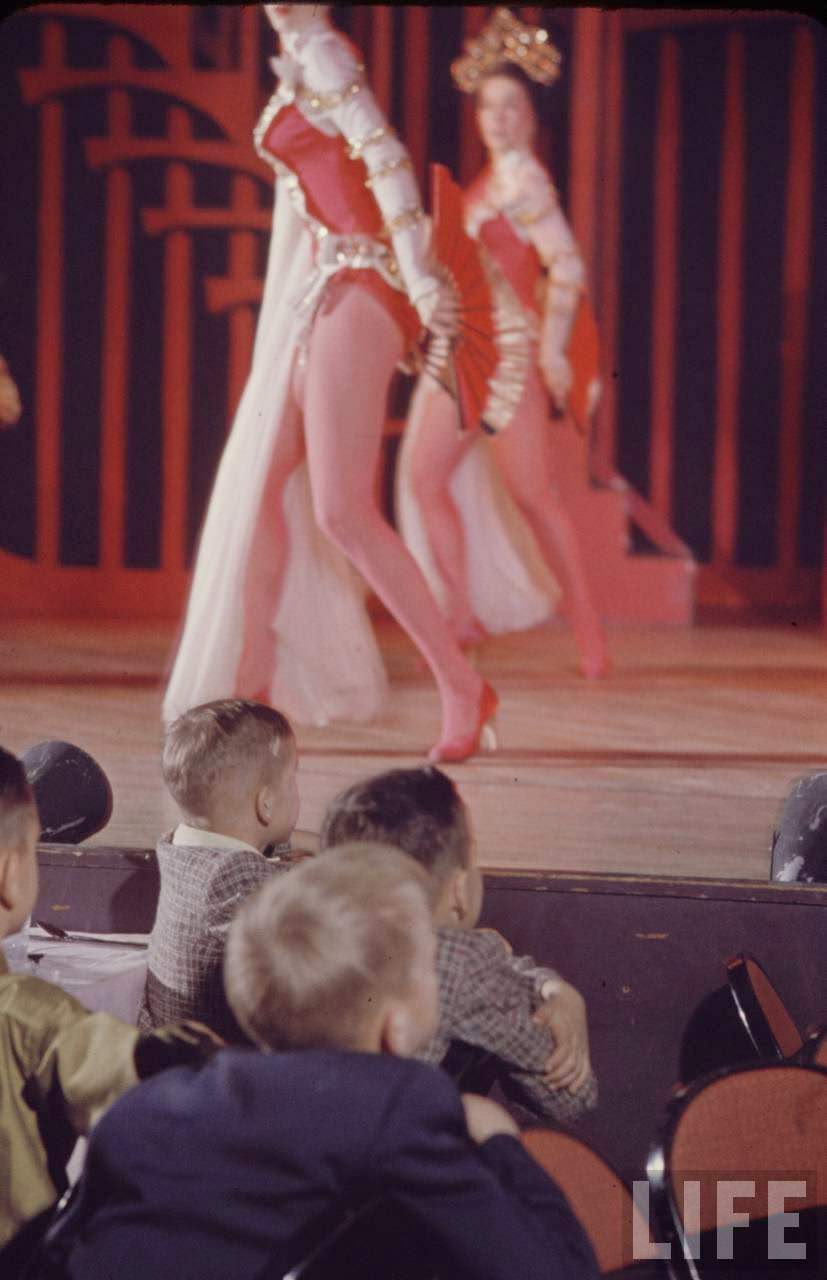
For kids growing up in postwar Paris, this was a genuine novelty. The city was rebuilding, and families were eager for new leisure experiences beyond parks and cinemas. A Sunday matinee at the Moulin Rouge was both entertainment and a visit to a true landmark.
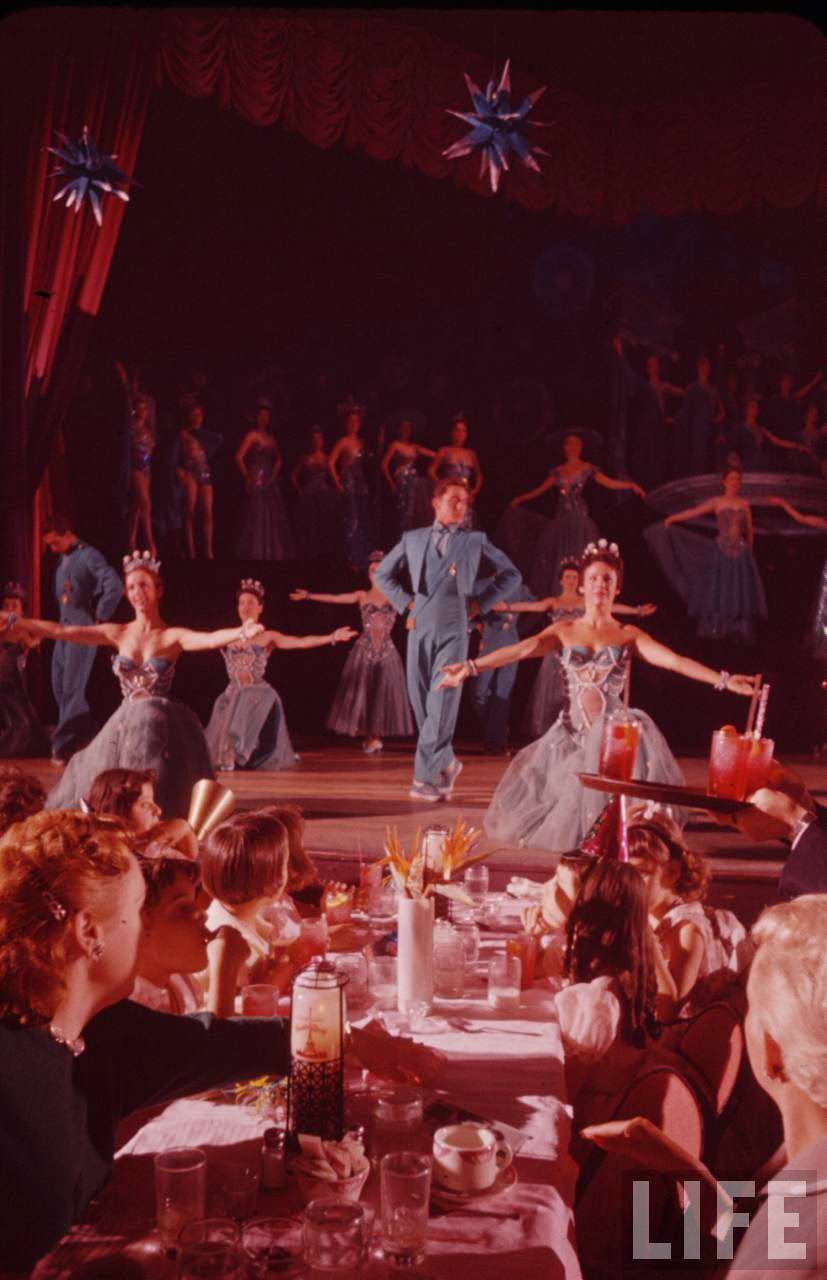
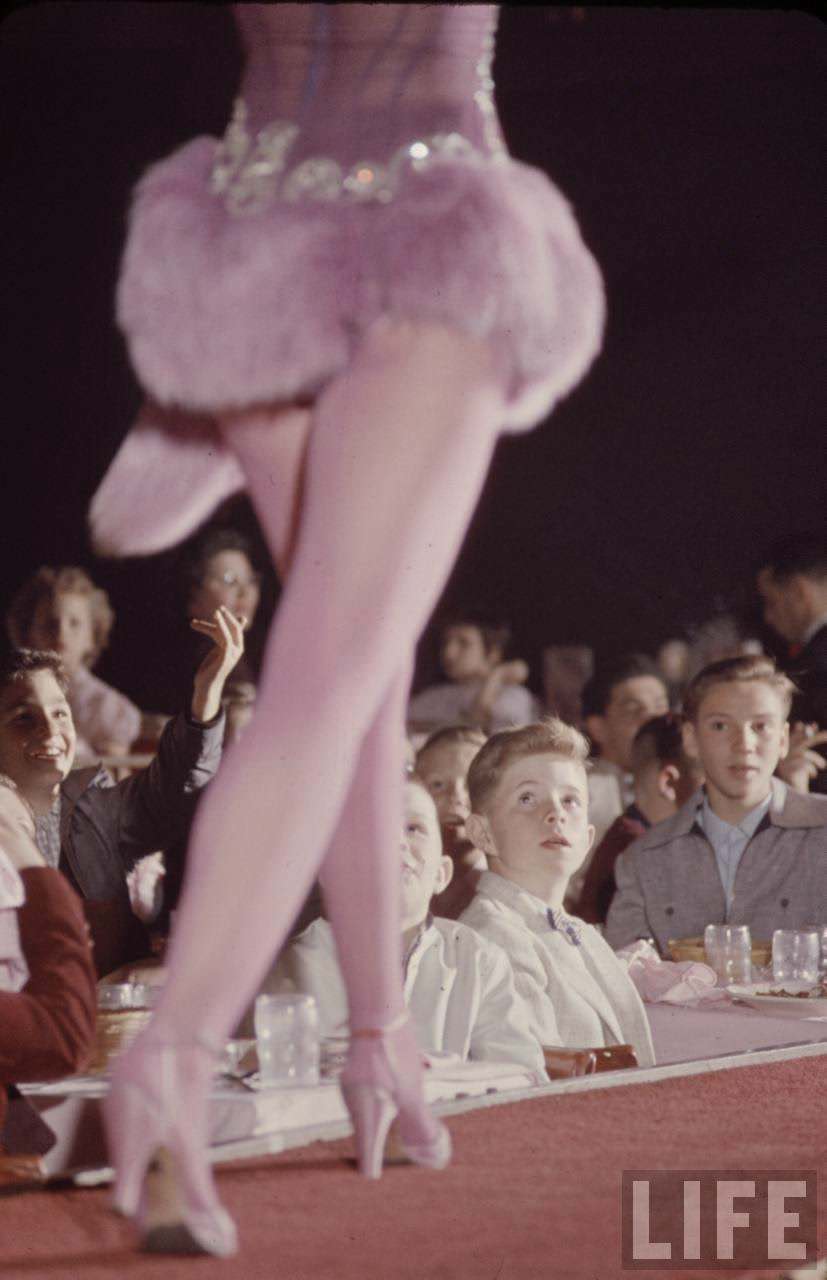
Tourist families also attended. Paris was a popular travel destination in the 1950s, and guidebooks regularly featured the Moulin Rouge. A daytime matinee let visitors with children experience the venue without the adult-only content of the night shows.
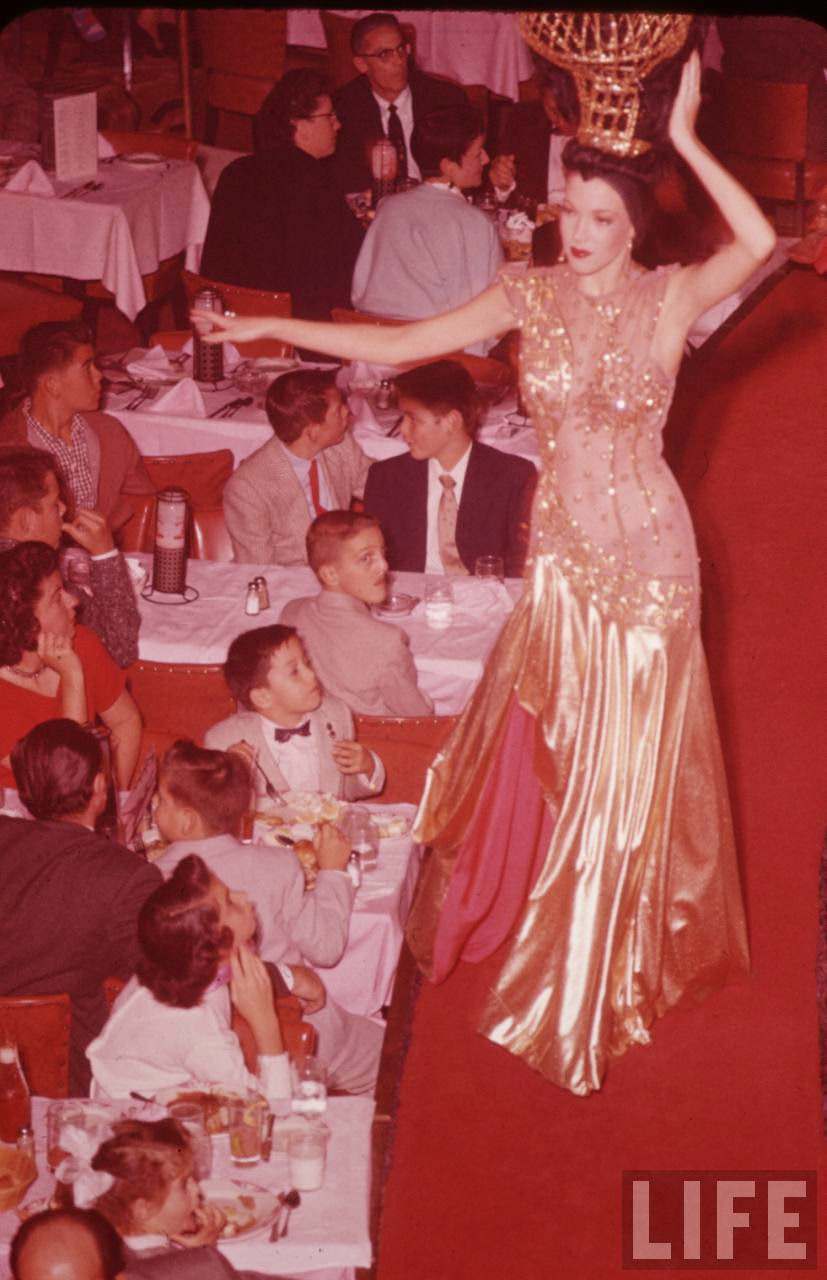
For the performers, the matinees offered a different kind of crowd — children who reacted with open curiosity and delight rather than the cool sophistication of adult cabaret audiences.