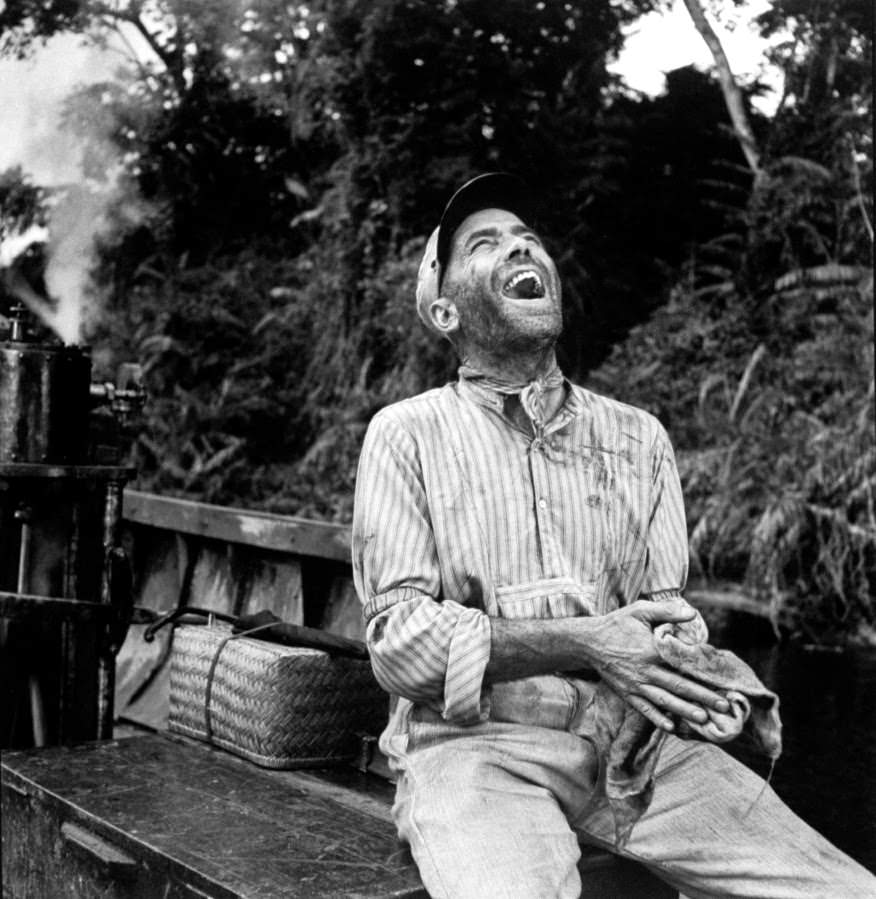
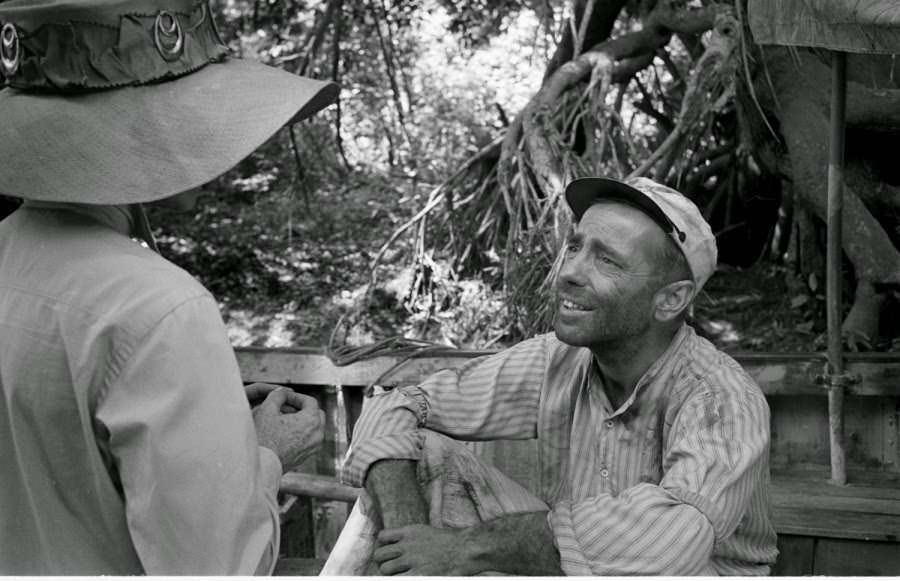
In 1951, director John Huston turned down the safety of a Hollywood soundstage and took his cast deep into the jungles of Africa. He wanted the raw, unfiltered look of the real thing — and he got it. The production of The African Queen set up along the Ruki River in the Belgian Congo, where the vegetation was so thick it blocked out the sky and the dark river water swallowed light whole. No painted backdrop in California could come close to replicating it.
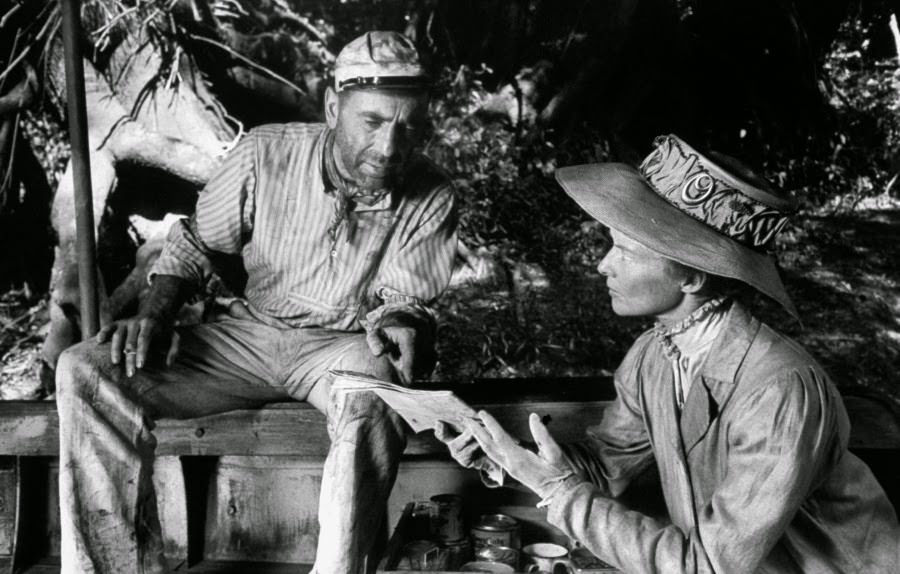
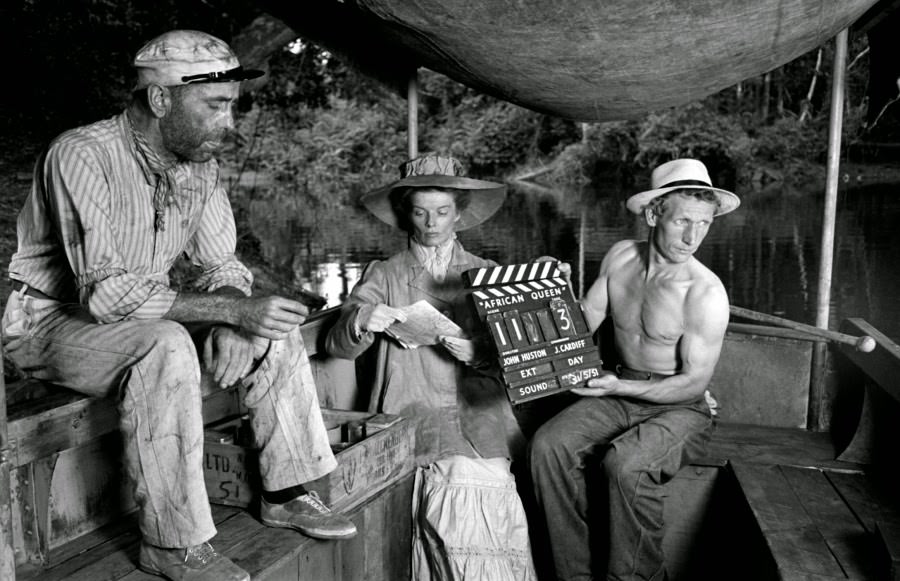
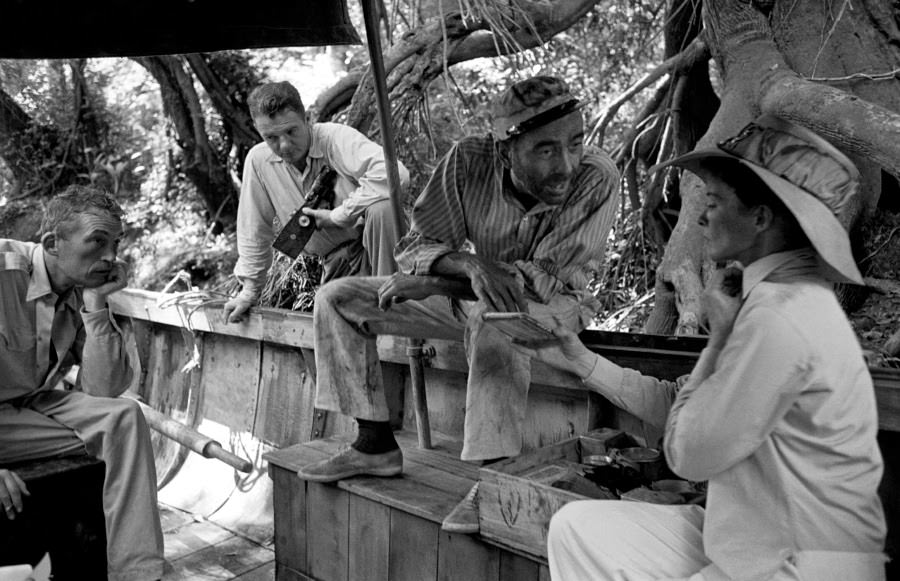
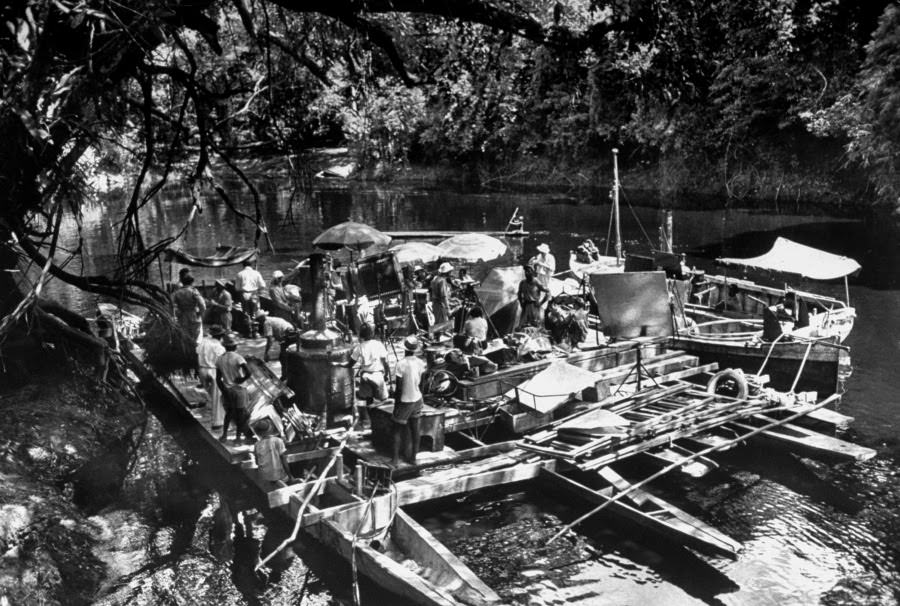
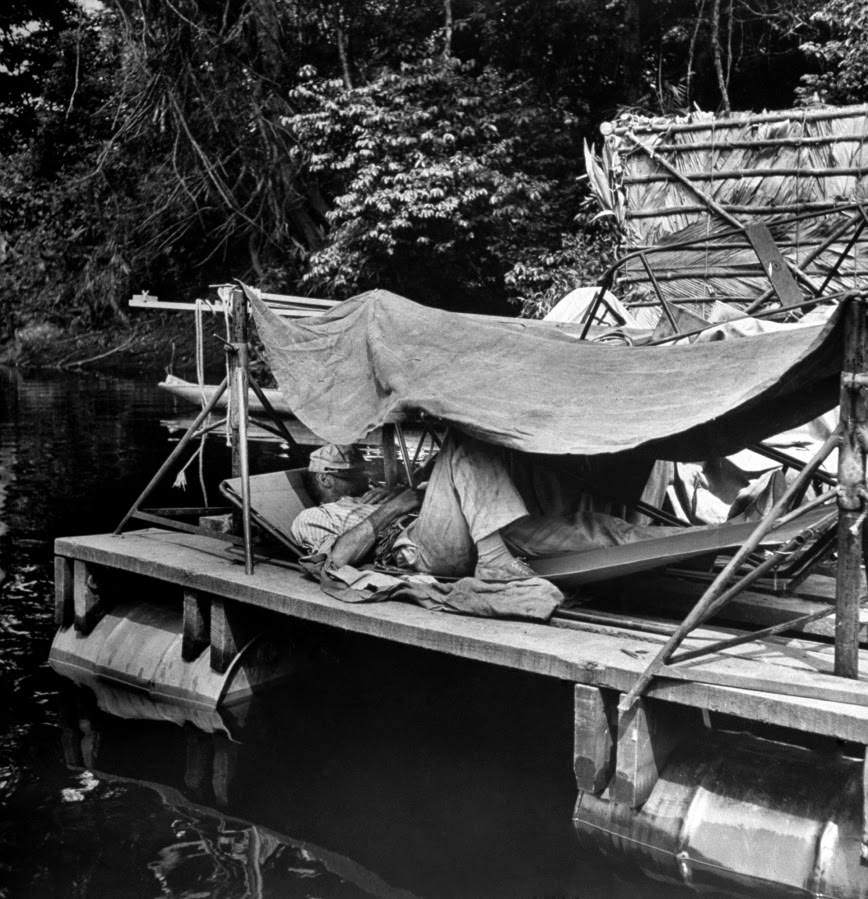
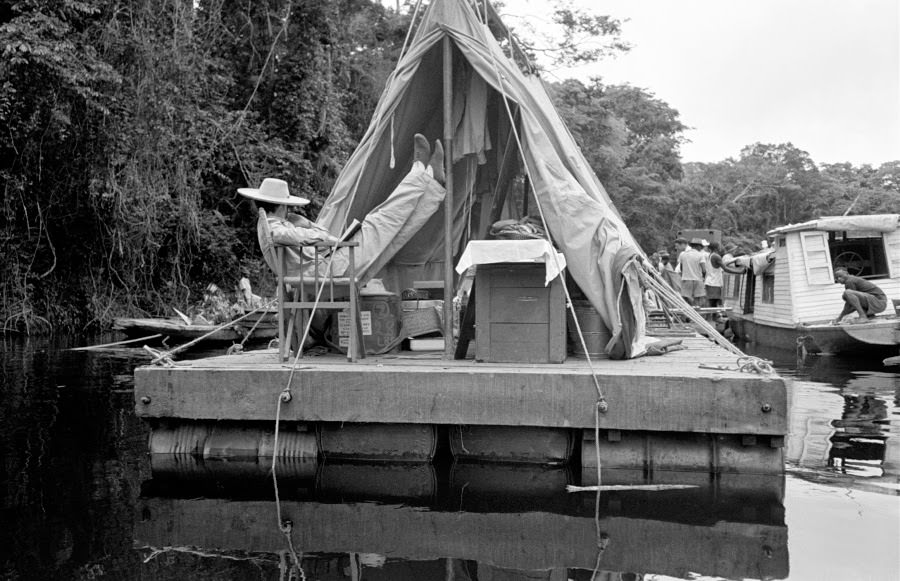
Filming on the river meant solving a major engineering problem. The steamboat used in the movie was far too small to carry the Technicolor cameras and sound equipment of the era. The crew built a large wooden raft, lashed it to the boat, and towed it along the river while the actors performed their scenes. The boat’s engine constantly rumbled through dialogue, forcing the sound team to come up with fixes on the fly.
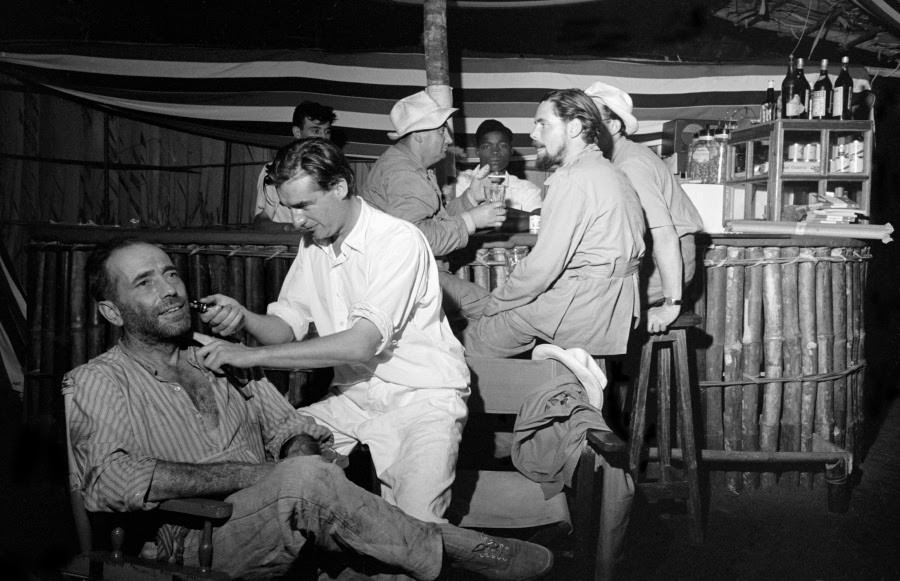
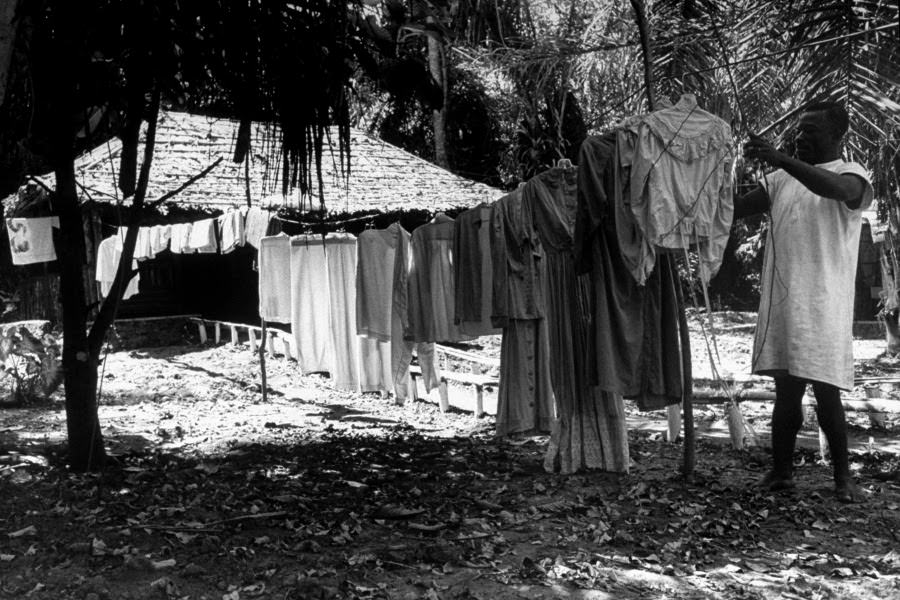
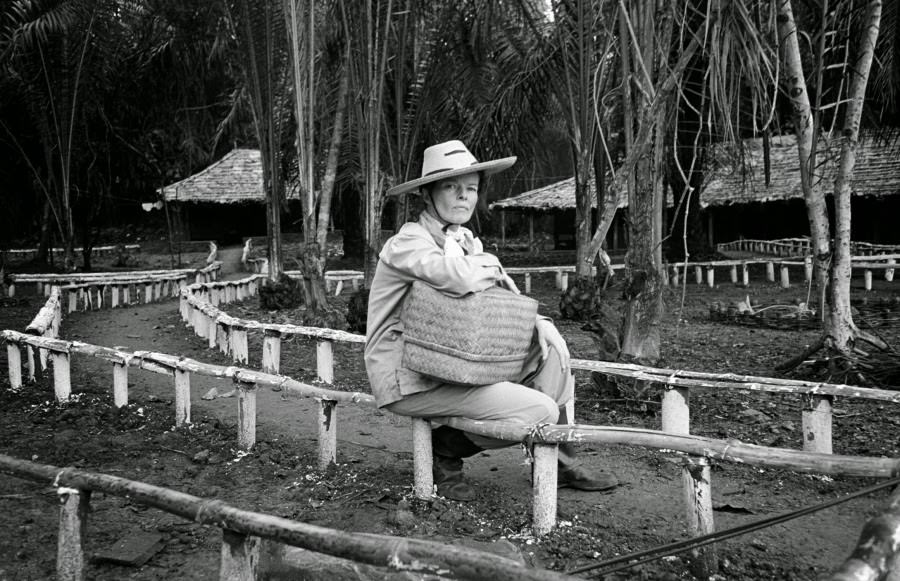
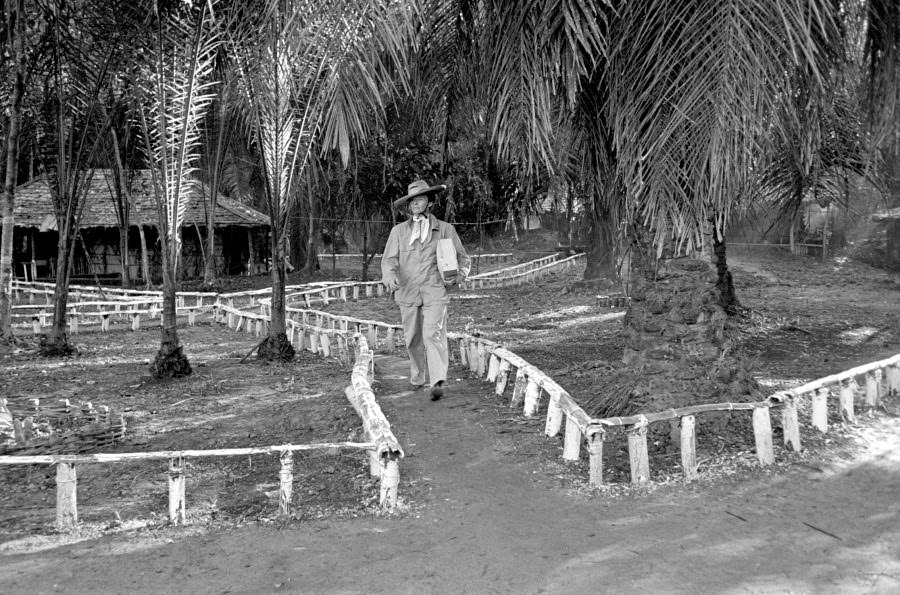
Life off the water wasn’t any easier. The cast and crew lived in bamboo-and-palm-leaf bungalows built specifically for the seven-week shoot. There was no electricity and no running water. Everyone bathed using buckets filled with river water. After dark, kerosene lamps lit the camp — and drew in clouds of moths and insects thick enough to make the air feel alive.
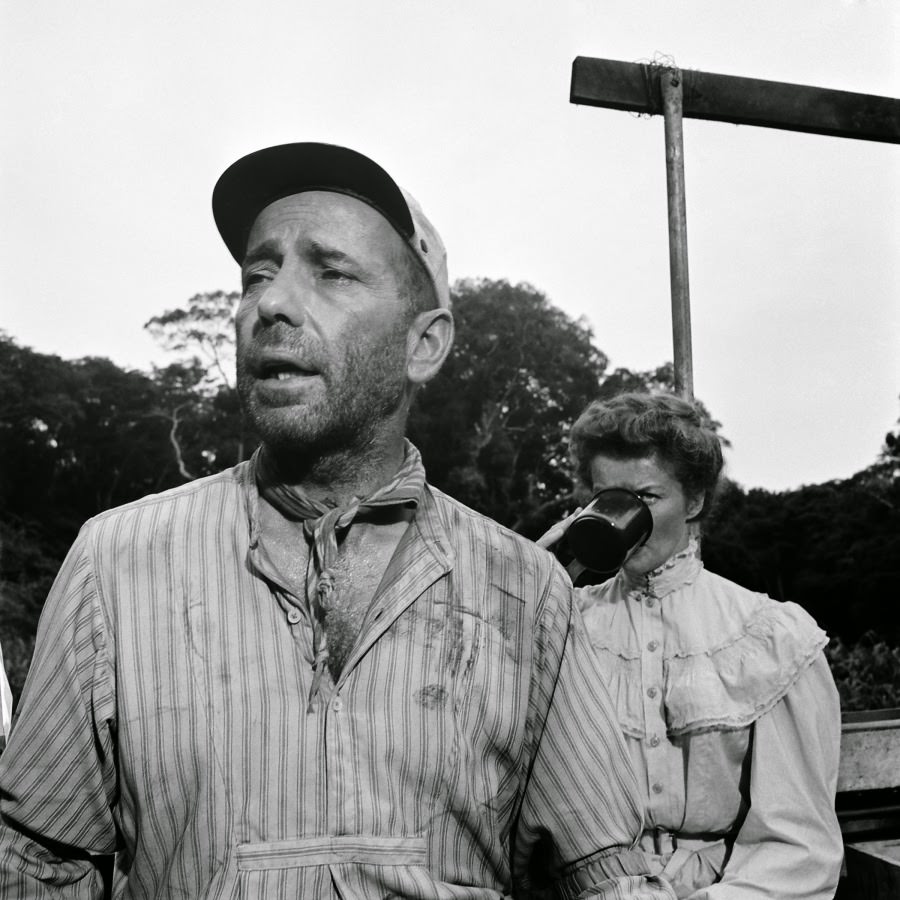
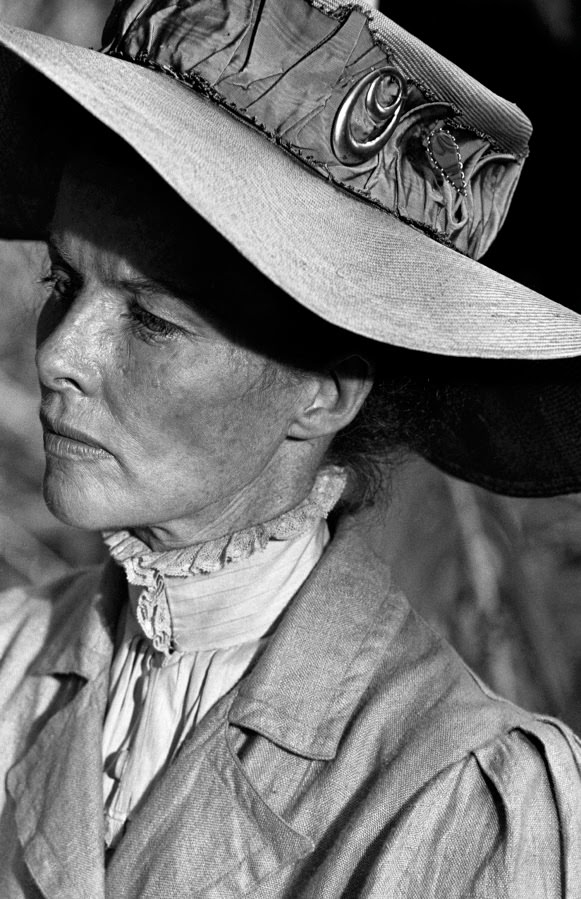
Katharine Hepburn drank the local water and paid a steep price for it. The water sources were contaminated, and dysentery swept through the cast and crew almost immediately. Hepburn was violently ill, vomiting between takes, and lost weight rapidly over the course of the shoot. She refused to leave. Humphrey Bogart and John Huston, on the other hand, drank imported Scotch whiskey almost exclusively and never got sick.
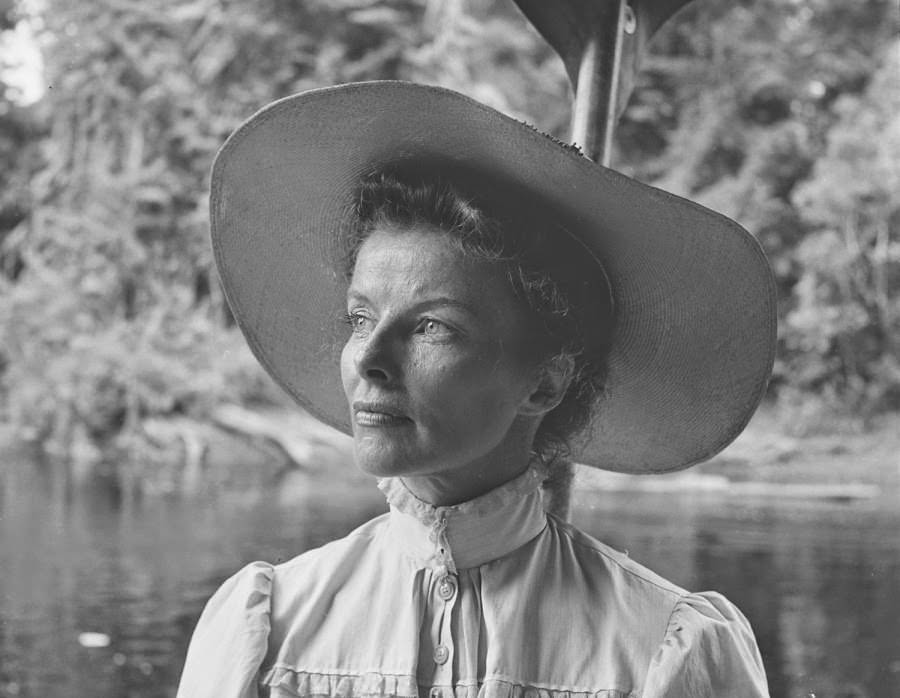
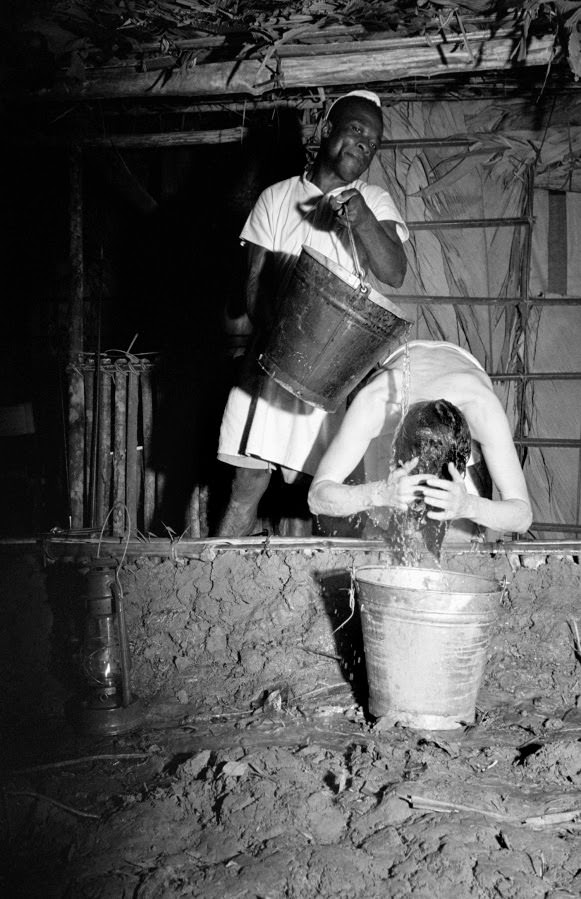
The jungle surrounding the set was full of things that could kill you. Black mambas and pythons nested in the trees hanging over the riverbanks. Before filming any riverside scene, crew members fired guns into the foliage to chase the snakes away. The river itself held crocodiles and hippos, making any scene involving the water a genuine hazard. When Bogart waded into the river for certain scenes, he was moving through water infested with the parasites that cause bilharzia.
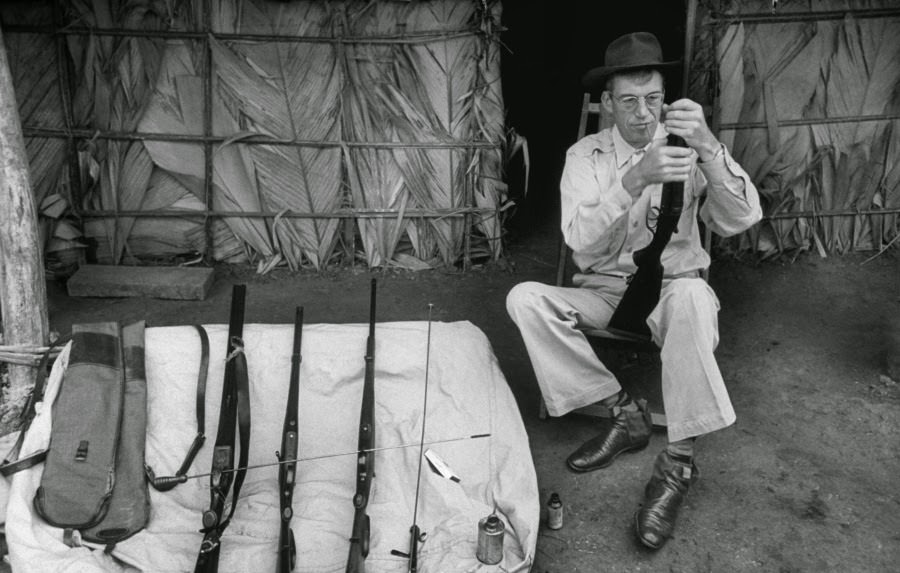
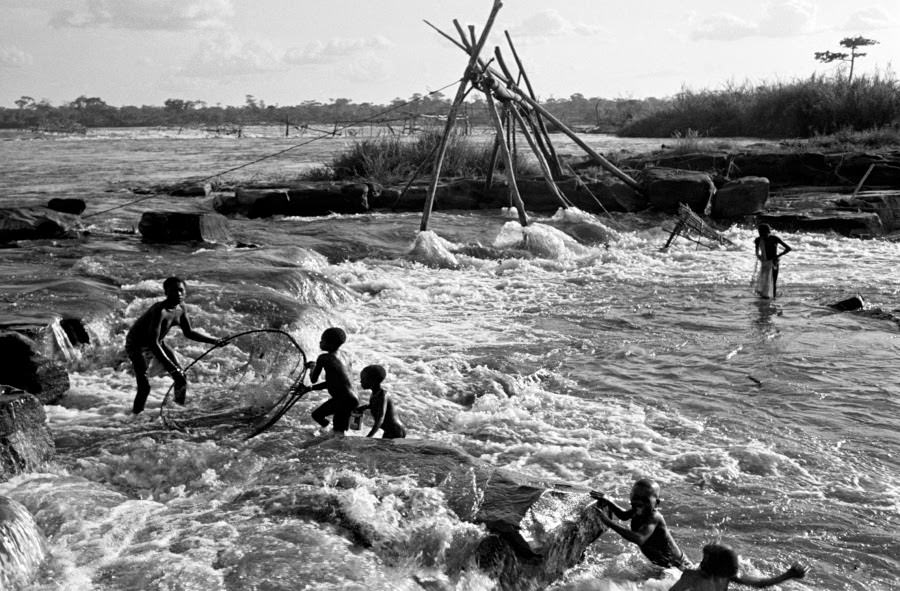
Then there were the ants. Columns of soldier ants moved through the jungle in massive, unstoppable formations. On several nights, these columns swept directly through the camp. Cast and crew had to abandon their huts in the dark and wait at a safe distance while the ants marched through, clearing out every spider and insect in the entire camp before finally moving on.
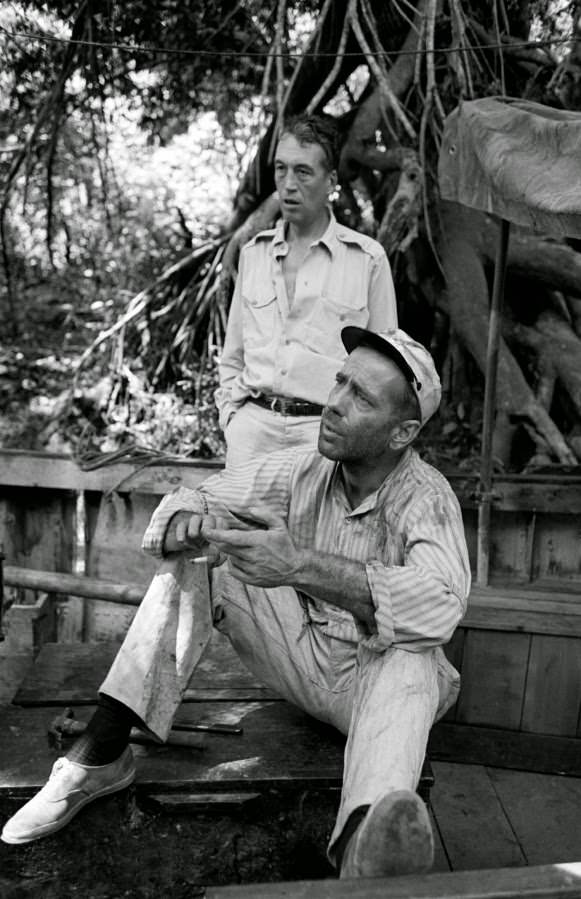
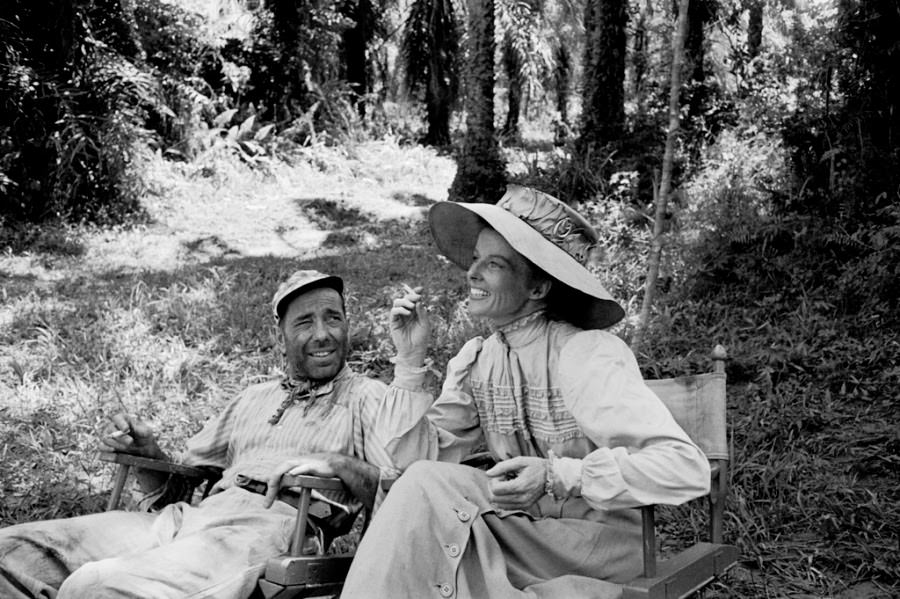
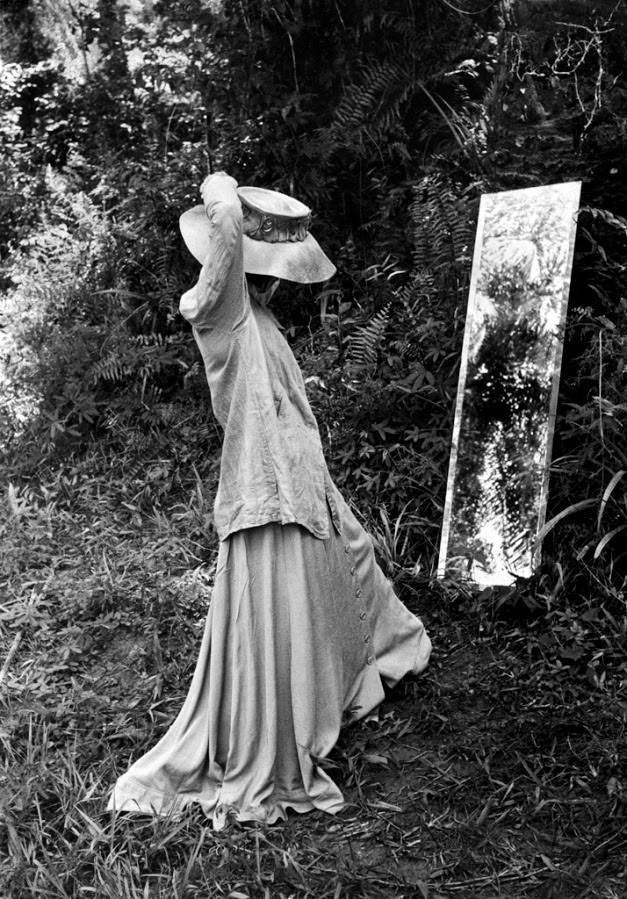
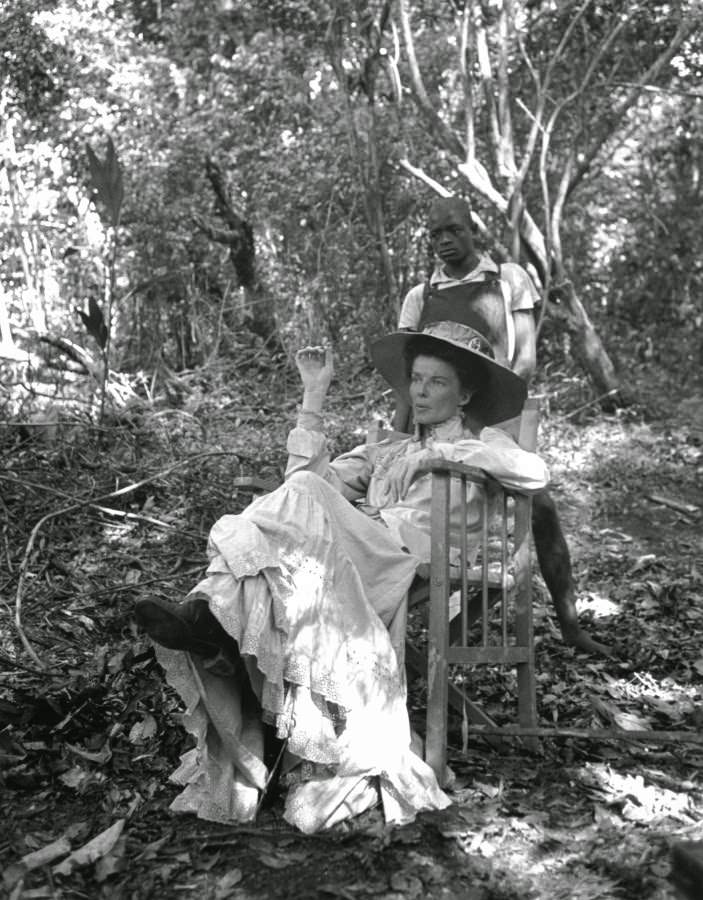
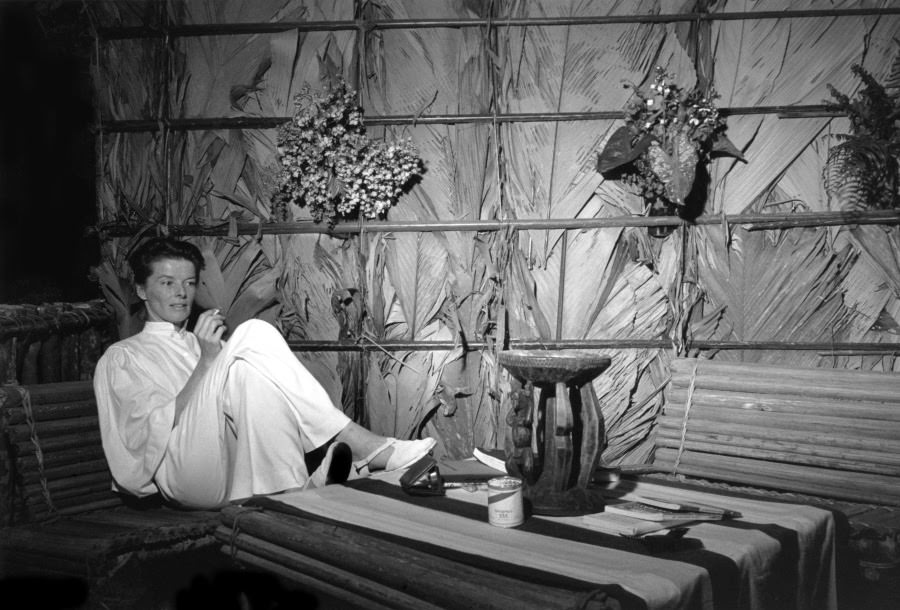
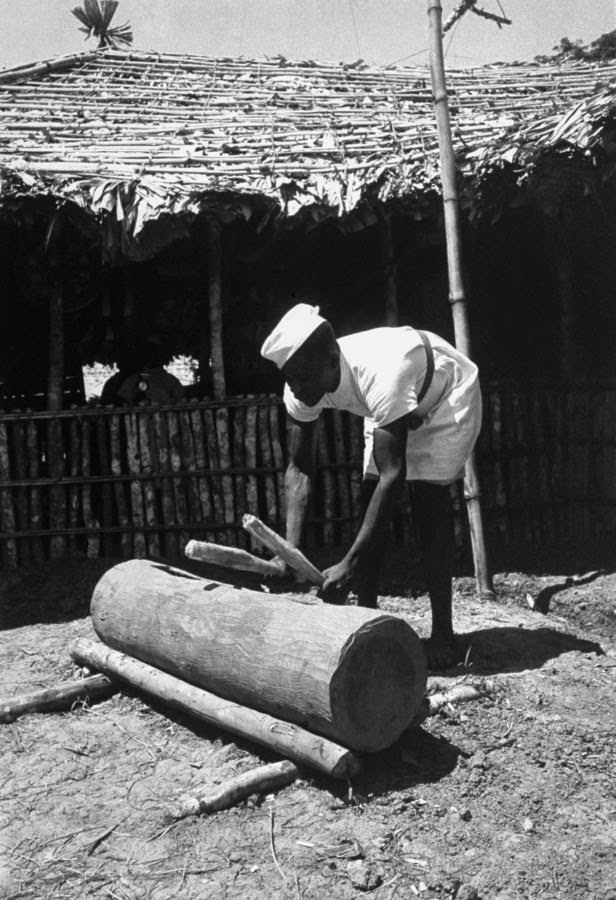
The daily rhythm of the production was built around endurance. Each morning, a man beating a hollow log with sticks served as the 6 a.m. wake-up call for everyone on set. The heat and humidity drenched costumes in minutes. Makeup needed constant touch-ups. Between takes, the cast snatched whatever rest they could — Bogart in a hammock on the equipment raft, Hepburn with her feet up and her face hidden under a wide hat.
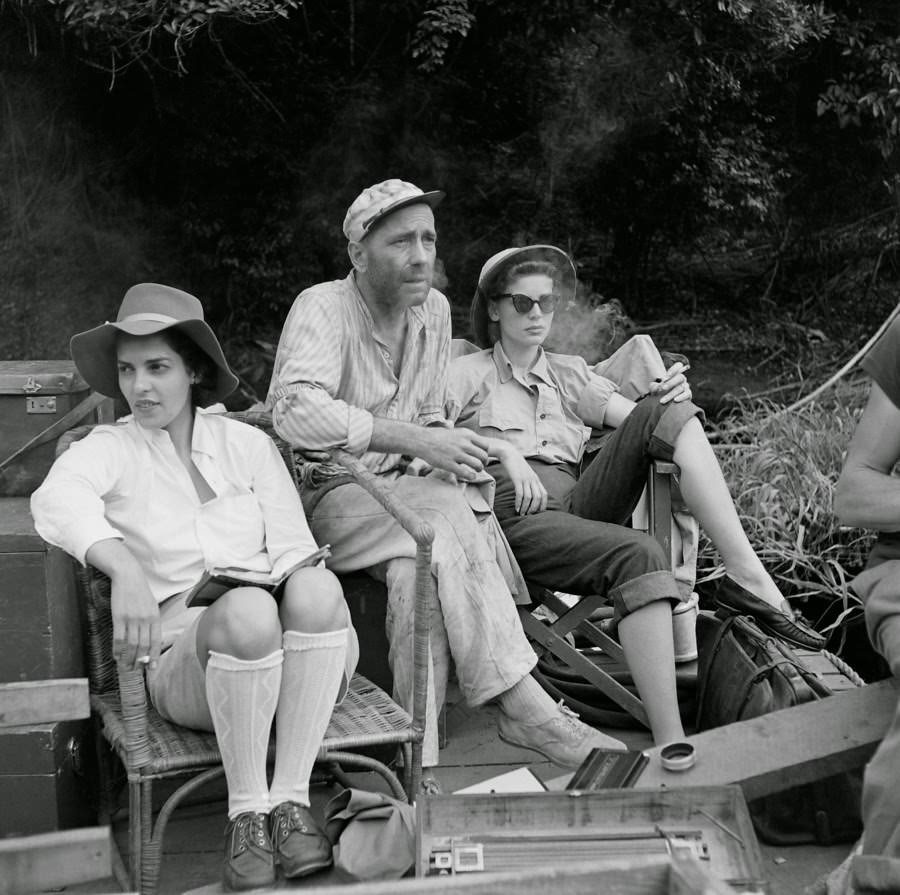
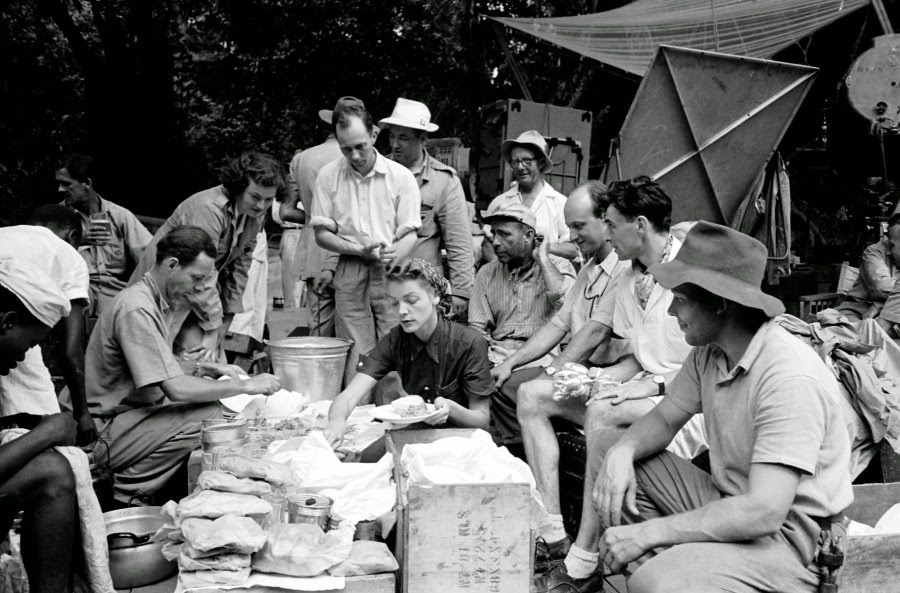
Humphrey Bogart’s wife, Lauren Bacall, traveled to the Congo to be with him during the shoot. She was a regular presence on set throughout the production, joining Bogart and Huston during downtime and meal breaks. Her company offered a small slice of normalcy in an environment that had very little of it.
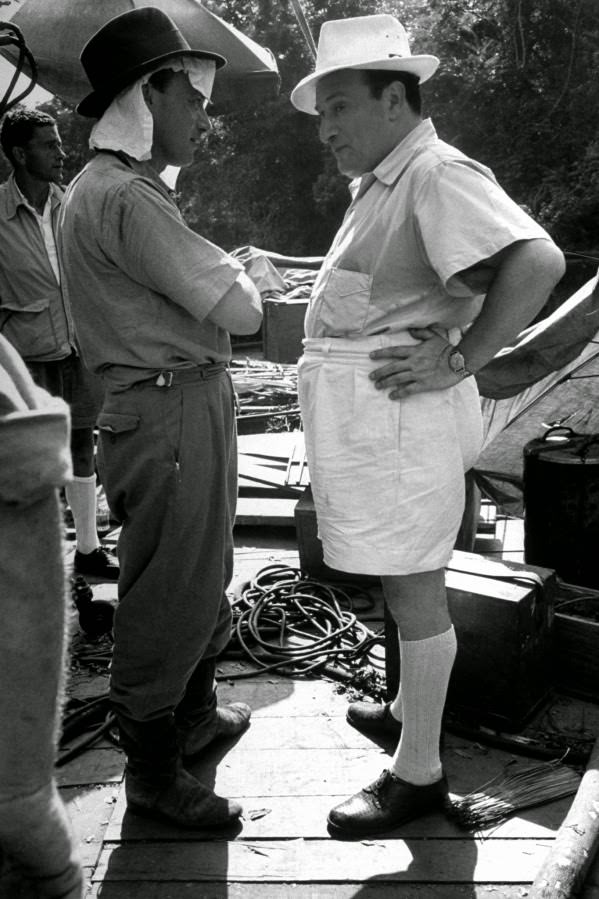
Behind the scenes, producer Sam Spiegel and chief cameraman Jack Cardiff were constantly working through the technical demands of shooting in such a remote, unforgiving place. Getting usable footage under jungle humidity, on a moving raft, with a boat engine in the background, required constant problem-solving from every department.
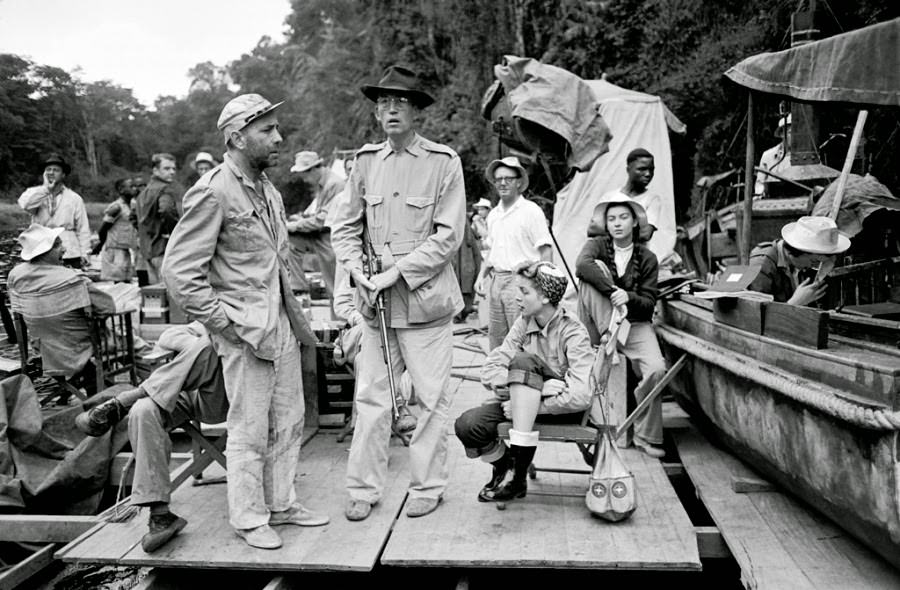
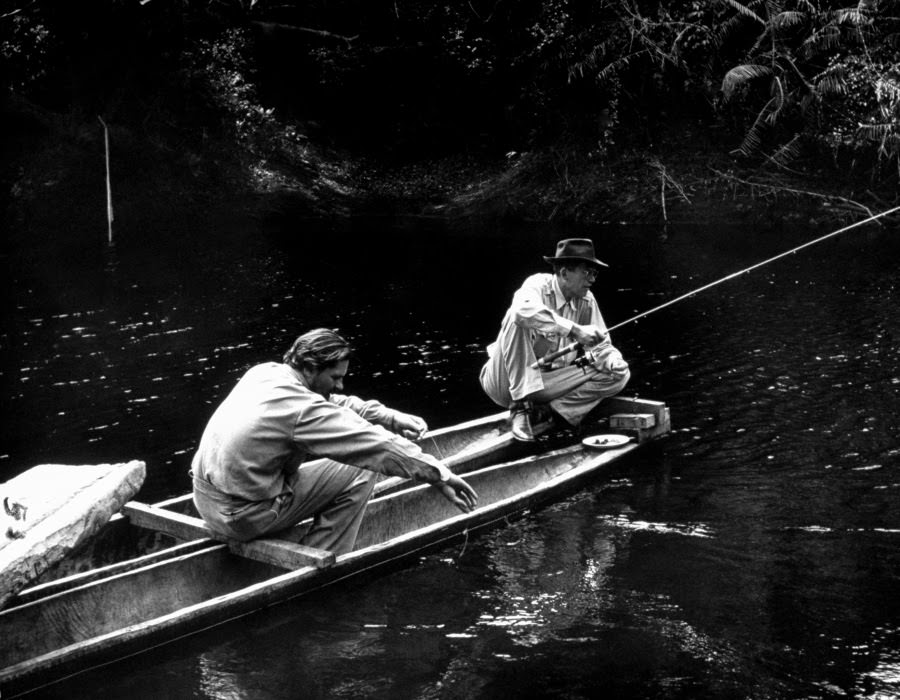
Despite everything the Congo threw at them, Huston kept the production moving. Bogart memorized his lines after just two or three readings. Hepburn stayed on set even while sick. During the lunch siesta, Huston and technician Kevin McClory fished the river together every day without ever catching anything. The production pushed forward, scene by scene, through heat, illness, snakes, and ants.