

By 1970, Audrey Hepburn had made a deliberate choice: family over fame. She stepped back from her full-time acting career and settled in Rome with her husband, Italian psychiatrist Andrea Dotti, whom she had married in 1969. Their home was a large apartment in the heart of the city, far removed from the glittering machine of Hollywood. She spent her mornings at local markets, her afternoons taking her sons to school, and her evenings cooking Italian meals for friends. That was exactly the life she wanted.

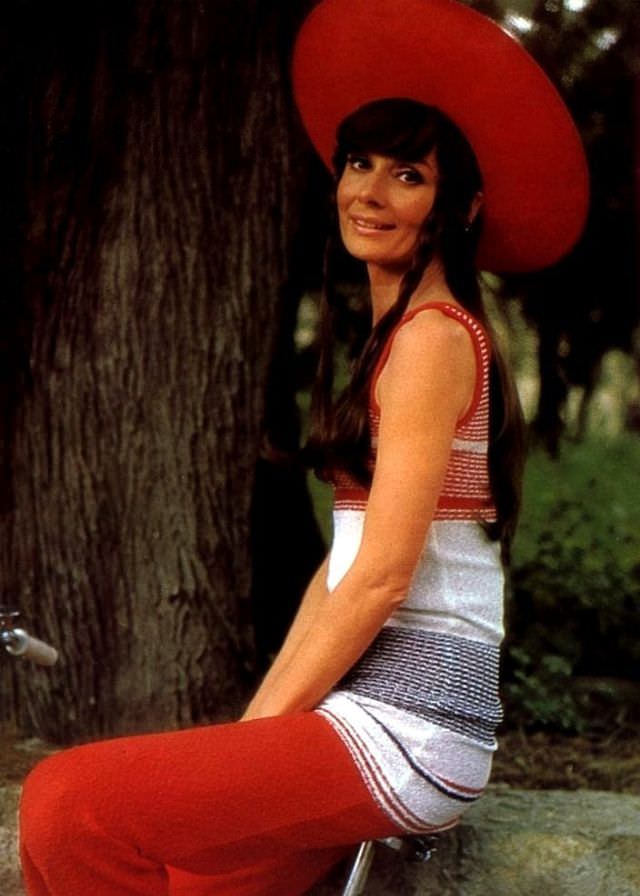
In 1970, she gave birth to her second son, Luca Dotti. Motherhood anchored her days in a way that no film set ever had. She turned down scripts from major studios regularly, only accepting projects that required a short filming schedule or allowed her to remain close to home. Providing her children with stability was not a compromise — it was a priority she held above everything else.
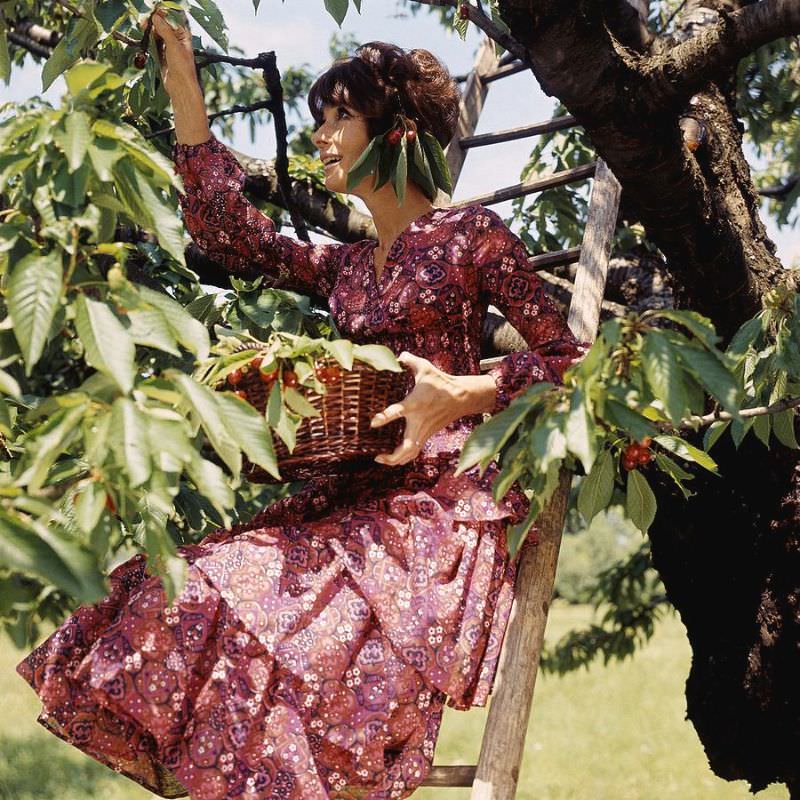
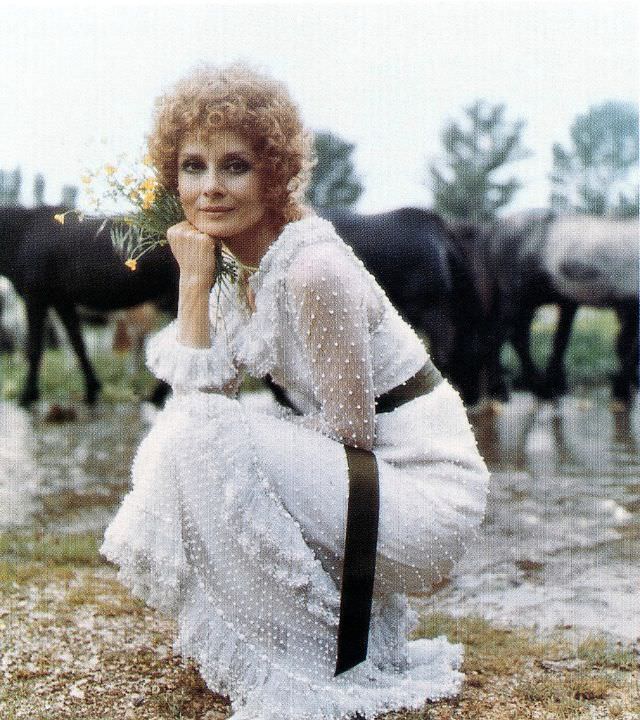
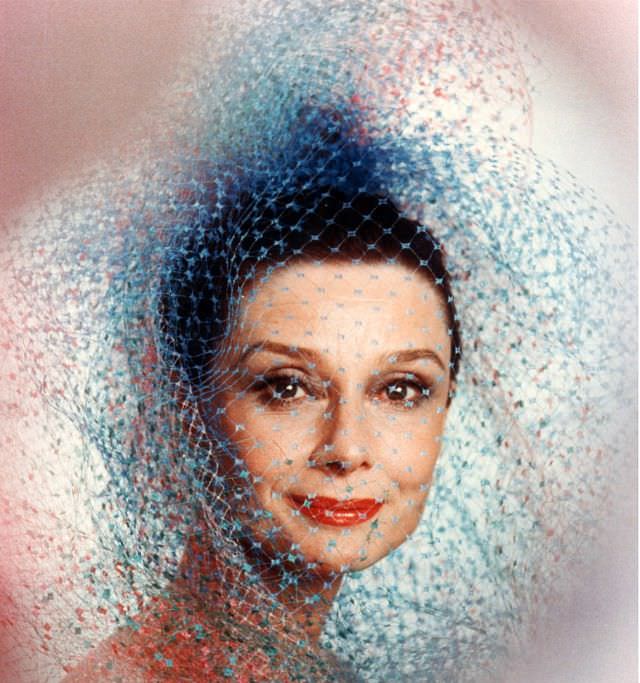
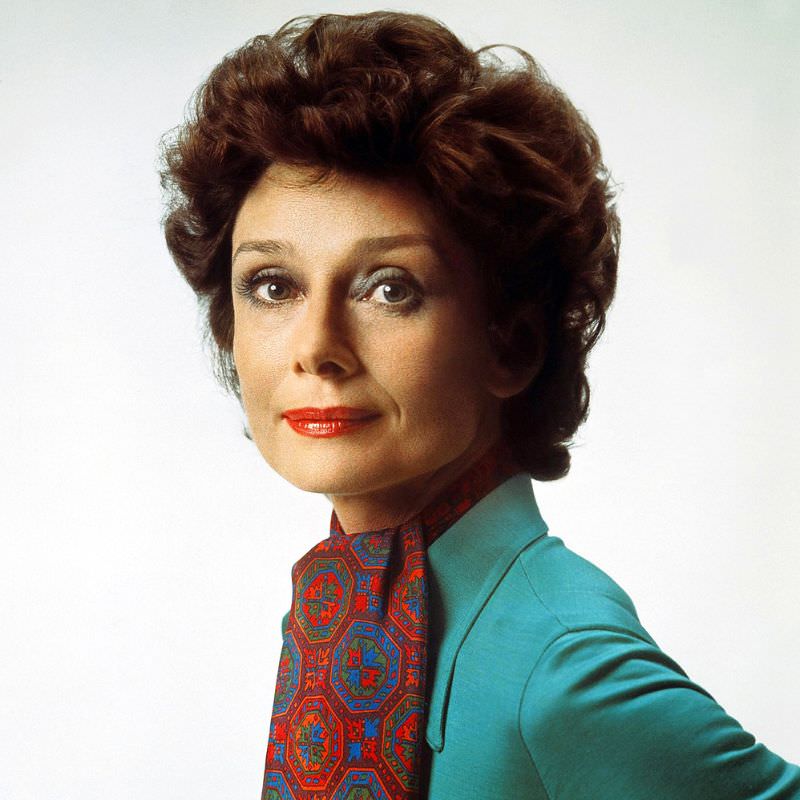
Though she had stepped away from acting, Hepburn never disappeared from the pages of fashion. She remained a fixture in editorial work throughout the early part of the decade, working with her longtime collaborator Hubert de Givenchy. The two had forged one of fashion’s most enduring partnerships since the early 1950s, and the 1970s showed a new, quieter dimension of that relationship — softer silhouettes, rich colors, and a woman entirely at ease in front of the camera.
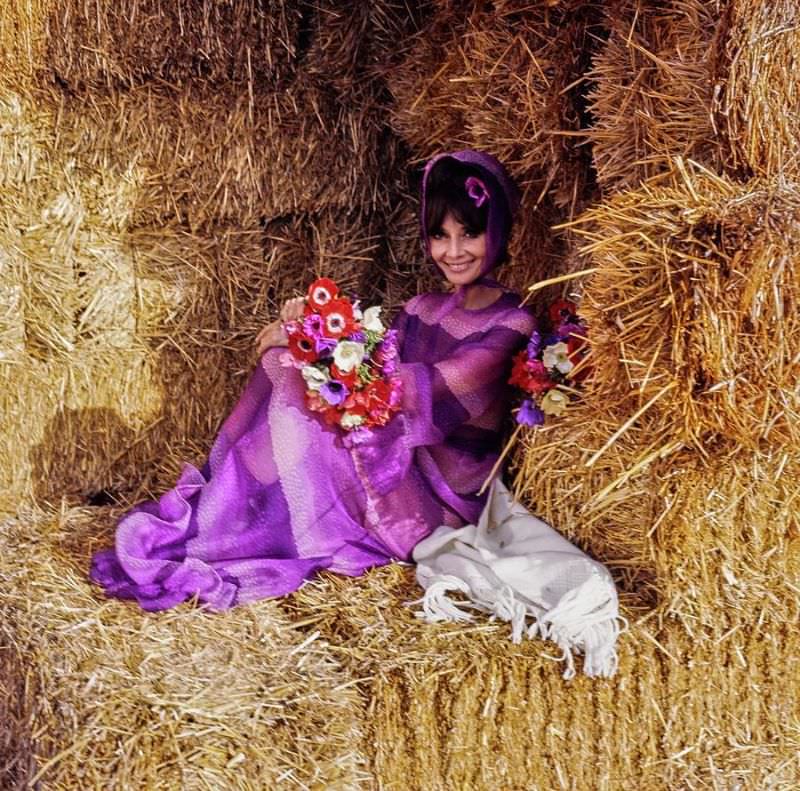
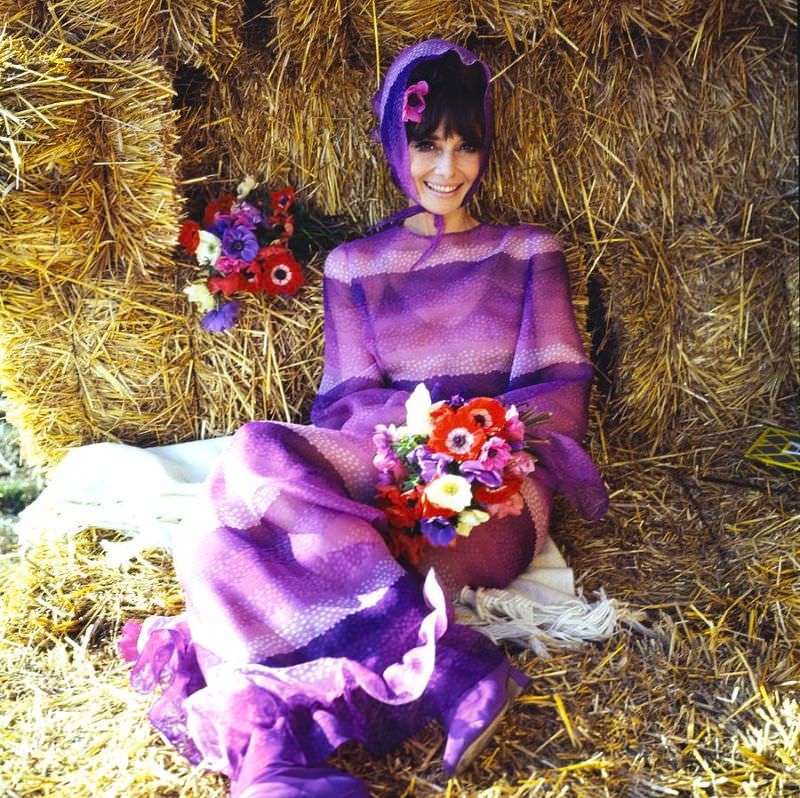
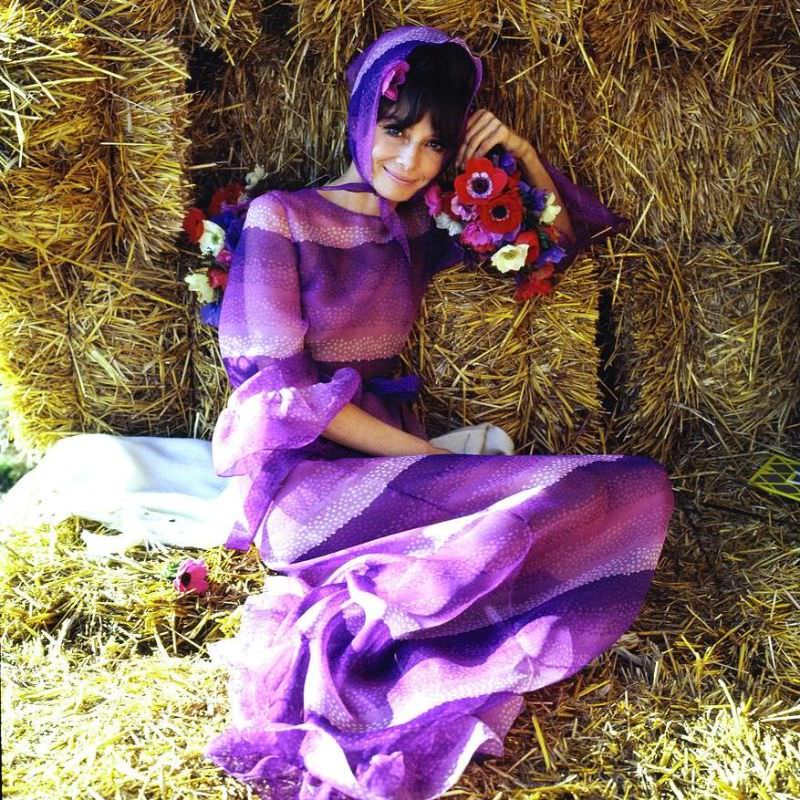
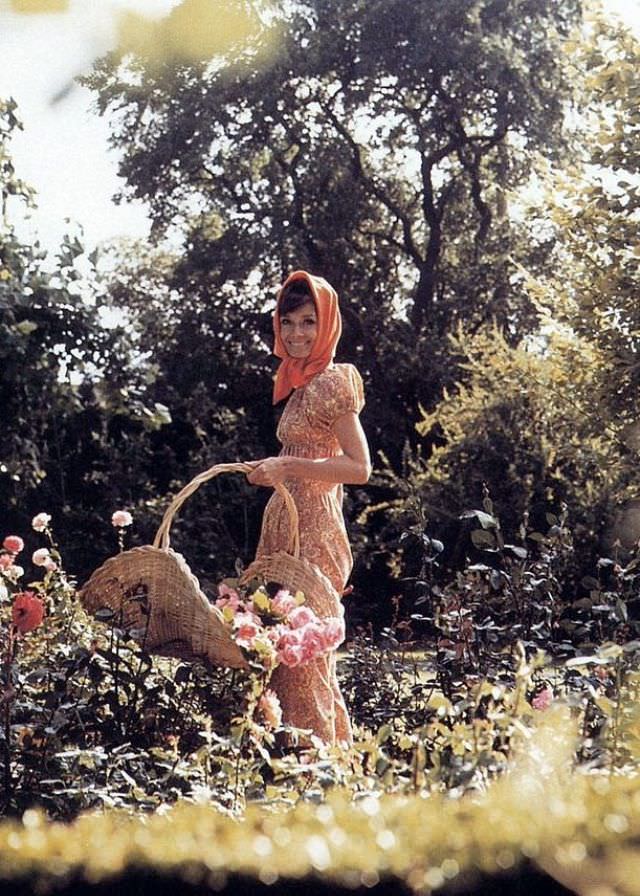

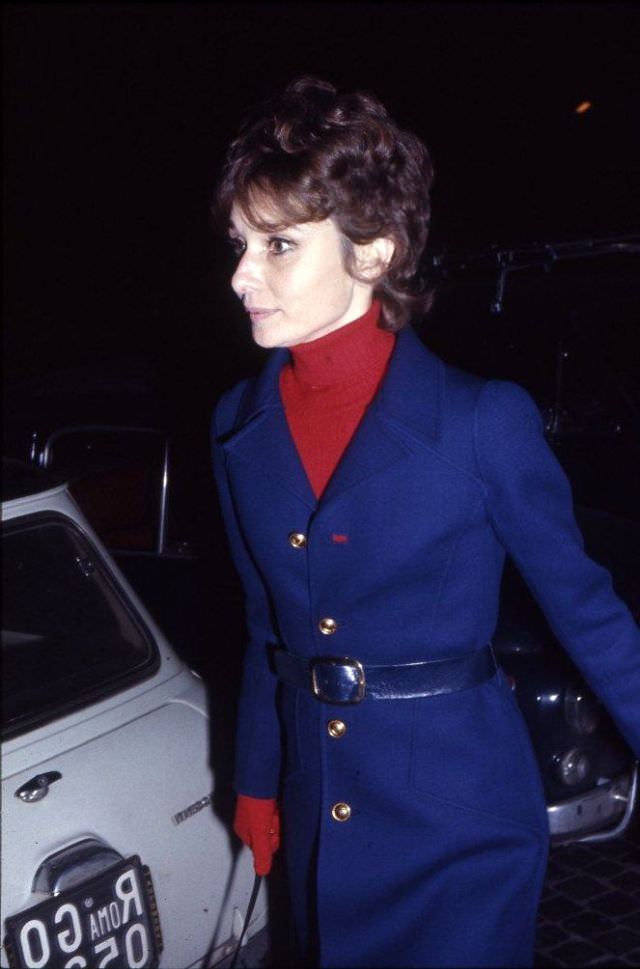
Hepburn split her private time between Rome and La Paisible, her tranquil home in Tolochenaz, Switzerland. The Swiss retreat offered her and her children a slower pace — orchards, open land, and complete privacy. She guarded that privacy fiercely, rarely granting interviews and making no effort to court the press. Her name still appeared in fashion magazines, but the woman herself remained largely out of the public eye.


There were, of course, moments when the wider world pulled her back in. In 1972, she attended the legendary Surrealist Ball hosted by Baron Alexis de Redé at the Château de Ferrières outside Paris — one of the most extravagant social events of the decade. She also continued working with both Valentino and Givenchy for editorial spreads in Italian and French Vogue, her presence in those pages a reminder that her elegance had only deepened with time.


The mid-1970s brought Hepburn back into the public spotlight in a more formal way. In 1975, she presented at the 47th Academy Awards, appearing on that stage with the same composed, polished presence she had carried throughout her career. That same year, she traveled to Pamplona, Spain, and began work on her film return — a project that had finally earned her full interest.


That project was Robin and Marian, released in 1976. Directed by Richard Lester, the film starred Hepburn opposite Sean Connery. She played Maid Marian, now a nun, reunited with an aging Robin Hood returning from the Crusades. The script drew her in — it was a story about time, loss, and the passage of life, themes that matched where she was as a person. Critics praised her performance for its emotional depth and grace. It was a quieter, more reflective role than anything from her earlier career, and she delivered it beautifully.
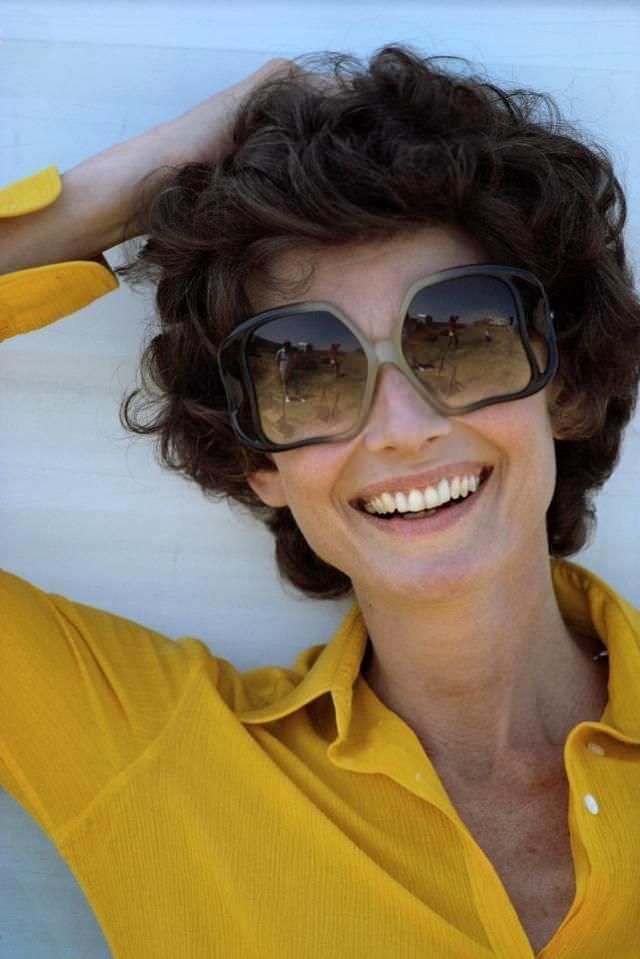


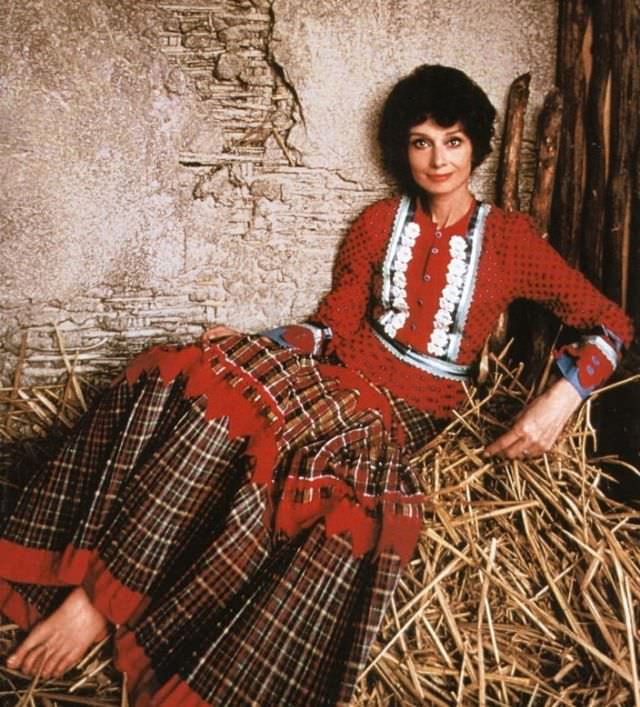


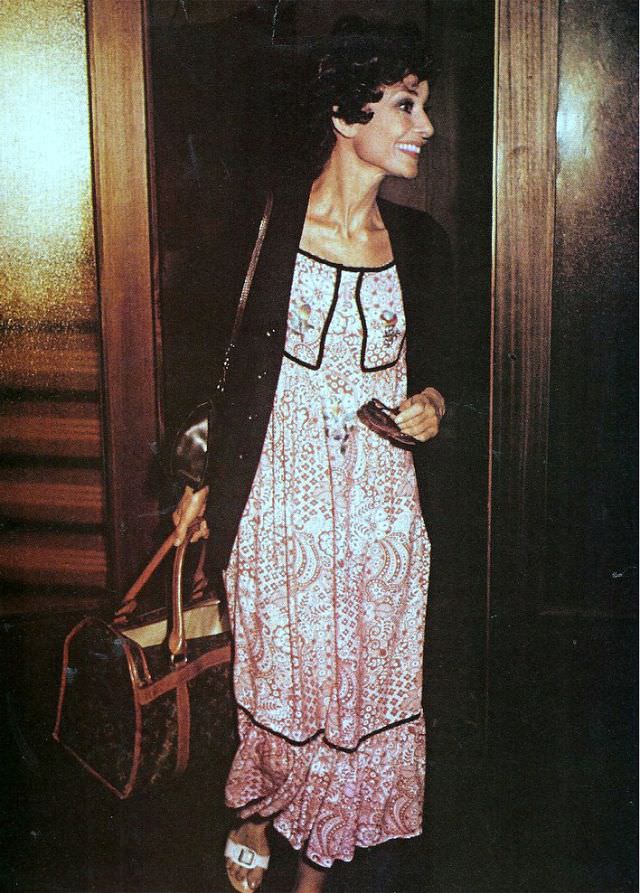
After the film’s premiere, Hepburn returned to Rome and resumed the quieter rhythms of domestic life. Photos from her apartment that year show her relaxed and at home — surrounded by pets, soft light, and the easy warmth of a life built entirely on her own terms. She wore Valentino around the house as naturally as anyone else might wear cotton. That was simply who she was.


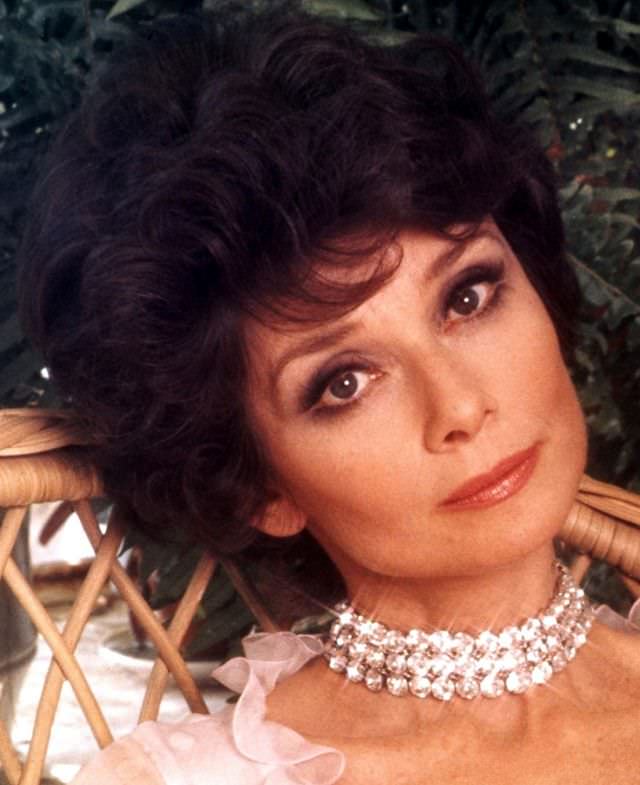
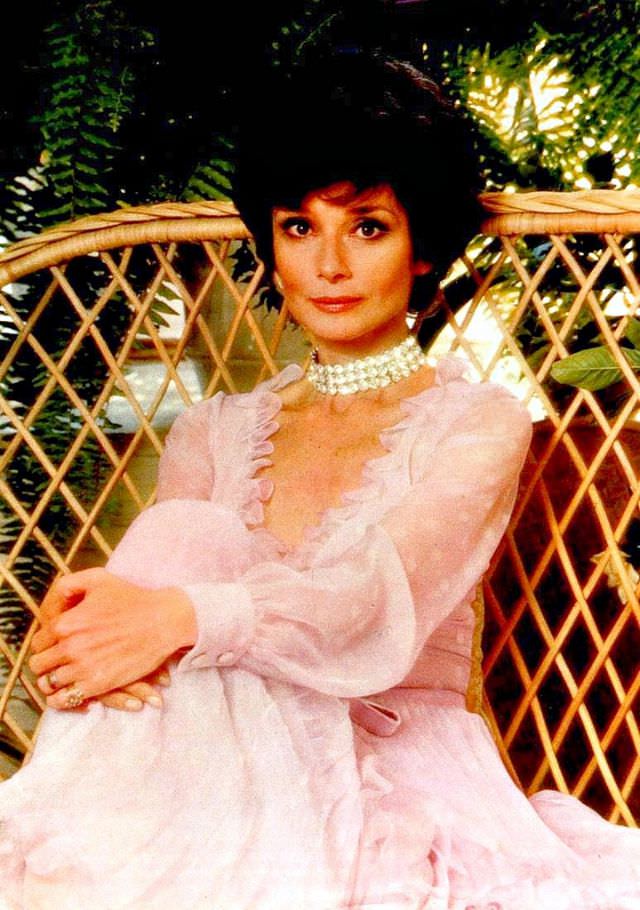
By 1978, Hepburn was in production on Bloodline, a thriller based on Sidney Sheldon’s novel of the same name. Director Terence Young helmed the project — the same director who had worked with her on Wait Until Dark in 1967. She played Elizabeth Roffe, a woman who unexpectedly inherits a massive pharmaceutical company after her father’s death. The film shot on location across Europe, which meant she stayed within reach of her family in Rome throughout. Publicity sessions took place at Cinecittà Studios in Rome and in Paris.


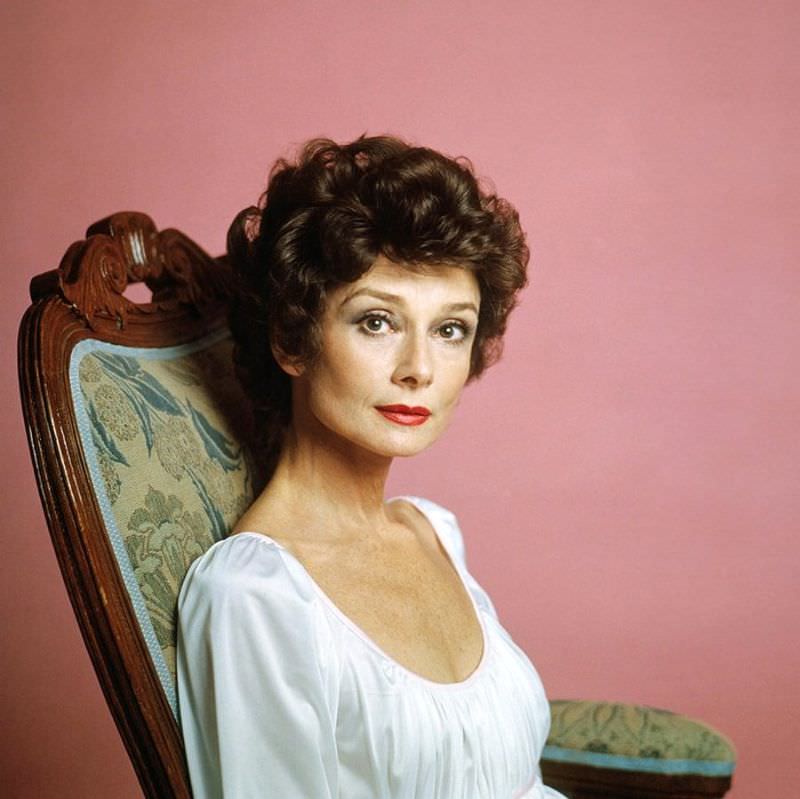
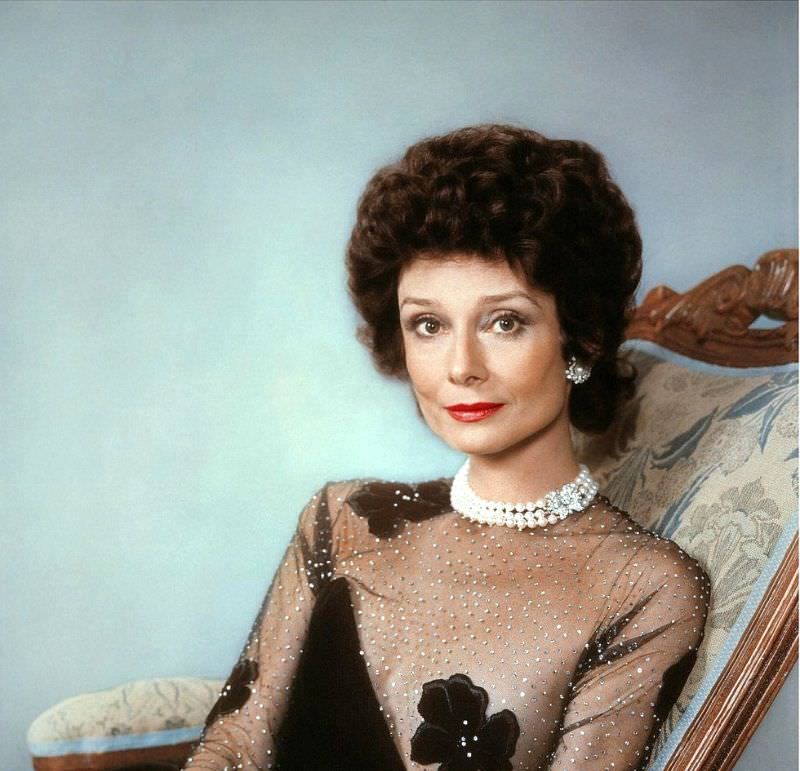

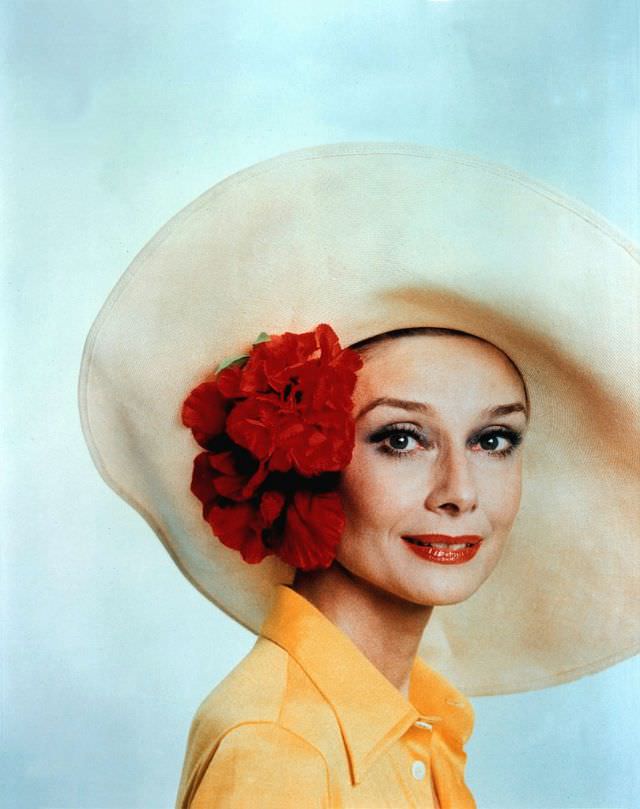
For the Bloodline promotional campaign in 1979, Hepburn returned to Maison Givenchy in Paris. The resulting images — shot for Life and Harper’s Bazaar — showed her in a lacquered straw hat from Givenchy’s Spring Collection, a black velvet evening gown trimmed in lace, and a series of looks that captured both the film’s drama and her own enduring sense of style. At nearly fifty, she commanded a lens with the same authority she always had.




An effable beauty, at ANY age!!
She was so beautiful, all the way through the years. I’ve never seen so many photos of her in the 70s. Thank you for sharing this here 🤍
Audrey Hepburn was so beautiful so graceful… 🫶🌷🕯️
She smoked 3 packs a day.