In June 1940, German troops marched into Paris. The French government had declared the city an open city to prevent it from being bombed or destroyed. Almost immediately, German flags replaced French ones over government buildings, and soldiers filled streets that had once belonged to artists and tourists.
Daily life changed fast. Strict curfews kept people off the streets at night. Food rationing became part of every household’s routine, with long lines forming each day for bread, meat, and basic goods. Many families turned to black markets just to get enough to eat.
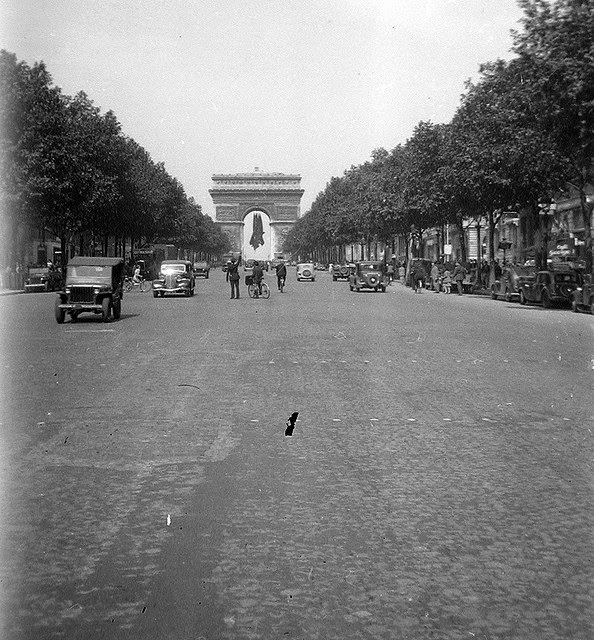
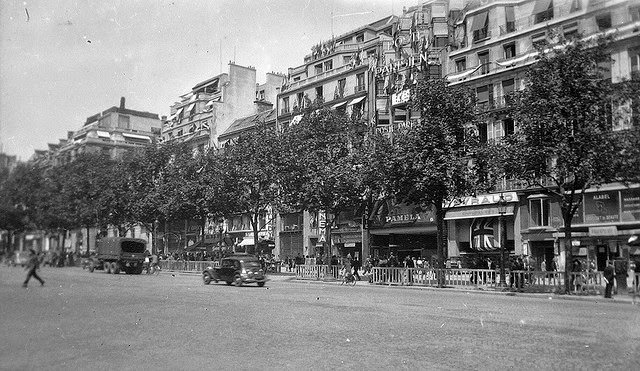
German propaganda posters covered walls across the city. Radio broadcasts were heavily censored. Soldiers appeared in cafés, theaters, and parks — the occupation was visible everywhere, at all times.
Not everyone accepted the occupation quietly. The French Resistance organized sabotage missions, printed and distributed underground newspapers, and helped Allied soldiers escape from German-controlled territory.
Jewish Parisians faced the harshest treatment. Anti-Jewish laws forced them to register with authorities, wear yellow stars in public, and give up their businesses and jobs. Beginning in 1942, mass deportations to Nazi concentration camps began, spreading fear throughout the city. Many families went into hiding to avoid arrest.
Cultural life did not disappear entirely. Cabarets and theaters stayed open, though under close German supervision. Some artists, writers, and musicians used their work as quiet resistance — hiding messages in plays, songs, and paintings that German censors failed to catch.
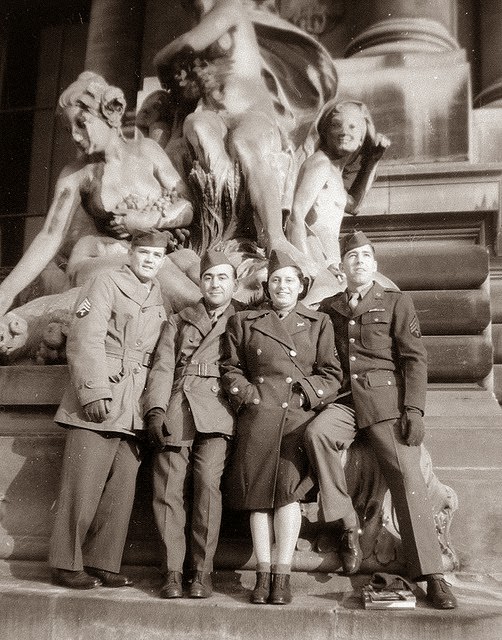
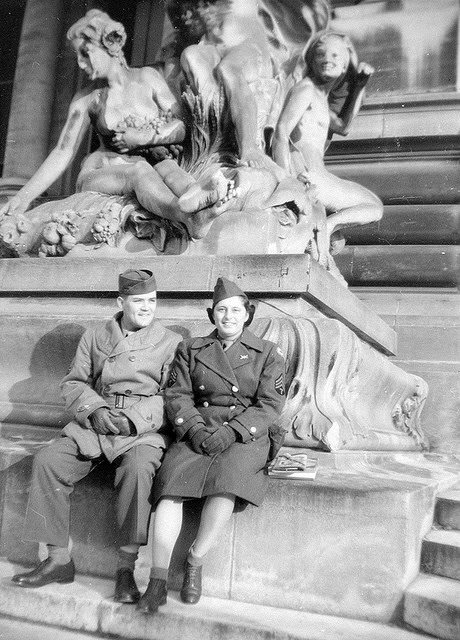
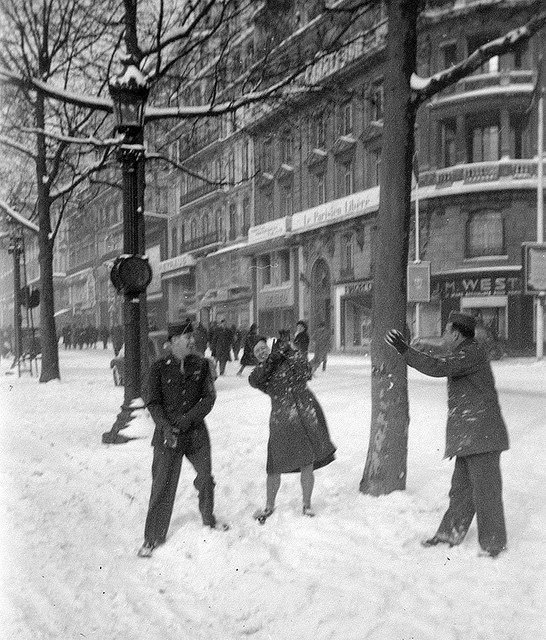
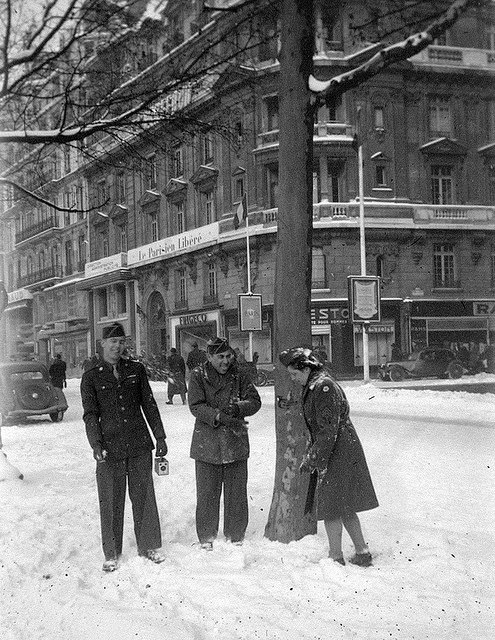
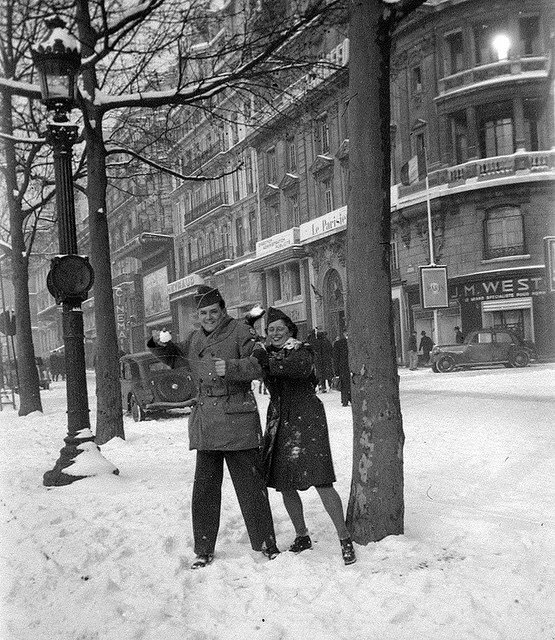
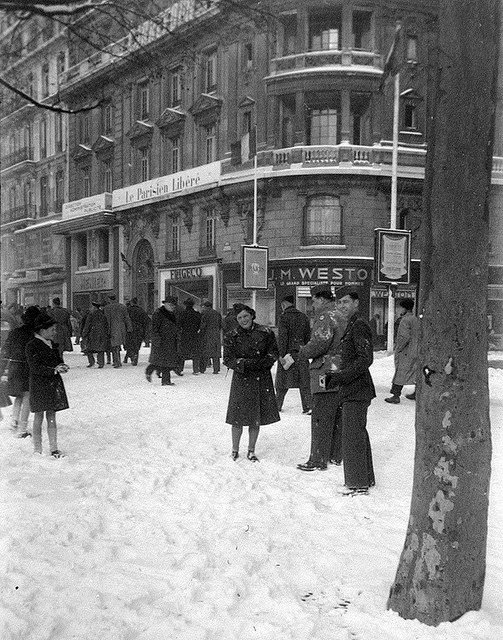
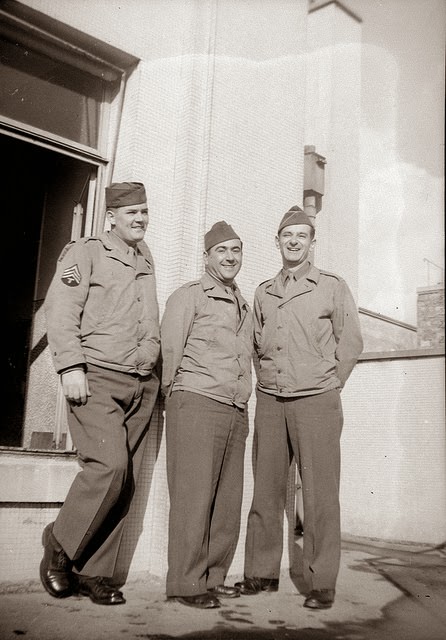
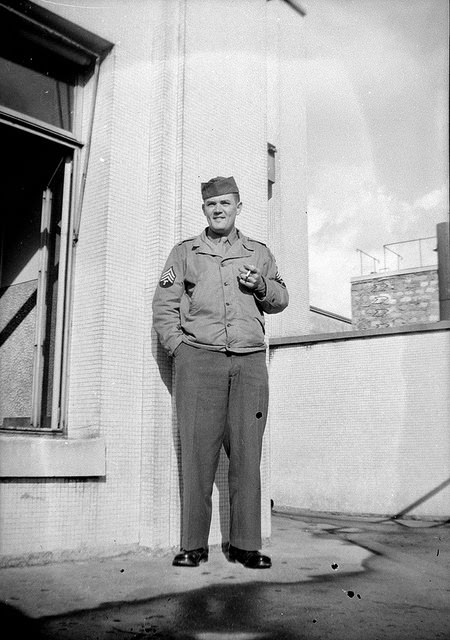
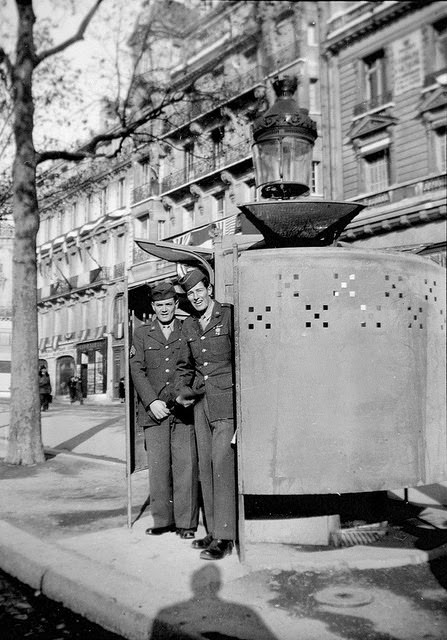
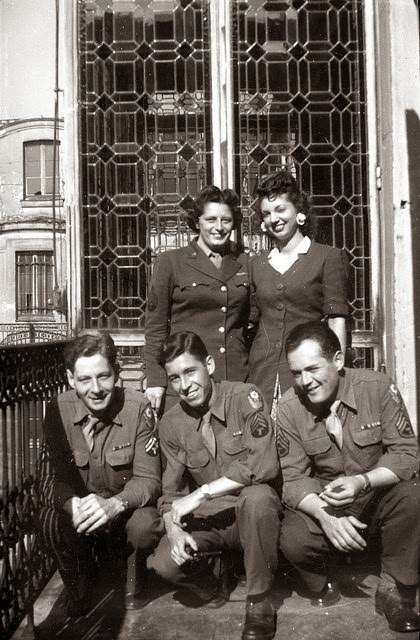
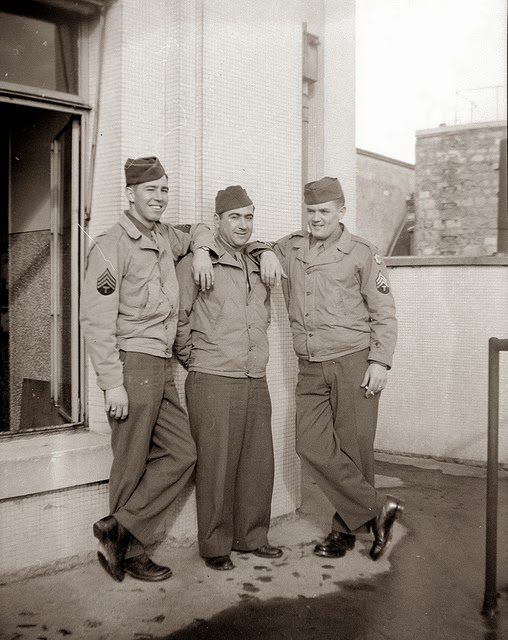
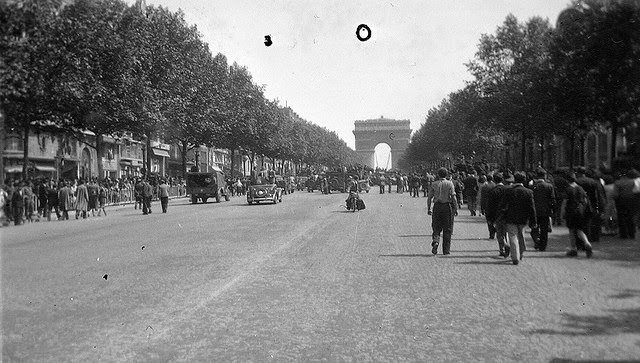
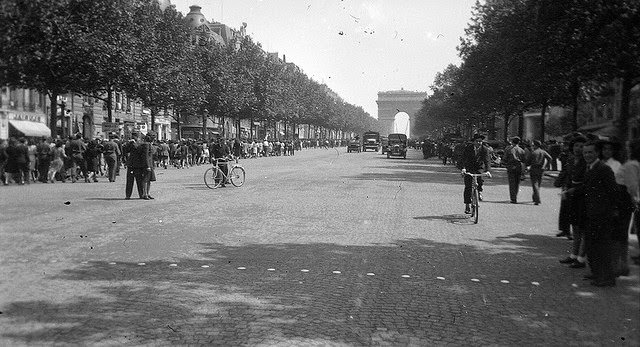
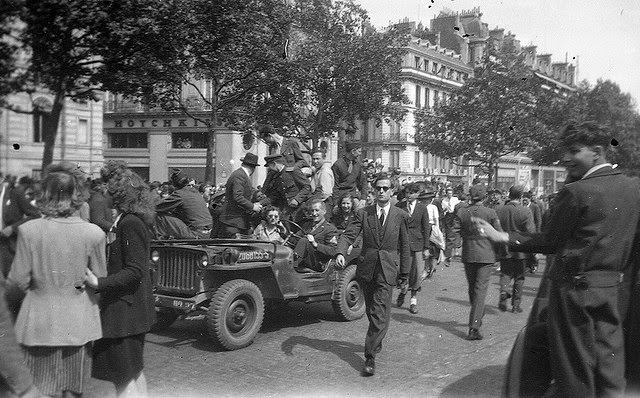
By the summer of 1944, Allied forces were closing in. Resistance groups inside Paris launched uprisings, and street fighting broke out across the city. In August 1944, German forces surrendered Paris after four years of occupation. Crowds poured into the streets, and French and Allied soldiers marched through the city as church bells rang from every direction.