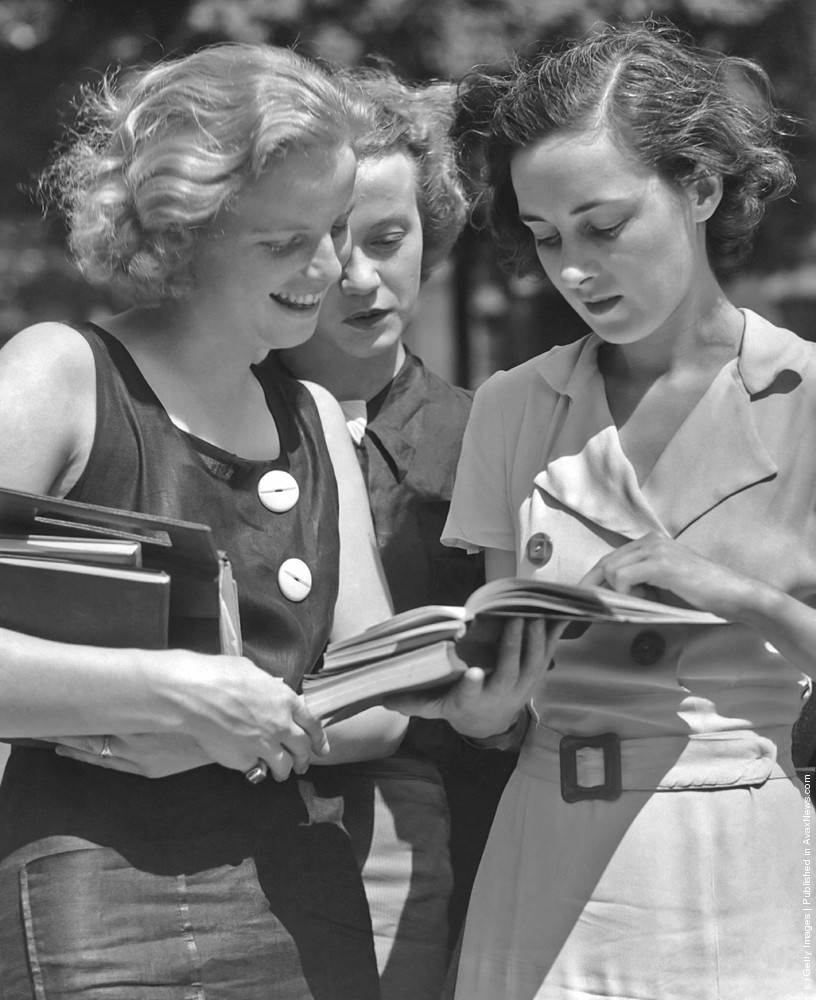
In the 1920s, female college students followed a structured daily routine. They wore skirts or dresses to every class, kept their hair neatly styled—often in the popular bob cut—and moved from morning lectures to long afternoon study sessions in the library. Handwritten notes filled their notebooks, fountain pens left ink stains on their fingers, and typewriters were reserved for formal papers.
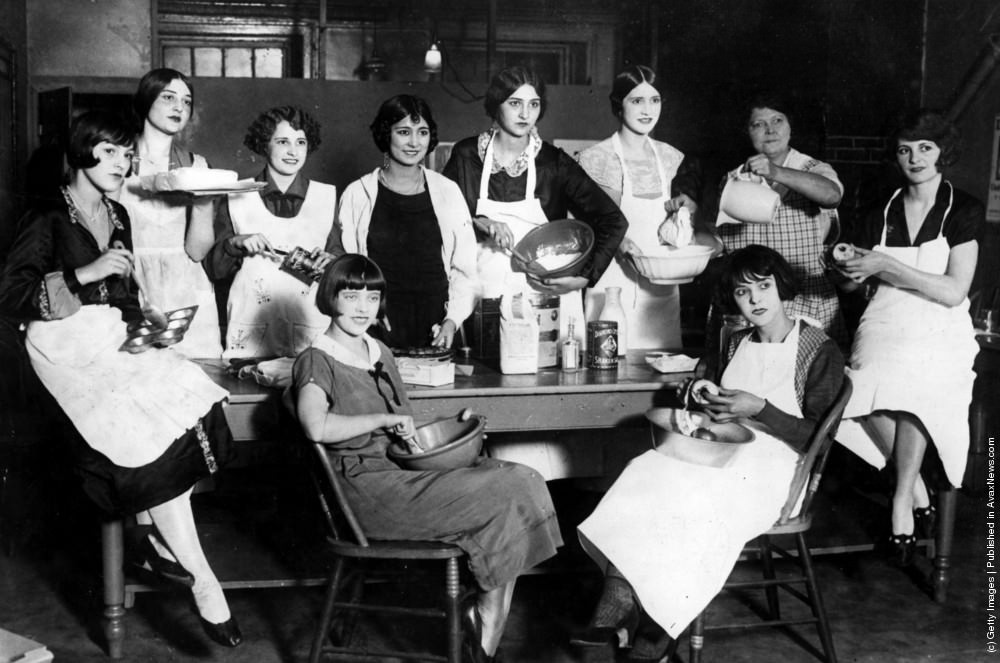
Beyond academics, women trained in a wide range of skills—from cooking and baking to the performing arts. Dance was especially popular, offered through dedicated schools and campus programs alike.
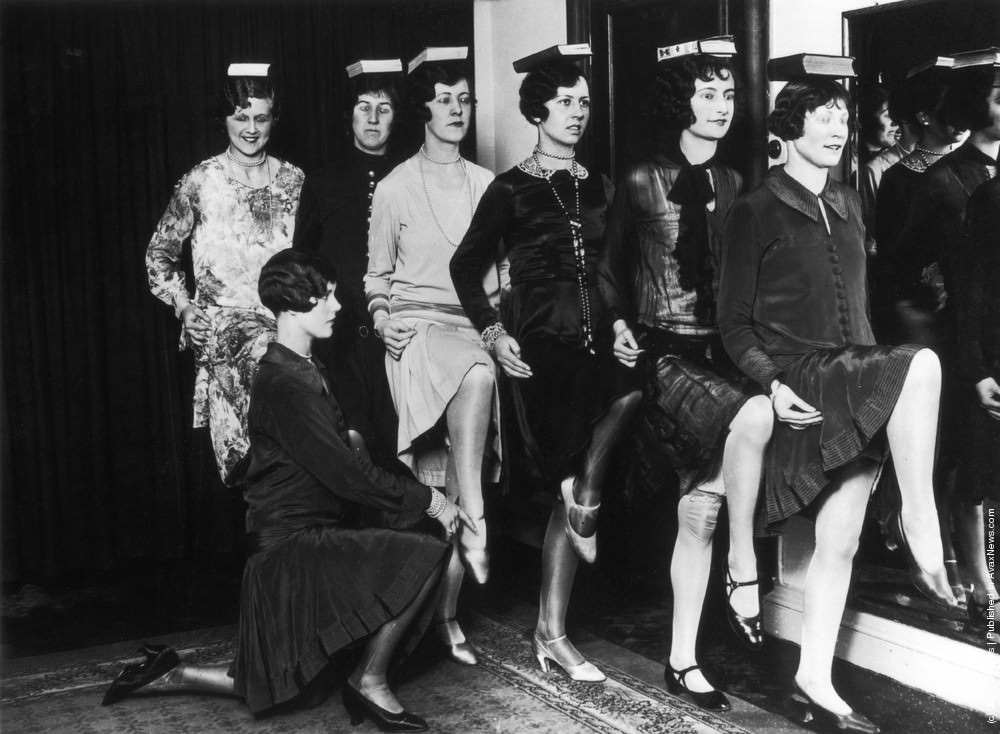
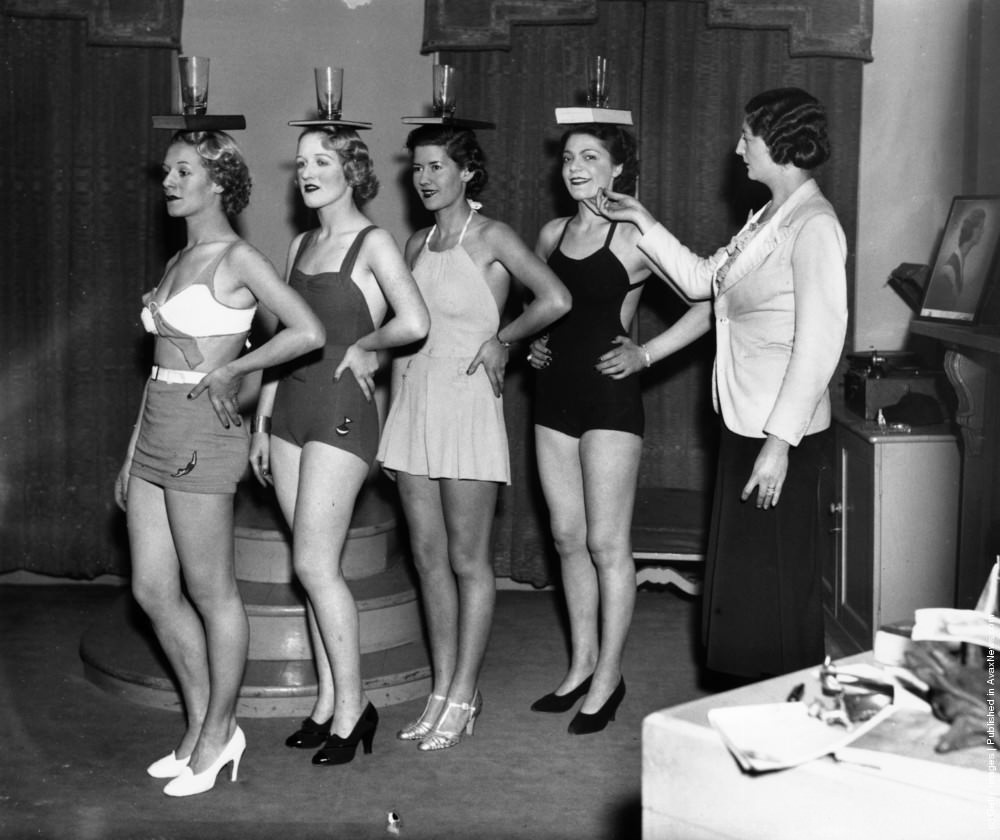
Deportment and poise were considered serious disciplines for young women in this era. Schools across both the United States and Britain trained students to carry themselves with precision and grace.
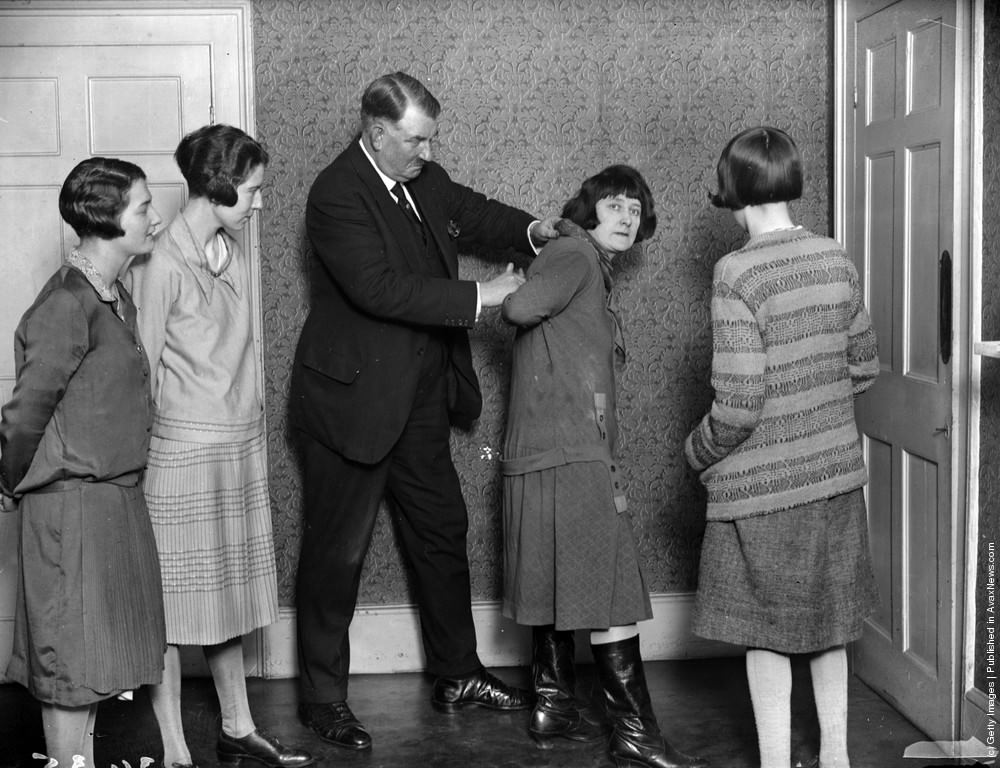
Campus life also pushed into unexpected territory. Women trained in fields that challenged conventional expectations, including detective work and criminal apprehension techniques.
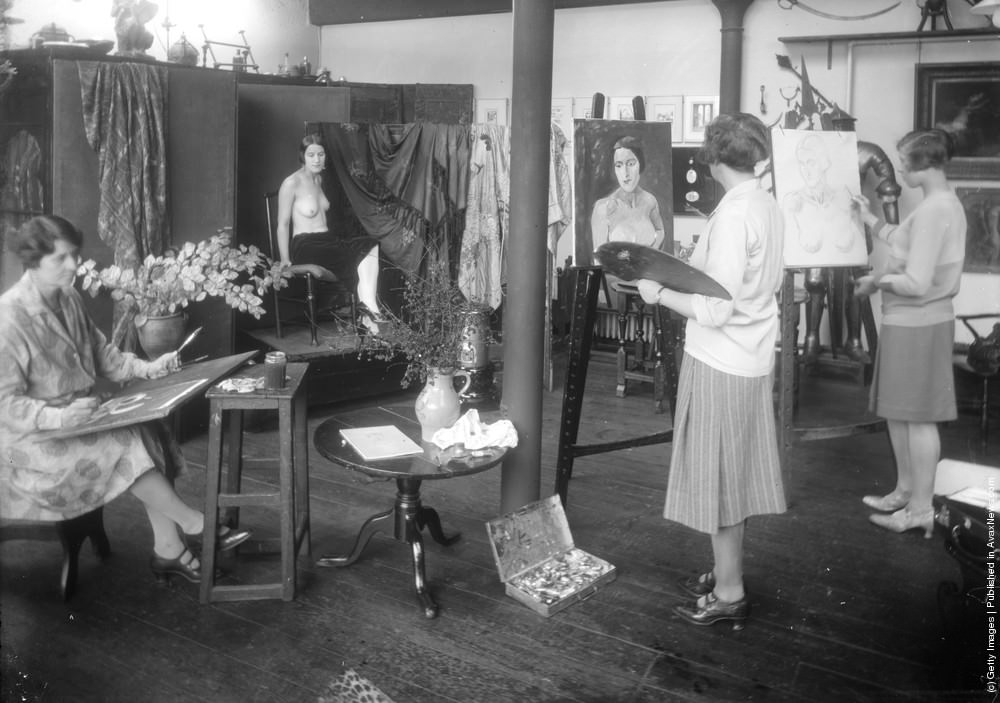
Creative education thrived alongside professional training. Art schools gave female students access to full studio environments, including life drawing classes with nude models.
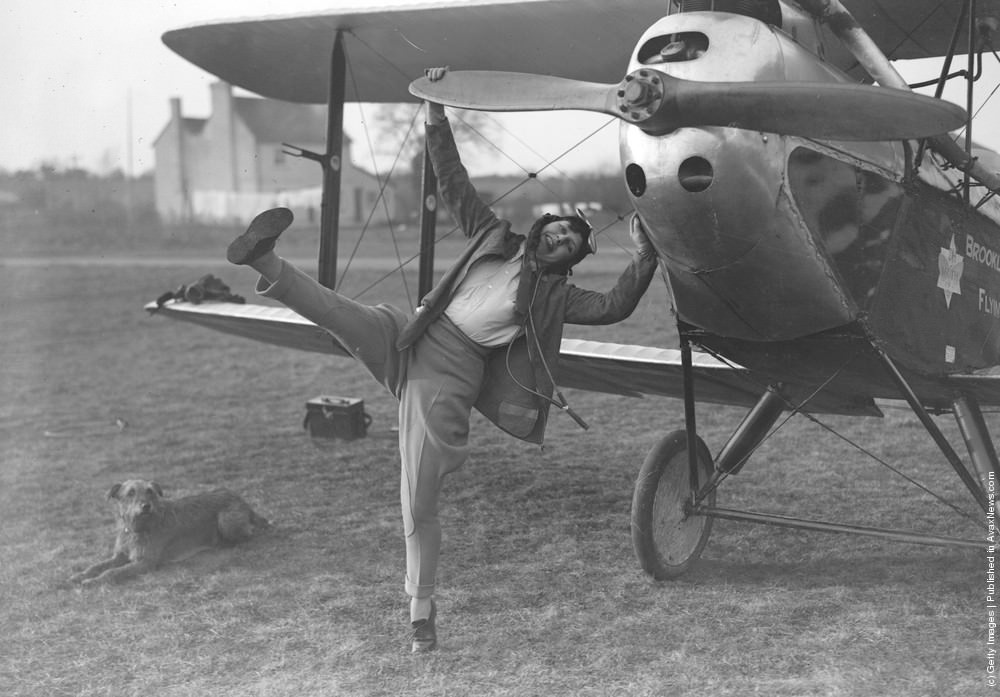
Some women pushed even further into male-dominated fields. Aviation attracted bold students who enrolled in flying lessons, taking to the skies as early as the late 1920s.
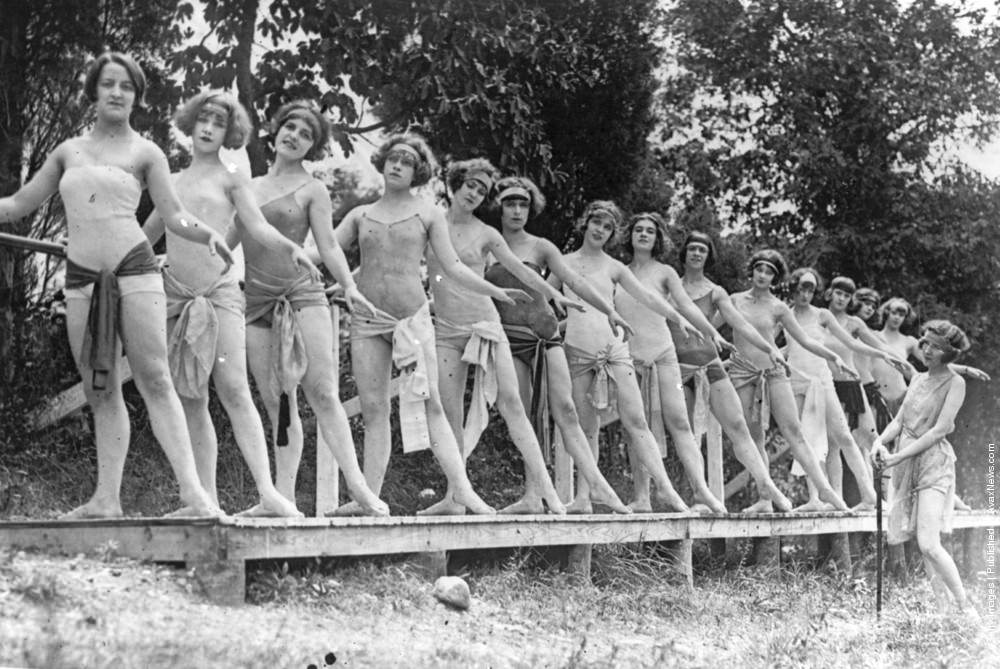
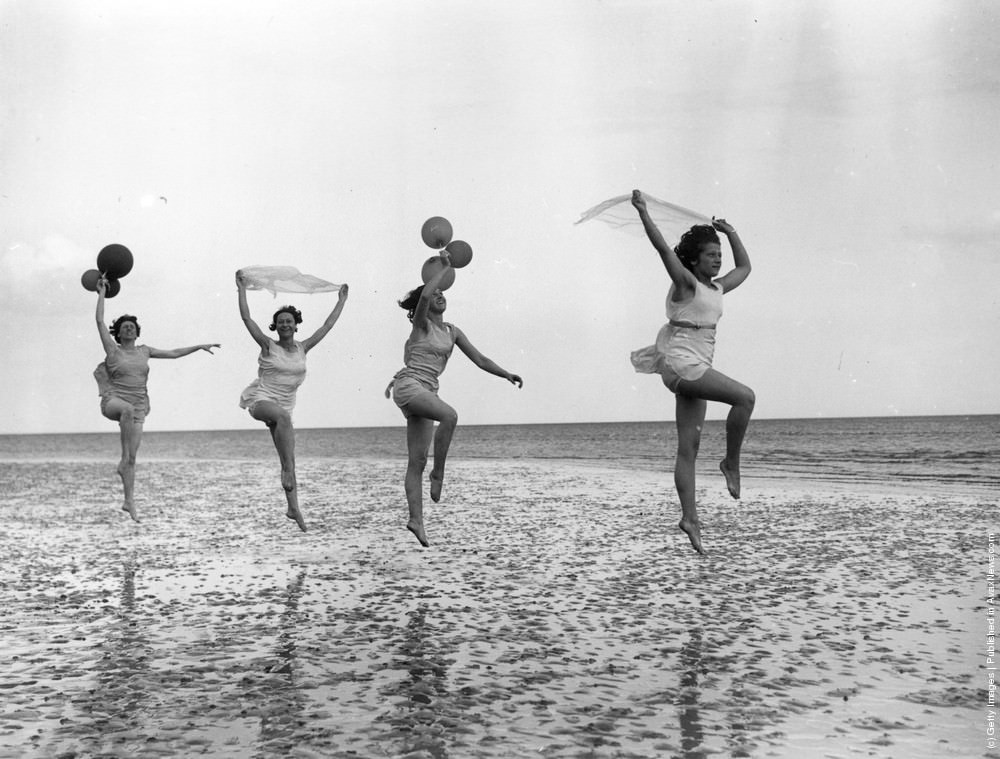
The 1930s brought the financial strain of the Great Depression. Many students worked part-time jobs in campus offices and libraries to cover expenses. Recreation adapted to tighter budgets—outdoor dance practice, for instance, cost nothing and remained a regular part of school life.
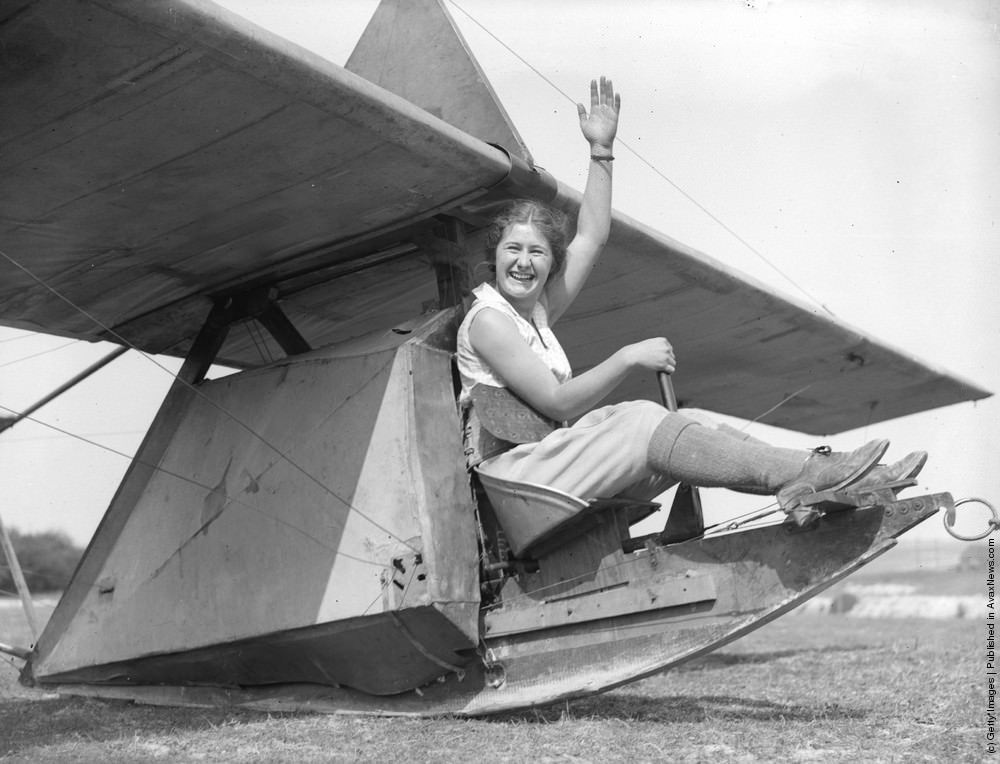
Physical adventure didn’t stop at dance. Some colleges offered gliding as a physical education option, and female students took full advantage of the opportunity.
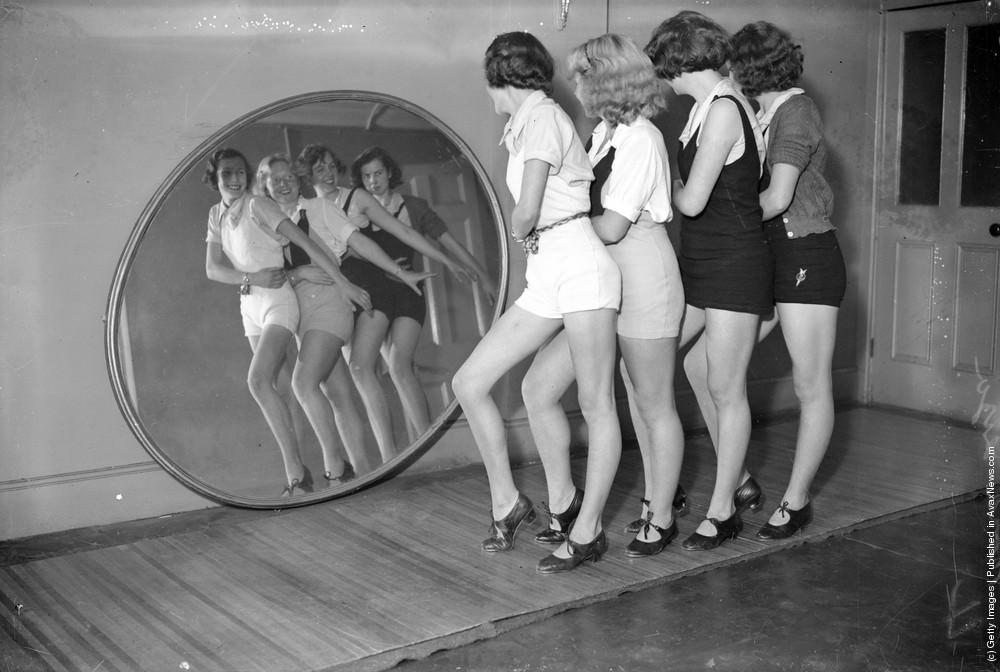
Dance schools remained busy through the mid-1930s, giving students a disciplined space to practice and perform. Large studio mirrors allowed students to monitor and correct their own form during rehearsals.
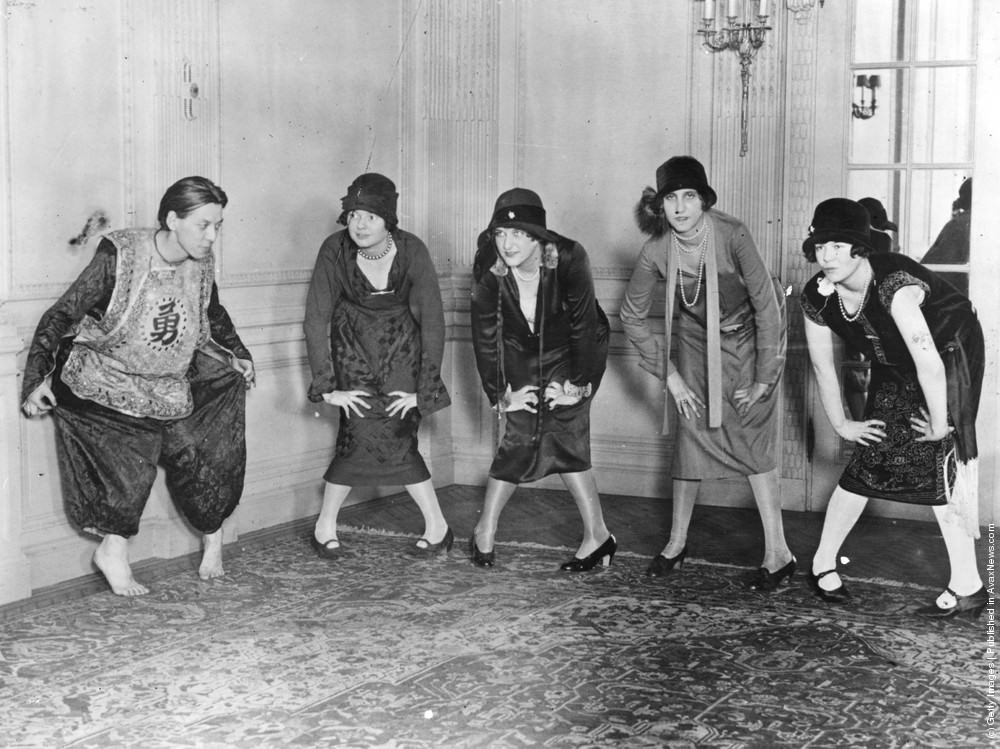
Popular social dances like the Charleston were taught formally in group classes. Weekend tea dances and live jazz bands in small campus halls gave students a chance to enjoy these skills outside the studio.
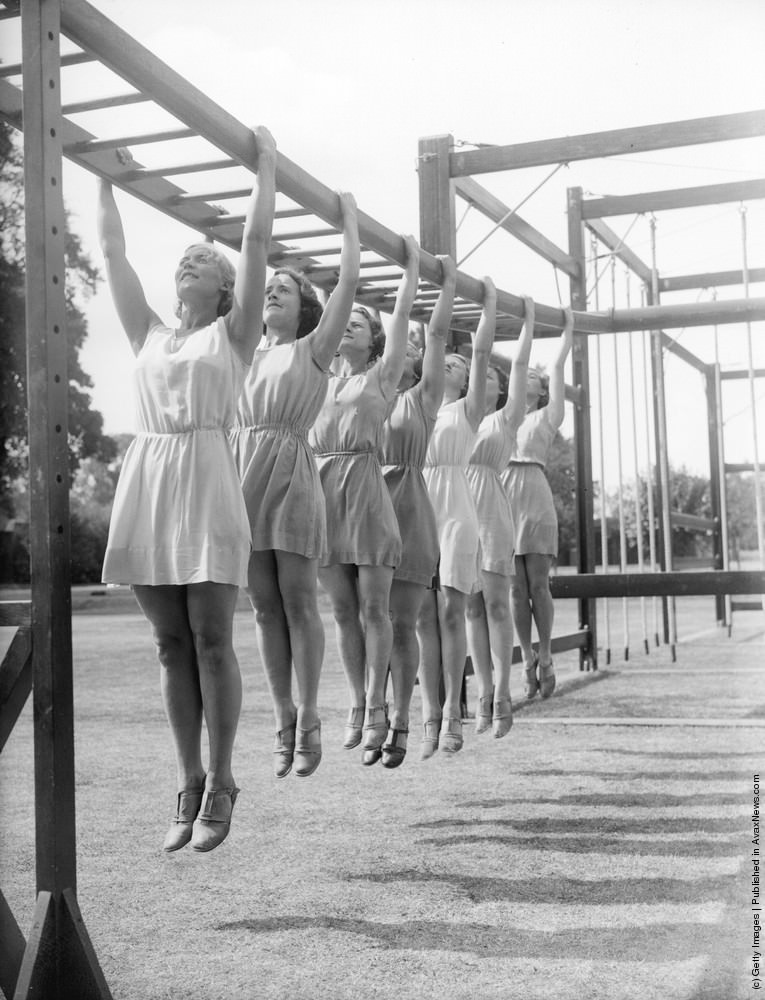
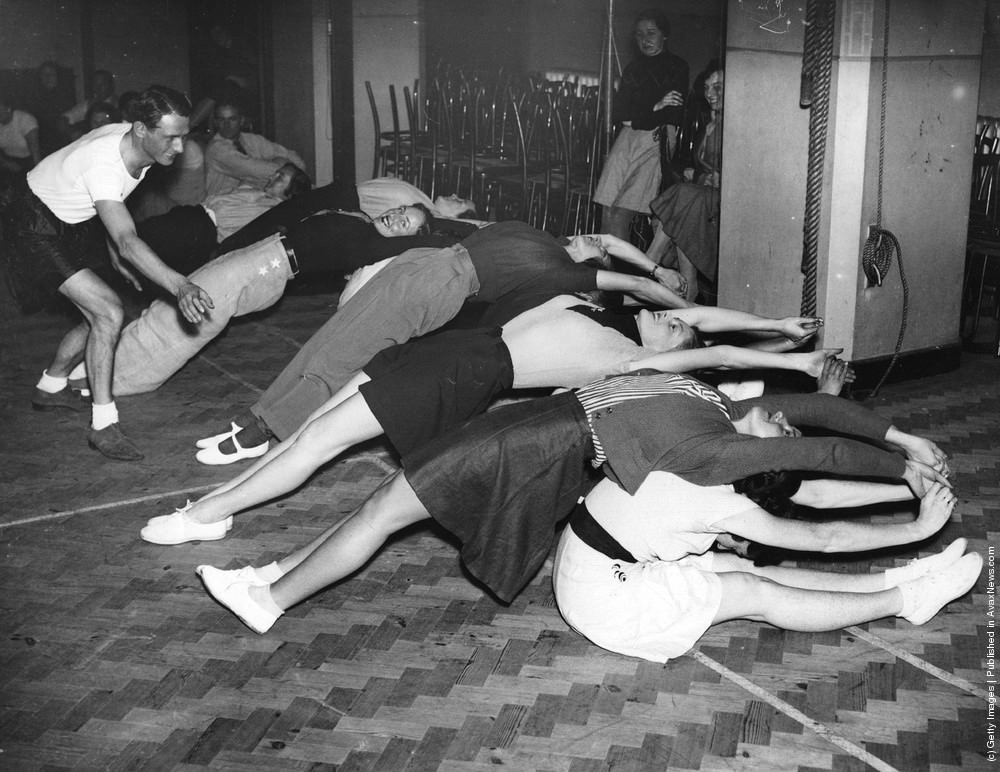
Physical education was mandatory at many institutions. International summer schools brought students together for outdoor gym classes, combining fitness with cross-cultural exchange.
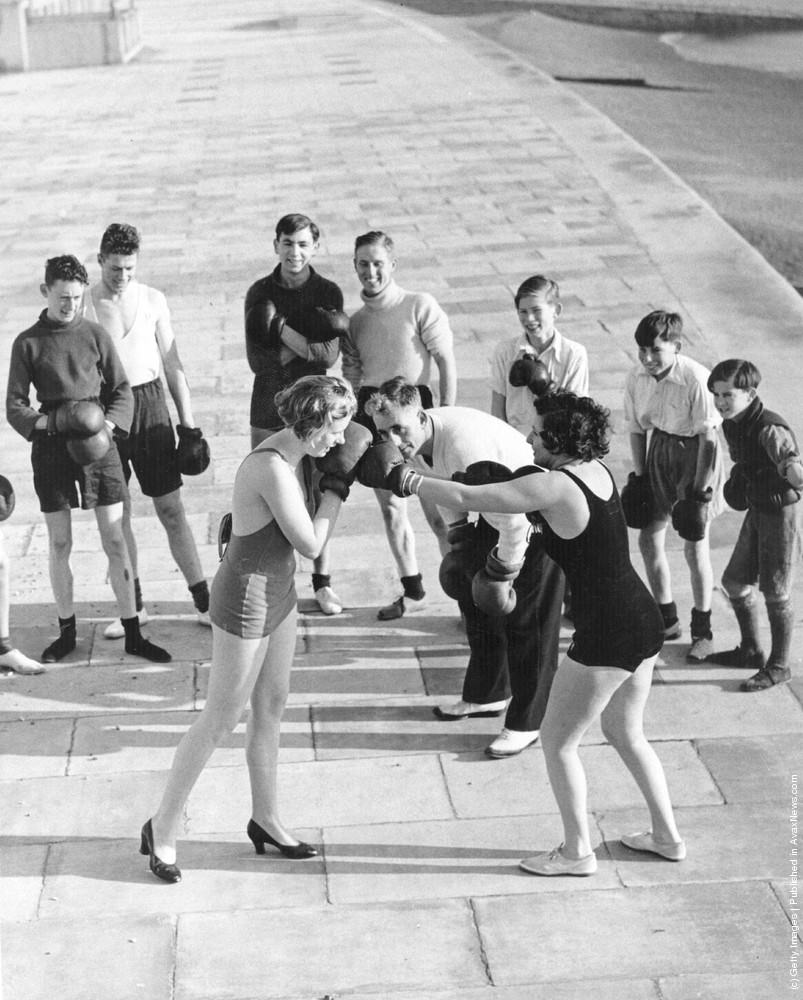
Fitness training went beyond conventional sport. Some keep-fit groups introduced boxing and self-defense techniques as part of their regular programs.
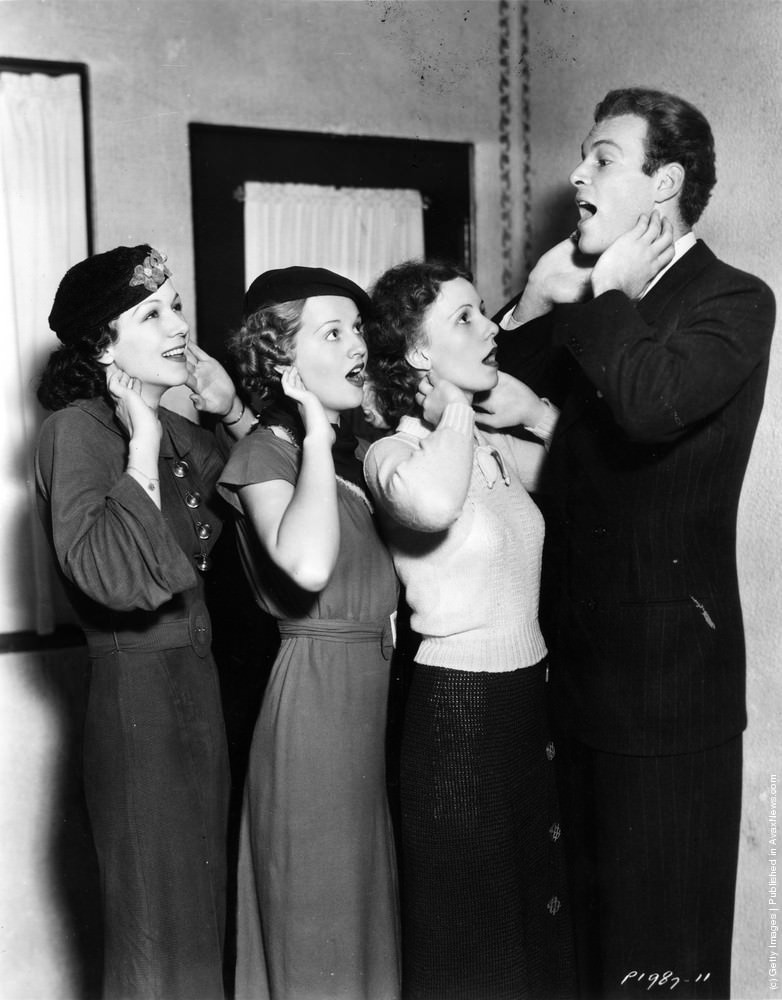
Voice training was treated with the same seriousness as physical conditioning. Actresses and students studying performance attended specialist lessons focused on breath control and vocal technique.
New sports arrived on campus throughout the decade. Skiing lessons, taught by European champions in gymnasium settings, introduced students to techniques before they ever reached a real slope.
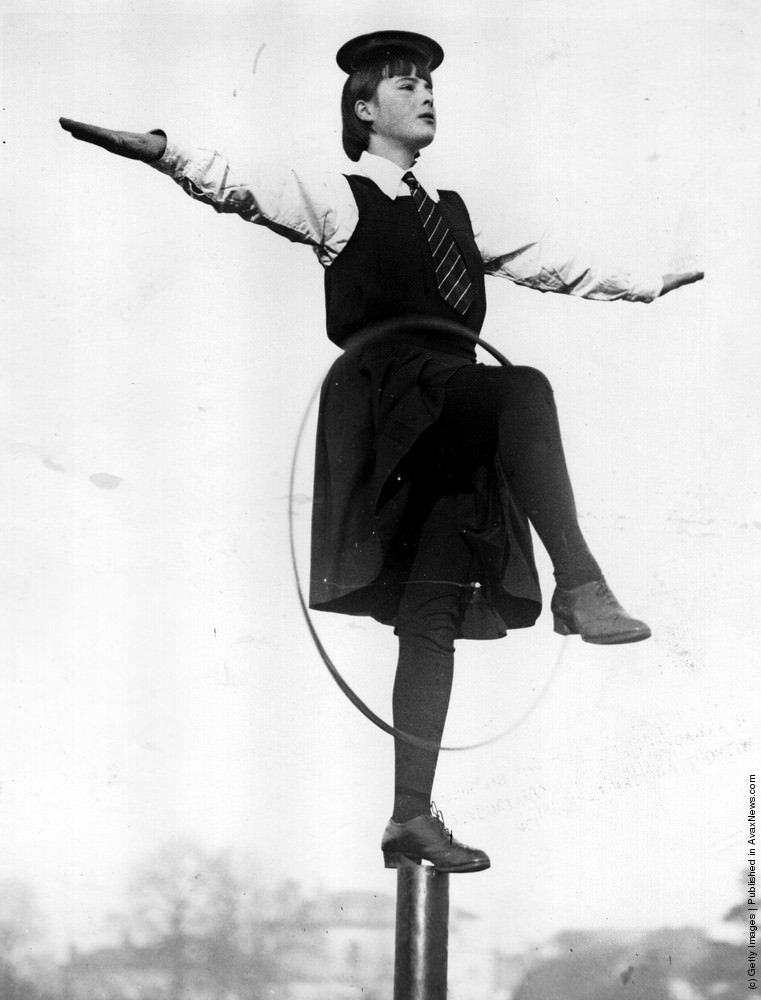
Finishing schools placed heavy emphasis on posture and presentation. Balancing books or glasses on the head was a standard exercise used to train students in correct walking form.
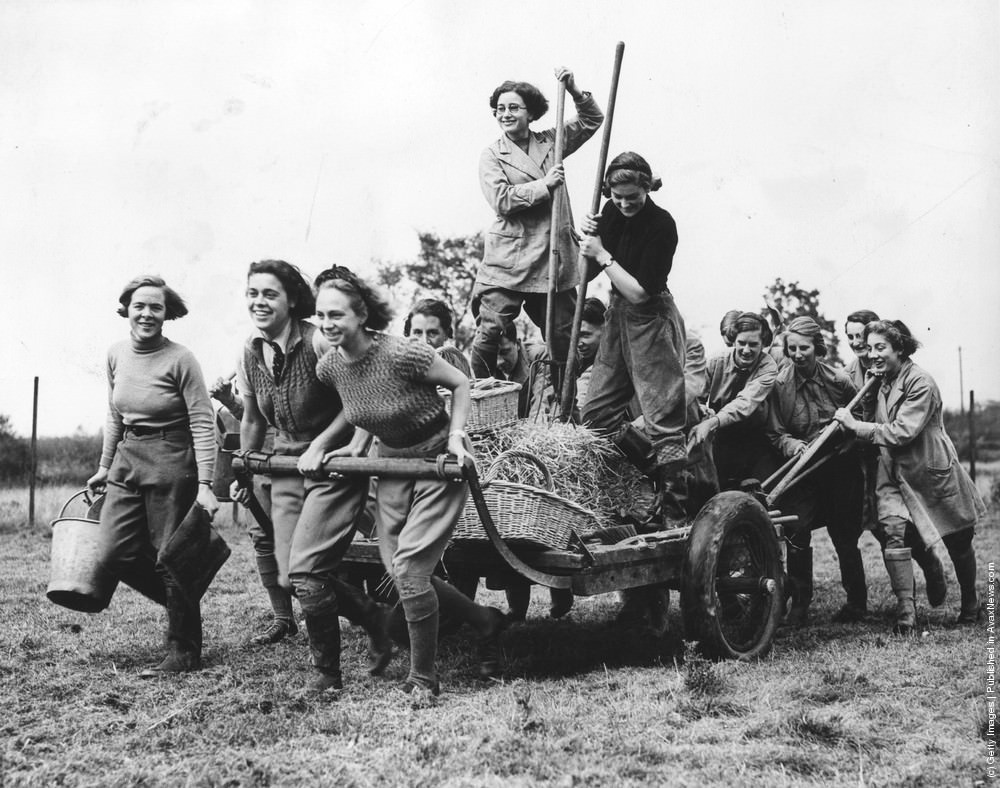
Academic enrollment grew despite the economic climate. Agricultural studies attracted a record number of students in the late 1930s, reflecting women’s expanding role in practical, career-focused education.
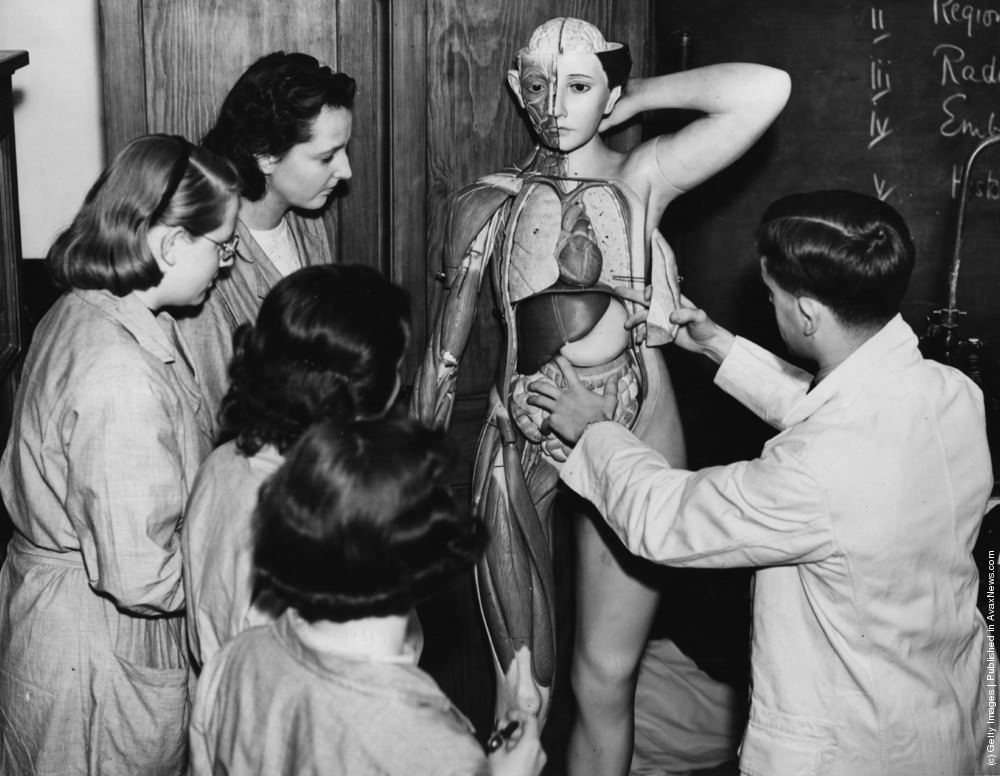
Healthcare training was another growing field. Trainee nurses studied anatomy using physical models, preparing for clinical work with hands-on classroom instruction.
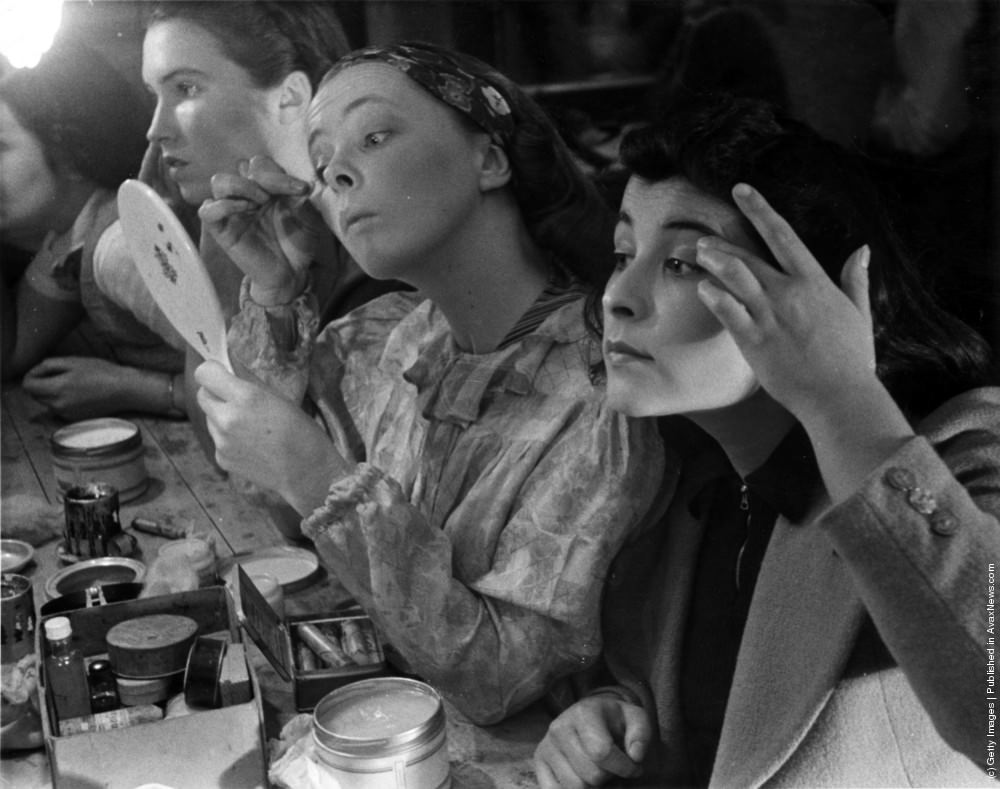
Drama programs were active and well-organized. At London’s Royal Academy of Dramatic Art, students prepared for performances backstage, applying their own stage makeup before taking the stage.
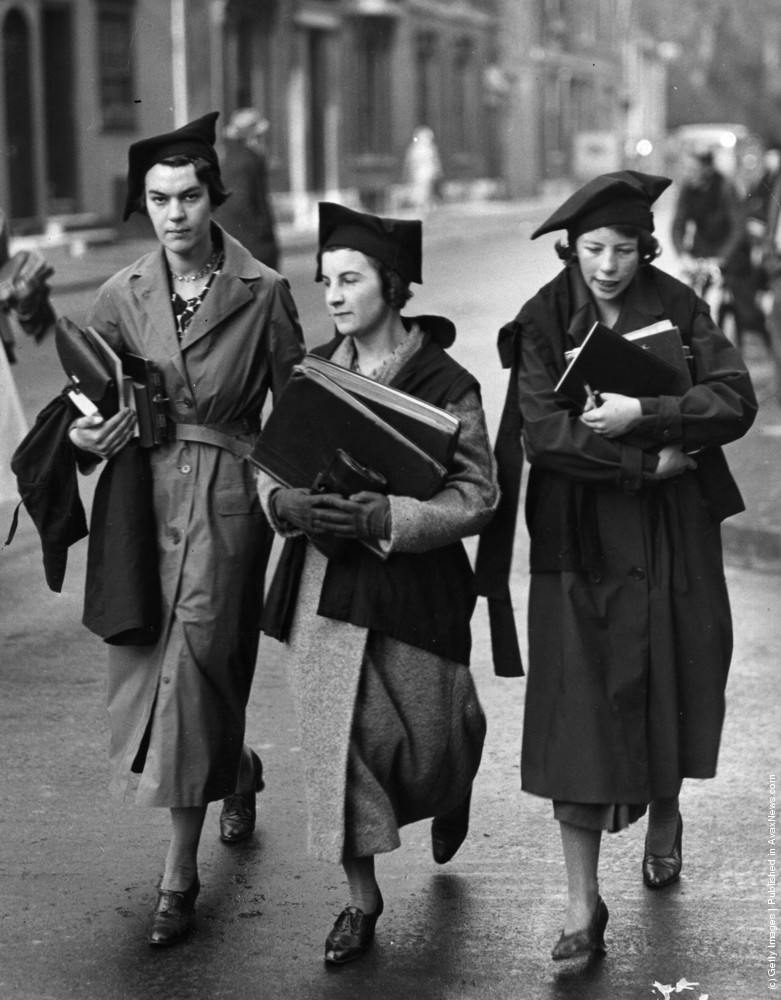
At universities like Oxford, the daily walk to lectures was a ritual in itself. Female undergraduates navigated campus in formal attire, maintaining the dress standards expected of the institution.
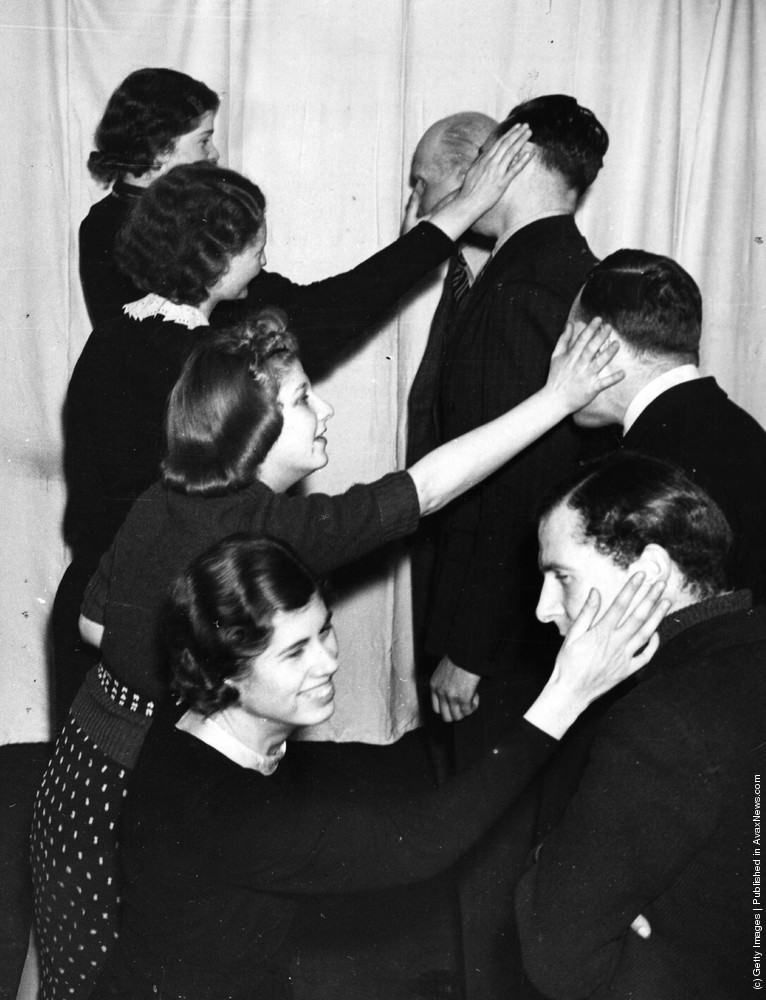
Drama training covered the full range of performance skills—including physical comedy. Students at Liverpool drama schools practiced stage slapping as part of their acting curriculum.
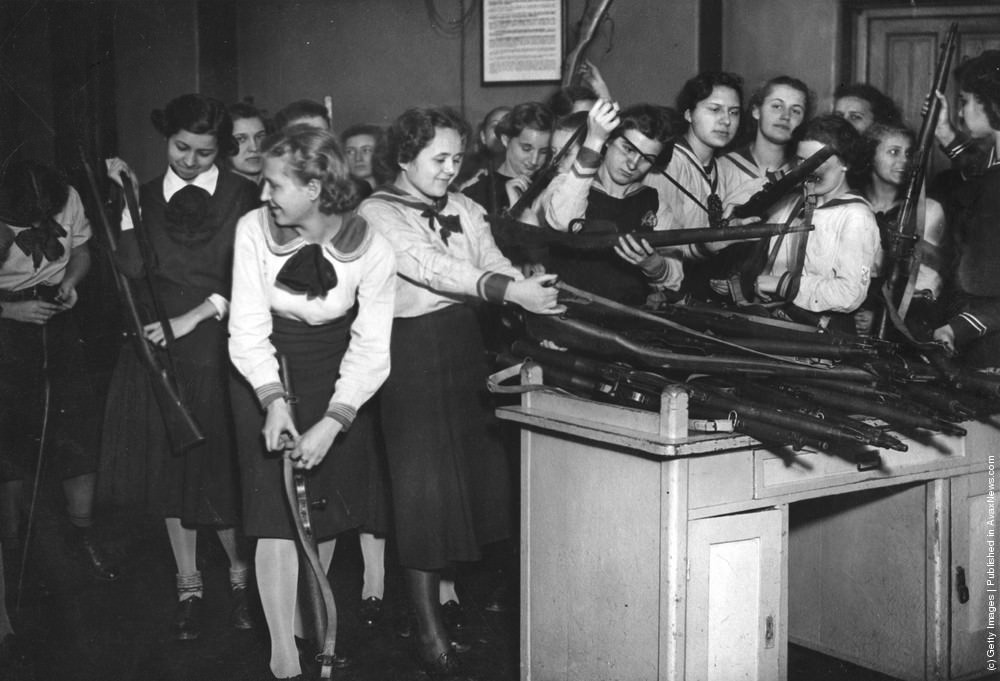
As war approached Europe in 1939, military training entered some schools directly. In Budapest, girls’ schools began issuing students with arms as part of official military preparation programs.
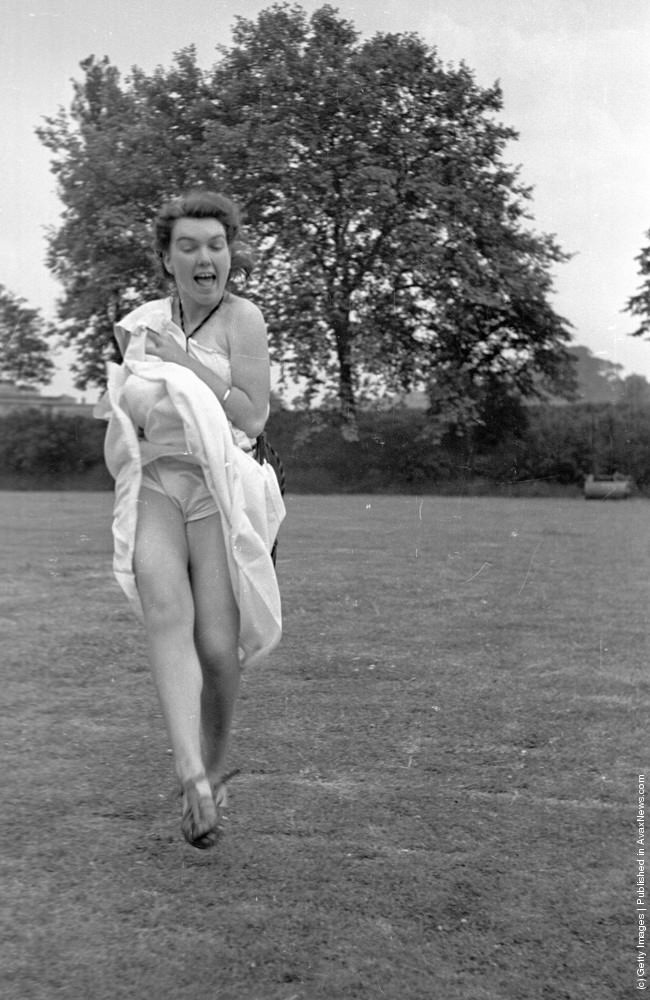
Despite rising tensions, student social life continued. End-of-term parties at art colleges featured cricket matches where informal dress codes relaxed considerably compared to everyday campus standards.
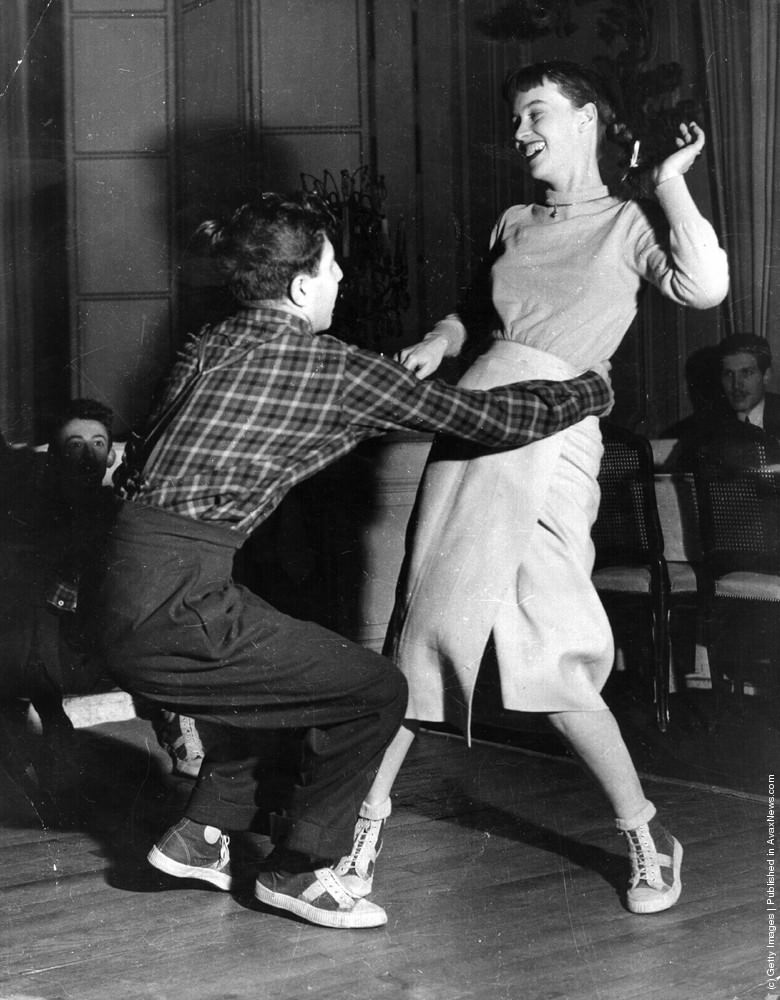
After the war, campus energy returned with force. By 1949, students across Europe were dancing the jitterbug at university gatherings, reflecting a post-war surge in social activity and youthful freedom.
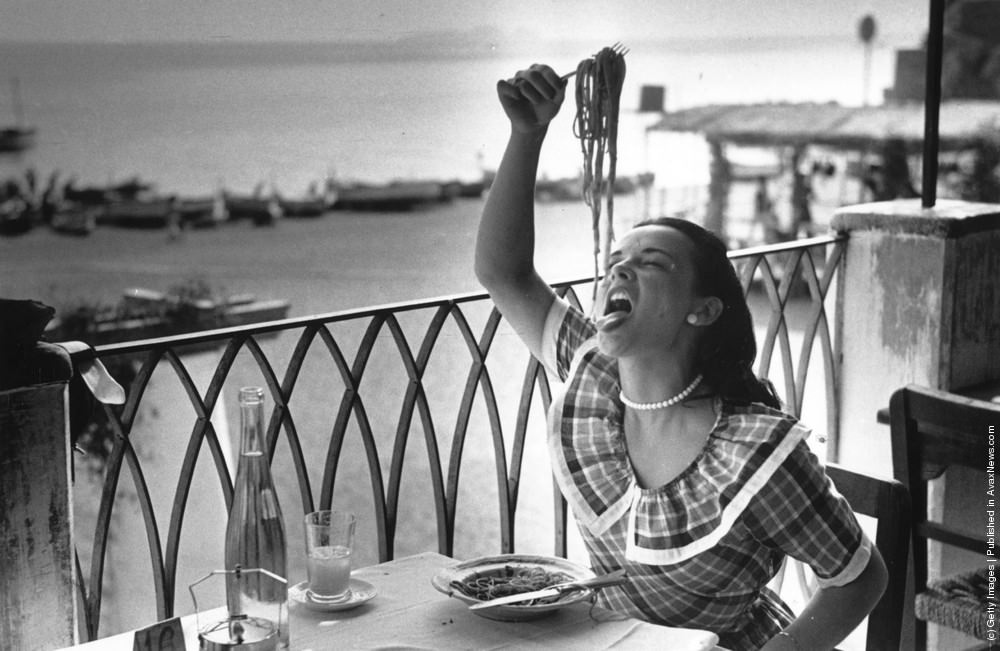
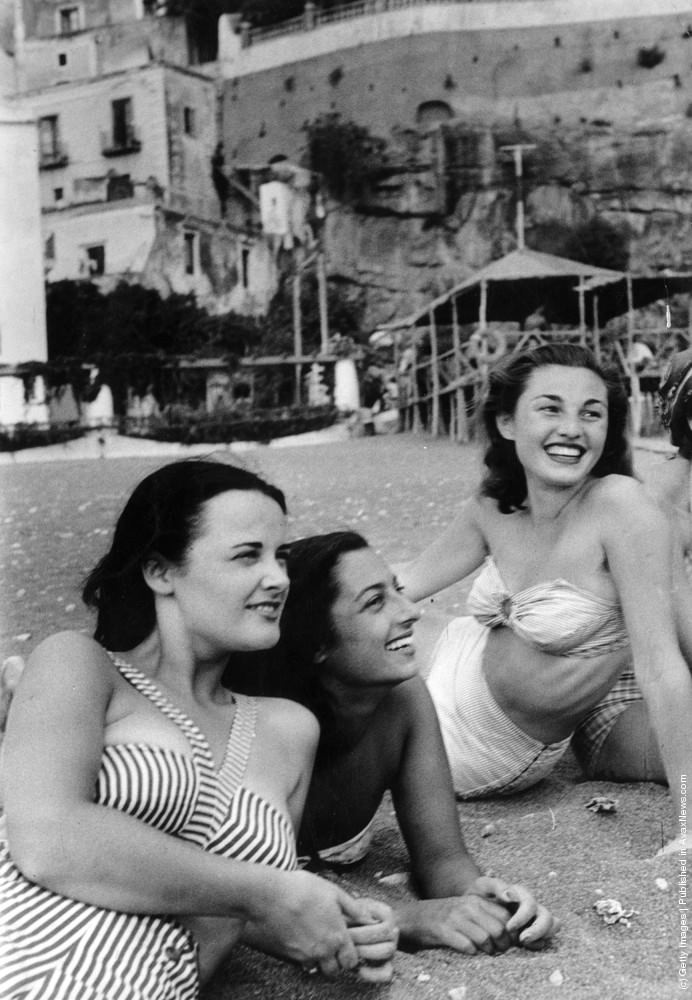
Student travel also expanded in the late 1940s. Exchange programs and cultural visits took young women abroad, offering experiences far beyond the classroom.
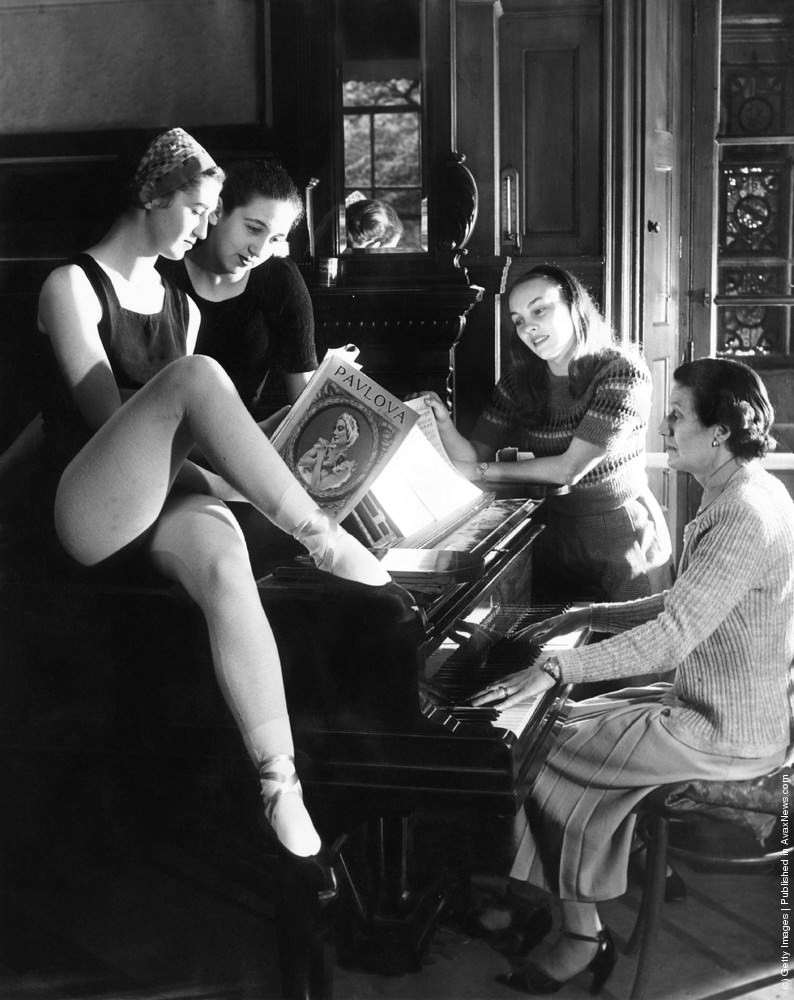
Performing arts training continued to draw students from around the world. London’s Royal Academy of Dance hosted overseas students in its training programs, reflecting the international appeal of professional ballet education.
By the 1950s, post-war prosperity brought larger student bodies and more organized campus events. Sororities staged formal dances, and student newspapers documented social scenes in photographs. Friday night dances featuring swing and early rock ‘n’ roll were weekly highlights. Through it all, reading remained central to student life—a quiet, shared ritual across every decade.