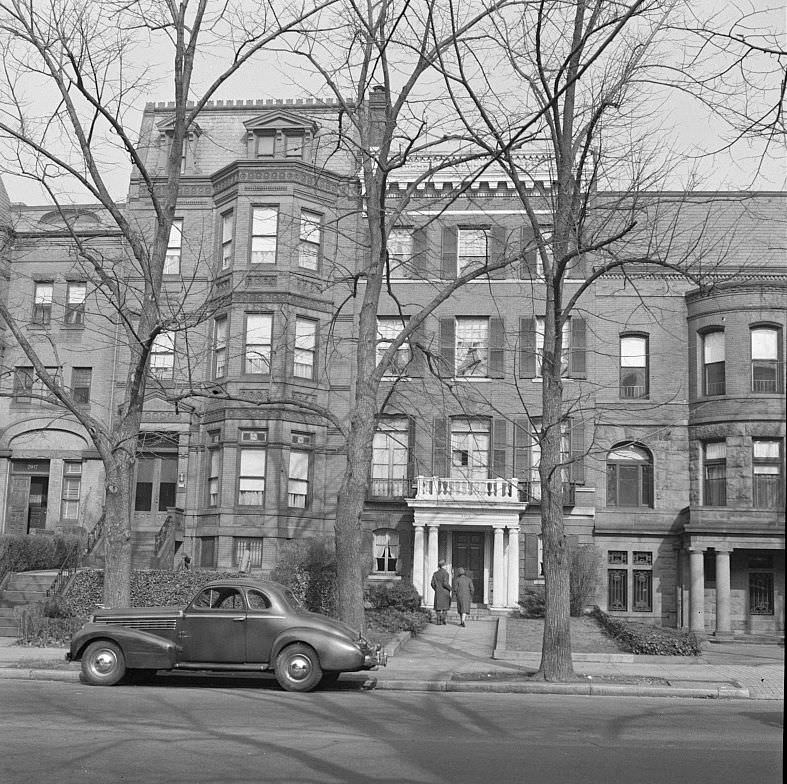
By January 1943, Washington D.C. was flooded with workers. World War II had turned the city into a command center for military and federal operations, and thousands of people poured in to fill government jobs. Housing could not keep up. Boarding houses became one of the fastest and most practical solutions for single workers and newly arrived federal employees.
Each resident rented a single furnished room — typically a bed, a dresser, and a small writing desk. Bathrooms were shared, and mornings ran on tight schedules. In many houses, each person was allotted just eight minutes in the bathroom before the next person’s turn began.
Landlords held real authority over their houses. Some, like Pearl Ginsburg, pushed back against wartime rent increases, refusing to pass inflated costs on to their boarders.
Shared bathrooms were a daily reality. With dozens of residents rushing to reach their offices by morning, the bathroom schedule was treated as law. Missing your slot could back up the entire house.
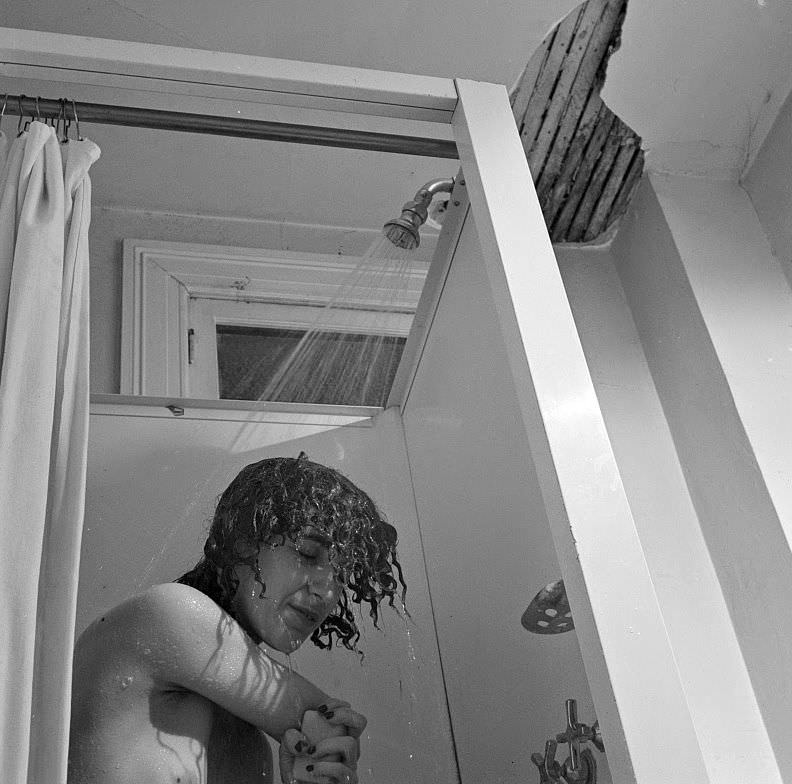
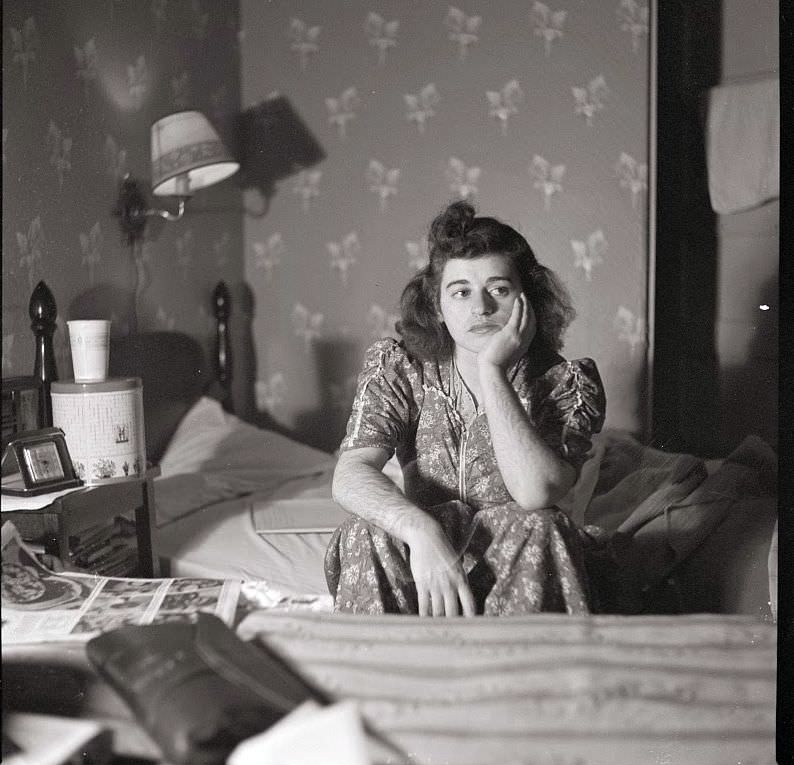
Not every moment was hurried. Evenings brought a slower pace, and some residents carved out time to reflect, debate, or simply think through the pressures of wartime life.
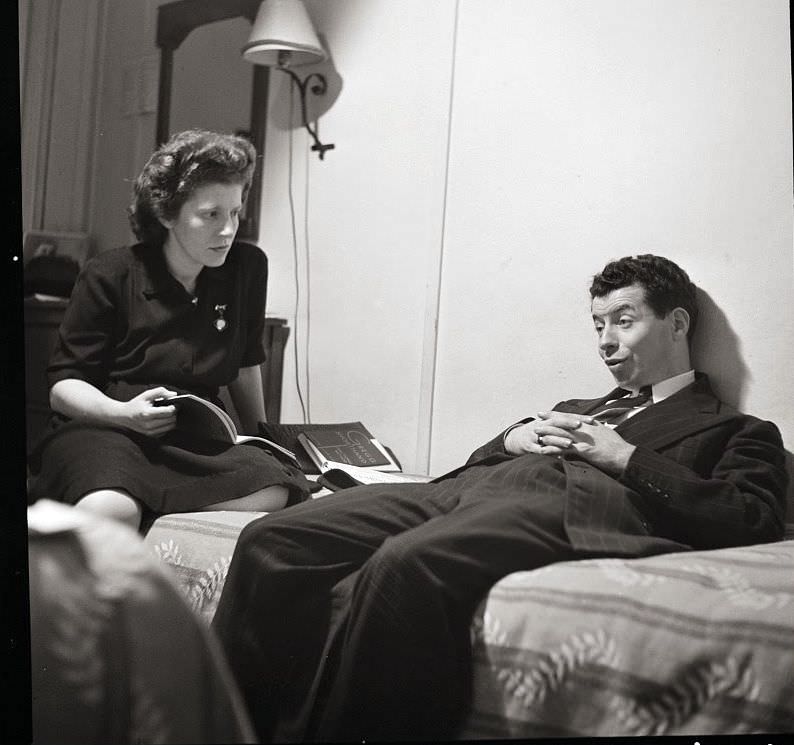
To save time, some boarders tripled up in the bathroom during peak morning hours. It was one of the informal workarounds residents developed to keep the daily routine moving.
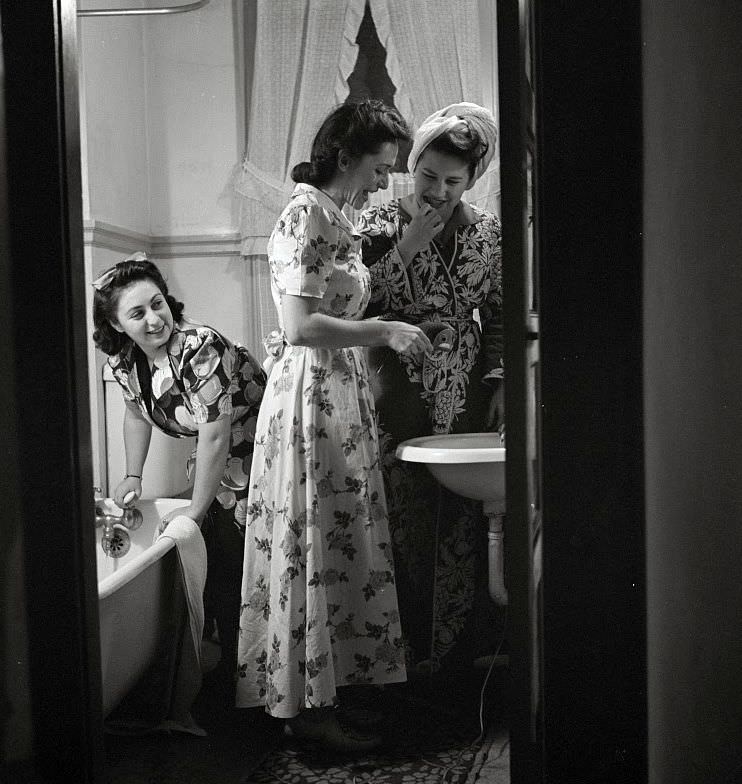
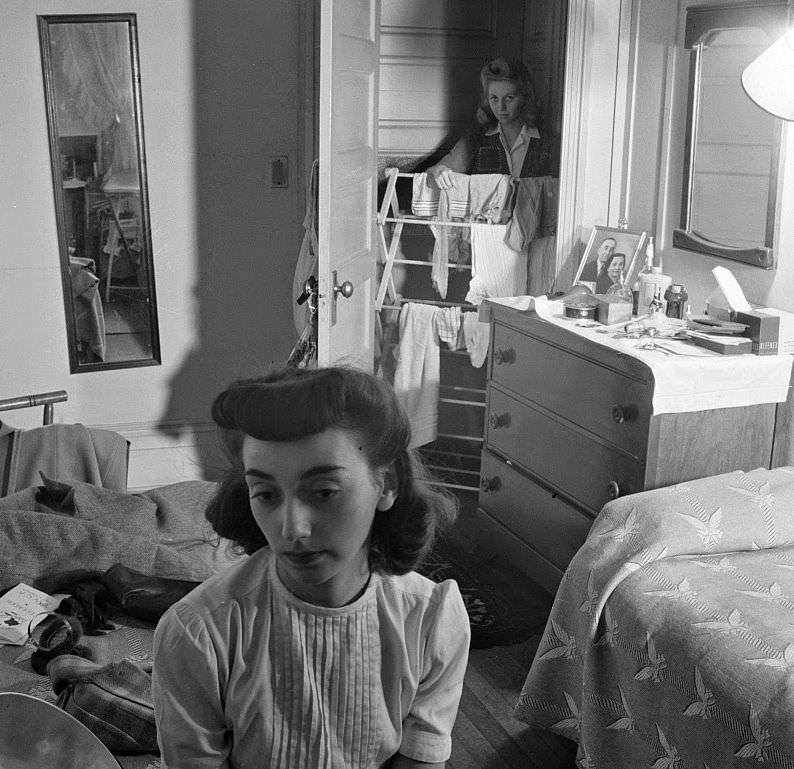
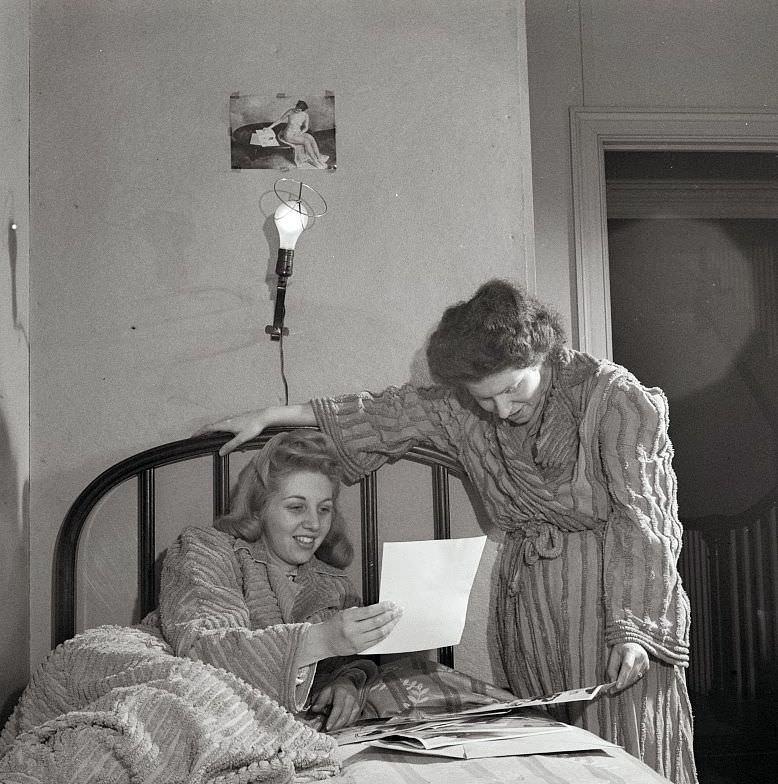
Rooms were small but personal. Framed photographs, books, and keepsakes turned bare spaces into something that felt like home. For some residents, those photos carried extra weight — a husband’s face on the dresser, a reminder of who had been drafted and sent away.
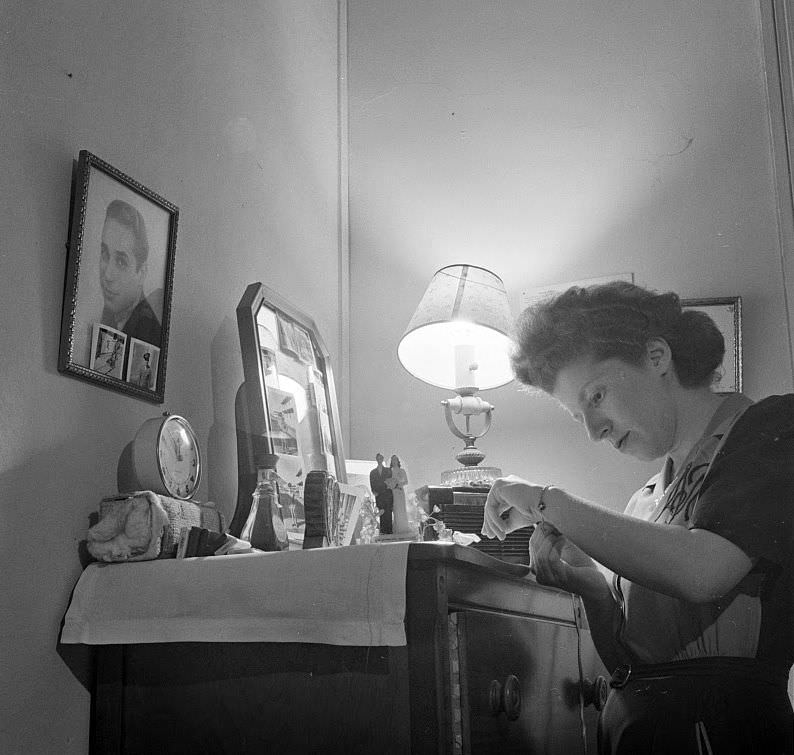
Ignoring the bathroom schedule was considered social suicide. A single person who caused a backup could disrupt a chain of workers all racing to be on time for federal jobs across the city.
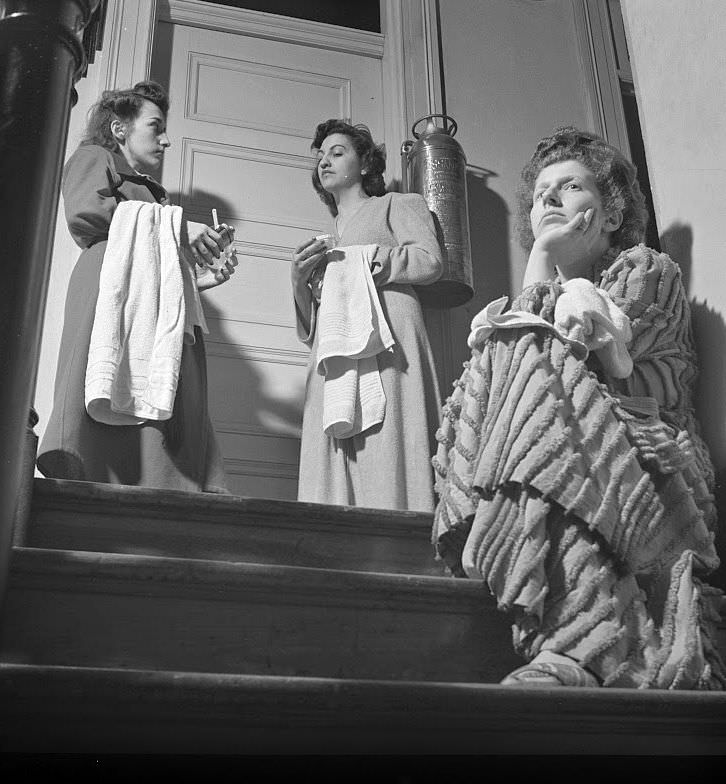
Evenings shifted the tone entirely. Residents gathered in shared living rooms to listen to the radio, read newspapers, and talk. Big band music drifted from radios, and small organized dances or get-togethers broke up the monotony of long workdays.
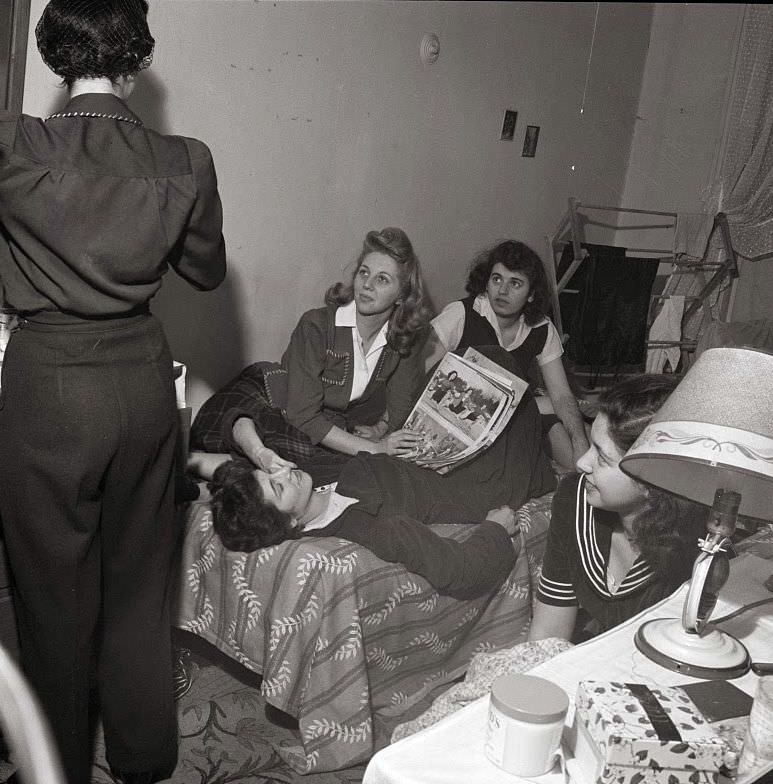
Personal photographs were among the most common decorations in residents’ rooms. For women working clerical or stenographer jobs far from home, these small details made a rented room feel livable.
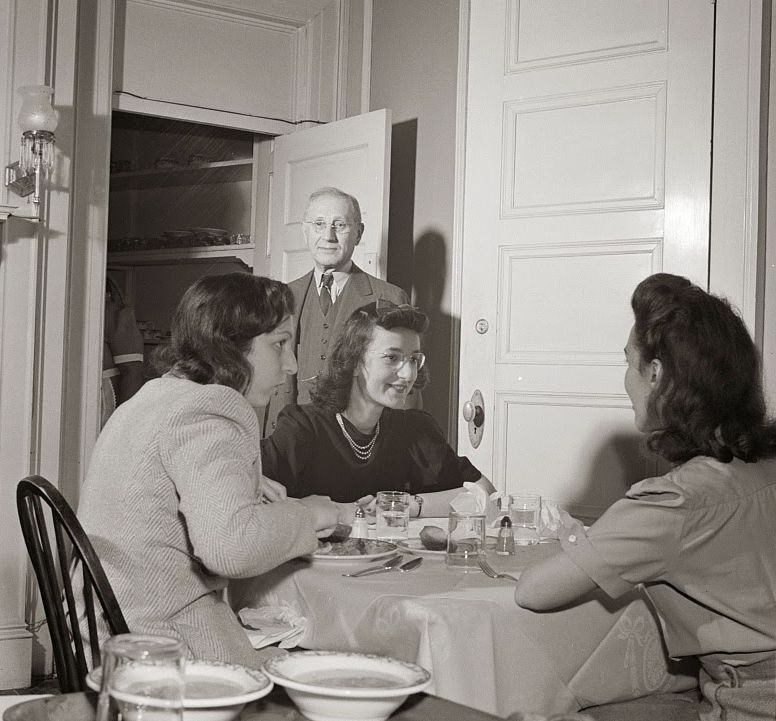
Meals were served at set times and eaten at long communal tables. Wartime rationing shaped every menu — sugar, butter, and coffee were limited, meatless meals appeared several times a week, and desserts were modest or skipped. The proprietor kept a close eye on service to make sure nothing was wasted.
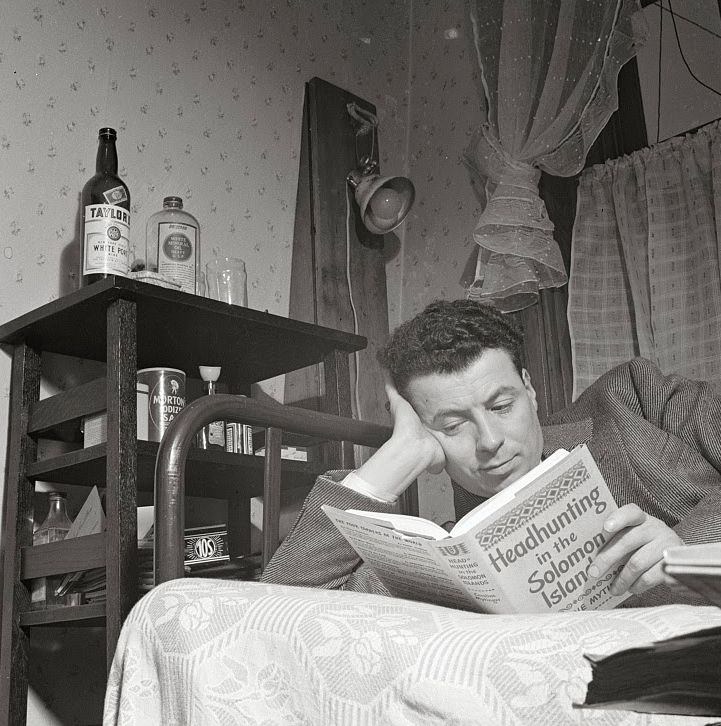
After dinner, many residents returned to their rooms to wind down. A Navy Department clerk reading alone in his room was a common sight — quiet time was a rare and valued thing in a house full of wartime workers.