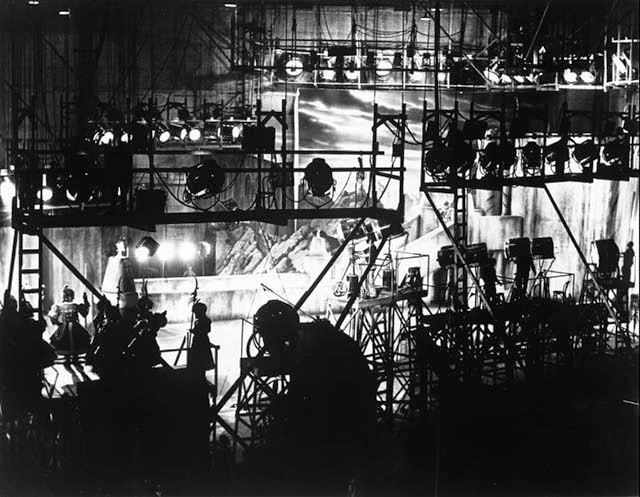
When MGM filmed The Wizard of Oz in 1939, the production was far from the enchanting story it told on screen. The Technicolor process demanded enormous amounts of light, and the powerful studio lamps pushed soundstage temperatures above 100 degrees Fahrenheit. Actors in heavy costumes worked in that heat every single day, while crew members monitored electrical equipment around the clock to prevent fires.
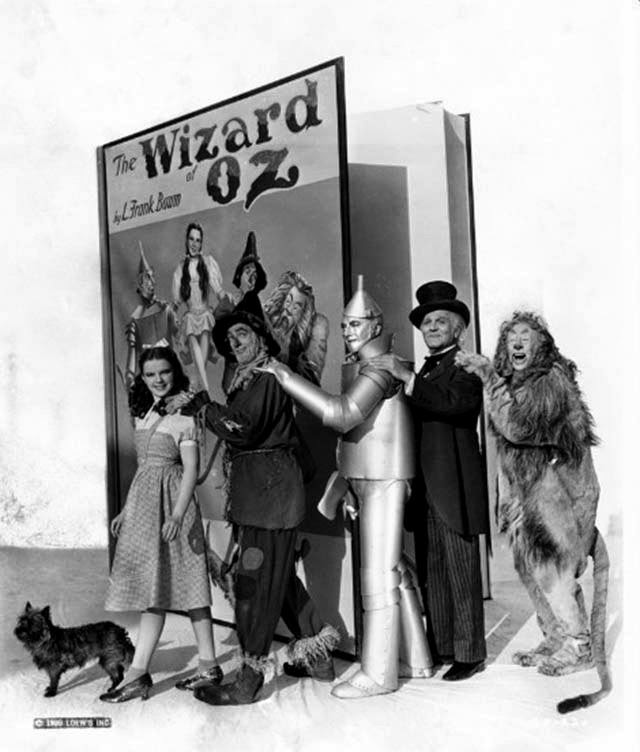
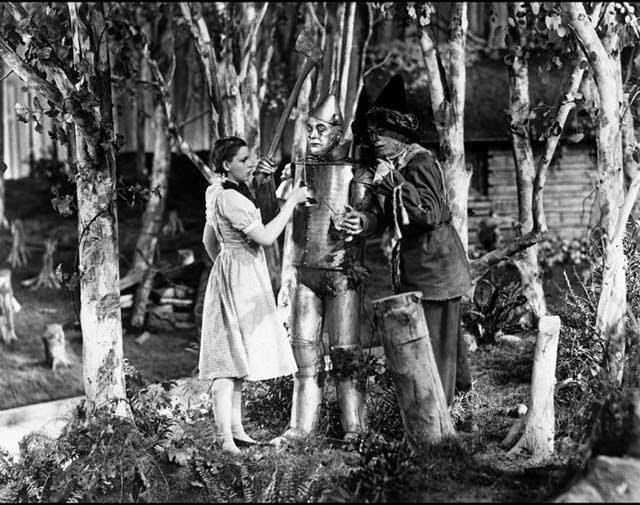
The makeup caused some of the most serious injuries on set. Buddy Ebsen was originally cast as the Tin Man, but the aluminum powder used in his silver makeup coated his lungs. After ten days of filming, he could barely breathe and spent weeks recovering in a hospital. Jack Haley replaced him after the studio switched to a paste formula, but even the new version gave Haley a severe eye infection from the silver paint.
Margaret Hamilton, who played the Wicked Witch, suffered the most dramatic injury. During a scene where her character vanishes in a puff of smoke, a trapdoor failed to open on cue. The pyrotechnic sparks ignited her copper-based green makeup, burning her face and hands with second and third-degree burns. She refused to work with fire for the rest of filming. Her stunt double was injured later when a smoking broomstick prop exploded.
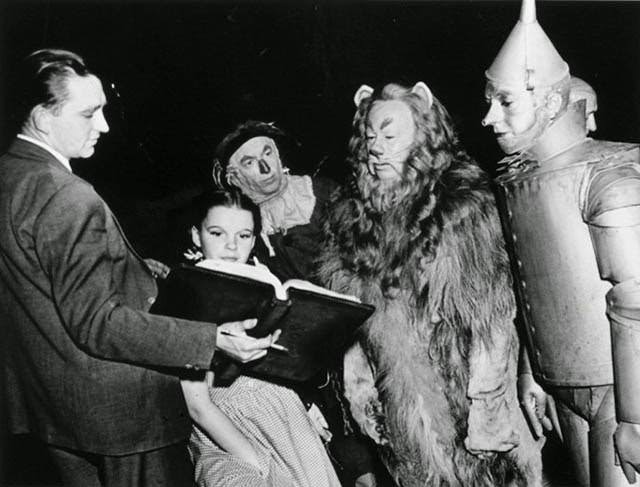
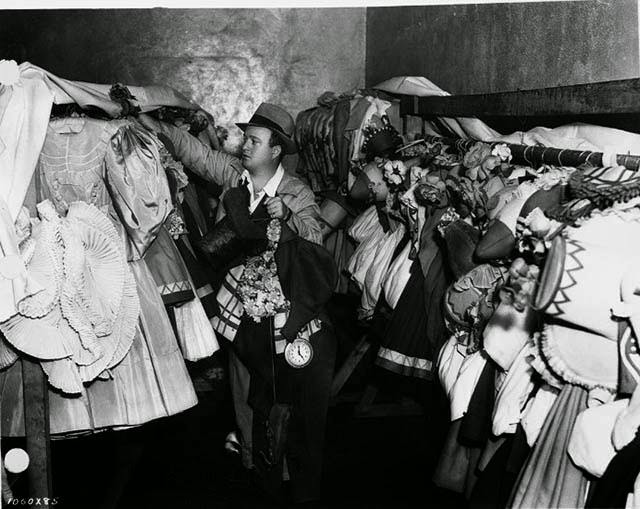
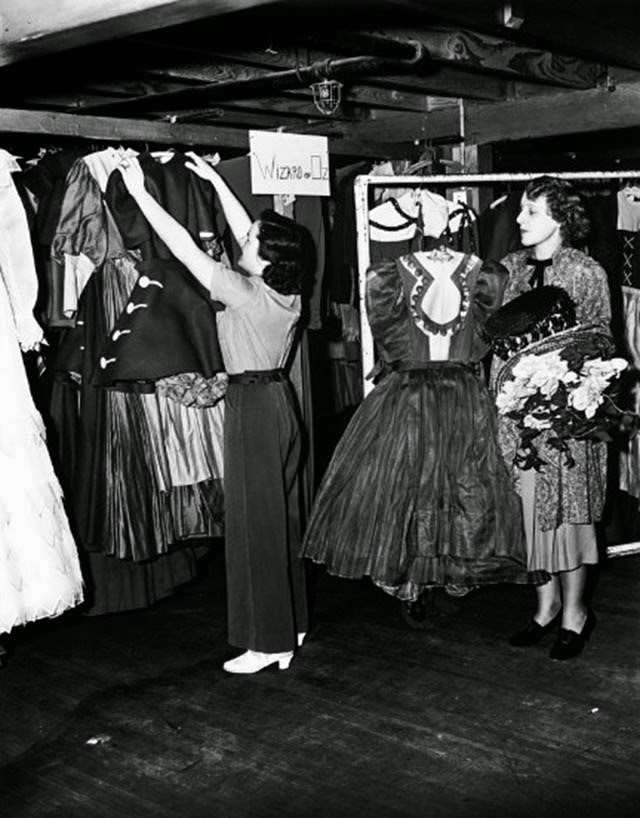
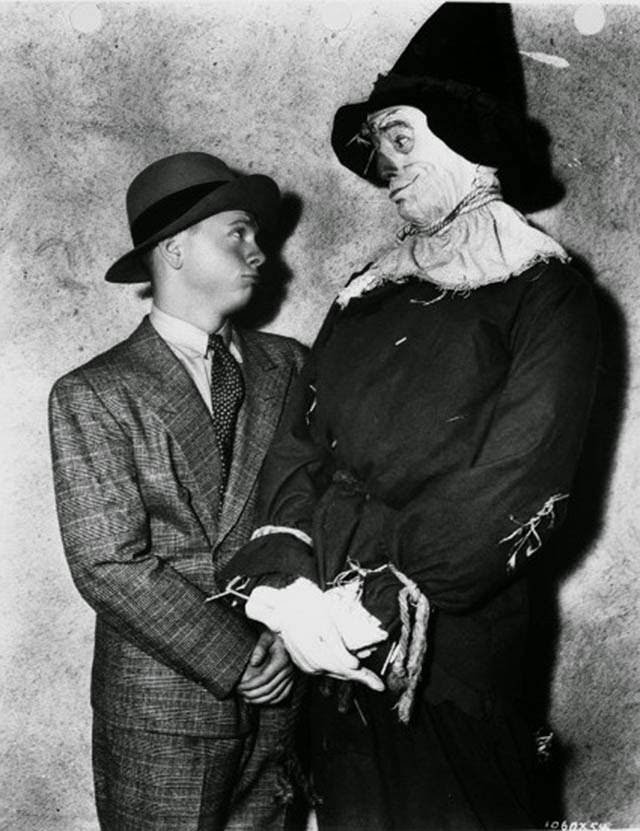
The costumes added another layer of misery. Bert Lahr’s Cowardly Lion suit was made from real lion skins and weighed 90 pounds. He became dehydrated regularly and had to remove the headpiece between every take. Ray Bolger’s rubber Scarecrow mask left permanent lines pressed into his face for a full year after filming ended. Every costume had to be cleaned nightly because the intense studio lights made them smell.
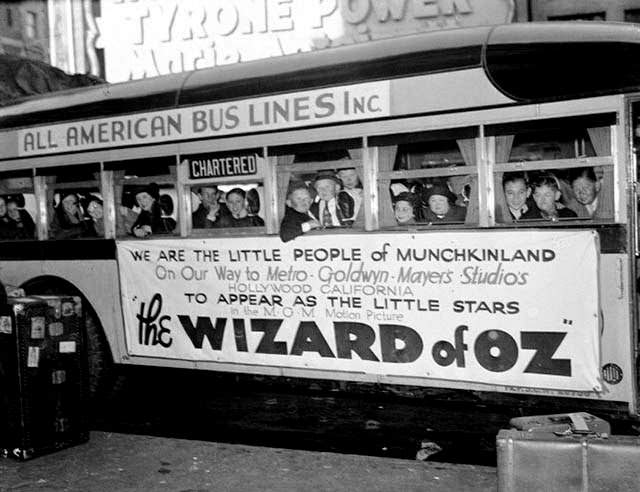
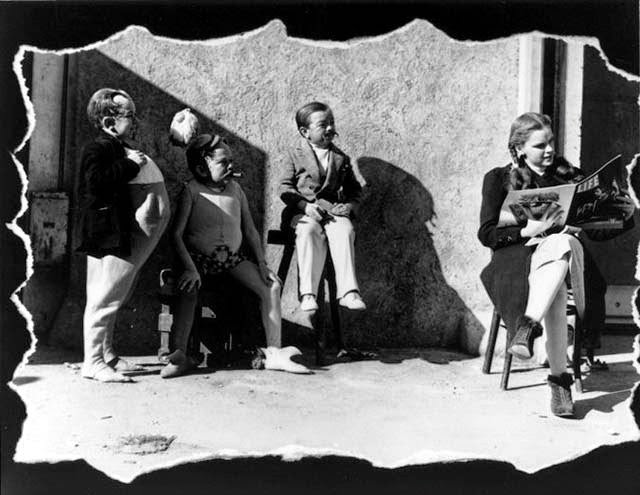
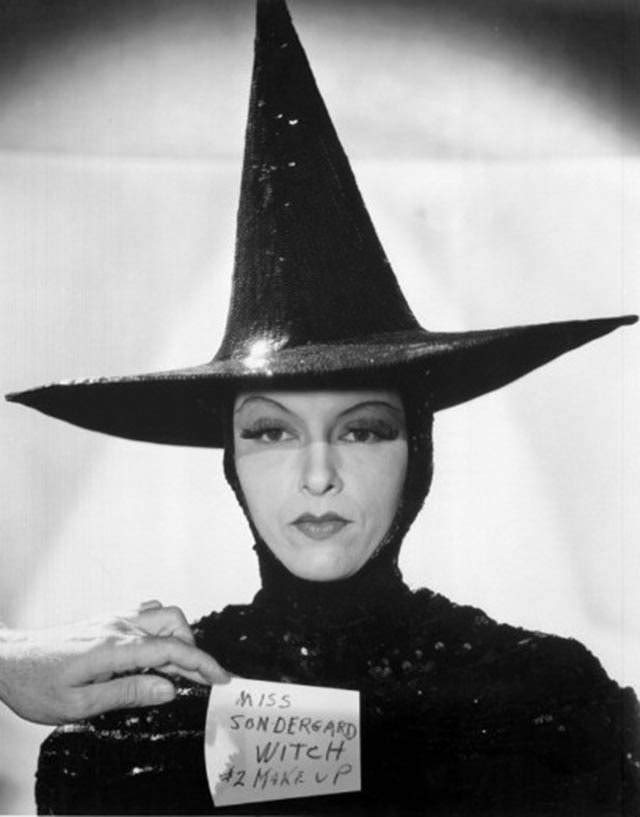
Before a single frame of the final film was locked, the production went through significant visual changes. Early costume and makeup tests explored very different looks for the main characters.
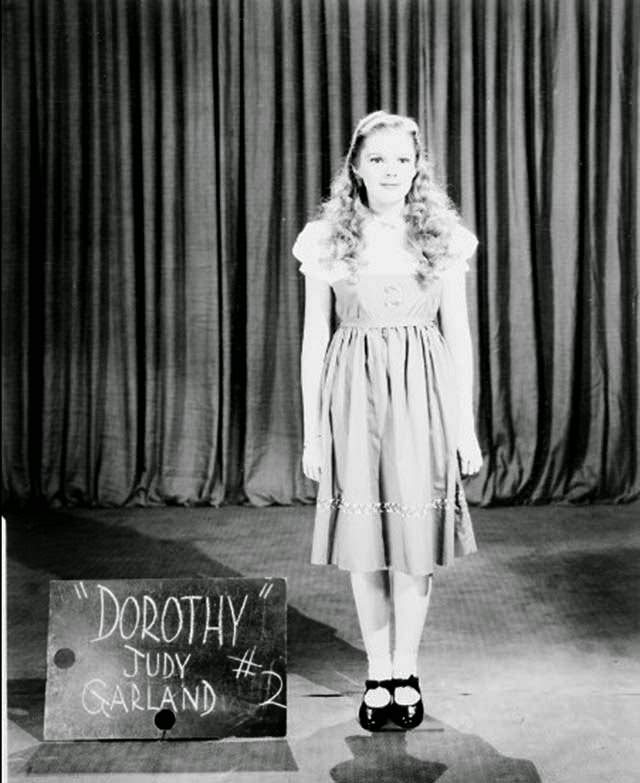
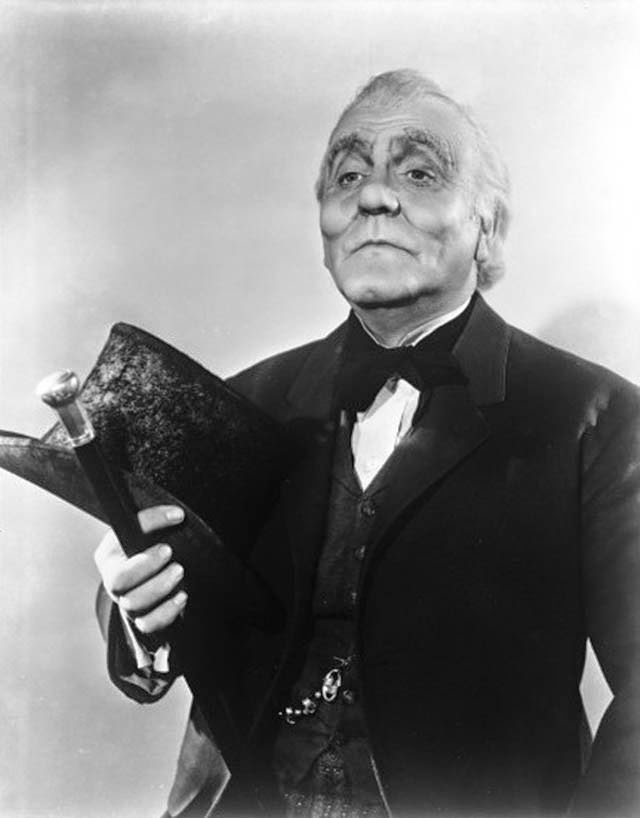
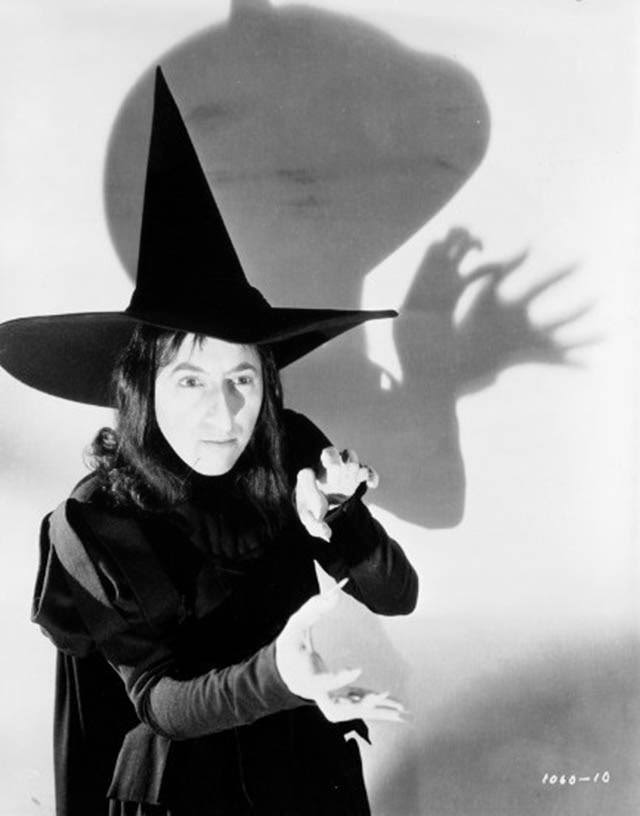
The role of the Wicked Witch itself went through a complete redesign. Gale Sondergaard was the original choice, tested in a glamorous, less frightening look before the studio decided on a more monstrous version and recast Hamilton entirely.
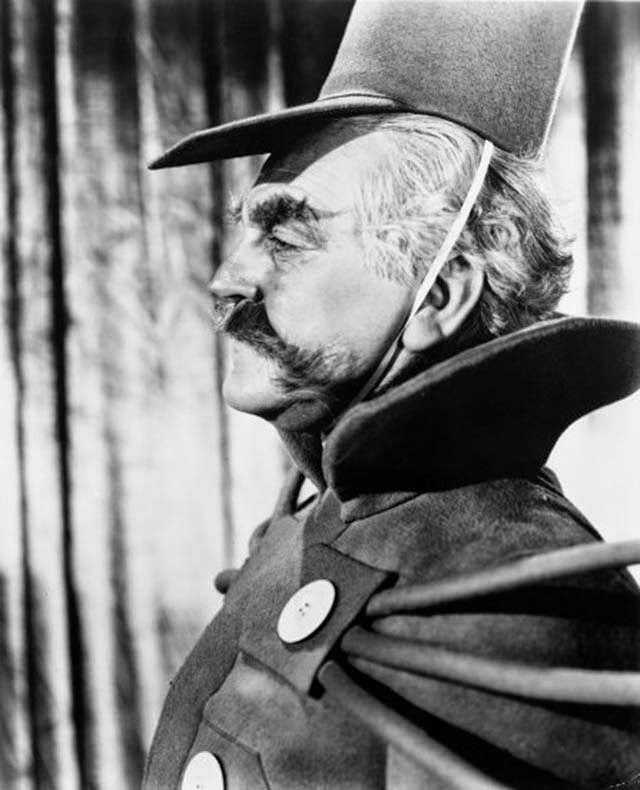
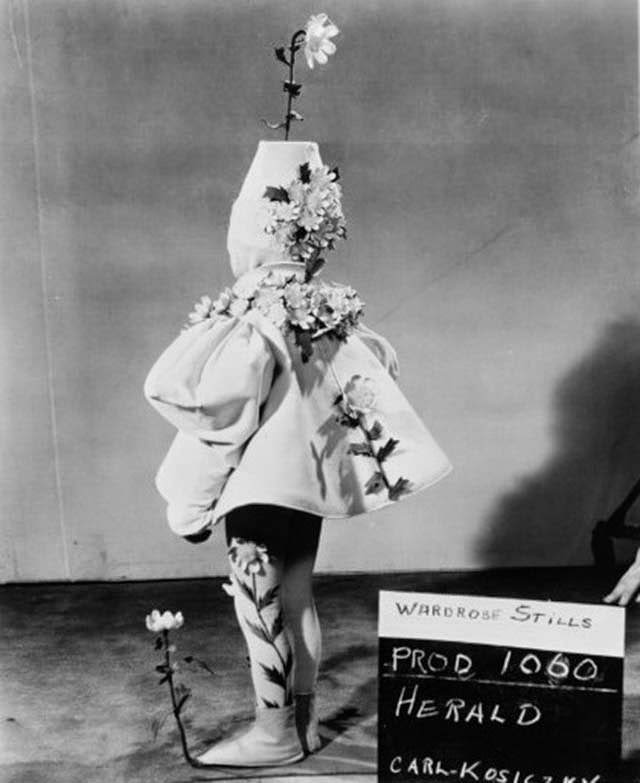
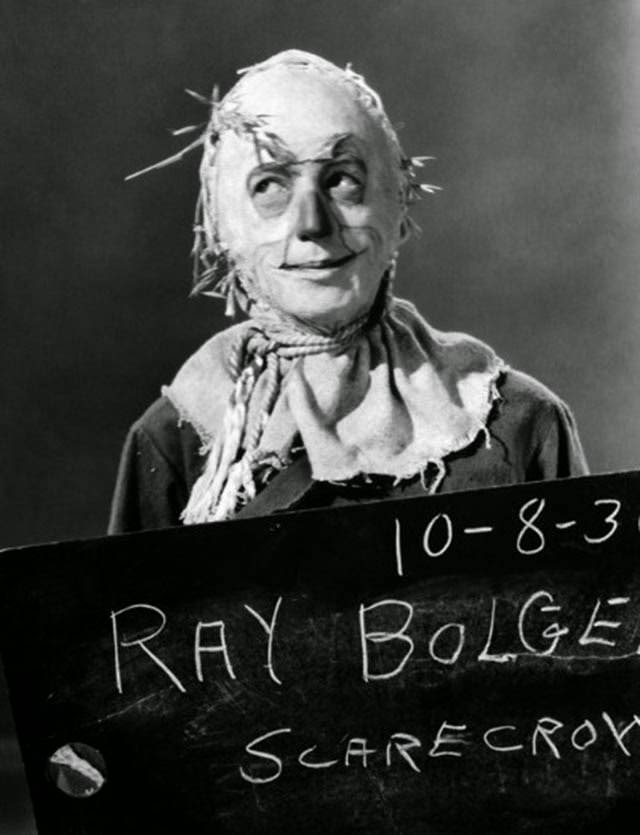
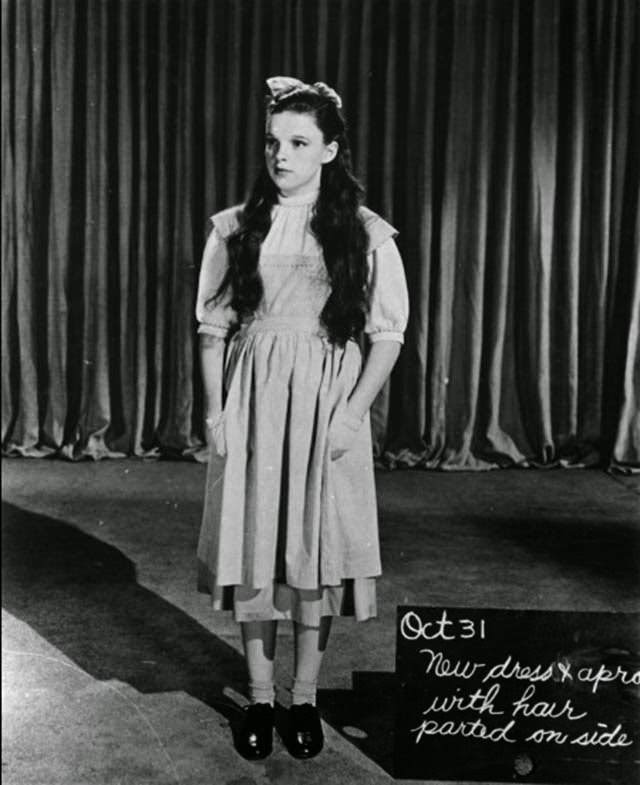
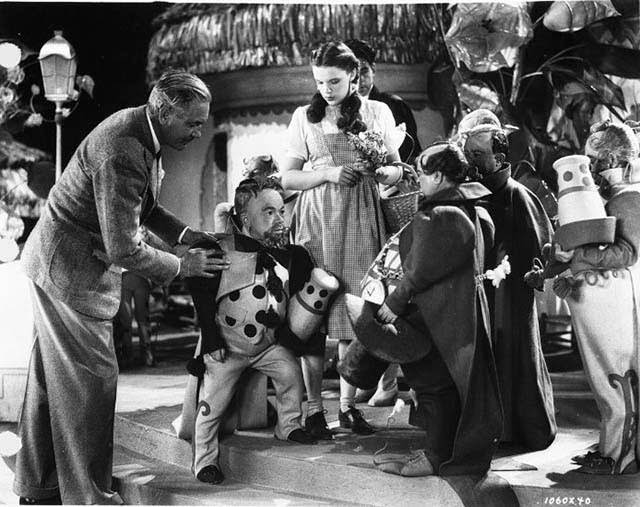
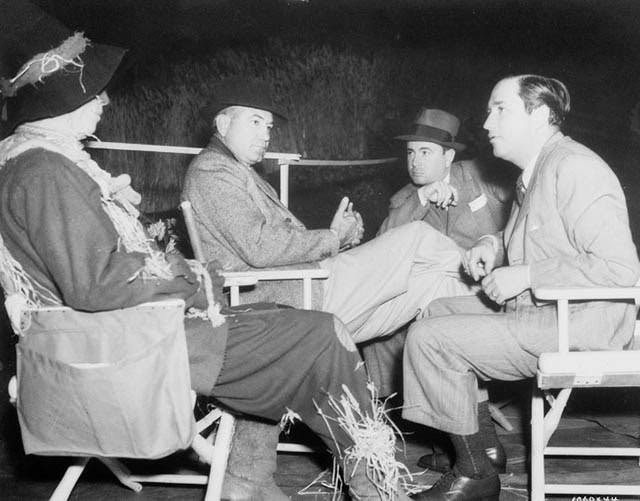
Four directors worked on the film in total. Richard Thorpe was fired after two weeks. George Cukor briefly stepped in and revised Judy Garland’s look to appear more natural. Victor Fleming directed the bulk of the production, and King Vidor completed the Kansas sequences. Garland worked exhausting hours throughout, following a strict diet imposed by the studio. The entire production ran over six months and cost nearly three million dollars.