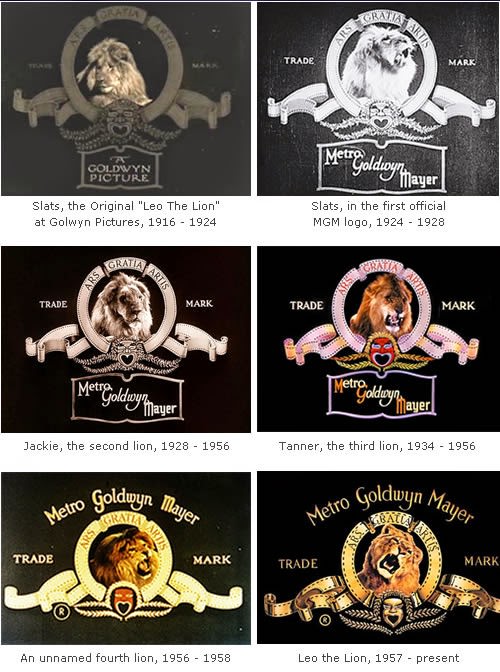
The MGM lion is one of the most recognized images in movie history. That circular frame, the Latin phrase “Ars Gratia Artis” (meaning “Art for Art’s Sake”), and a live lion roaring at the camera have opened films for a century. But the story behind the logo is far more complicated—and far more interesting—than most people realize. Seven different lions held the role over the decades, each filmed using the technology of their era, and the behind-the-scenes photographs of those sessions reveal just how much effort went into a few seconds of footage.
The logo was originally designed in 1916 by Howard Dietz, an advertising executive working for Goldwyn Pictures. Dietz chose a lion to honor Columbia University, his alma mater, whose athletic teams are called the Lions. Art director Lionel S. Reiss later refined the visual design into the polished version that audiences would see on screens for generations. When Metro Pictures, Goldwyn Pictures, and Louis B. Mayer’s company merged in 1924, the lion logo came along with the deal.
The first lion to hold the role was Slats, born at the Dublin Zoo in 1919. He was trained by Volney Phifer and served as the studio’s mascot from the Goldwyn era through 1928. Because all films at the time were silent, Slats never roared. He simply sat on a raised wooden pedestal on a quiet soundstage in Culver City, looking around calmly while a crew filmed him against a black velvet background. The cameras were hand-cranked and mounted on heavy wooden tripods—getting a clean shot of a large predator required patience from everyone on set.
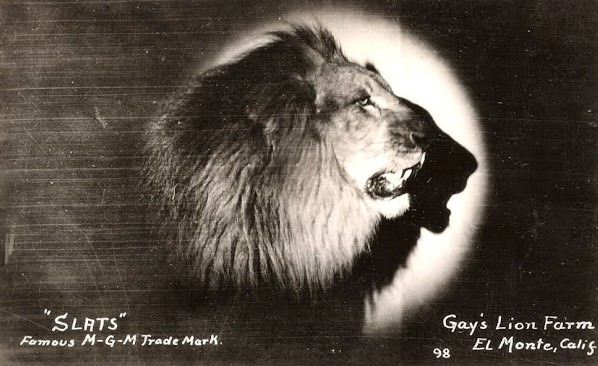
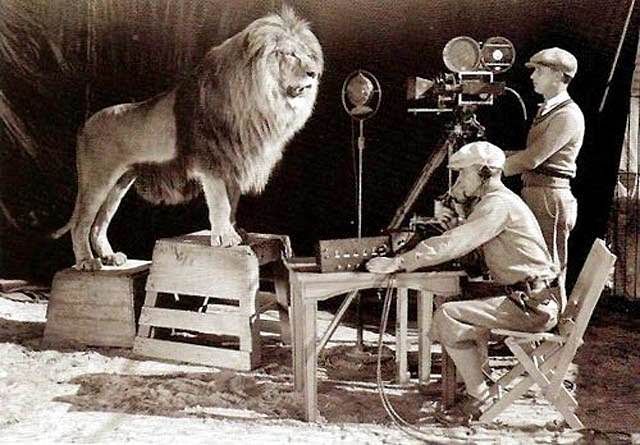
In 1928, a new lion named Jackie took over, and with him came a historic first. Jackie was the first MGM lion to roar on screen, appearing at the opening of “White Shadows in the South Seas.” Capturing that roar was no small task in the early days of sound technology. Large, heavy microphones were positioned close to Jackie’s pedestal, and trainers used specific commands and physical cues to encourage him to open his mouth on cue. The roar itself was recorded onto a phonograph record and synced to the footage.
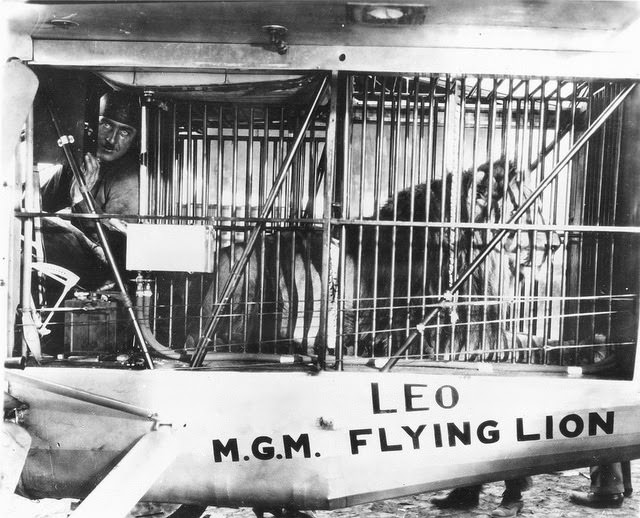
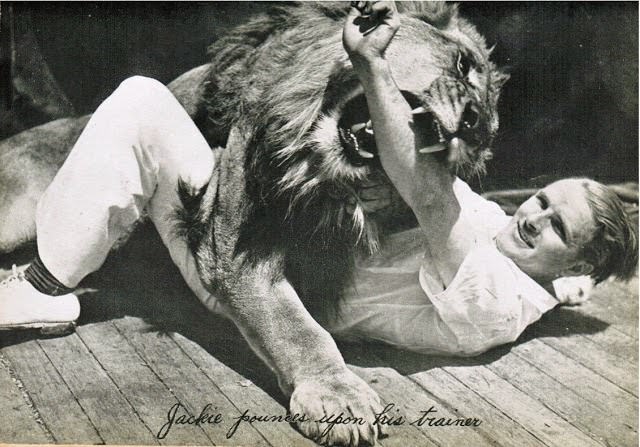
Jackie’s career was marked by a remarkable string of survivals. He lived through two train wrecks, an earthquake, and a plane crash in the Arizona wilderness. The crashes earned him the nickname “Leo the Lucky.” The studio used his resilience as a publicity angle, and Jackie became one of MGM’s most recognized animals. He even traveled the country in a specially designed truck with glass windows so fans could see him as he passed through their towns.
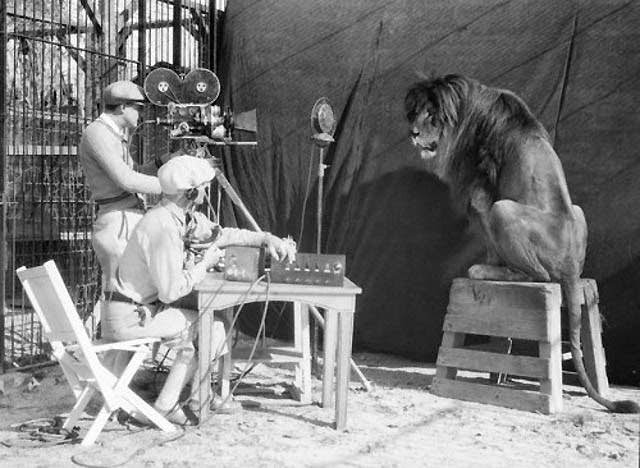
As the studio moved into color filmmaking, two additional lions—Telly and Coffee—were used during the experimental two-strip Technicolor phase of the late 1920s and early 1930s. Telly appeared in the first color features, while Coffee was used for the “Happy Harmonies” animated shorts. Filming in color demanded far more light than black-and-white work. Massive arc lamps turned the set into an intensely hot environment, making it hard for the animals to stay alert and cooperative. Trainers worked fast to get the footage before the lions became too tired.
The fifth lion, Tanner, was introduced in 1934 for the full three-strip Technicolor era. He appeared on all Technicolor films and MGM cartoons, including the “Tom and Jerry” series, for twenty-two years. Tanner was known for a sharp, aggressive roar. Filming him required a three-strip Technicolor camera—a massive piece of equipment that ran three separate reels of film simultaneously. Photographs from these sessions show Tanner surrounded by a ring of intense lights and a full crew of specialists. The saturated colors of the Technicolor process made this version of the logo one of the most visually striking.
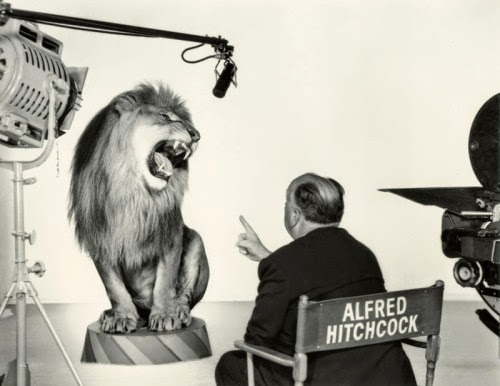
The lion who would become the most famous of all, Leo, was introduced in 1957 after a brief two-year run by a lion named George. Leo was selected partly because he was smaller than his predecessors and had a particularly majestic mane. The studio filmed him using a wide-angle lens to give the logo a grander, more cinematic feel. By this point, camera technology had advanced considerably—film stock was more sensitive to light, and the cameras were quieter, making the sessions easier on both crew and animal.
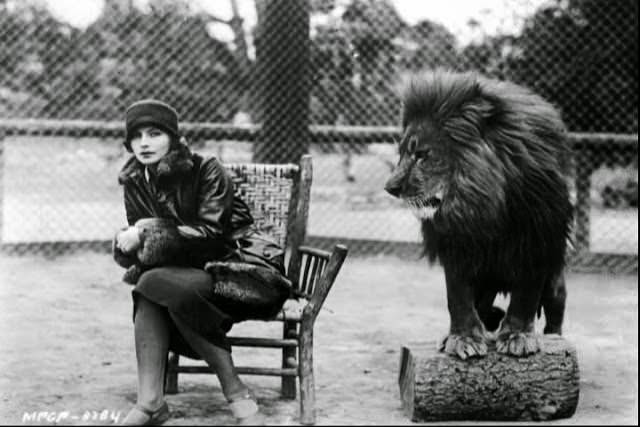
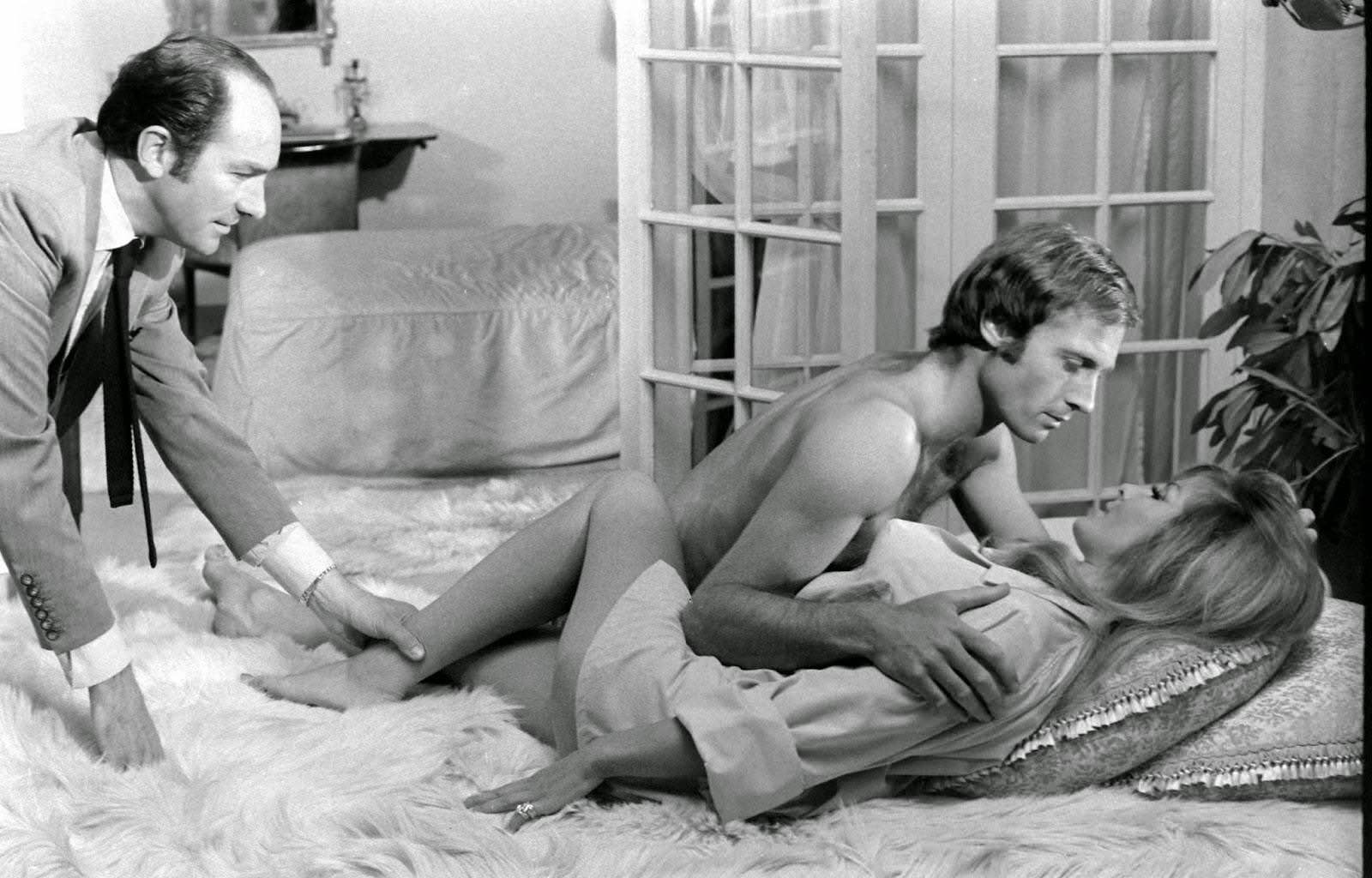
The behind-the-scenes photographs from these filming sessions show the real conditions on set. In one well-known image, a lion is secured to a pedestal while a cameraman sits just feet away. The studio built a temporary cage around the camera and crew as a safety measure in case the lion became agitated. Trainers—including Volney Phifer—stood just out of frame, using sticks or pieces of meat to direct the lion’s attention toward the lens.
Once the footage was captured, skilled editors combined it with the logo’s graphic elements using a technique called optical printing. They layered the lion footage over a hand-painted version of the circular frame, carefully aligning the lion’s head within the opening so no gaps appeared. The frame itself was built from multiple layers of film to create depth and shadow, giving the logo its three-dimensional quality—as though the lion were looking through a real window rather than a flat graphic.
The lions lived at a specialized ranch near the studio when they weren’t filming. Professional handlers kept them well-fed and healthy, and the studio treated them as full-fledged celebrities. The original 1957 footage of Leo was later cleaned up and converted to high definition for modern digital theaters, with grain removed and image sharpness improved. Even as computer-generated effects became standard across the industry, MGM continued to use the real footage of Leo because of its documented historical value.