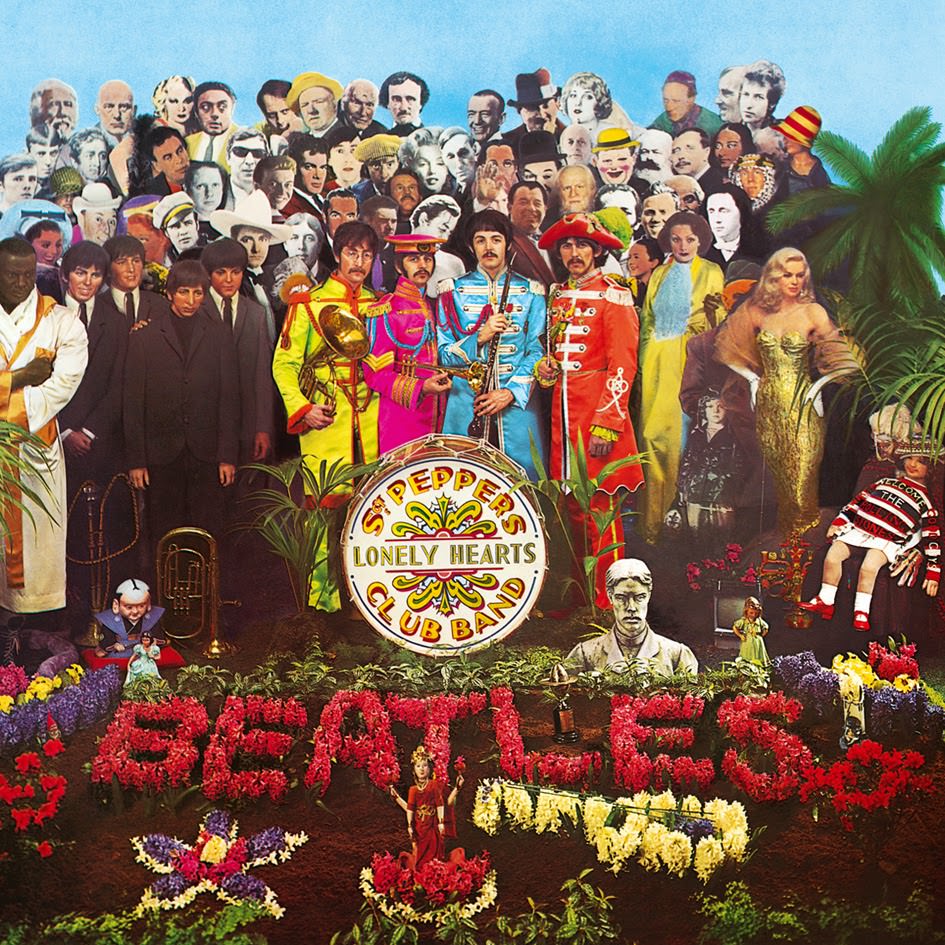
In March 1967, The Beatles arrived at Chelsea Manor Studios in London for a shoot that had nothing in common with anything they had done before. The goal was to build the cover for Sgt. Pepper’s Lonely Hearts Club Band — an album that was already unlike anything else in music. Paul McCartney had sketched the original concept: a Victorian-style bandstand surrounded by famous faces from history and culture. Pop artists Peter Blake and Jann Haworth took that rough drawing and turned it into a full-scale, physical set. Art dealer Robert Fraser guided the design, and photographer Michael Cooper prepared to capture it all on film.
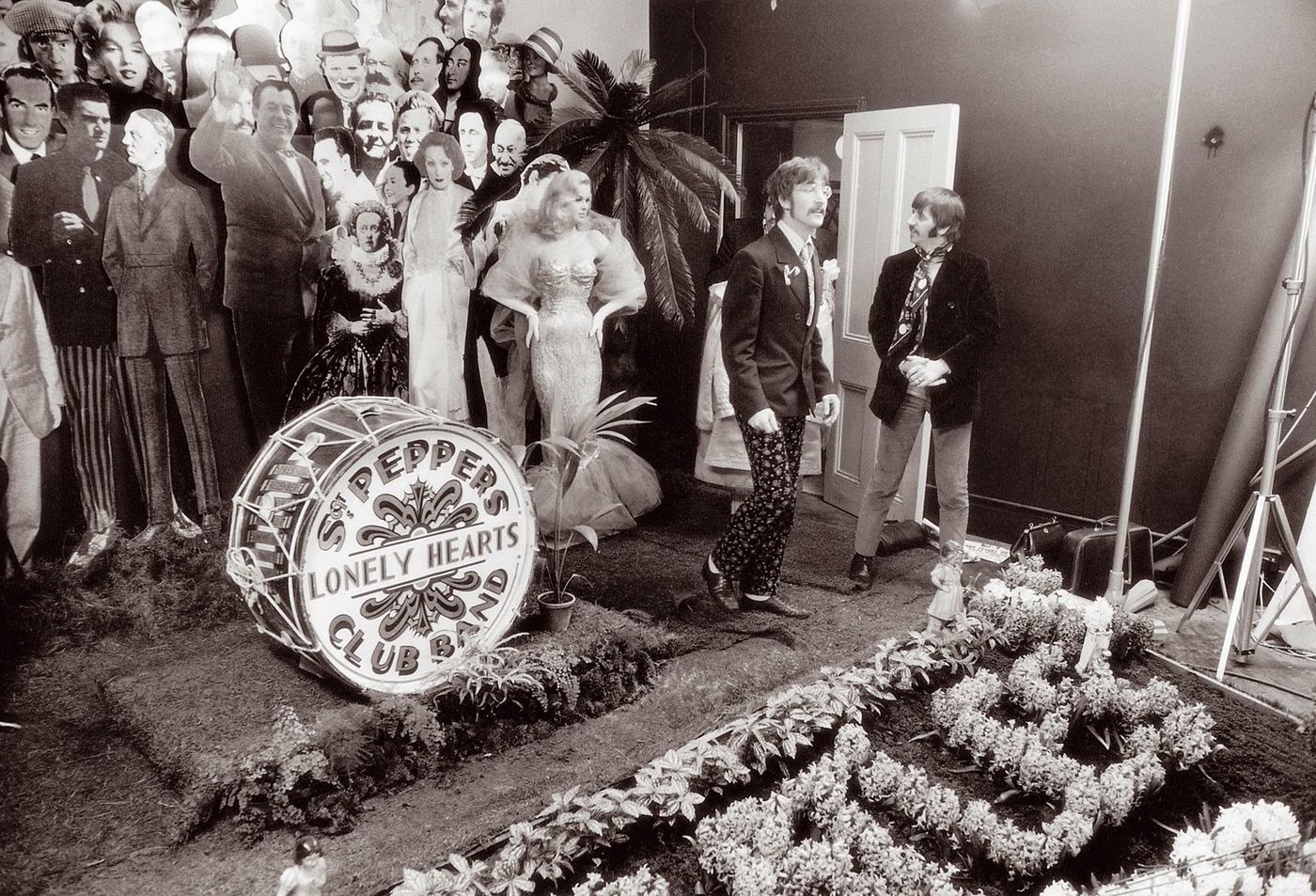
More than 60 life-sized cardboard cut-outs filled the studio floor, standing shoulder to shoulder like a crowd at a concert. The figures included Marilyn Monroe, Bob Dylan, Karl Marx, Oscar Wilde, and even earlier versions of The Beatles themselves. Each cut-out was placed with care so that no face would be blocked in the final photograph.
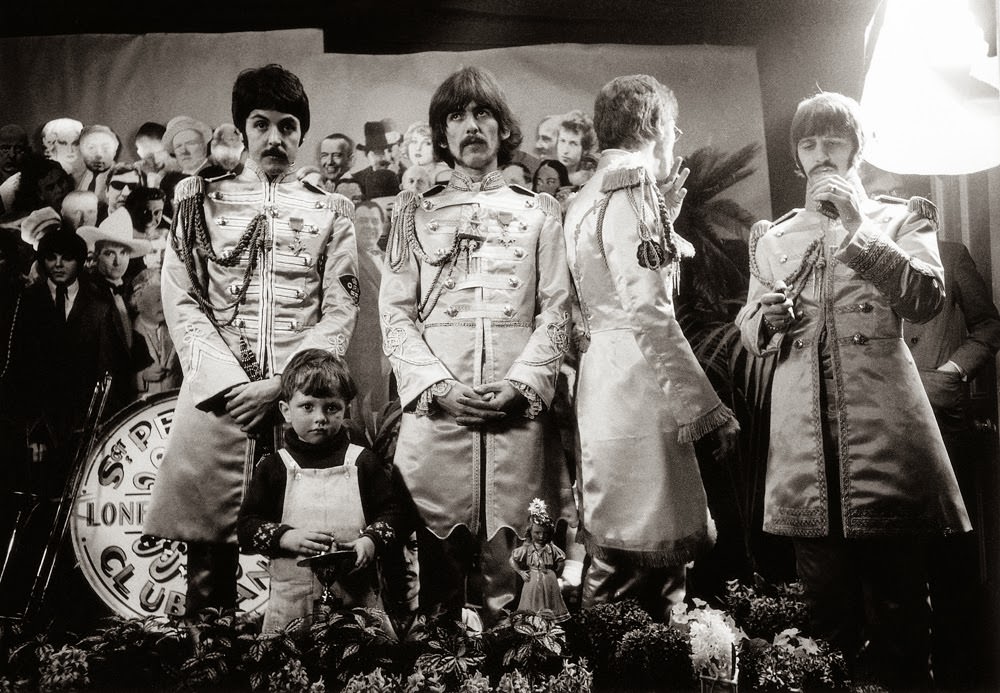
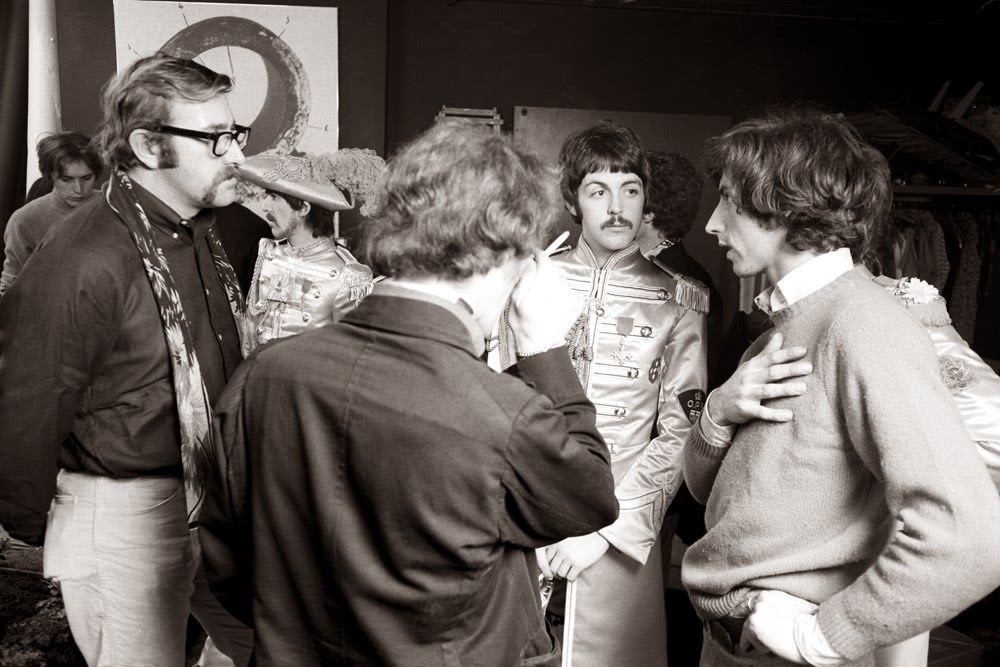
The Beatles wore satin military-style uniforms made by London theatrical costumer M. Berman Ltd. Each member chose a different bold color — John in yellow, Paul in blue, George in orange-red, and Ringo in pink. The look was a direct parody of Britain’s late-1960s fashion for military jackets, pushed further into psychedelic territory. All four wore heavy fake mustaches, a nod to the growing hippie aesthetic of the era.
At the center of the set sat a large bass drum with the album’s title hand-painted by fairground artist Joe Ephgrave. In front of it, red flowers spelled out “Beatles.” Among the surrounding plants — fuchsia, hyacinths, and various greenery — small cannabis plants were placed discreetly within the arrangement.
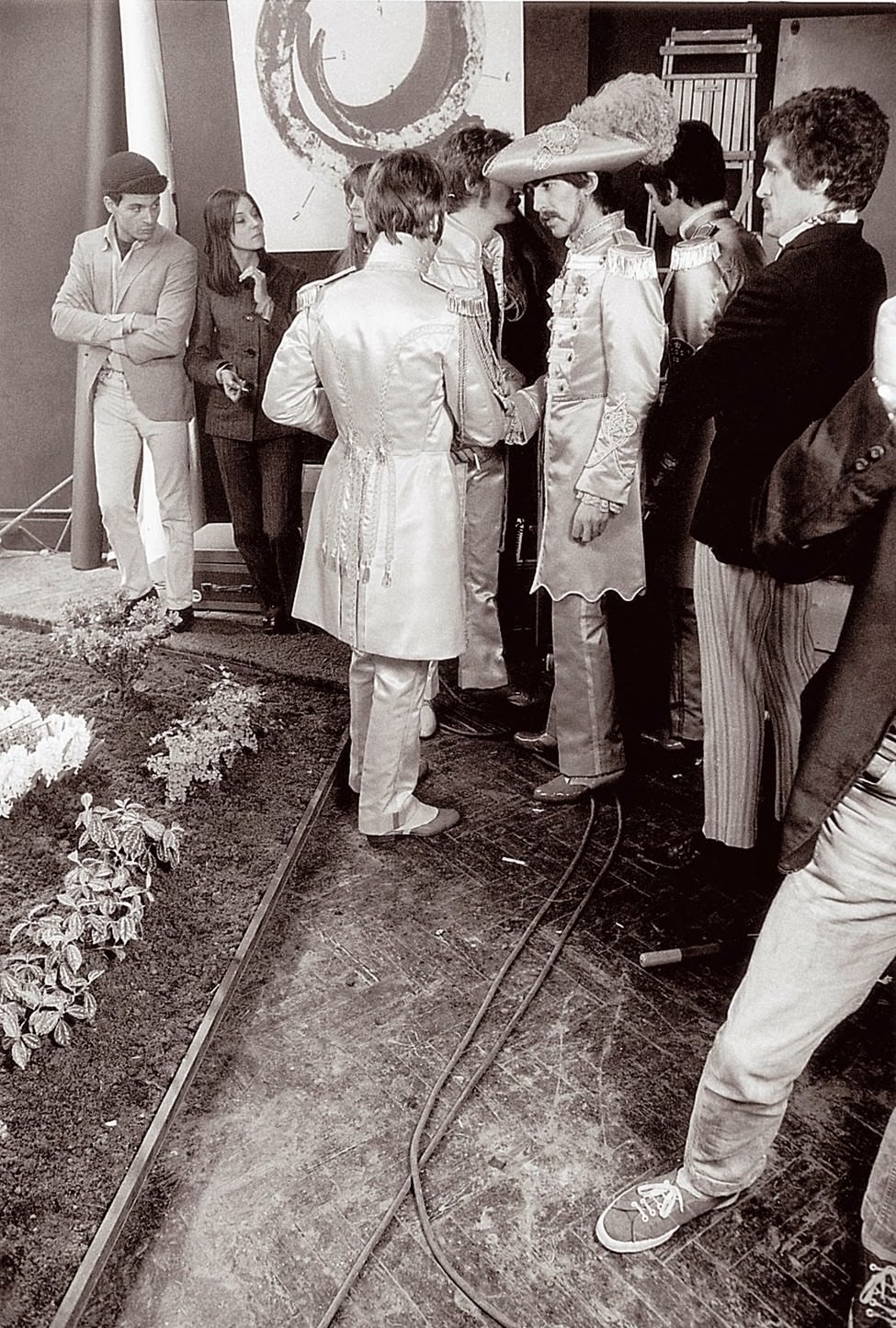
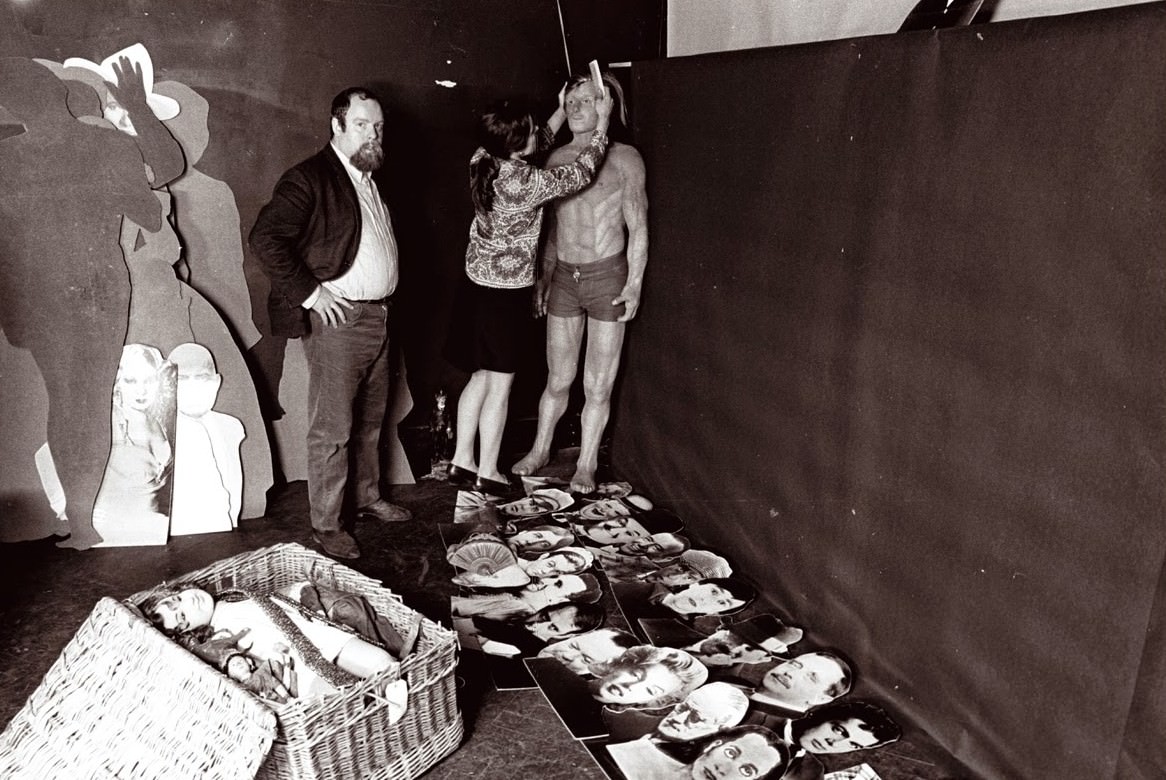
Between shots, the band moved around the set, shifting positions and joking about the dense crowd of cardboard celebrities around them. Cooper adjusted the lighting repeatedly to prevent shadows from falling across the faces — real or cut-out. He took multiple exposures to lock in every detail, from the gold trim on the uniforms to the gloss on the drum skin.
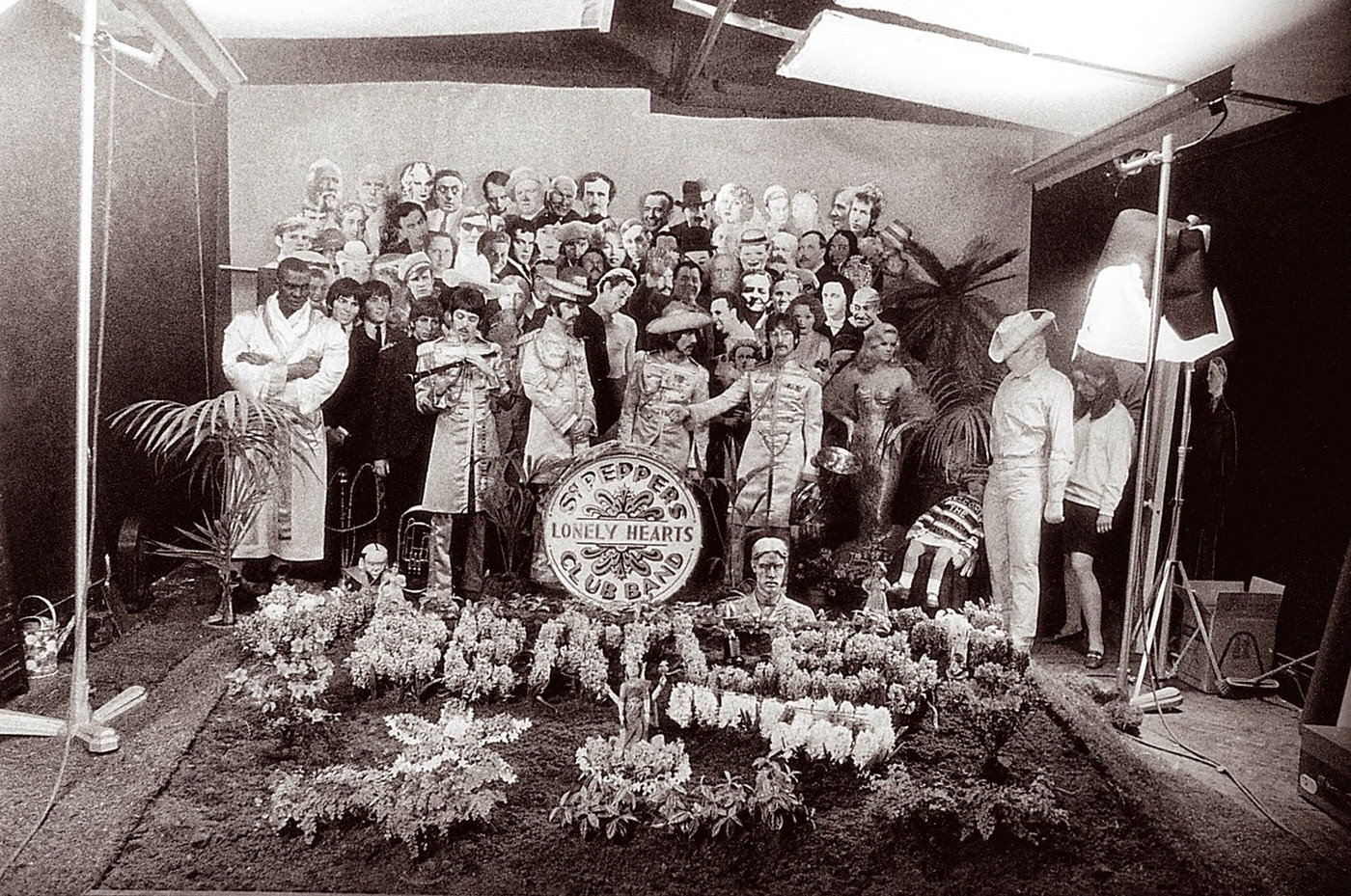
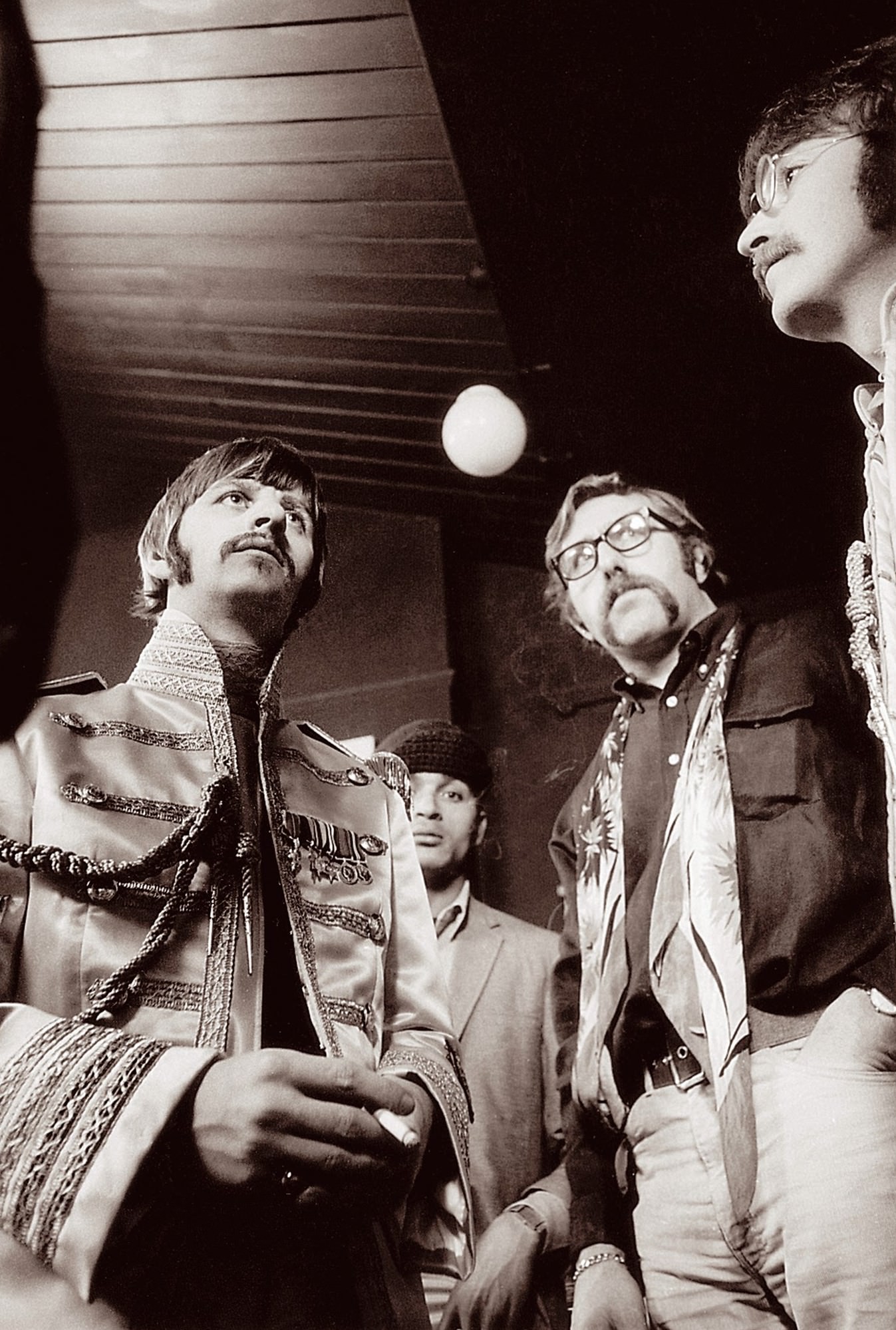
Each Beatle personally chose items and figures for the set, which often led to clashes over colors and placement. The tension between personal preference and Blake’s artistic direction turned the set into a layered visual puzzle. Every element had to serve the central idea — presenting the four members as their fictional Sgt. Pepper’s alter egos.
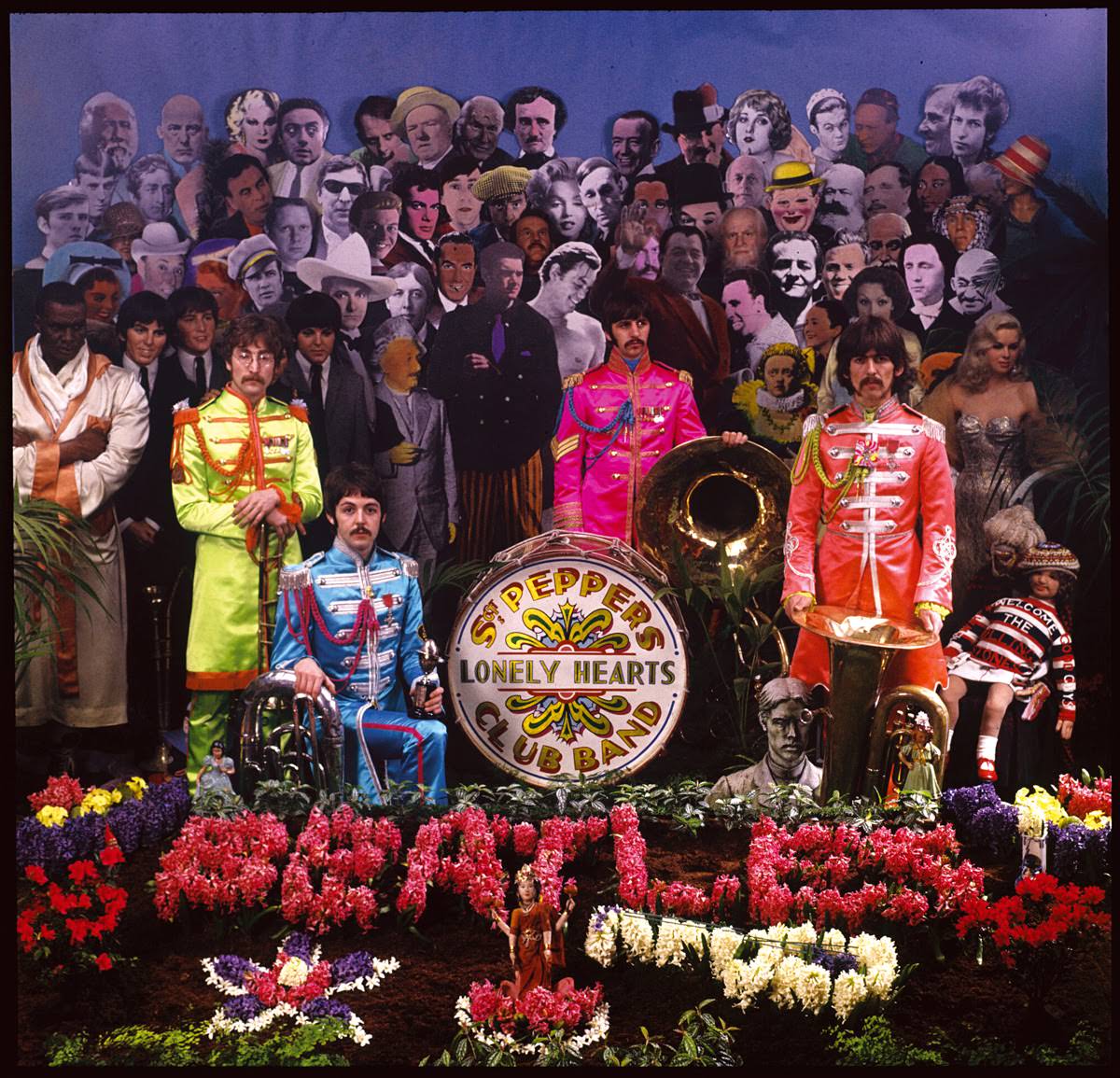
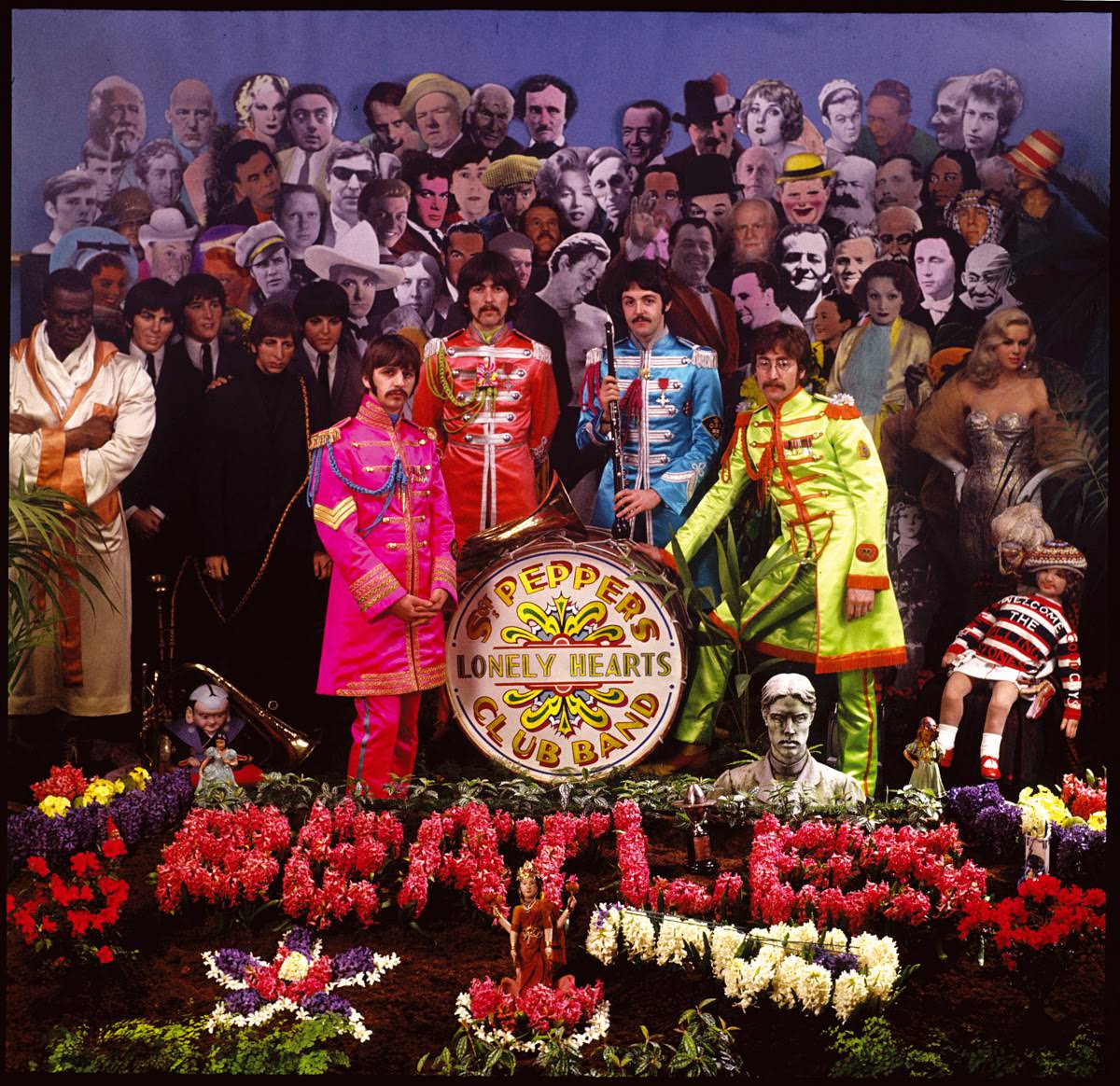
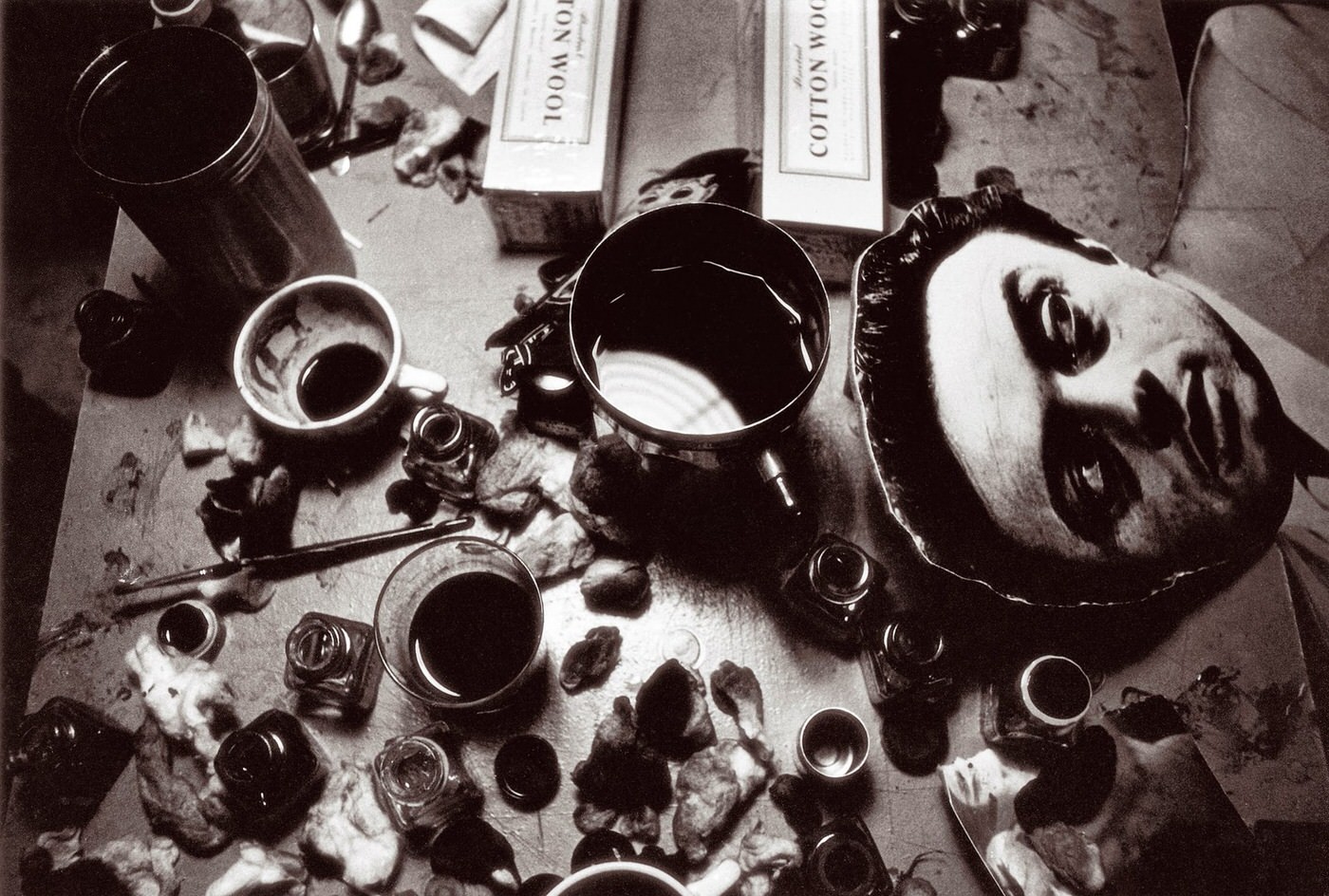
When the session ended, the studio floor was covered in flower petals, tape marks, and empty tea cups. The cardboard figures were carefully dismantled and stored away. The Beatles left the studio knowing they had been part of something visually daring — even though the world had yet to see a single frame of it.