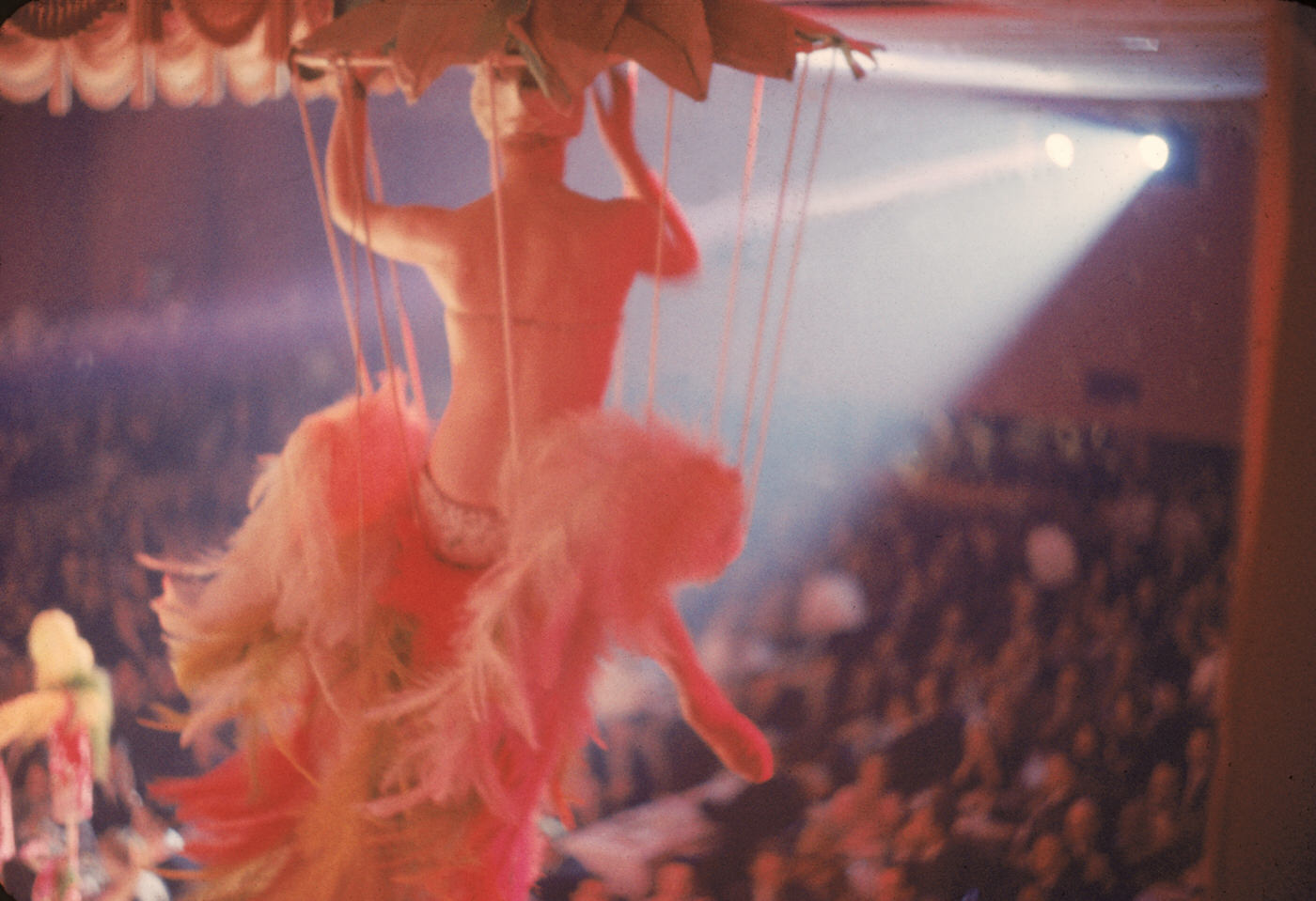
In 1958, New York nightclubs were the beating heart of American nightlife. Businessmen, tourists, and celebrities filled the seats. The women on stage — feathers in their hair, sequins catching every spotlight — were the main attraction. But the glamour audiences saw was built on hours of invisible labor that began long before the first customer arrived.
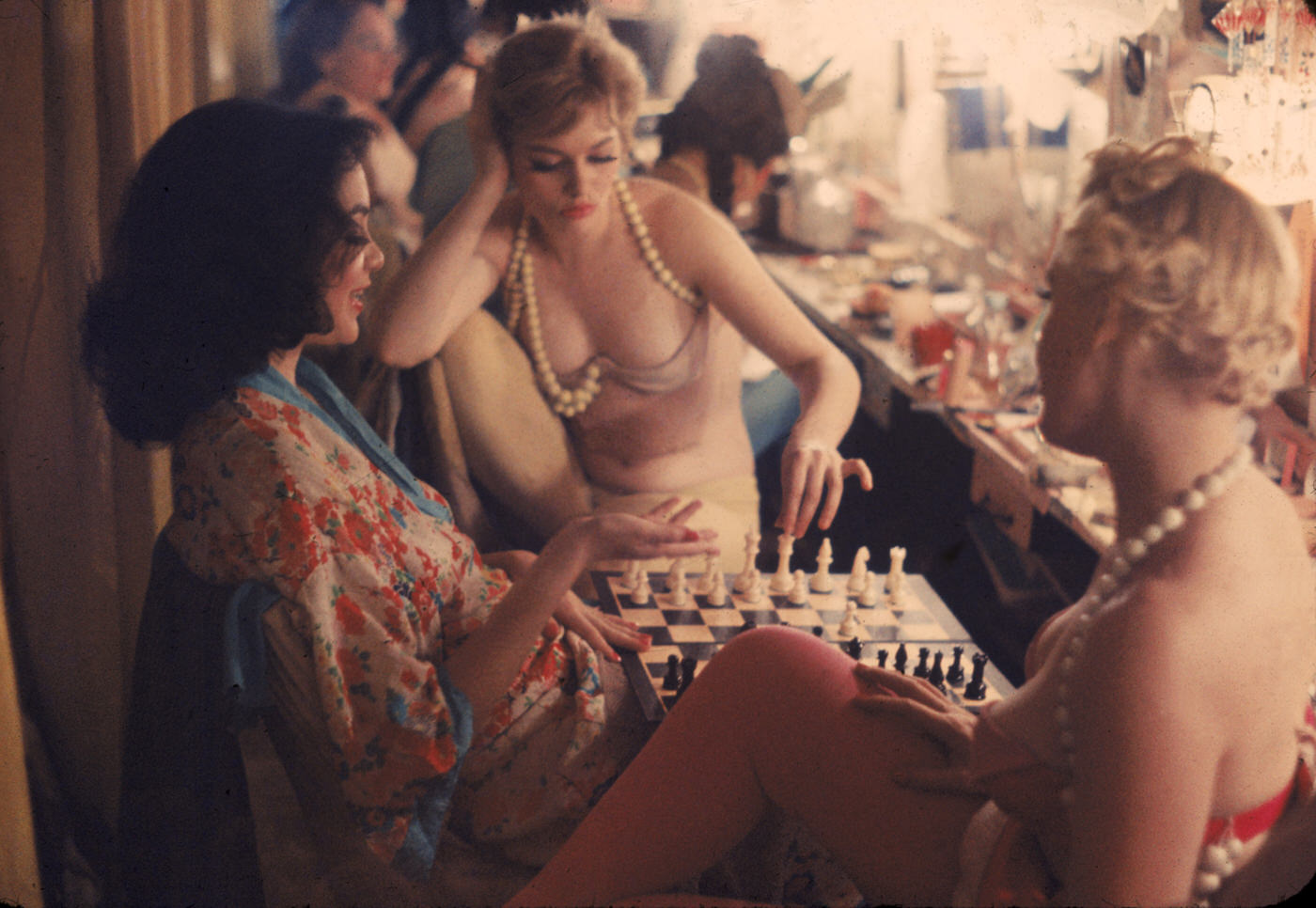
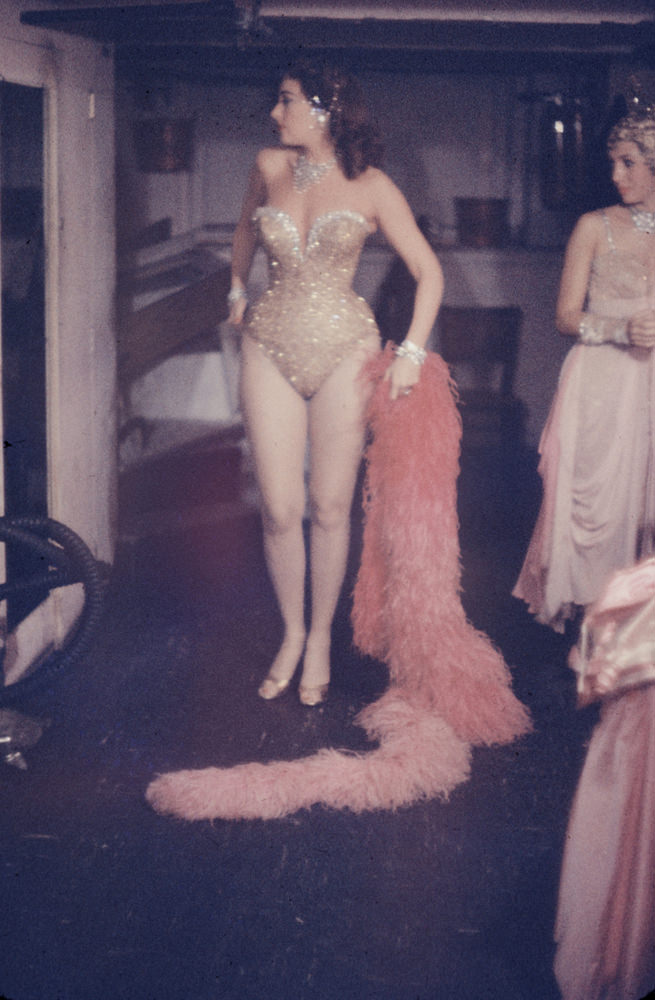
Showgirls reported to the club hours early. Dressing rooms were tight spaces packed with mirrors, bulb-lit vanities, and costume racks. Every outfit had to be stage-ready. Feathers, rhinestones, and sequins were repaired by hand when they came loose. Heavy makeup was a requirement — stage lights bleached out natural skin tones, so bold red lips, thick eyeliner, and powdered faces were the standard look every single night.
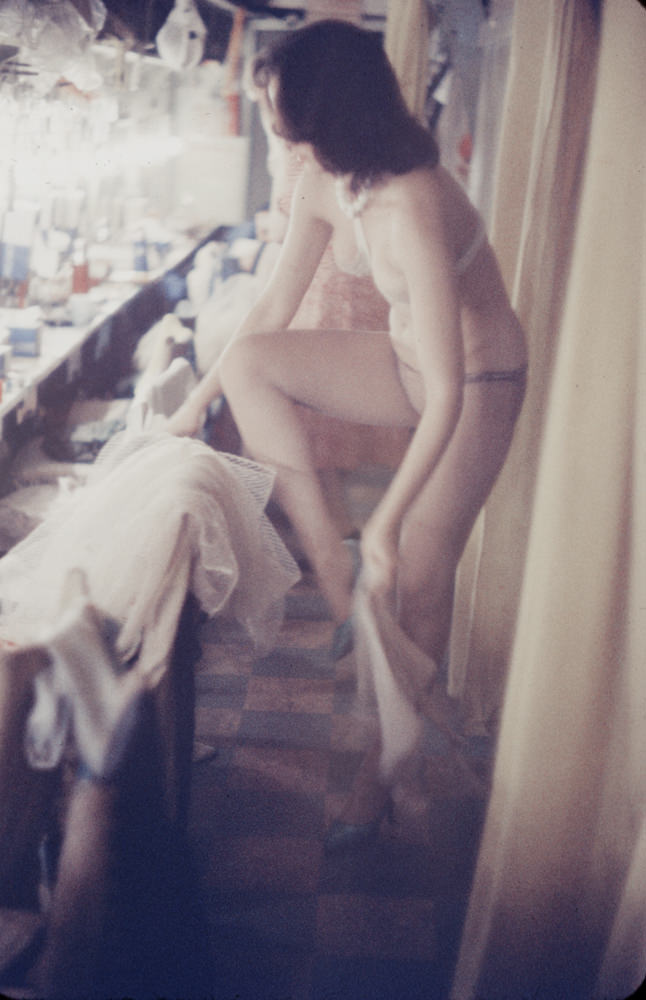
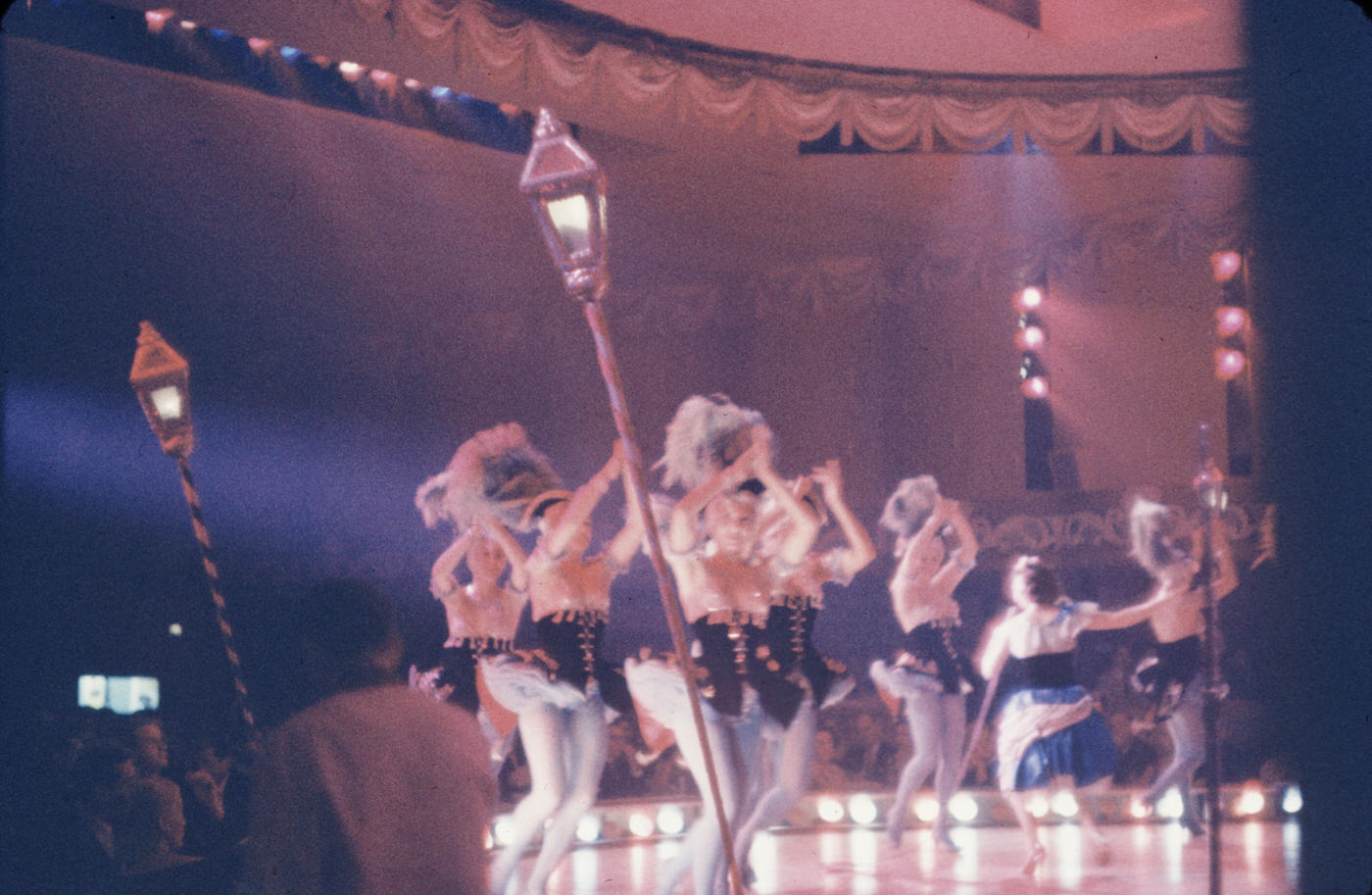
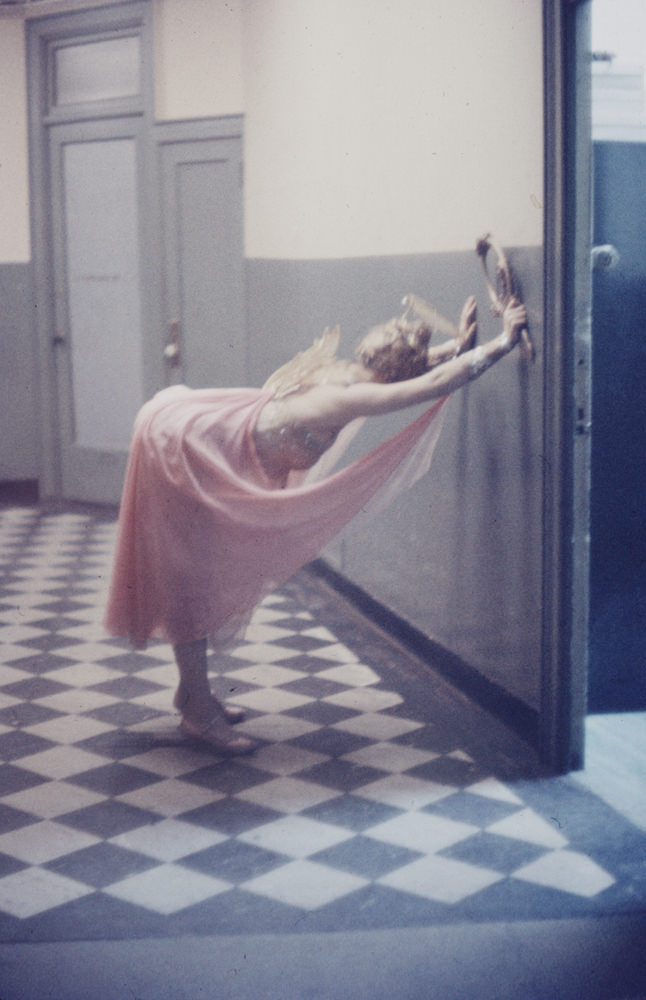
Nothing in the performance was left to chance. Every arm swing, every head tilt, every step was rehearsed until it was exact. Choreography had to lock perfectly with the music, and the dancers knew each beat by memory. Rehearsals often happened in cramped backstage hallways between shows, with little room to move and even less time to rest.
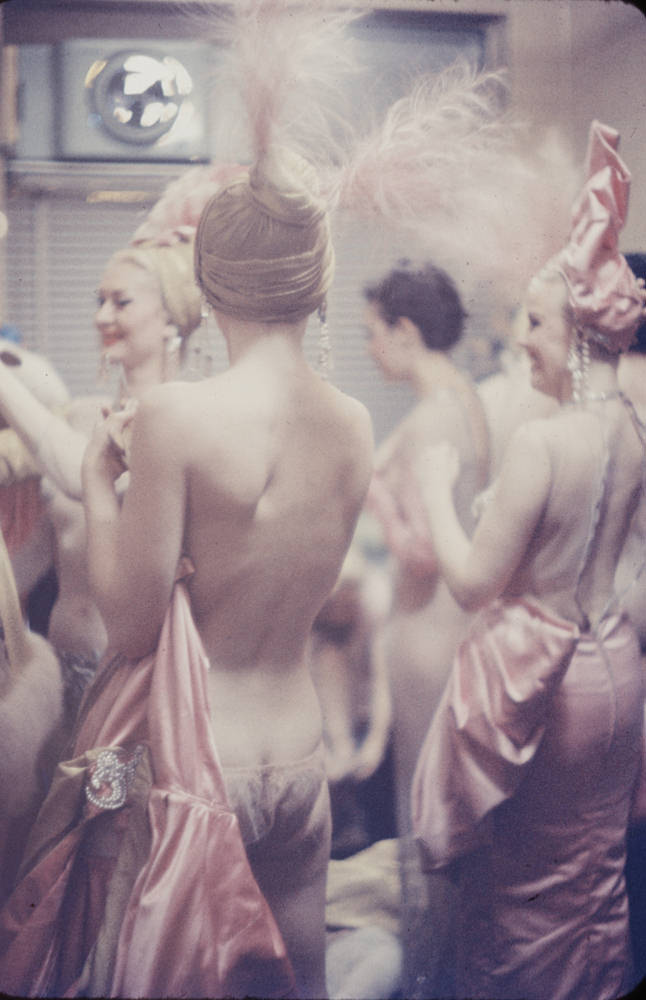
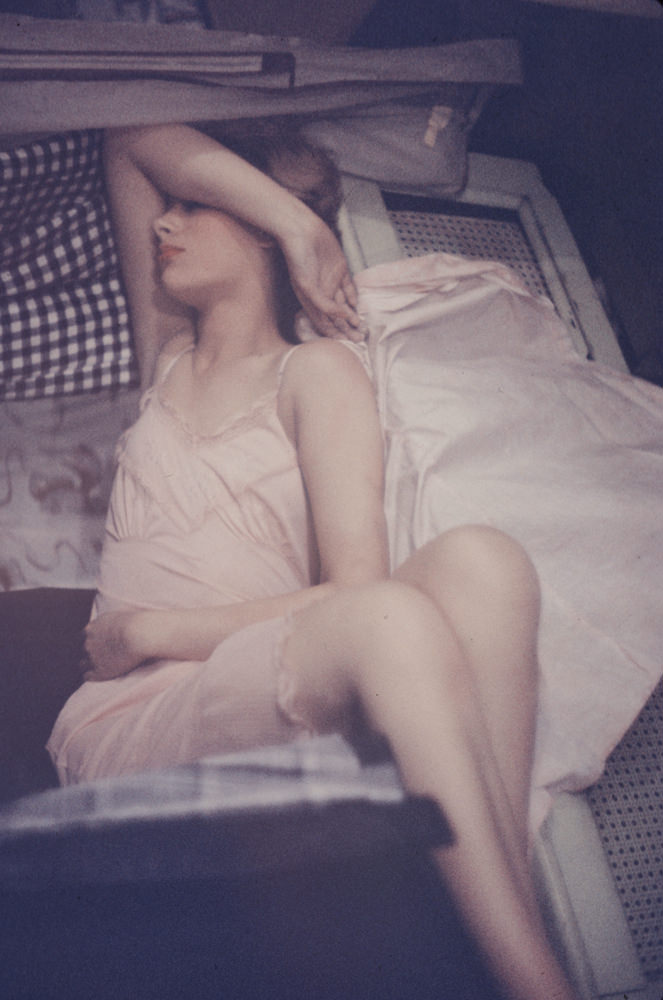
The physical toll was real. Hours on high heels strained their legs. Quick costume changes between numbers left no time to sit down. A missed step or a broken smile drew criticism from managers and fellow performers alike. Professionalism wasn’t optional — it was the only way to keep the job.
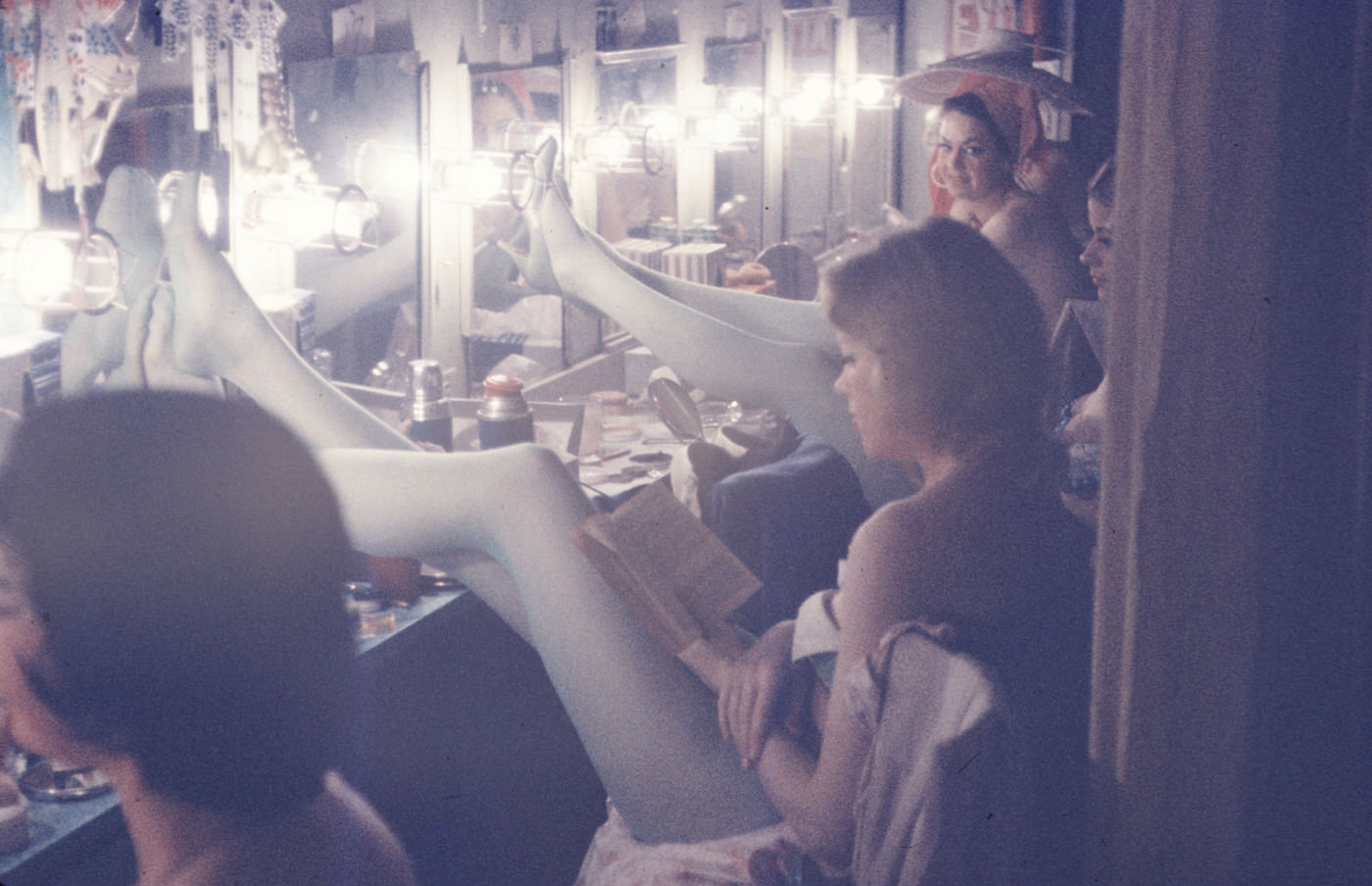
The pay was modest. Most showgirls earned just enough to cover rent and food. Many split small apartments with other dancers. Some took on extra work modeling or posing for photographs to close the gap. Wealth was not part of the deal.
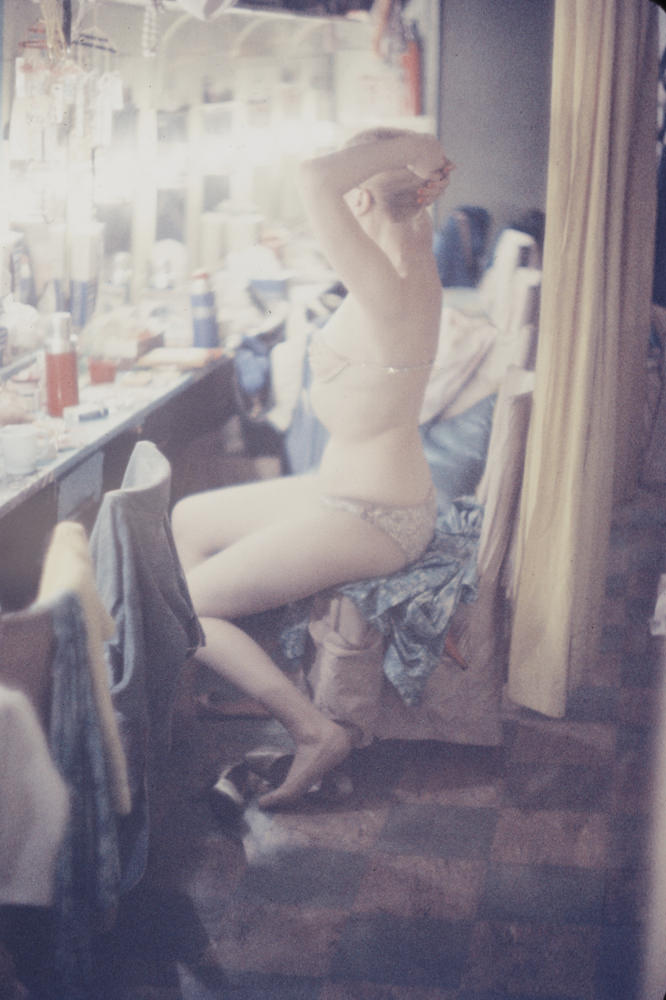
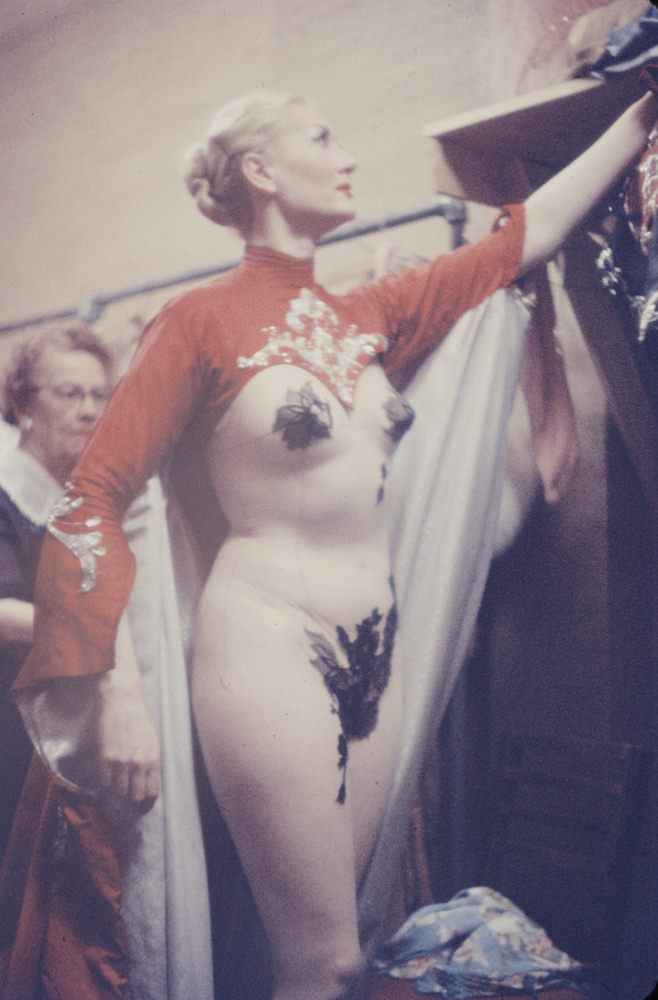
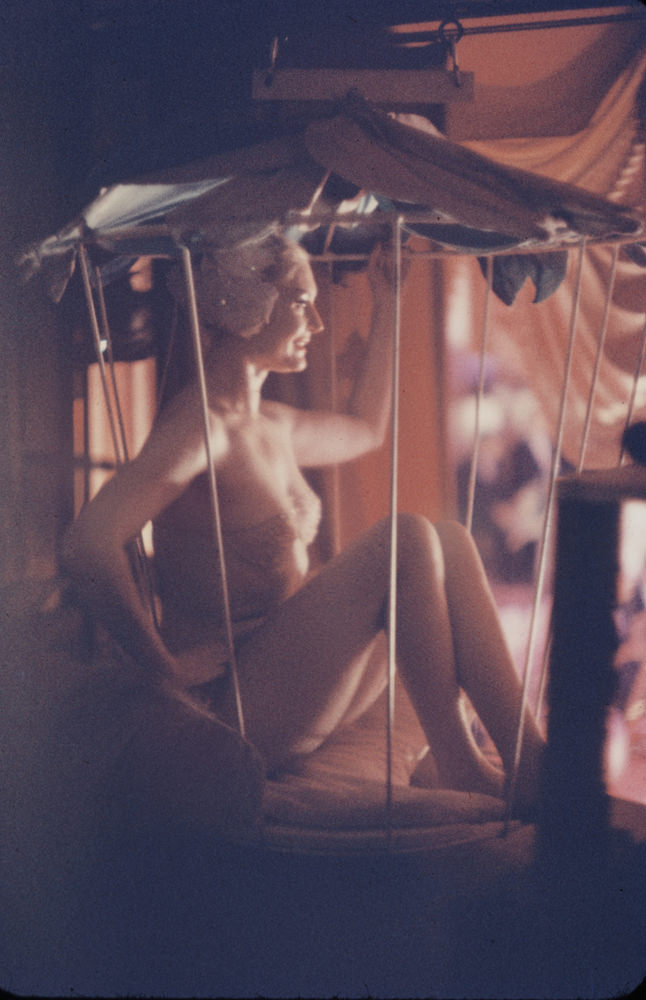
Photographer Gordon Parks documented these women both on stage and off. His images go beyond the sparkle. They show showgirls in quiet moments — seated in costume, faces still and tired after hours under the lights. These photographs captured the reality that applause never reached.
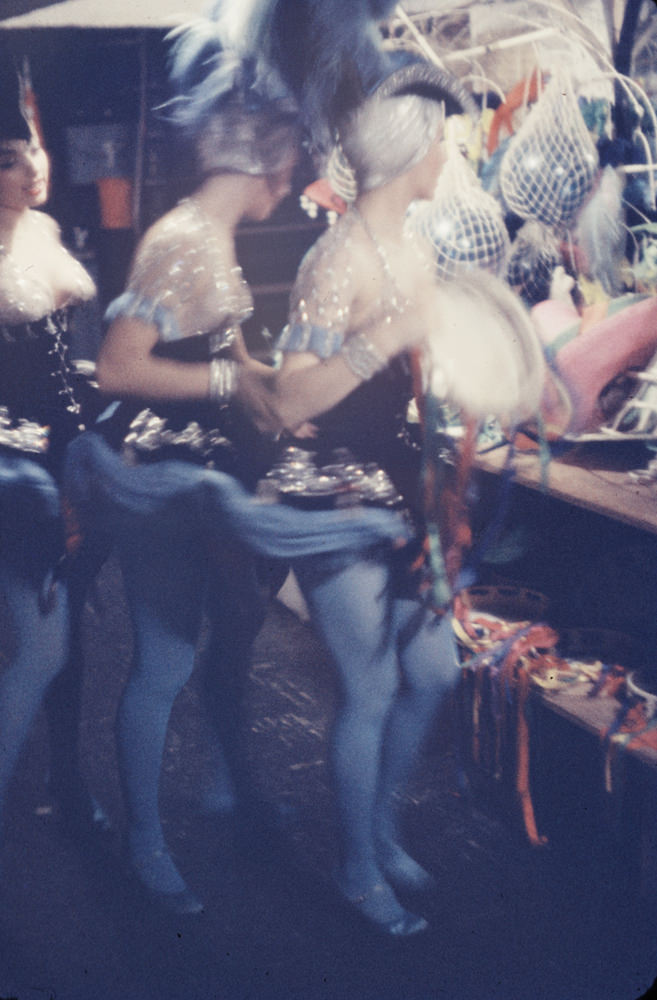
Life outside the club revolved entirely around the club’s schedule. Shows ran past midnight. Mornings started late. The main meal of the day came after the final curtain call. Sleep arrived when the city had gone quiet. That schedule cut them off from most social circles — their world was the dressing room, and the friendships formed there were built on shared makeup, shared jokes, and shared advice.
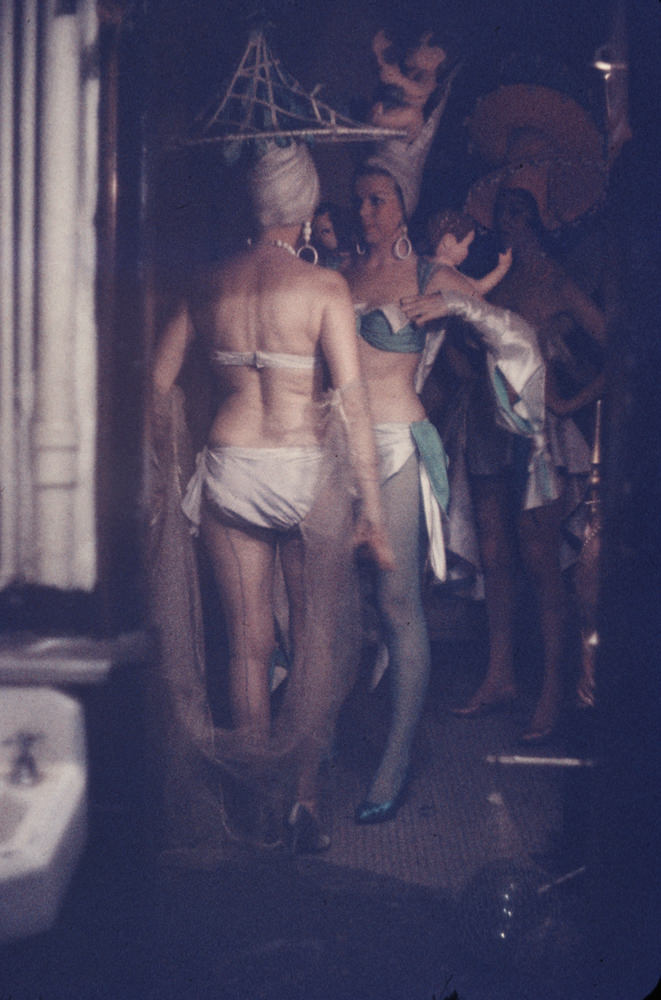
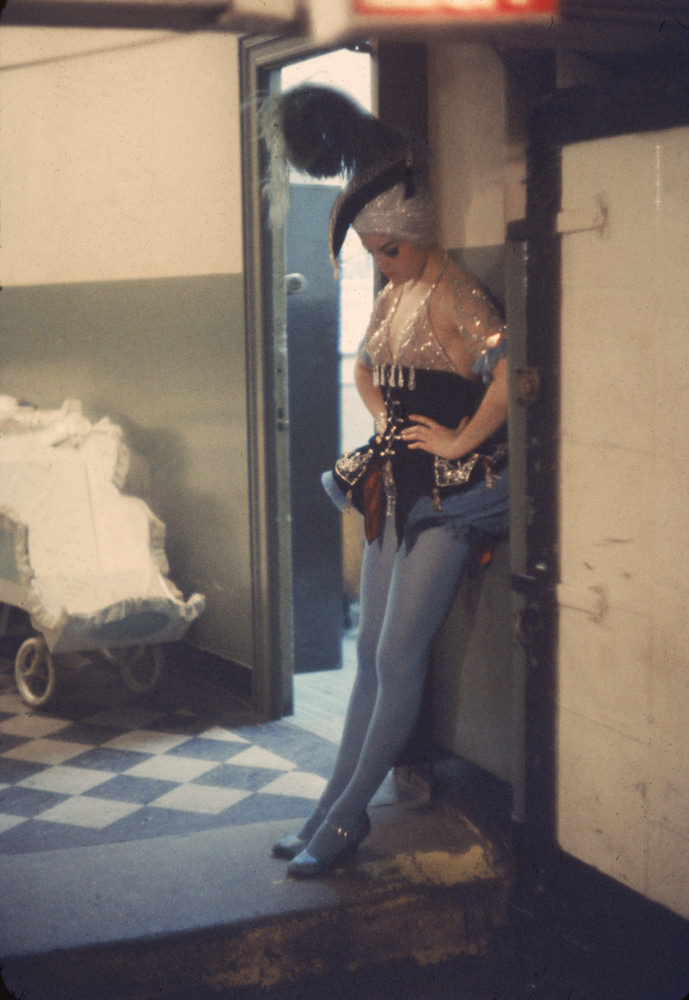
The audience saw elegance and ease. The dancers knew it as a craft — demanding, repetitive, and unrelenting. Every night of polish came at a cost the crowd never saw.