Building New York City’s bridges was one of the most demanding engineering challenges in American history. Steel, stone, and thousands of workers came together to shape a skyline — and connect a city split by water. The results are iconic. But the process was brutal, costly, and often deadly.
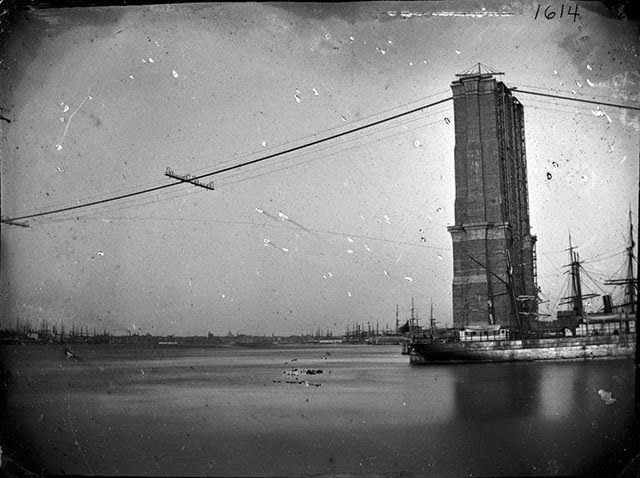
Work on the Brooklyn Bridge began in 1869 under engineer John Roebling. To set the foundations into the bed of the East River, crews used massive wooden chambers called caissons. These were pressurized with compressed air to keep water out while workers dug through the riverbed silt below. Many laborers developed decompression sickness by surfacing too quickly — a painful and sometimes fatal condition. The two towers rose 276 feet above the water, built from limestone, granite, and cement. Once they stood, workers spun four main cables across the river using over 14,000 miles of steel wire.
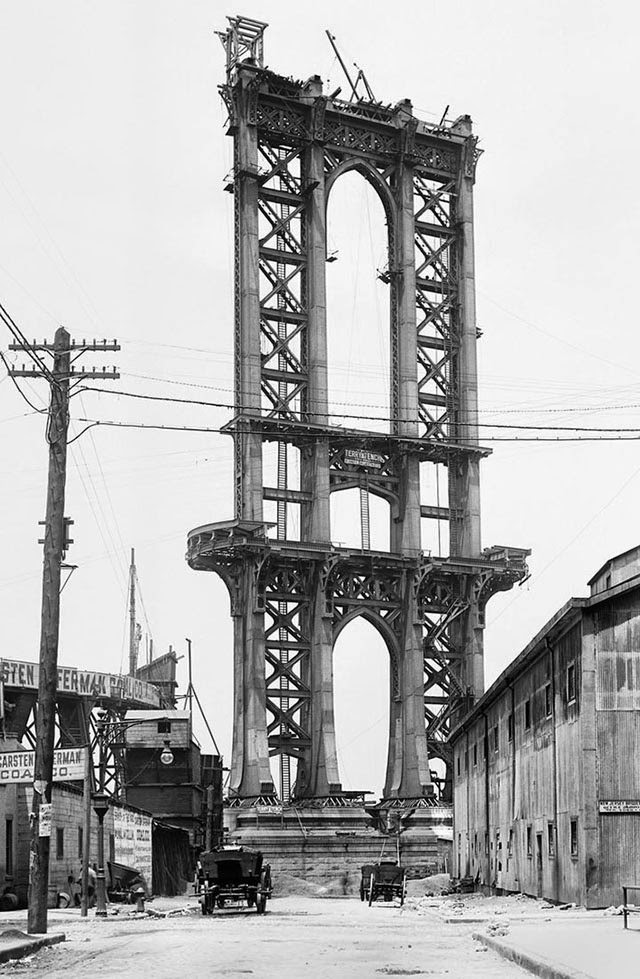
The Manhattan Bridge opened in 1909, designed by engineer Leon Moisseiff using a method called deflection theory. This approach distributed load more efficiently, making the structure both lighter and stronger than earlier designs. Steel towers replaced the heavy stone ones used on older bridges, speeding up construction. The bridge carried vehicle traffic and subway lines, and featured a Warren truss along the roadway to limit swaying in high winds — a first for suspension bridges.
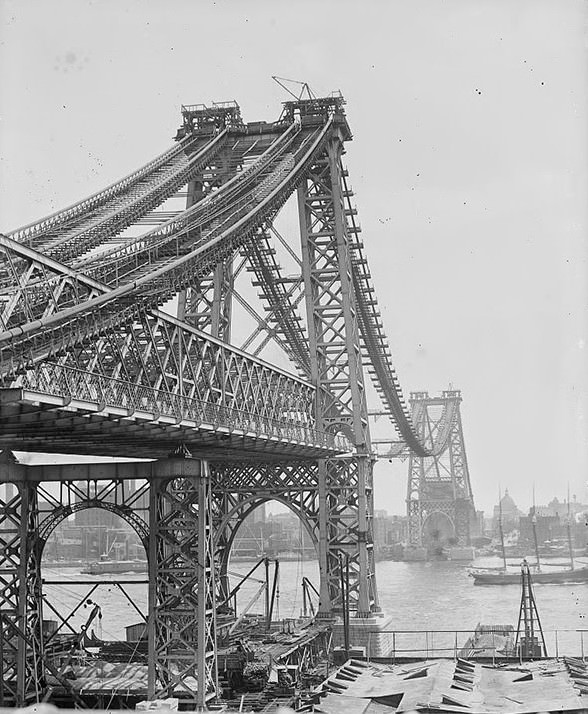
Just north of the Manhattan Bridge, the Williamsburg Bridge had opened even earlier, giving engineers and city planners a growing library of hard-won construction knowledge to draw from.
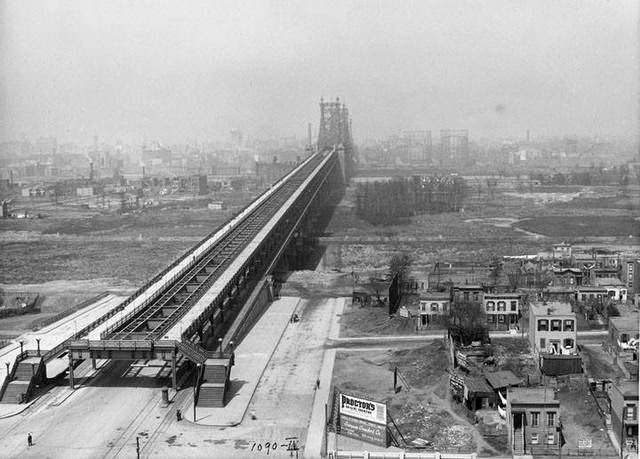
Not all of New York’s crossings were grand suspension bridges. Smaller but critical infrastructure — like the Kosciuszko Bridge and the Hamilton Avenue Bridge — connected neighborhoods and kept commerce moving across the city’s many waterways.
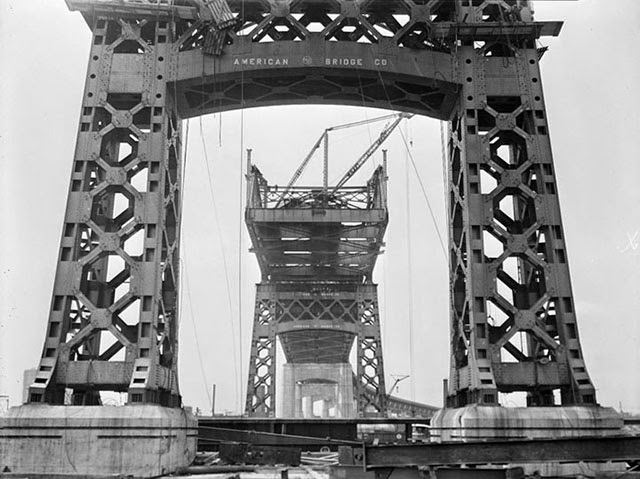
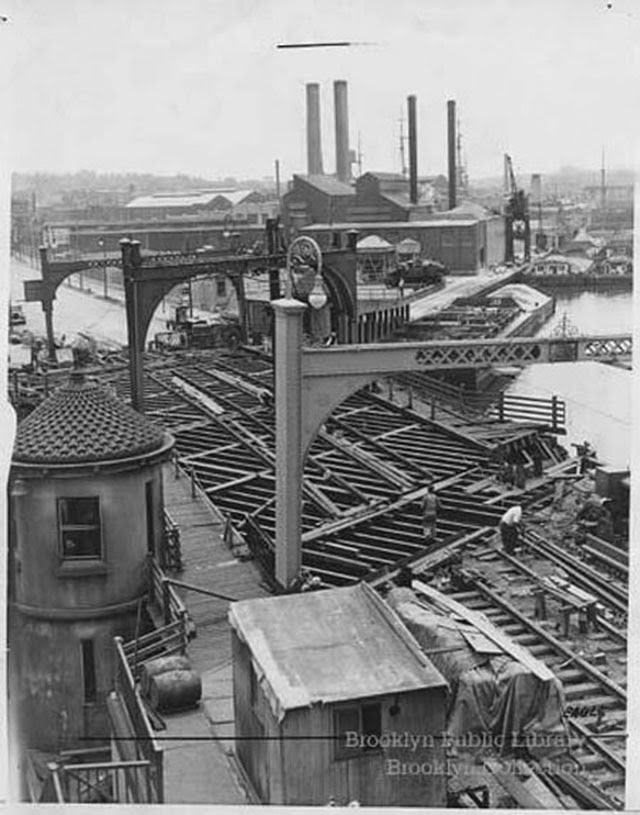
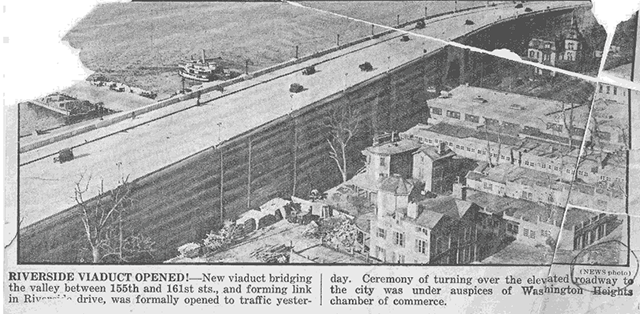
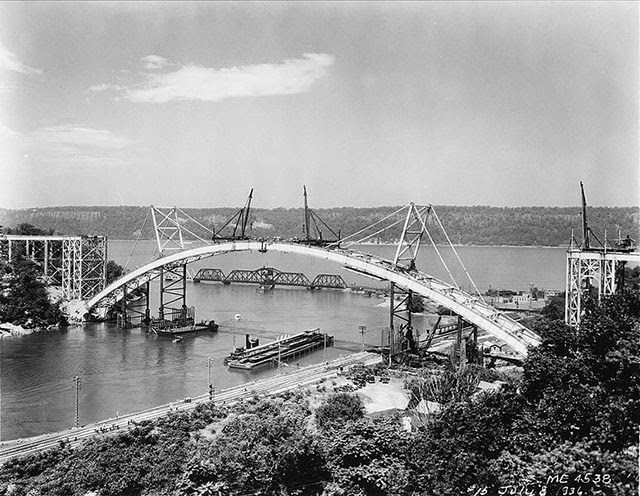
Elevated viaducts and river crossings pushed into every corner of Manhattan and the outer boroughs. Each structure solved a specific problem of geography, traffic, or waterway width.
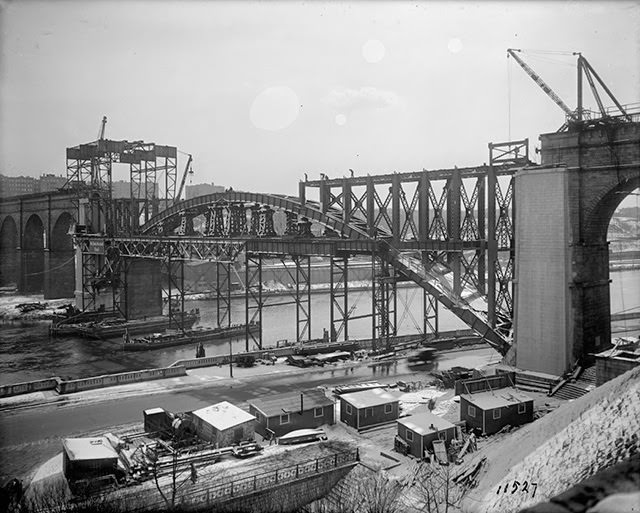
Construction on the George Washington Bridge began in 1927 under engineer Othmar Ammann. Crews used a traveling wheel that shuttled back and forth across the Hudson River, laying wires that were bundled into four main cables, each 36 inches in diameter. The original design called for the steel towers to be clad in decorative granite. When the Great Depression drained the city’s budget, that plan was abandoned, leaving the raw steel towers exposed as they stand today.
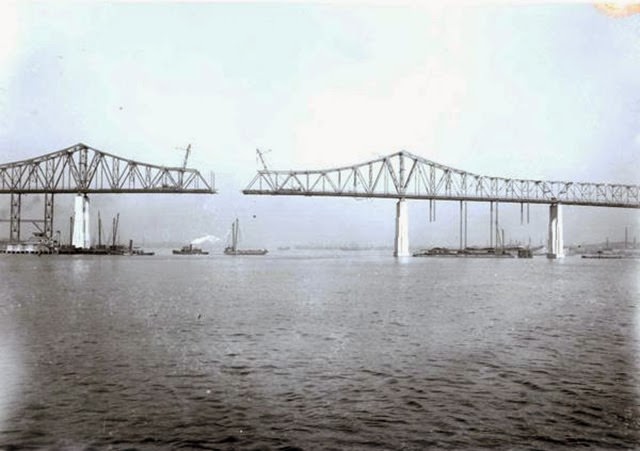
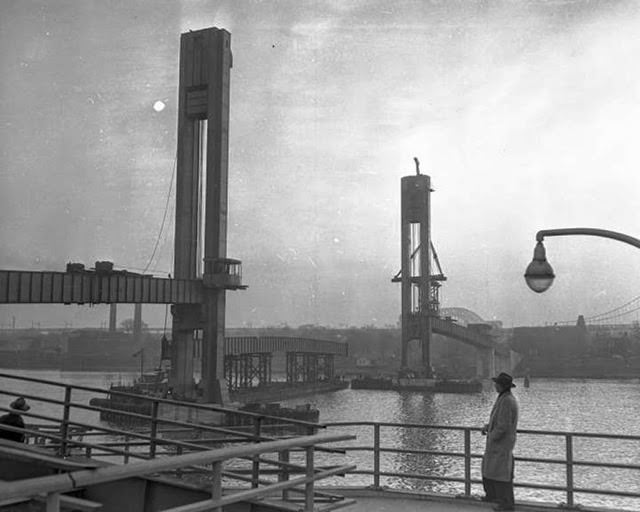
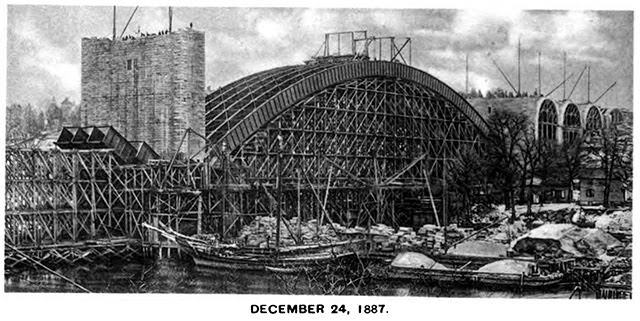
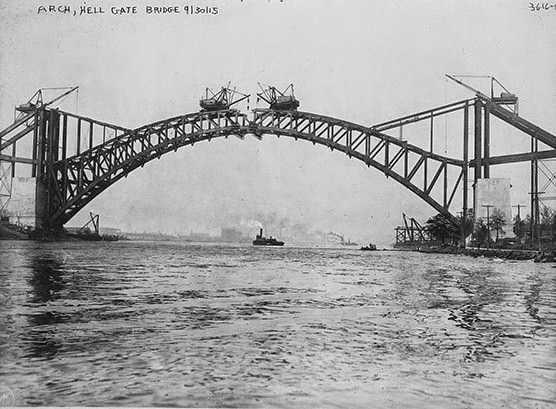
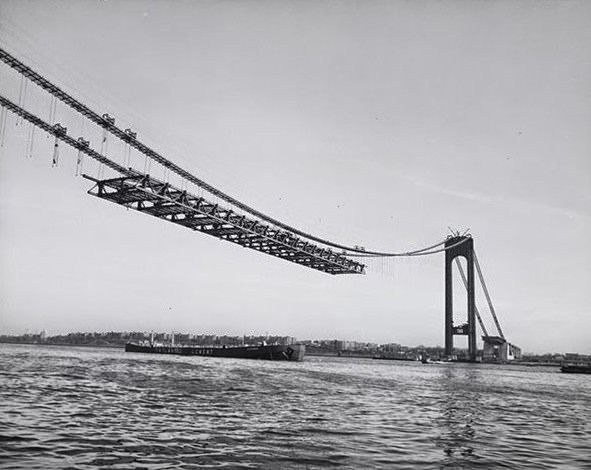
The Verrazzano-Narrows Bridge, begun in the early 1960s, posed engineering problems at a scale no previous New York bridge had faced. The span was so long that engineers had to account for the curvature of the earth — the tops of the two 693-foot towers stand one and five-eighths inches farther apart than their bases. Workers used 143,000 miles of wire to support the double-deck roadway, lifting pre-assembled steel sections into place with massive cranes. When it opened in 1964, it was the longest suspension bridge in the world.