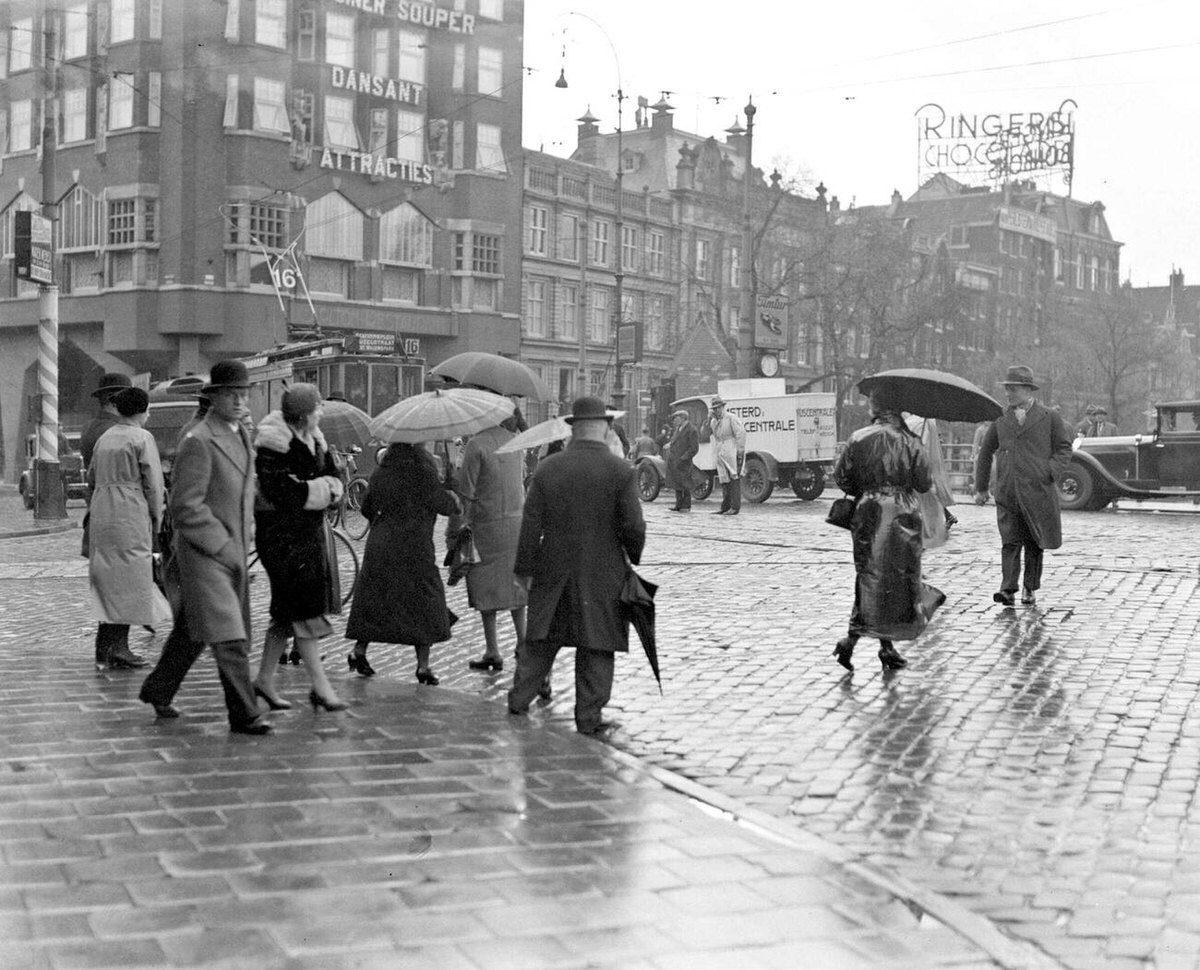
The Netherlands entered the 1930s already feeling the tremors of a global economic collapse. When the American stock market crashed in 1929, the shock rippled outward for years. The Dutch felt it later than most countries, but the pain lasted longer. Prime Minister Hendrikus Colijn’s government responded with a policy called “Aanpassing” — adjustment — which meant cutting public spending to match the country’s shrinking income. While other nations like Great Britain and the United States abandoned the gold standard to make their exports cheaper, the Dutch held on. The result was a guilder that stayed expensive while Dutch butter, cheese, and flower bulbs became too costly for foreign buyers. Exports collapsed, and the ports of Rotterdam and Amsterdam went quiet.
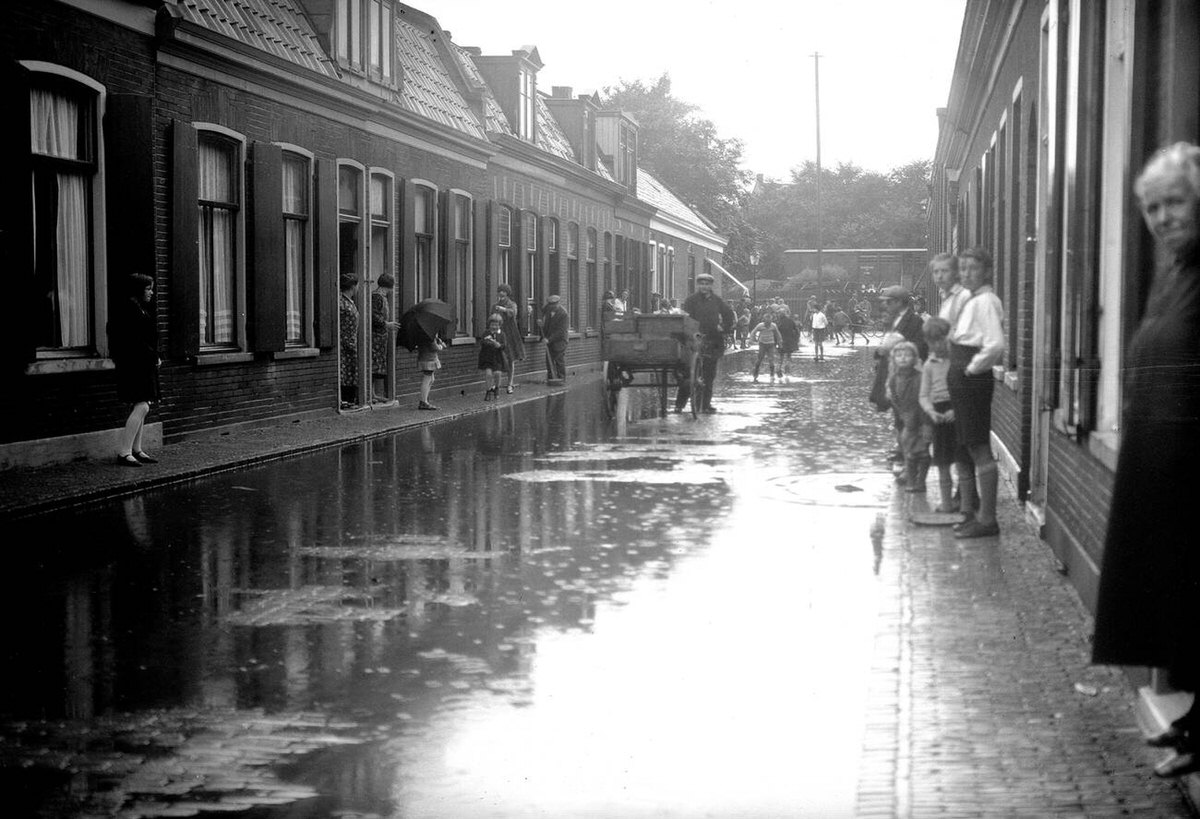
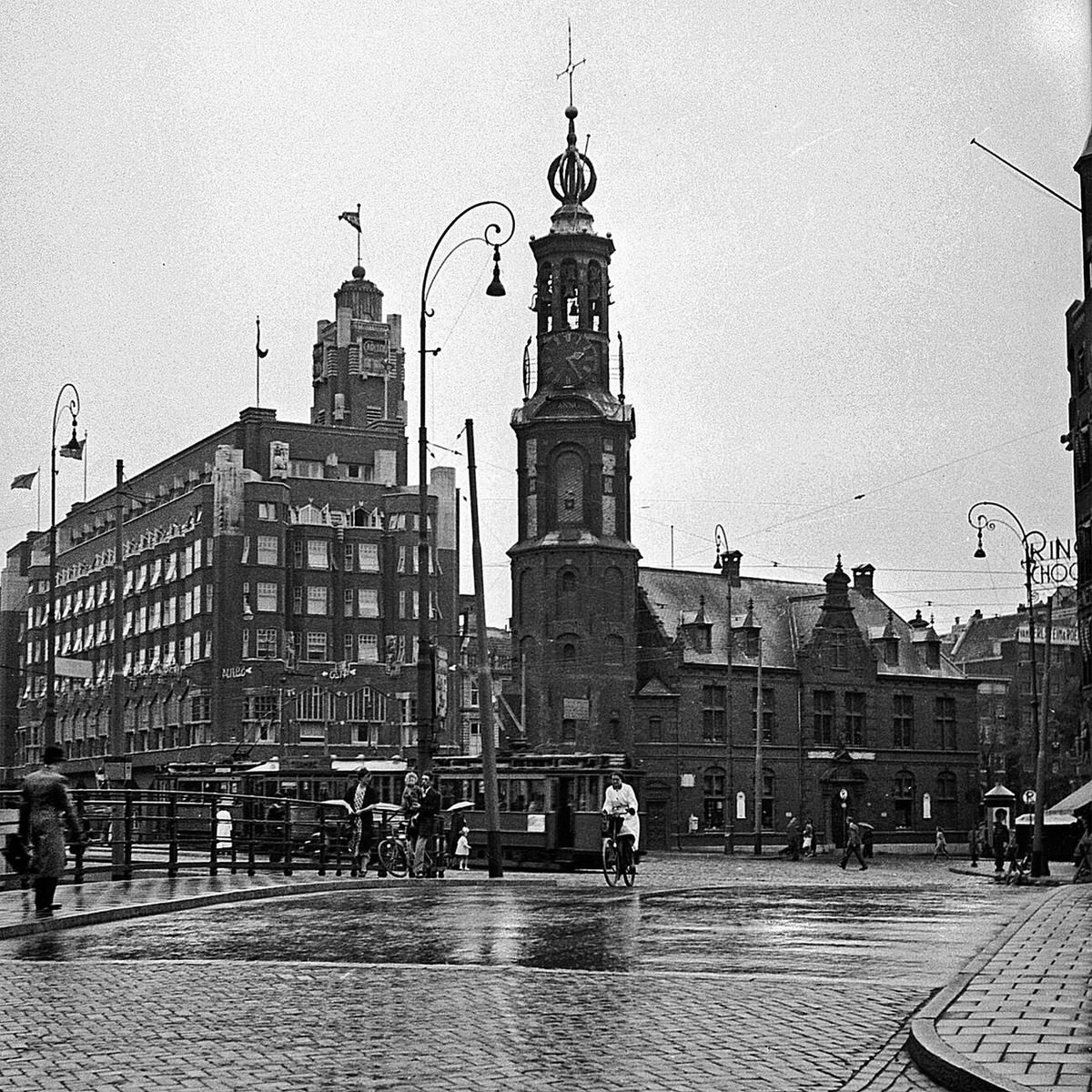
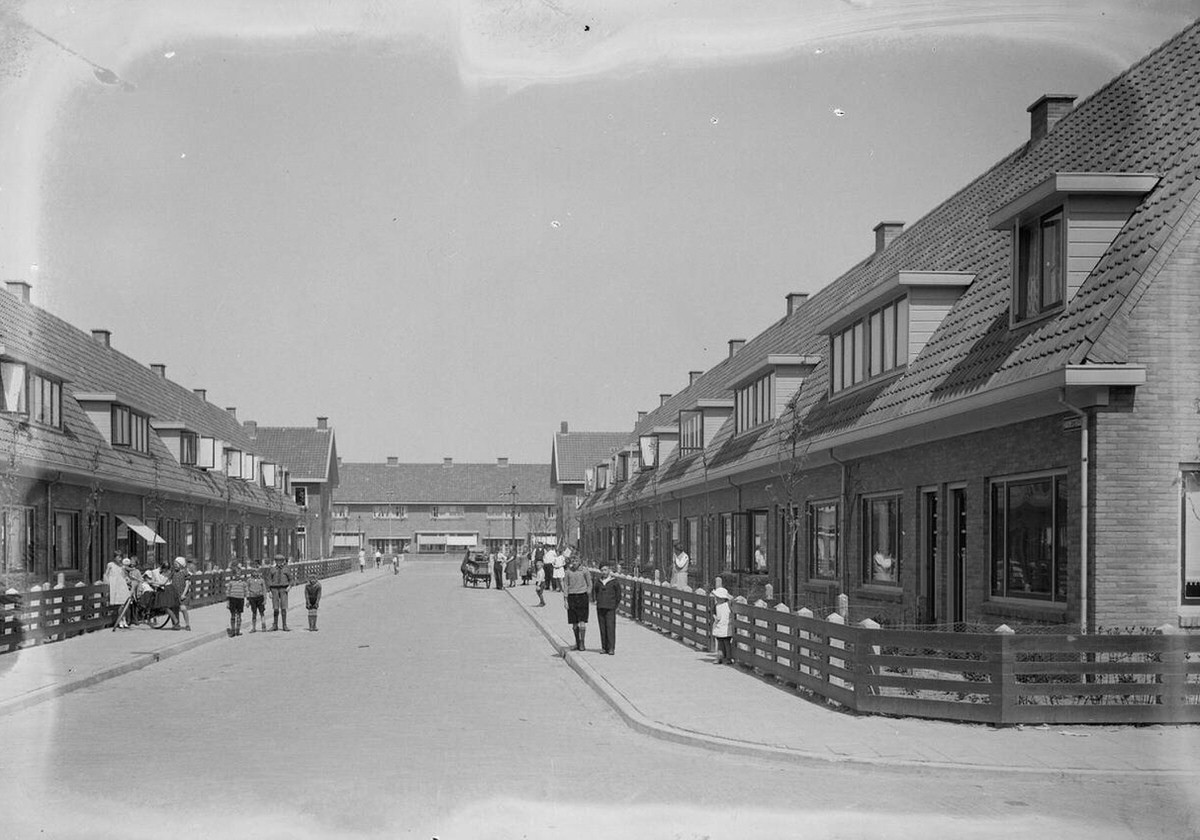
Street scene in a Dutch city after rain, 1930
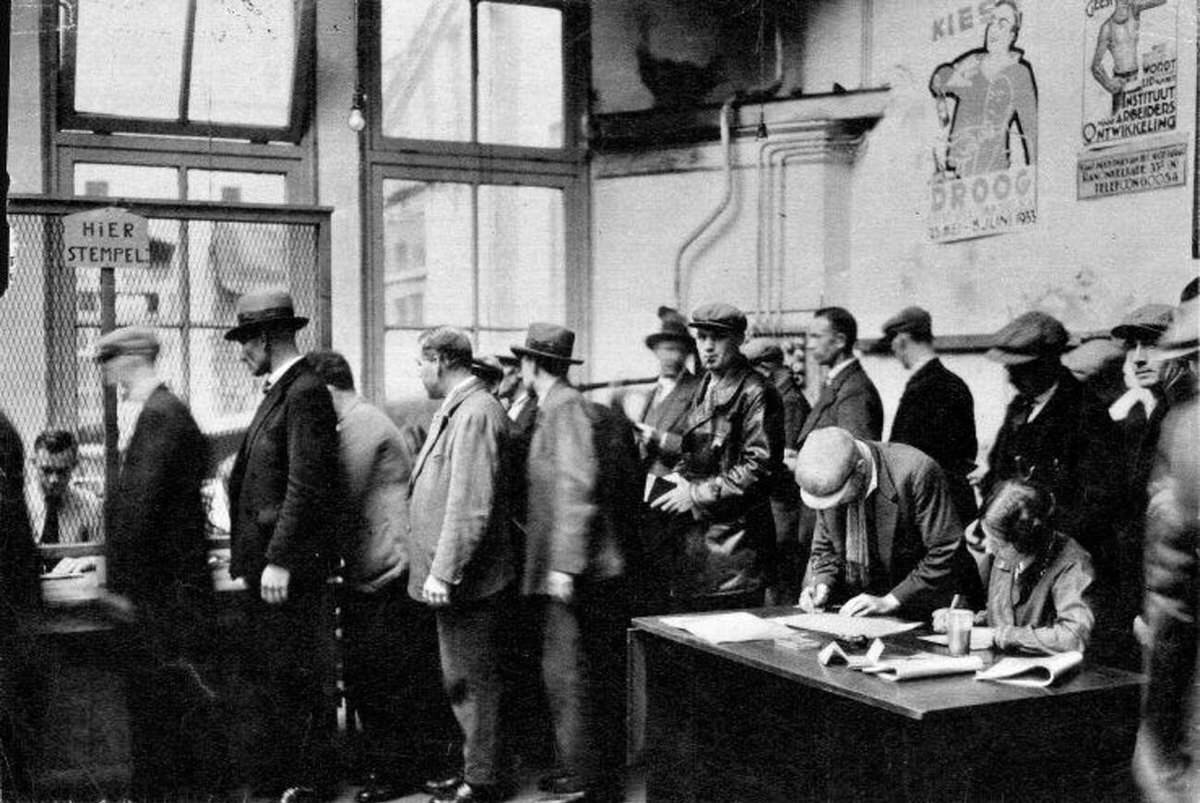
By 1935, over 400,000 people were out of work. In the biggest cities, one in every three workers had no job. The government offered a small aid payment called “de steun,” but getting it came with strict conditions. Unemployed men had to report to a local office twice a day to have a card stamped — a practice called “stempelen.” The system was designed to catch anyone secretly earning money on the side. The payments were so low that malnutrition spread through working-class neighborhoods. The Jordaan district of Amsterdam became a symbol of that hardship.
Unemployed people in a stamp room during the economic crisis in Amsterdam-Noord, 1933
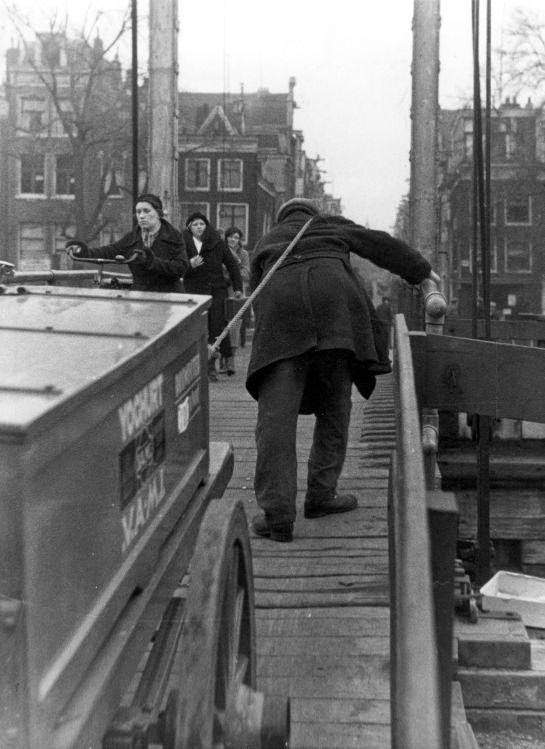
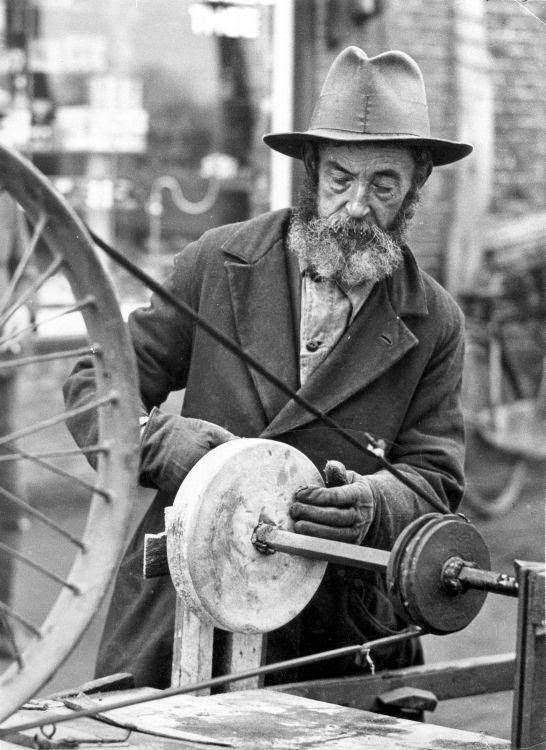
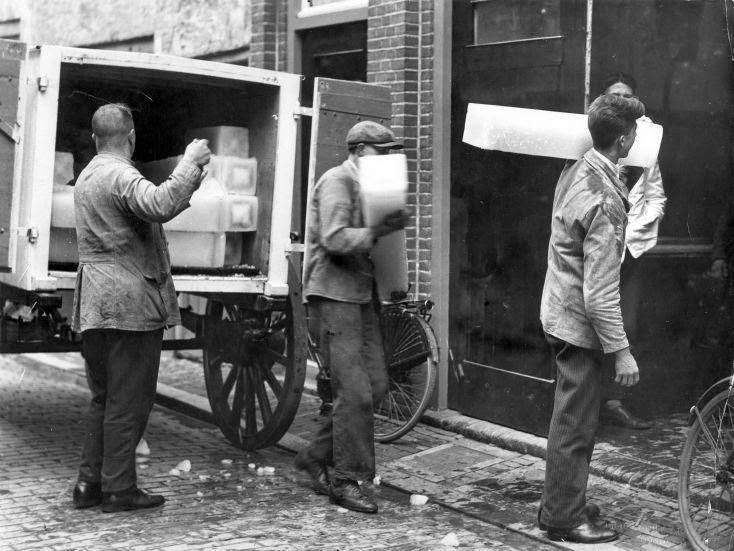
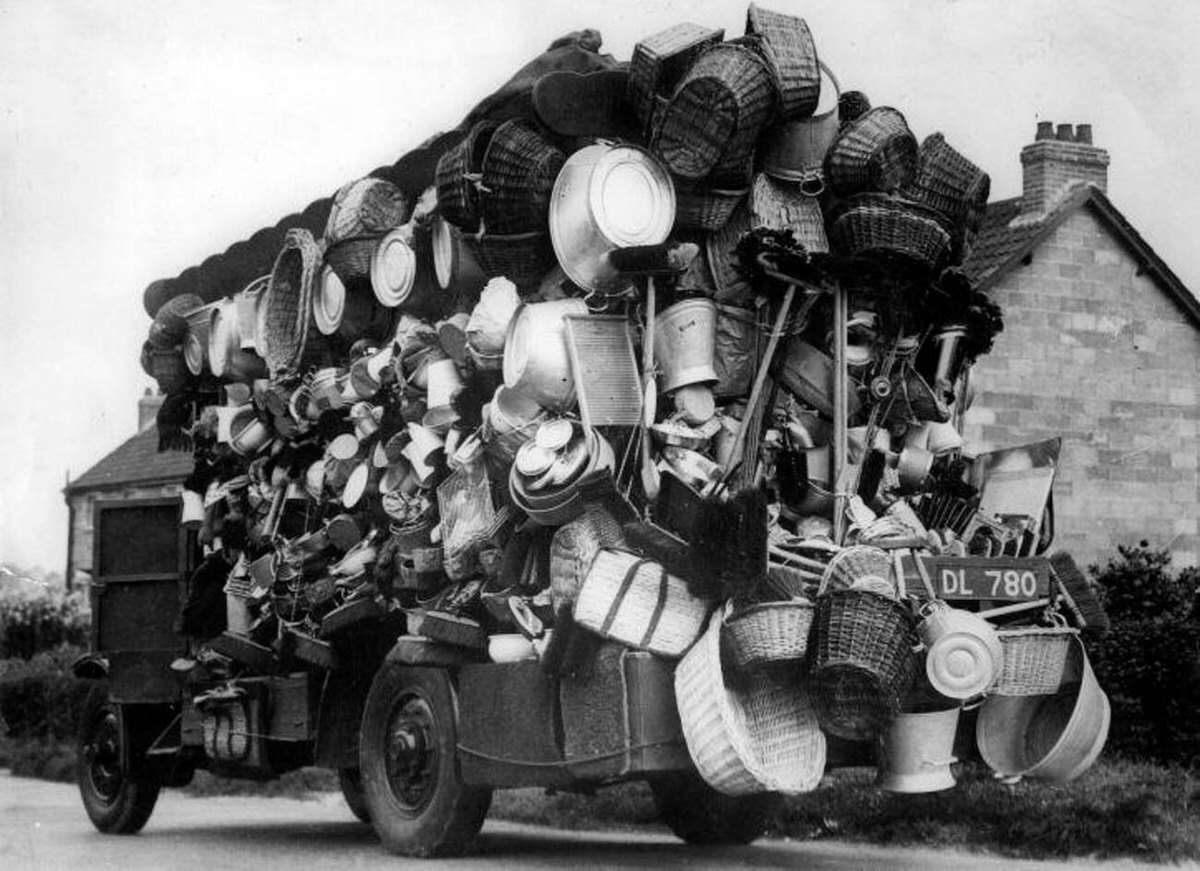
Street life during the crisis years carried on, but the signs of economic strain were everywhere. Men took whatever work they could find — hauling carts over bridges for small coins, grinding scissors door to door, or delivering ice to homes that had no refrigerators. A motorized peddler might load every household item he owned onto a single car and drive it to a new market. These were not side jobs. For many, they were the only income a family had.
Human draught-horse. Man dragging carts over a steep bridge, for a small fee. Amsterdam, The Netherlands, 1934.
Scissors-grinder. 1931.
Men delivering ice in the old days when there were no refridgerators. The Netherlands, 1930’s .Overloaded car of a motorized peddler with household items, 1930s
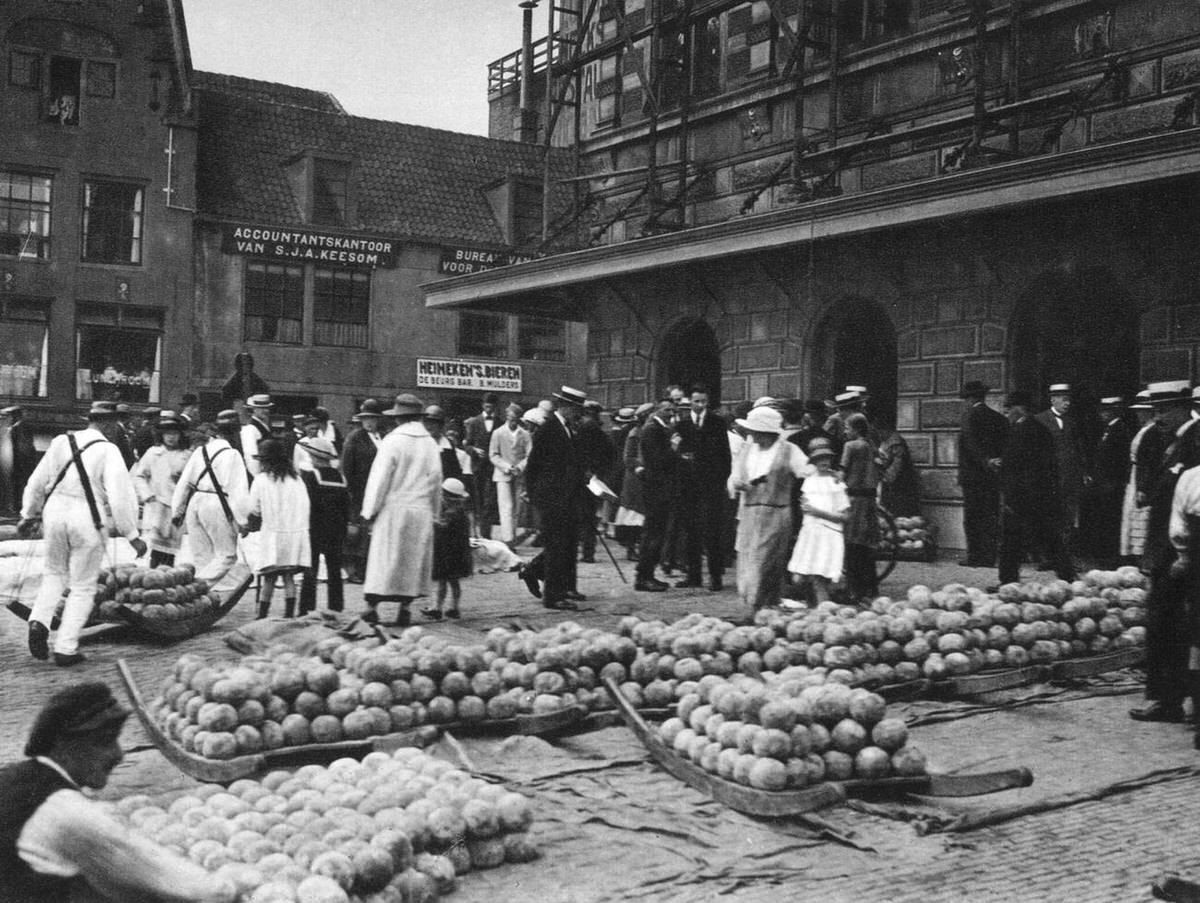
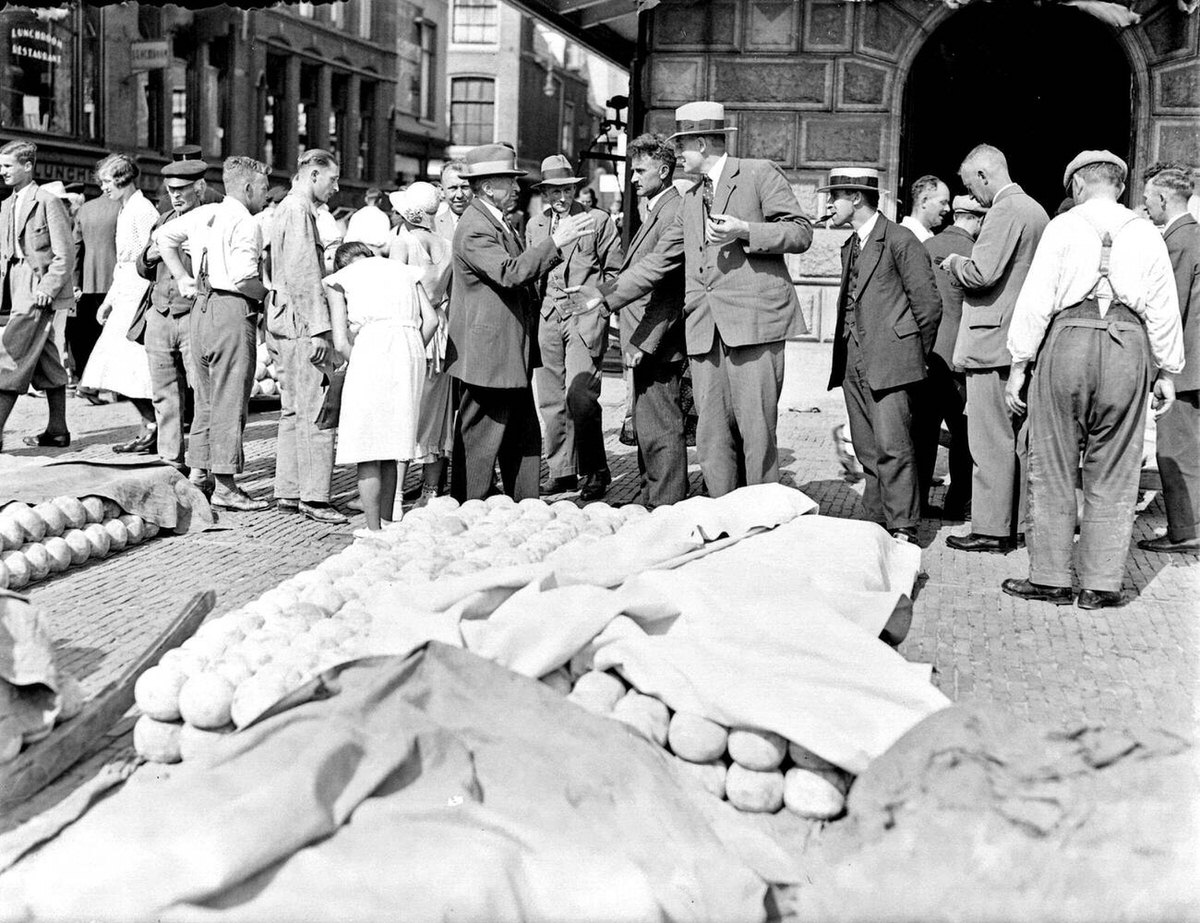
Not all economic activity had stopped. Traditional industries kept running in parallel with modern ones. In Alkmaar, the famous cheese market still drew traders every Friday. Buyers and sellers settled prices through a ritual of hand-clap bargaining — a centuries-old practice that continued even as the broader economy faltered.
Cheese market on a Friday in Alkmaar, 1934Hand-clap bargaining at the cheese market in Alkmaar, 1932
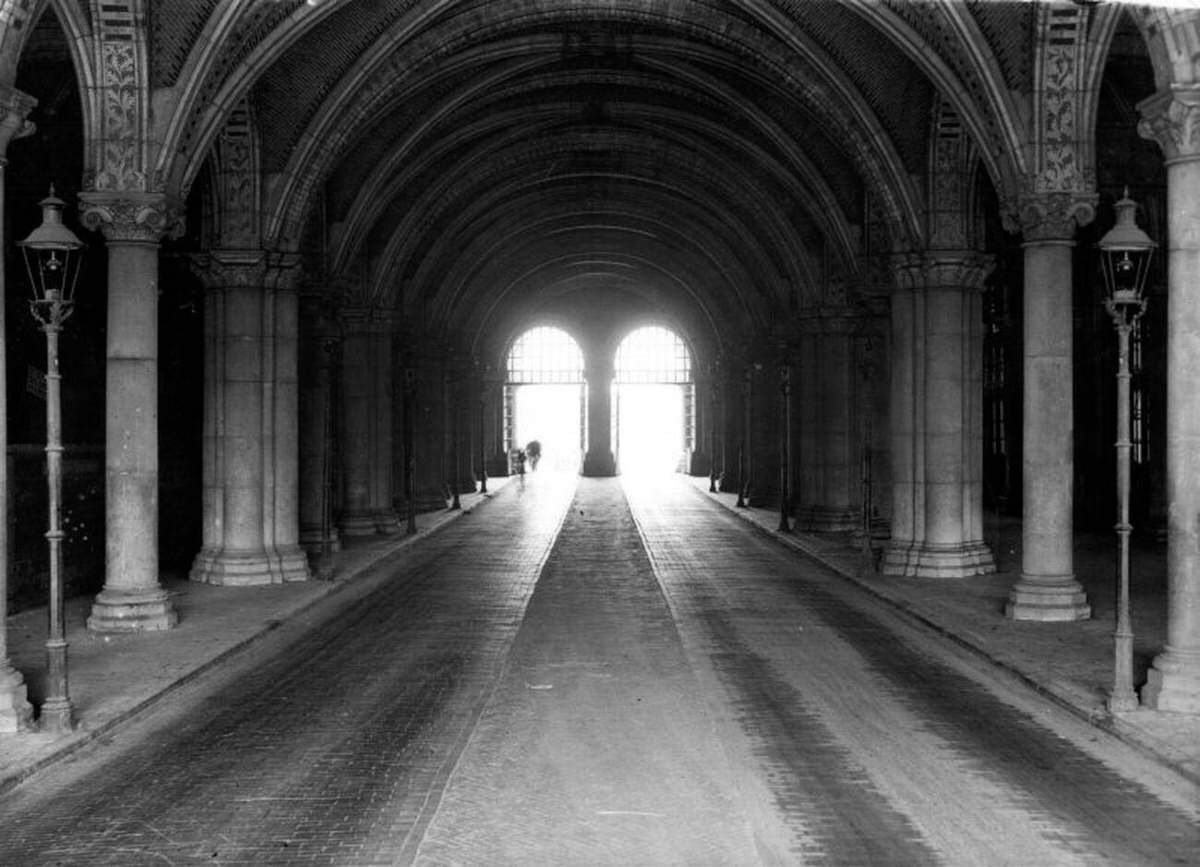
The tension from unemployment and poverty exploded in July 1934. When the government announced cuts to the already minimal steun payments, residents of the Jordaan neighborhood in Amsterdam took to the streets. They built barricades, threw stones at police, and refused to back down. The government sent in the military and deployed armored cars to clear the area. The fighting lasted several days. Five people were killed, and hundreds more were injured or arrested. The Jordaan Riot forced the government to confront the reality that its austerity policies were pushing the urban poor to a breaking point.
Gate under the Rijksmuseum in Amsterdam, 1930s
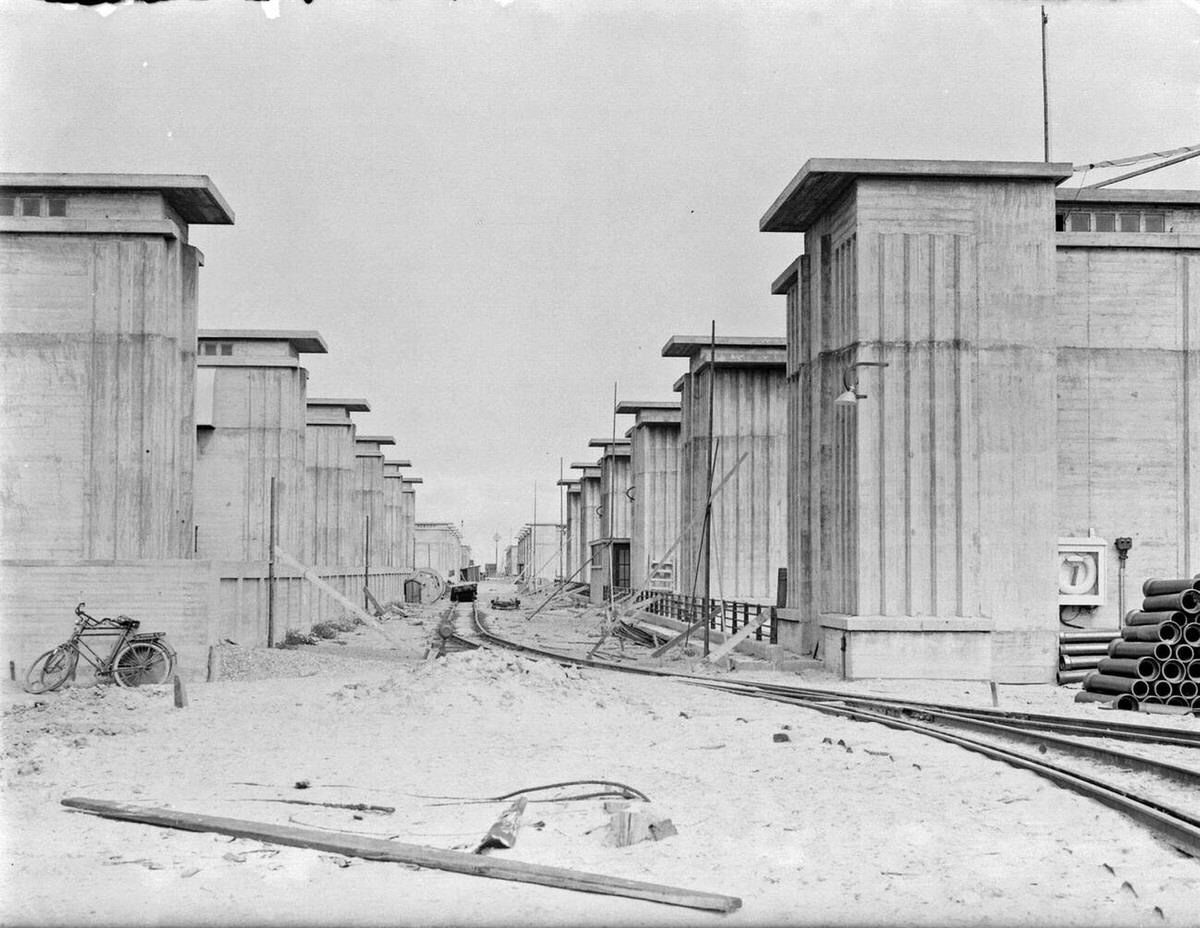
While the cities struggled, the Netherlands was simultaneously completing one of the greatest engineering feats in its history. On May 28, 1932, the Afsluitdijk was sealed shut. This 20-mile dam stretched across the mouth of the Zuiderzee, connecting North Holland and Friesland. It transformed a saltwater sea into a freshwater lake called the IJsselmeer. Thousands of workers using steam shovels and barges had spent years dumping boulder clay and sand into the water. Once the dam closed, the government began draining sections of the new lake. The first major area reclaimed — the Wieringermeerpolder — became farmland almost immediately, offering work and food production at a time when both were desperately needed. The locks at Den Oever, photographed during construction in 1930, give a glimpse of the massive scale of this operation.
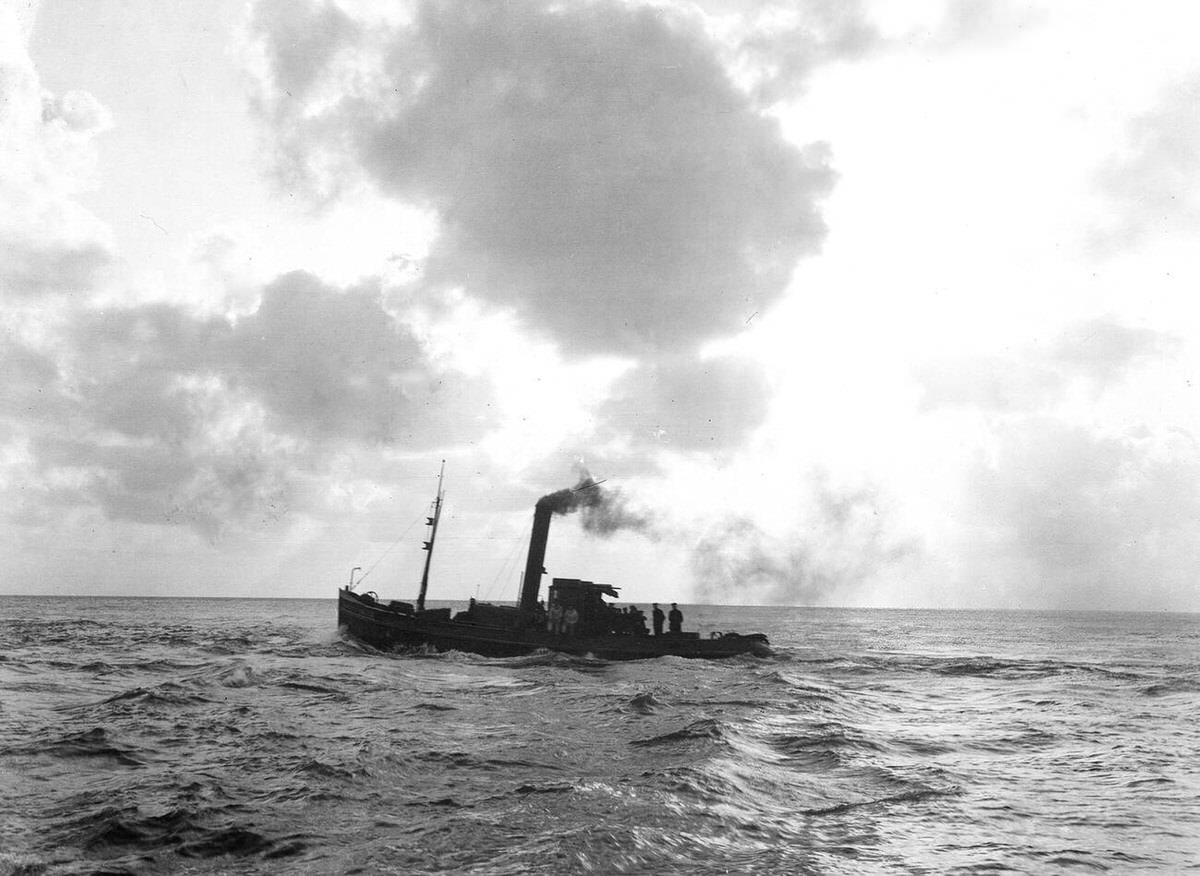
Stevin locks under construction in Den Oever, 1930Smoking tugboat passing at sea near Den Helder, 1930
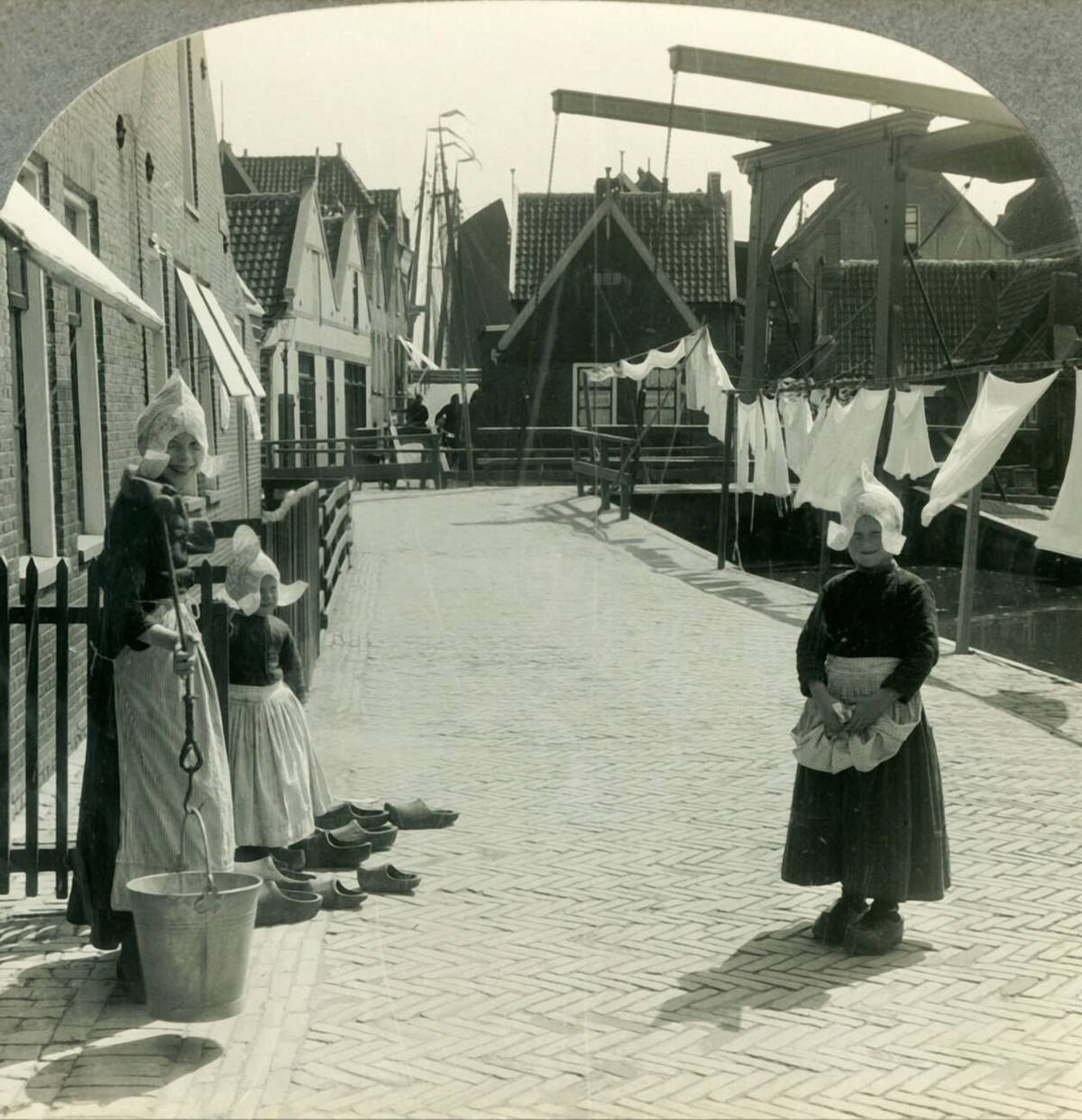
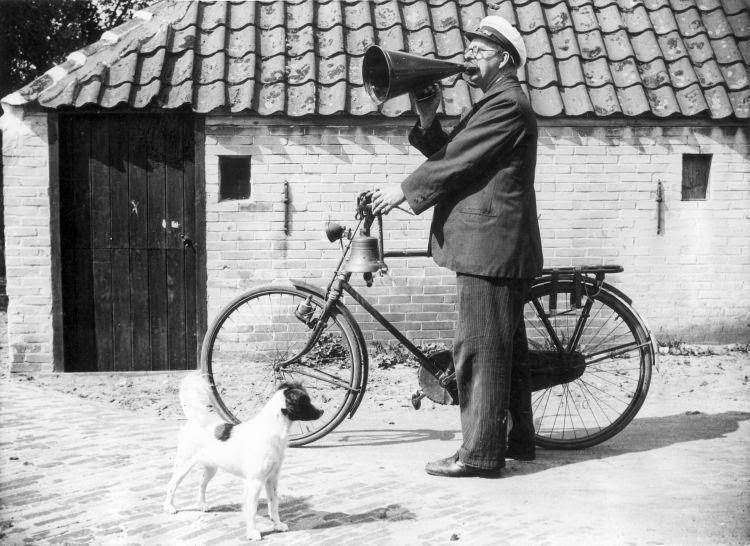
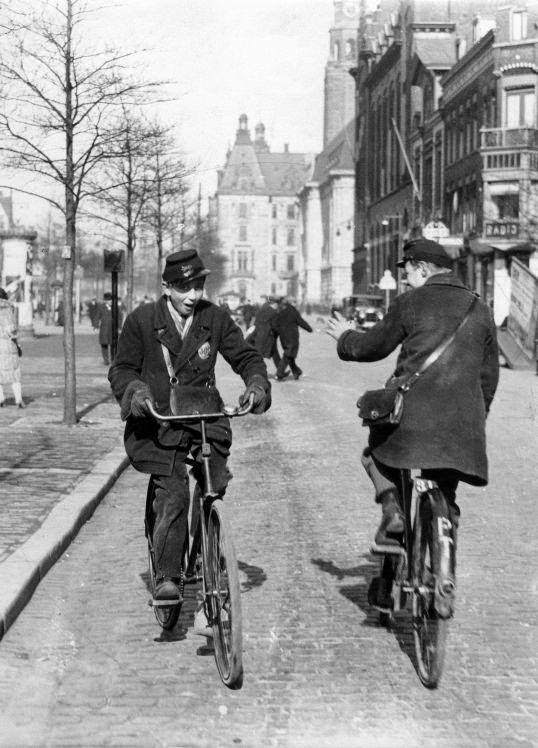
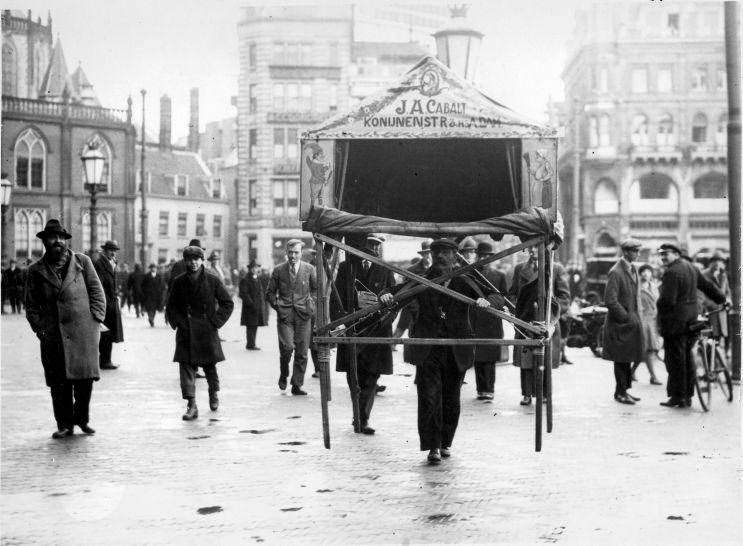
Daily life beyond the crisis had its own textures. In the fishing village of Volendam, washday still meant hauling laundry out in wooden clogs. A town crier on the island of Terschelling still walked the streets in 1938, calling out the latest news. Telegram deliverers on bicycles greeted each other in passing. A puppet player carried his Punch-and-Judy theater across Dam Square in Amsterdam. These routines continued alongside the hunger and the protests.
Washday in Volendam featuring residents and their wooden clogs, 1930sTown-crier announcing the latest news on the island of Terschelling, the Netherlands, 1938.Telegram deliverers on bicycle greeting each other in the street. The Netherlands, Place unknown, early 1930’s.Puppet player carrying his Punch-and-Judy show / puppet show theatre across the Dam square in Amsterdam, the Netherlands. 1935.
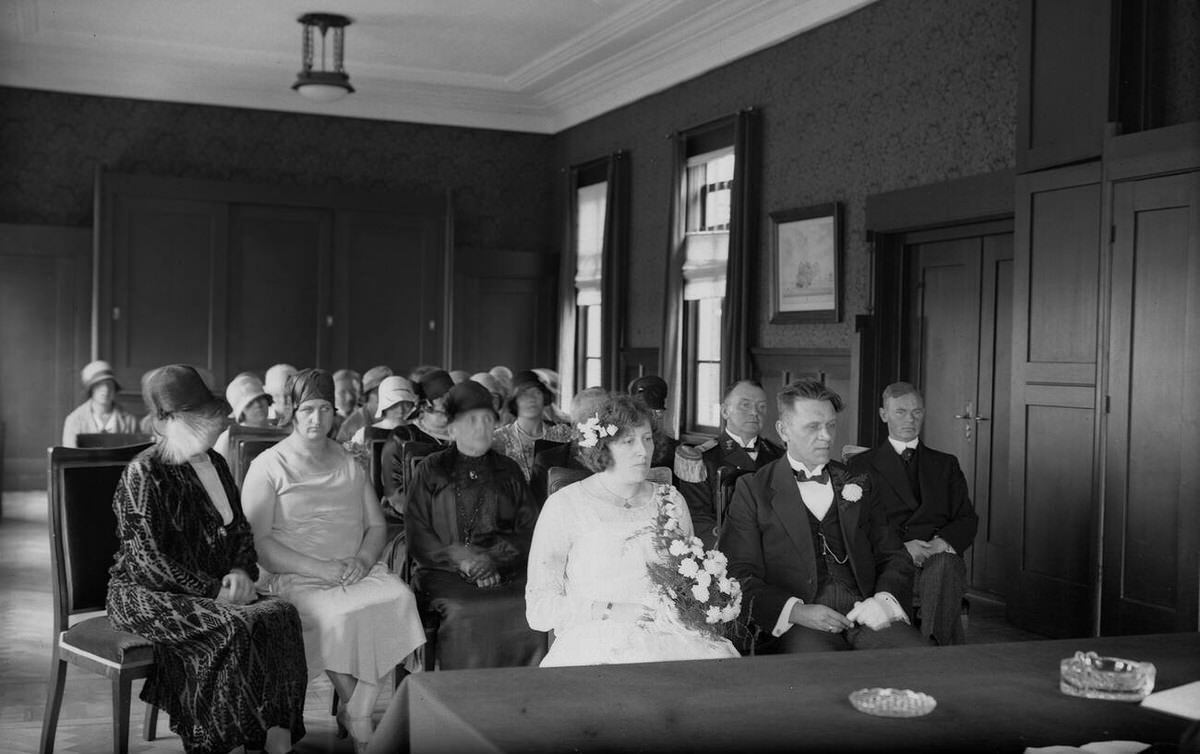
Social life in the Netherlands was organized through a rigid system called “Verzuiling” — pillarization. The population was divided into four distinct groups: Protestants, Catholics, Socialists, and Liberals. Each group operated its own schools, sports clubs, radio stations, and newspapers. A person born into the Catholic pillar stayed within it for their entire life. Marriage between a Catholic and a Protestant was treated as a serious scandal. A Protestant shopkeeper typically served Protestant customers. The pillars kept Dutch society stable but deeply divided. Leaders from each group cooperated in government, but ordinary people rarely crossed social boundaries.
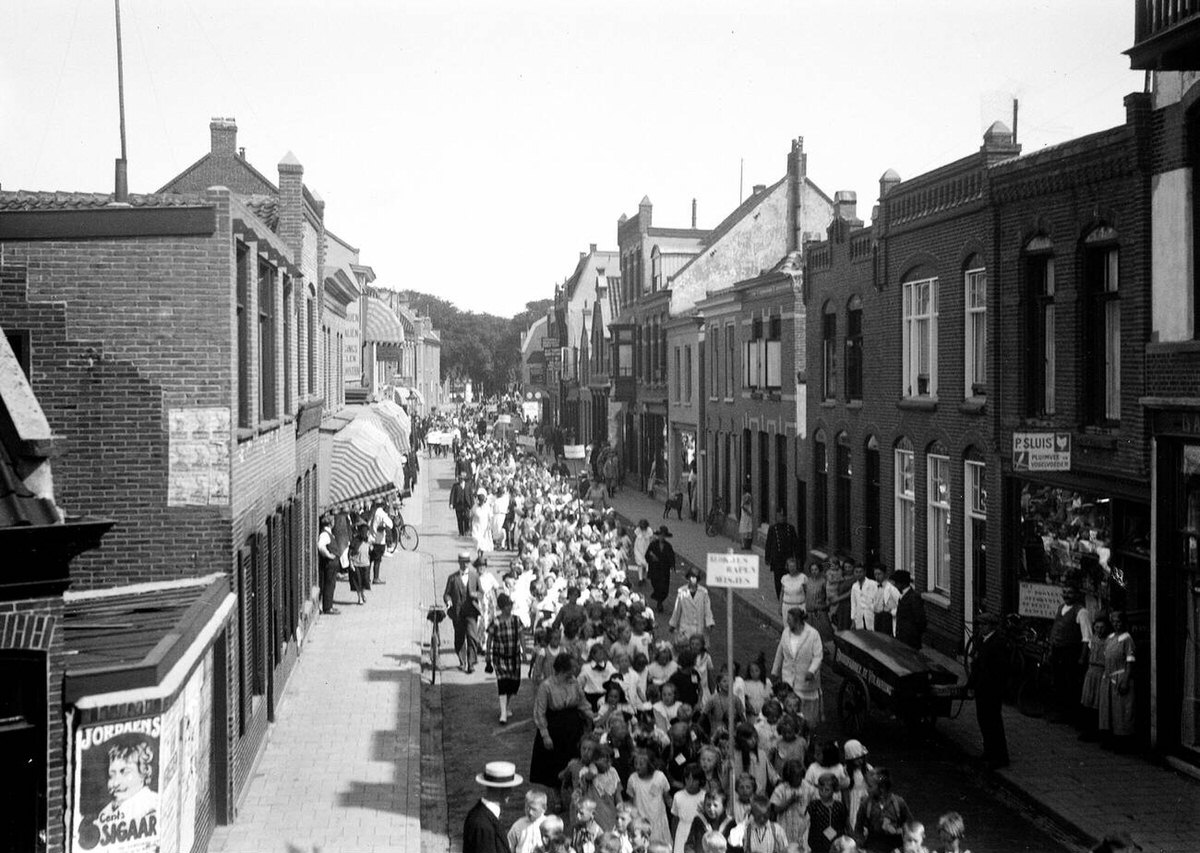
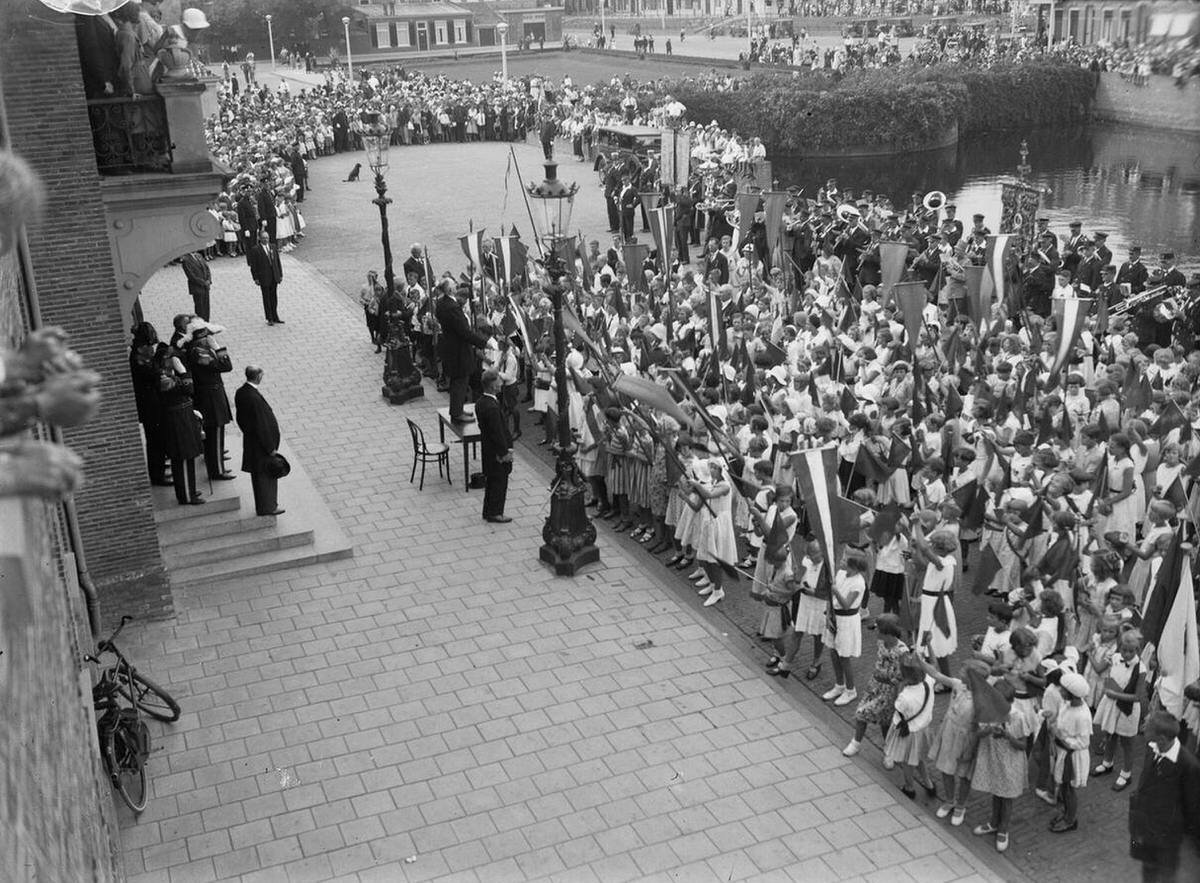
City hall wedding room with a bridal couple and guests during a civil ceremony, 1930Procession with school children in Den Helder, 1930
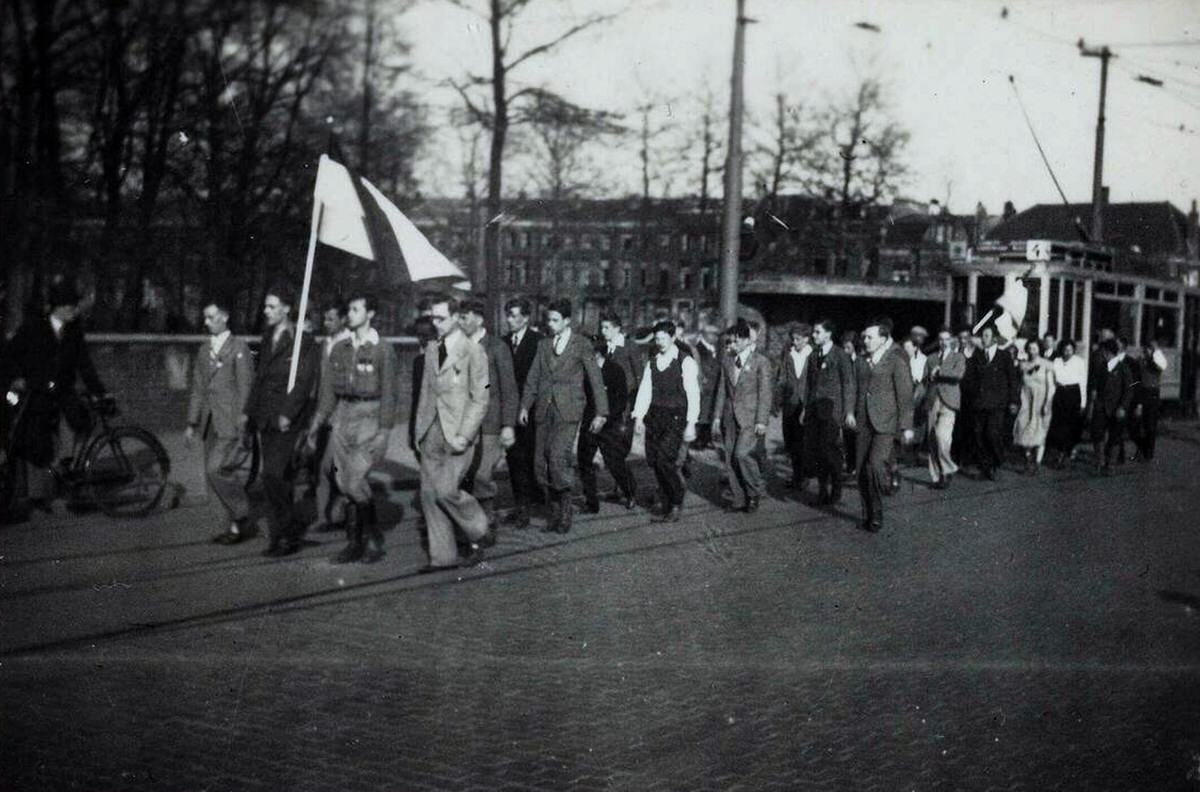
The frustration caused by years of unemployment created space for extreme politics. In 1931, Anton Mussert founded the Nationaal-Socialistische Beweging — the NSB, the Dutch Nazi Party. The party promised to end unemployment and restore national pride, staging rallies and marching in military-style uniforms. In the 1935 provincial elections, the NSB won eight percent of the vote. The result alarmed established parties. The government banned civil servants from joining the NSB. Catholic and Protestant churches ordered their followers not to join. Despite remaining a minority, the NSB fought Socialist groups in the streets often enough to require increased police patrols across the major cities.
NSB procession with a man carrying the Dutch flag in front of a tram, 1930s
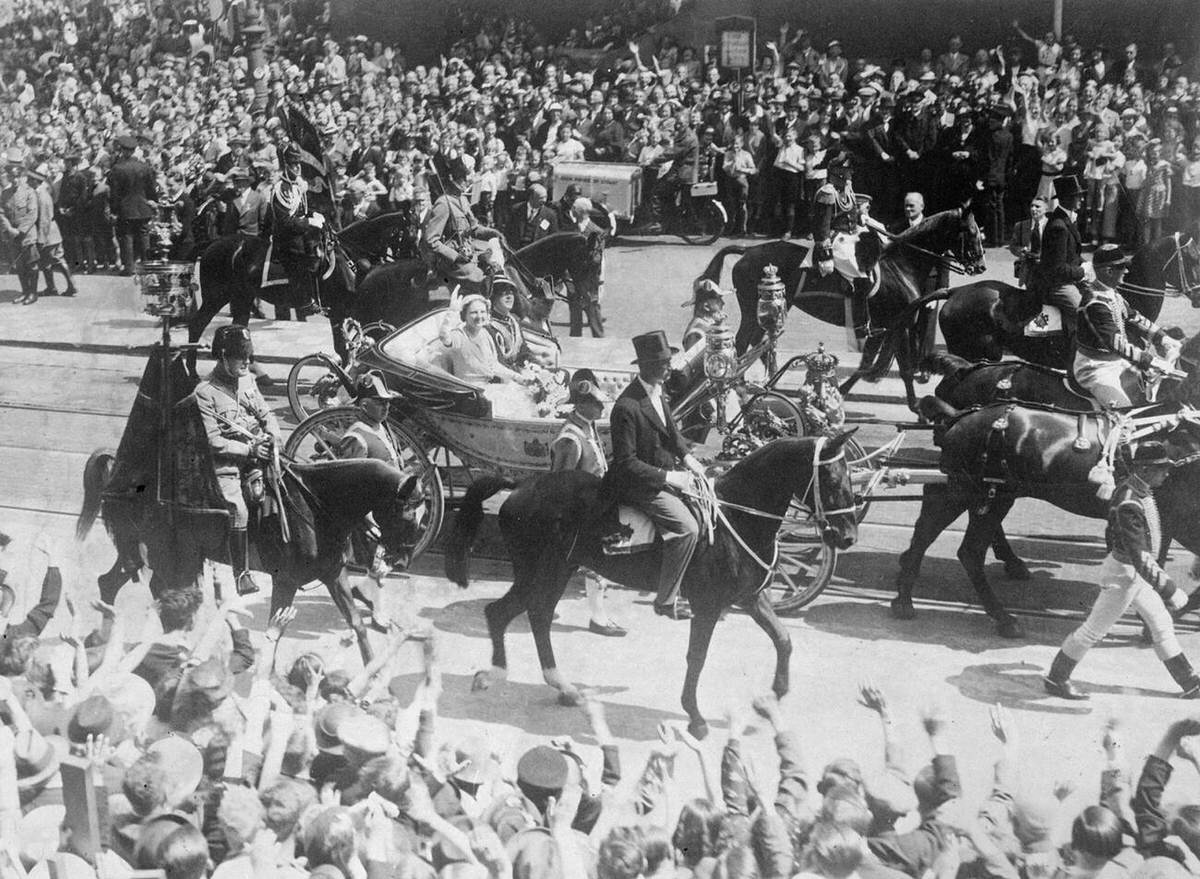
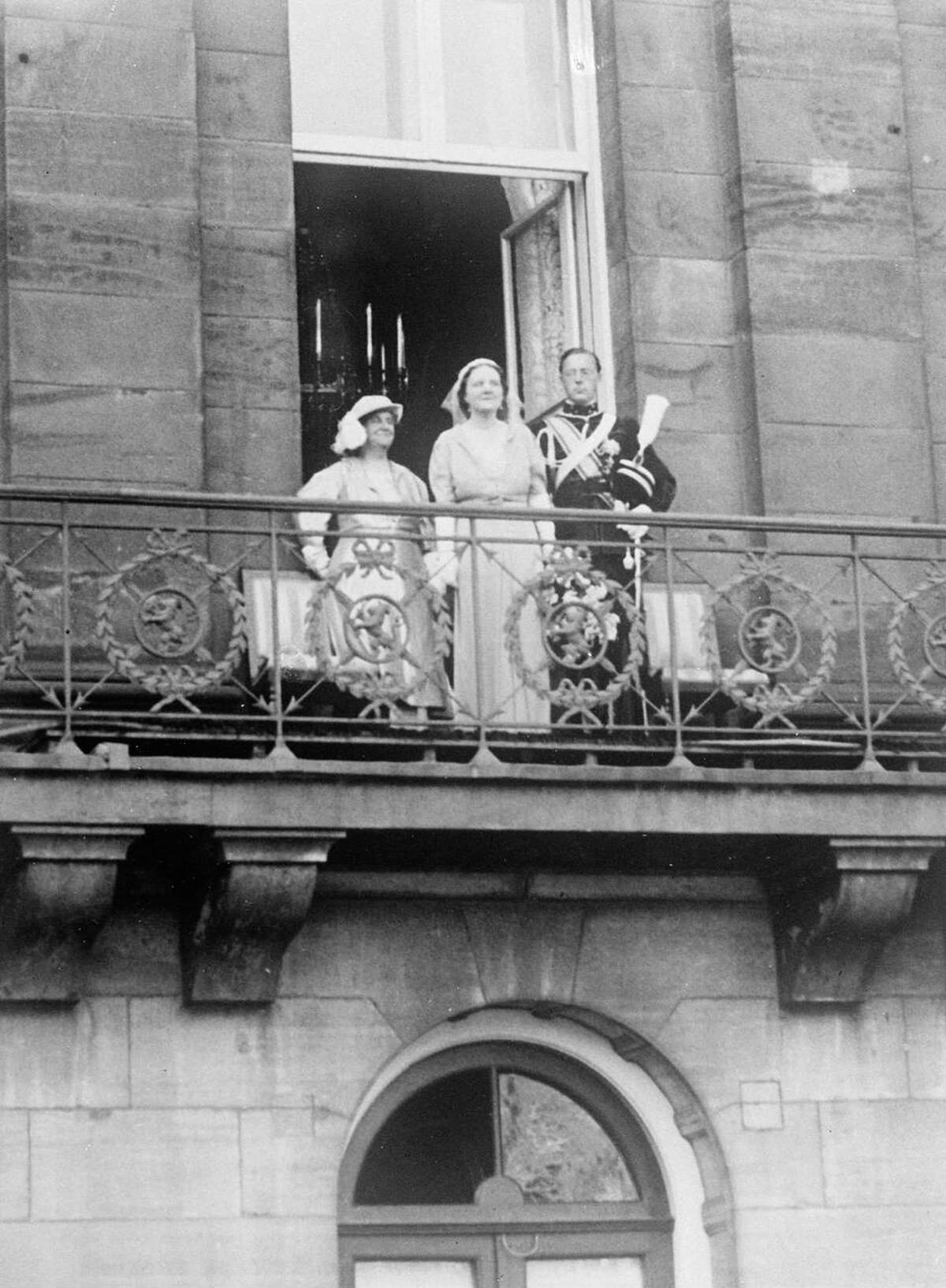
The royal family provided a counterpoint to the political anxiety. In January 1937, Princess Juliana married German Prince Bernhard. The couple toured Amsterdam in an open carriage to cheering crowds, and Queen Wilhelmina appeared with them on the balcony of the Royal Palace. The wedding was a moment of public celebration in a decade that had offered very few.
Princess Juliana and Prince Bernhard in an open carriage during a visit to Amsterdam, 1937Princess Juliana, Prince Bernhard, and Queen Wilhelmina on the balcony of the Royal Palace in Amsterdam, 1937
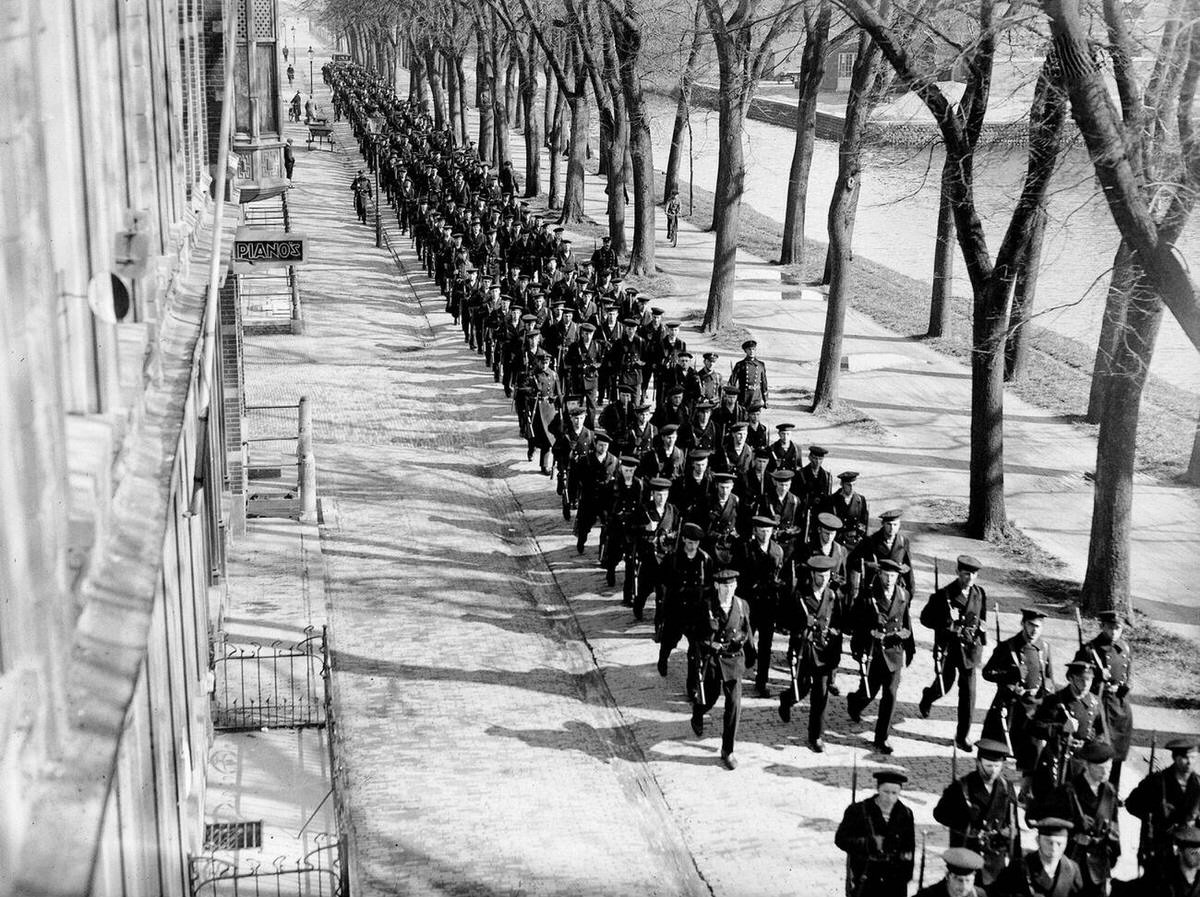
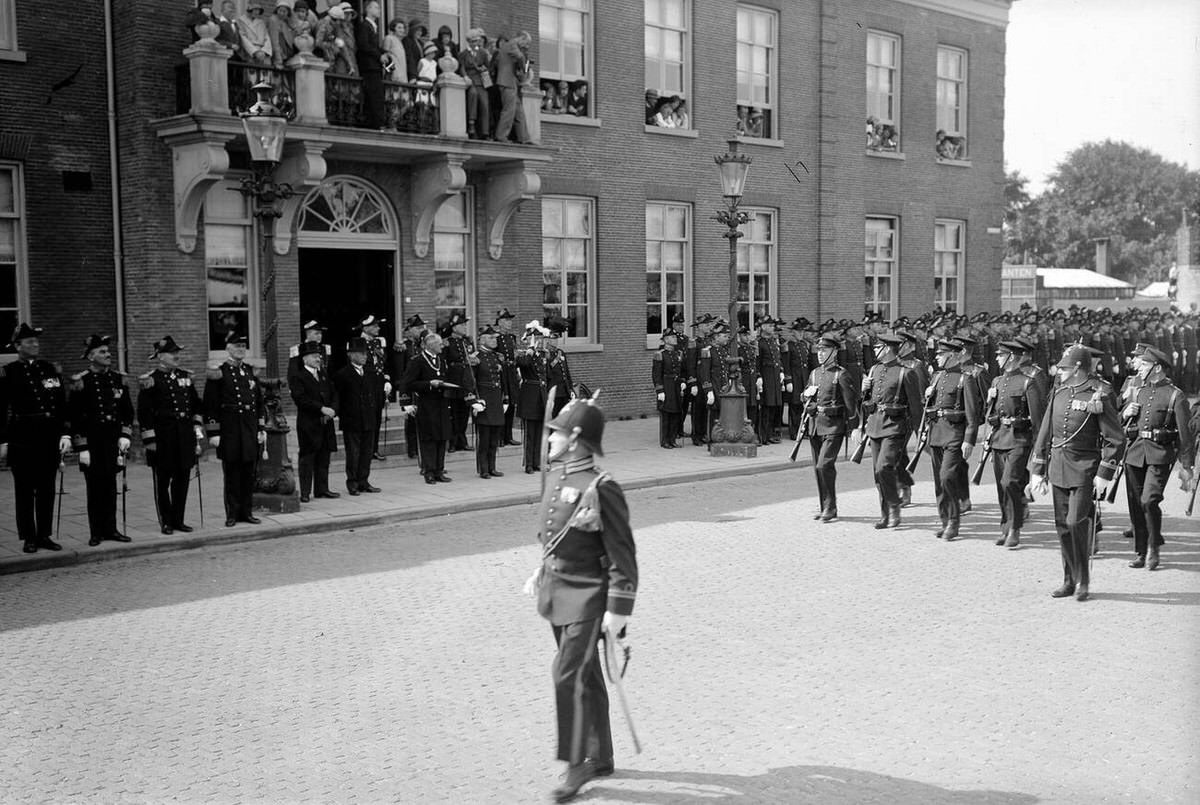
By the late 1930s, the economy was no longer the only concern. Nazi Germany had grown powerful across the eastern border. The Netherlands had stayed neutral during World War I and intended to do so again. But the threat was real enough that the government began spending on military hardware — new planes, tanks, and fortifications — for the first time in years. In August 1939, a general mobilization was ordered. Thousands of men left their homes and jobs to guard the borders and the Water Line, a network of flood defenses designed to stop an invading army. Soldiers dug trenches and poured concrete along the eastern frontier.
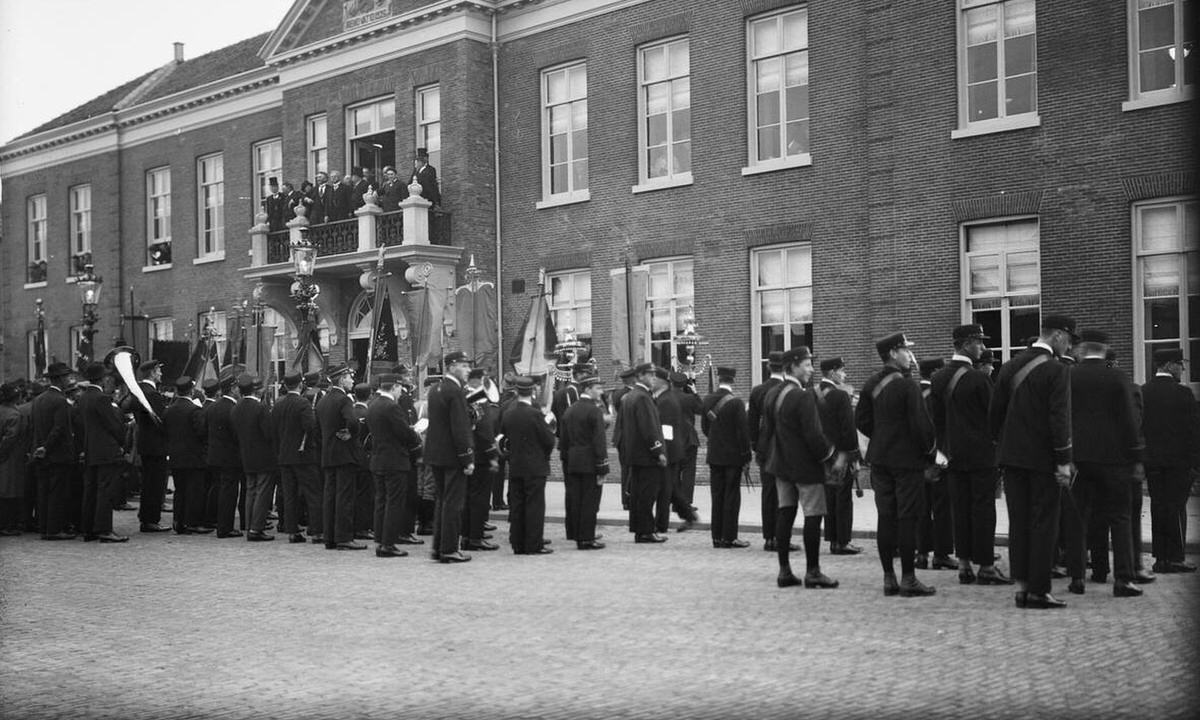
Navy sailors marching in the Netherlands, 1930Town hall facade with Mayor W. Driessen and a guard of honor for a military parade, 1931
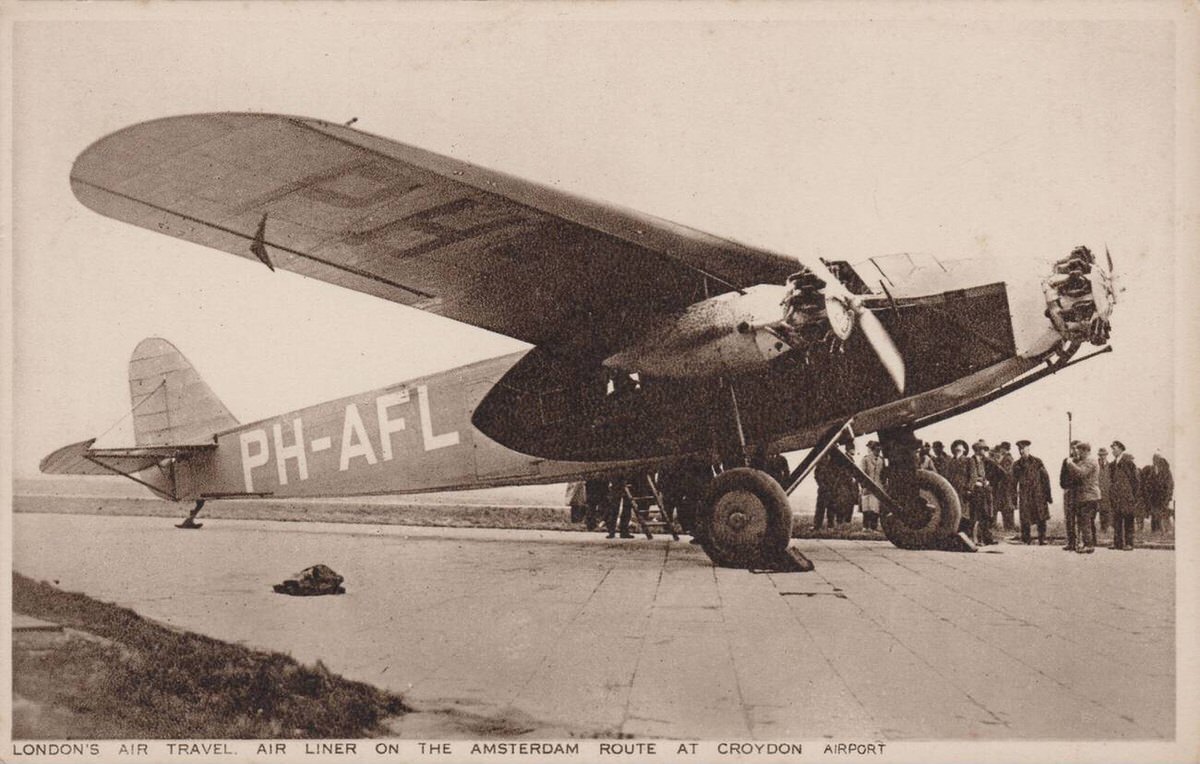
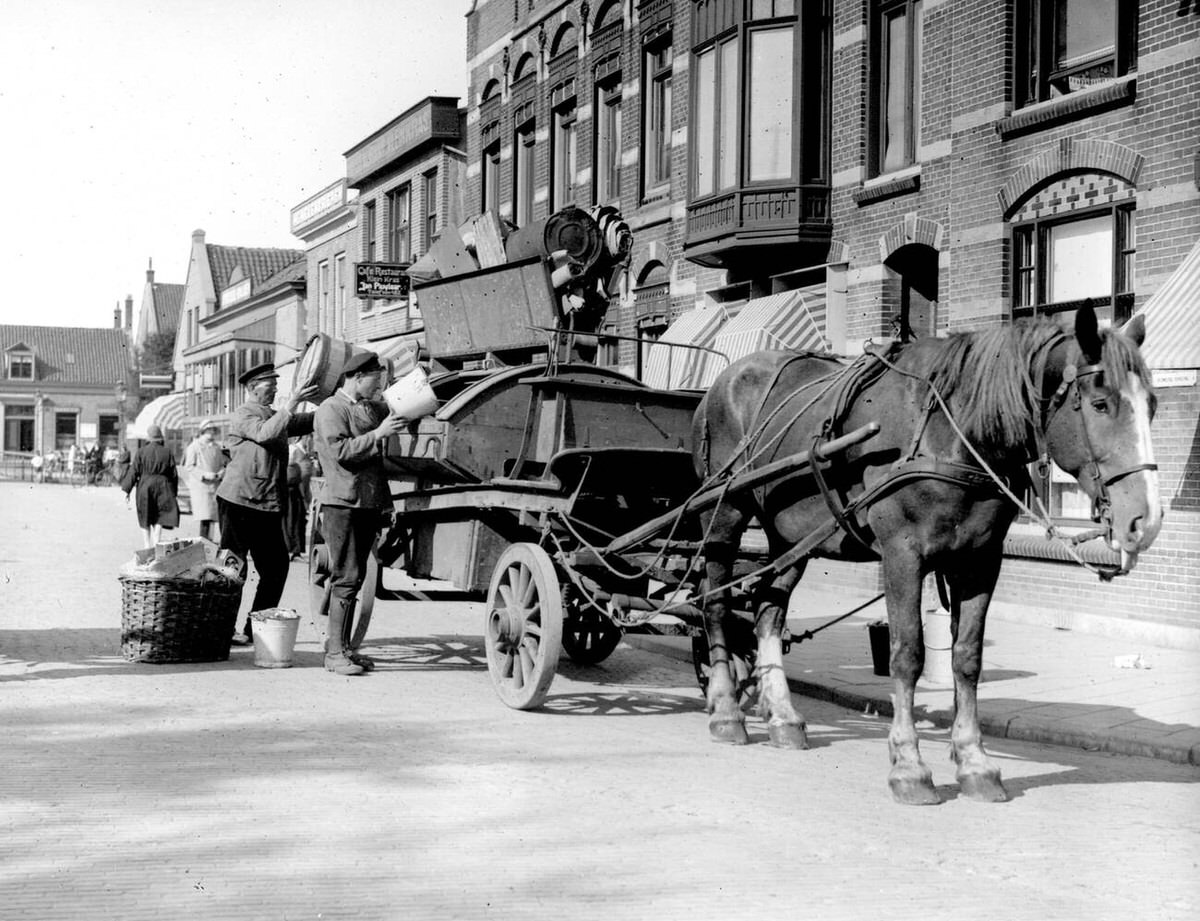
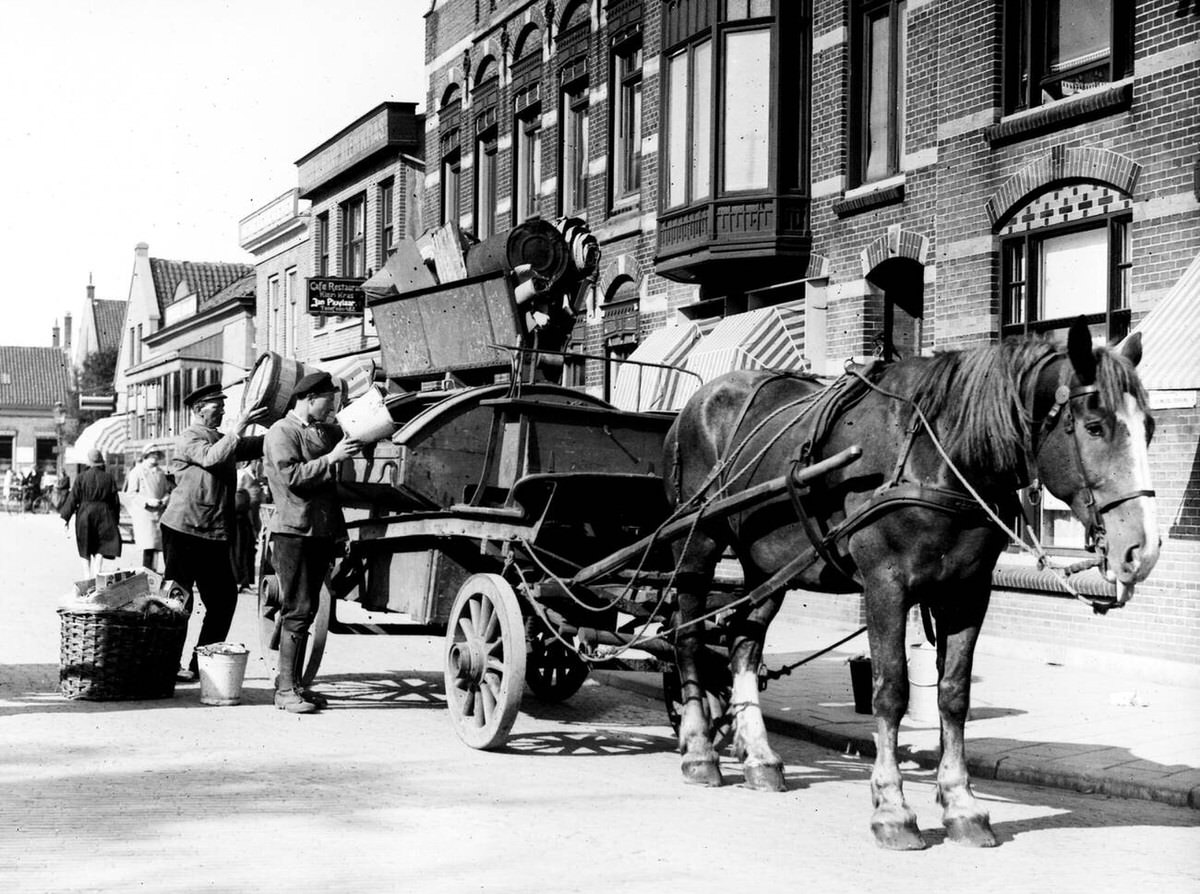
The photographs from this decade capture a country that was modern in some ways and deeply traditional in others. KLM Fokker airliners flew international routes out of Croydon Airport while horse-drawn wagons still collected refuse on Dutch streets. A film crew at Schiphol staged a fake story about a flying bicycle for a laugh, even as real military mobilization loomed. The canal cities, the coastal towns, and the flat reclaimed farmland all held a population caught between a hard past and an uncertain future.
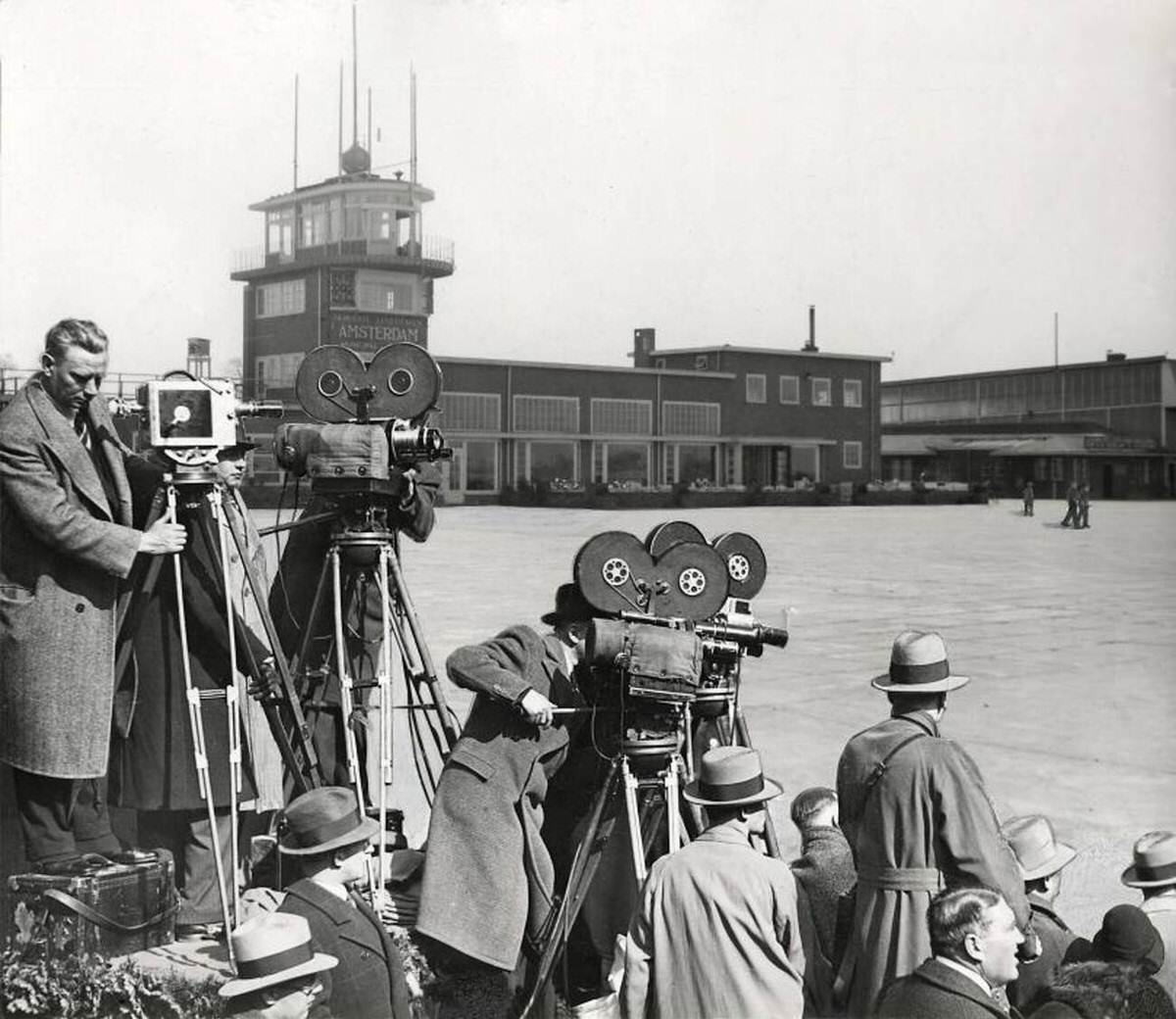
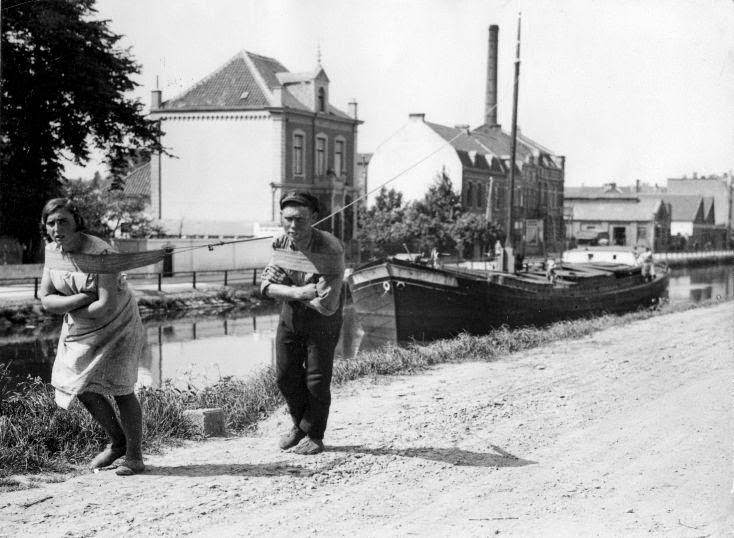
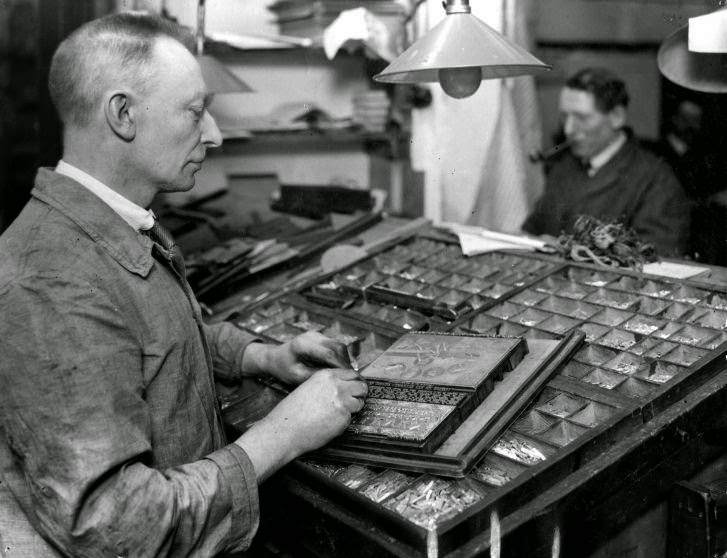
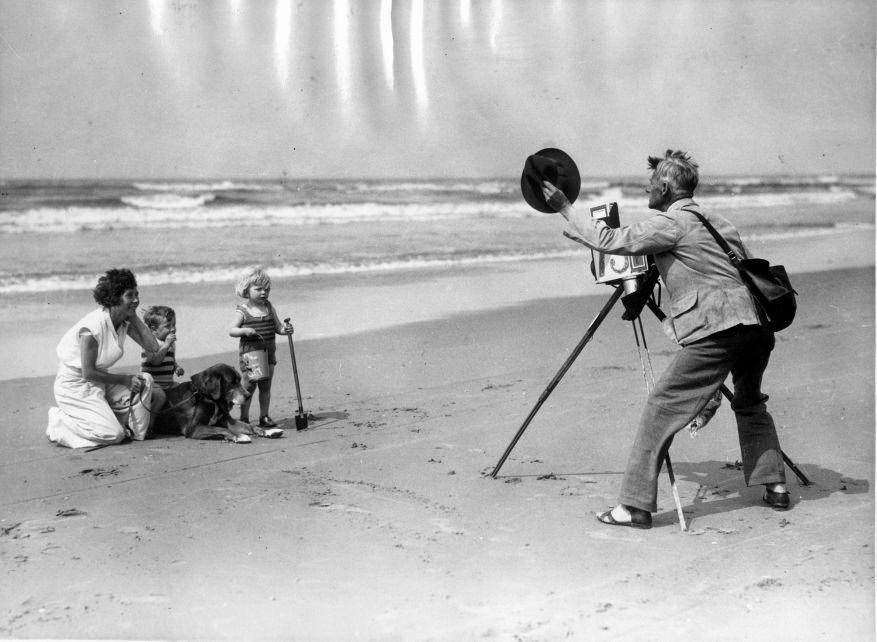
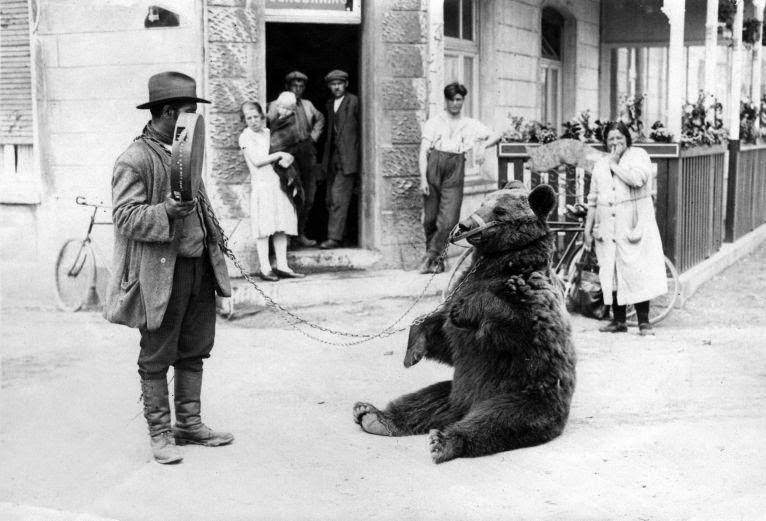
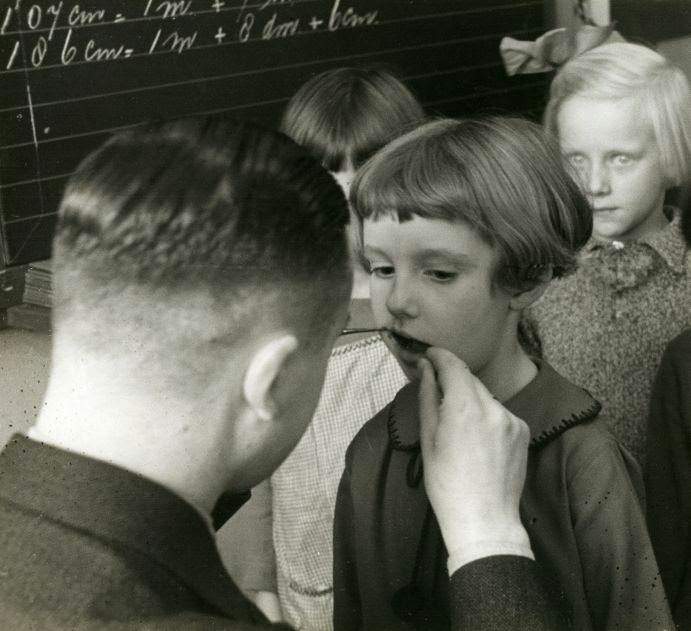
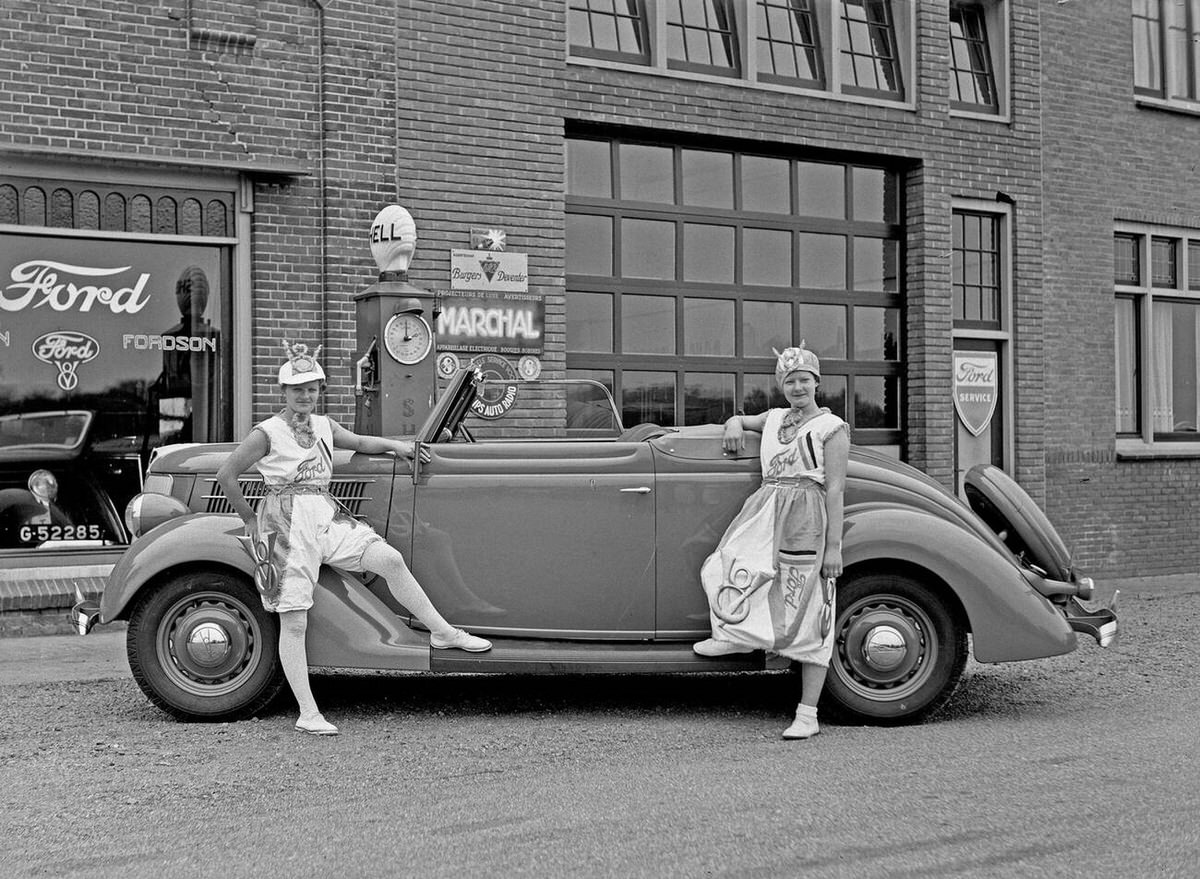
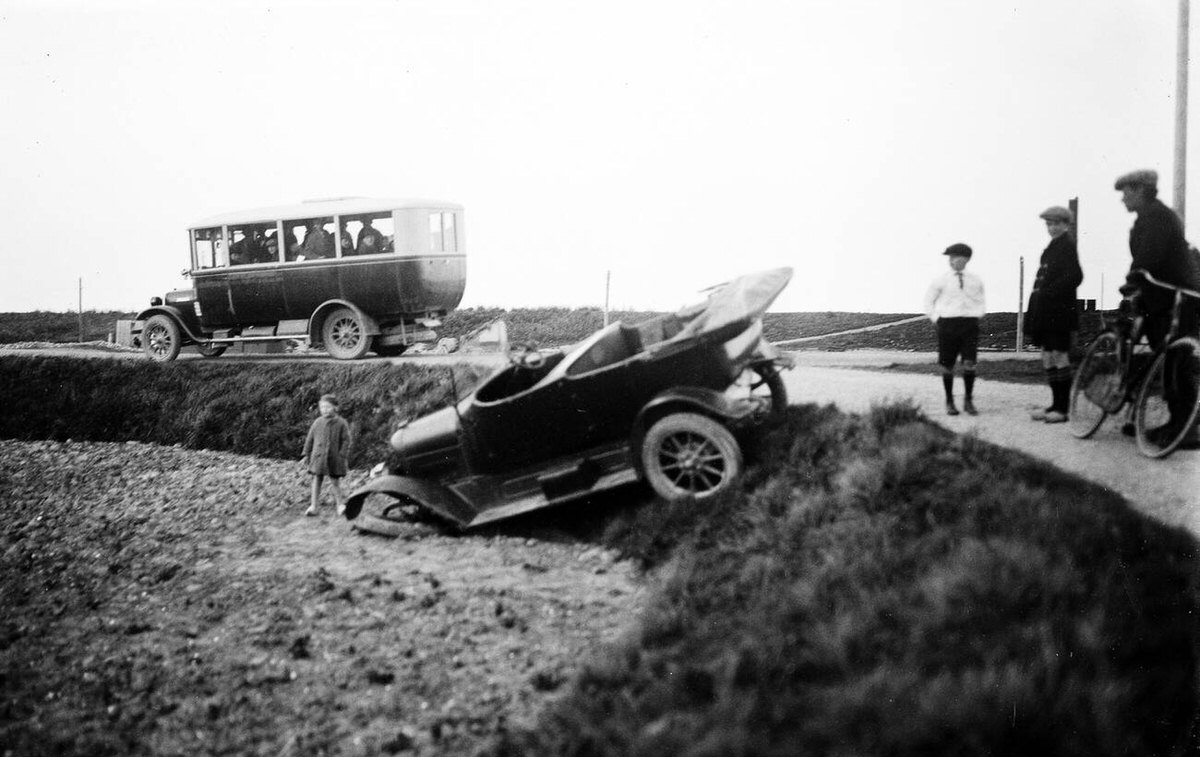
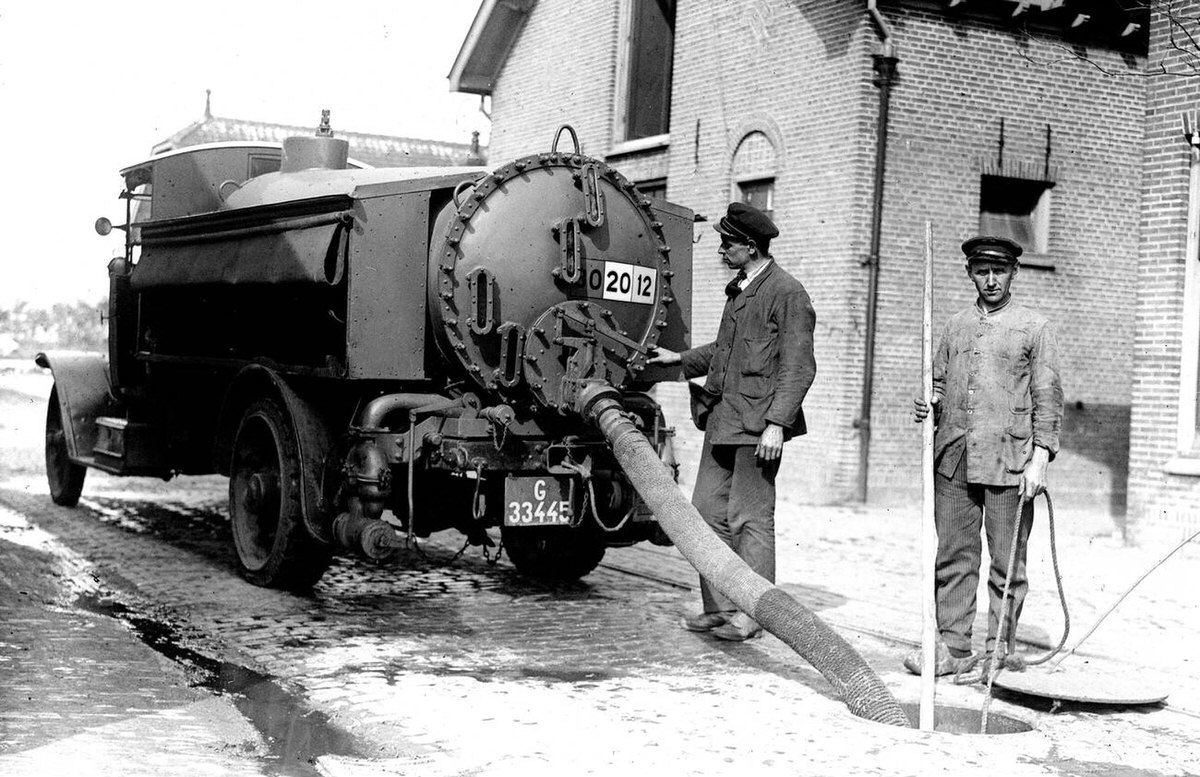
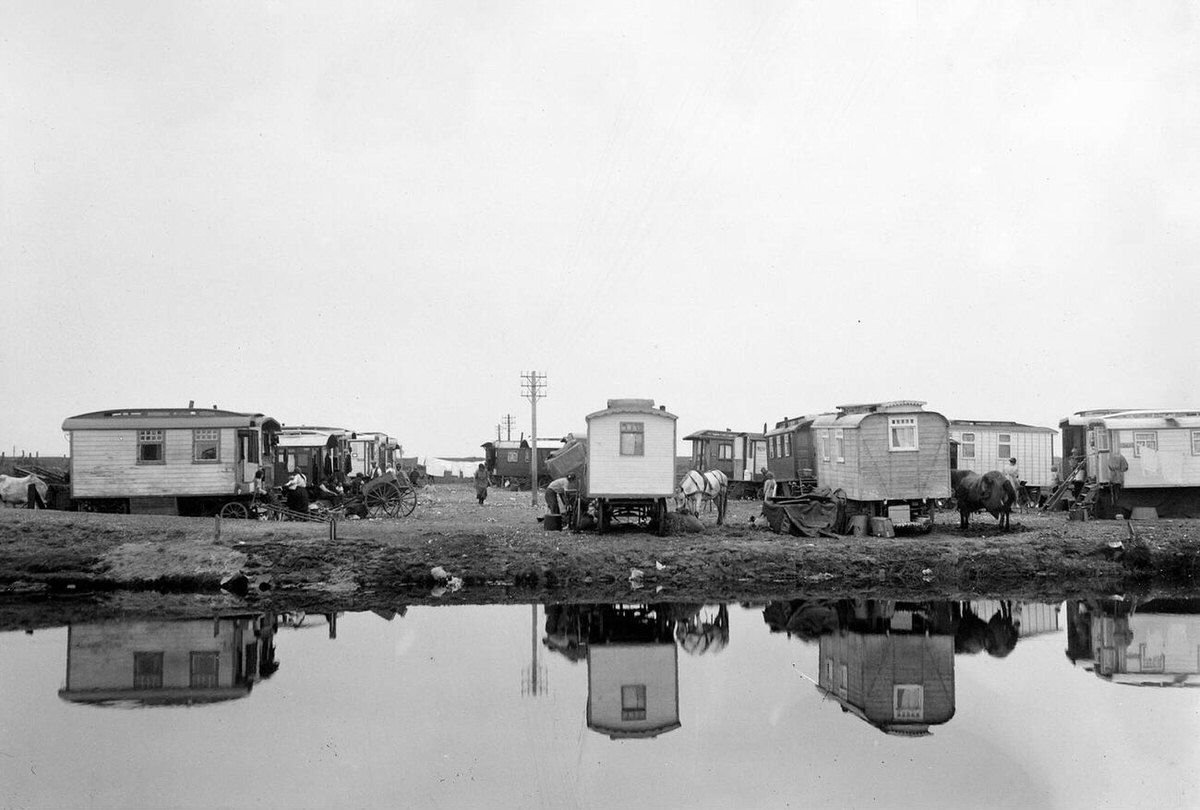
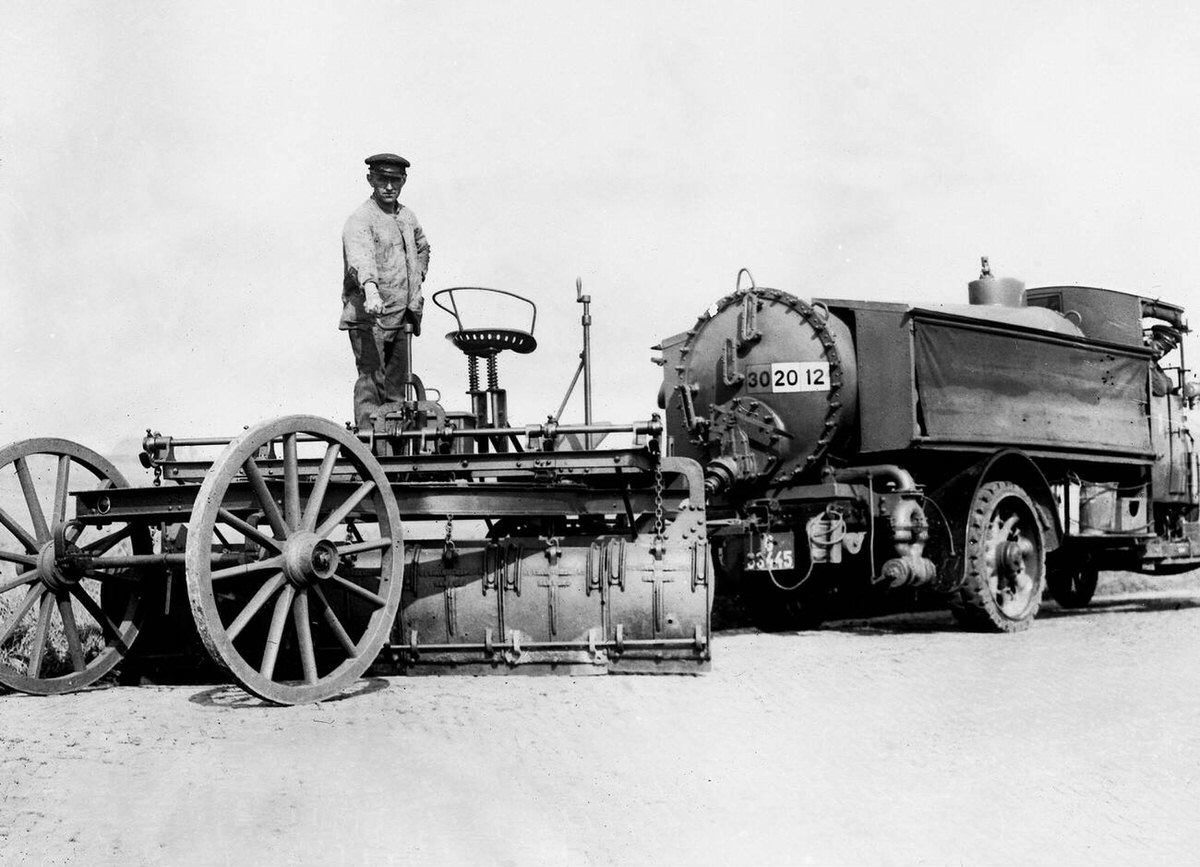
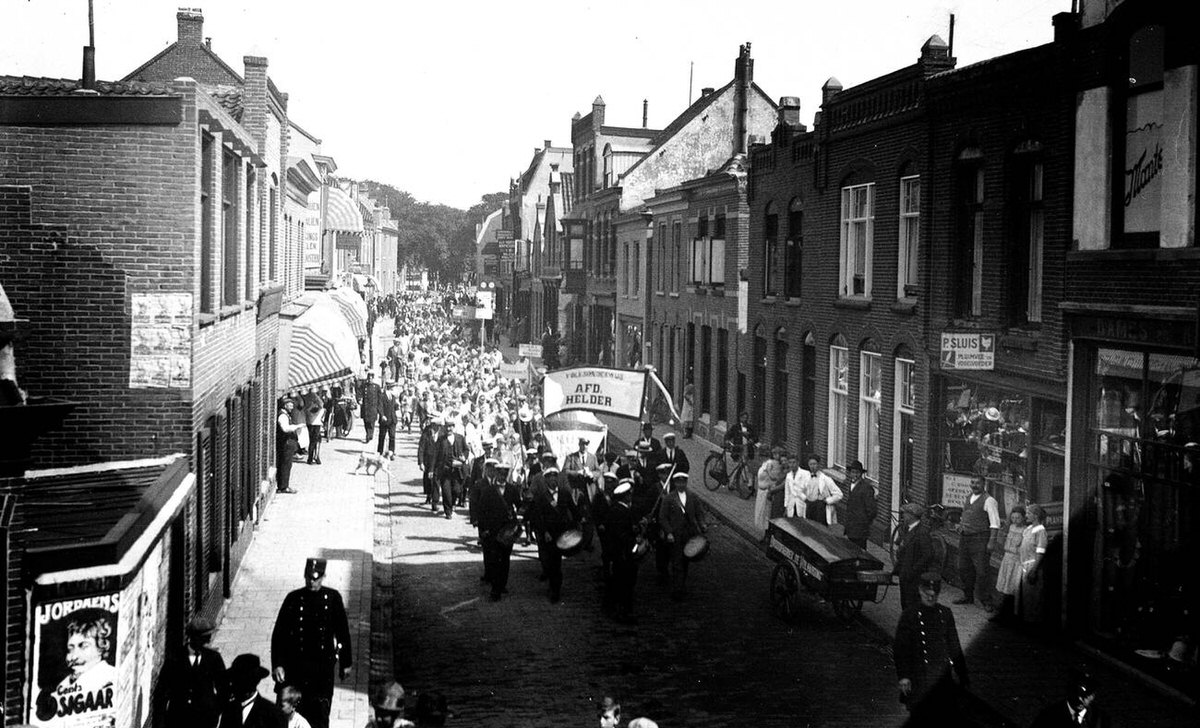
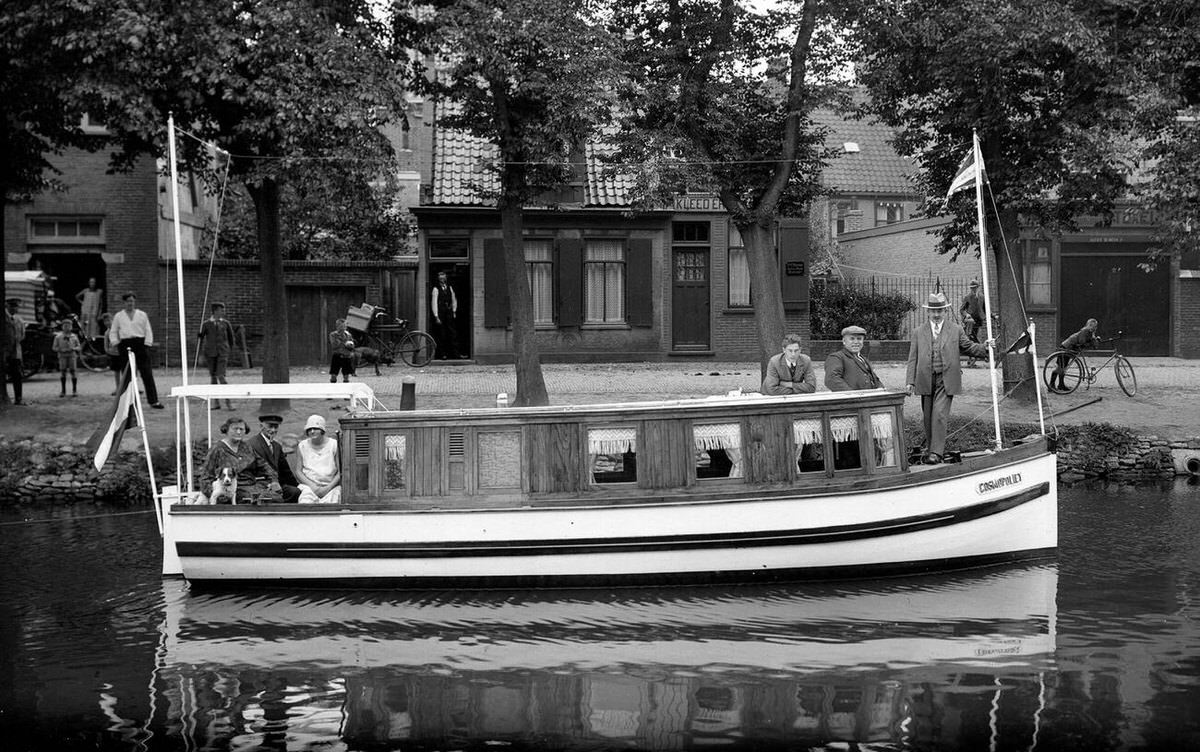
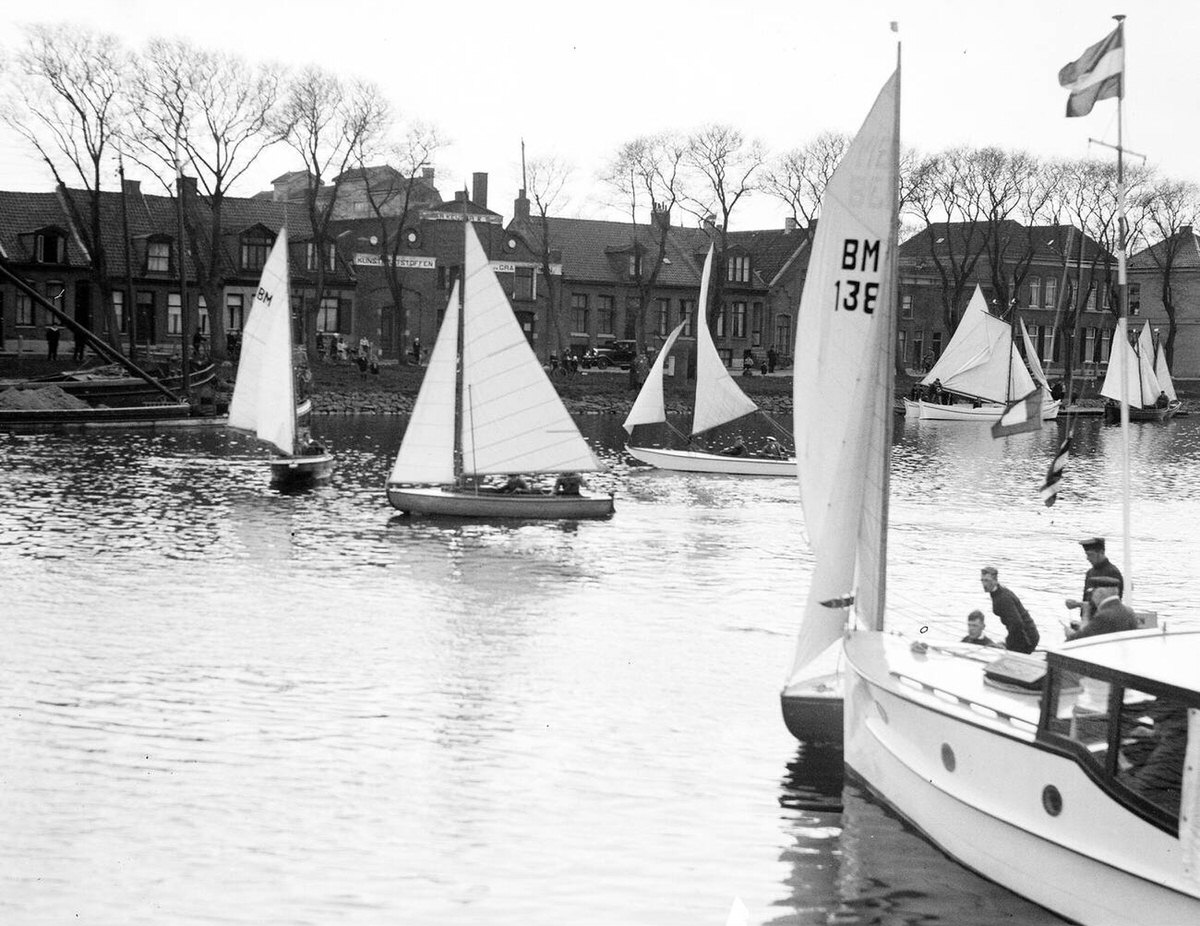
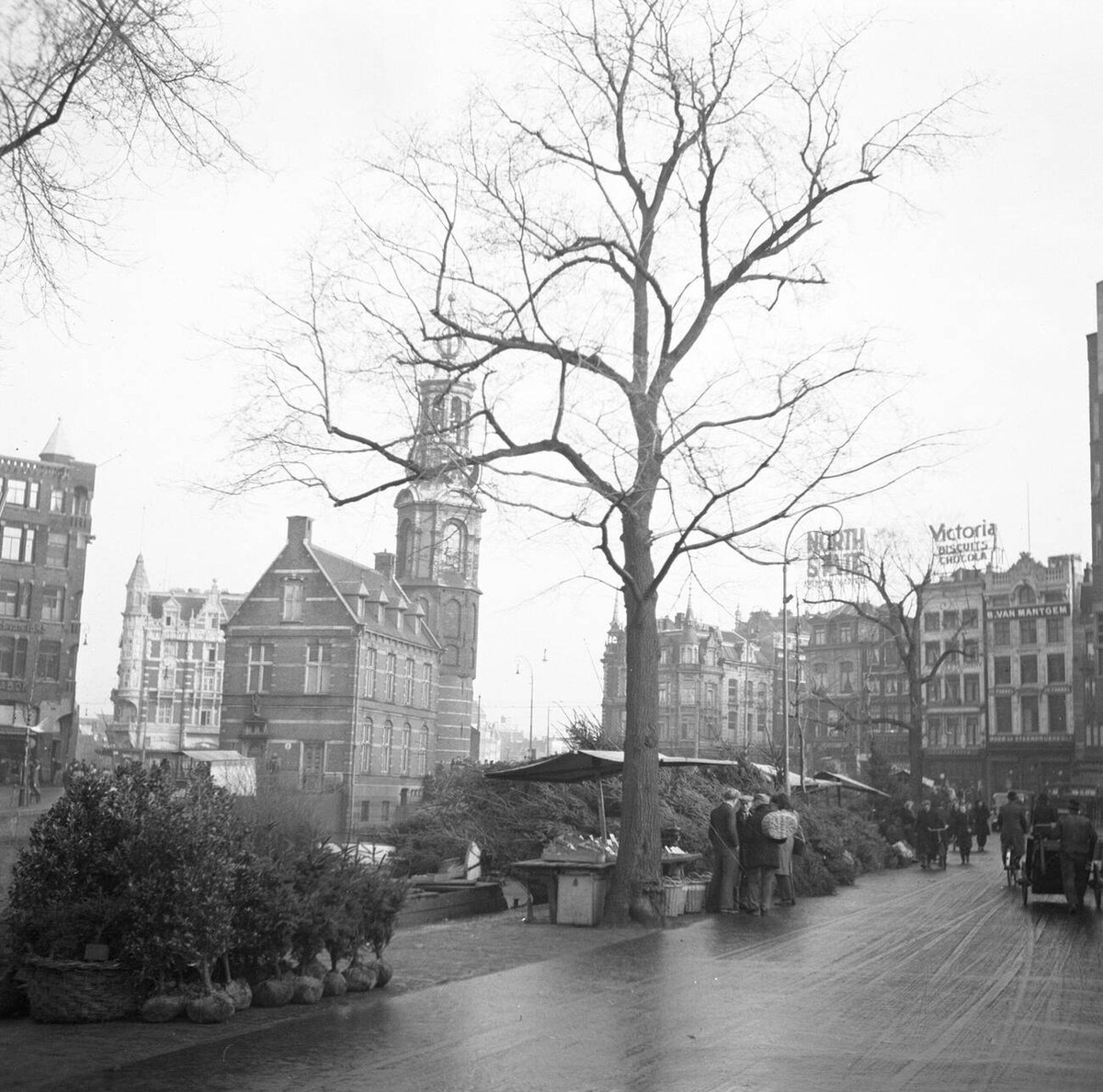
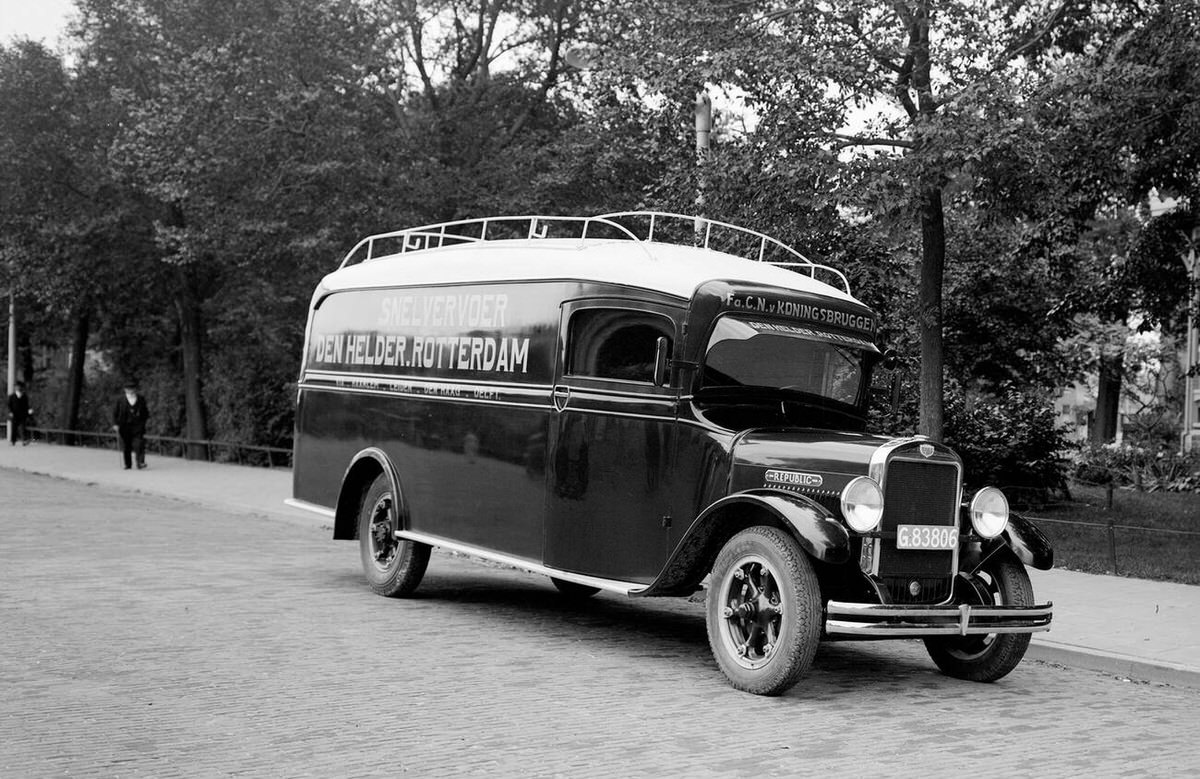
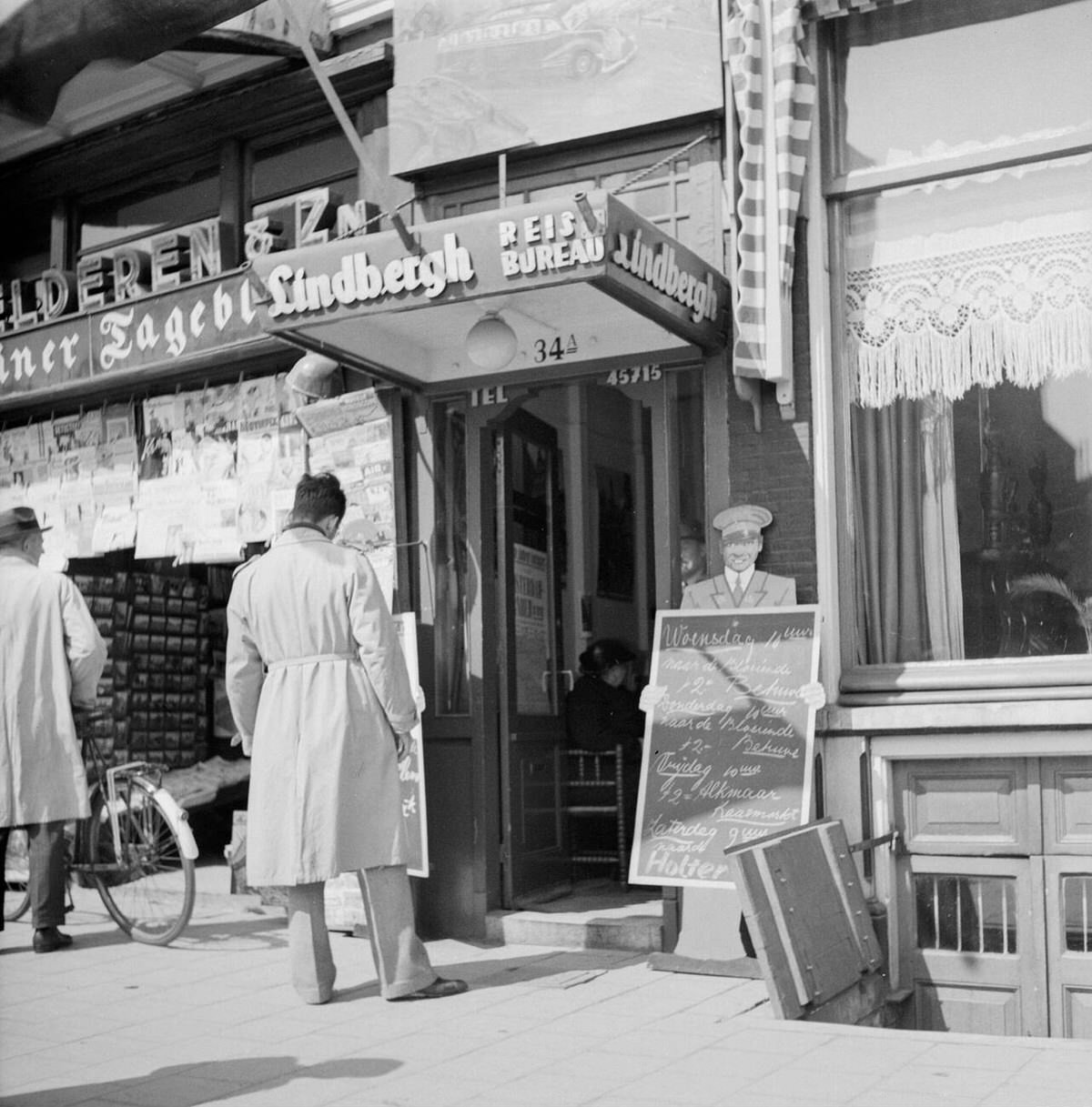
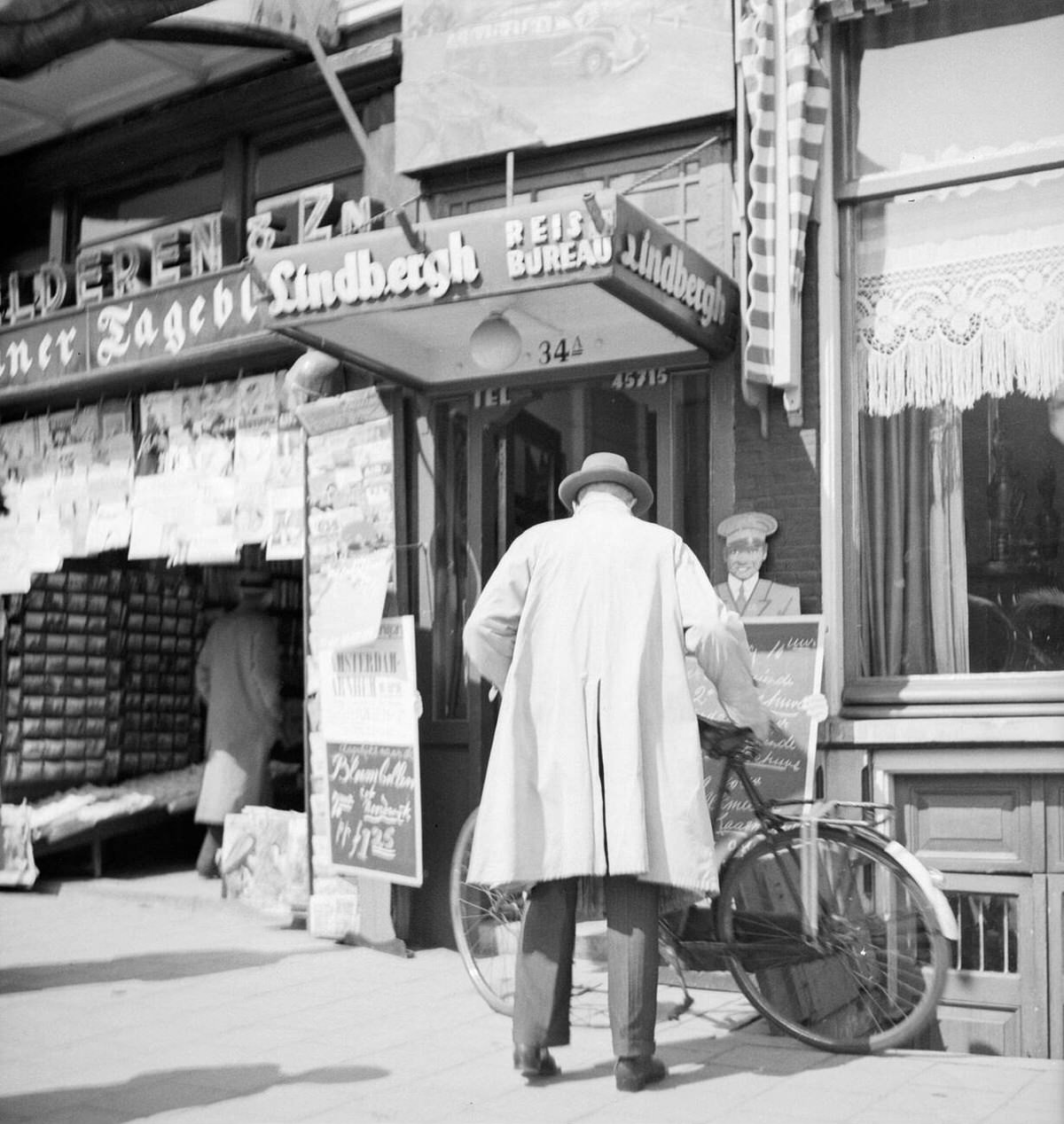
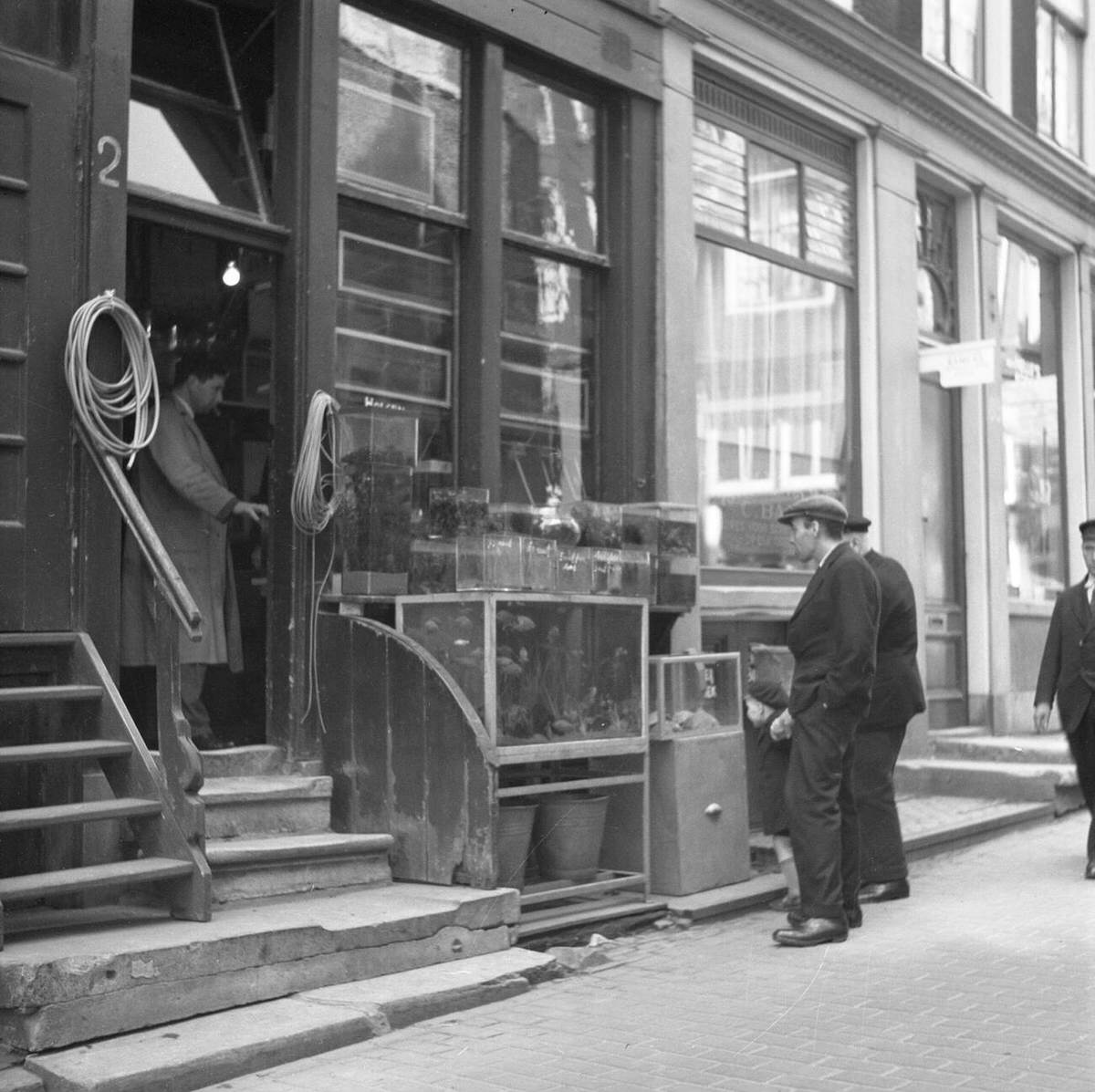
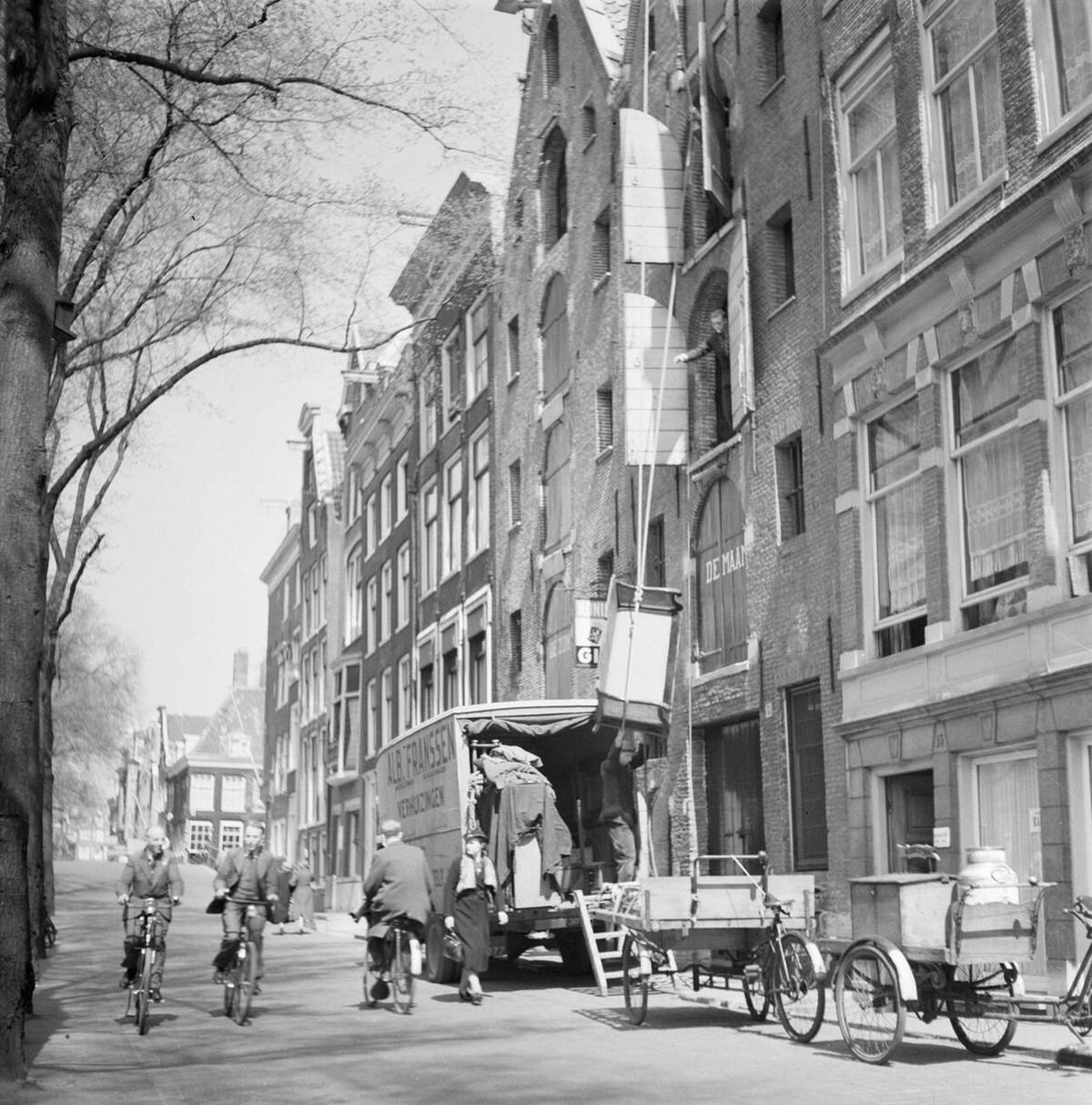
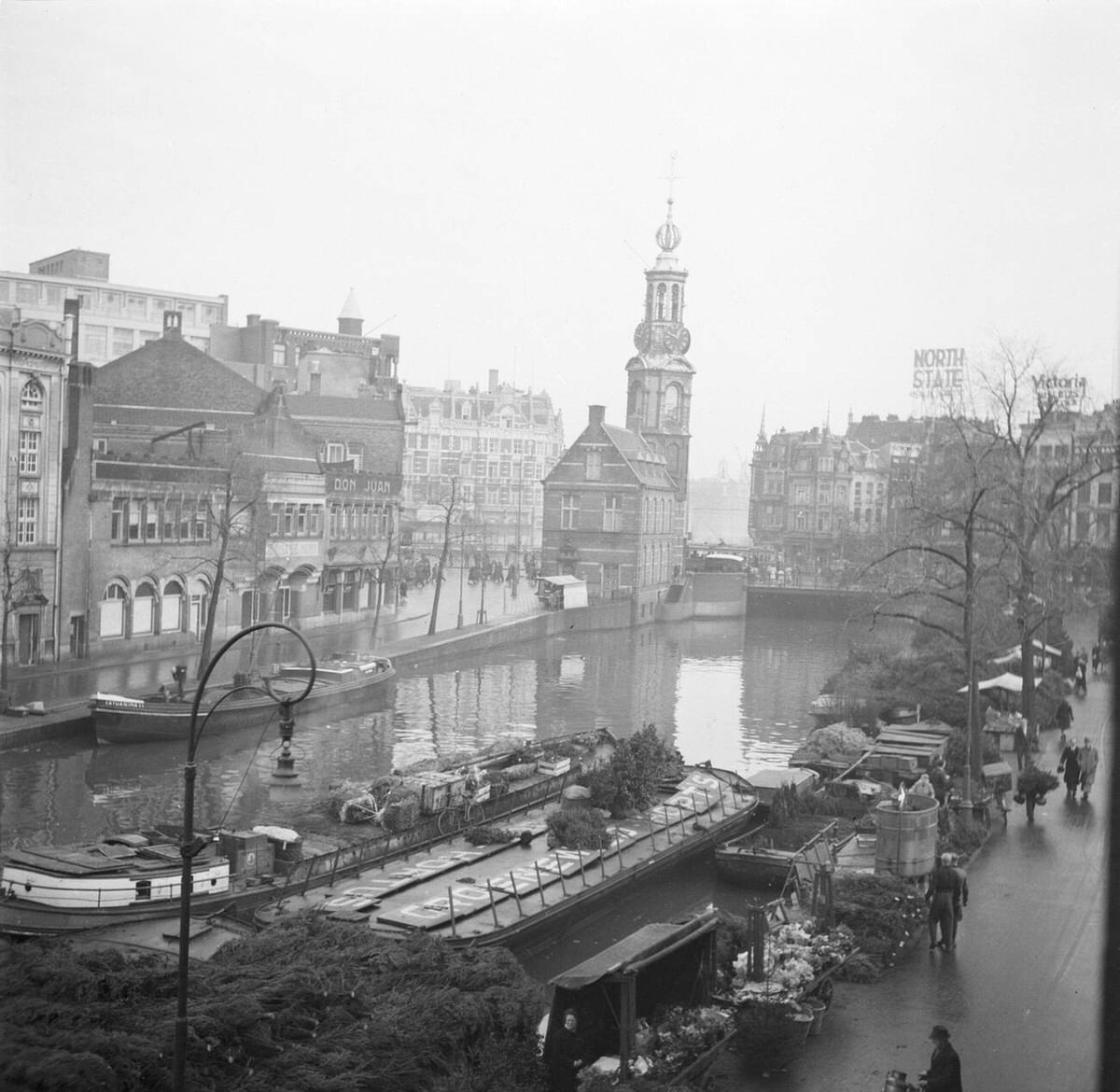
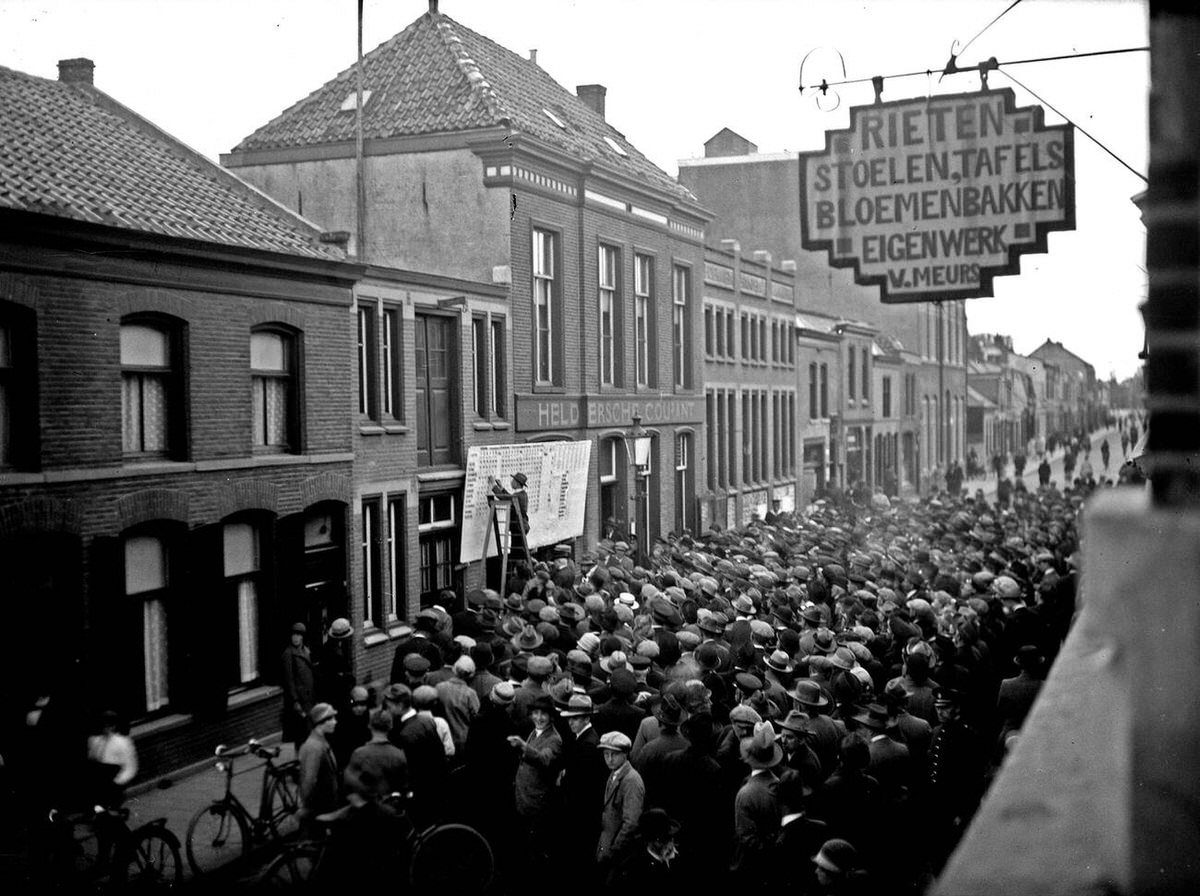
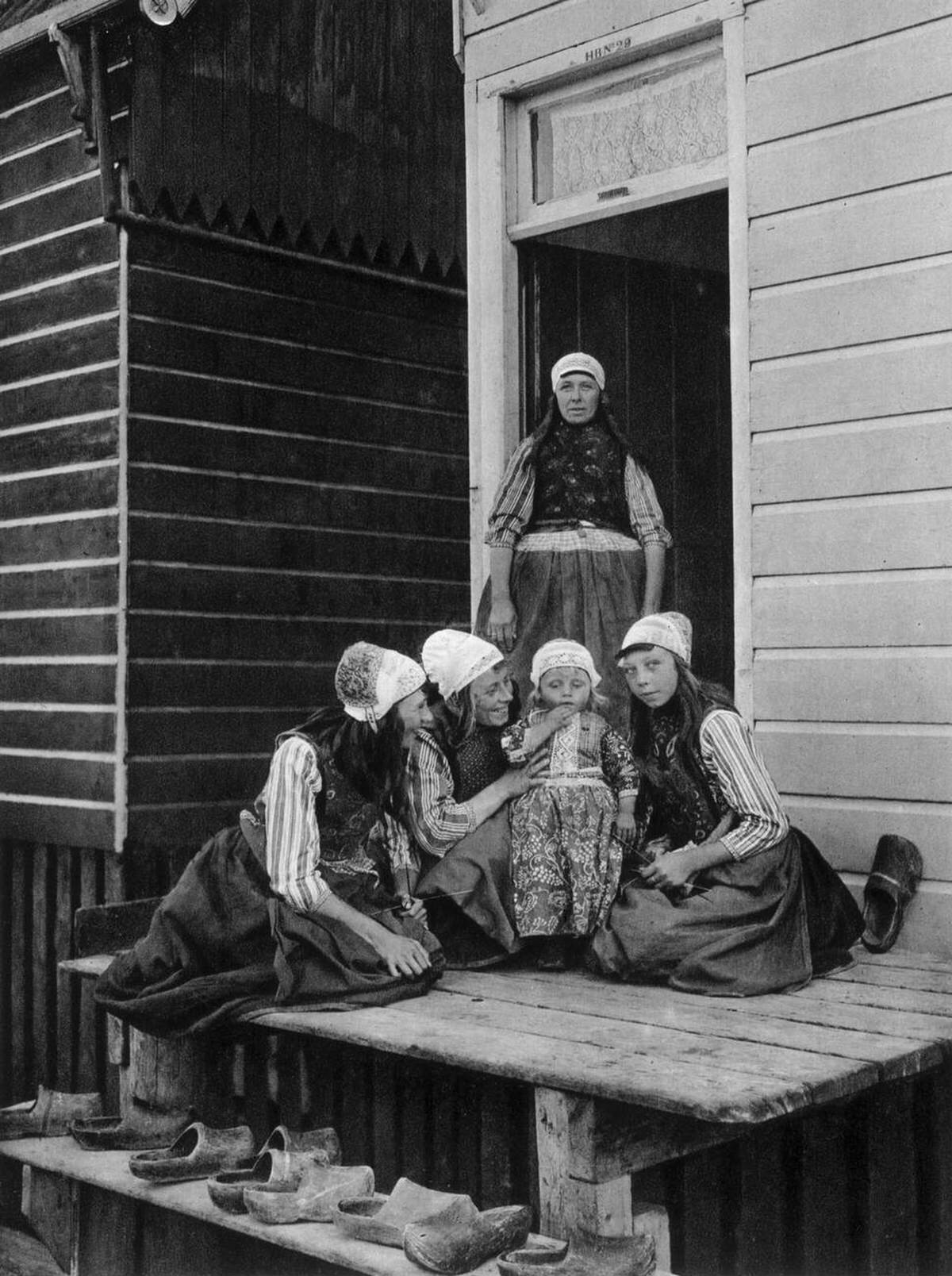
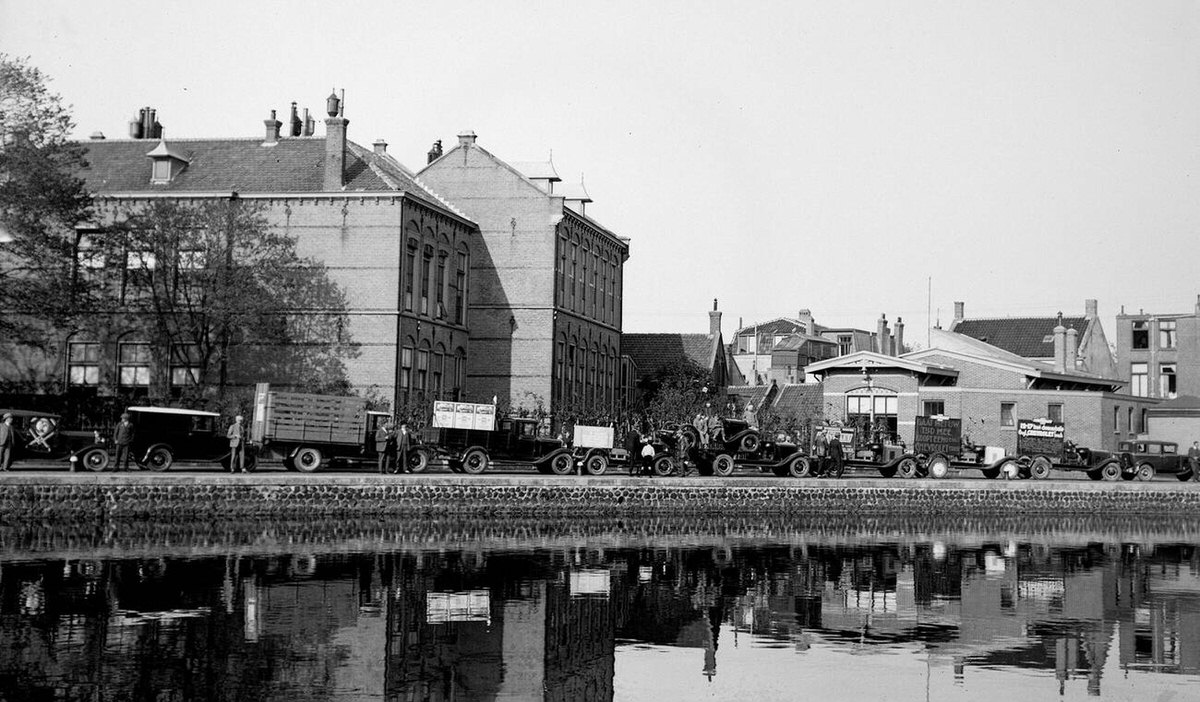
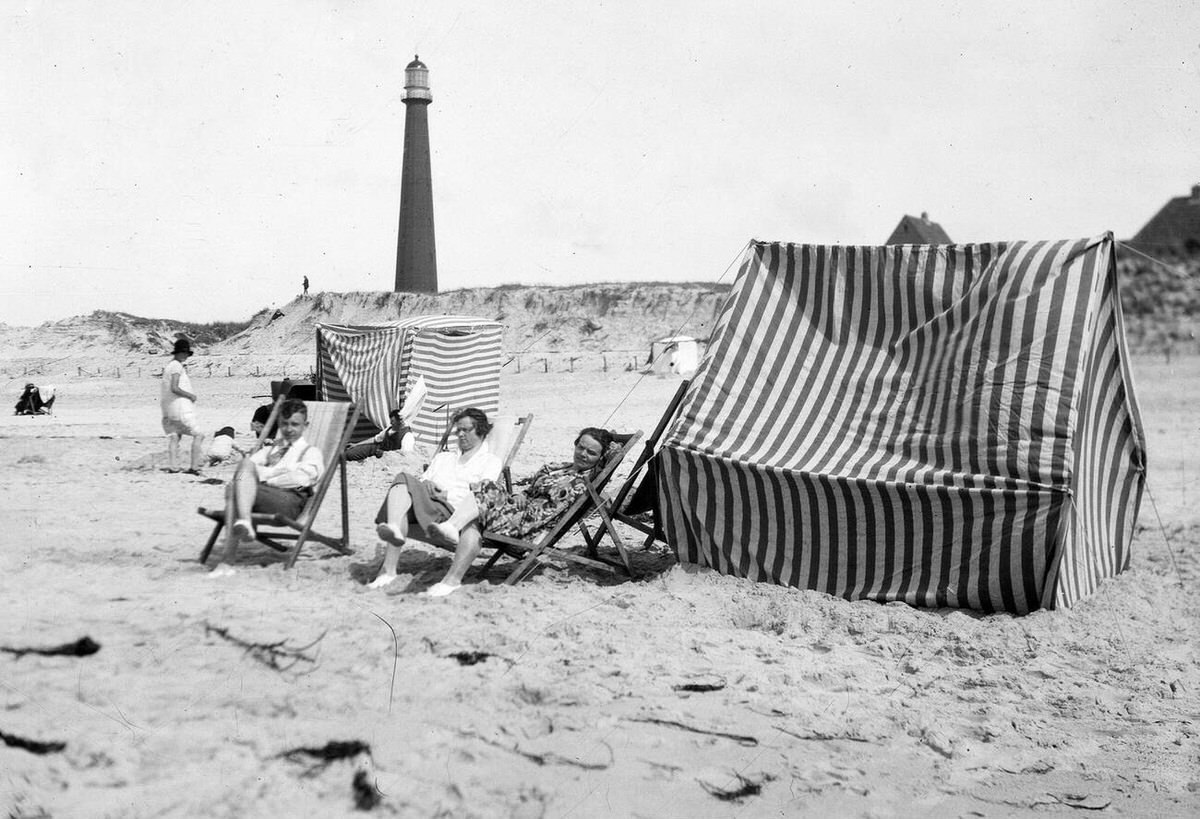
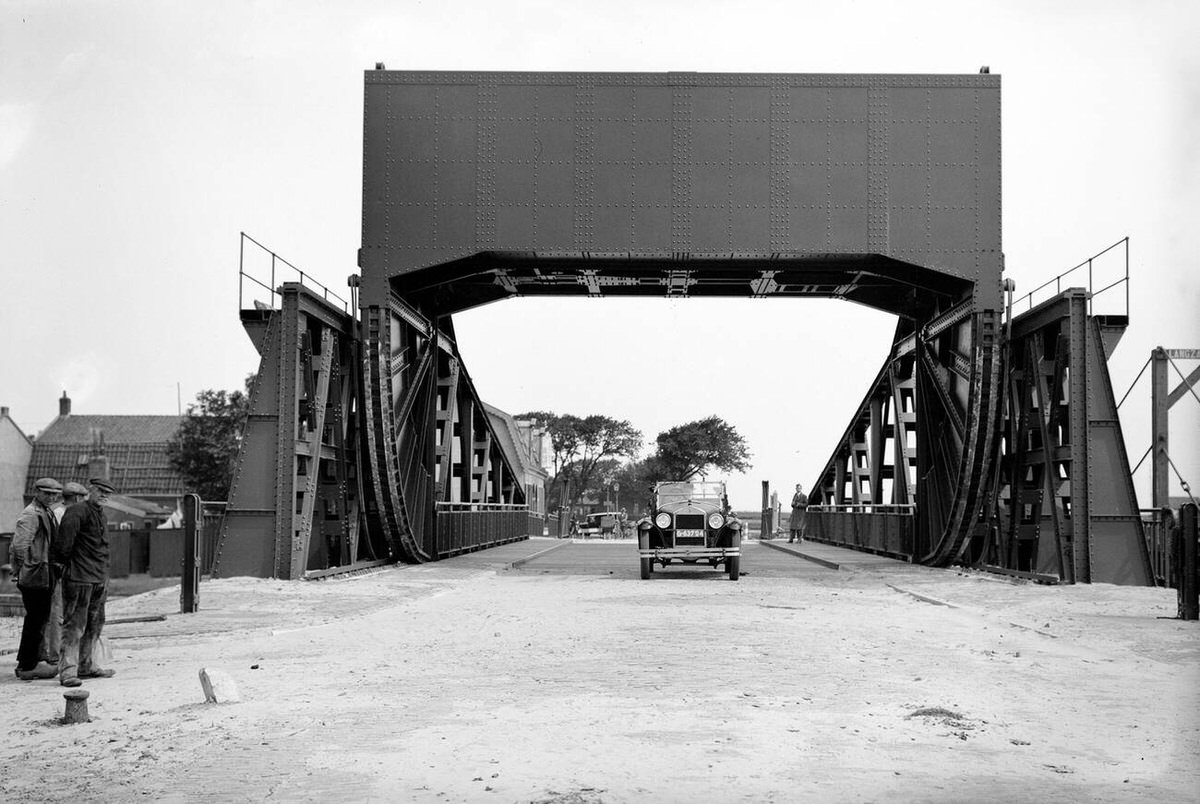
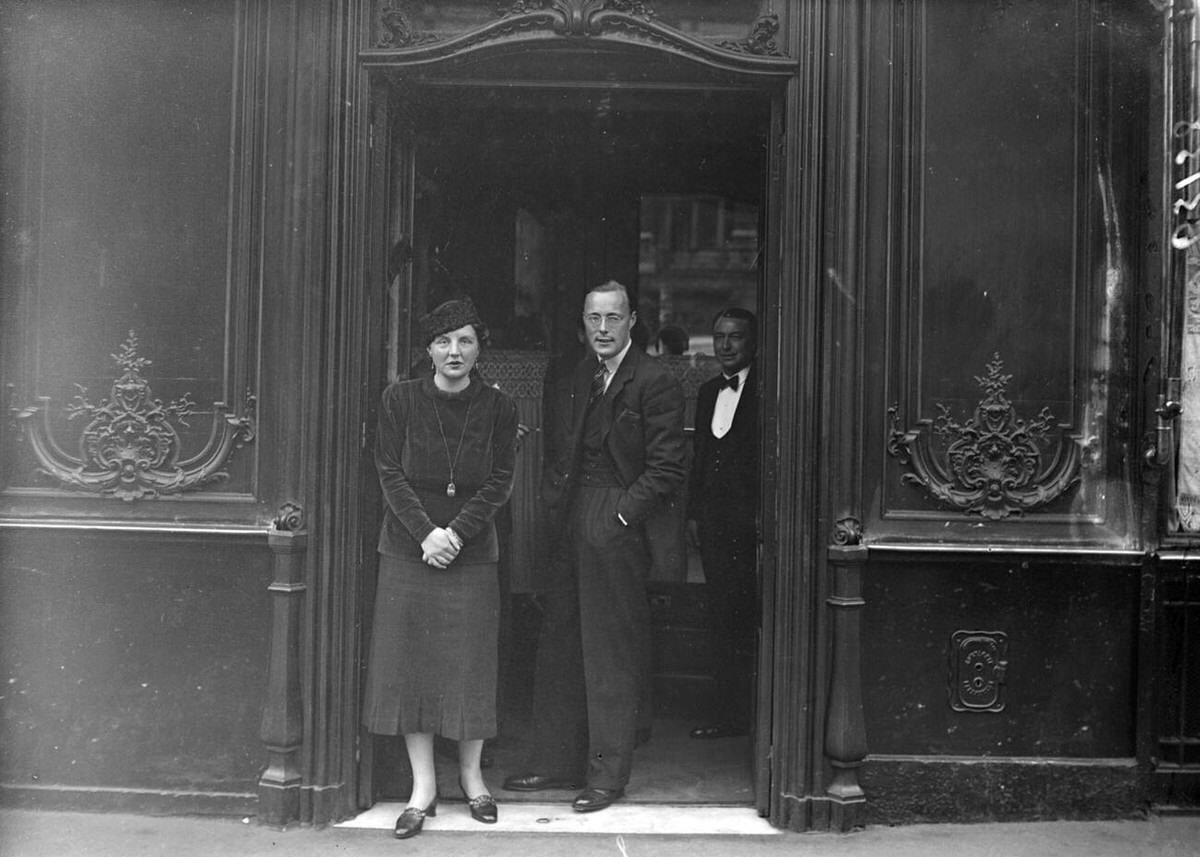
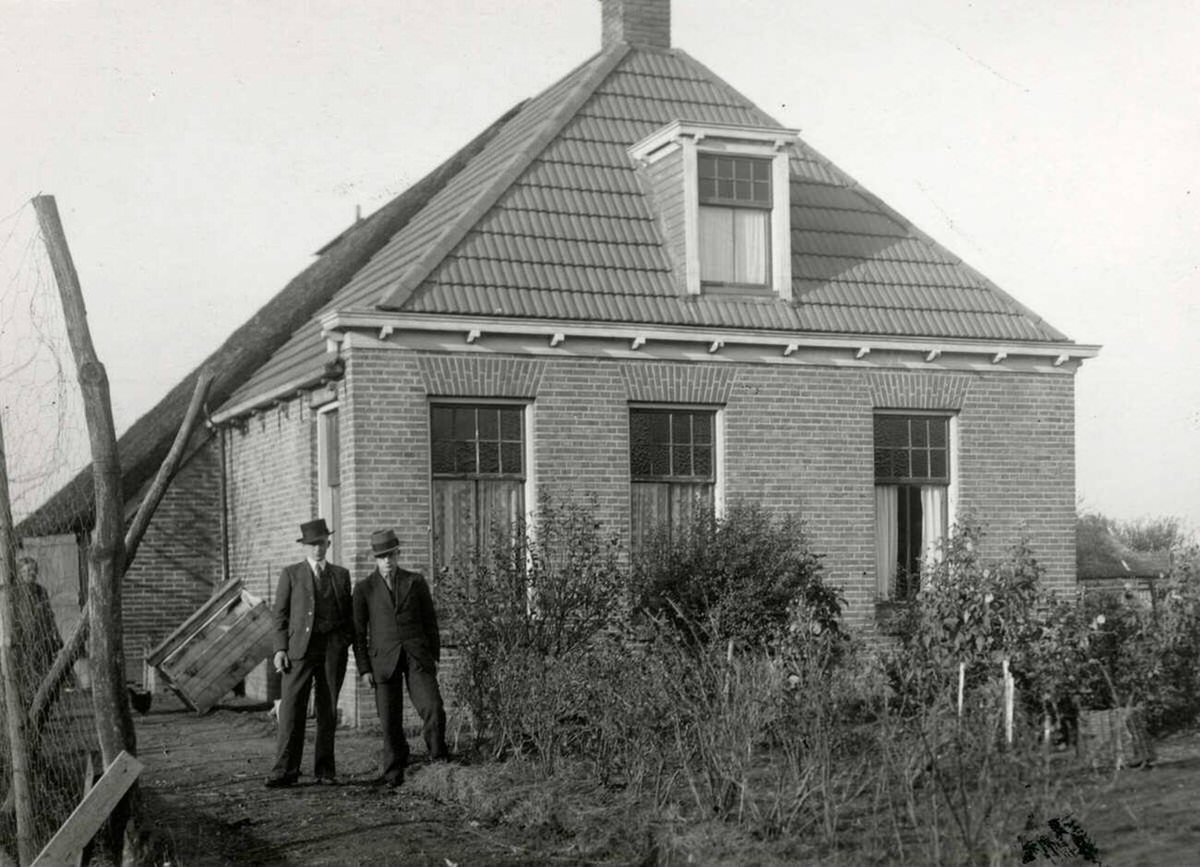
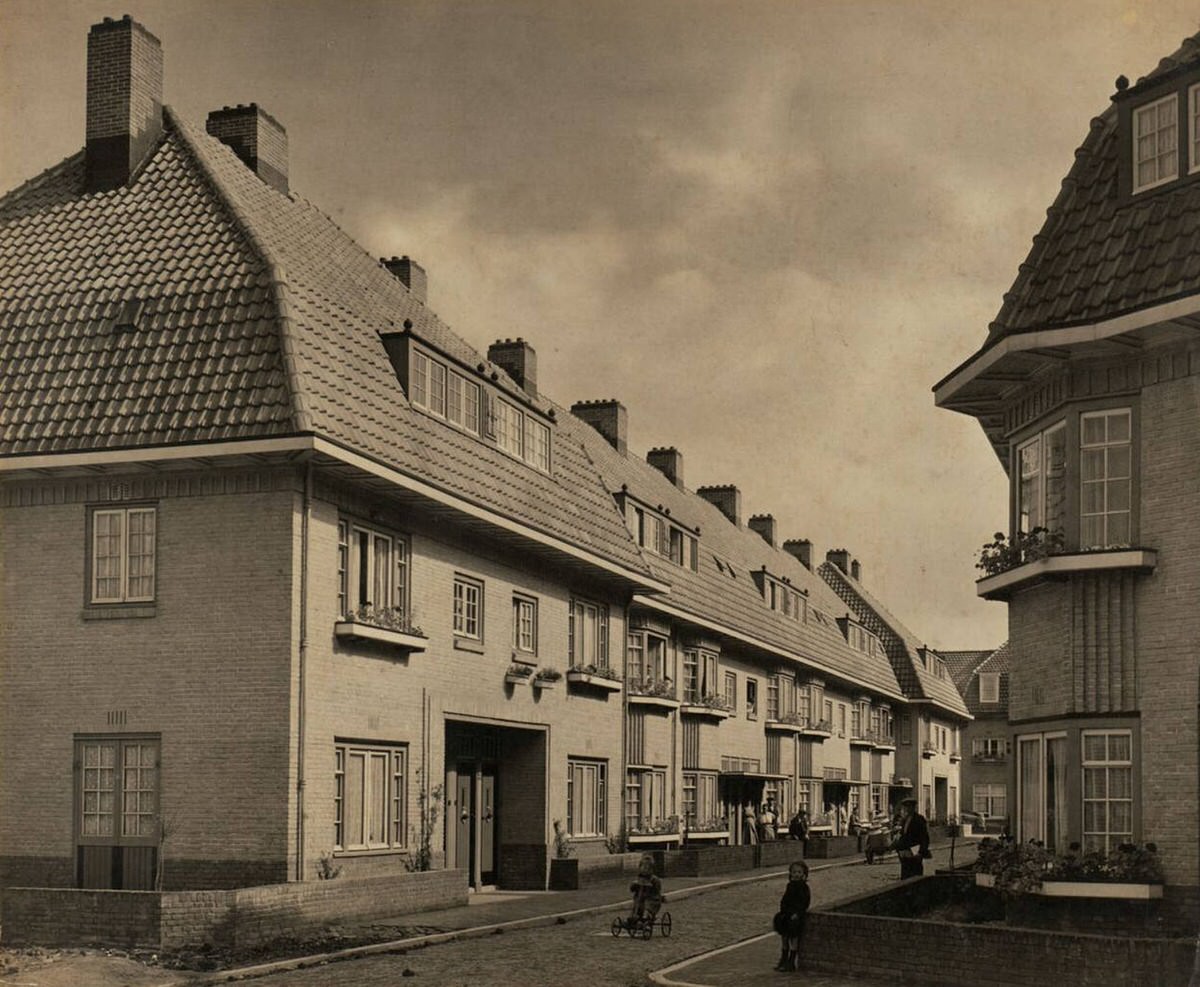
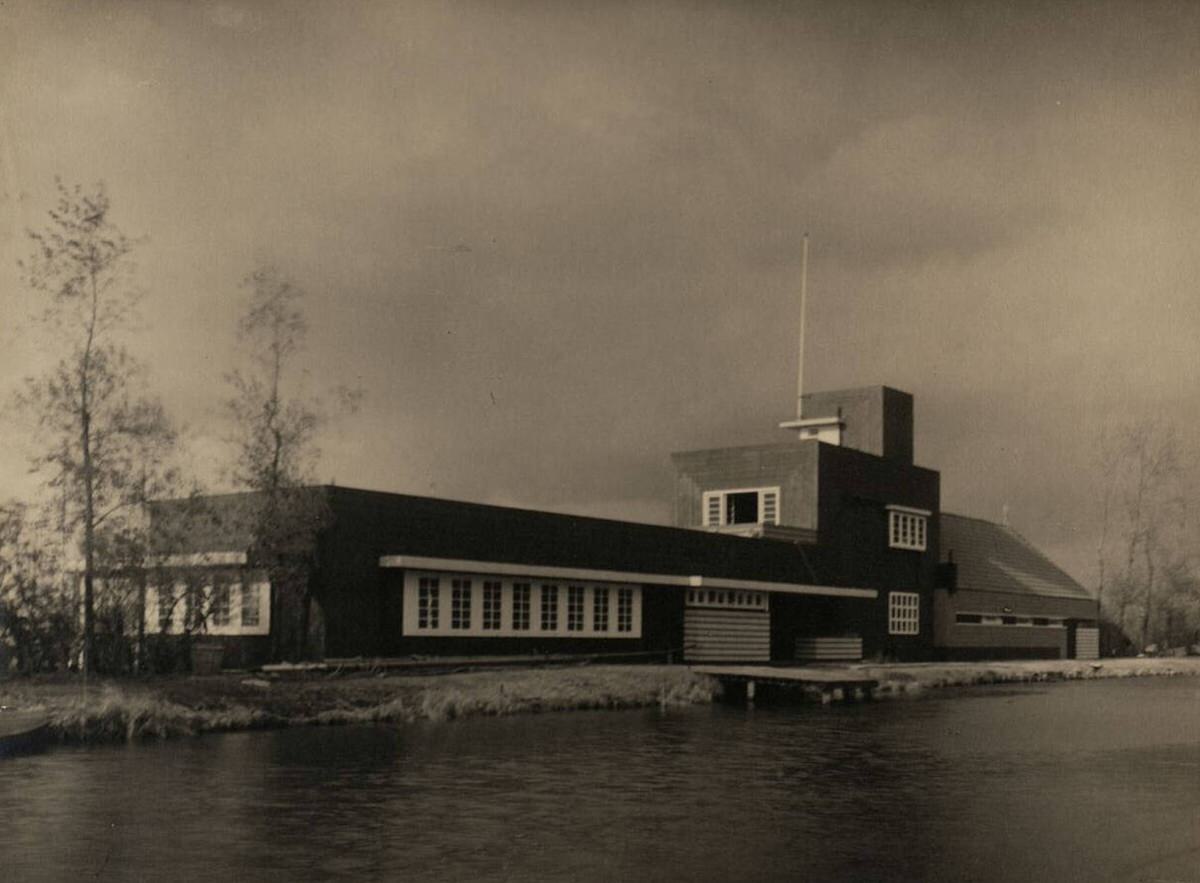
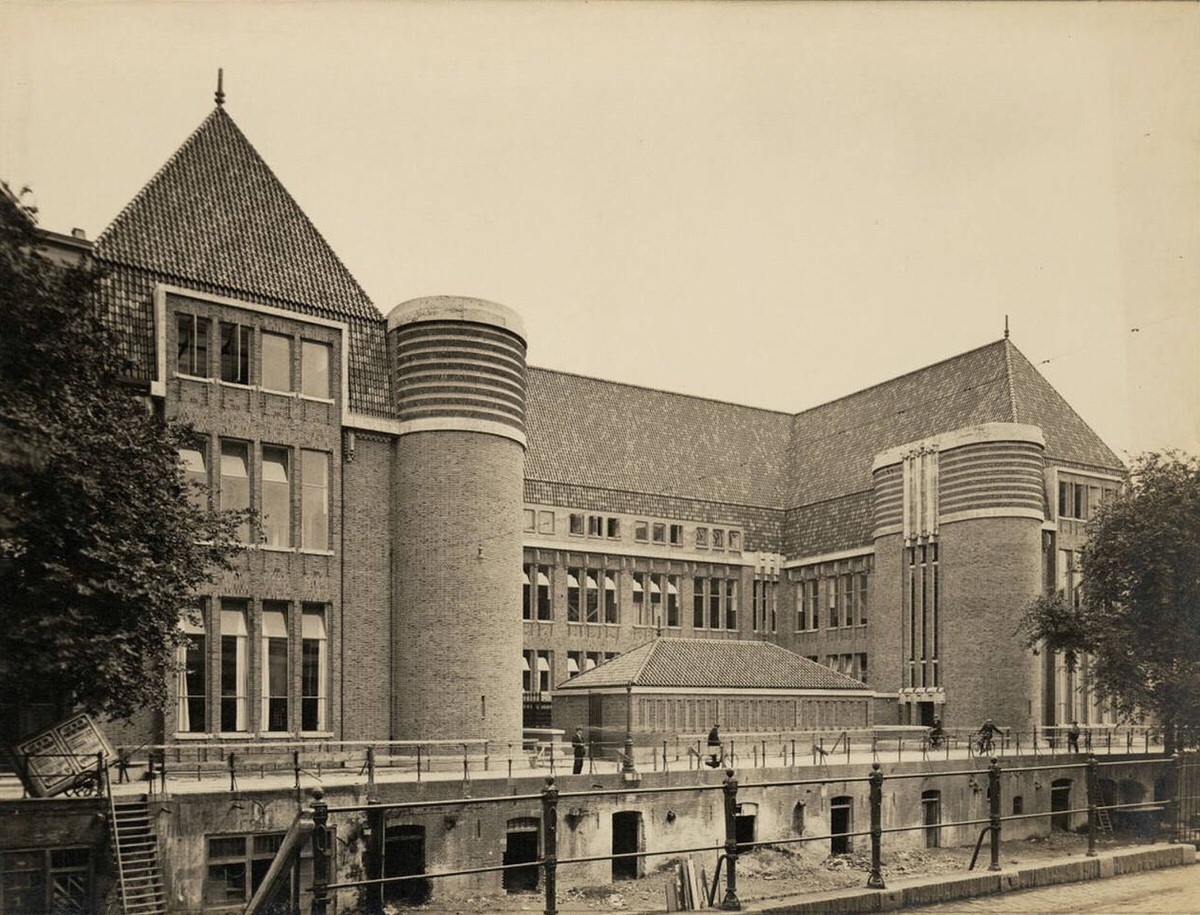
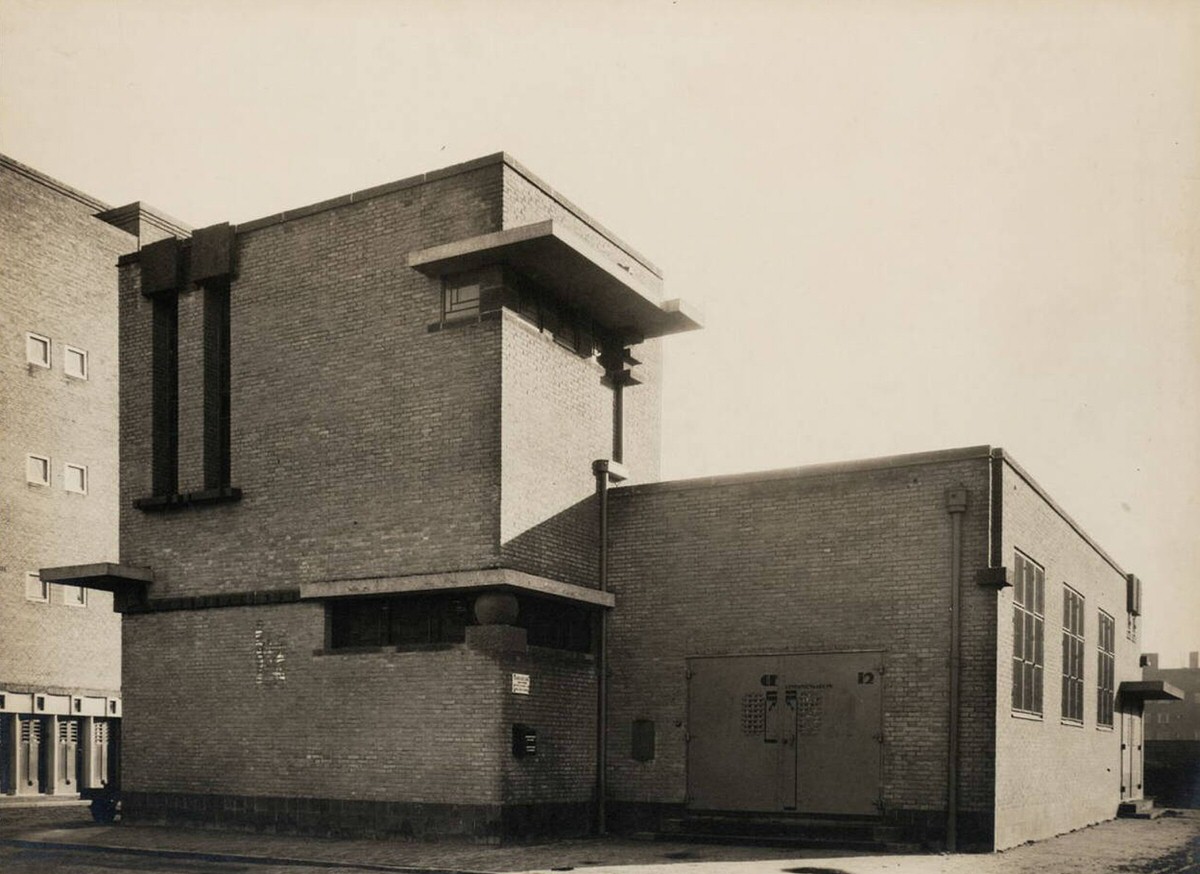
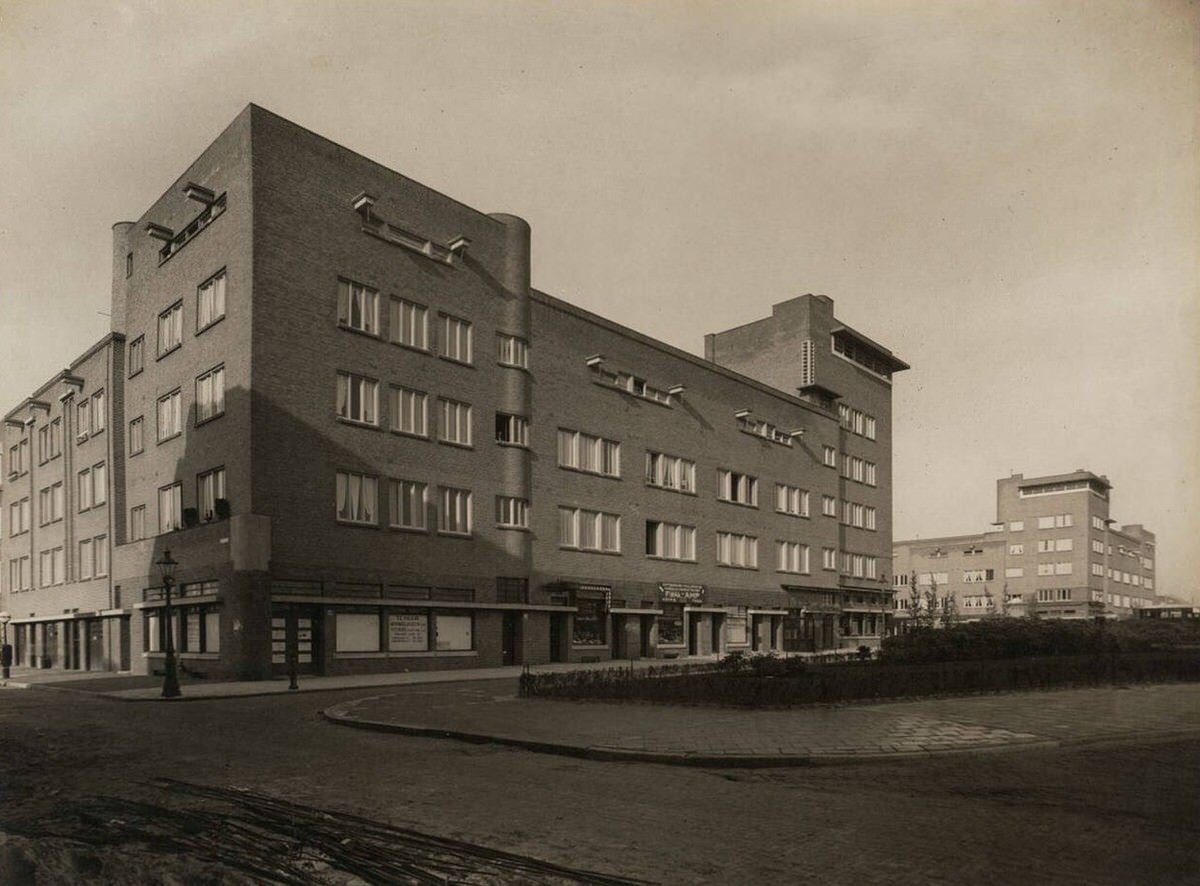
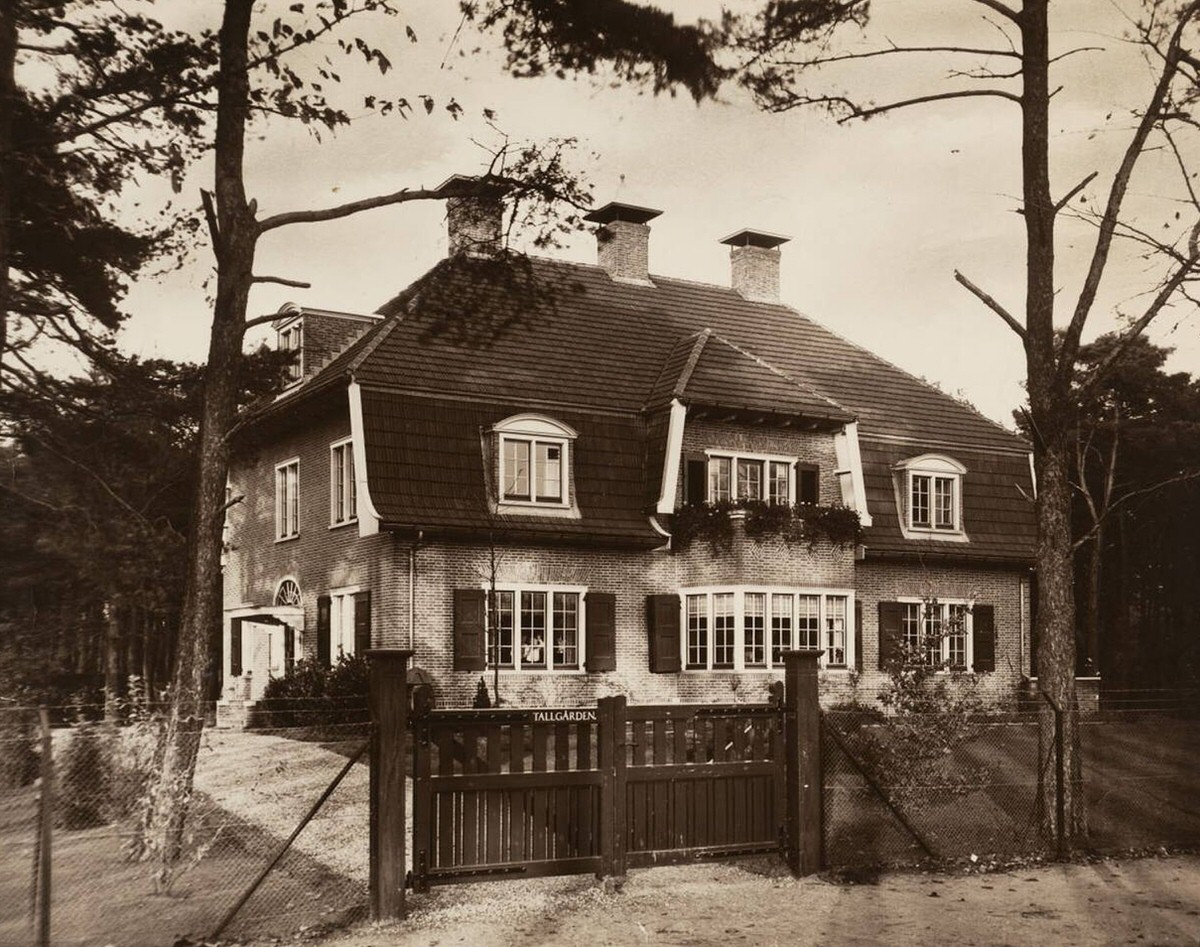
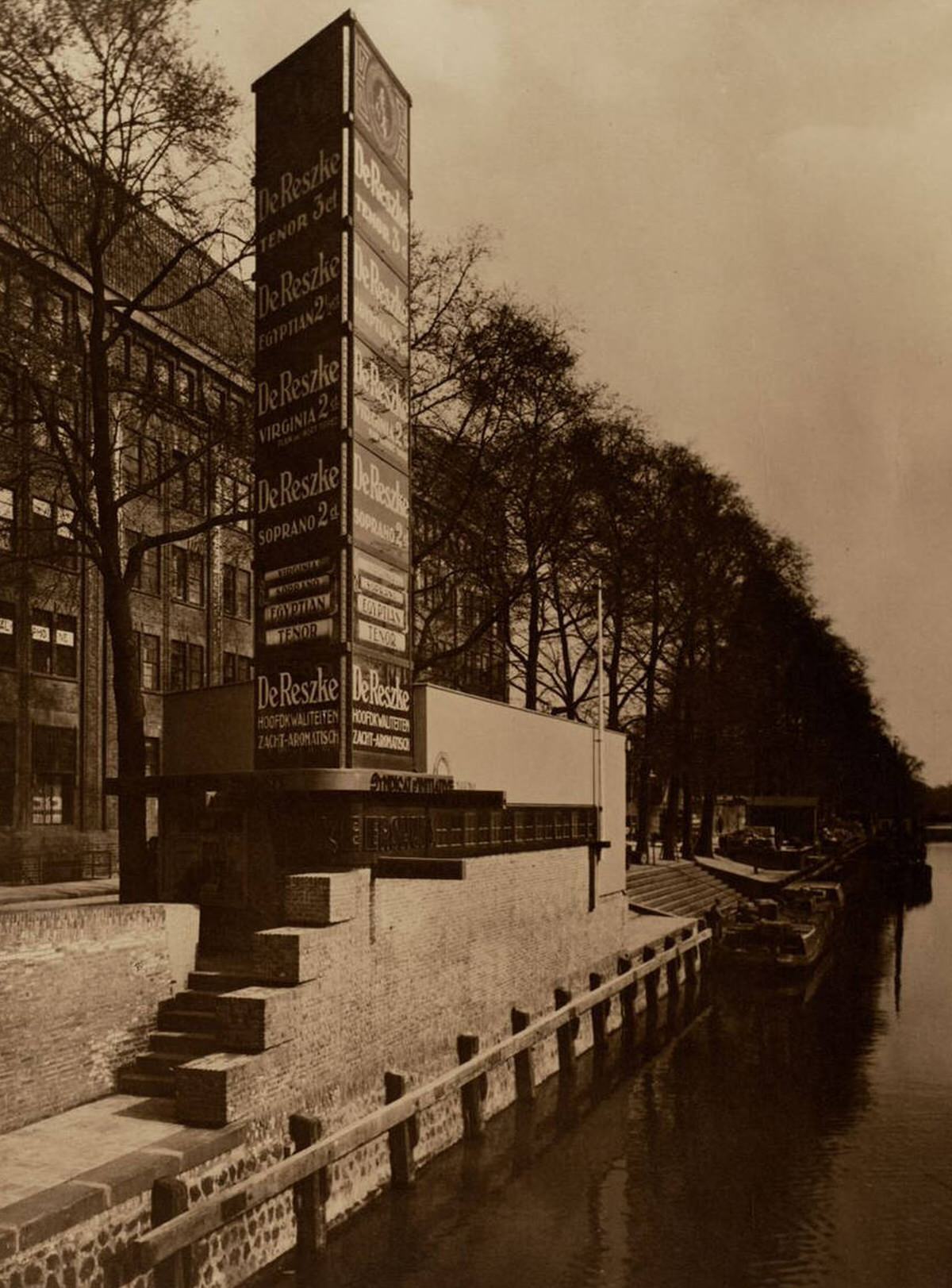
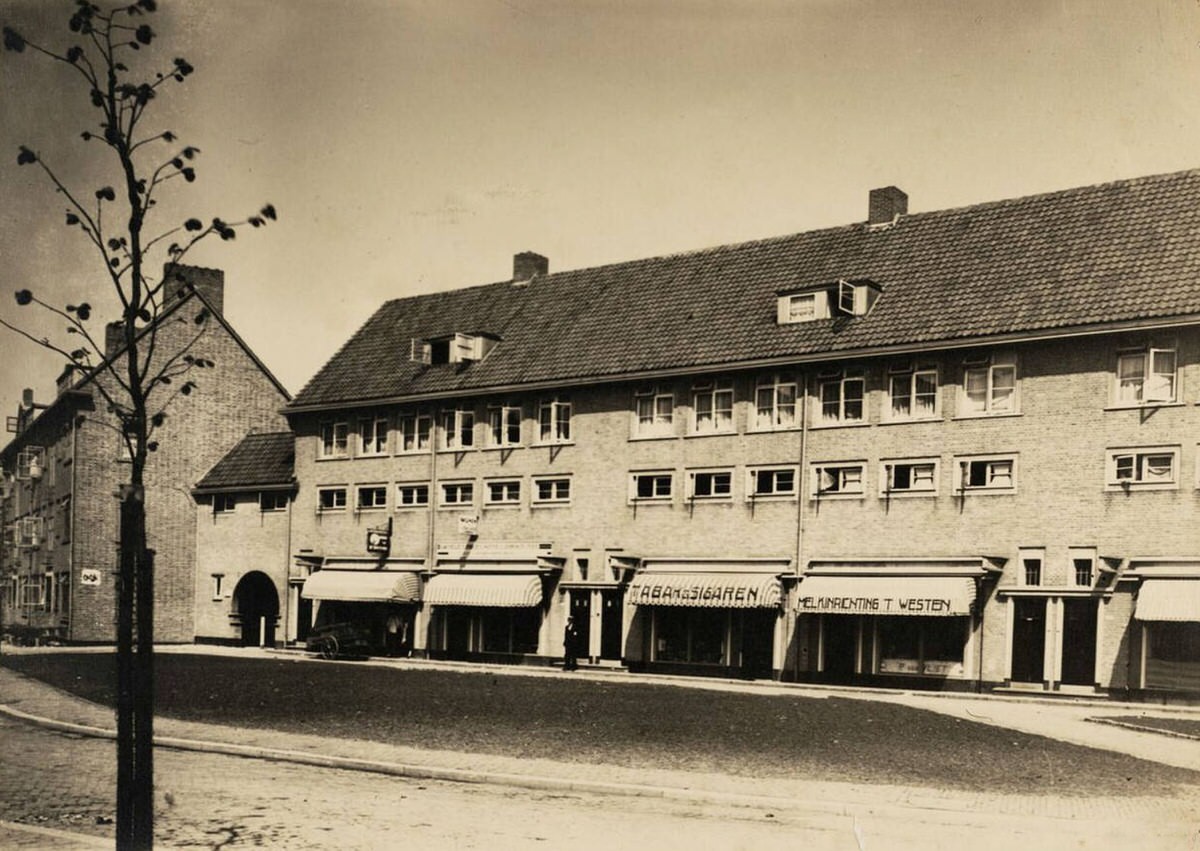
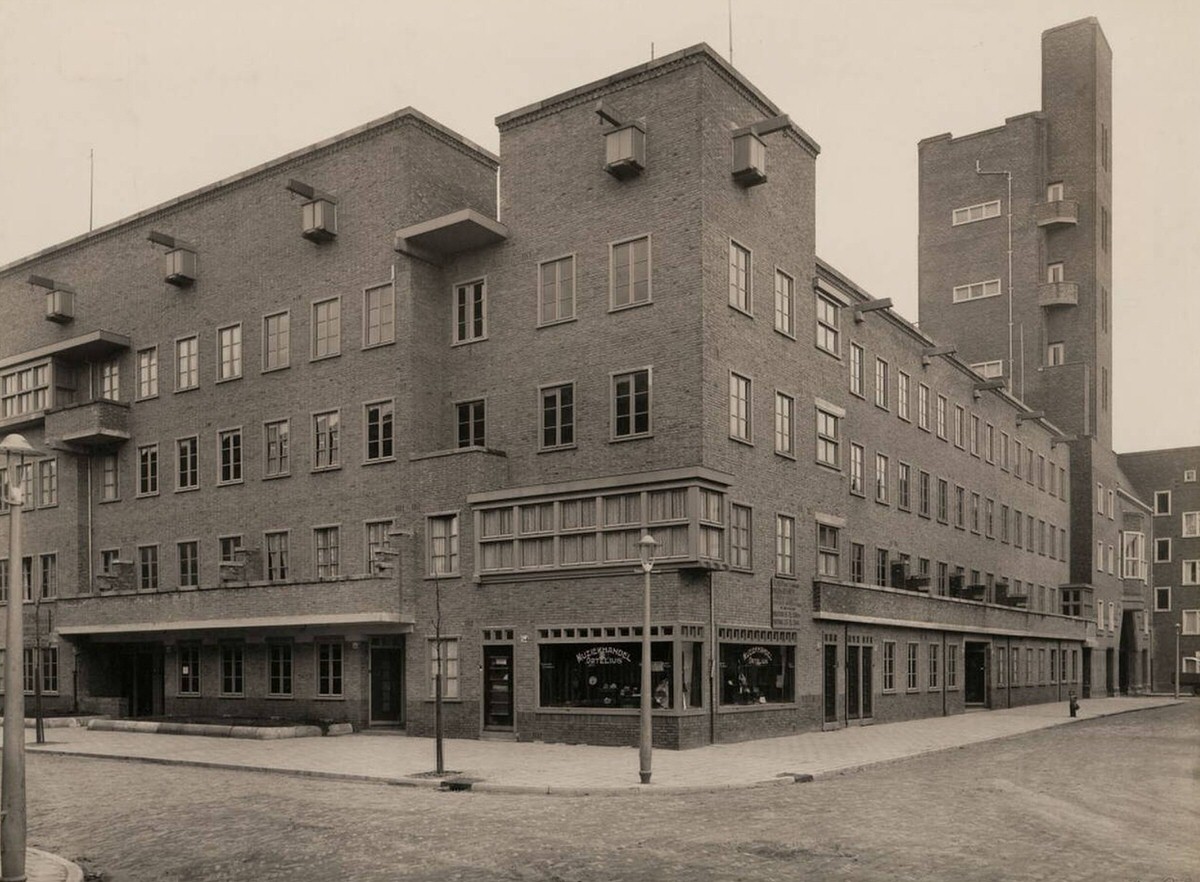
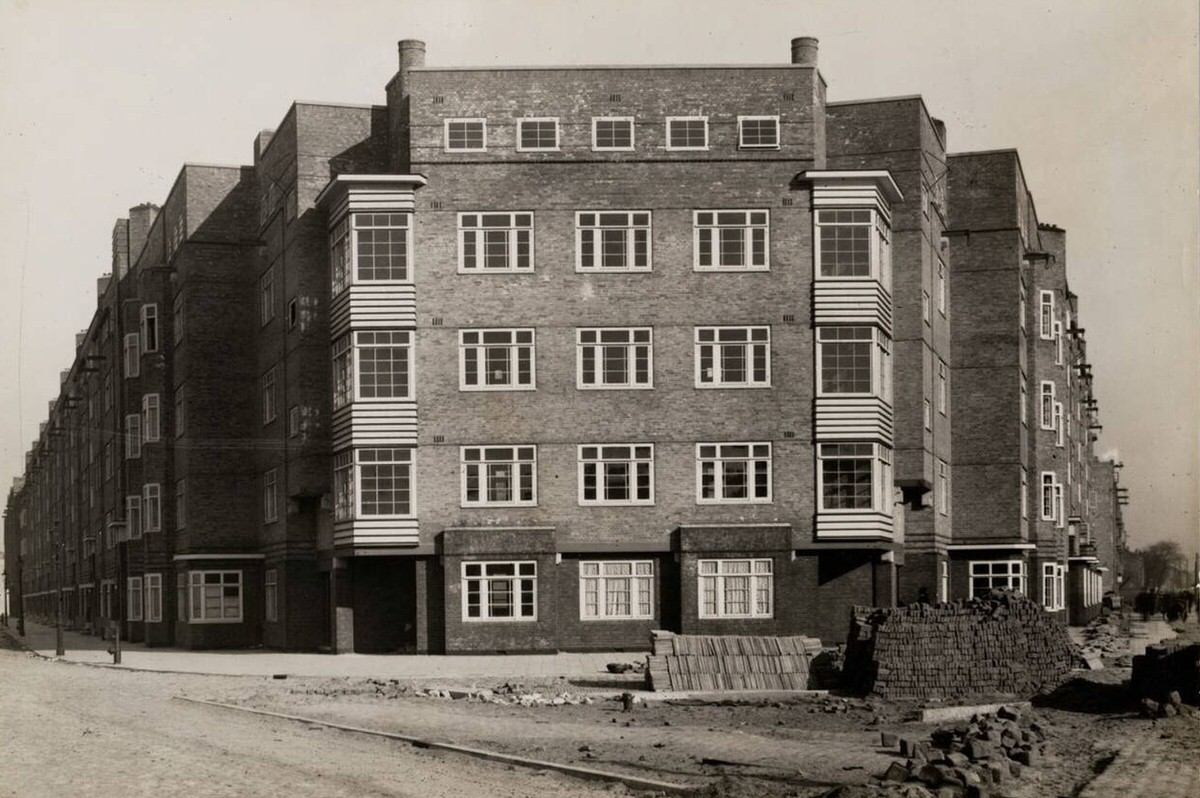
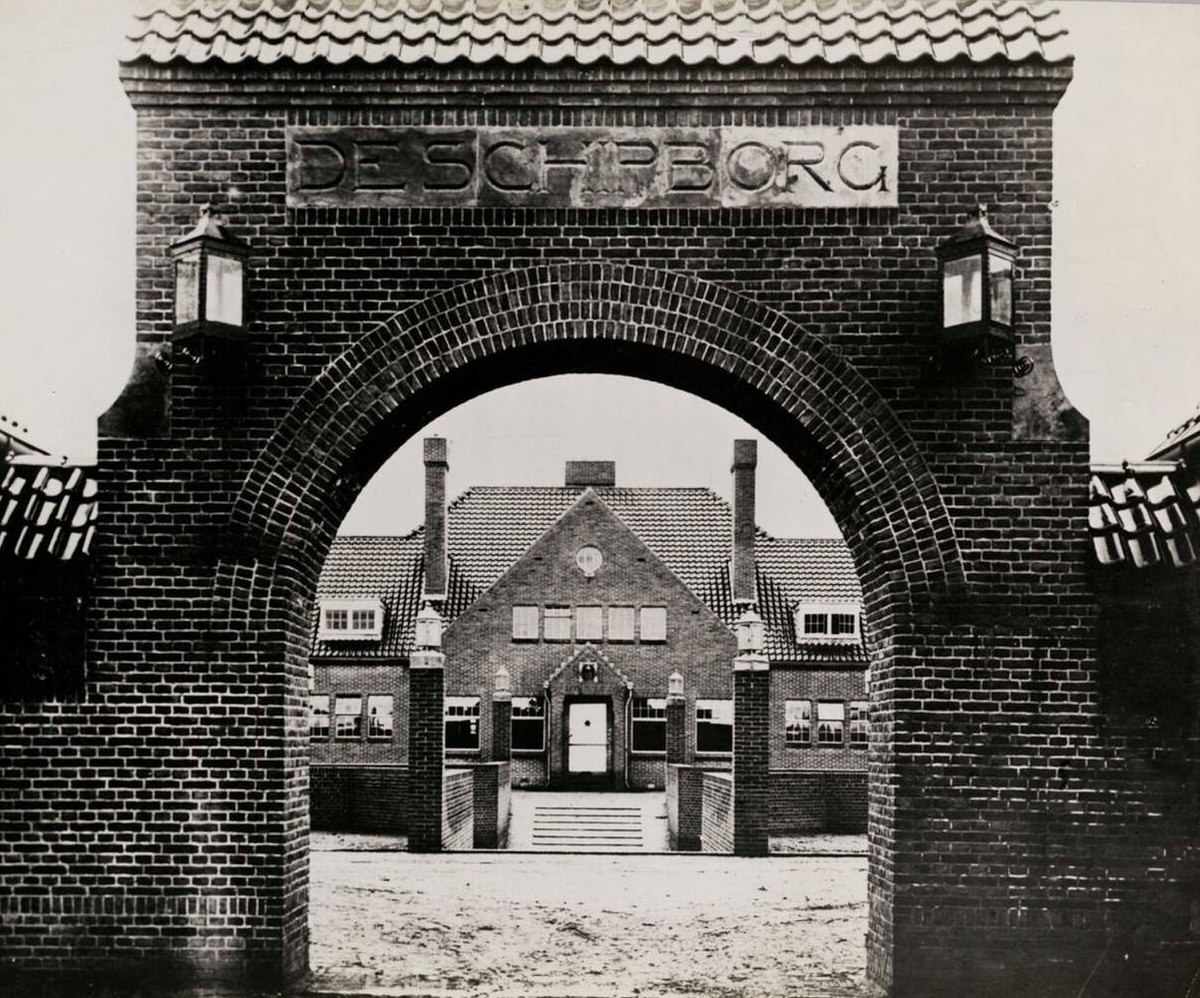
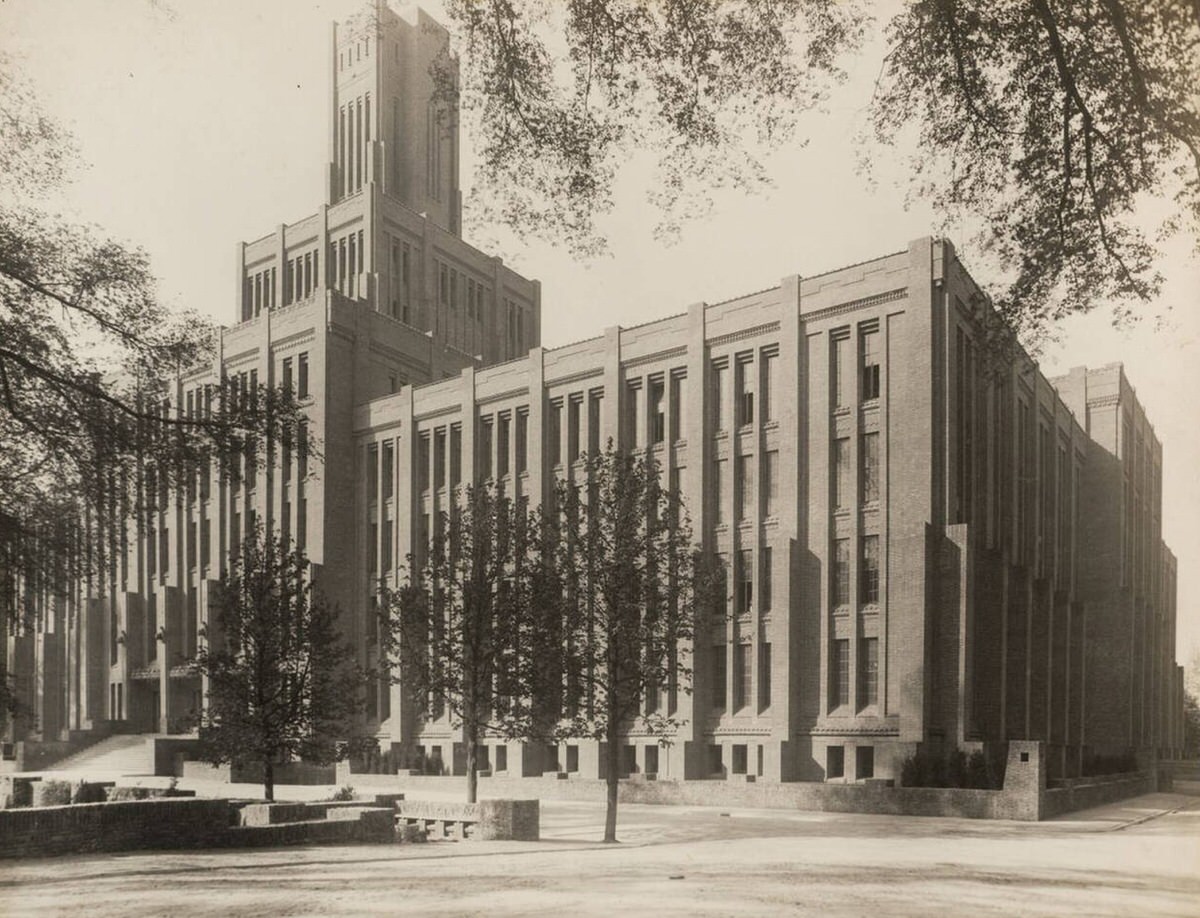
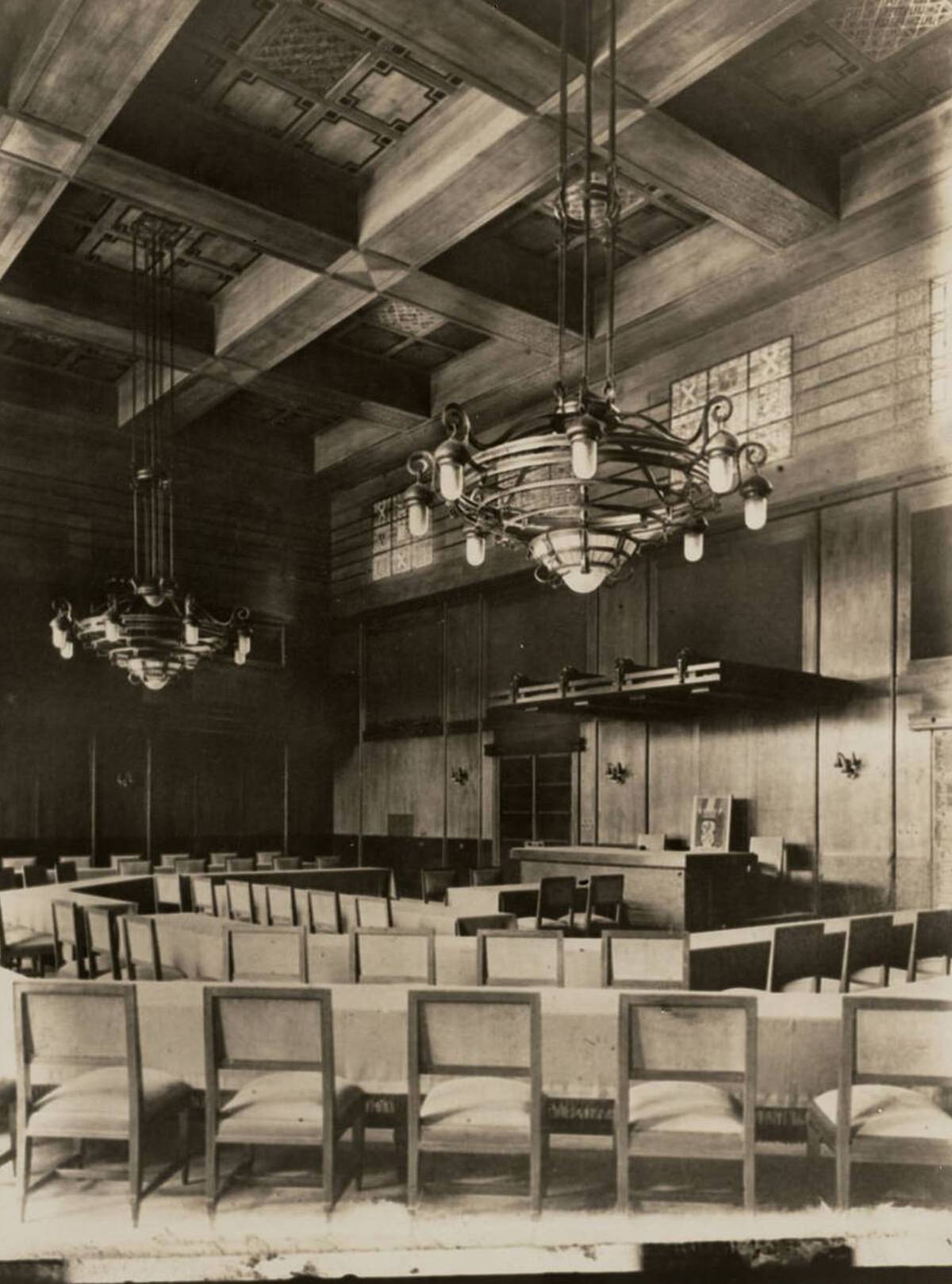
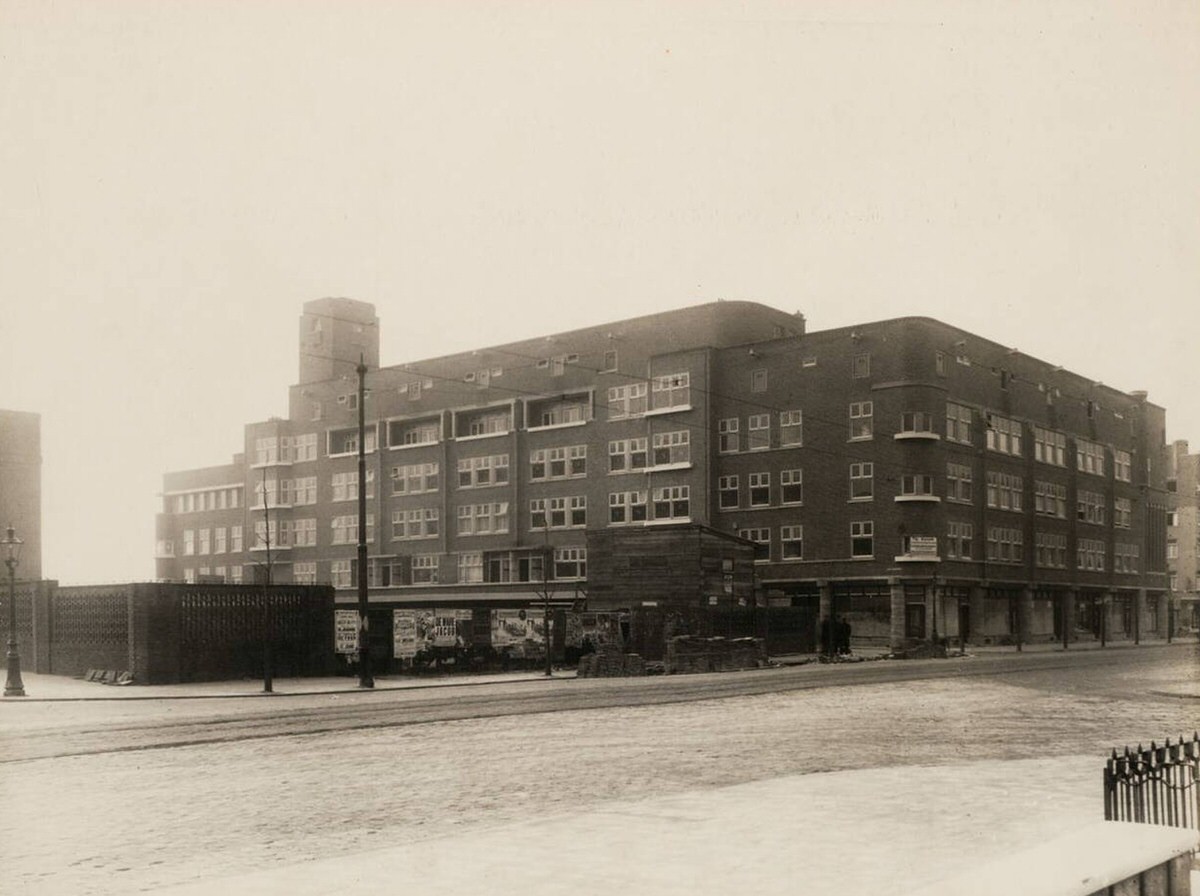
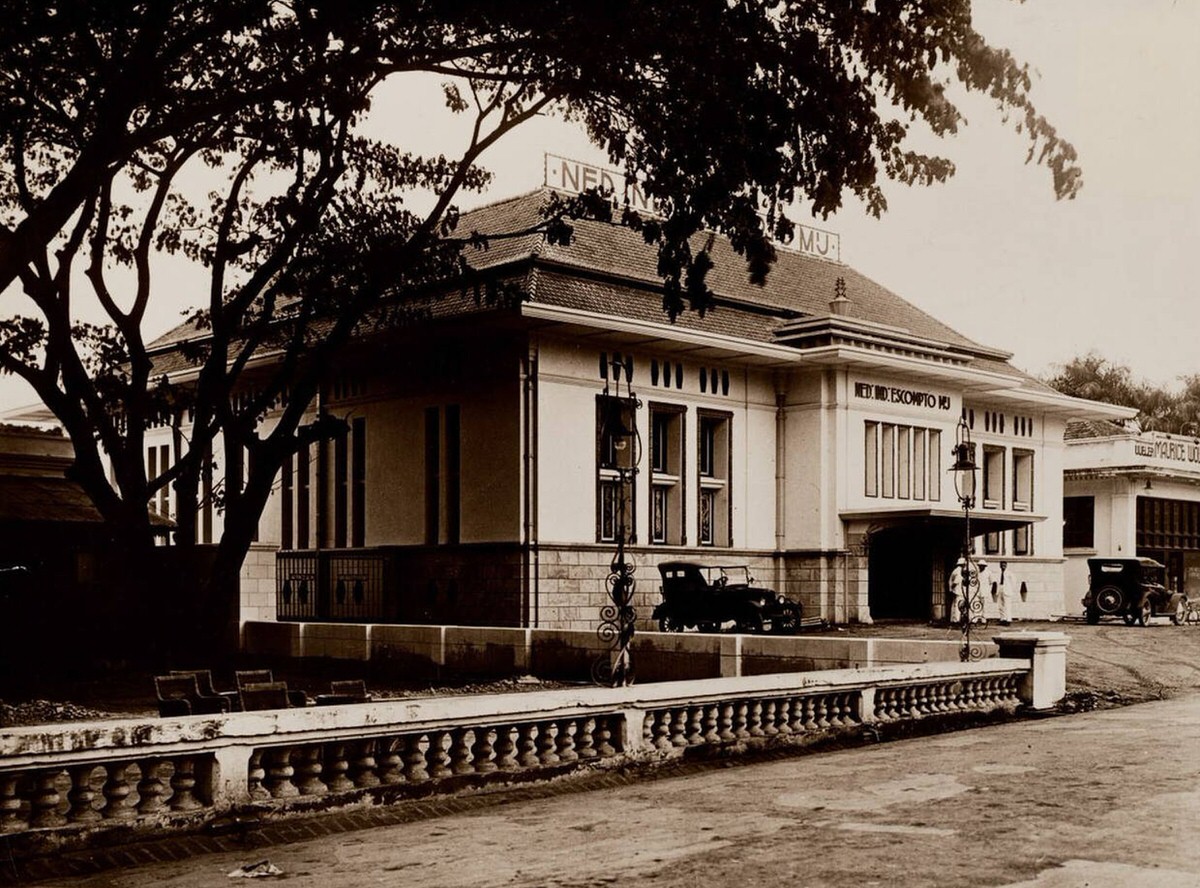
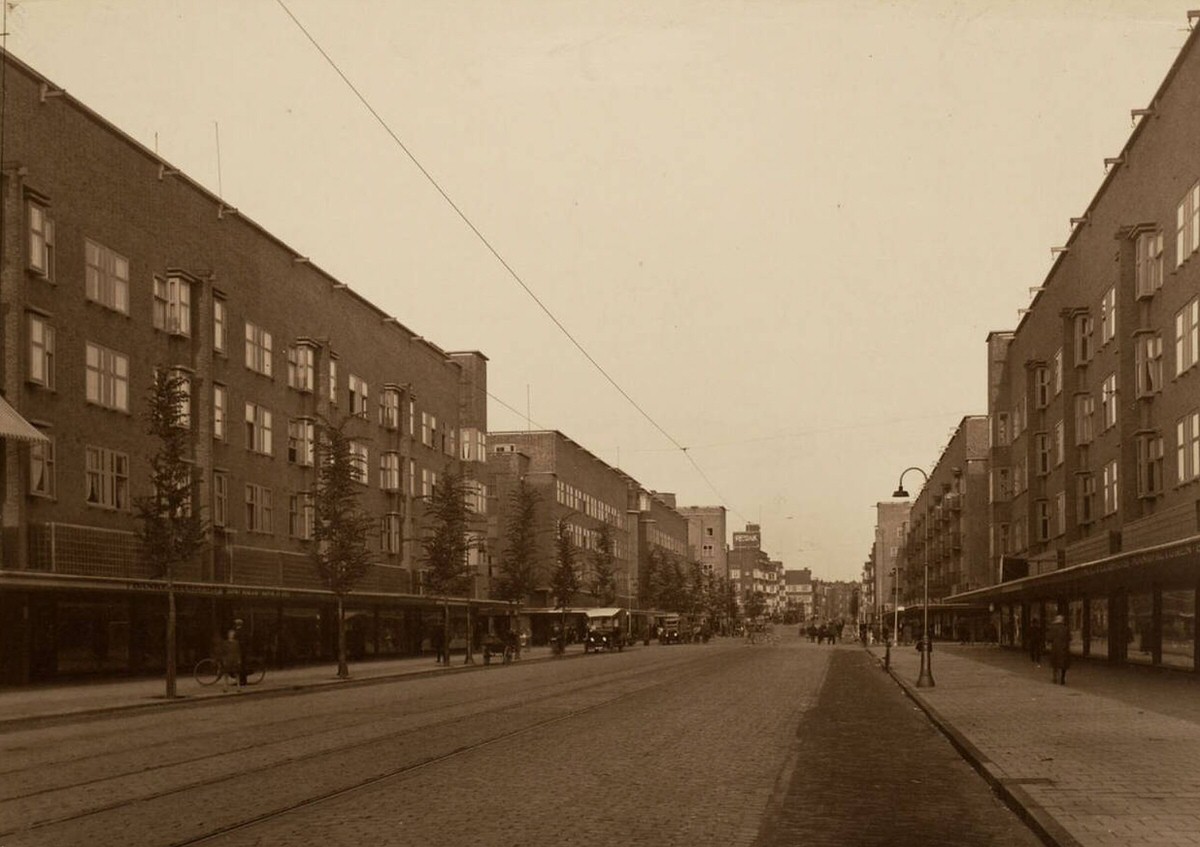
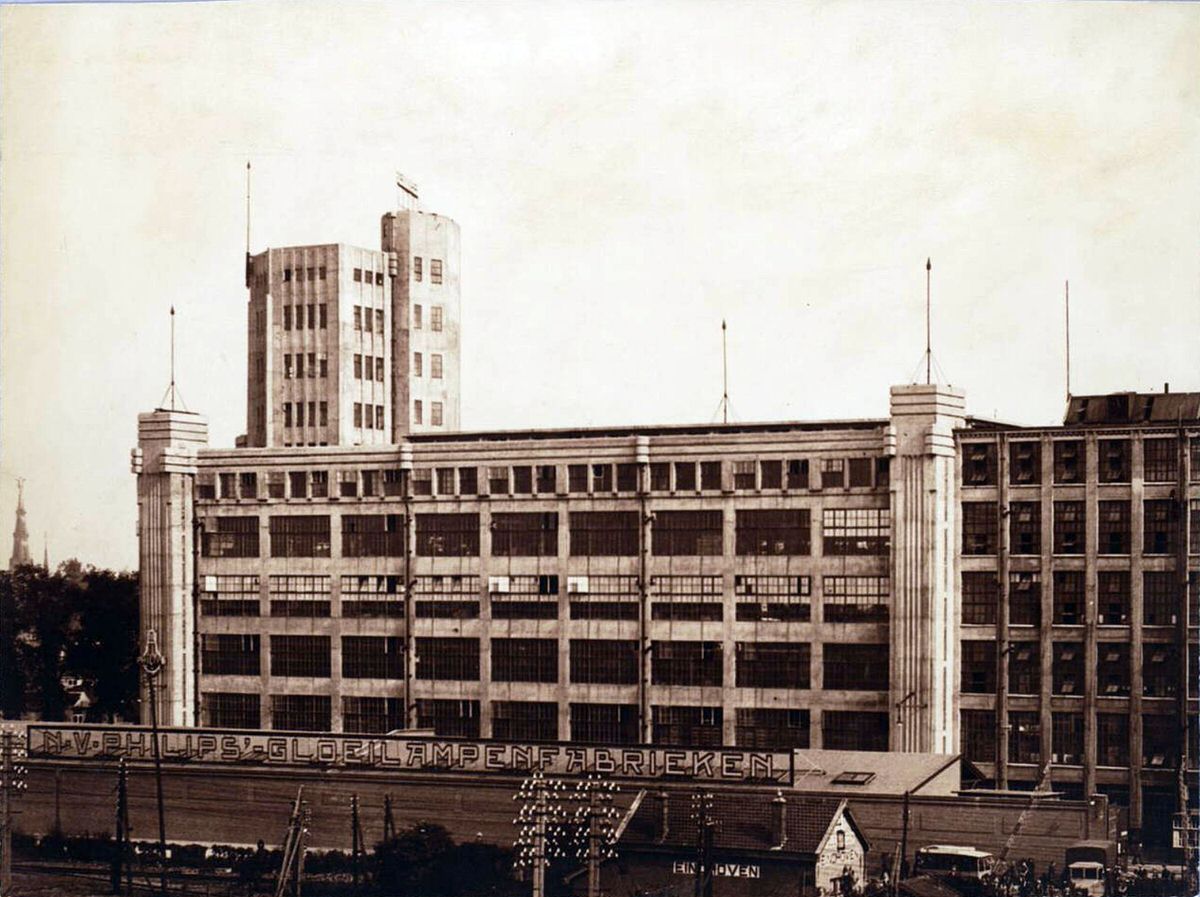
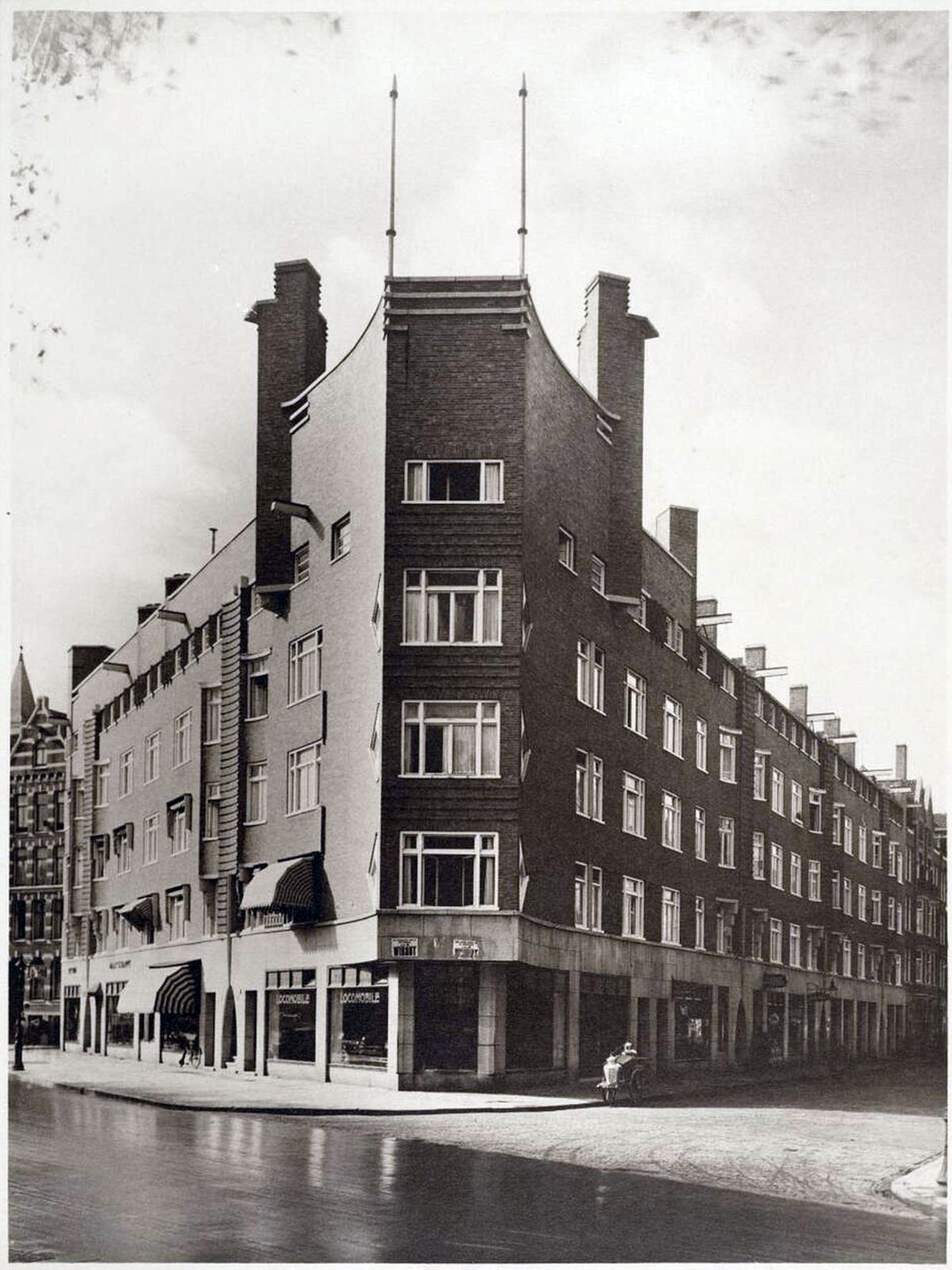
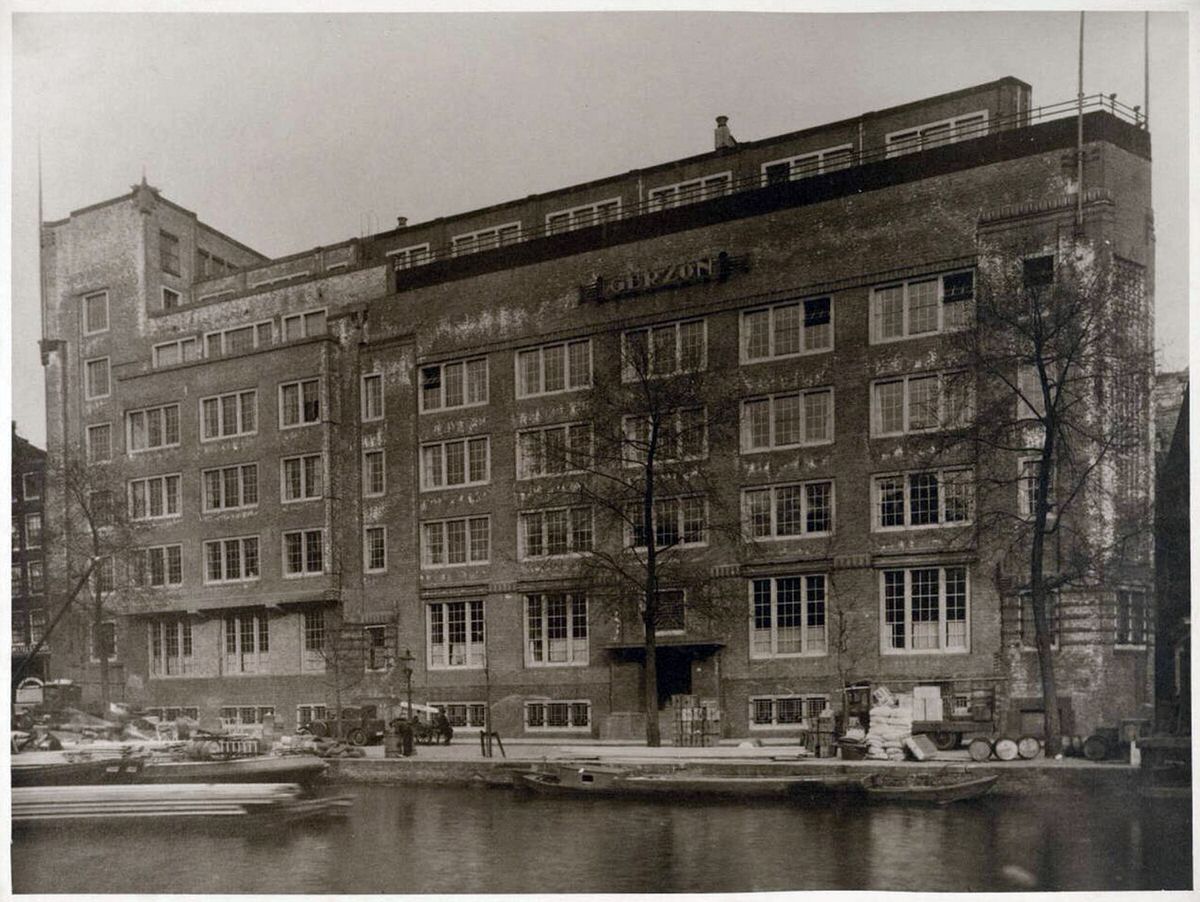
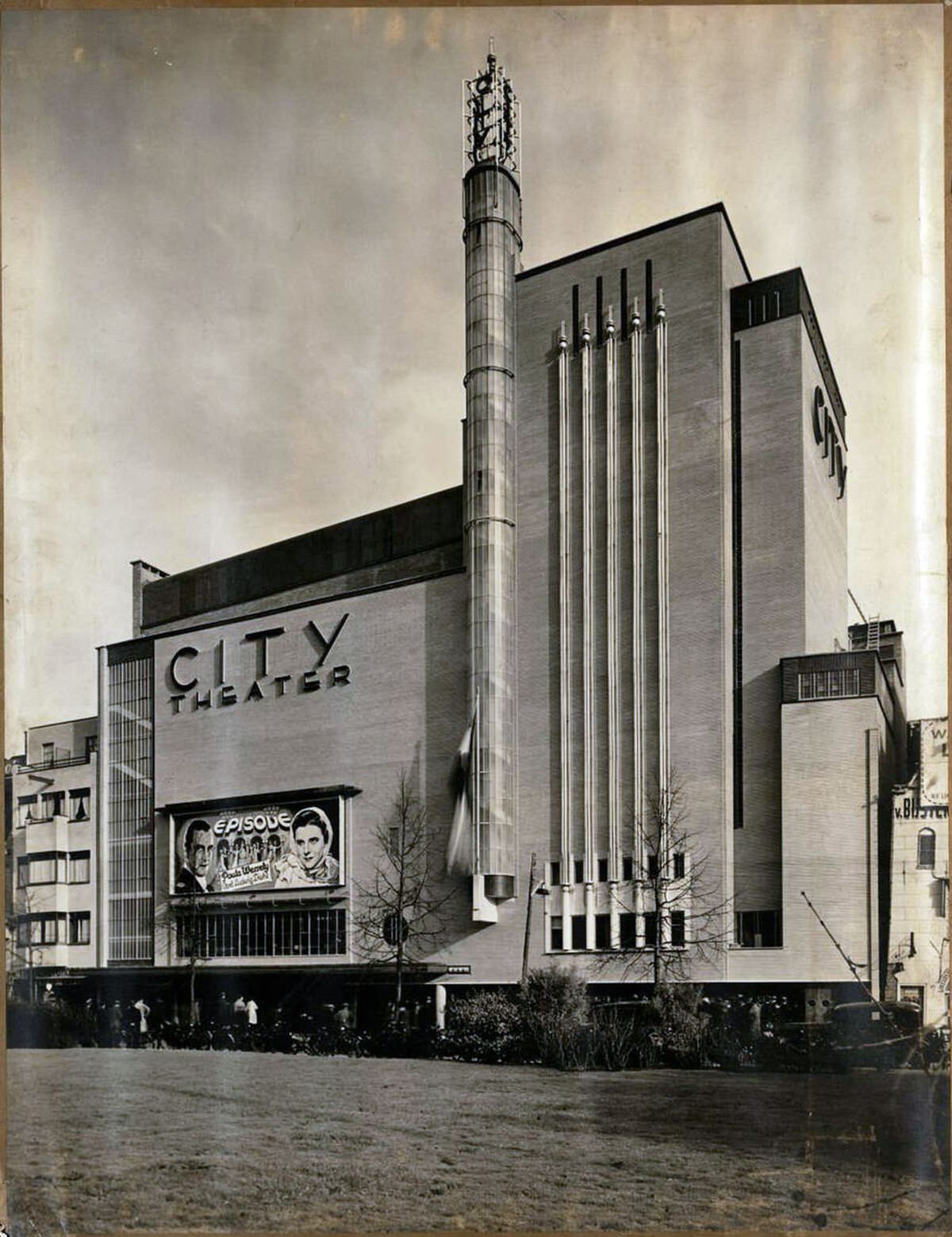
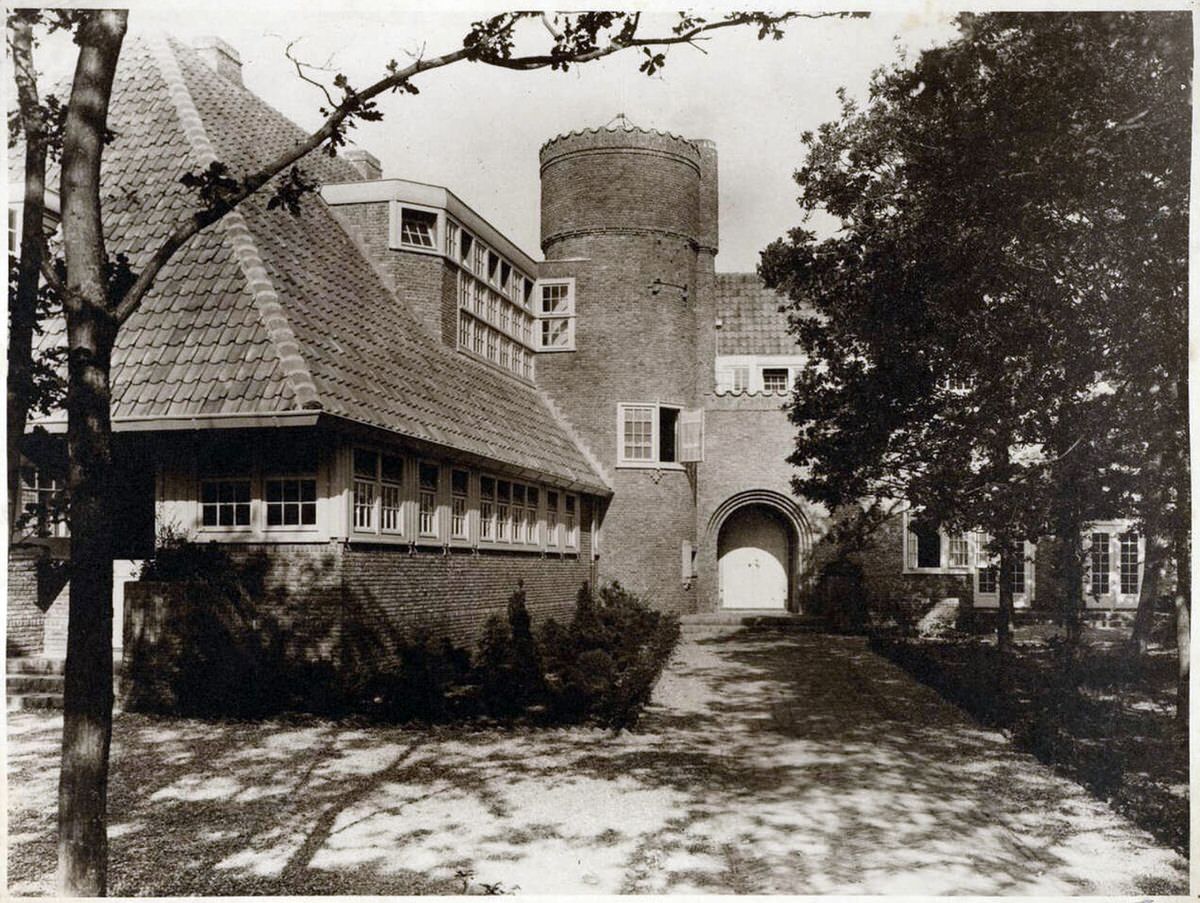
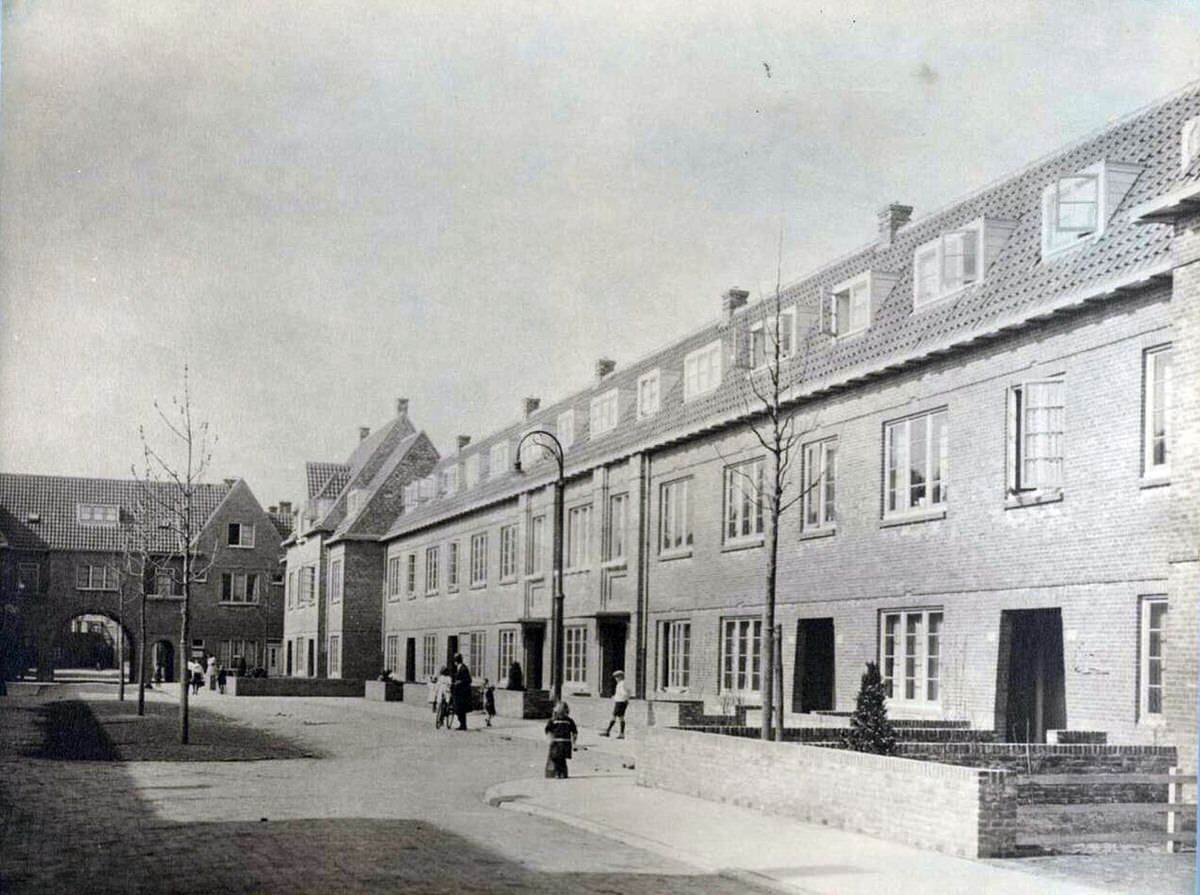
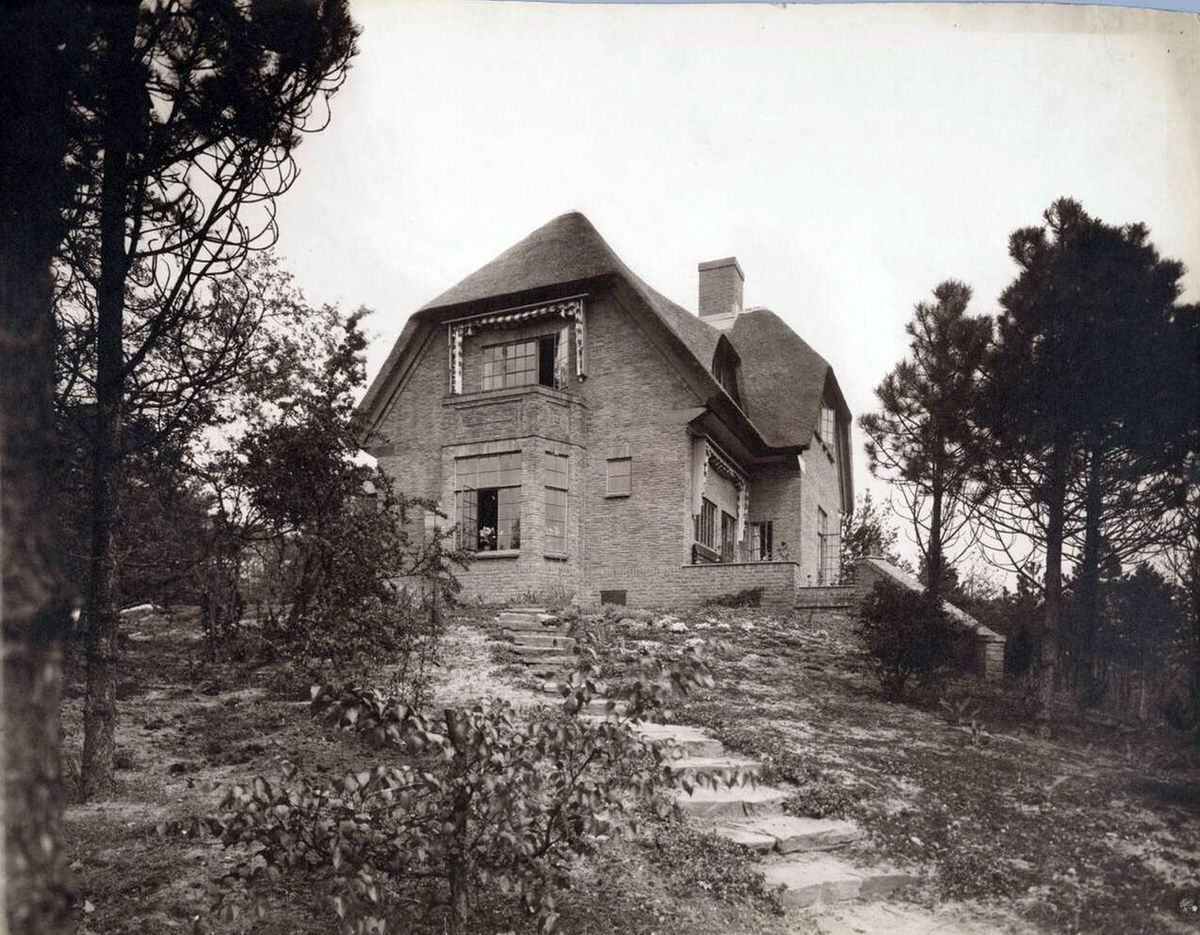
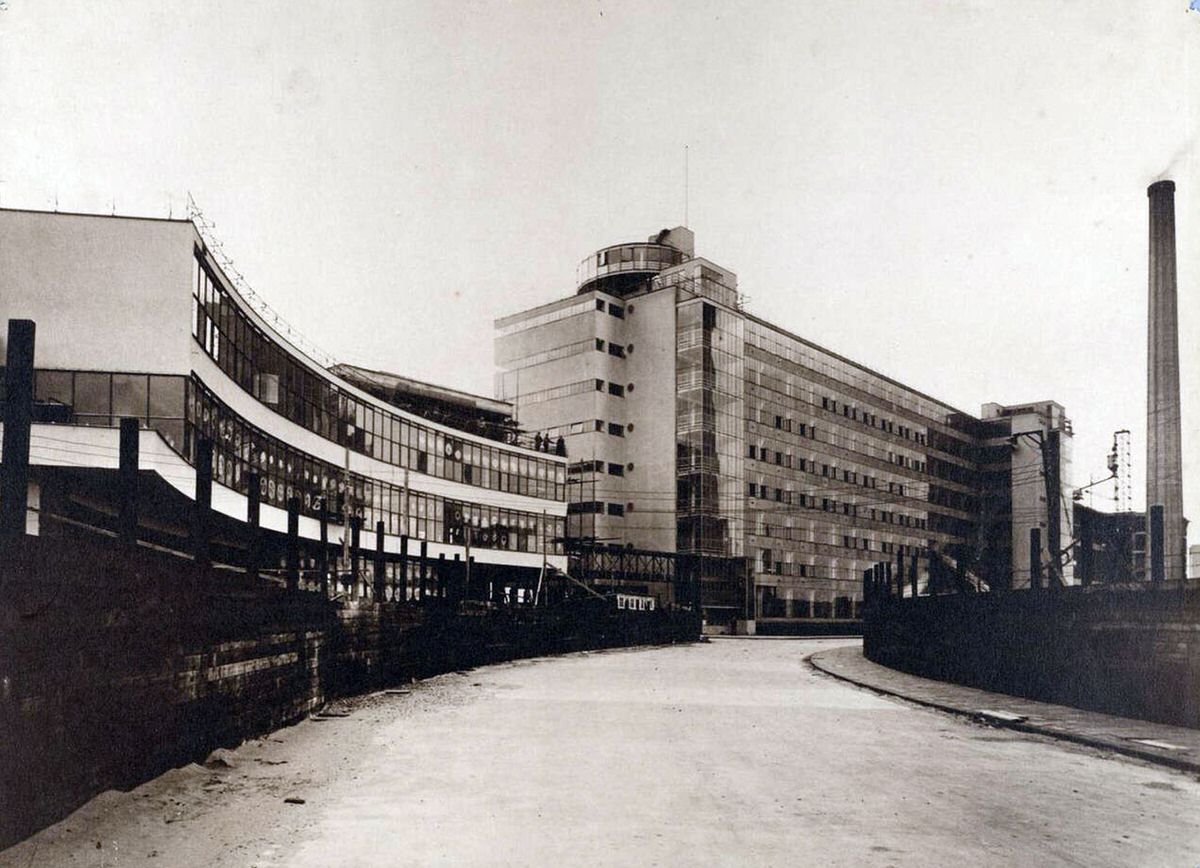
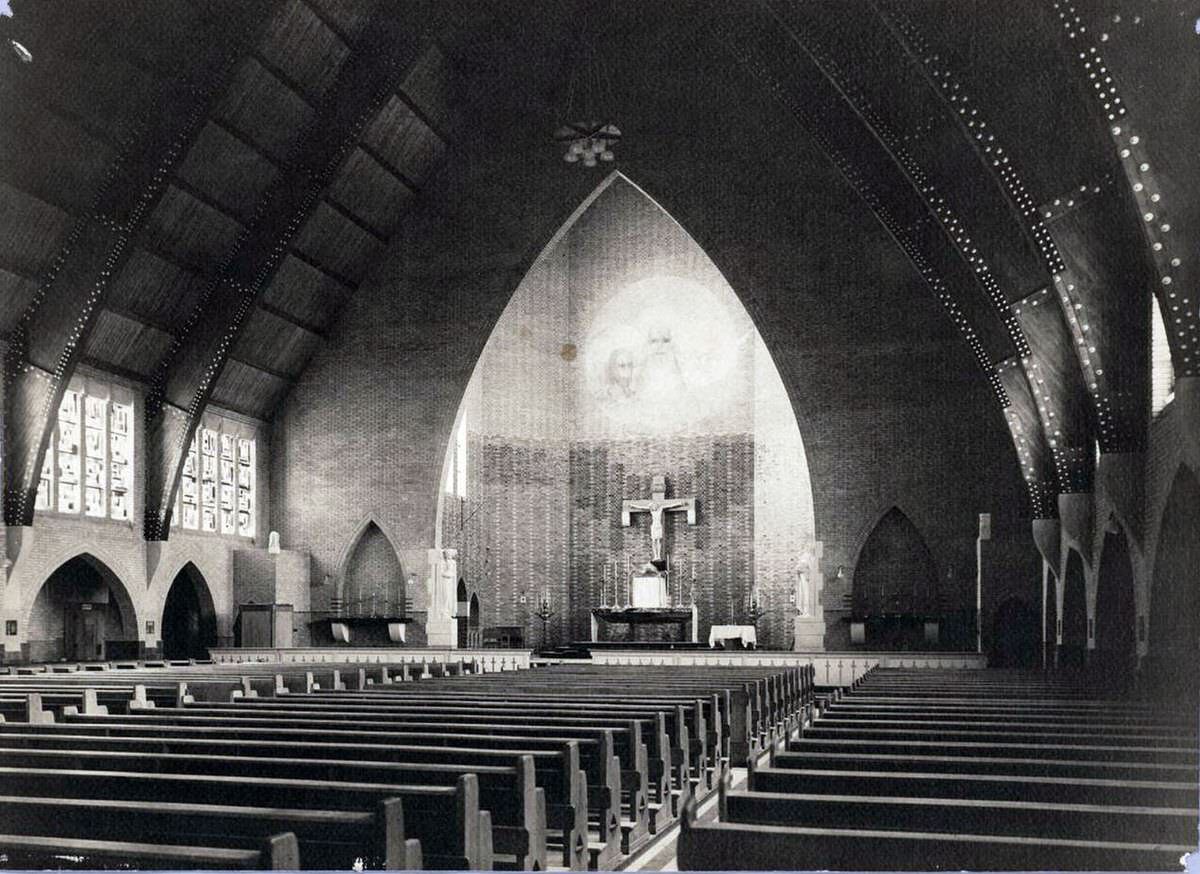
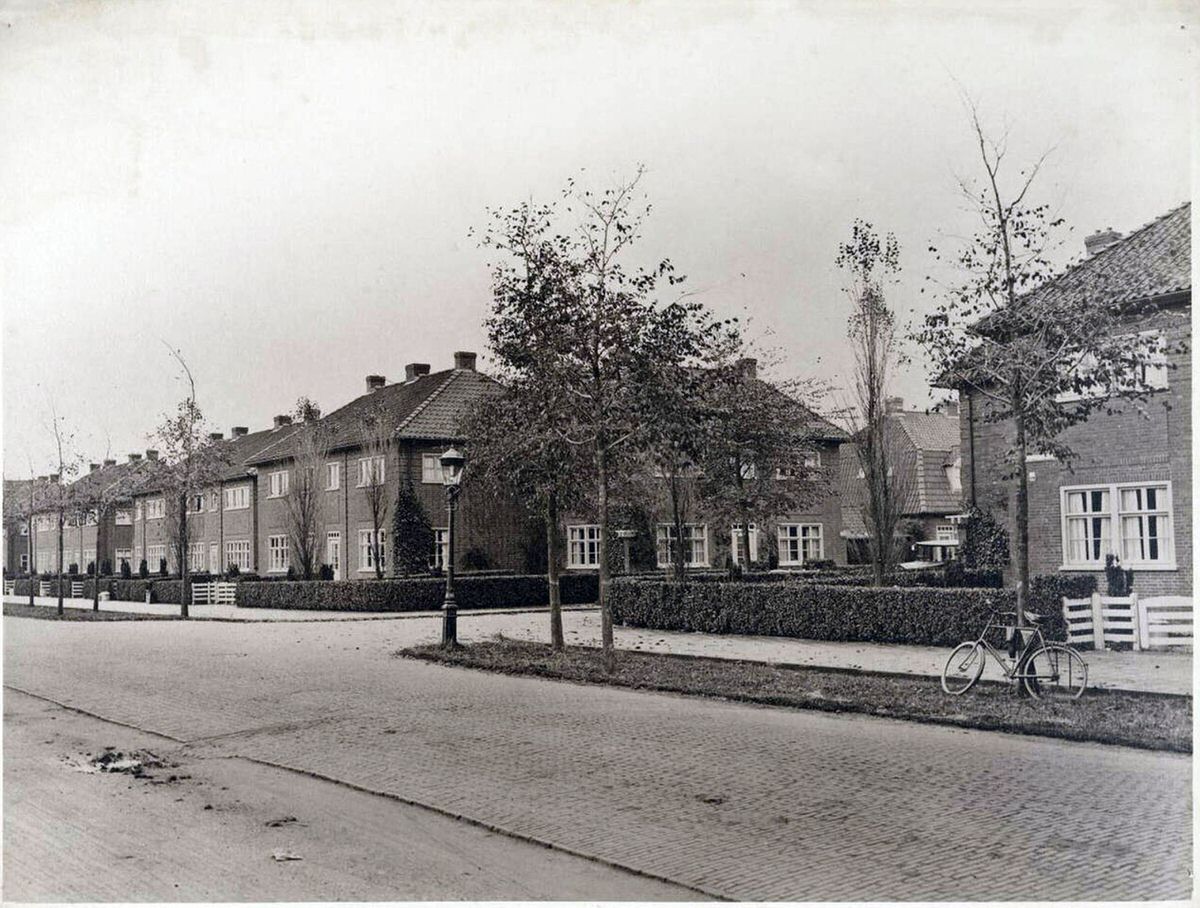
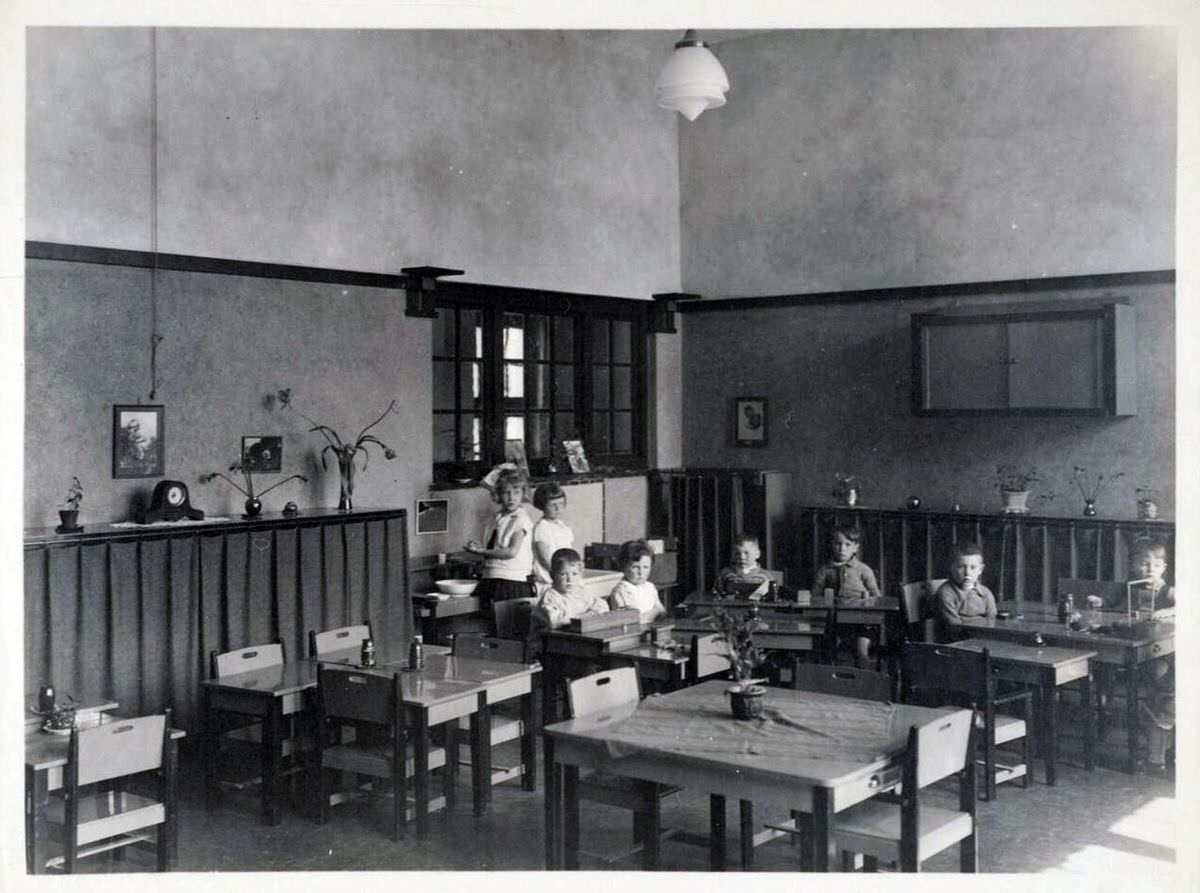
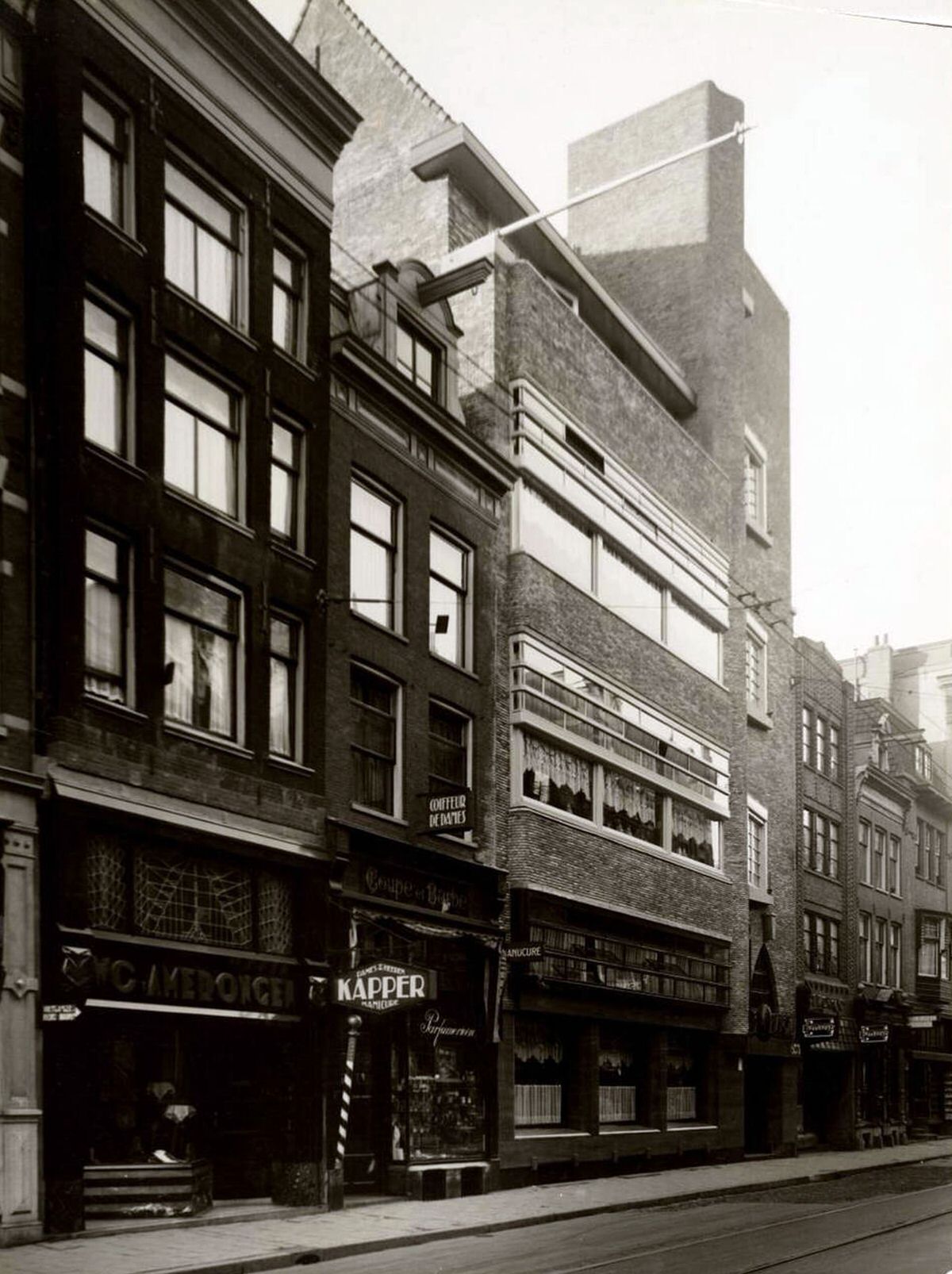
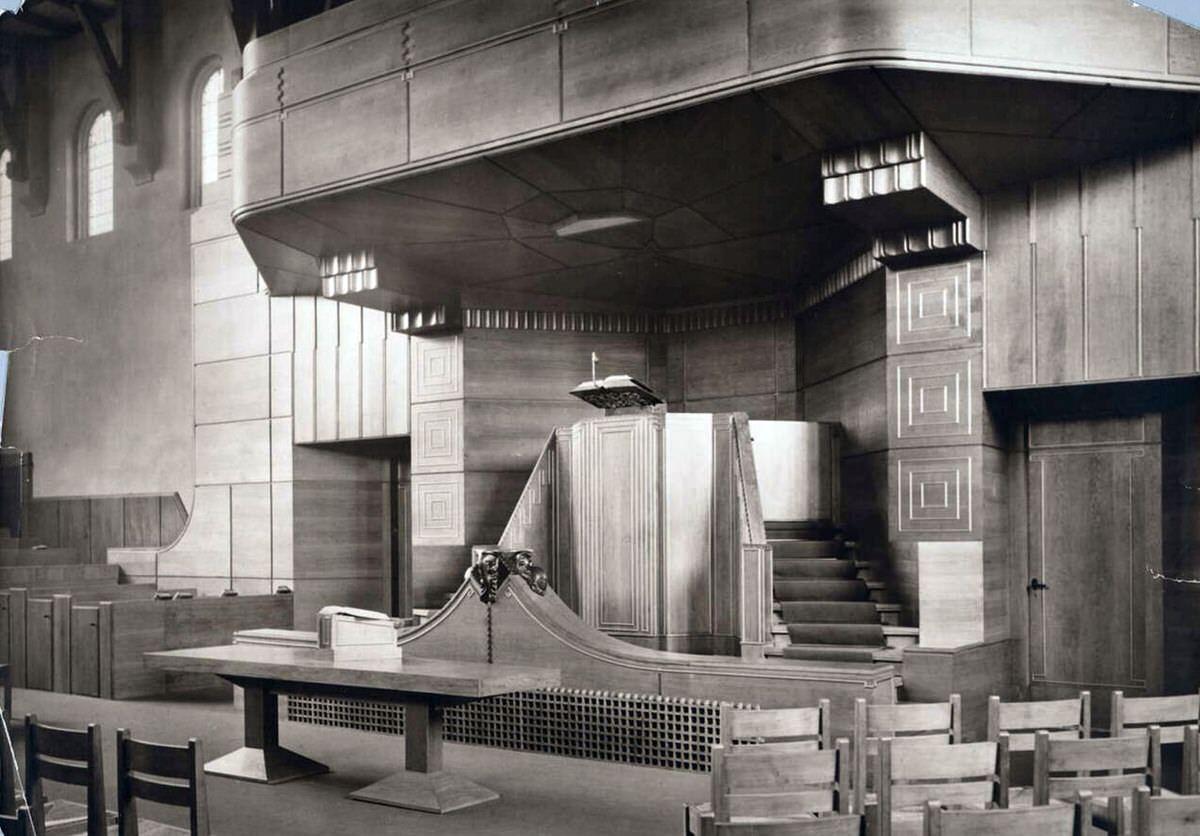
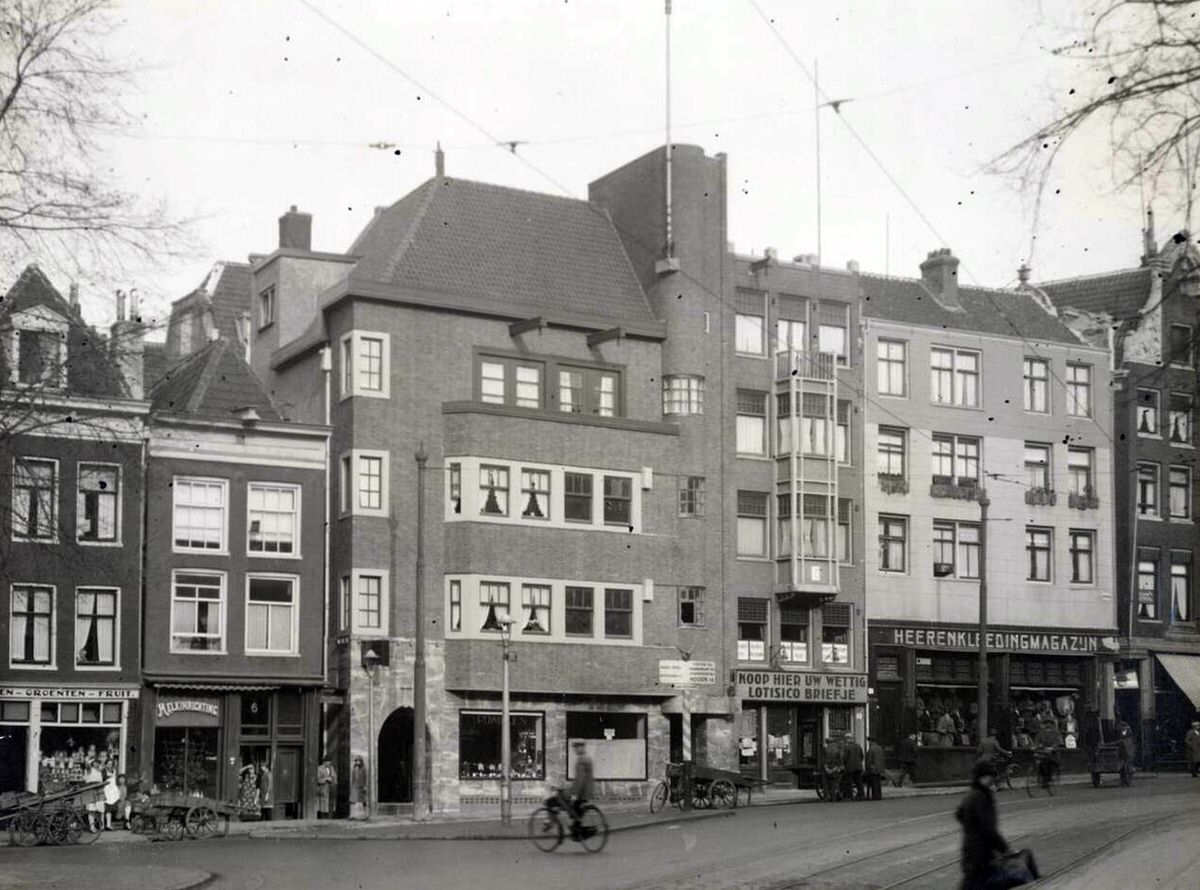
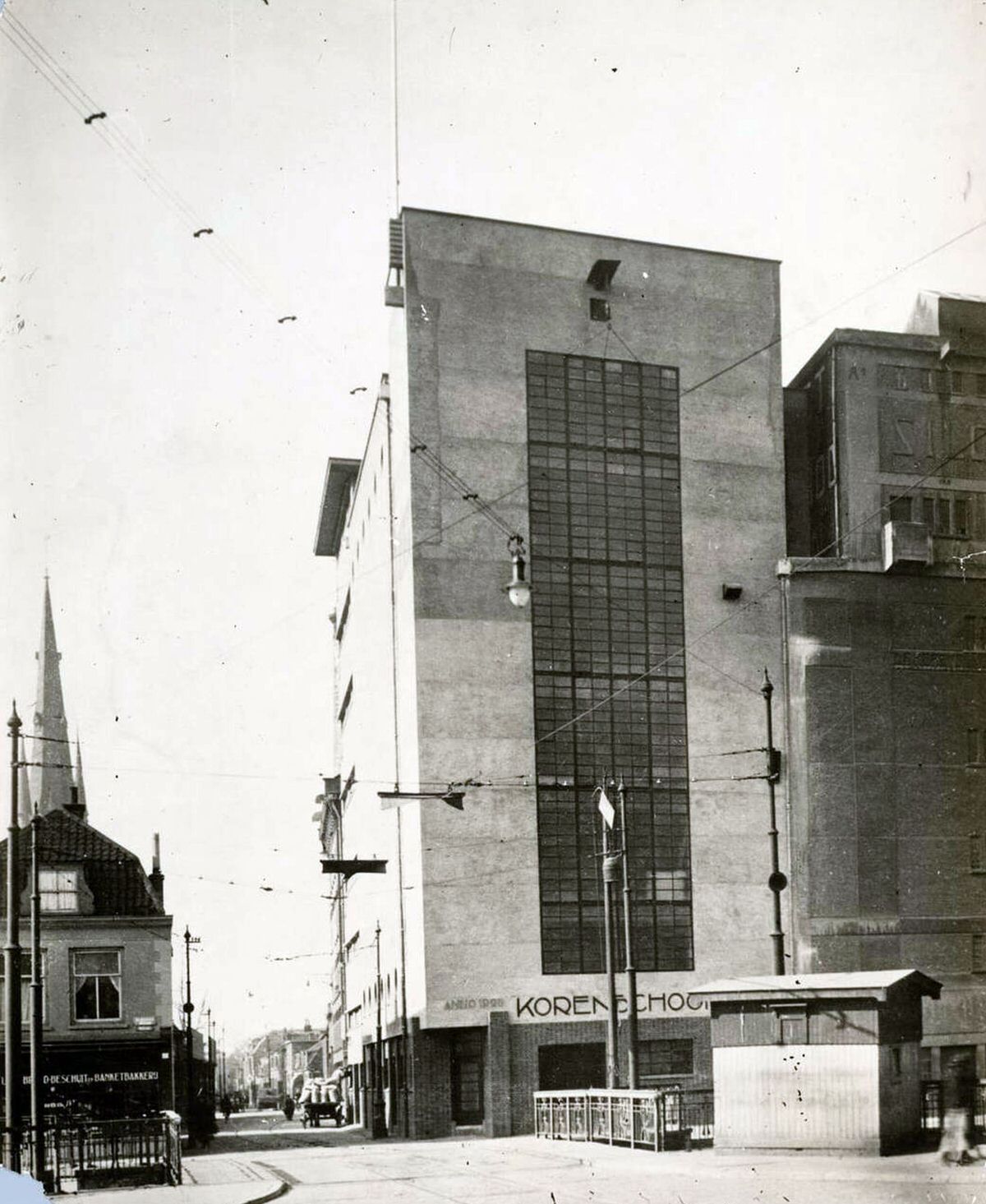
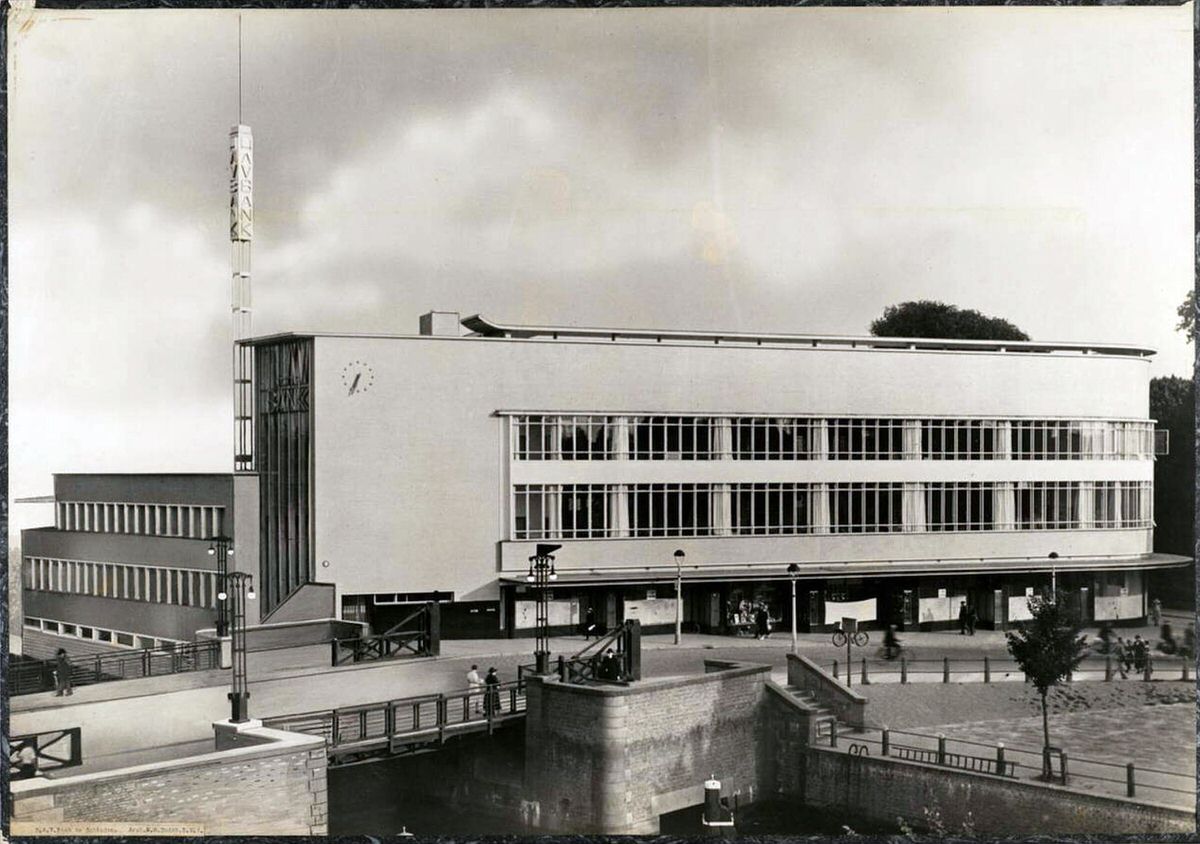
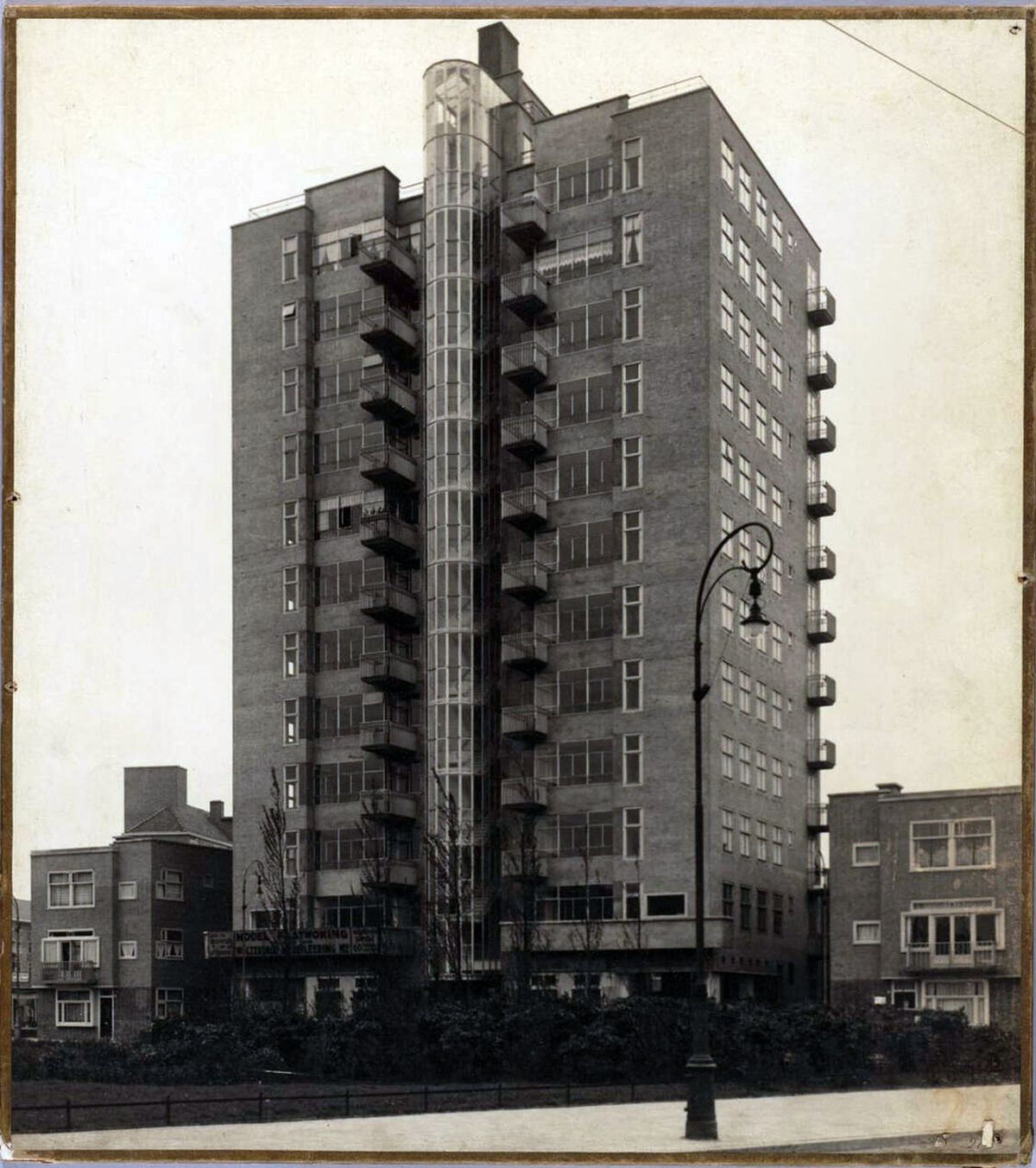
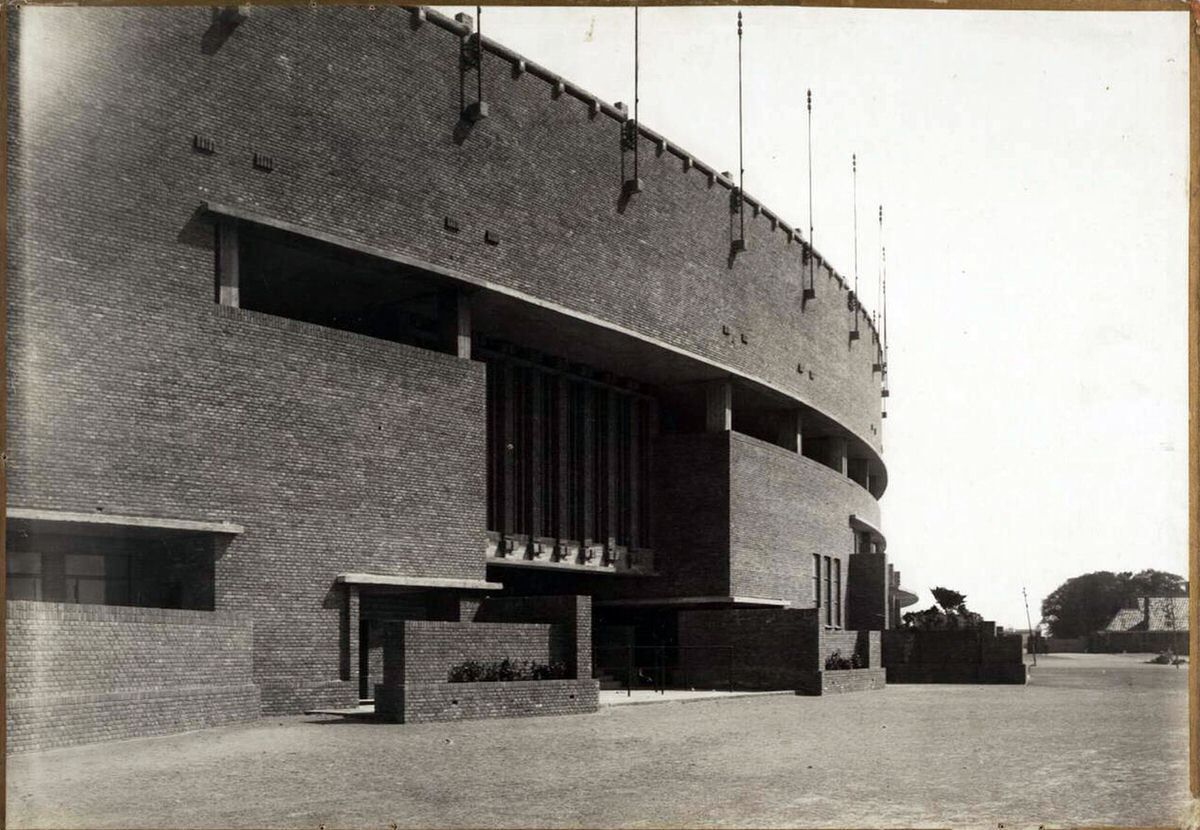
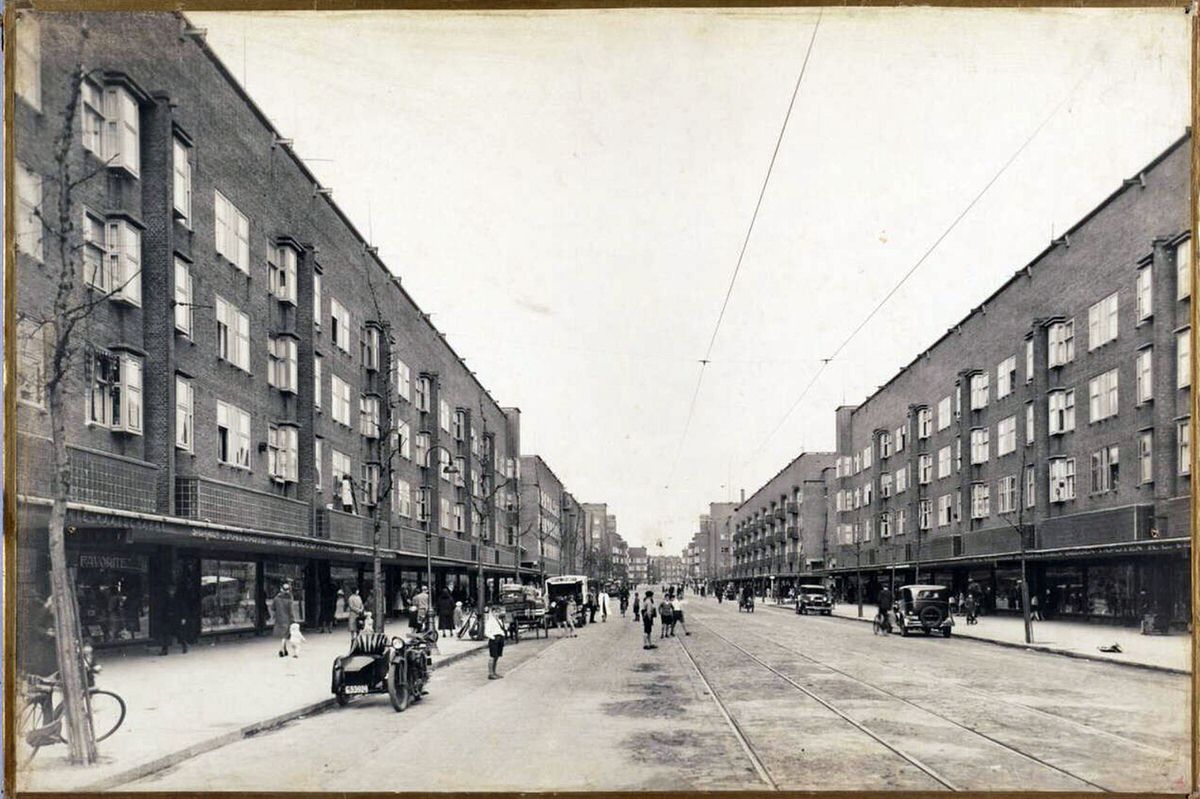
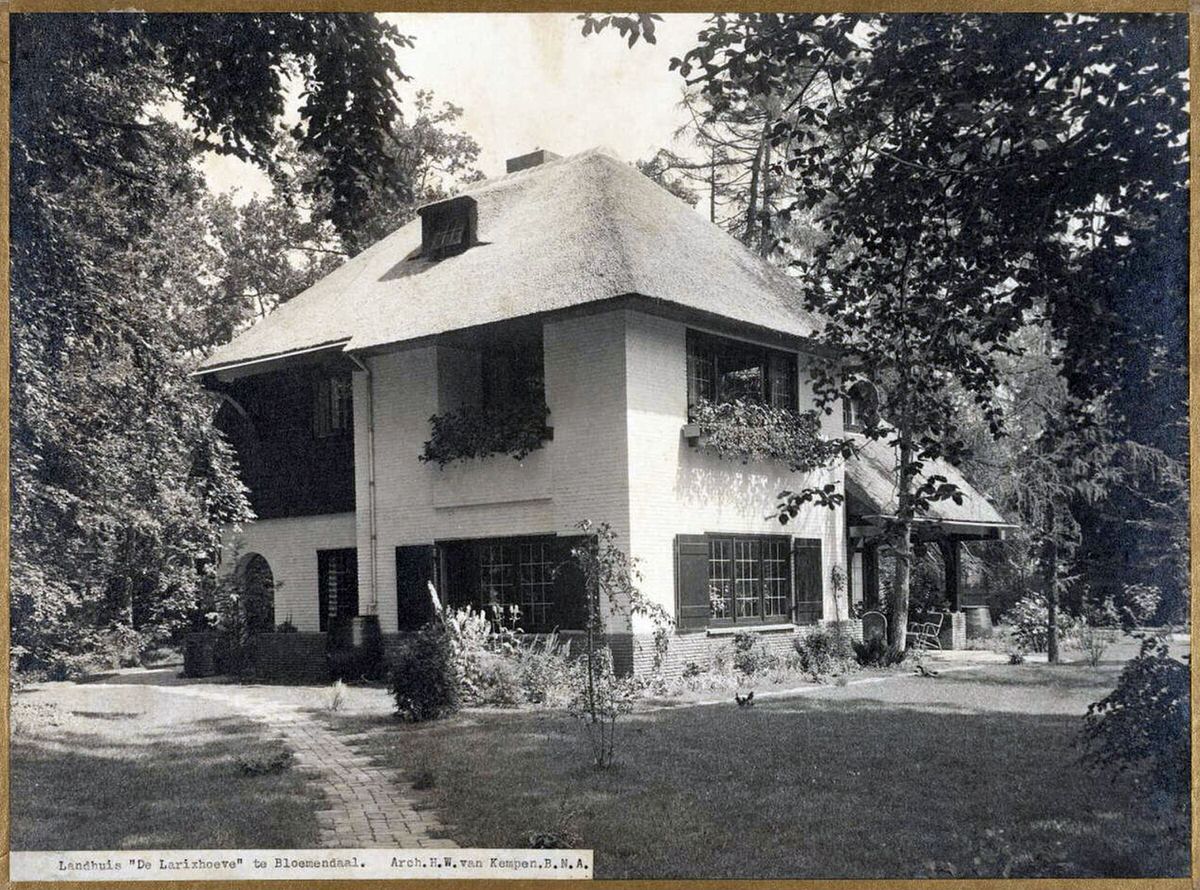
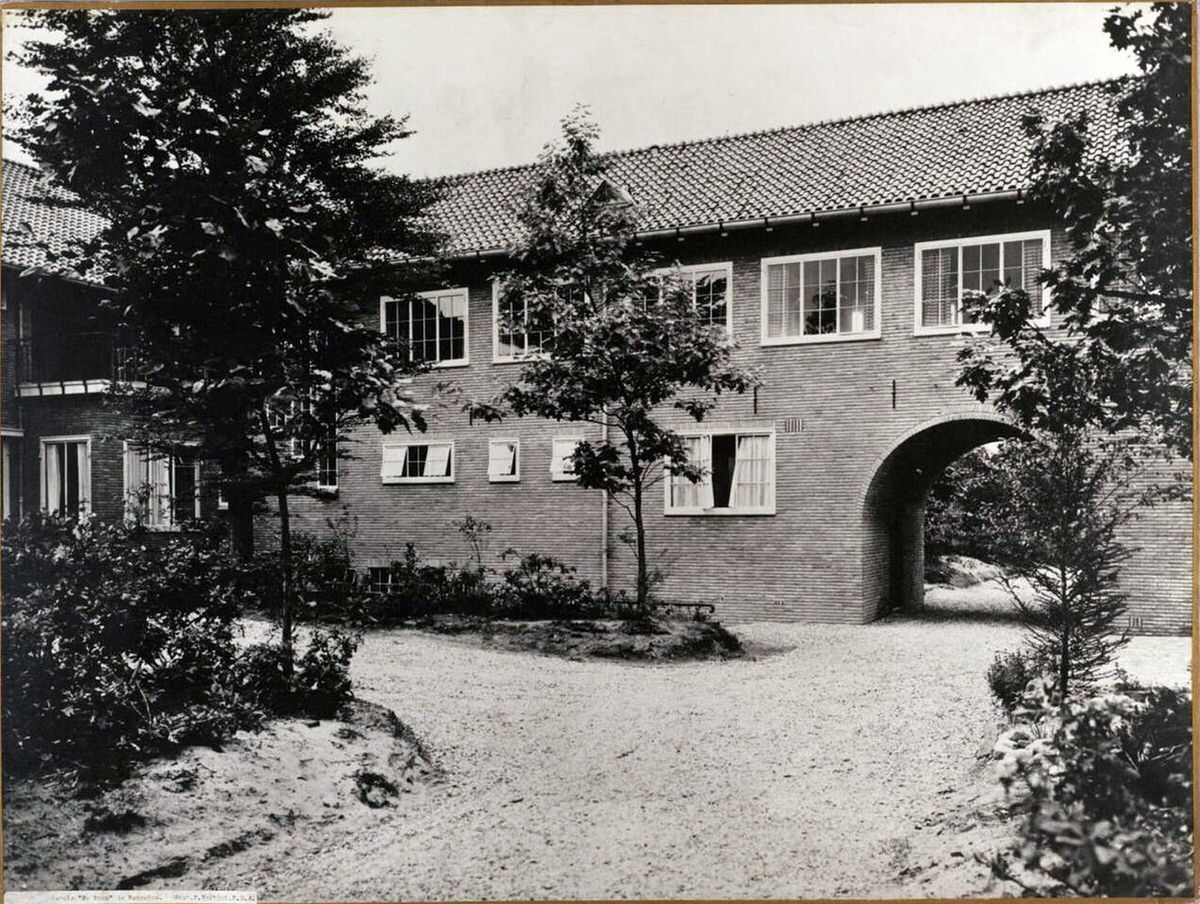
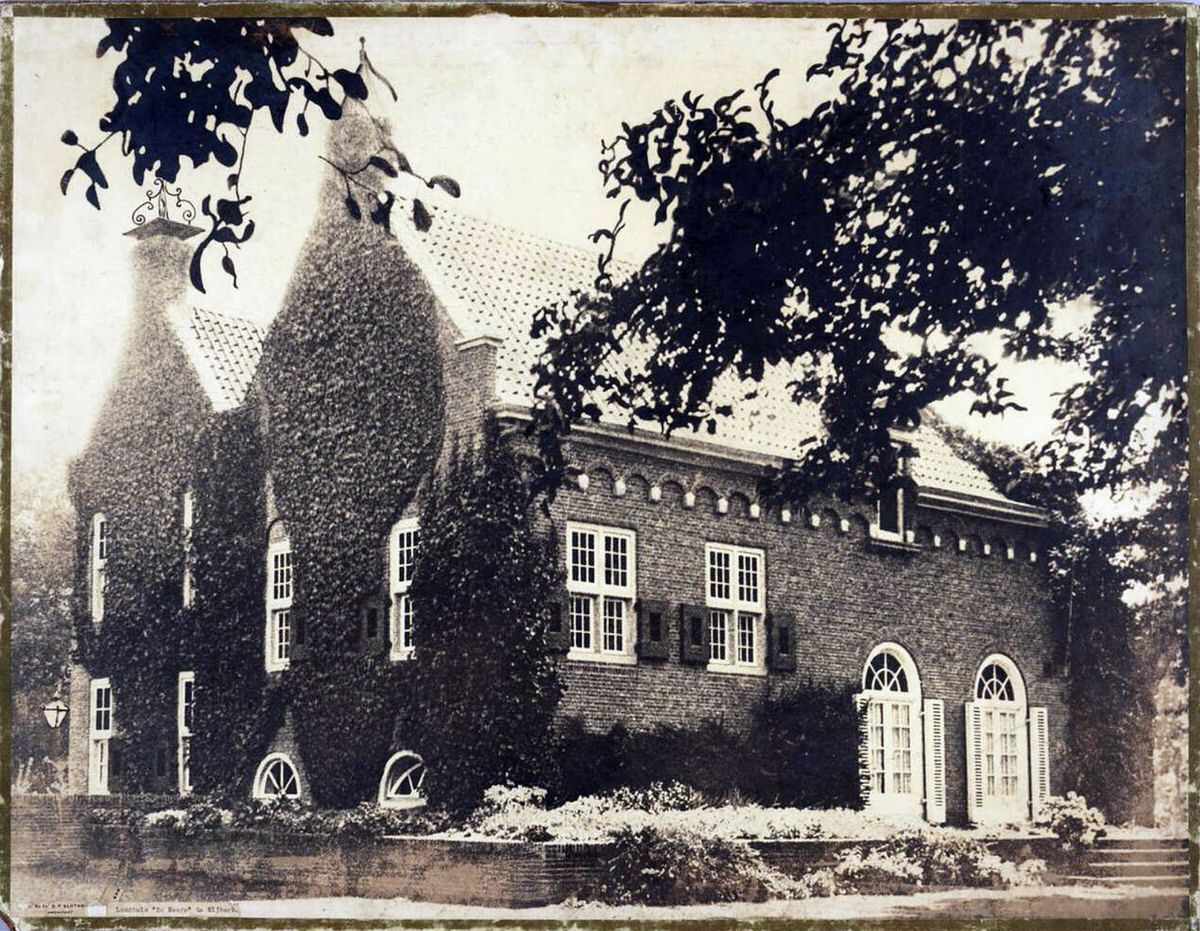
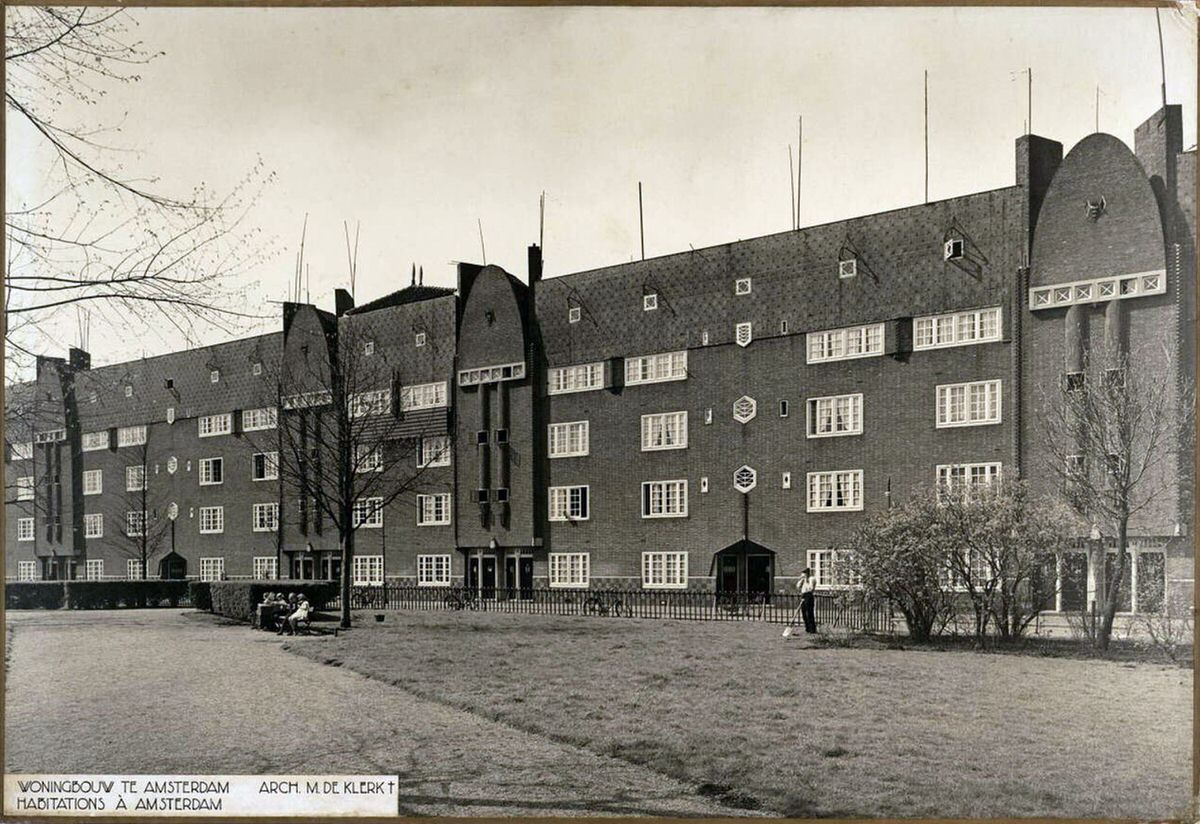
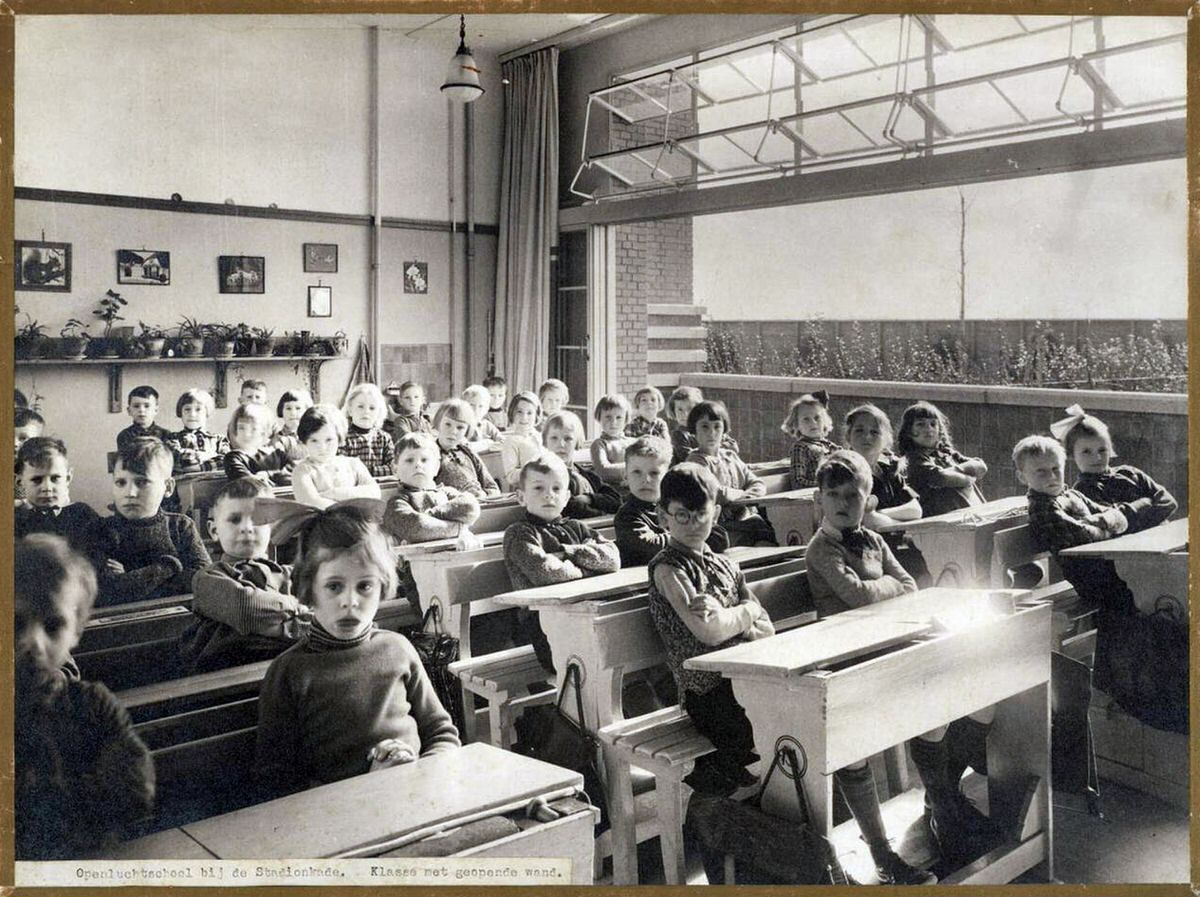
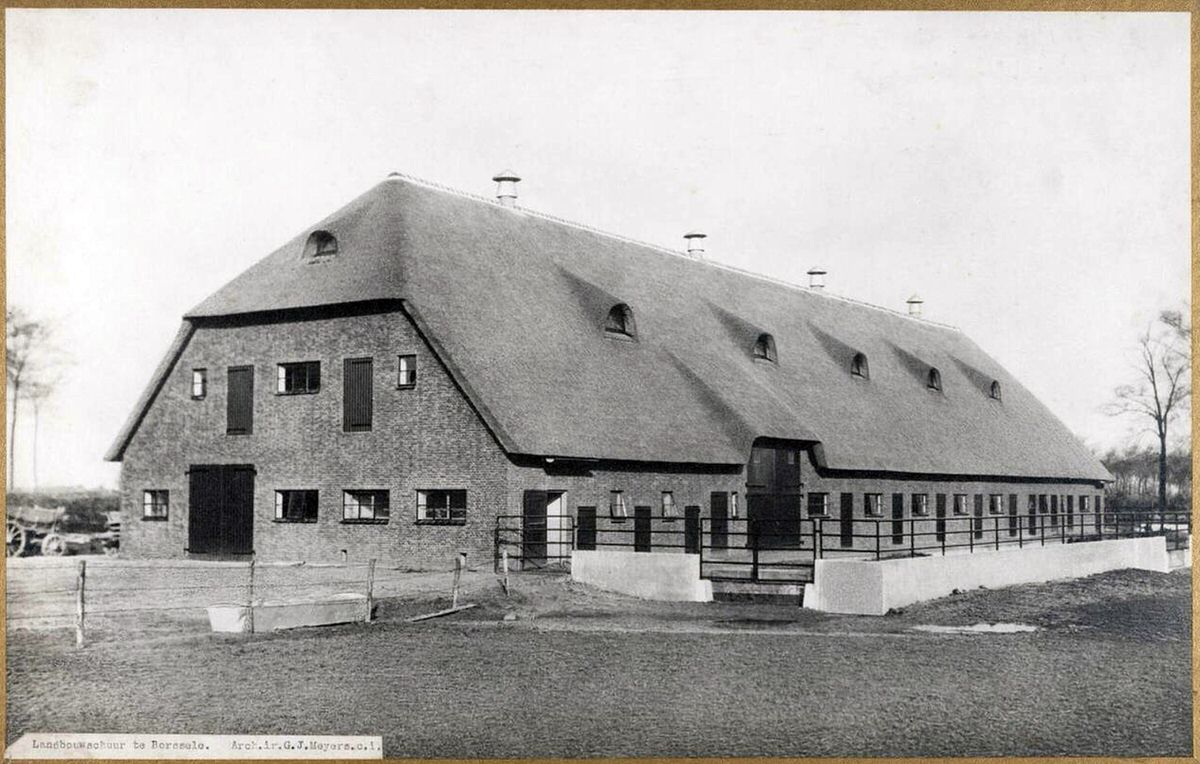
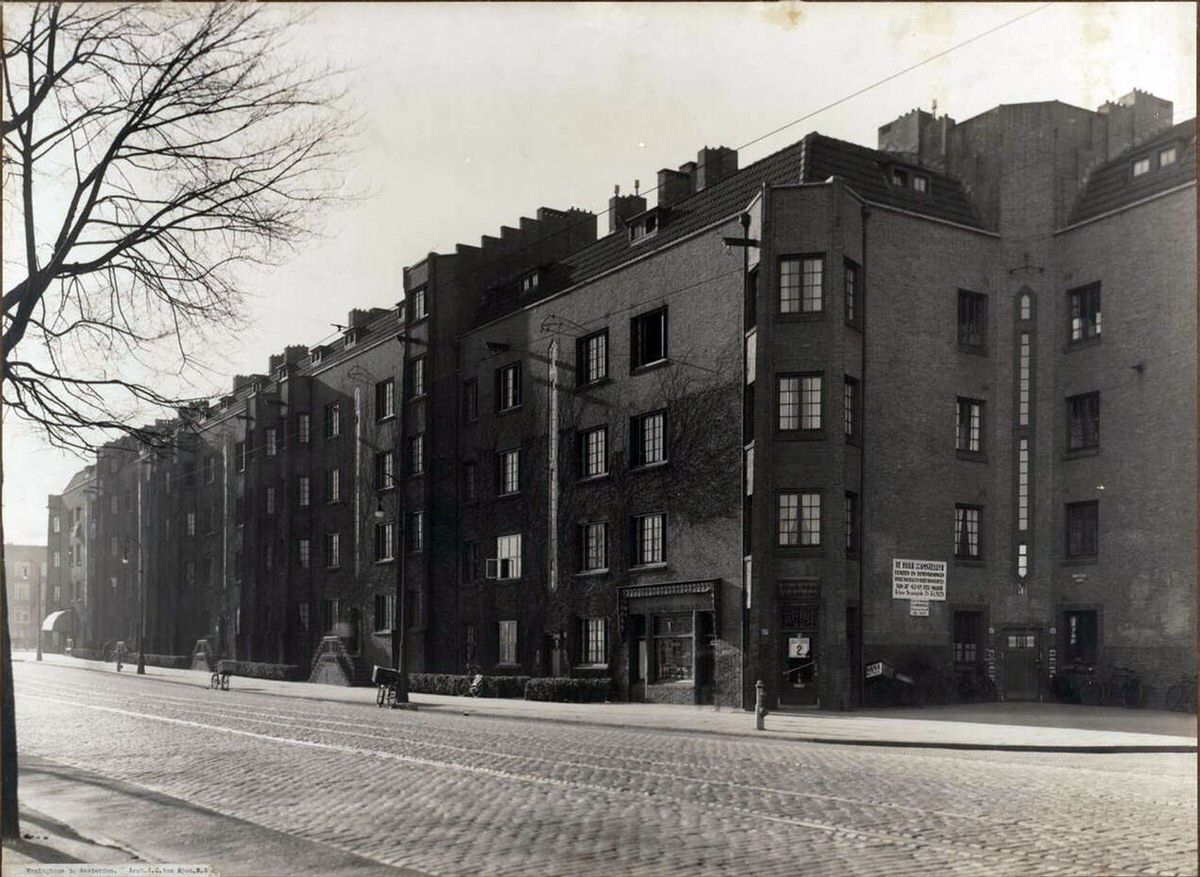
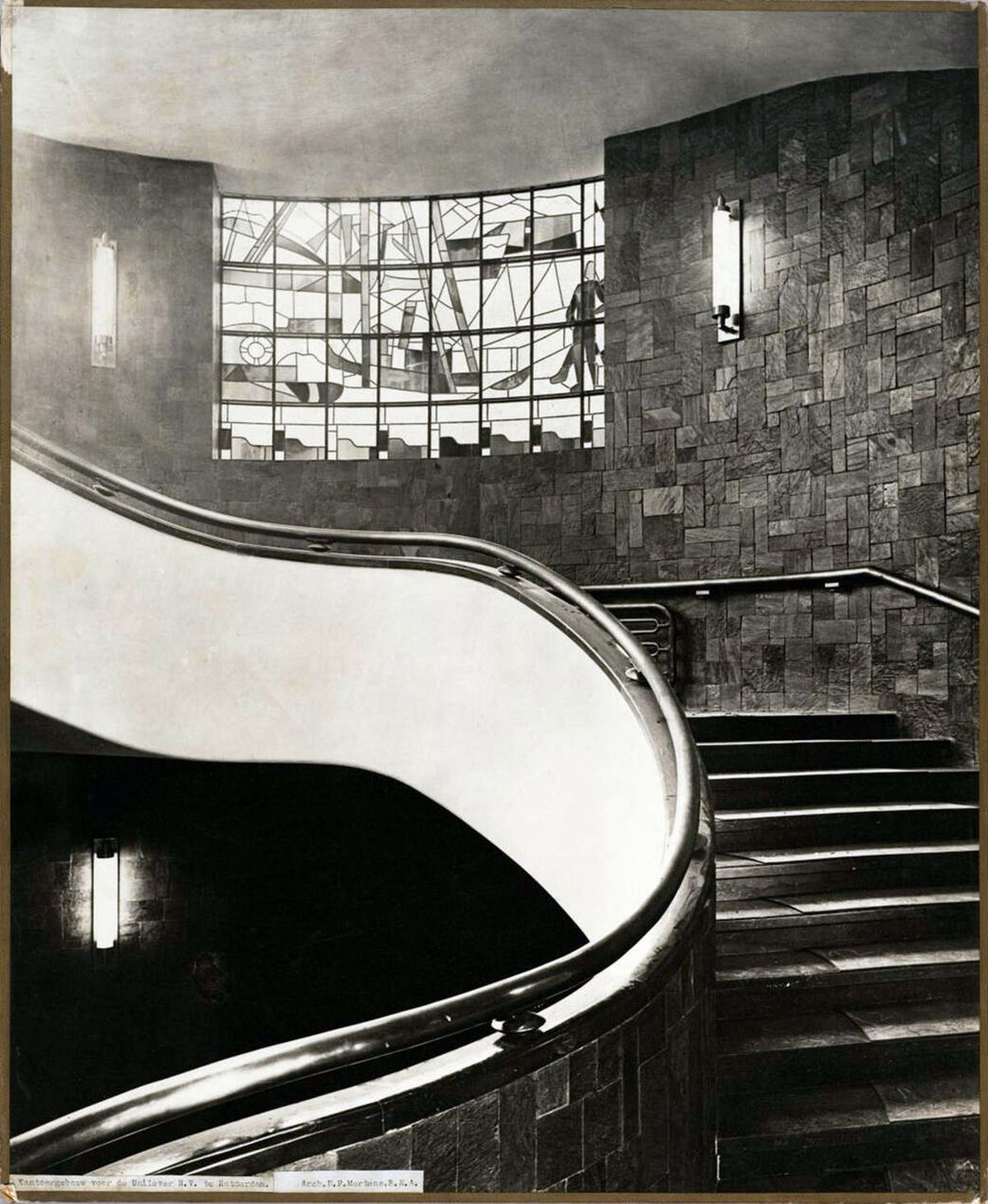
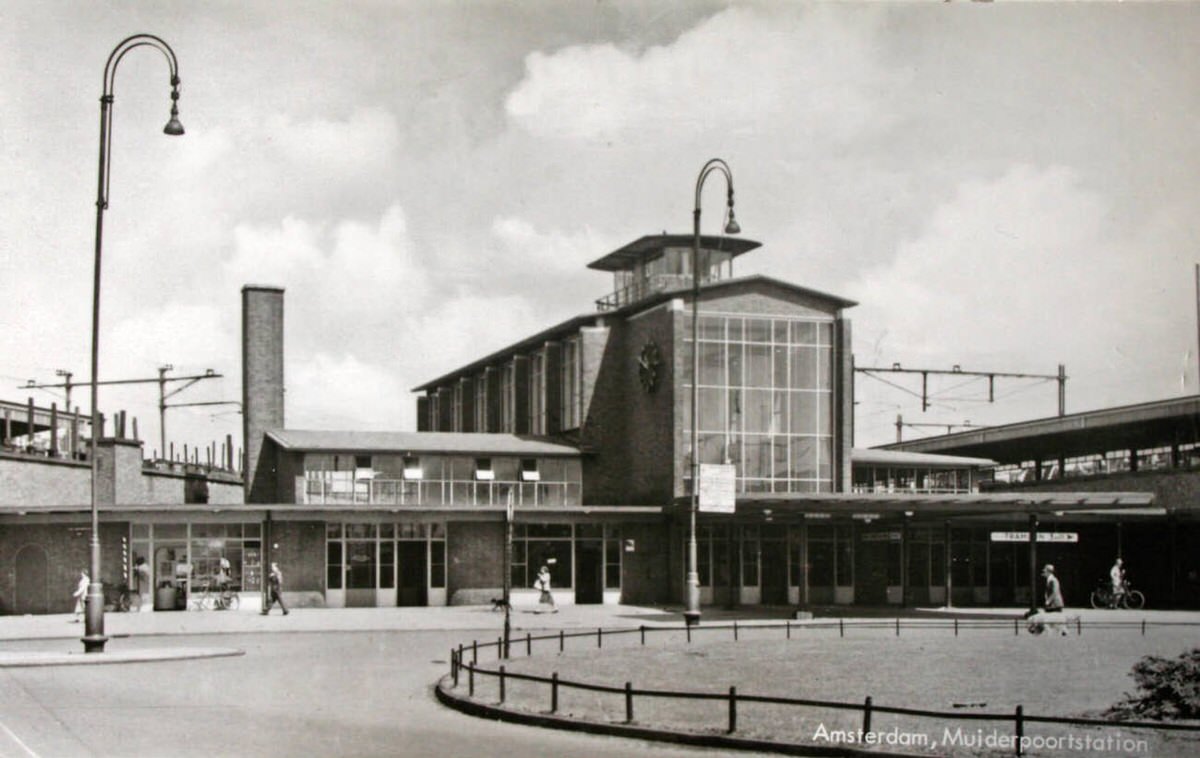
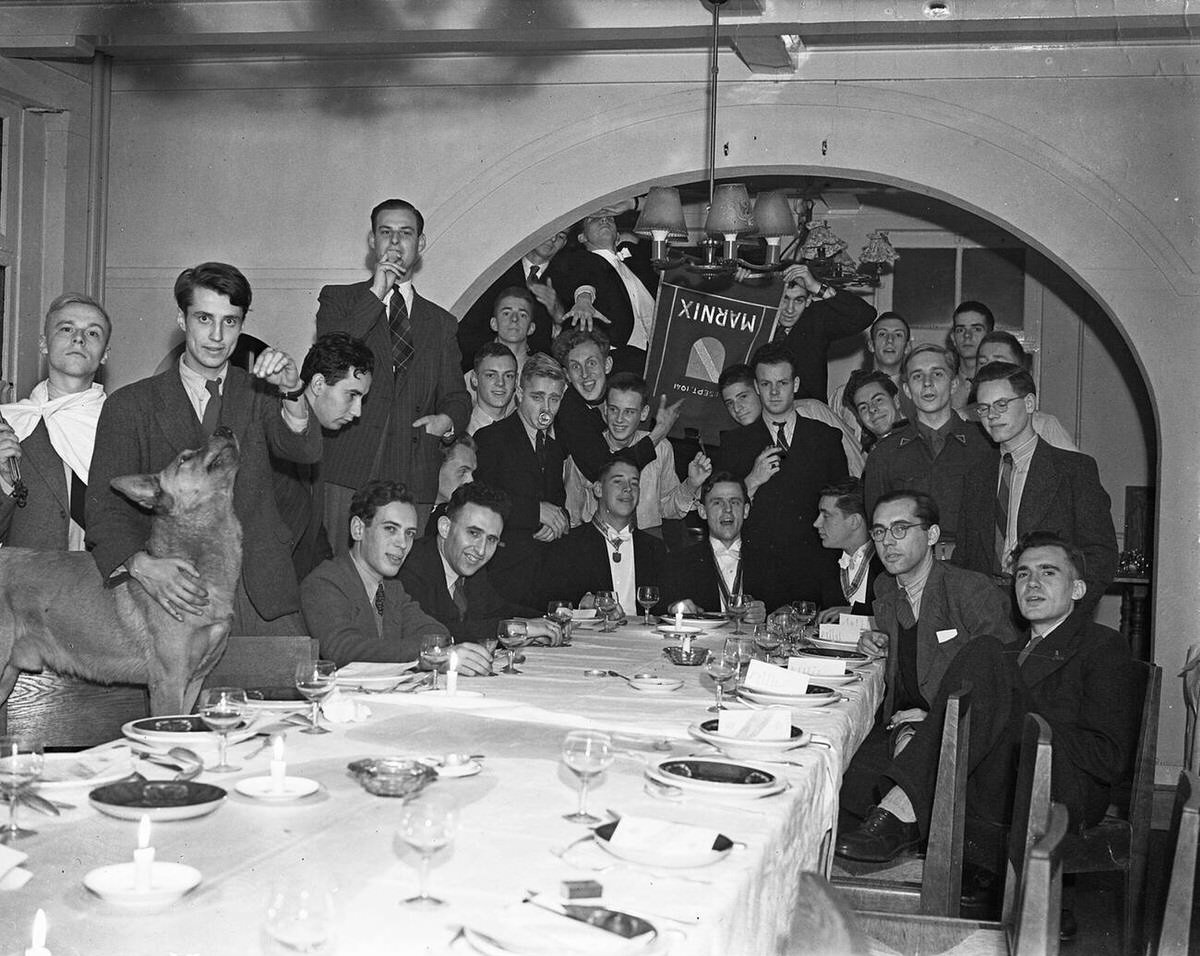
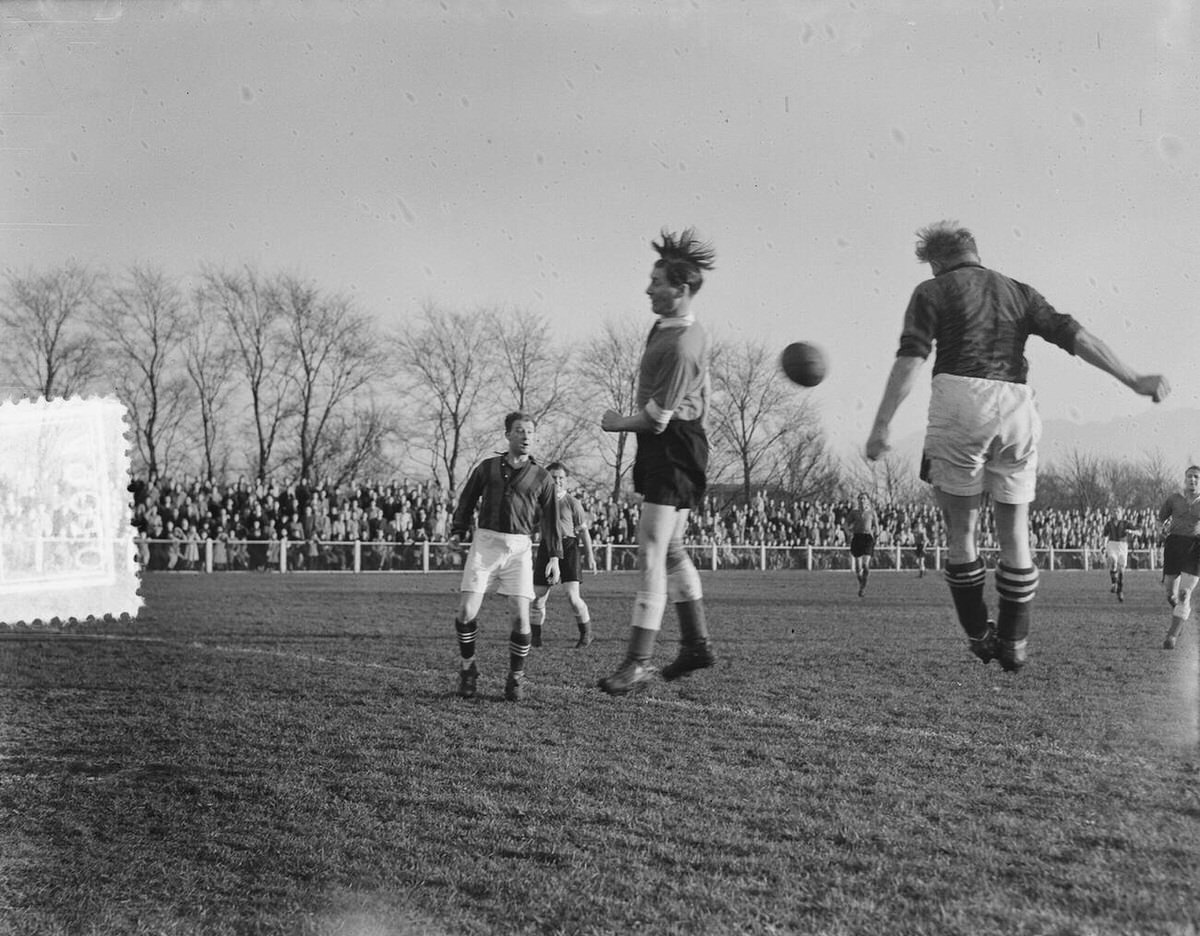
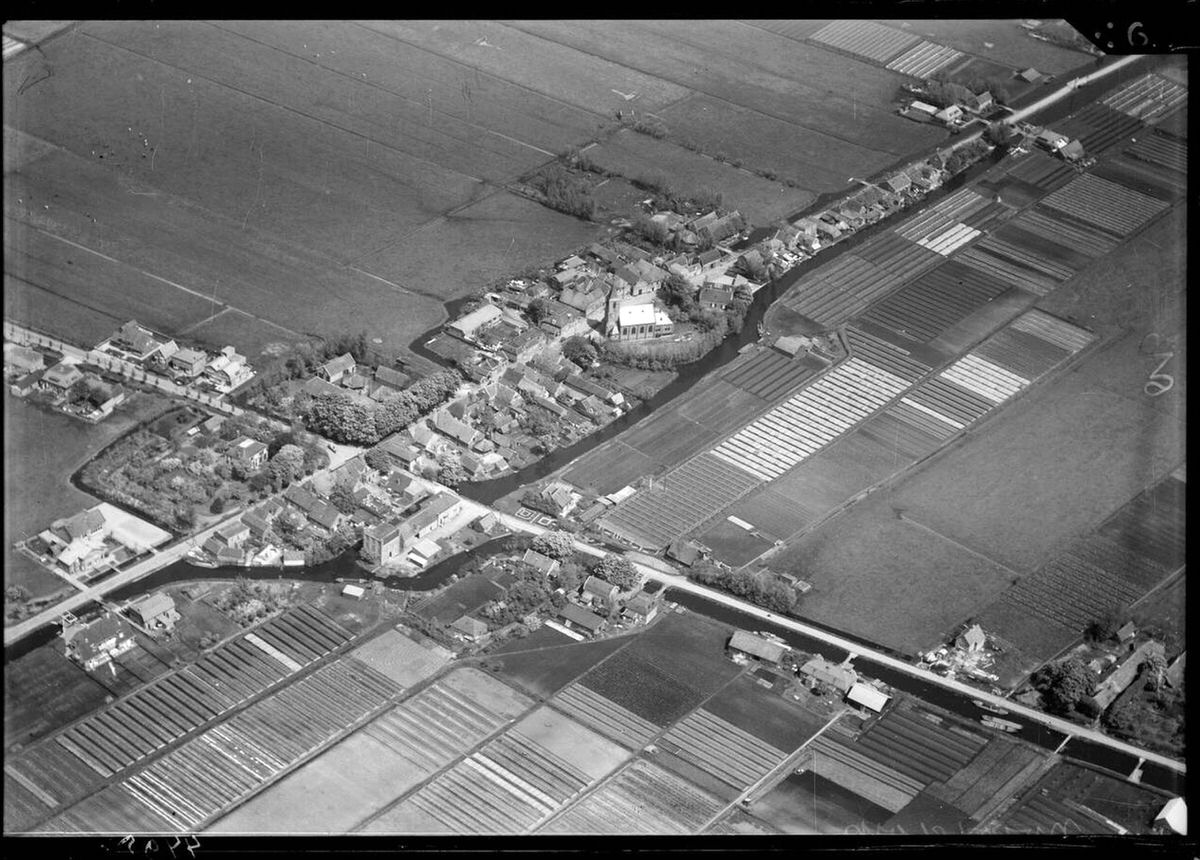
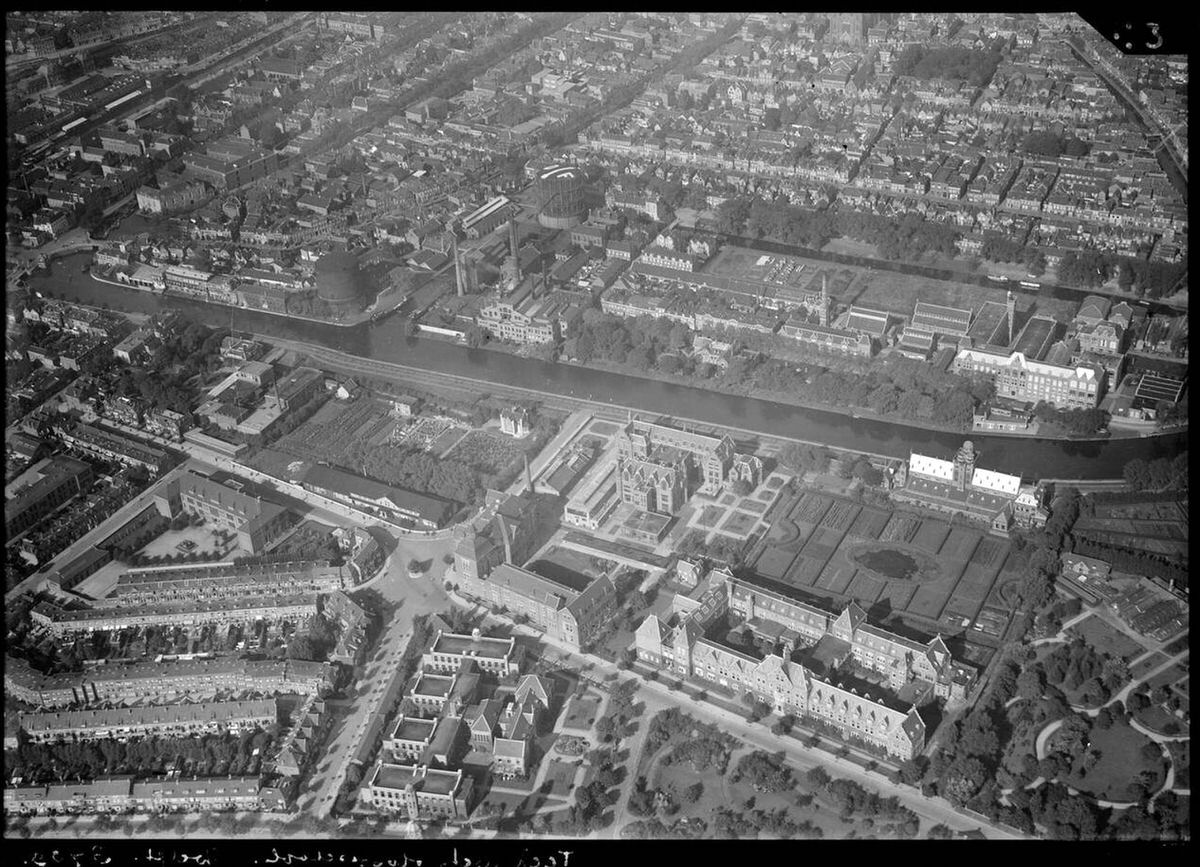
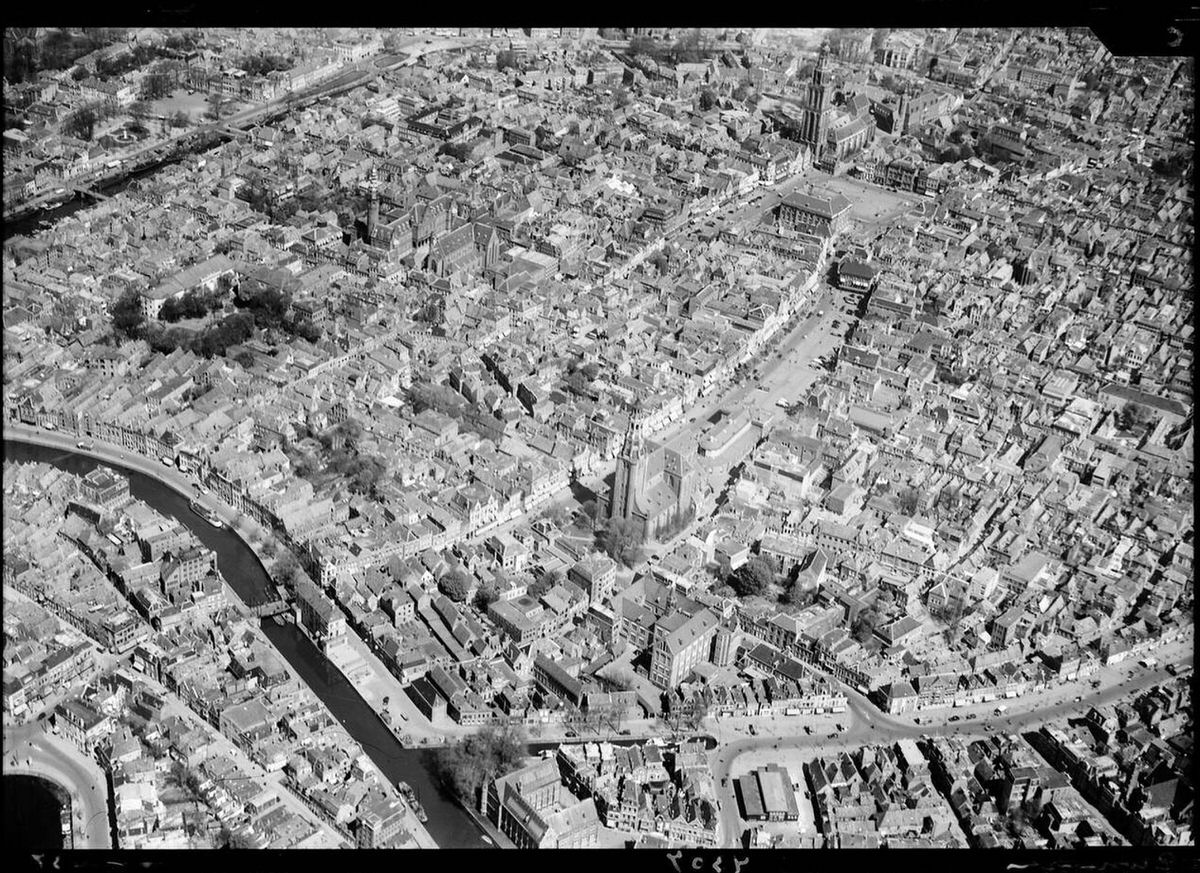
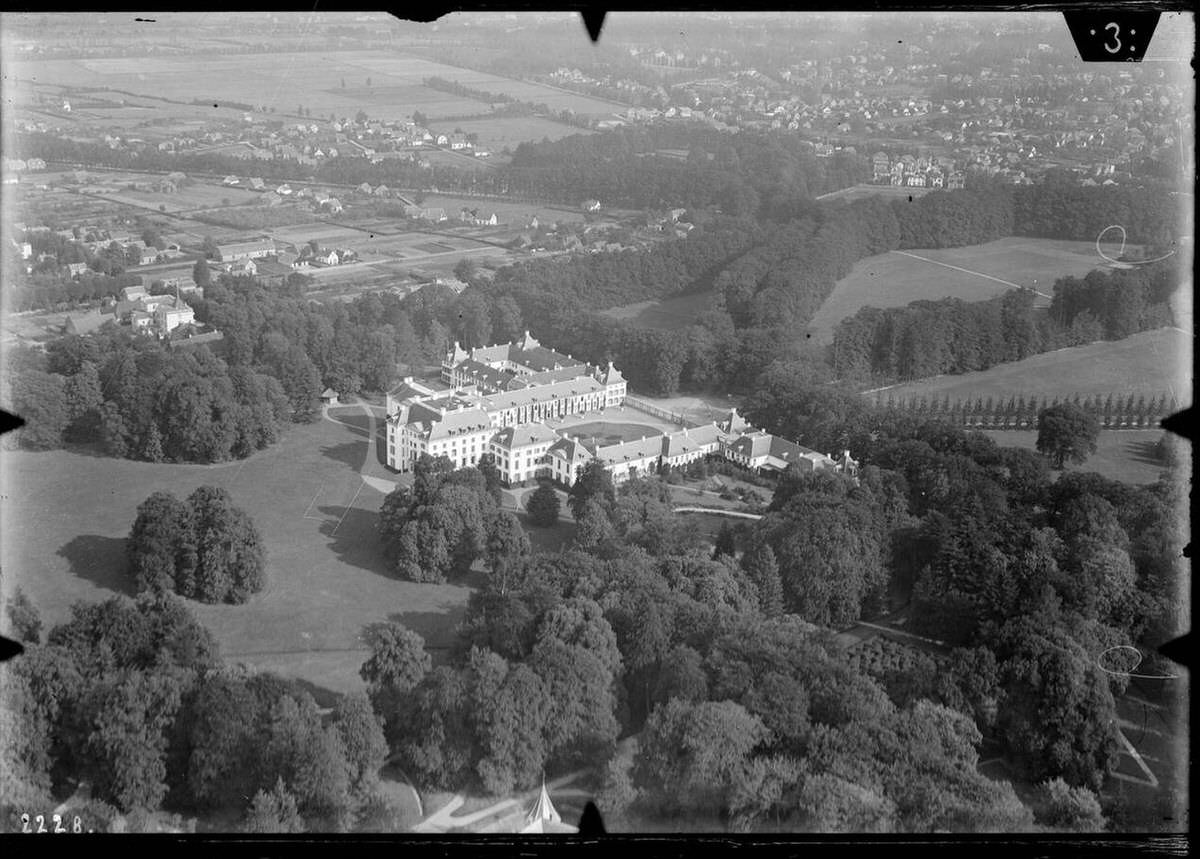
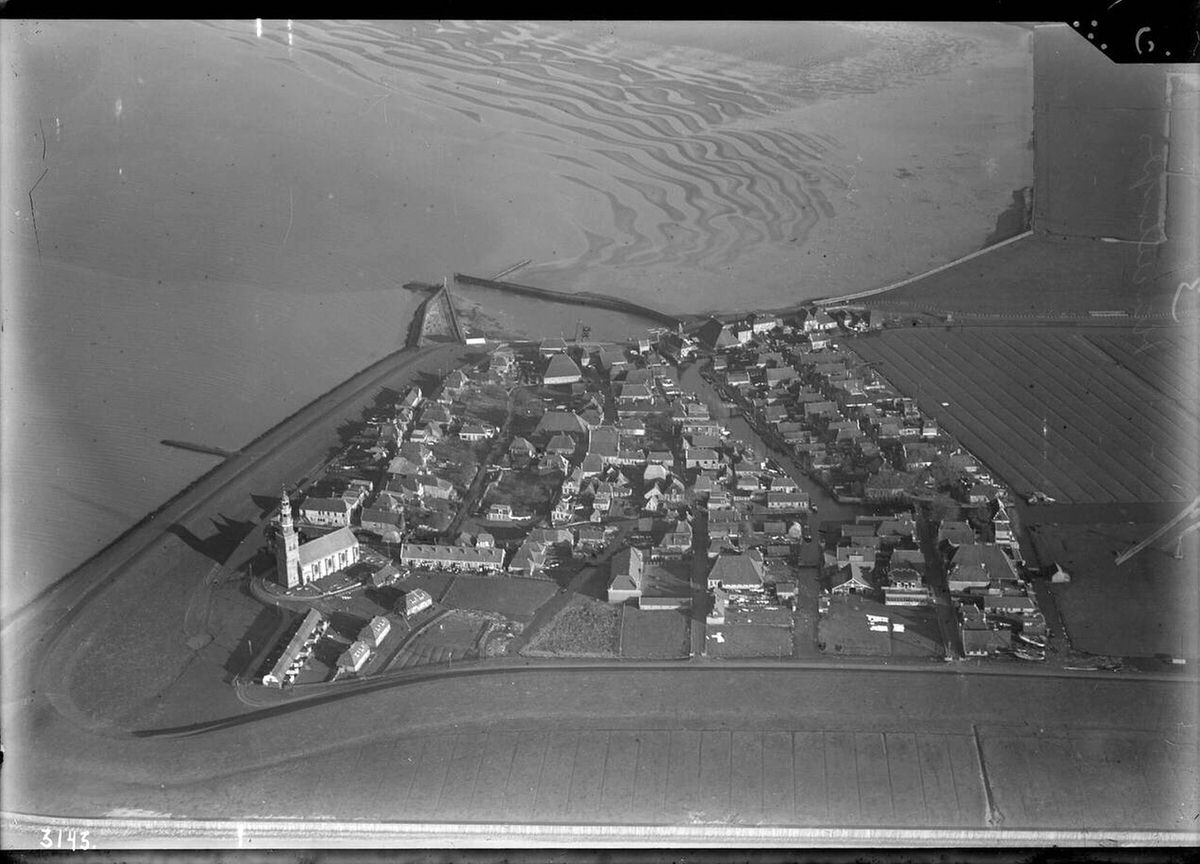
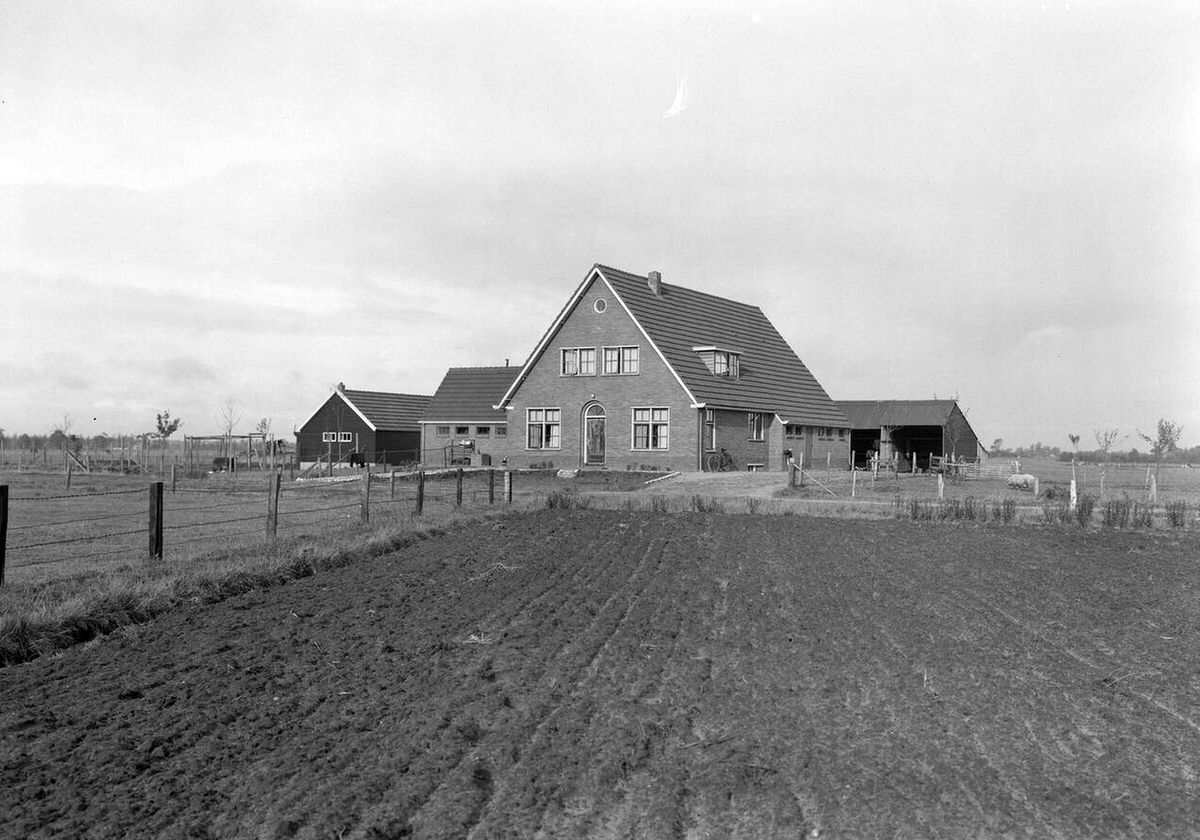
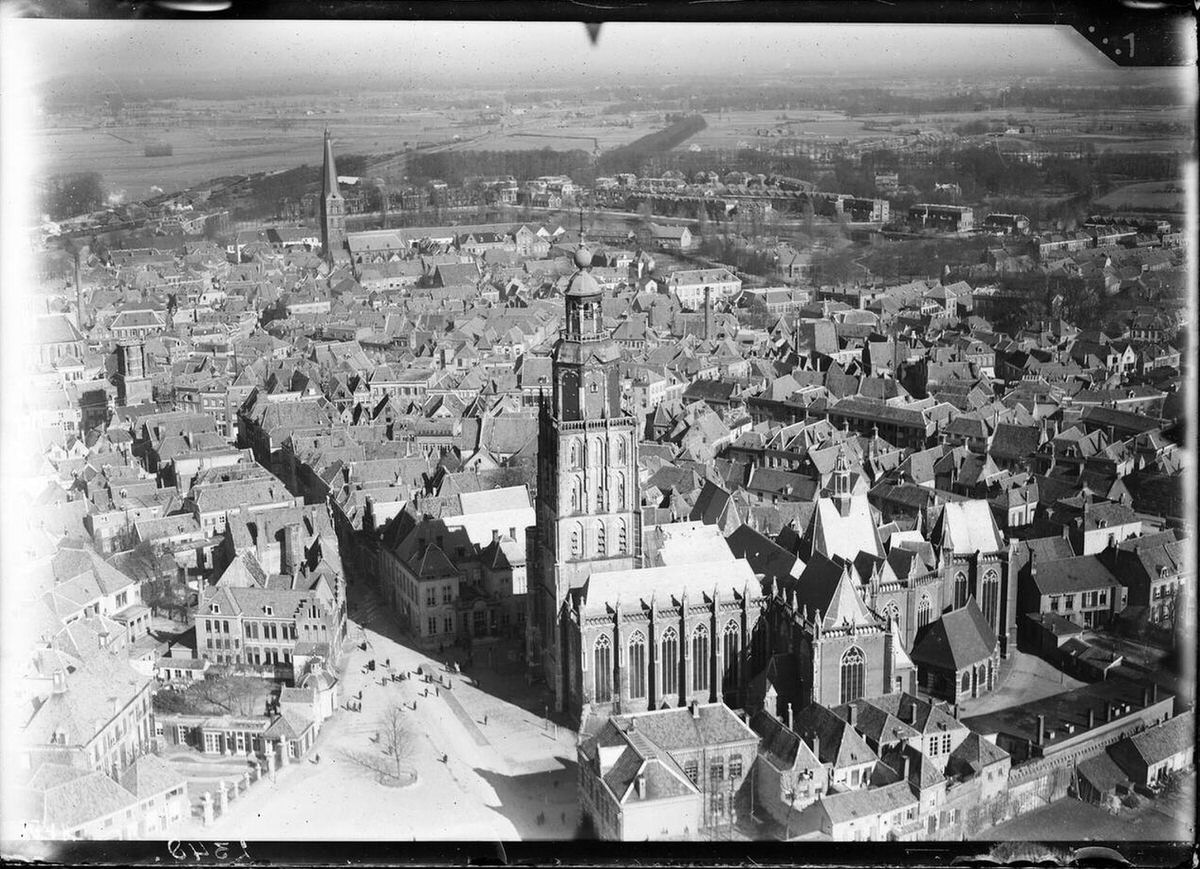
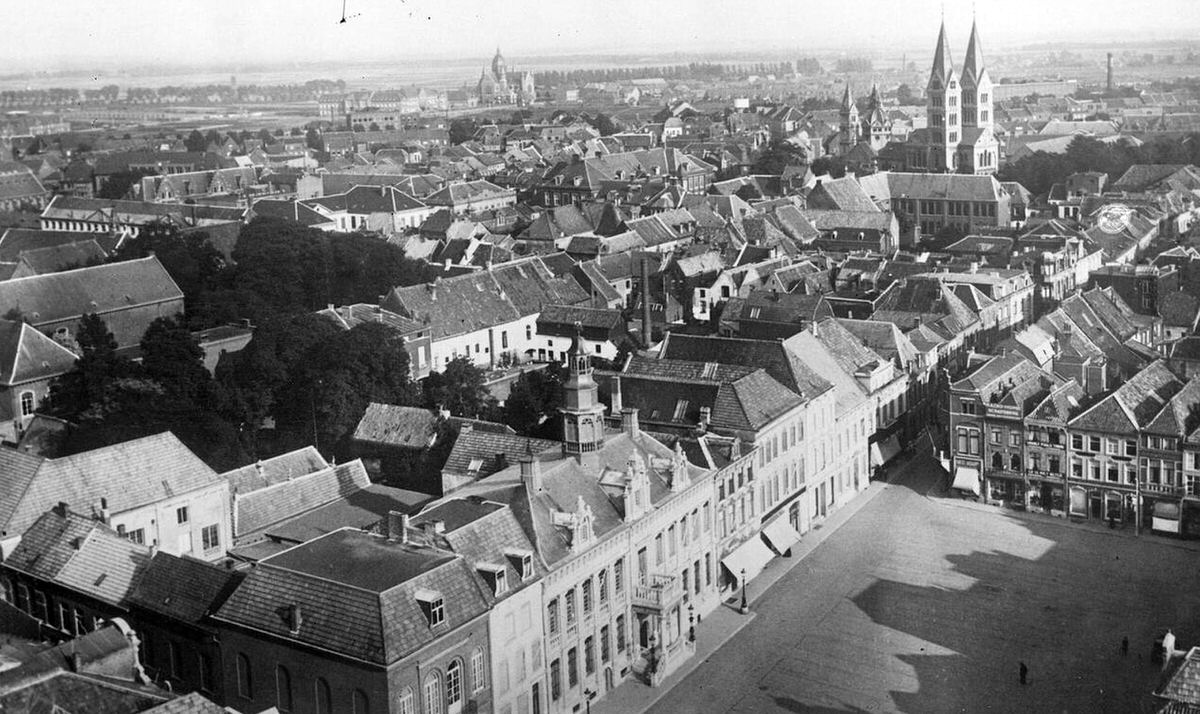
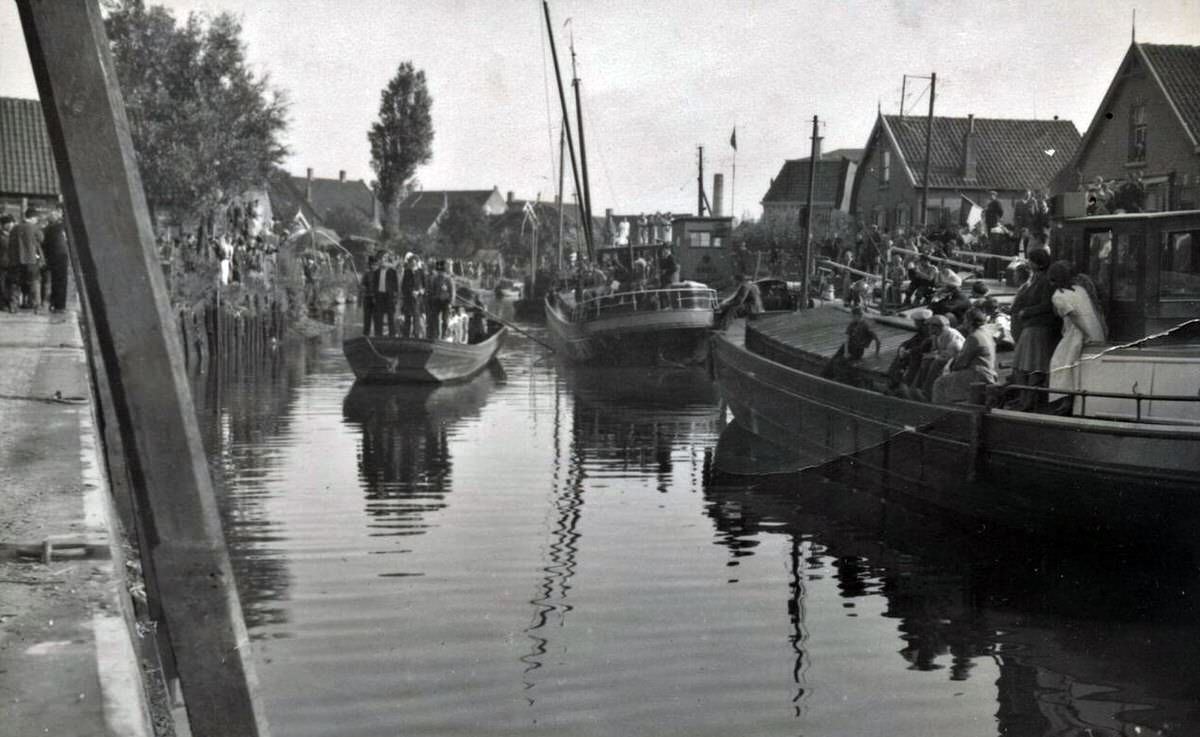
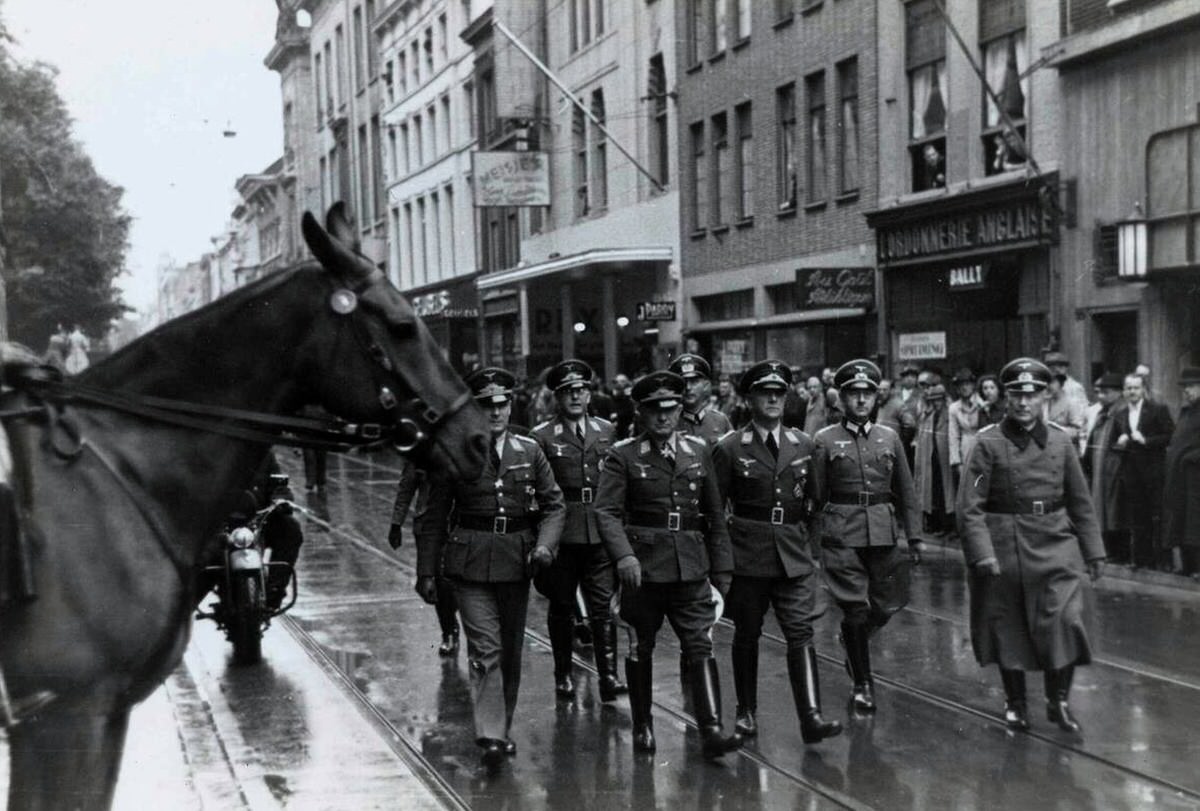
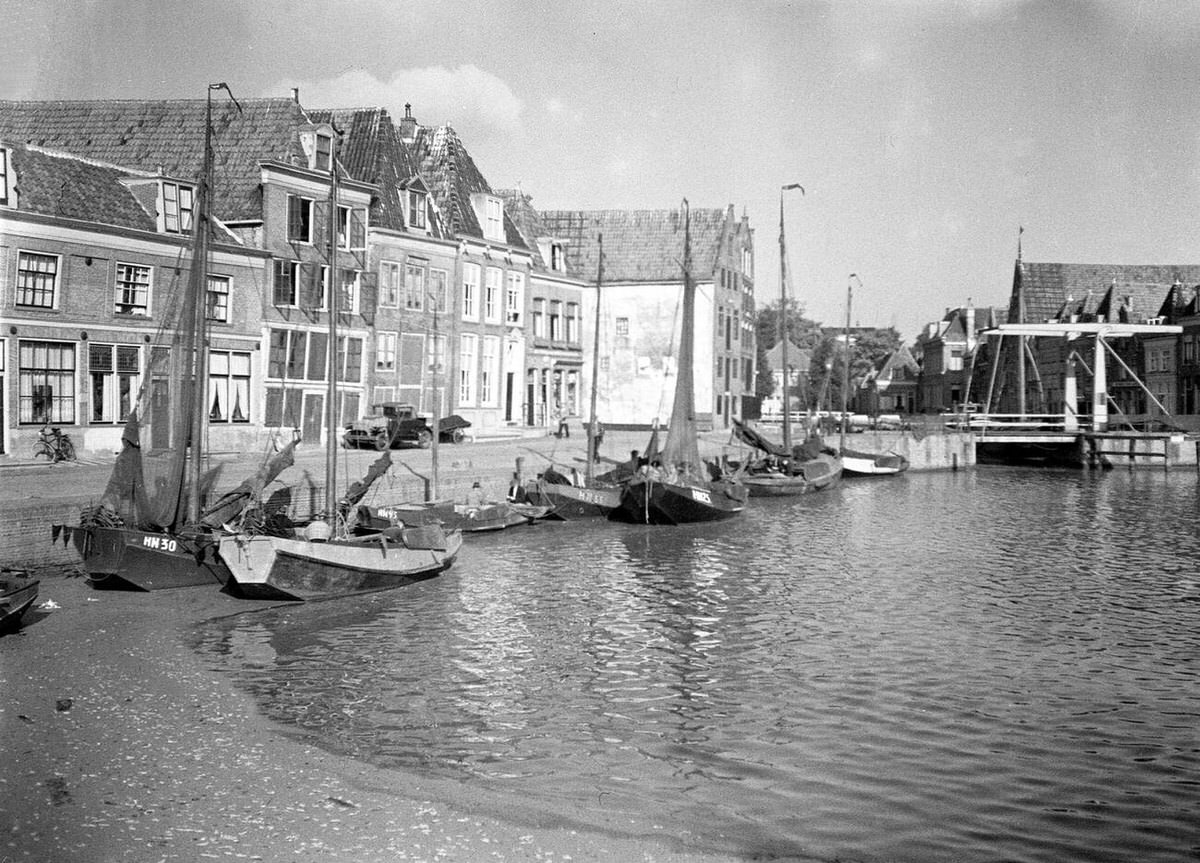
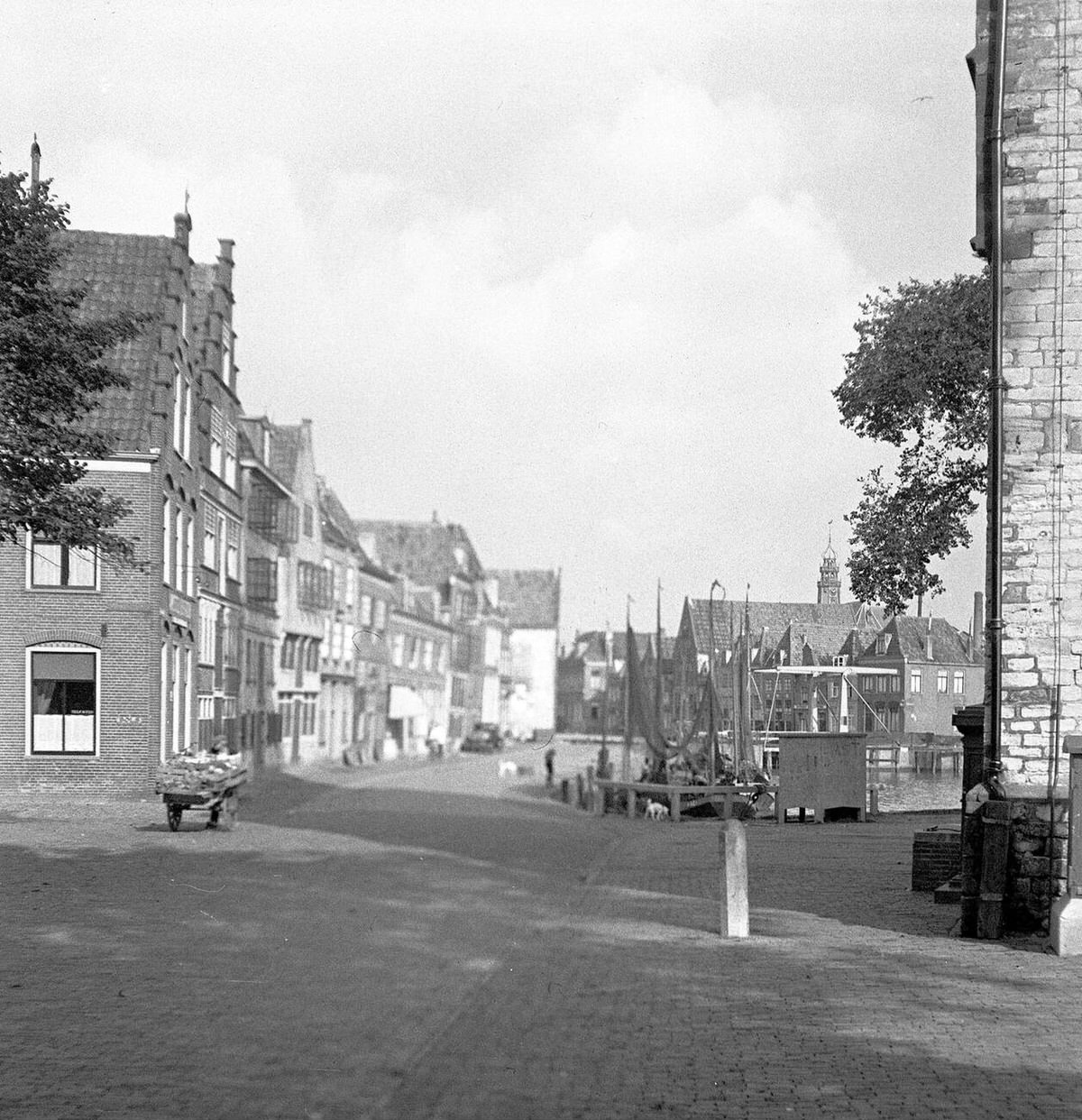
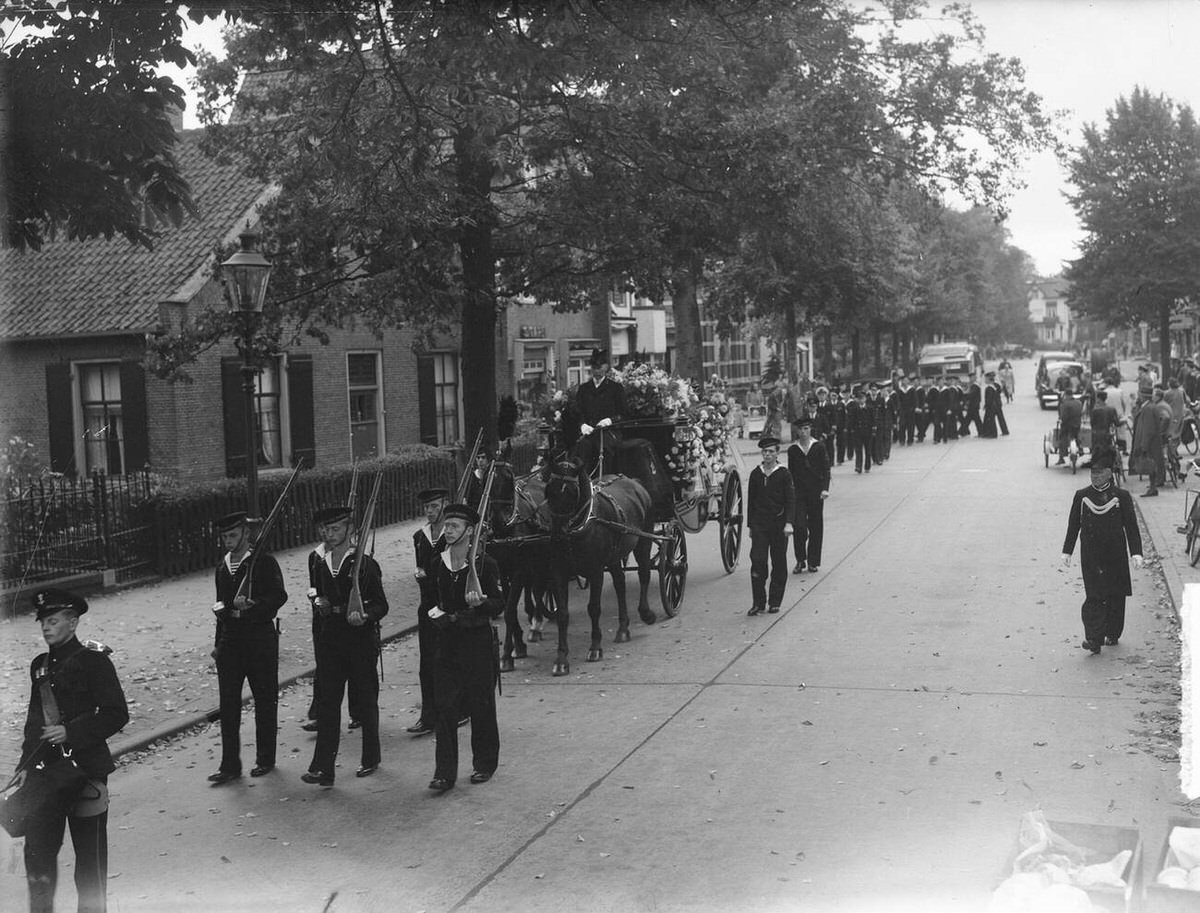
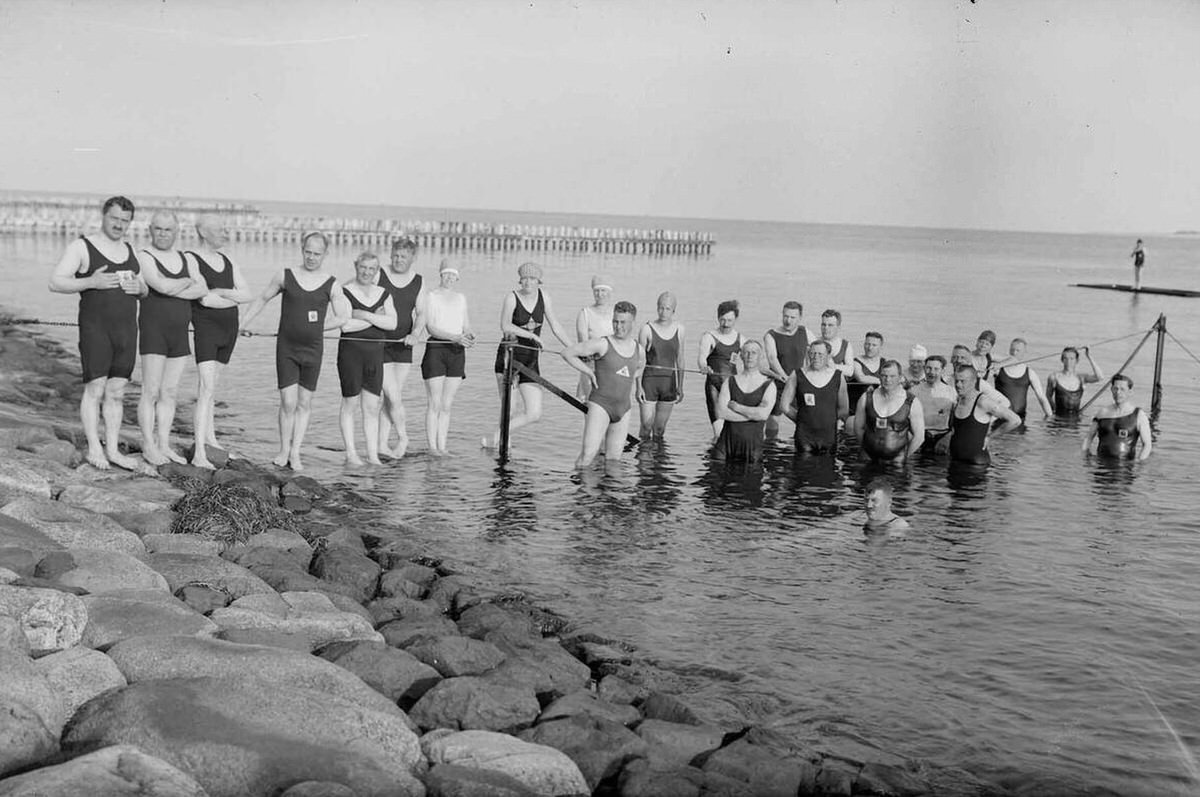
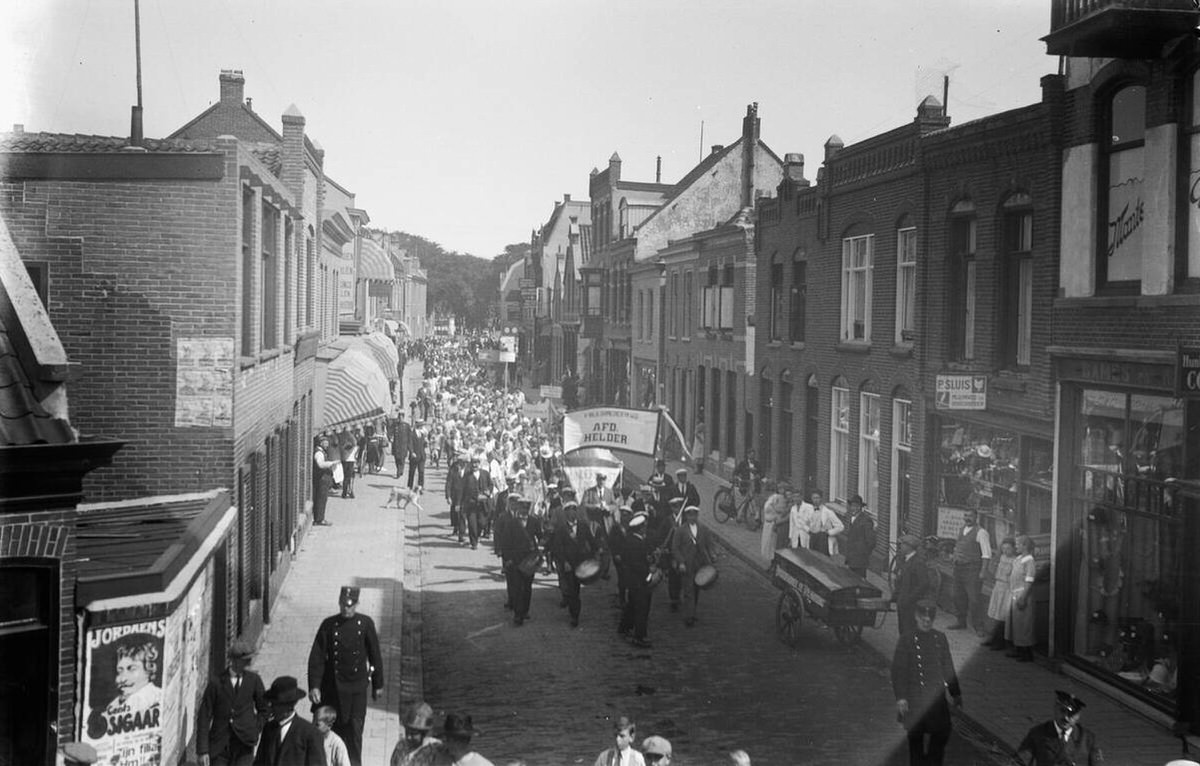
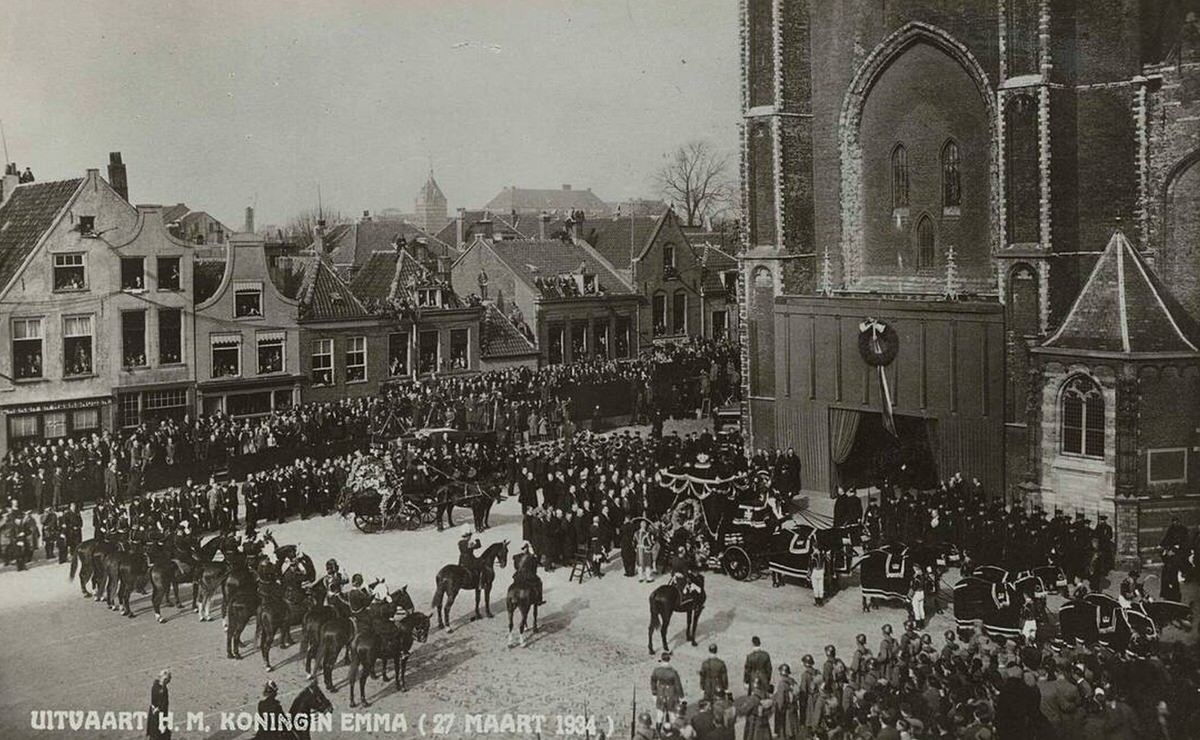
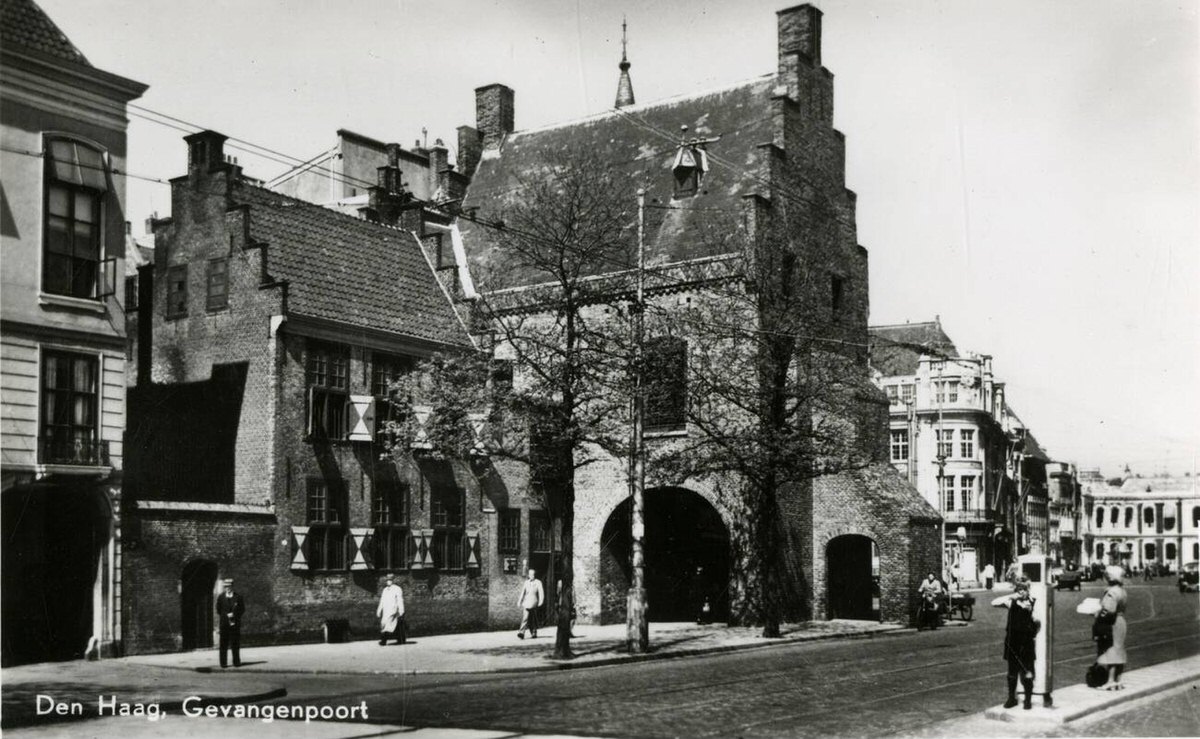
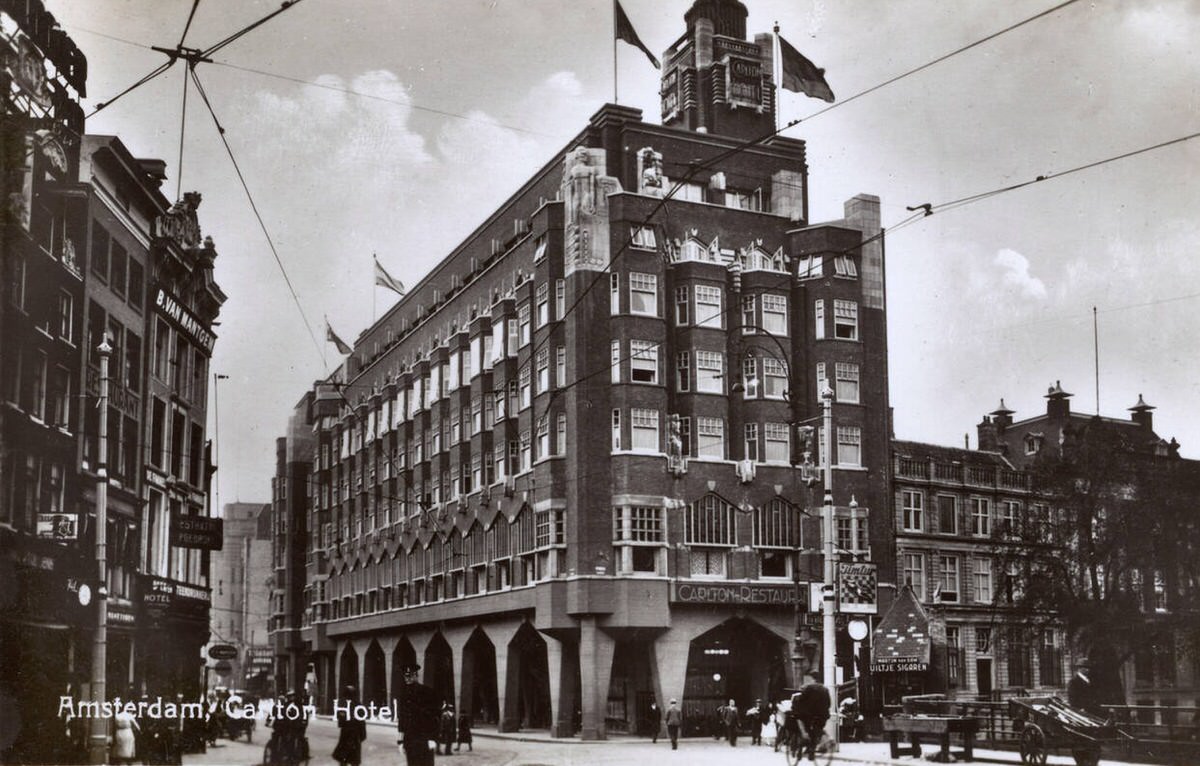
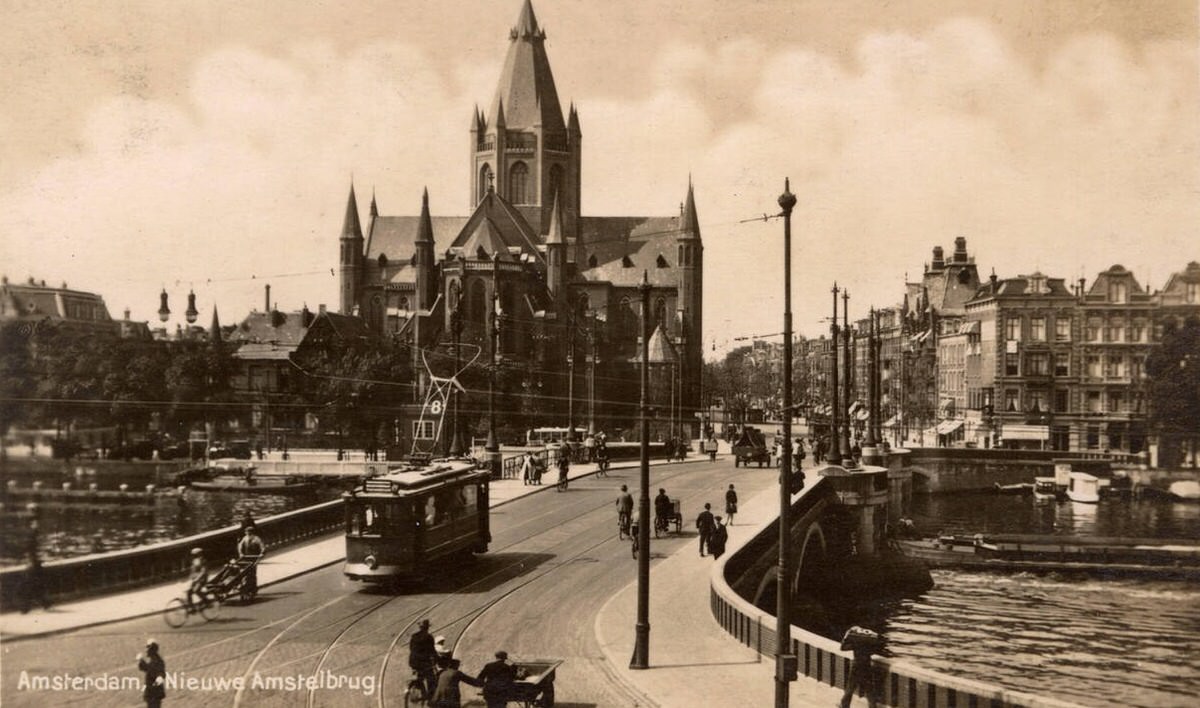
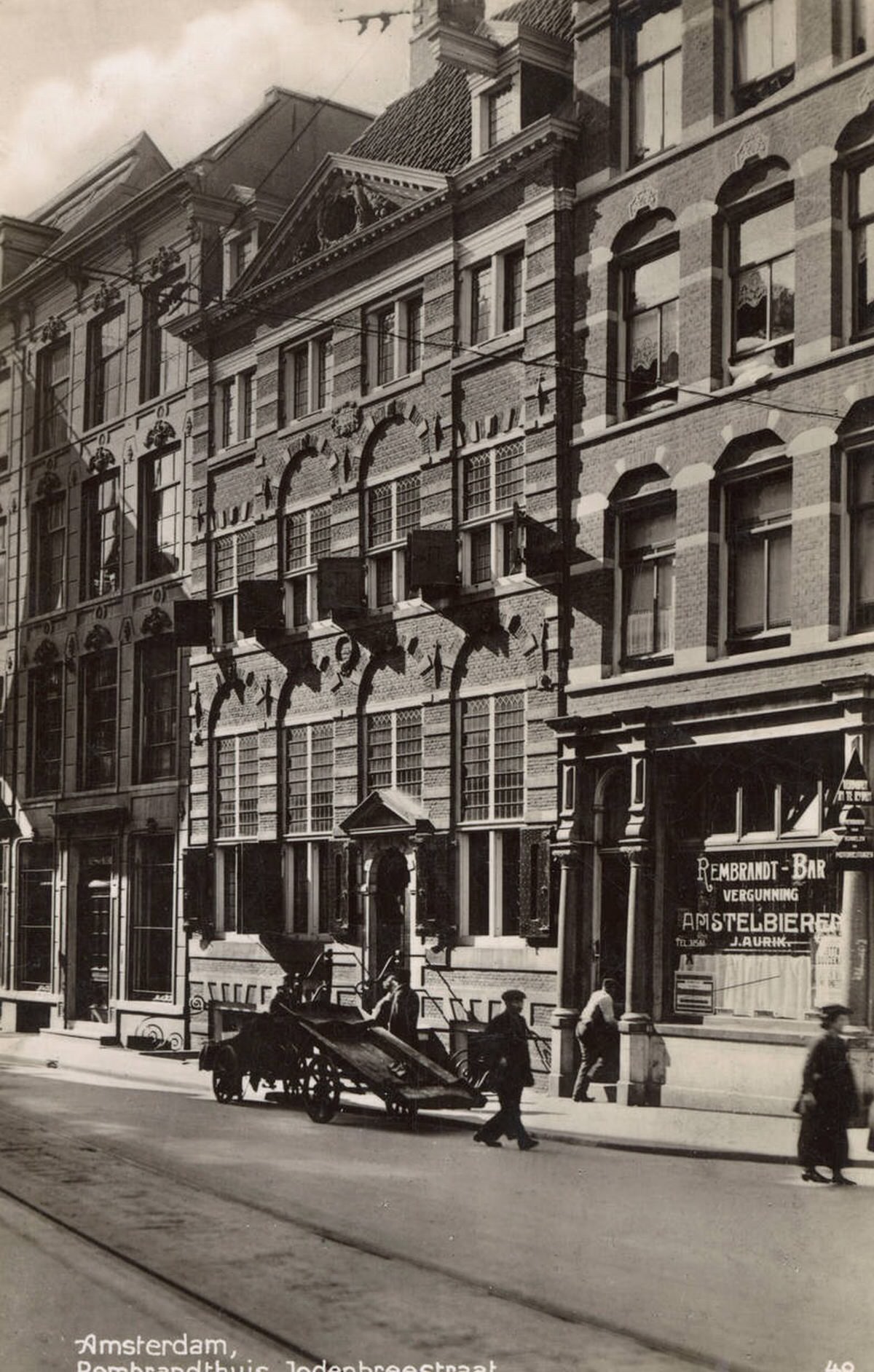
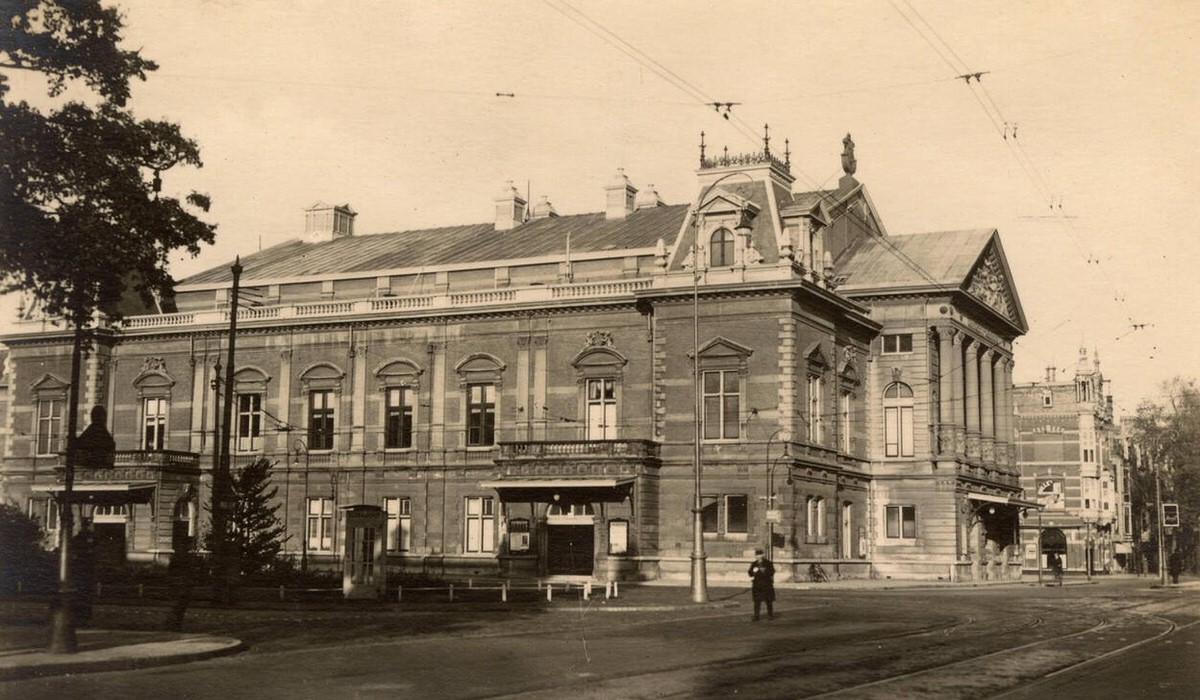
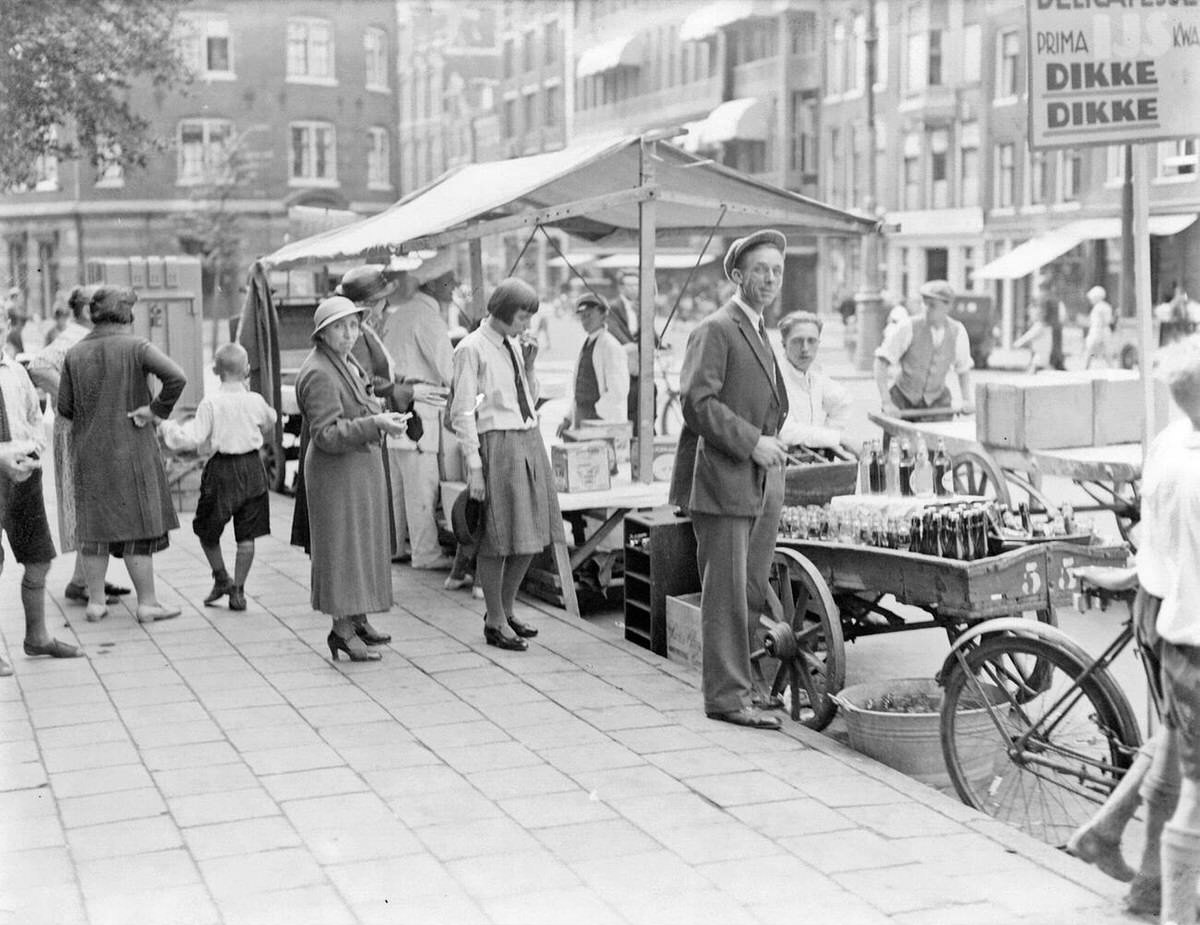
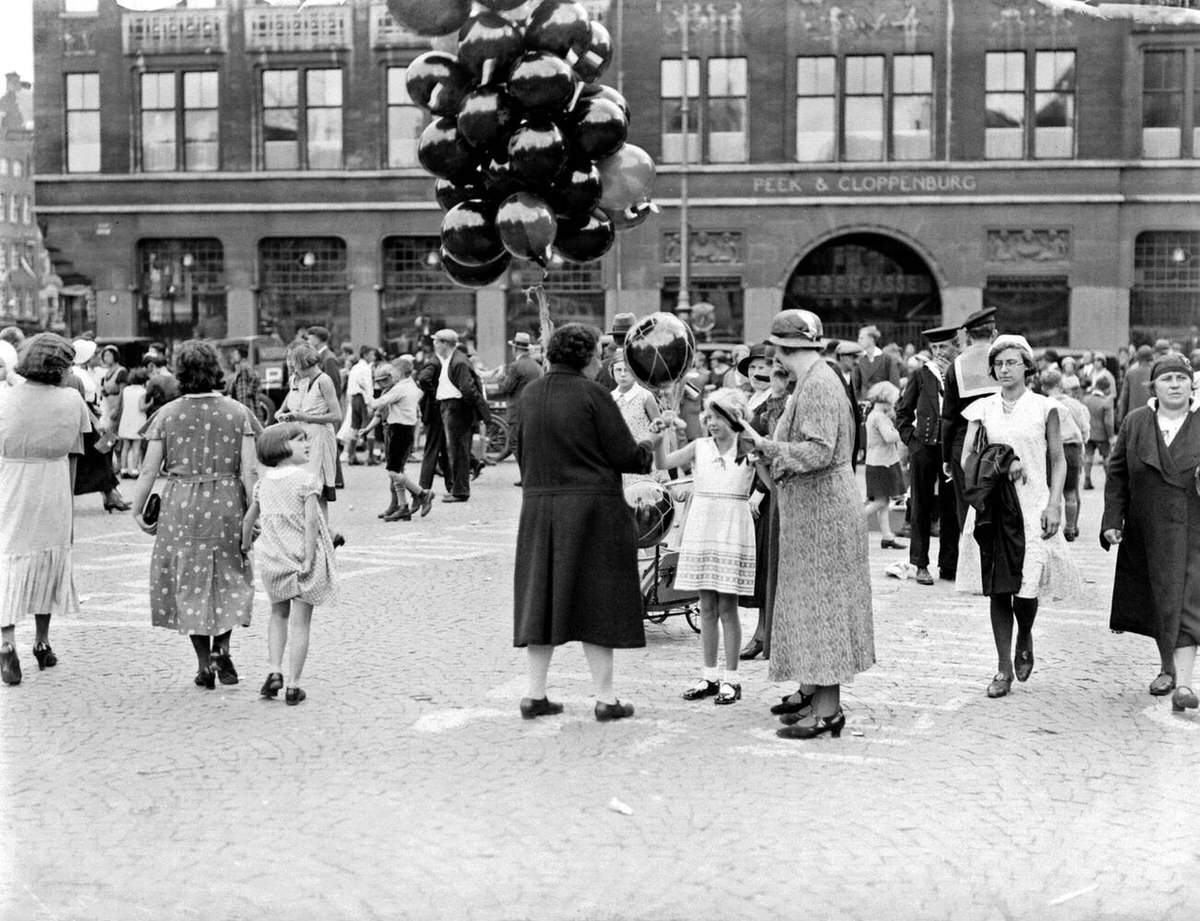
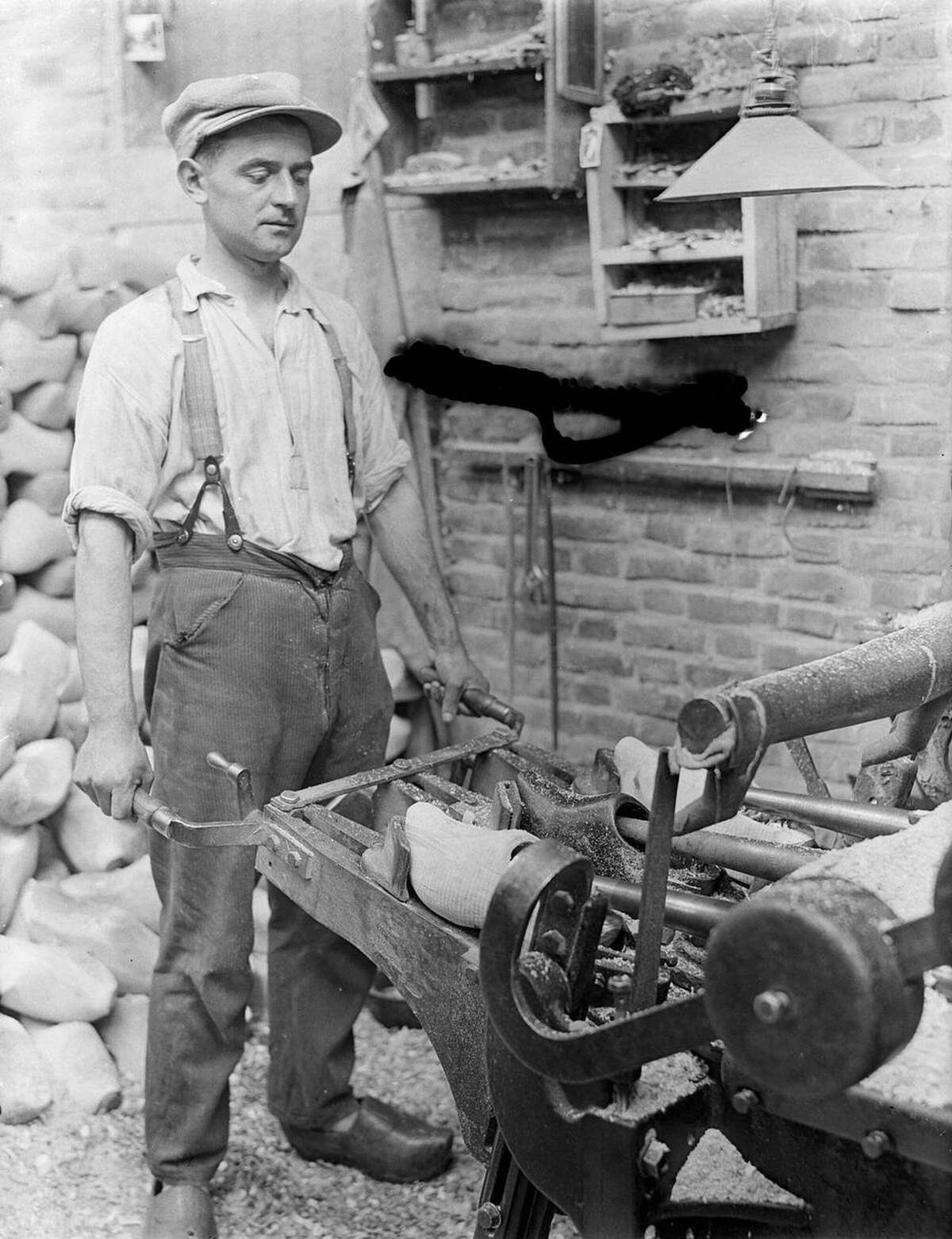
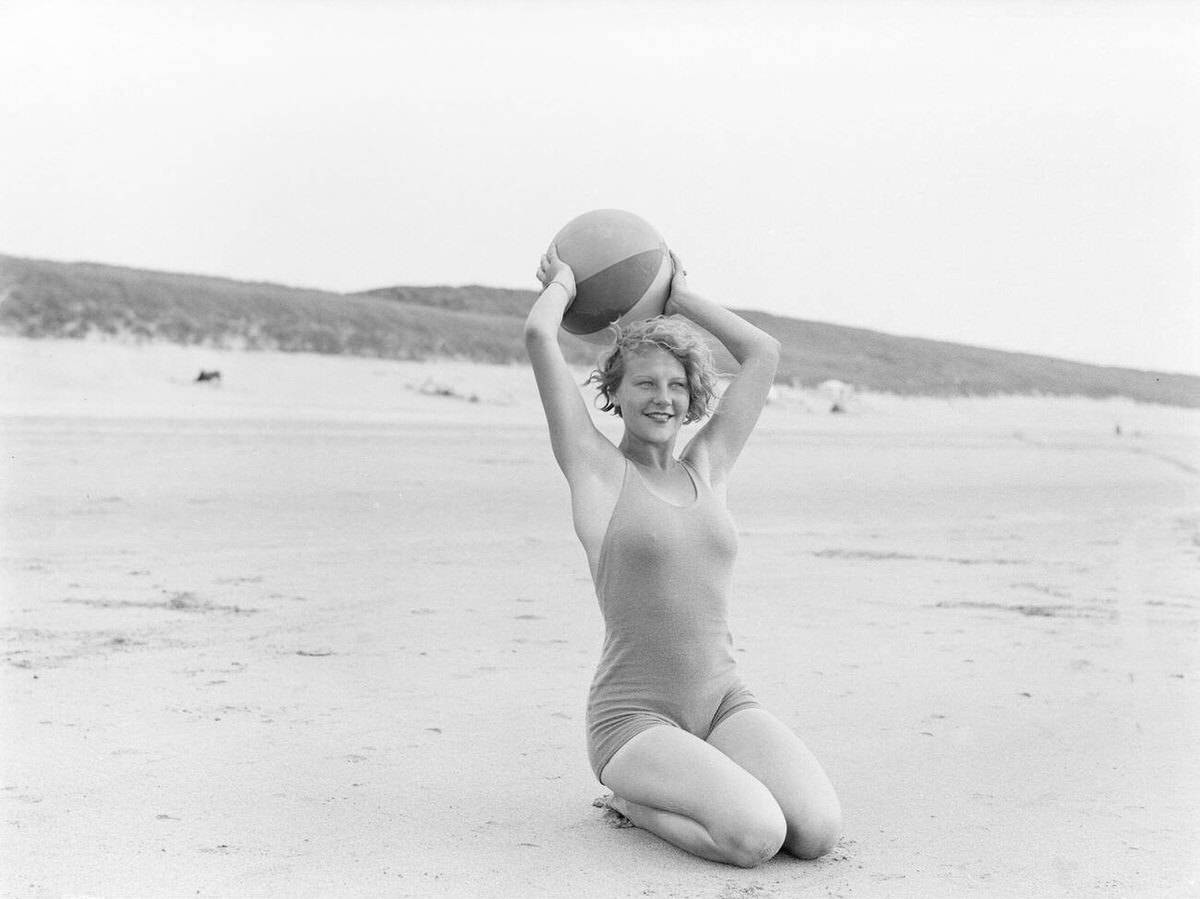
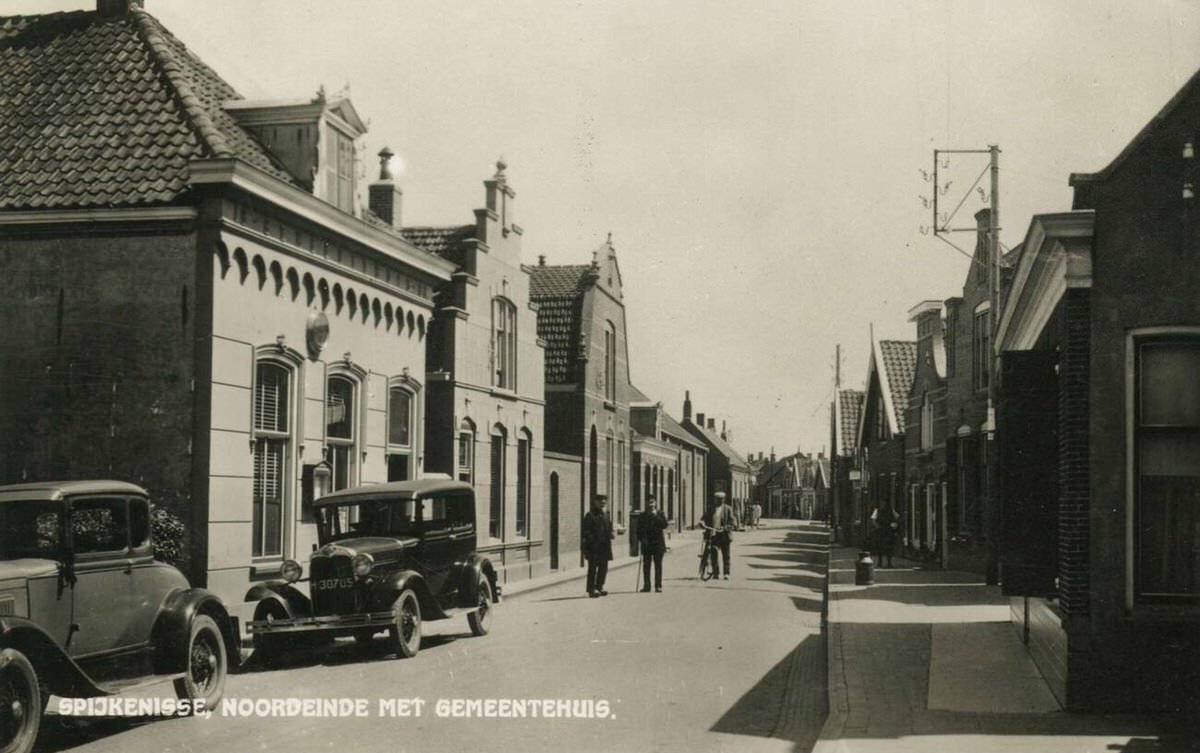
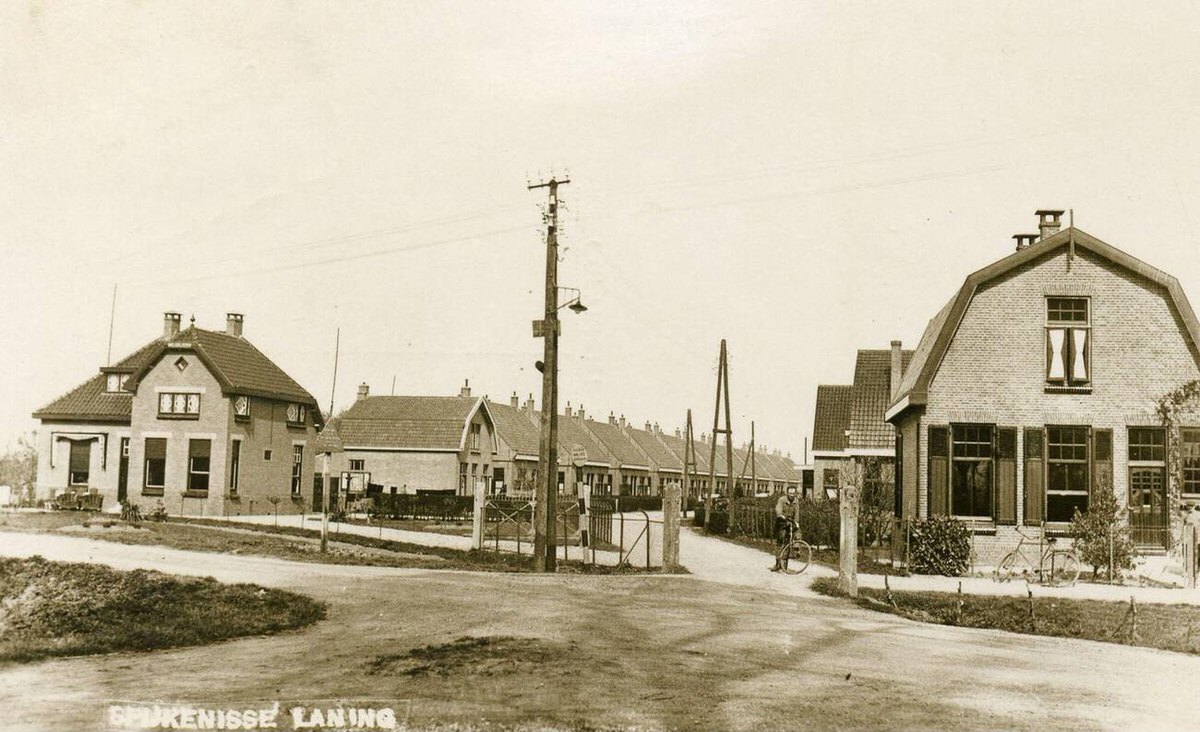
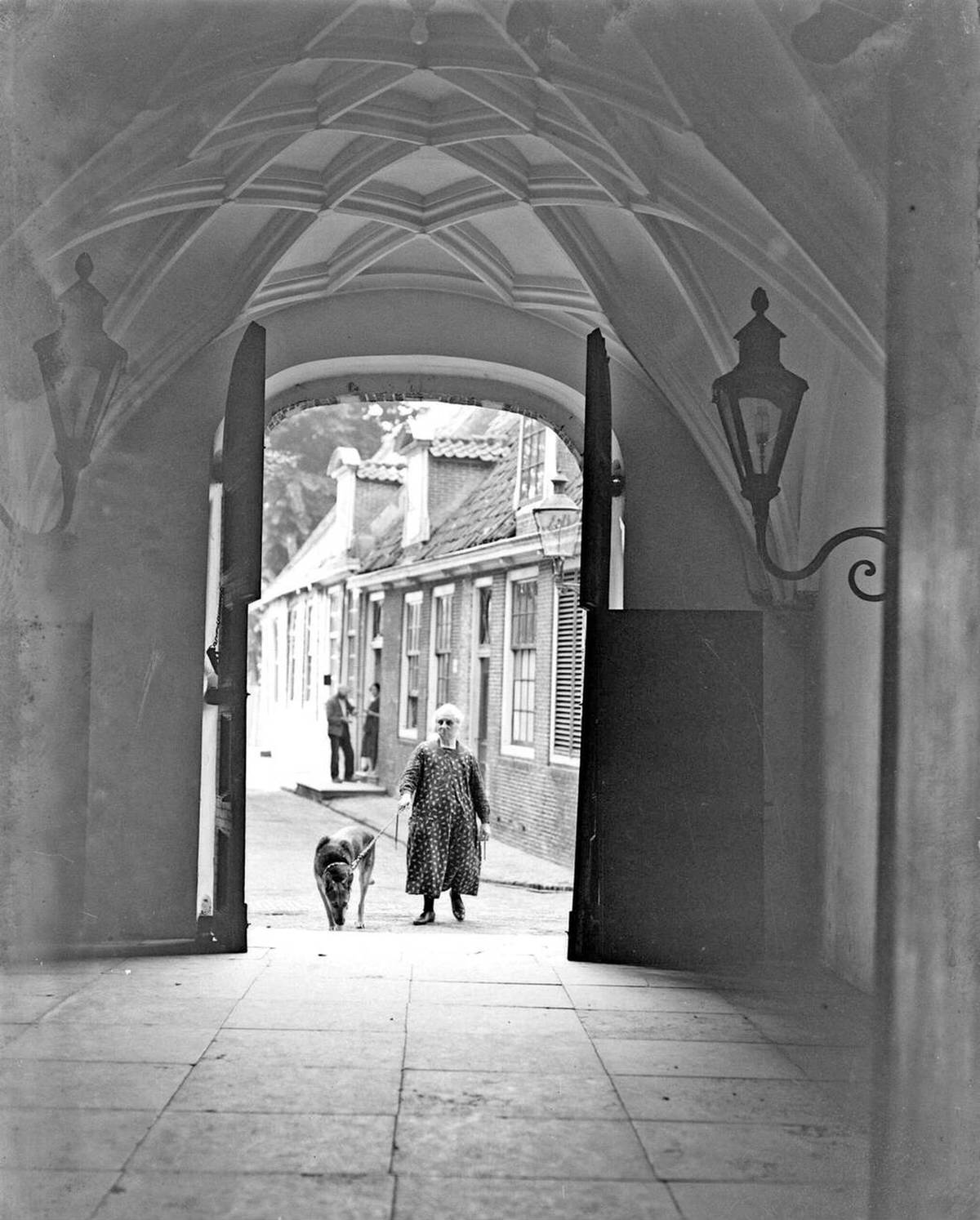
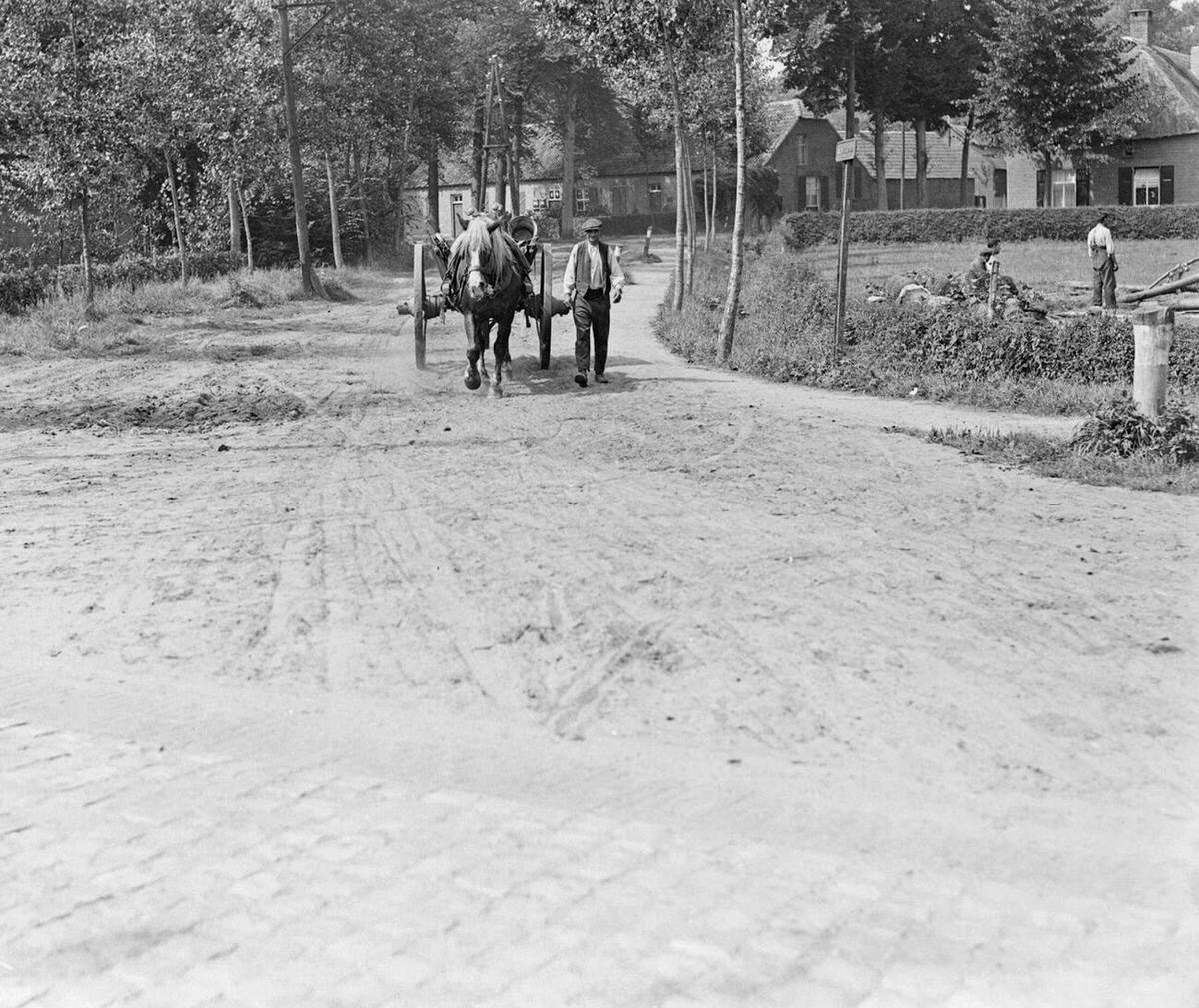
KLM Fokker F.XII airliner Leeuwerik on the Amsterdam route at Croydon Airport, 1930Municipal cleaning service collecting refuse with a horse and wagon in Den Helder, 1933Film crew and photographers staging a fake article about a flying bicycle at Schiphol Airport, 1933Man and woman towing a cargo-boat through a ship-canal. The Netherlands, 1931.Type-setter composing a printing text with led letters.Beach photographer taking pictures of mother, children and a dog. The Netherlands, about 1930.Animal trainer with chained performing bear in the street. About 1930.School dentist examining a school girl in the class room. The Netherlands, 1935.Recording a radio play. The Netherlands, 1949.Two women posing with a Ford car in the Netherlands, 1930Traffic accident with a passenger car next to a road with a passing bus, 1930Employees with a tank truck during the draining of a sewer, 1930Caravan camp on the Noord-Hollands Kanaal with residents and horses, 1930Snowplow mounted behind a tanker in Den Helder, 1930Parade with a music corps and school children between Keizersbrug and the city center, 1930Salon boat Cosmopoliet sailing through the Achtergracht in Den Helder, 1930Sailing yachts passing the marina of the Helder Willemsoord Nieuwediep watersports club, 1930Ship carrying Christmas trees on the Singel in Amsterdam, 1931New truck from the firm C.N. van Koningsbruggen Pz for fast transport between Den Helder and Rotterdam, 1932Lindbergh travel agency on the Damrak, 1932Lindbergh travel agency on the Damrak, 1932Passers-by looking at a shop with aquariums, 1932Men loading a moving van at an apartment building, 1932Ships on the Singel with the Munttoren in the background, 1932Municipal cleaning service collecting refuse with a horse and wagon in Den Helder, 1933Crowd gathered at the Heldersche Courant office to view election results, 1933Family in Marken, 1934Chevrolet advertising parade organized by Garage Nelis on the Molengracht, 1935People on the beach with sun loungers and the Lange Jaap lighthouse in the background, 1935Bascule bridge with a passing car, 1935Munttoren, Kalverstraat, and Muntplein Square in Amsterdam, 1930sPrincess Juliana and Prince Bernhard in Paris during their honeymoon return, 1937House where Johannes Wardenier grew up in Wolvega, 1934Over het IJ working-class housing complex, 1920sNieuwe Meer Rowing Club, 1920sPost and Telegraph Office building, 1920sOnderstation Gemeentelijke Electriciteitswerken power station, 1920sModern housing projects in Amsterdam, 1920sHuize Tallgarden country house, 1920sTourist Information Office building, 1920sWoningbouw Multatulistraat residential architecture, 1920sWoningbouw housing development on Orteliusstraat in Amsterdam, 1920sFunctional housing projects in Amsterdam, 1920sDe Schipborg Farmstead, 1920sDutch Railway Company office building, 1920sMeeting hall in the Gouvernementsgebouw in Arnhem, 1920sHousing project at Valeriusplein in Amsterdam, 1920sBank of Dutch Indies Escompto Company building, 1920sWoningbouw on Jan Evertsenstraat in Amsterdam, 1920sPhilips Light Bulb Factory industrial architecture, 1920sWoon- en Winkelhuizen mixed-use buildings in Amsterdam, 1920sGerzon Department Store in Amsterdam, 1920sCity Theater building, 1920sSchool building in Aerdenhout, 1920sMunicipal housing in The Hague, 1920sLandhuis country house, 1920sVan Nelle Factory in Rotterdam, 1920sChurch of Our Lady of Lourdes, 1920sMiddle-class houses in Leeuwarden, 1920sBewaarschool kindergarten in Rotterdam, 1920sCafé Bordelaise, 1920sReligious architecture in the Netherlands, 1920sWoonhuizen Hekelveld urban residential buildings, 1920sDe Korenschoof silo and warehouse, 1920sHAV Bank office building, 1920sHoogbouw high-rise at Vrijheidsplein, 1920sOlympic Stadium in Amsterdam, 1920sWoningbouw housing development on Jan Evertsenstraat in Amsterdam, 1920sDe Larixhoeve country house, 1920sOranje Nassaumijnen office building, 1920sDe Born holiday resort, 1920sDe Neude country house, 1920sEigen Haard housing project, 1920sOpen-Air School in Amsterdam, 1920sLandbouwschuur agricultural shed, 1920sHousing project at Amsteldijk, 1920sUnilever office building, 1920sMuiderpoortstation, 1937Dispuutgezelschap Marnia group in Utrecht, 1948DWS football team, 1951Aerial view of Nootdorp, 1920sAerial view of Delft, 1920sAerial view of Groningen, 1920sAerial view of Apeldoorn, 1920sAerial view of Hindeloopen, 1920sFarms and buildings in Klarenbeek, 1939Aerial view of Zutphen, 1920sView of Roermond on the river Maas in Limburg, 1932Boat parade in the harbor of Spijkenisse during Koninginnedag, 1932General Friedrich Christiansen arriving in The Hague with German officers, 1940sBoats and streets along a canal in Holland, 1921Boats and streets along a canal in Holland, 1921Funeral of student pilot Nicolai in Hilversum, 1930sPeople swimming in the sea by a dike in Den Helder, 1930Soli Deo Gloria music association performing at the town hall in Den Helder, 1932Children playing on Havikstraat in the Vogelwijk housing development, 1935Children’s choir and music corps performing for Koninginnedag at the town hall in Den Helder, 1933Procession with a music corps and school children during the Landdag of the Volksonderwijs, 1930Funeral procession of Queen Emma arriving at the Nieuwe Kerk in Delft, 1934Main building of the Academy of Fine Arts and Technical Sciences, 1920sGevangenpoort museum and former medieval prison in The Hague, 1930sCarlton Hotel and Restaurant in Amsterdam, 1930sNew Amstel Bridge in Amsterdam with St. Willibrord Church in the distance, 1930sRembrandt House and Bar in Amsterdam, 1930sConcertgebouw concert hall in Amsterdam, 1930sPedestrians crossing the street at the Munt in rainy Amsterdam, 1932Stalls on the Martelaarsgracht, 1932Women with balloons on Dam Square, 1932Mechanical drilling of clogs at the Van der Velde workshop in Best, 1932Model Eva Waldschmidt on the beach at Zandvoort, 1932Old town hall and cars on Noordeinde in Spijkenisse, 1930View of the Laning in Spijkenisse, 1934
Sexton woman with a dog seen through the doors of the Grote Kerk in Edam, 1932
Model Eva Waldschmidt on the beach at Zandvoort, 1932
Man with a horse and carriage on a dirt road in Best, 1934
Kevin Clark is a historian and writer who is passionate about sharing the stories and significance behind historical photos. He loves to explore hidden histories and cultural contexts behind the images, providing a unique insight into the past.