
Roman Vishniac left Russia after the 1917 Revolution and settled in Berlin by 1920. Through the 1930s, he turned his camera toward Jewish communities spread across Europe, from the crowded streets of Warsaw to the small villages of Carpathian Ruthenia. He often hid his camera or worked quickly to catch people in unguarded moments, producing images that feel direct and real.
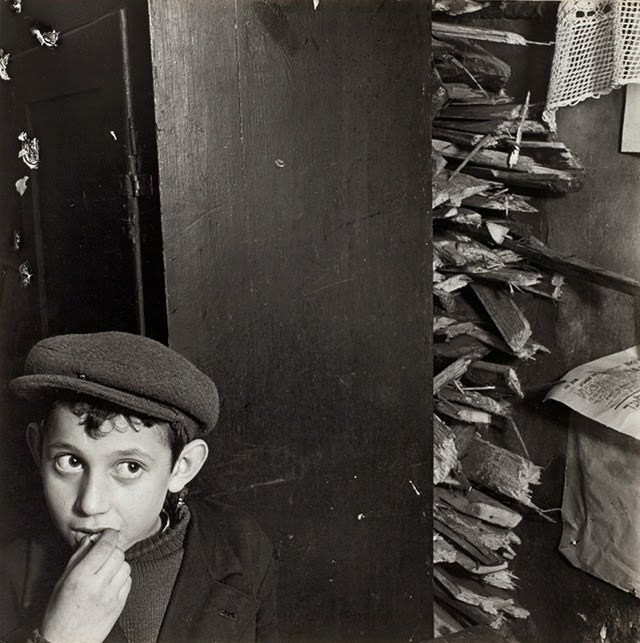
In Warsaw’s working-class neighborhoods, daily survival required constant physical effort. Families lived in tight quarters, and even children took part in the work of keeping a household running.
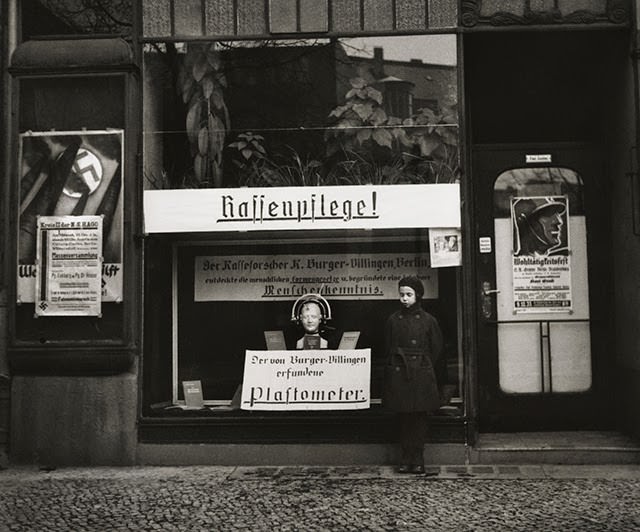
Berlin in the early 1930s was a modern, busy metropolis. Yet beneath its urban surface, pseudo-scientific racism was already gaining ground. Shops selling skull-measuring instruments reflected how openly racial ideology had entered German commercial and academic life by 1933.
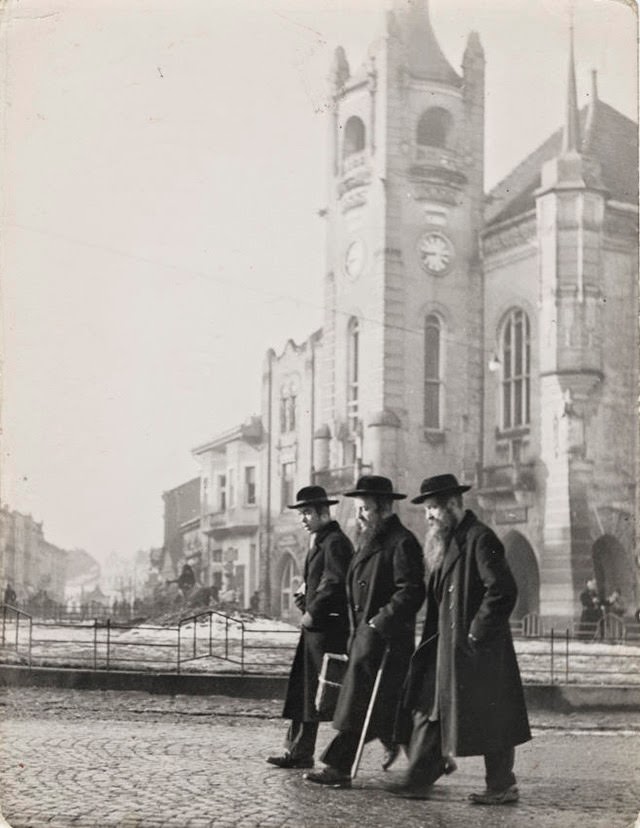
In Eastern European towns like Mukacevo, religious observance structured the entire week. Traveling salesmen who spent days on the road made sure to return before the Sabbath began. Faith set the rhythm of life regardless of economic hardship.
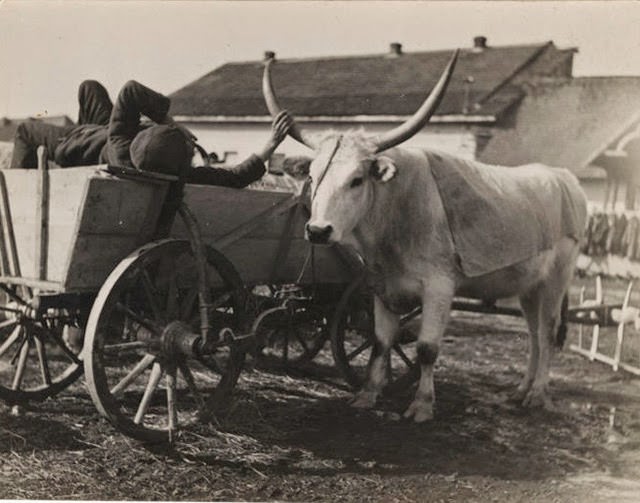
Rural Jewish communities in Carpathian Ruthenia relied on agriculture and trade. Children participated in farm work from a young age, tending livestock as part of their everyday responsibilities.
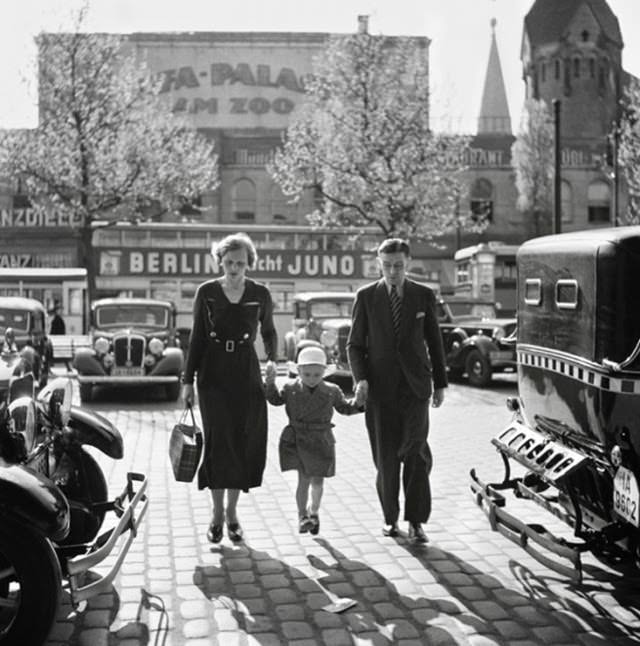
Vishniac documented the wider city of Berlin alongside Jewish life, showing the contrast between ordinary German urban routine and the political storm building around it.
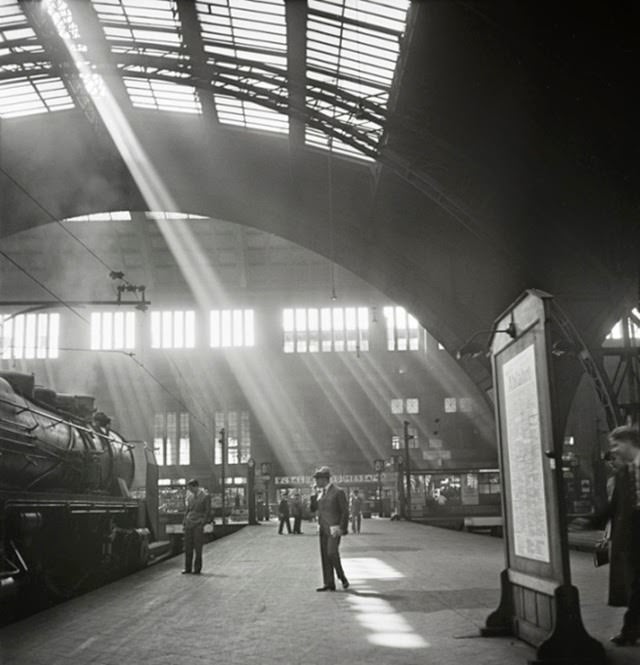
Vishniac had a sharp eye for light and architecture. Berlin’s grand railway stations offered dramatic natural light pouring through iron-and-glass roofs, and he used these settings to show the city’s modern scale.
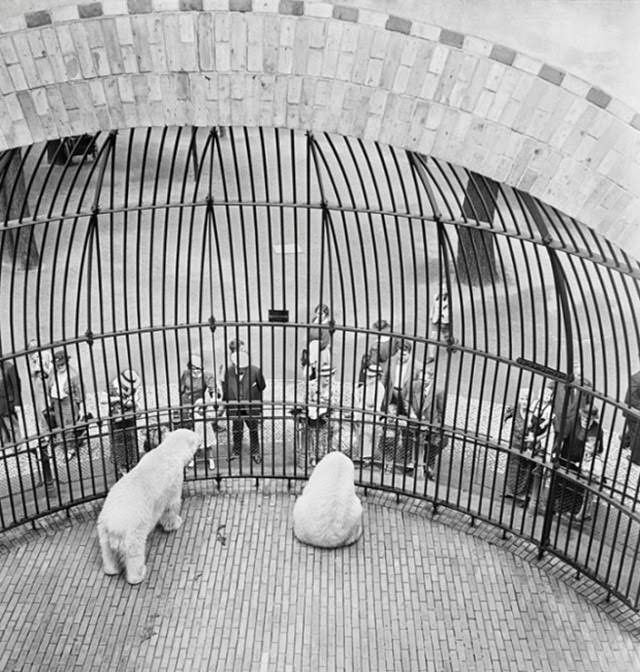
Some of Vishniac’s Berlin images carry a darker symbolic weight. Framing visitors behind bars at the zoo, at a time when Jews faced mounting legal restrictions, transforms a casual outing into something far more loaded.
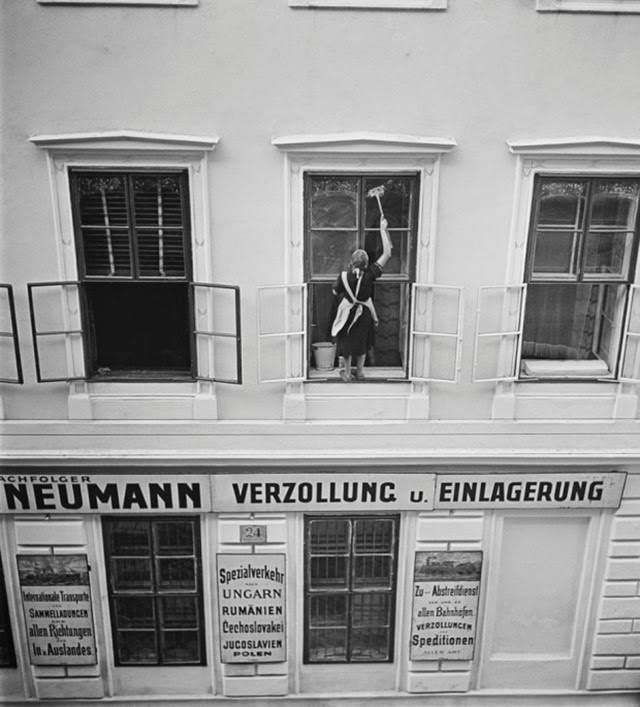
Across Central Europe, Jewish workers performed all kinds of labor. In Vienna, Vishniac captured a woman cleaning windows high above a shipping company’s storefront, a quiet image of working-class persistence.
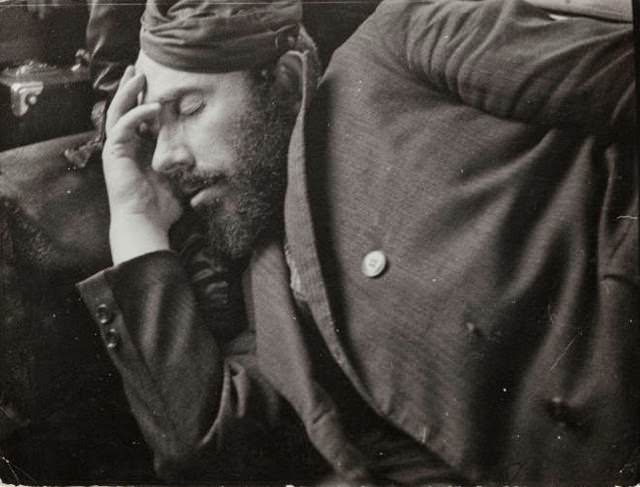
Traveling salesmen across Eastern Europe often had no money to spare on lodging. Sleeping on benches was a common necessity, not an exception. Vishniac recorded these moments of exhaustion without dramatizing them.
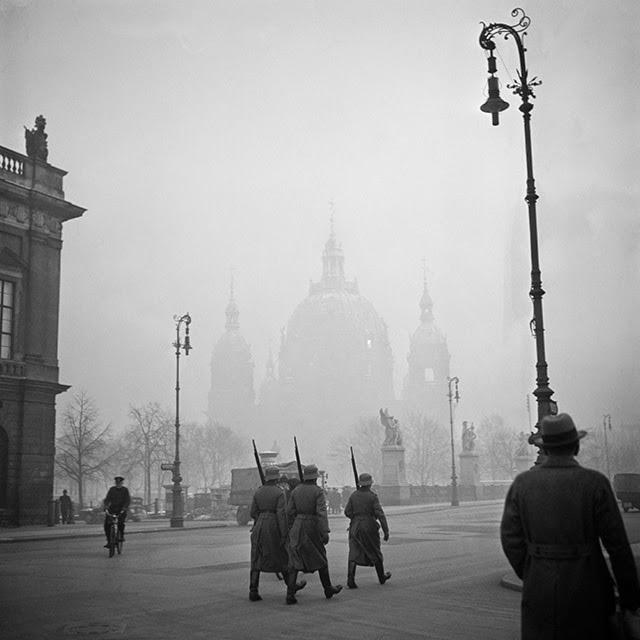
By 1935, Nazi power was firmly on display in Berlin’s streets. Storm Troopers marched openly through the city center, past major landmarks, making state violence visible and routine.
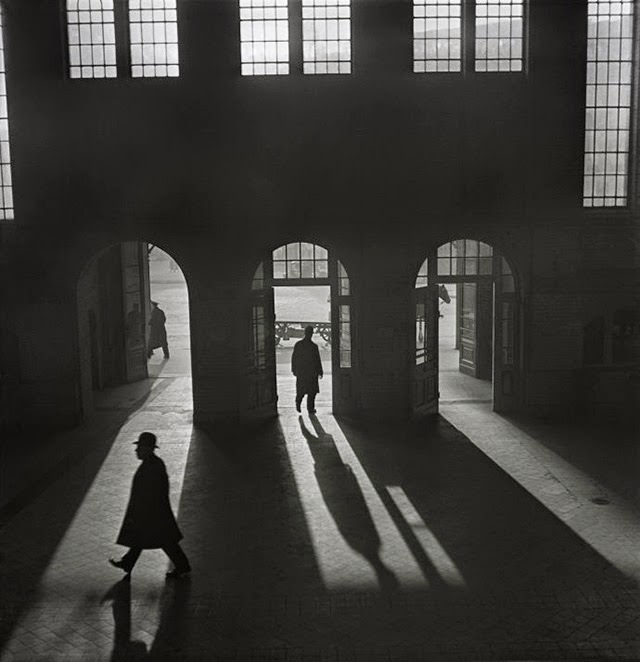
Berlin’s Anhalter Bahnhof was one of Europe’s great train stations. Vishniac photographed its vast interior, a space that would later serve as a departure point for Jews being deported eastward.
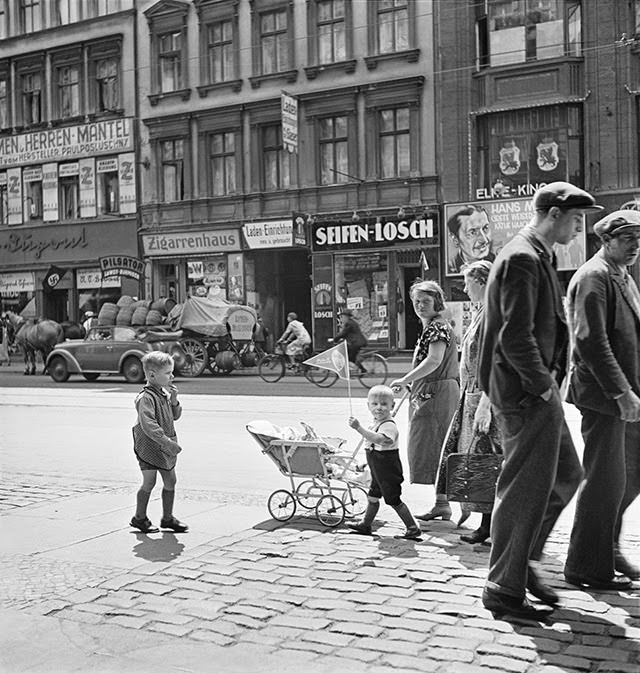
Swastika flags became a permanent fixture of Berlin’s streets after the Nazis took power in 1933. Vishniac included them in street scenes, documenting how completely the regime’s symbols had taken over public space.
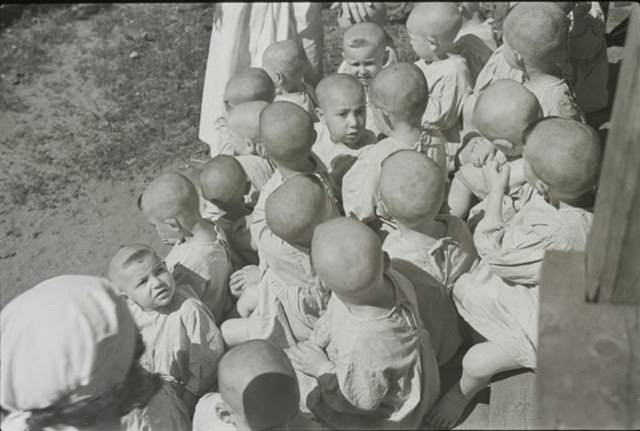
Jewish welfare organizations ran institutions like the Cemach Szabad Colony near Wilno to care for children who were sick or malnourished. Children there had their heads shaved as a standard hygiene measure. Vishniac documented this network of community support.
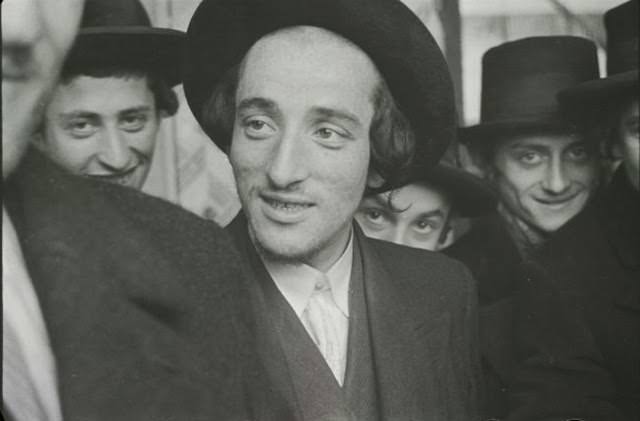
In Mukacevo, yeshiva students gathered outside their school in traditional dress. Religious study remained central to Jewish community life in these towns, and young men devoted years to learning ancient texts.
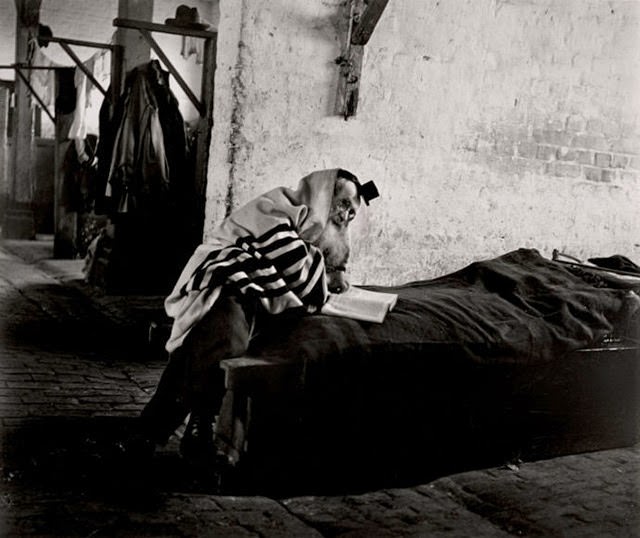
In October 1938, the Nazis expelled roughly 17,000 Polish-born Jews from Germany in a single night. Those sent to Zbaszyn were held in military barracks near the Polish border, stranded without adequate food or shelter. Vishniac traveled there and photographed the displaced families directly.
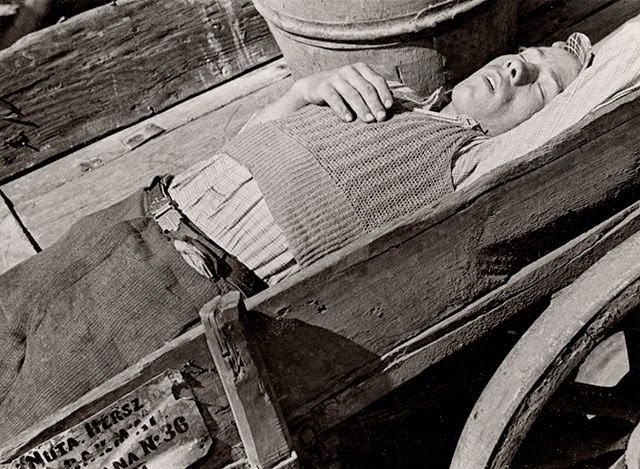
Warsaw’s Jewish laborers carried heavy loads through the city streets for meager wages. Vishniac photographed this physical exhaustion plainly, showing the hard economic reality faced by much of the community.
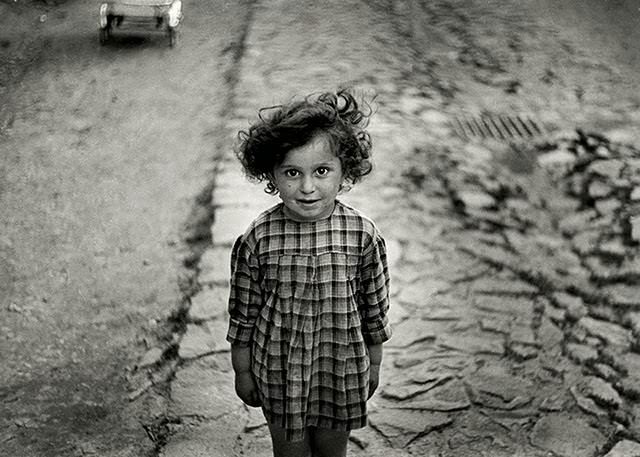
Among Vishniac’s most striking portraits are those of children. This girl in Mukacevo, photographed in her plaid dress, stands as an individual rather than simply a symbol of her community.
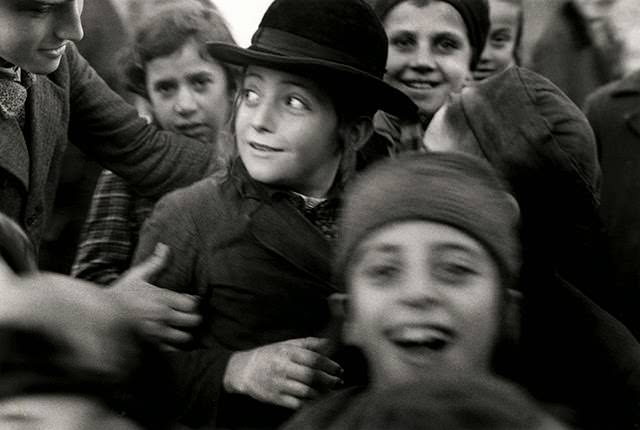
Jewish schools in towns like Mukacevo kept communities connected to both religious and secular education. Vishniac’s photographs of schoolchildren show ordinary routines continuing even as political pressure intensified across Europe.
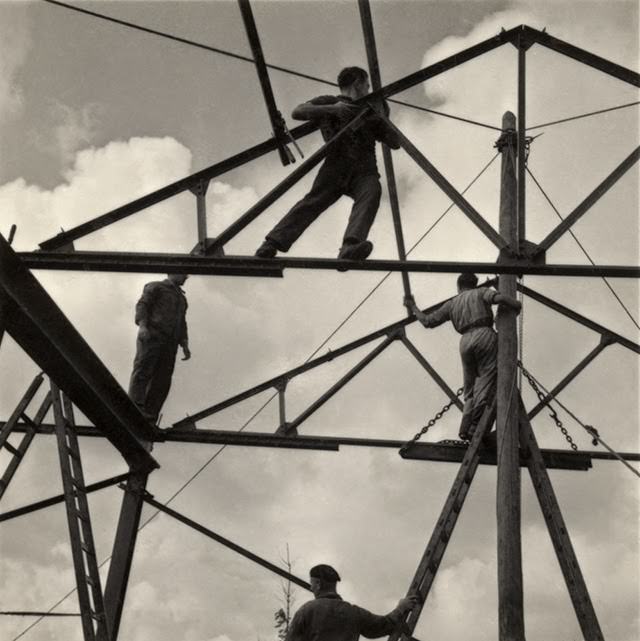
At Werkdorp Wieringen in the Netherlands, Zionist youth trained in practical skills to prepare for emigration to Palestine. In 1939, Vishniac photographed them building a school and foundry, a deliberate effort to create a future outside Europe.
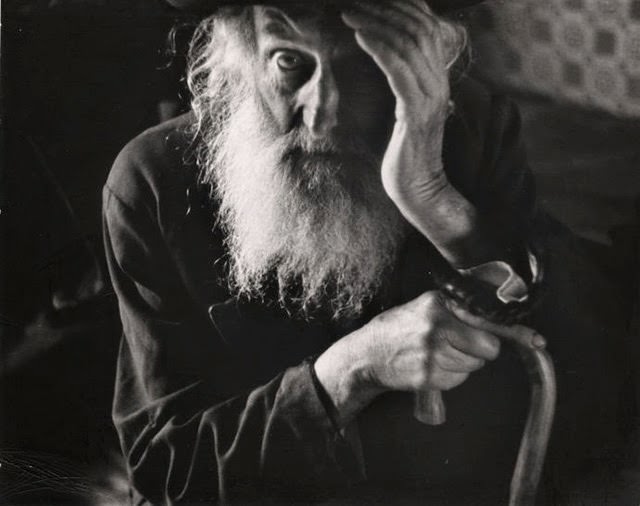
In the remote village of Vysni Apsa, Vishniac photographed a village elder whose face reflects decades of life in a tight-knit religious community. These smaller settlements in Carpathian Ruthenia had changed little over generations.
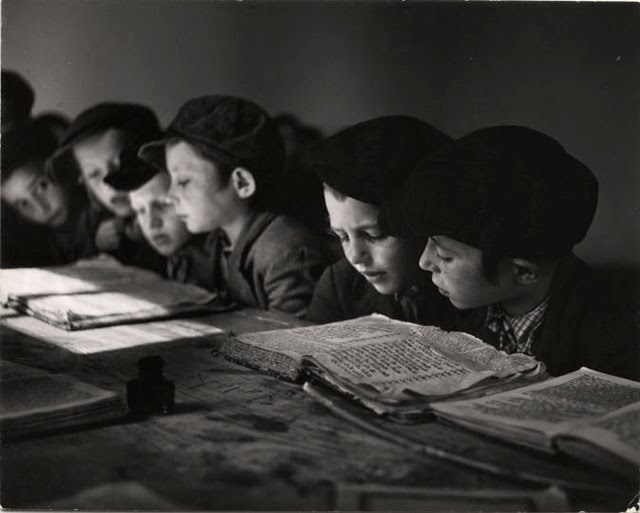
In the heder — the traditional elementary school for Jewish boys — students shared printed books because supplies were limited. Vishniac captured these dimly lit study rooms where children learned Hebrew scripture and religious law.
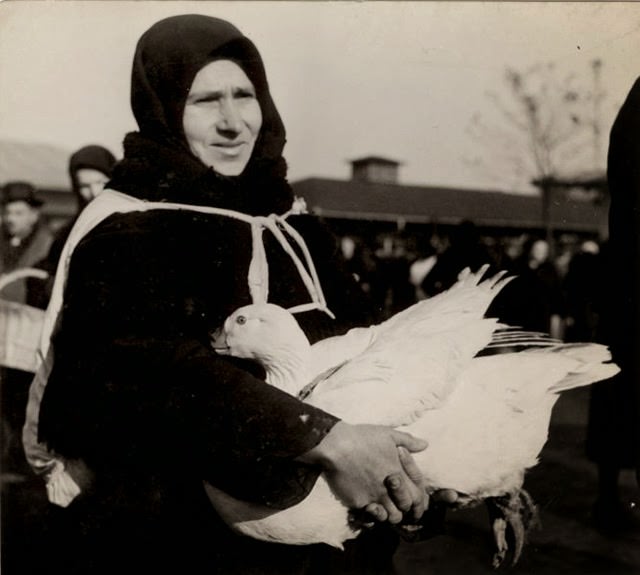
Family bonds held Eastern European Jewish communities together through poverty and political uncertainty. In Uzhorod, Vishniac photographed a woman surrounded by her family, a scene of domestic life that was commonplace yet increasingly fragile.
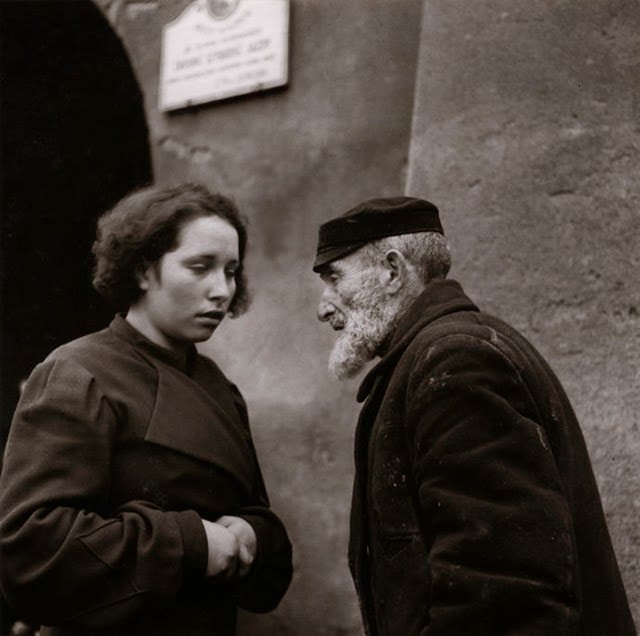
This Warsaw portrait of a grandfather and granddaughter together captures the generational ties at the core of Jewish community life. Vishniac’s archive, spanning cities and villages across a continent, records a population in vivid, specific detail during one of history’s most dangerous decades.




