In the late 1800s, Huron County, Ontario was a busy farming region hugging the eastern shore of Lake Huron. Most families lived on one-hundred-acre plots granted by the Canada Company. They cleared dense forests, broke the soil with horse-drawn plows, and grew winter wheat, barley, oats, and peas across wide open fields.
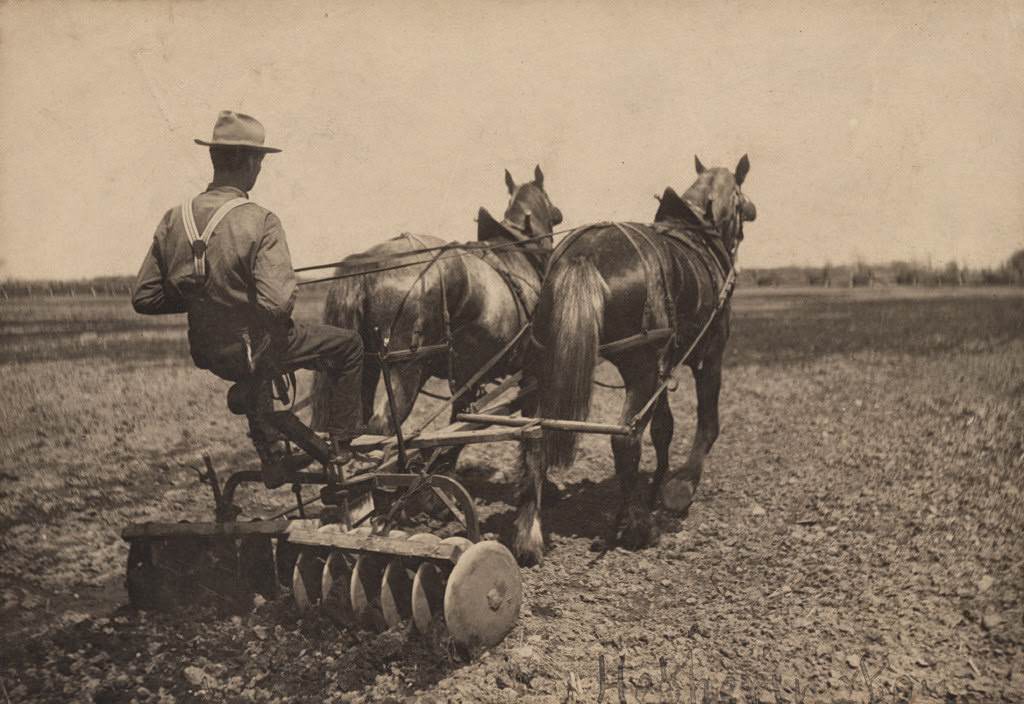
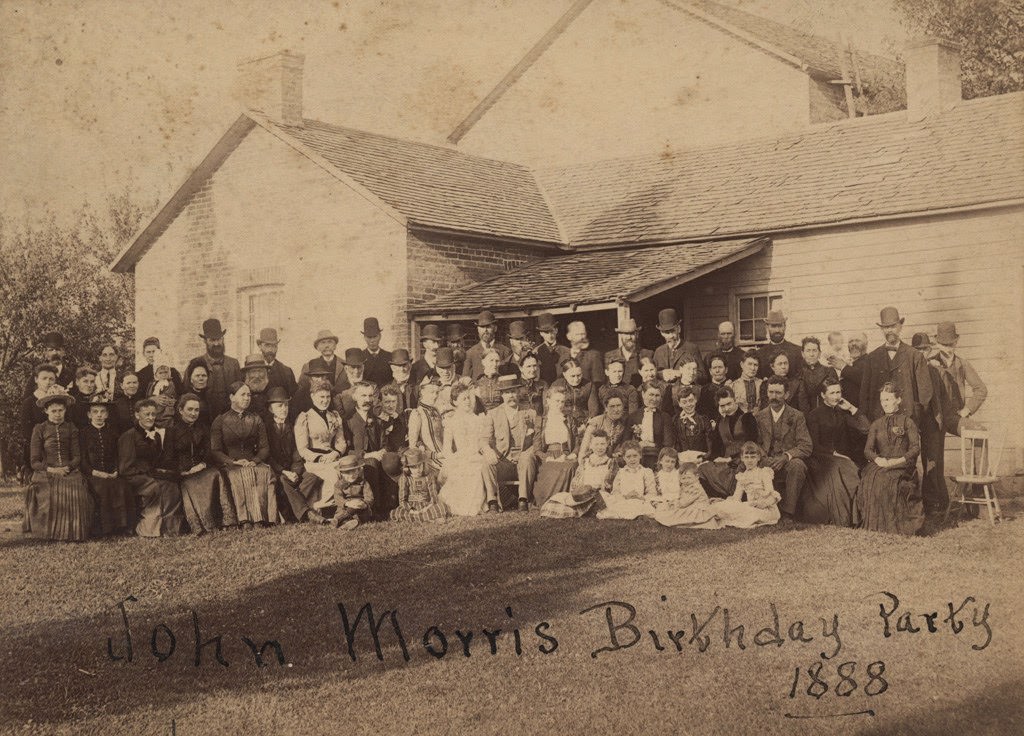
As farms grew more productive, families replaced their original log cabins with sturdy brick farmhouses. Neighbors relied on each other through events called “bees,” gathering to raise barns or quilt blankets together. The annual fall fair gave farmers a chance to show off their best livestock and prize-winning vegetables.
The town of Goderich became a major industrial center thanks to its deep-water harbor. In 1866, workers drilling for oil discovered a massive salt bed far beneath the surface. By the late 1800s, several salt works lined the lakefront, pumping brine from the ground and evaporating it in large metal pans to produce high-quality salt for export.
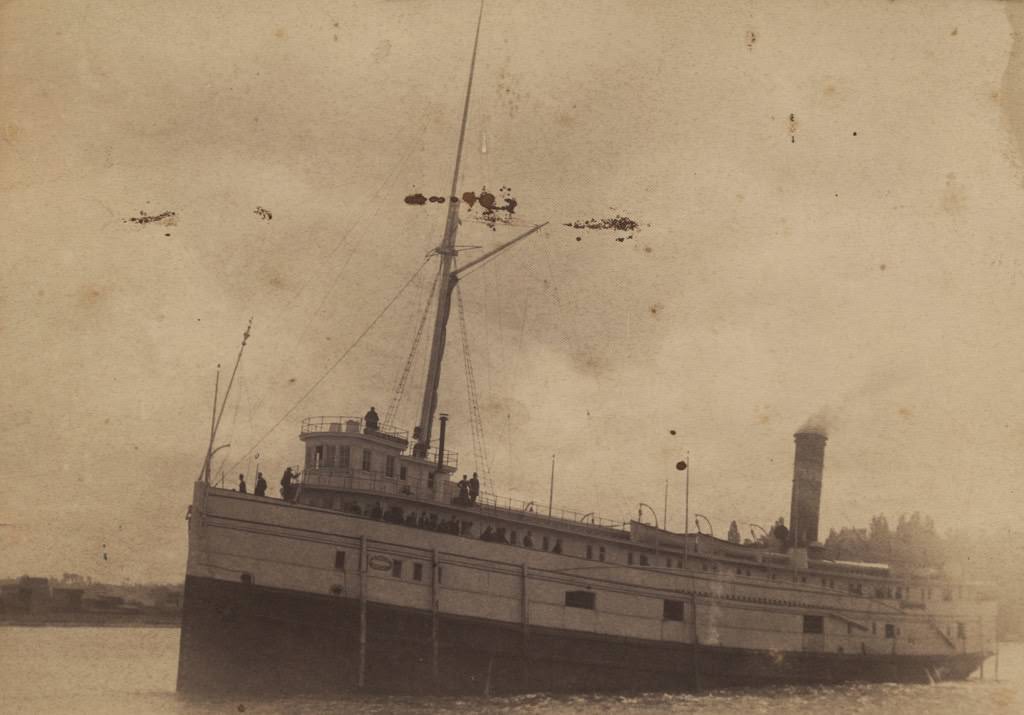
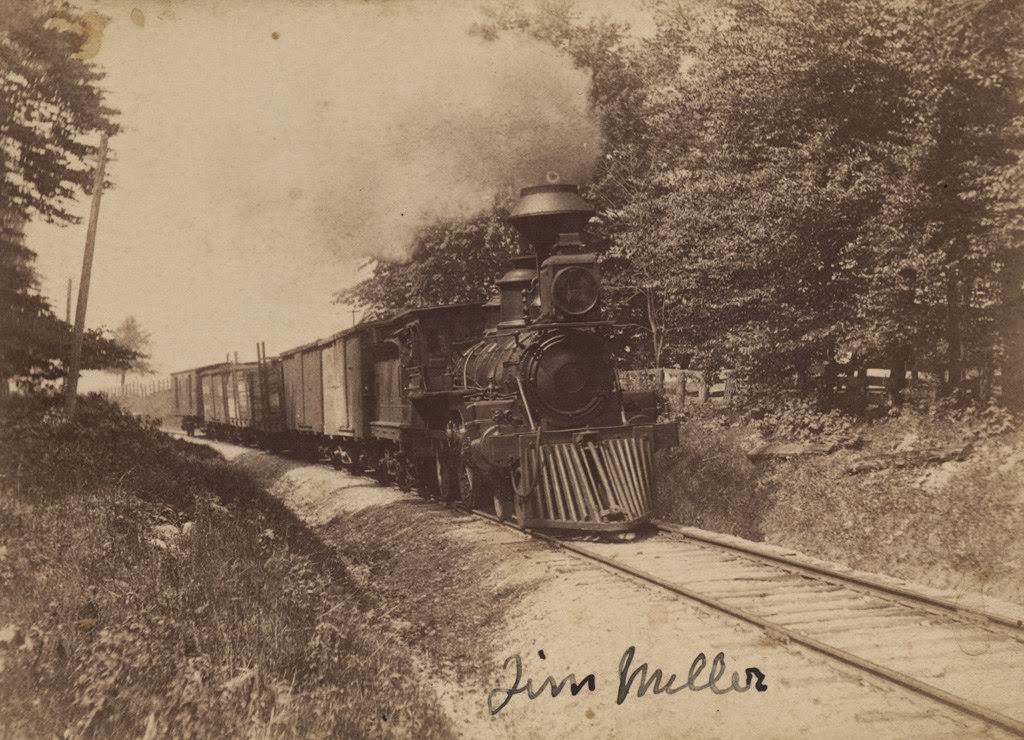
Large sailing vessels and steamships docked at Goderich Harbor to carry salt, timber, and grain across the Great Lakes. The arrival of the Grand Trunk Railway connected smaller villages like Clinton and Seaforth to larger cities, opening new markets and speeding up trade across the region.
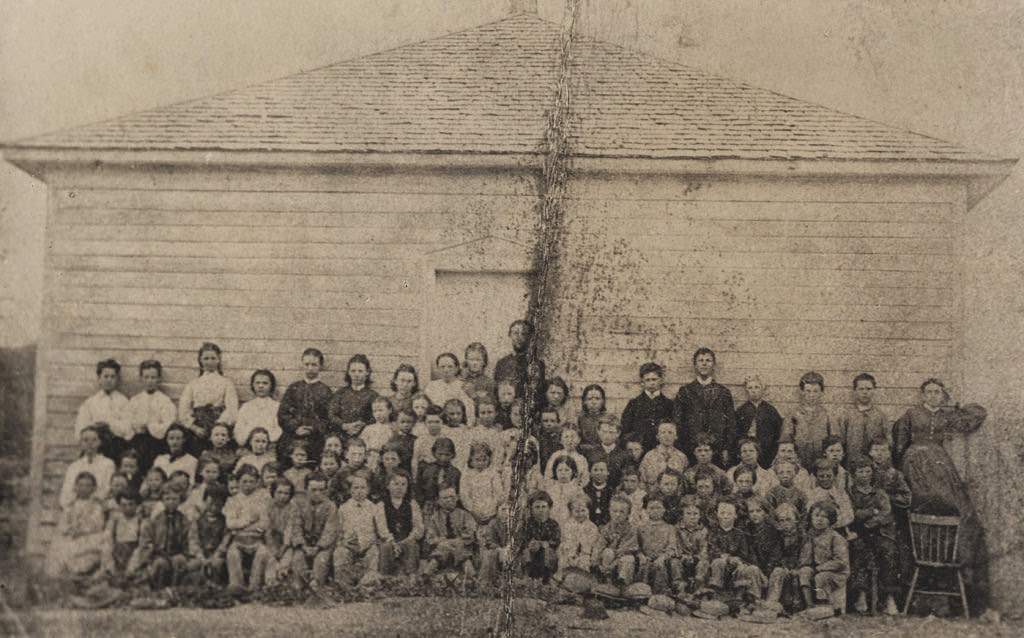
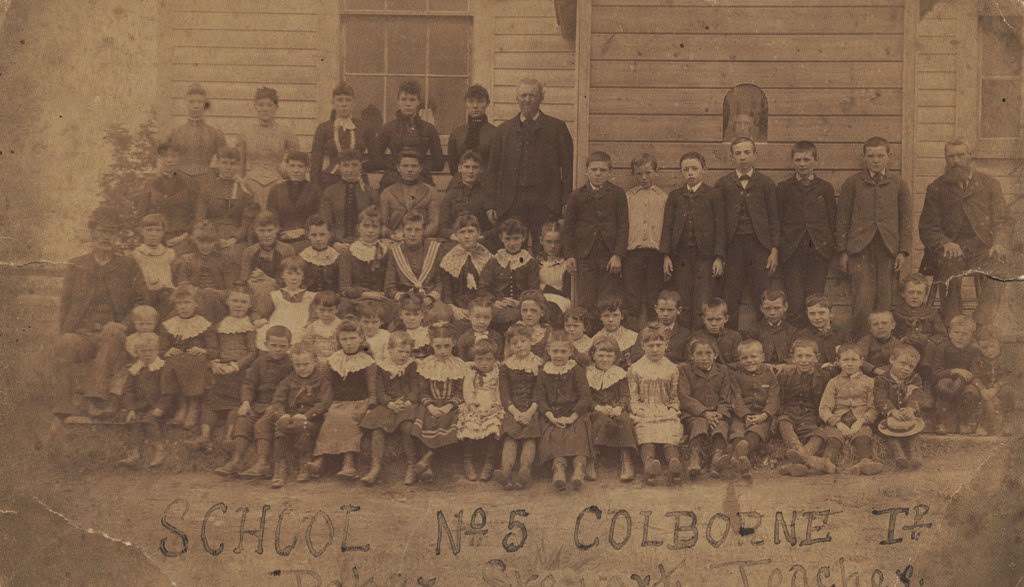
Children across the county walked miles each day in heavy leather boots to reach one-room schoolhouses, where a single teacher handled every grade at once. Slate boards replaced paper, and lunch tins were a daily staple.
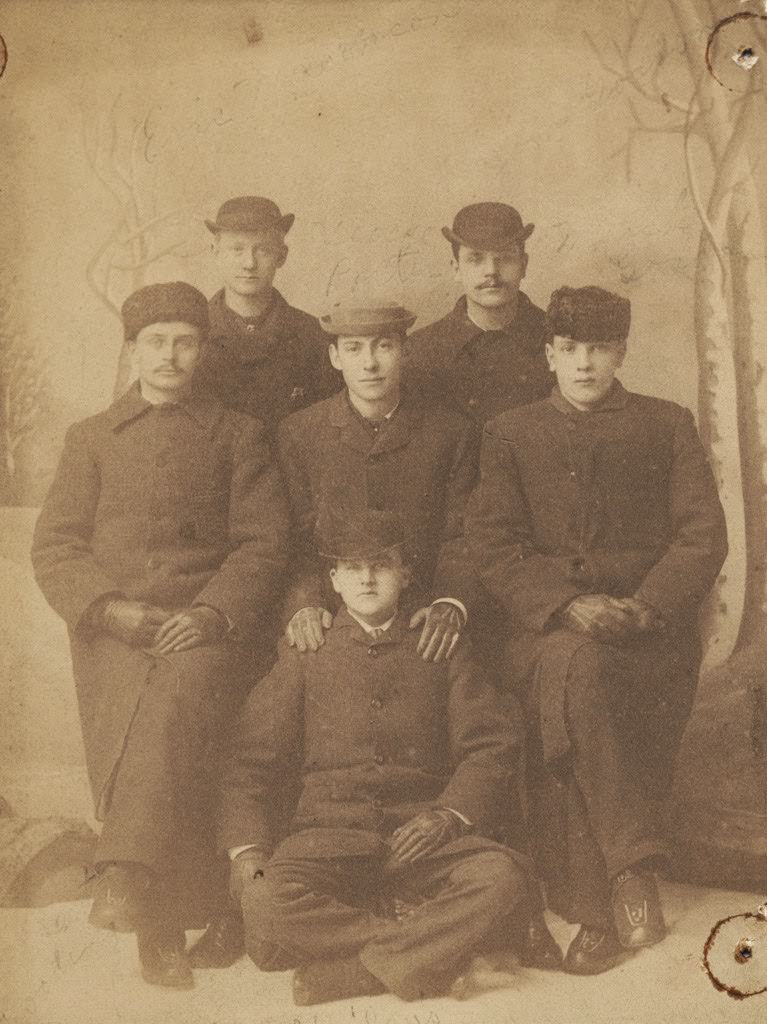
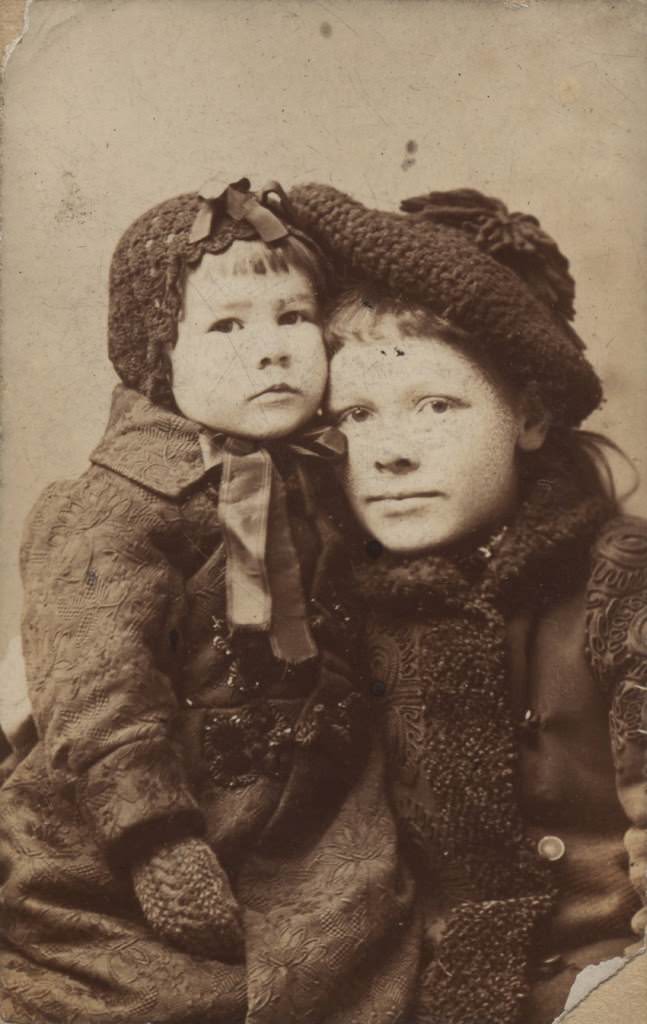
Winter in Huron County was harsh. Deep snow cut off roads, and families relied on horse-drawn sleighs to travel between farms. Evenings were spent gathered around wood-burning stoves, sheltering from the freezing winds off Lake Huron. Studio portraits from the era capture the layered wool coats and heavy gloves residents wore to survive the cold.
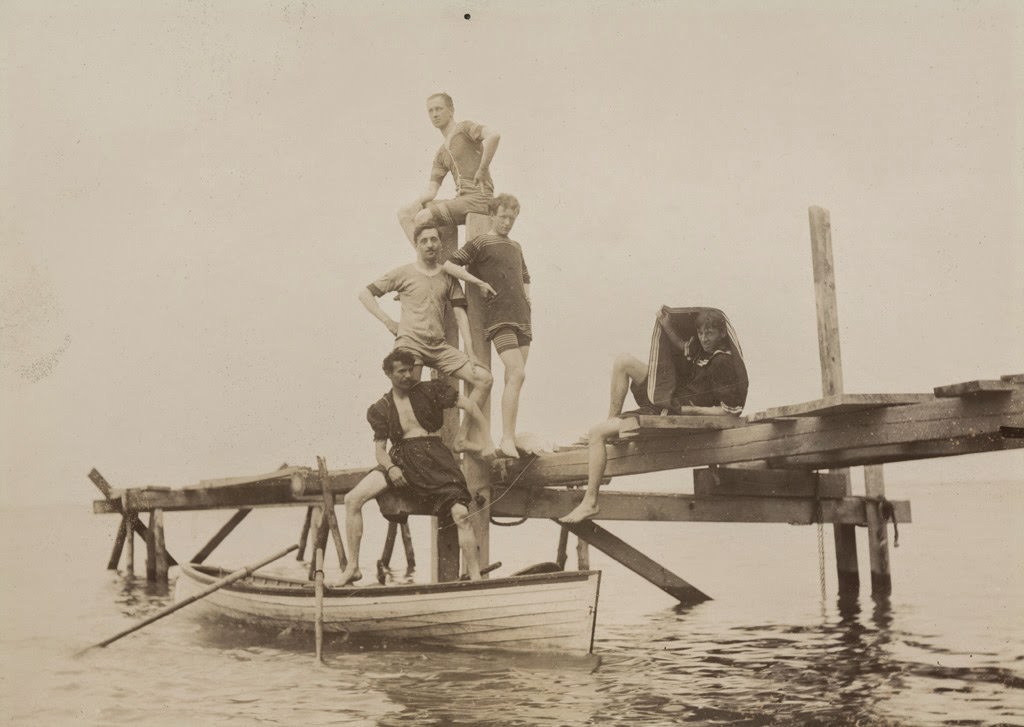
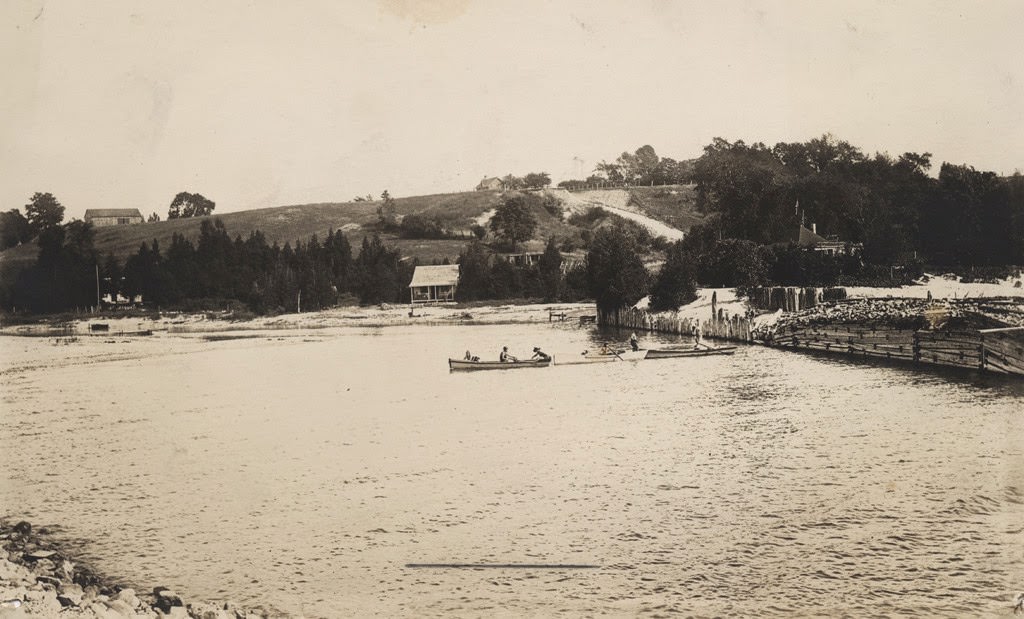
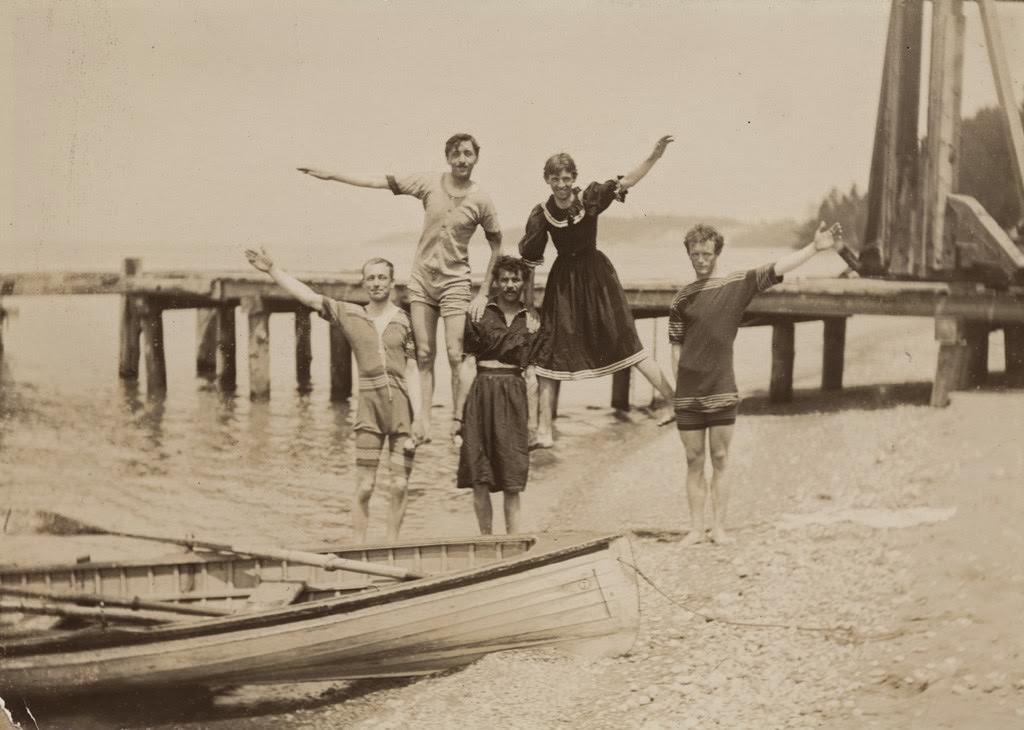
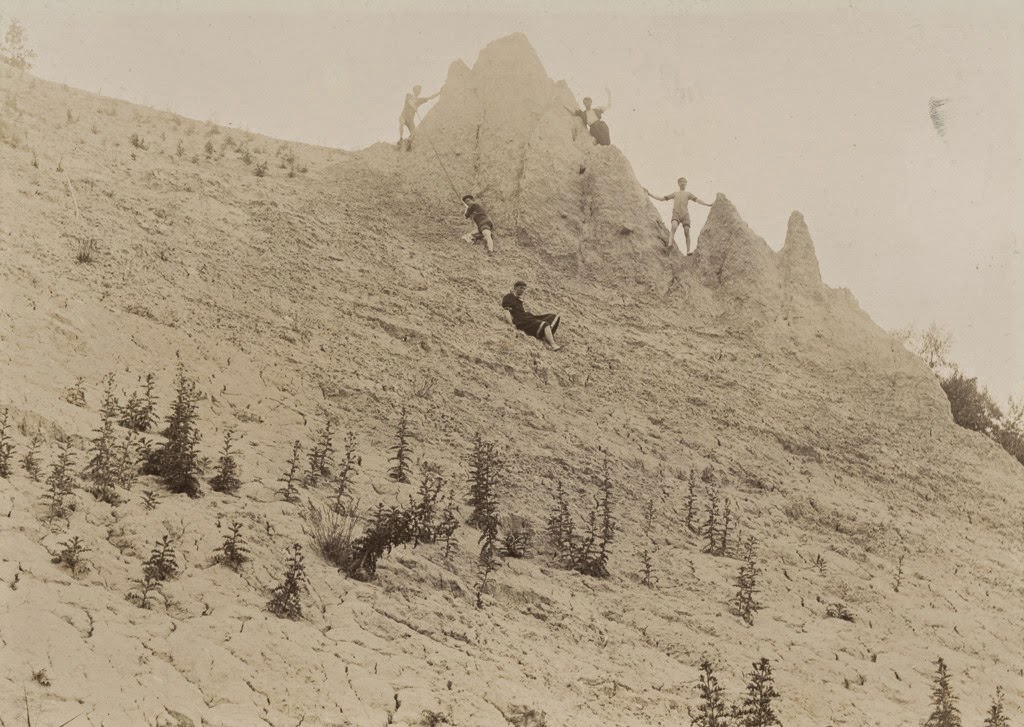
Summer brought a sharp contrast. Residents flocked to the shores of Lake Huron to swim, canoe, and socialize. Groups gathered on the bluffs above the lake, paddled out from Port Albert harbor, and spent long afternoons on the beach.
The bicycle craze of the 1890s swept through Huron County just as it did across North America. Residents organized group rides, staged parades through Goderich’s streets, and occasionally ended up in a heap on the path. It was a new kind of freedom for men and women alike.
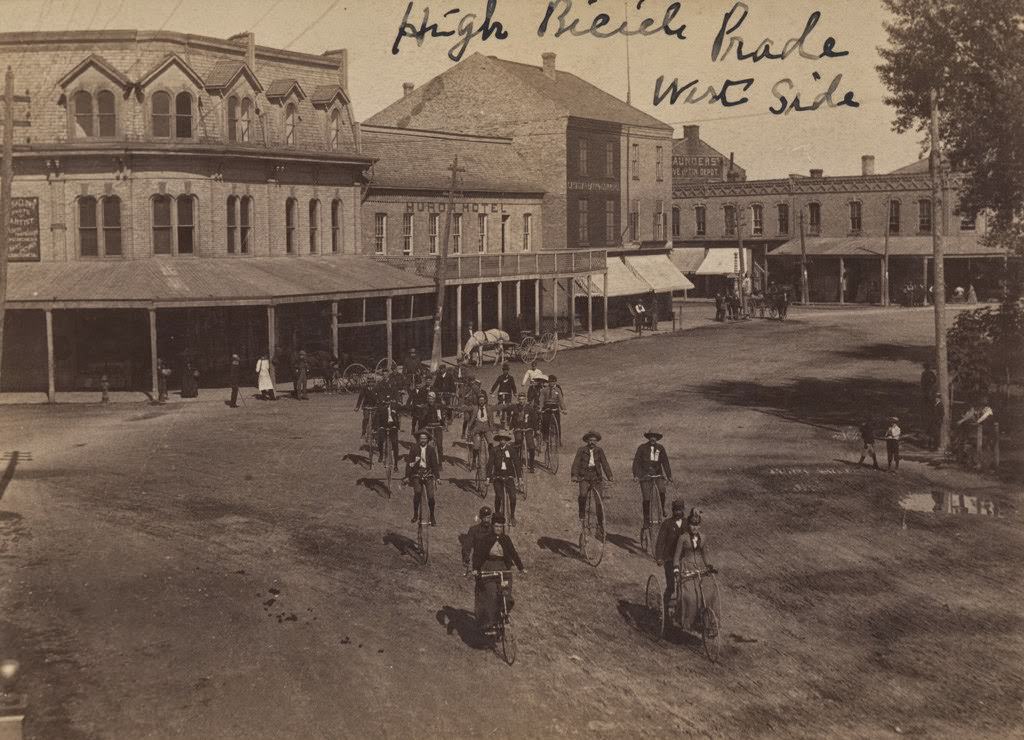
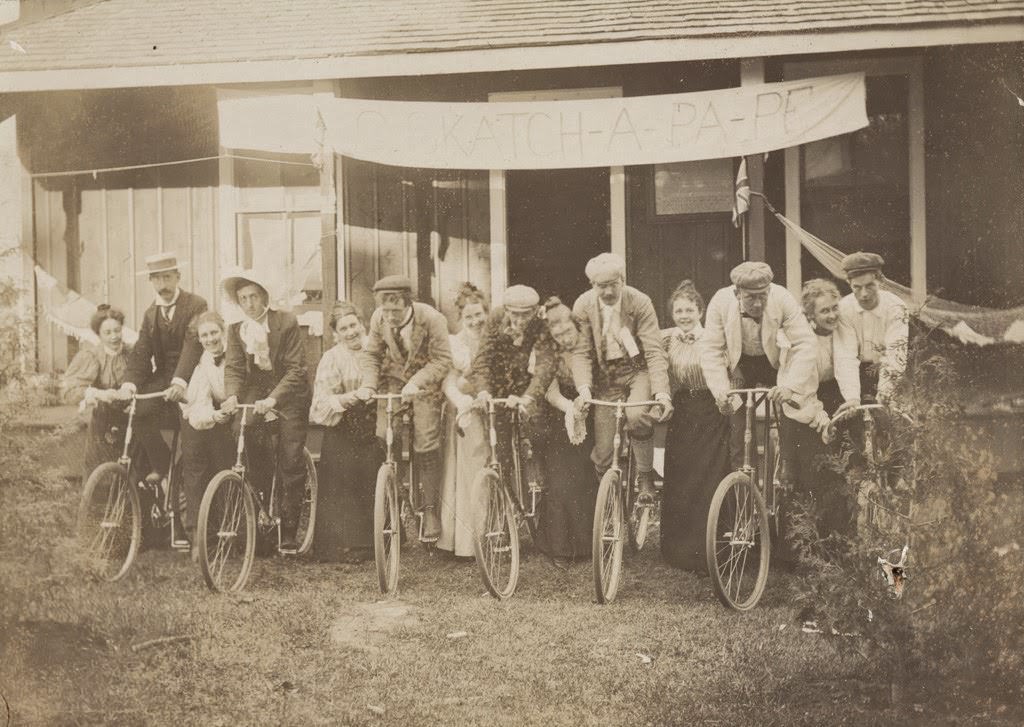
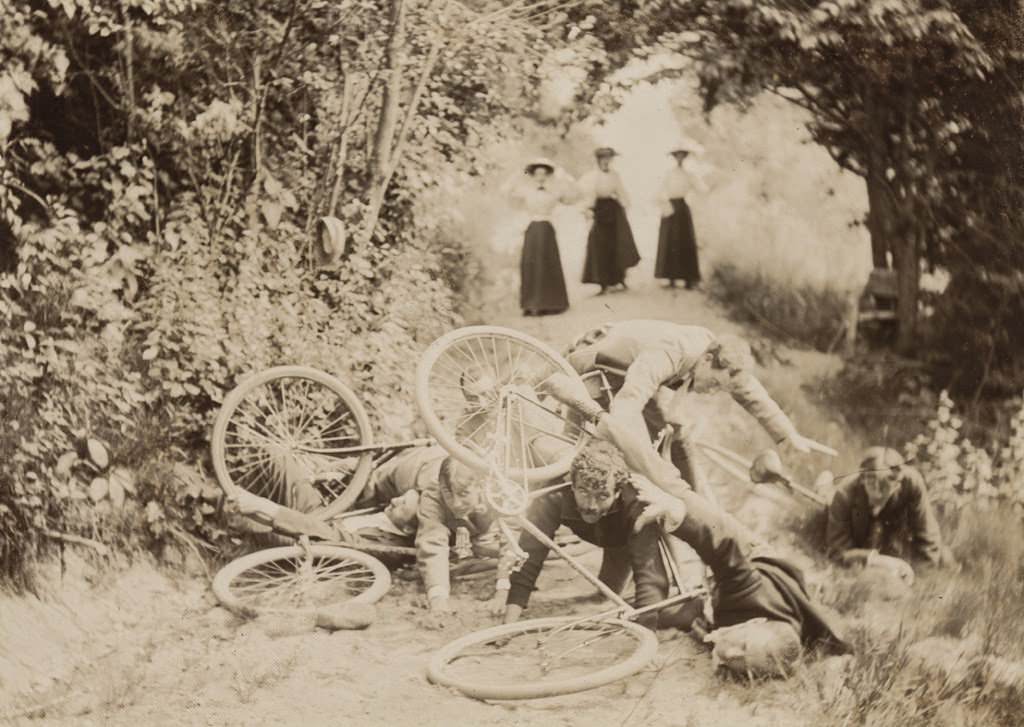
Social life outside of work revolved around large group gatherings — in parks, on porches, and in open fields. Music was a common feature, with residents bringing instruments to porch gatherings and outdoor events.
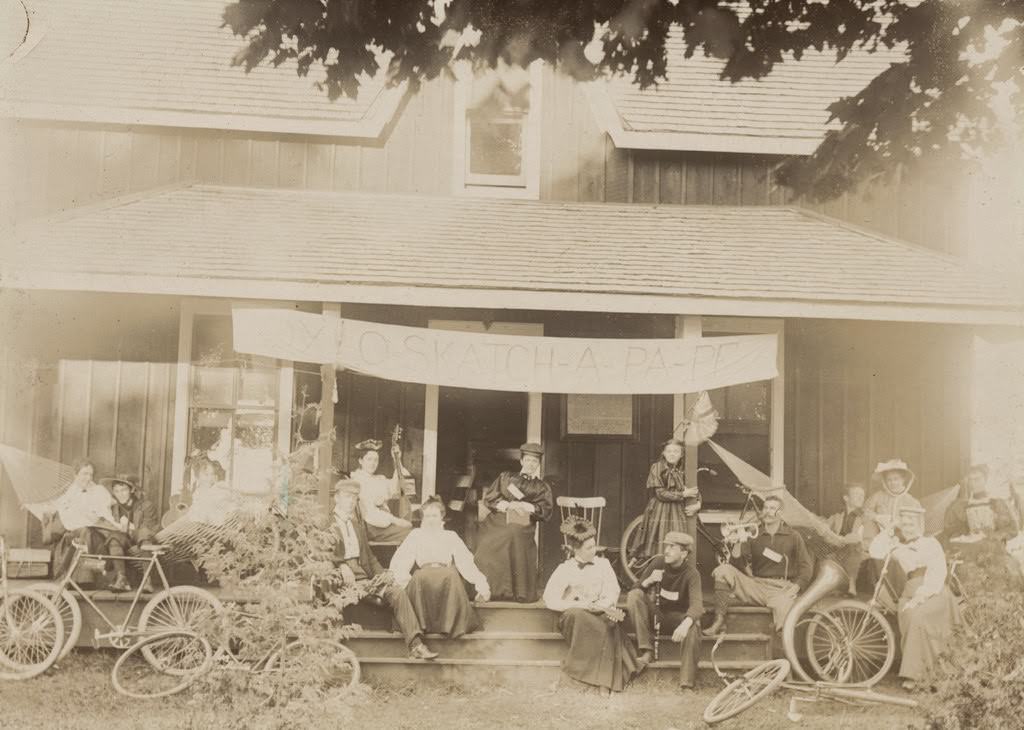
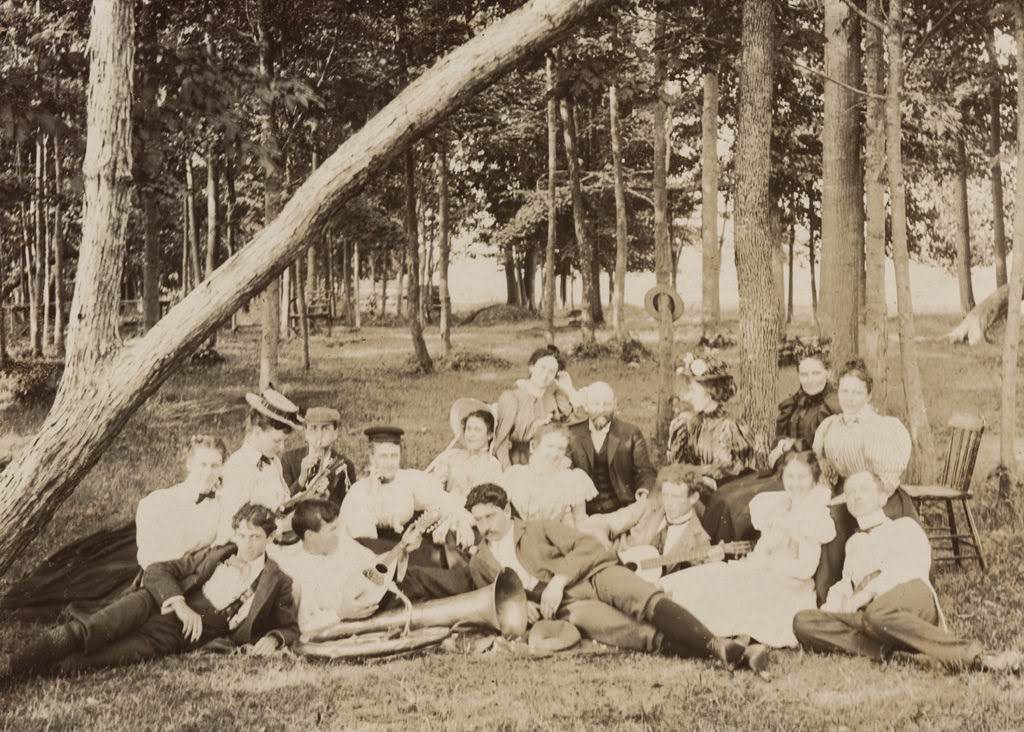
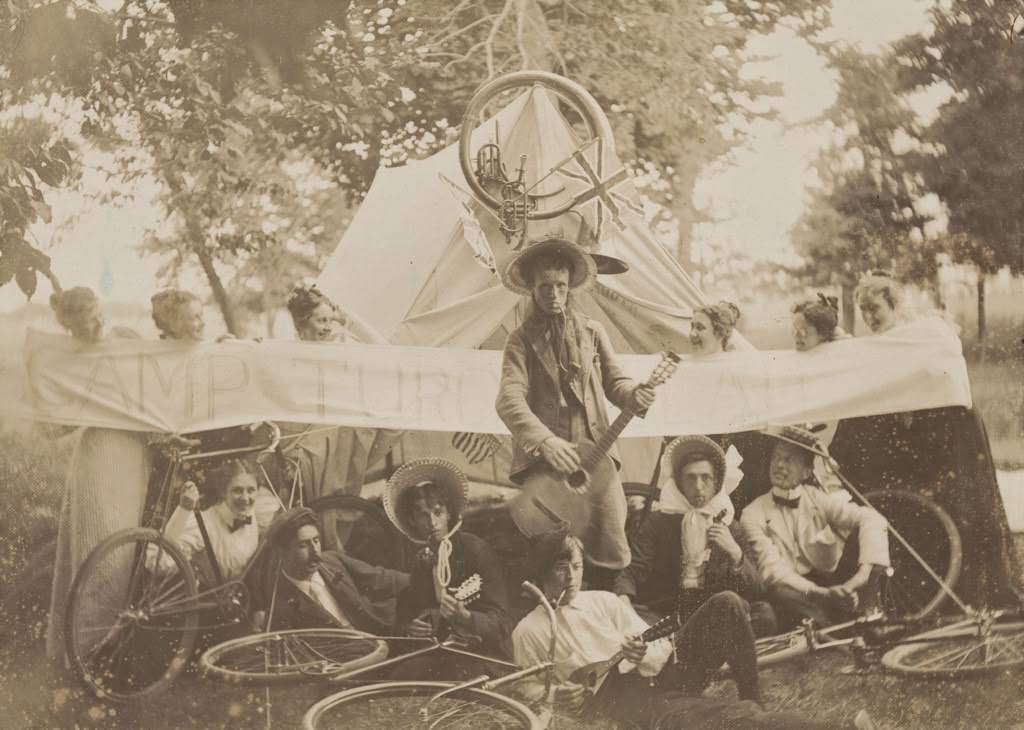
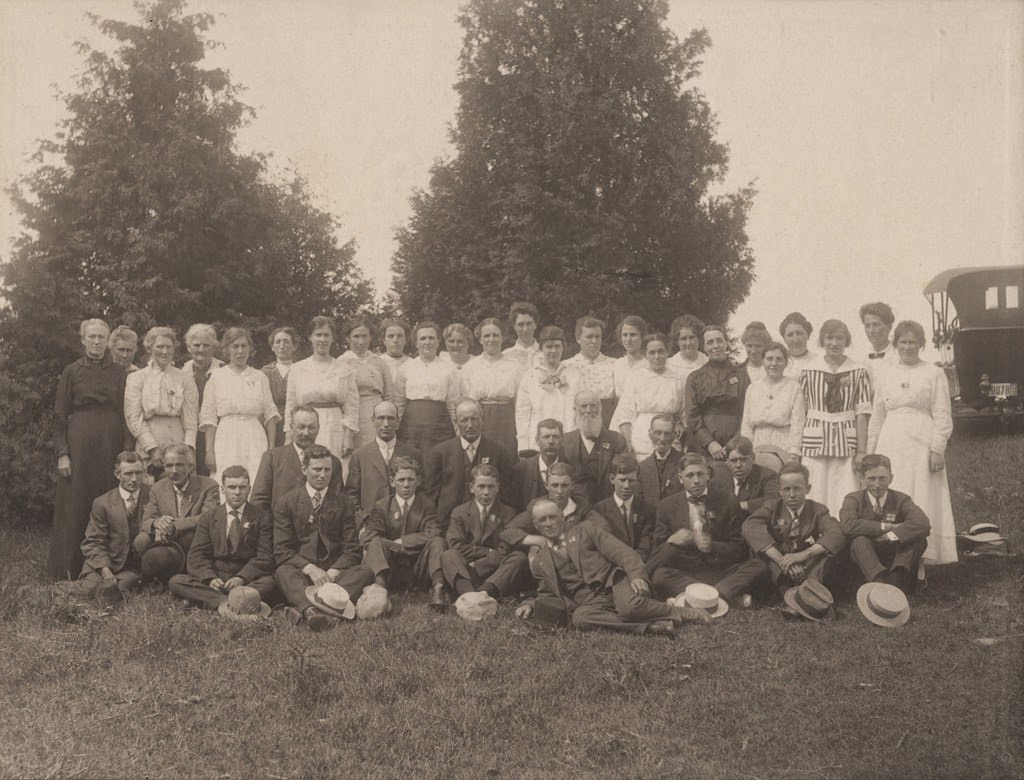
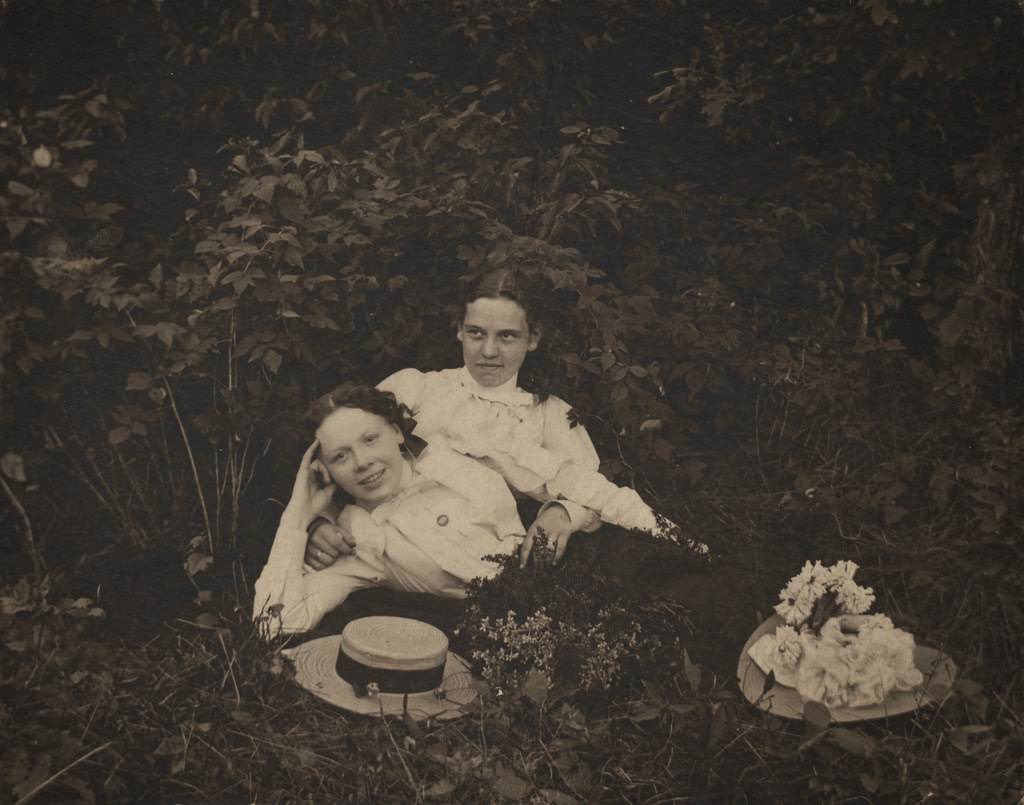
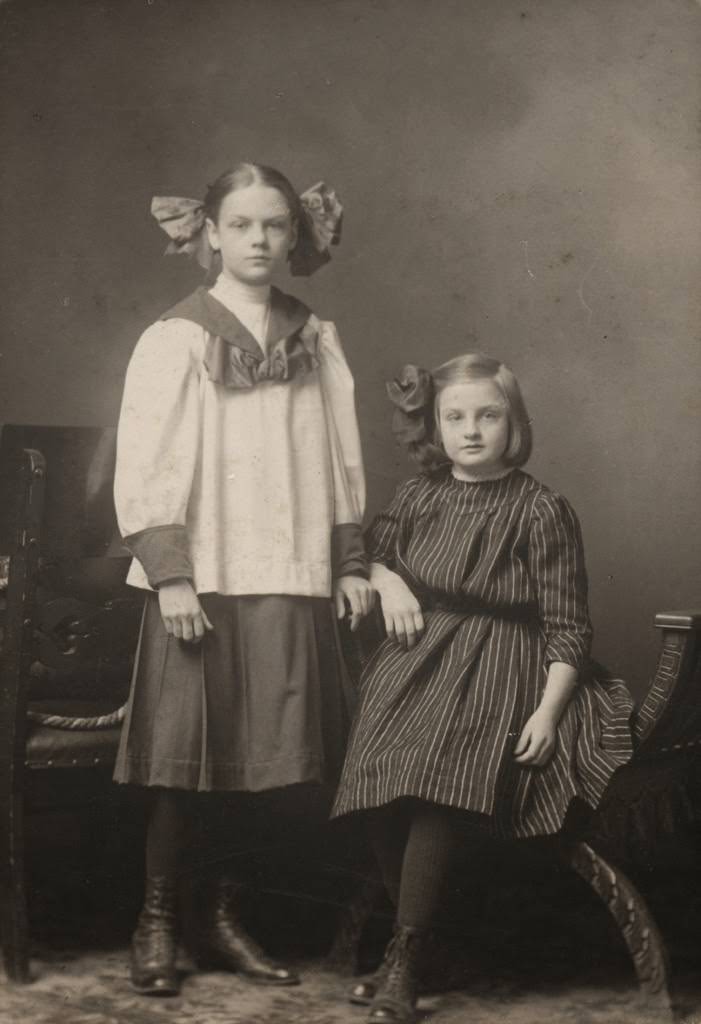
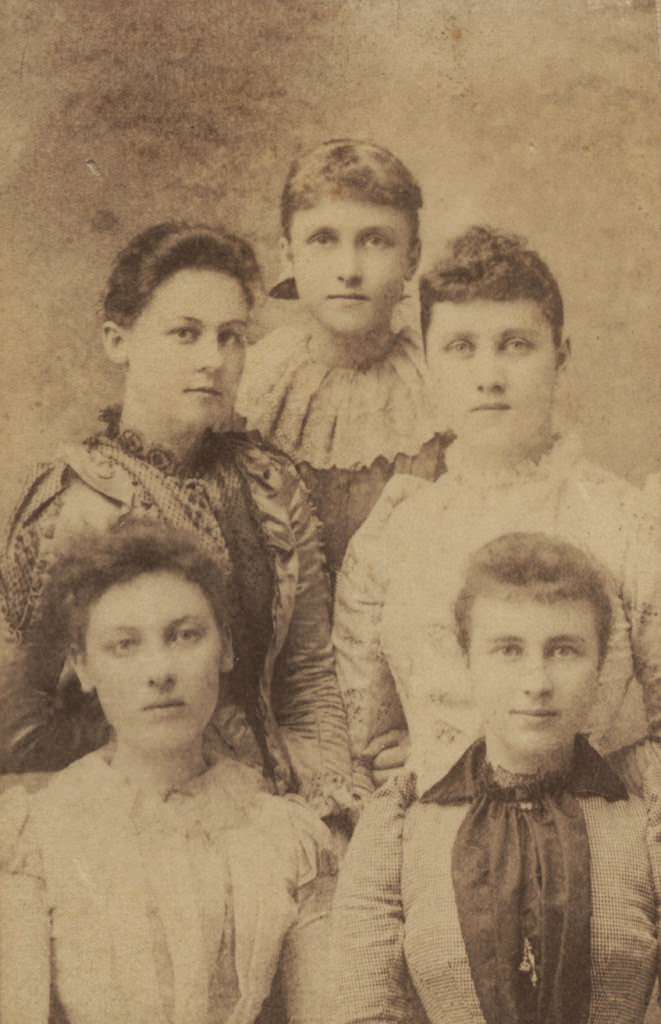
Quieter moments were equally well documented. Women rested in the shade of summer foliage, children posed stiffly in studio portraits, and young adults gathered for photographs that captured the texture of everyday county life.