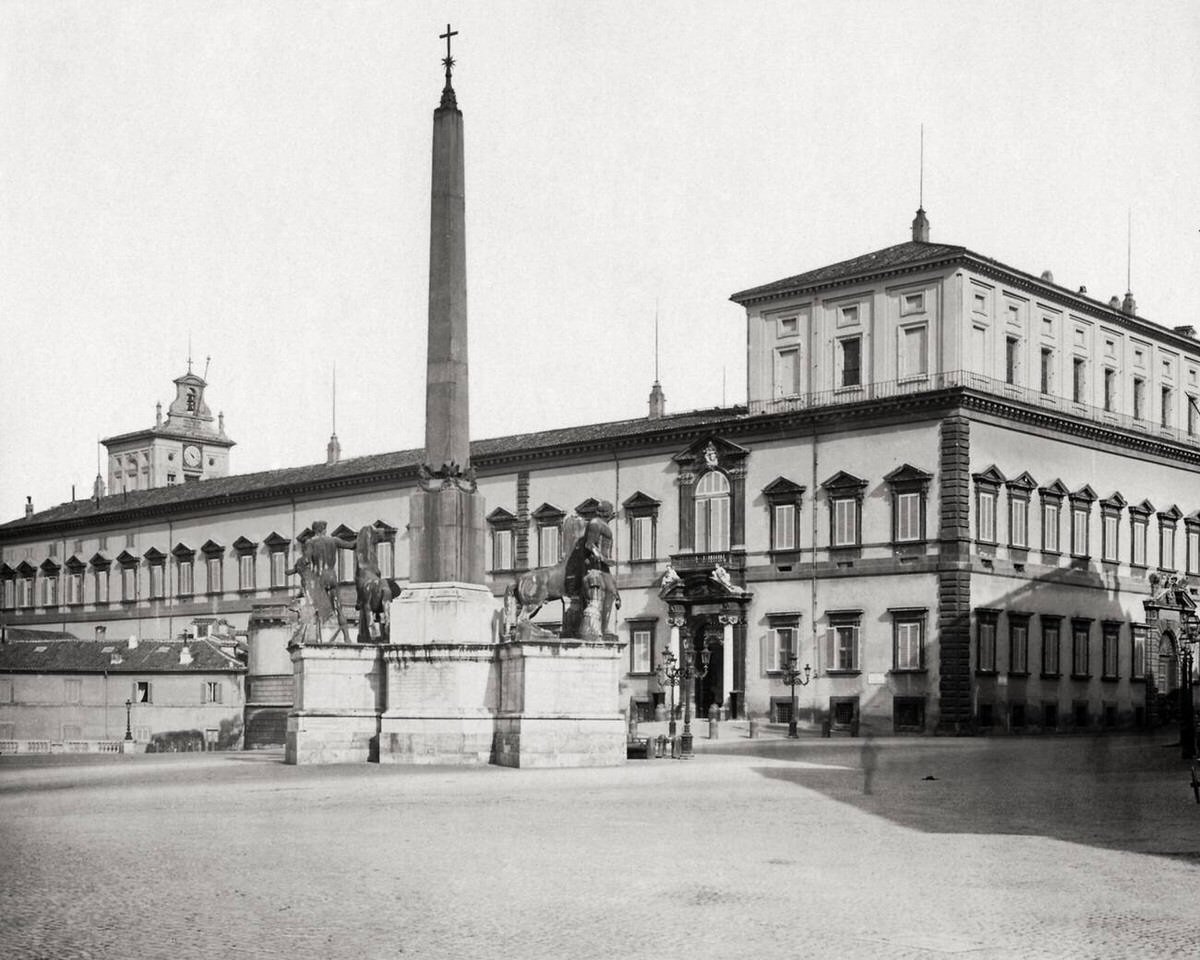
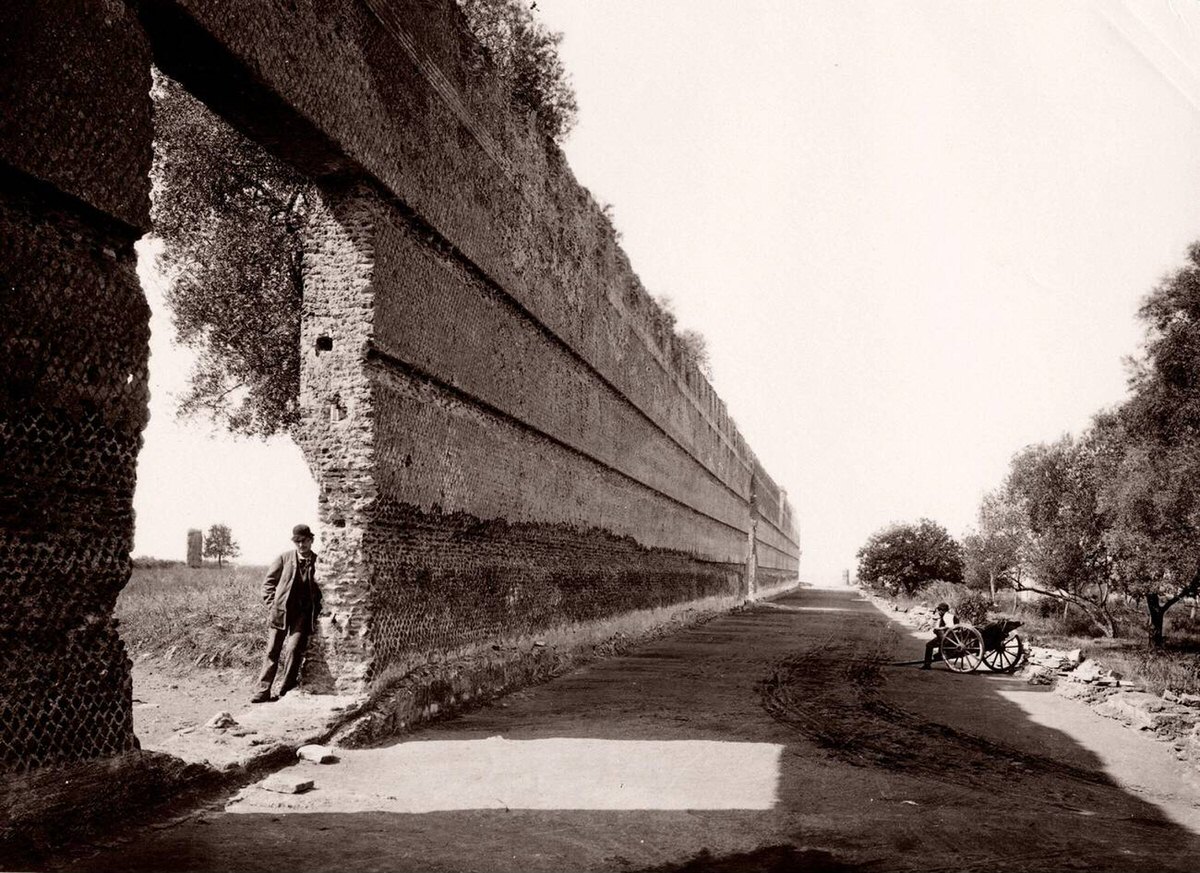
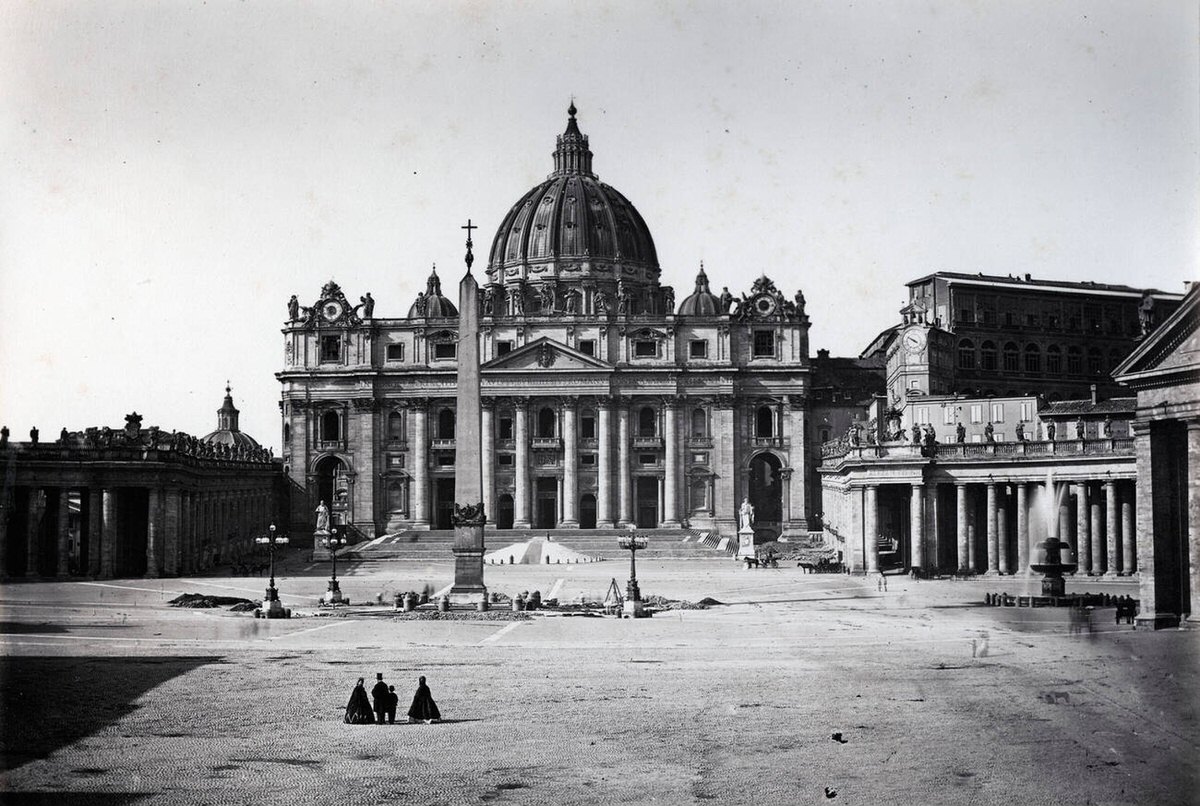
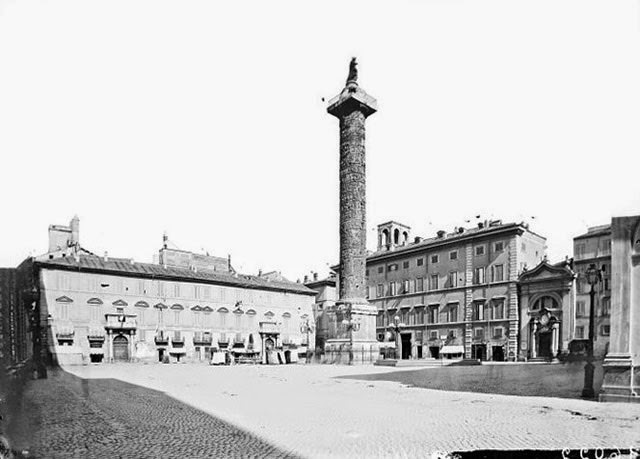
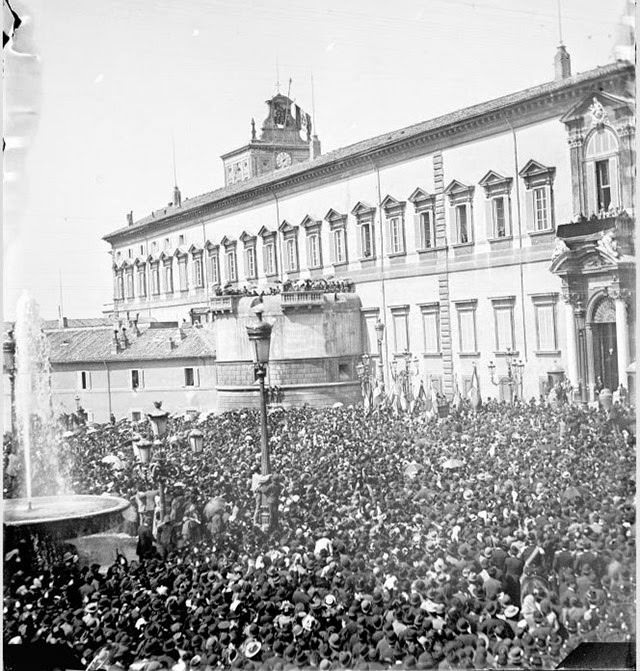
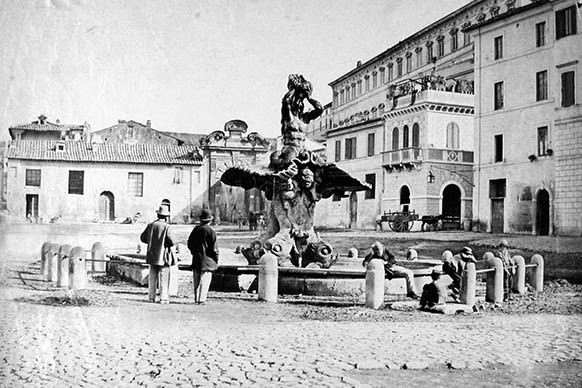
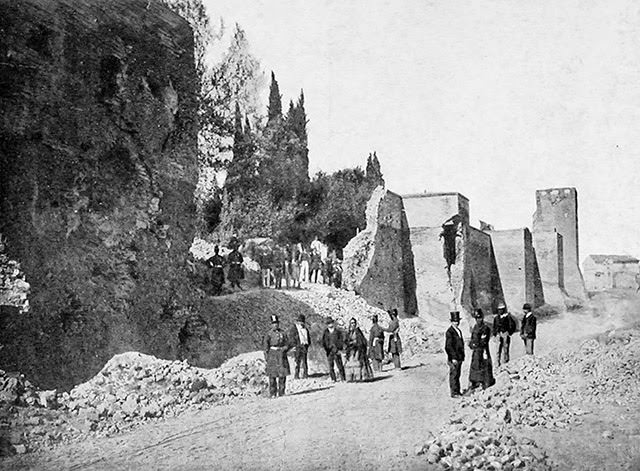
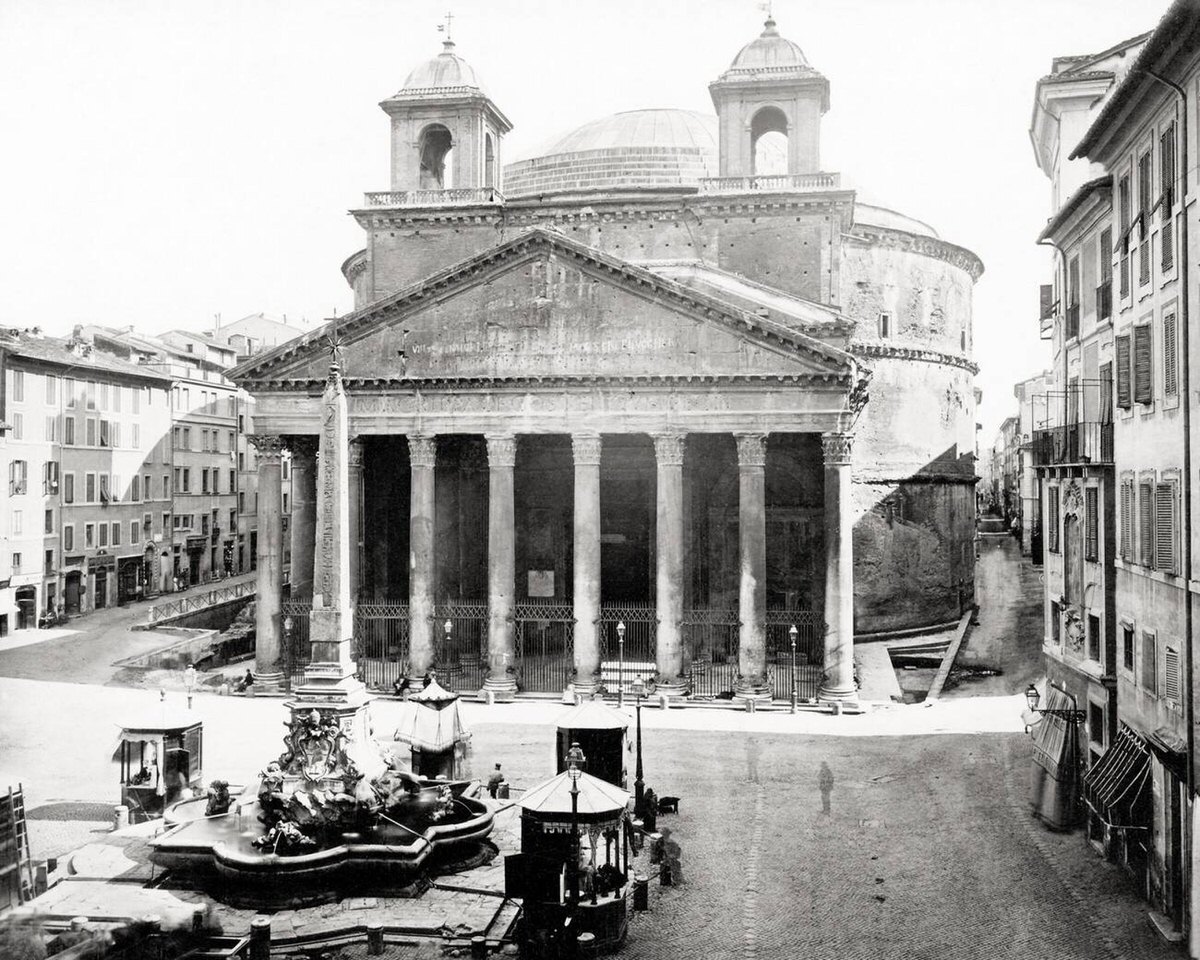
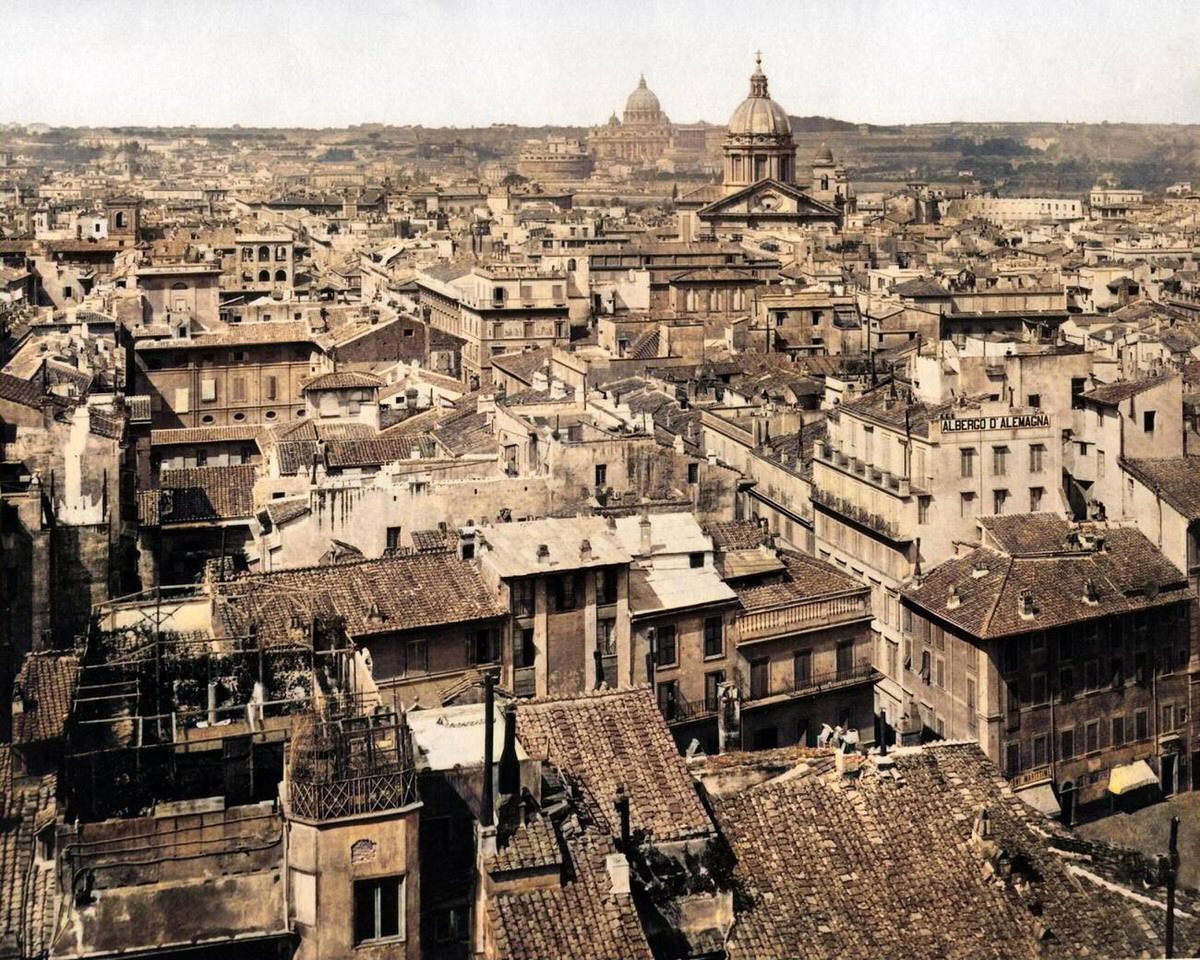
In 1870, Rome underwent a massive change when it became the capital of the newly unified Kingdom of Italy. Italian troops entered the city on September 20 through a breach in the walls at Porta Pia. This event ended the long rule of the Pope over the city. King Victor Emmanuel II moved into the Quirinal Palace to lead the new government. At this time, Rome was a small city with roughly 200,000 residents. Much of the land inside the ancient Aurelian Walls consisted of vineyards, vegetable gardens, and private parks owned by noble families.
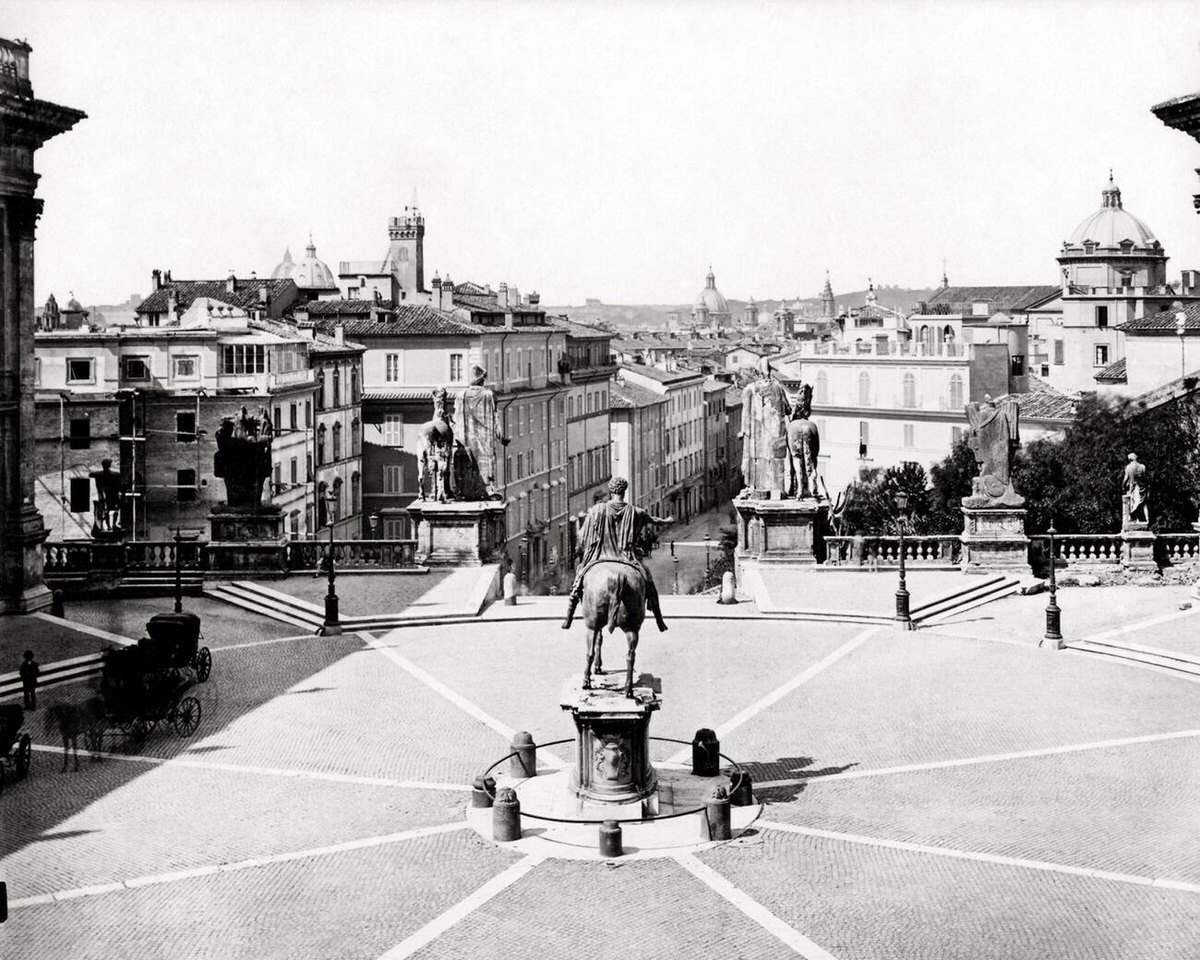
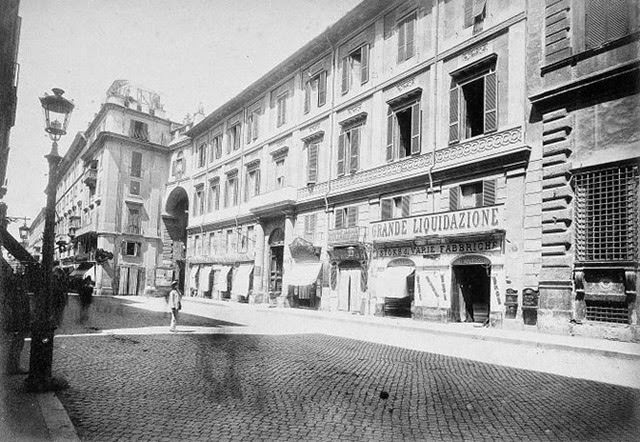
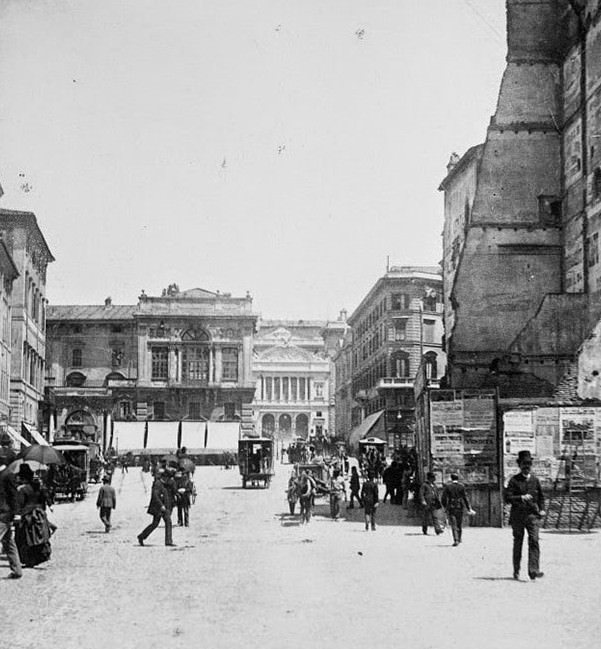
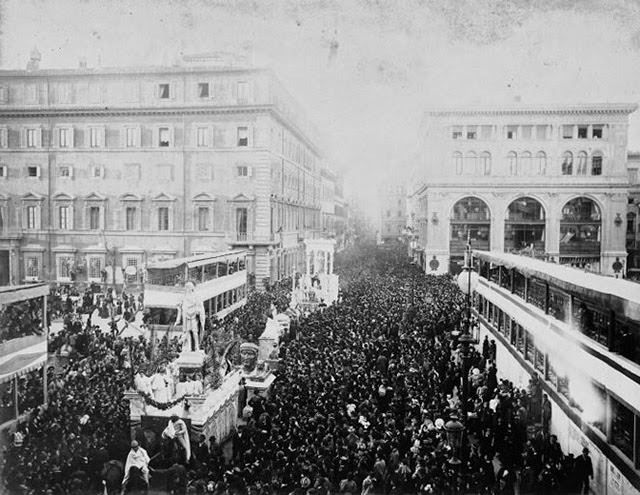
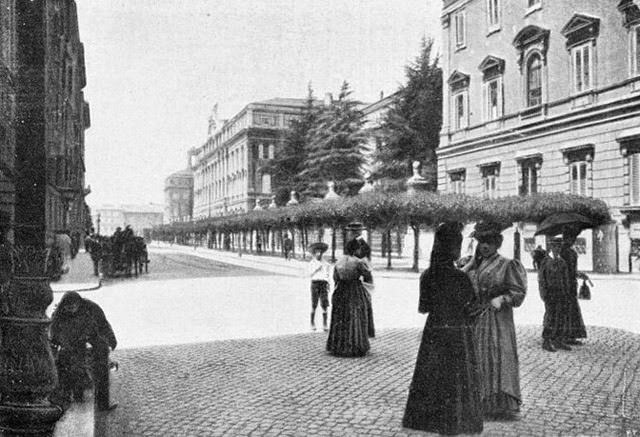
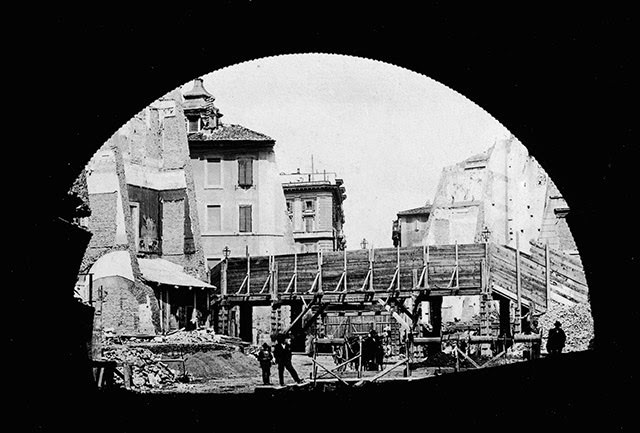
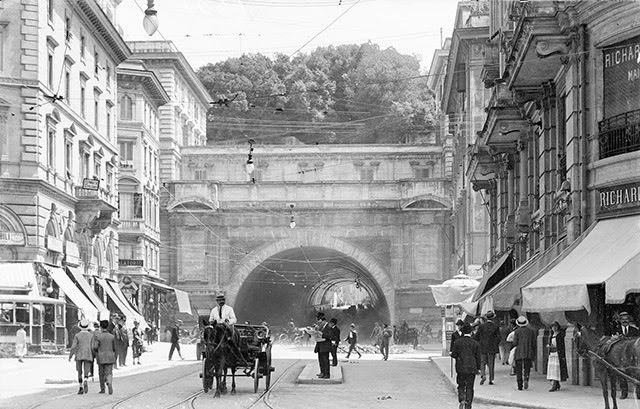
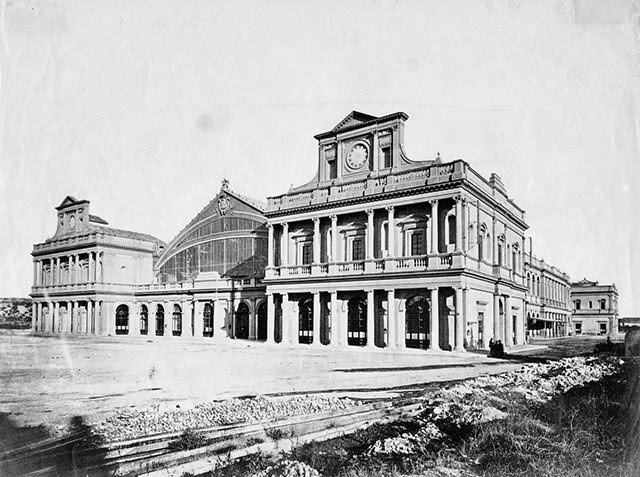
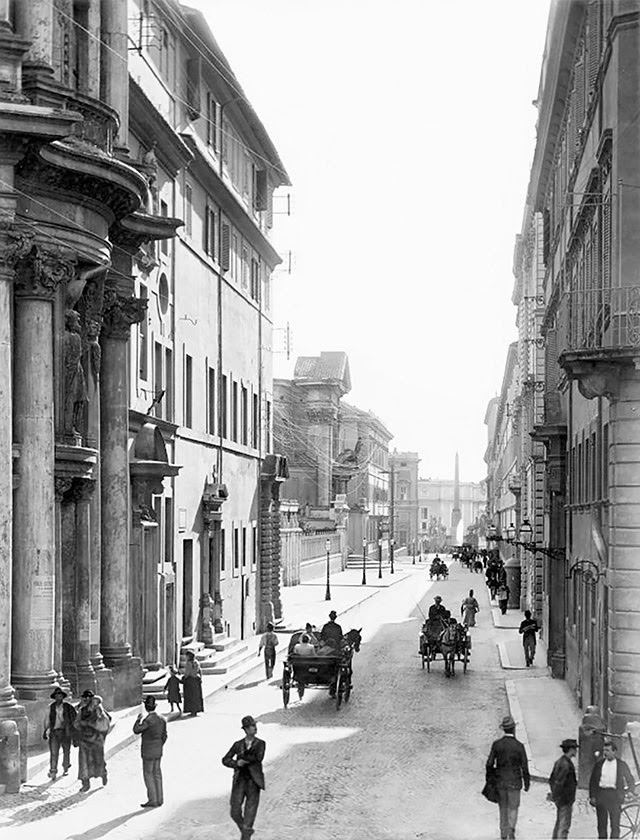
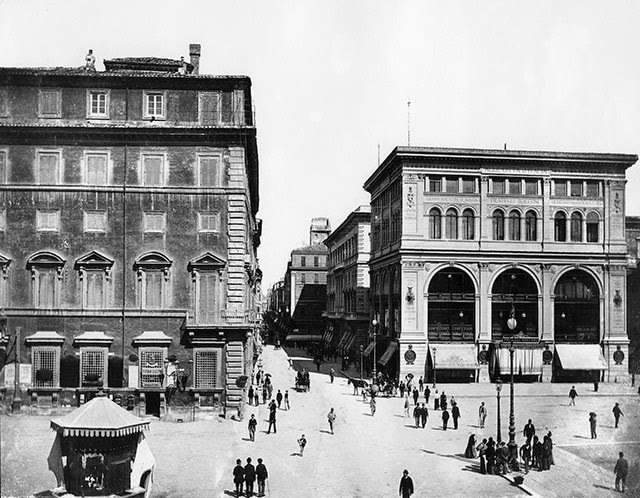
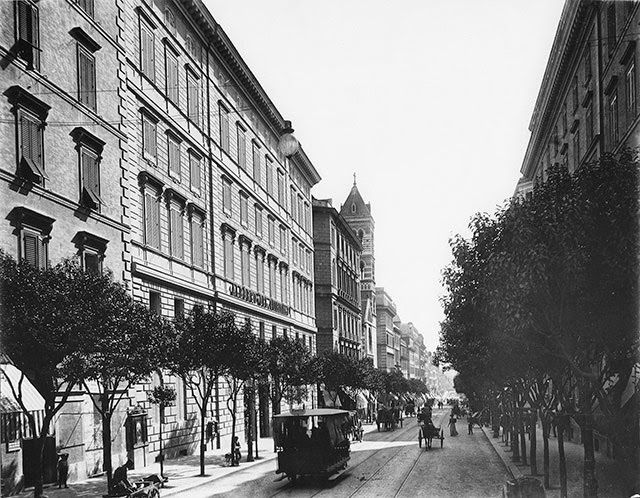
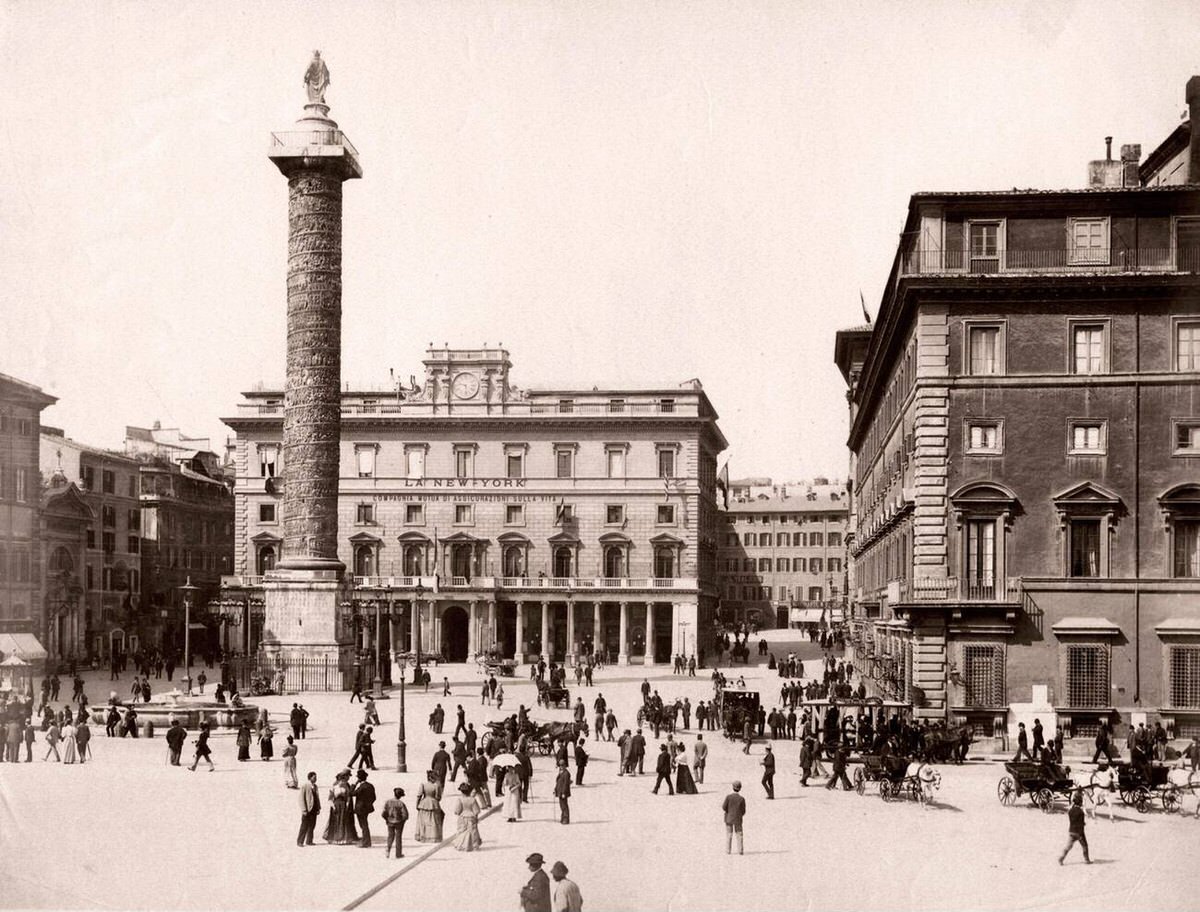
The new government started a period of rapid urban renewal to modernize the capital. They built wide, straight boulevards to handle growing traffic. Workers completed the Via Nazionale to connect the new Termini train station with the center of the city. This street featured grand hotels and the massive Bank of Italy building. Another major project was the Corso Vittorio Emanuele II. Building this road required tearing down many old houses and narrow medieval alleys. In the 1880s, developers destroyed the famous Villa Ludovisi gardens. They built high-end apartment blocks for the new middle class on that land.
Read more..
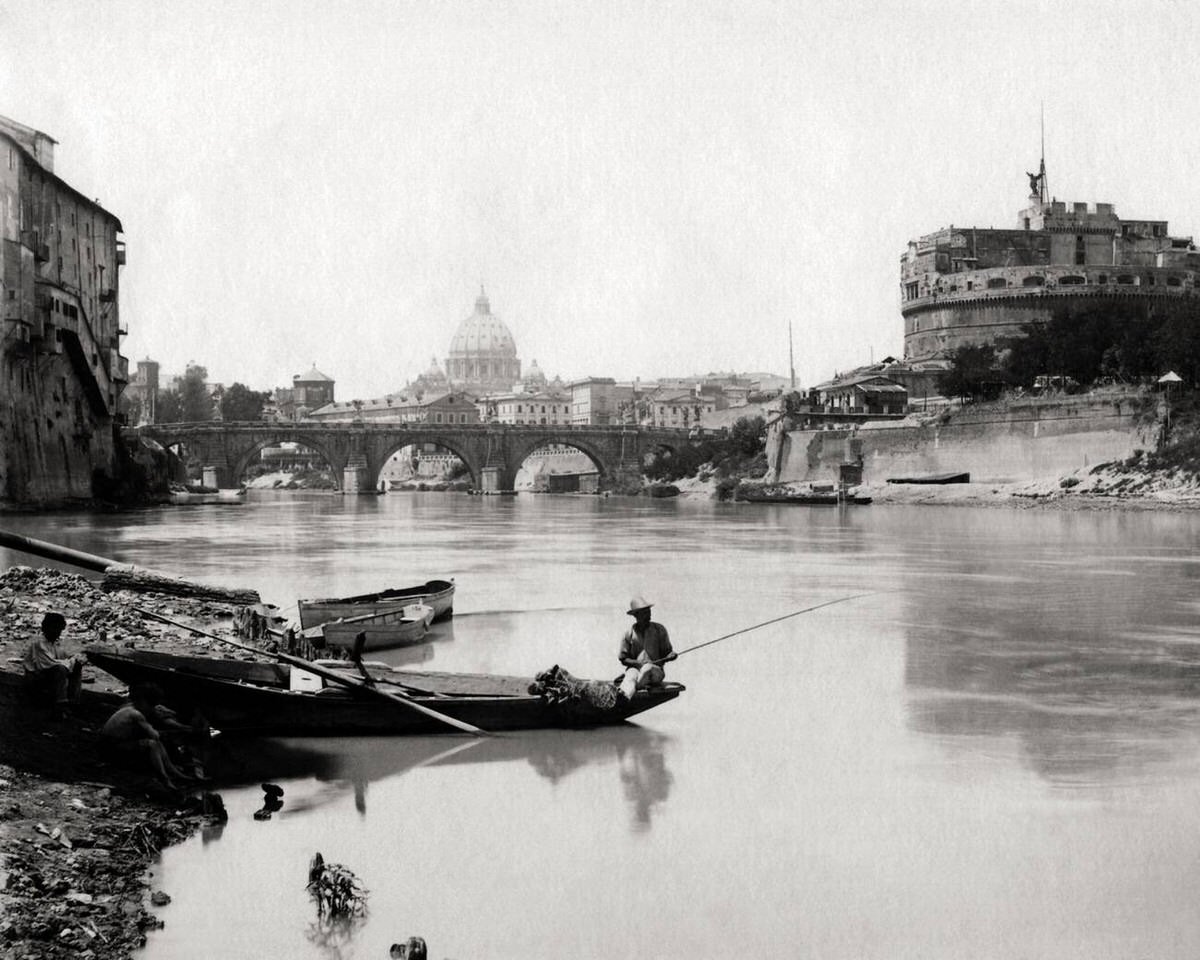
The Tiber River was a constant danger because it flooded the city streets every winter. A massive flood in 1875 covered the downtown area in several feet of water and mud. To solve this, engineers designed the Lungotevere. These are tall stone walls that line both sides of the river to keep the water contained. Construction teams removed the ancient docks and many buildings that sat directly on the riverbanks to make room for these walls. This project stopped the floods but permanently changed the visual relationship between the city and its river.
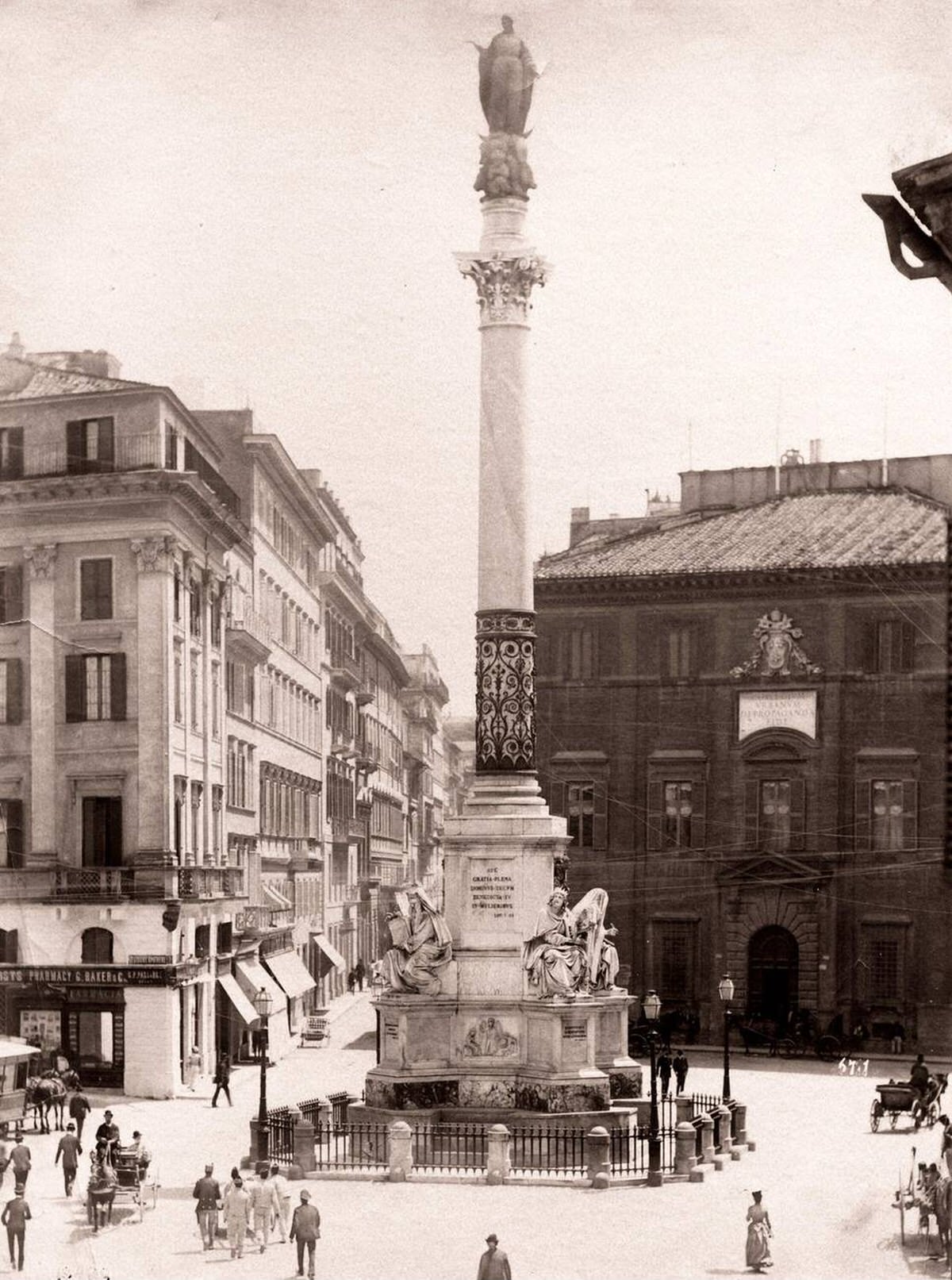
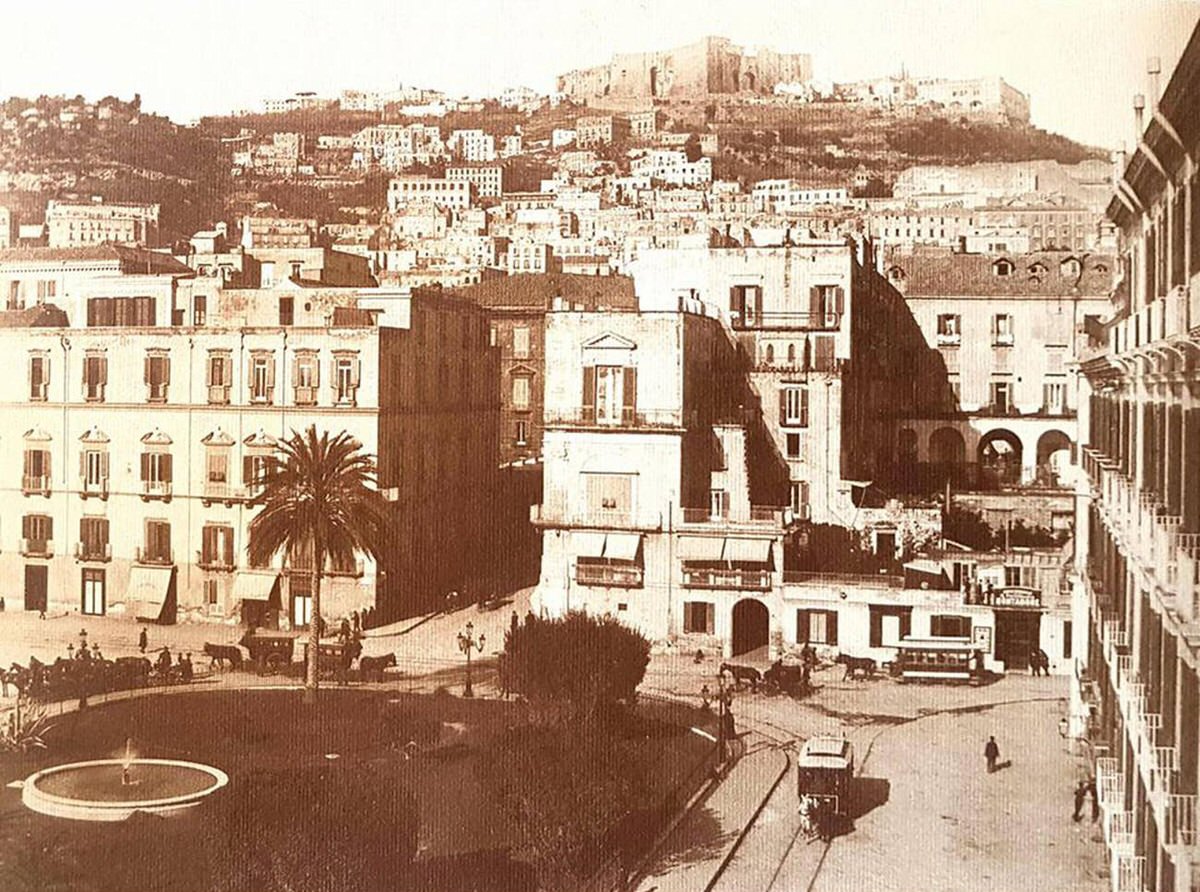
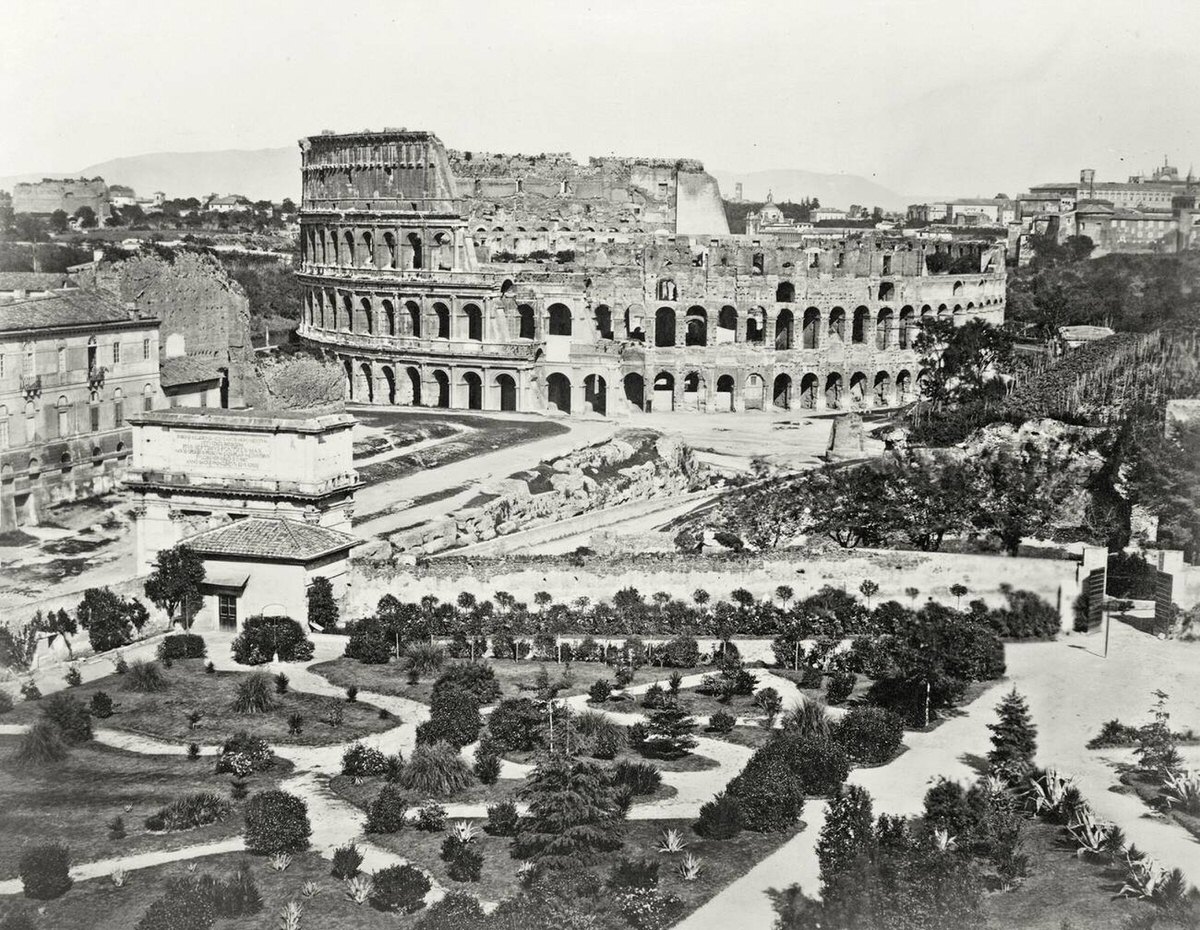
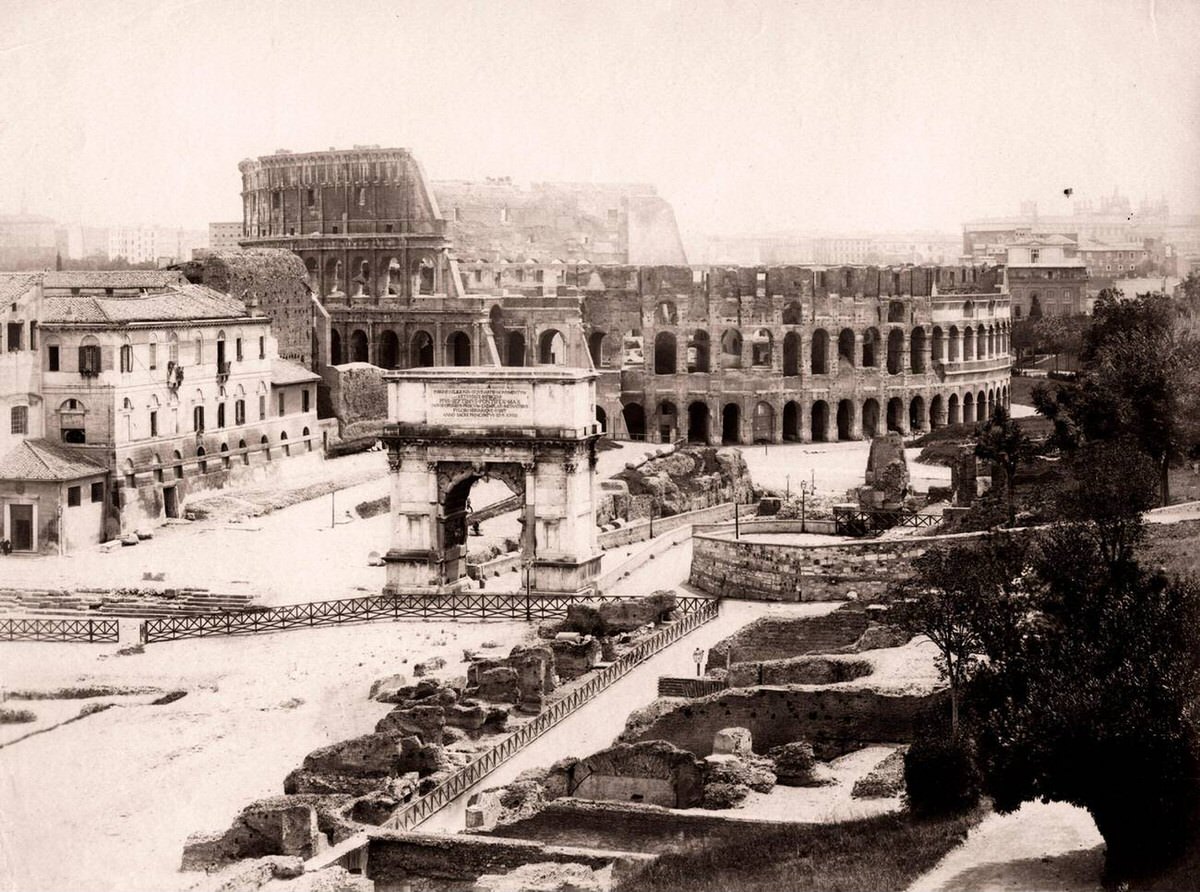
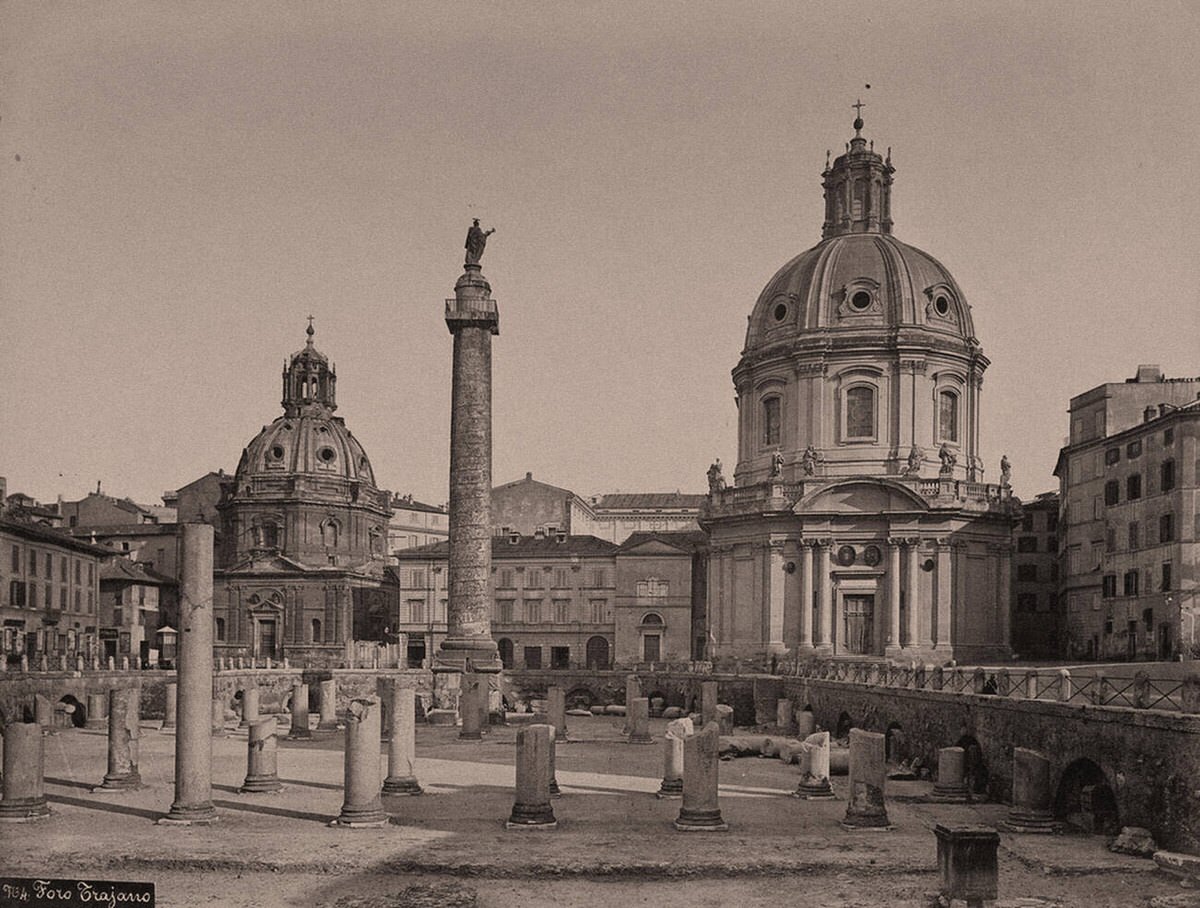
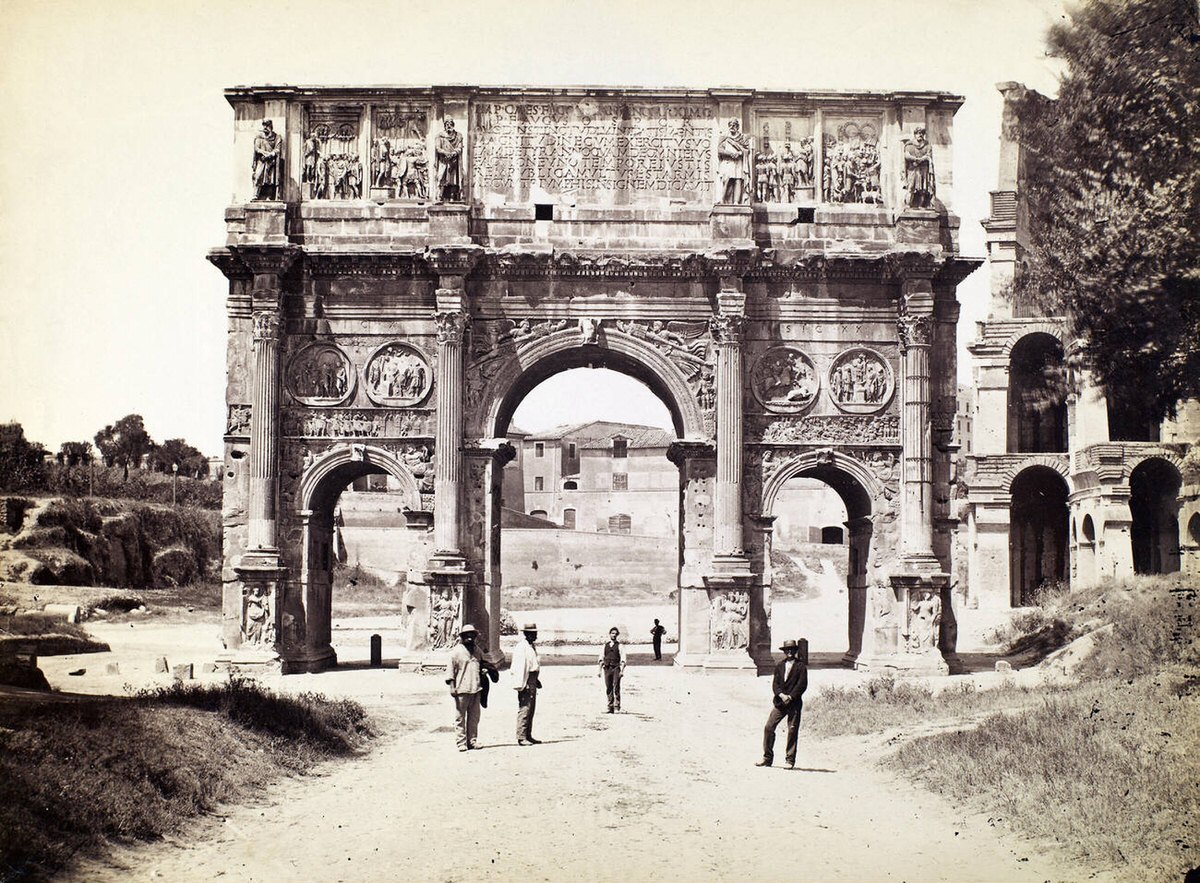
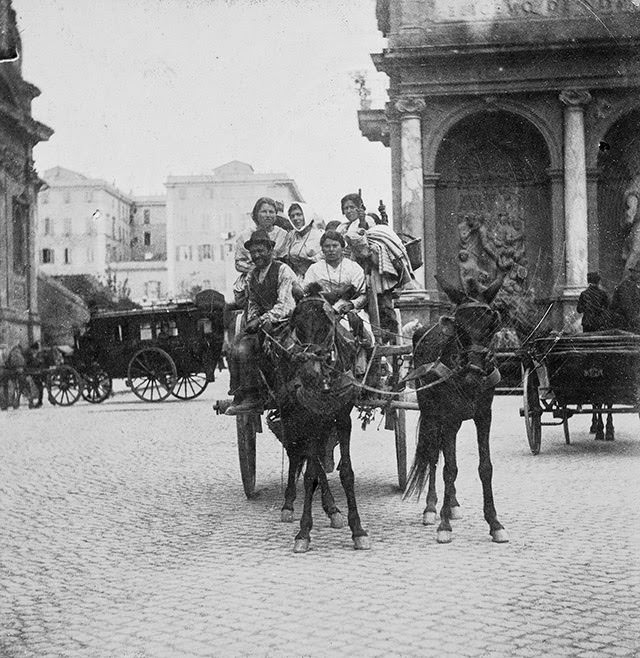
Daily life changed as modern technology arrived. Horse-drawn streetcars began carrying people along the main roads in 1877. Gas lamps replaced oil lanterns to light the streets at night. The government also focused on public health. They demolished the crowded and unsanitary Jewish Ghetto in the 1880s to build newer housing. Many of the ancient Roman ruins, like the Forum and the Colosseum, were cleared of weeds and dirt for the first time so people could study them.
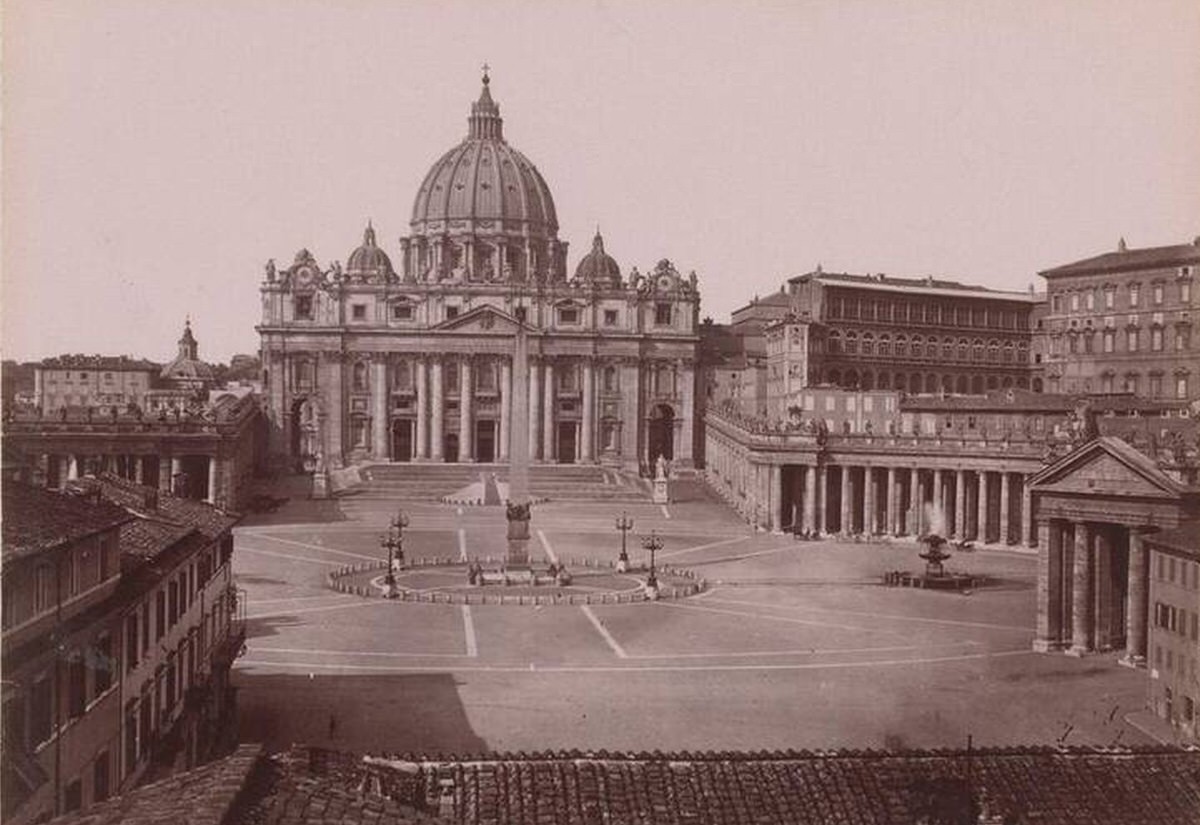
A deep political divide split the residents of the city. Pope Pius IX refused to recognize the King’s authority. He stayed inside the Vatican and called himself a “prisoner.” This created two separate social circles in Rome. The “Black Nobility” remained loyal to the Pope, while the “White Nobility” supported the King. This tension lasted until the end of the century.
![[Factually Corrected] Auteuil Group and Rue de Rome at Gare Saint-Lazare in Paris, 1885](https://www.bygonely.com/wp-content/uploads/2026/05/Rome_Late_19th_Century_25.jpg)