Before the middle of the 19th century, women and girls worked underground in Britain’s coal mines alongside men and boys. The tunnels were cramped, dark, and dangerous. Children as young as seven hauled coal through narrow passages deep beneath the earth. That era came to a violent end on July 4, 1838, when a flash flood swept through the Huskar Pit near Silkstone in Yorkshire. Twenty-six children, aged between seven and seventeen, drowned while desperately trying to escape. The disaster shocked the country.
The public outcry following the Huskar Pit flood pushed Parliament to act. In 1842, the Mines and Collieries Act was passed, banning all women and girls from working underground in coal mines. It was a significant legal change, but it did not push women out of the coal industry entirely. Many chose to keep working — just above ground.
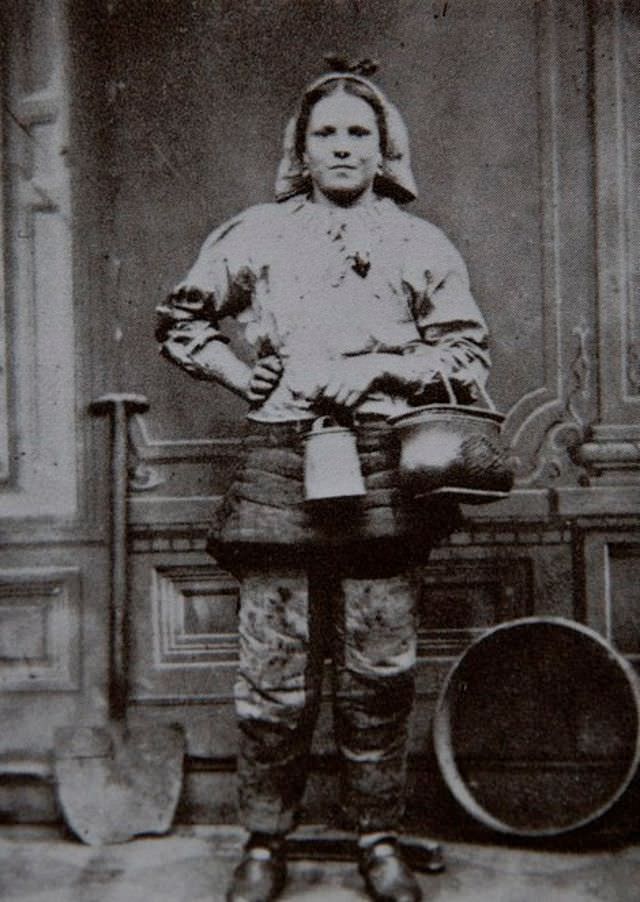
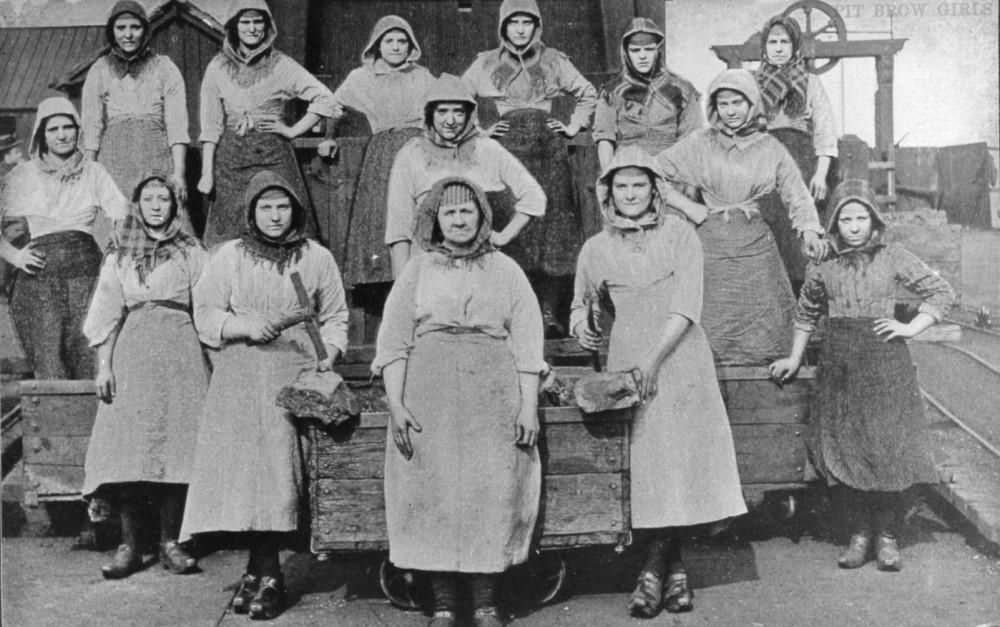
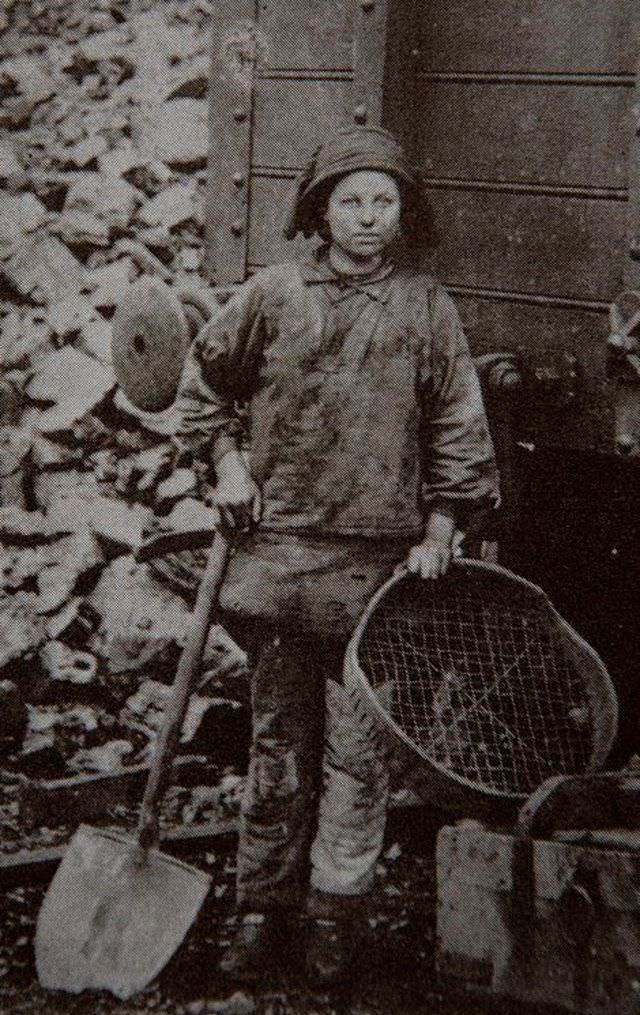
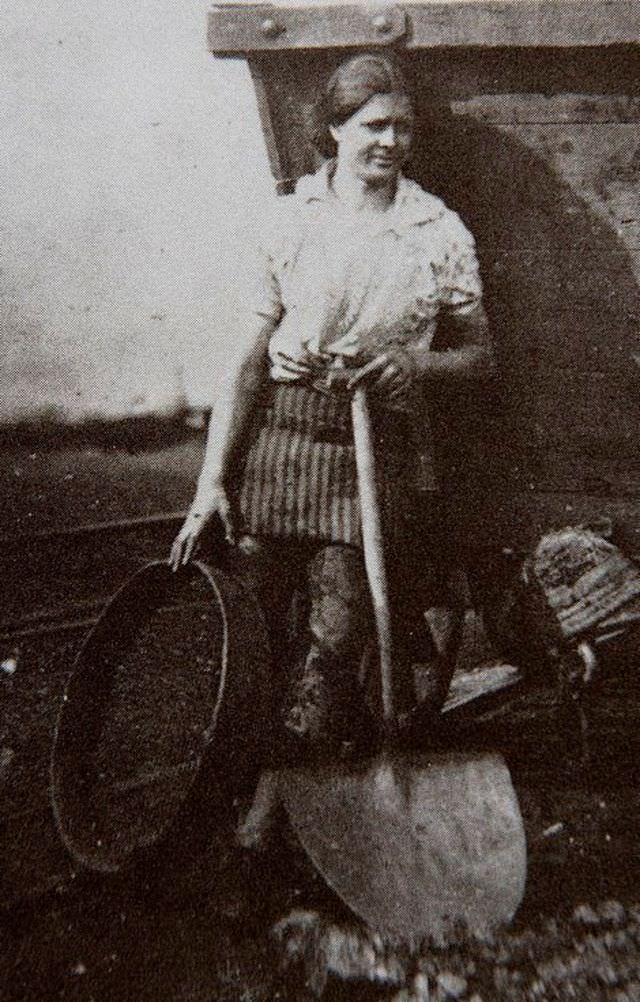
These women became known as pit brow lasses. They worked on the surface of the mine, called the pit brow, where they loaded coal onto wagons and sorted it by size and quality. The work was physical, grimy, and relentless. Coal dust coated everything — their hands, their faces, their clothes. There was no protective gear of any kind.
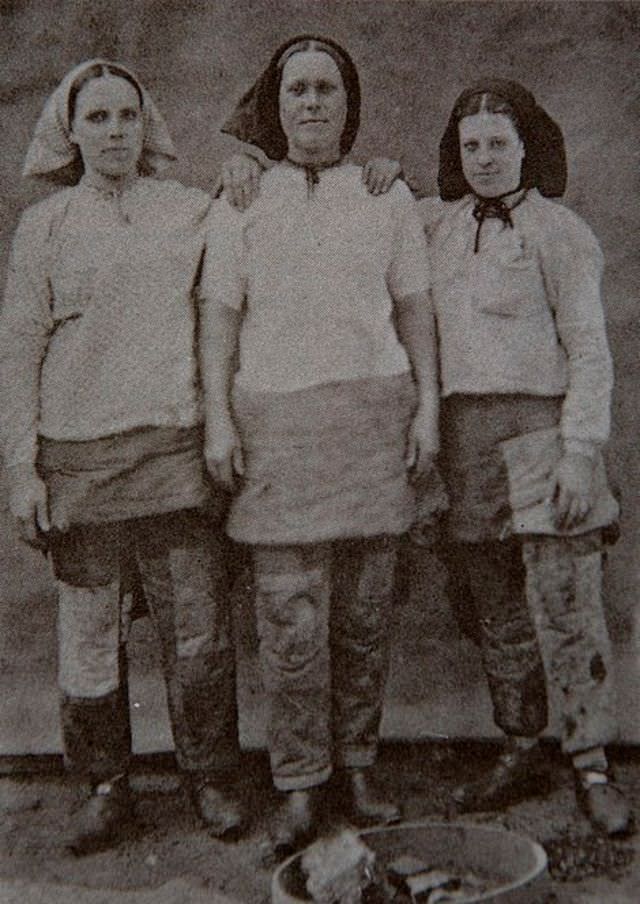
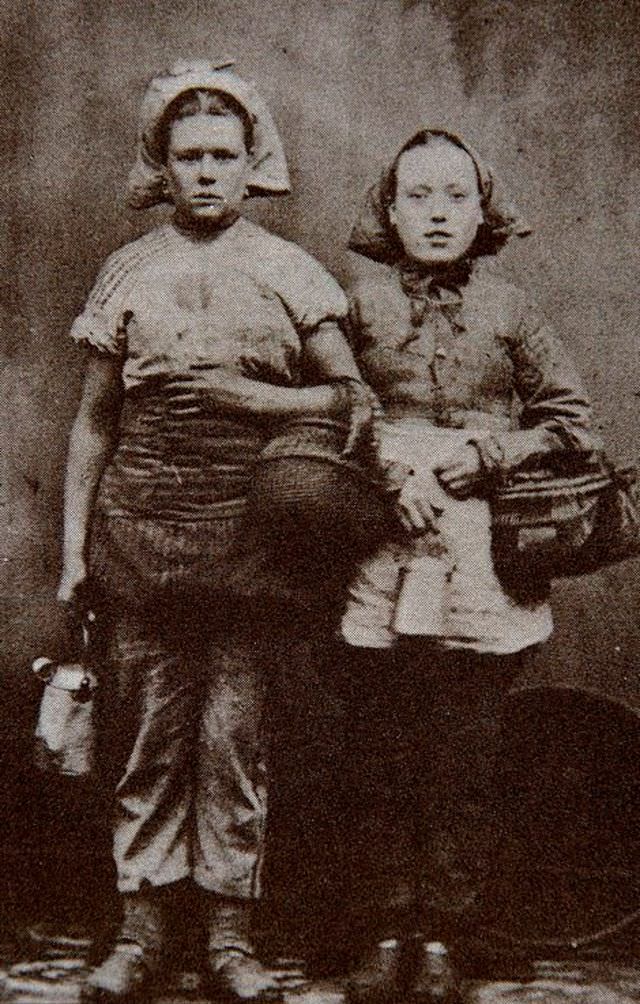
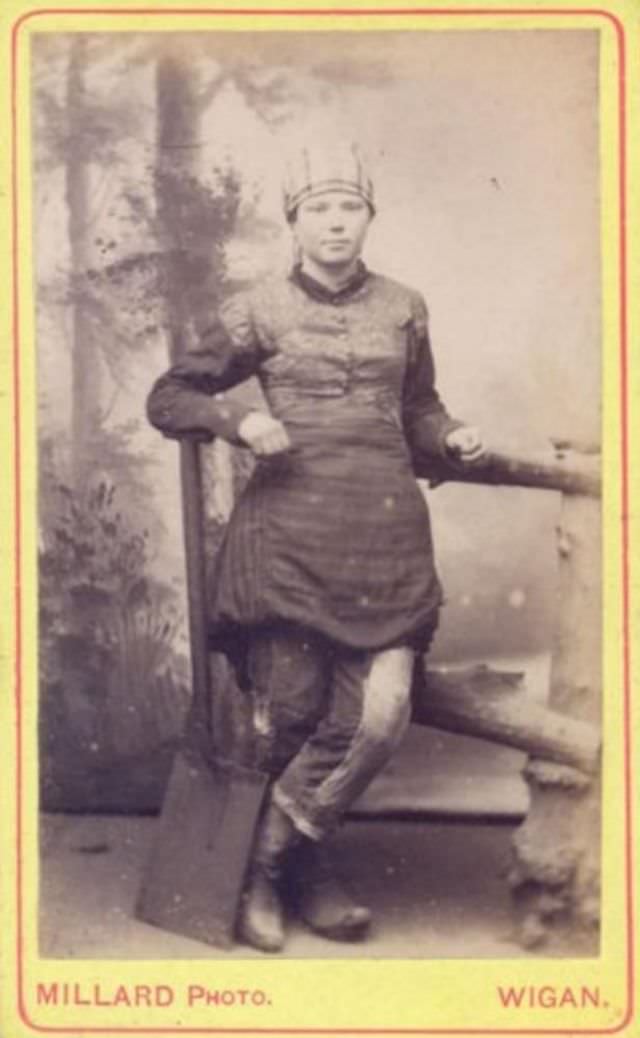
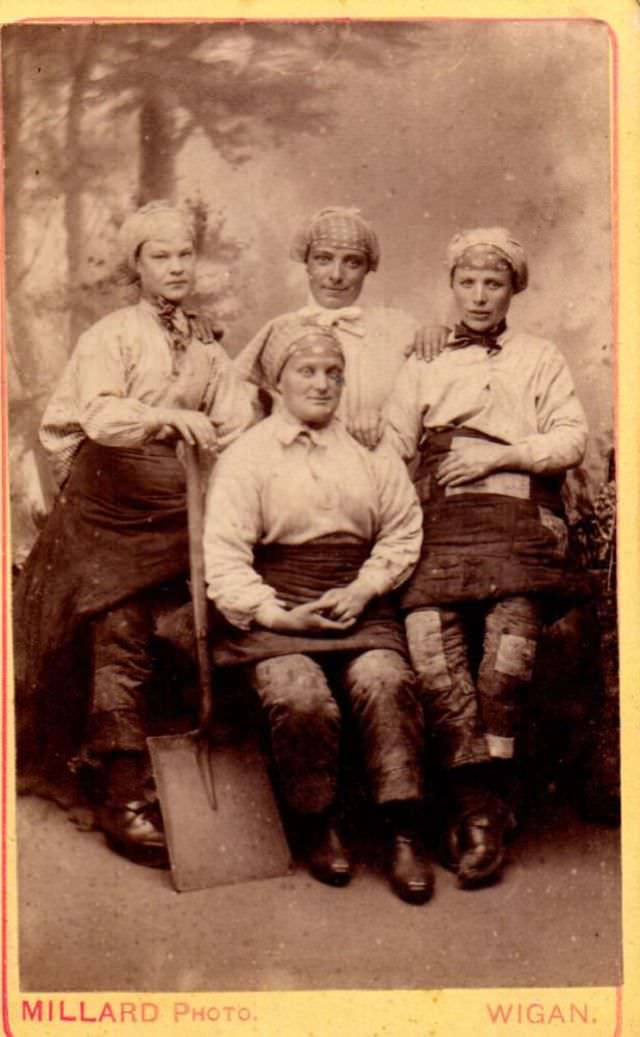
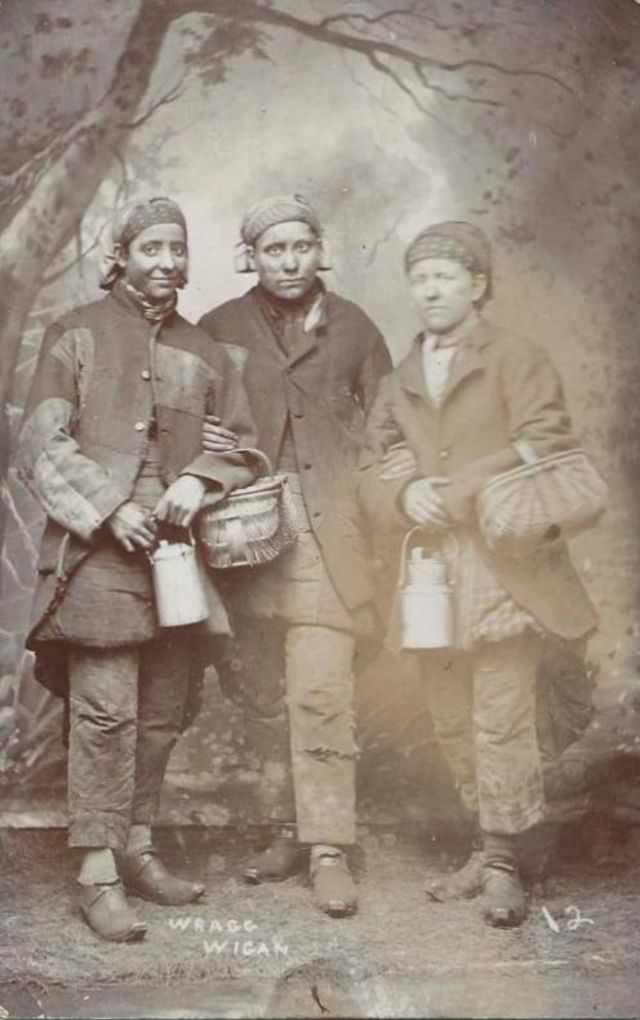
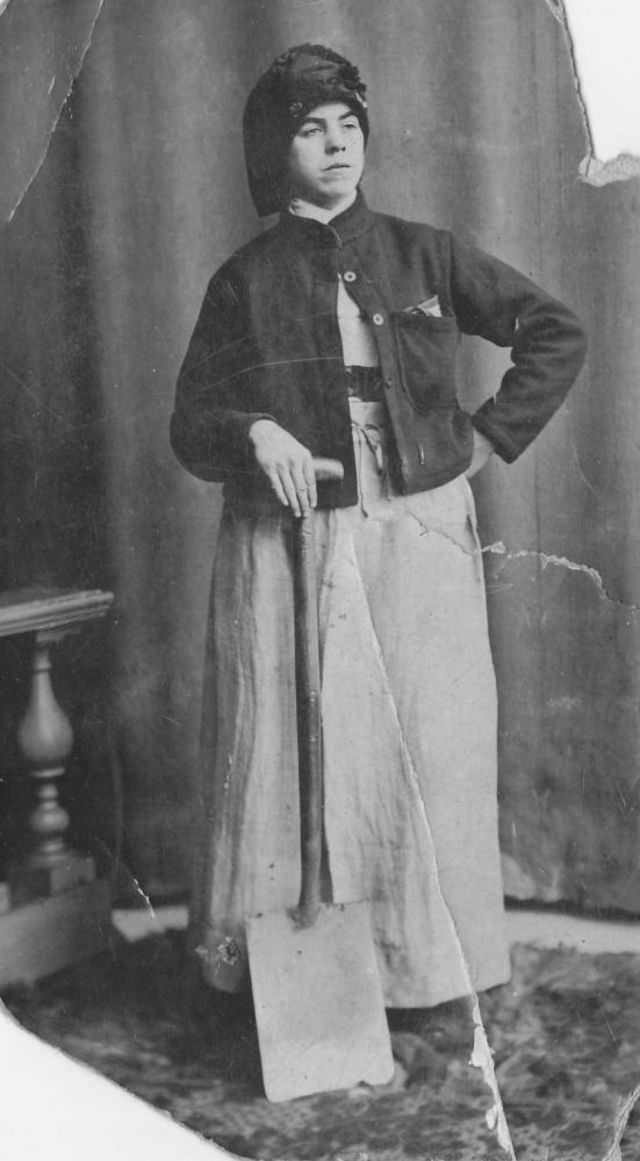
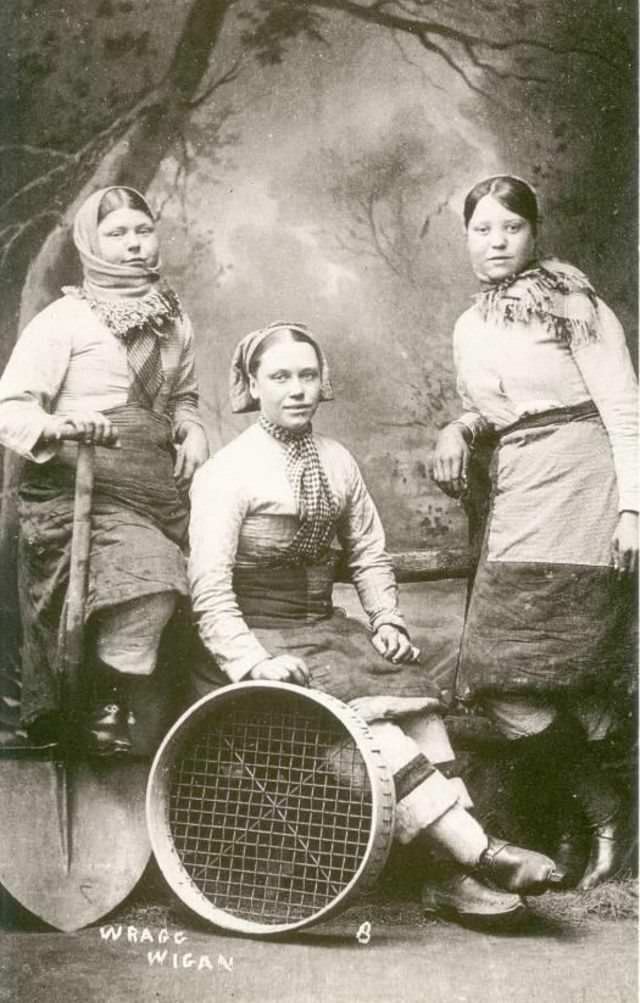
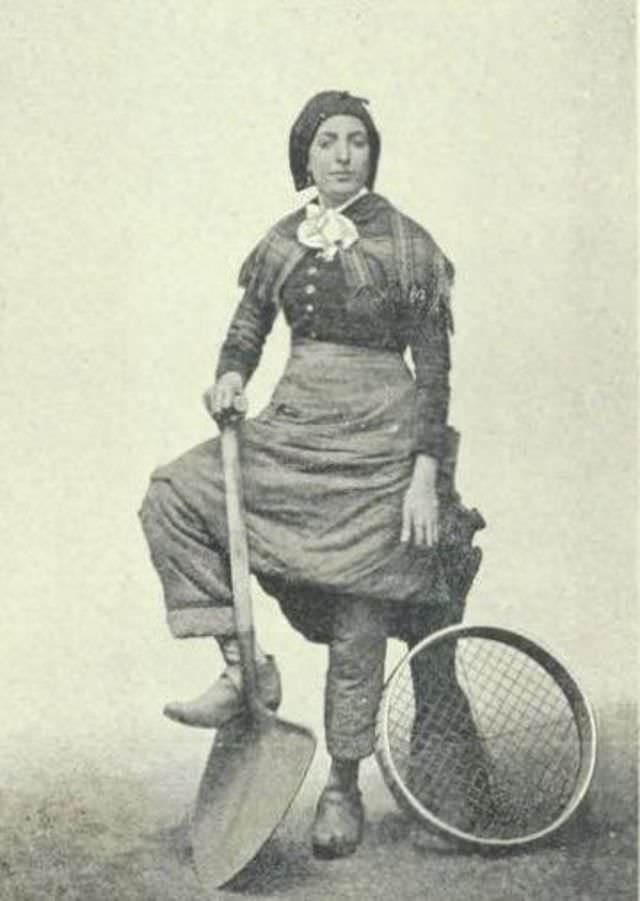
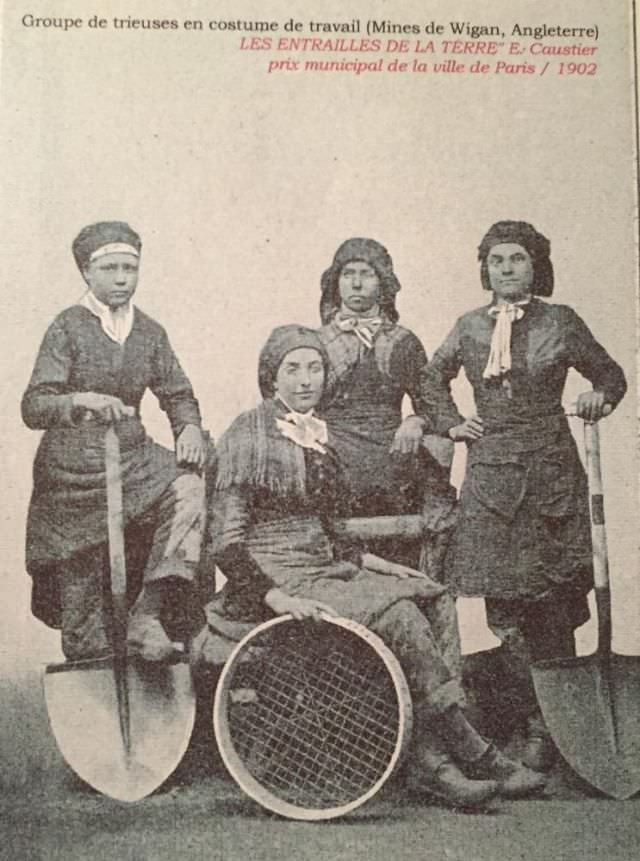
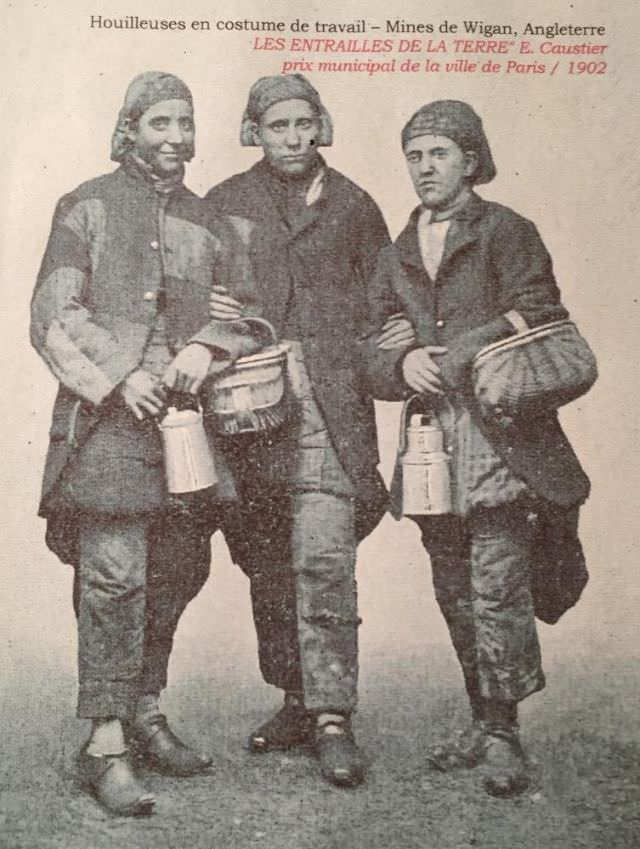
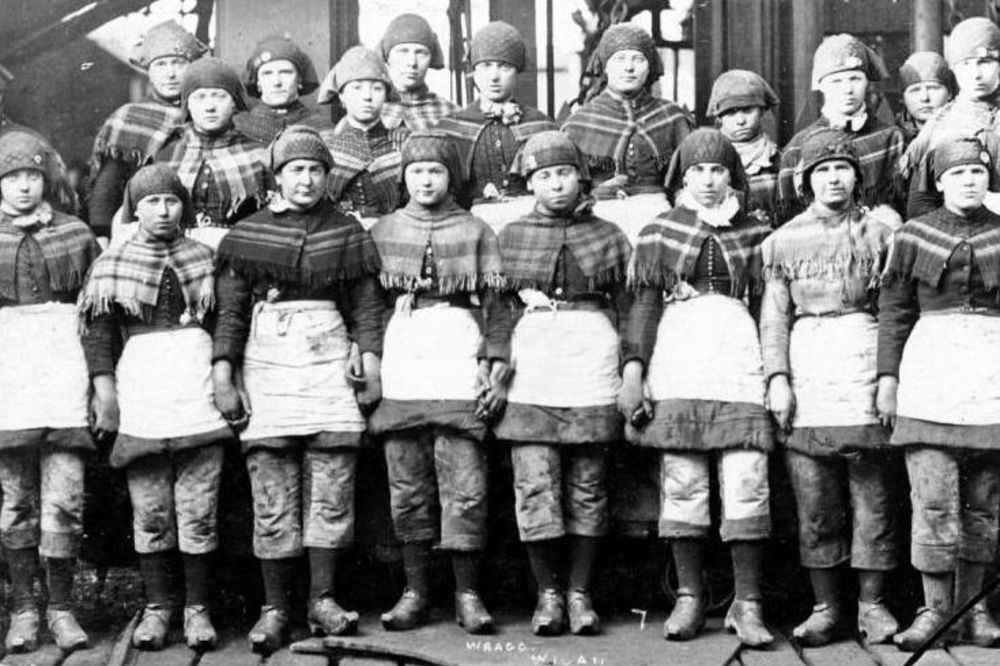
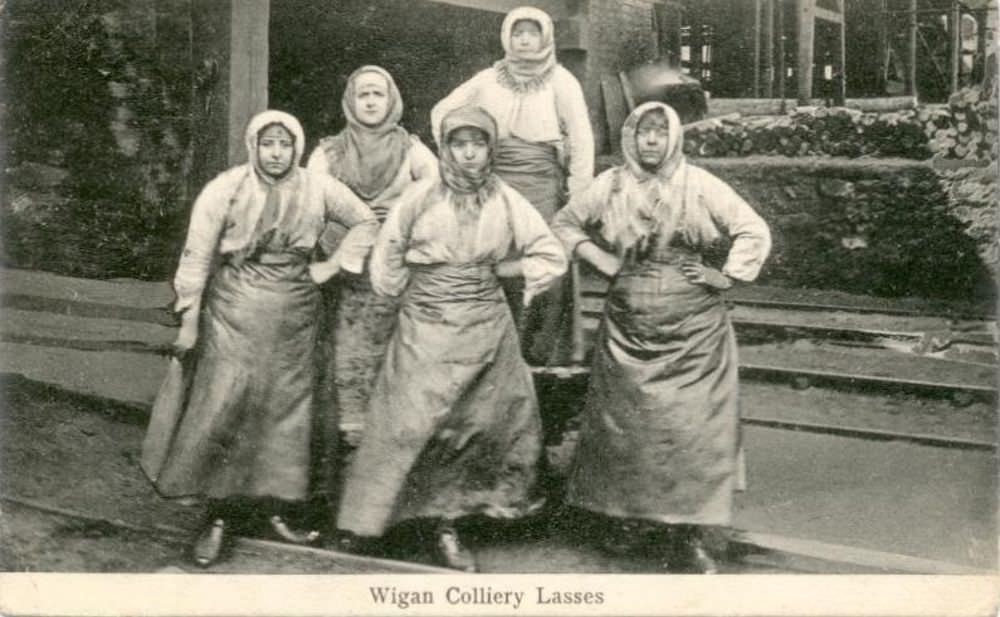
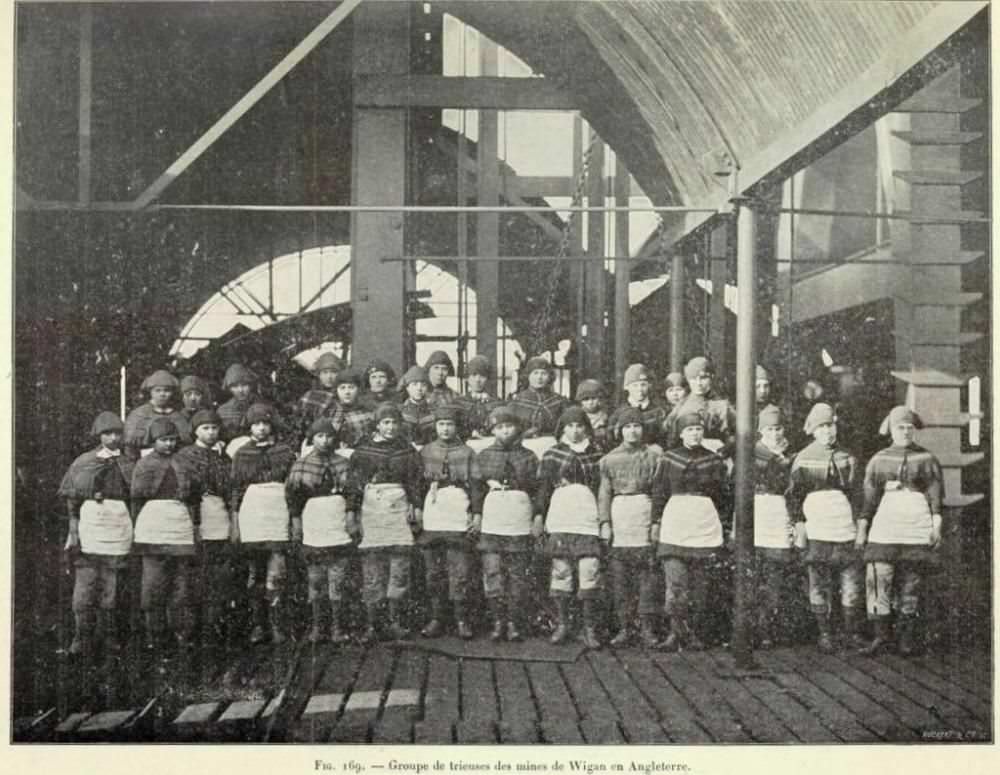
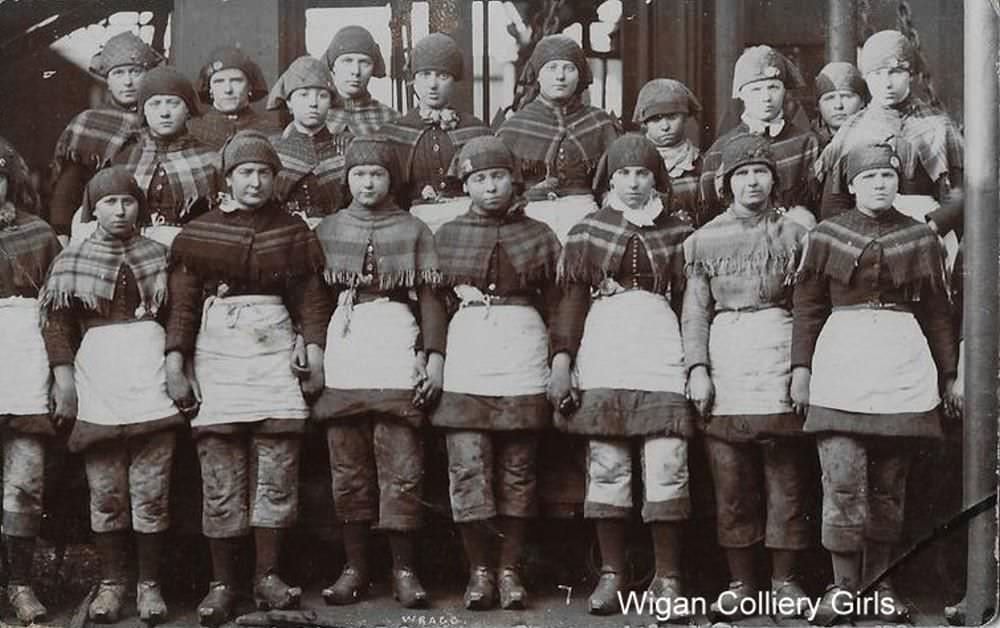
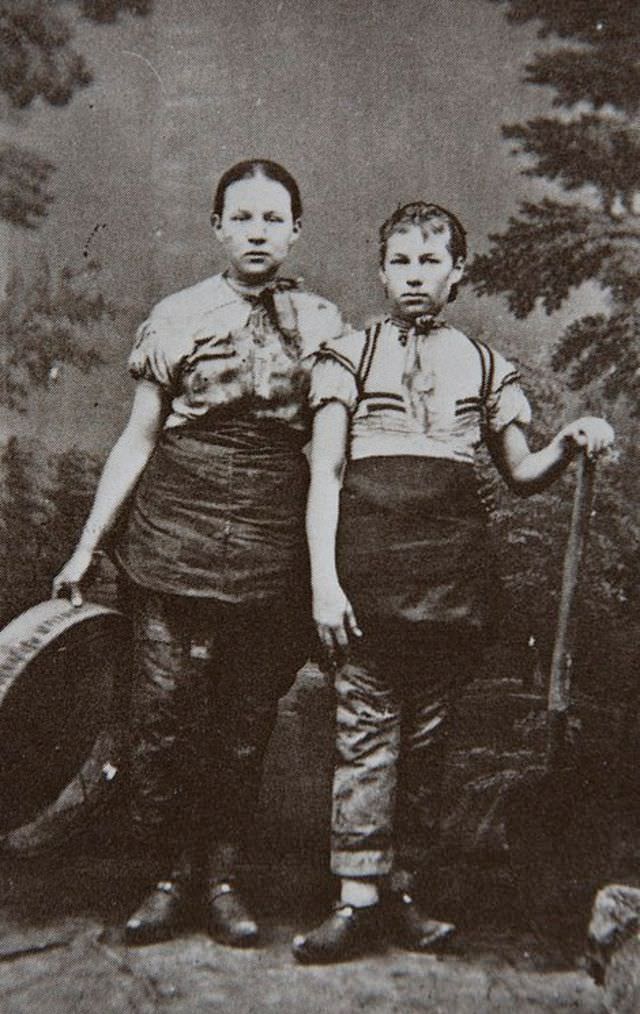
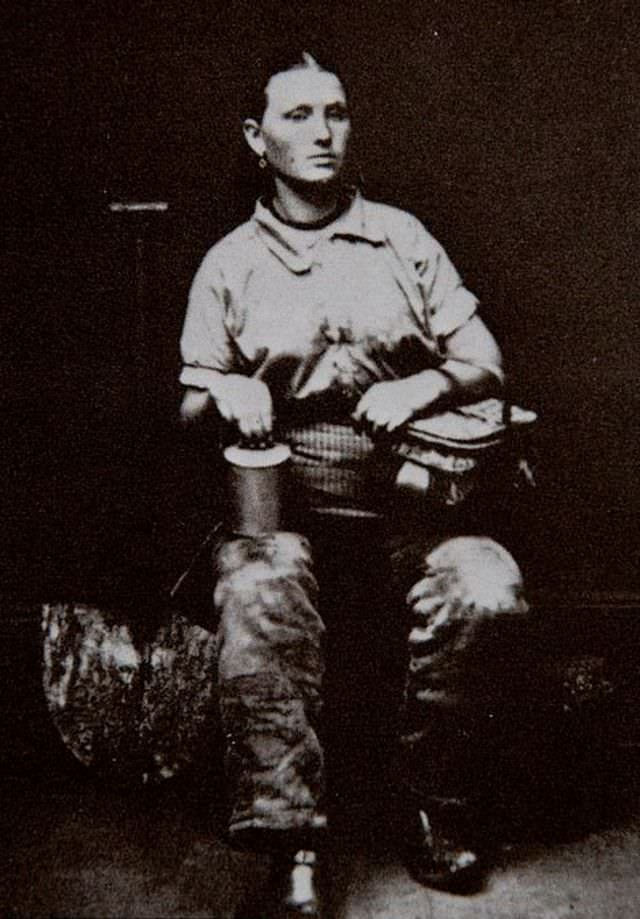
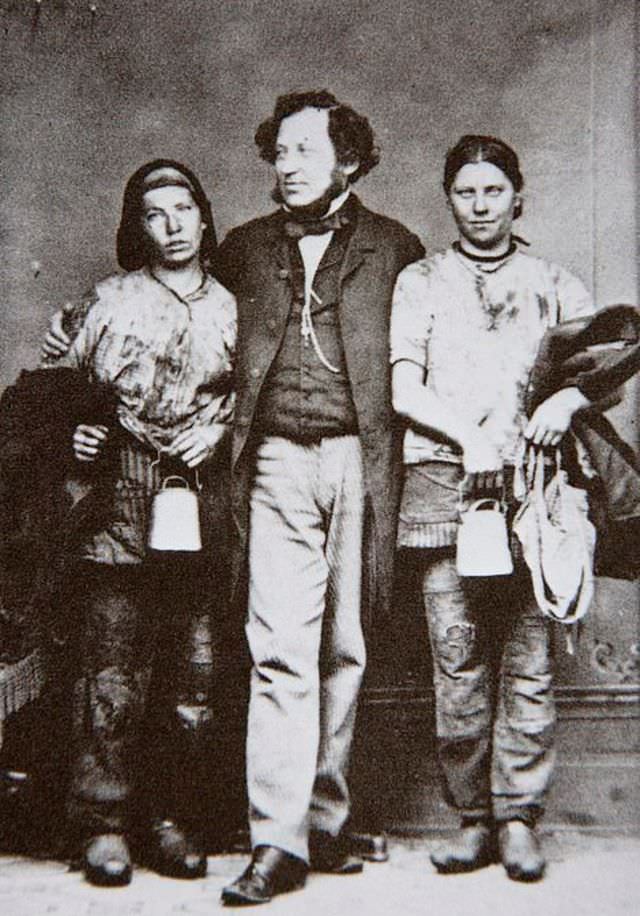
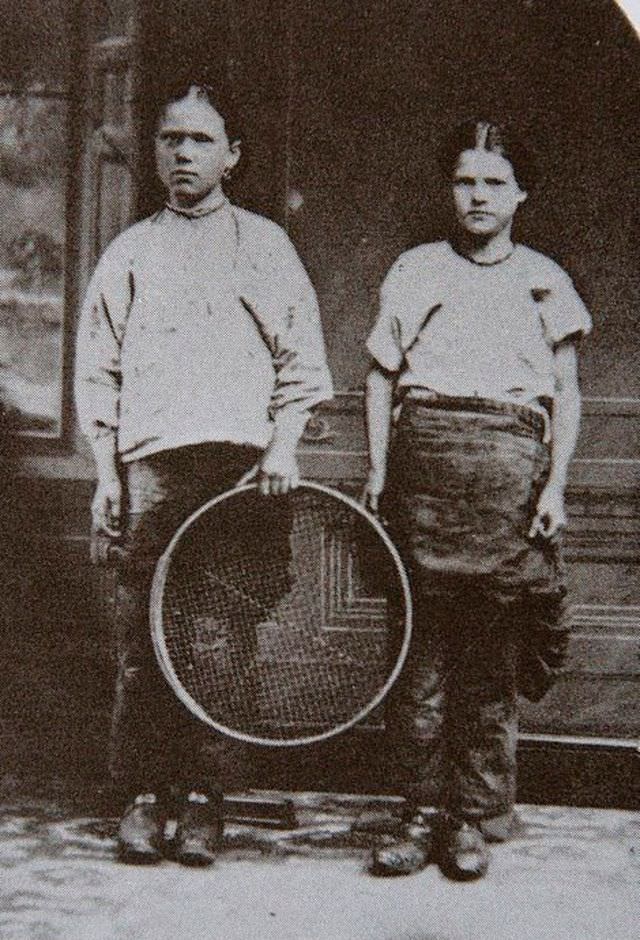
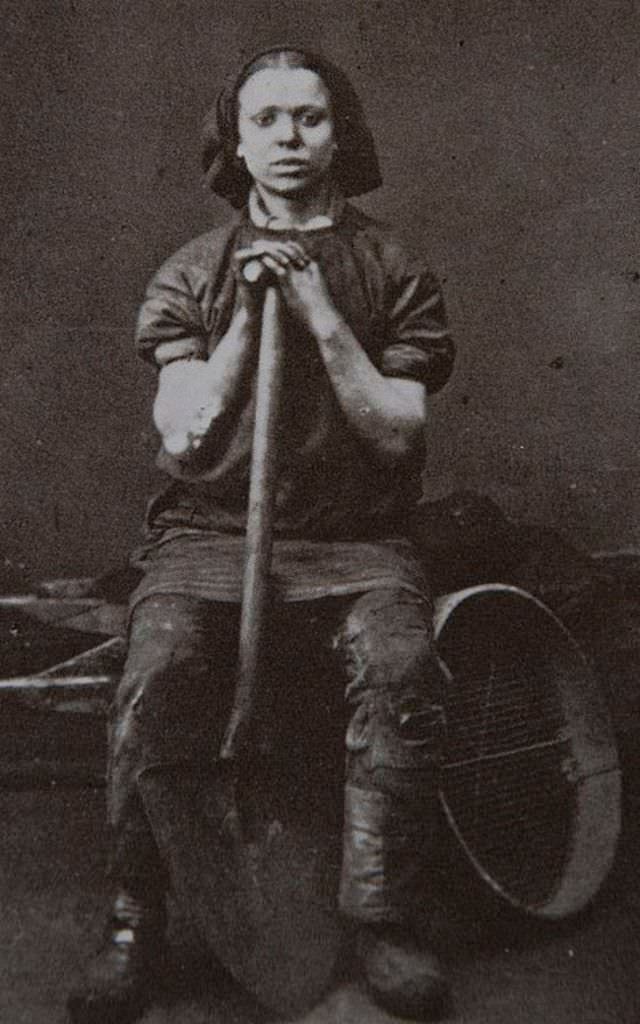
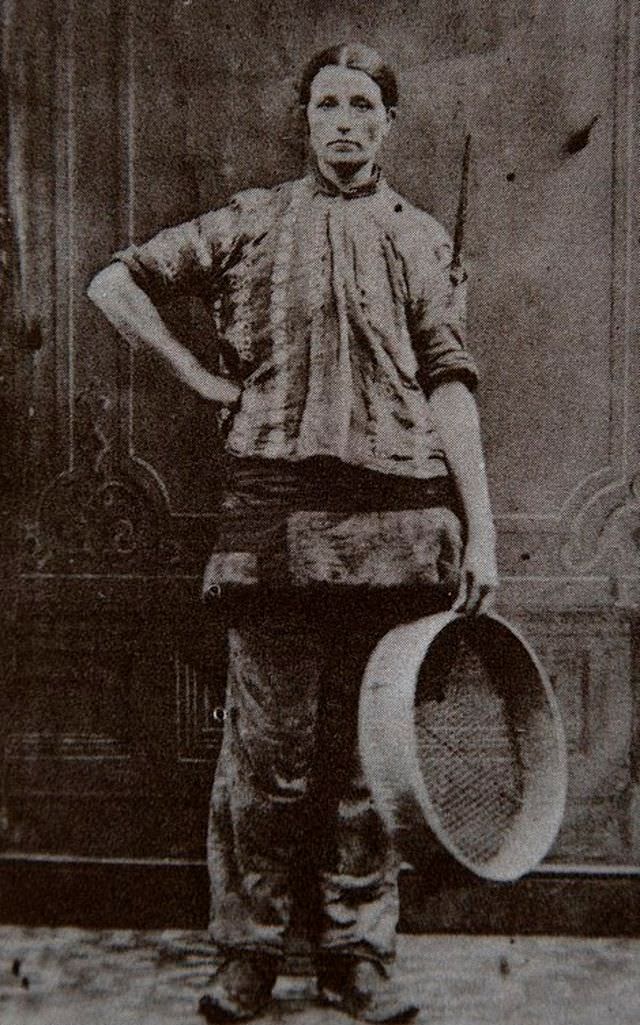
The clothing these women wore was practical but far from safe. They dressed in heavy-duty trousers similar to men’s, along with jackets and skirts rolled up and tied around the waist to look like aprons. The outfit gave them freedom of movement for heavy labor, but it also drew public attention and frequent criticism. Victorian society had strong opinions about women wearing trousers, and the pit brow lasses were often at the center of that debate.
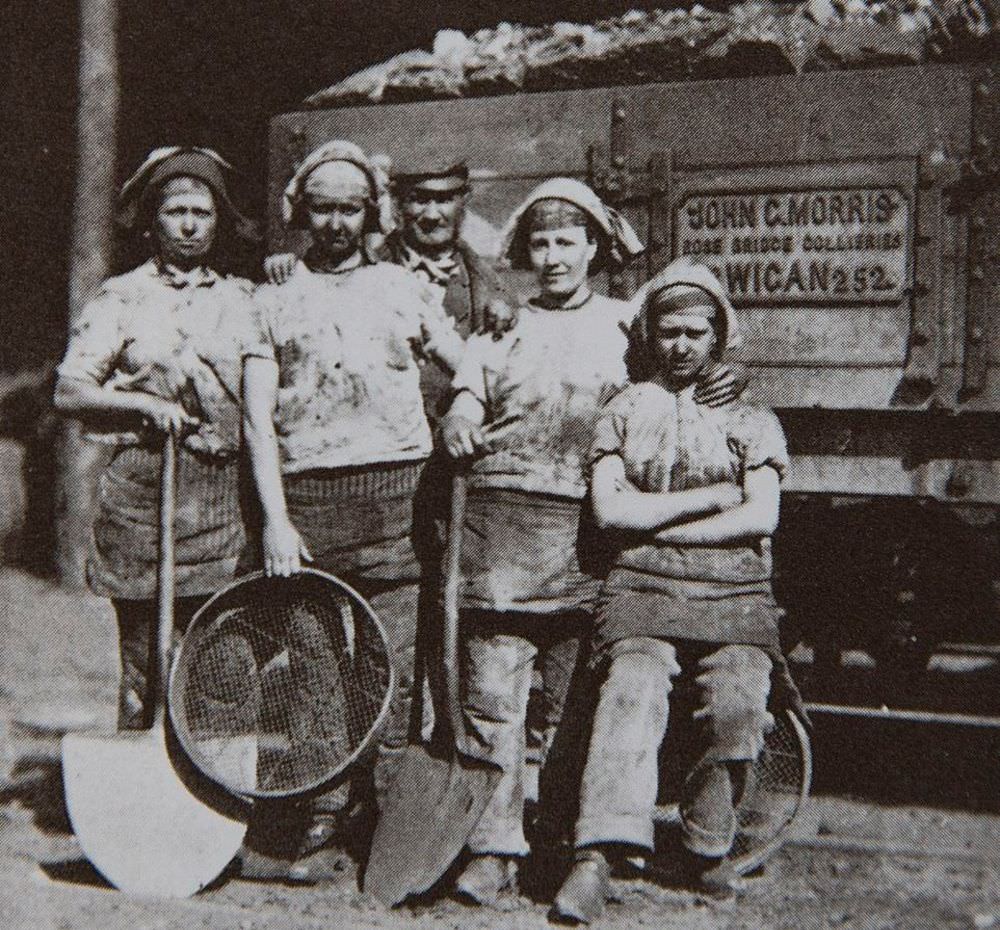
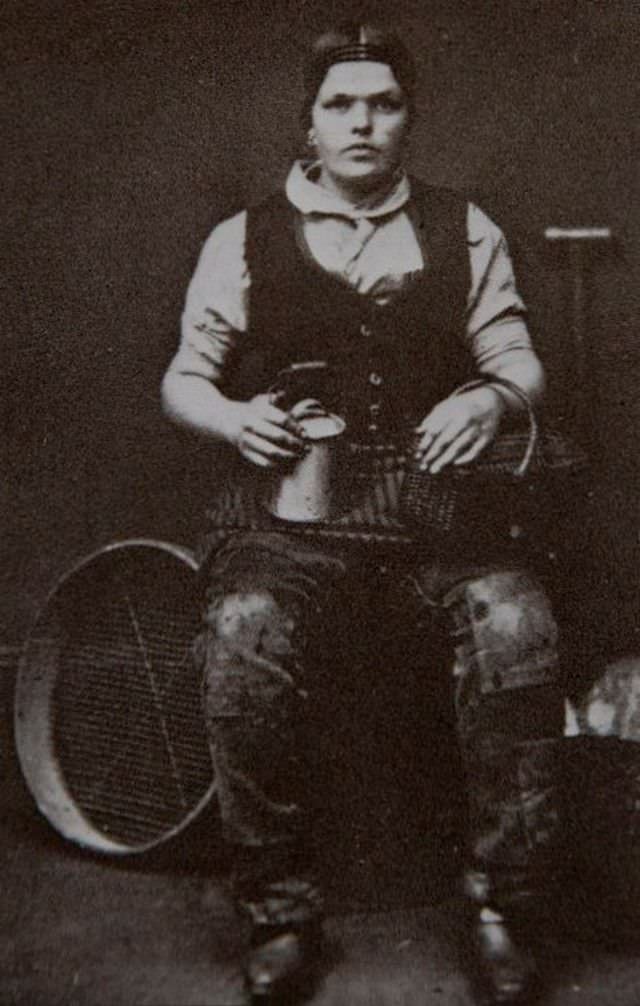
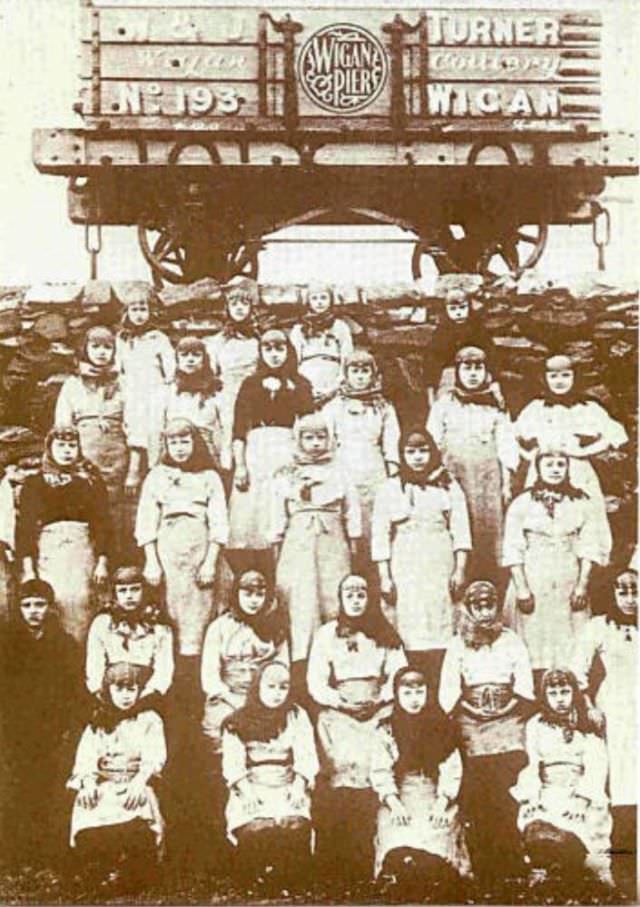
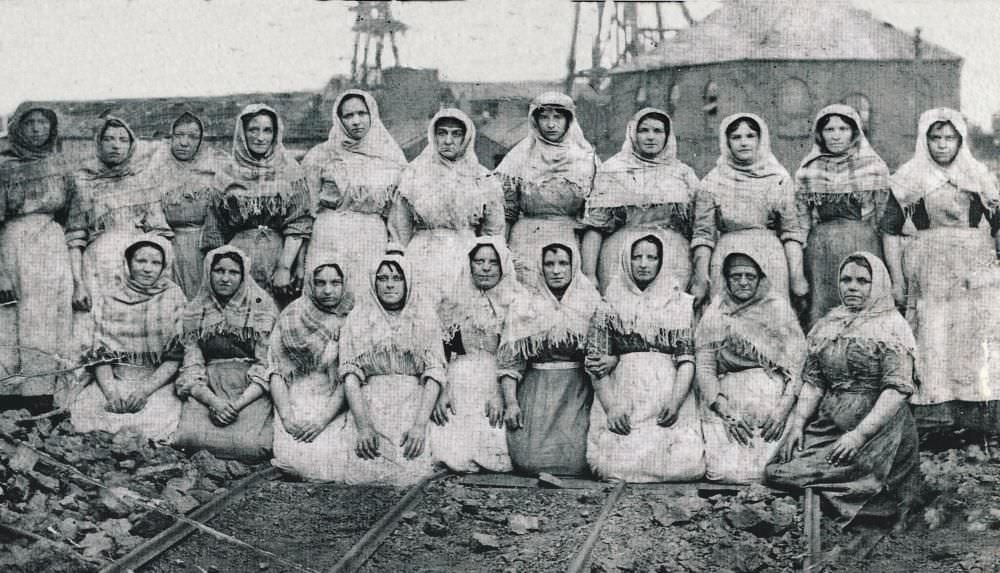
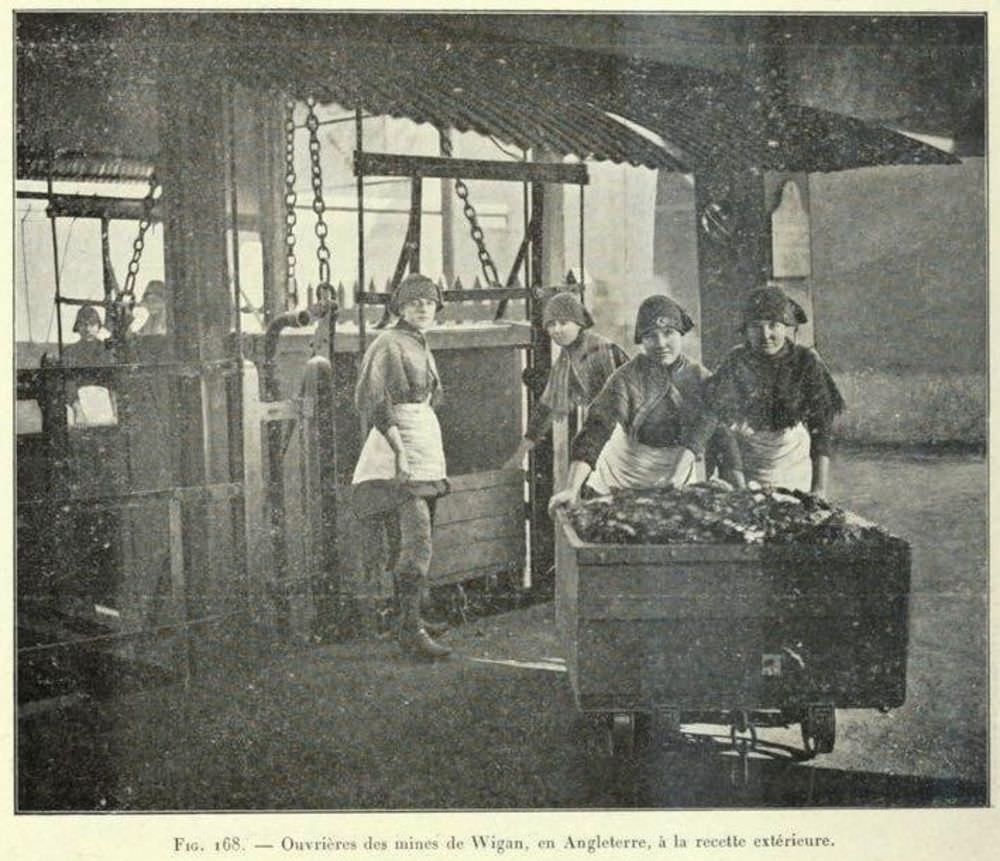
By the 1880s, around 11,000 women were employed aboveground at coal mines across Britain. The Wigan coalfields in Lancashire had one of the largest concentrations of pit brow women anywhere in the country. Wigan became closely associated with this workforce, and photographers began documenting the women’s lives and labor during this period.
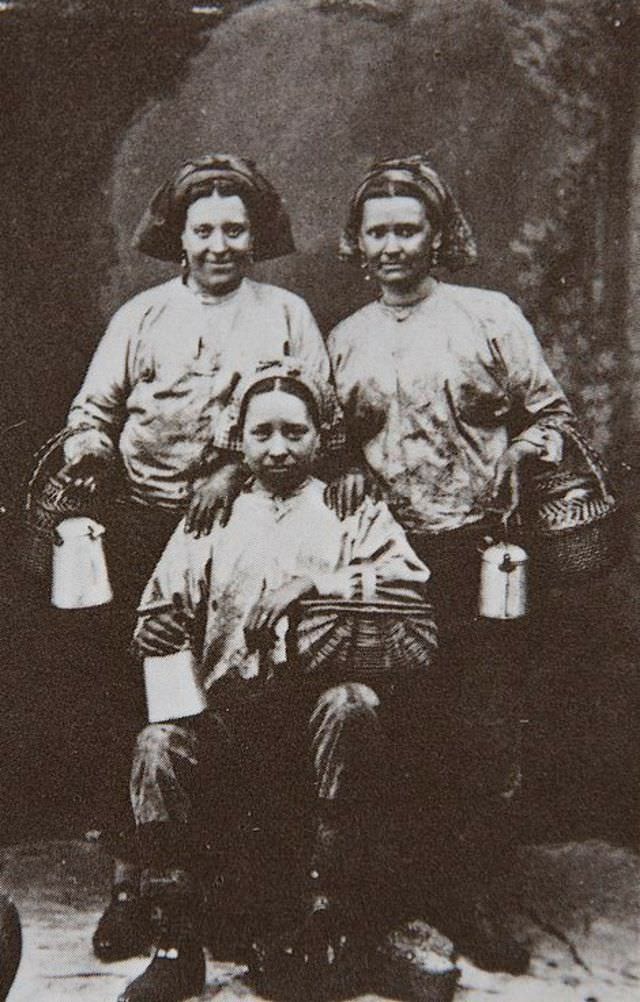
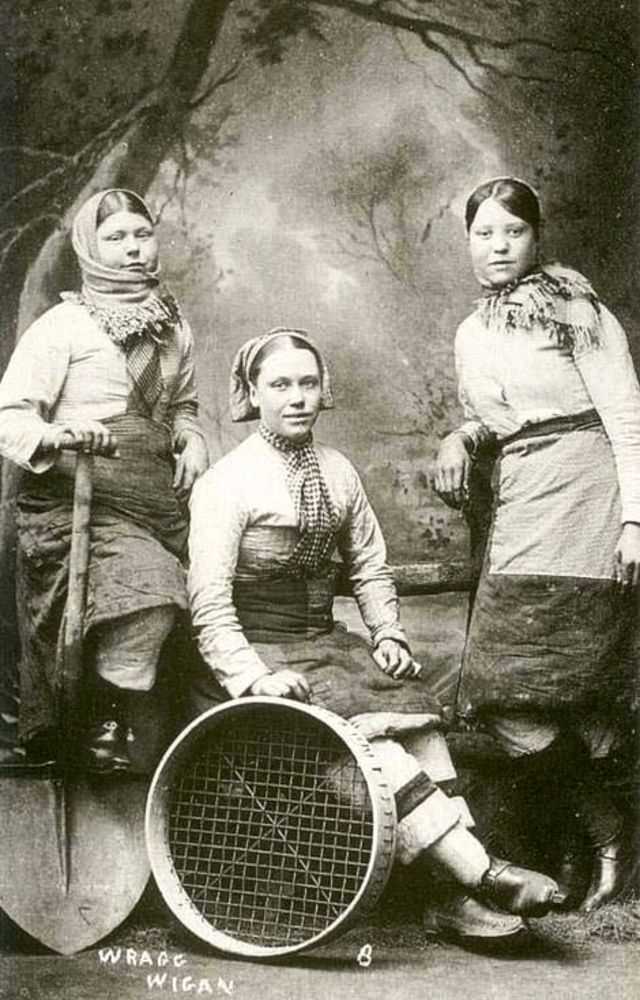
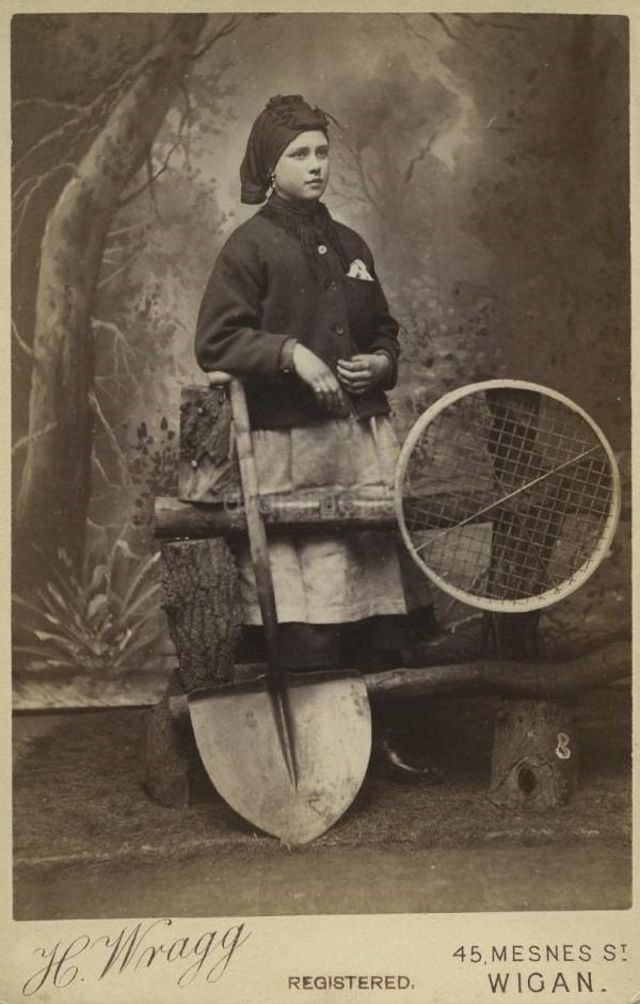
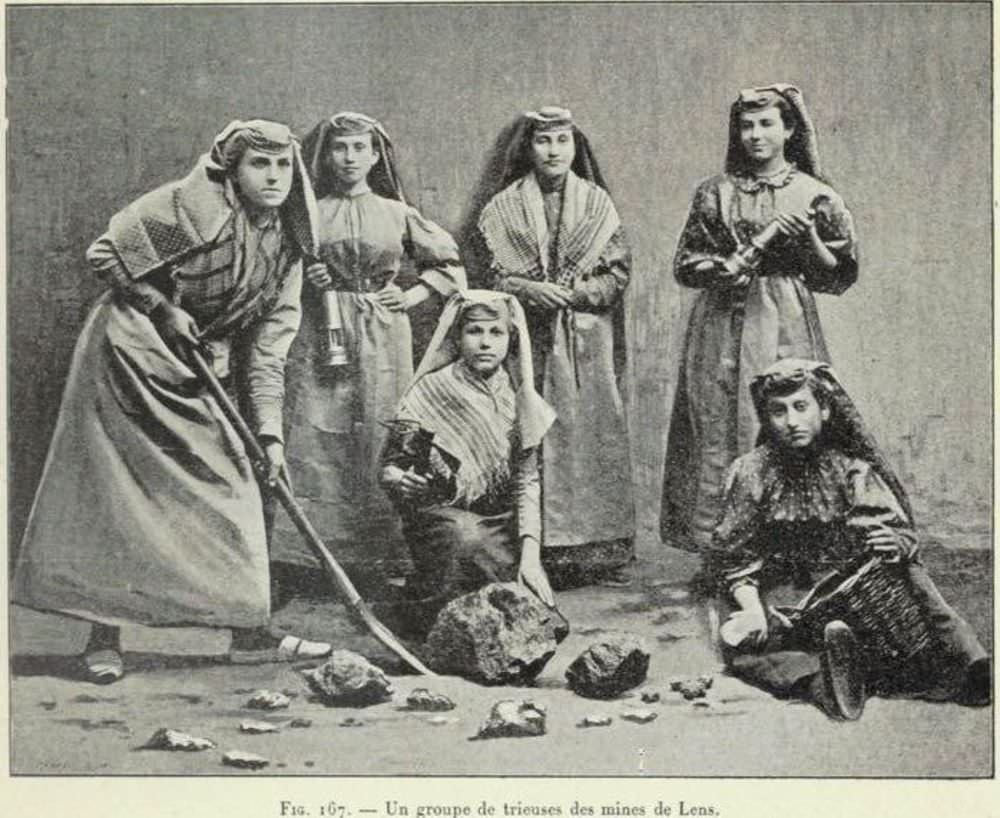
The photographs that survive from this era are striking. They show women standing at the coal screens — the large frames used to sort coal — their expressions serious, their clothes dark with dust. Some photos show groups of workers posing together. Others capture them mid-task, shoveling or picking through piles of rock and coal.
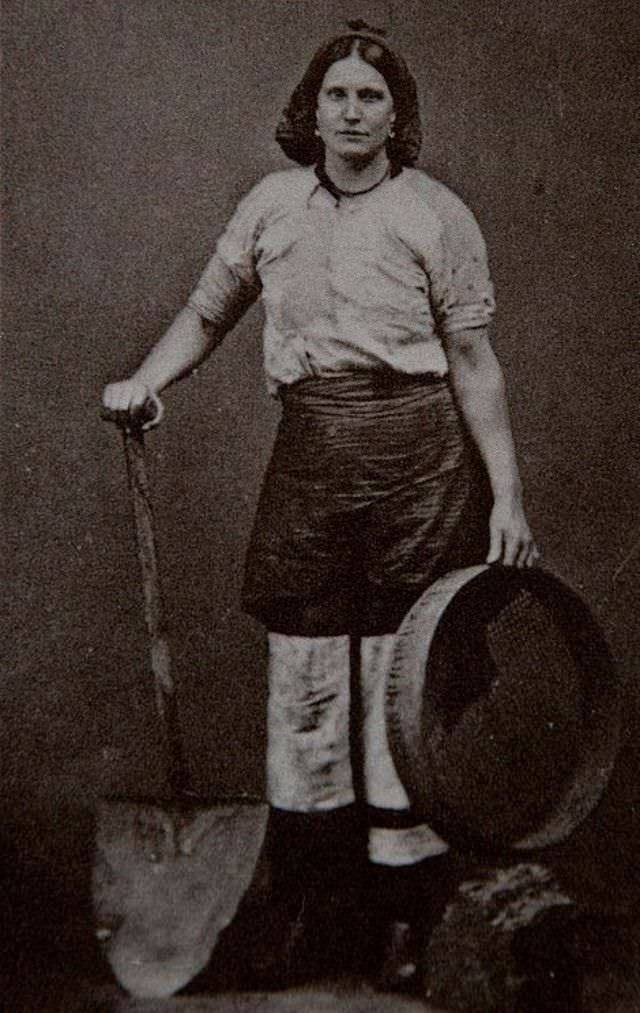
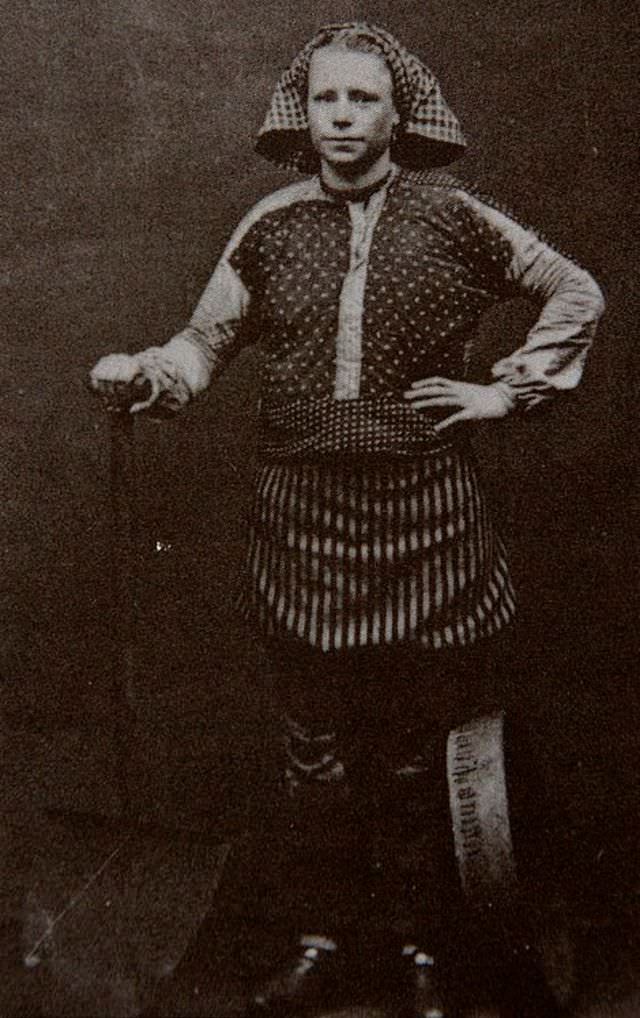
Most of the pit brow lasses were single women — daughters of coal miners, known as colliers. Their fathers, brothers, or other male relatives worked underground while they worked on the surface. The family connection to the mine ran deep. Mining was not just a job; for many families in Wigan and surrounding areas, it was the only industry that existed.
Married women and widows also worked on the pit brow. When a collier was killed in an underground accident, his widow could apply for a job at the pit brow surface. In most collieries that employed pit brow lasses, the widow of a killed miner was almost always given a place. It was an informal but consistent practice — a way for the colliery to acknowledge the loss and give the family a means of survival.
Mining accidents were common. The danger underground was constant, and many women on the pit brow had lost someone to the mine. Working at the surface was seen as safer than underground labor, but the conditions were still harsh. Women worked long hours in all weather — wind, rain, and cold — with no shelter from the elements while sorting coal on open screens.
Women in Victorian England were not only found at coal mines. Many worked in brick-making operations in different parts of the country. In South Wales, women worked at the Tredegar Iron Works, contributing to heavy industrial production in a similar way to their counterparts in the Lancashire coalfields. Female industrial labor was far more widespread than is often remembered.
The pit brow women of Wigan faced repeated threats to their jobs throughout the second half of the 19th century. Several campaigns were launched in Parliament and by social reformers to extend the 1842 ban to surface work as well, arguing that the labor was unsuitable for women. The pit brow lasses fought back. They organized, petitioned Parliament, and argued they had the right to earn a living. Each time, the proposed bans failed.
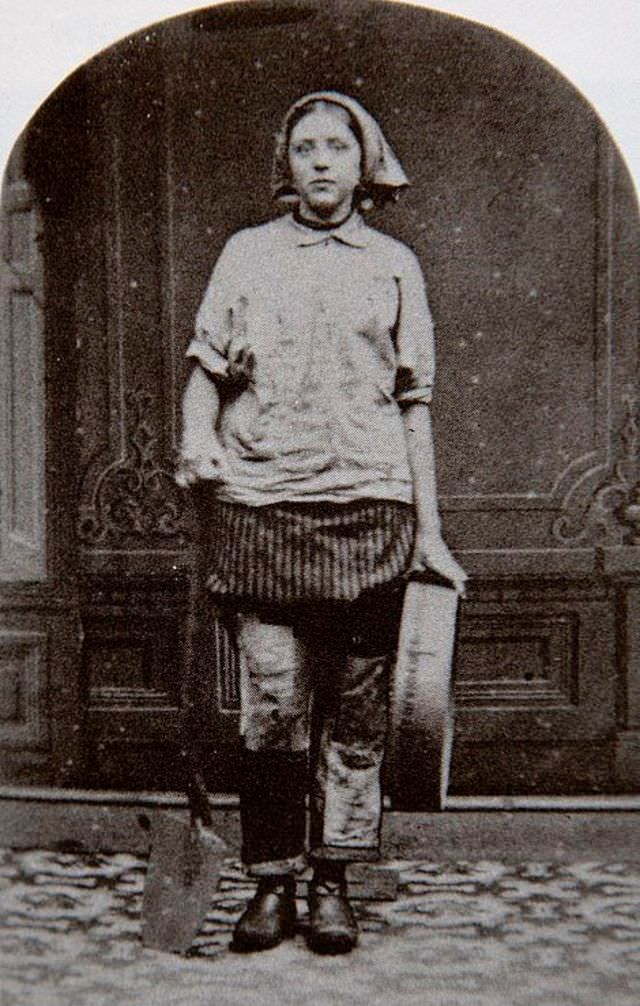
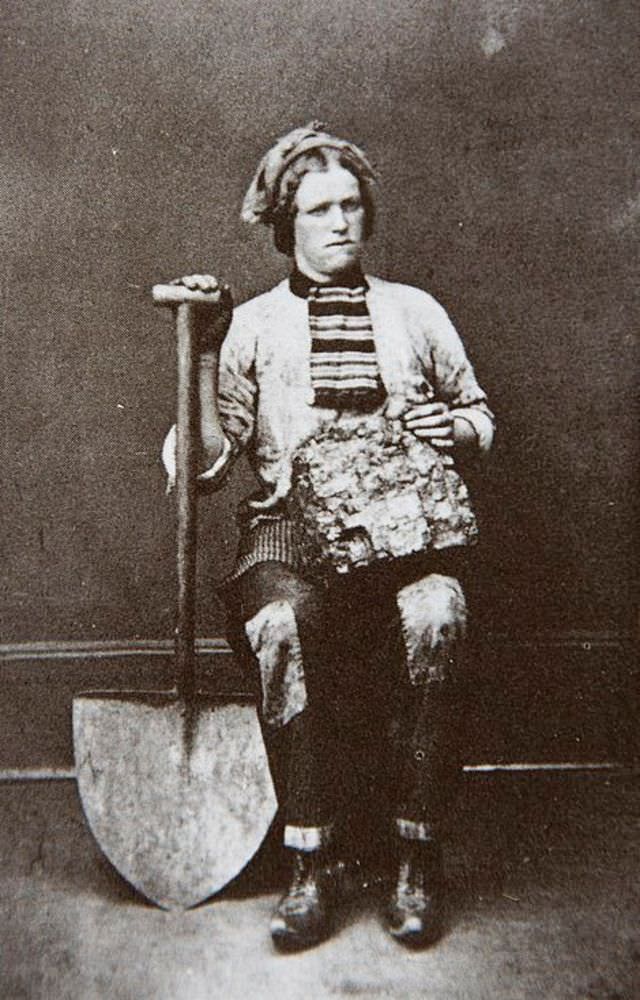
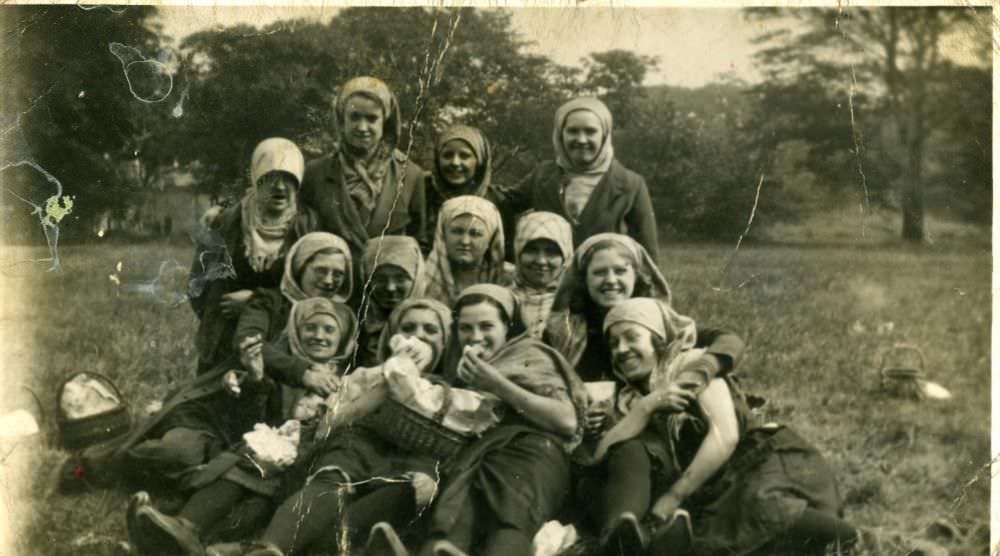
The women who worked the pit brow were not passive figures. They were vocal about defending their work, and the photographs taken of them reflect a sense of identity and pride. They did not pose as victims. They stood — often with tools in hand, covered in coal dust — as workers who had earned their place at the pit.
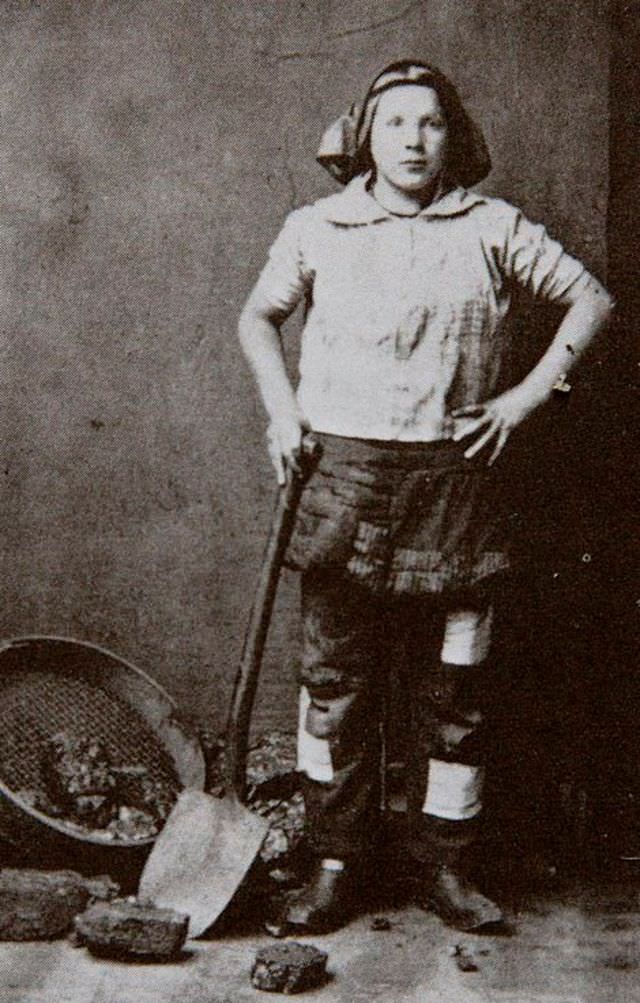
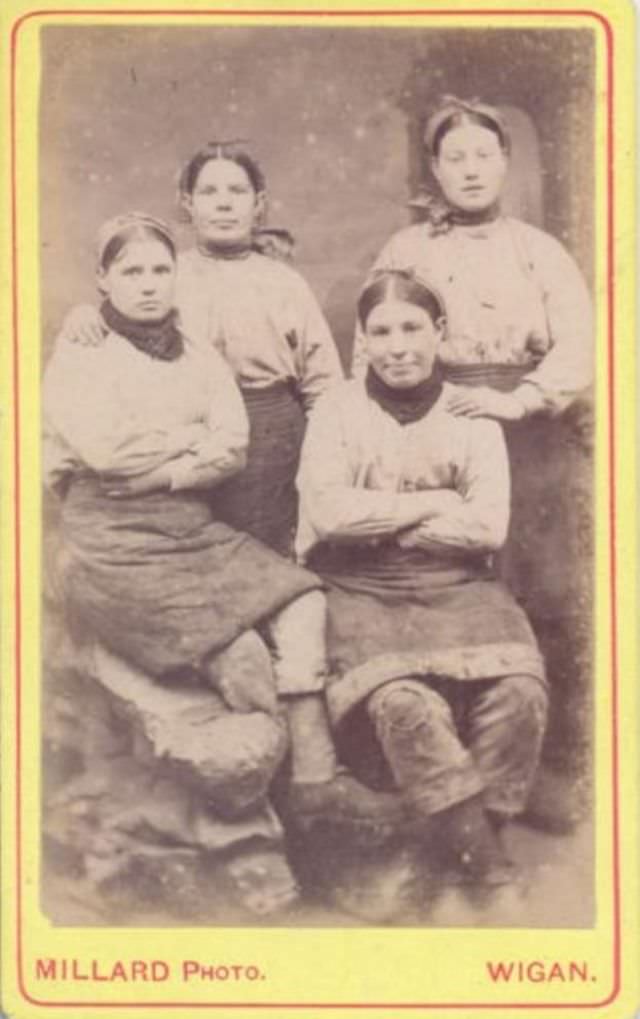
The images below form a rare visual record of this workforce. They were taken during the peak decades of pit brow employment — roughly the 1860s through the early 1900s. Each photograph documents a world of hard, dirty, physical labor that most of Victorian society preferred not to think about.